 ES
ES FR
FR EN
EN IT
IT DE
DE
New techniques for decorating briar pipes
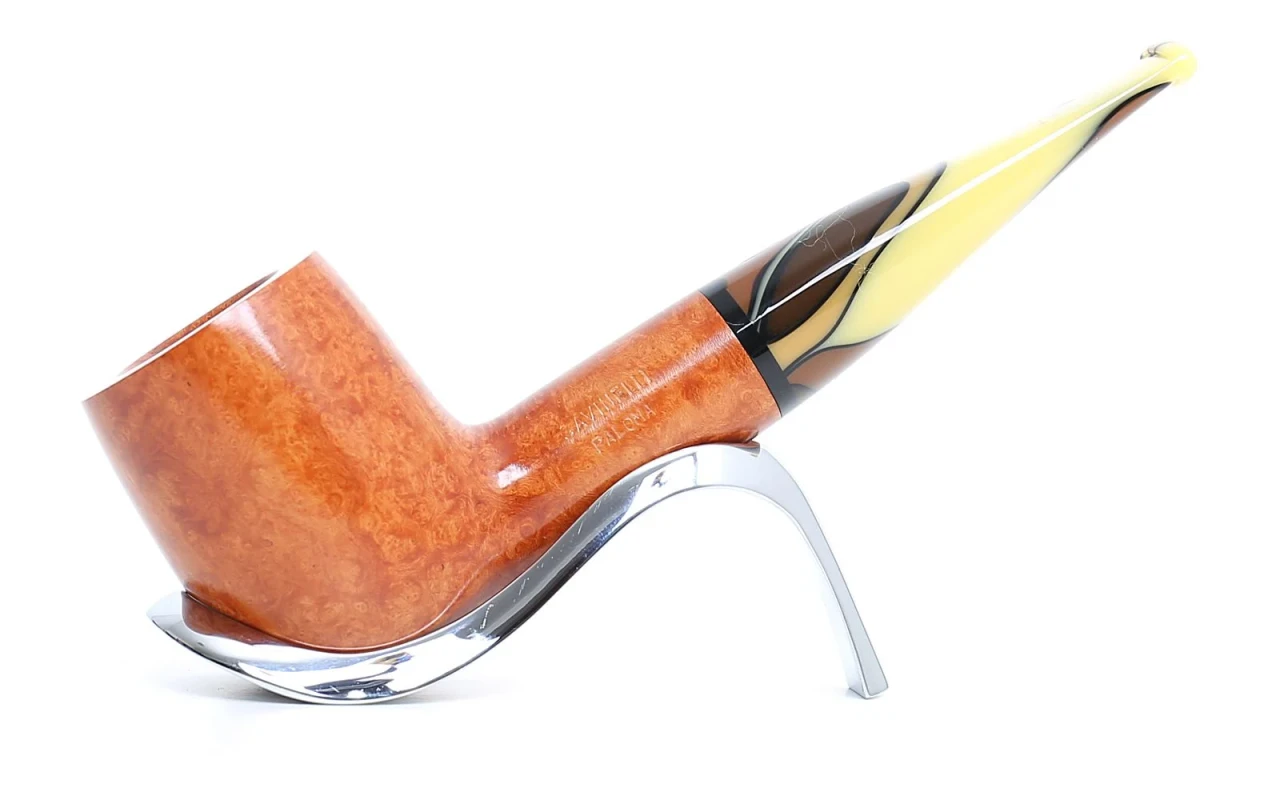
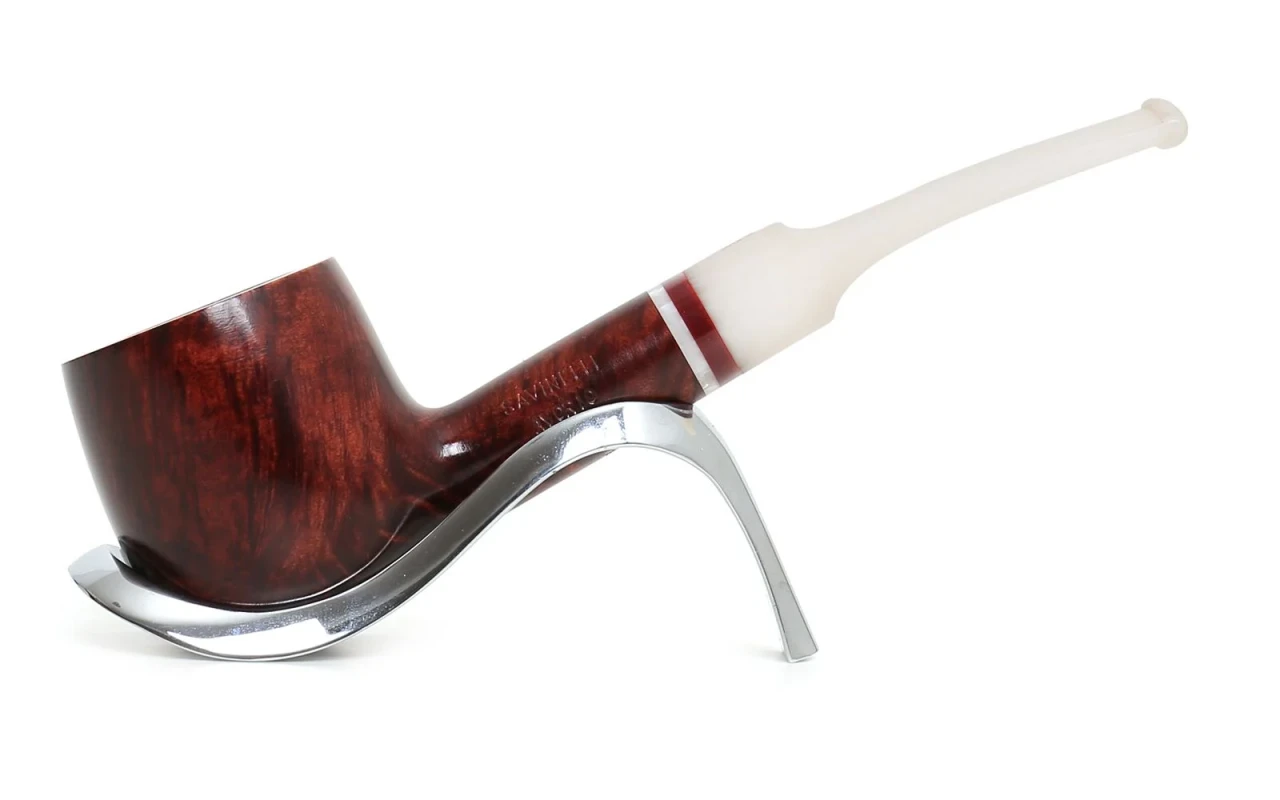
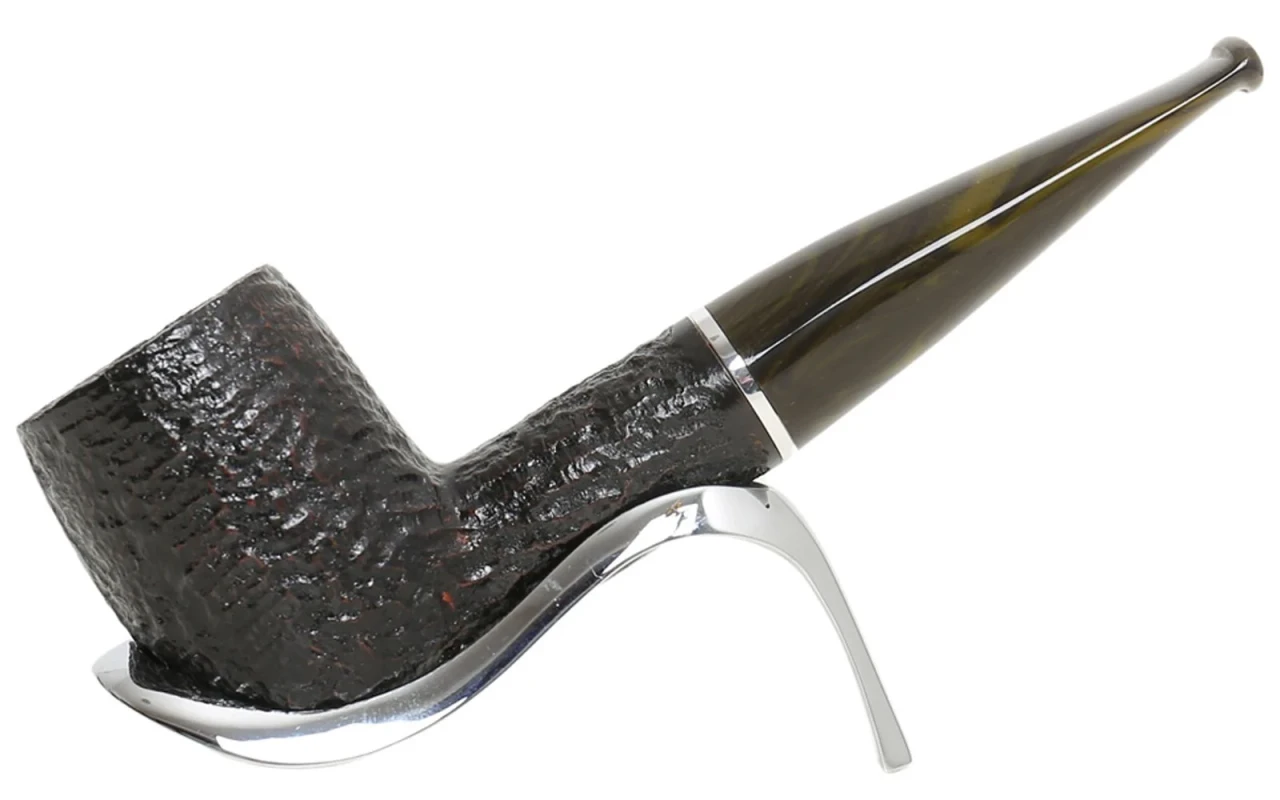
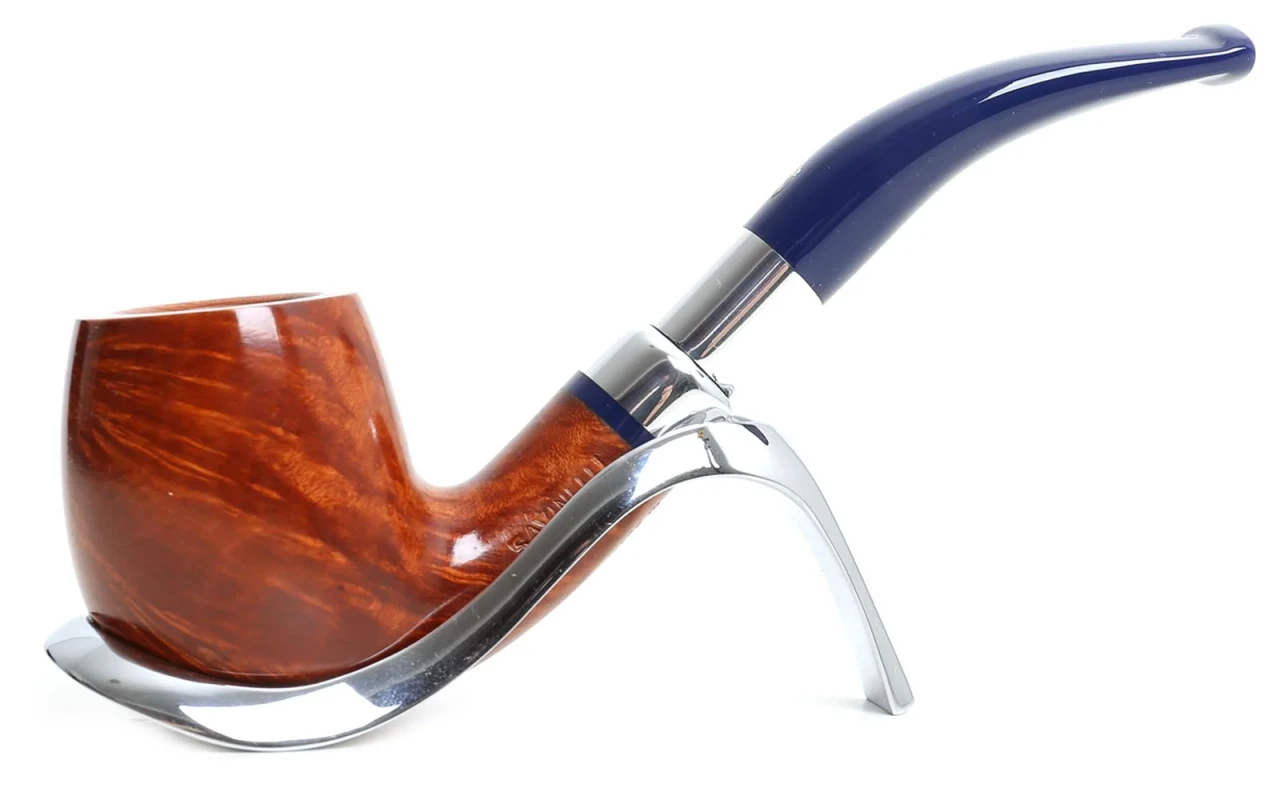
New techniques for decorating briar pipes
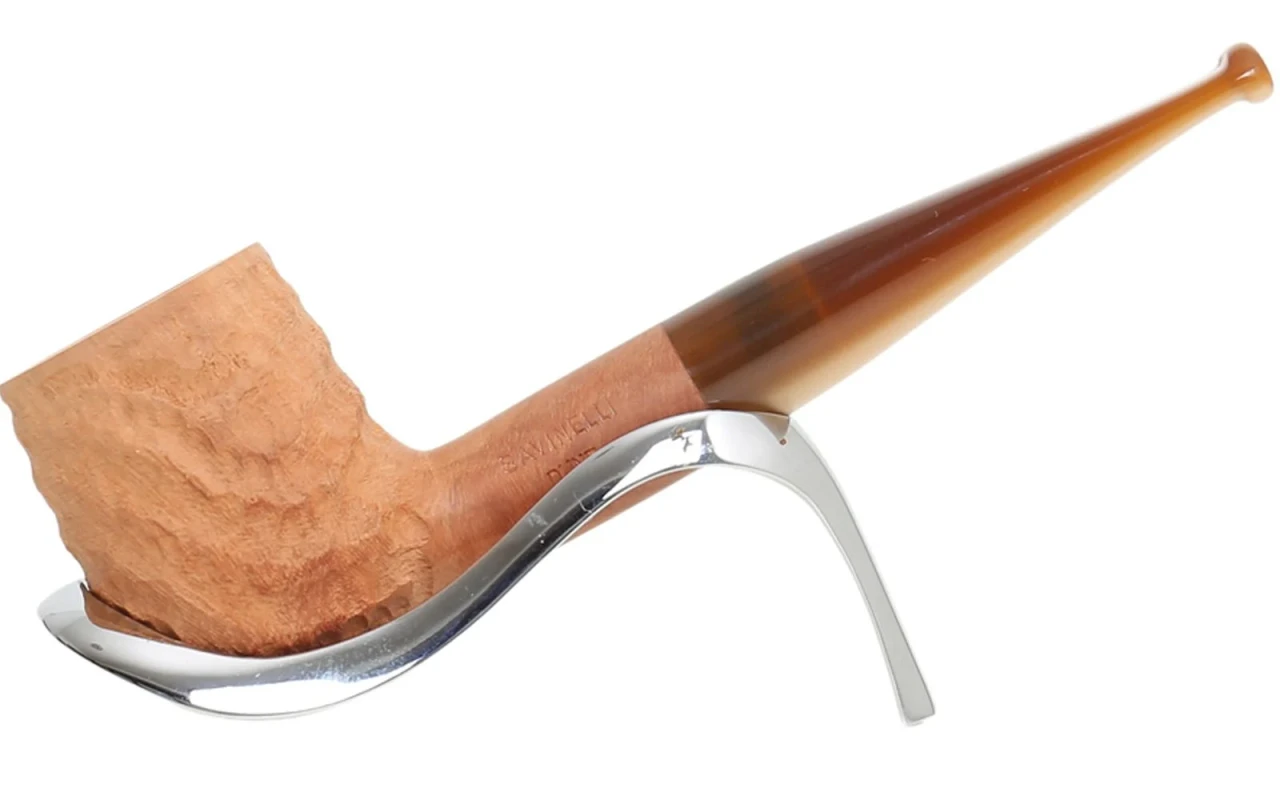
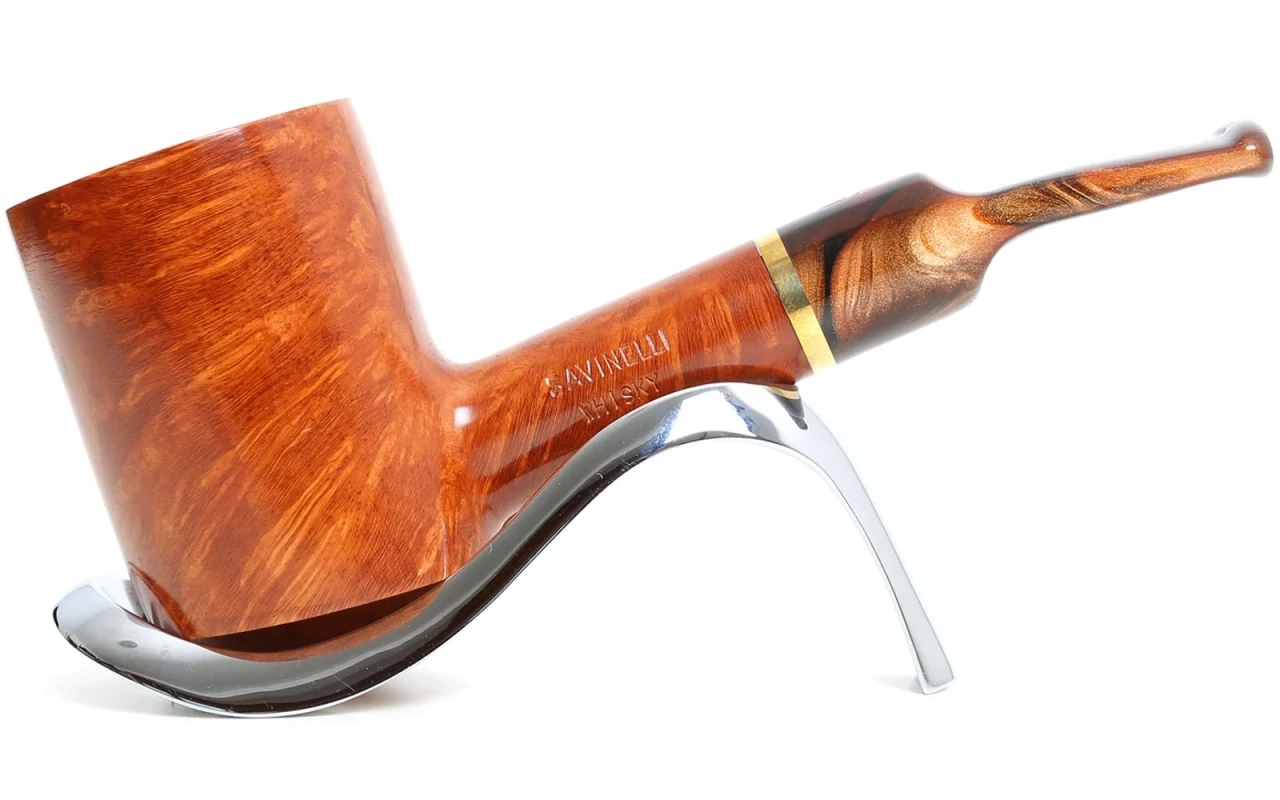
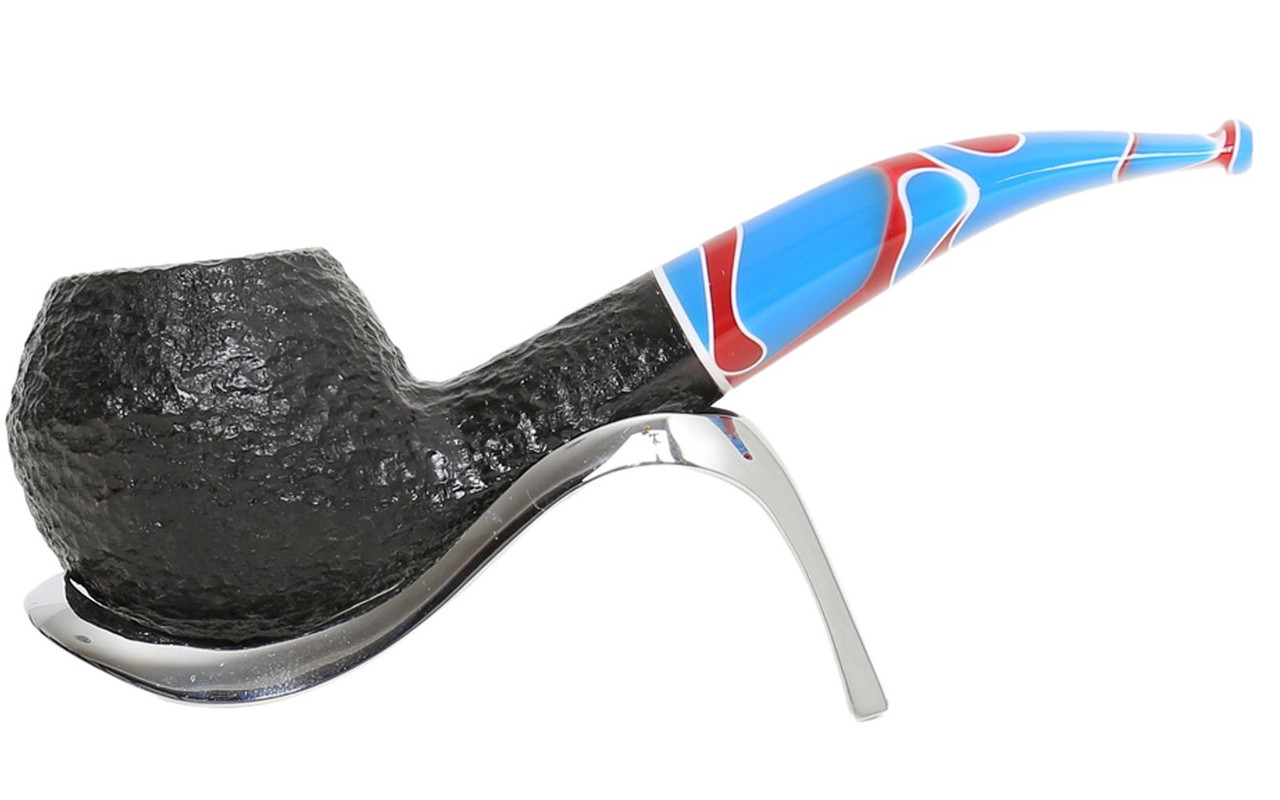
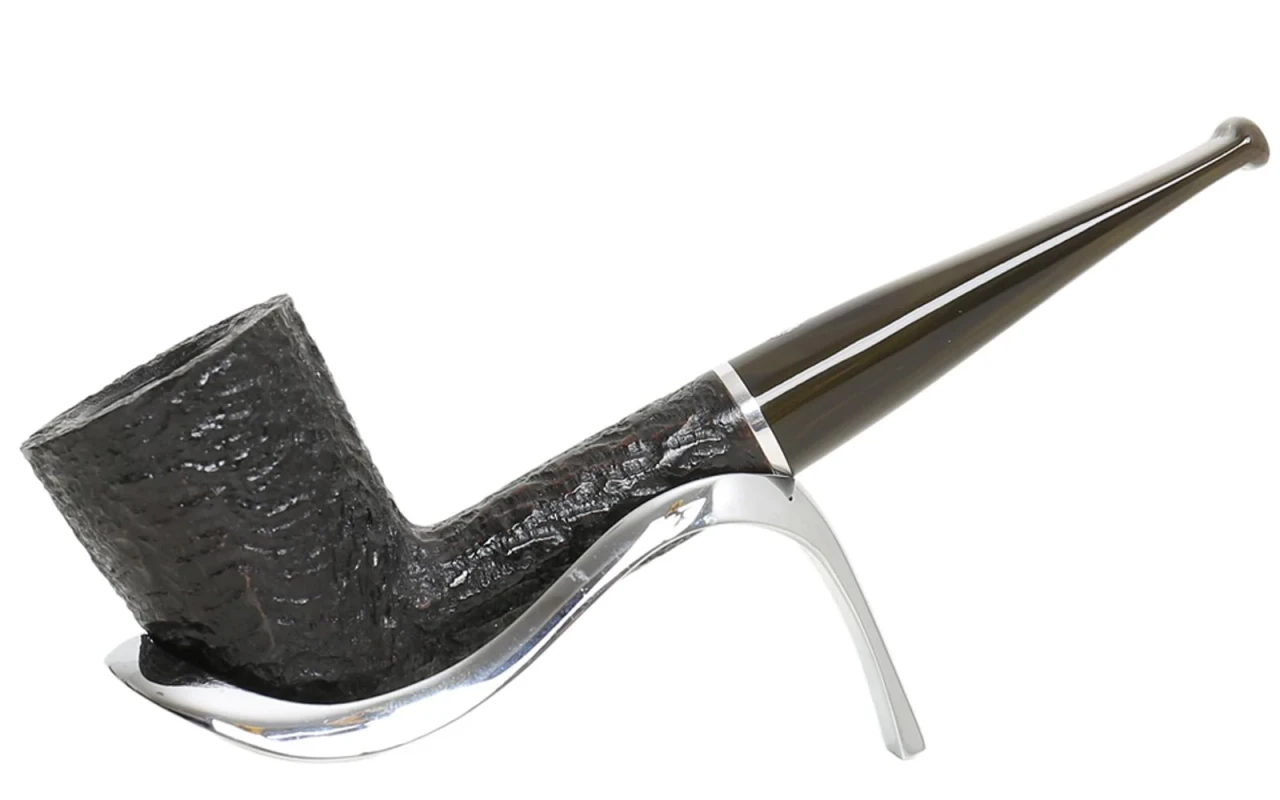
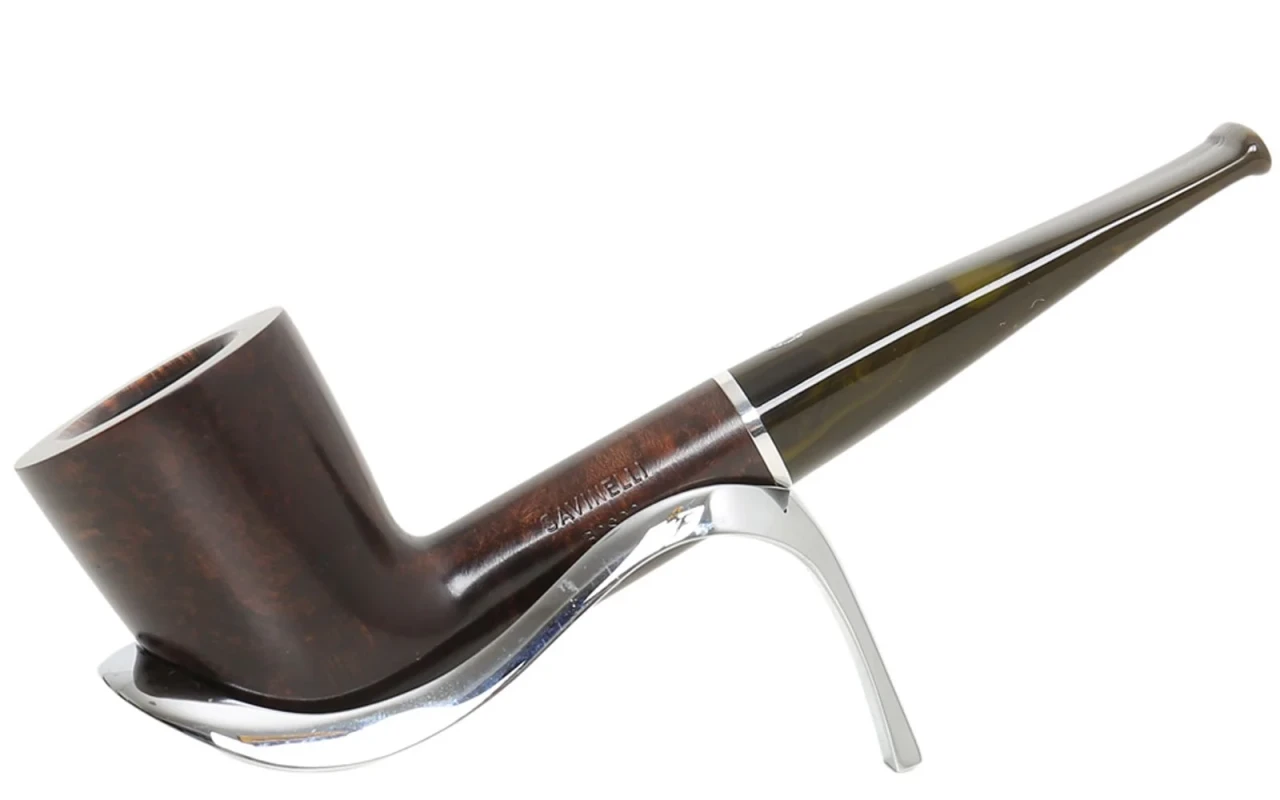
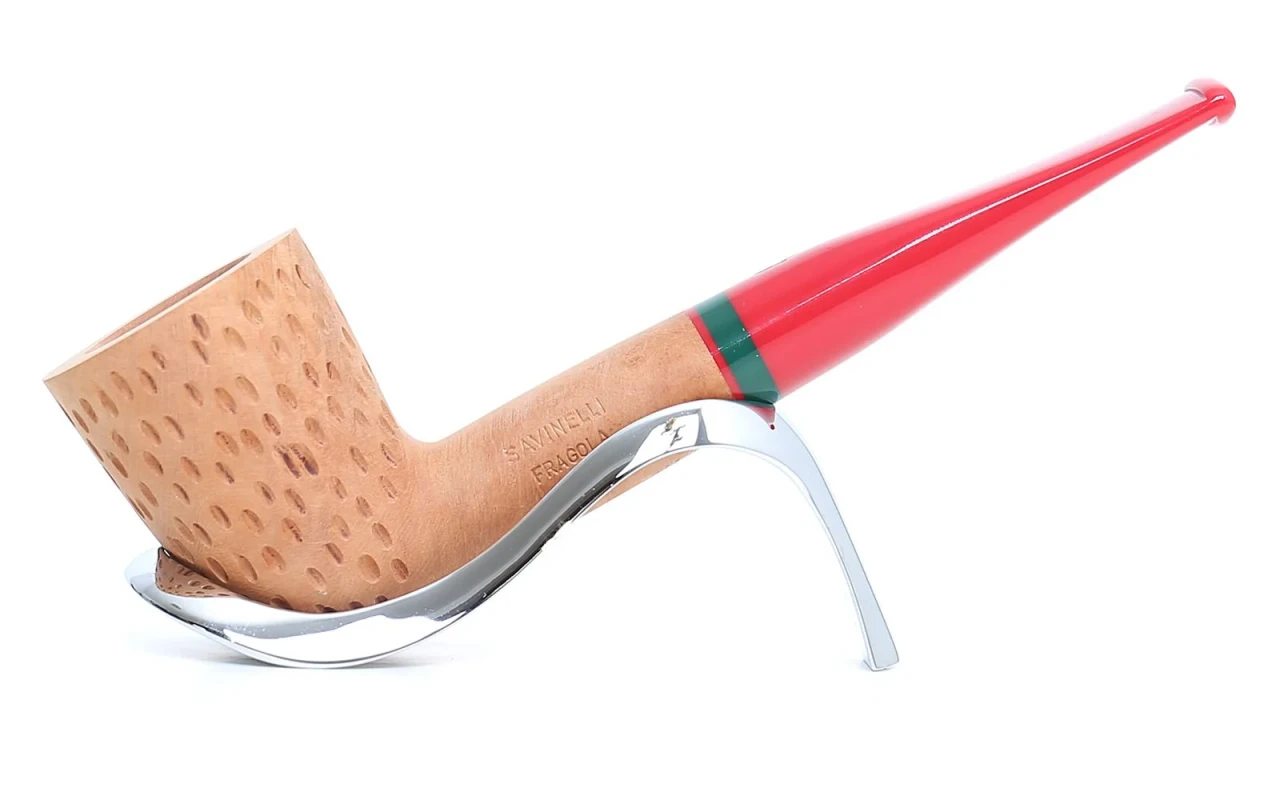
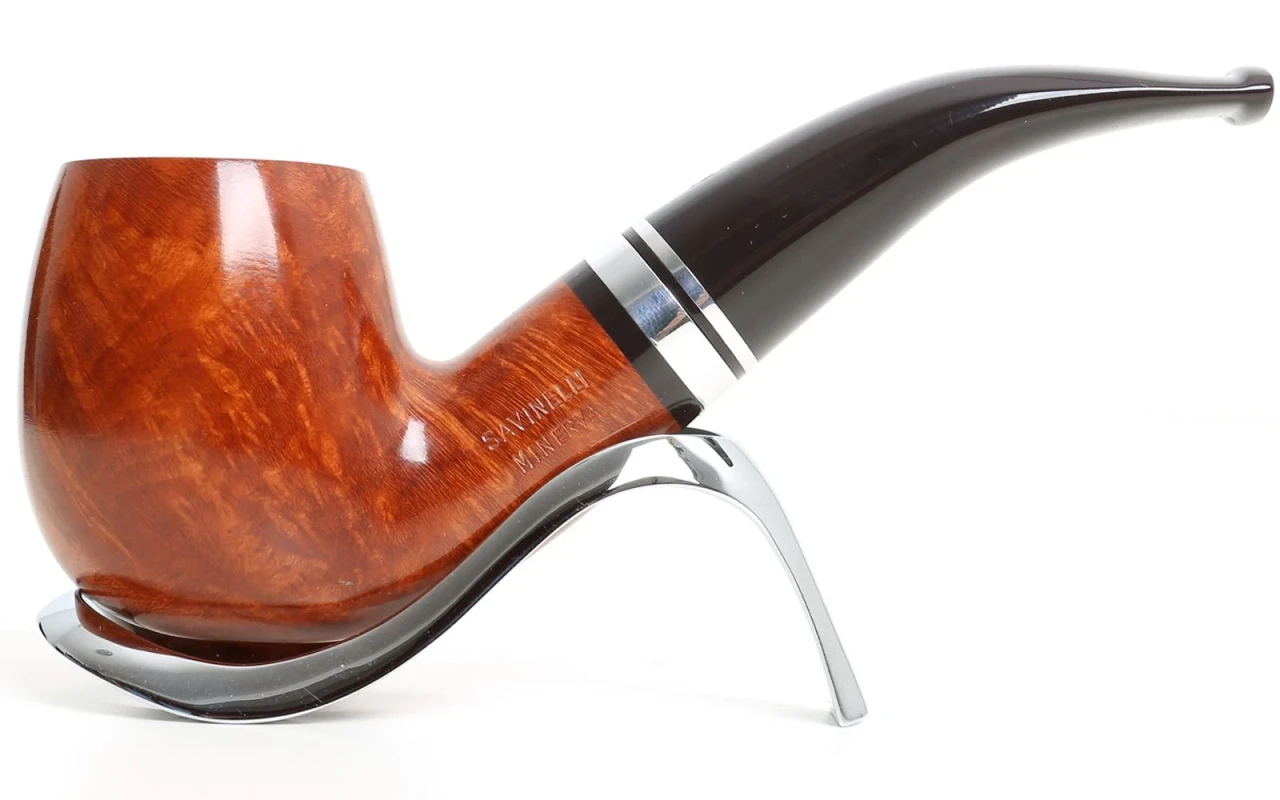
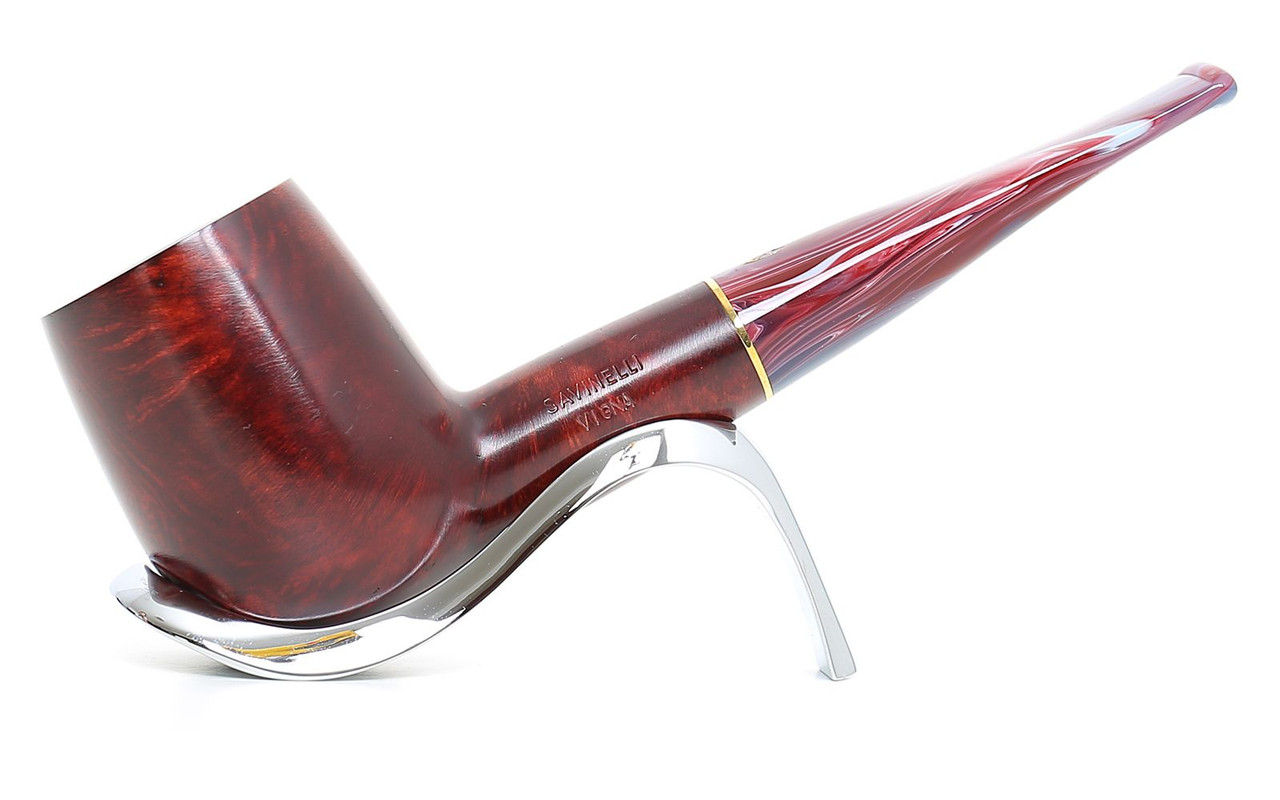
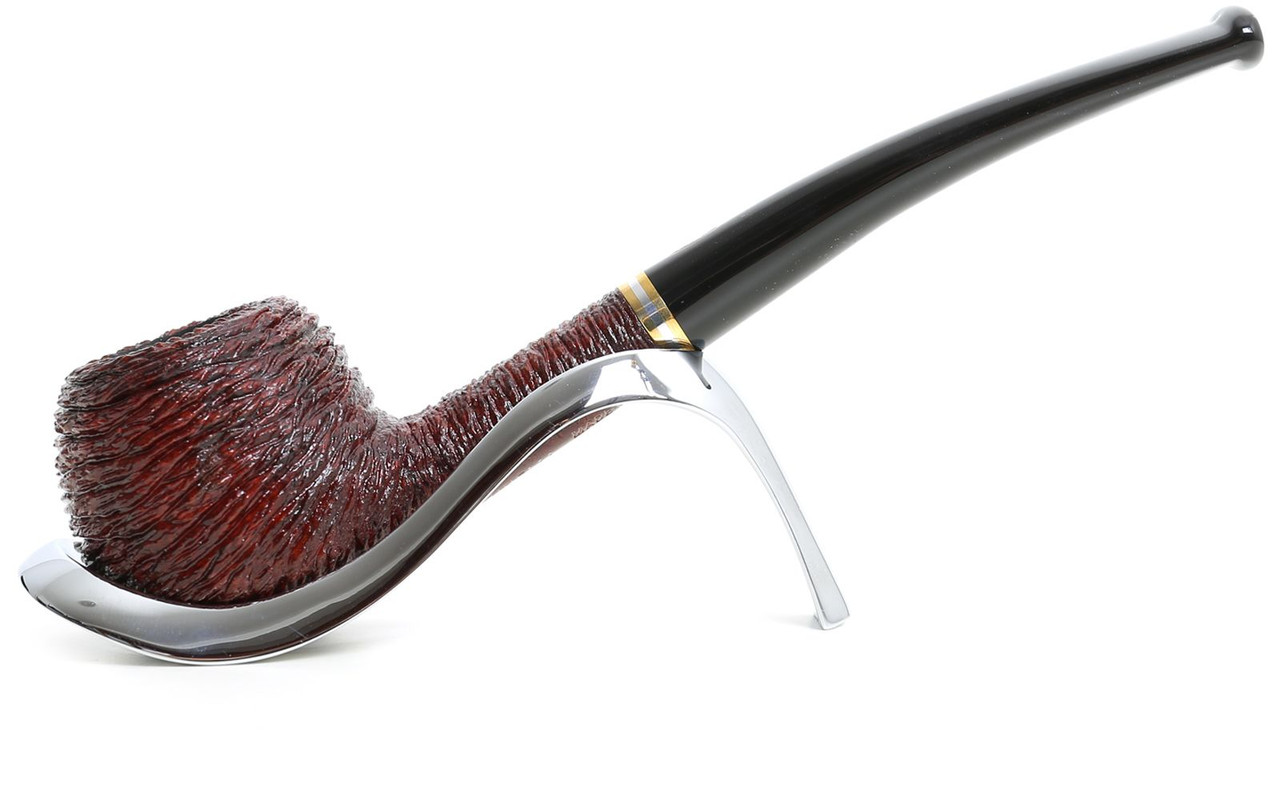
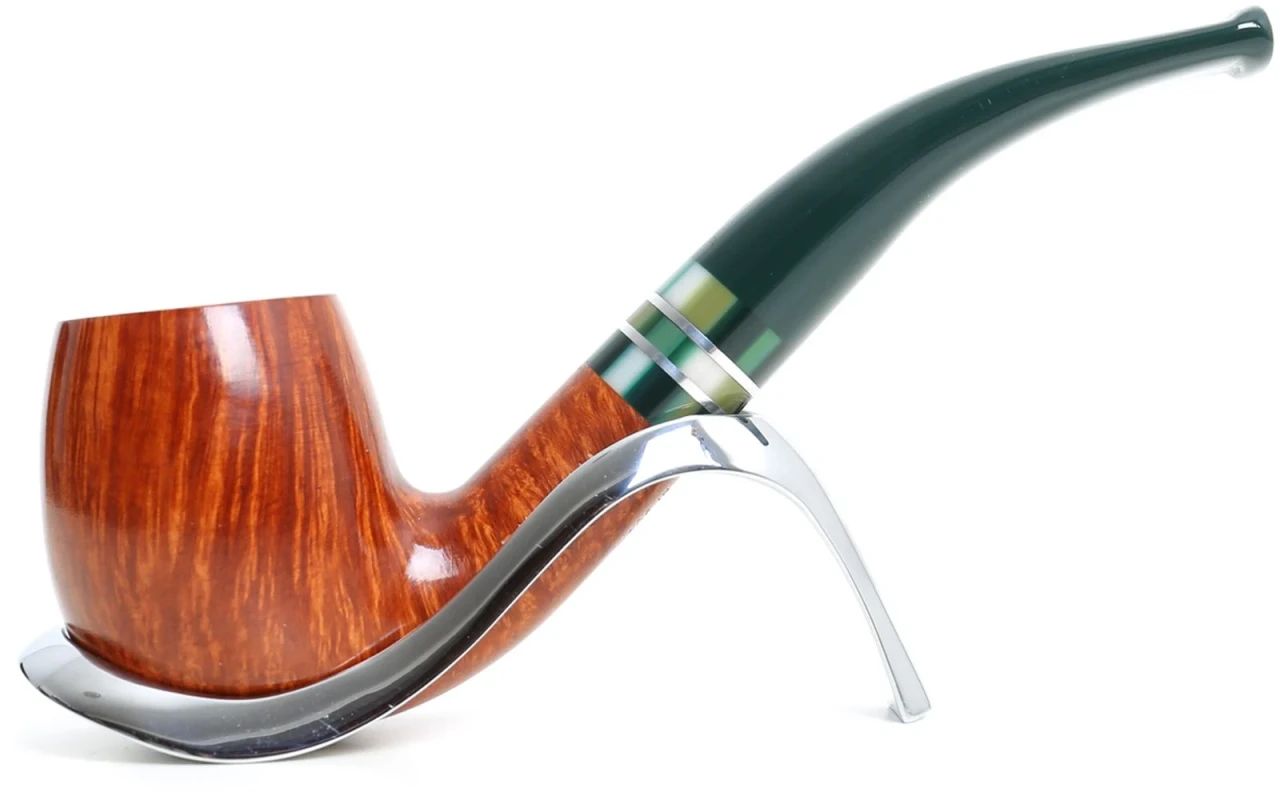
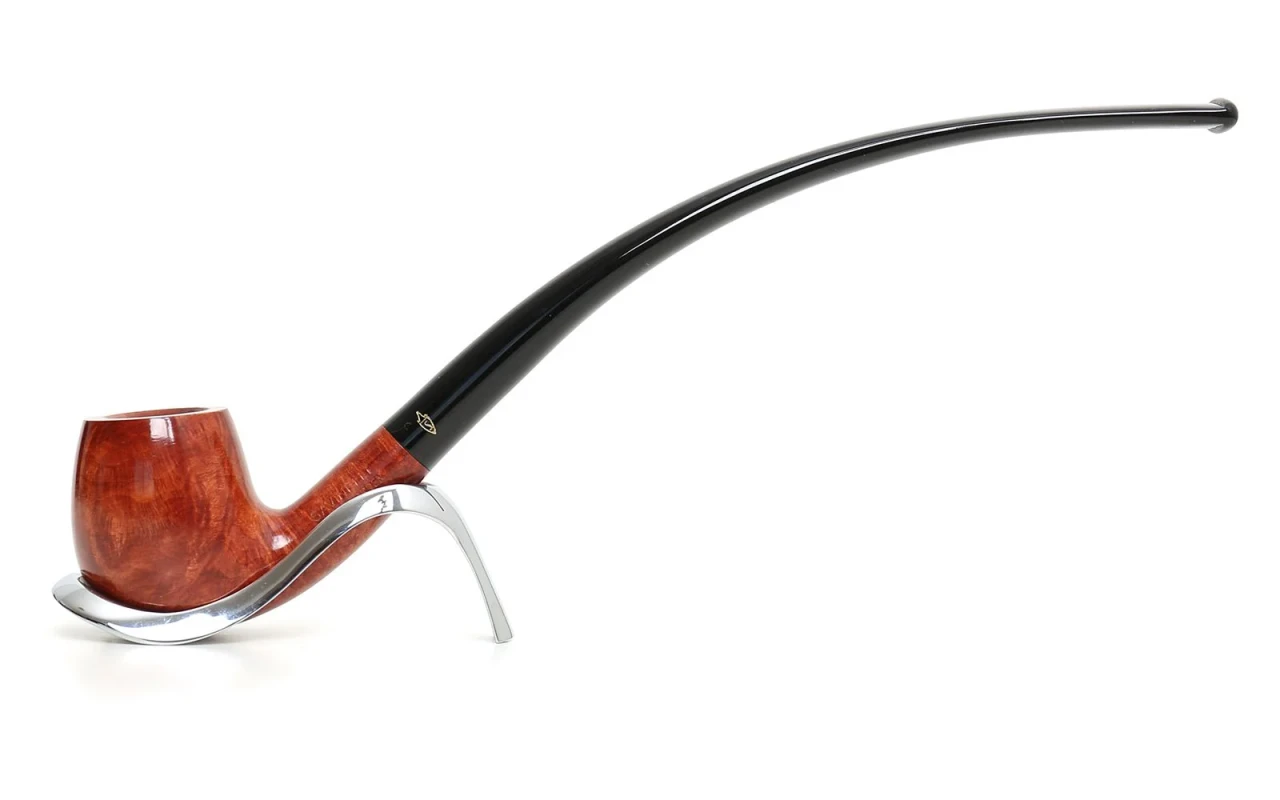
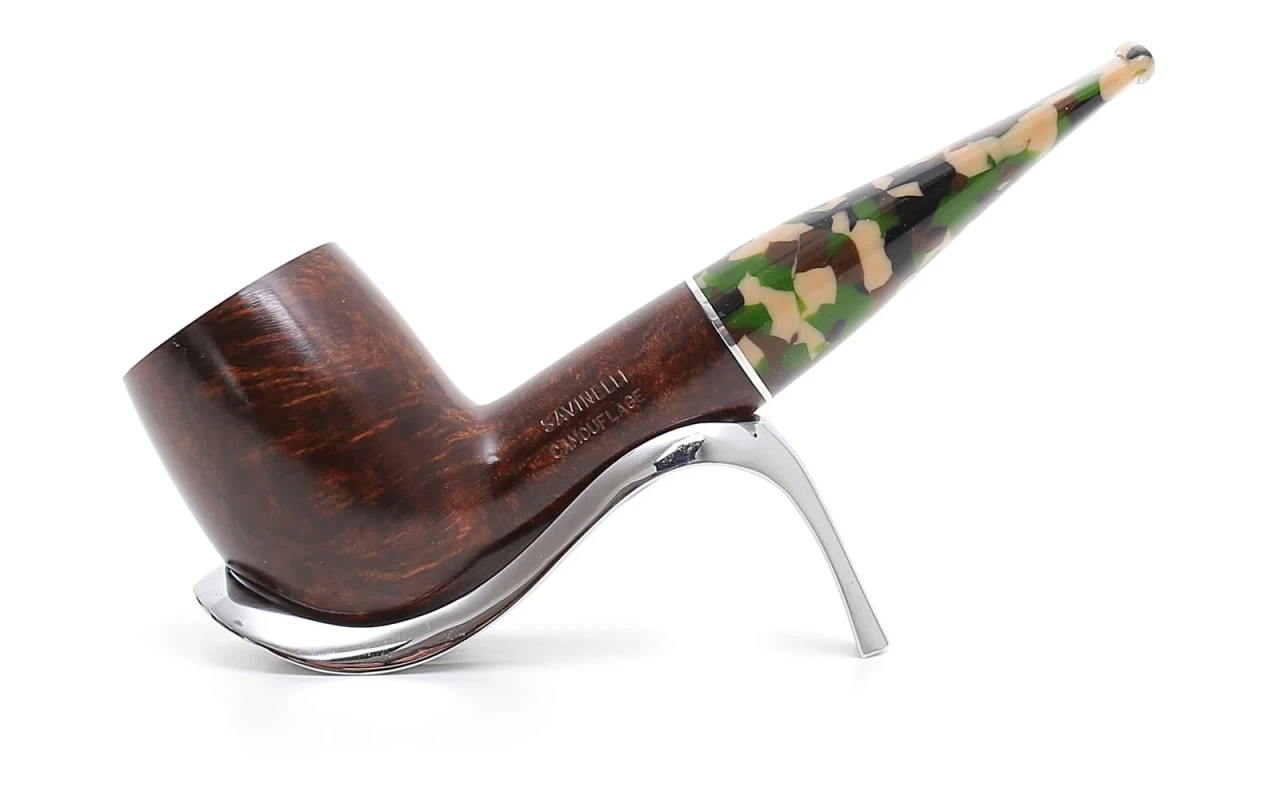
The new techniques for decorating briar pipes are becoming increasingly popular among tobacco enthusiasts. These techniques include the use of natural colors and dyes to highlight the veins and unique details of the briar itself. Some artisans also resort to engravings, carvings, and lacquering to create personalized and sophisticated designs on the pipes. Furthermore, the application of glossy or matte finishes helps protect and enhance the natural beauty of the briar. These innovations in the field of briar pipe decoration offer enthusiasts the opportunity to own unique and high-quality pieces in their smoking arsenal.
Wooden pipe inlay techniques
Inlay on wooden pipes is a craftsmanship technique that involves engraving and inserting different materials, such as precious woods, to create designs or decorative patterns on the surface of the pipe itself. This practice requires precision and mastery from the artisan, who must have specific skills in wood carving and applying the chosen materials. Inlay can be used to personalize and enhance wooden pipes, giving them a touch of elegance and originality. Inlay techniques may vary depending on the style and complexity of the desired design, but always require great attention to detail and manual skill.
Pipe smoking maintenance guide
Maintaining pipe smoking is essential to ensure optimal performance and prolong its lifespan. Here is a practical guide for proper maintenance:- After each use, empty the ash and run a pipe cleaner through the stem to remove tobacco residues.- Regularly clean the pipe with a soft, dry cloth to remove external dirt.- Occasionally, use an alcohol-soaked pipe cleaner through the stem to eliminate tar residues.- Avoid overheating the pipe and let it cool down before storing.- Periodically check the condition of the mouthpiece and replace it if necessary.By following these simple steps, you can fully enjoy your pipe smoking experience for a long time.
Craft materials for tobacco pipes
Craft materials for making tobacco pipes can vary, but the most common ones are wood, briar root, corn cob, and clay. Wood is popular for its durability and ability to absorb tobacco moisture, while briar root is valued for its thermal conductivity characteristics. Corn cob pipes are lightweight and cost-effective, while clay pipes offer a pure and neutral smoking experience. Other materials may include meerschaum and morta, each with its own unique characteristics that influence the taste and quality of the smoke.
'%3e%3cg id='Final-Copy-2_2_' transform='translate(1275.000000, 200.000000)'%3e%3cpath class='st0' d='M7.4,12.8h6.8l3.1-11.6H7.4C4.2,1.2,1.6,3.8,1.6,7S4.2,12.8,7.4,12.8z'/%3e%3c/g%3e%3c/g%3e%3c/g%3e%3cg id='final---dec.11-2020'%3e%3cg id='_x30_208-our-toggle' transform='translate(-1275.000000, -200.000000)'%3e%3cg id='Final-Copy-2' transform='translate(1275.000000, 200.000000)'%3e%3cpath class='st1' d='M22.6,0H7.4c-3.9,0-7,3.1-7,7s3.1,7,7,7h15.2c3.9,0,7-3.1,7-7S26.4,0,22.6,0z M1.6,7c0-3.2,2.6-5.8,5.8-5.8 h9.9l-3.1,11.6H7.4C4.2,12.8,1.6,10.2,1.6,7z'/%3e%3cpath id='x' class='st2' d='M24.6,4c0.2,0.2,0.2,0.6,0,0.8l0,0L22.5,7l2.2,2.2c0.2,0.2,0.2,0.6,0,0.8c-0.2,0.2-0.6,0.2-0.8,0 l0,0l-2.2-2.2L19.5,10c-0.2,0.2-0.6,0.2-0.8,0c-0.2-0.2-0.2-0.6,0-0.8l0,0L20.8,7l-2.2-2.2c-0.2-0.2-0.2-0.6,0-0.8 c0.2-0.2,0.6-0.2,0.8,0l0,0l2.2,2.2L23.8,4C24,3.8,24.4,3.8,24.6,4z'/%3e%3cpath id='y' class='st3' d='M12.7,4.1c0.2,0.2,0.3,0.6,0.1,0.8l0,0L8.6,9.8C8.5,9.9,8.4,10,8.3,10c-0.2,0.1-0.5,0.1-0.7-0.1l0,0 L5.4,7.7c-0.2-0.2-0.2-0.6,0-0.8c0.2-0.2,0.6-0.2,0.8,0l0,0L8,8.6l3.8-4.5C12,3.9,12.4,3.9,12.7,4.1z'/%3e%3c/g%3e%3c/g%3e%3c/g%3e%3c/g%3e%3c/svg%3e) Your Privacy Choices
Your Privacy Choices 


