 FR
FR EN
EN IT
IT DE
DE
Most common materials for tobacco pipes
Most common materials for tobacco pipes
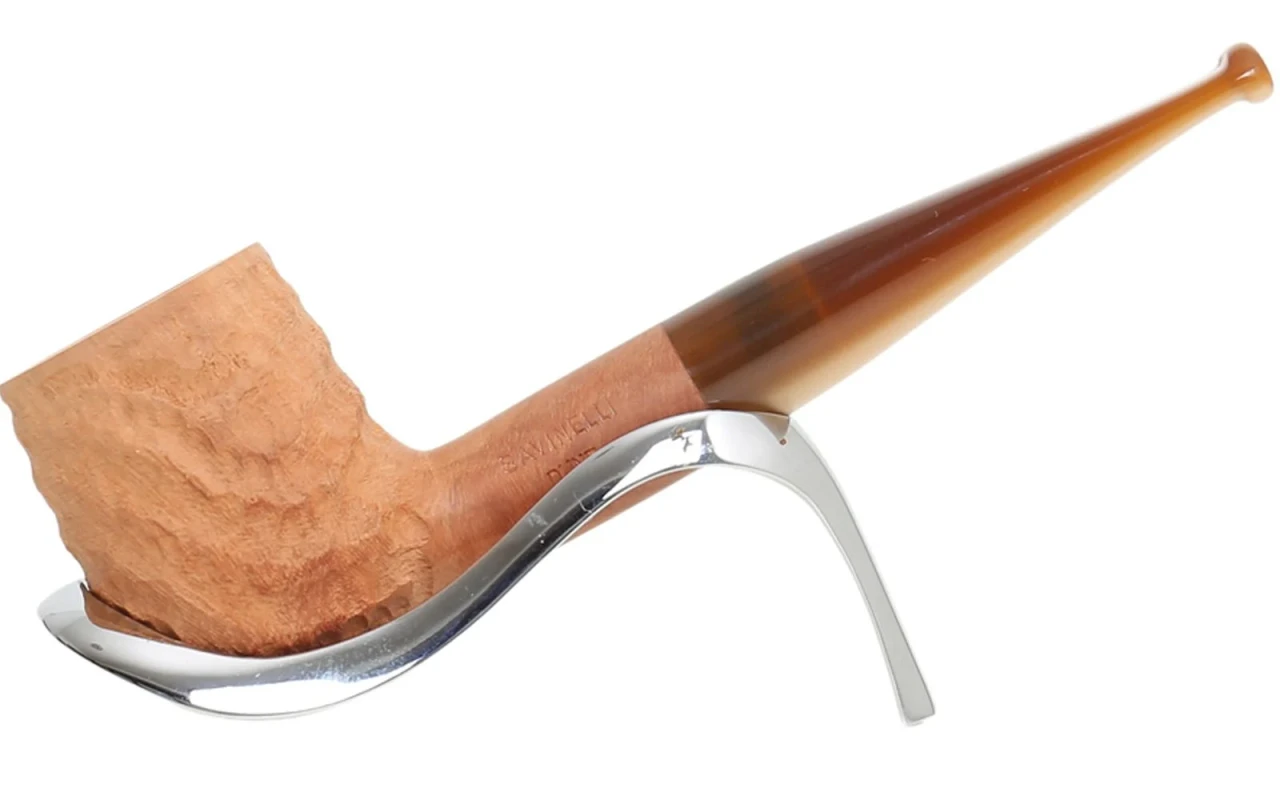
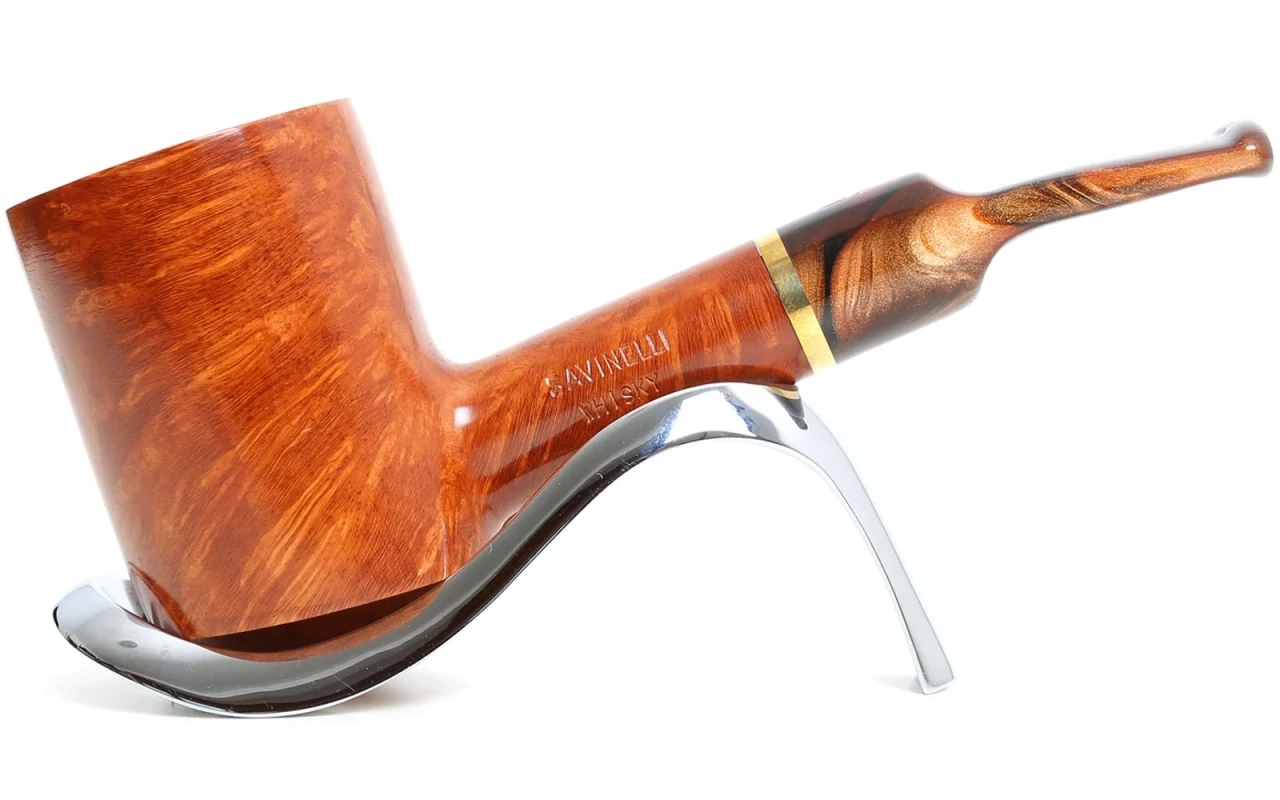
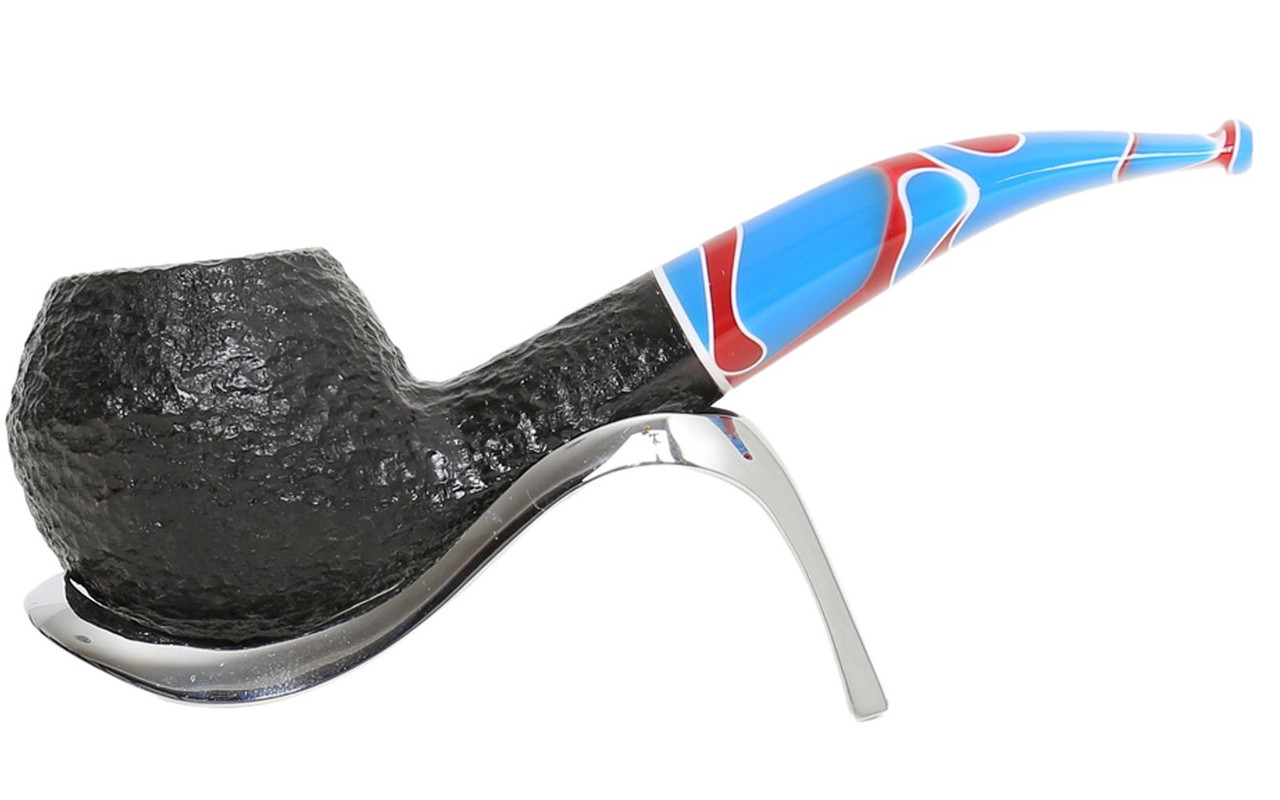
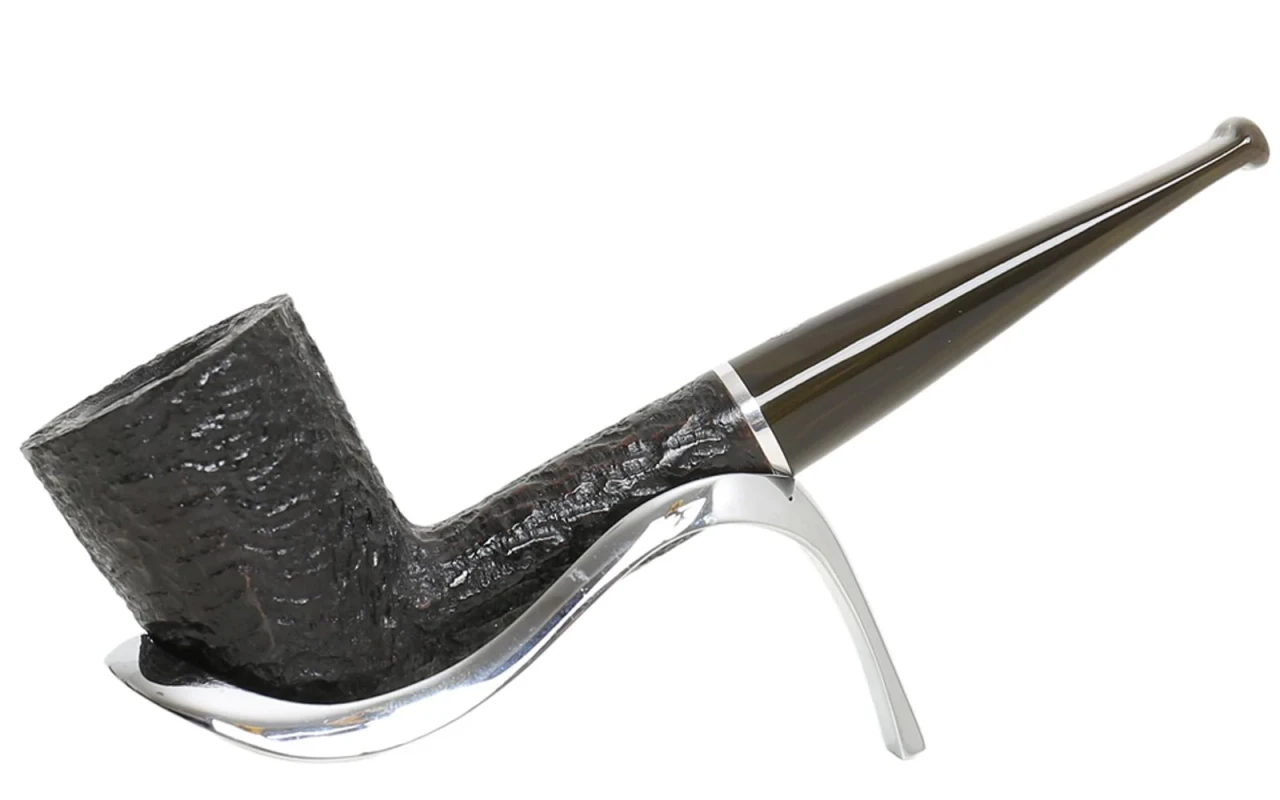
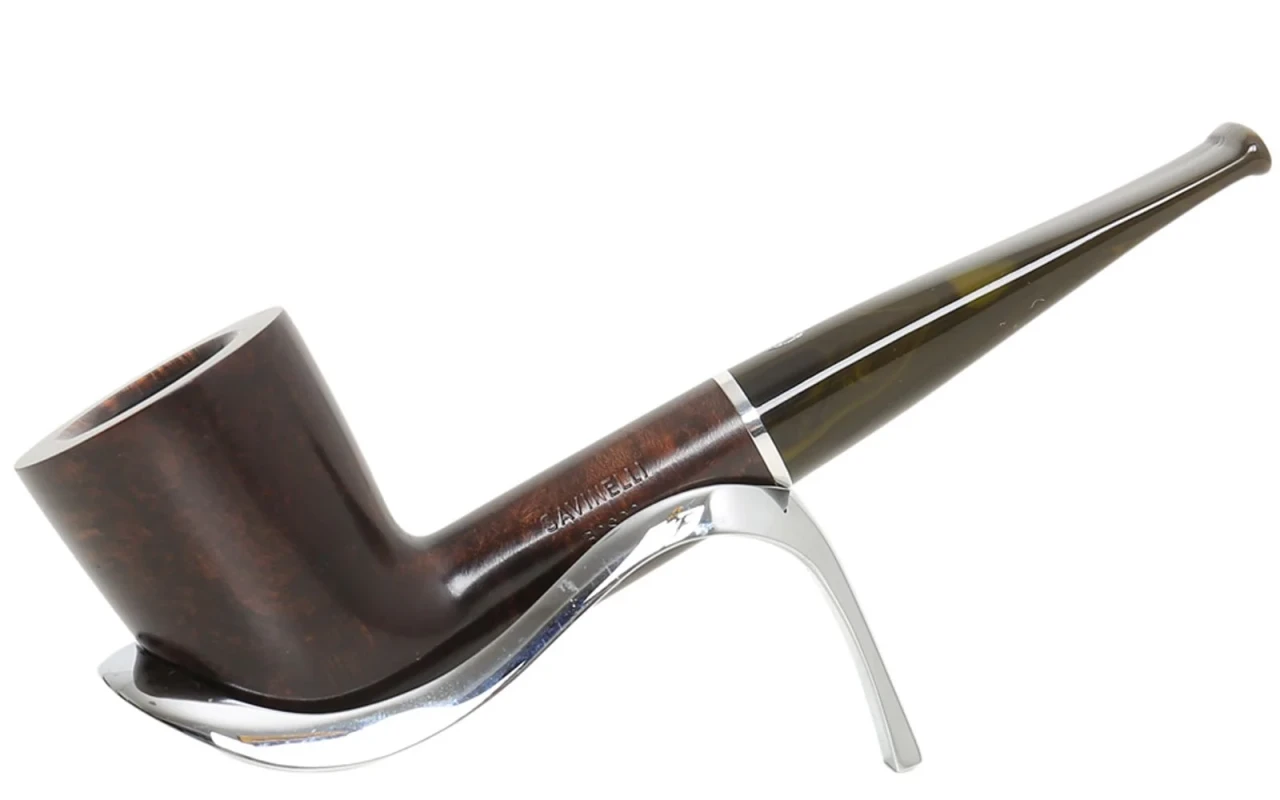
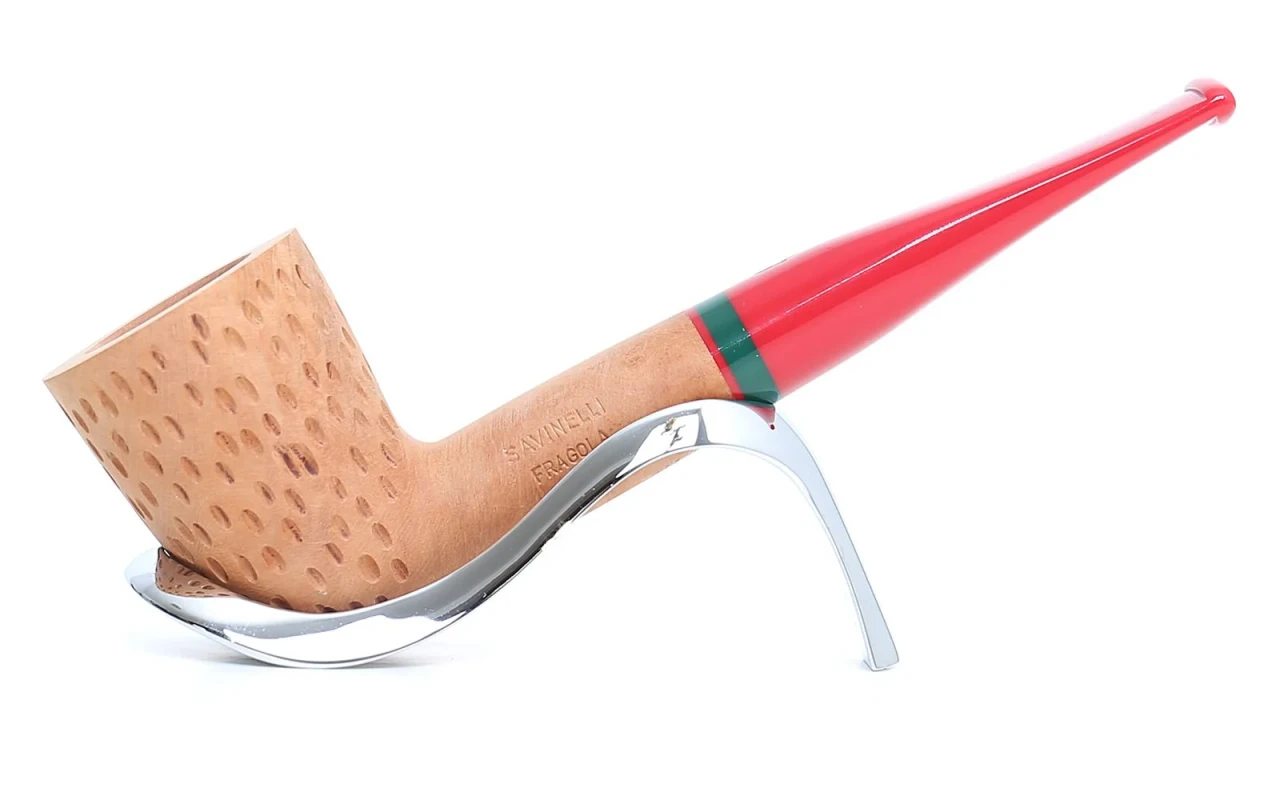
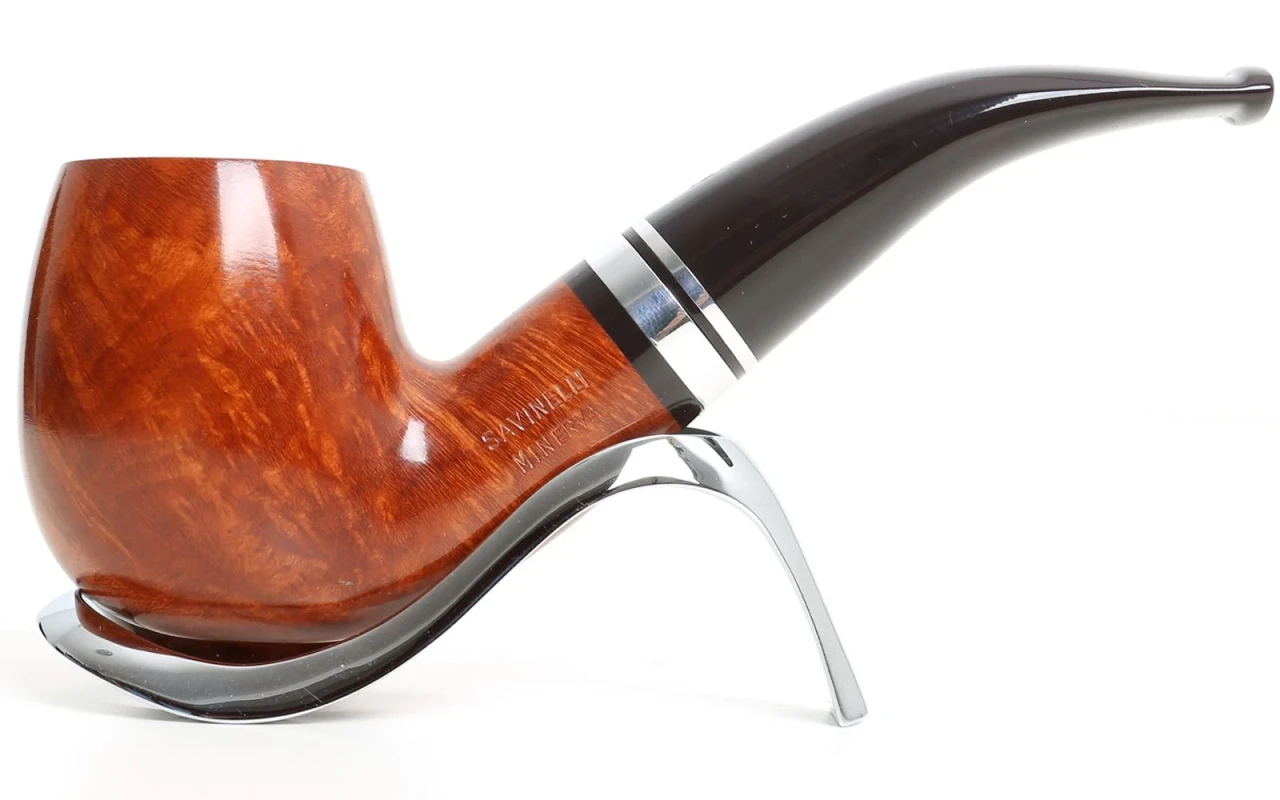
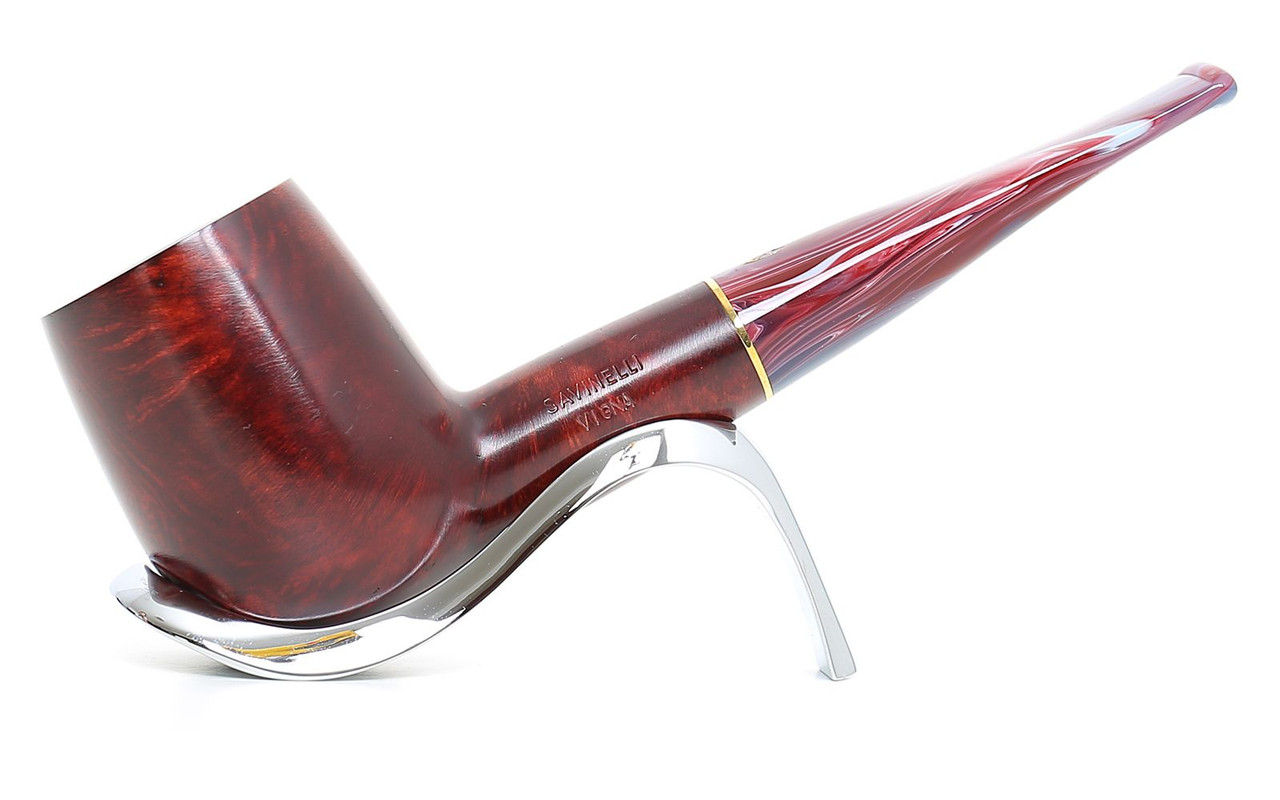
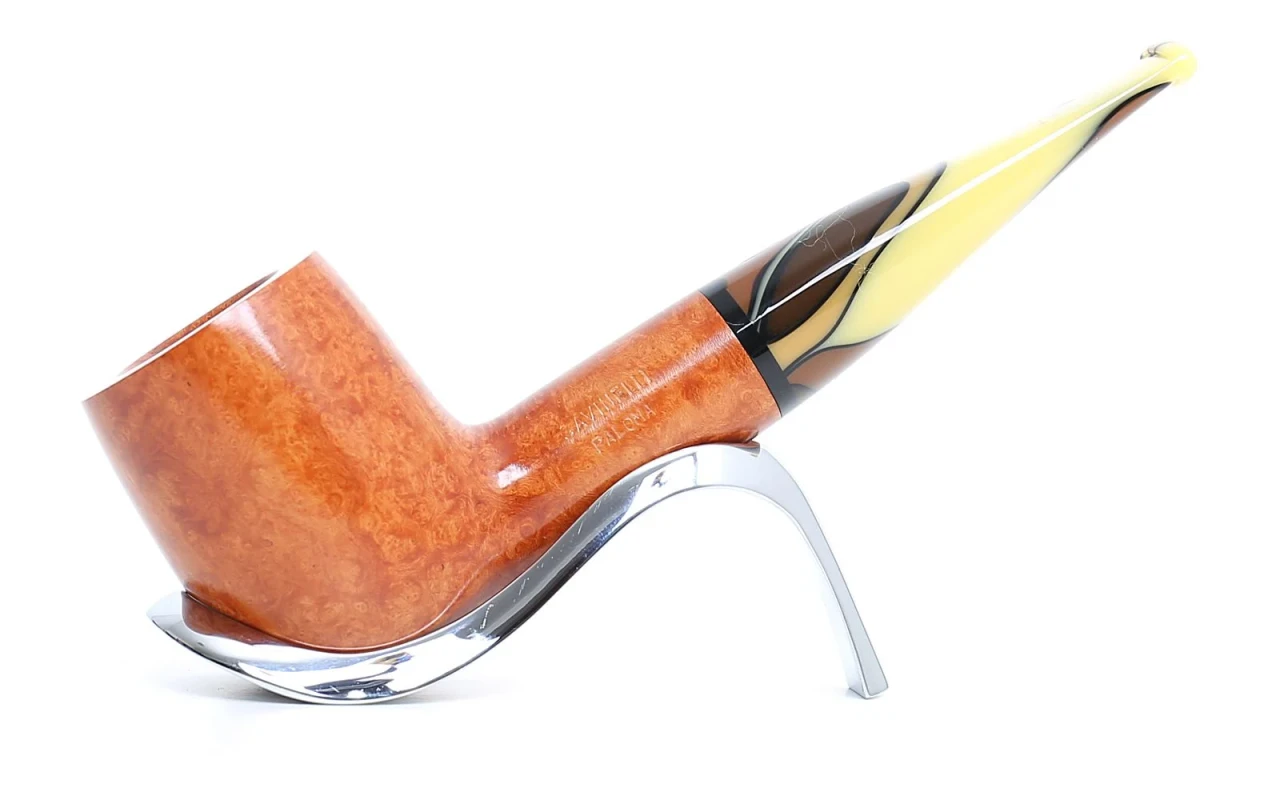
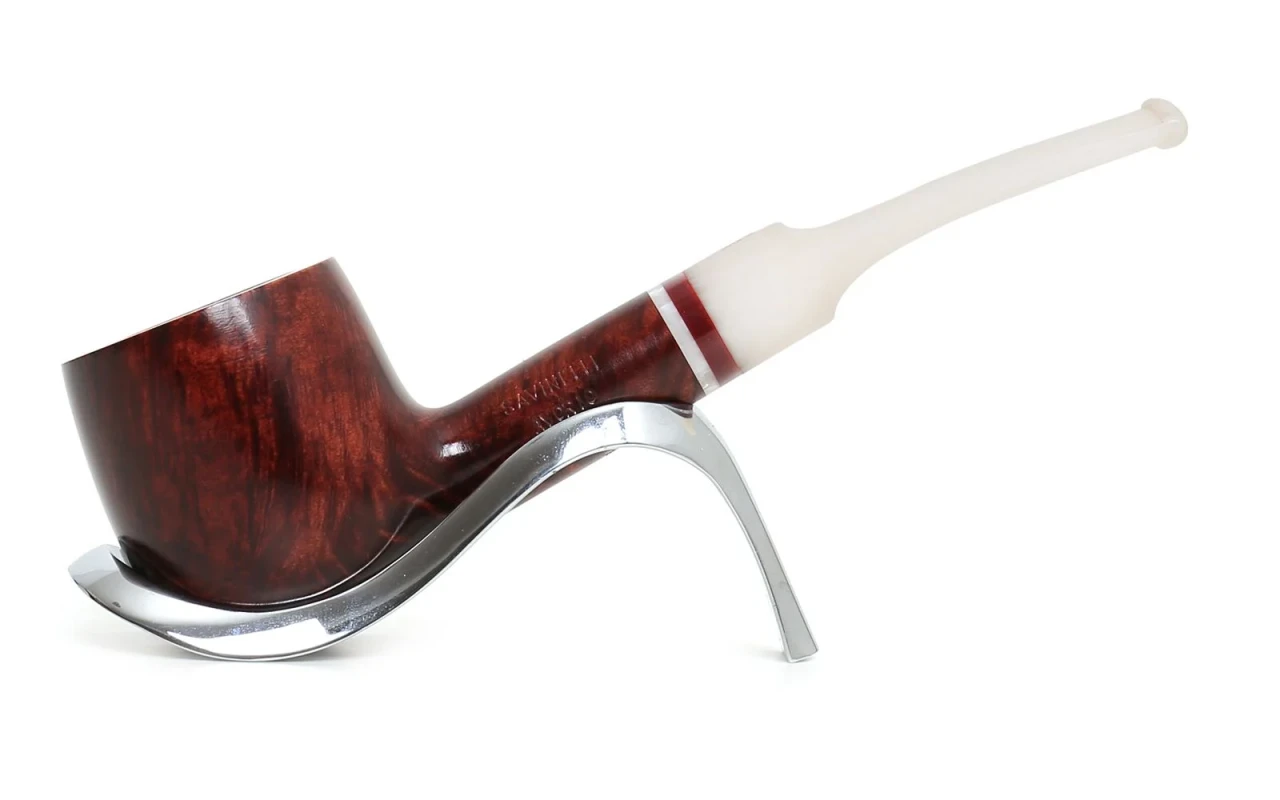
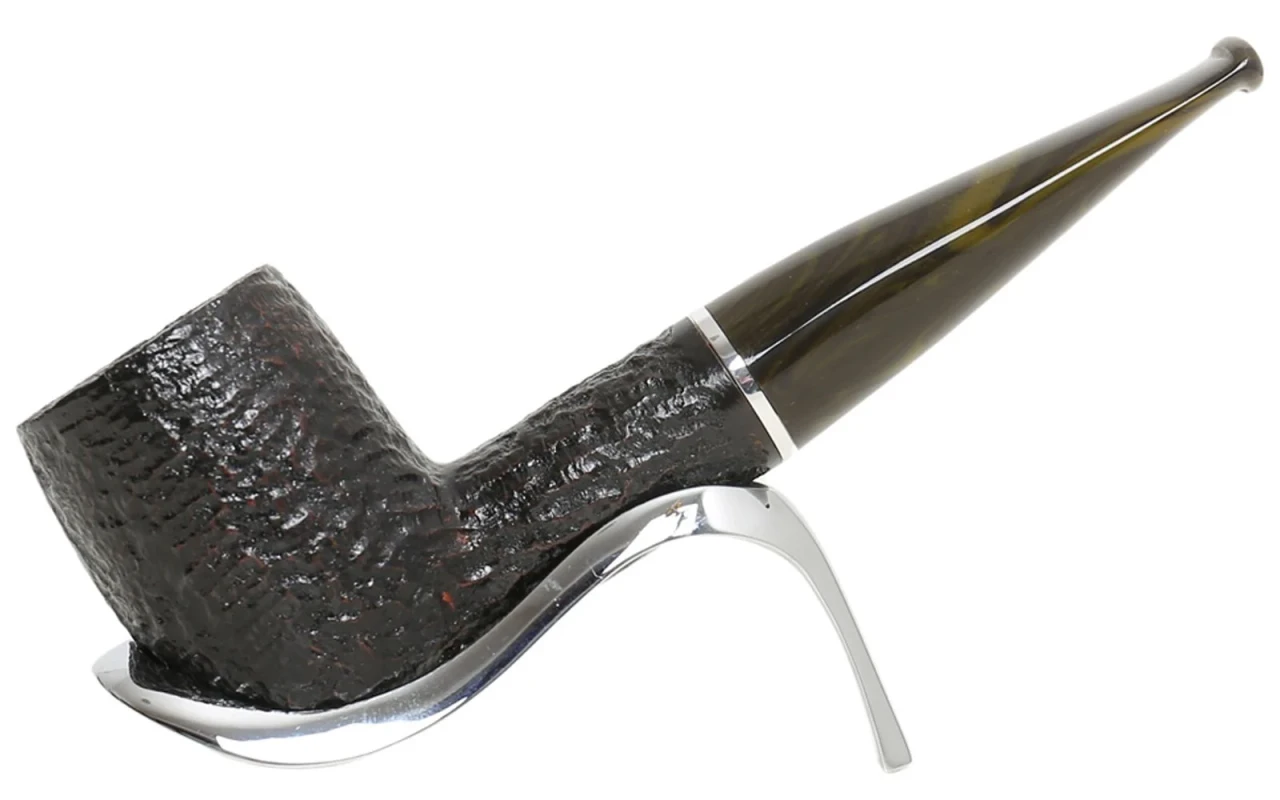
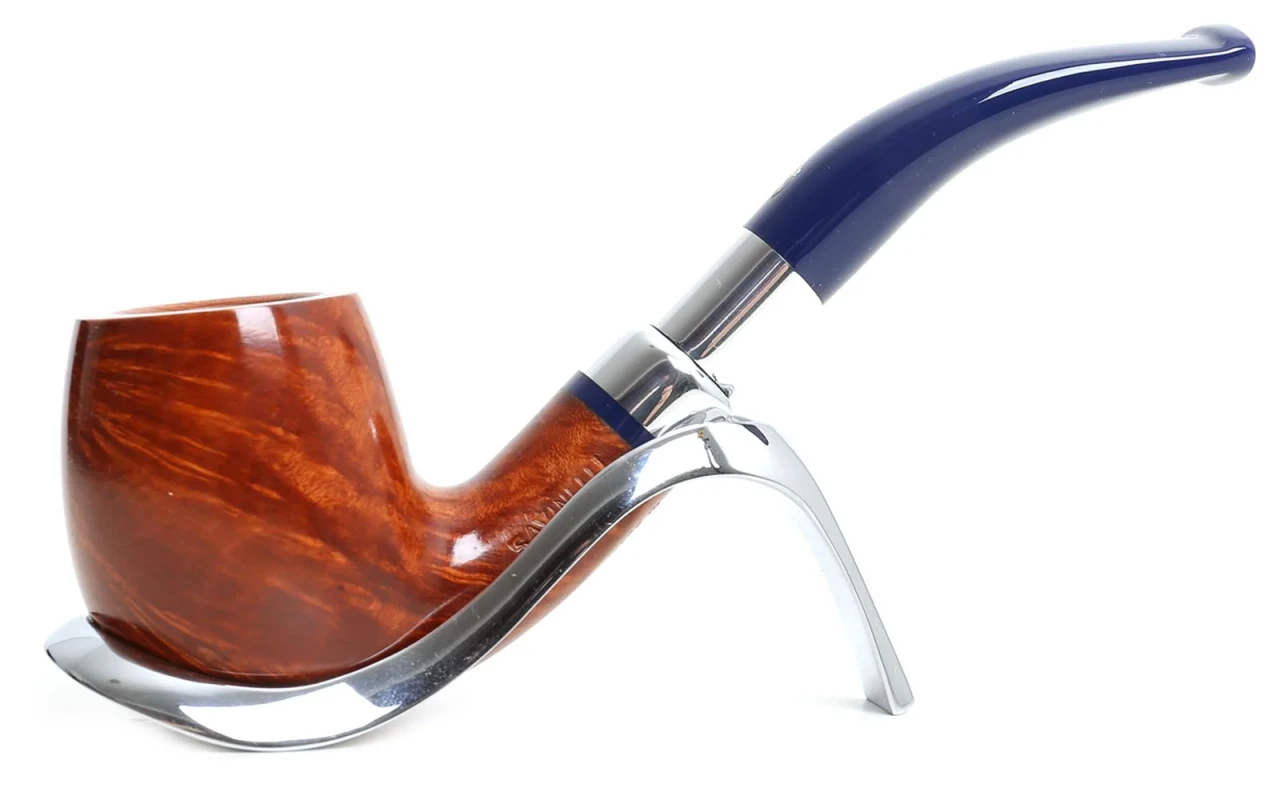
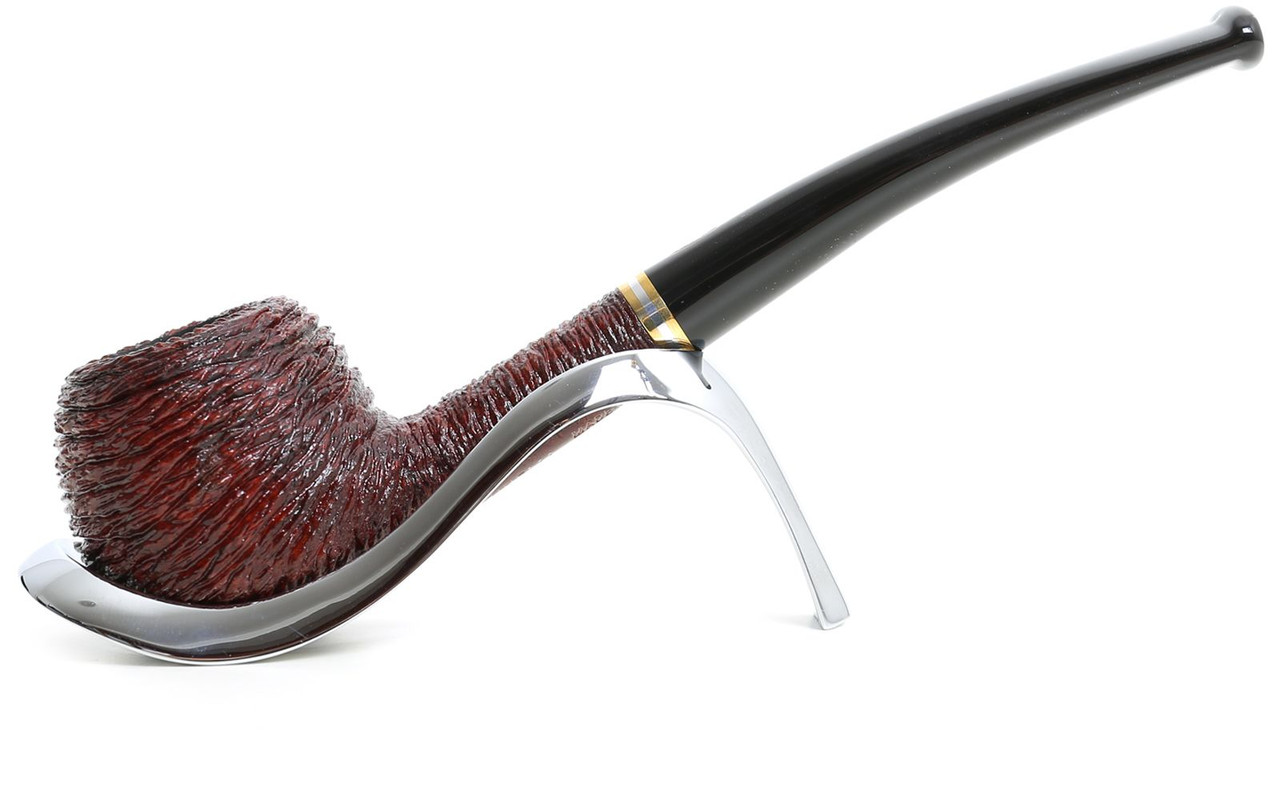
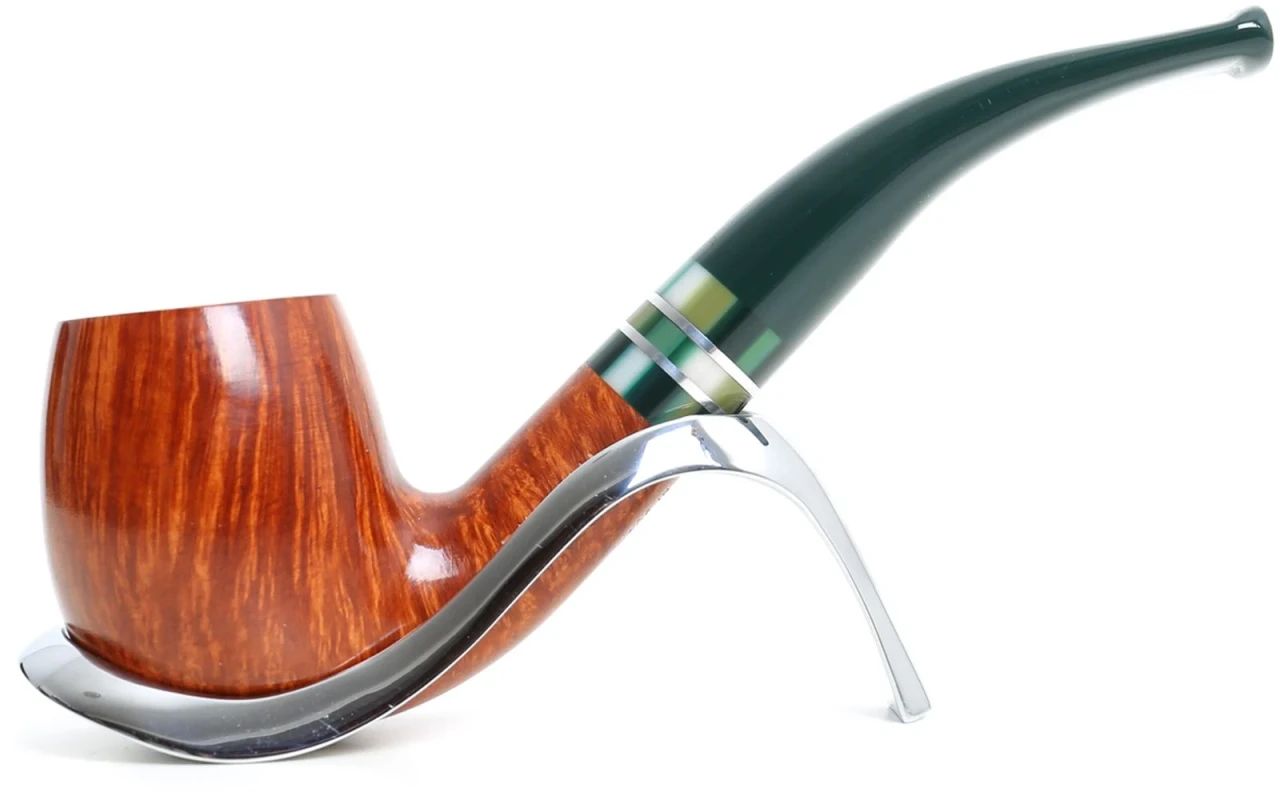
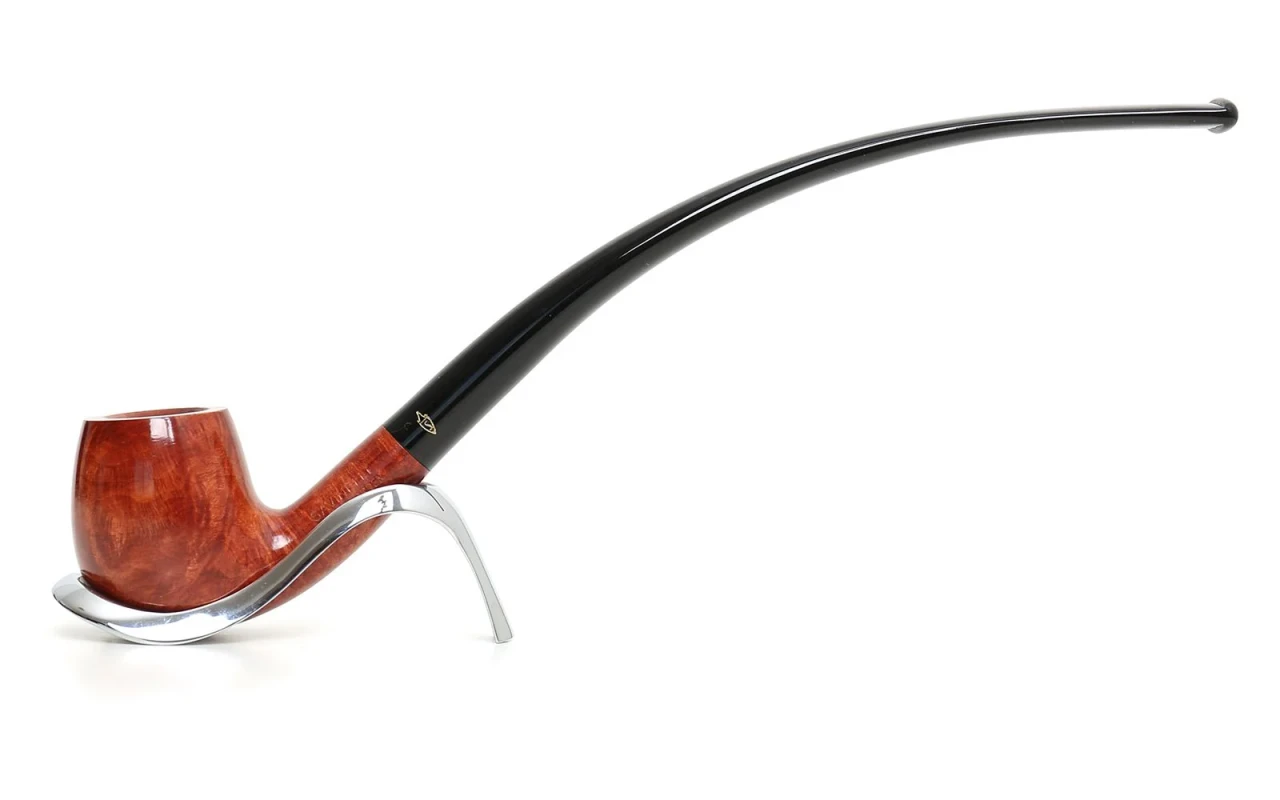
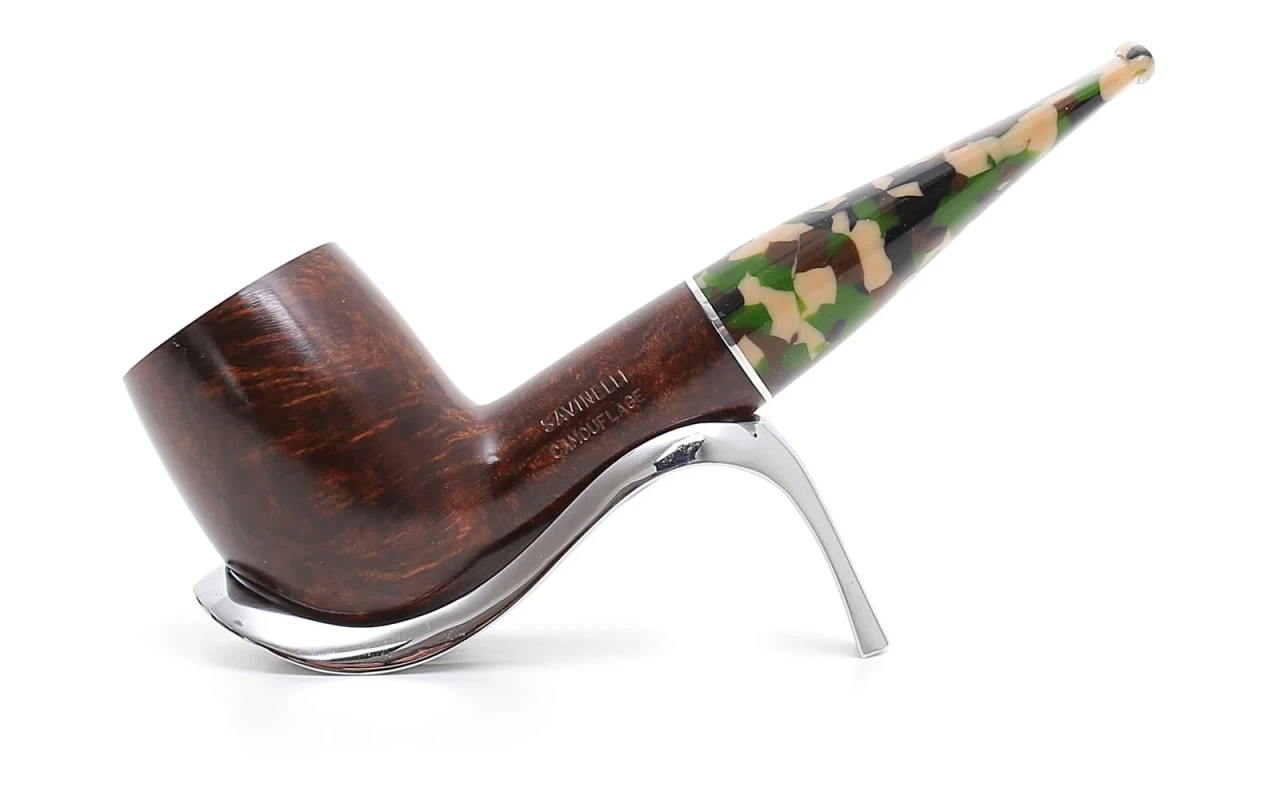
The most common materials used for the production of tobacco pipes are wood, briar, clay, corn cob, and metal. Each material offers unique characteristics that influence the taste, temperature, and overall smoking experience of a pipe. Wood is popular for its ability to absorb moisture and enhance the tobacco flavor over time. Briar is known for its heat resistance and the ability to absorb tobacco oils. Clay pipes provide a pure and neutral taste, ideal for fully appreciating the different tobacco aromas. Corn cob pipes are lightweight and affordable, while metal pipes are sturdy and easy to clean.
Tobacco Pipe Materials
The most common materials used for making tobacco pipes are wood, briar, and clay. Wood, such as briar, is highly popular for its heat resistance and moisture-absorbing properties. Briar pipes offer a unique flavor to the smoke due to their porous characteristics. Clay pipes are valued for the purity of taste they provide. Other materials used can include corn cob, meerschaum, and morta. Each material influences the characteristics and taste of the smoke, offering different experiences to tobacco pipe enthusiasts.
Best materials for pipes
The most commonly used materials for making pipes are wood, briar, corn cob, and clay. Each material imparts unique characteristics to the pipe in terms of weight, heat, flavor, and longevity. Wood is popular for its durability and ability to absorb the smoke's moisture, while briar is known for its beauty and longevity. Corn cob pipes are lightweight and affordable, making them ideal for beginners. Clay pipes are valued for their ability to enhance the flavors of finer tobaccos. The choice of material depends on the smoker's personal preferences and the experience they aim to achieve.
Traditional materials for pipes
The most common traditional material used for making pipes is Erica arborea briar root, also known as briar. This wood has ideal characteristics for pipe crafting, being hard, heat-resistant, and able to absorb smoke moisture. Other traditional materials used include corn, often employed for economical tobacco pipes, and clay, appreciated for its ability to cool down the smoke. Additionally, materials such as boxwood, walnut, cherry, and chestnut are sometimes used. The choice of material impacts the quality and characteristics of the produced smoke.
Modern Materials for Pipes
The world of pipes has seen the introduction of modern materials that offer unique performance and characteristics compared to traditional wooden pipes. Some of the most used materials include:- Acrylic: lightweight and durable, it offers a wide range of colors and finishes.- Briar: a natural material that ensures better combustion and moisture absorption.- Meerschaum: a porous stone that absorbs flavors, ensuring a neutral and cool smoke.- Porcelain: appreciated for its elegance and ability to keep the tobacco flavor unchanged.The use of modern materials for pipe production has opened up new possibilities for design and functionality for pipe enthusiasts.
'%3e%3cg id='Final-Copy-2_2_' transform='translate(1275.000000, 200.000000)'%3e%3cpath class='st0' d='M7.4,12.8h6.8l3.1-11.6H7.4C4.2,1.2,1.6,3.8,1.6,7S4.2,12.8,7.4,12.8z'/%3e%3c/g%3e%3c/g%3e%3c/g%3e%3cg id='final---dec.11-2020'%3e%3cg id='_x30_208-our-toggle' transform='translate(-1275.000000, -200.000000)'%3e%3cg id='Final-Copy-2' transform='translate(1275.000000, 200.000000)'%3e%3cpath class='st1' d='M22.6,0H7.4c-3.9,0-7,3.1-7,7s3.1,7,7,7h15.2c3.9,0,7-3.1,7-7S26.4,0,22.6,0z M1.6,7c0-3.2,2.6-5.8,5.8-5.8 h9.9l-3.1,11.6H7.4C4.2,12.8,1.6,10.2,1.6,7z'/%3e%3cpath id='x' class='st2' d='M24.6,4c0.2,0.2,0.2,0.6,0,0.8l0,0L22.5,7l2.2,2.2c0.2,0.2,0.2,0.6,0,0.8c-0.2,0.2-0.6,0.2-0.8,0 l0,0l-2.2-2.2L19.5,10c-0.2,0.2-0.6,0.2-0.8,0c-0.2-0.2-0.2-0.6,0-0.8l0,0L20.8,7l-2.2-2.2c-0.2-0.2-0.2-0.6,0-0.8 c0.2-0.2,0.6-0.2,0.8,0l0,0l2.2,2.2L23.8,4C24,3.8,24.4,3.8,24.6,4z'/%3e%3cpath id='y' class='st3' d='M12.7,4.1c0.2,0.2,0.3,0.6,0.1,0.8l0,0L8.6,9.8C8.5,9.9,8.4,10,8.3,10c-0.2,0.1-0.5,0.1-0.7-0.1l0,0 L5.4,7.7c-0.2-0.2-0.2-0.6,0-0.8c0.2-0.2,0.6-0.2,0.8,0l0,0L8,8.6l3.8-4.5C12,3.9,12.4,3.9,12.7,4.1z'/%3e%3c/g%3e%3c/g%3e%3c/g%3e%3c/g%3e%3c/svg%3e) Your Privacy Choices
Your Privacy Choices 


