 ES
ES FR
FR EN
EN IT
IT DE
DE
Materials used in the “Prince” pipe
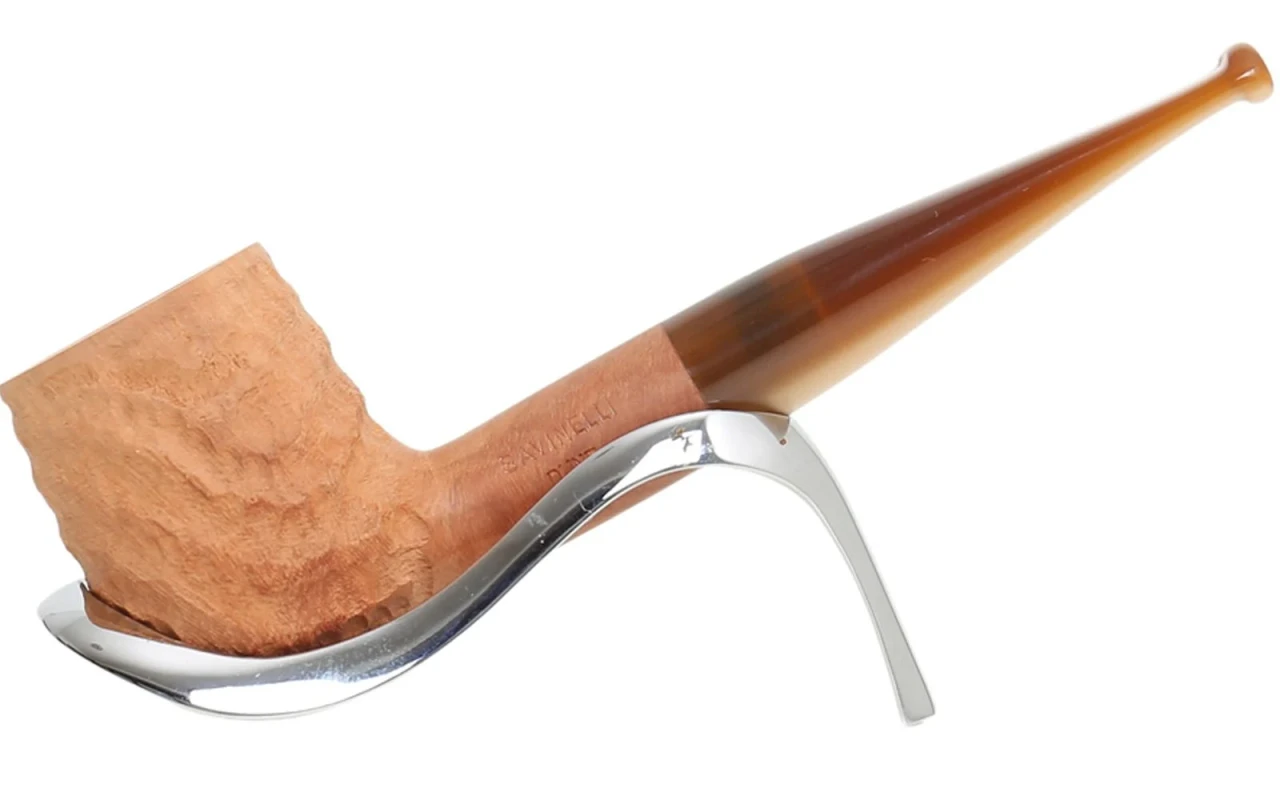
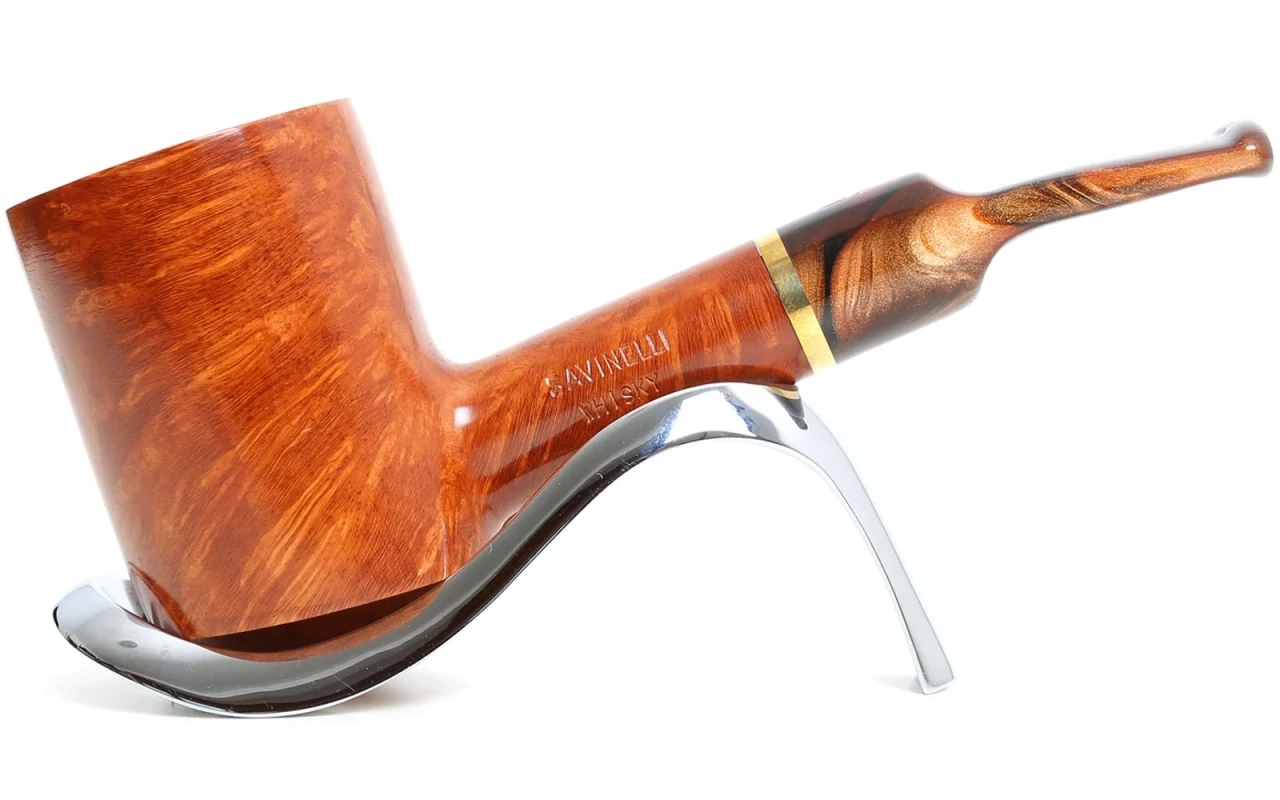
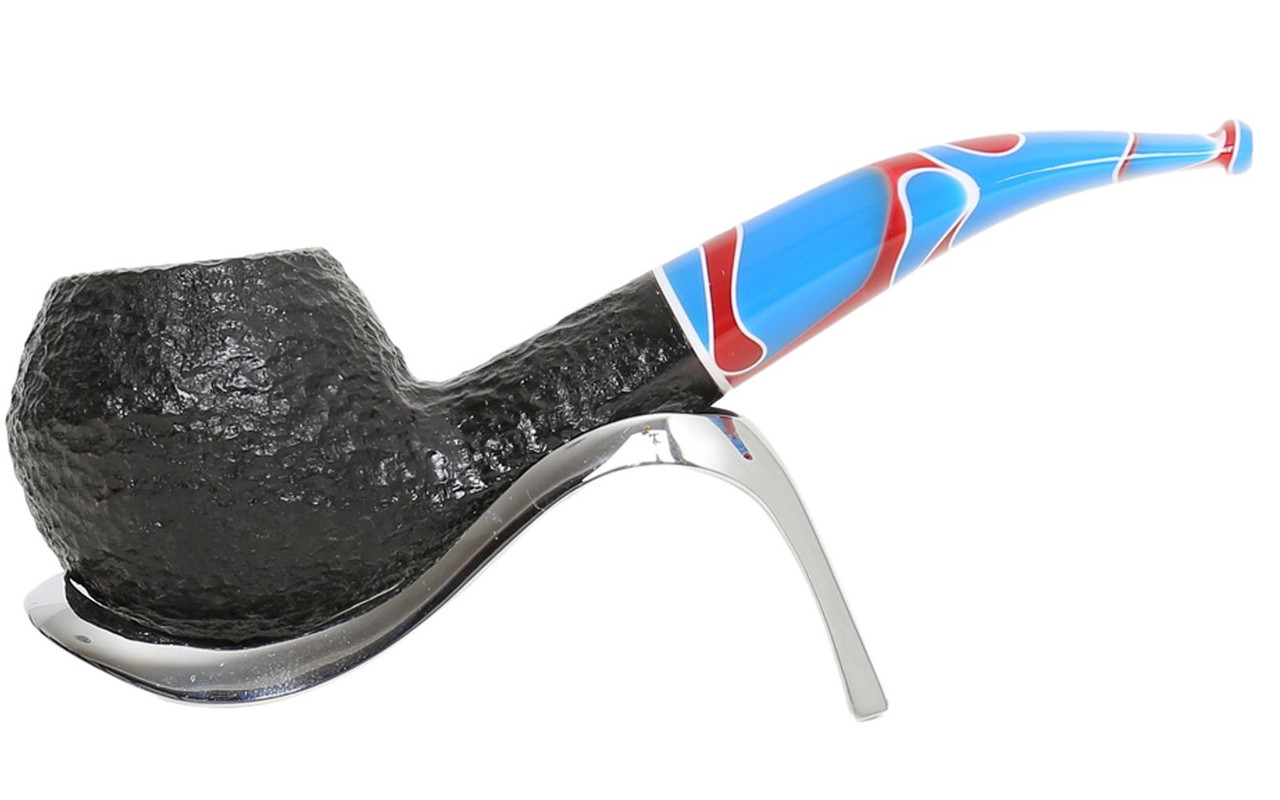
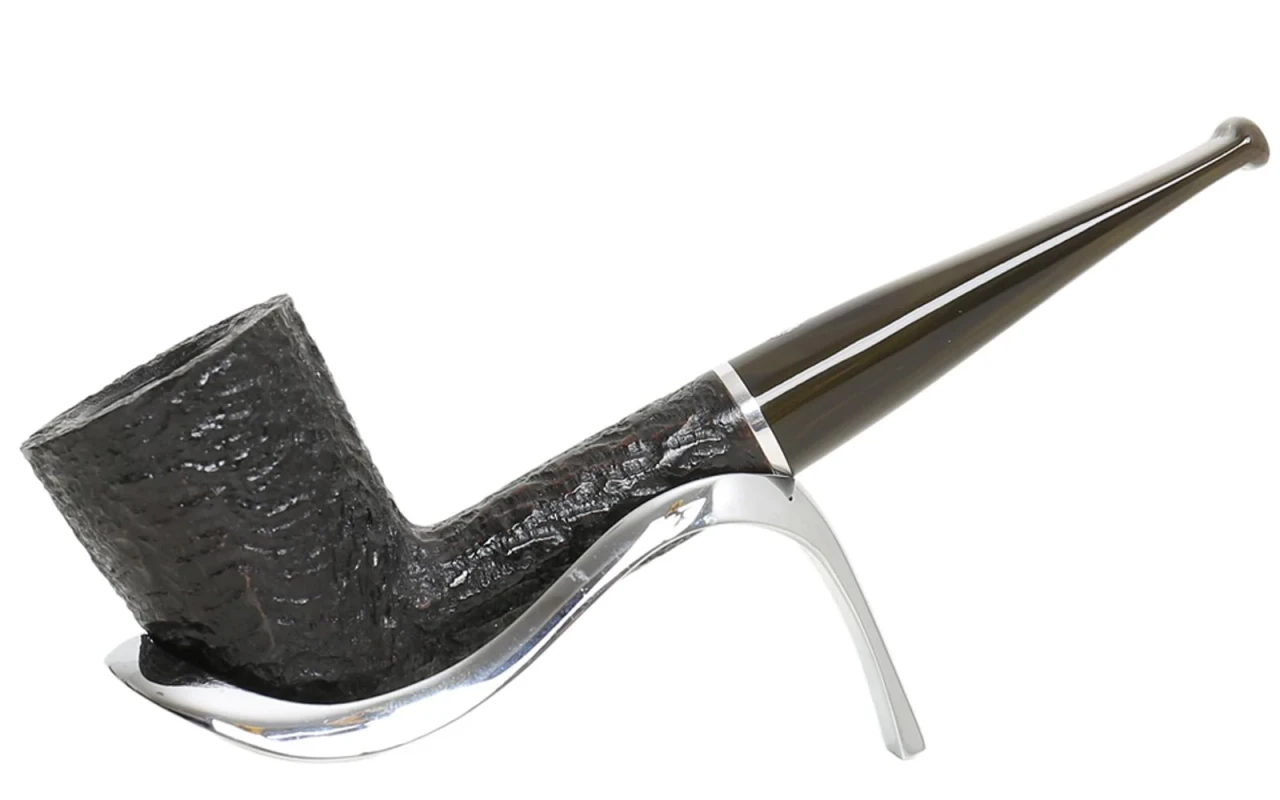
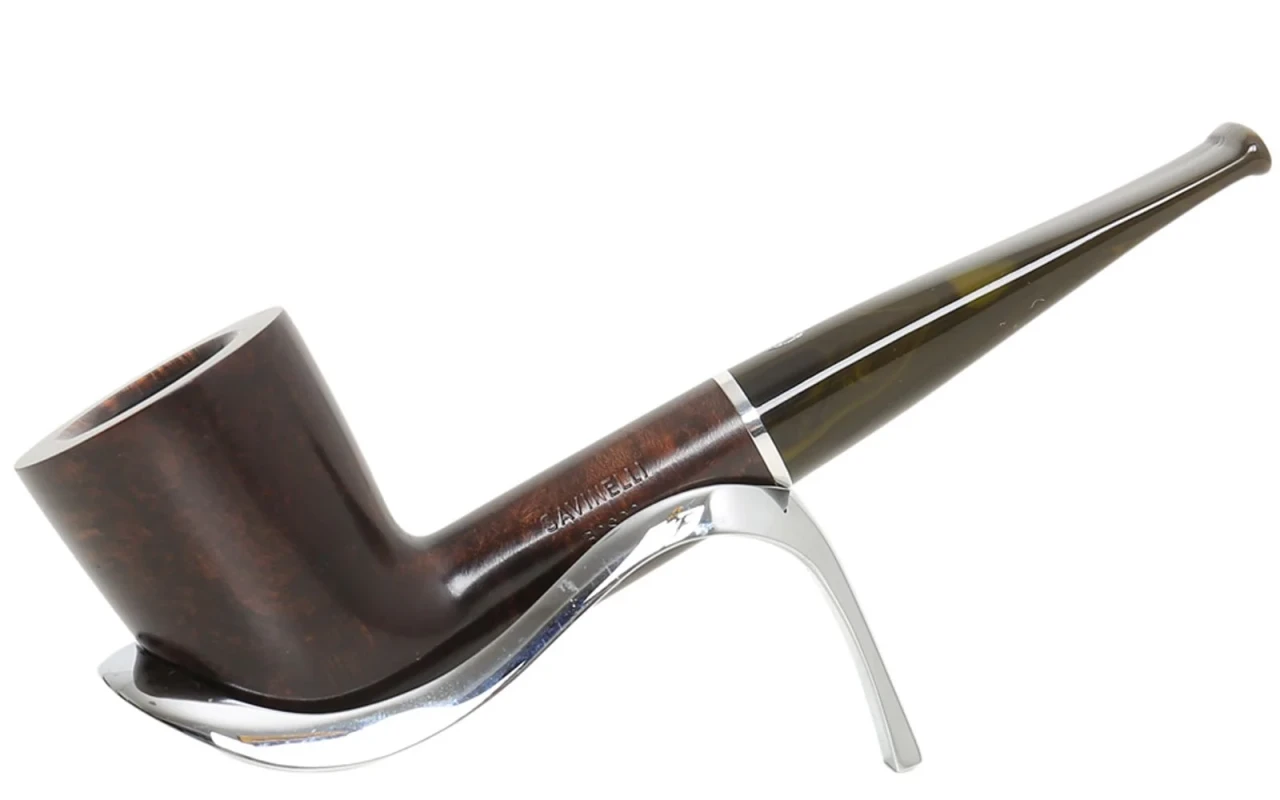
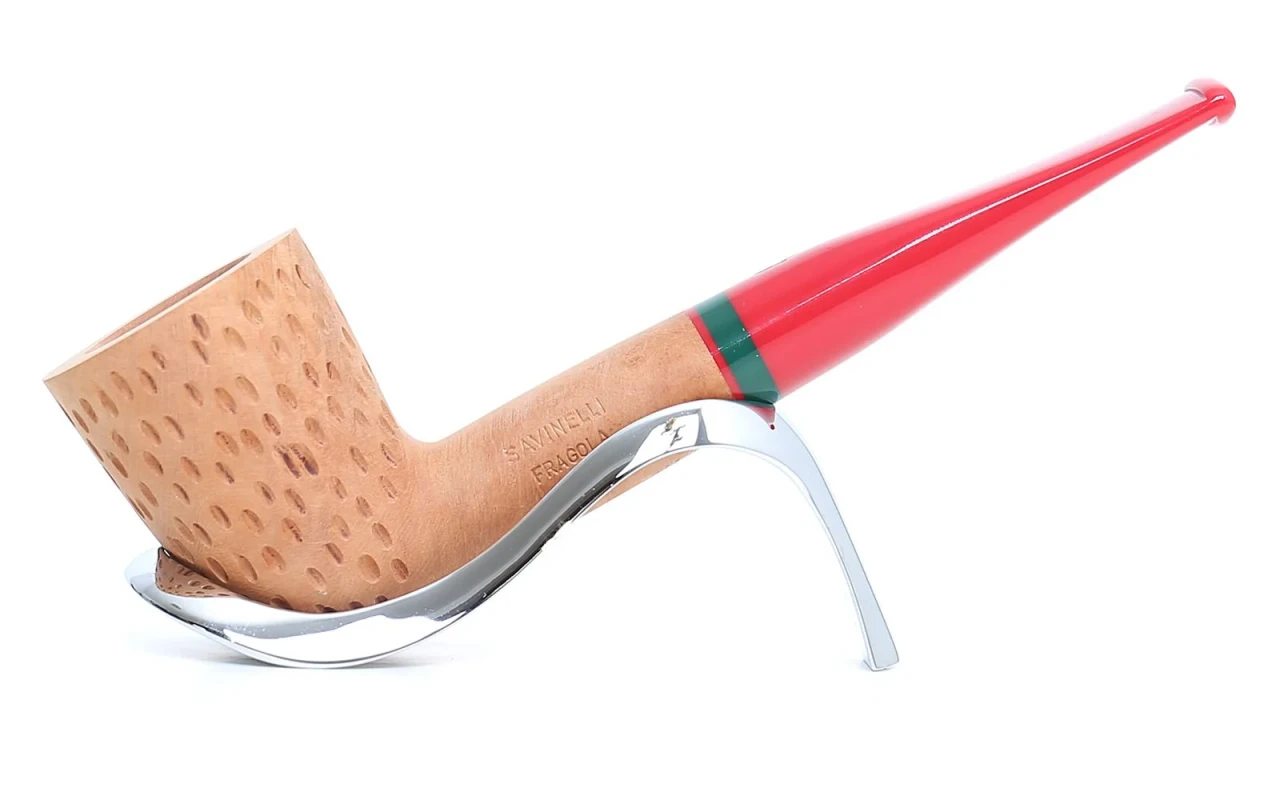
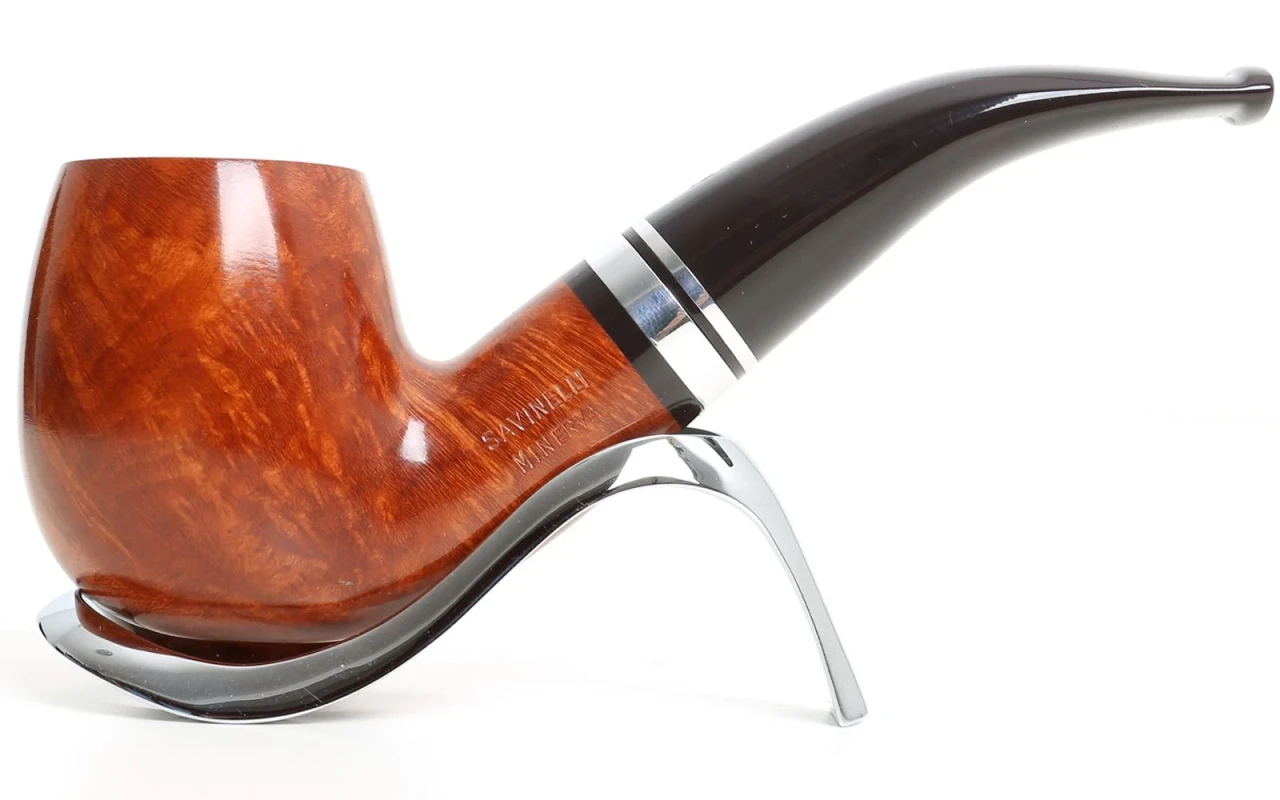
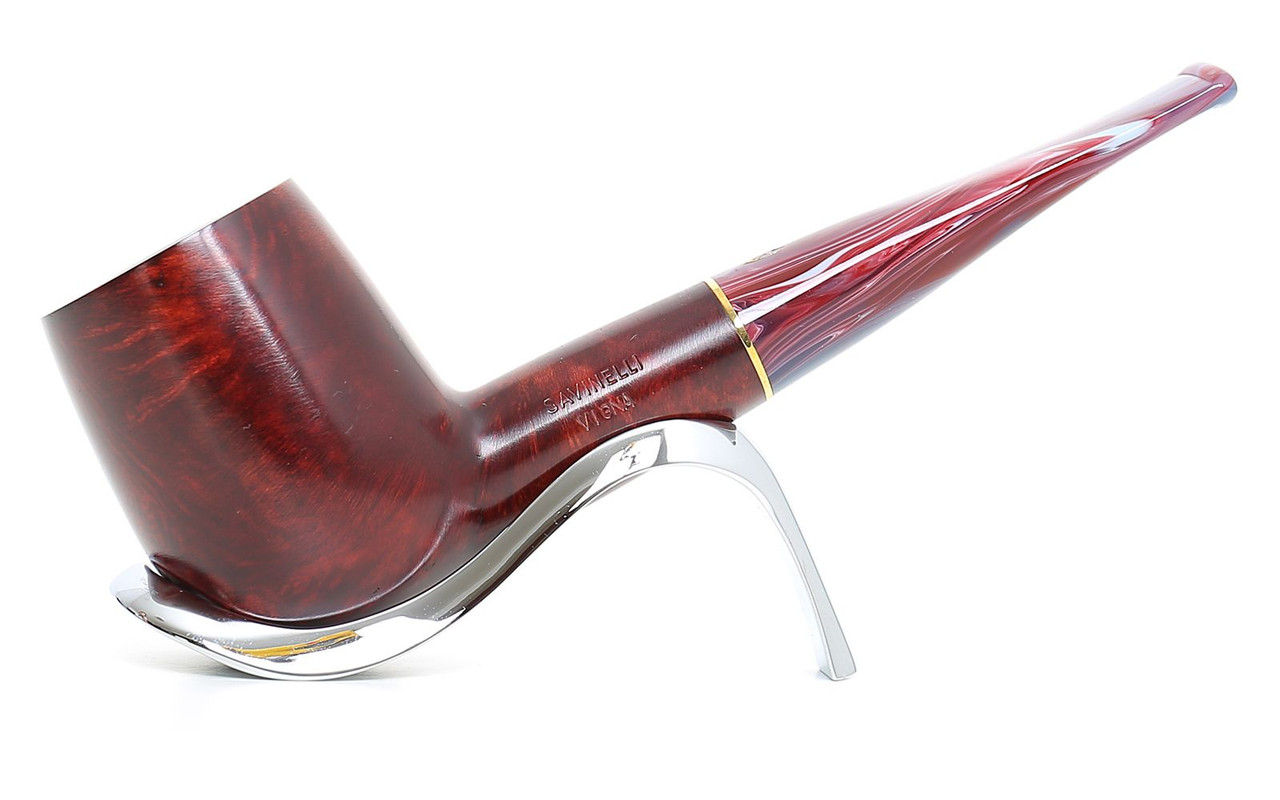
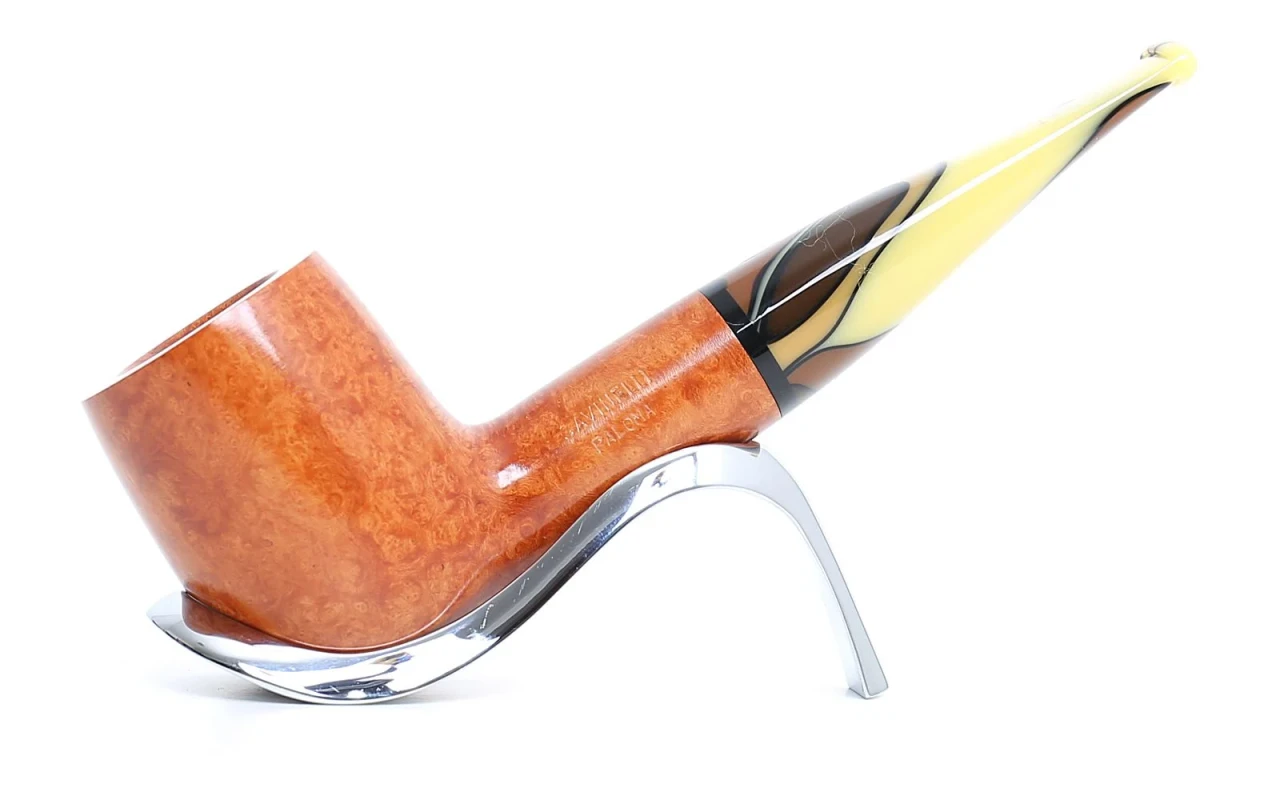
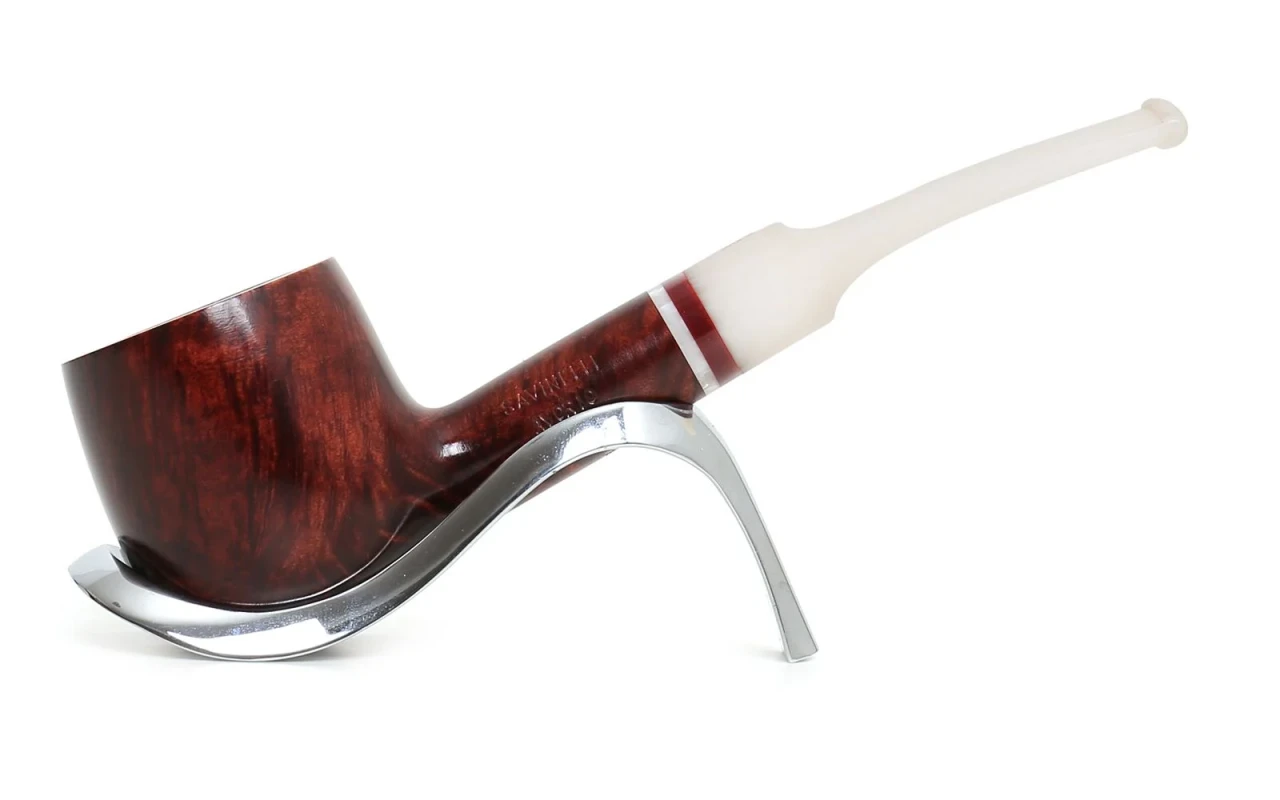
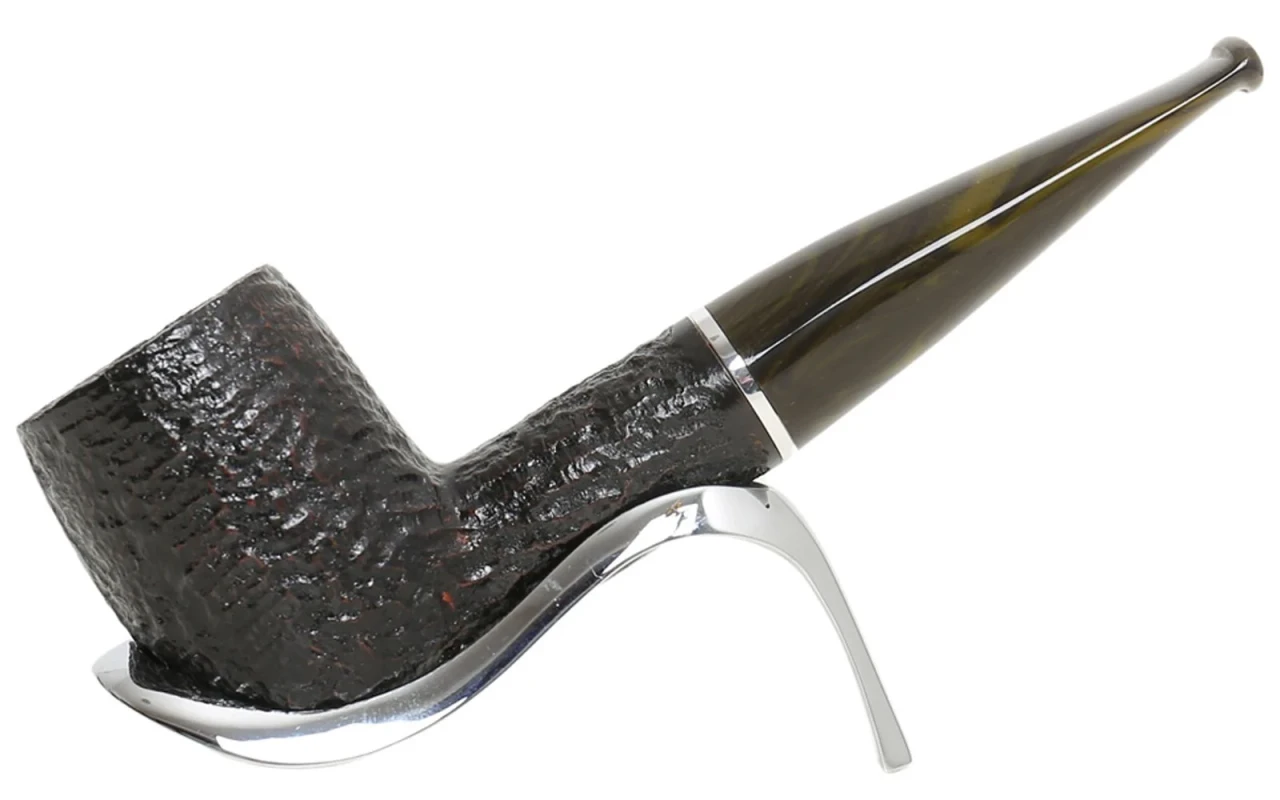
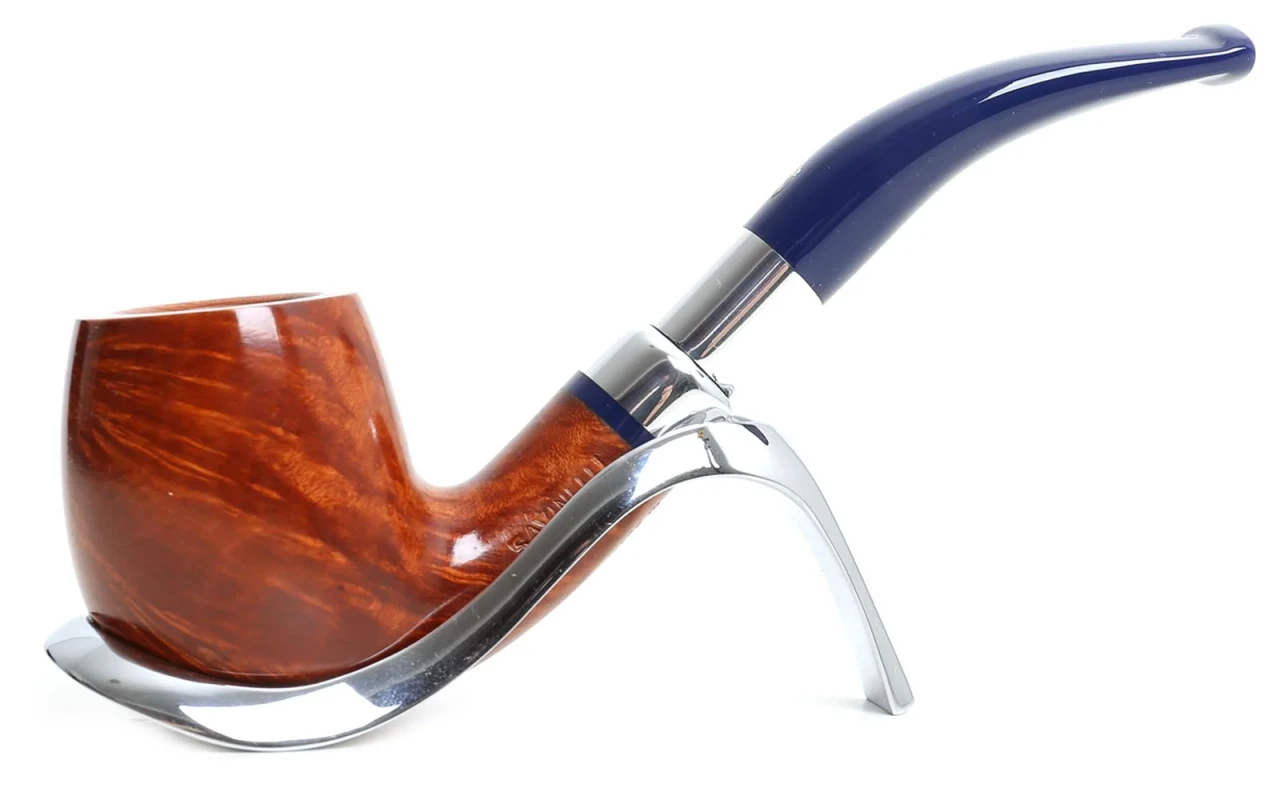
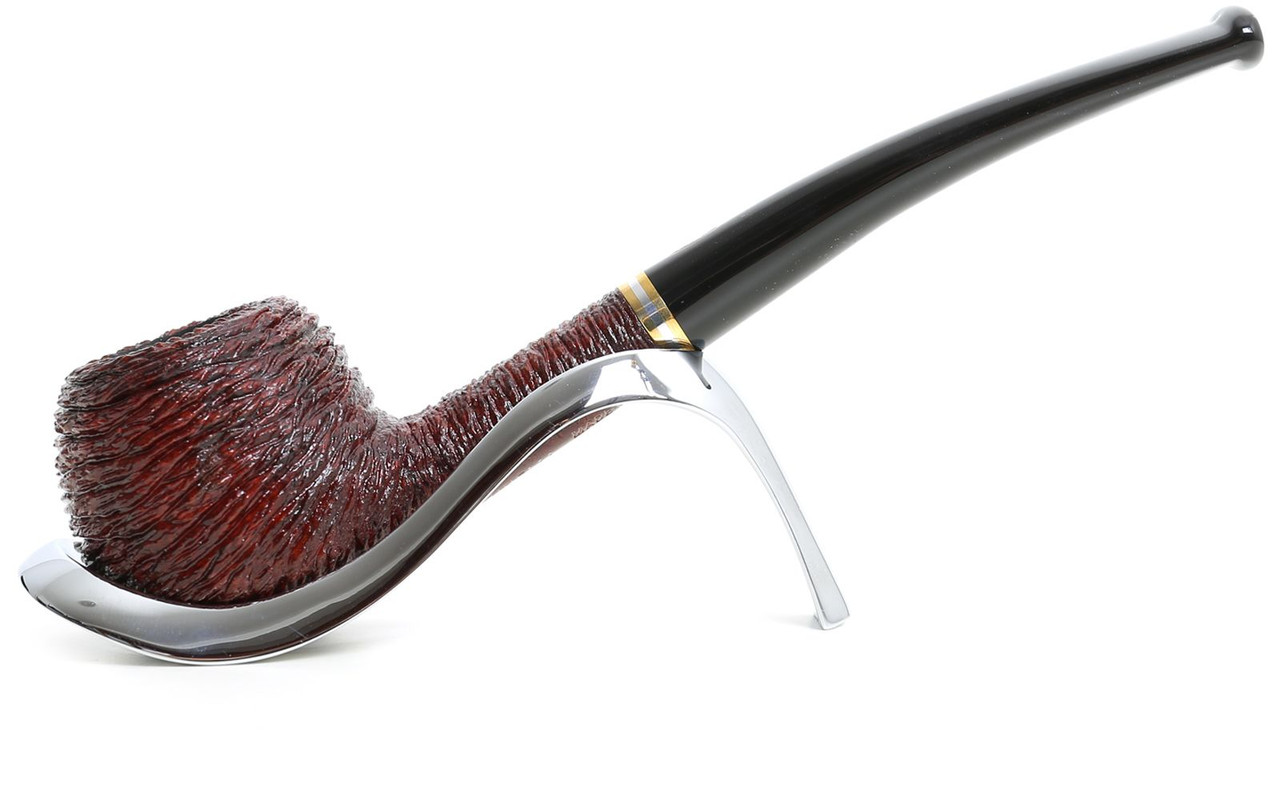
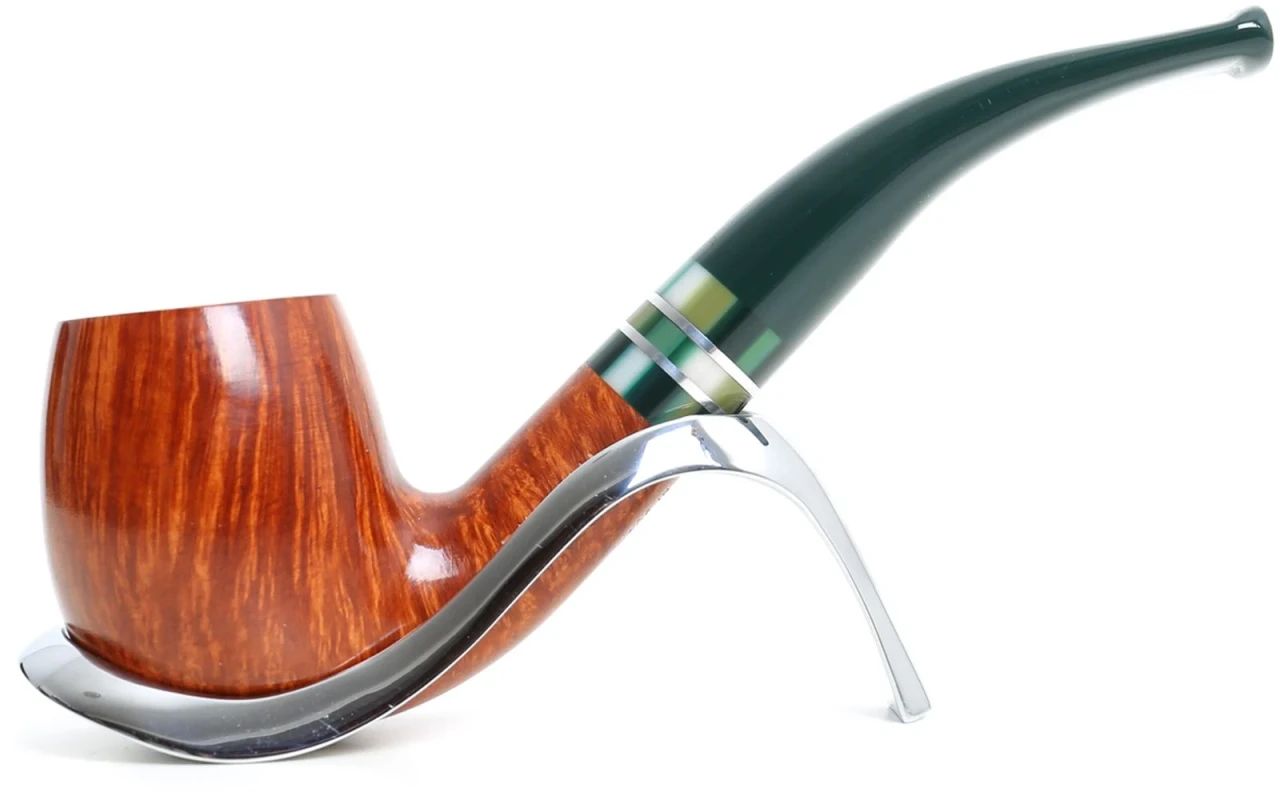
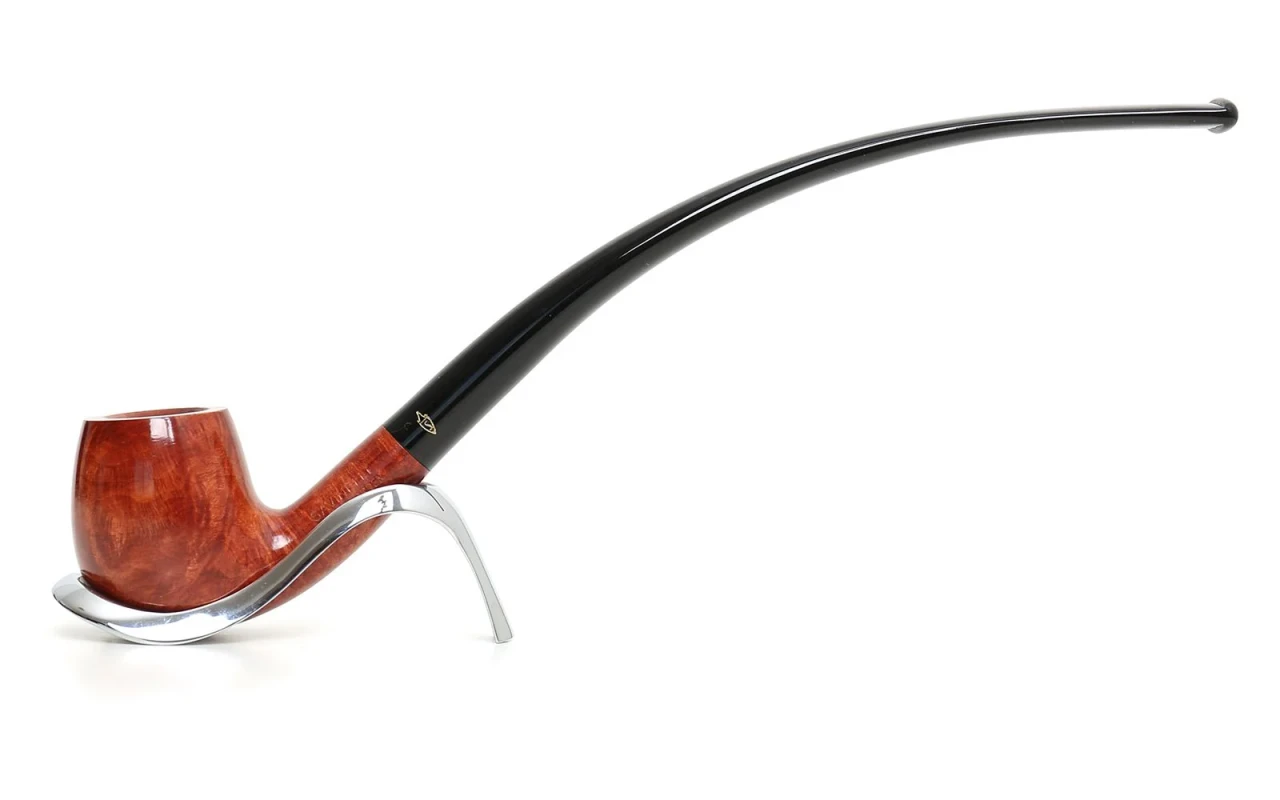
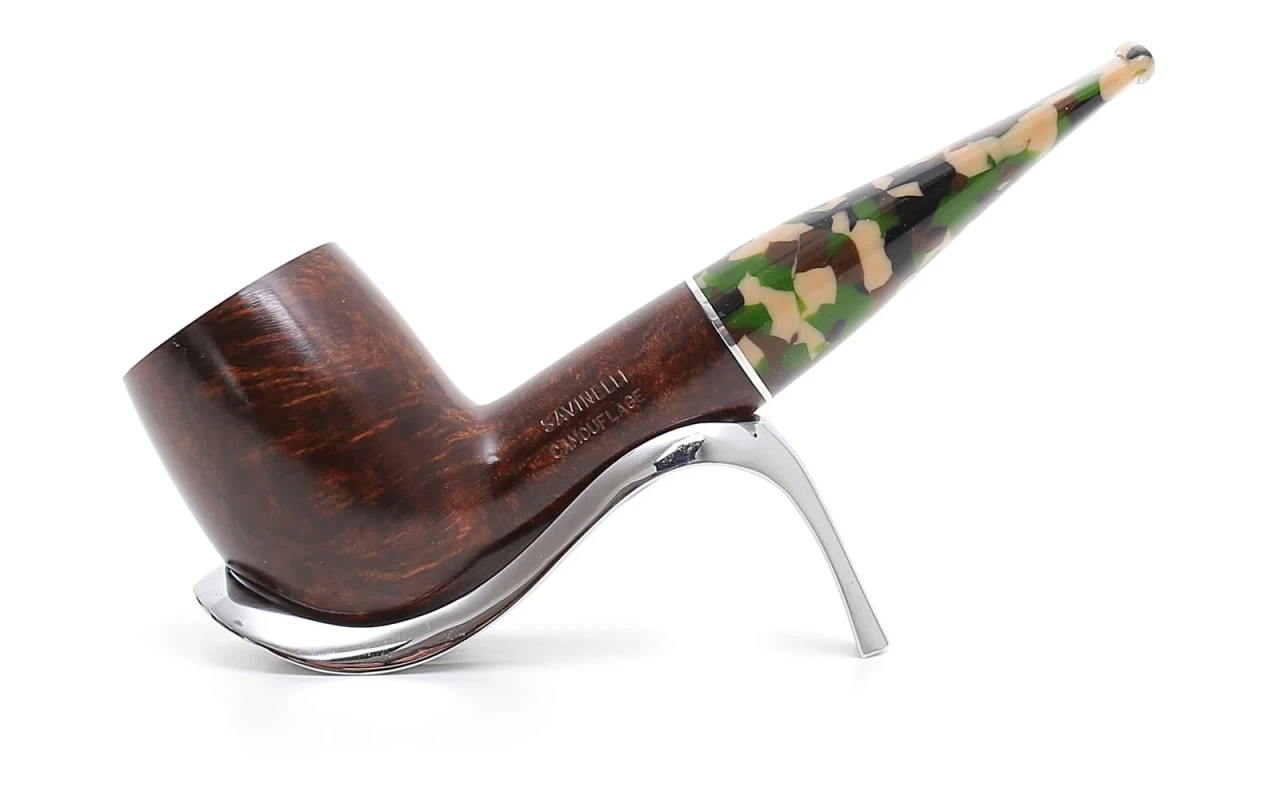
Materials used in the "Prince" pipe
The "Prince" pipe is traditionally crafted with high-quality materials to ensure a superior smoking experience. The most common materials used in the production of a "Prince" pipe include:- Briar wood: a high-quality wood known for its heat and flame resistance.- Acrylic or horn mouthpiece: durable and easy-to-clean materials that allow for a smooth airflow.- Briar inner lining: a wood particularly suitable for pipe smoking, capable of withstanding high temperatures.These materials give the "Prince" pipe a refined aesthetic and optimal functionality for a satisfying smoking experience.
Materials for Prince Pipes
The most common material used for Prince pipes is high-quality wood. This type of pipe is often crafted with briar root or exotic woods such as briar. Briar root is particularly valued for its heat and flame resistance, while briar is known for its ability to absorb moisture, ensuring a cooler and drier smoke. Other materials occasionally used may include corn cob, clay, meerschaum, or even metal. However, wood remains the preferred choice for traditional Prince pipes, offering a unique combination of aesthetics, performance, and long-term durability.
Prince Pipe Design
The design of the Prince pipe is characterized by a distinctive shape with a long curved stem and a small, rounded head. This type of pipe is appreciated for both its elegance and convenience during use. The curved shape of the stem allows for a comfortable and relaxed grip, while the pipe head is designed to provide a pleasant and balanced smoking experience. Prince pipes are often made of high-quality materials such as briar or walnut root, giving them a refined look and excellent heat resistance.
Prince Pipe Maintenance
Maintaining your Prince pipe is essential to ensure optimal performance and extend its lifespan. Here are some useful tips:- After each use, empty the pipe and gently clean it with a pipe cleaner.- Avoid overheating the pipe during combustion to prevent damage to the wood.- Periodically check the stem and bowl for any cracks or signs of wear.- Use a specific pipe oil to keep the wood hydrated and durable over time.- Lastly, store the pipe in a cool, dry environment to prevent moisture damage.
Prince Pipe History
The Prince pipe is a pipe model particularly appreciated by pipe smoking enthusiasts. Its history dates back to 1906 when it was created by a British craftsman named Alfred Prince. This type of pipe is characterized by its curved and slender shape, with a smaller bowl compared to standard pipes. The unique shape of the Prince pipe allows for a cooler and drier smoke compared to other models, offering a unique smoking experience. Over the years, the Prince pipe has maintained its popularity among pipe smokers, becoming an icon in the world of pipe tobacco.
'%3e%3cg id='Final-Copy-2_2_' transform='translate(1275.000000, 200.000000)'%3e%3cpath class='st0' d='M7.4,12.8h6.8l3.1-11.6H7.4C4.2,1.2,1.6,3.8,1.6,7S4.2,12.8,7.4,12.8z'/%3e%3c/g%3e%3c/g%3e%3c/g%3e%3cg id='final---dec.11-2020'%3e%3cg id='_x30_208-our-toggle' transform='translate(-1275.000000, -200.000000)'%3e%3cg id='Final-Copy-2' transform='translate(1275.000000, 200.000000)'%3e%3cpath class='st1' d='M22.6,0H7.4c-3.9,0-7,3.1-7,7s3.1,7,7,7h15.2c3.9,0,7-3.1,7-7S26.4,0,22.6,0z M1.6,7c0-3.2,2.6-5.8,5.8-5.8 h9.9l-3.1,11.6H7.4C4.2,12.8,1.6,10.2,1.6,7z'/%3e%3cpath id='x' class='st2' d='M24.6,4c0.2,0.2,0.2,0.6,0,0.8l0,0L22.5,7l2.2,2.2c0.2,0.2,0.2,0.6,0,0.8c-0.2,0.2-0.6,0.2-0.8,0 l0,0l-2.2-2.2L19.5,10c-0.2,0.2-0.6,0.2-0.8,0c-0.2-0.2-0.2-0.6,0-0.8l0,0L20.8,7l-2.2-2.2c-0.2-0.2-0.2-0.6,0-0.8 c0.2-0.2,0.6-0.2,0.8,0l0,0l2.2,2.2L23.8,4C24,3.8,24.4,3.8,24.6,4z'/%3e%3cpath id='y' class='st3' d='M12.7,4.1c0.2,0.2,0.3,0.6,0.1,0.8l0,0L8.6,9.8C8.5,9.9,8.4,10,8.3,10c-0.2,0.1-0.5,0.1-0.7-0.1l0,0 L5.4,7.7c-0.2-0.2-0.2-0.6,0-0.8c0.2-0.2,0.6-0.2,0.8,0l0,0L8,8.6l3.8-4.5C12,3.9,12.4,3.9,12.7,4.1z'/%3e%3c/g%3e%3c/g%3e%3c/g%3e%3c/g%3e%3c/svg%3e) Your Privacy Choices
Your Privacy Choices 


