 ES
ES FR
FR EN
EN IT
IT DE
DE
Materials used in the manufacturing of “Chimney” pipes
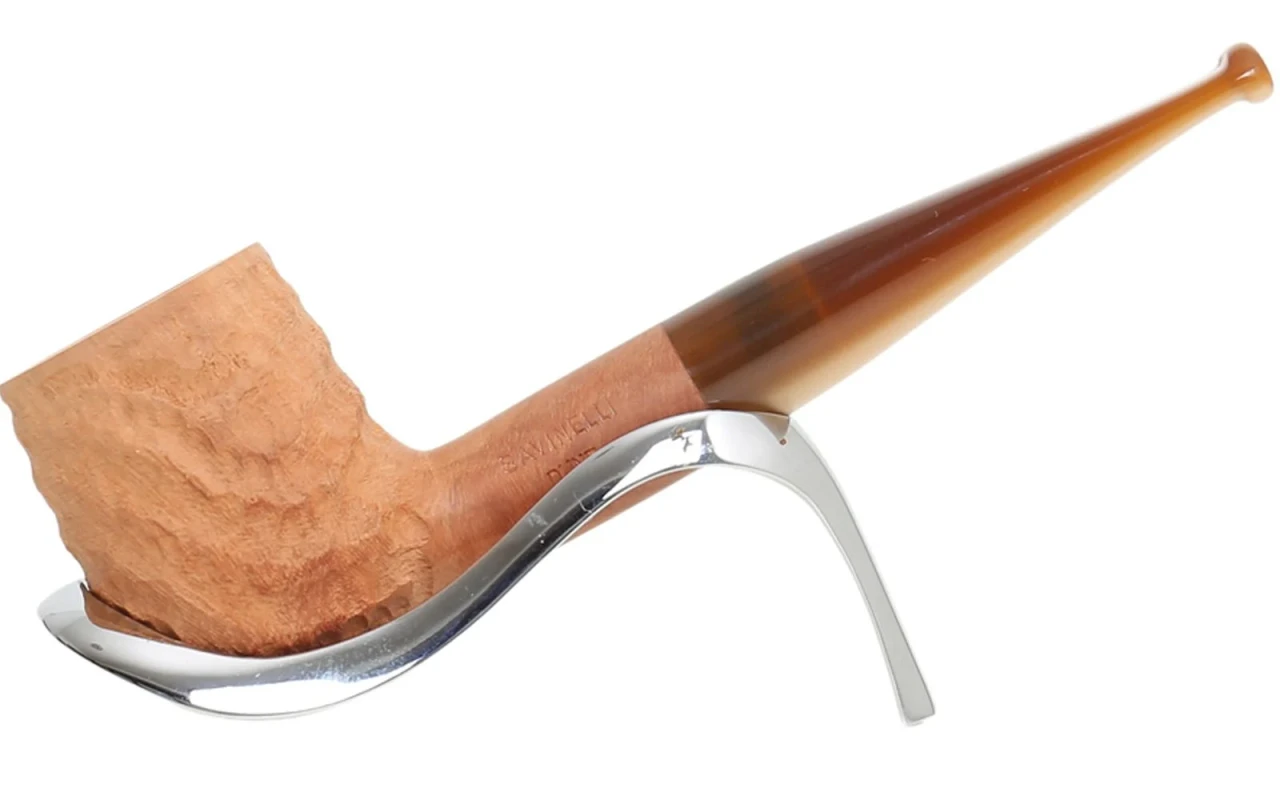
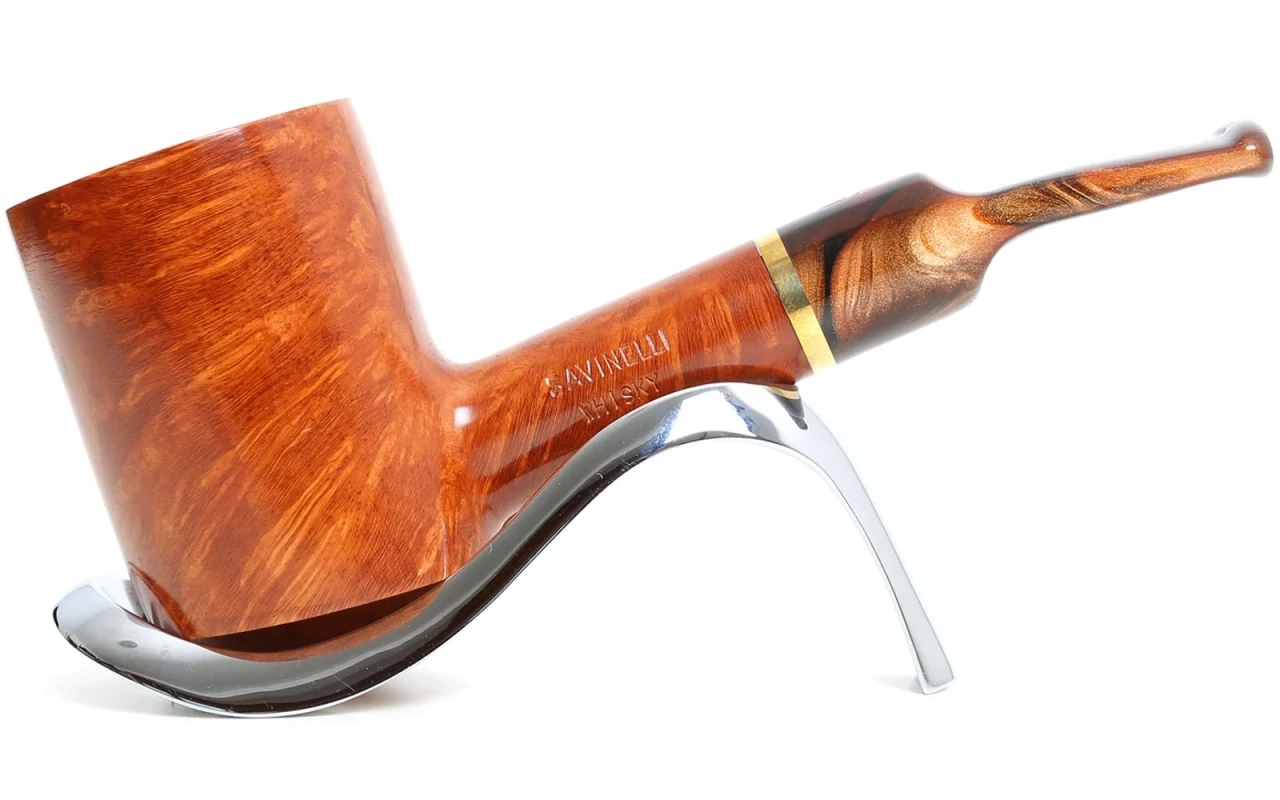
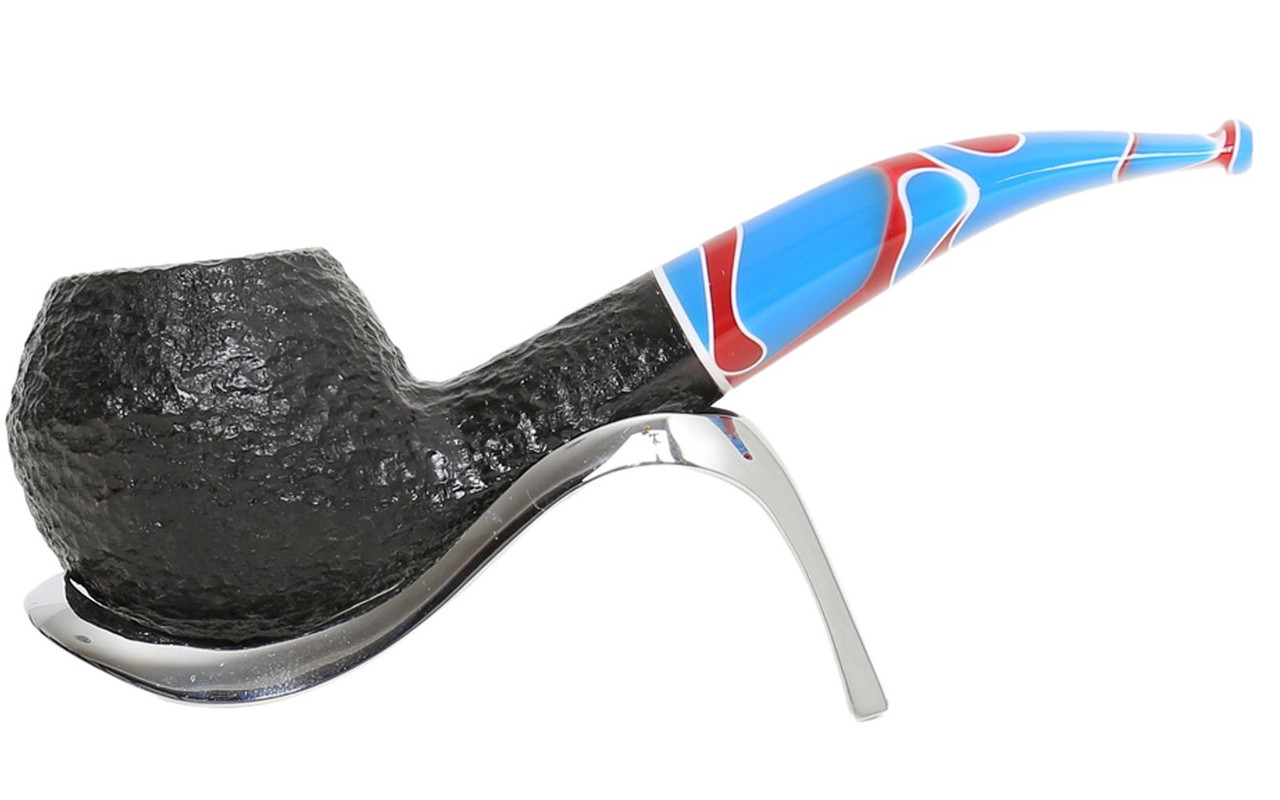
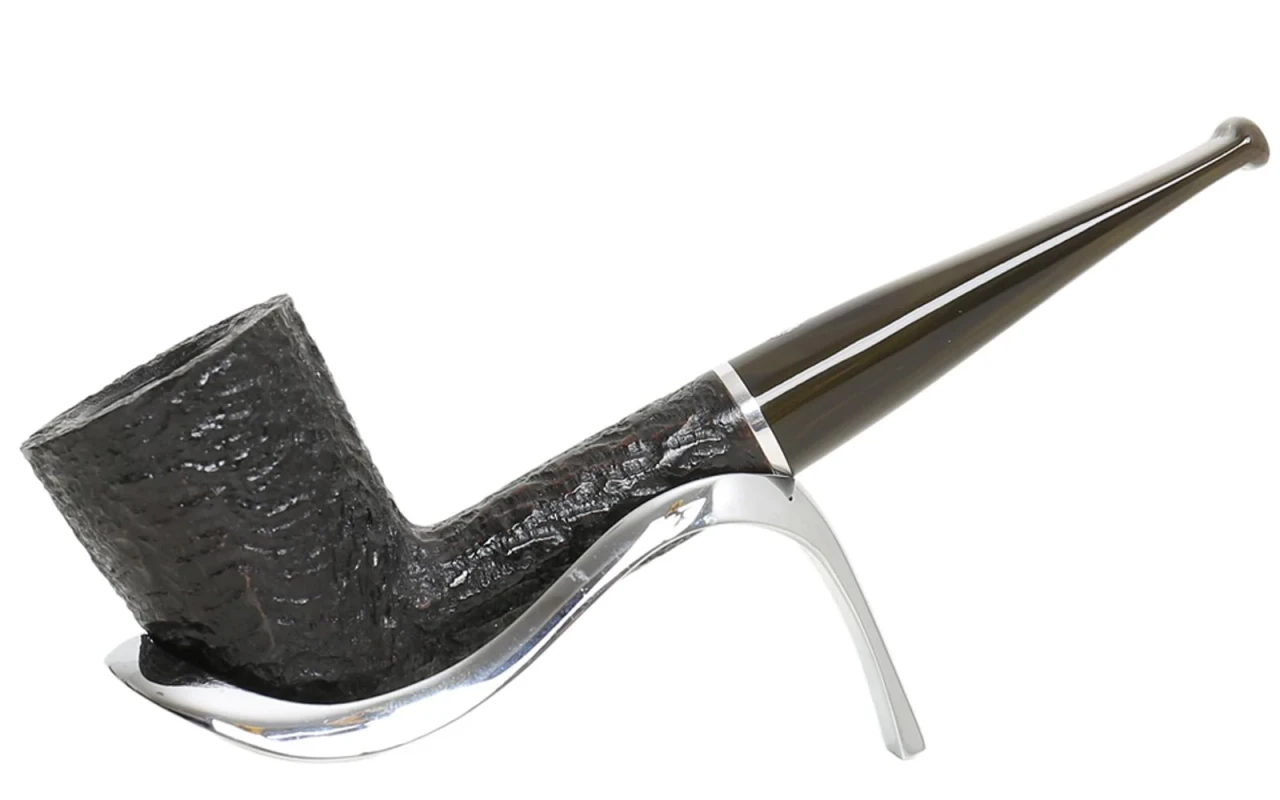
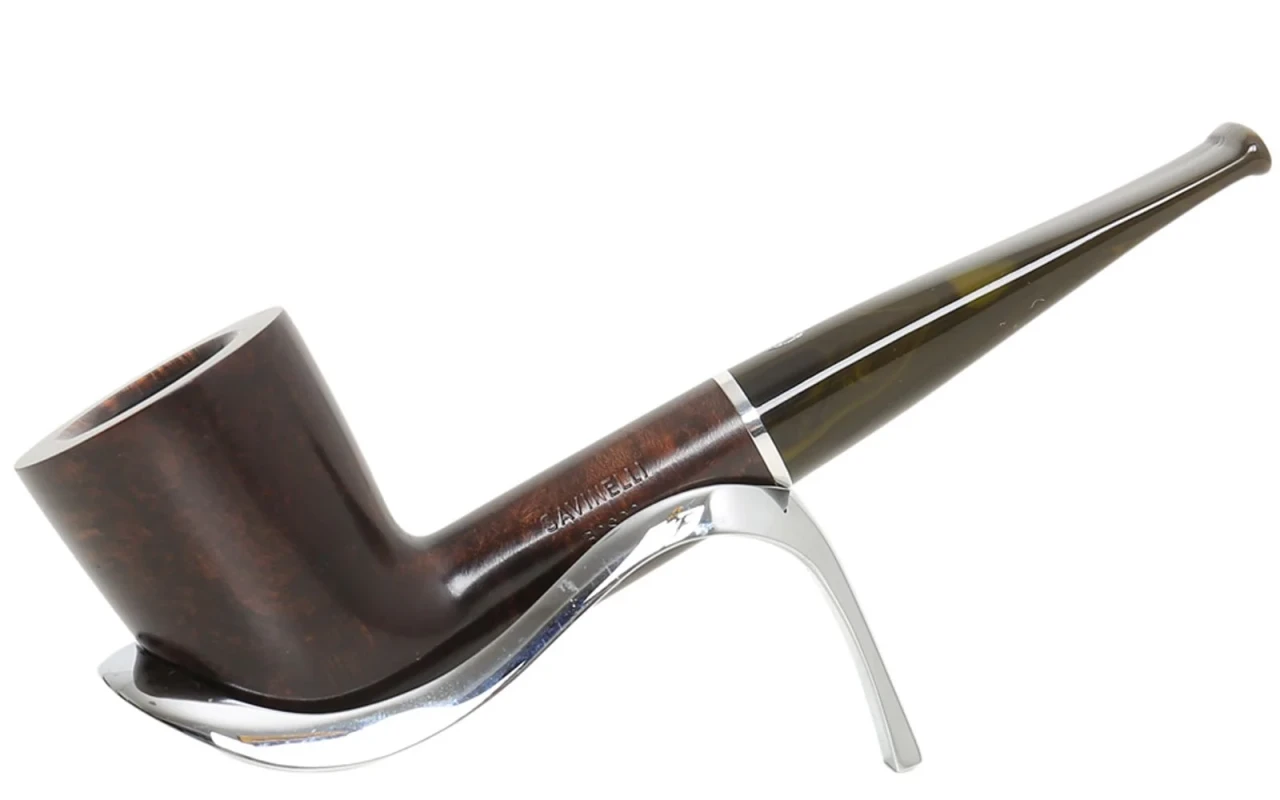
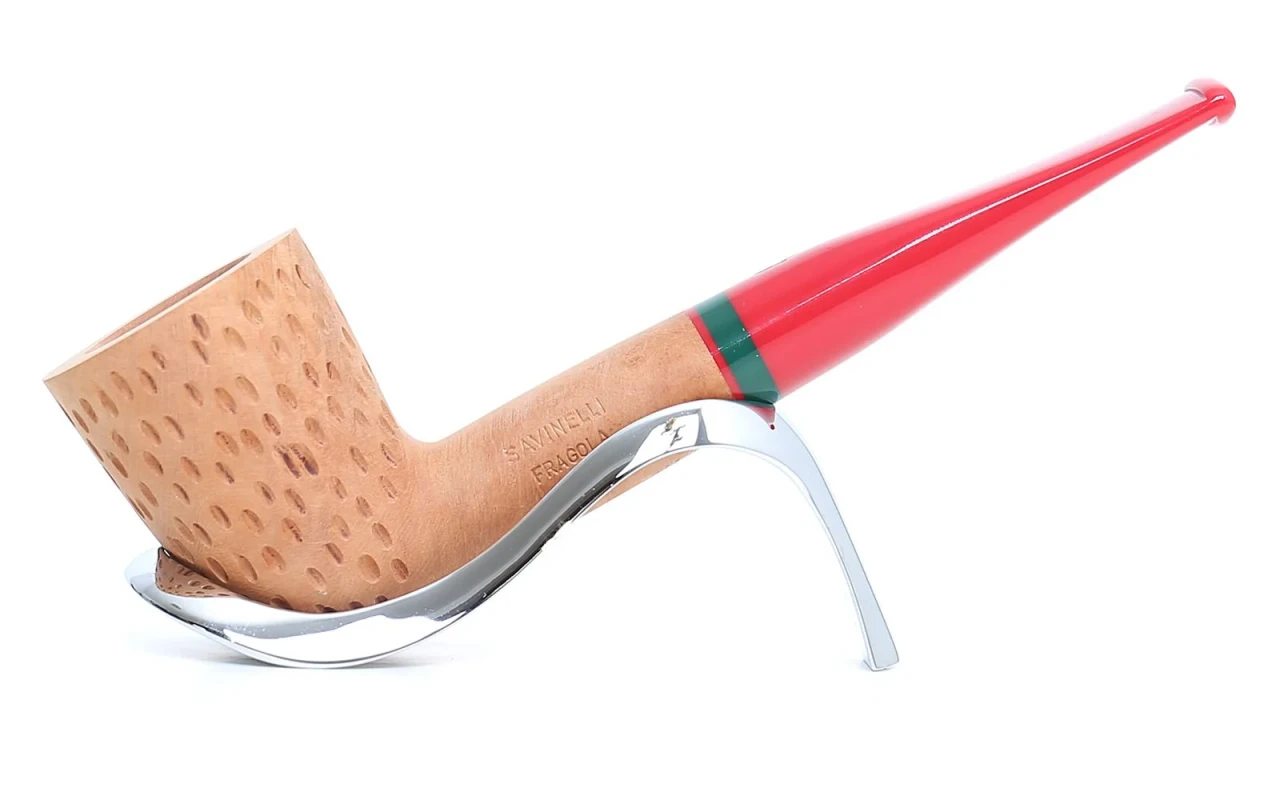
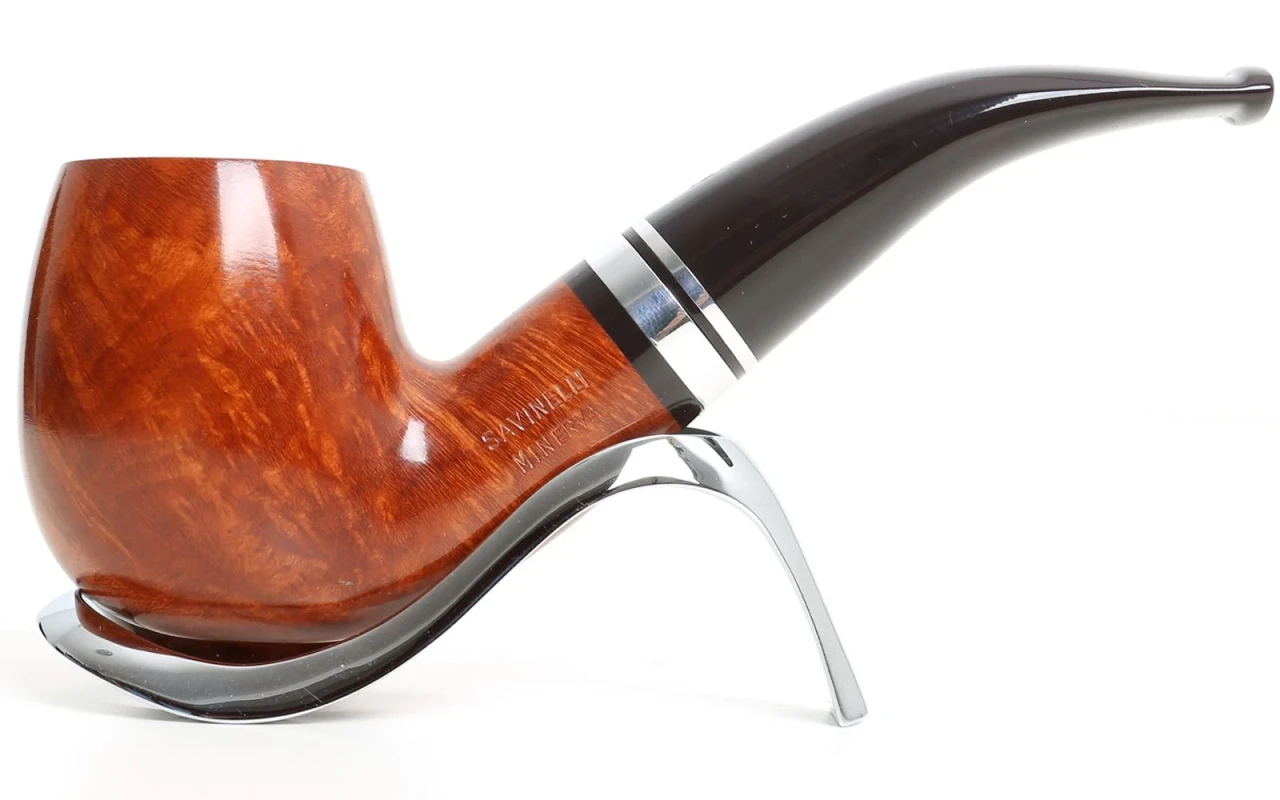
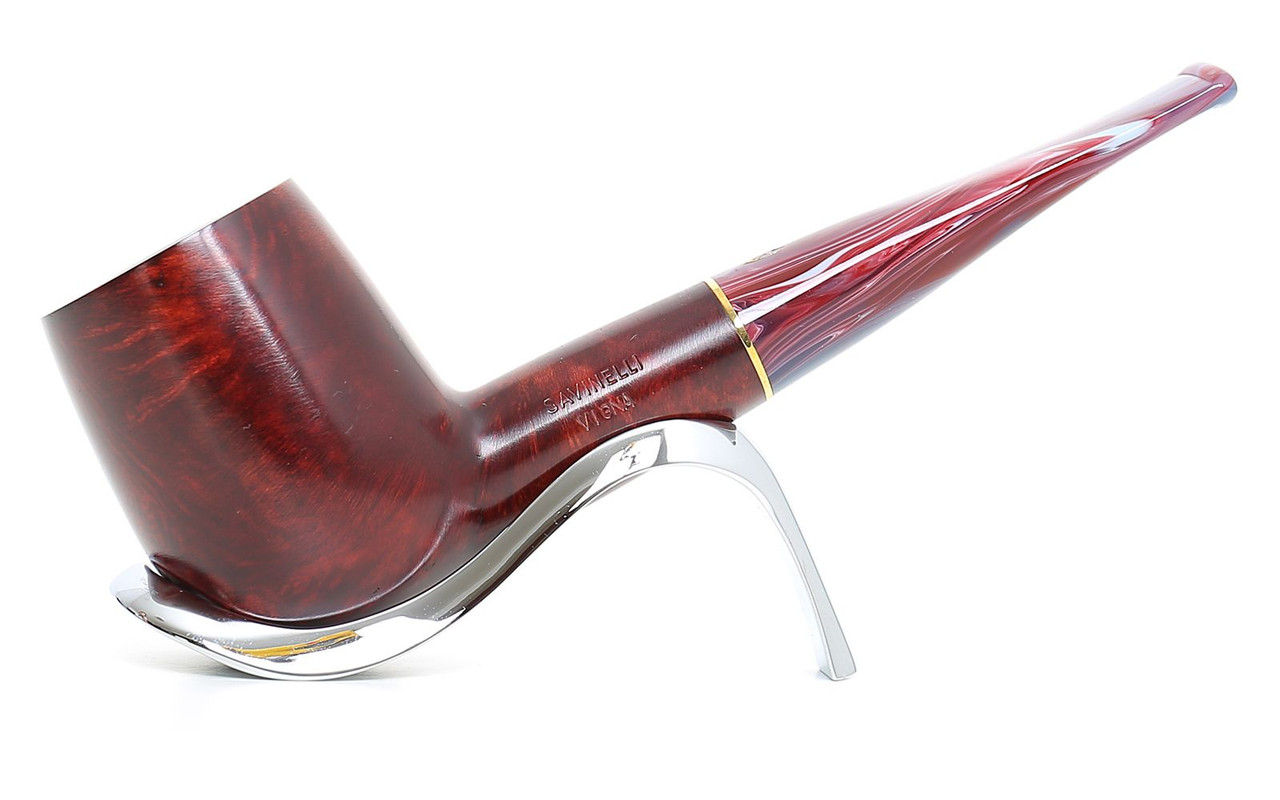
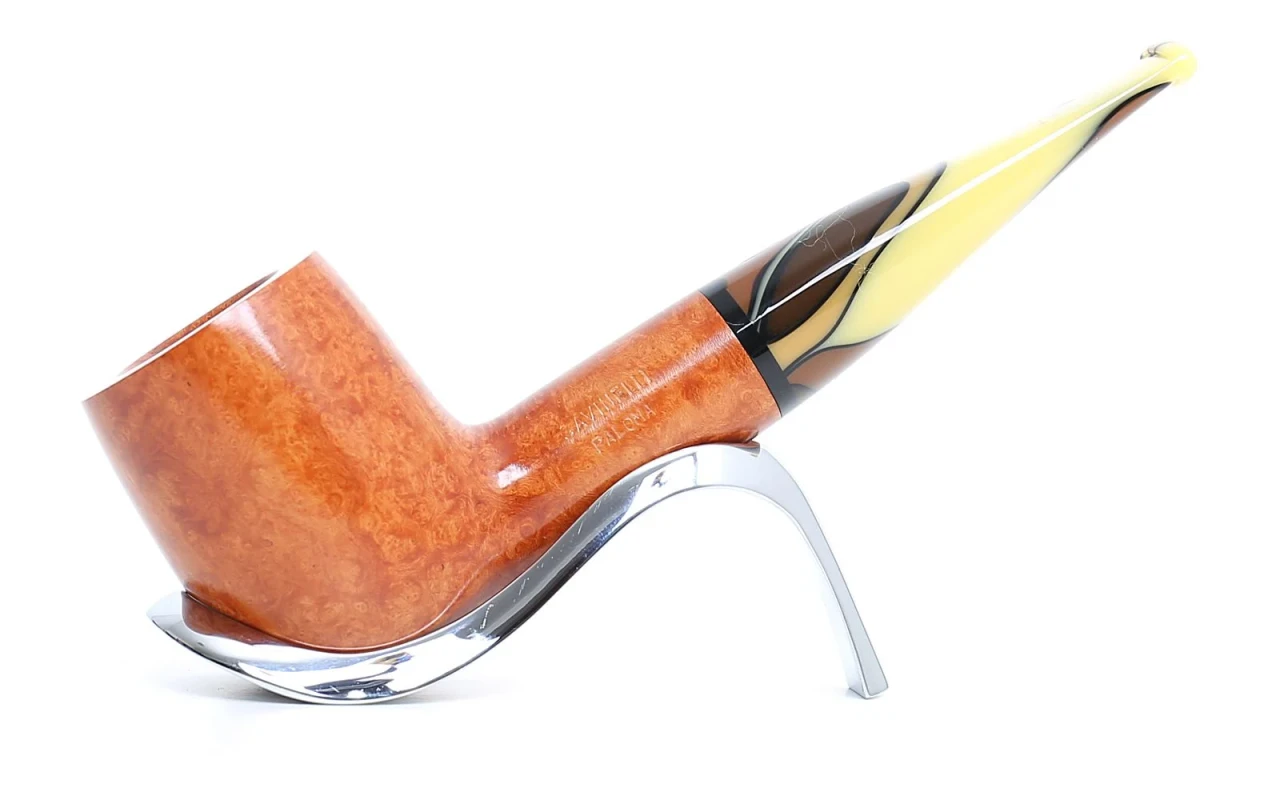
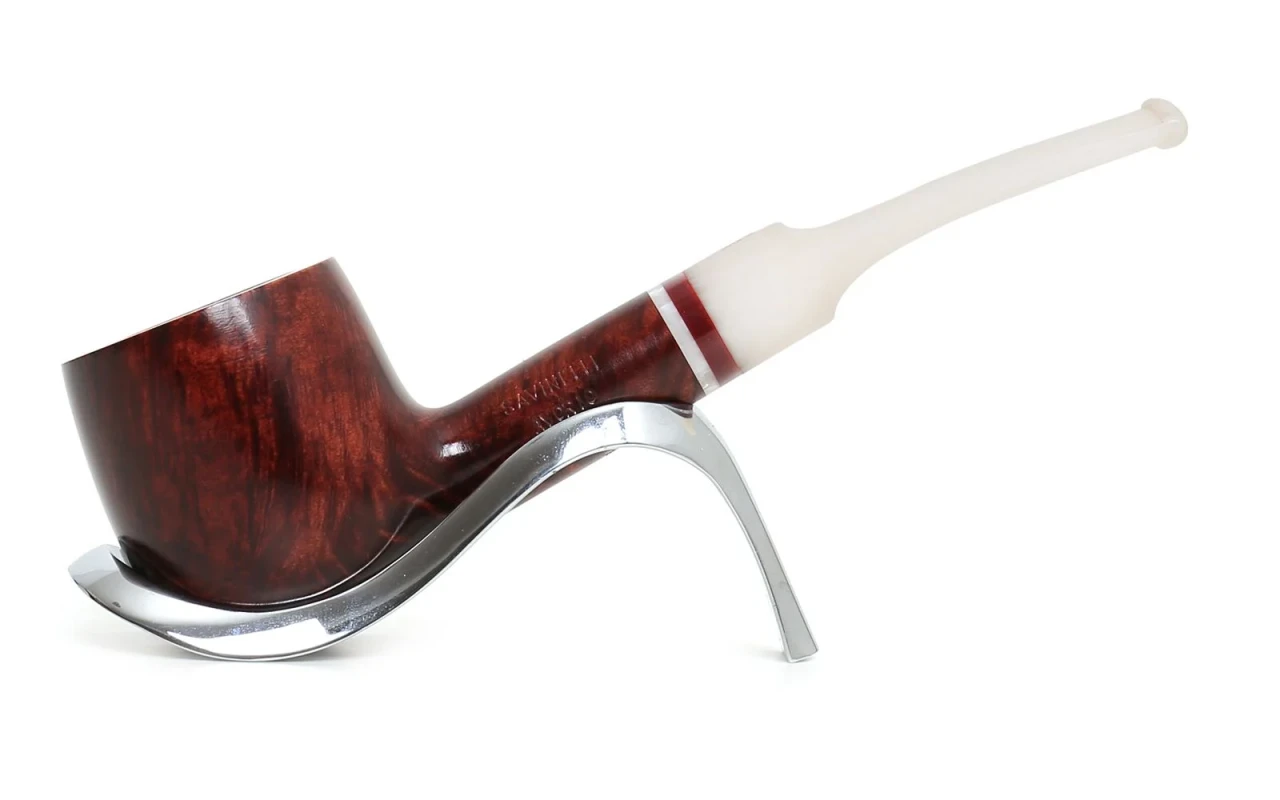
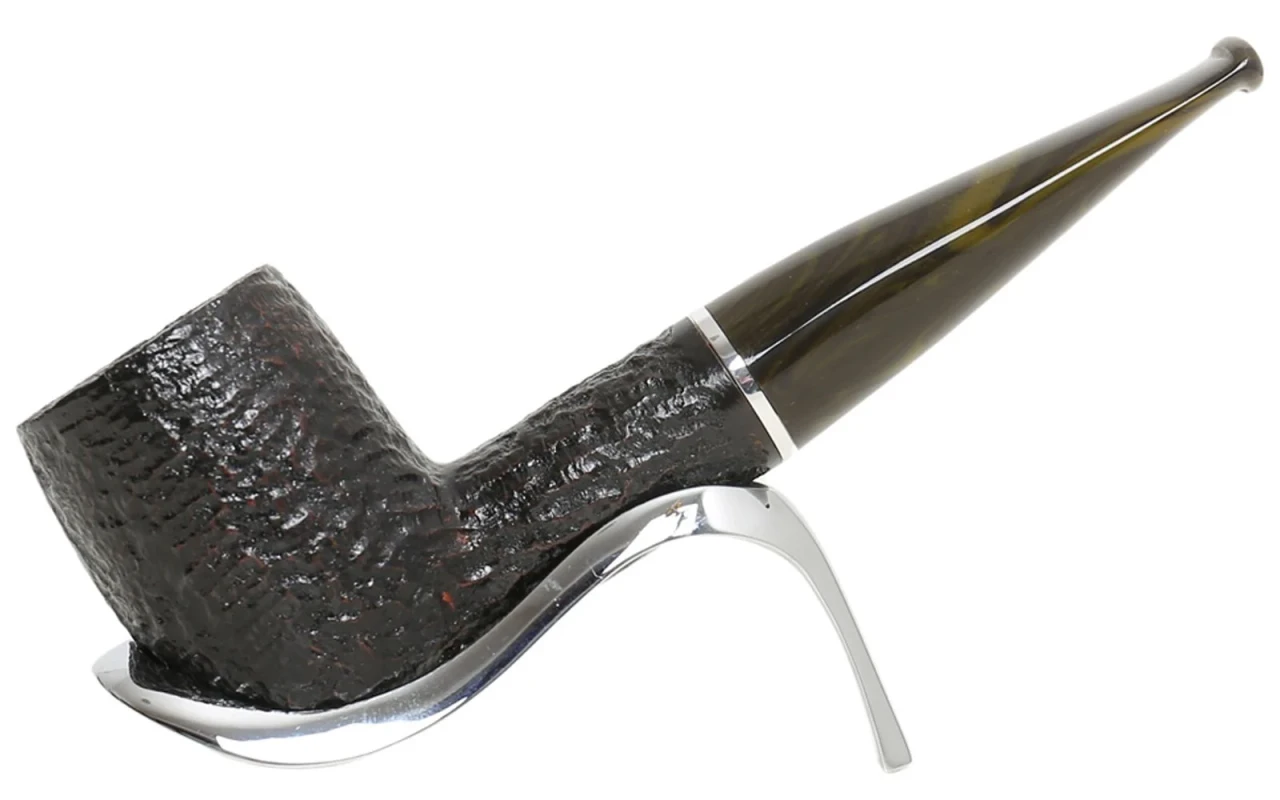
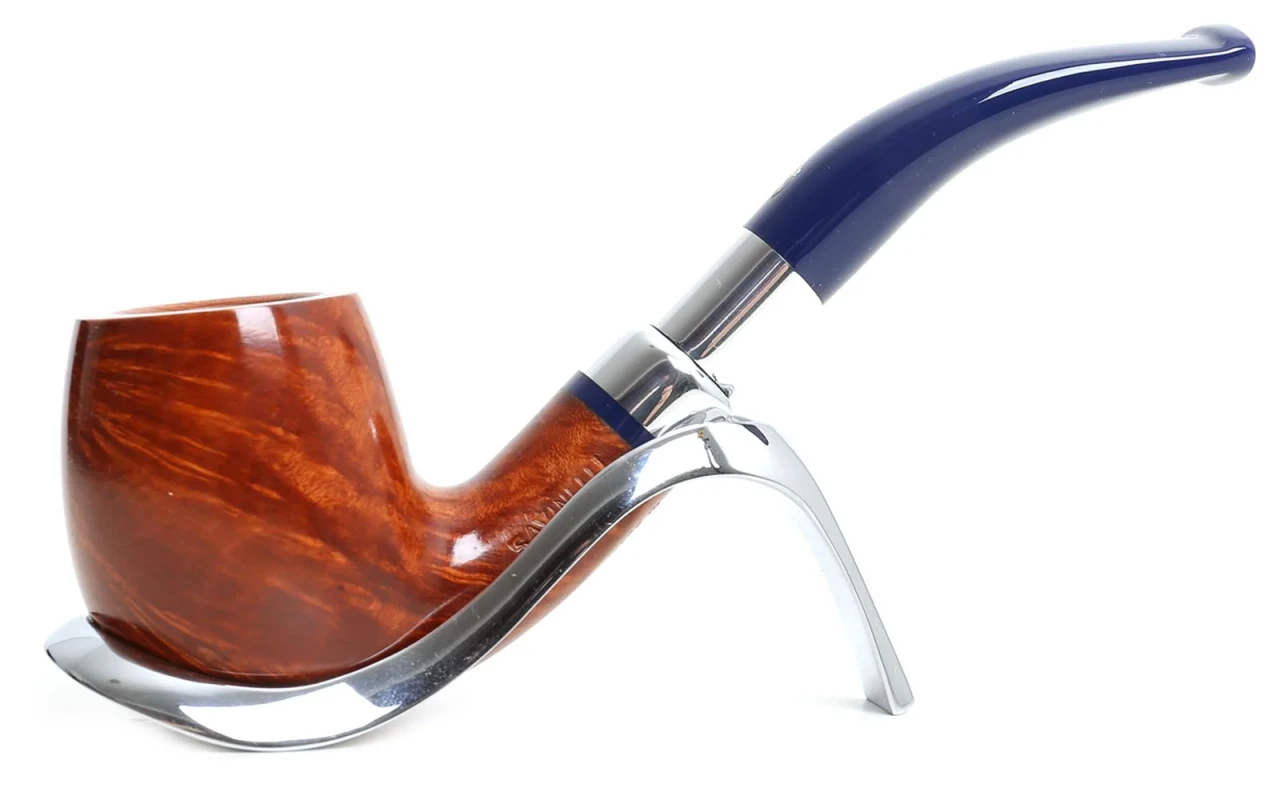
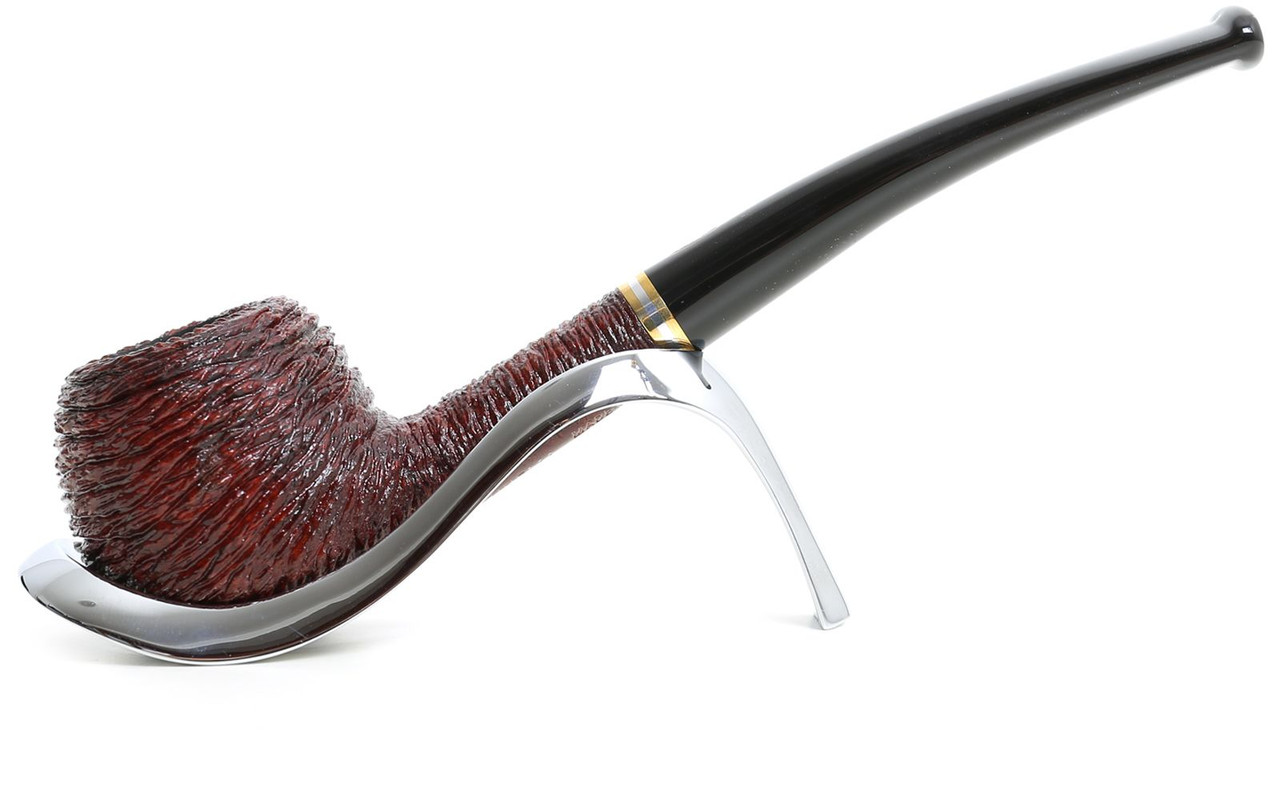
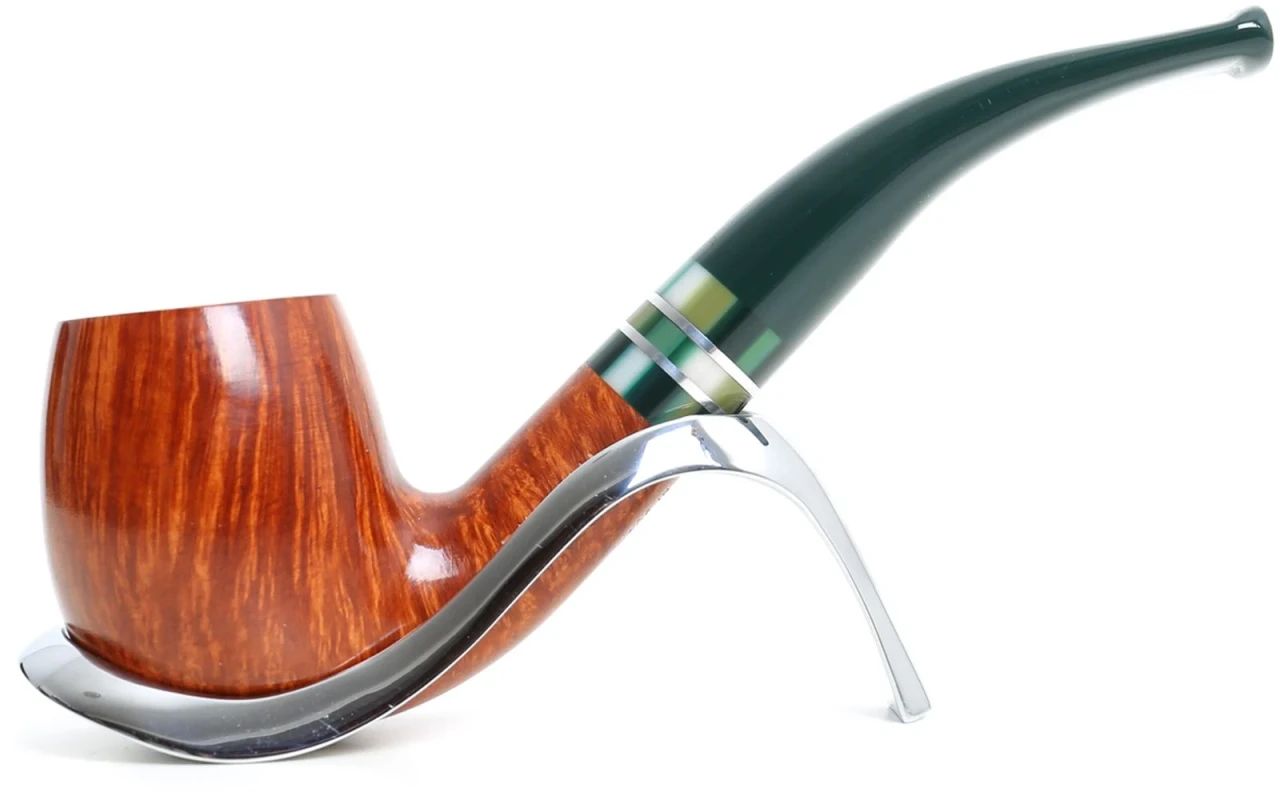
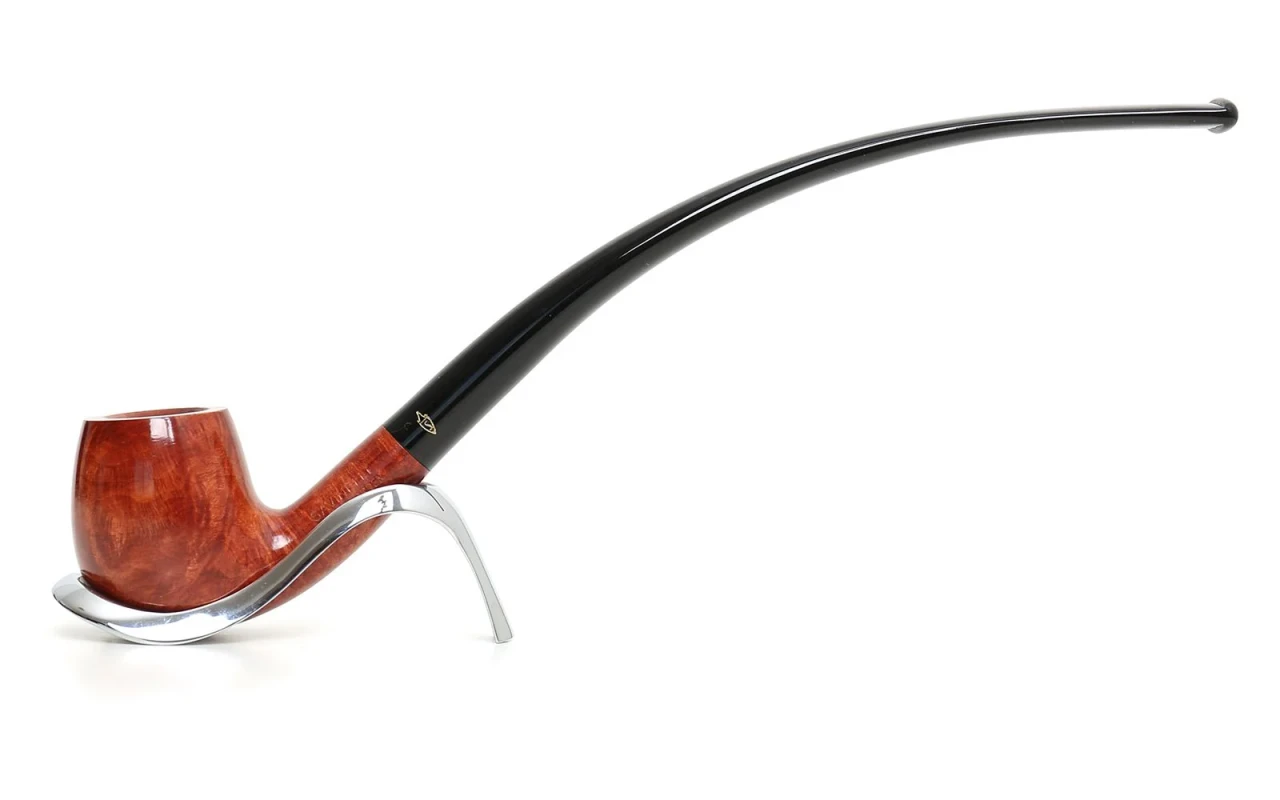
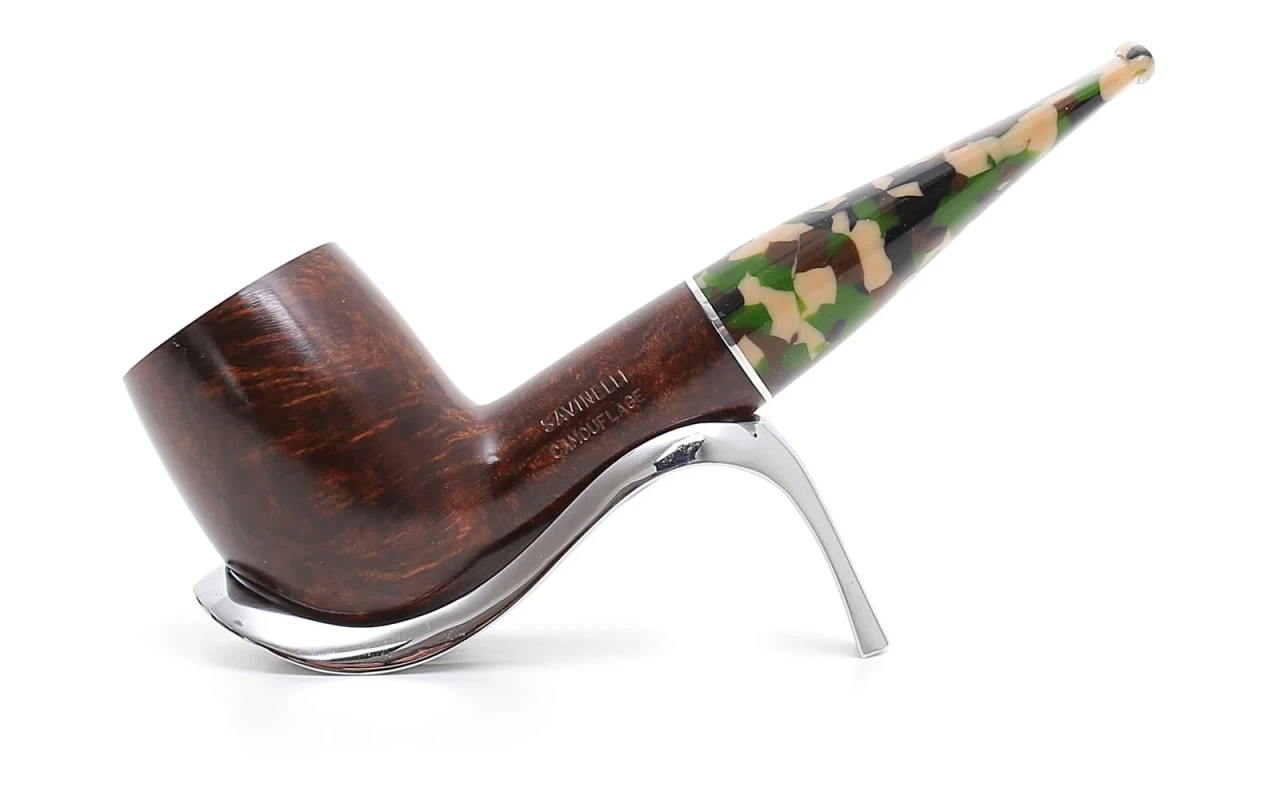
Materials used in the manufacturing of "Chimney" pipes
The materials used in the manufacturing of "Chimney" pipes vary depending on the preferences and needs of the smoker. Commonly, "Chimney" pipes can be crafted from high-quality materials such as:- Briar wood: lightweight and heat-resistant, ideal for constructing smoking pipes.- Oak wood: appreciated for its beauty and long-lasting durability.- Olive wood: known for its unique grain and ability to absorb tobacco oils.- Juniper wood: aromatic wood that imparts a distinctive flavor to the smoke.The choice of material impacts the aesthetic and functional characteristics of "Chimney" pipes.
Materials for smoking pipes 'Chimney'
Smoking pipes, also known as "Chimney," can be made from various materials, each with unique characteristics. The most common materials include:- Briar wood: high-quality wood, heat-resistant, and absorbent, enhancing the tobacco flavor.- Corn cob: inexpensive and lightweight, offering a cool smoke.- Clay: porous and neutral, allowing for a slow and gentle smoke.- Meerschaum: porous stone, lightweight and heat-resistant, absorbing moisture.The choice of material impacts the performance and smoking experience of the pipe. It is important to select the material that best suits your personal preferences.
Best woods for smoking pipes
There are several types of woods used for crafting smoking pipes, each with unique characteristics that influence the smoking experience. The best woods for smoking pipes include:- Briar wood: heat-resistant wood with high moisture absorption capacity, ensuring a cool and dry smoke.- Olive wood: hard wood that imparts a delicate flavor to the tobacco and retains heat well.- Cherry wood: light and porous wood that tends to absorb flavors, ideal for smokers who enjoy experimenting with different tobacco blends.- Walnut burl: dense and durable wood, valued for its ability to evolve over time, developing a unique patina.The choice of wood depends on the smoker's personal preferences and the desired characteristics during smoking.
Crafting Techniques for Artisan Pipes
The techniques for crafting artisan pipes vary depending on the material used, usually wood, briar, or other high-quality materials. Typical steps include selecting the raw material, cutting and shaping the block, crafting the combustion chamber and smoke passage, external finishing, and polishing. Experienced artisans often employ traditional techniques such as freehand carving, carving, and sandblasting to create unique and high-quality pipes. Care and attention to detail during the production process are essential to achieve an excellent final product.
'%3e%3cg id='Final-Copy-2_2_' transform='translate(1275.000000, 200.000000)'%3e%3cpath class='st0' d='M7.4,12.8h6.8l3.1-11.6H7.4C4.2,1.2,1.6,3.8,1.6,7S4.2,12.8,7.4,12.8z'/%3e%3c/g%3e%3c/g%3e%3c/g%3e%3cg id='final---dec.11-2020'%3e%3cg id='_x30_208-our-toggle' transform='translate(-1275.000000, -200.000000)'%3e%3cg id='Final-Copy-2' transform='translate(1275.000000, 200.000000)'%3e%3cpath class='st1' d='M22.6,0H7.4c-3.9,0-7,3.1-7,7s3.1,7,7,7h15.2c3.9,0,7-3.1,7-7S26.4,0,22.6,0z M1.6,7c0-3.2,2.6-5.8,5.8-5.8 h9.9l-3.1,11.6H7.4C4.2,12.8,1.6,10.2,1.6,7z'/%3e%3cpath id='x' class='st2' d='M24.6,4c0.2,0.2,0.2,0.6,0,0.8l0,0L22.5,7l2.2,2.2c0.2,0.2,0.2,0.6,0,0.8c-0.2,0.2-0.6,0.2-0.8,0 l0,0l-2.2-2.2L19.5,10c-0.2,0.2-0.6,0.2-0.8,0c-0.2-0.2-0.2-0.6,0-0.8l0,0L20.8,7l-2.2-2.2c-0.2-0.2-0.2-0.6,0-0.8 c0.2-0.2,0.6-0.2,0.8,0l0,0l2.2,2.2L23.8,4C24,3.8,24.4,3.8,24.6,4z'/%3e%3cpath id='y' class='st3' d='M12.7,4.1c0.2,0.2,0.3,0.6,0.1,0.8l0,0L8.6,9.8C8.5,9.9,8.4,10,8.3,10c-0.2,0.1-0.5,0.1-0.7-0.1l0,0 L5.4,7.7c-0.2-0.2-0.2-0.6,0-0.8c0.2-0.2,0.6-0.2,0.8,0l0,0L8,8.6l3.8-4.5C12,3.9,12.4,3.9,12.7,4.1z'/%3e%3c/g%3e%3c/g%3e%3c/g%3e%3c/g%3e%3c/svg%3e) Your Privacy Choices
Your Privacy Choices 


