 ES
ES FR
FR EN
EN IT
IT DE
DE
Materials used in curved pipes
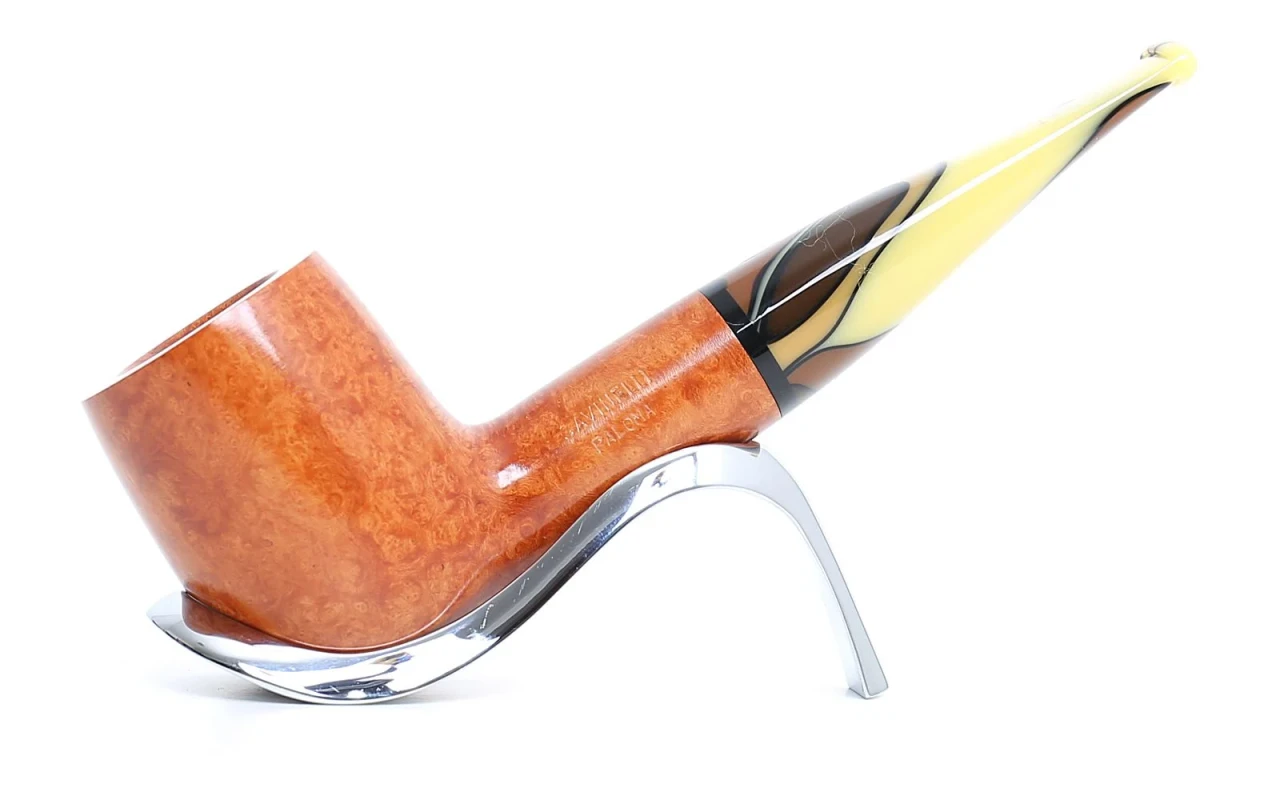
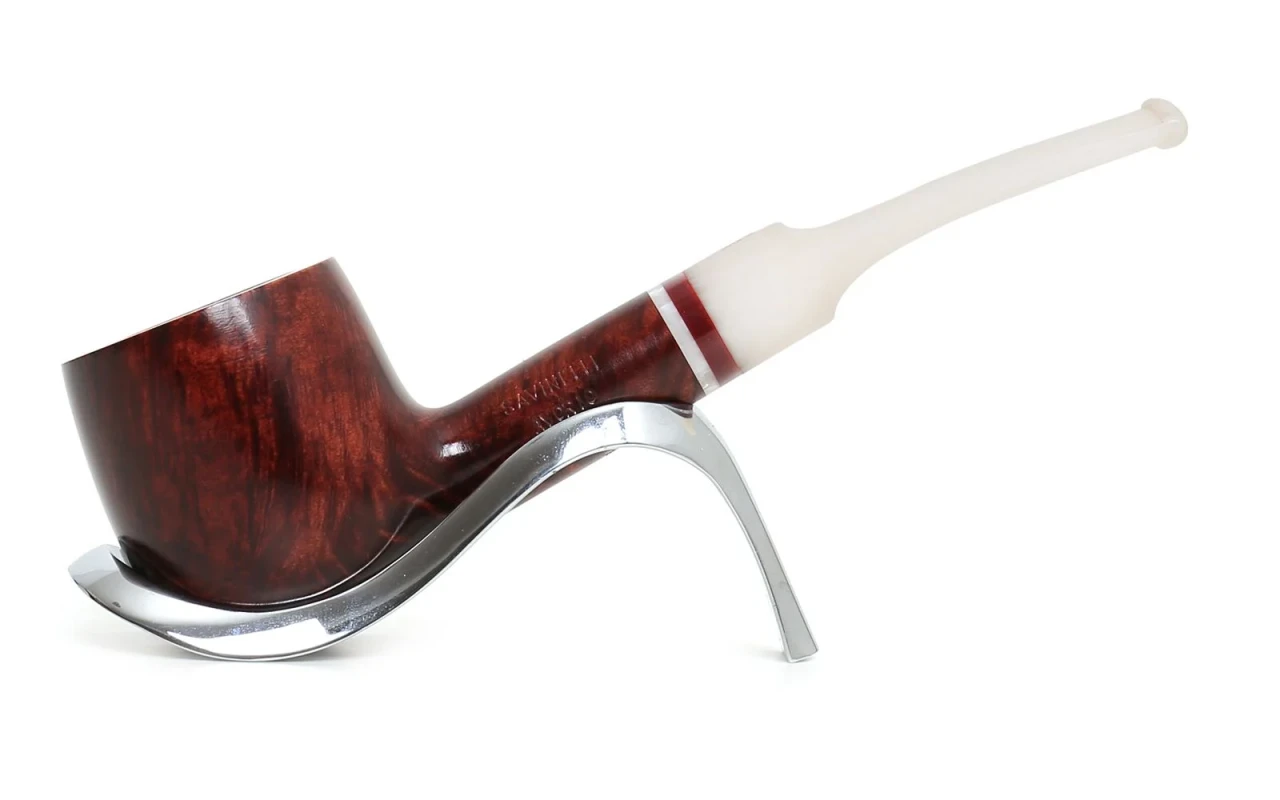
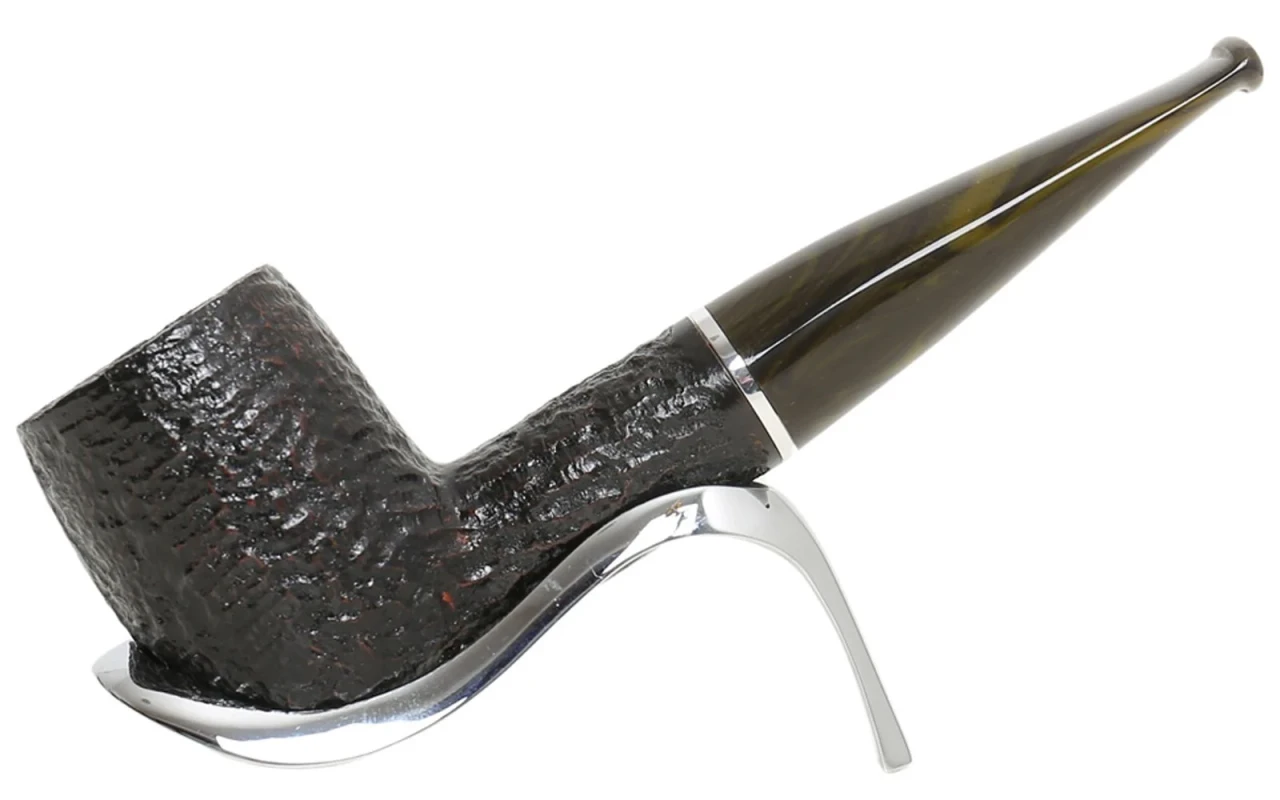
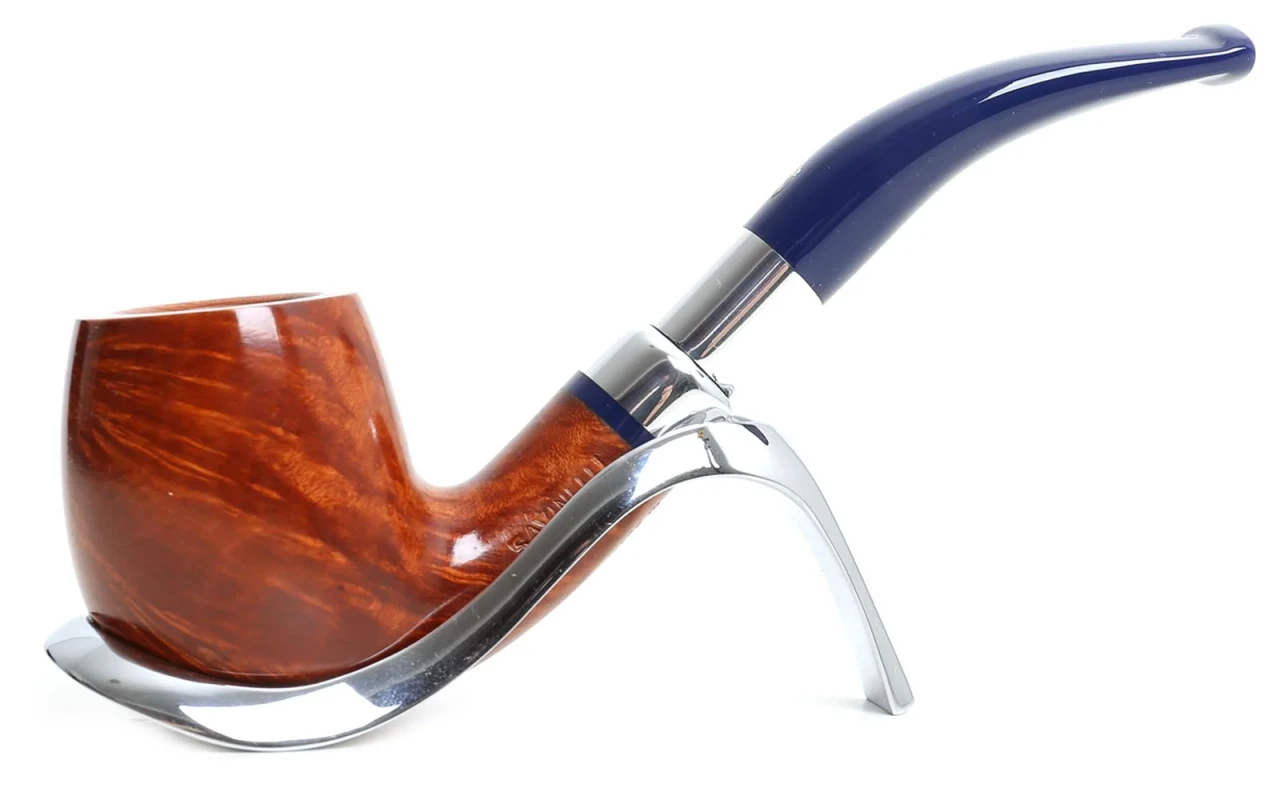
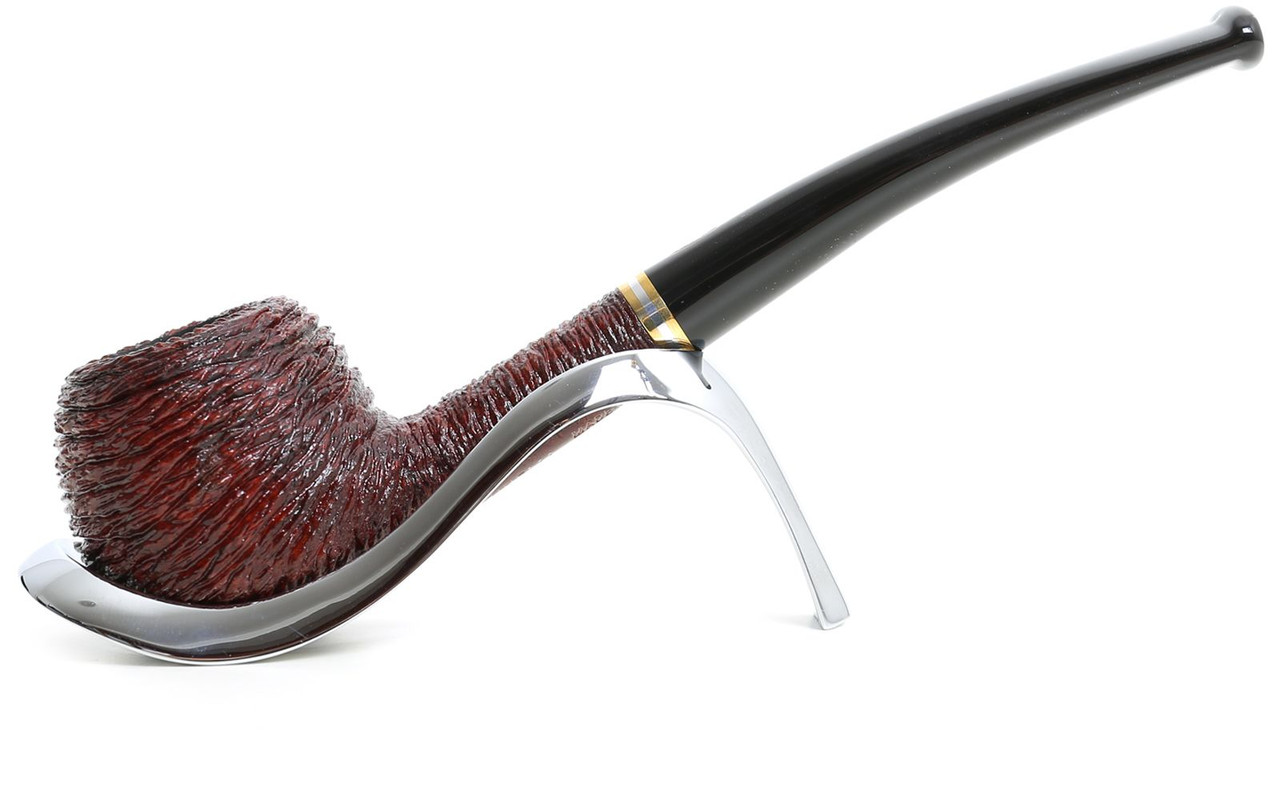
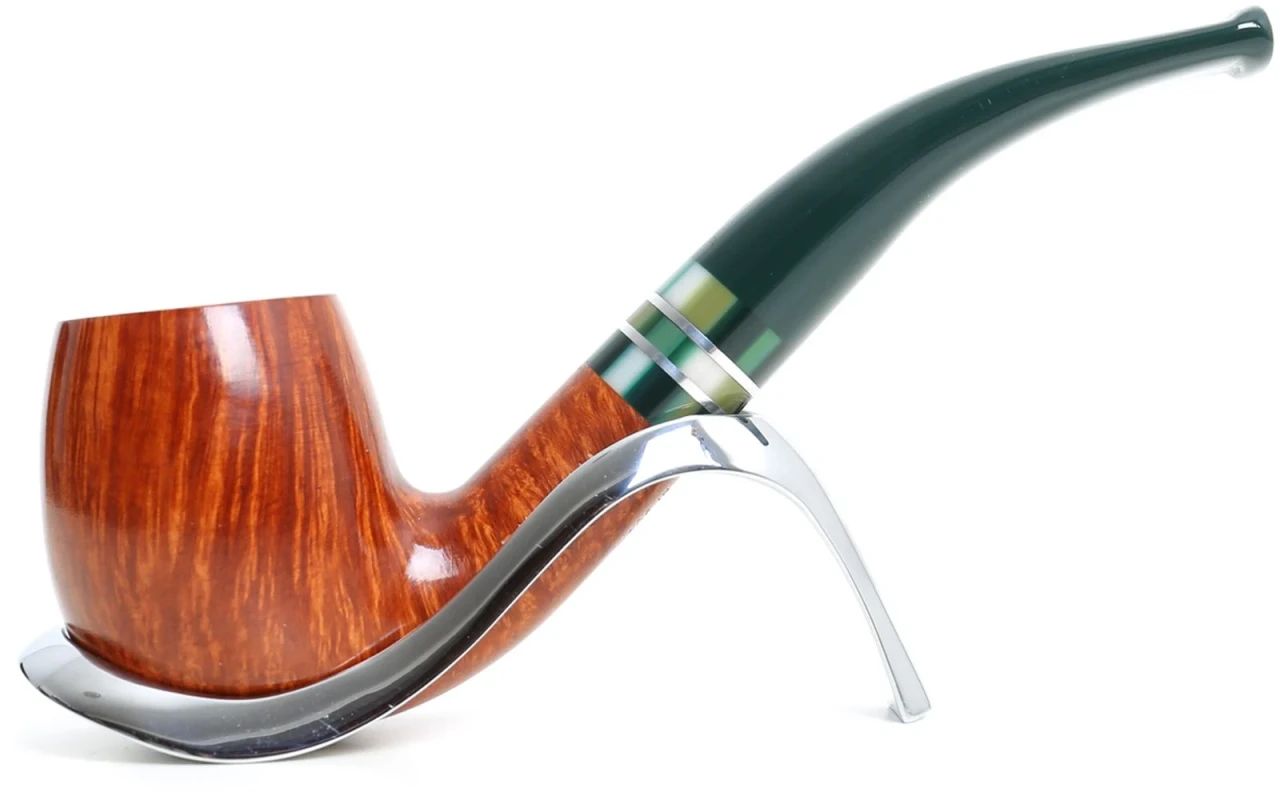
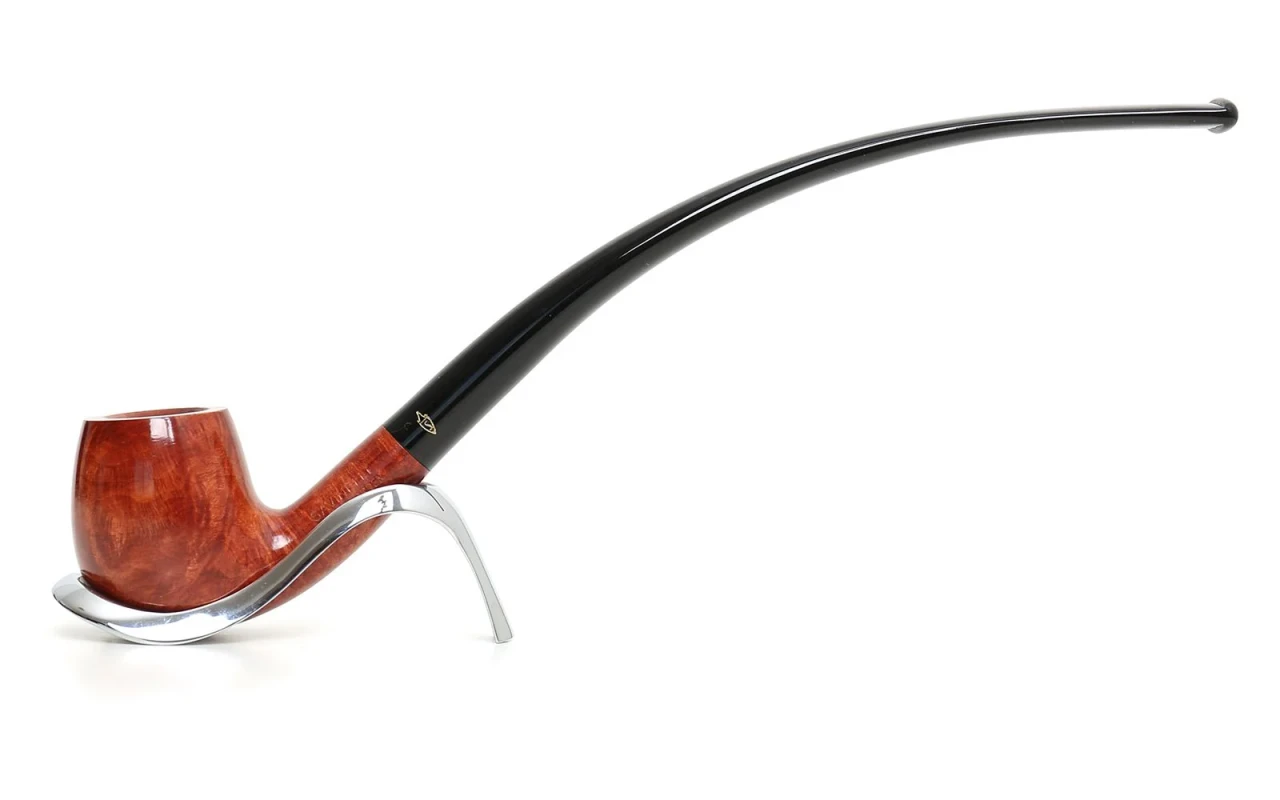
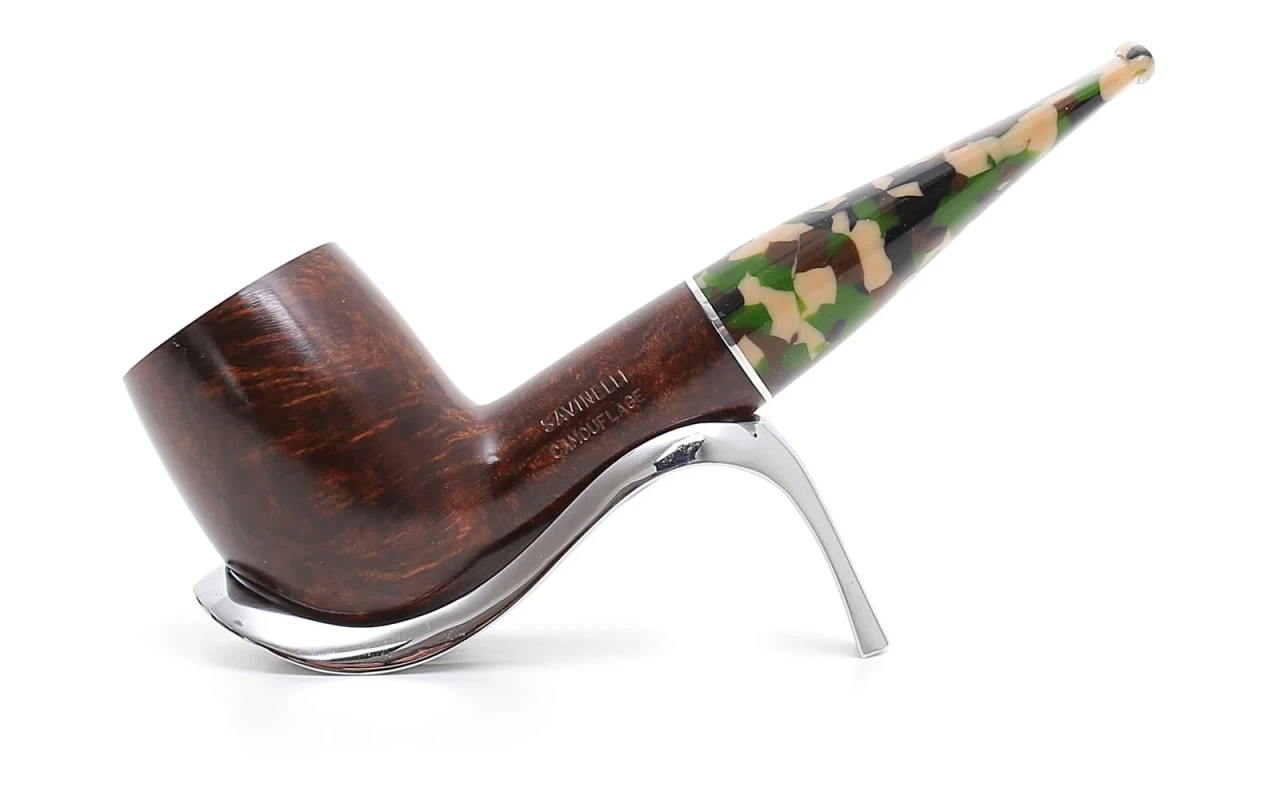
Materials used in curved pipes
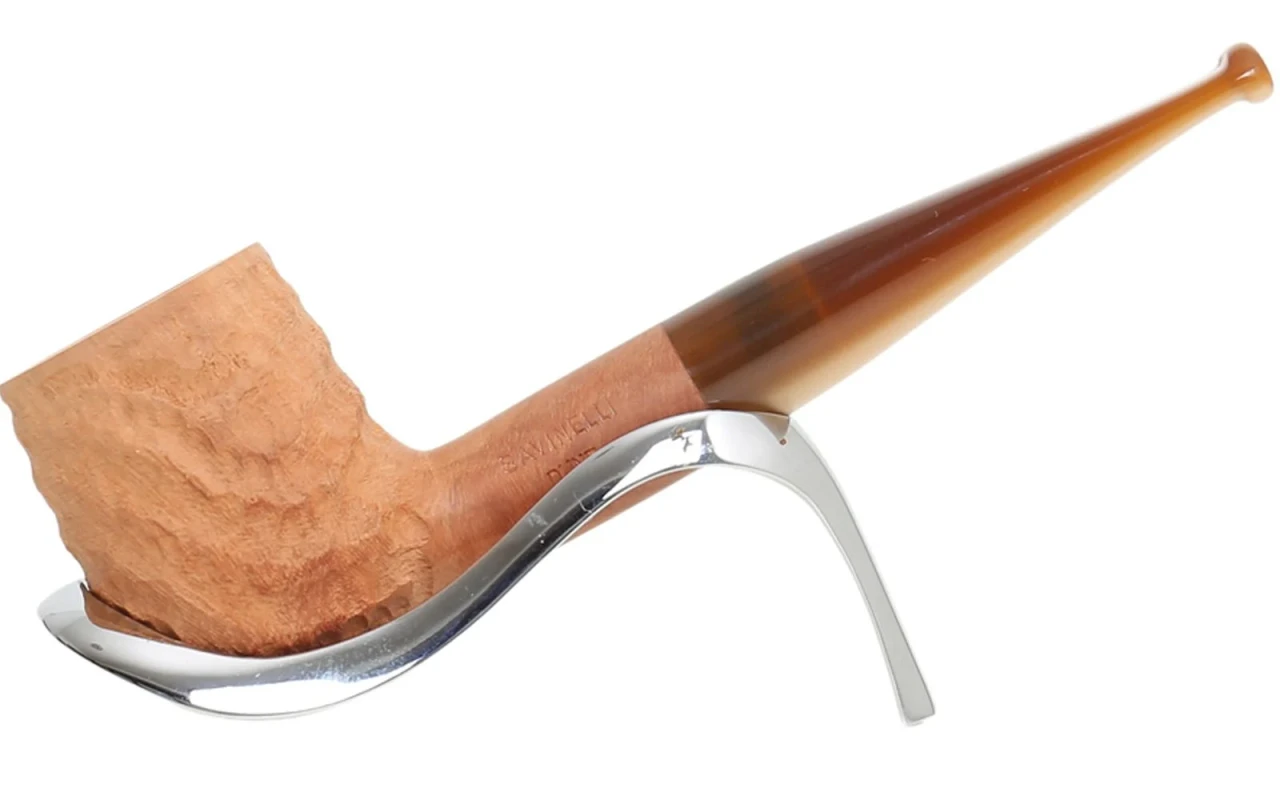
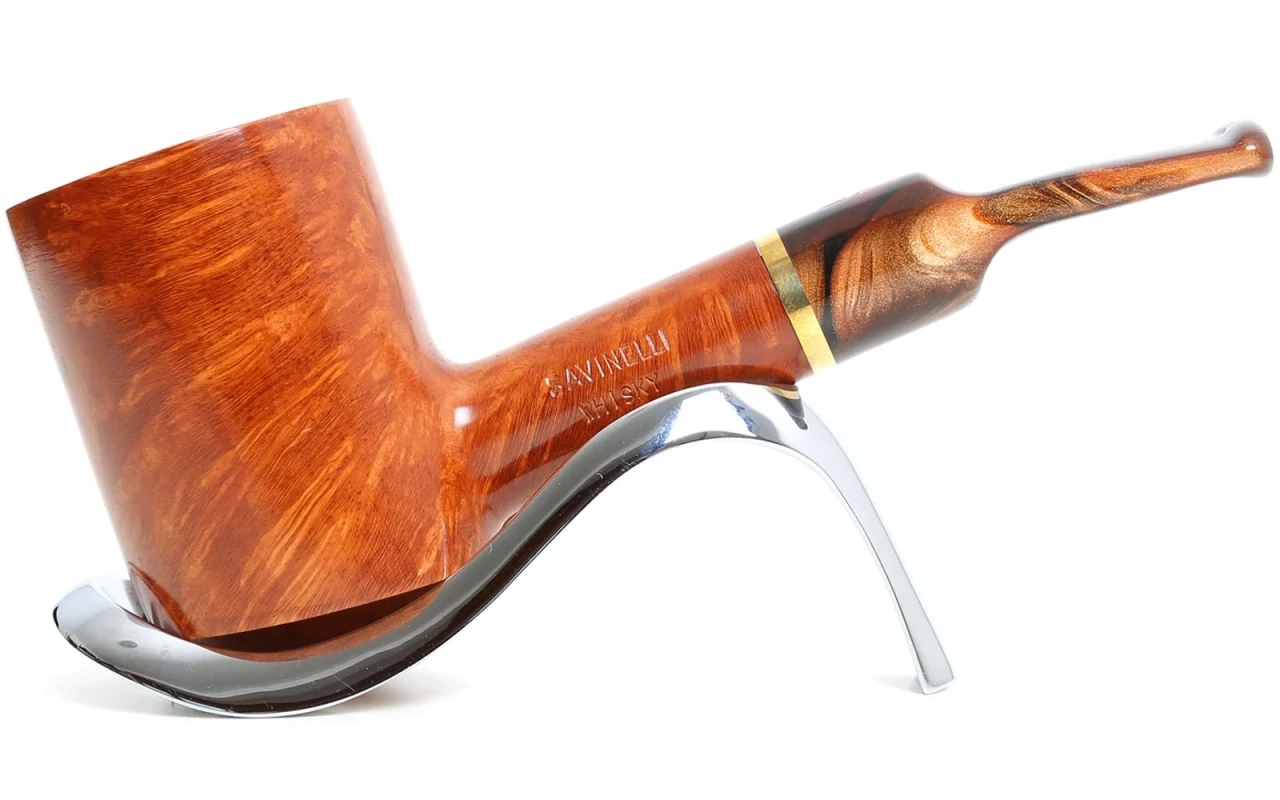
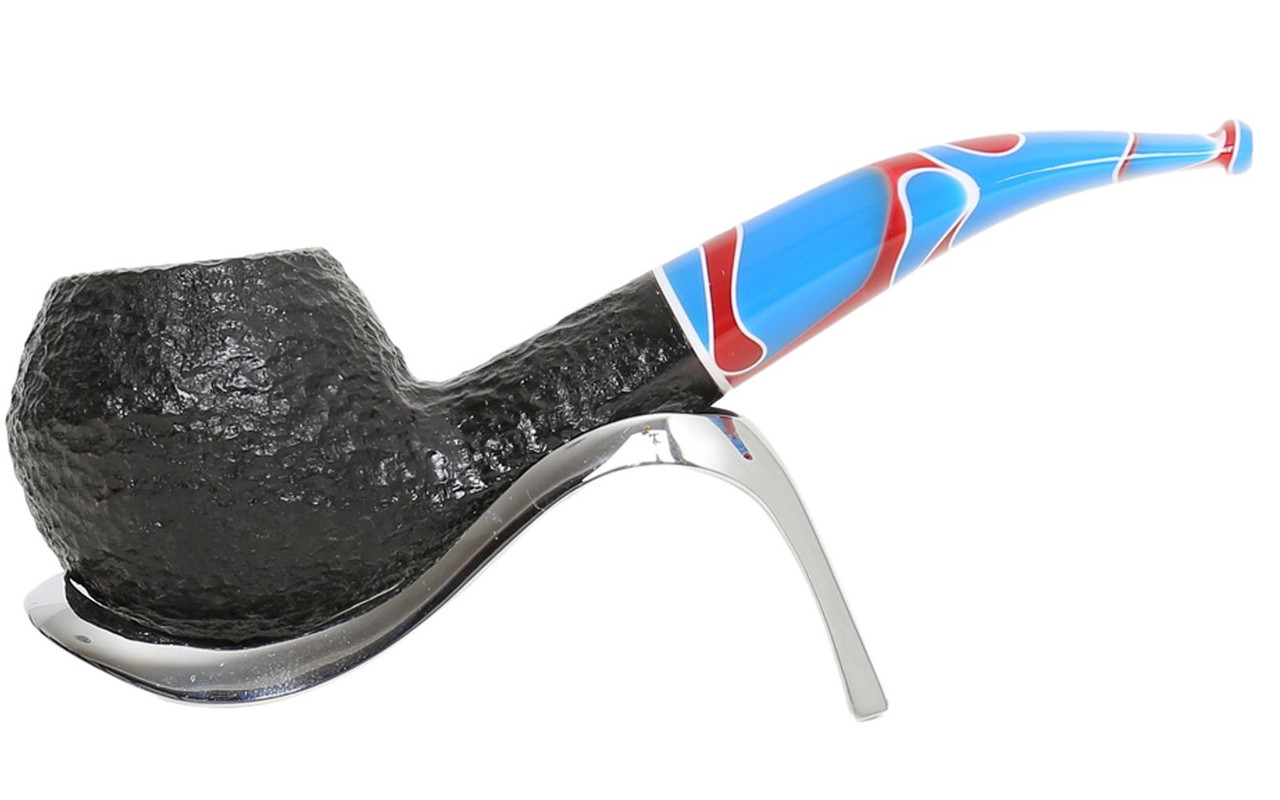
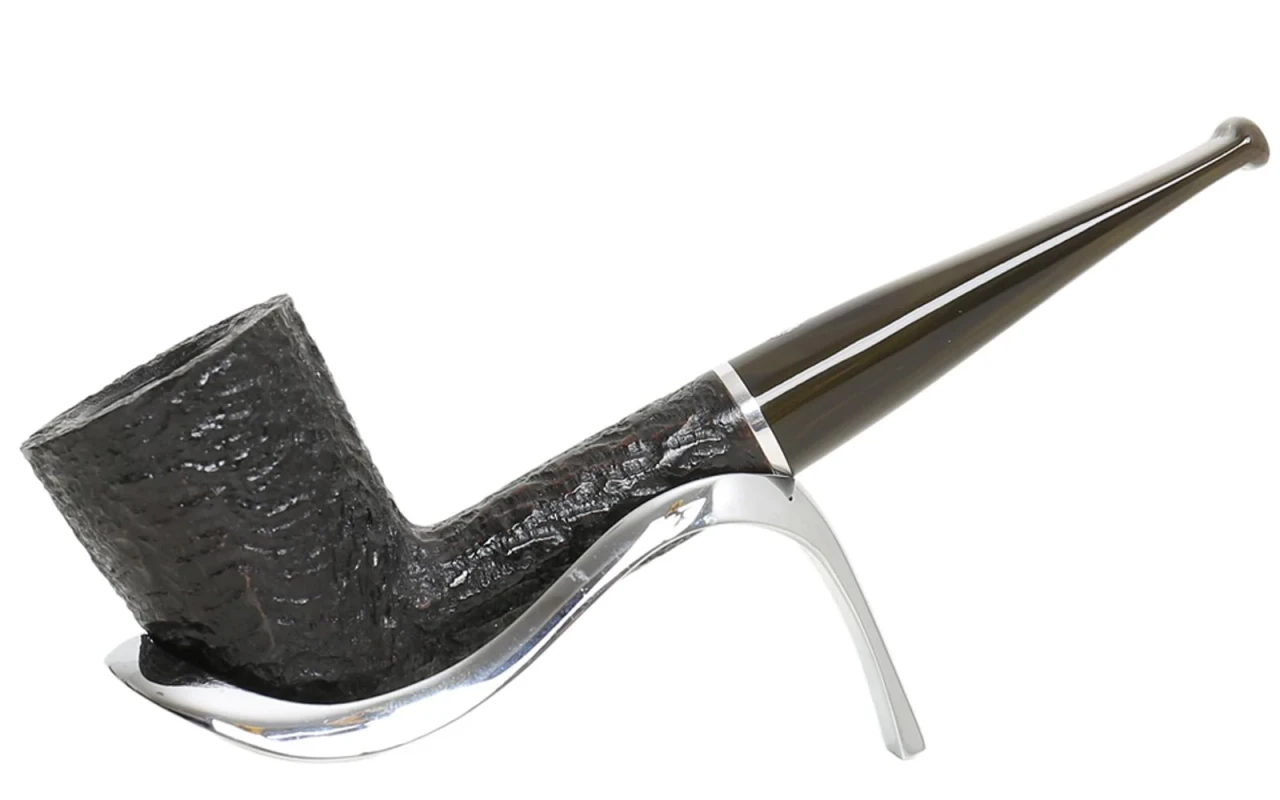
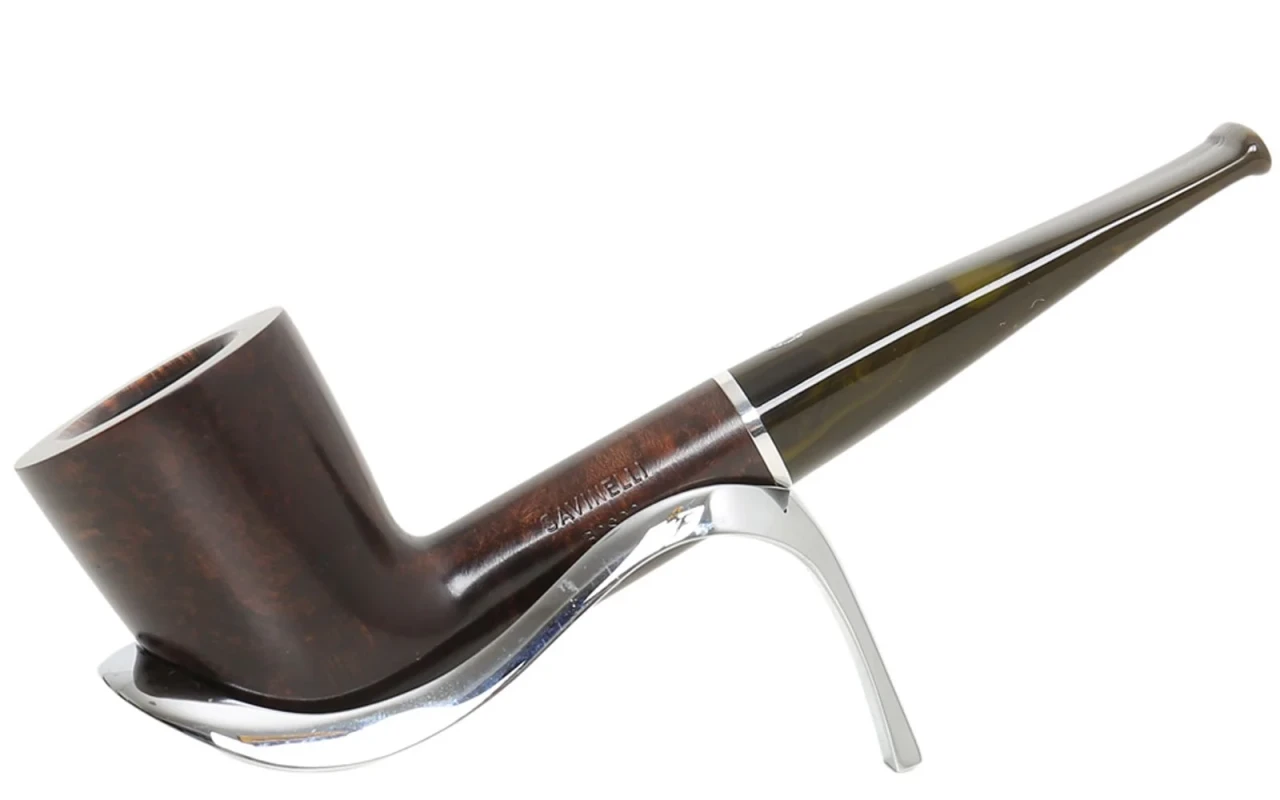
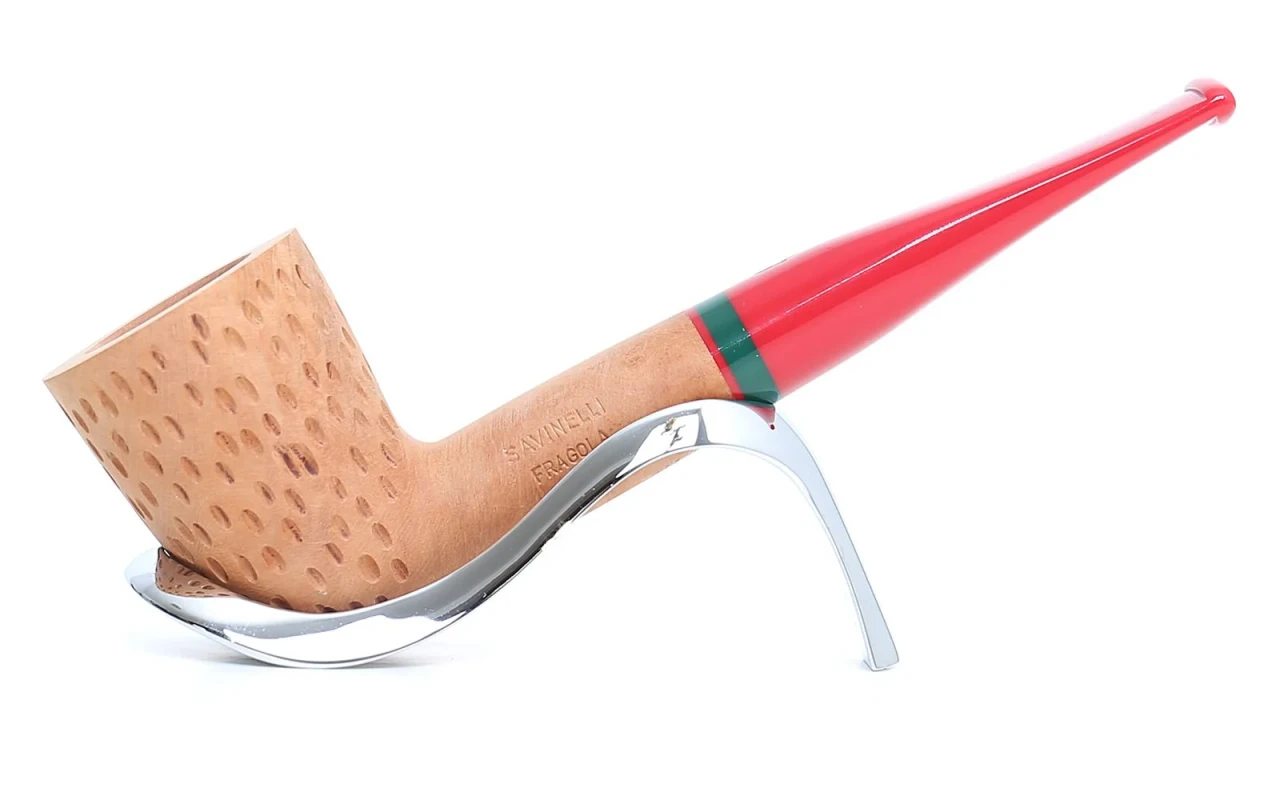
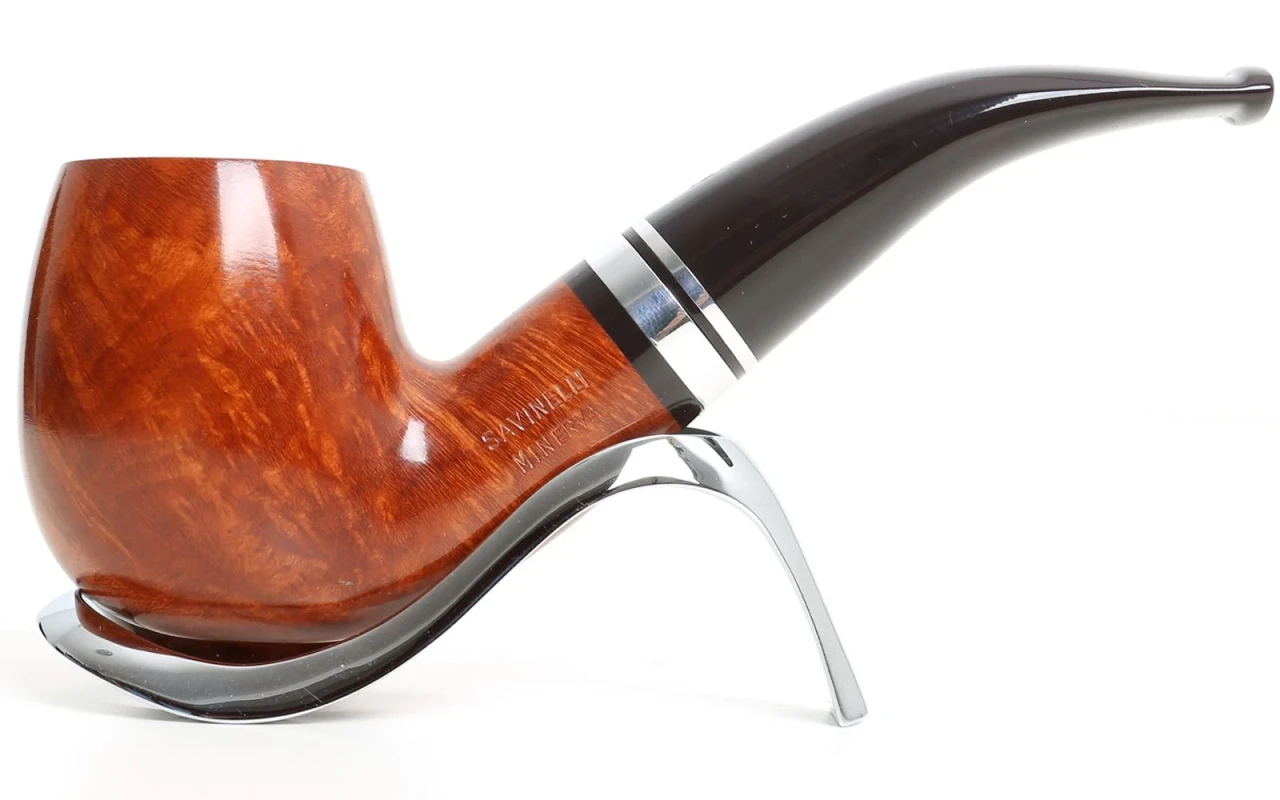
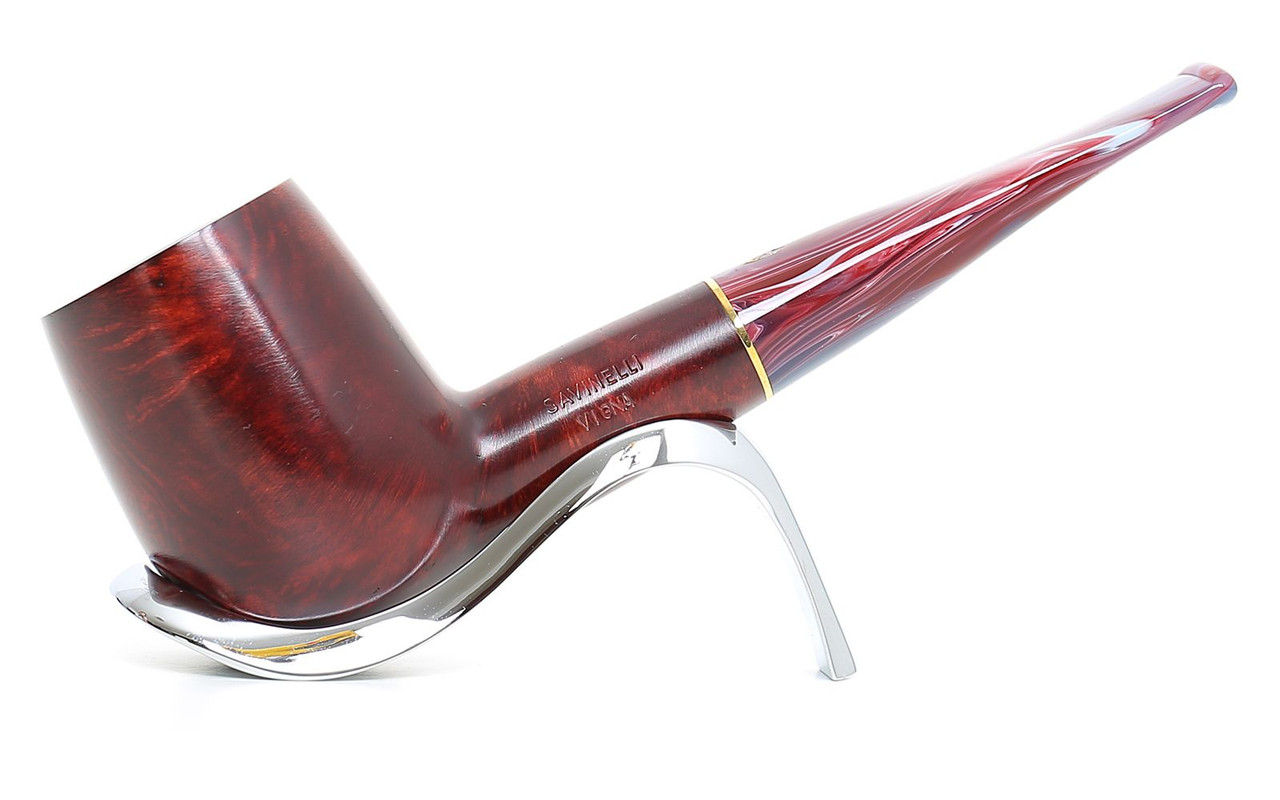
Curved pipes are crafted using various high-quality materials, which influence both the aesthetics and performance of the device. The most common materials include:- Briar wood: lightweight and durable, it is widely appreciated for its ability to absorb moisture, ensuring a cooler and drier smoke.- Olive wood: valued for its distinctive grain patterns and the ability to improve over time, giving each pipe a unique character.- Walnut wood: durable and easy to work with, it provides a warm and natural finish.- Cherry wood: lightweight and resilient, known for its reddish tones and the ability to develop a patina over time.These materials are chosen to ensure a pleasant smoking experience and long-lasting durability.
Materials for smoking pipes
The most common materials used for making smoking pipes are wood, briar root, corn, clay, and meerschaum. Each material has unique characteristics that influence the taste, temperature, and overall smoking experience of a pipe. Wood is popular for its durability and ability to absorb oils during smoking, enhancing the flavor over time. Briar root is lightweight and heat-resistant, while corn is inexpensive and lightweight. Clay pipes offer a neutral and clean smoke, while meerschaum is appreciated for its ability to absorb nicotine and oils, ensuring a cool and dry smoke.
Types of wood for pipes
There are several types of wood suitable for crafting smoking pipes. Among the most common we find:- Briar: wood of Mediterranean origin, very durable and heat resistant.- Cherry wood: light wood, easy to work with.- Walnut: dark and dense wood, ideal for high-quality pipes.- Heather root: highly valued wood for its unique grain patterns.- Olive wood: rustic and distinctive in appearance.- Maple: light and hard wood, suitable for long-lasting pipes.The choice of wood depends on the smoker's personal preferences and the desired characteristics in the pipe.
Materials for artisan pipes
The most common materials used for crafting artisan pipes are wood, briar, corn cob, clay, ebonite, and acrylic stems. Wood, such as briar, is the most popular material due to its heat resistance and ability to absorb tobacco moisture. Briar is appreciated for its unique grain patterns and the ability to develop a patina over time. Corn cob is lightweight and cost-effective, while clay is typically used for traditional tobacco pipes. Ebonite is a black plastic material commonly employed for stems, whereas acrylic is valued for its transparency and durability.
'%3e%3cg id='Final-Copy-2_2_' transform='translate(1275.000000, 200.000000)'%3e%3cpath class='st0' d='M7.4,12.8h6.8l3.1-11.6H7.4C4.2,1.2,1.6,3.8,1.6,7S4.2,12.8,7.4,12.8z'/%3e%3c/g%3e%3c/g%3e%3c/g%3e%3cg id='final---dec.11-2020'%3e%3cg id='_x30_208-our-toggle' transform='translate(-1275.000000, -200.000000)'%3e%3cg id='Final-Copy-2' transform='translate(1275.000000, 200.000000)'%3e%3cpath class='st1' d='M22.6,0H7.4c-3.9,0-7,3.1-7,7s3.1,7,7,7h15.2c3.9,0,7-3.1,7-7S26.4,0,22.6,0z M1.6,7c0-3.2,2.6-5.8,5.8-5.8 h9.9l-3.1,11.6H7.4C4.2,12.8,1.6,10.2,1.6,7z'/%3e%3cpath id='x' class='st2' d='M24.6,4c0.2,0.2,0.2,0.6,0,0.8l0,0L22.5,7l2.2,2.2c0.2,0.2,0.2,0.6,0,0.8c-0.2,0.2-0.6,0.2-0.8,0 l0,0l-2.2-2.2L19.5,10c-0.2,0.2-0.6,0.2-0.8,0c-0.2-0.2-0.2-0.6,0-0.8l0,0L20.8,7l-2.2-2.2c-0.2-0.2-0.2-0.6,0-0.8 c0.2-0.2,0.6-0.2,0.8,0l0,0l2.2,2.2L23.8,4C24,3.8,24.4,3.8,24.6,4z'/%3e%3cpath id='y' class='st3' d='M12.7,4.1c0.2,0.2,0.3,0.6,0.1,0.8l0,0L8.6,9.8C8.5,9.9,8.4,10,8.3,10c-0.2,0.1-0.5,0.1-0.7-0.1l0,0 L5.4,7.7c-0.2-0.2-0.2-0.6,0-0.8c0.2-0.2,0.6-0.2,0.8,0l0,0L8,8.6l3.8-4.5C12,3.9,12.4,3.9,12.7,4.1z'/%3e%3c/g%3e%3c/g%3e%3c/g%3e%3c/g%3e%3c/svg%3e) Your Privacy Choices
Your Privacy Choices 


