 ES
ES FR
FR EN
EN IT
IT DE
DE
Materials used for pipe construction

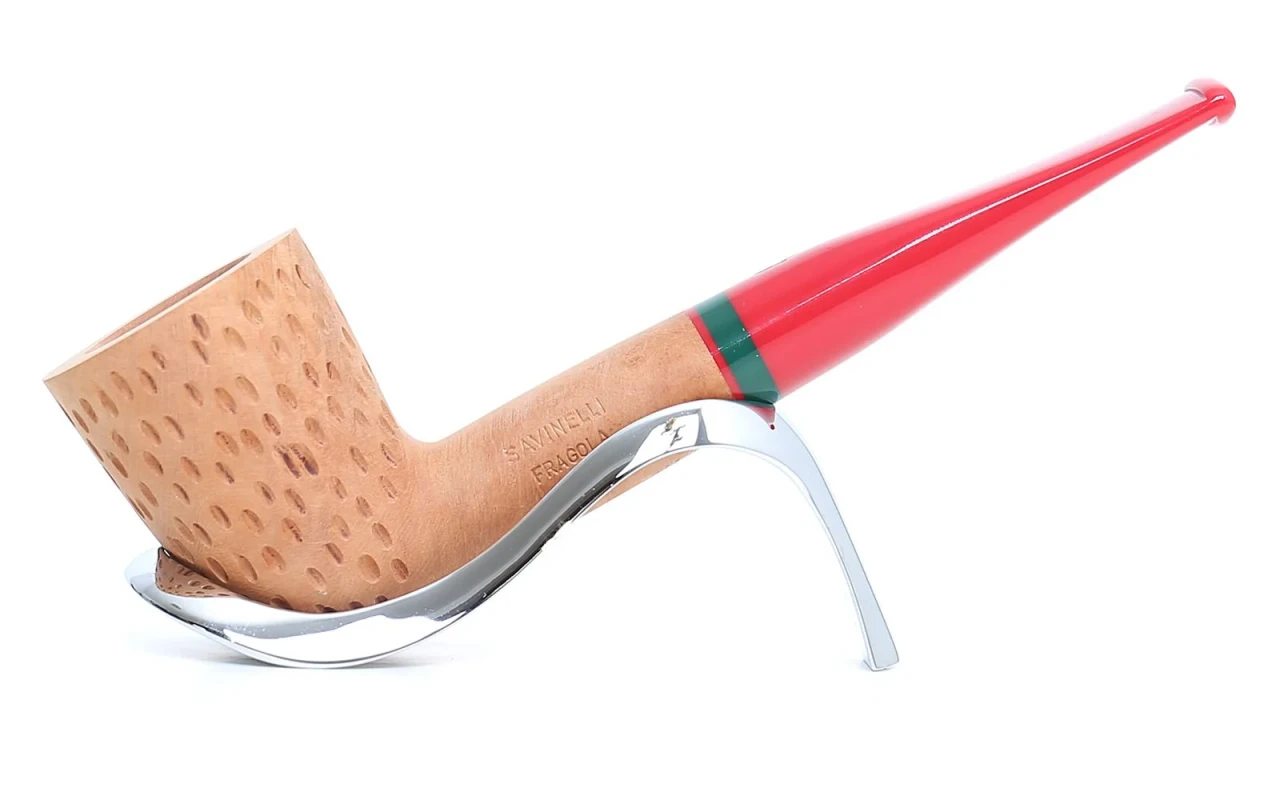
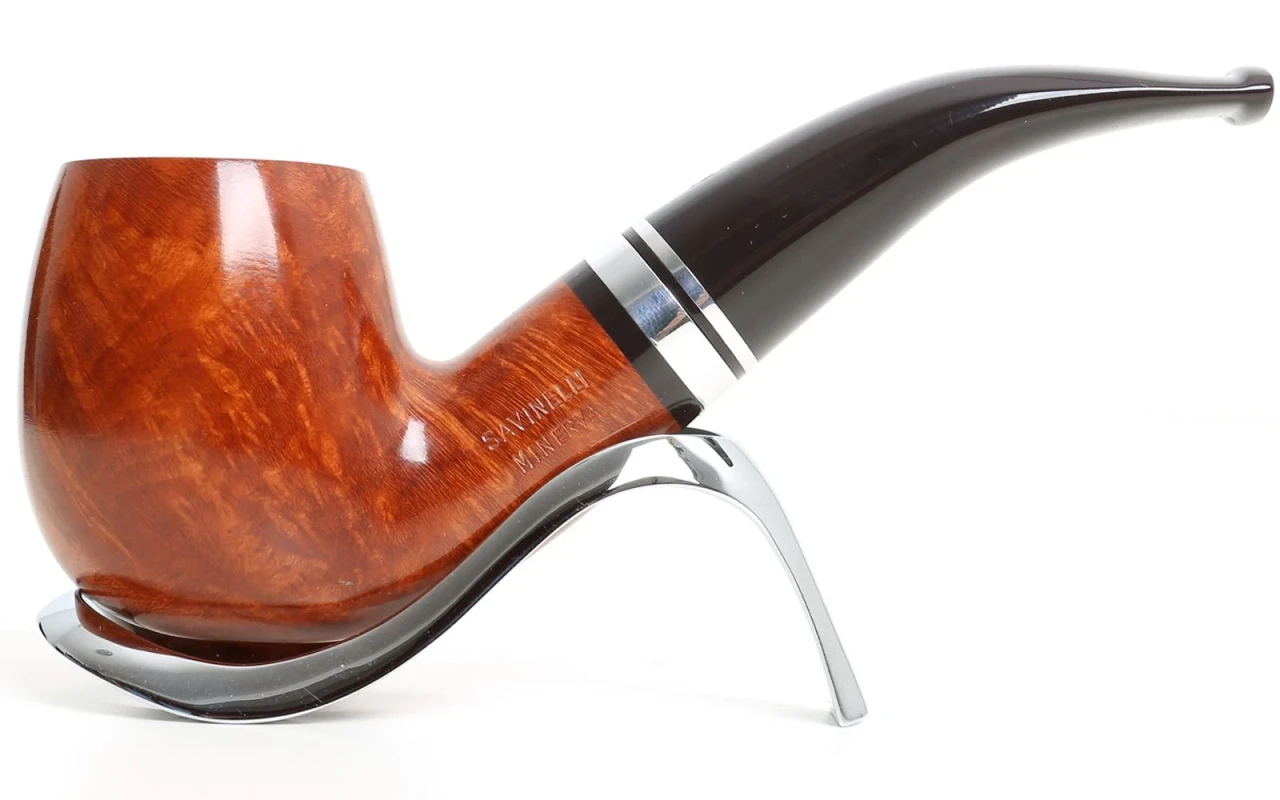
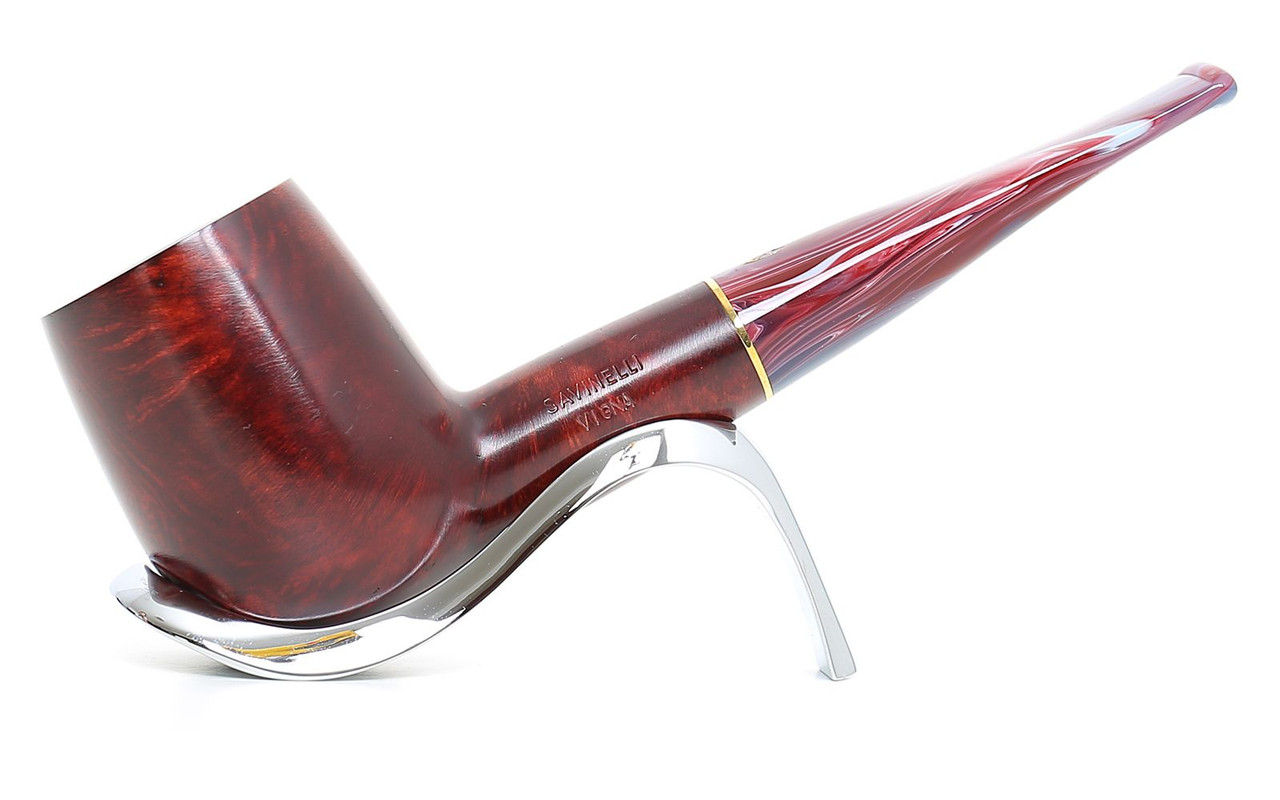
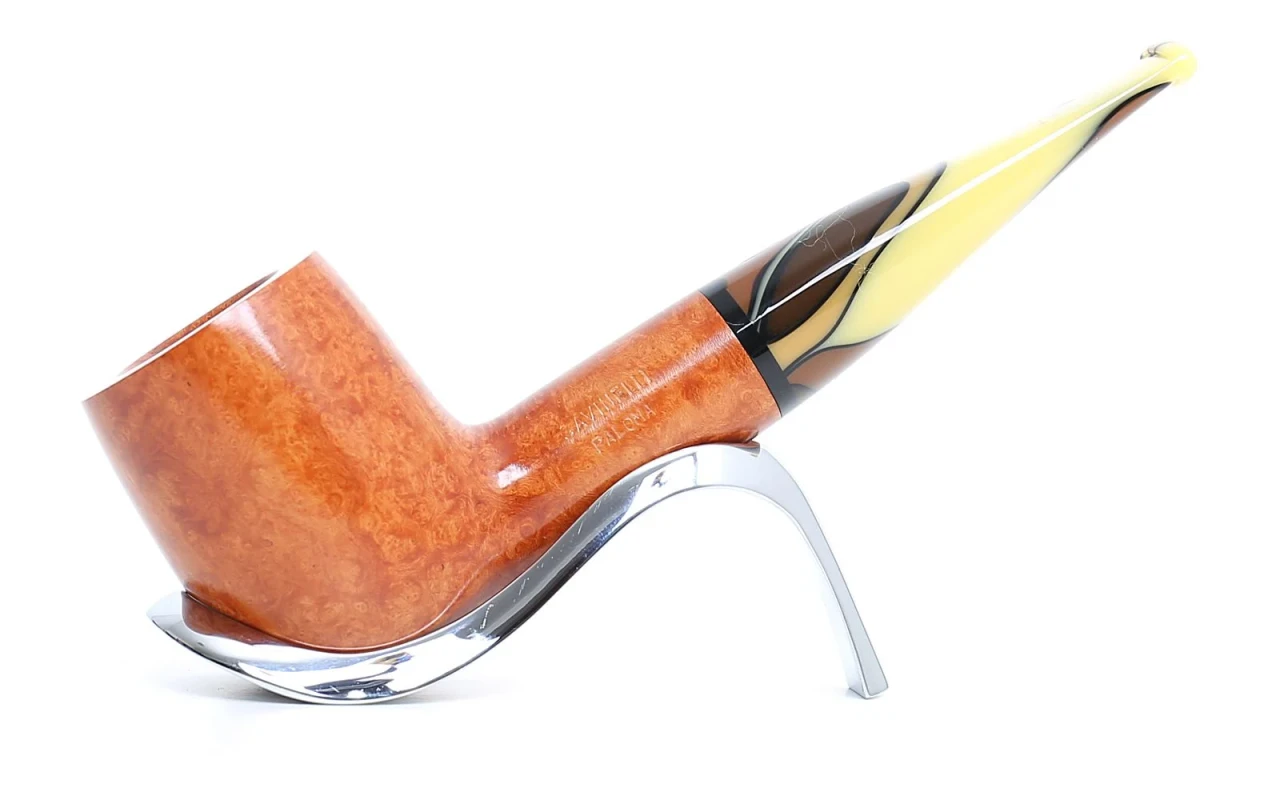
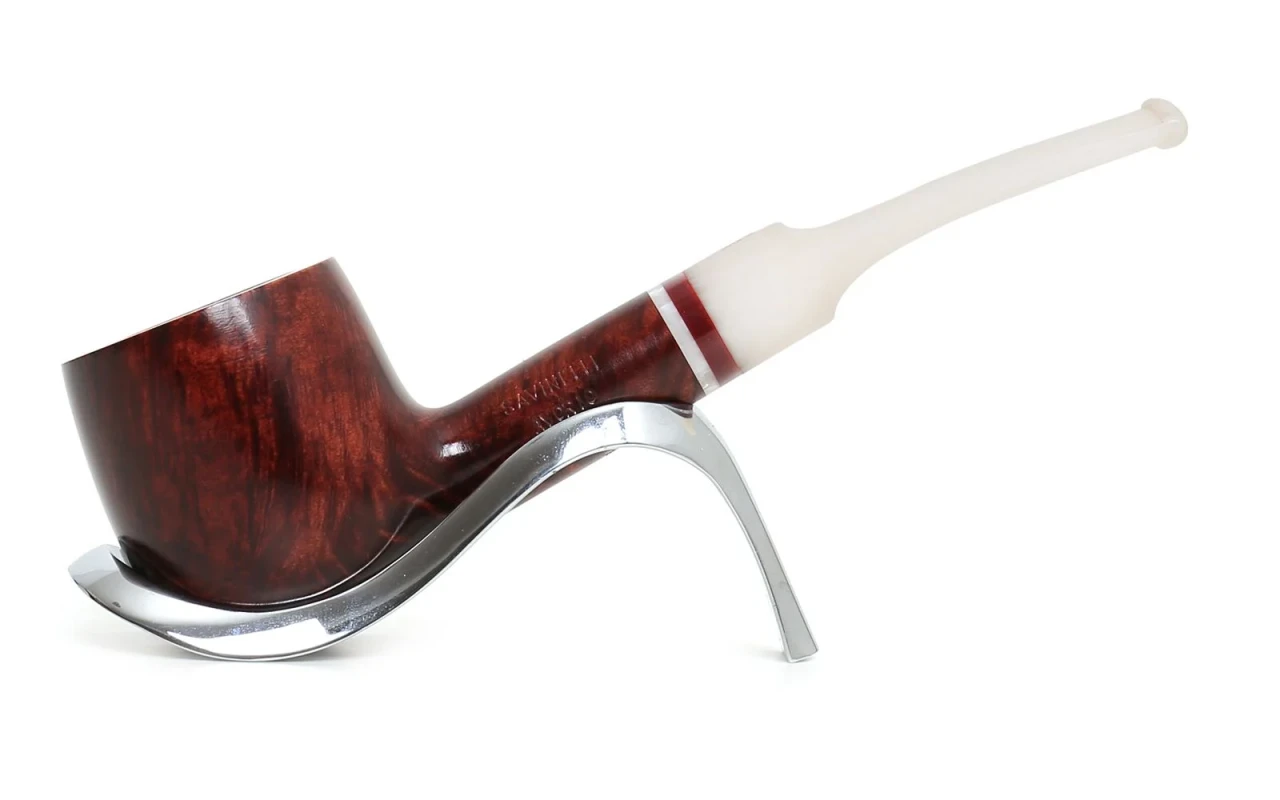
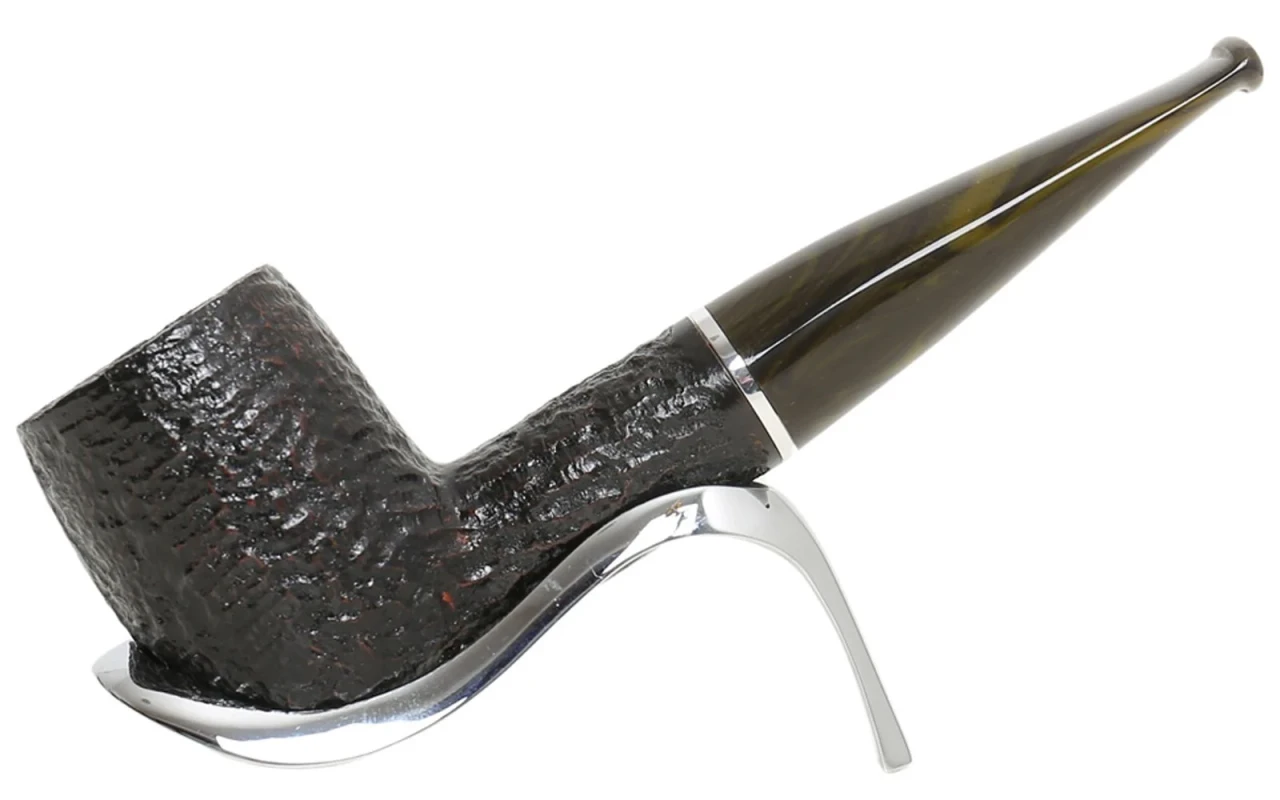
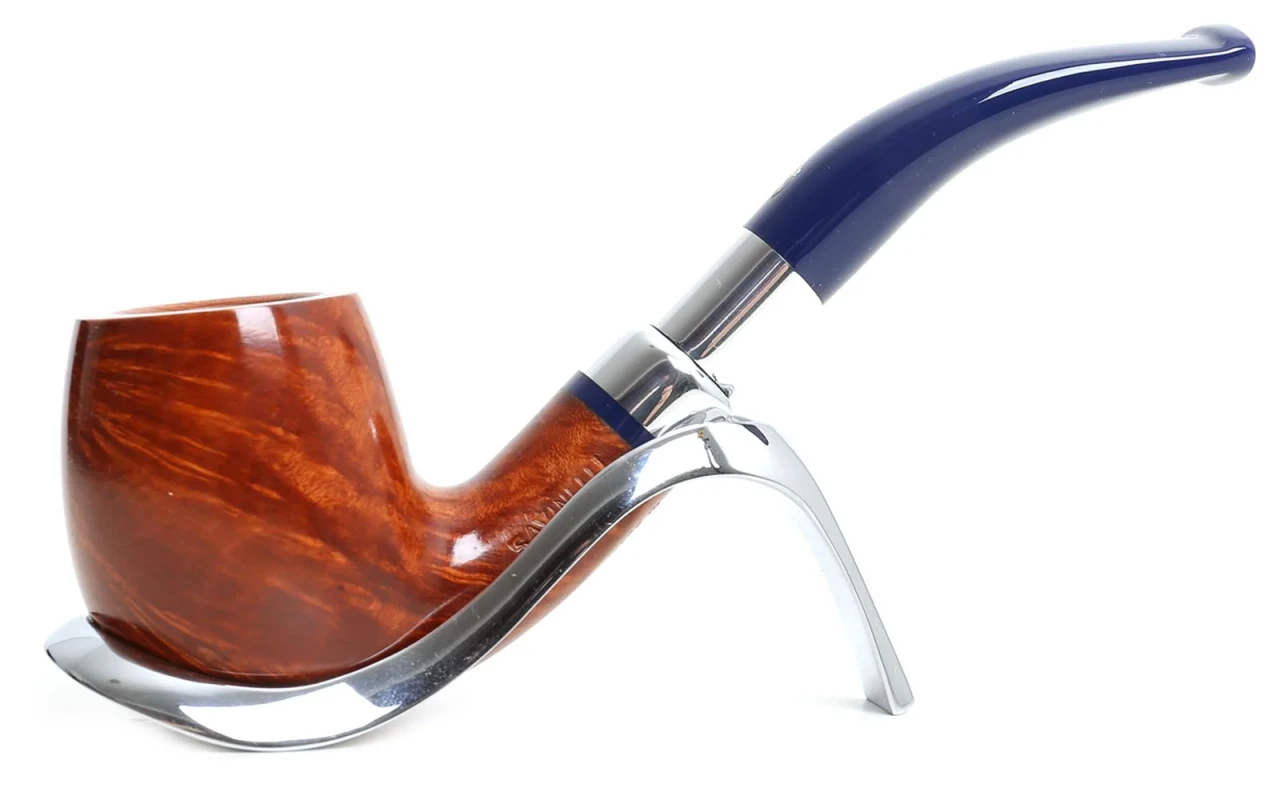
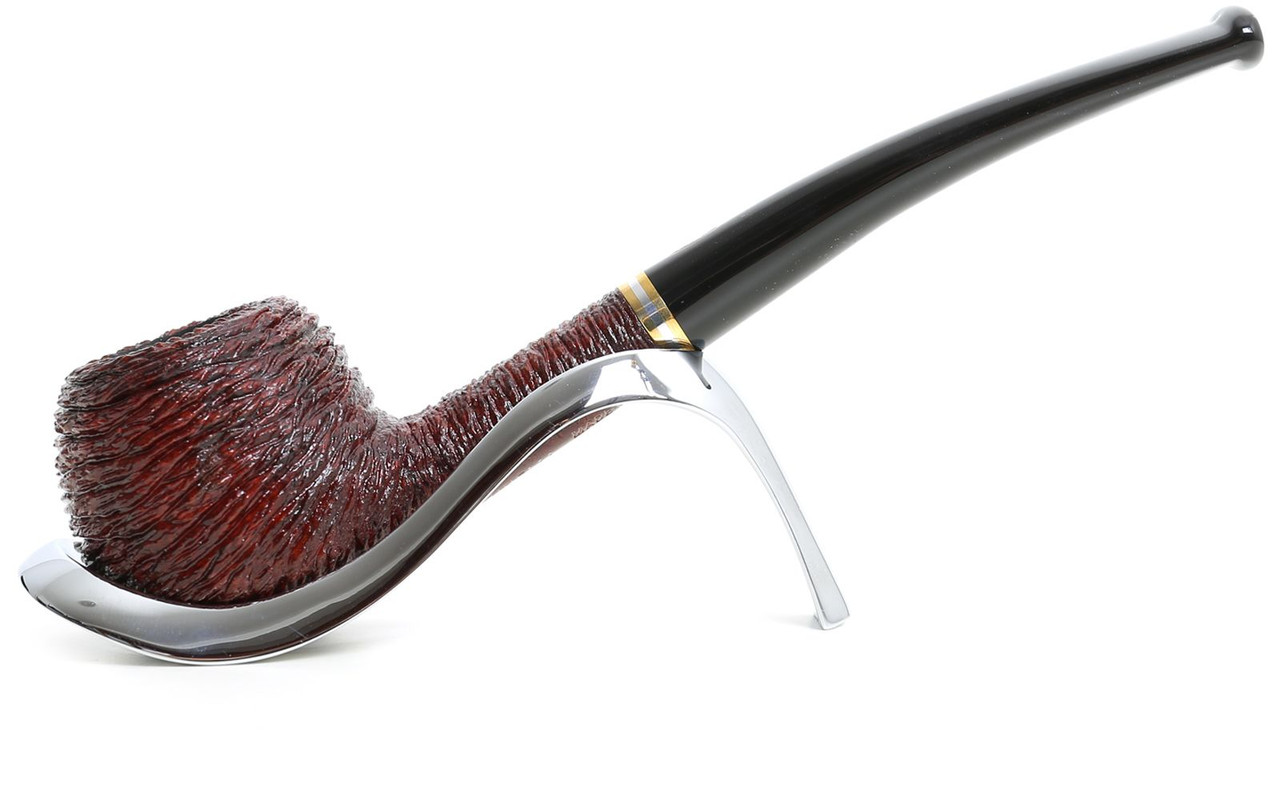

Materials used for pipe construction
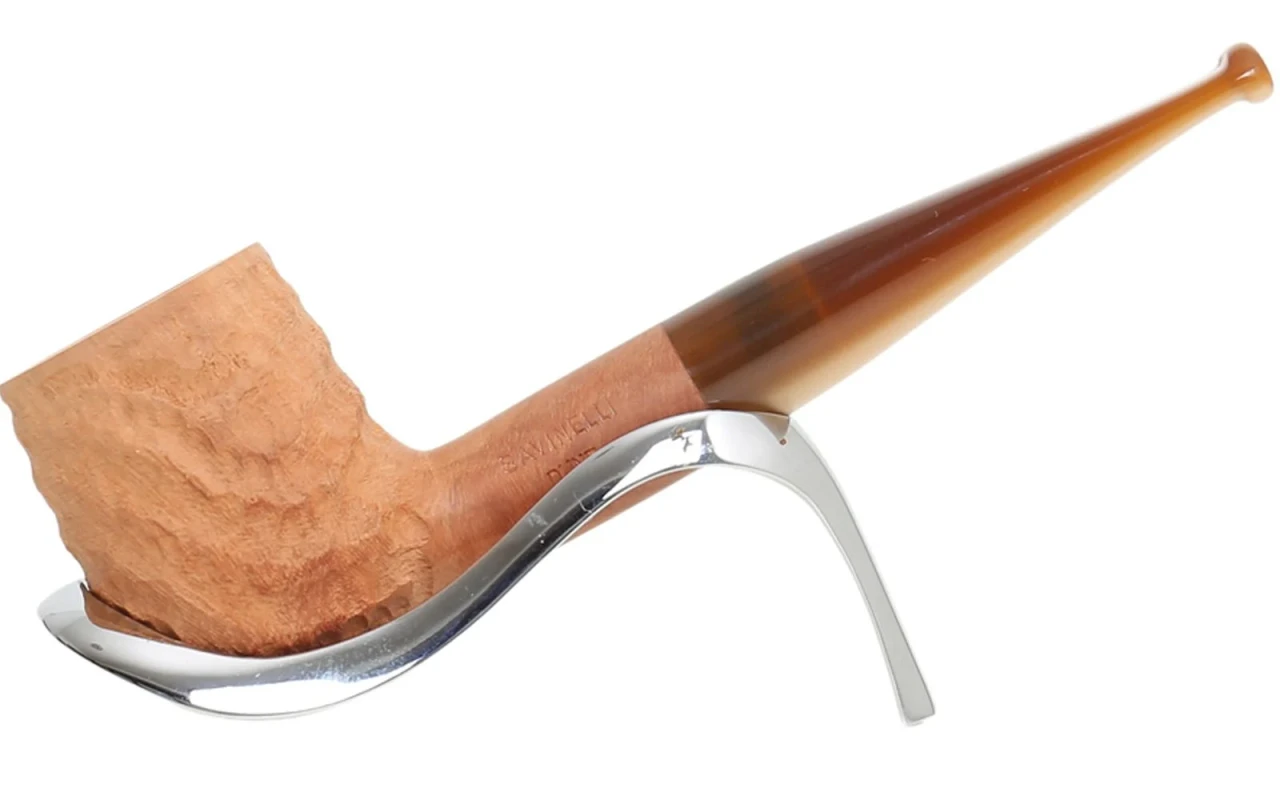
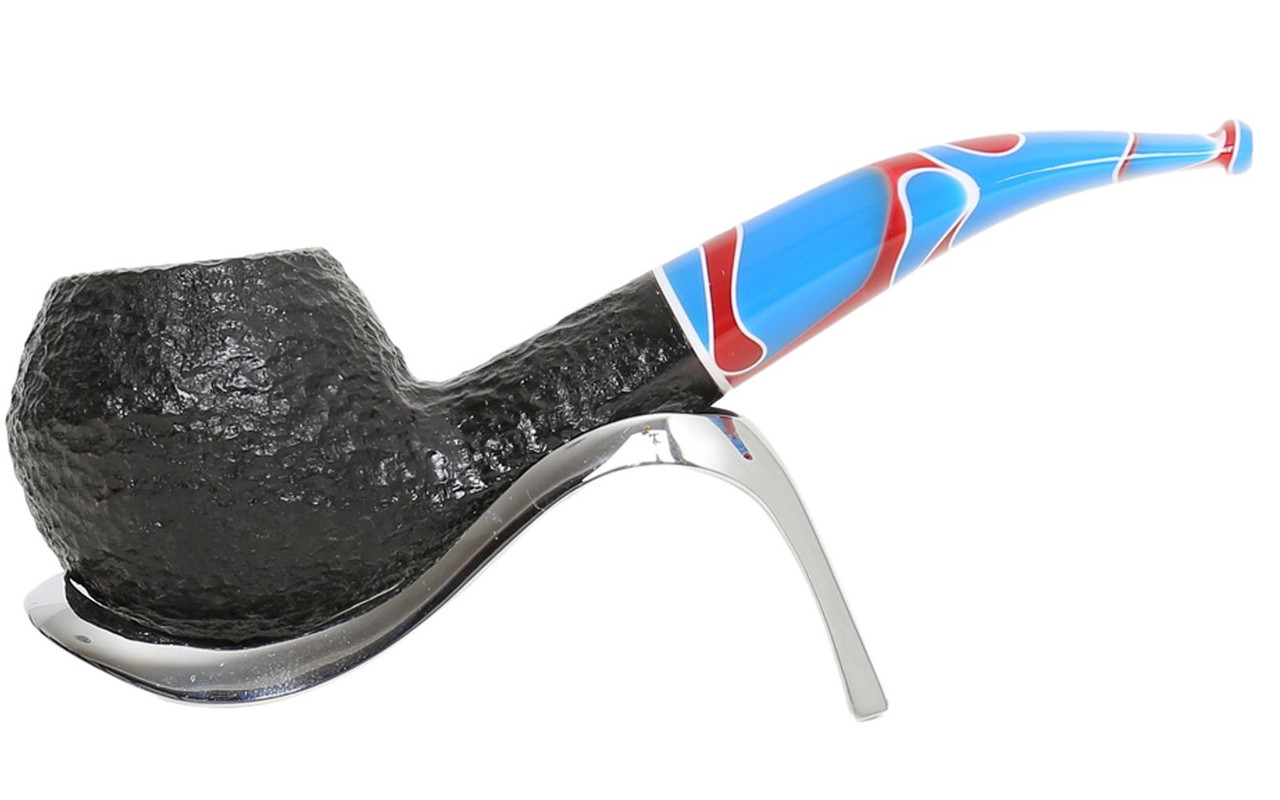
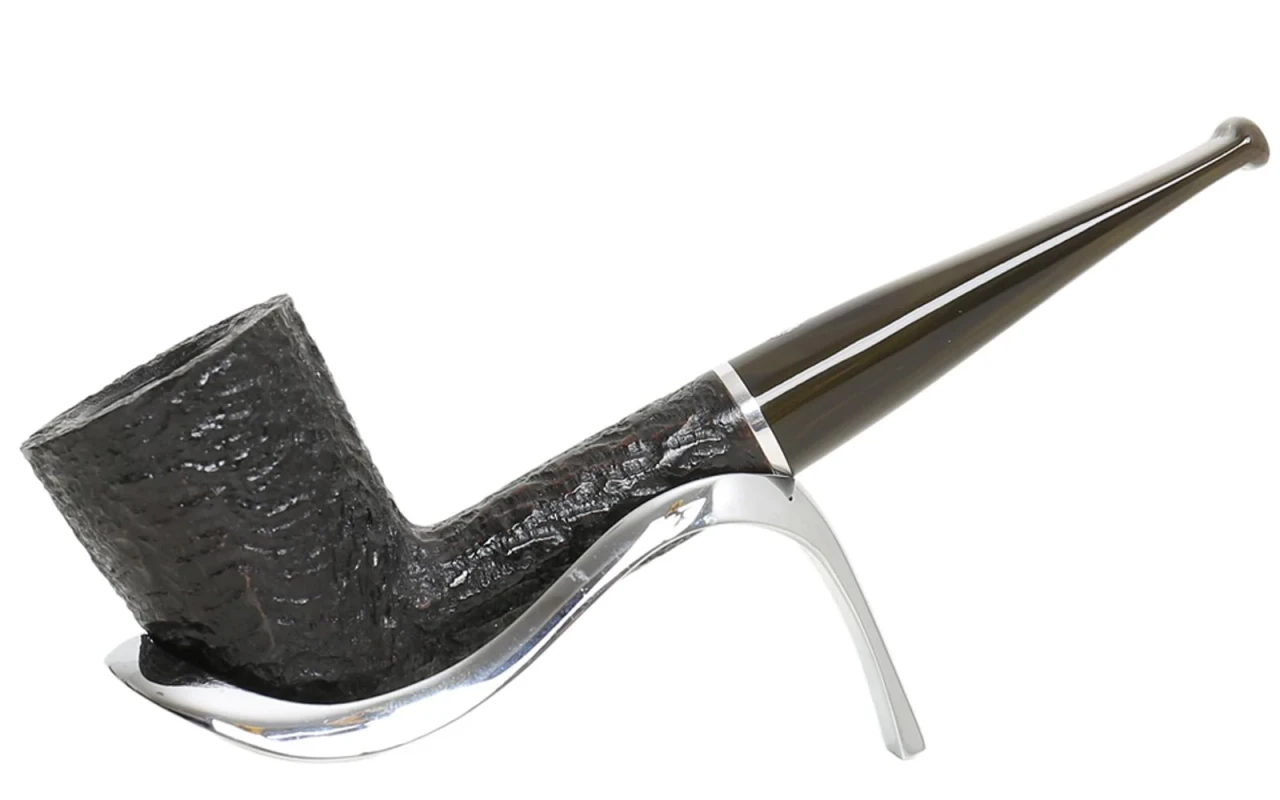
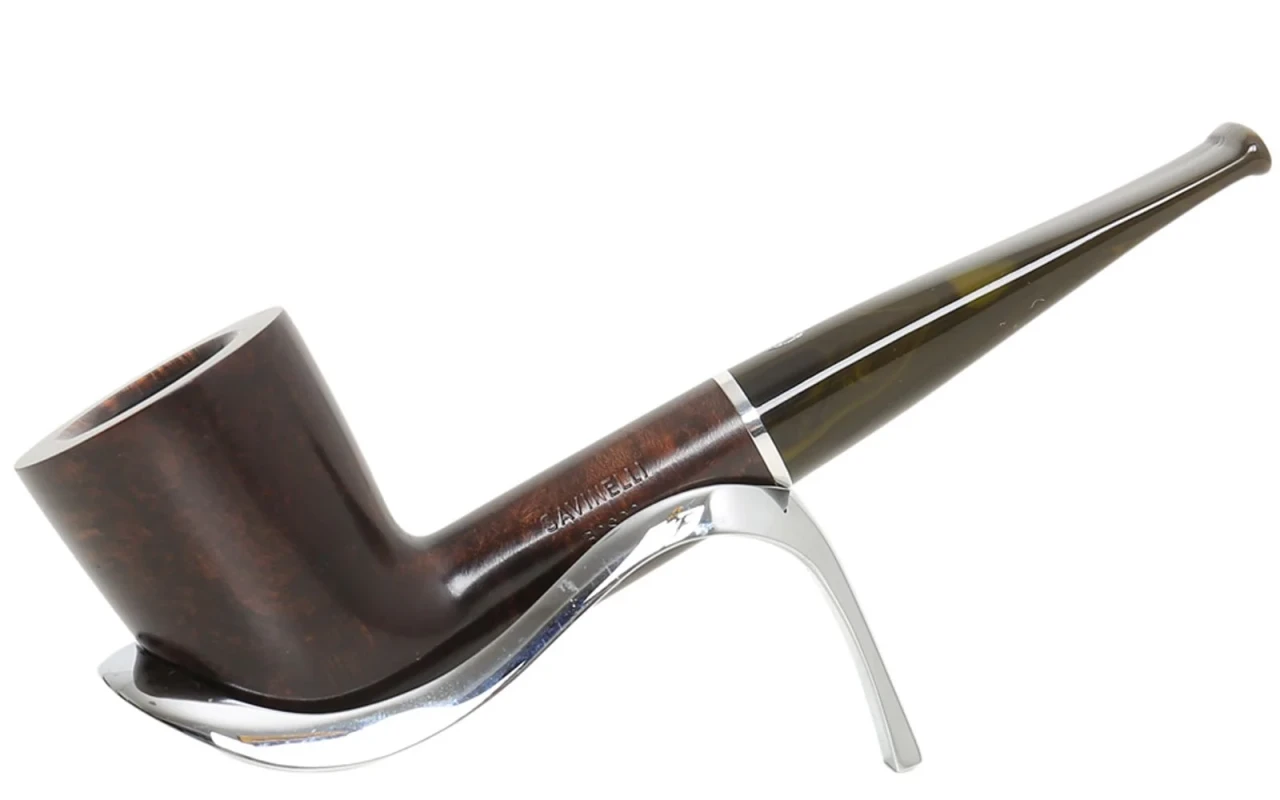
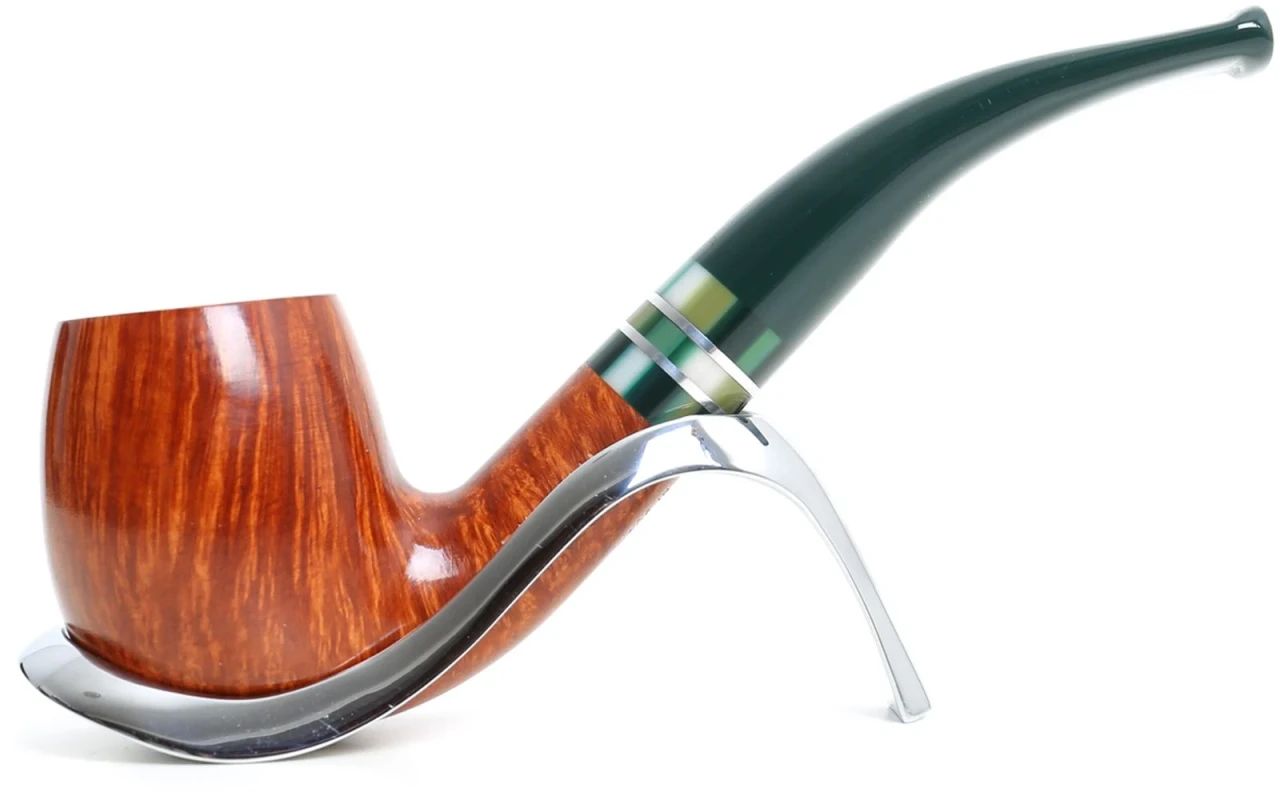
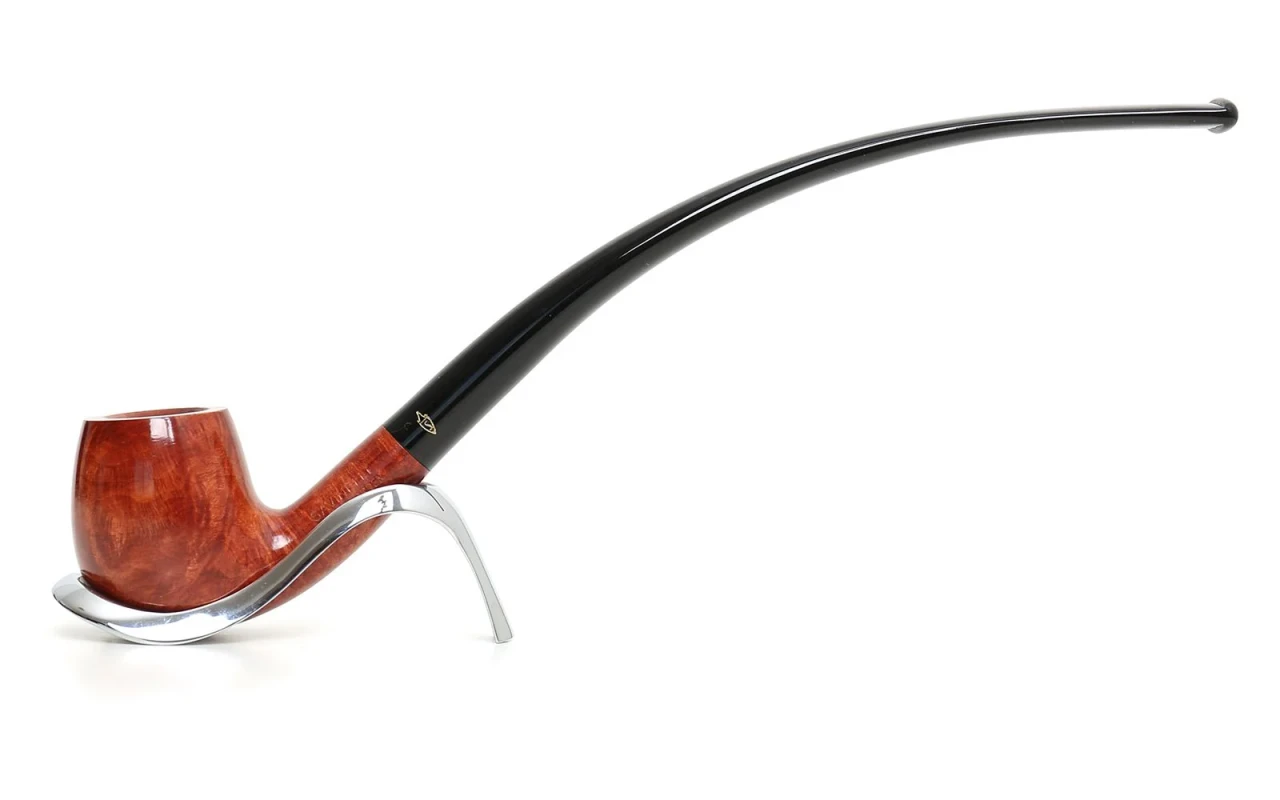
Pipes can be made with different materials, each with unique characteristics. The main materials used for pipe construction are:- Briar wood: lightweight and durable, it promotes the formation of an internal patina that enhances the tobacco flavor.- Horn: durable and highly decorative, often used for stems or aesthetic details.- Clay: a porous material that absorbs moisture, ensuring a cool and dry smoke.- Meerschaum: a lightweight and porous natural stone, known for its ability to absorb nicotine and tar.- Walnut wood: hard and heat-resistant, used for high-quality pipes.
Types of wood for pipes
There are different types of wood used for crafting pipes, each with unique characteristics. Among the most common ones, we find briar wood, appreciated for its durability and moisture-absorbing properties, walnut, renowned for its beauty and longevity, cherry wood, light and easy to work with, and oak, sturdy and with a rustic appearance. Other popular varieties include pear wood, olive wood, and chestnut wood. The choice of wood influences the pipe's features, such as the taste and smoke temperature, making it important to carefully select the type that best suits your preferences.
Smoking Pipe Accessories
Smoking pipe accessories are essential tools for pipe enthusiasts looking to enjoy an optimal smoking experience. Among the most common accessories are:- Tamper: Tool for compacting tobacco inside the pipe.- Pipe cleaners: Brushes or filters for effectively cleaning the pipe.- Pipe case: Cases or bags for safe pipe transport.- Gas lighter: Ideal for evenly lighting the pipe.- Pipe filter: Filters or active charcoal inserts to reduce moisture and enhance the smoking taste. Smoking pipe accessories are crucial for keeping your pipe in optimal condition and ensuring a pleasant and satisfying smoking experience.
Pipe Maintenance and Cleaning
Maintenance and cleaning of pipes are essential to ensure proper functioning and preserve them over time. Here are some useful tips:- After each use, empty the pipe by removing the burnt tobacco residues.- Regularly clean the bowl and stem with a dedicated brush.- Use specific liquids to eliminate tar and nicotine residues.- Avoid overpacking the pipe and overheating it to prevent damage.- Regularly check the wear and tear and replace any damaged components.By following these simple practices, you can enjoy your pipes for a long time and fully savor the pleasure of pipe smoking.
'%3e%3cg id='Final-Copy-2_2_' transform='translate(1275.000000, 200.000000)'%3e%3cpath class='st0' d='M7.4,12.8h6.8l3.1-11.6H7.4C4.2,1.2,1.6,3.8,1.6,7S4.2,12.8,7.4,12.8z'/%3e%3c/g%3e%3c/g%3e%3c/g%3e%3cg id='final---dec.11-2020'%3e%3cg id='_x30_208-our-toggle' transform='translate(-1275.000000, -200.000000)'%3e%3cg id='Final-Copy-2' transform='translate(1275.000000, 200.000000)'%3e%3cpath class='st1' d='M22.6,0H7.4c-3.9,0-7,3.1-7,7s3.1,7,7,7h15.2c3.9,0,7-3.1,7-7S26.4,0,22.6,0z M1.6,7c0-3.2,2.6-5.8,5.8-5.8 h9.9l-3.1,11.6H7.4C4.2,12.8,1.6,10.2,1.6,7z'/%3e%3cpath id='x' class='st2' d='M24.6,4c0.2,0.2,0.2,0.6,0,0.8l0,0L22.5,7l2.2,2.2c0.2,0.2,0.2,0.6,0,0.8c-0.2,0.2-0.6,0.2-0.8,0 l0,0l-2.2-2.2L19.5,10c-0.2,0.2-0.6,0.2-0.8,0c-0.2-0.2-0.2-0.6,0-0.8l0,0L20.8,7l-2.2-2.2c-0.2-0.2-0.2-0.6,0-0.8 c0.2-0.2,0.6-0.2,0.8,0l0,0l2.2,2.2L23.8,4C24,3.8,24.4,3.8,24.6,4z'/%3e%3cpath id='y' class='st3' d='M12.7,4.1c0.2,0.2,0.3,0.6,0.1,0.8l0,0L8.6,9.8C8.5,9.9,8.4,10,8.3,10c-0.2,0.1-0.5,0.1-0.7-0.1l0,0 L5.4,7.7c-0.2-0.2-0.2-0.6,0-0.8c0.2-0.2,0.6-0.2,0.8,0l0,0L8,8.6l3.8-4.5C12,3.9,12.4,3.9,12.7,4.1z'/%3e%3c/g%3e%3c/g%3e%3c/g%3e%3c/g%3e%3c/svg%3e) Your Privacy Choices
Your Privacy Choices 


