 ES
ES FR
FR EN
EN IT
IT DE
DE
Materials used for Horn pipes
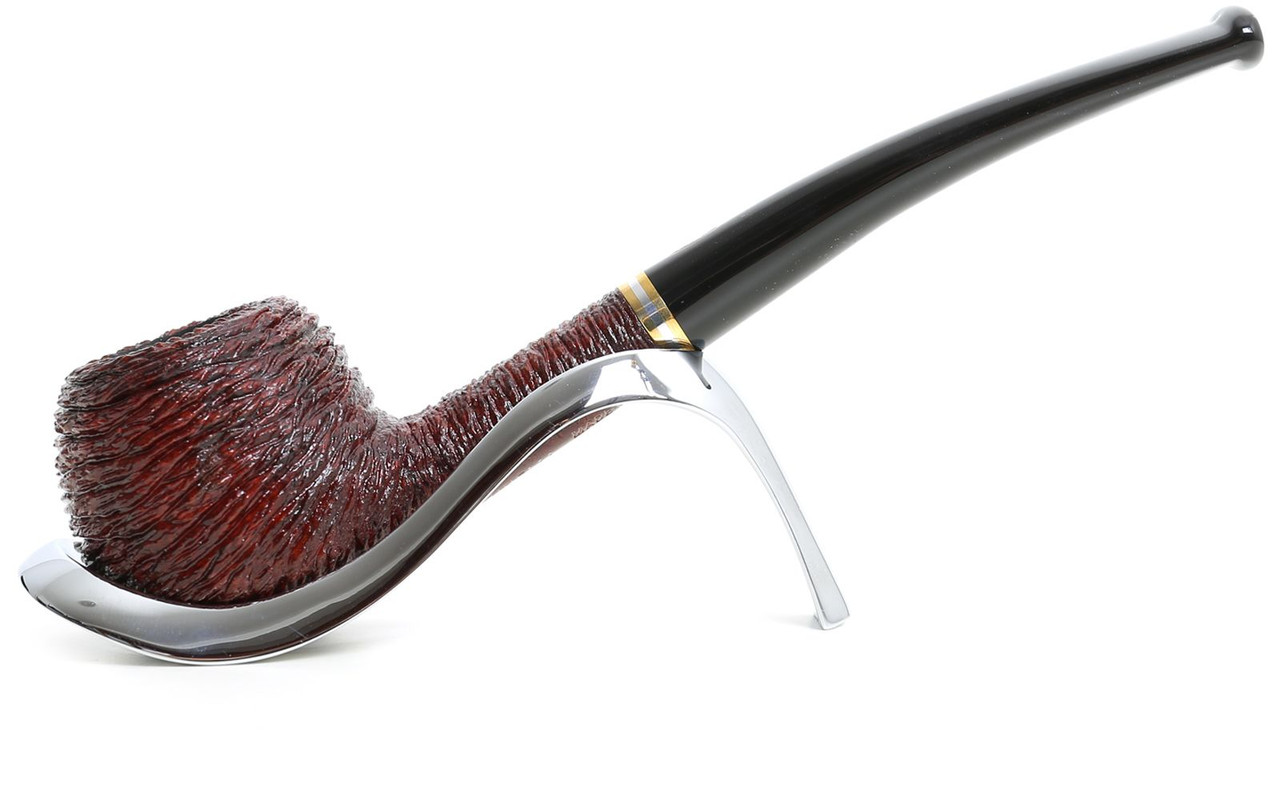
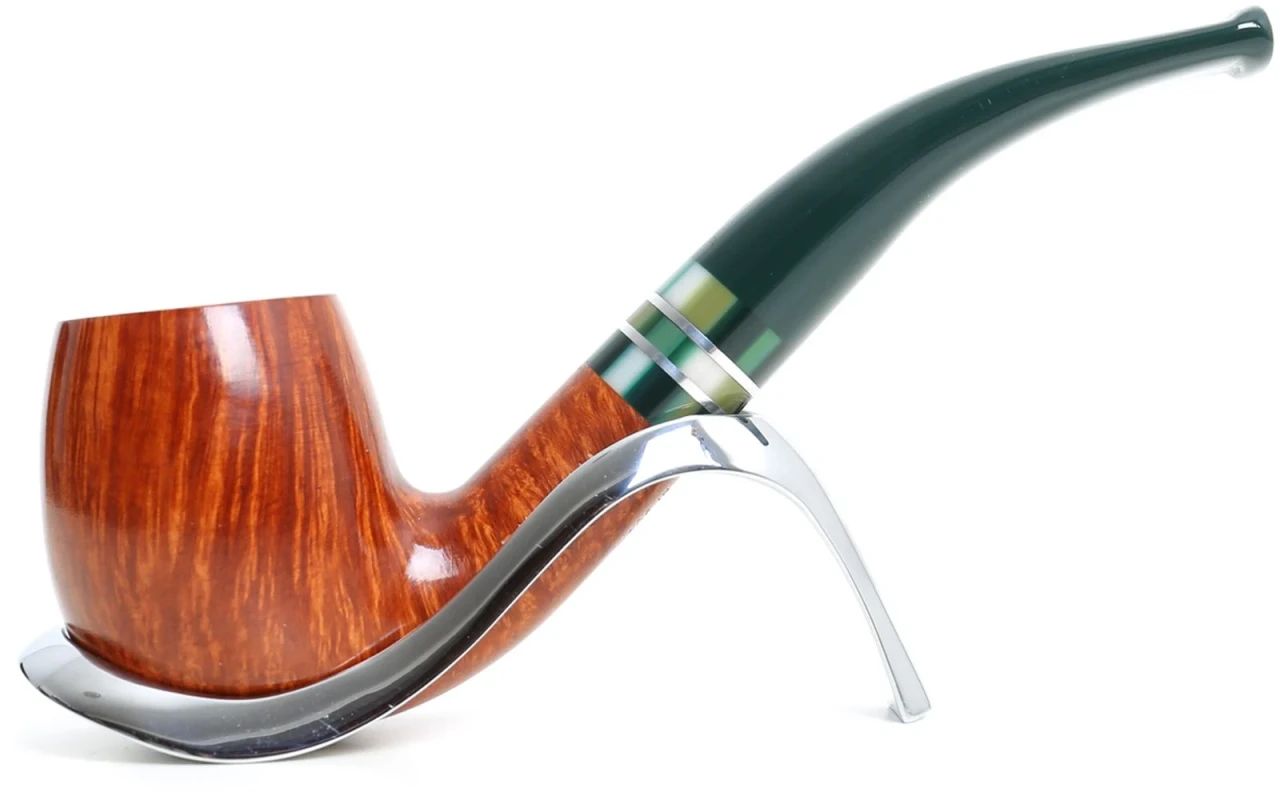
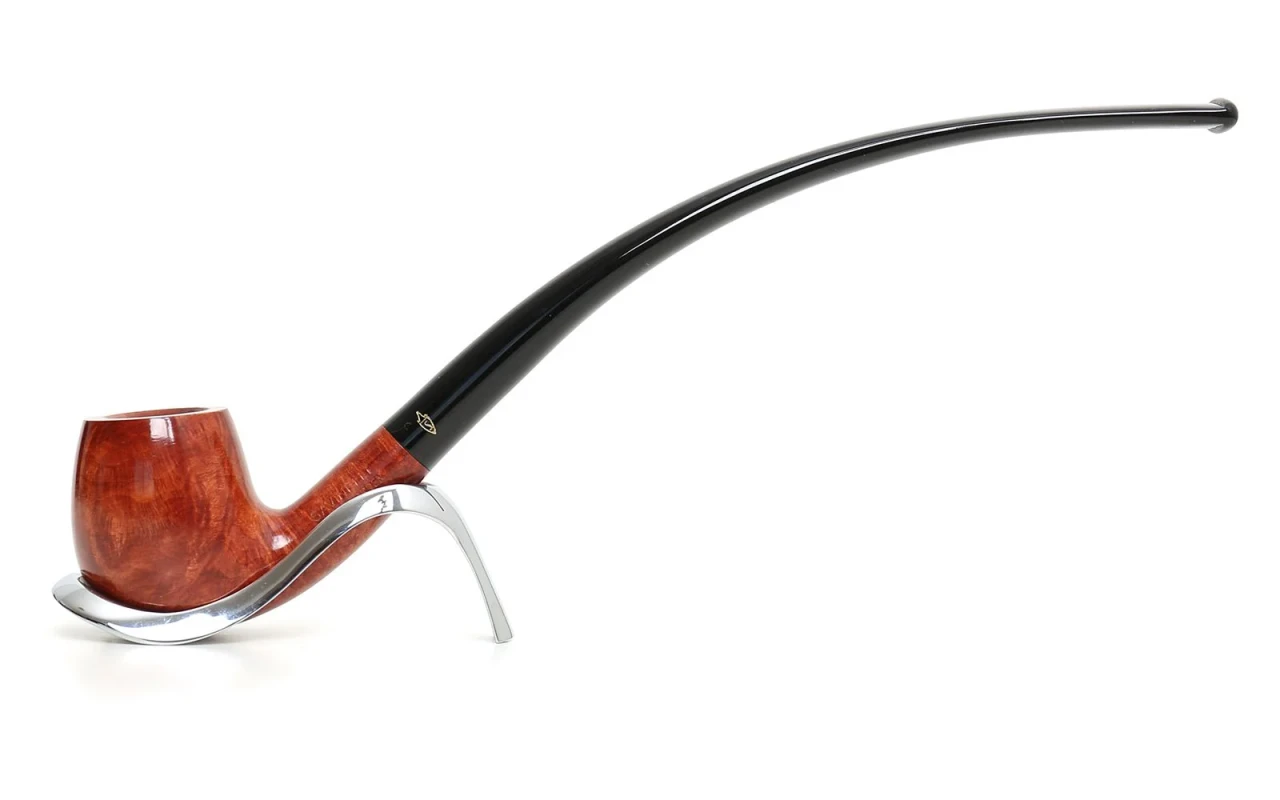
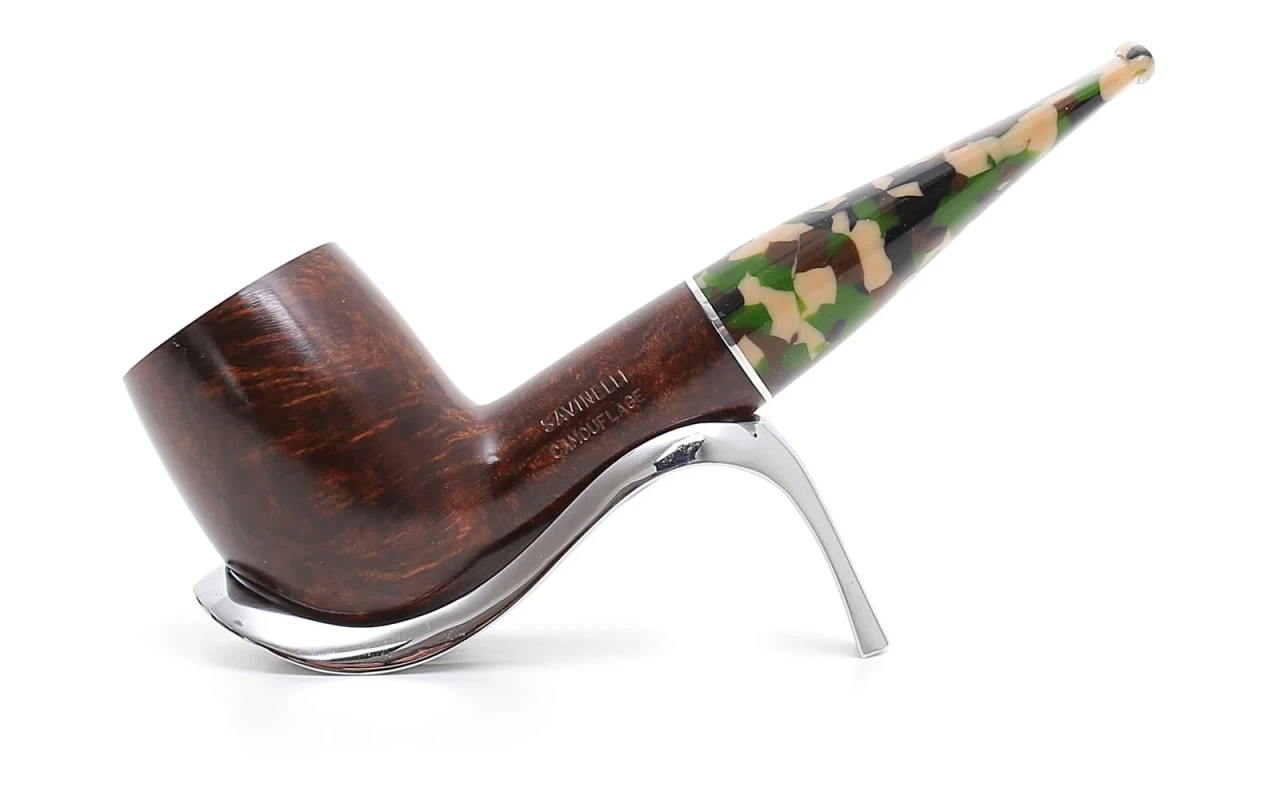
Materials used for Horn pipes
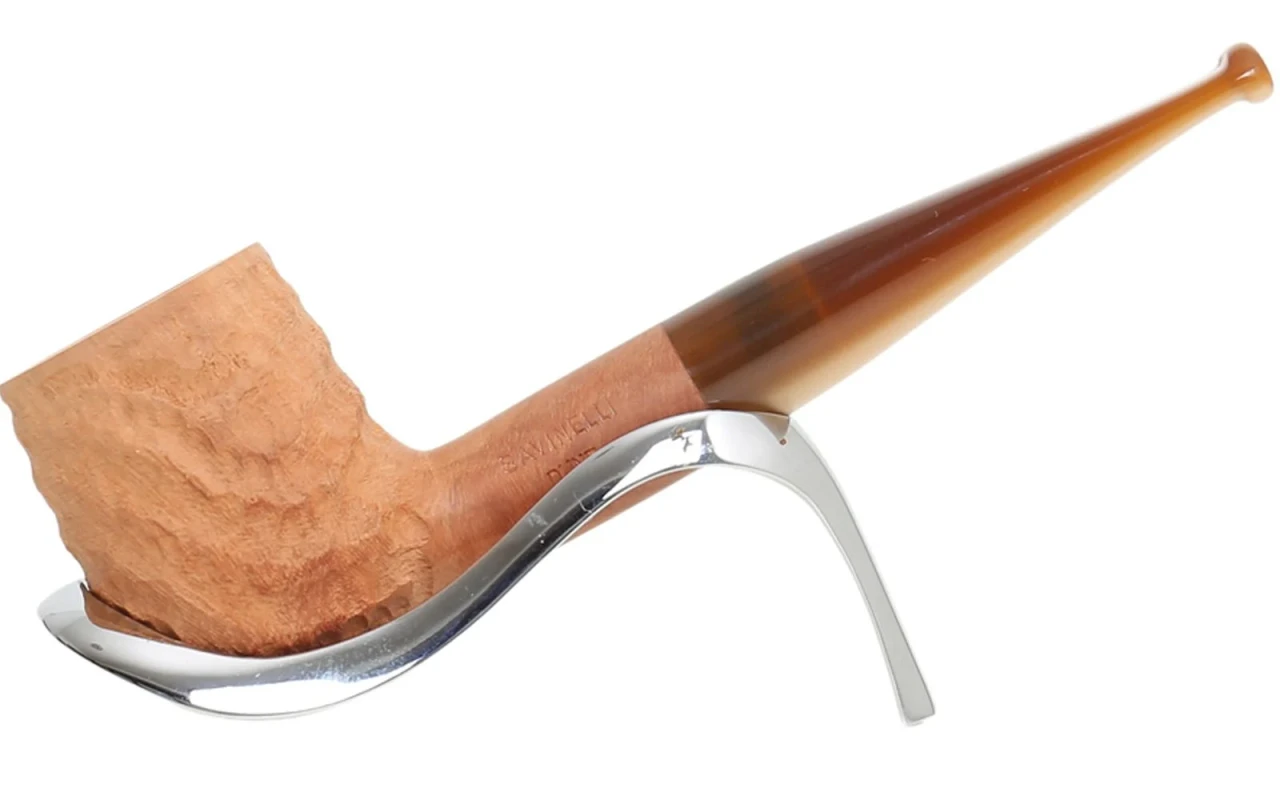
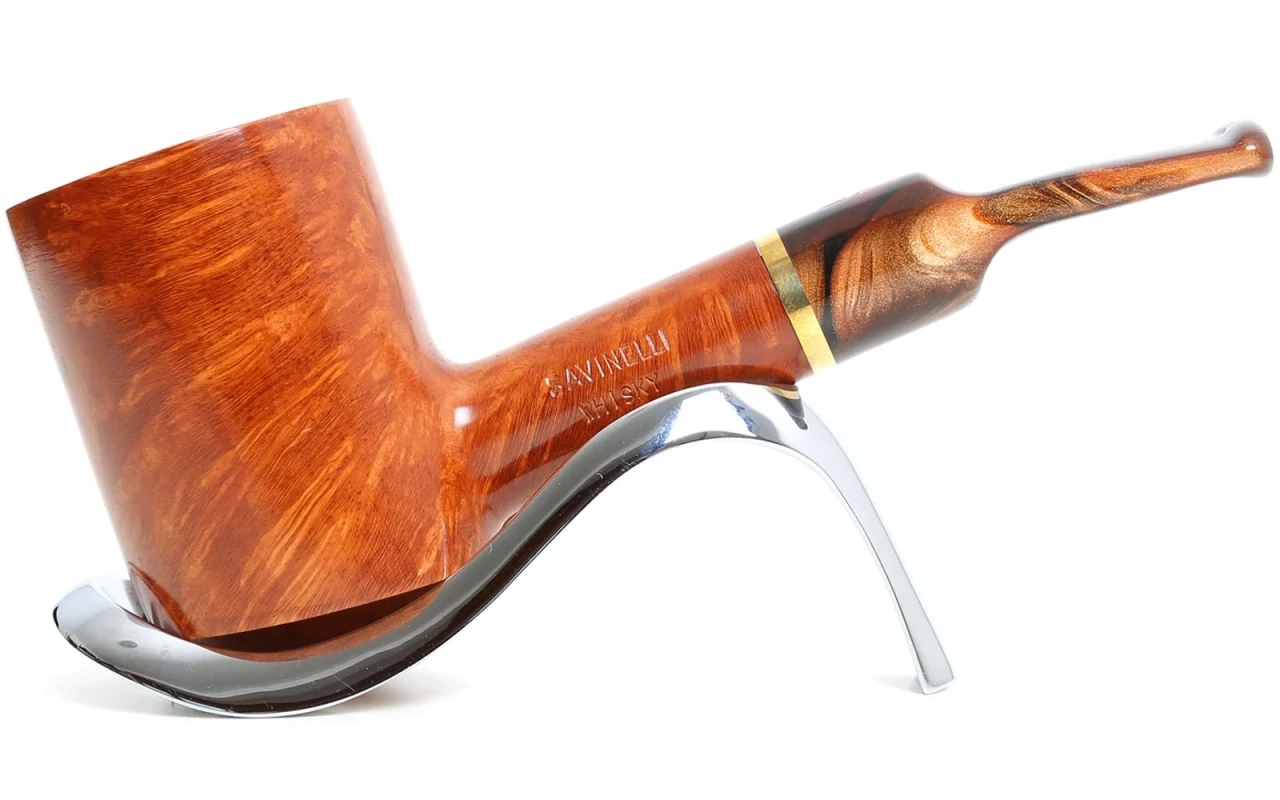
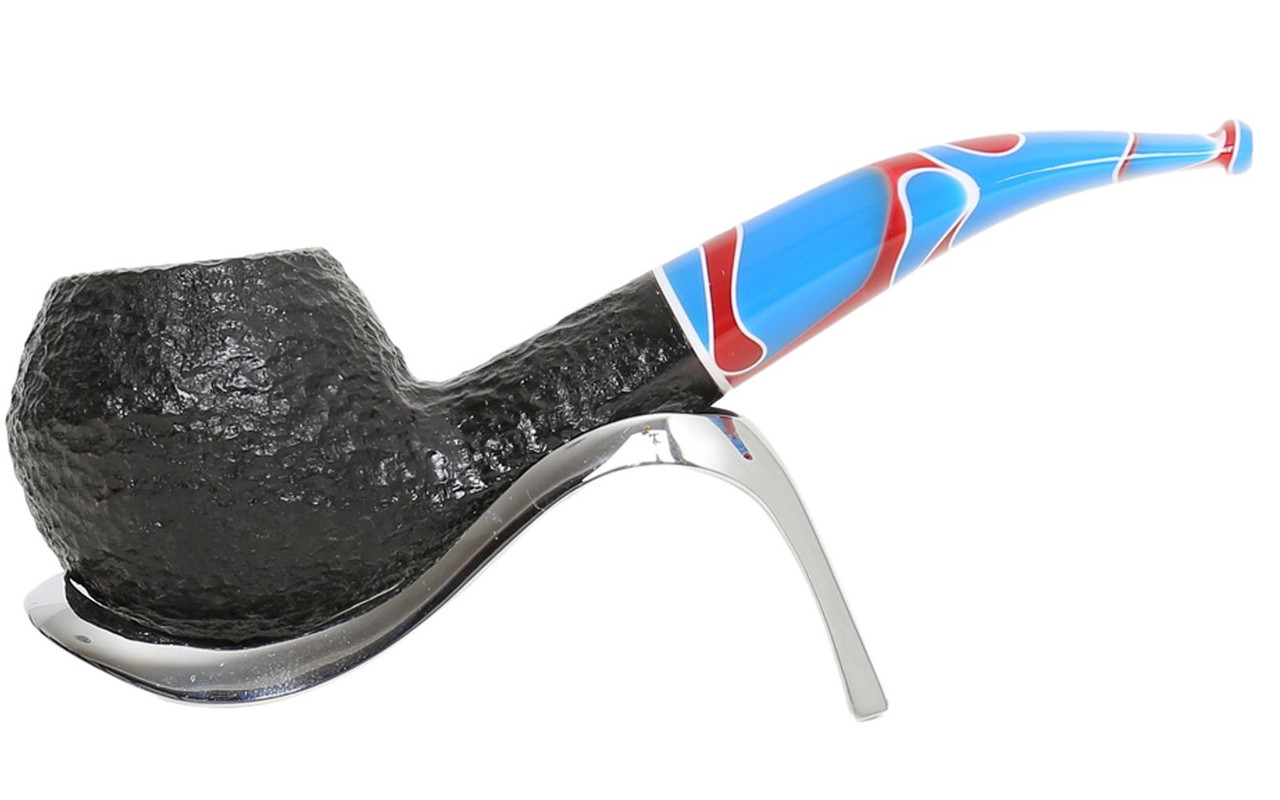
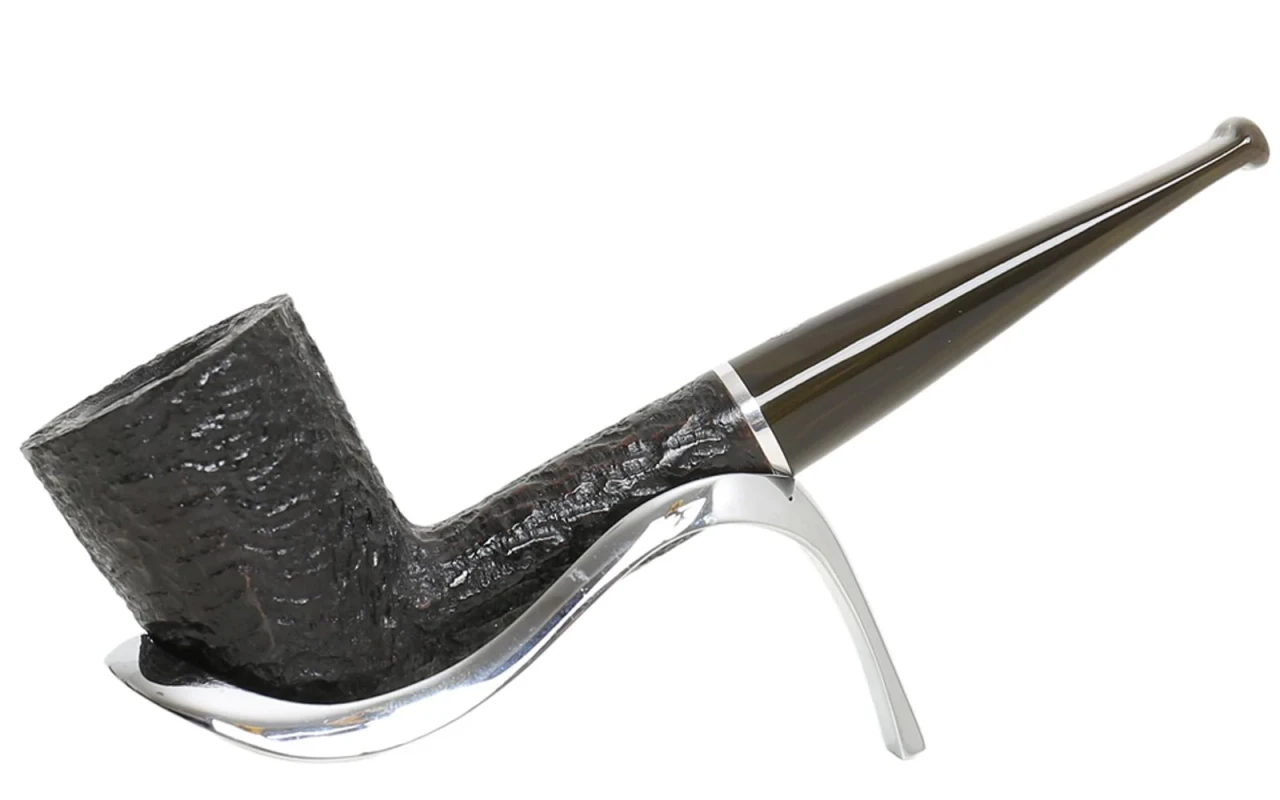
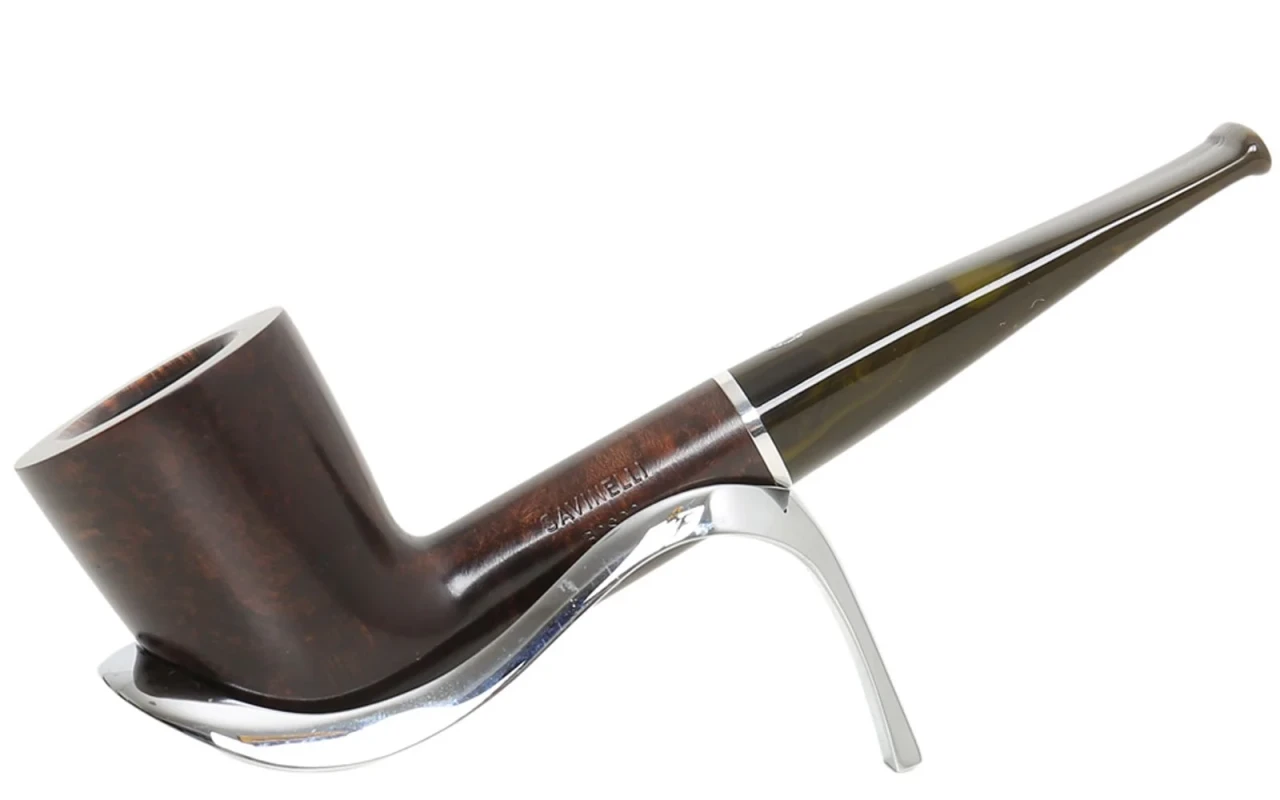
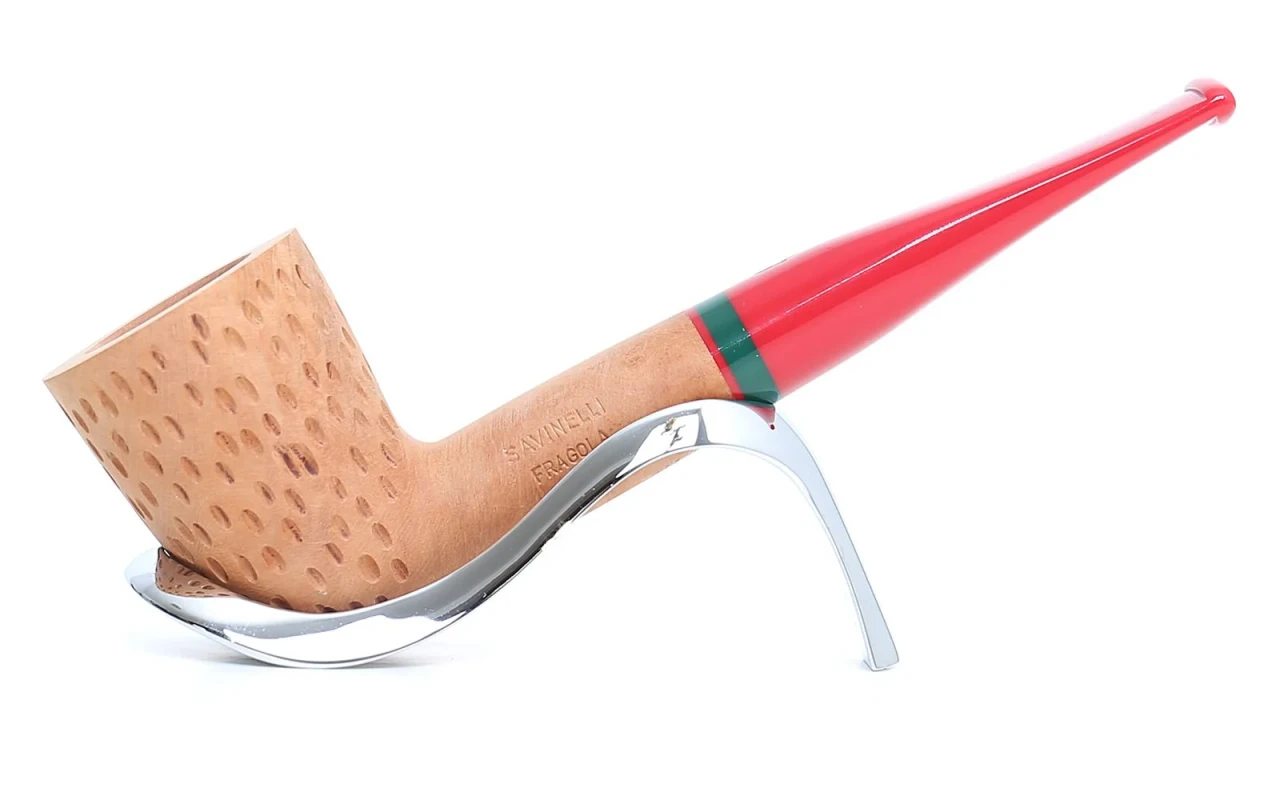
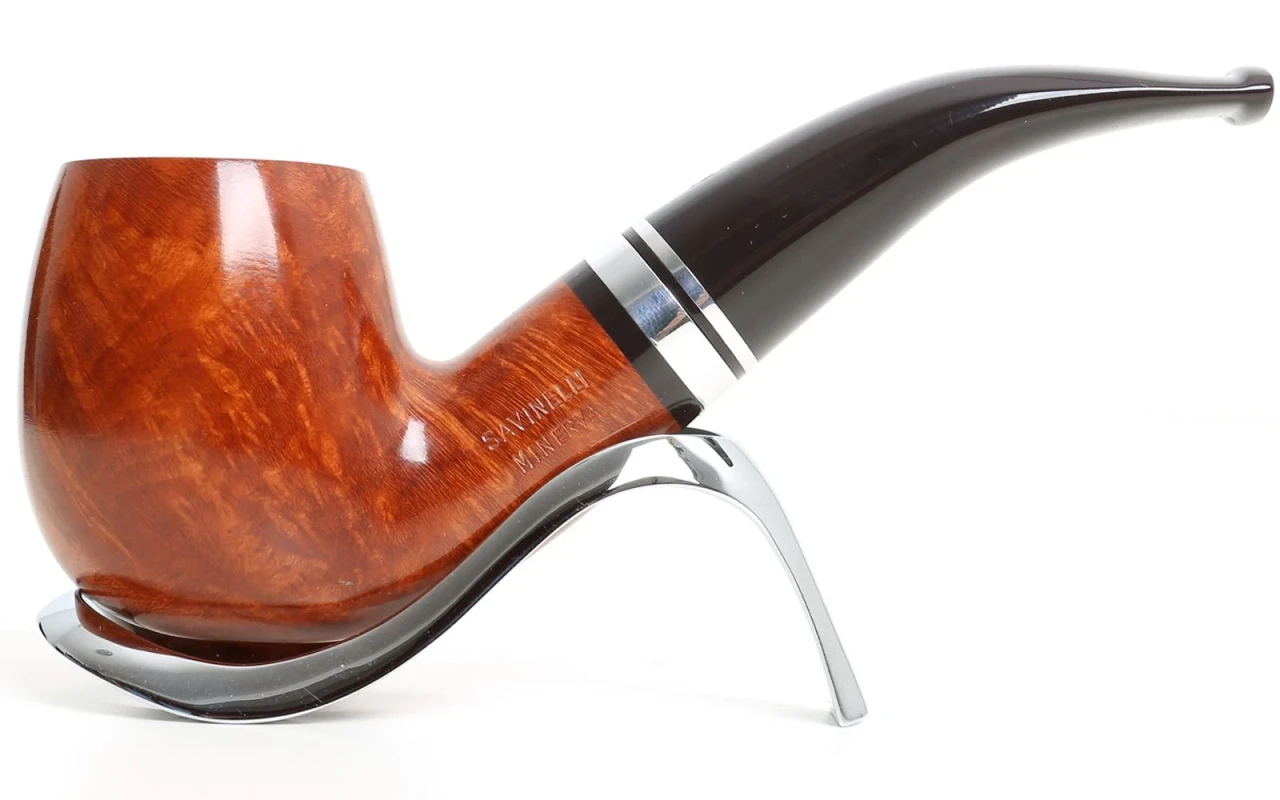
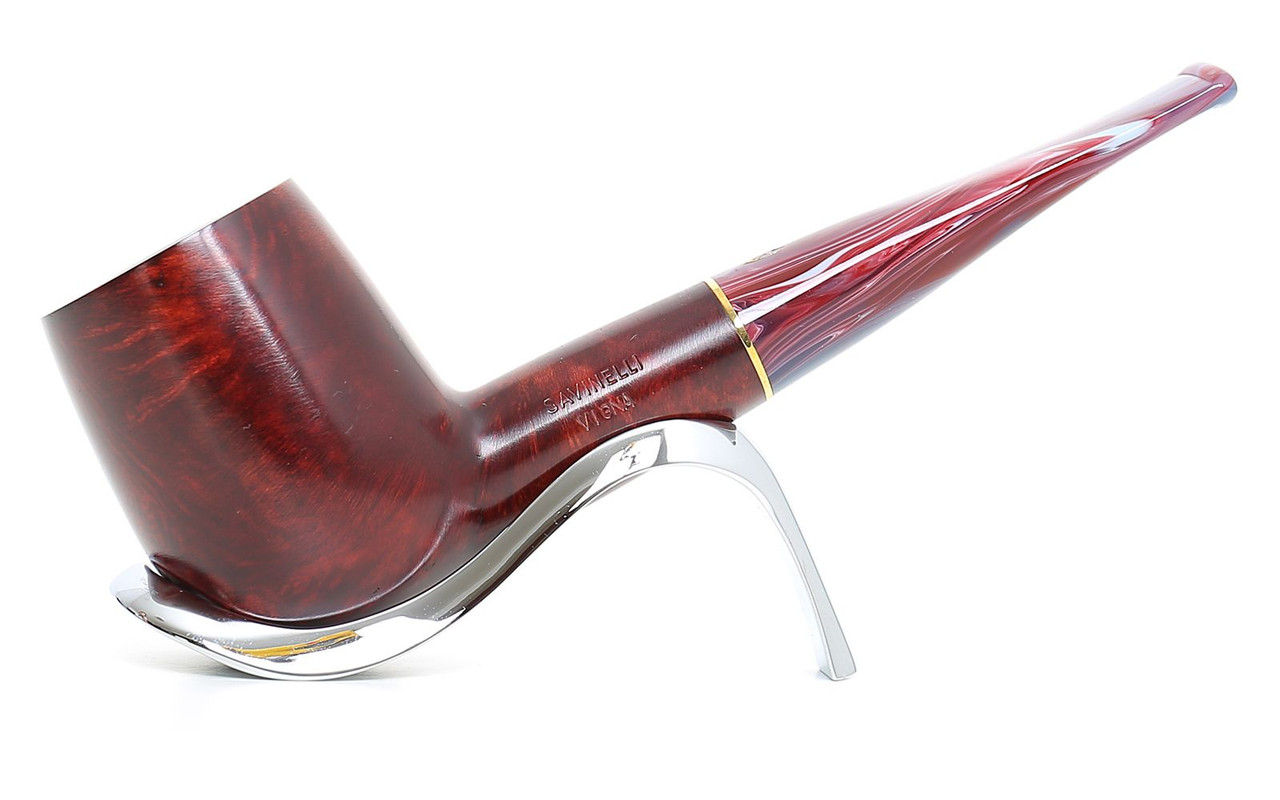
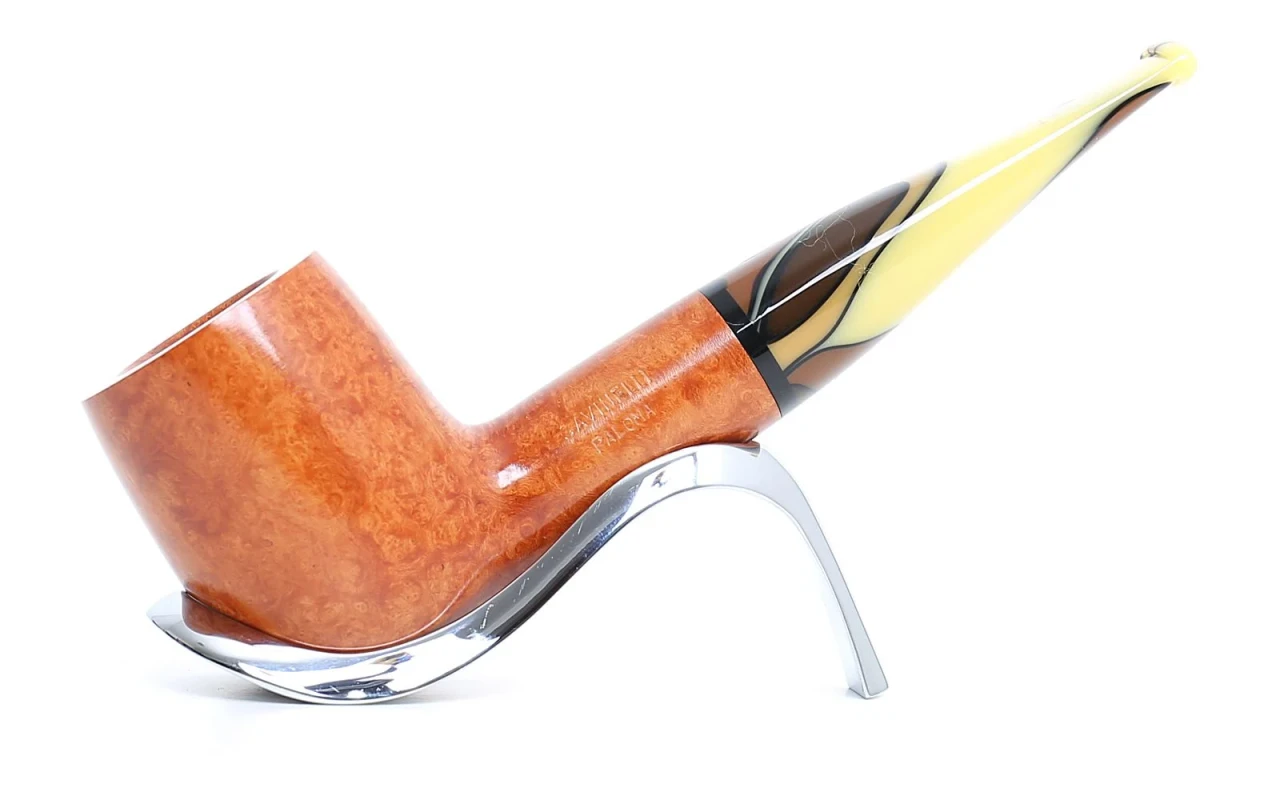
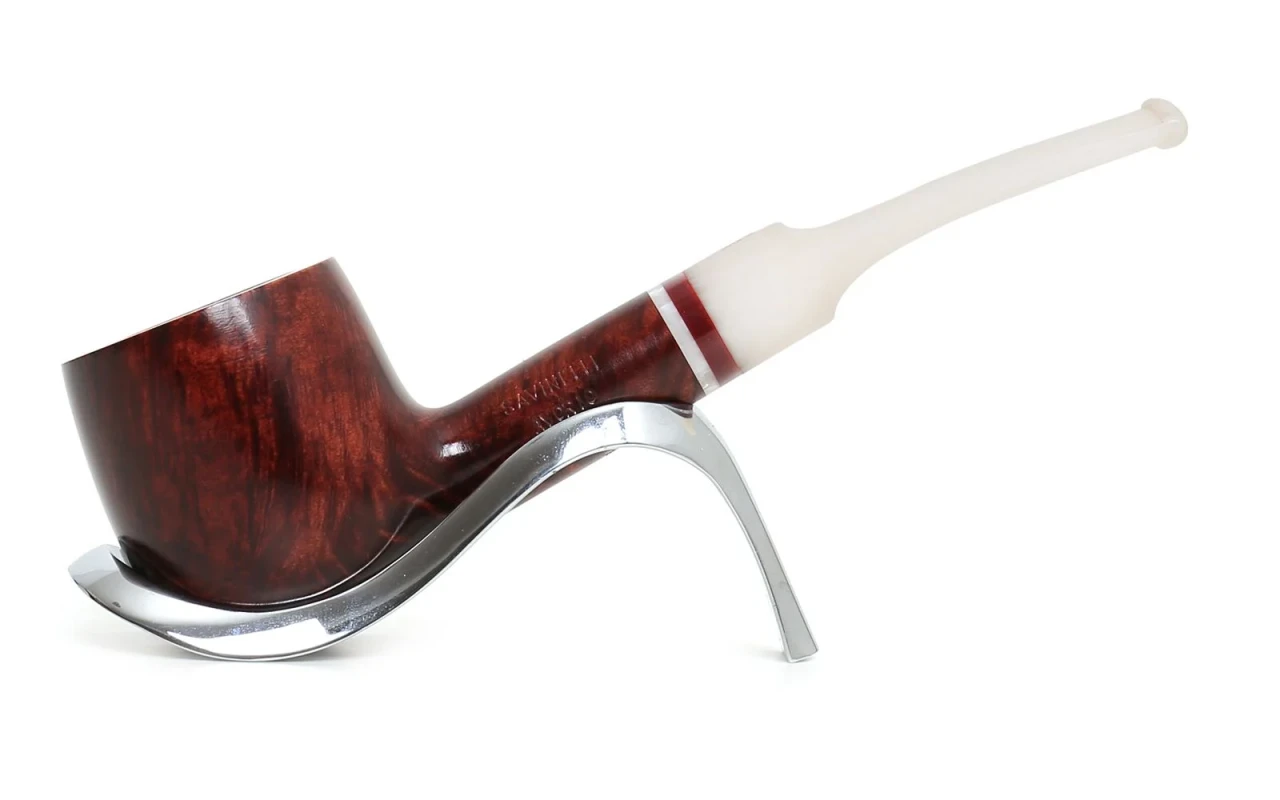
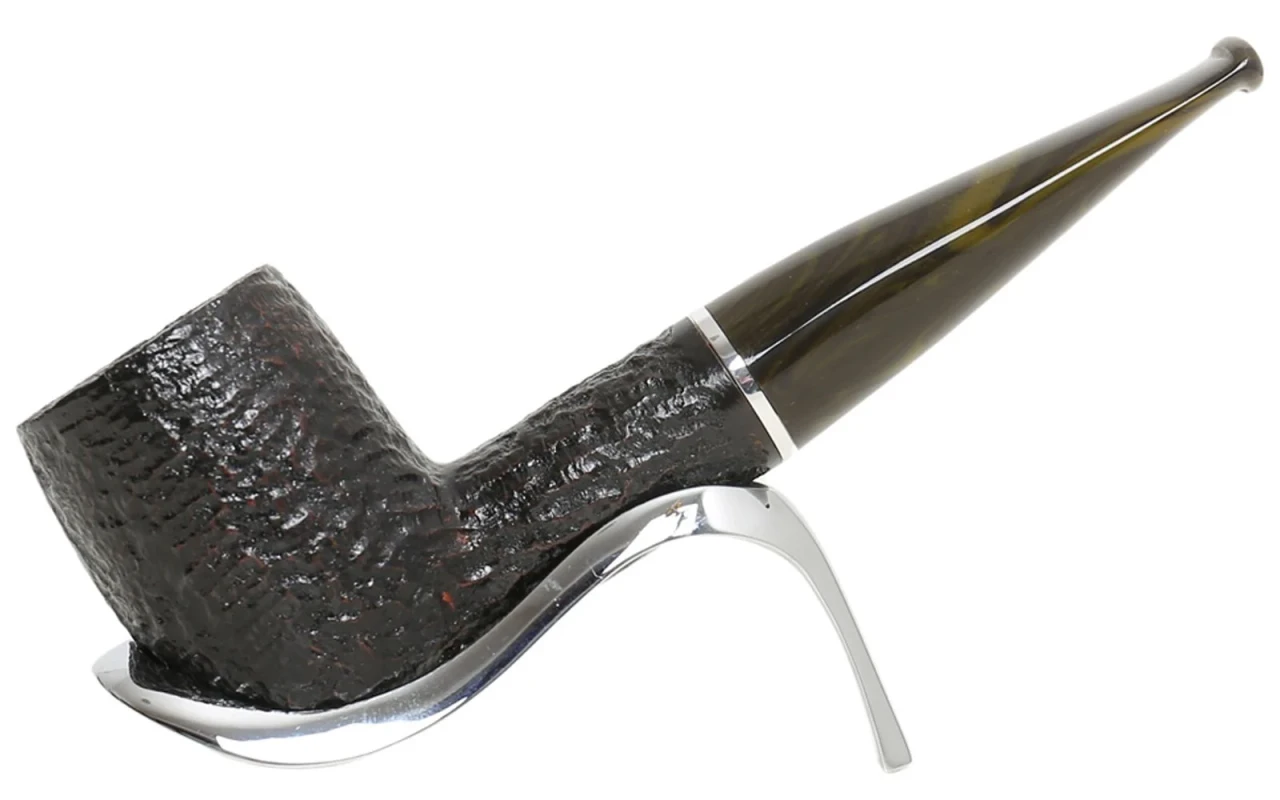
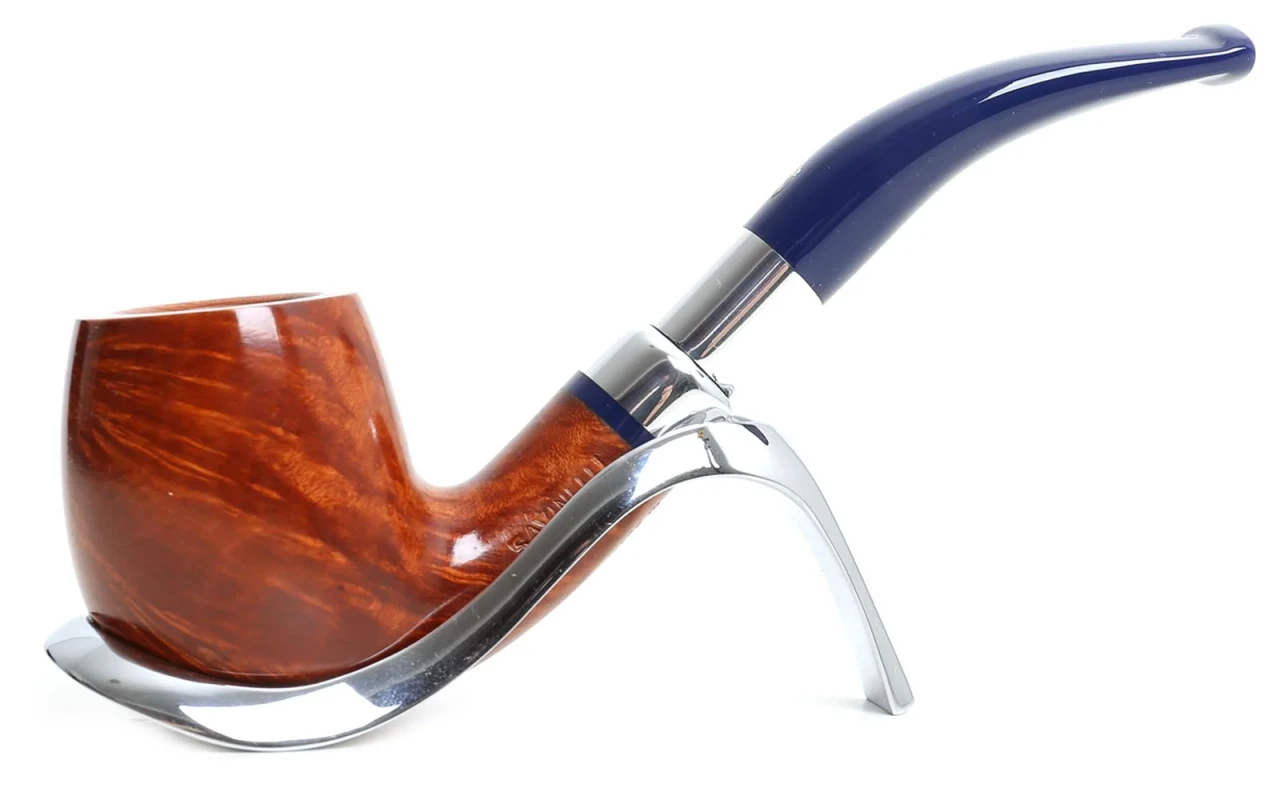
The main material used for Horn pipes is buffalo or deer horn. This natural material gives a unique and rustic look to the pipes, as well as offering a pleasant tactile sensation during use. The horn is handcrafted to create high-quality pipes with elegant designs. Horn pipes can be made entirely of horn or may feature a horn bowl combined with a stem made of a different material, such as briar wood. This combination of materials gives Horn pipes a distinctive aesthetic and a touch of rustic elegance.
Materials for Horn pipes
The most commonly used material for crafting Horn pipes is ebony. This precious wood is known for its strength and ability to withstand heat, making it ideal for pipes. Additionally, ebony has a beautiful dark finish that adds elegance and sophistication to the Horn pipe. Other materials used include briarwood, which offers a variety of unique shades and veins, and morta, a type of fossilized wood known for its hardness and durability. The choice of material influences both the aesthetics and performance of the pipe, providing smokers with personalized and high-quality options.
Smoking Pipe Materials
The most common materials used for making smoking pipes are wood, corn cob, and briar root. Wooden pipes offer a wide range of options, each with unique taste and durability characteristics. Corn cob, also known as "corn cob pipe," is lightweight and affordable, making it ideal for beginners. Briar root pipes are considered high-quality, as the material is heat-resistant and provides an excellent smoking experience. It is important to choose a material that meets your aesthetic and smoking preferences.
Best Pipe Materials
The most commonly used materials for making pipes are wood, briar root, corn cob, clay, meerschaum, and metal. Each of them offers unique characteristics that influence the quality and smoking experience of a pipe. Wood is the traditional material for pipes, offering a wide range of high-quality wood options such as briar. Briar root is lightweight and heat-resistant, while corn cob pipes are affordable and lightweight. Clay pipes provide excellent heat conduction, while meerschaum pipes are highly absorbent. Metal pipes are durable and easy to clean.
'%3e%3cg id='Final-Copy-2_2_' transform='translate(1275.000000, 200.000000)'%3e%3cpath class='st0' d='M7.4,12.8h6.8l3.1-11.6H7.4C4.2,1.2,1.6,3.8,1.6,7S4.2,12.8,7.4,12.8z'/%3e%3c/g%3e%3c/g%3e%3c/g%3e%3cg id='final---dec.11-2020'%3e%3cg id='_x30_208-our-toggle' transform='translate(-1275.000000, -200.000000)'%3e%3cg id='Final-Copy-2' transform='translate(1275.000000, 200.000000)'%3e%3cpath class='st1' d='M22.6,0H7.4c-3.9,0-7,3.1-7,7s3.1,7,7,7h15.2c3.9,0,7-3.1,7-7S26.4,0,22.6,0z M1.6,7c0-3.2,2.6-5.8,5.8-5.8 h9.9l-3.1,11.6H7.4C4.2,12.8,1.6,10.2,1.6,7z'/%3e%3cpath id='x' class='st2' d='M24.6,4c0.2,0.2,0.2,0.6,0,0.8l0,0L22.5,7l2.2,2.2c0.2,0.2,0.2,0.6,0,0.8c-0.2,0.2-0.6,0.2-0.8,0 l0,0l-2.2-2.2L19.5,10c-0.2,0.2-0.6,0.2-0.8,0c-0.2-0.2-0.2-0.6,0-0.8l0,0L20.8,7l-2.2-2.2c-0.2-0.2-0.2-0.6,0-0.8 c0.2-0.2,0.6-0.2,0.8,0l0,0l2.2,2.2L23.8,4C24,3.8,24.4,3.8,24.6,4z'/%3e%3cpath id='y' class='st3' d='M12.7,4.1c0.2,0.2,0.3,0.6,0.1,0.8l0,0L8.6,9.8C8.5,9.9,8.4,10,8.3,10c-0.2,0.1-0.5,0.1-0.7-0.1l0,0 L5.4,7.7c-0.2-0.2-0.2-0.6,0-0.8c0.2-0.2,0.6-0.2,0.8,0l0,0L8,8.6l3.8-4.5C12,3.9,12.4,3.9,12.7,4.1z'/%3e%3c/g%3e%3c/g%3e%3c/g%3e%3c/g%3e%3c/svg%3e) Your Privacy Choices
Your Privacy Choices 


