 FR
FR EN
EN IT
IT DE
DE
Materials of pipes to avoid condensation
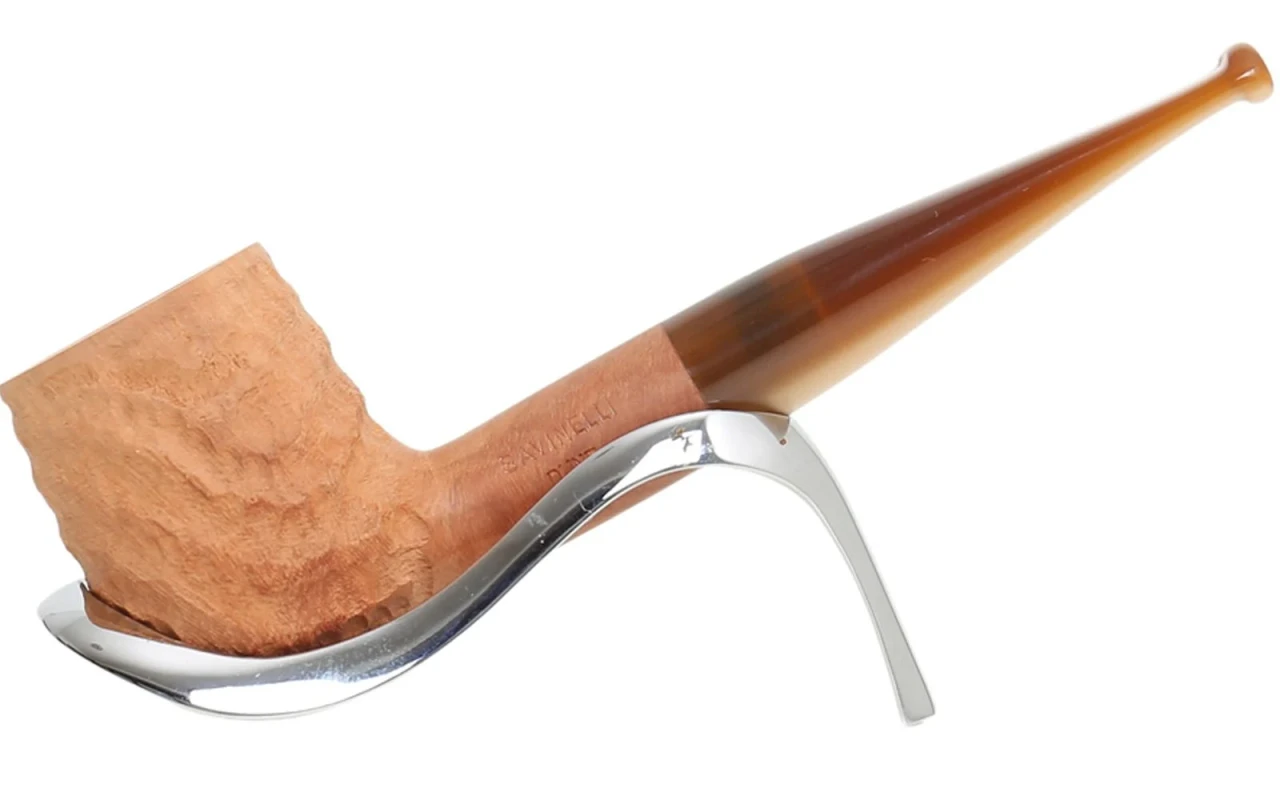
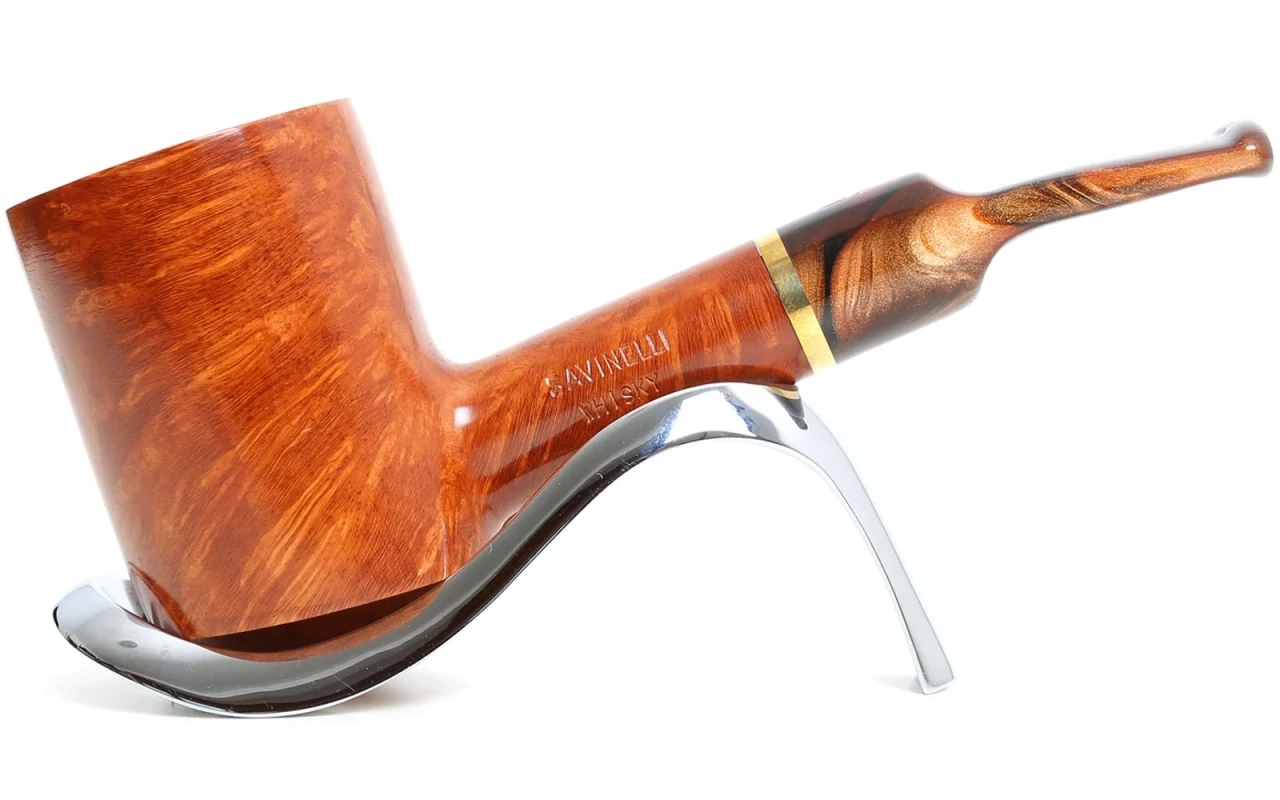
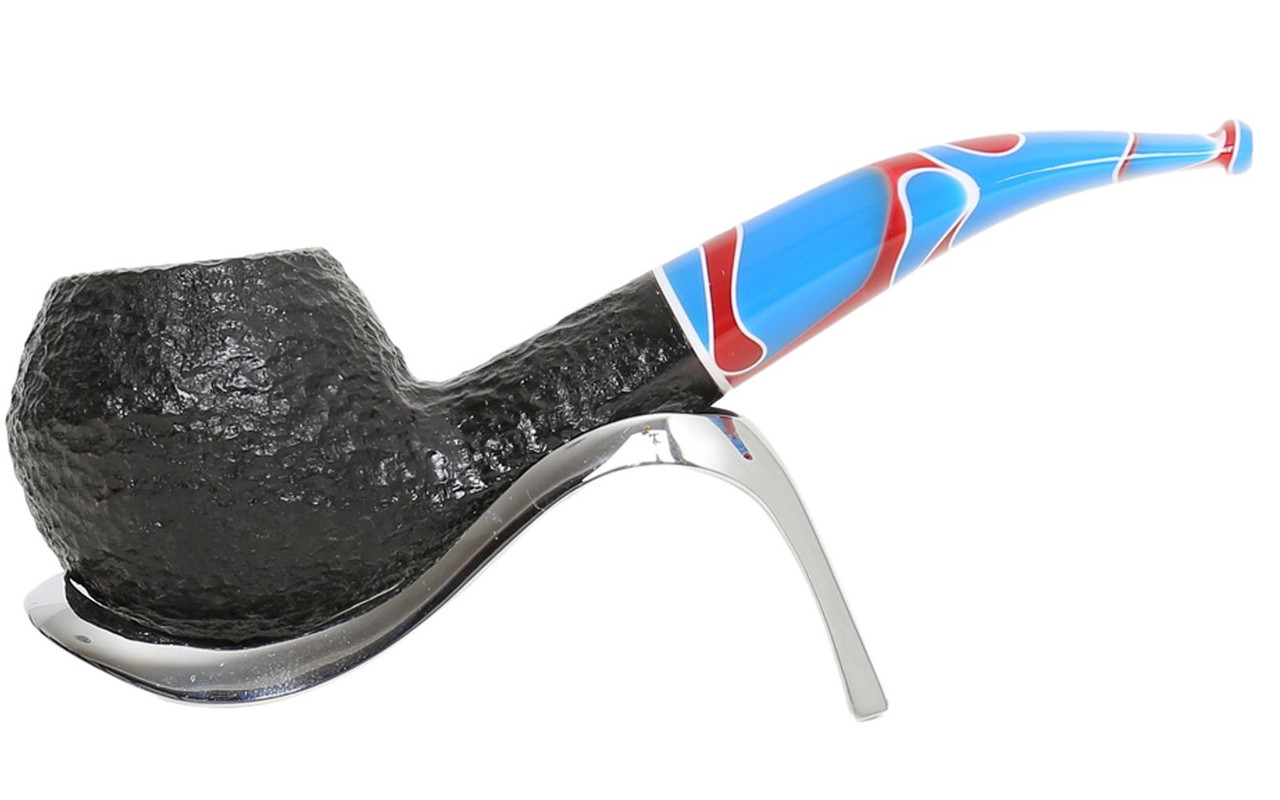
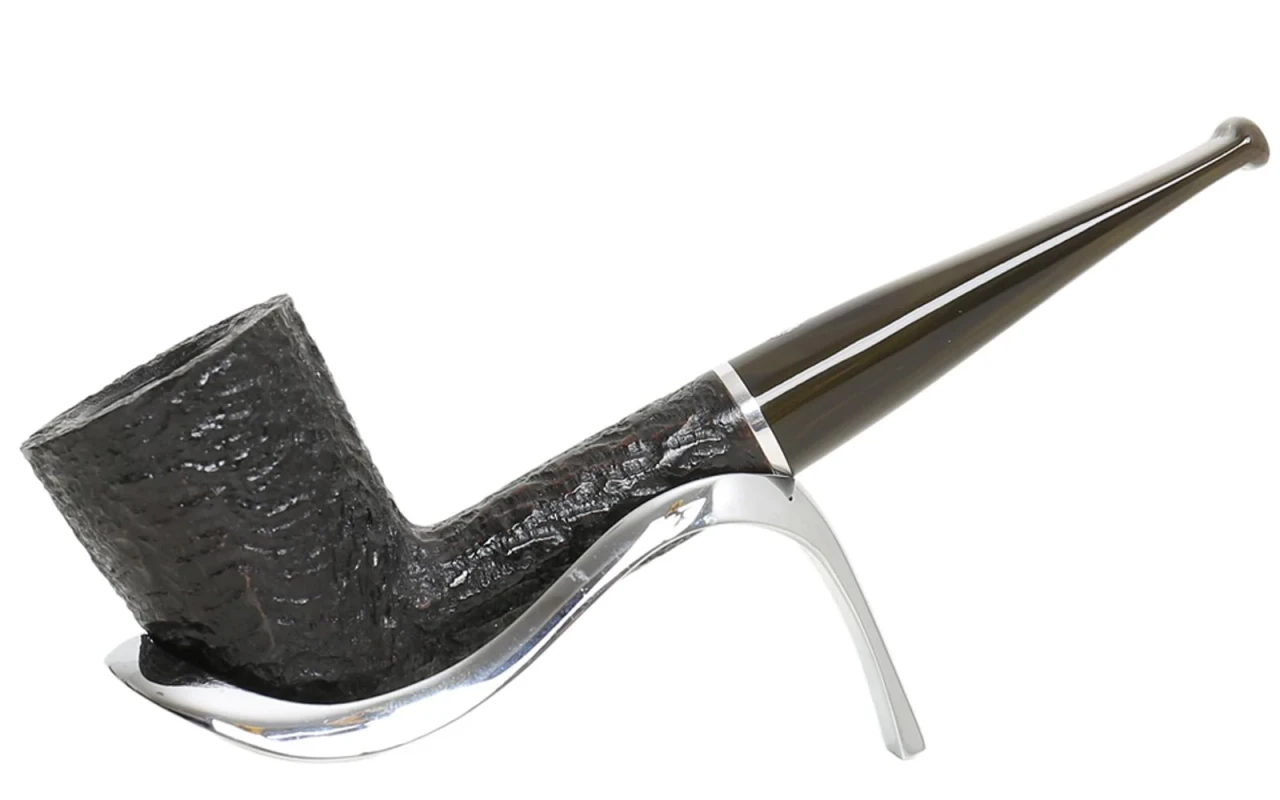
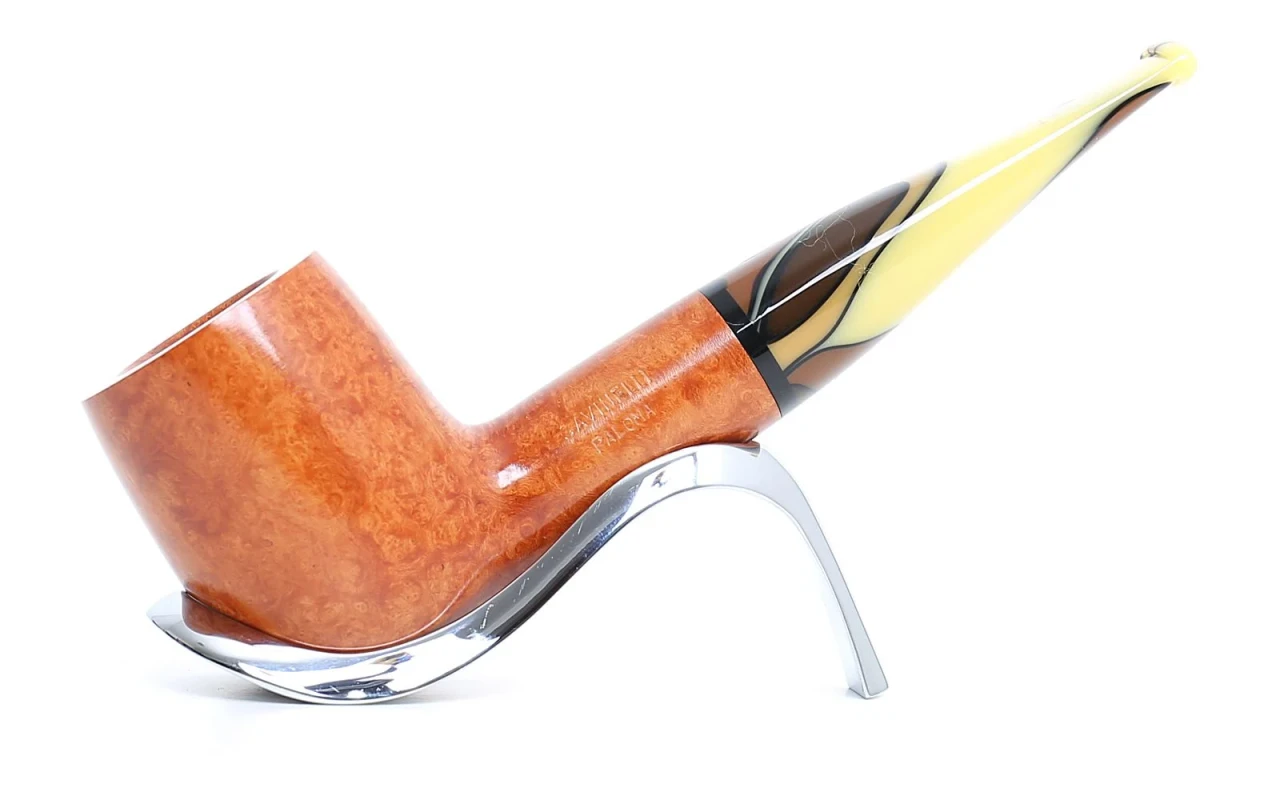
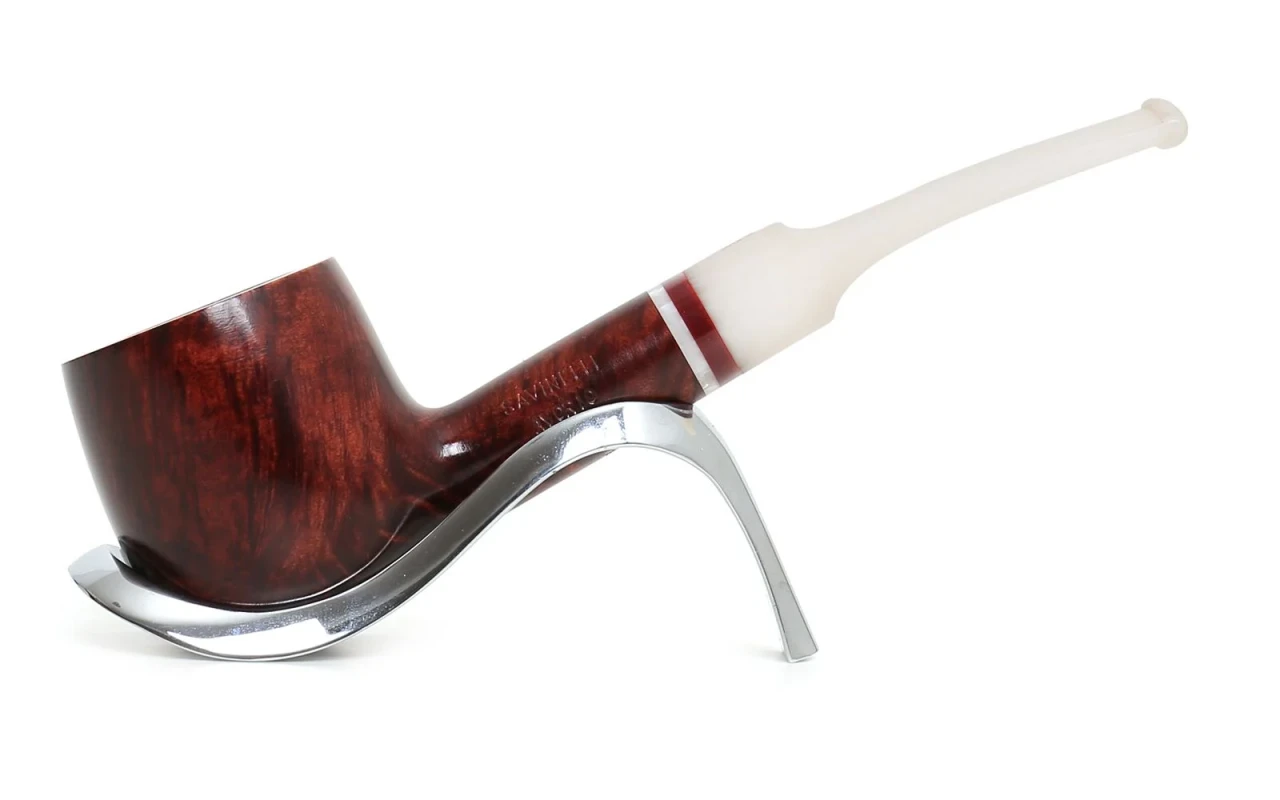
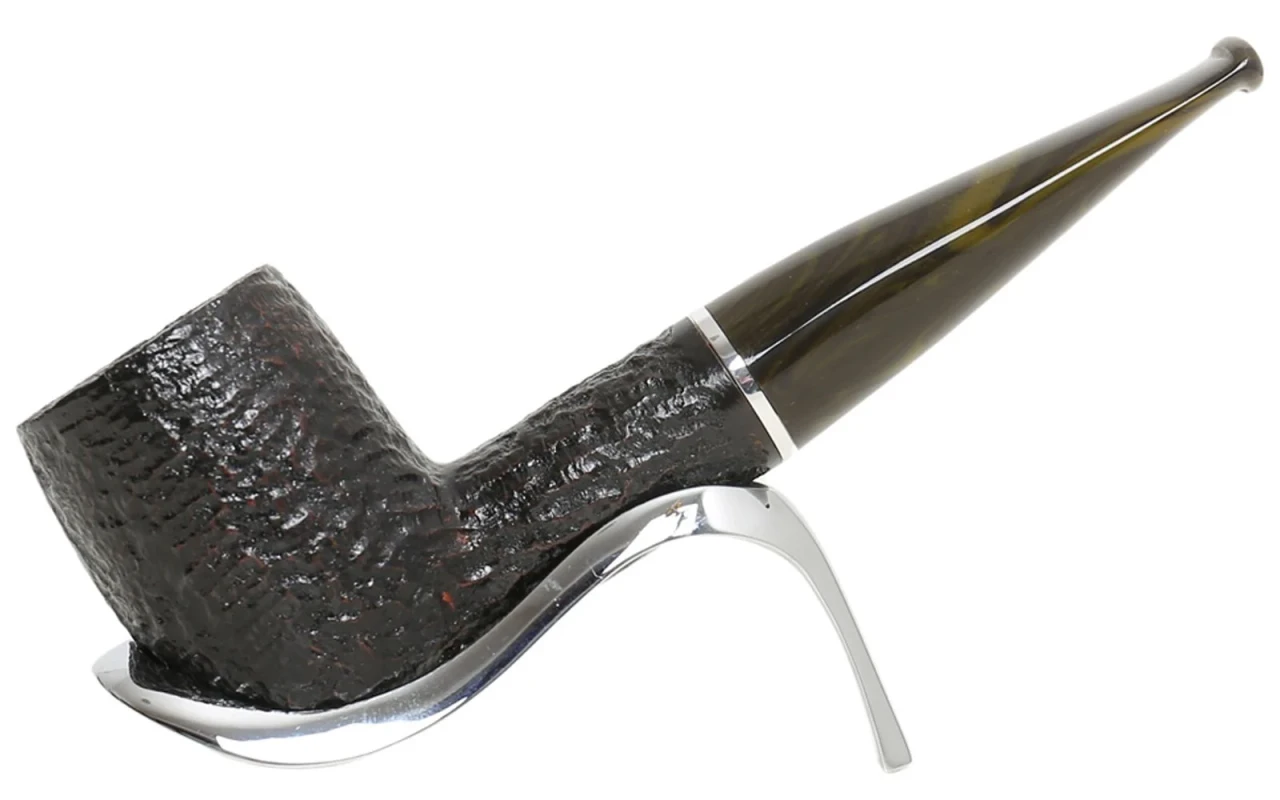
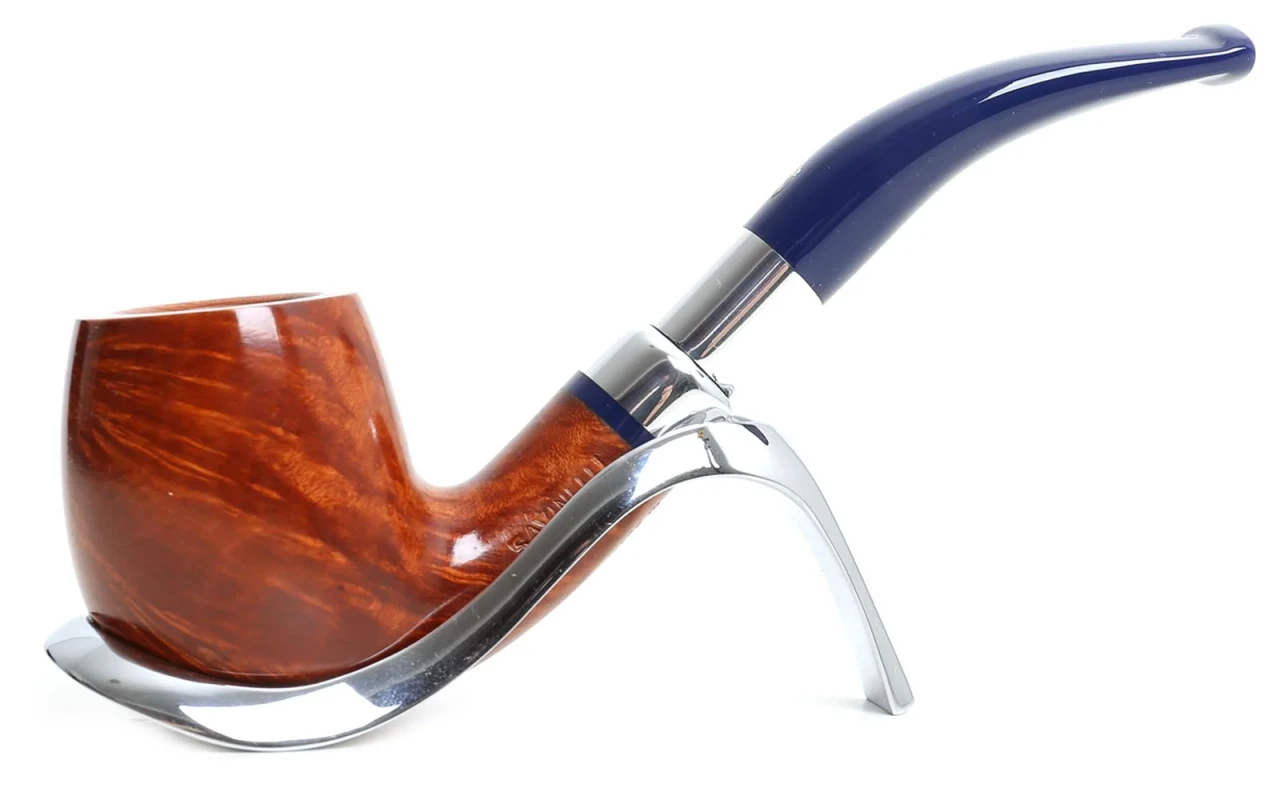
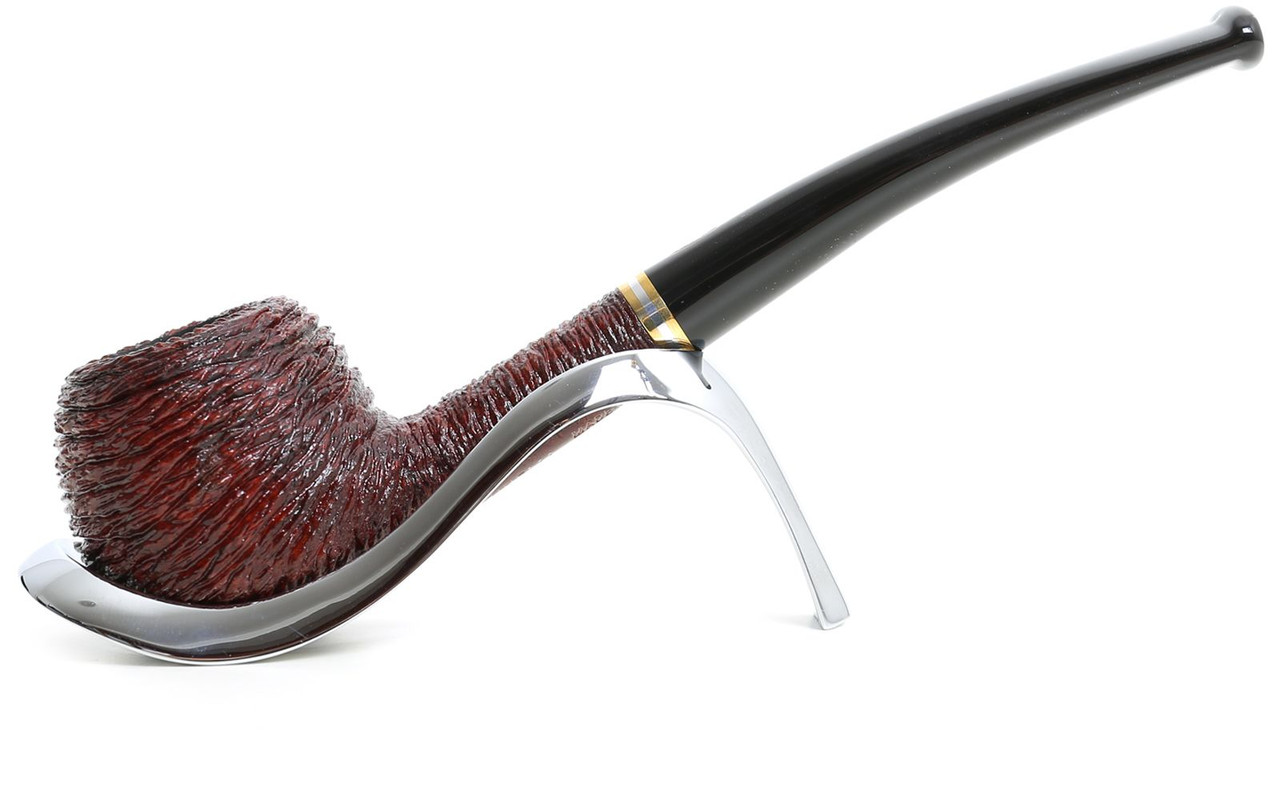
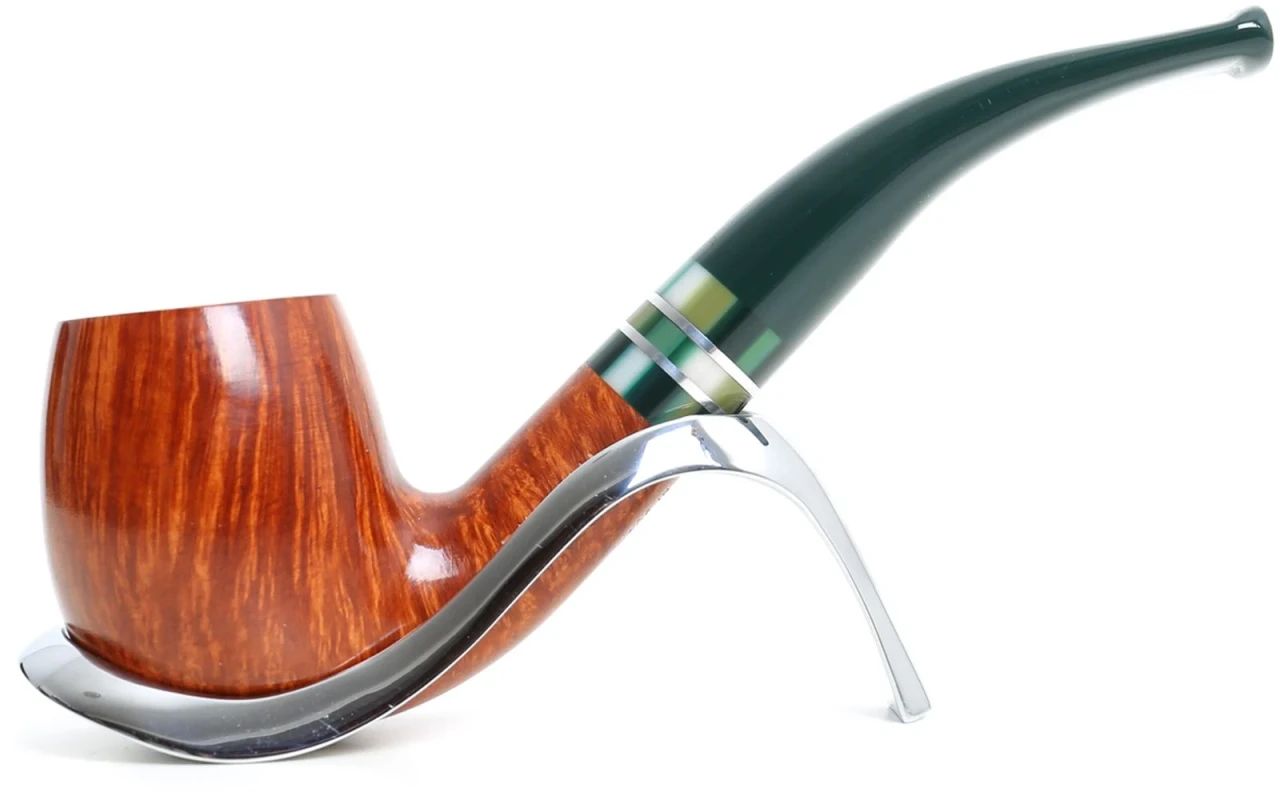
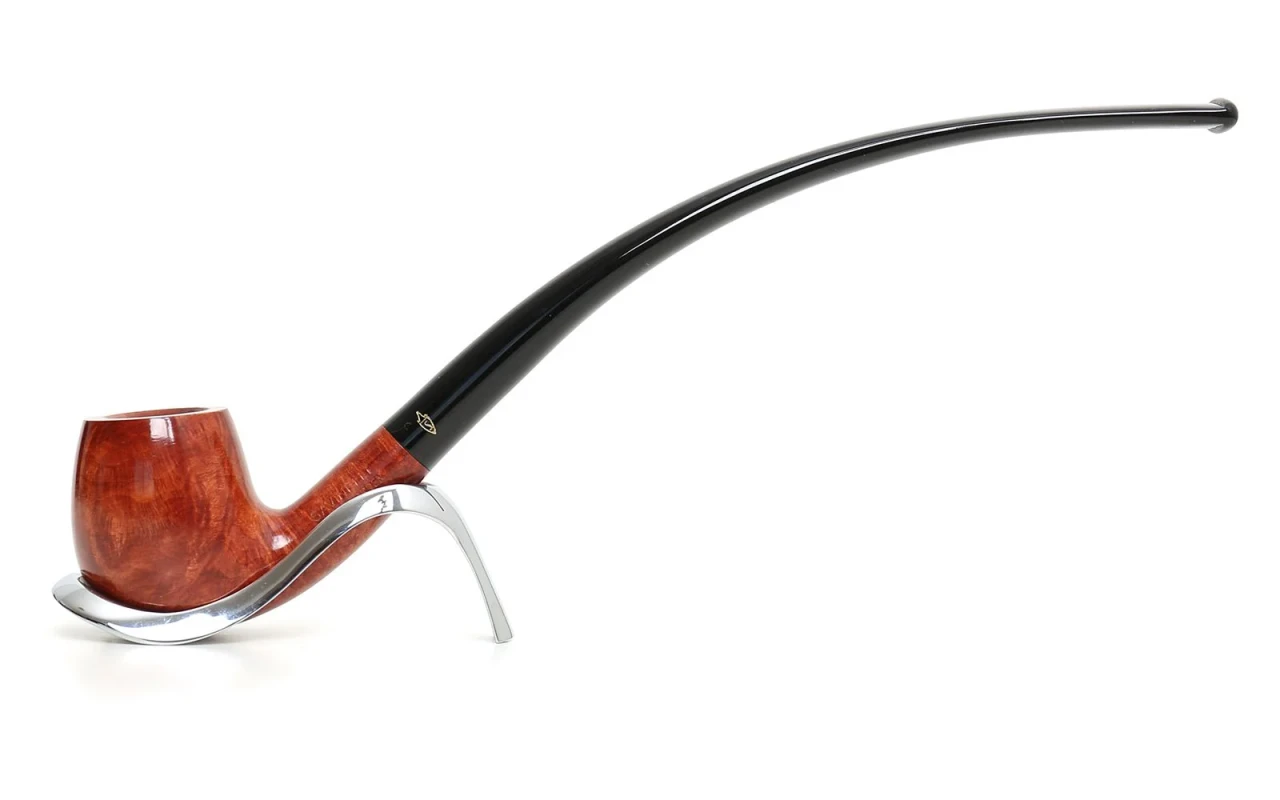
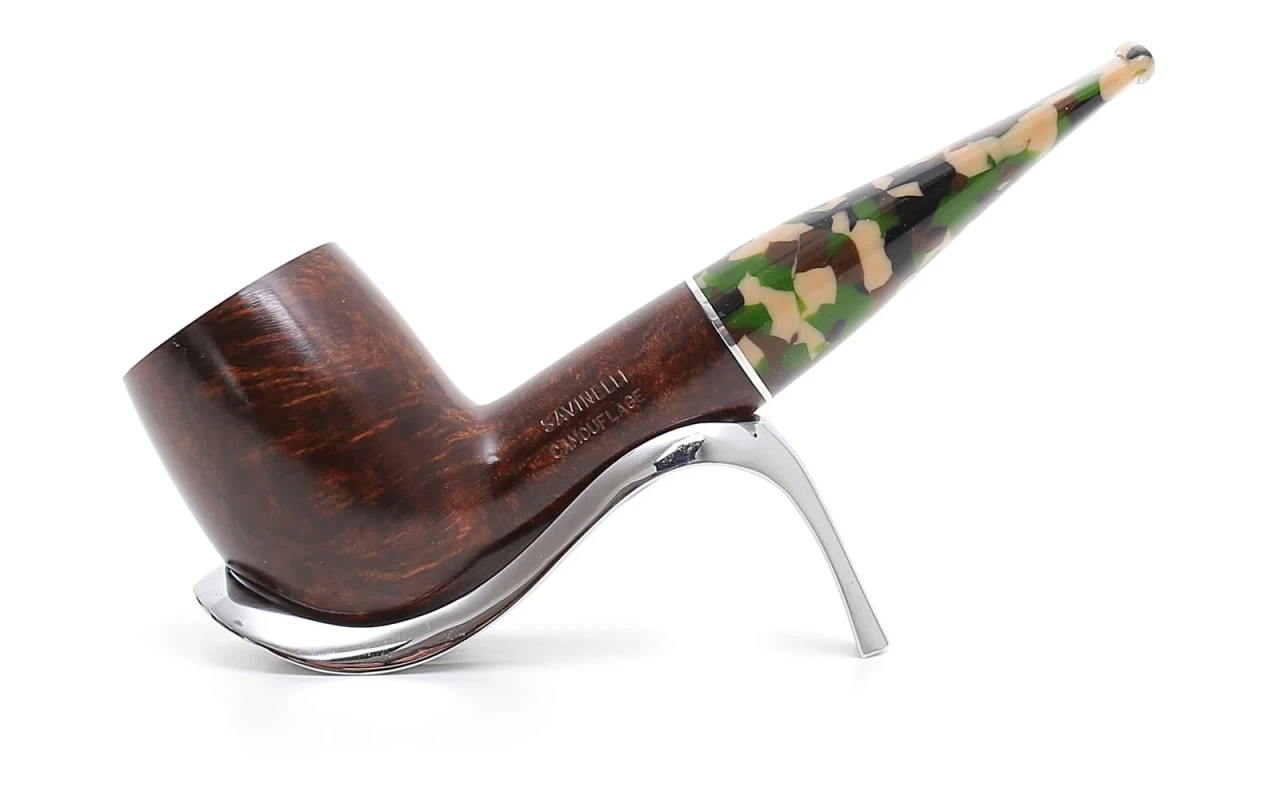
Materials of pipes to avoid condensation
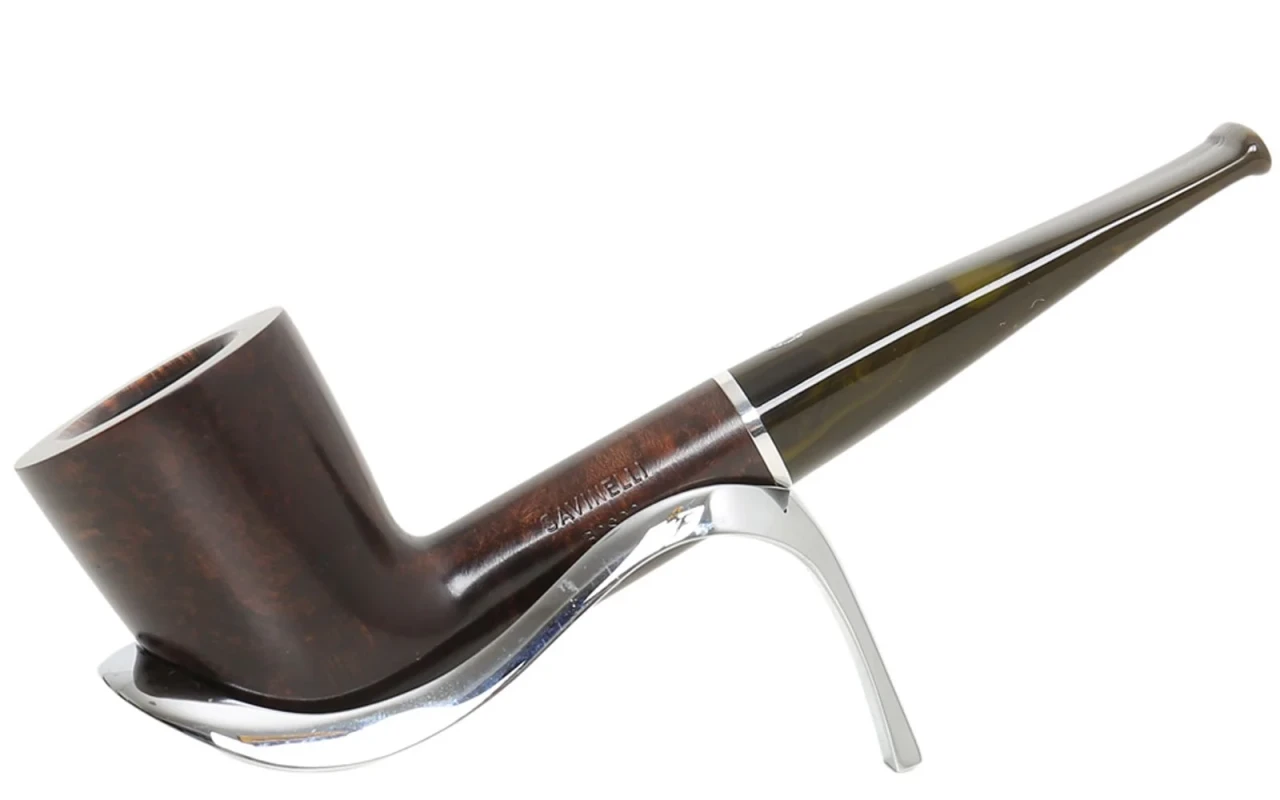
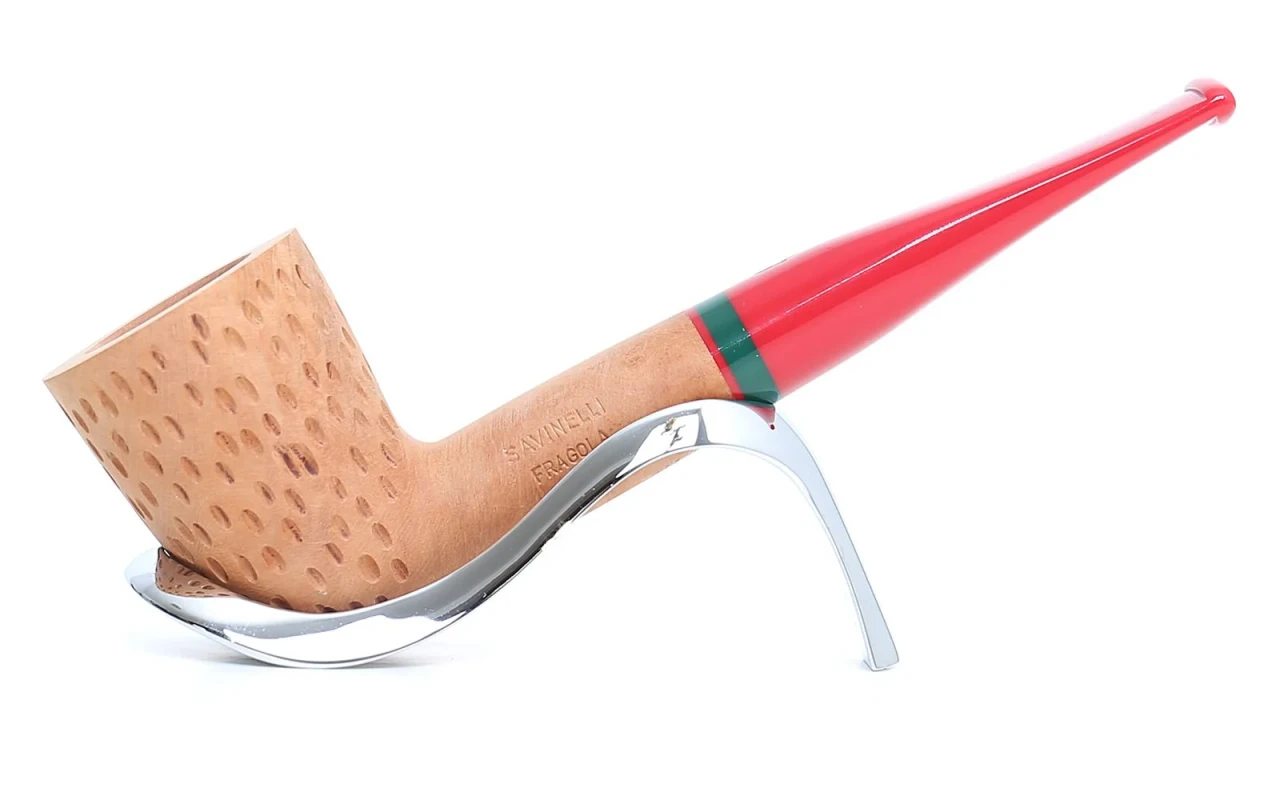
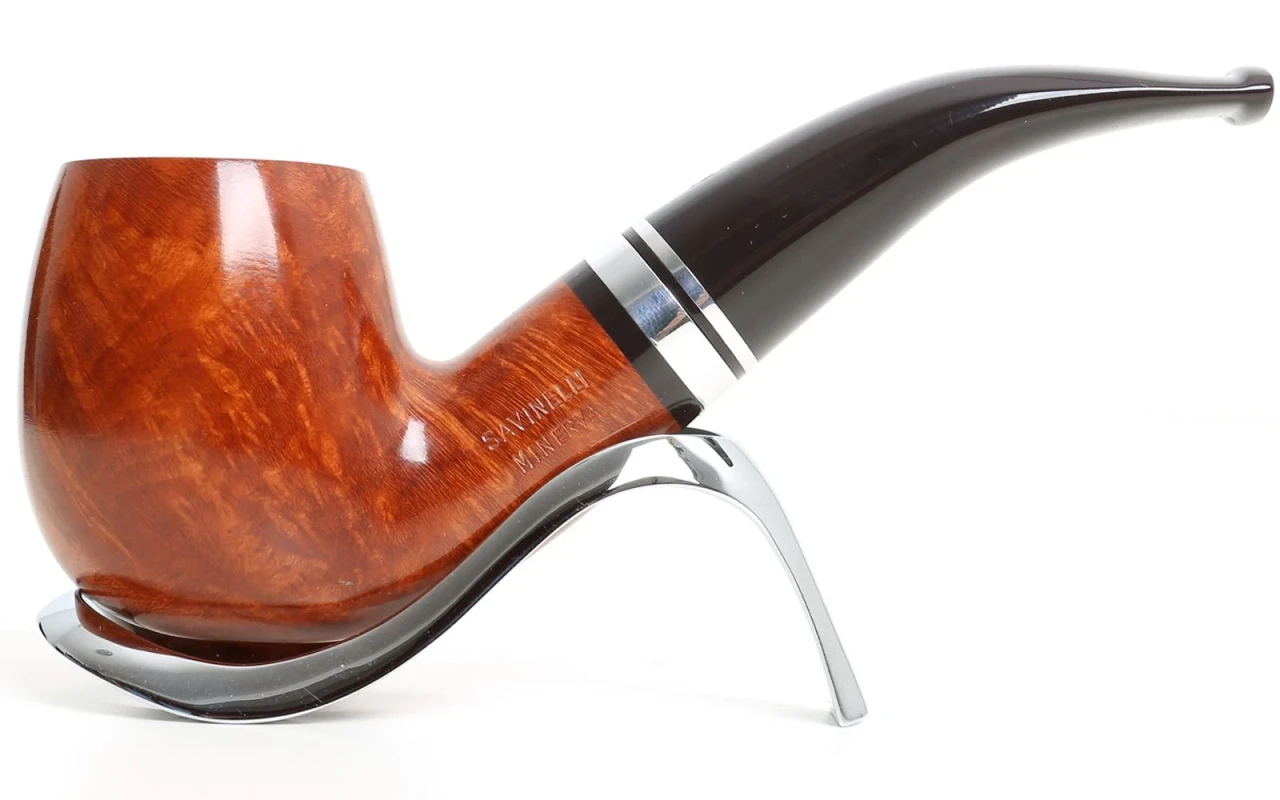
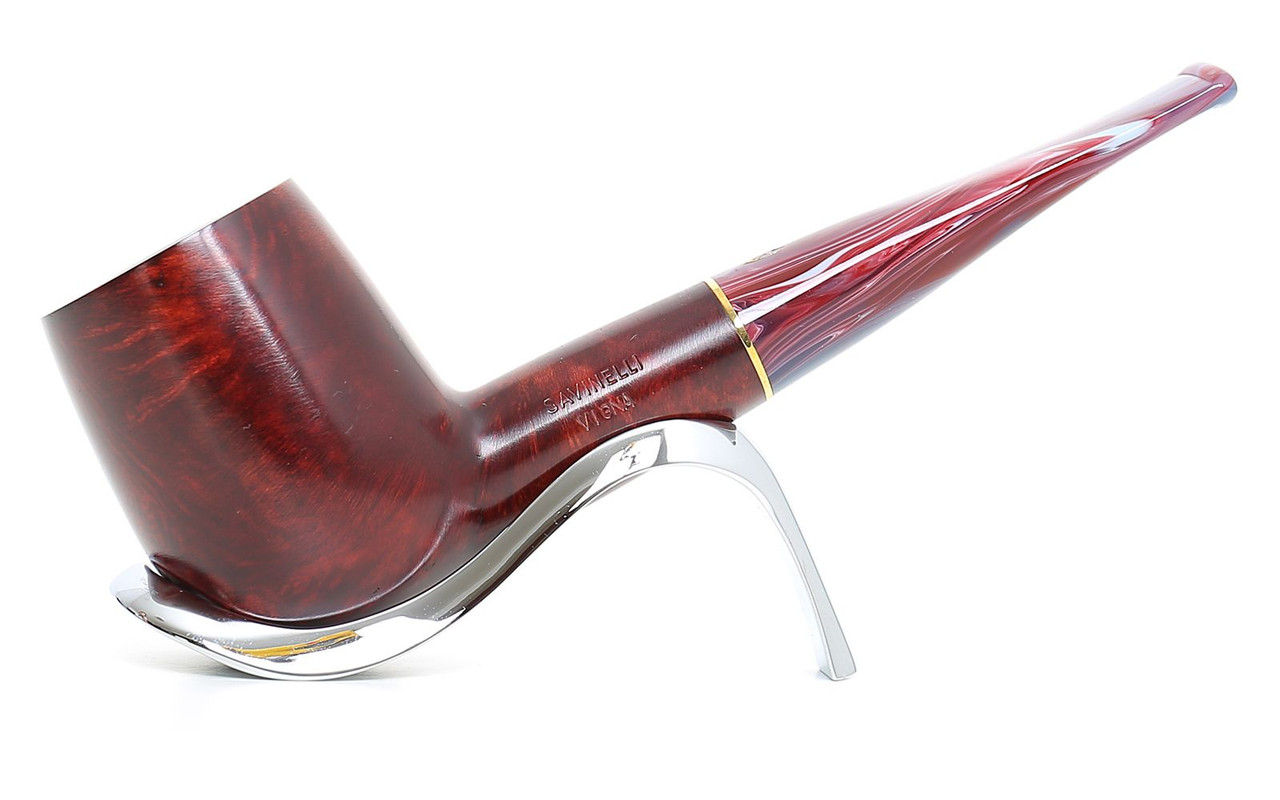
To avoid condensation in pipes, it is advisable to choose materials that conduct heat well and are able to absorb moisture. The most common materials for pipes are:- Briar wood: a hard and durable wood, known for absorbing moisture and reducing condensation.- Corn cob: light and porous, it helps absorb moisture and prevent condensation formation.- Meerschaum: a porous stone that effectively absorbs moisture and prevents condensation.- Clay: a traditional material that allows for good moisture evaporation.By choosing pipes made with these materials, it is possible to significantly reduce the risk of condensation during smoking.
Materials for smoking pipes
Smoking pipes are made from a variety of materials that influence both the aesthetics and performance of the device. The most common materials include:- Briar wood: known for its heat and combustion resistance, it is the most popular material for high-quality smoking pipes.- Corn cob: lightweight and inexpensive, it is often used for cheap or decorative smoking pipes.- Clay: a porous material that absorbs moisture, but requires special care.- Meerschaum: a natural stone that absorbs liquids, offering a better smoking experience over time.The choice of material will influence the taste, durability, and maintenance of the smoking pipe.
How to prevent pipe condensation
To prevent condensation formation in pipes, it is important to follow some correct practices:- Keep the pipe clean and dry after each use.- Avoid blowing excessively into the pipe while smoking.- Use high-quality and well-dried tobacco.- Smoke the pipe slowly and calmly.- Avoid overfilling the pipe with tobacco.- Use a pipe cap or cover to protect the pipe when not in use.- Store the pipe in a cool and dry environment.- Periodically, clean and dry the pipe and the stem well to prevent moisture build-up.By following these practices, you can significantly reduce condensation formation in pipes.
Best materials for pipe condensation
The best materials for condensation pipes are those that ensure resistance and durability over time. In general, condensation pipes can be made of different materials, including:- Stainless steel: corrosion-resistant and easy to clean.- Aluminum: lightweight and durable, ideal for daily use.- Titanium: lightweight, corrosion-resistant, offering excellent durability over time.- Quality wood: such as briar or olive wood, for a touch of elegance and warmth.- Other special materials: like meerschaum, known for its ability to absorb liquids and enhance the taste of tobacco.The choice of material depends on personal preferences and the intended use of the condensation pipe.
'%3e%3cg id='Final-Copy-2_2_' transform='translate(1275.000000, 200.000000)'%3e%3cpath class='st0' d='M7.4,12.8h6.8l3.1-11.6H7.4C4.2,1.2,1.6,3.8,1.6,7S4.2,12.8,7.4,12.8z'/%3e%3c/g%3e%3c/g%3e%3c/g%3e%3cg id='final---dec.11-2020'%3e%3cg id='_x30_208-our-toggle' transform='translate(-1275.000000, -200.000000)'%3e%3cg id='Final-Copy-2' transform='translate(1275.000000, 200.000000)'%3e%3cpath class='st1' d='M22.6,0H7.4c-3.9,0-7,3.1-7,7s3.1,7,7,7h15.2c3.9,0,7-3.1,7-7S26.4,0,22.6,0z M1.6,7c0-3.2,2.6-5.8,5.8-5.8 h9.9l-3.1,11.6H7.4C4.2,12.8,1.6,10.2,1.6,7z'/%3e%3cpath id='x' class='st2' d='M24.6,4c0.2,0.2,0.2,0.6,0,0.8l0,0L22.5,7l2.2,2.2c0.2,0.2,0.2,0.6,0,0.8c-0.2,0.2-0.6,0.2-0.8,0 l0,0l-2.2-2.2L19.5,10c-0.2,0.2-0.6,0.2-0.8,0c-0.2-0.2-0.2-0.6,0-0.8l0,0L20.8,7l-2.2-2.2c-0.2-0.2-0.2-0.6,0-0.8 c0.2-0.2,0.6-0.2,0.8,0l0,0l2.2,2.2L23.8,4C24,3.8,24.4,3.8,24.6,4z'/%3e%3cpath id='y' class='st3' d='M12.7,4.1c0.2,0.2,0.3,0.6,0.1,0.8l0,0L8.6,9.8C8.5,9.9,8.4,10,8.3,10c-0.2,0.1-0.5,0.1-0.7-0.1l0,0 L5.4,7.7c-0.2-0.2-0.2-0.6,0-0.8c0.2-0.2,0.6-0.2,0.8,0l0,0L8,8.6l3.8-4.5C12,3.9,12.4,3.9,12.7,4.1z'/%3e%3c/g%3e%3c/g%3e%3c/g%3e%3c/g%3e%3c/svg%3e) Your Privacy Choices
Your Privacy Choices 


