 FR
FR EN
EN IT
IT DE
DE
Materials of pipes: the most commonly used
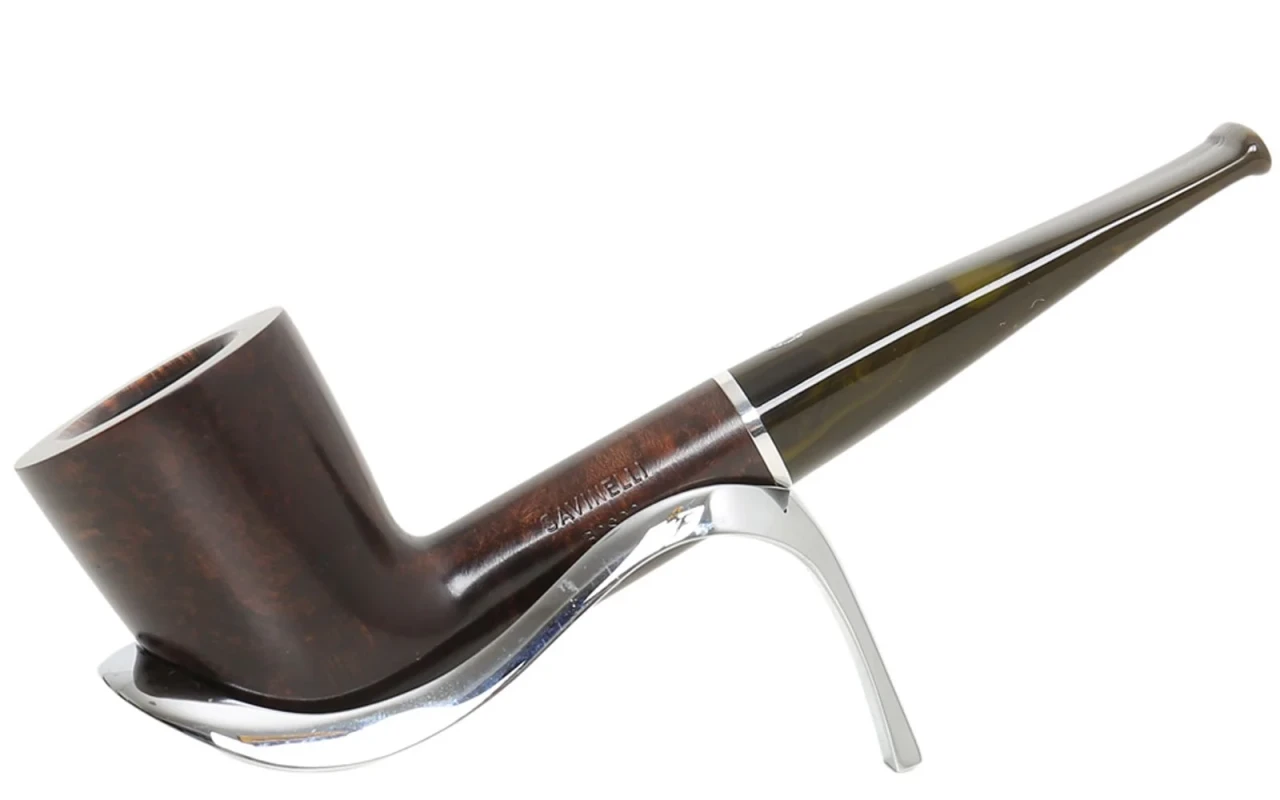
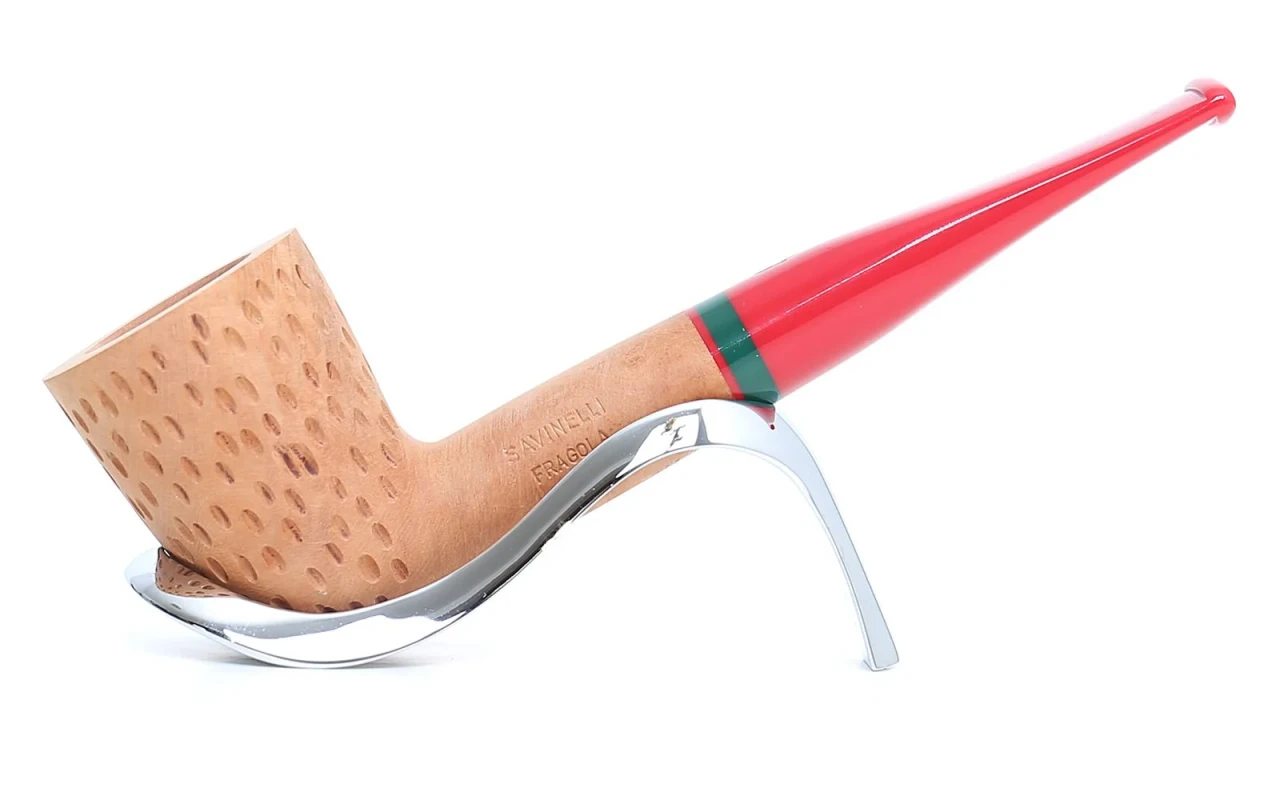
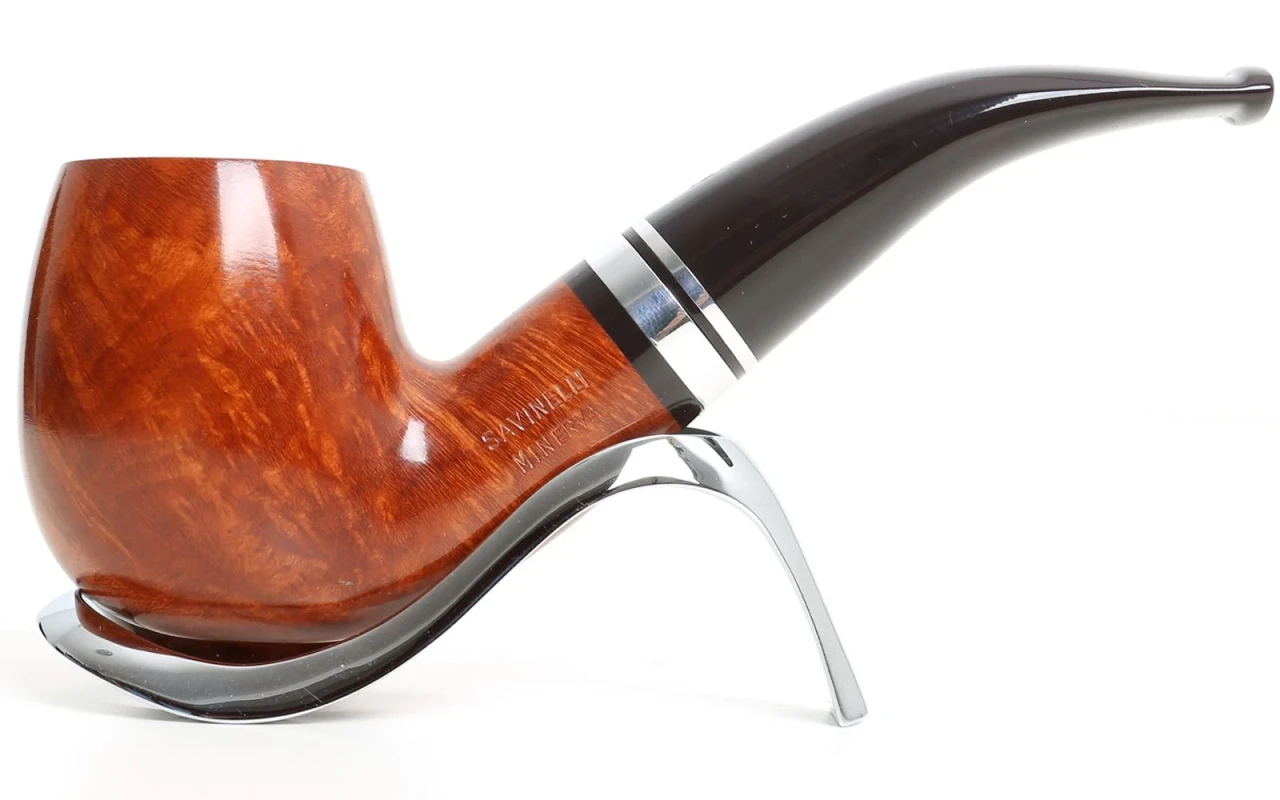
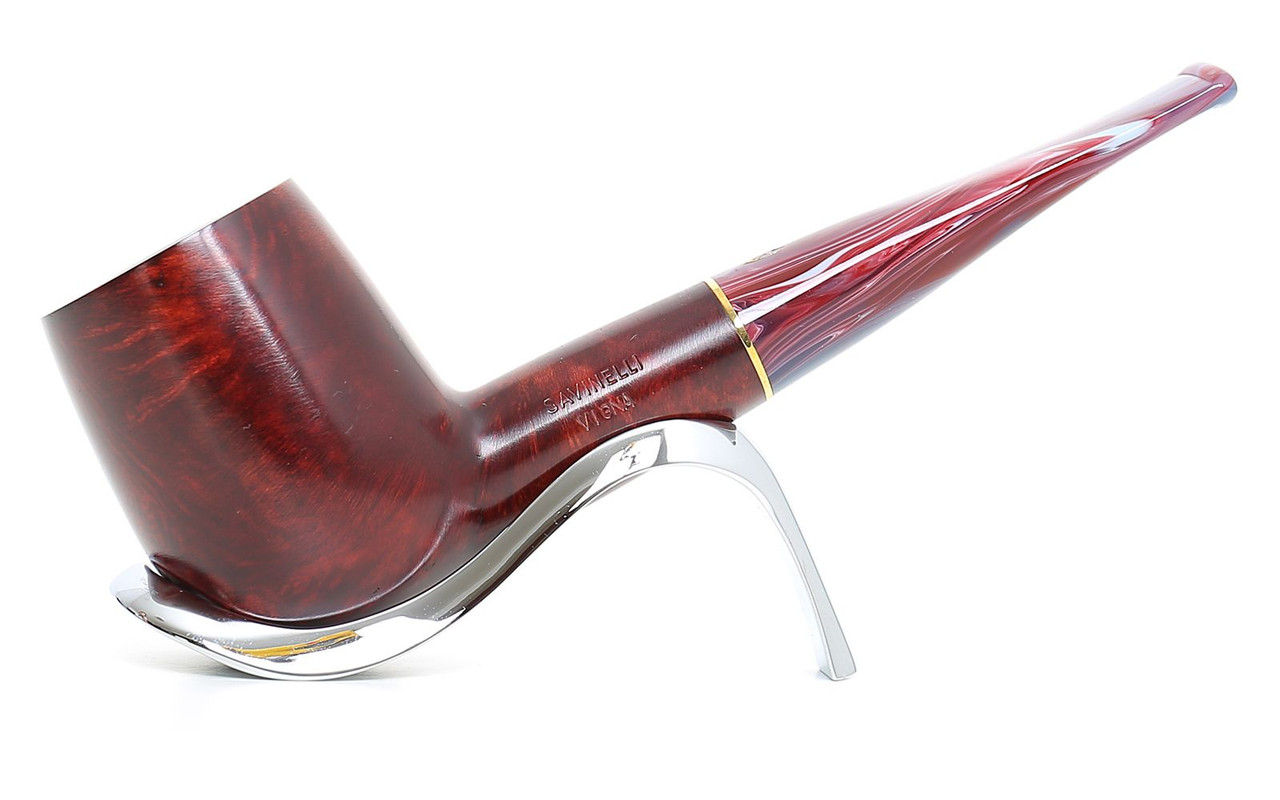
Materials of pipes: the most commonly used
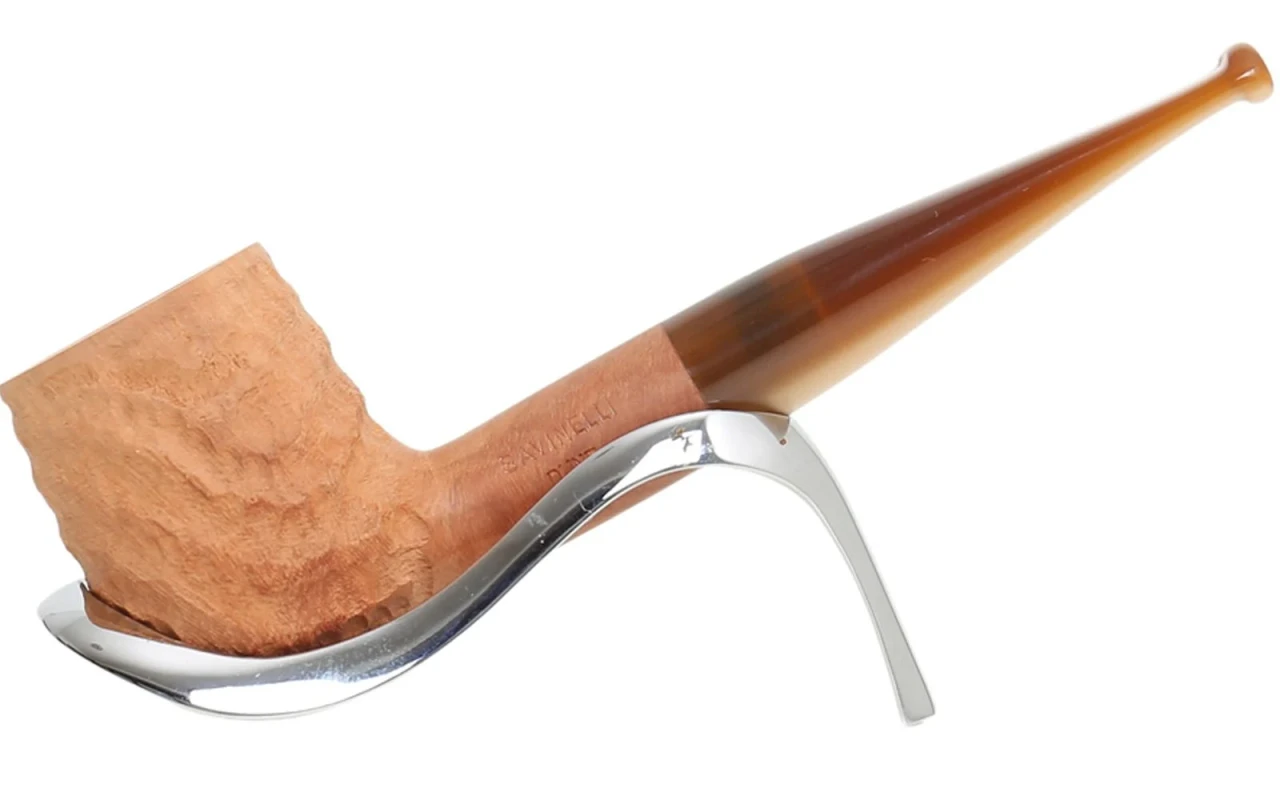
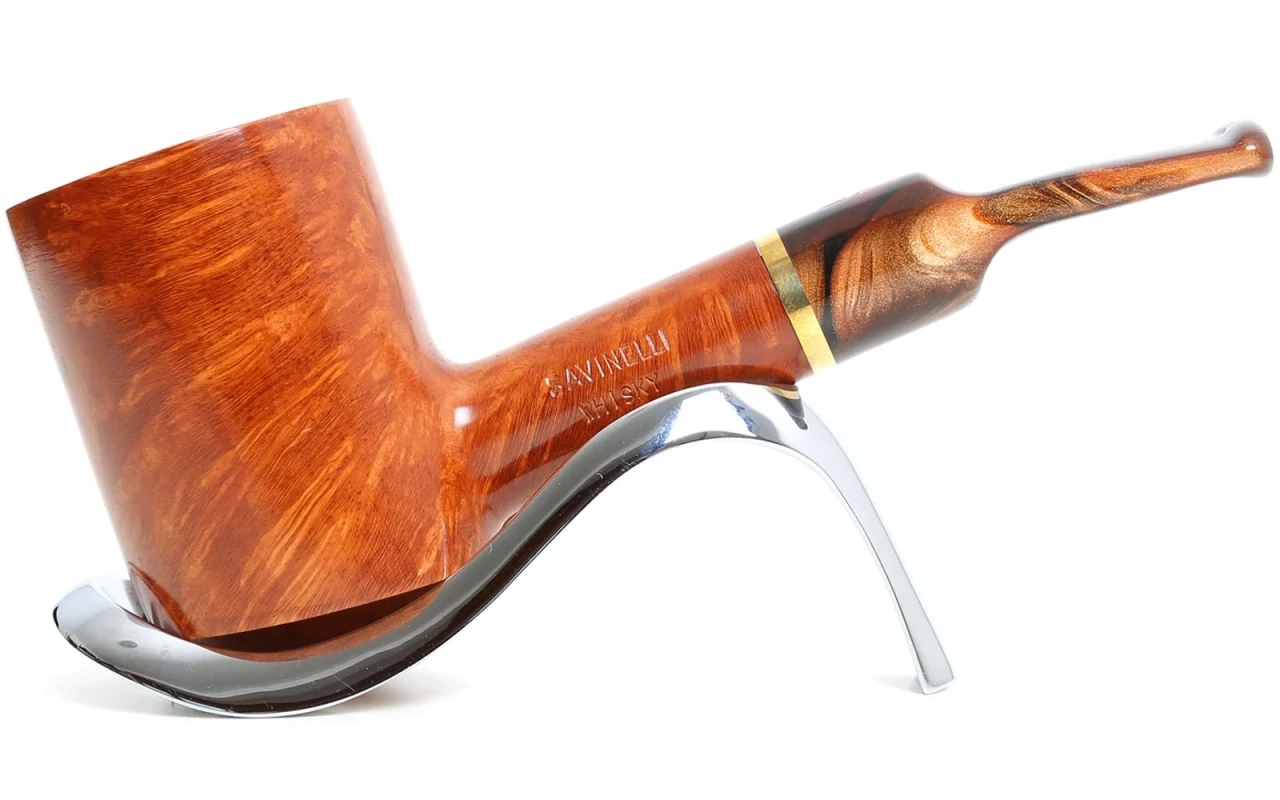
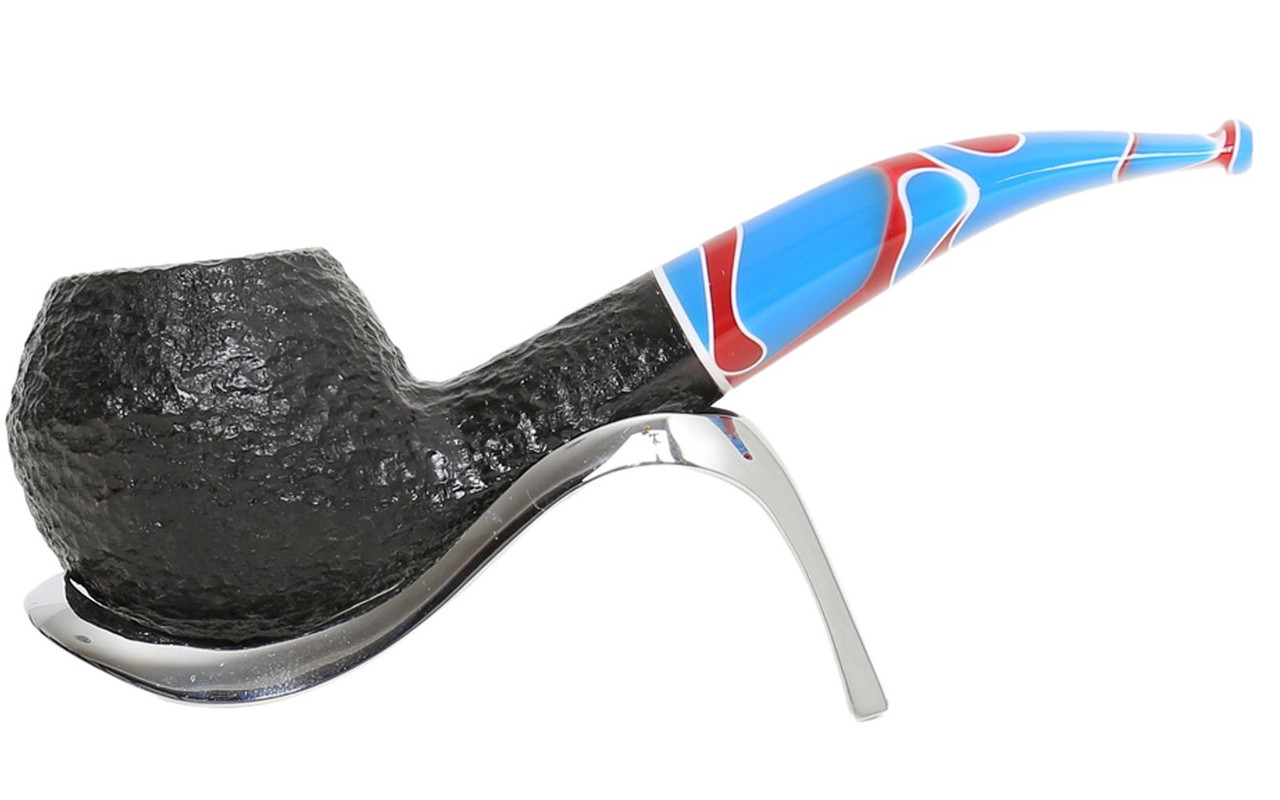
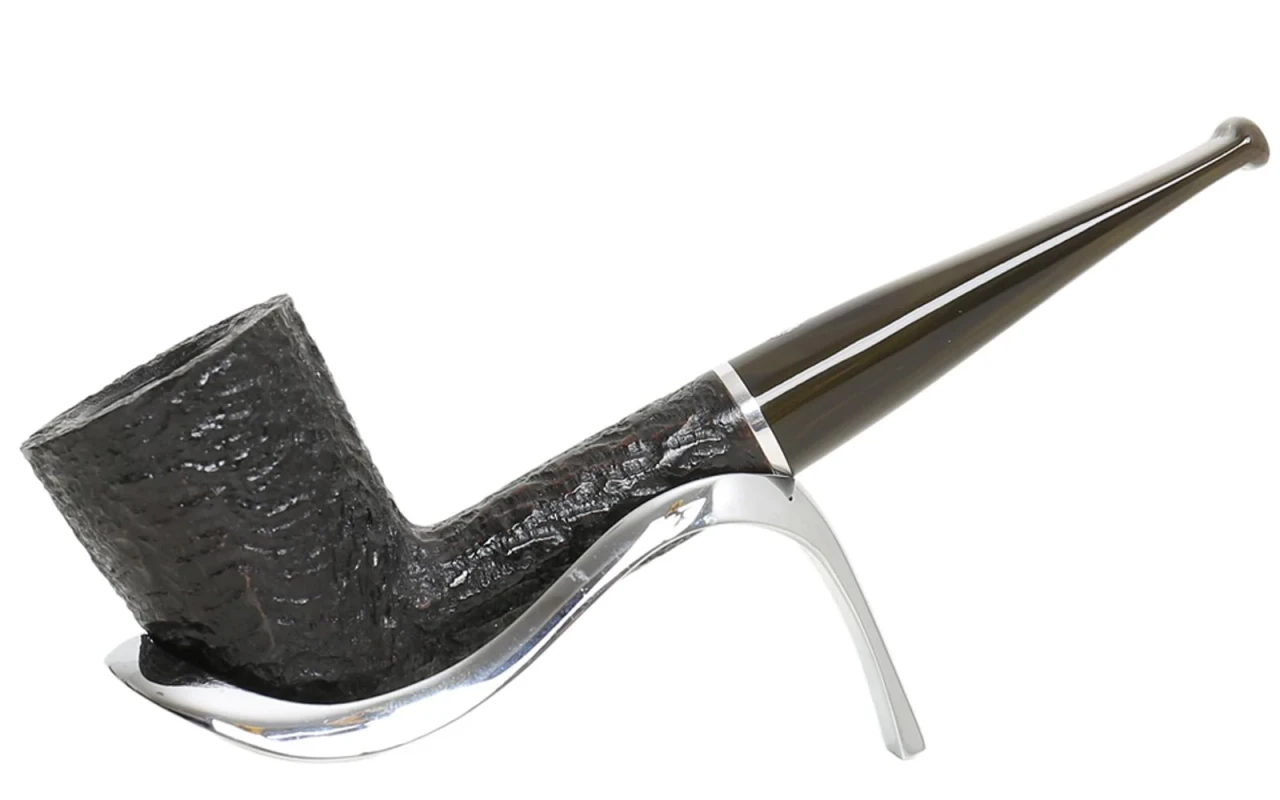
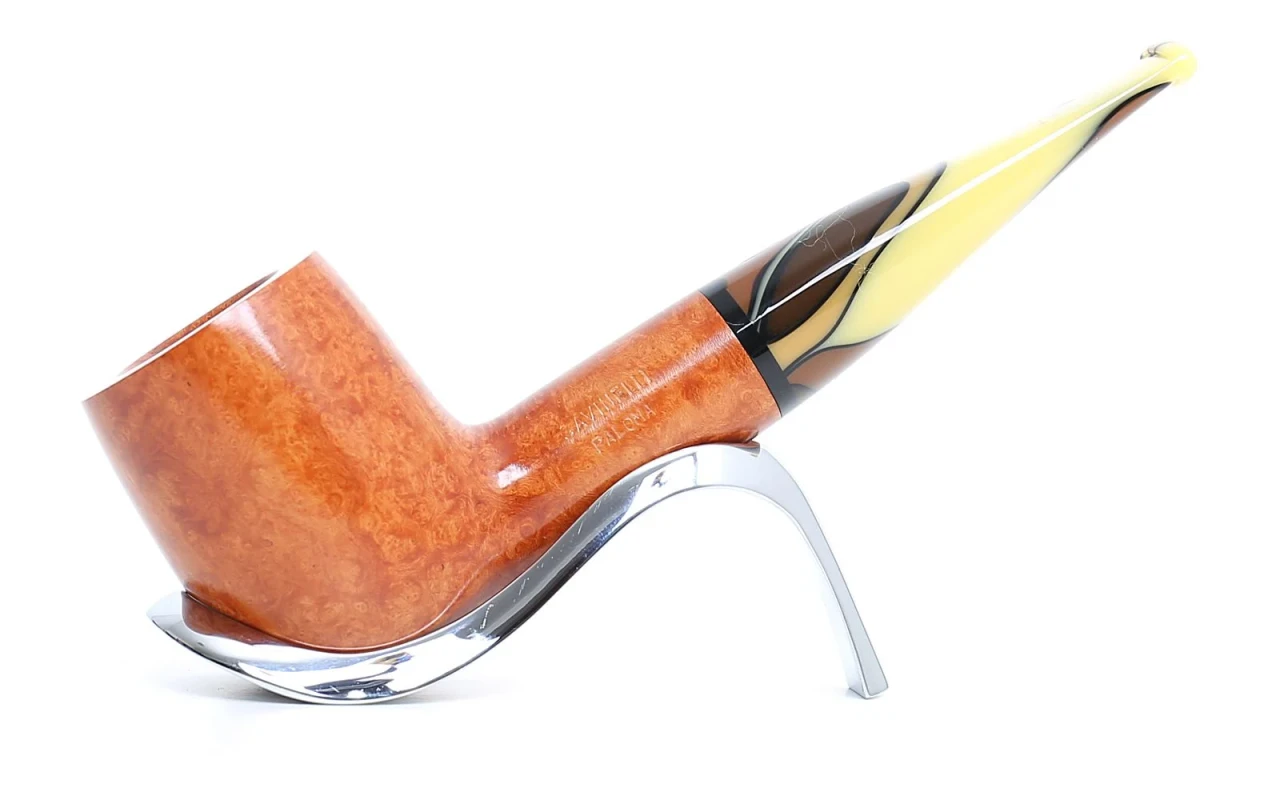
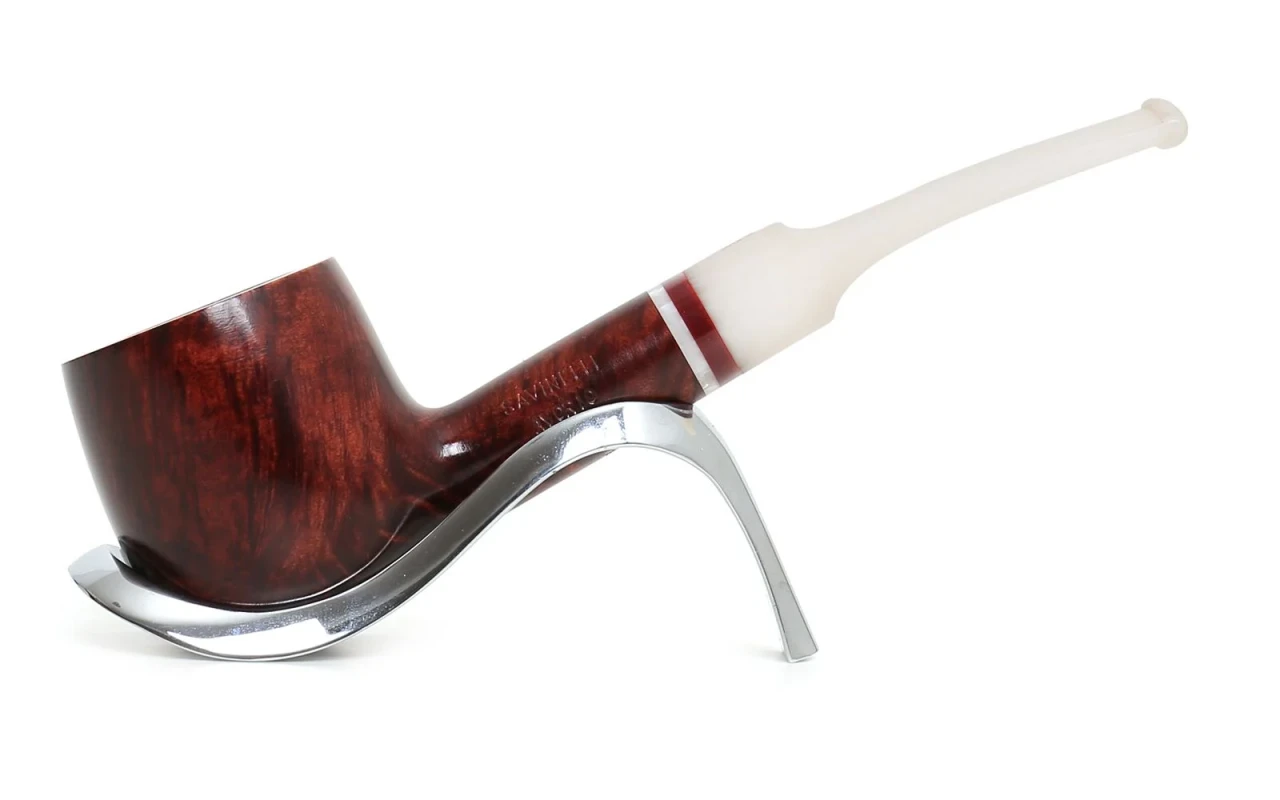
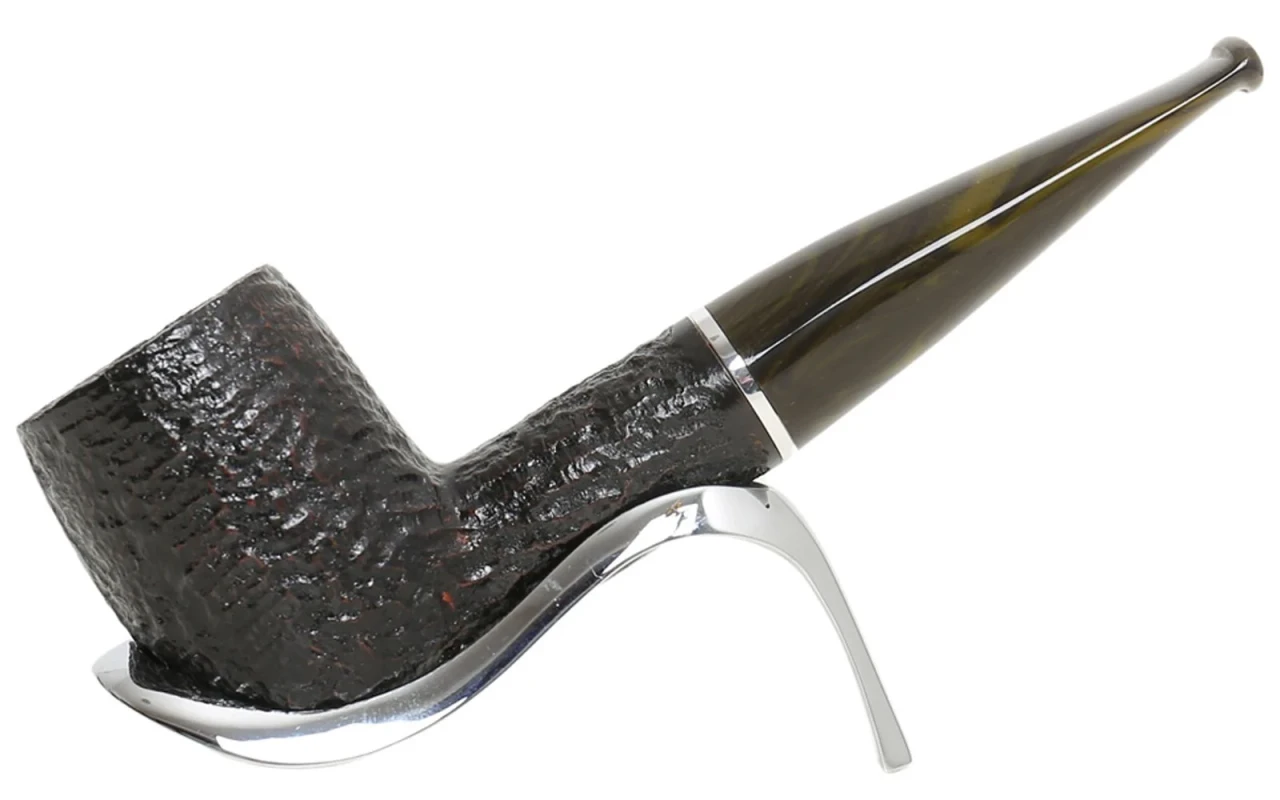
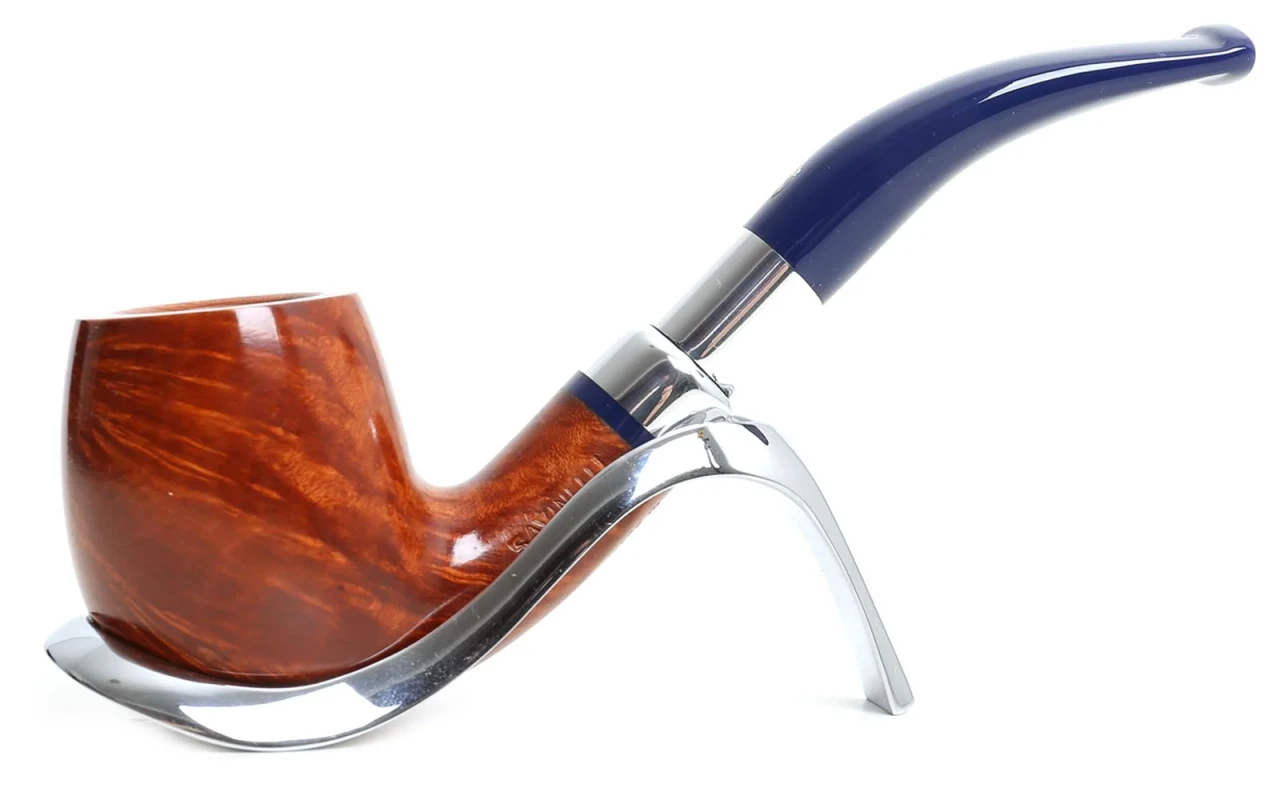
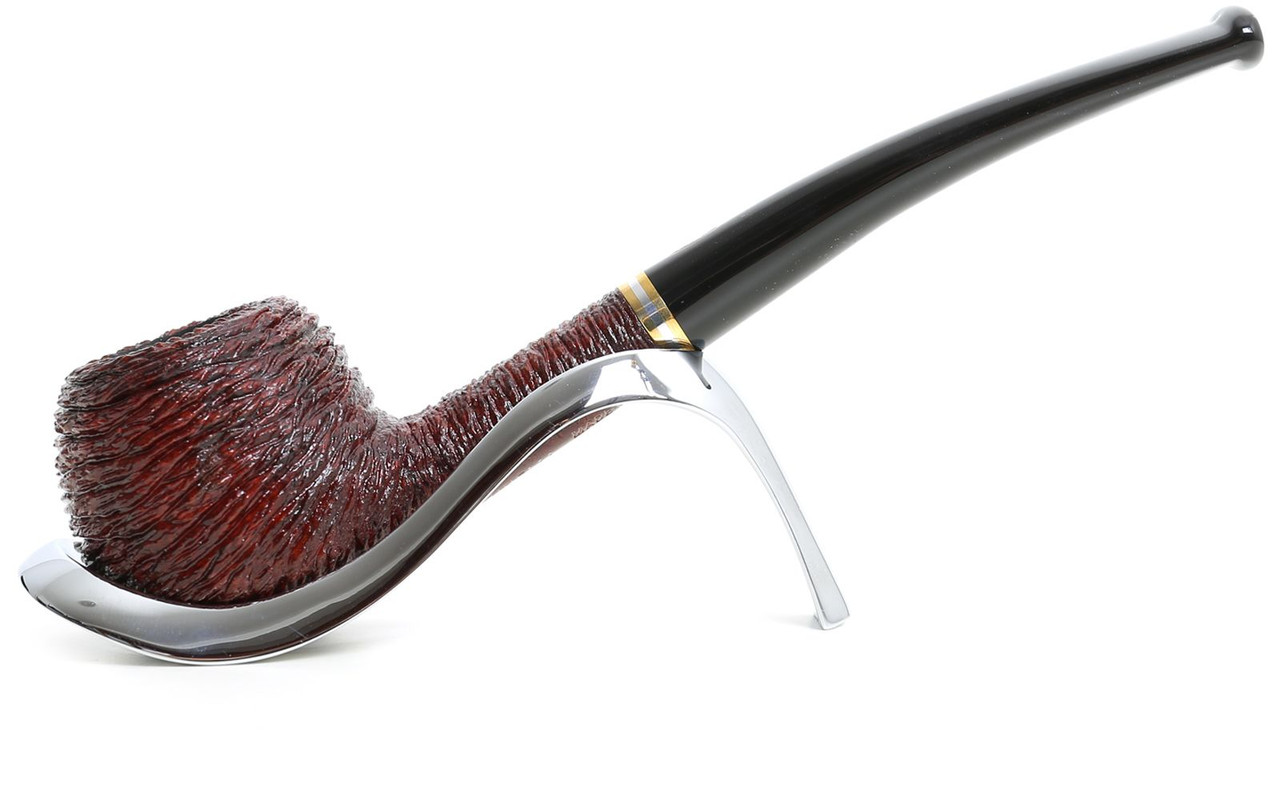
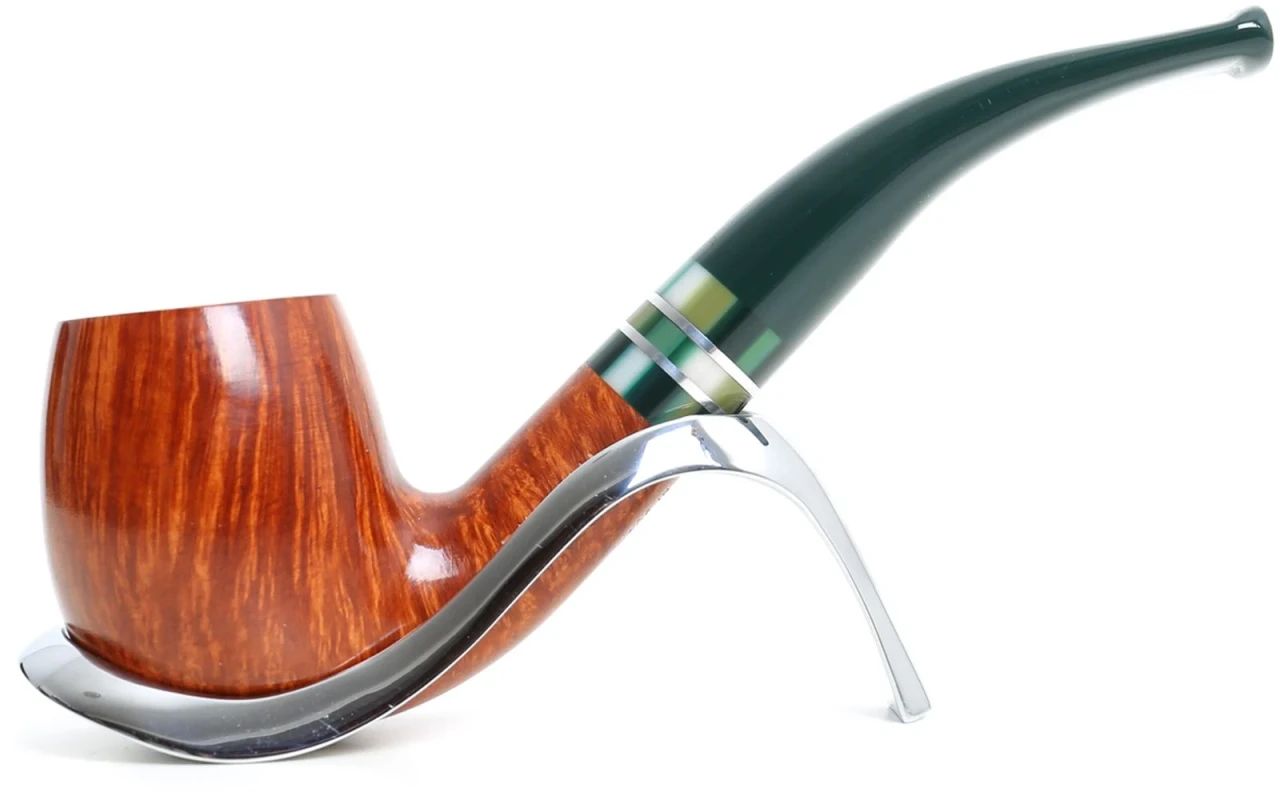
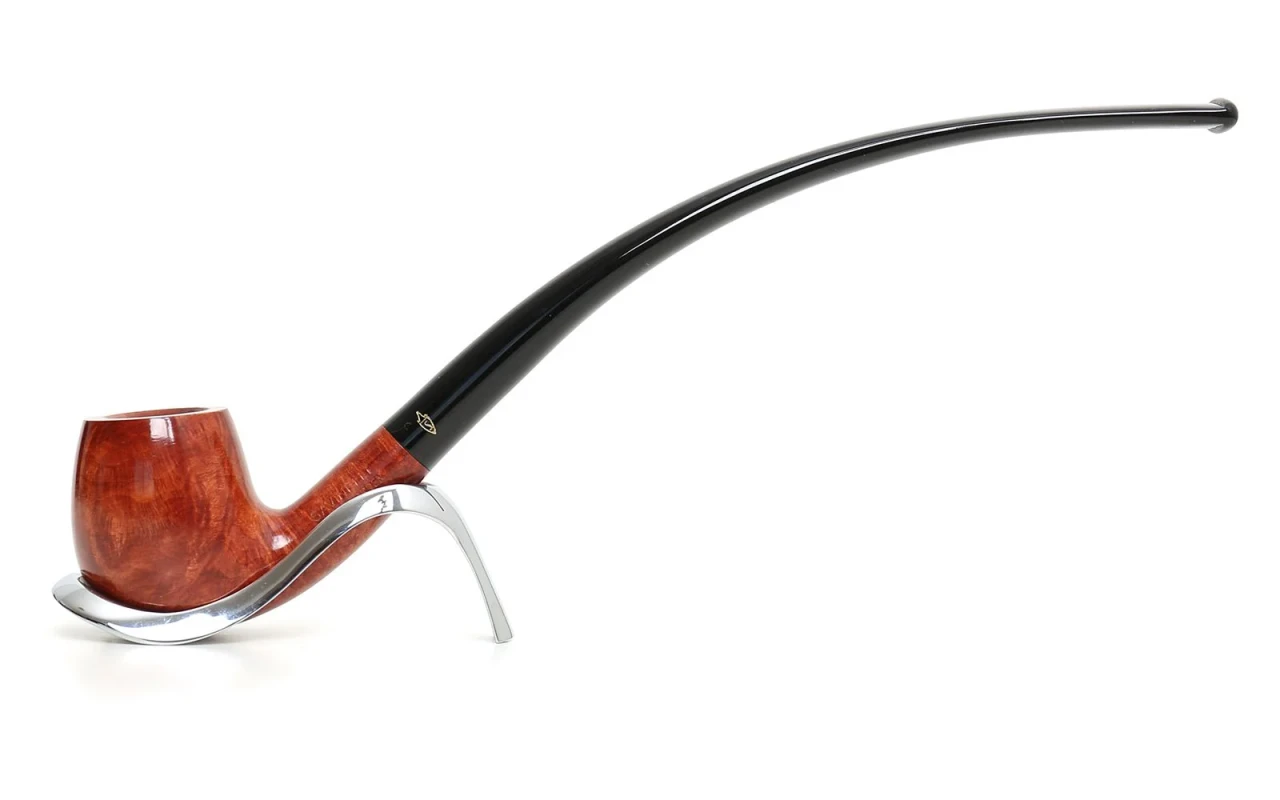
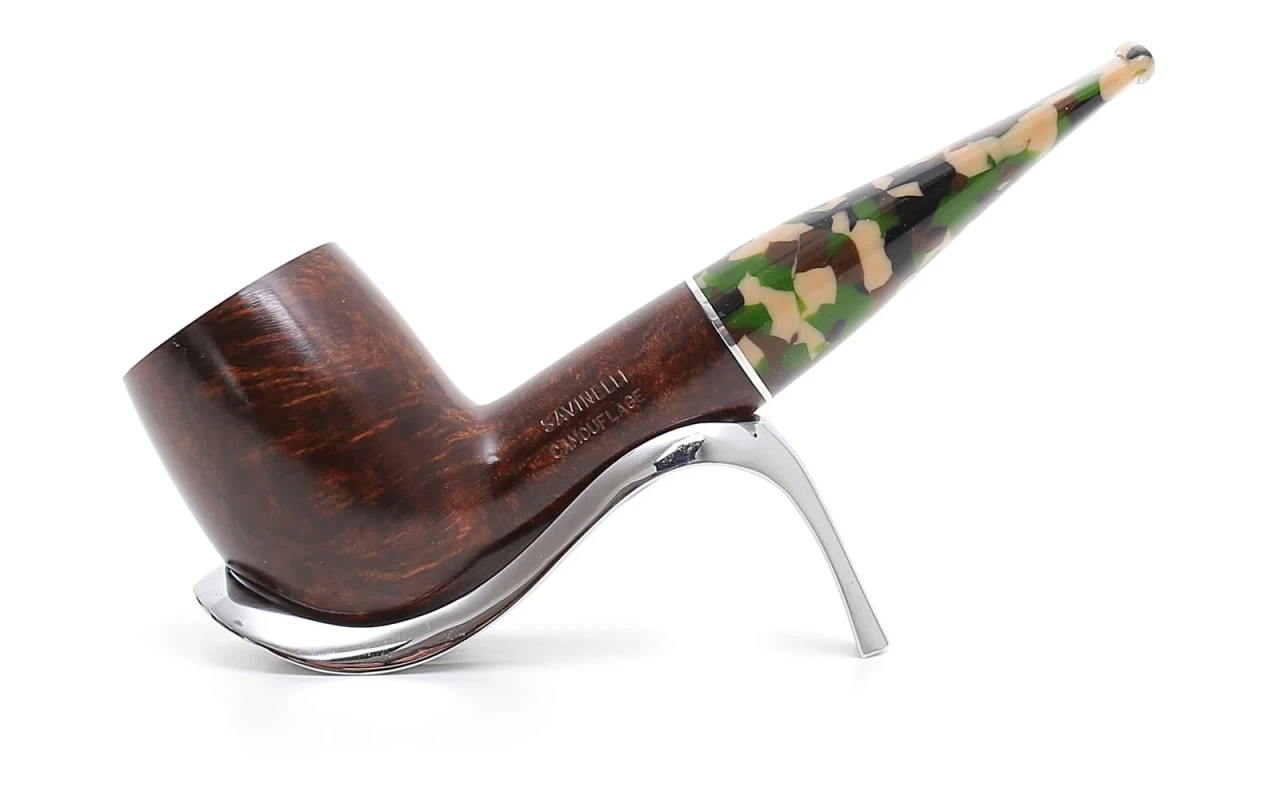
The most commonly used materials for making pipes are:- Briar wood: light and durable, it is highly appreciated for its grain and natural color.- Oak wood: gives pipes a rustic and unique look, ensuring longevity.- Olive wood: a precious material that adds elegance and originality to pipes.- Meerschaum: a porous and lightweight stone, highly valued for its ability to absorb smoke and change color with use.- Clay: provides a particularly clean and neutral smoke yield, but it is also fragile and requires careful handling.
Materials for smoking pipes
The most common materials used for making smoking pipes are wood, briar, corn cob, clay, metal, and meerschaum.- Wood: often chosen for its ability to absorb moisture from the smoke.- Briar: offers good heat resistance and a rustic look.- Corn cob: lightweight and inexpensive, ideal for budget smoking pipes.- Clay: ensures a cool and clean smoke.- Metal: usually aluminum or stainless steel for increased durability.- Meerschaum: less common, but appreciated for its ability to absorb flavors.The choice of material affects the characteristics and performance of the smoking pipe.
High-quality woods for handmade pipes
High-quality woods for handmade pipes are materials used in the crafting of high-end smoking pipes. These woods are carefully selected to ensure optimal characteristics of strength, lightness, and moisture absorption capacity during smoking. Fine woods such as briar, walnut, cherry, or olive are often chosen for the crafting of high-quality handmade pipes. Thanks to their heat resistance and ability to develop a natural patina over time, high-quality woods for handmade pipes help make each pipe a unique and valuable piece in the world of enthusiasts.
Tobacco Pipes Materials
Tobacco pipes can be made from different materials, each with unique characteristics. The most common materials used for pipe production include:- Briar wood: light and durable, it offers good heat dissipation.- Briar: a natural material that absorbs smoke moisture.- Corn cob: inexpensive and lightweight, it provides a cool smoke.- Clay: a porous material that absorbs moisture, ensuring a dry smoke.- Meerschaum: a porous stone derived from magnesium carbonate, highly valued for its ability to absorb tobacco flavors and colors.The choice of material influences the performance and smoking experience of the pipe.
'%3e%3cg id='Final-Copy-2_2_' transform='translate(1275.000000, 200.000000)'%3e%3cpath class='st0' d='M7.4,12.8h6.8l3.1-11.6H7.4C4.2,1.2,1.6,3.8,1.6,7S4.2,12.8,7.4,12.8z'/%3e%3c/g%3e%3c/g%3e%3c/g%3e%3cg id='final---dec.11-2020'%3e%3cg id='_x30_208-our-toggle' transform='translate(-1275.000000, -200.000000)'%3e%3cg id='Final-Copy-2' transform='translate(1275.000000, 200.000000)'%3e%3cpath class='st1' d='M22.6,0H7.4c-3.9,0-7,3.1-7,7s3.1,7,7,7h15.2c3.9,0,7-3.1,7-7S26.4,0,22.6,0z M1.6,7c0-3.2,2.6-5.8,5.8-5.8 h9.9l-3.1,11.6H7.4C4.2,12.8,1.6,10.2,1.6,7z'/%3e%3cpath id='x' class='st2' d='M24.6,4c0.2,0.2,0.2,0.6,0,0.8l0,0L22.5,7l2.2,2.2c0.2,0.2,0.2,0.6,0,0.8c-0.2,0.2-0.6,0.2-0.8,0 l0,0l-2.2-2.2L19.5,10c-0.2,0.2-0.6,0.2-0.8,0c-0.2-0.2-0.2-0.6,0-0.8l0,0L20.8,7l-2.2-2.2c-0.2-0.2-0.2-0.6,0-0.8 c0.2-0.2,0.6-0.2,0.8,0l0,0l2.2,2.2L23.8,4C24,3.8,24.4,3.8,24.6,4z'/%3e%3cpath id='y' class='st3' d='M12.7,4.1c0.2,0.2,0.3,0.6,0.1,0.8l0,0L8.6,9.8C8.5,9.9,8.4,10,8.3,10c-0.2,0.1-0.5,0.1-0.7-0.1l0,0 L5.4,7.7c-0.2-0.2-0.2-0.6,0-0.8c0.2-0.2,0.6-0.2,0.8,0l0,0L8,8.6l3.8-4.5C12,3.9,12.4,3.9,12.7,4.1z'/%3e%3c/g%3e%3c/g%3e%3c/g%3e%3c/g%3e%3c/svg%3e) Your Privacy Choices
Your Privacy Choices 


