 ES
ES FR
FR EN
EN IT
IT DE
DE
Materials for the production of handmade pipes
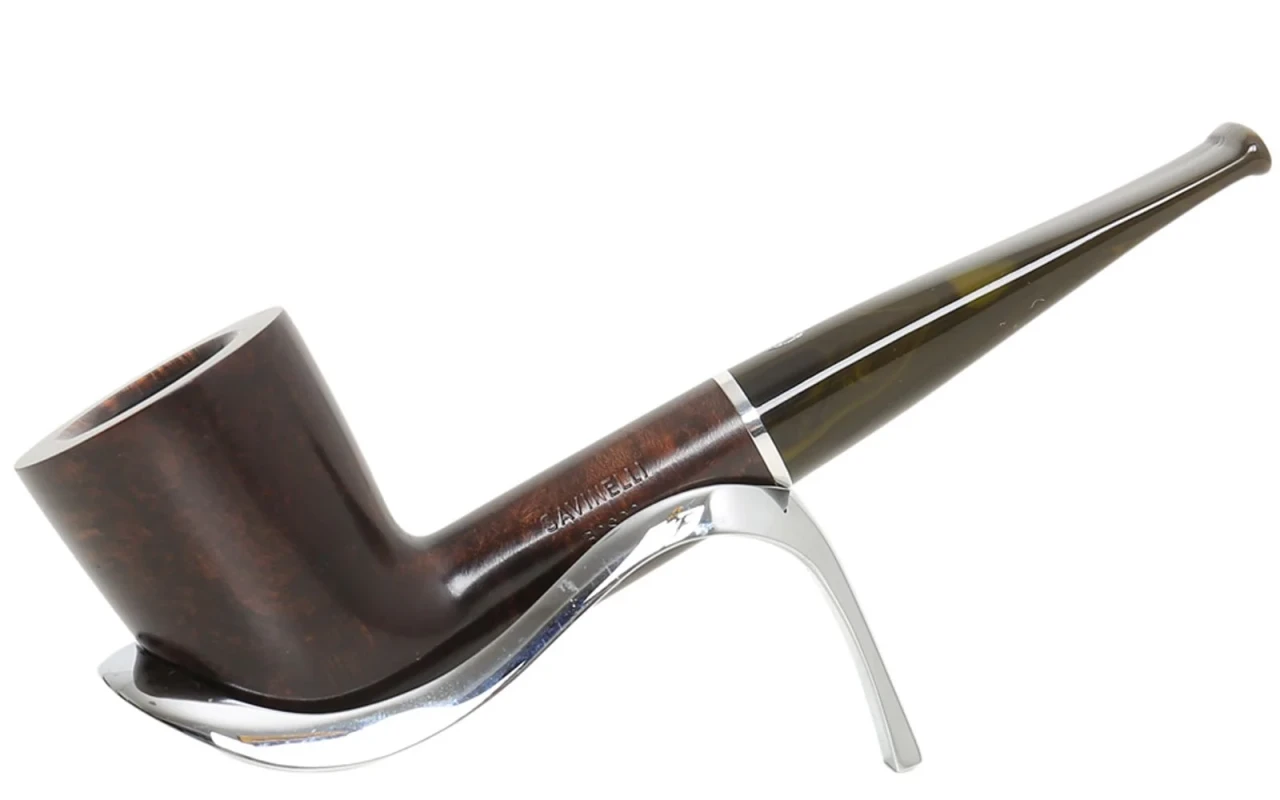
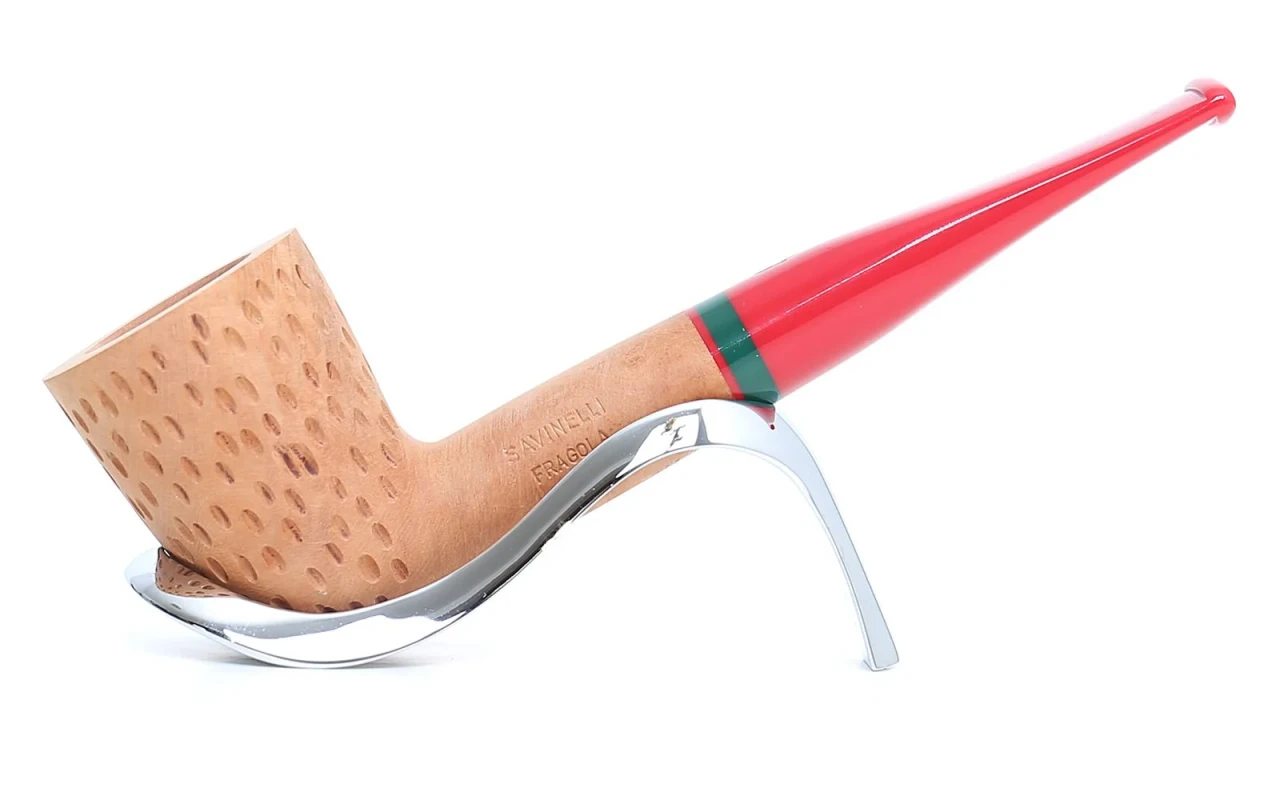
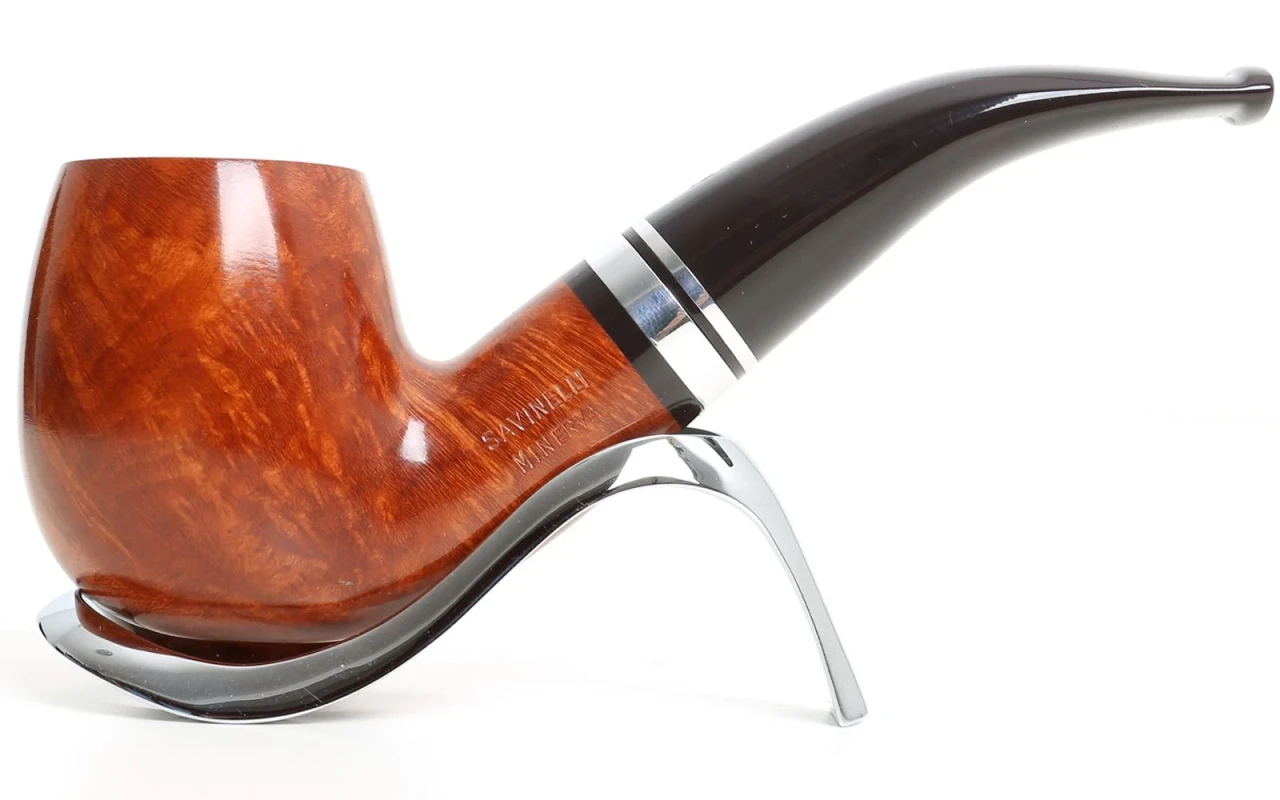
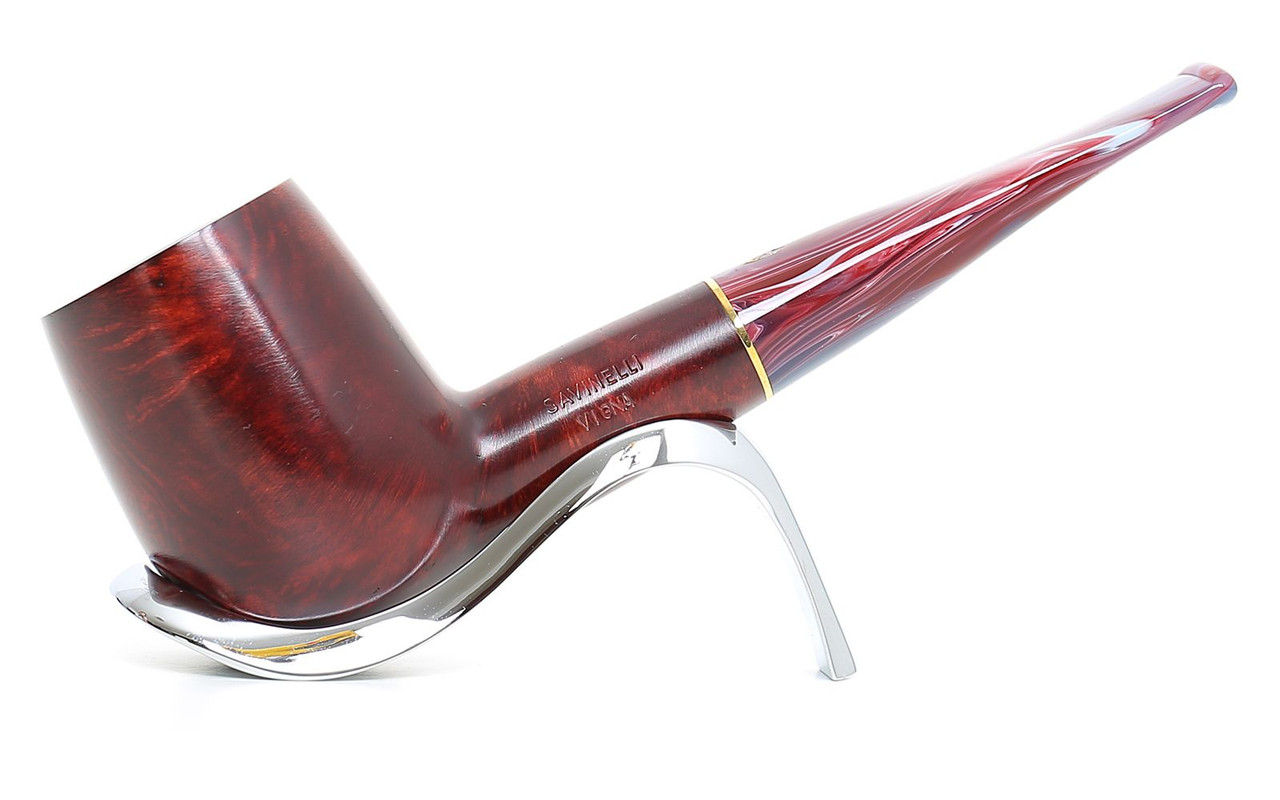
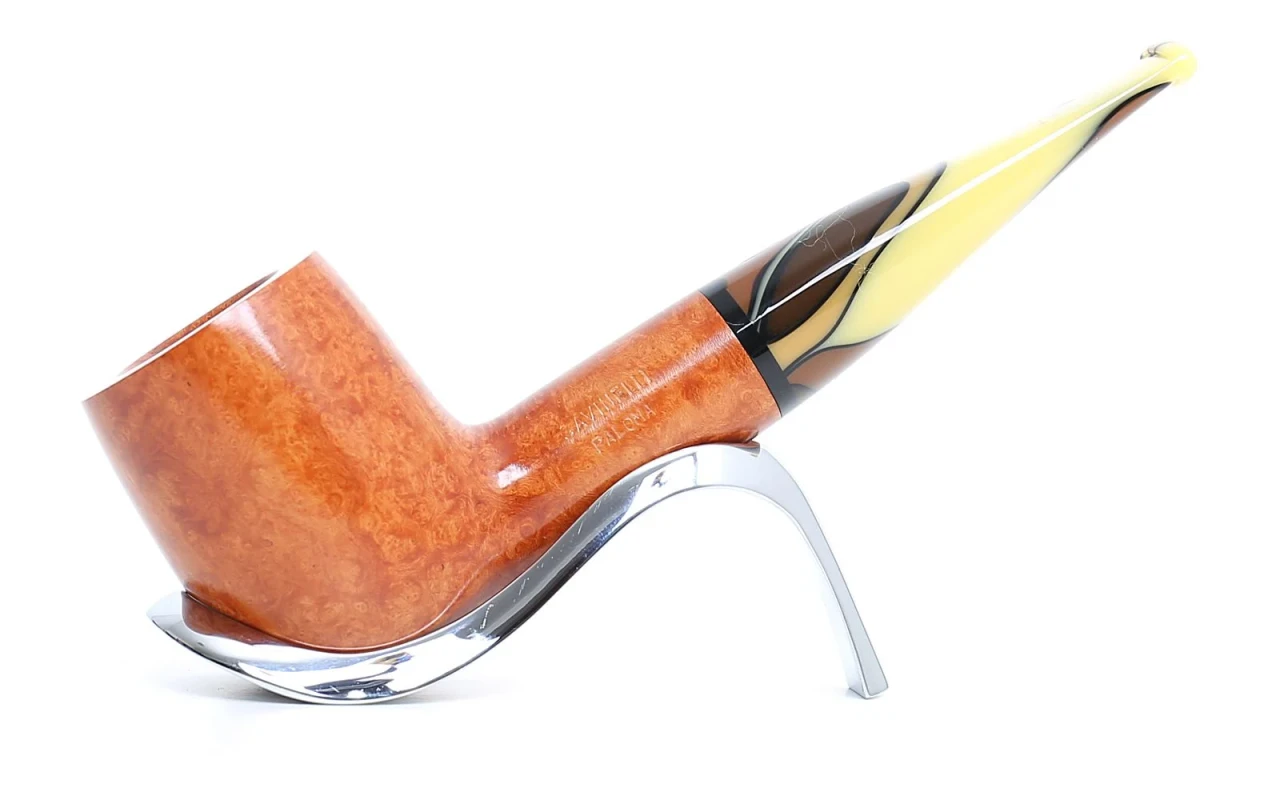
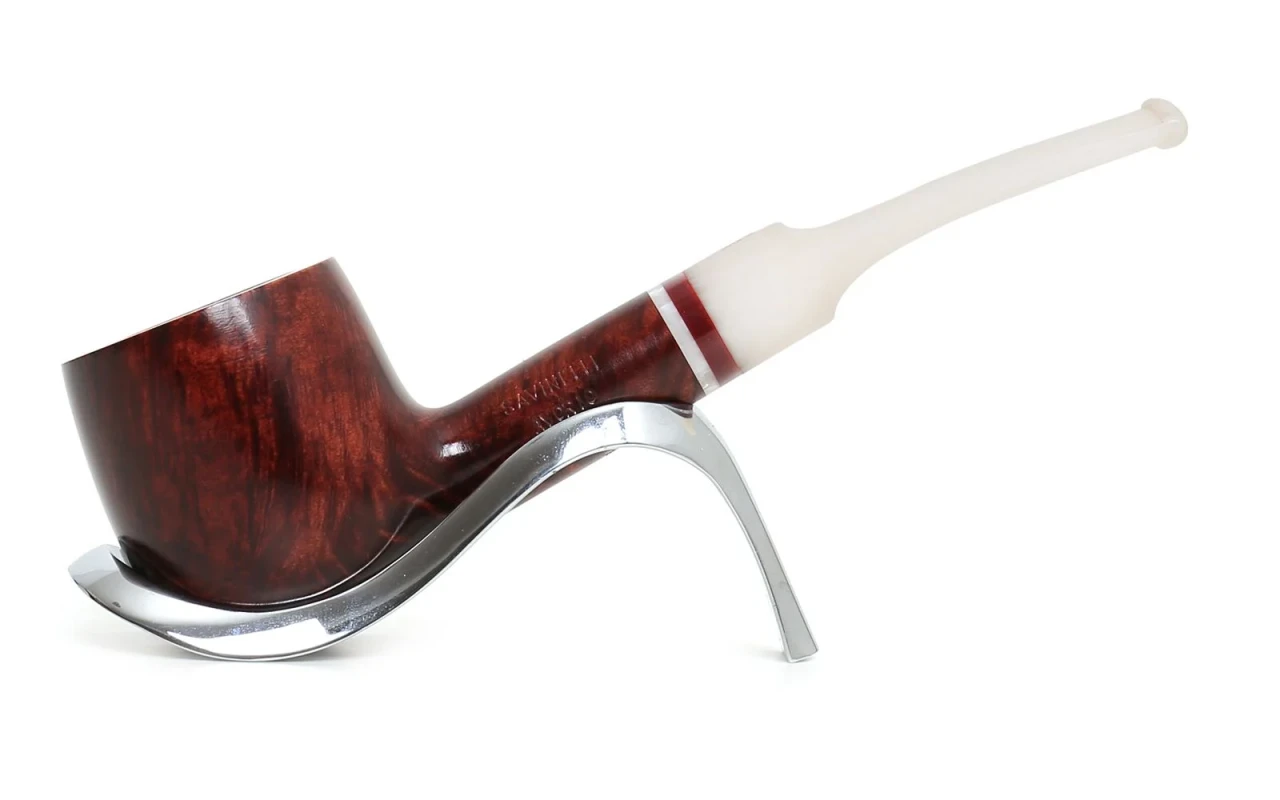
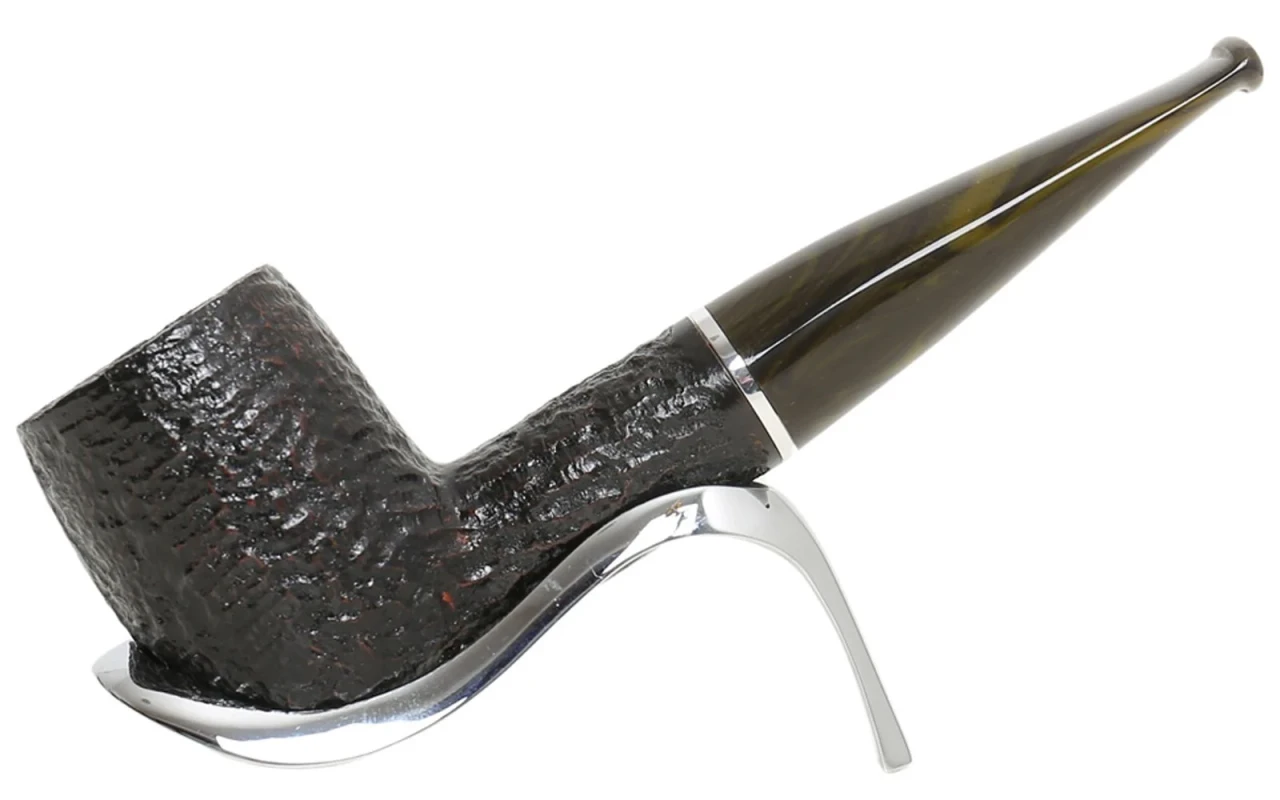
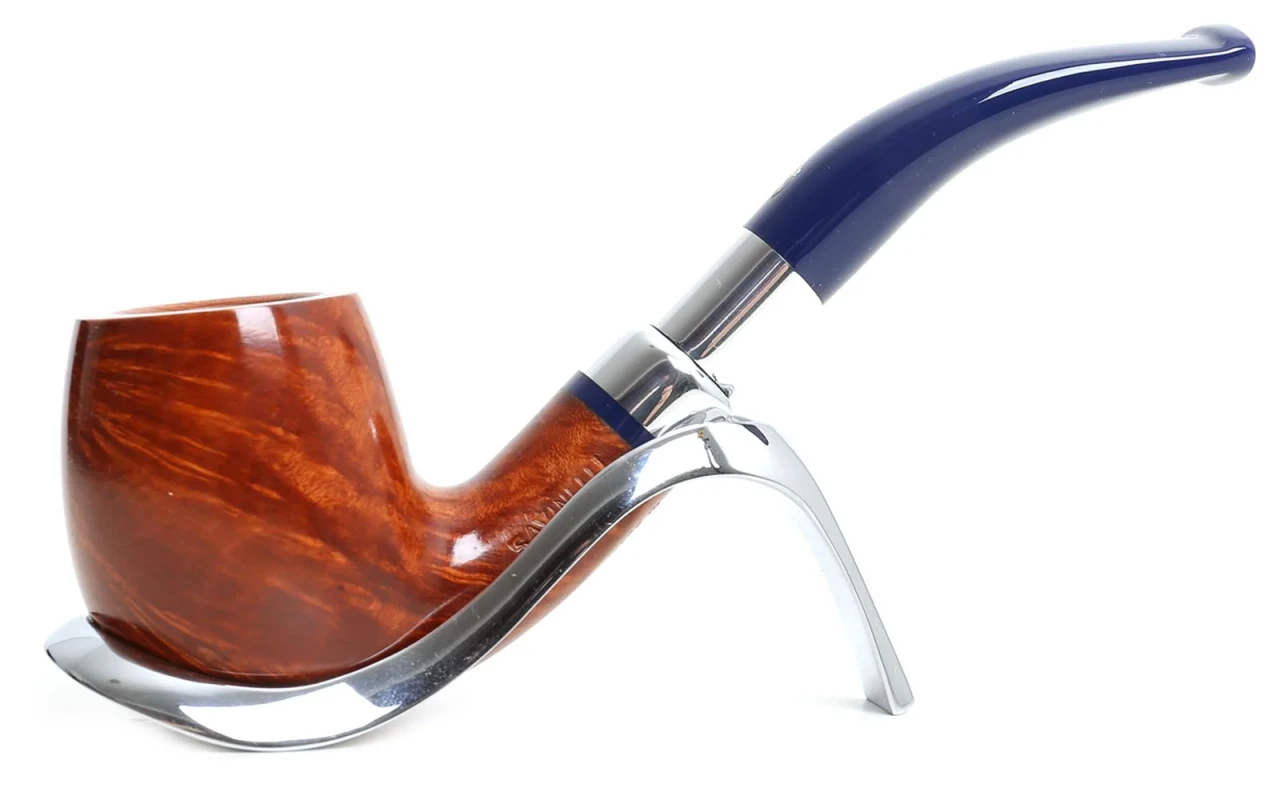
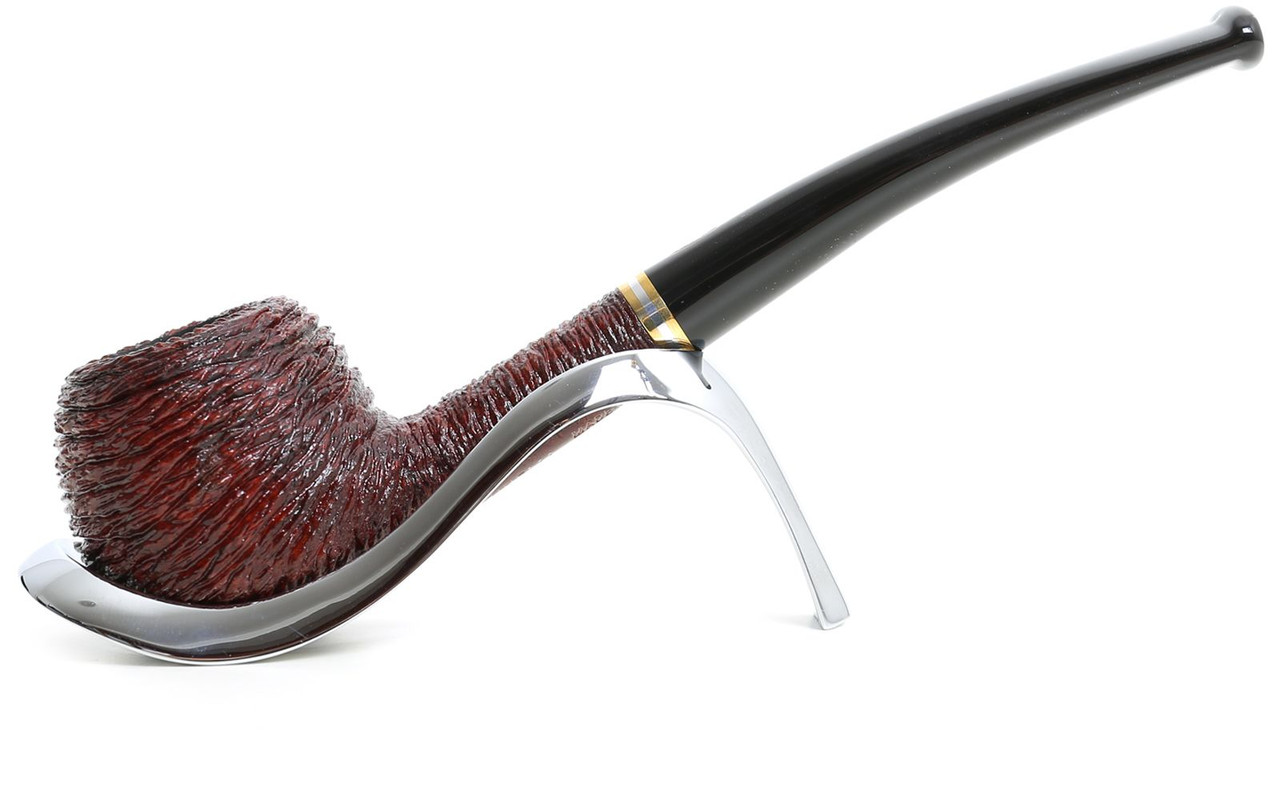
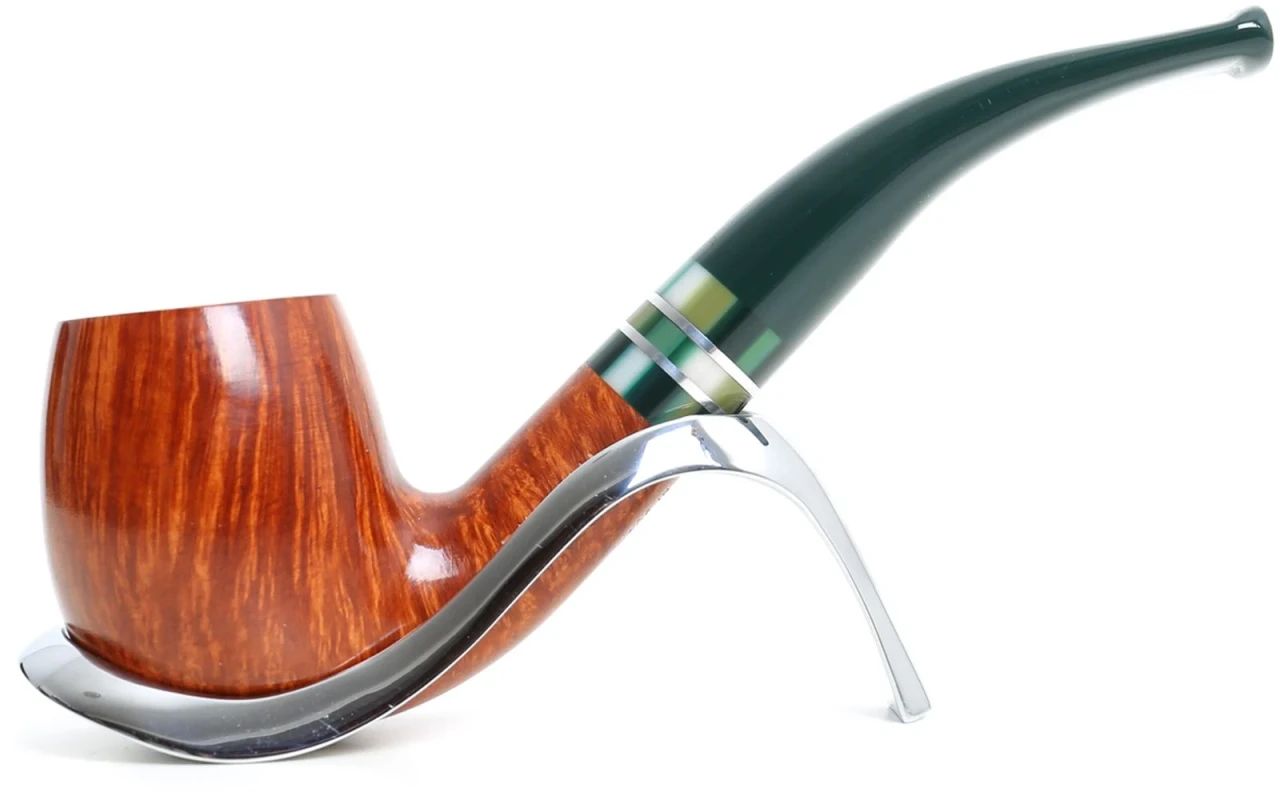
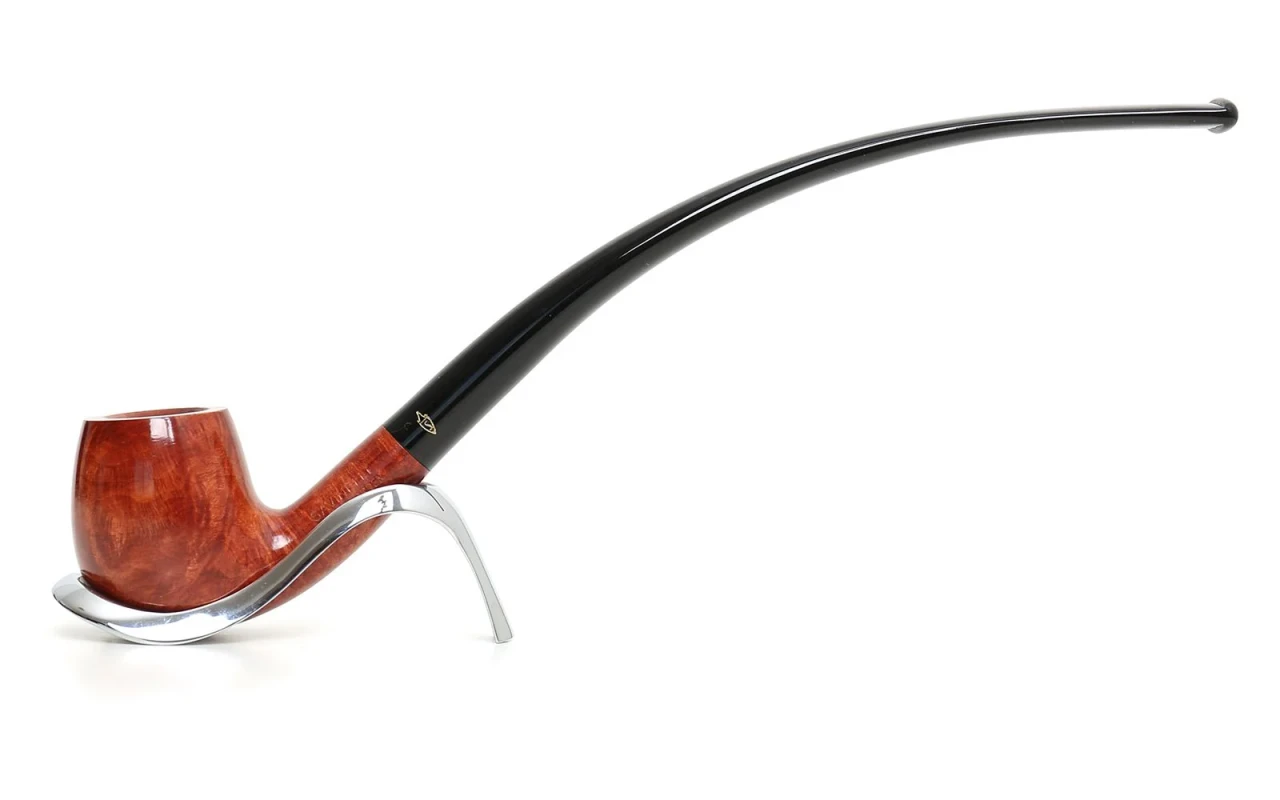
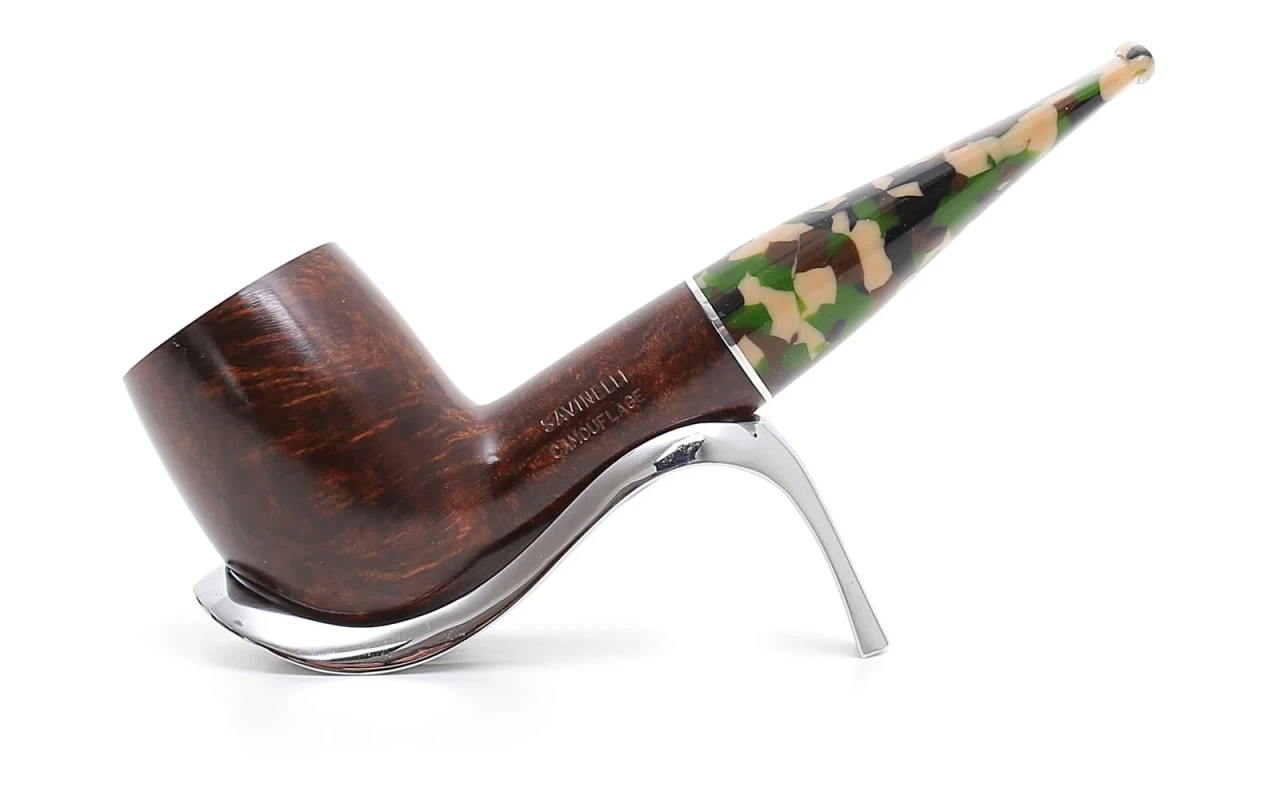
Materials for the production of handmade pipes
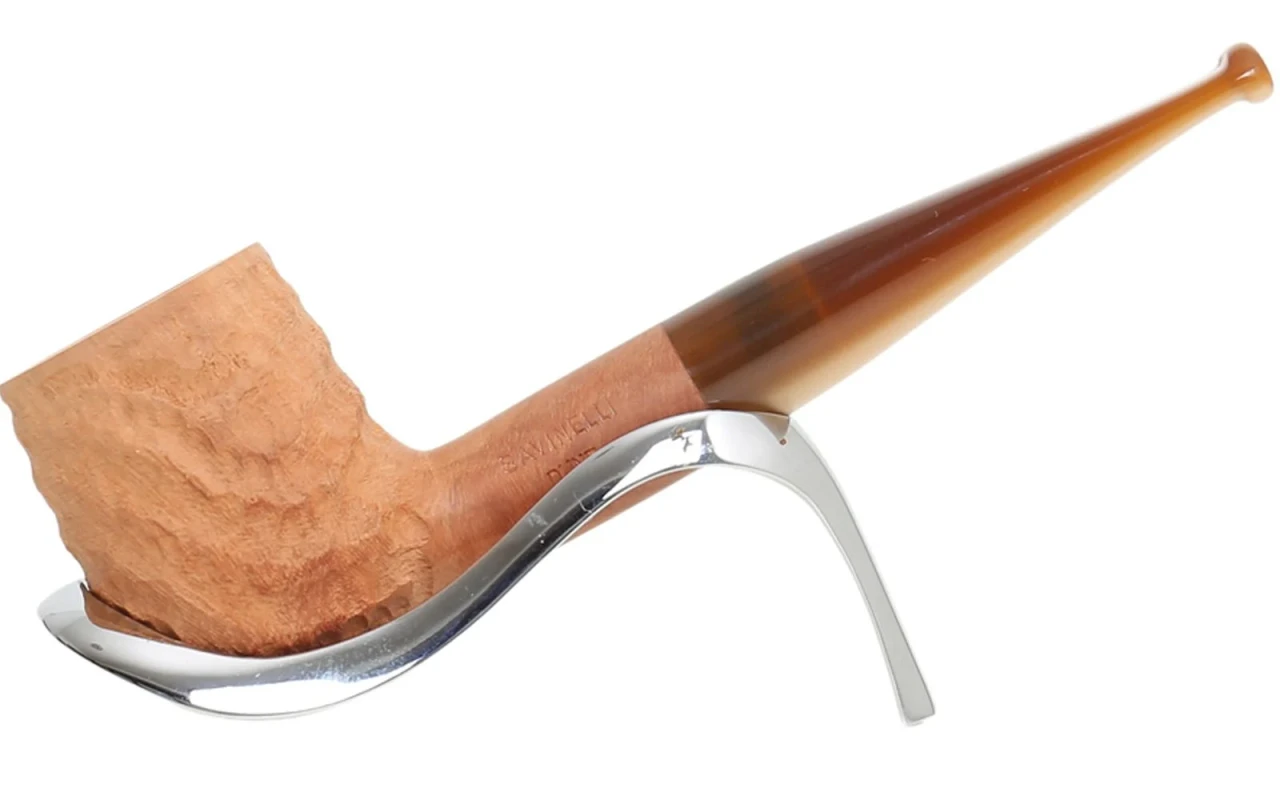
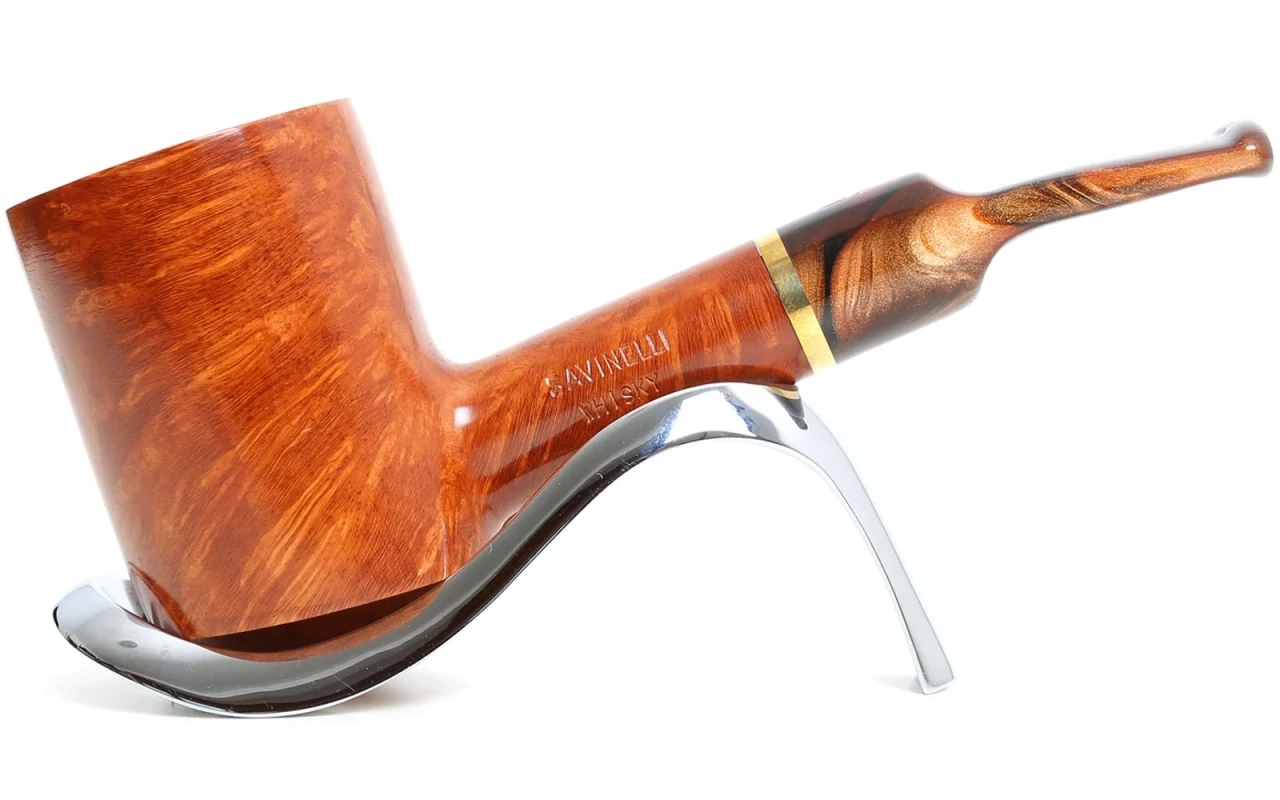
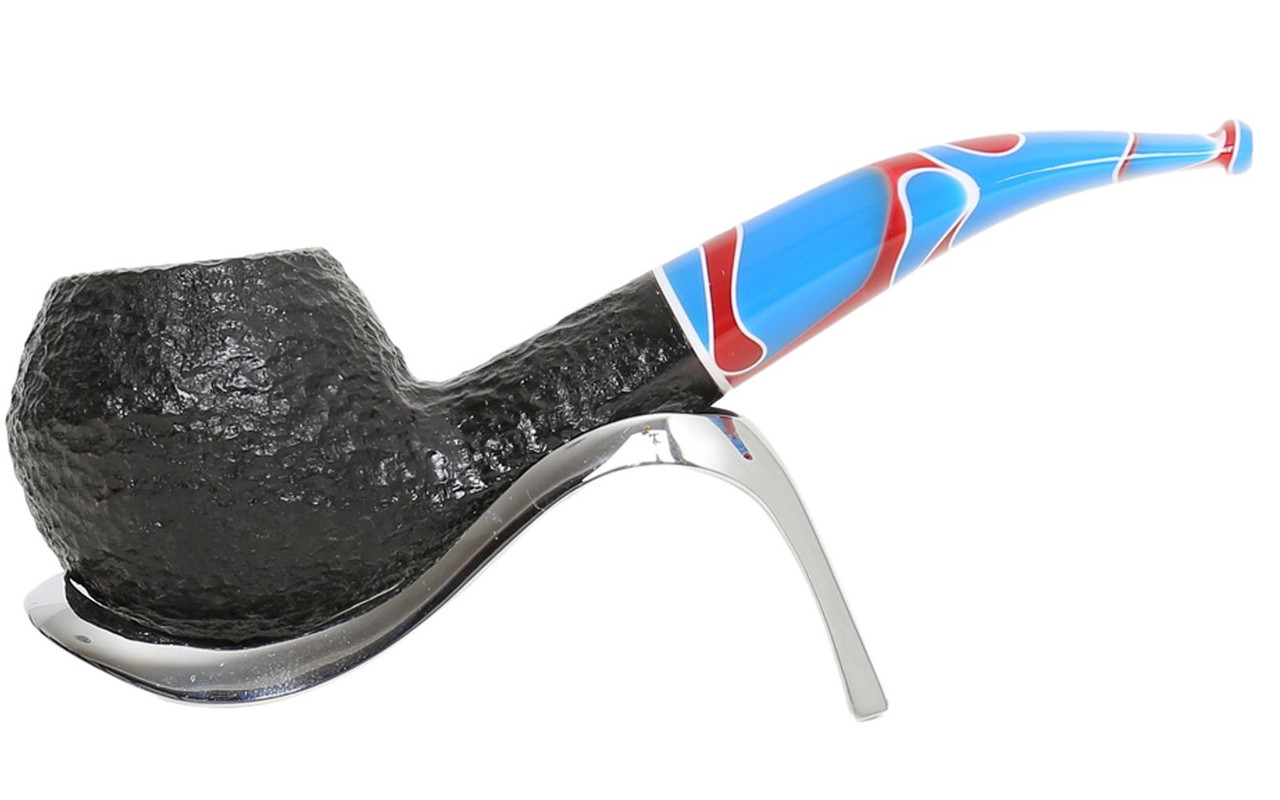
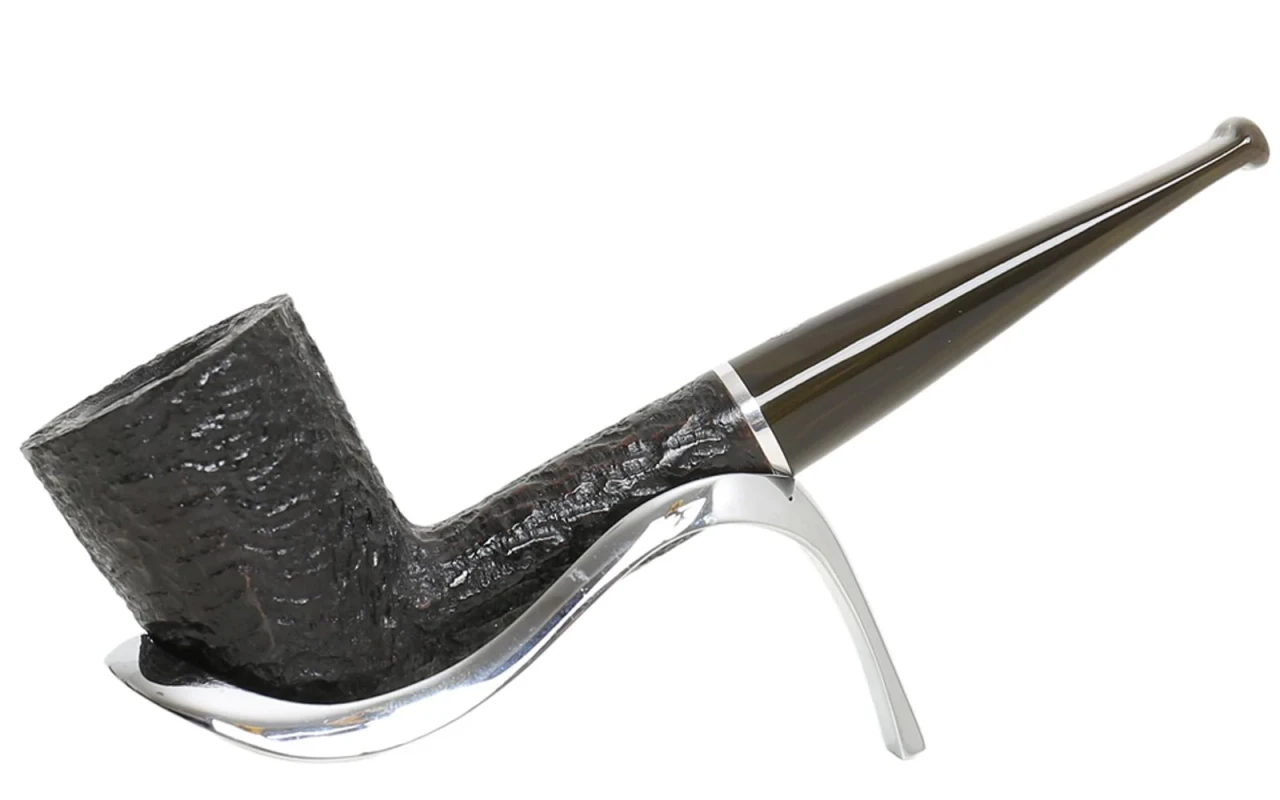
Materials for the production of handmade pipes include high-quality wood, such as briar, olive, or oak, which give the pipes strength and beauty. Other common materials are brass for the fittings, ebony or amber for the mouthpieces, and PVC for the stems. For smoking pipes, the most commonly used material is briar, wood from the Erica arborea tree. This wood is particularly suitable for its resistance to heat and moisture. Artisan pipe makers carefully select materials to ensure a final product of high quality and prestige.
Wood for artisan pipes
Wood for artisan pipes is a fundamental element in the production of high-quality pipes. The most commonly used woods include briar, olive, walnut, cherry, and oak. The choice of wood influences the characteristics of the pipe, such as the taste of the smoke, heat resistance, and longevity. The artisanal wood crafting requires specific skills to shape and refine every detail of the pipe. A meticulous wood selection is essential to ensure an excellent final product that meets the needs and preferences of the most experienced smokers.
Handcrafted Pipe Shapes
Handcrafted pipe shapes are diverse and vary based on the creativity and skill of the maker. Among the most common types of handcrafted pipes are:- Billiard: a classic and traditional shape, with a straight stem and cylindrical bowl.- Dublin: characterized by a conical-spherical bowl and a straight or slightly curved stem.- Bulldog: featuring a cone-shaped bowl with a flat upper rim.- Apple: resembling the shape of an apple, with a rounded bowl and a short stem.- Freehand: pipes crafted without a predefined shape, often distinguished by unique and curved lines.Each handcrafted pipe shape can provide a unique and personalized smoking experience.
Pipe Manufacturing Technique
The pipe manufacturing technique is a craftsmanship process that involves several stages. Initially, the pipe maker carefully selects the wood to be used, usually briar root or other high-quality essence. Subsequently, the wood is cut, sanded, and precisely shaped to create the desired shape of the pipe. Once the basic shape is achieved, the drilling of the airway and the processing of the combustion chamber are carried out. Finally, the pipe is polished, buffed, and possibly customized with decorative details. This artisanal process requires great skill and attention to detail to ensure the quality and functionality of the final product.
'%3e%3cg id='Final-Copy-2_2_' transform='translate(1275.000000, 200.000000)'%3e%3cpath class='st0' d='M7.4,12.8h6.8l3.1-11.6H7.4C4.2,1.2,1.6,3.8,1.6,7S4.2,12.8,7.4,12.8z'/%3e%3c/g%3e%3c/g%3e%3c/g%3e%3cg id='final---dec.11-2020'%3e%3cg id='_x30_208-our-toggle' transform='translate(-1275.000000, -200.000000)'%3e%3cg id='Final-Copy-2' transform='translate(1275.000000, 200.000000)'%3e%3cpath class='st1' d='M22.6,0H7.4c-3.9,0-7,3.1-7,7s3.1,7,7,7h15.2c3.9,0,7-3.1,7-7S26.4,0,22.6,0z M1.6,7c0-3.2,2.6-5.8,5.8-5.8 h9.9l-3.1,11.6H7.4C4.2,12.8,1.6,10.2,1.6,7z'/%3e%3cpath id='x' class='st2' d='M24.6,4c0.2,0.2,0.2,0.6,0,0.8l0,0L22.5,7l2.2,2.2c0.2,0.2,0.2,0.6,0,0.8c-0.2,0.2-0.6,0.2-0.8,0 l0,0l-2.2-2.2L19.5,10c-0.2,0.2-0.6,0.2-0.8,0c-0.2-0.2-0.2-0.6,0-0.8l0,0L20.8,7l-2.2-2.2c-0.2-0.2-0.2-0.6,0-0.8 c0.2-0.2,0.6-0.2,0.8,0l0,0l2.2,2.2L23.8,4C24,3.8,24.4,3.8,24.6,4z'/%3e%3cpath id='y' class='st3' d='M12.7,4.1c0.2,0.2,0.3,0.6,0.1,0.8l0,0L8.6,9.8C8.5,9.9,8.4,10,8.3,10c-0.2,0.1-0.5,0.1-0.7-0.1l0,0 L5.4,7.7c-0.2-0.2-0.2-0.6,0-0.8c0.2-0.2,0.6-0.2,0.8,0l0,0L8,8.6l3.8-4.5C12,3.9,12.4,3.9,12.7,4.1z'/%3e%3c/g%3e%3c/g%3e%3c/g%3e%3c/g%3e%3c/svg%3e) Your Privacy Choices
Your Privacy Choices 


