 ES
ES FR
FR EN
EN IT
IT DE
DE
Materials for Stack pipes construction
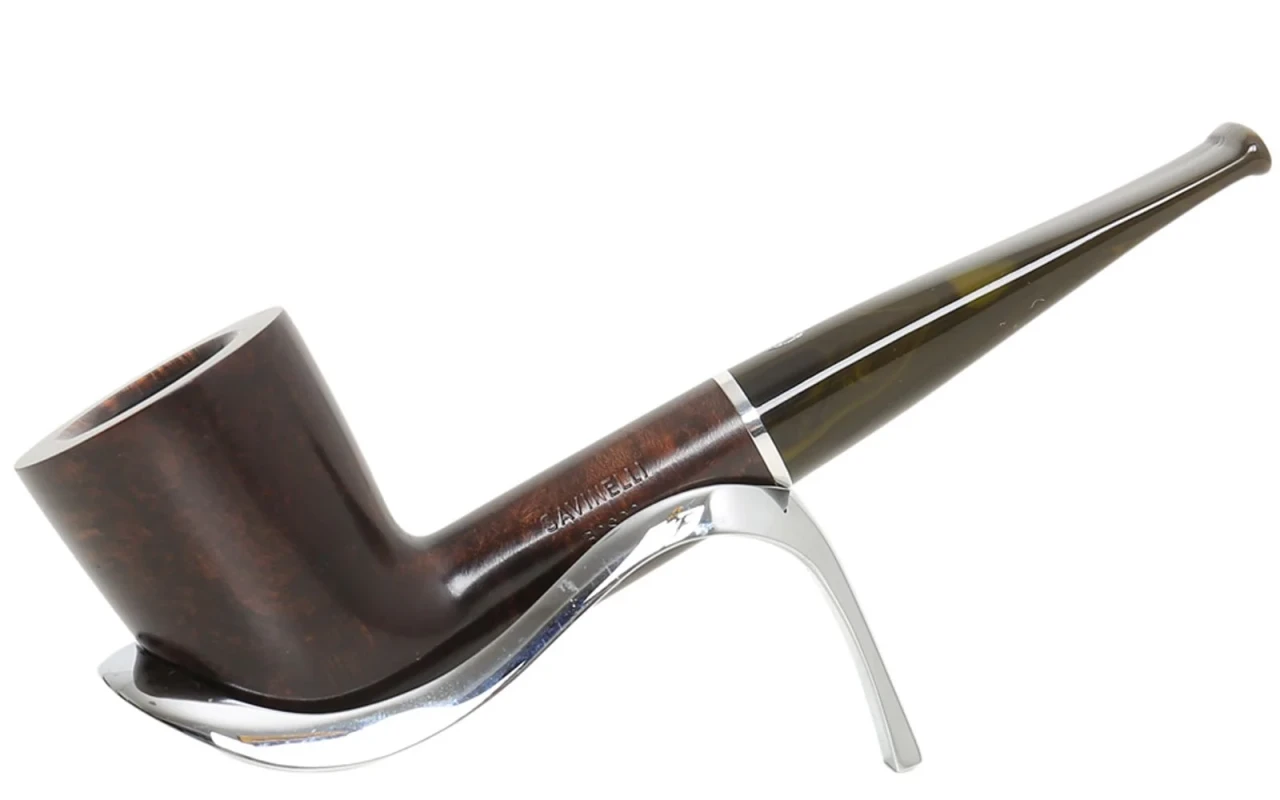
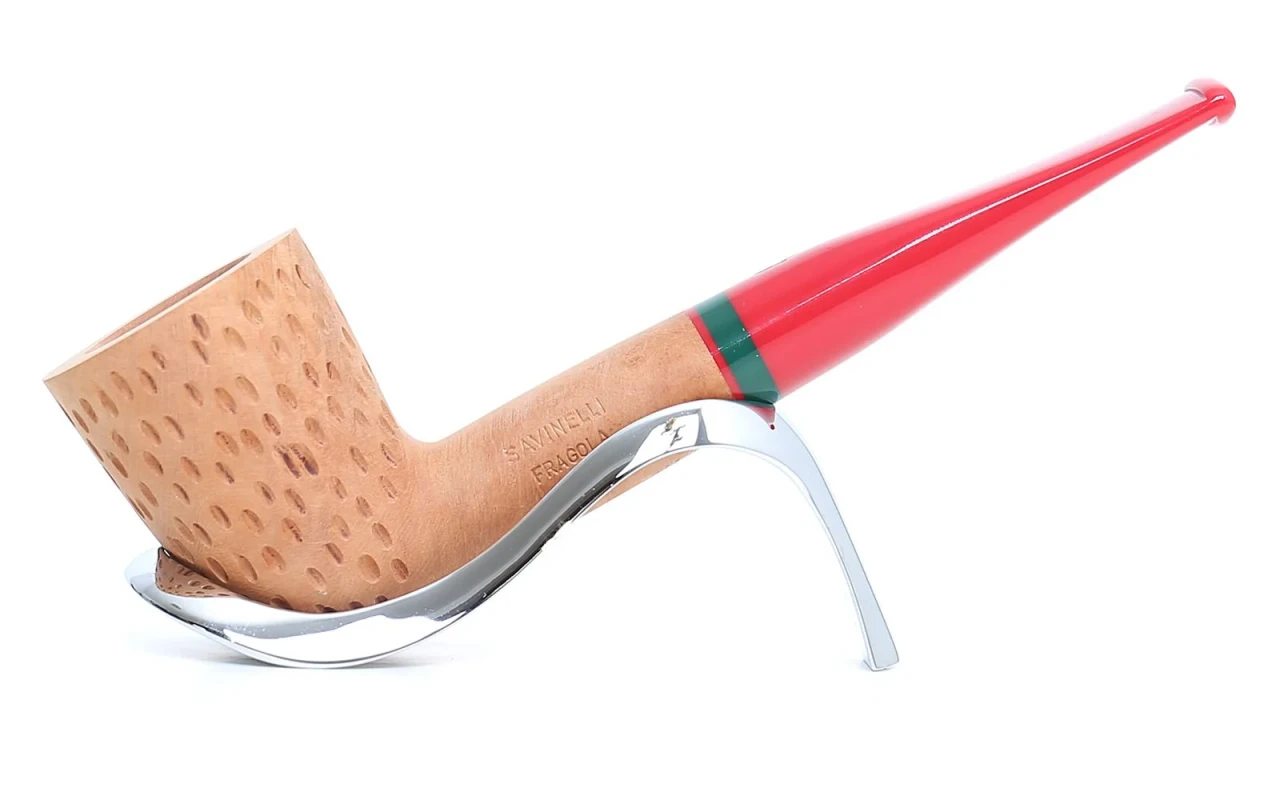
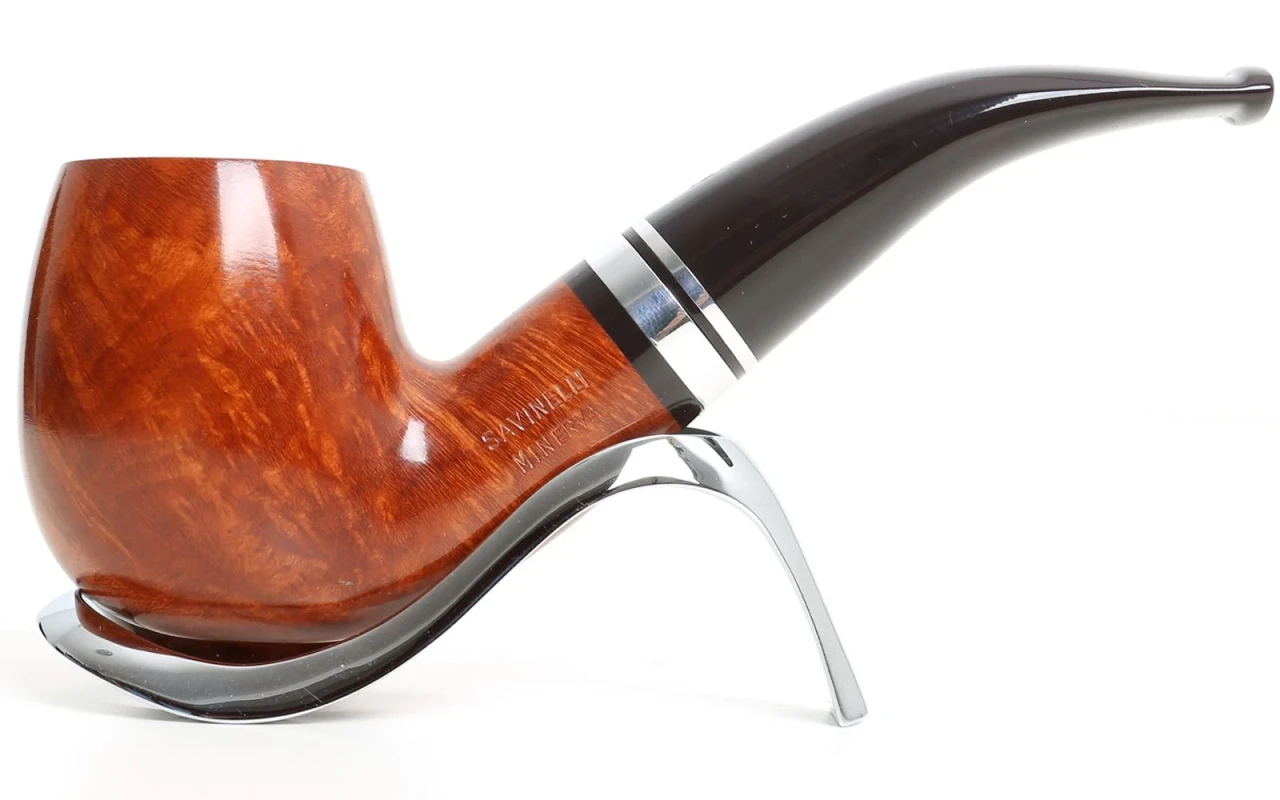
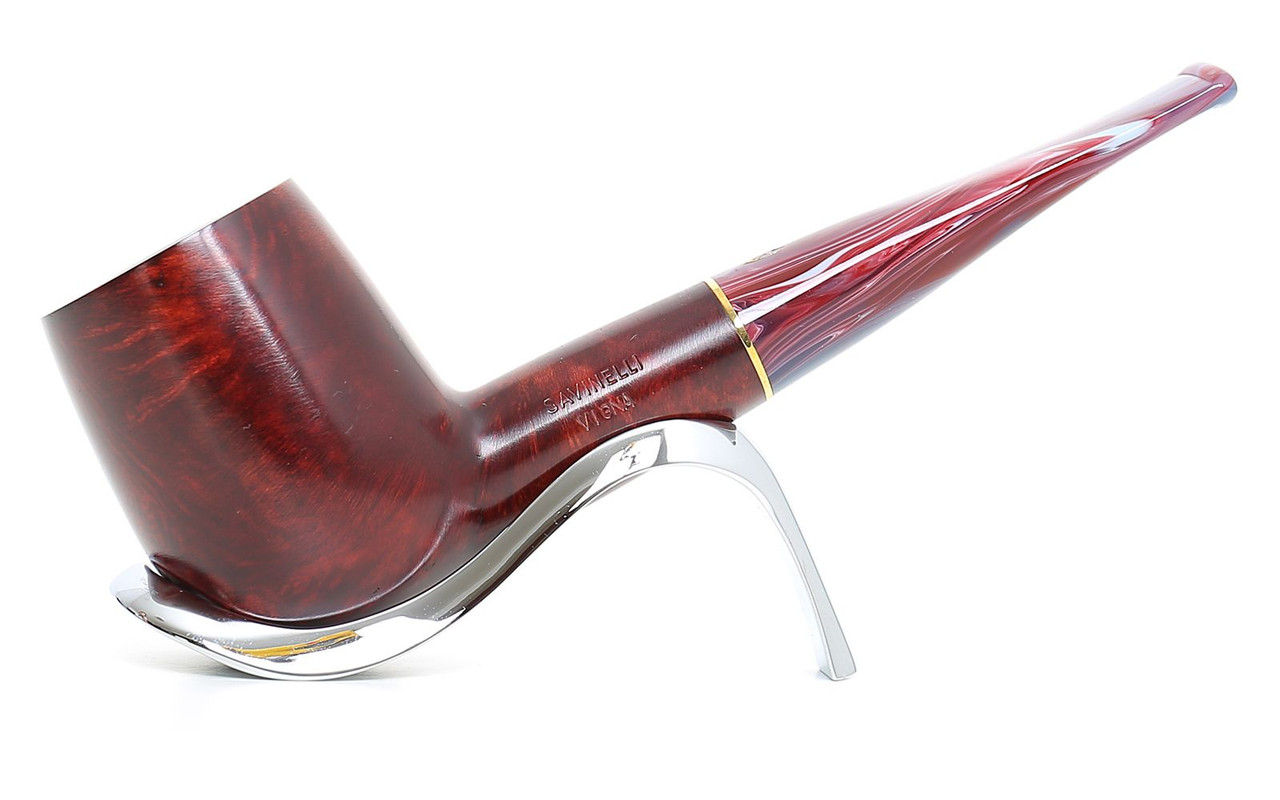
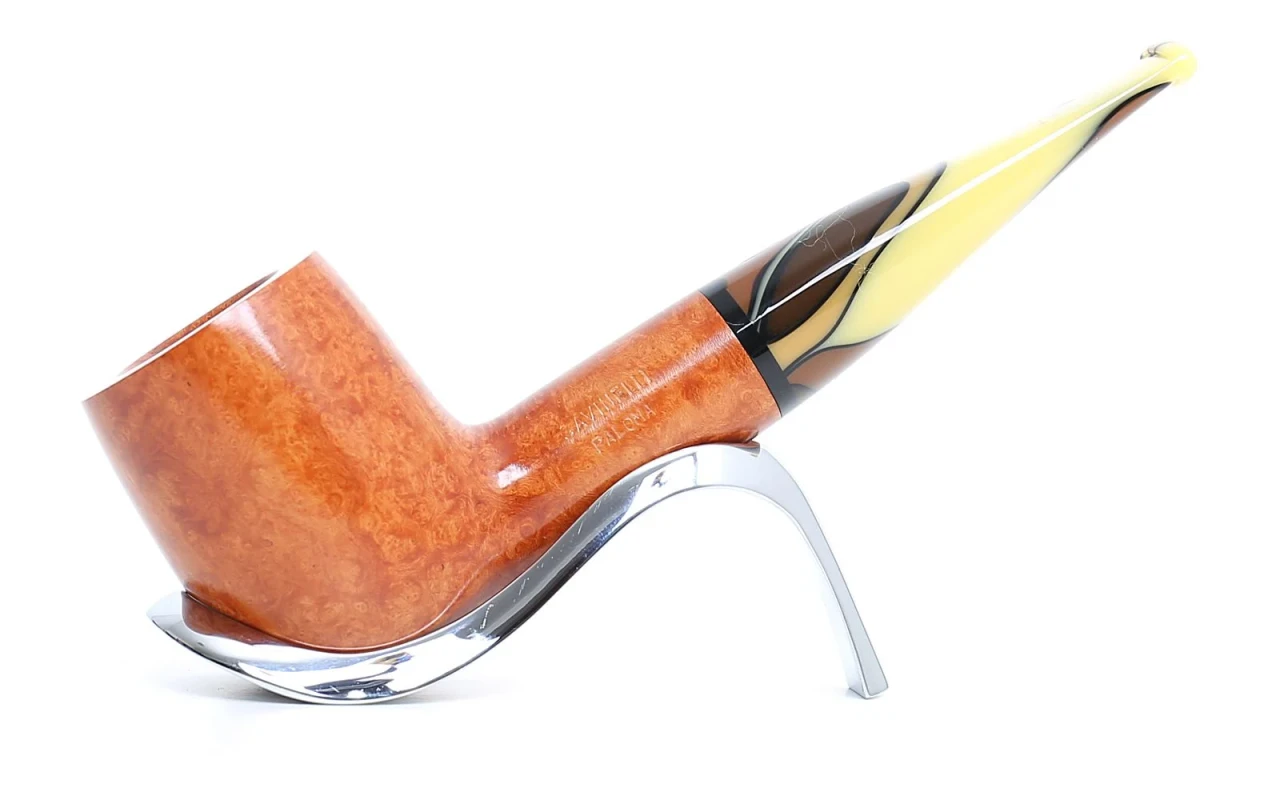
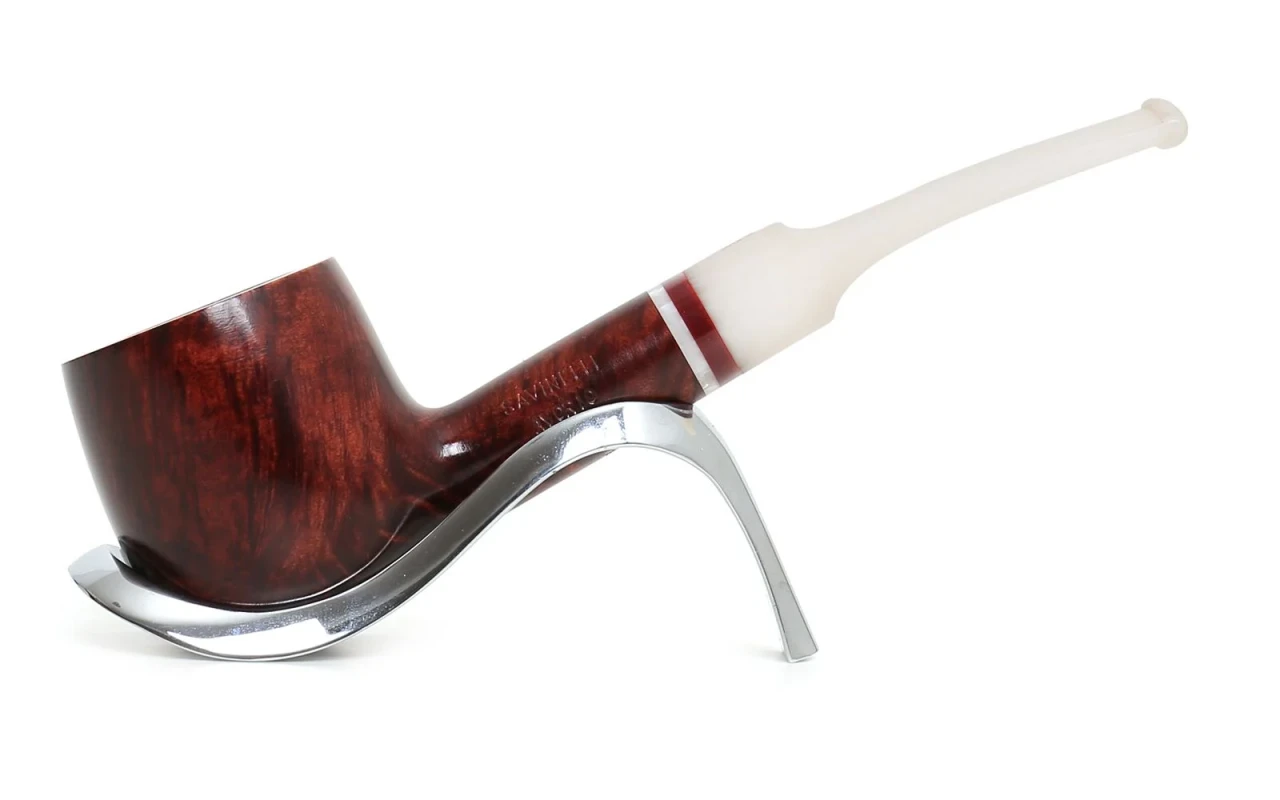
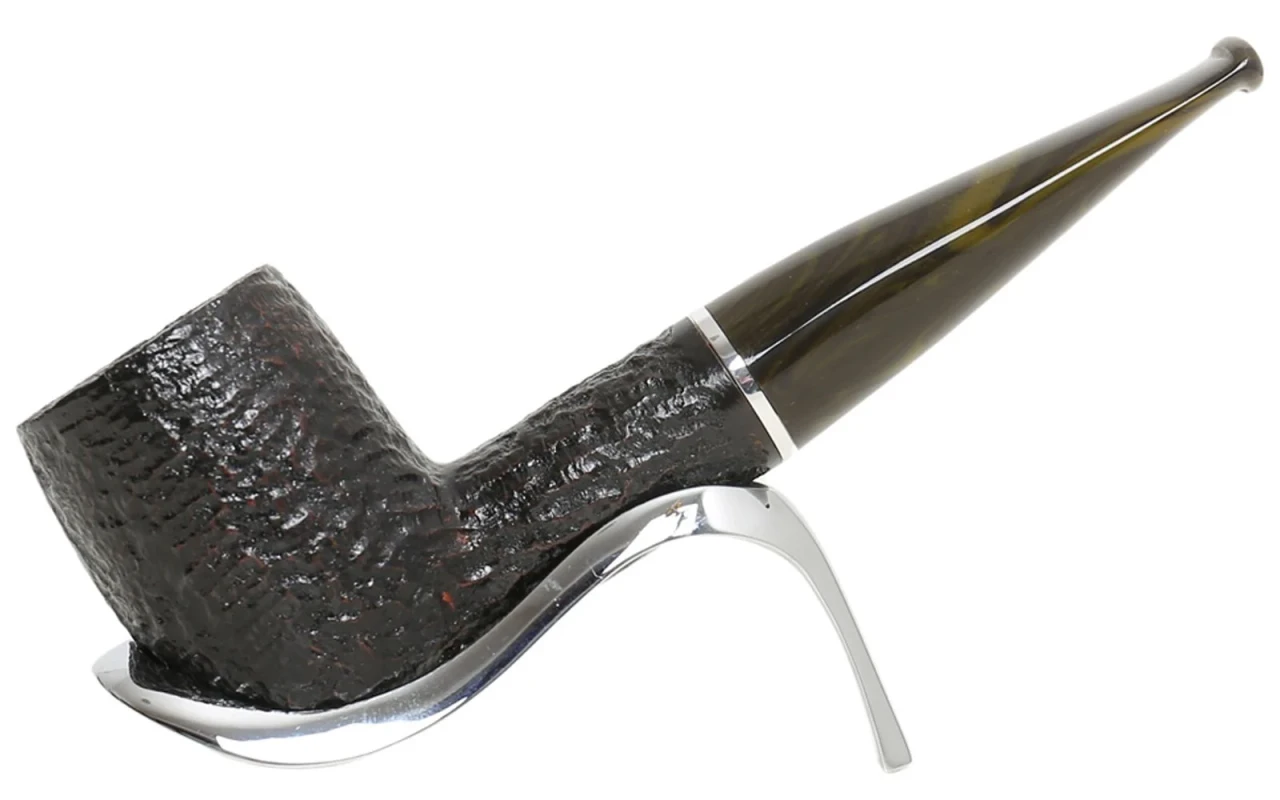
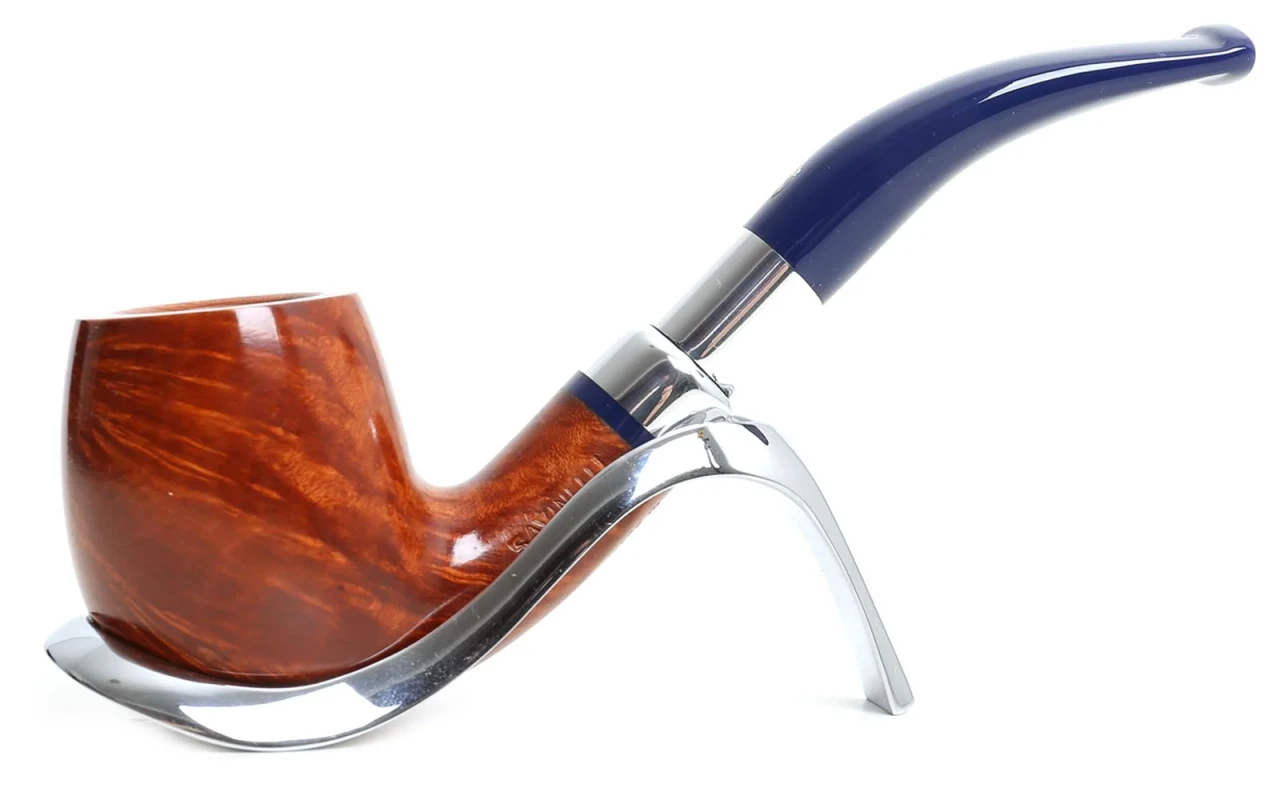
Materials for Stack pipes construction
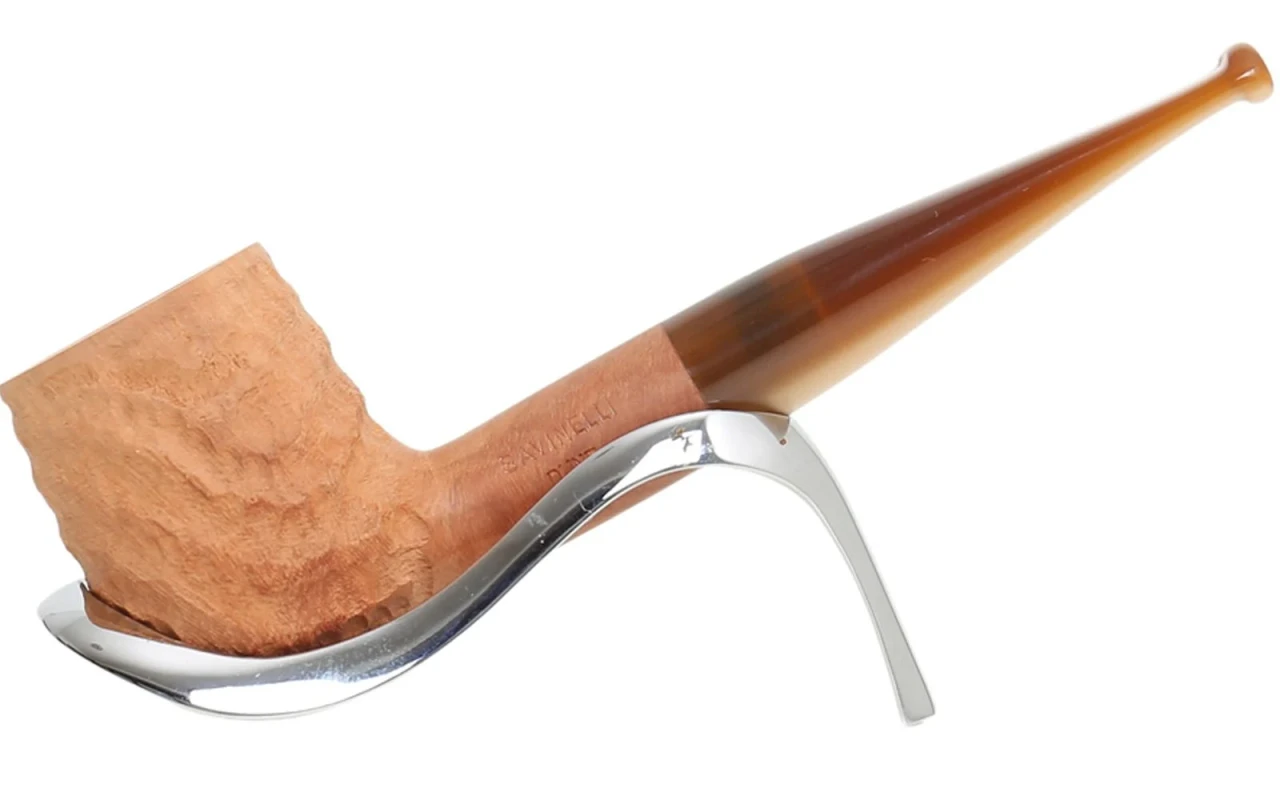
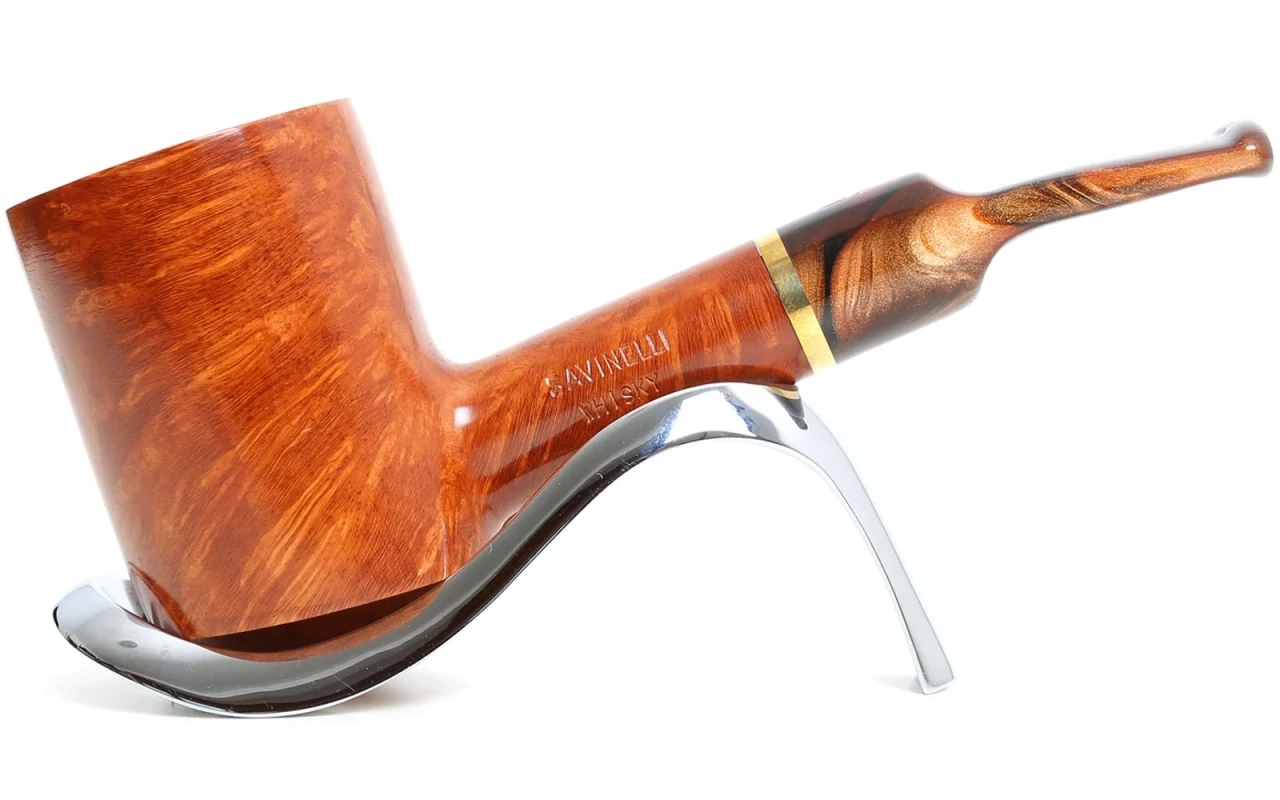
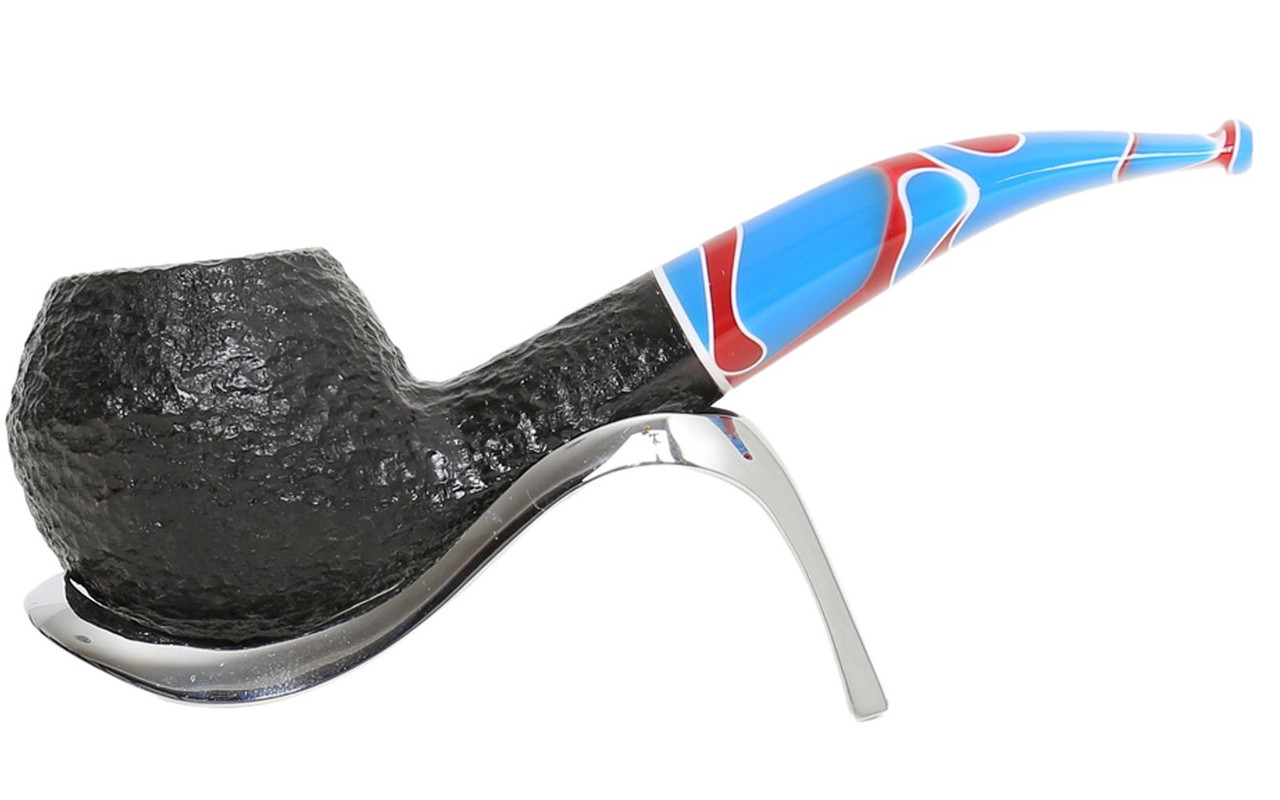
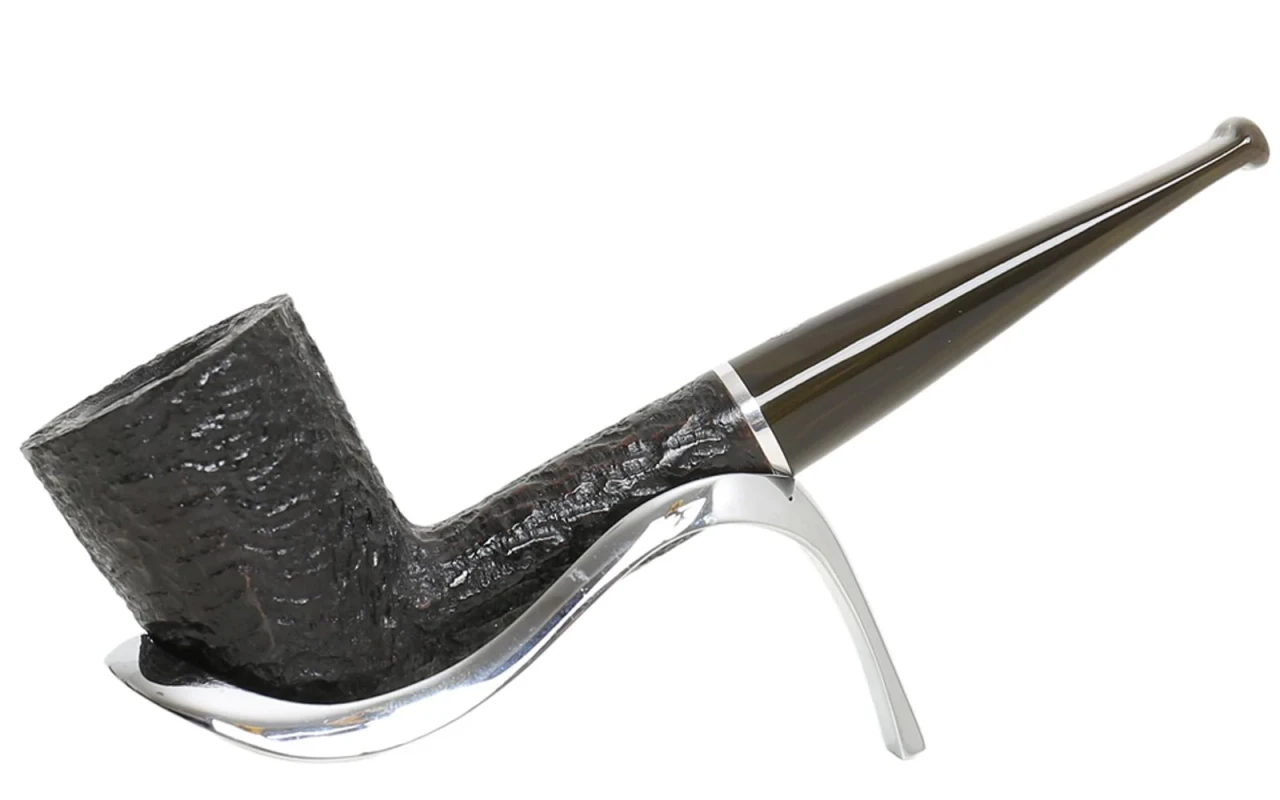
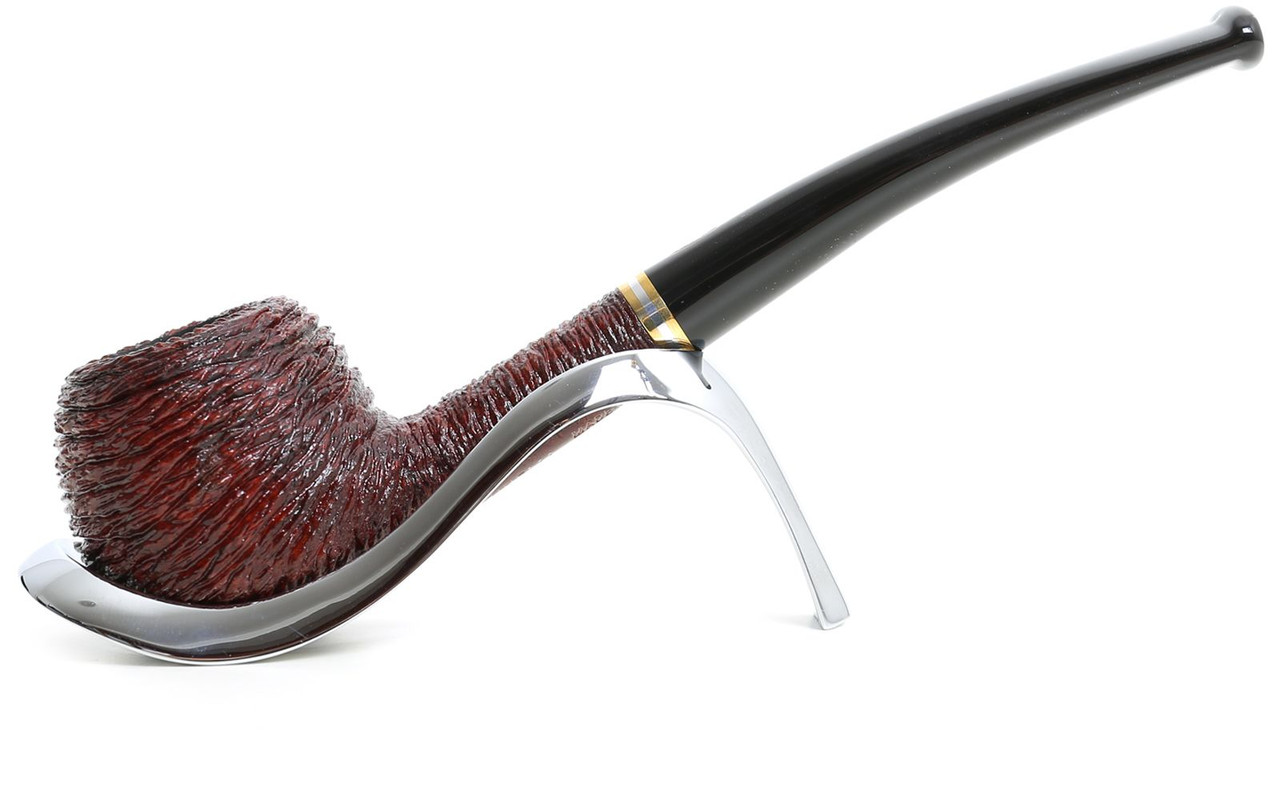
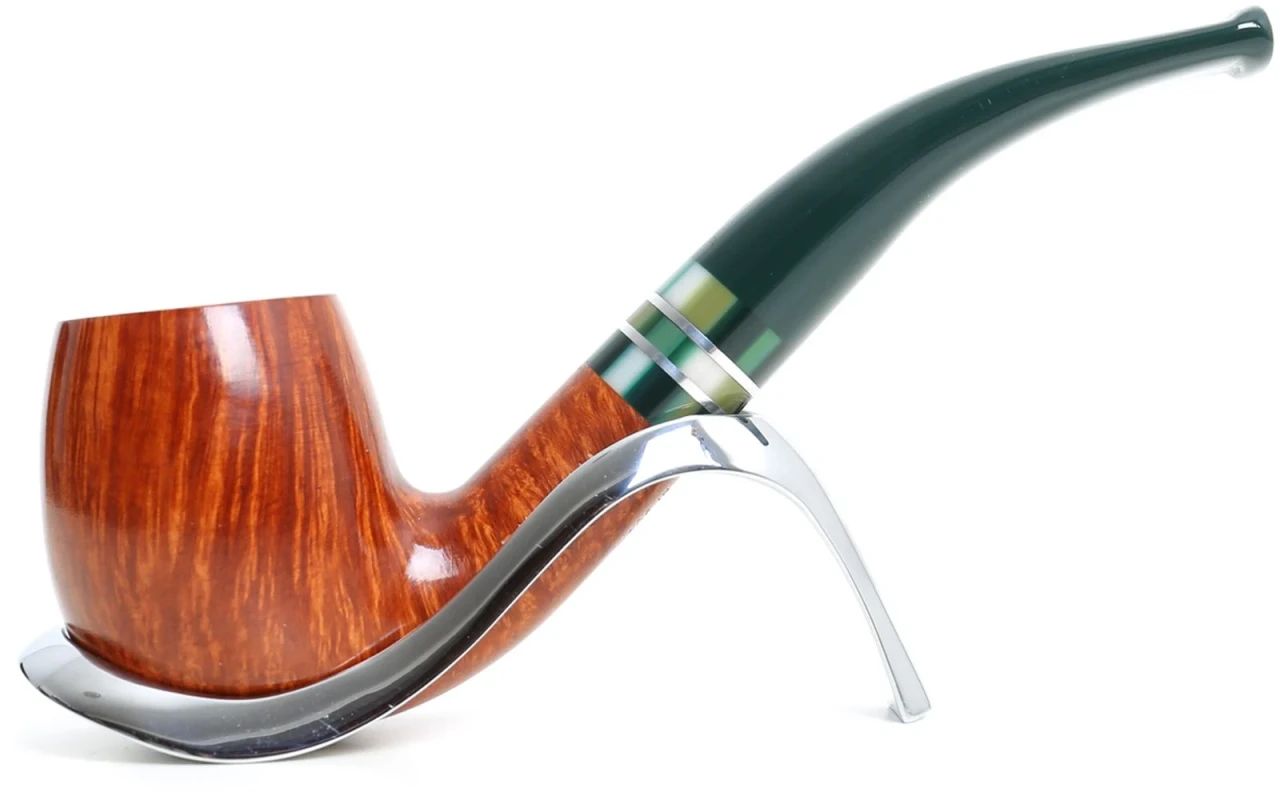
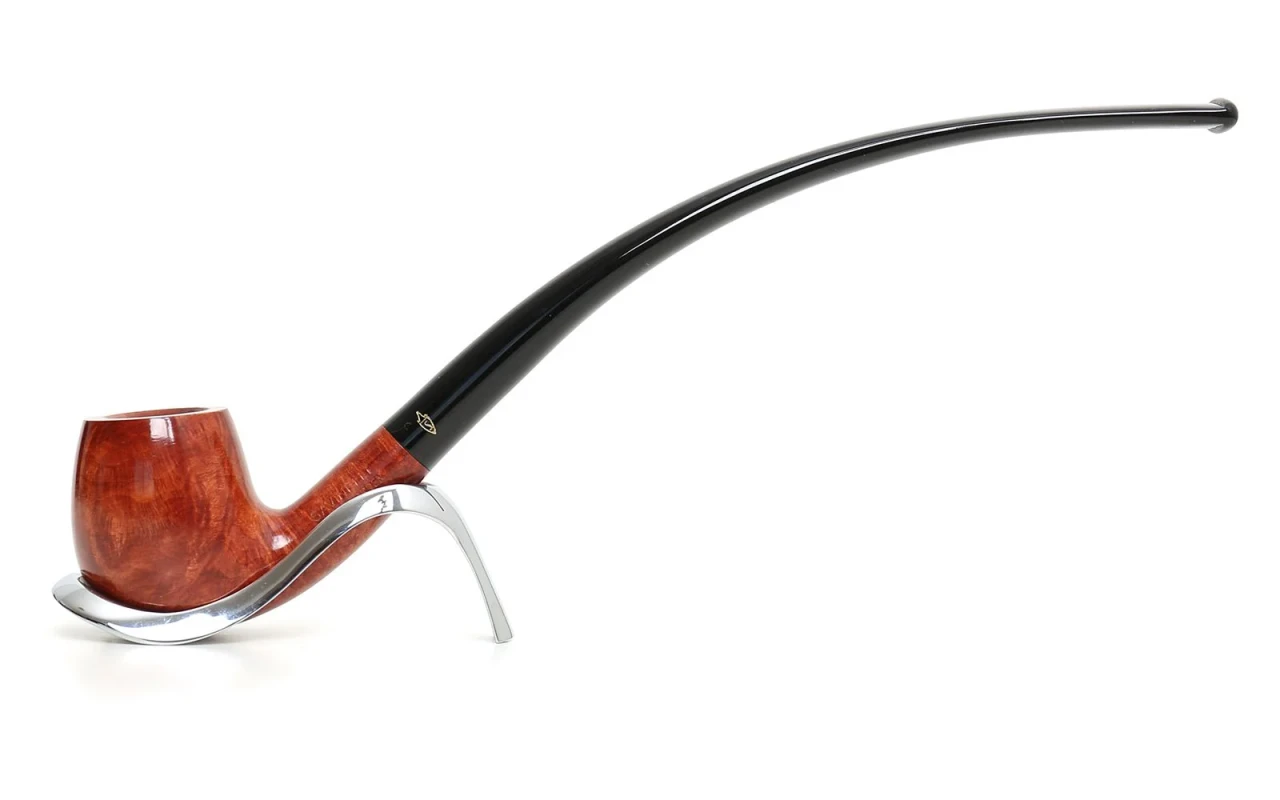
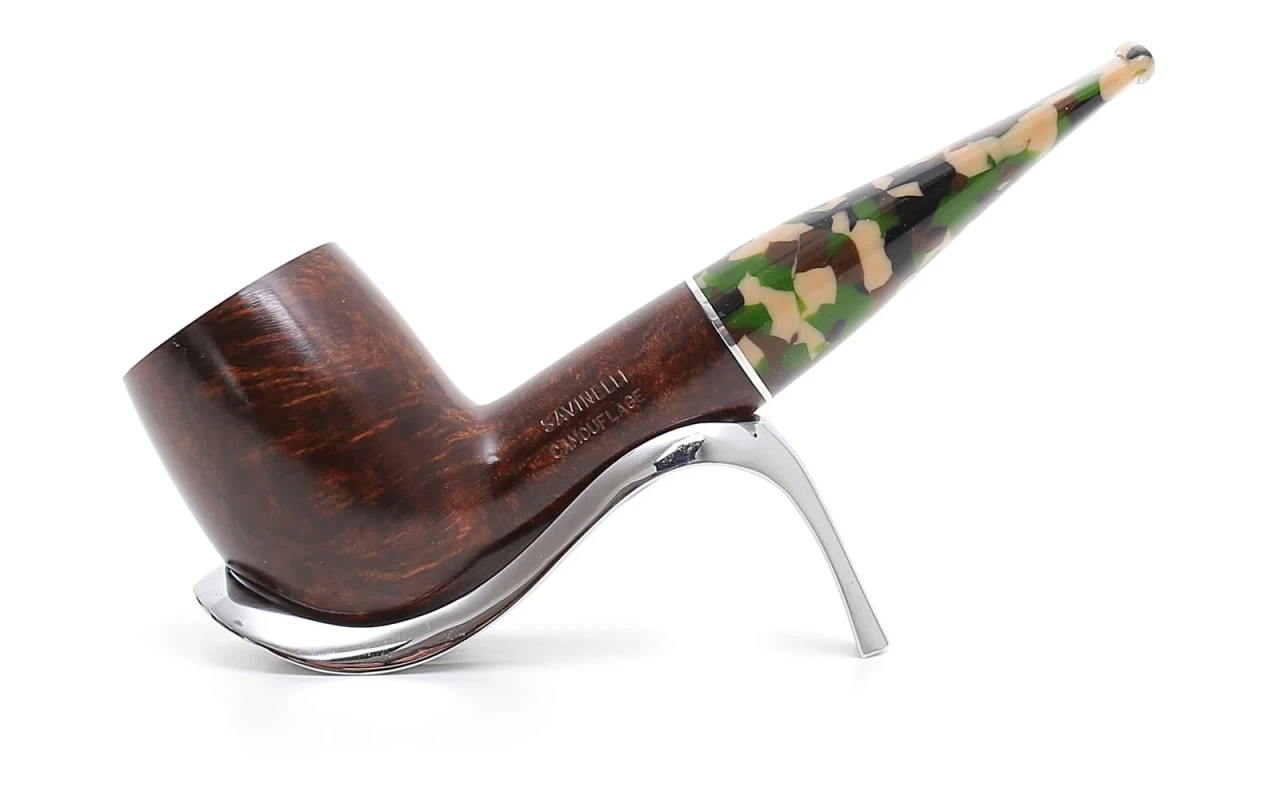
The construction materials for Stack pipes mainly include wood, briar, bamboo, and other natural materials. These materials are chosen for their heat resistance and moisture-absorbing properties. High-quality wood, such as briar, is particularly valued for its heat resistance and smoke-absorbing ability, ensuring a superior smoking experience. Other materials, like ebony or maple, can be used to create pipes with unique designs. It's crucial that the materials are carefully crafted to ensure a high-quality and durable Stack pipe.
Materials for Making Pipes
The most common materials for making a pipe are wood, briar, clay, corn, and meerschaum. Wood is widely used for its strength and malleability. Briar roots are appreciated for their heat resistance and the neutral taste they impart to the smoke. Clay pipes offer purity of taste and moisture absorption capacity. Corn pipes, light and affordable, are perfect for beginners. Lastly, meerschaum is a porous mineral that absorbs tobacco oils, ensuring a cool and dry smoke.
Pipe smoking components
The main components of a smoking pipe are:- Bowl: the top part of the pipe where tobacco is packed.- Chamber: the bottom part of the pipe where tobacco is lit.- Stem: the long part of the pipe connecting the chamber to the mouthpiece.- Mouthpiece: the part through which the pipe is smoked.- Shank: the channel that connects the bowl to the chamber.- Cap: a cover for the bowl to regulate combustion.- Filter: some models have a filter to reduce moisture and hot smoke.- Ring: decorative or functional, placed between the bowl and the chamber.These are the main components of a smoking pipe.
Creating Smoking Pipes
Smoking pipes are artisanal objects that require skill and care in their creation. To craft a quality pipe, it is necessary to follow some fundamental steps:1. Selection of suitable wood, such as briar root, cherry mortar, or olive wood.2. Wood cutting and shaping to achieve the desired pipe form.3. Carving the pipe hole to ensure optimal airflow.4. Smoothing and sanding the external surface.5. Finishing with beeswax or oil to protect the wood and provide shine.6. Assembling the briar insert for tobacco combustion.Crafting a pipe requires precision and attention to detail to ensure a pleasant and satisfying smoking experience.
'%3e%3cg id='Final-Copy-2_2_' transform='translate(1275.000000, 200.000000)'%3e%3cpath class='st0' d='M7.4,12.8h6.8l3.1-11.6H7.4C4.2,1.2,1.6,3.8,1.6,7S4.2,12.8,7.4,12.8z'/%3e%3c/g%3e%3c/g%3e%3c/g%3e%3cg id='final---dec.11-2020'%3e%3cg id='_x30_208-our-toggle' transform='translate(-1275.000000, -200.000000)'%3e%3cg id='Final-Copy-2' transform='translate(1275.000000, 200.000000)'%3e%3cpath class='st1' d='M22.6,0H7.4c-3.9,0-7,3.1-7,7s3.1,7,7,7h15.2c3.9,0,7-3.1,7-7S26.4,0,22.6,0z M1.6,7c0-3.2,2.6-5.8,5.8-5.8 h9.9l-3.1,11.6H7.4C4.2,12.8,1.6,10.2,1.6,7z'/%3e%3cpath id='x' class='st2' d='M24.6,4c0.2,0.2,0.2,0.6,0,0.8l0,0L22.5,7l2.2,2.2c0.2,0.2,0.2,0.6,0,0.8c-0.2,0.2-0.6,0.2-0.8,0 l0,0l-2.2-2.2L19.5,10c-0.2,0.2-0.6,0.2-0.8,0c-0.2-0.2-0.2-0.6,0-0.8l0,0L20.8,7l-2.2-2.2c-0.2-0.2-0.2-0.6,0-0.8 c0.2-0.2,0.6-0.2,0.8,0l0,0l2.2,2.2L23.8,4C24,3.8,24.4,3.8,24.6,4z'/%3e%3cpath id='y' class='st3' d='M12.7,4.1c0.2,0.2,0.3,0.6,0.1,0.8l0,0L8.6,9.8C8.5,9.9,8.4,10,8.3,10c-0.2,0.1-0.5,0.1-0.7-0.1l0,0 L5.4,7.7c-0.2-0.2-0.2-0.6,0-0.8c0.2-0.2,0.6-0.2,0.8,0l0,0L8,8.6l3.8-4.5C12,3.9,12.4,3.9,12.7,4.1z'/%3e%3c/g%3e%3c/g%3e%3c/g%3e%3c/g%3e%3c/svg%3e) Your Privacy Choices
Your Privacy Choices 


