 ES
ES FR
FR EN
EN IT
IT DE
DE
Materials for pipe construction: briar wood
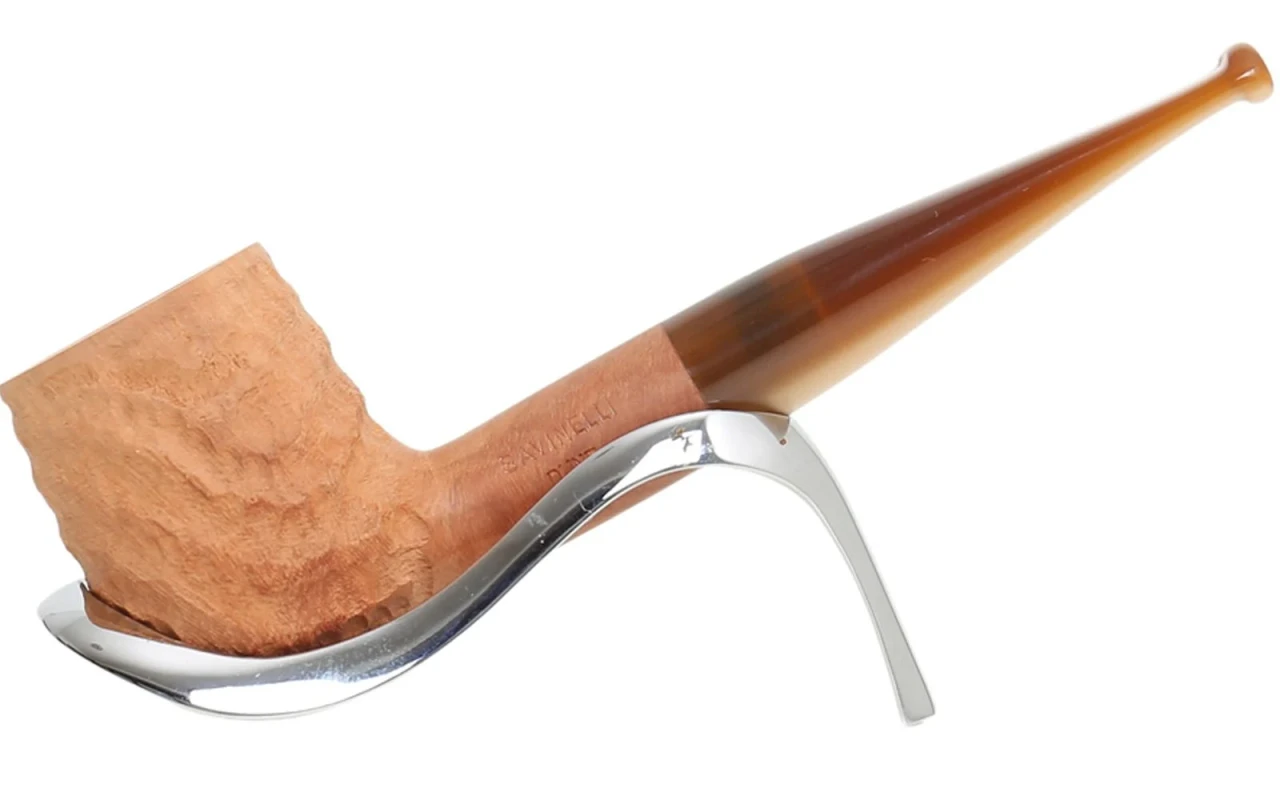
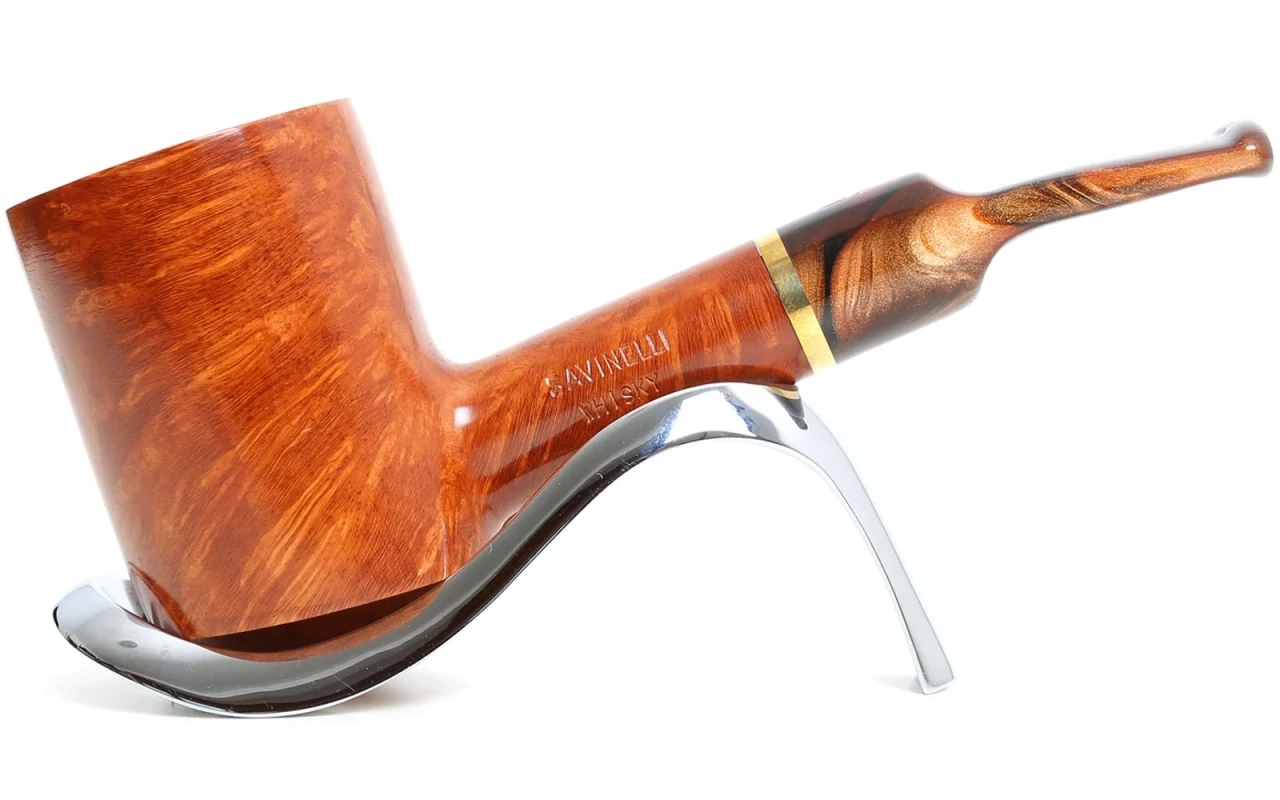
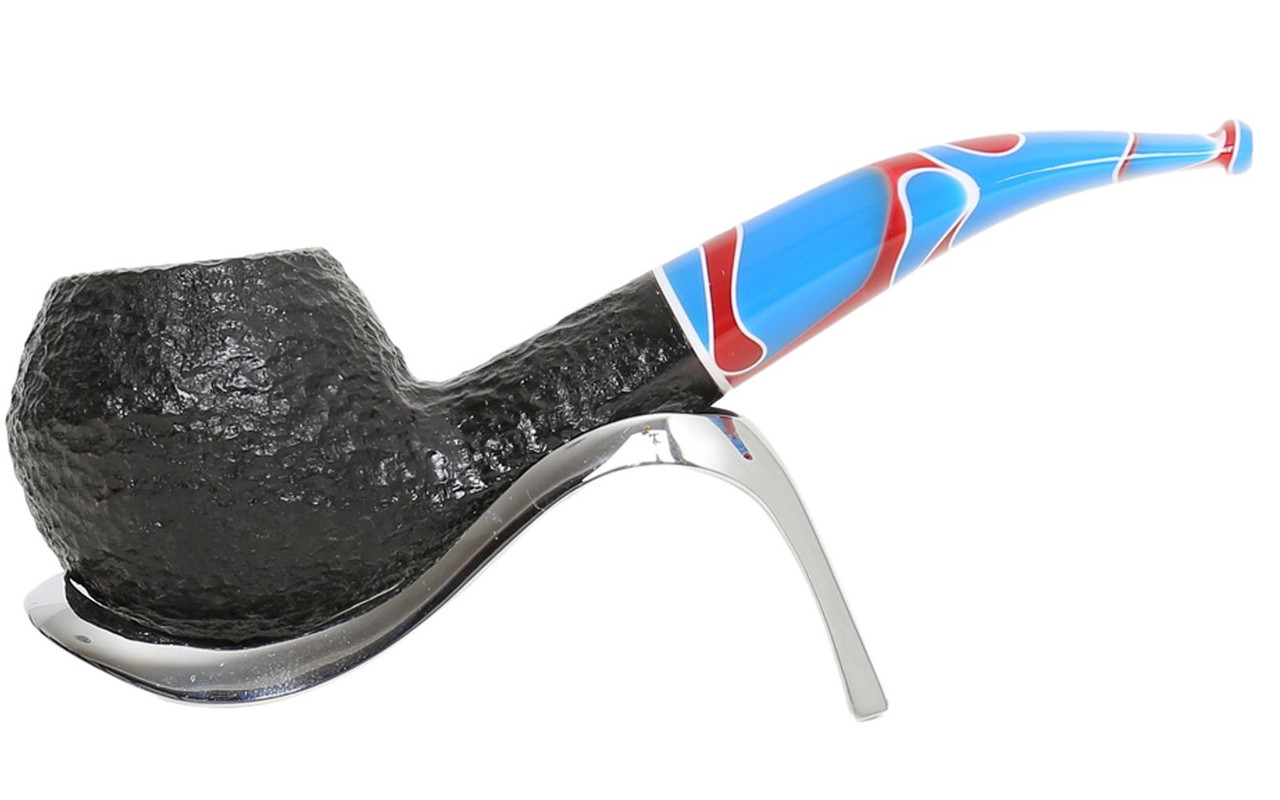
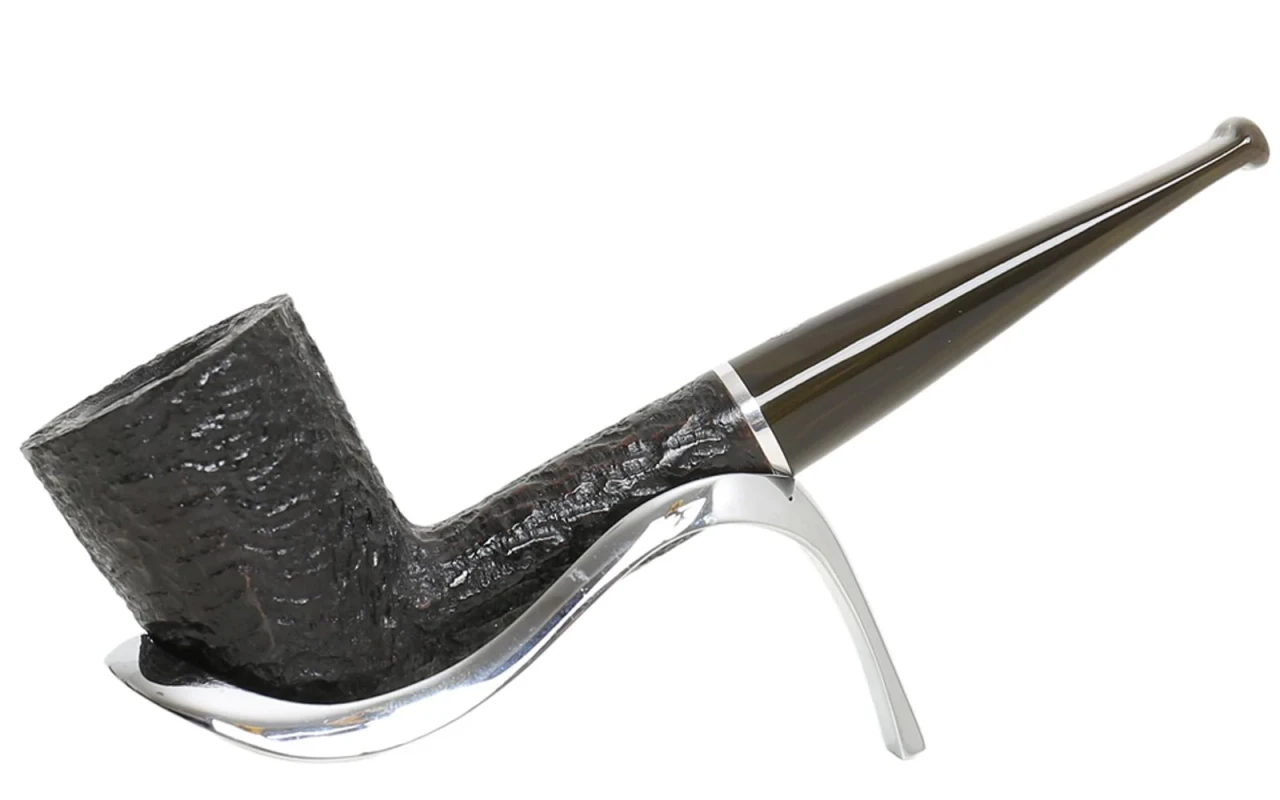
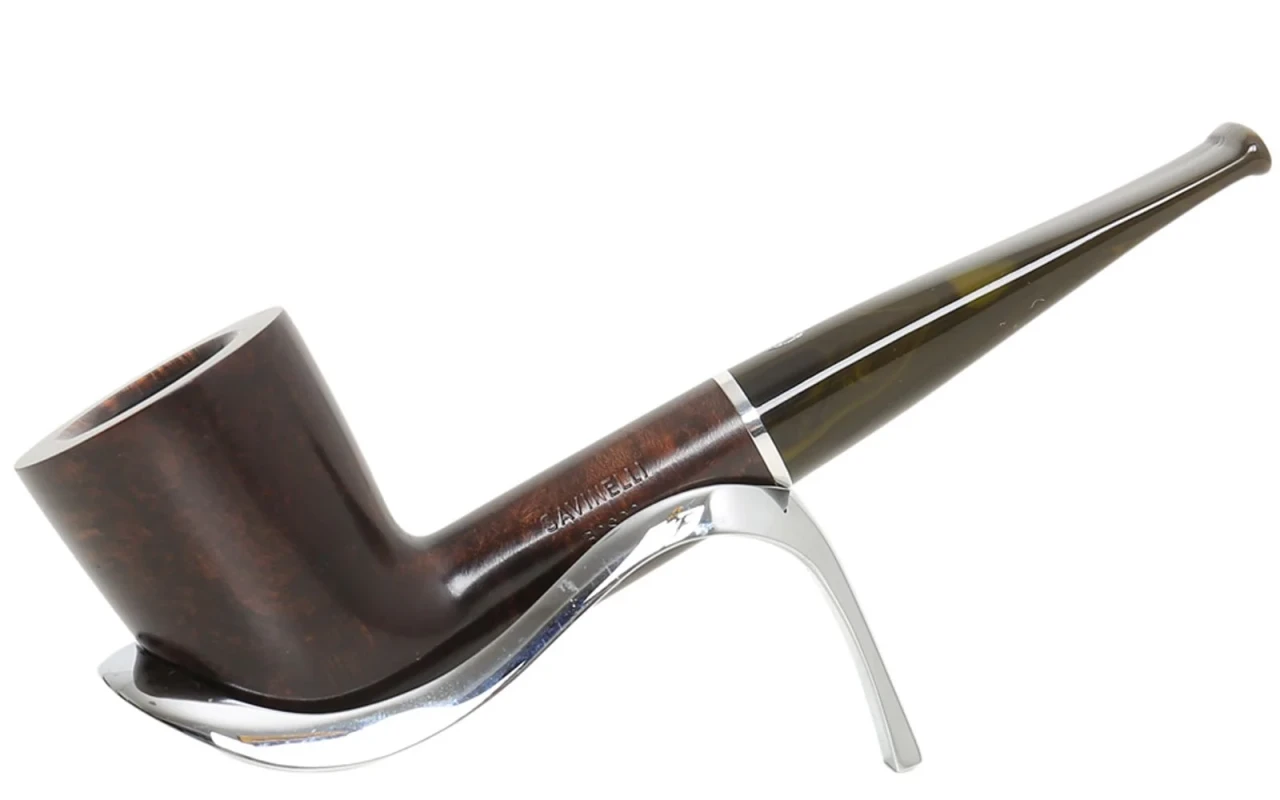
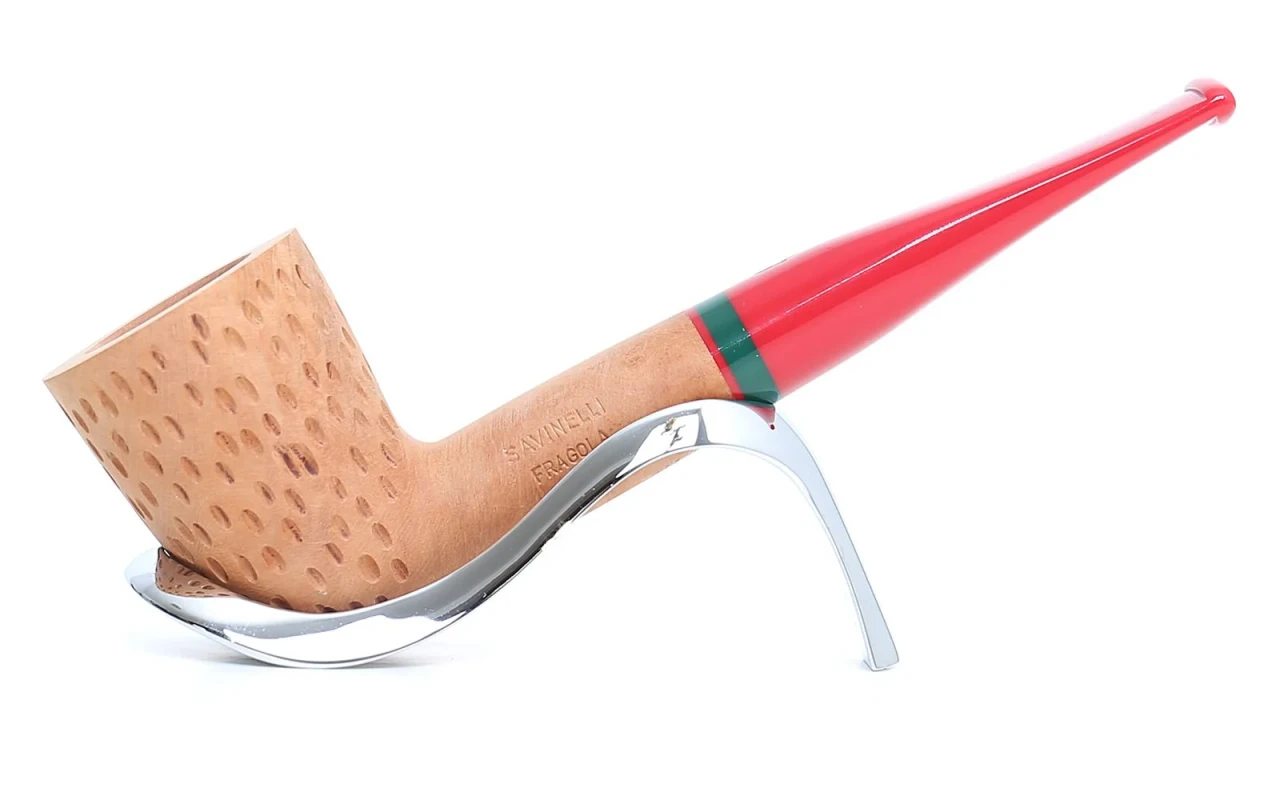
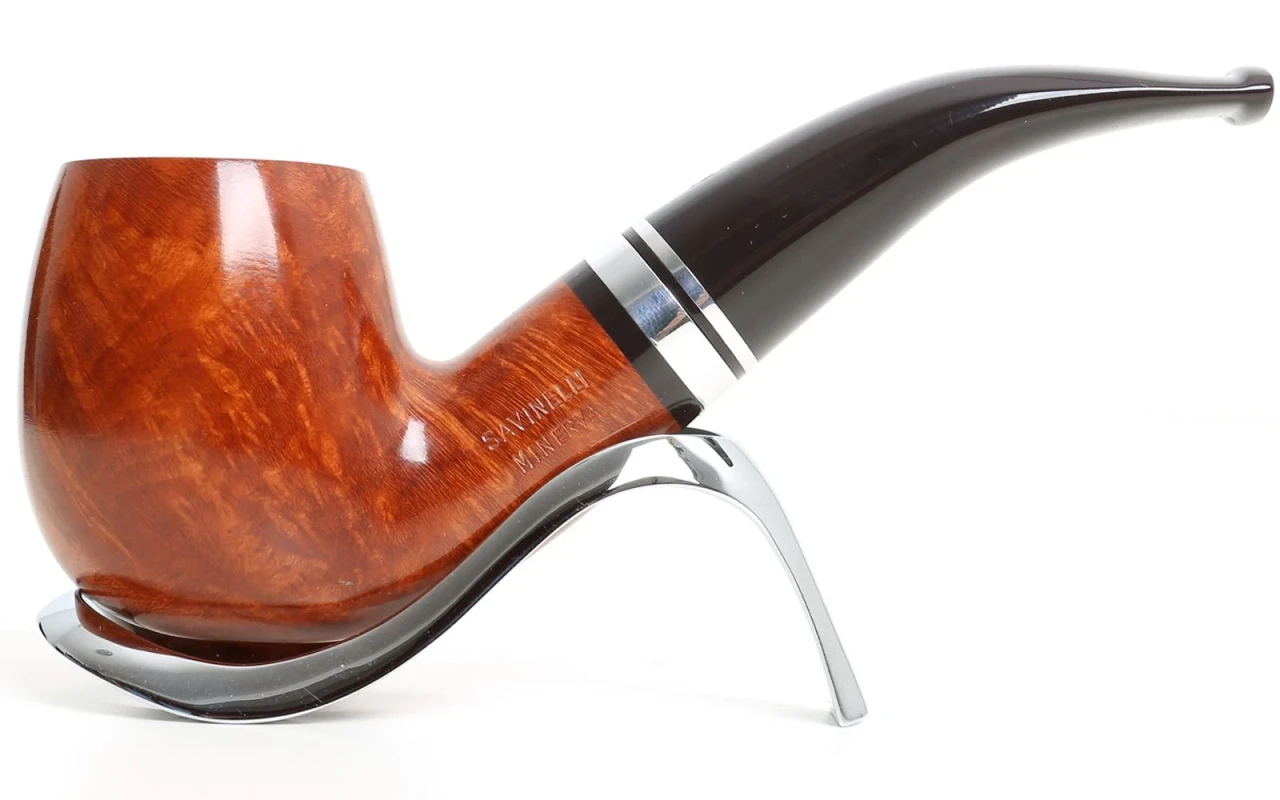
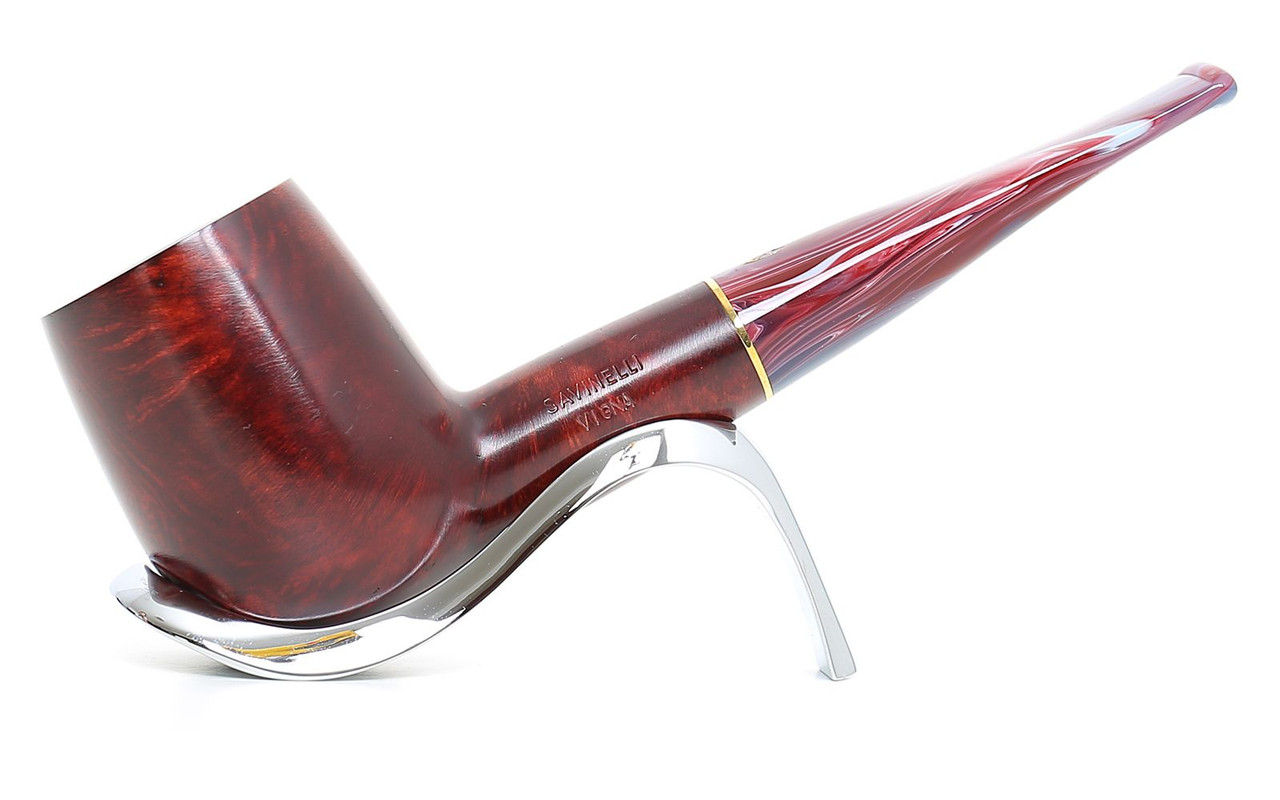
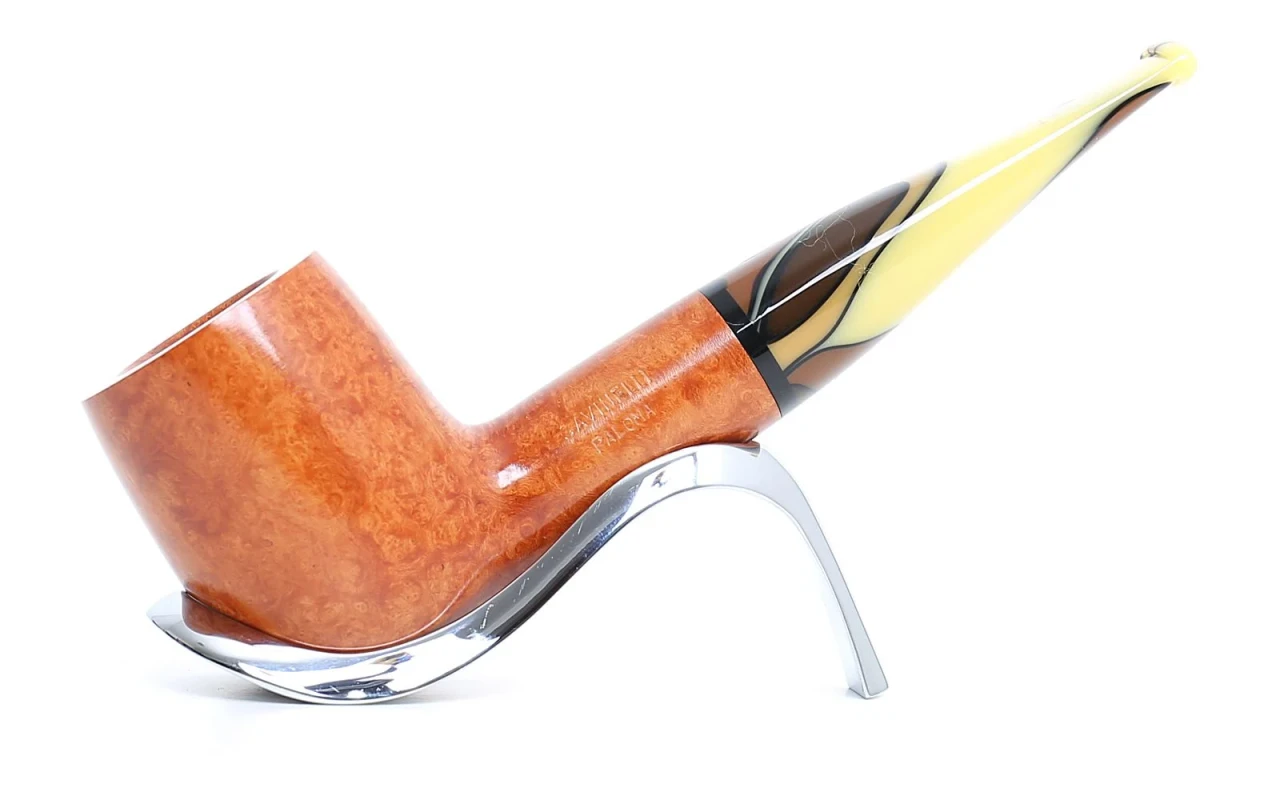
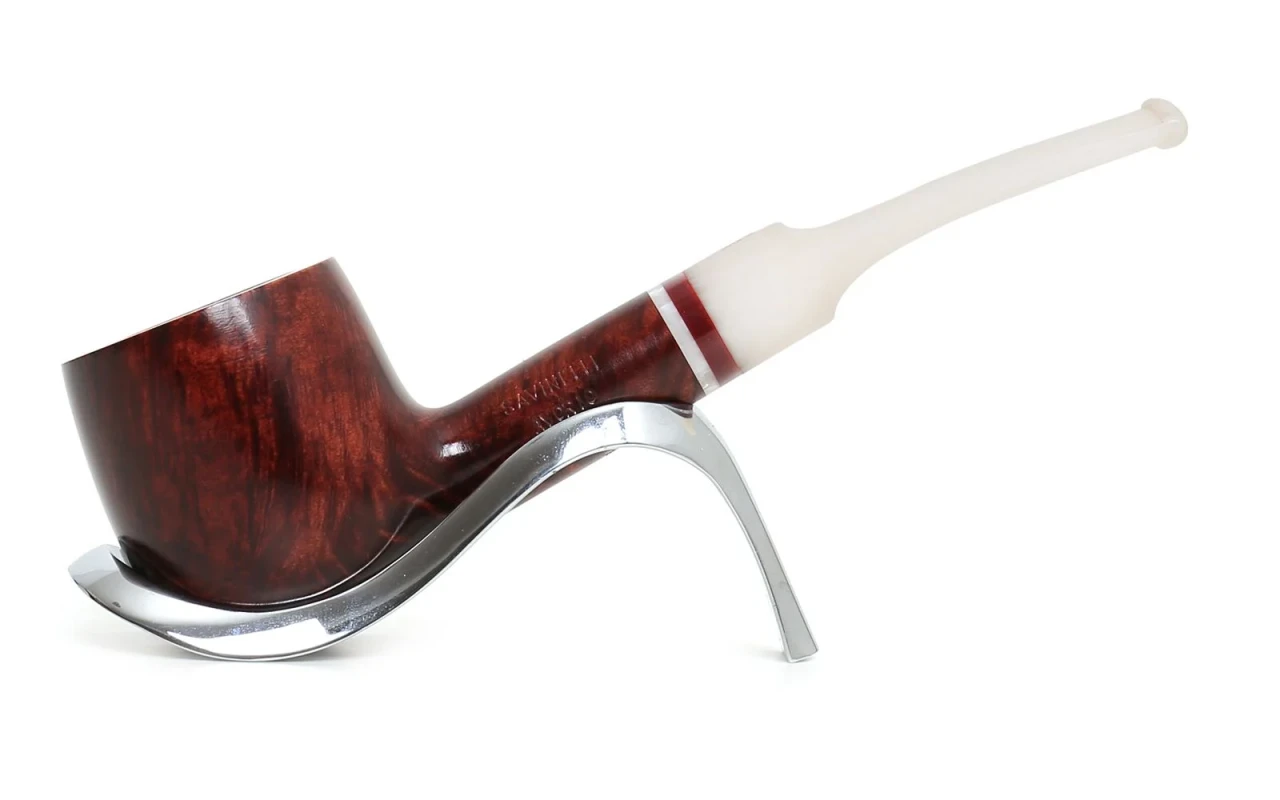
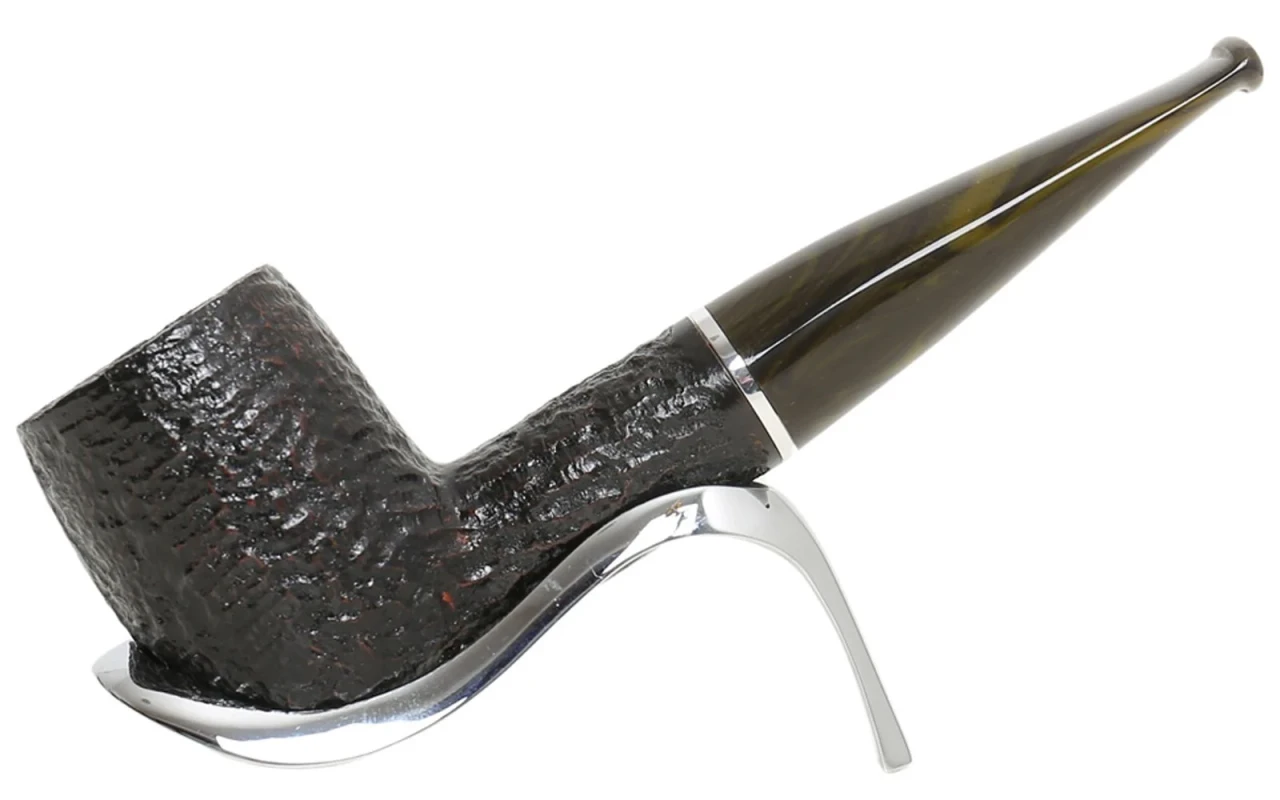
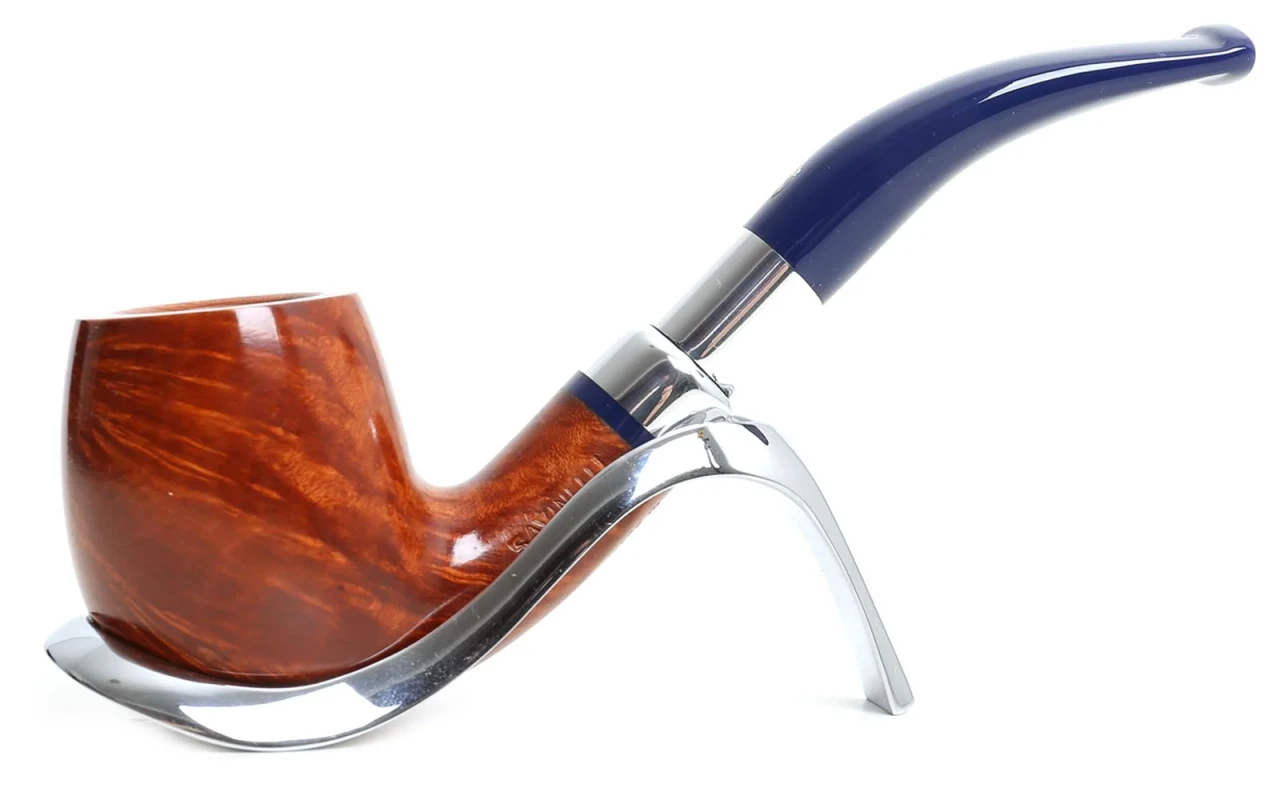
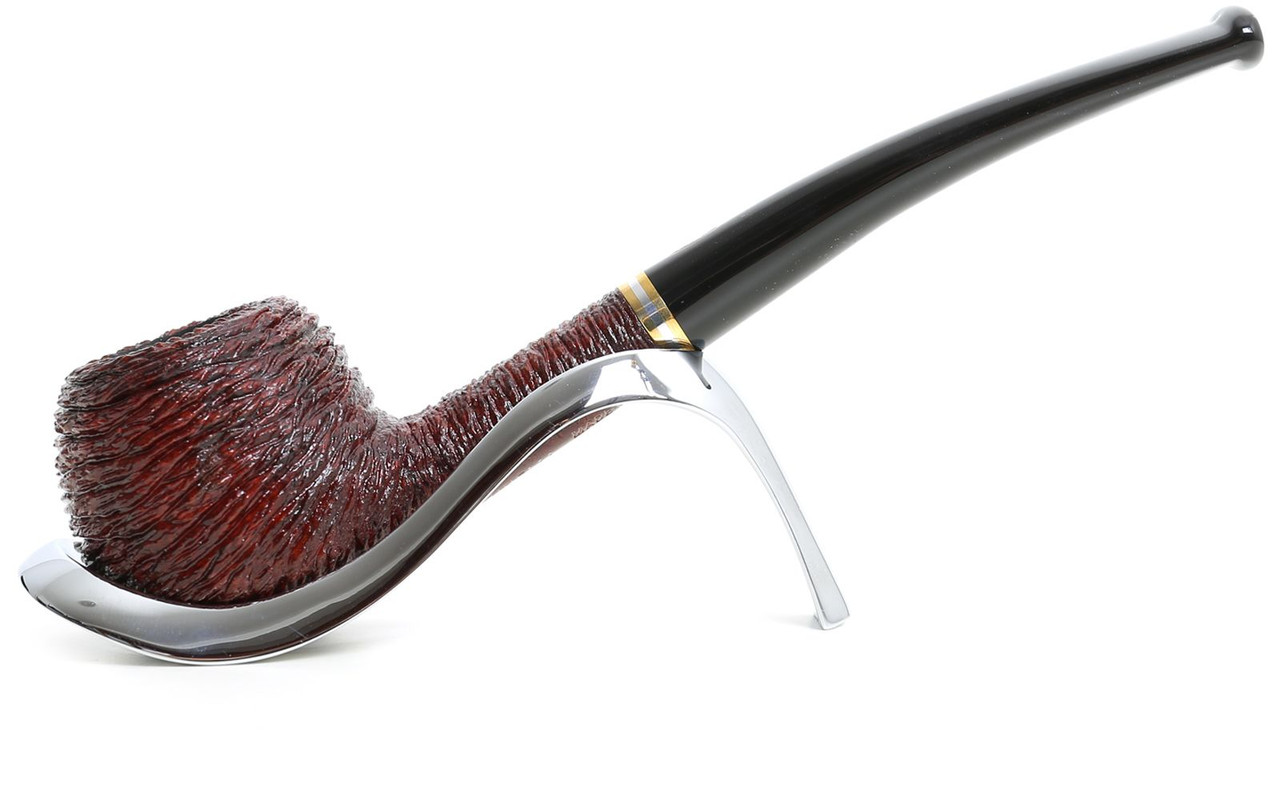
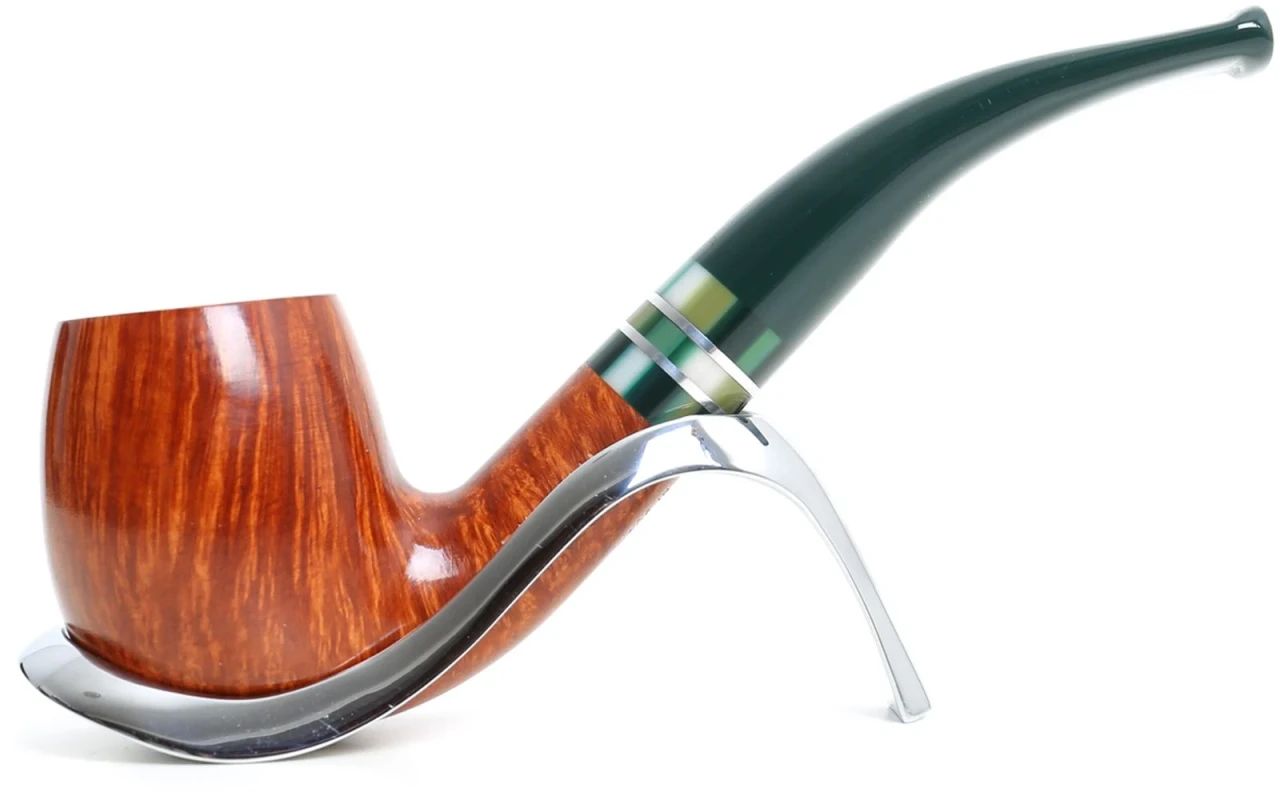
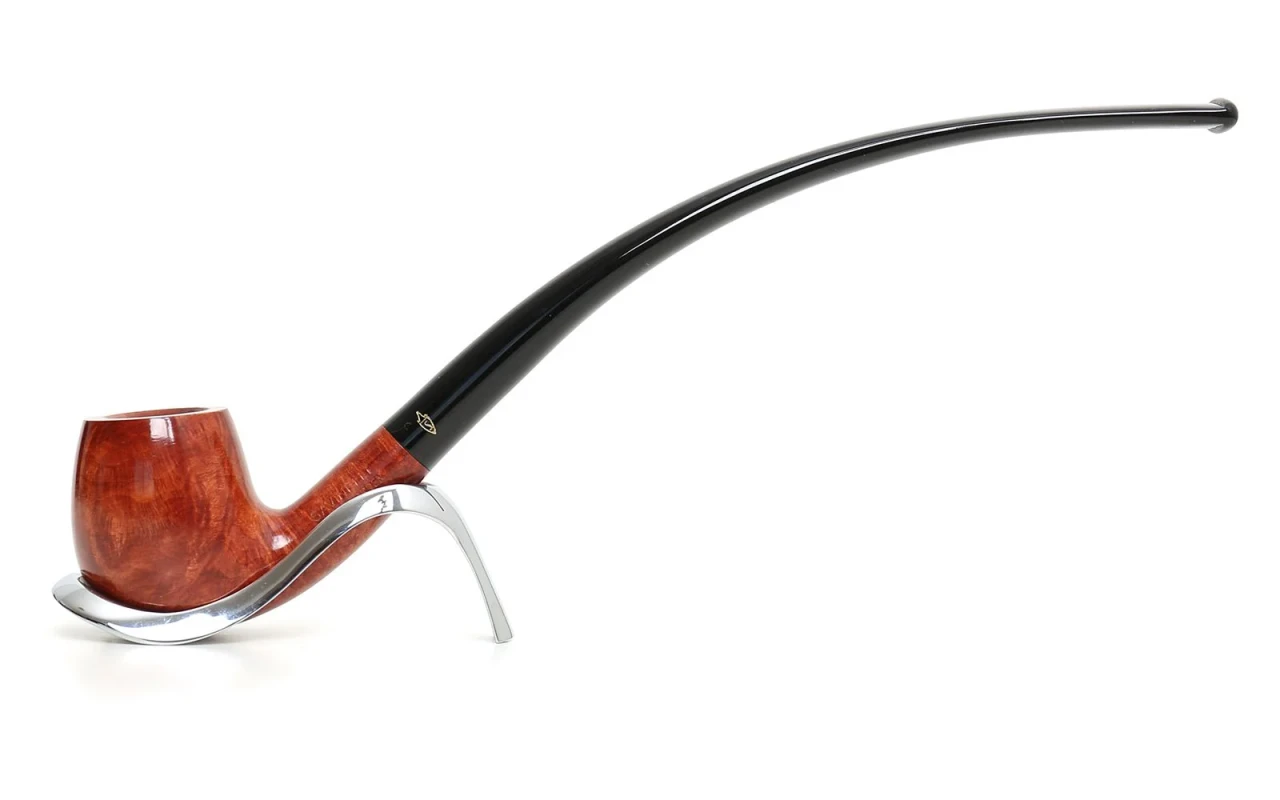
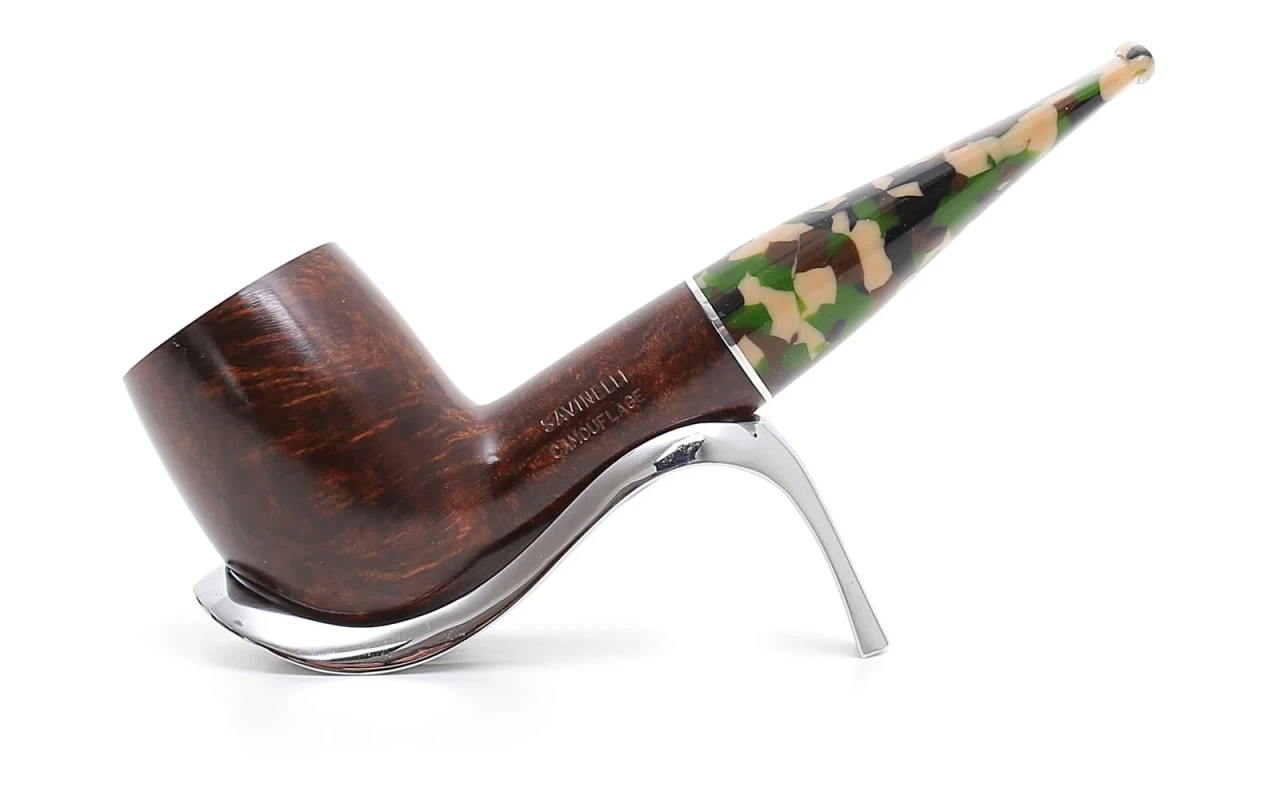
Materials for pipe construction: briar wood
Briar wood is one of the most commonly used materials in the construction of smoking pipes. This wood, sourced from the roots of trees, offers a unique combination of characteristics that make it ideal for this purpose. Briar wood is hard, heat-resistant, and capable of absorbing the moisture produced during smoking, ensuring a better overall experience. Additionally, its veined structure provides a unique and sought-after aesthetic to the pipes. Thanks to its qualities, briar wood is highly appreciated by pipe enthusiasts and is often used in the production of high-quality models.
best smoking pipe woods
The best woods for smoking pipes are those that offer an optimal combination of characteristics. Woods like briar, olive wood, boxwood, or walnut provide excellent combustion qualities and heat resistance. Briar wood, for example, is particularly appreciated for its sweet aroma and unique color, while olive wood stands out for its decorative grain patterns. The choice of wood not only affects the smoking properties of the pipe but also the overall aesthetics and sensory experience of the smoker.
How to Choose Briar Pipes
Choosing a briar pipe depends on several carefully considered factors. Here are some useful tips to guide you in the selection:- **Briar grain**: assess the quality of the wood, looking for a tight and uniform grain to ensure strength and durability over time.- **Shape and size**: choose a shape that you like and that is comfortable to hold. Also, consider the dimensions of the combustion chamber and the mouthpiece.- **Brand and craftsmanship**: opt for brands with a good reputation in the industry and that offer high-quality craftsmanship.- **Price**: establish a budget and look for a briar pipe that offers a good value for money.By following these tips, you can find the most suitable briar pipe for your needs and preferences.
Handcrafted tobacco pipes
The handcrafting of tobacco pipes is a process that requires skill and mastery. Artisans carefully select high-quality woods, such as briar or olive wood, to create unique pieces. After shaping the desired form, the pipe is sanded and polished to achieve a smooth and shiny surface. Subsequently, the combustion chamber and smoke passage are created, ensuring an optimal draw. Finally, the pipe is seasoned to enhance its smoking characteristics over time. Thanks to this meticulous handcrafting process, tobacco pipes are not only functional but also true works of art.
'%3e%3cg id='Final-Copy-2_2_' transform='translate(1275.000000, 200.000000)'%3e%3cpath class='st0' d='M7.4,12.8h6.8l3.1-11.6H7.4C4.2,1.2,1.6,3.8,1.6,7S4.2,12.8,7.4,12.8z'/%3e%3c/g%3e%3c/g%3e%3c/g%3e%3cg id='final---dec.11-2020'%3e%3cg id='_x30_208-our-toggle' transform='translate(-1275.000000, -200.000000)'%3e%3cg id='Final-Copy-2' transform='translate(1275.000000, 200.000000)'%3e%3cpath class='st1' d='M22.6,0H7.4c-3.9,0-7,3.1-7,7s3.1,7,7,7h15.2c3.9,0,7-3.1,7-7S26.4,0,22.6,0z M1.6,7c0-3.2,2.6-5.8,5.8-5.8 h9.9l-3.1,11.6H7.4C4.2,12.8,1.6,10.2,1.6,7z'/%3e%3cpath id='x' class='st2' d='M24.6,4c0.2,0.2,0.2,0.6,0,0.8l0,0L22.5,7l2.2,2.2c0.2,0.2,0.2,0.6,0,0.8c-0.2,0.2-0.6,0.2-0.8,0 l0,0l-2.2-2.2L19.5,10c-0.2,0.2-0.6,0.2-0.8,0c-0.2-0.2-0.2-0.6,0-0.8l0,0L20.8,7l-2.2-2.2c-0.2-0.2-0.2-0.6,0-0.8 c0.2-0.2,0.6-0.2,0.8,0l0,0l2.2,2.2L23.8,4C24,3.8,24.4,3.8,24.6,4z'/%3e%3cpath id='y' class='st3' d='M12.7,4.1c0.2,0.2,0.3,0.6,0.1,0.8l0,0L8.6,9.8C8.5,9.9,8.4,10,8.3,10c-0.2,0.1-0.5,0.1-0.7-0.1l0,0 L5.4,7.7c-0.2-0.2-0.2-0.6,0-0.8c0.2-0.2,0.6-0.2,0.8,0l0,0L8,8.6l3.8-4.5C12,3.9,12.4,3.9,12.7,4.1z'/%3e%3c/g%3e%3c/g%3e%3c/g%3e%3c/g%3e%3c/svg%3e) Your Privacy Choices
Your Privacy Choices 


