 ES
ES EN
EN IT
IT DE
DE
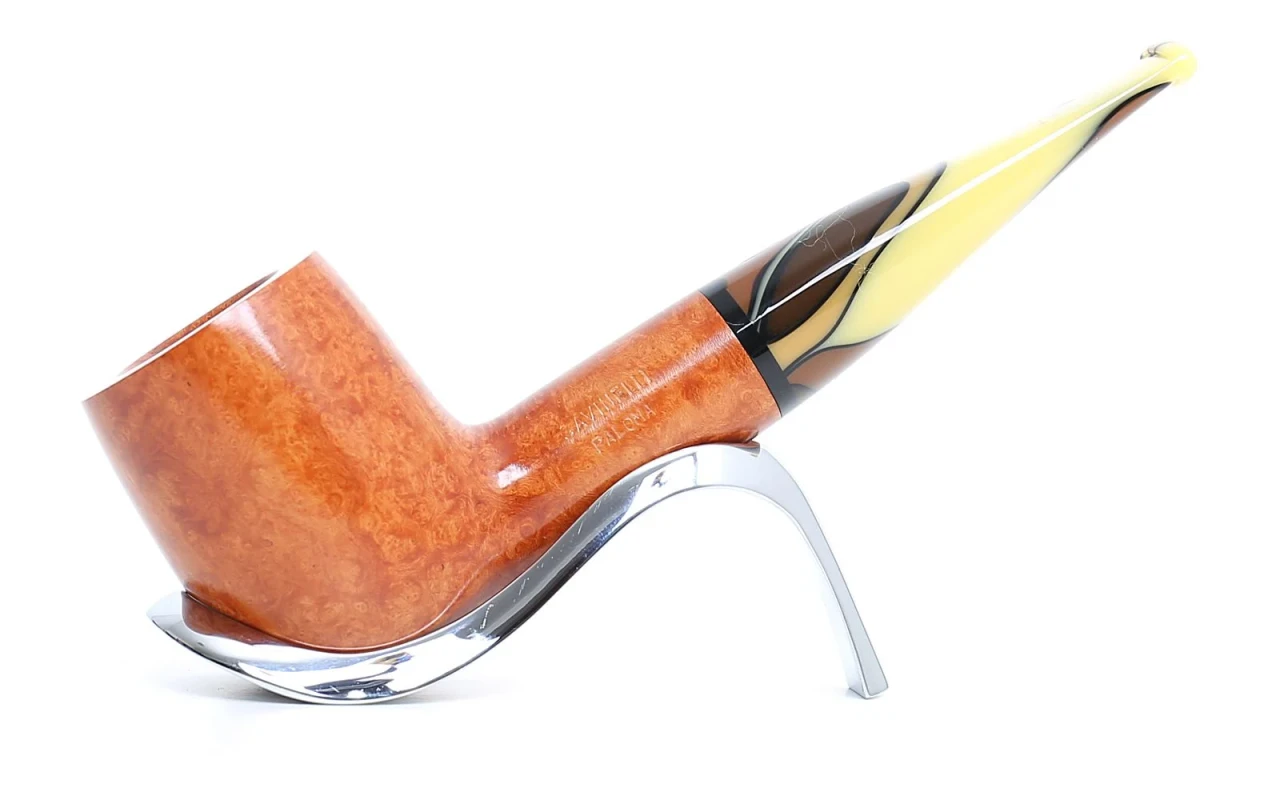
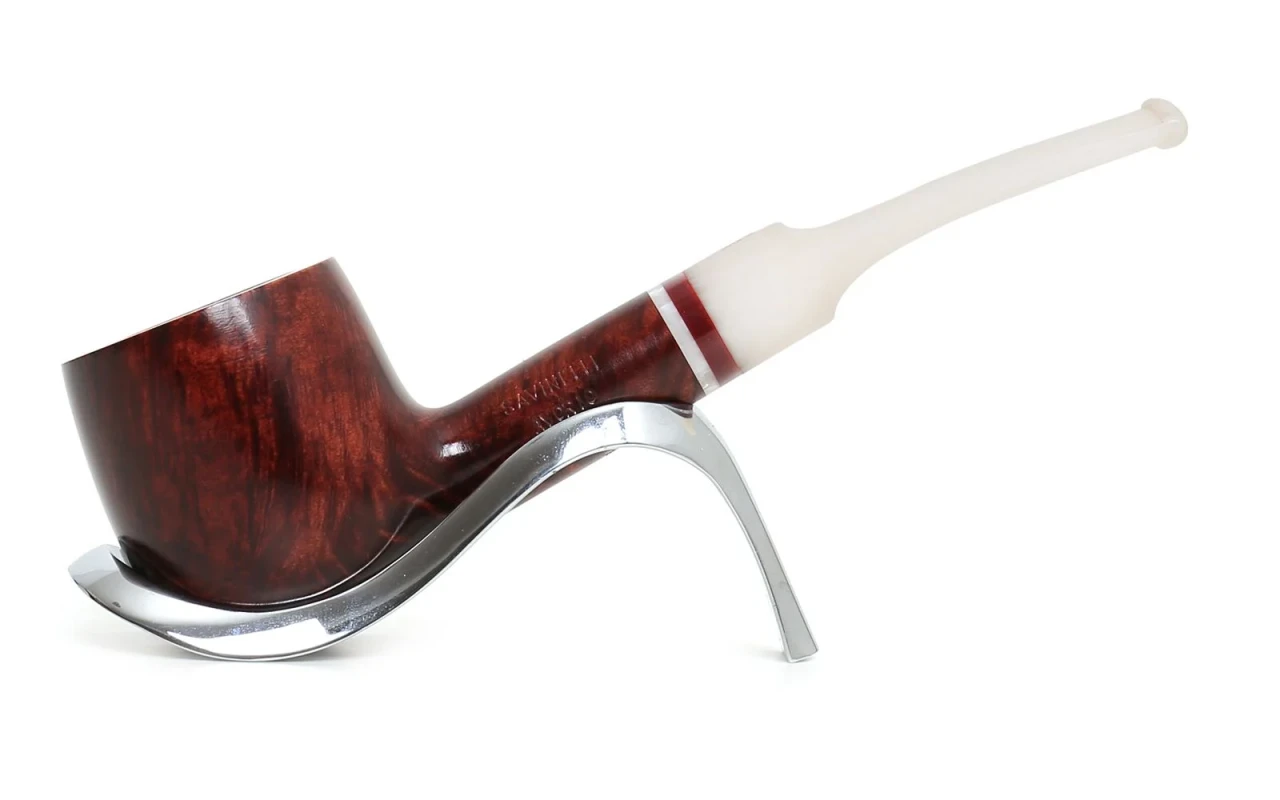
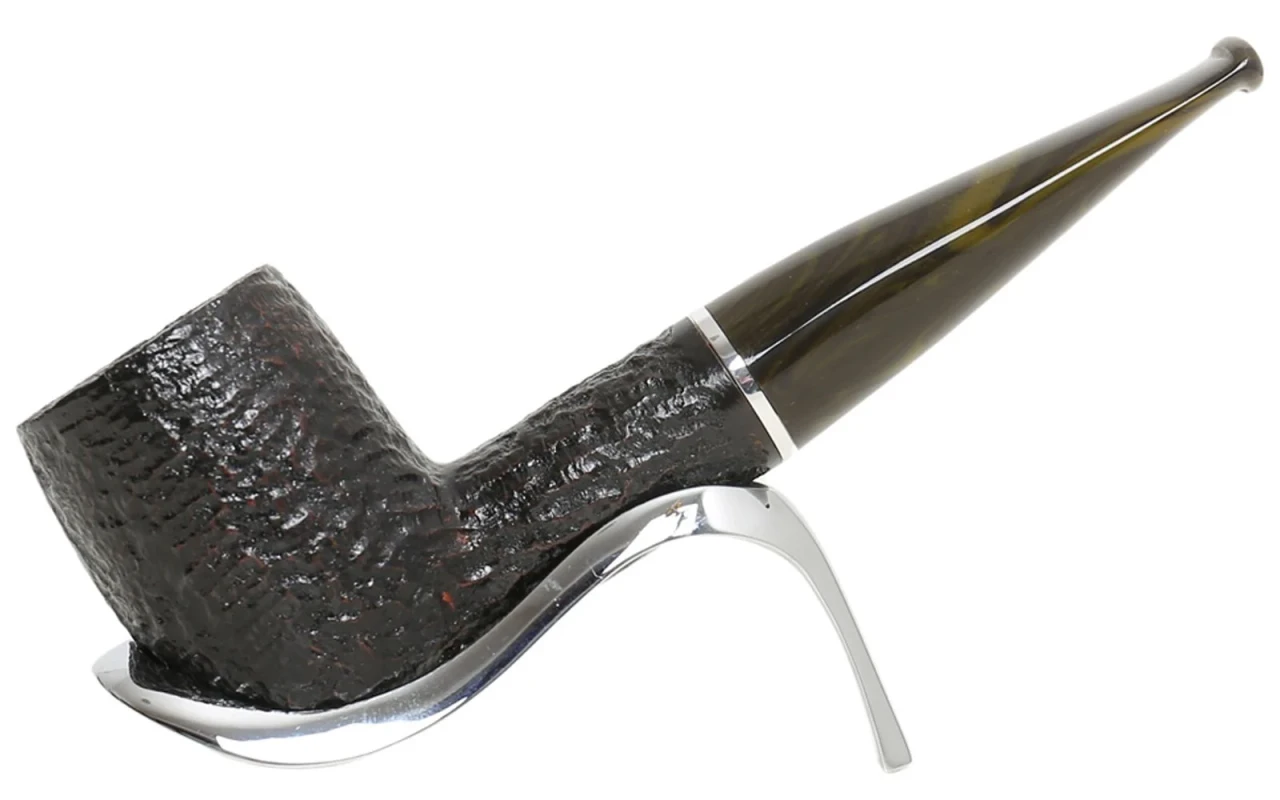
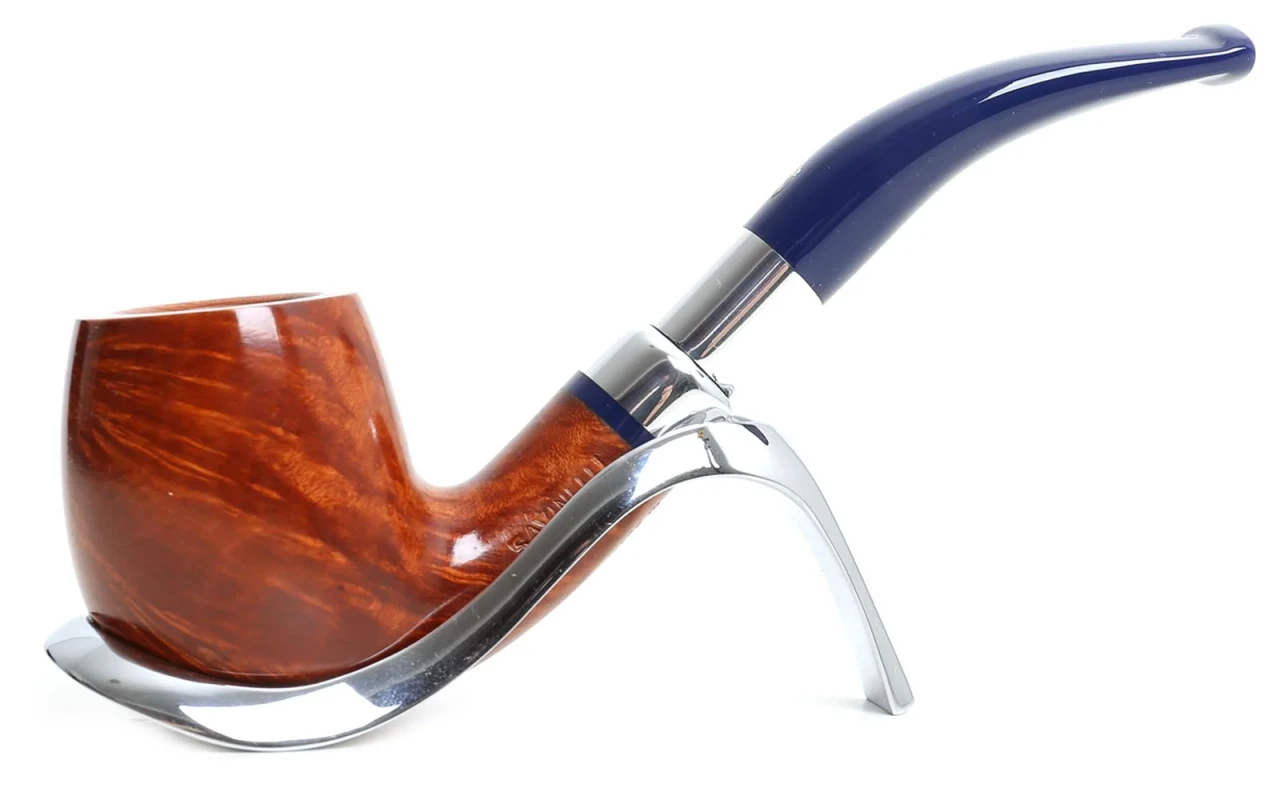
Materials for making pipes in briar wood
Materials for making pipes in briar wood
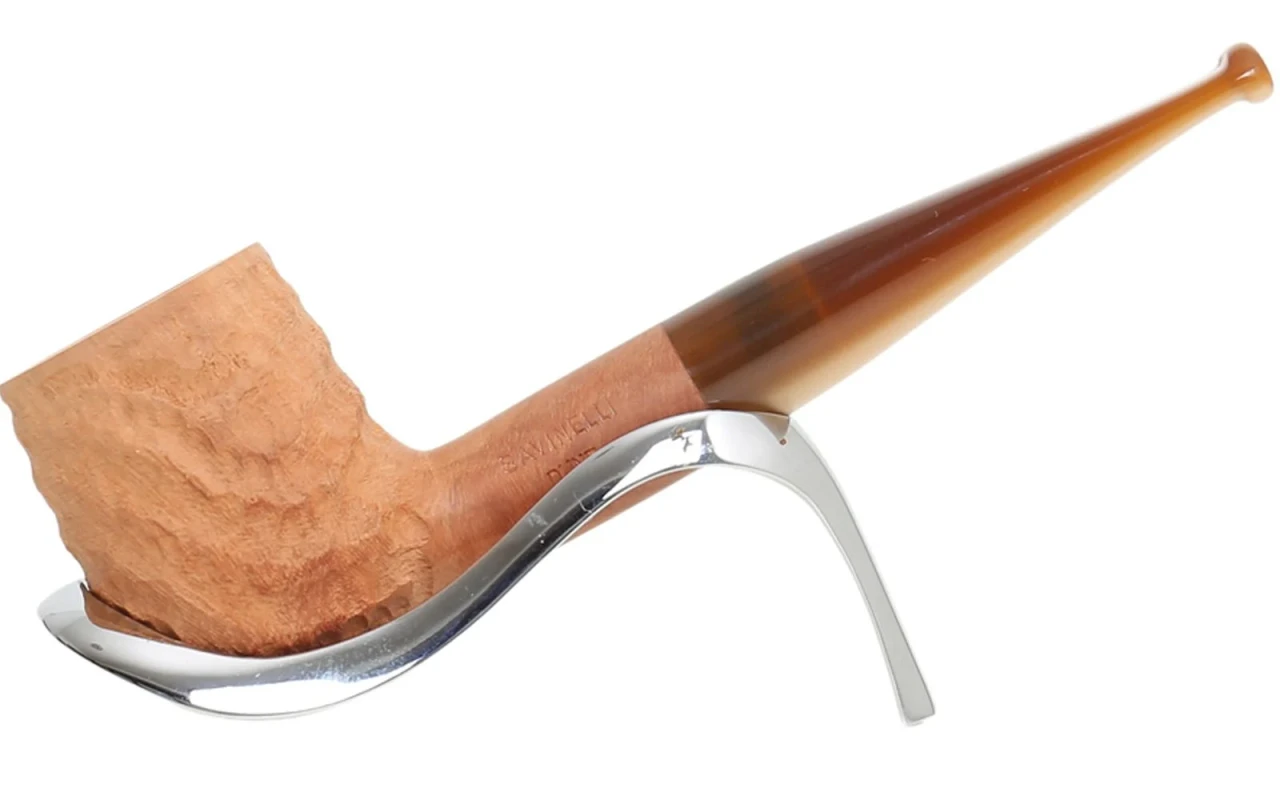
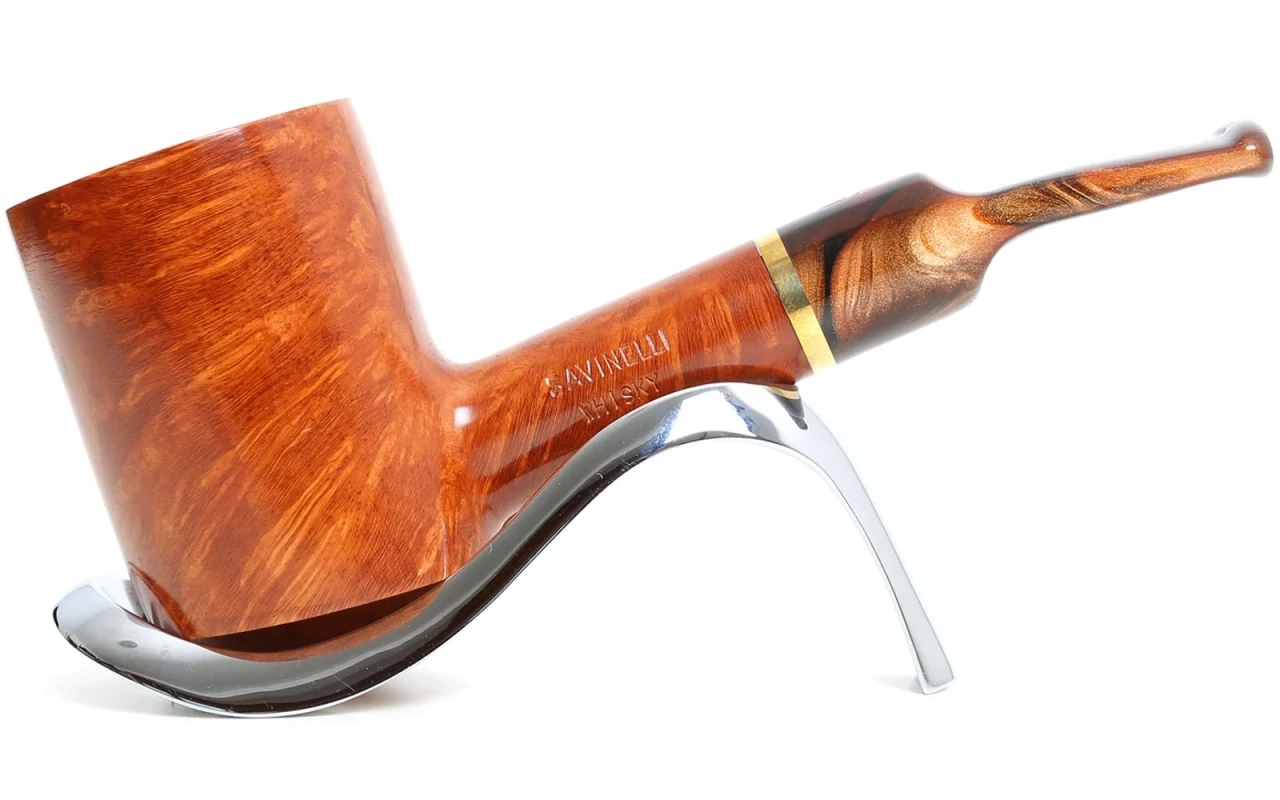
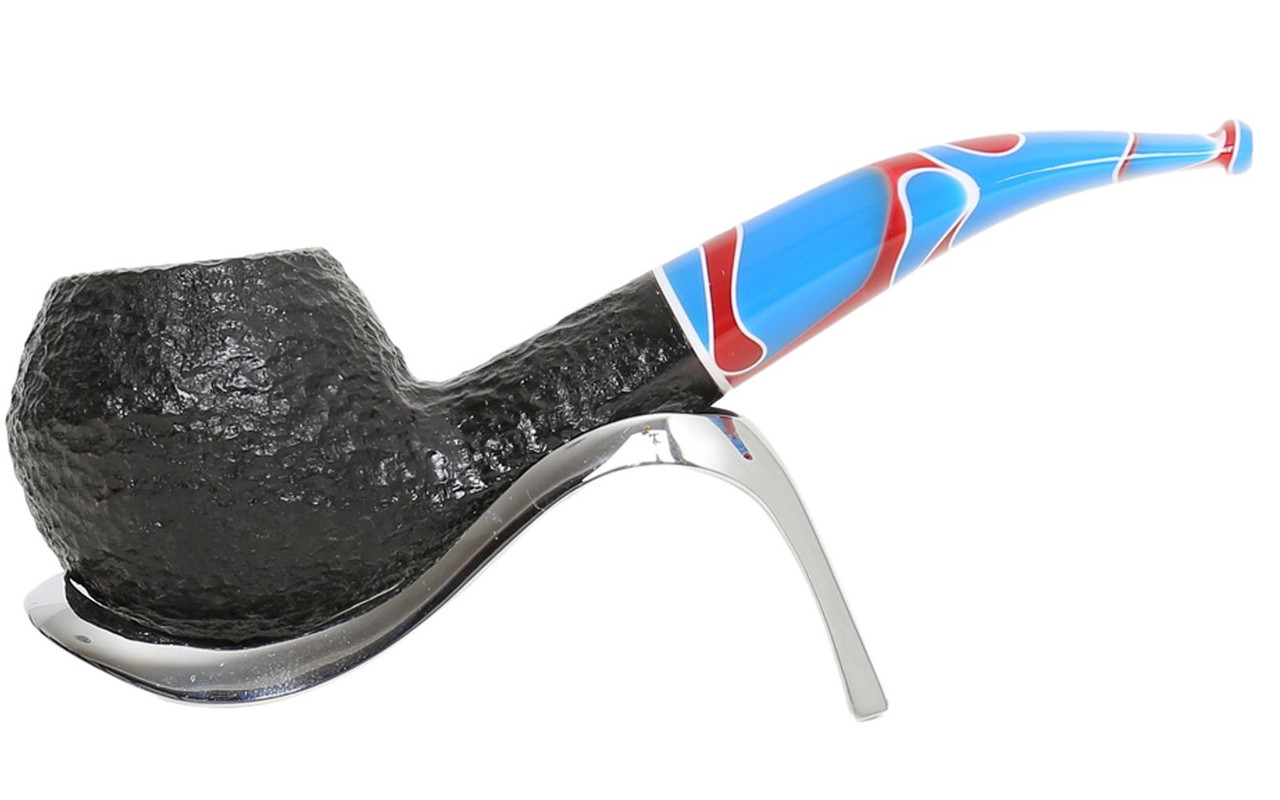
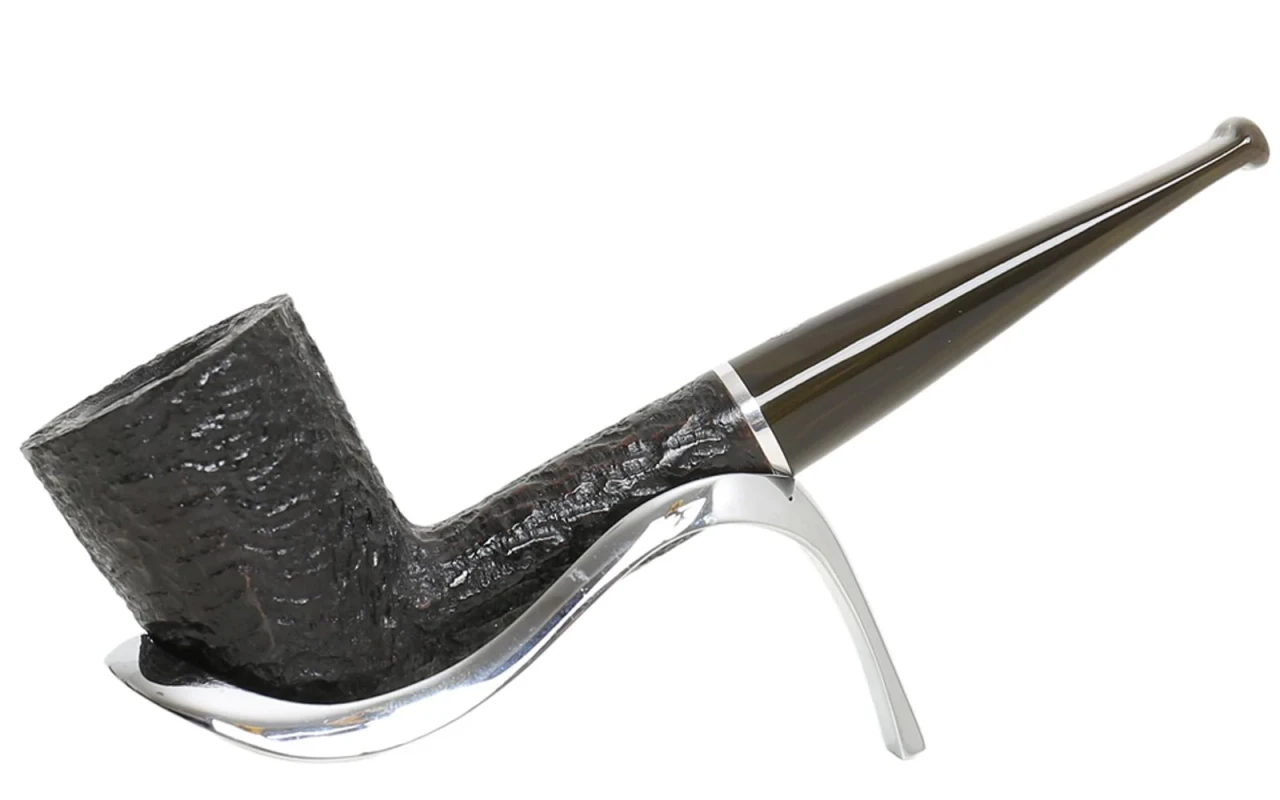
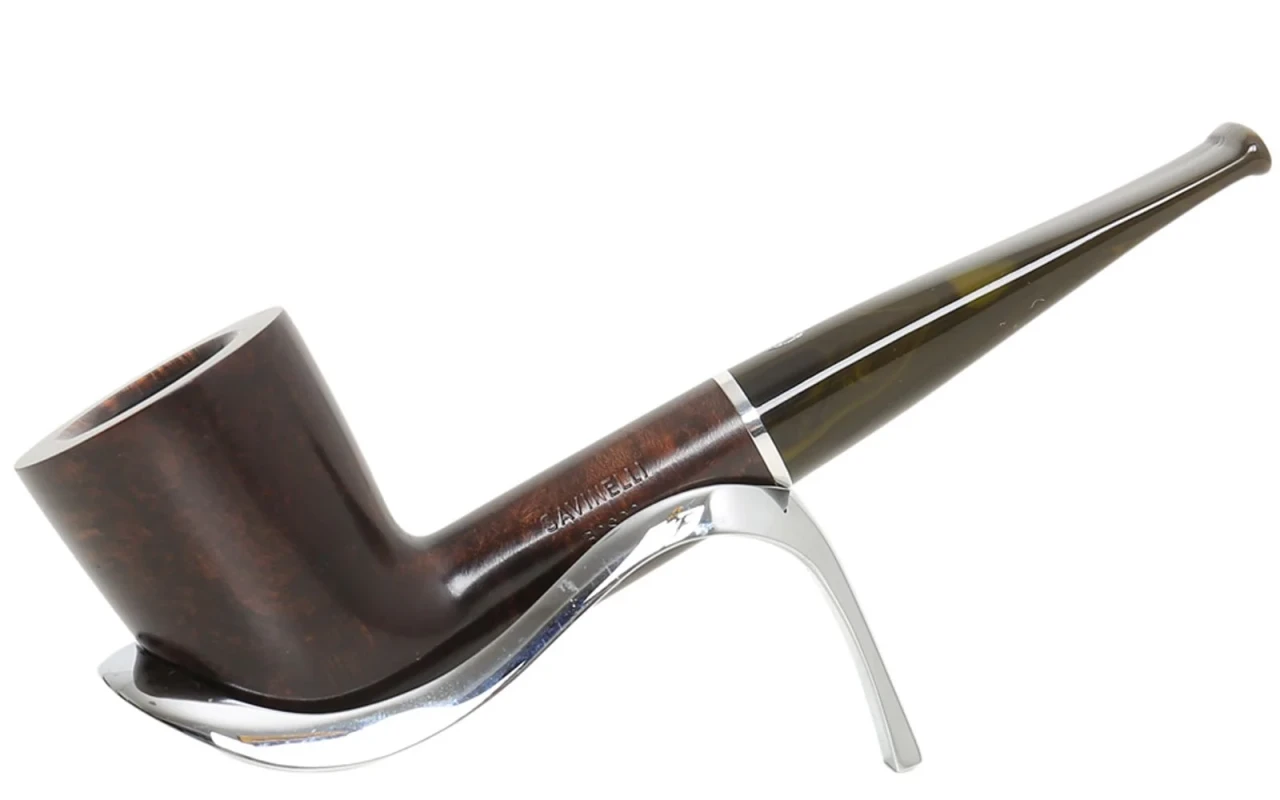
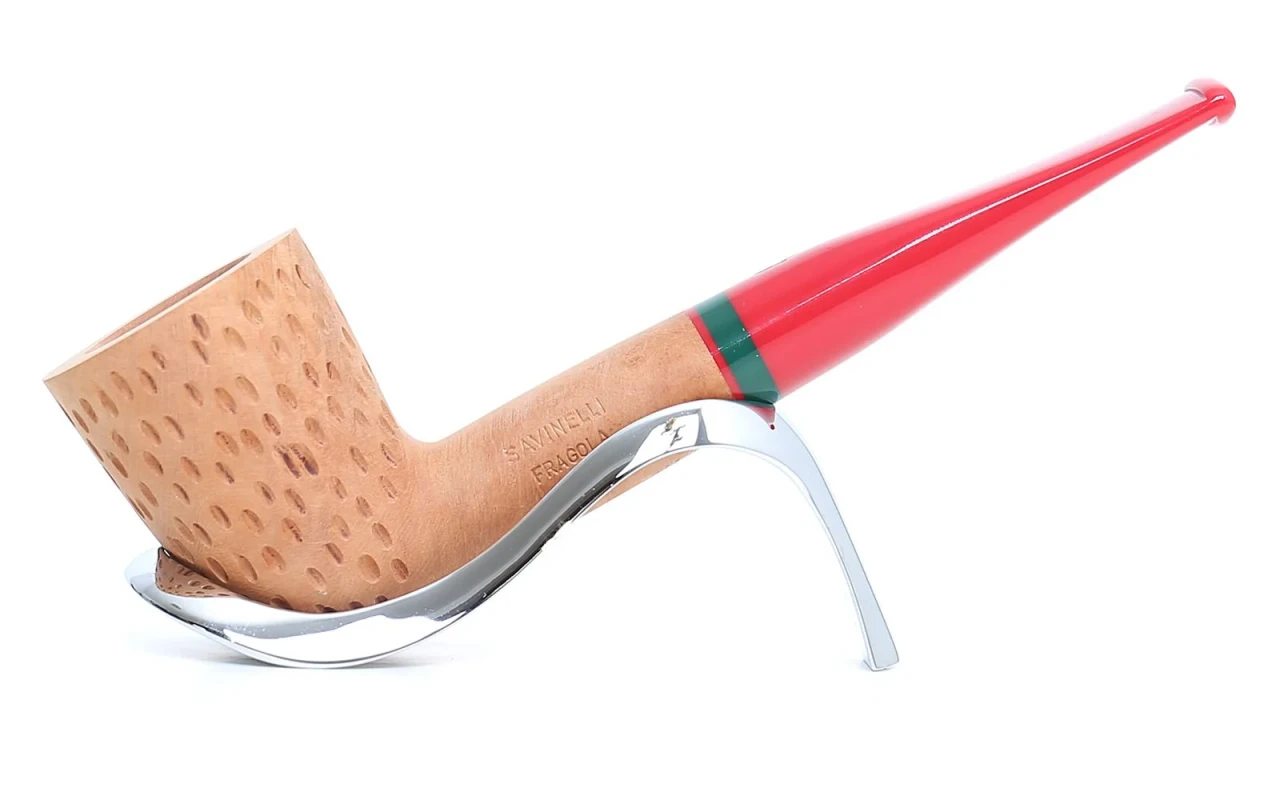
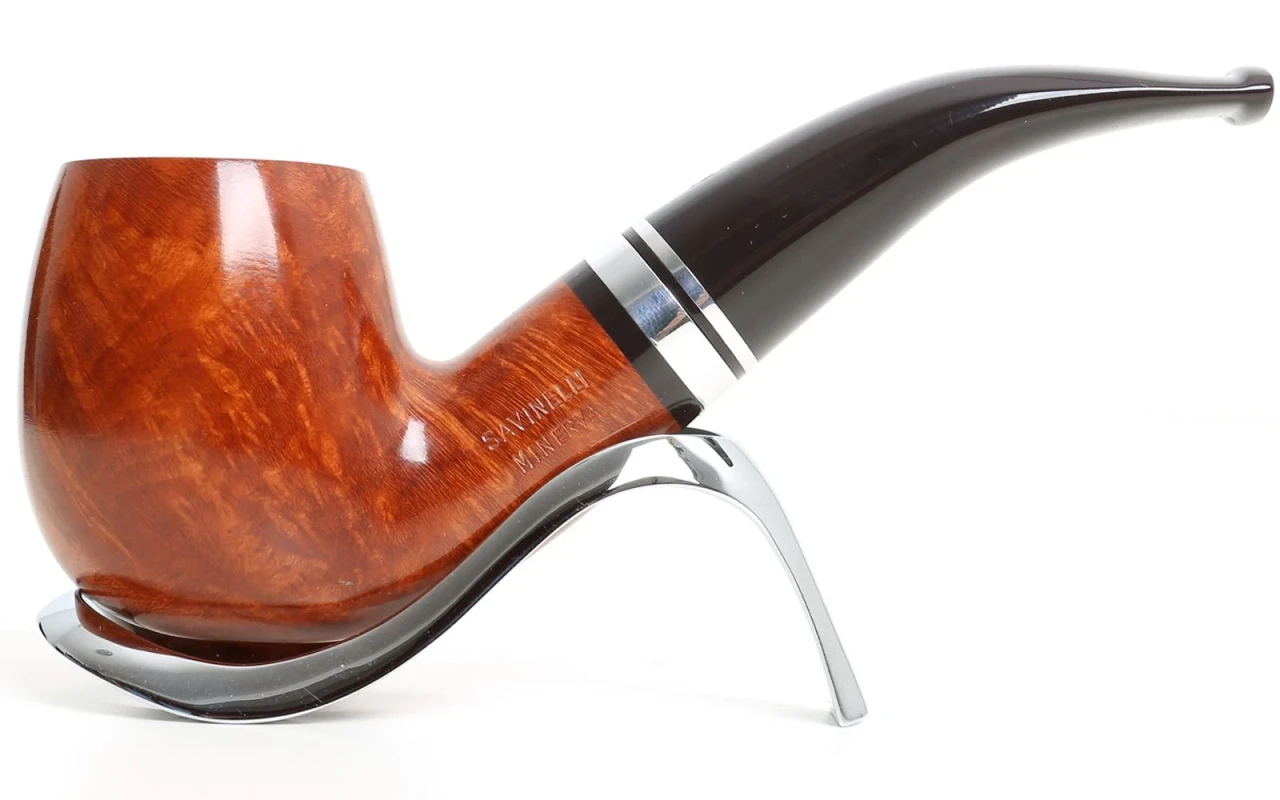
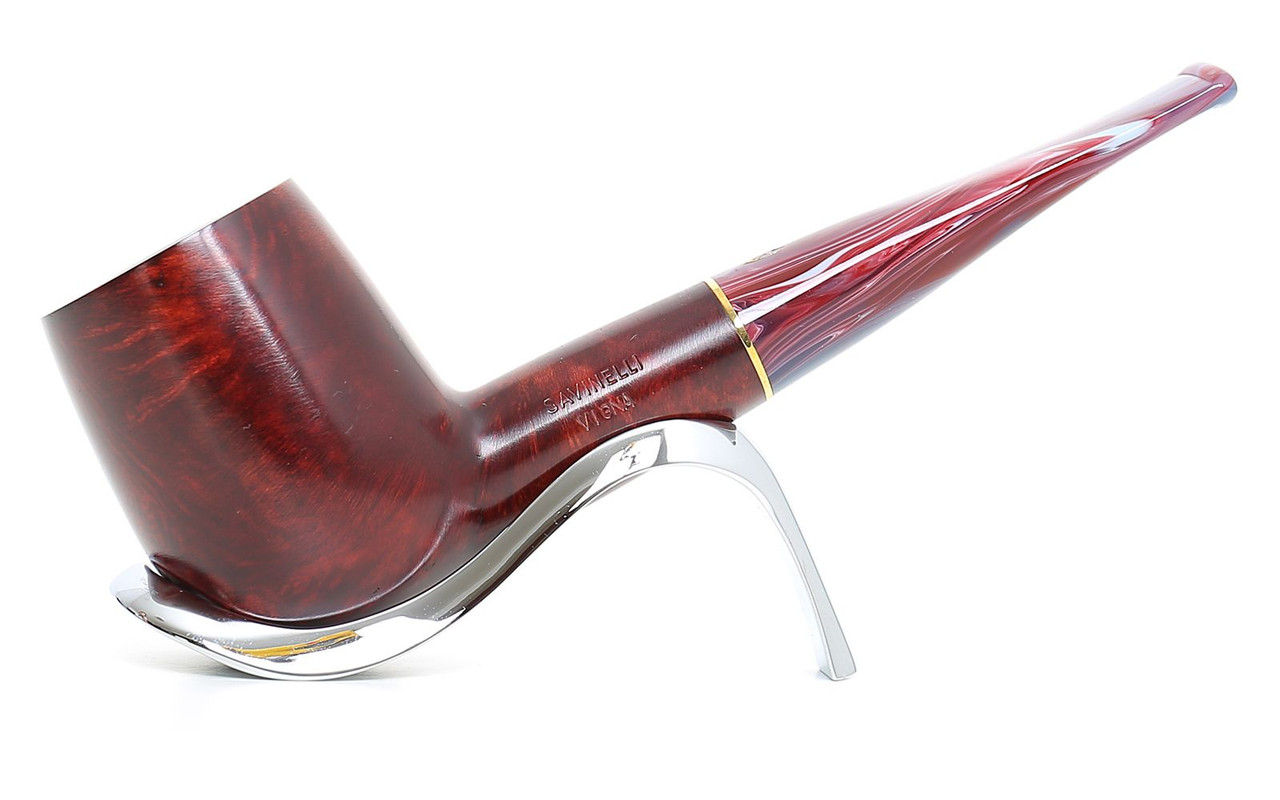
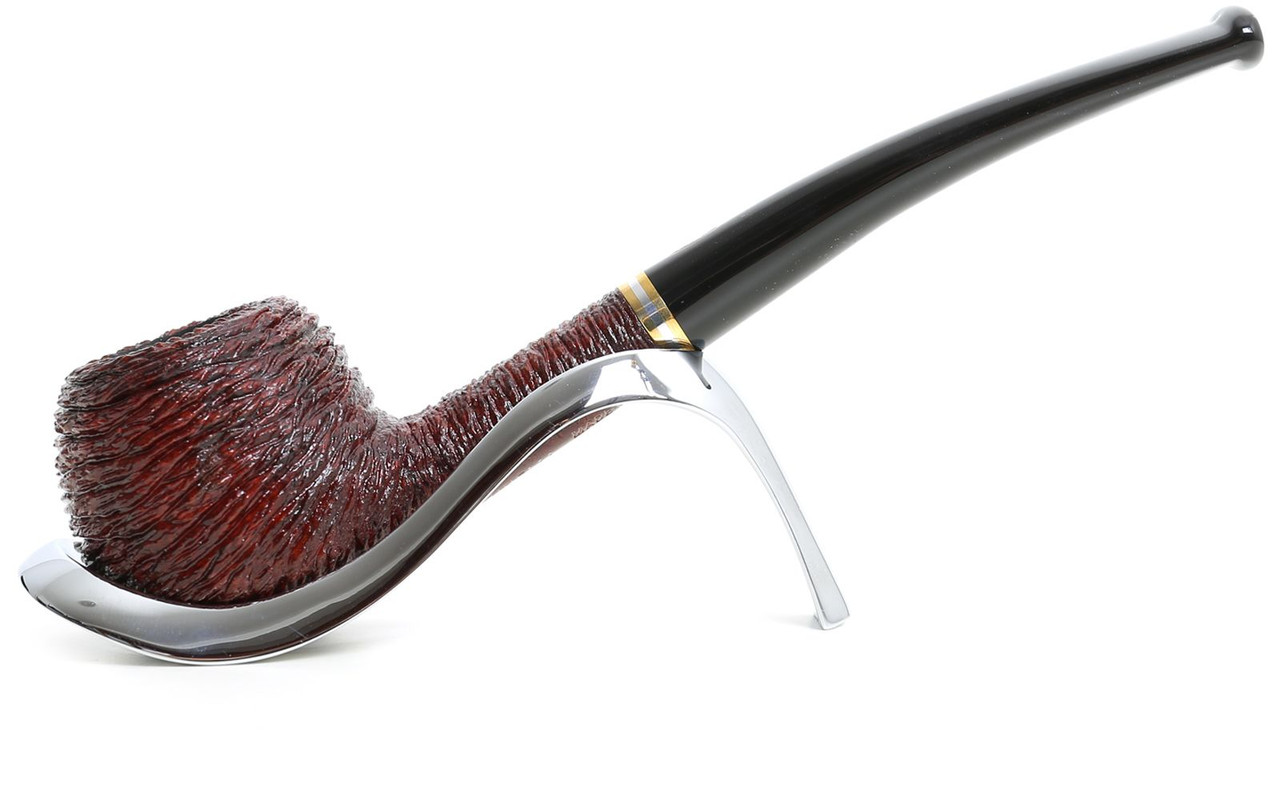
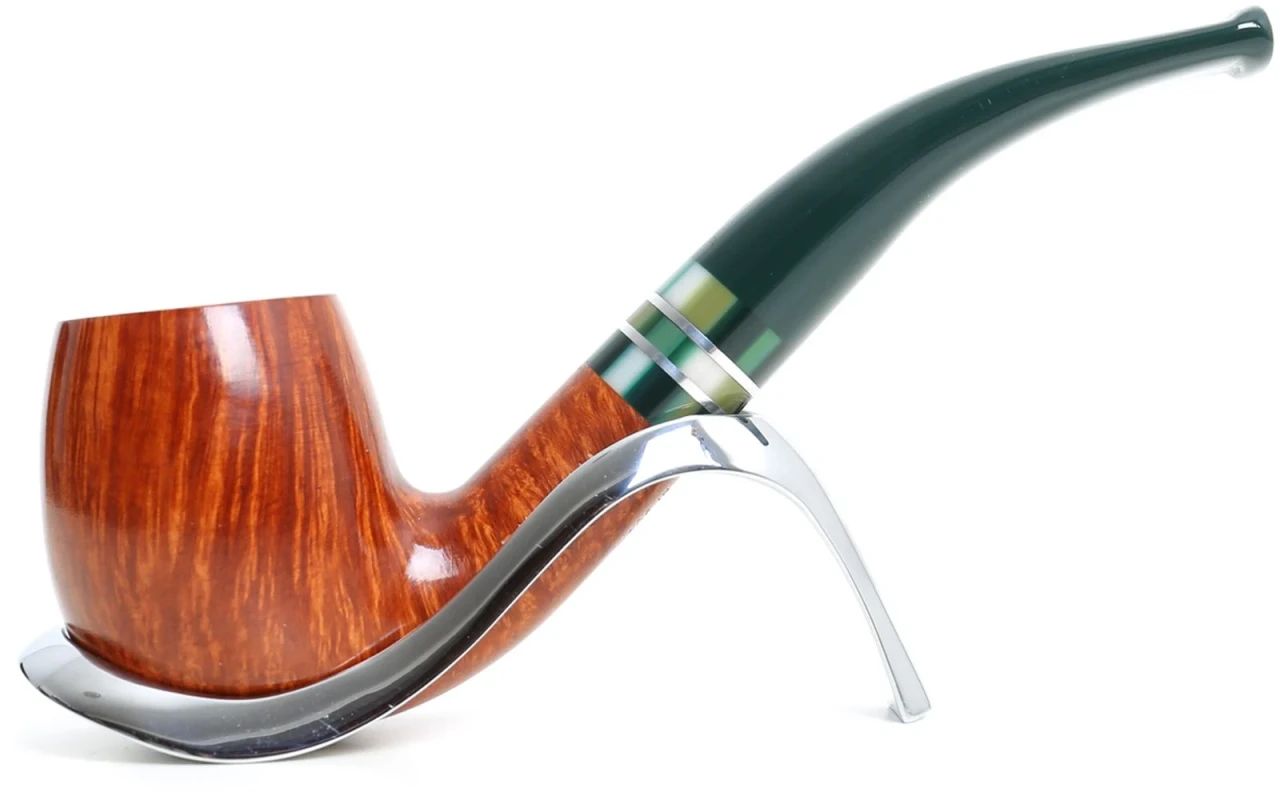
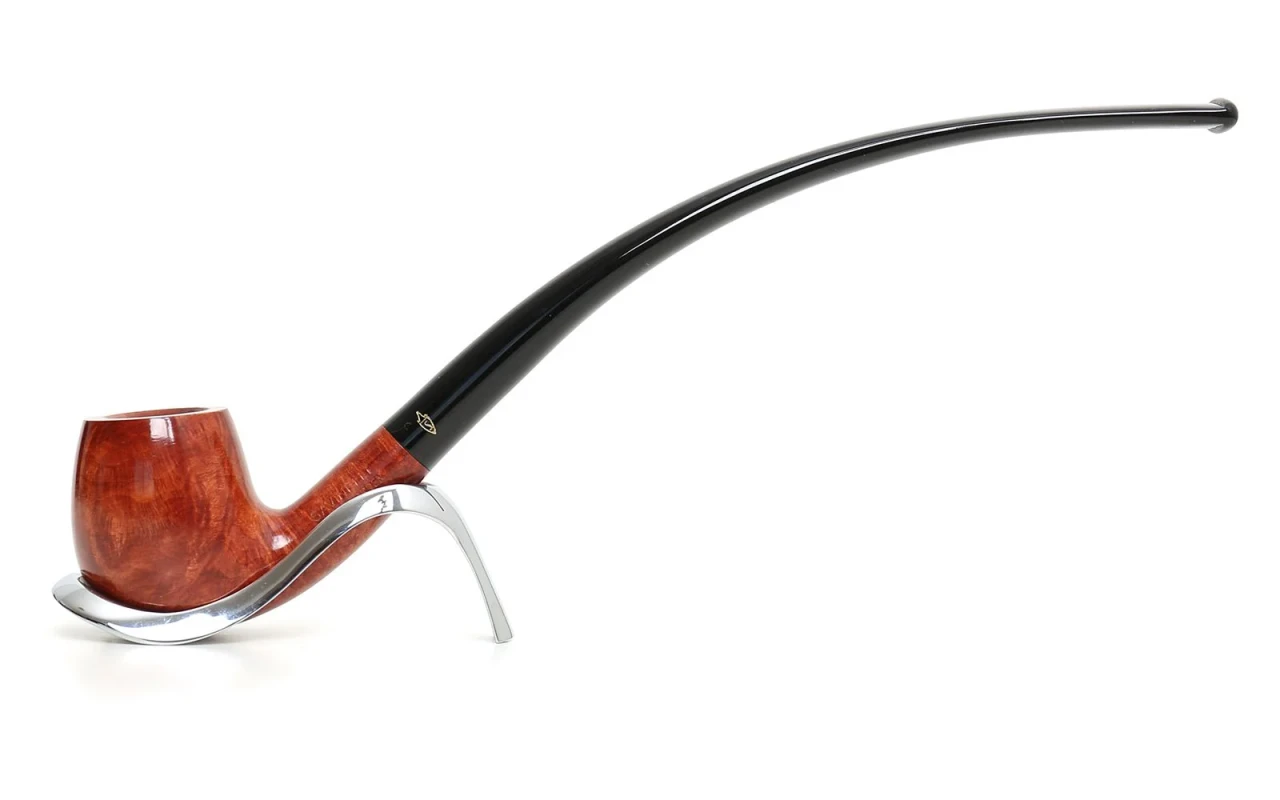
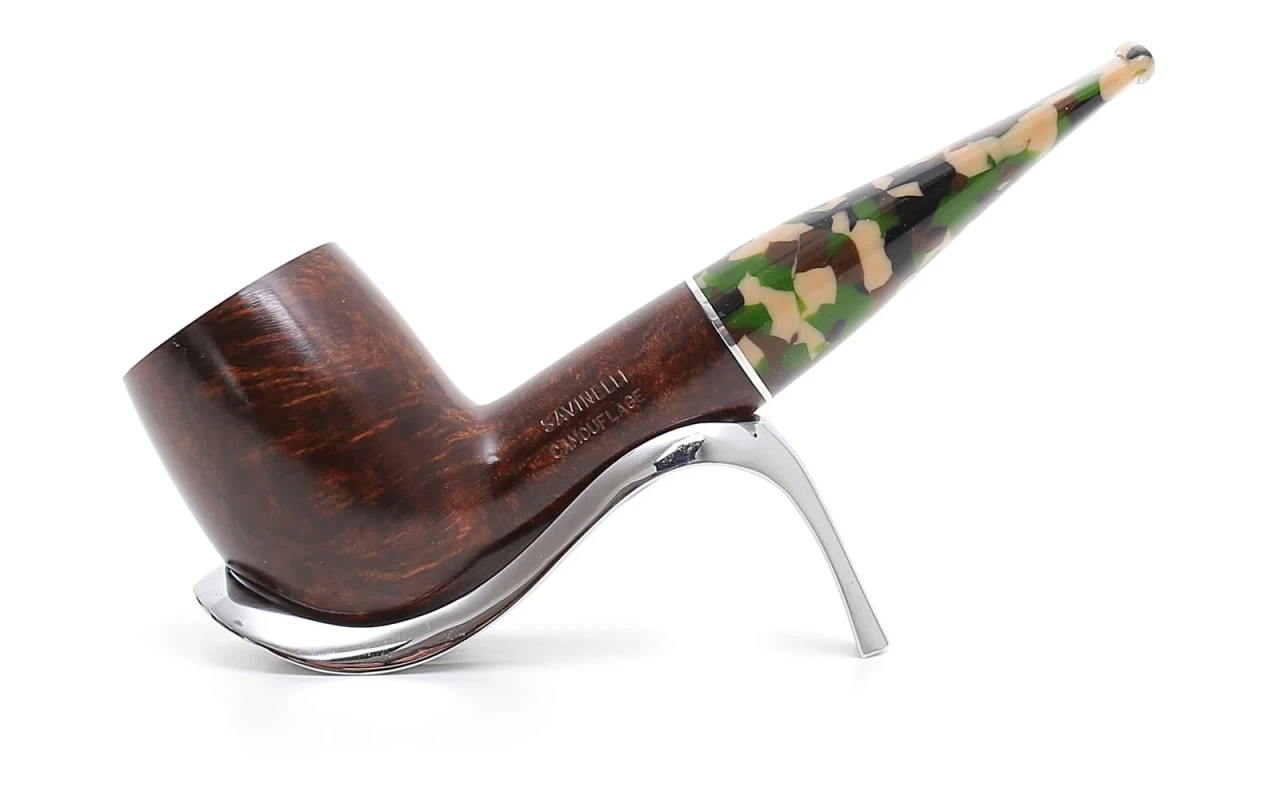
Briar wood is the most common material used for making pipes, thanks to its qualities of resistance and heat absorption capacity. The main materials used are:- Erica briar wood: light and durable, ideal for high-quality pipes.- Mortaio briar wood: from Mediterranean trees, it offers a fine grain and good moisture absorption capacity.- Oak briar wood: hard and resistant, used for sturdy and long-lasting pipes.- Olive briar wood: precious and with unique veins, suitable for luxury pipes.These materials give pipes unique characteristics and ensure a pleasant smoking experience.
Types of wood for pipes
There are different types of wood used for crafting smoking pipes. Some common examples include:1. Erica root: a lightweight and durable wood, widely used for smoking pipes.2. Walnut: appreciated for its beauty and strength.3. Cherry: soft but sturdy wood, often used for decorative pipes.4. Oak: sturdy and durable wood, ideal for outdoor pipes.5. Briar: hard and compact wood, perfect for high-quality smoking pipes.6. Birch: lightweight and easy to work with wood, used for affordable yet good quality pipes.The choice of wood affects the characteristics and taste of the pipe, so it's important to consider personal preferences and needs before purchasing a smoking pipe.
How to Carve a Pipe
Carving a pipe is an art that requires precision and specific skills. Here are the steps to carve a pipe correctly:1. **Wood Selection**: Choose high-quality wood suitable for pipe crafting, such as briar or olive wood.2. **Design**: Draw the desired model on the wood surface, taking into account the shape and size of the pipe.3. **Initial Carving**: Use a drill to create the central hole of the pipe and start shaping the outer form with rasps and files.4. **Detailed Crafting**: Define the pipe details such as the combustion chamber, the stem, and the external finish.5. **Sanding and Finishing**: Carefully sand the pipe surface to make it smooth and uniform, then apply a protective finish.6. **Testing and Corrections**: Test the pipe to ensure it smokes correctly and make any necessary corrections.By following these steps carefully and precisely, it is possible to create a high-quality carved pipe.
Pipe smoker maintenance
Maintaining smoking pipes is essential to ensure a good smoking experience and prolong the instrument's lifespan. Here are some useful tips for proper maintenance:- Regularly clean the pipe after each use to avoid the accumulation of tobacco and tar residues.- Use brushes and pipe cleaners to remove residues inside the stem and the combustion chamber.- Avoid overpacking the pipe with tobacco and smoking it too quickly to prevent overheating and damage to the wood.- Periodically check the condition of the filter, if present, and replace it if necessary to ensure optimal smoking.- Store the pipe in a cool and dry environment, away from heat sources and direct sunlight.
'%3e%3cg id='Final-Copy-2_2_' transform='translate(1275.000000, 200.000000)'%3e%3cpath class='st0' d='M7.4,12.8h6.8l3.1-11.6H7.4C4.2,1.2,1.6,3.8,1.6,7S4.2,12.8,7.4,12.8z'/%3e%3c/g%3e%3c/g%3e%3c/g%3e%3cg id='final---dec.11-2020'%3e%3cg id='_x30_208-our-toggle' transform='translate(-1275.000000, -200.000000)'%3e%3cg id='Final-Copy-2' transform='translate(1275.000000, 200.000000)'%3e%3cpath class='st1' d='M22.6,0H7.4c-3.9,0-7,3.1-7,7s3.1,7,7,7h15.2c3.9,0,7-3.1,7-7S26.4,0,22.6,0z M1.6,7c0-3.2,2.6-5.8,5.8-5.8 h9.9l-3.1,11.6H7.4C4.2,12.8,1.6,10.2,1.6,7z'/%3e%3cpath id='x' class='st2' d='M24.6,4c0.2,0.2,0.2,0.6,0,0.8l0,0L22.5,7l2.2,2.2c0.2,0.2,0.2,0.6,0,0.8c-0.2,0.2-0.6,0.2-0.8,0 l0,0l-2.2-2.2L19.5,10c-0.2,0.2-0.6,0.2-0.8,0c-0.2-0.2-0.2-0.6,0-0.8l0,0L20.8,7l-2.2-2.2c-0.2-0.2-0.2-0.6,0-0.8 c0.2-0.2,0.6-0.2,0.8,0l0,0l2.2,2.2L23.8,4C24,3.8,24.4,3.8,24.6,4z'/%3e%3cpath id='y' class='st3' d='M12.7,4.1c0.2,0.2,0.3,0.6,0.1,0.8l0,0L8.6,9.8C8.5,9.9,8.4,10,8.3,10c-0.2,0.1-0.5,0.1-0.7-0.1l0,0 L5.4,7.7c-0.2-0.2-0.2-0.6,0-0.8c0.2-0.2,0.6-0.2,0.8,0l0,0L8,8.6l3.8-4.5C12,3.9,12.4,3.9,12.7,4.1z'/%3e%3c/g%3e%3c/g%3e%3c/g%3e%3c/g%3e%3c/svg%3e) Your Privacy Choices
Your Privacy Choices 


