 ES
ES FR
FR EN
EN IT
IT DE
DE
Materials for designing smoking pipes
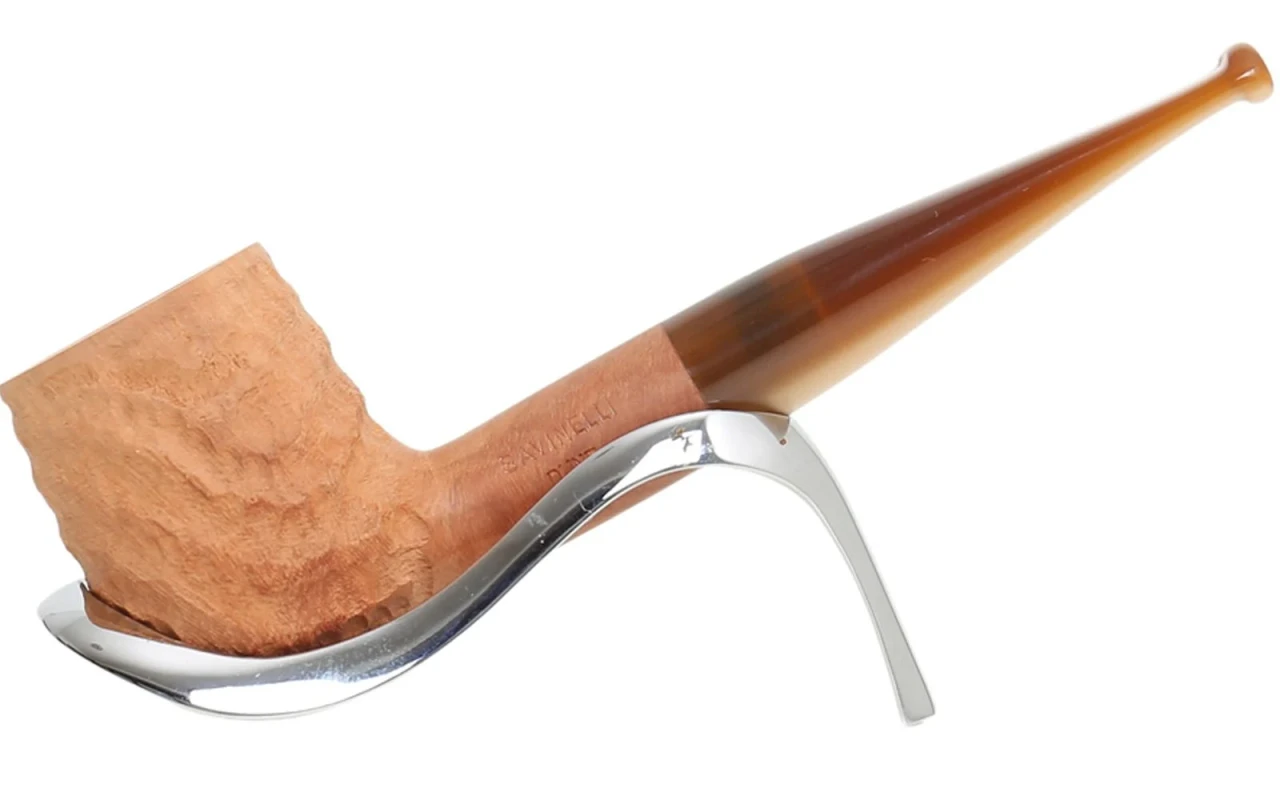
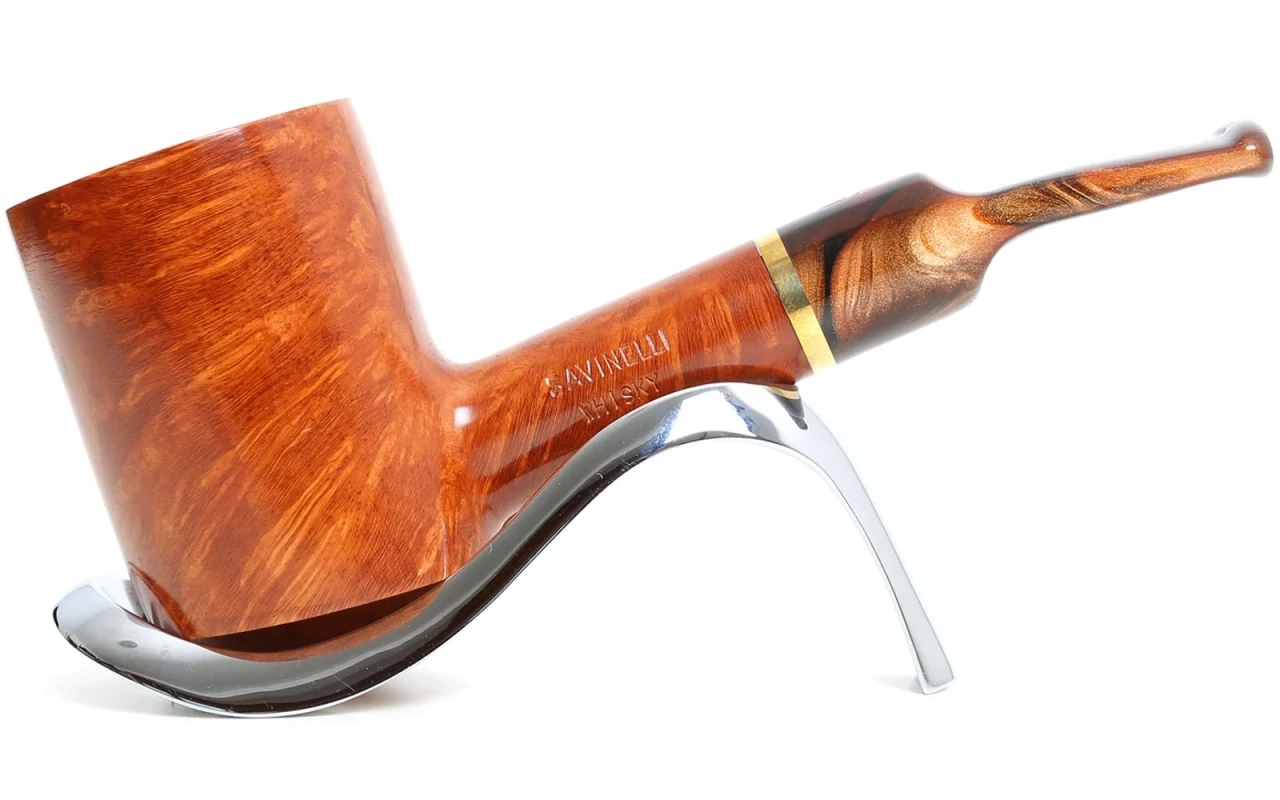
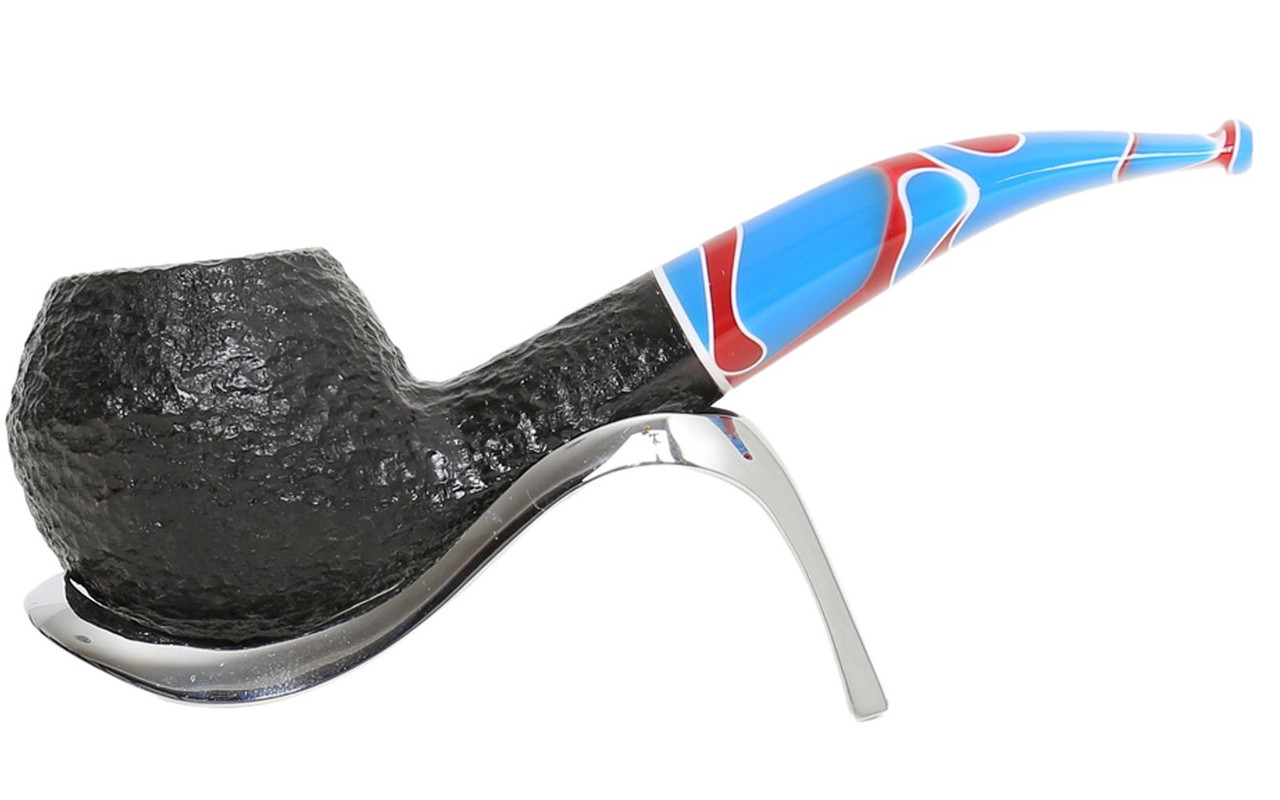
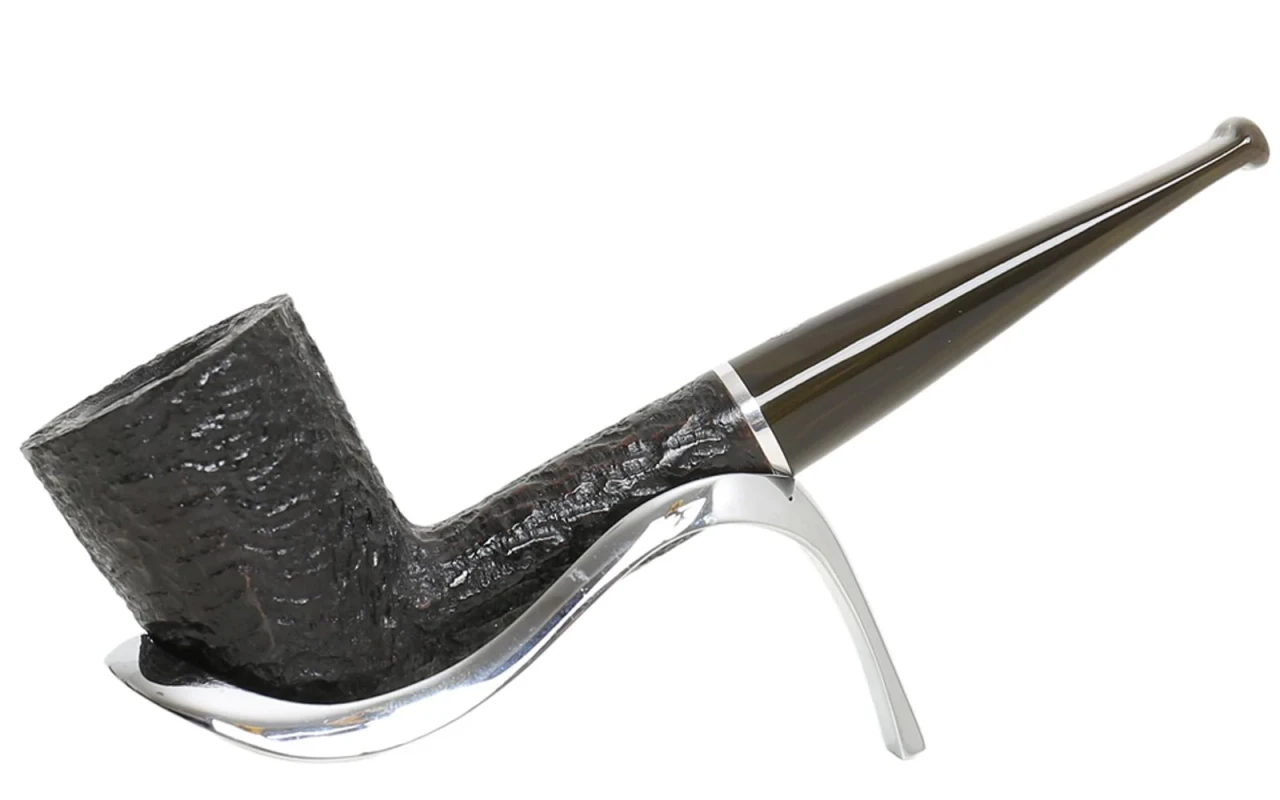
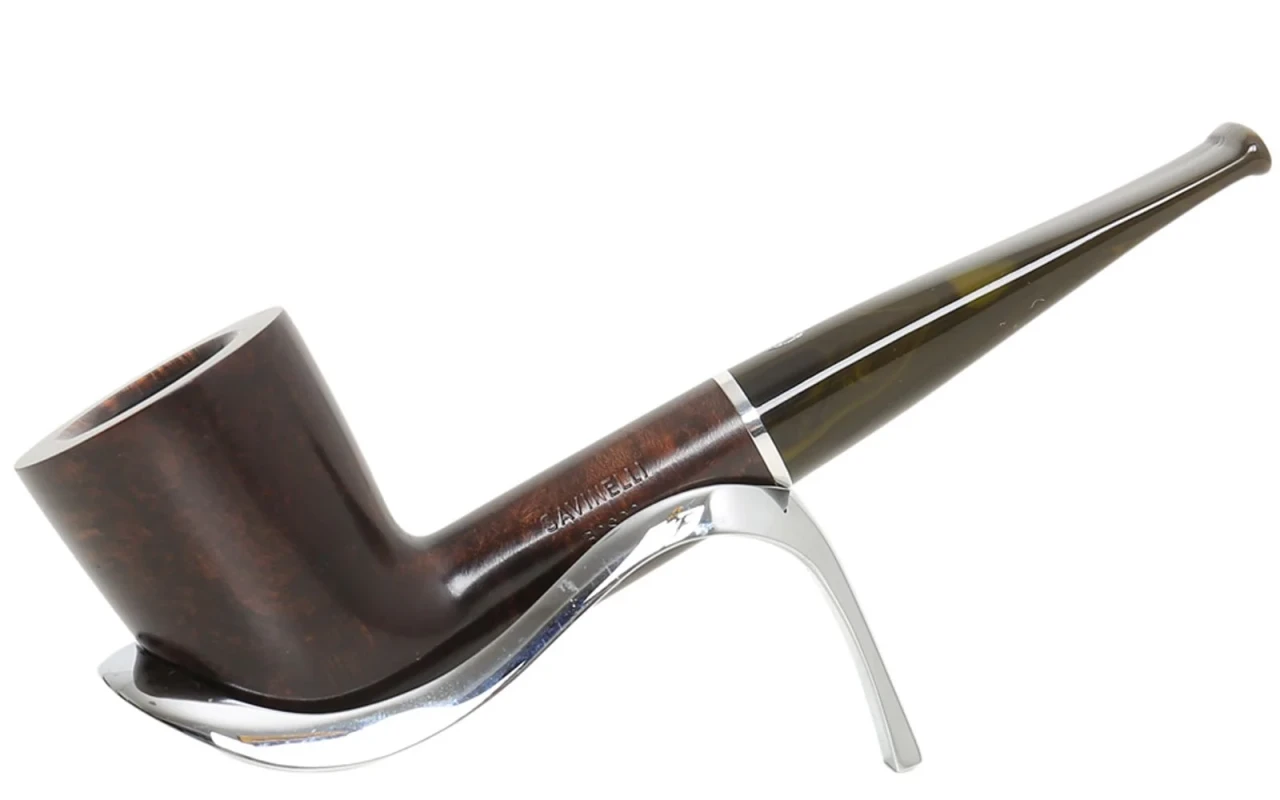
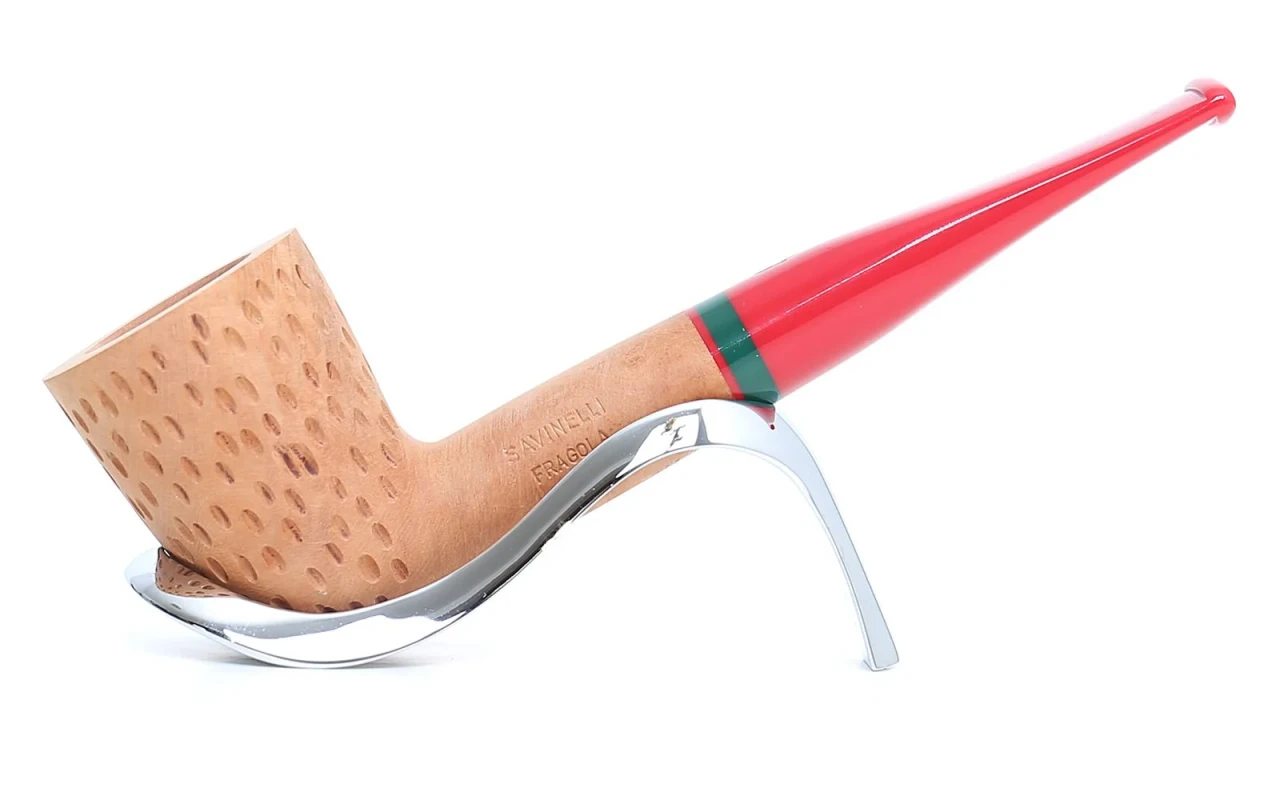
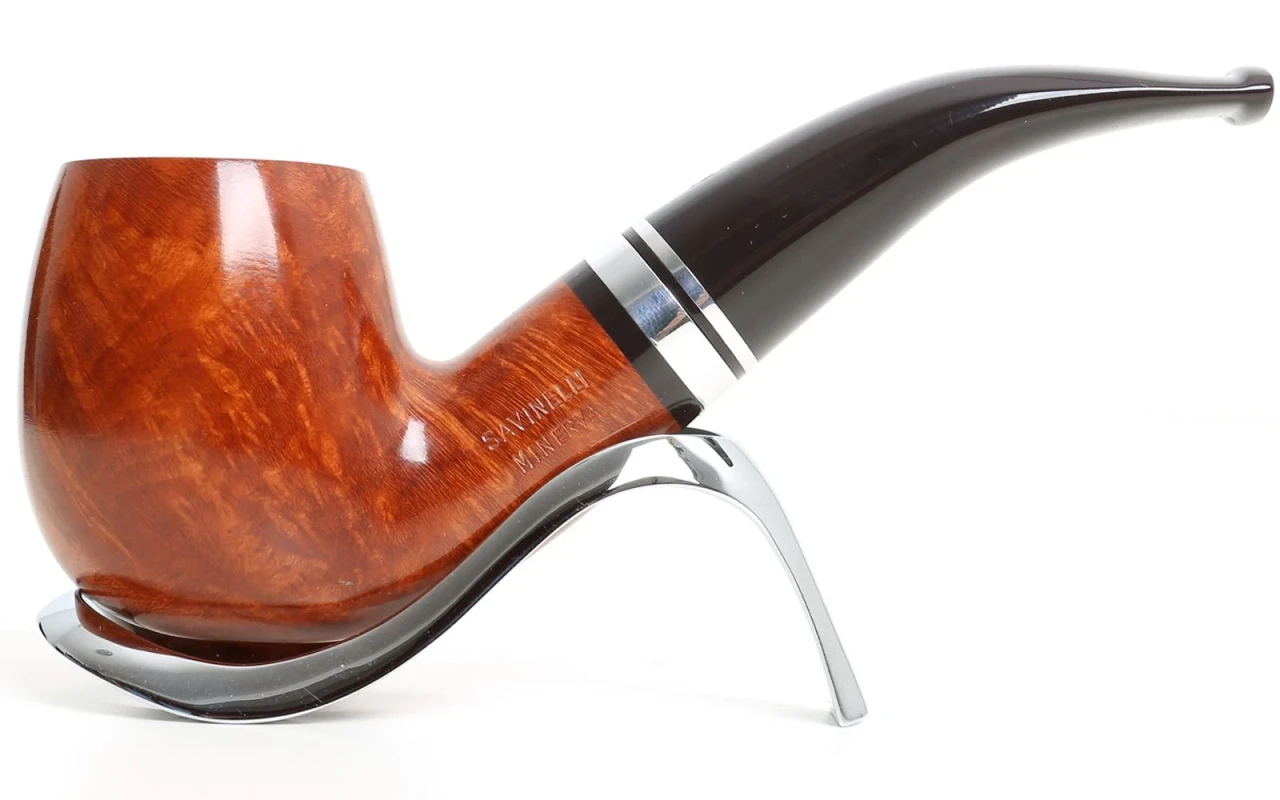
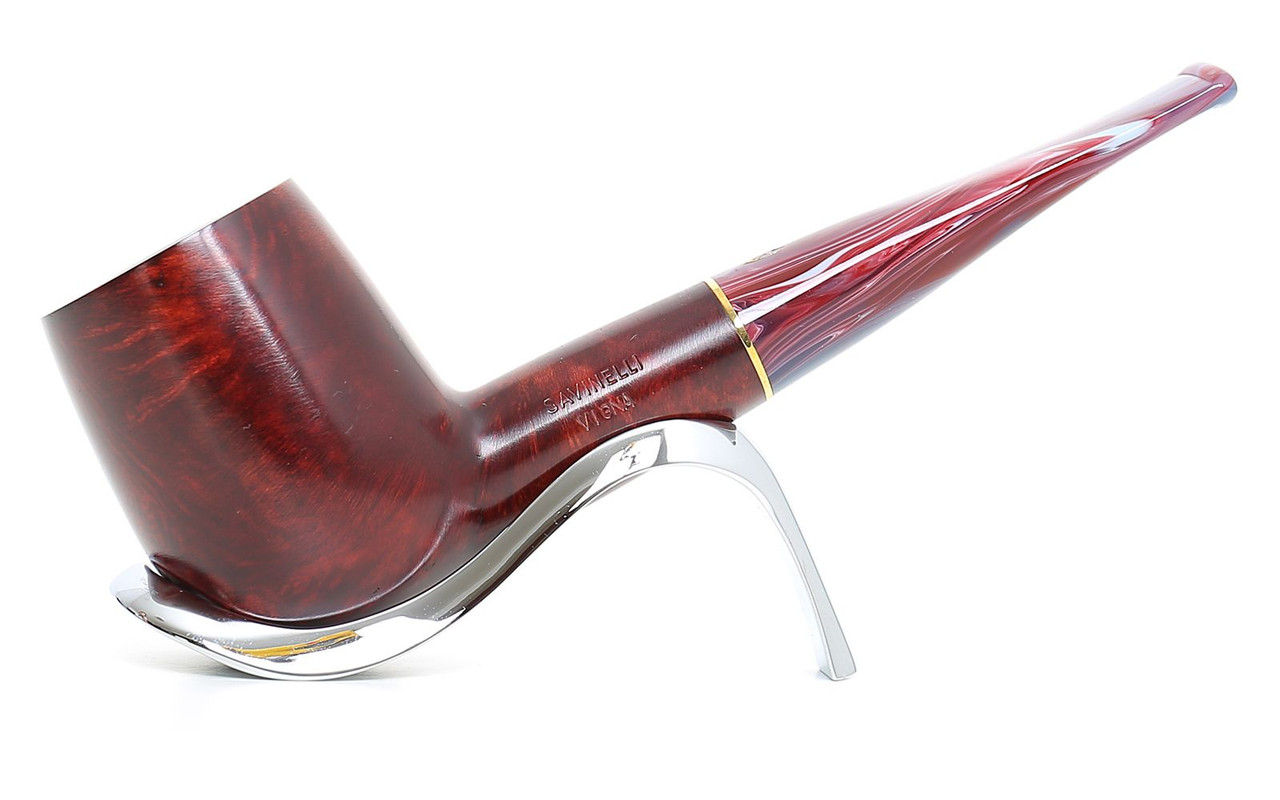
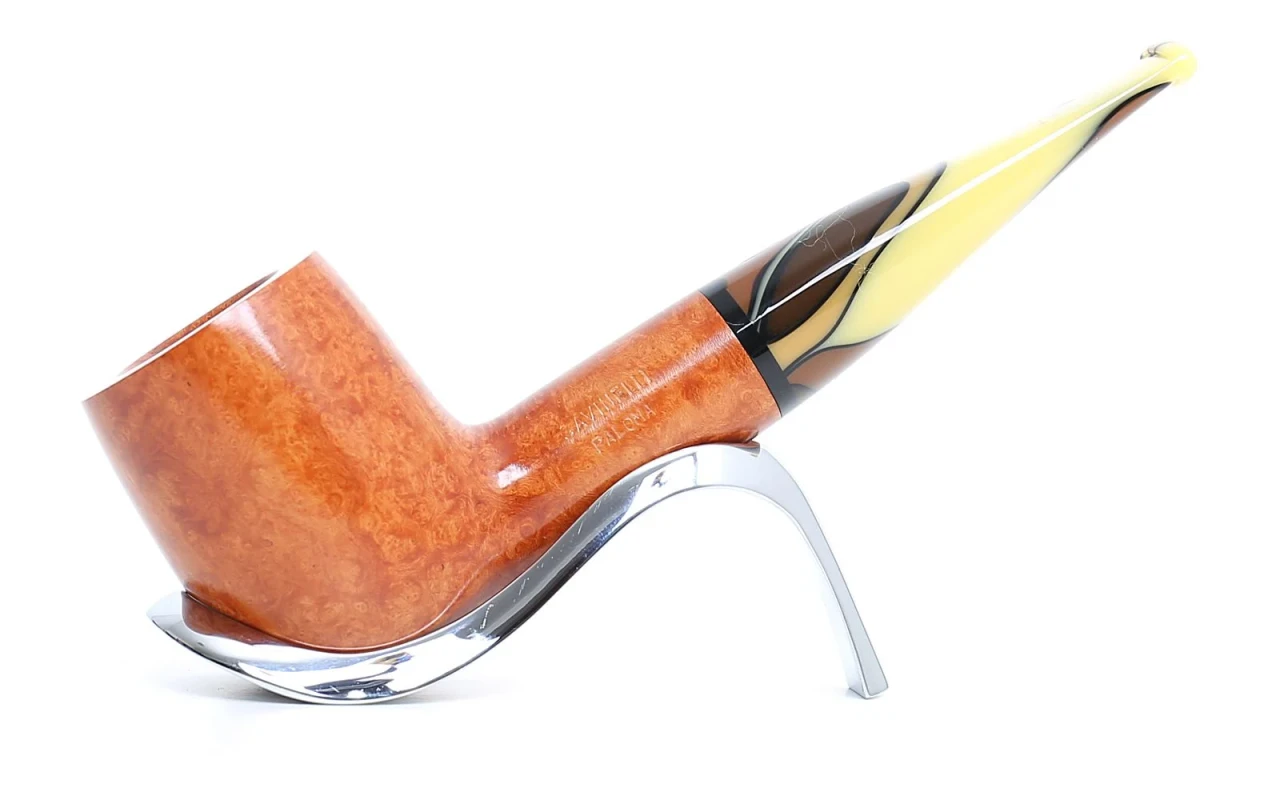
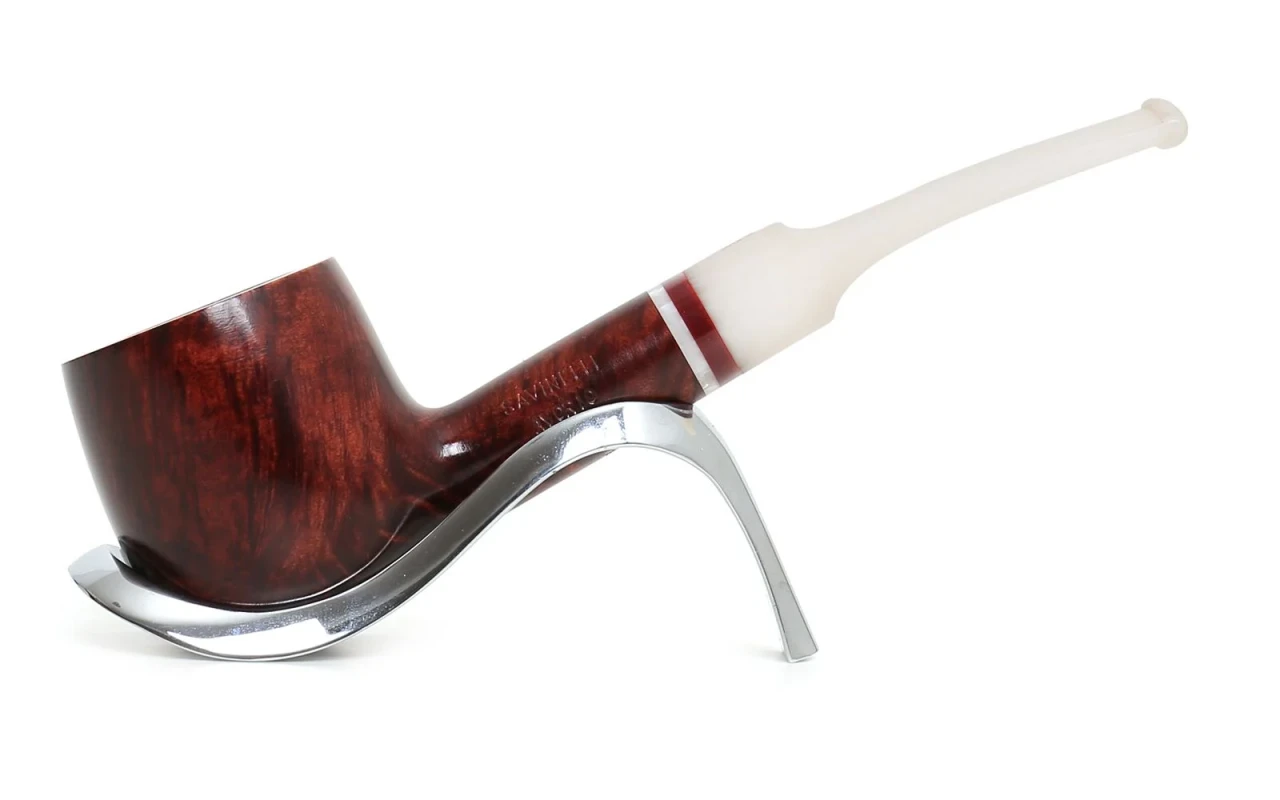
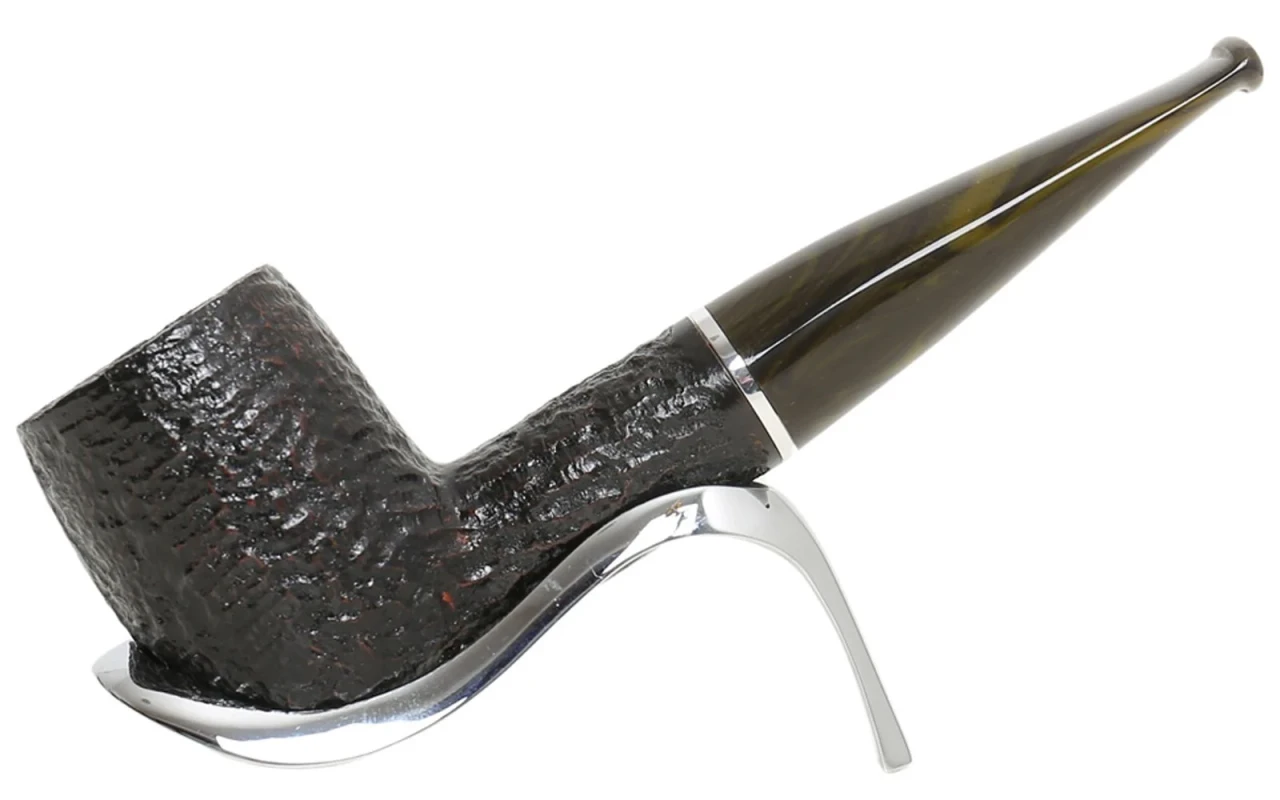
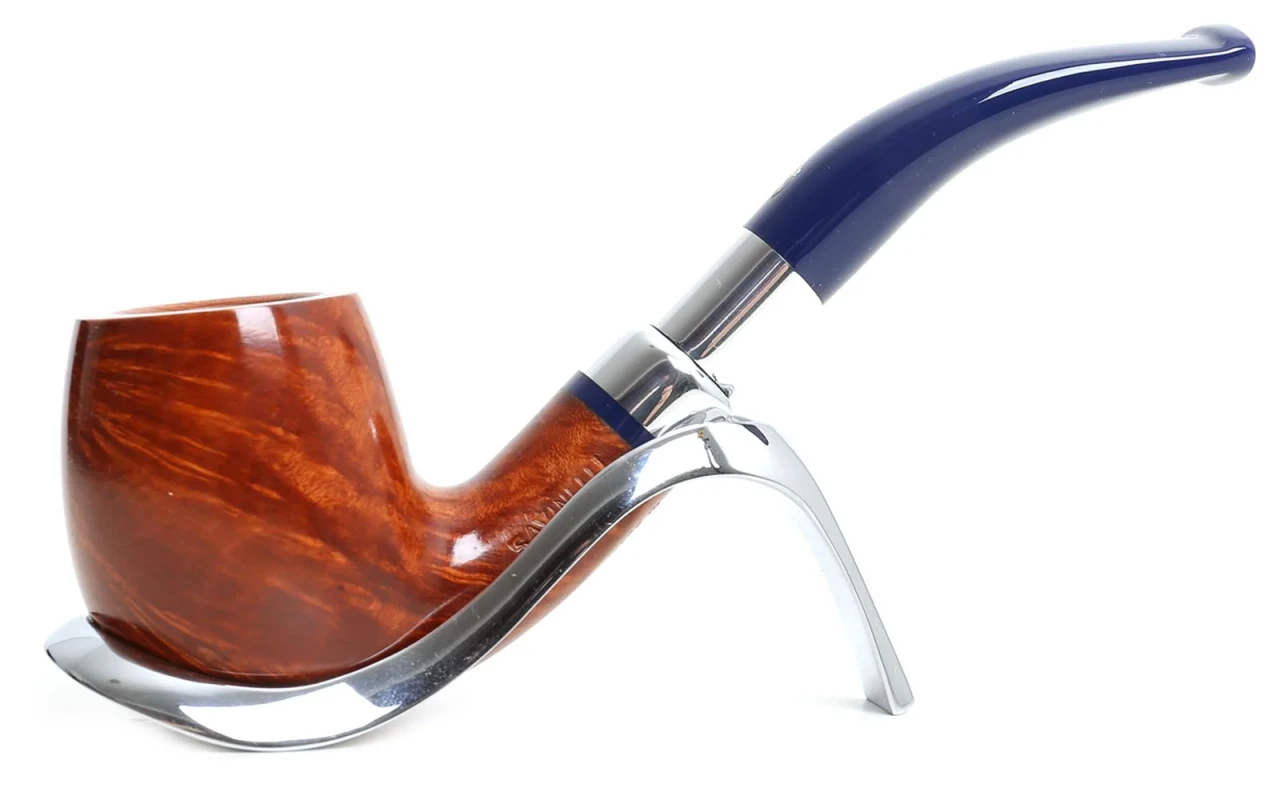
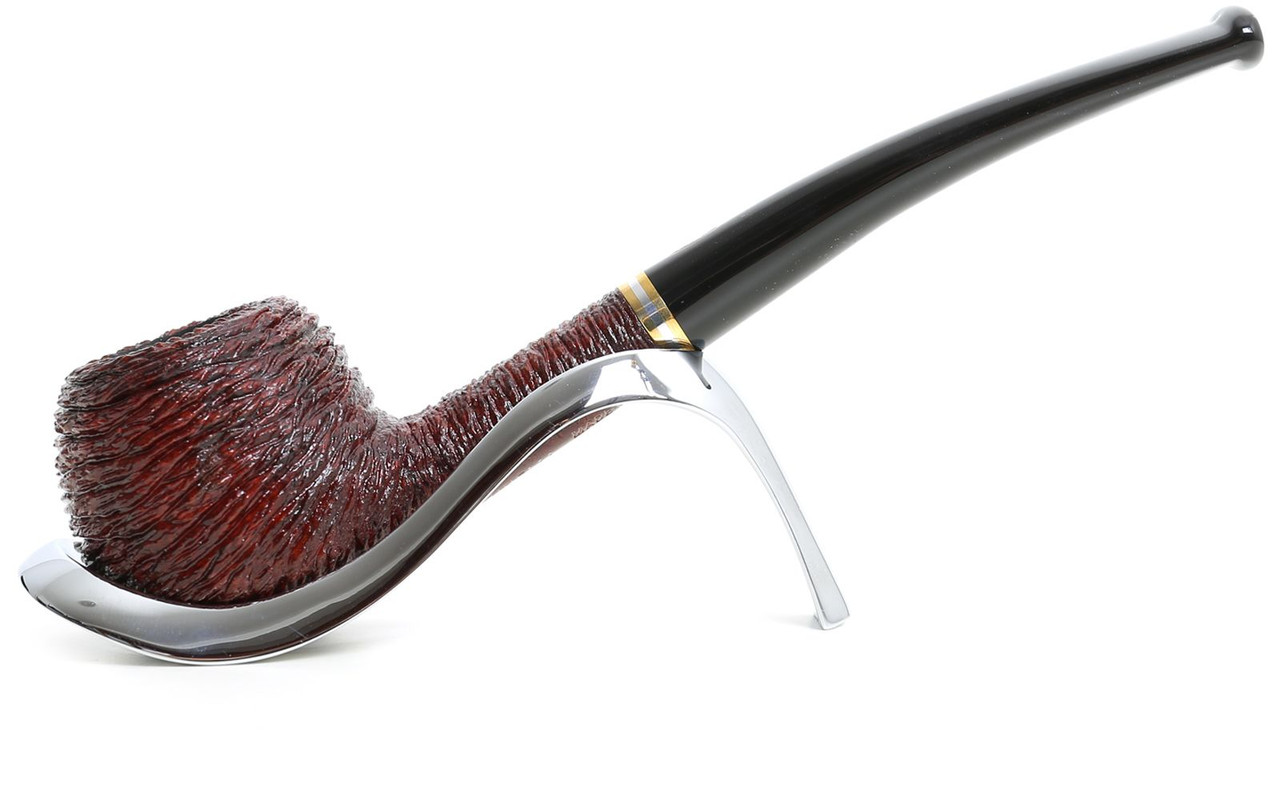
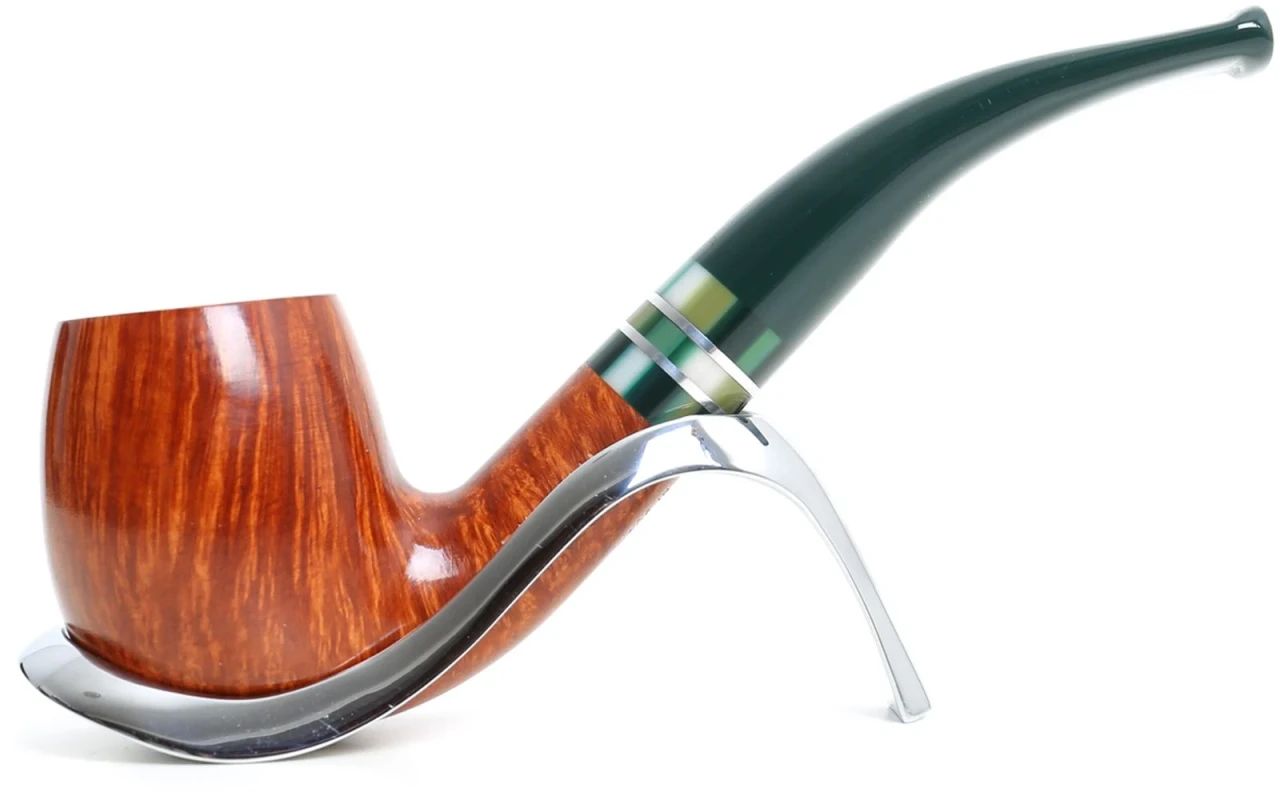
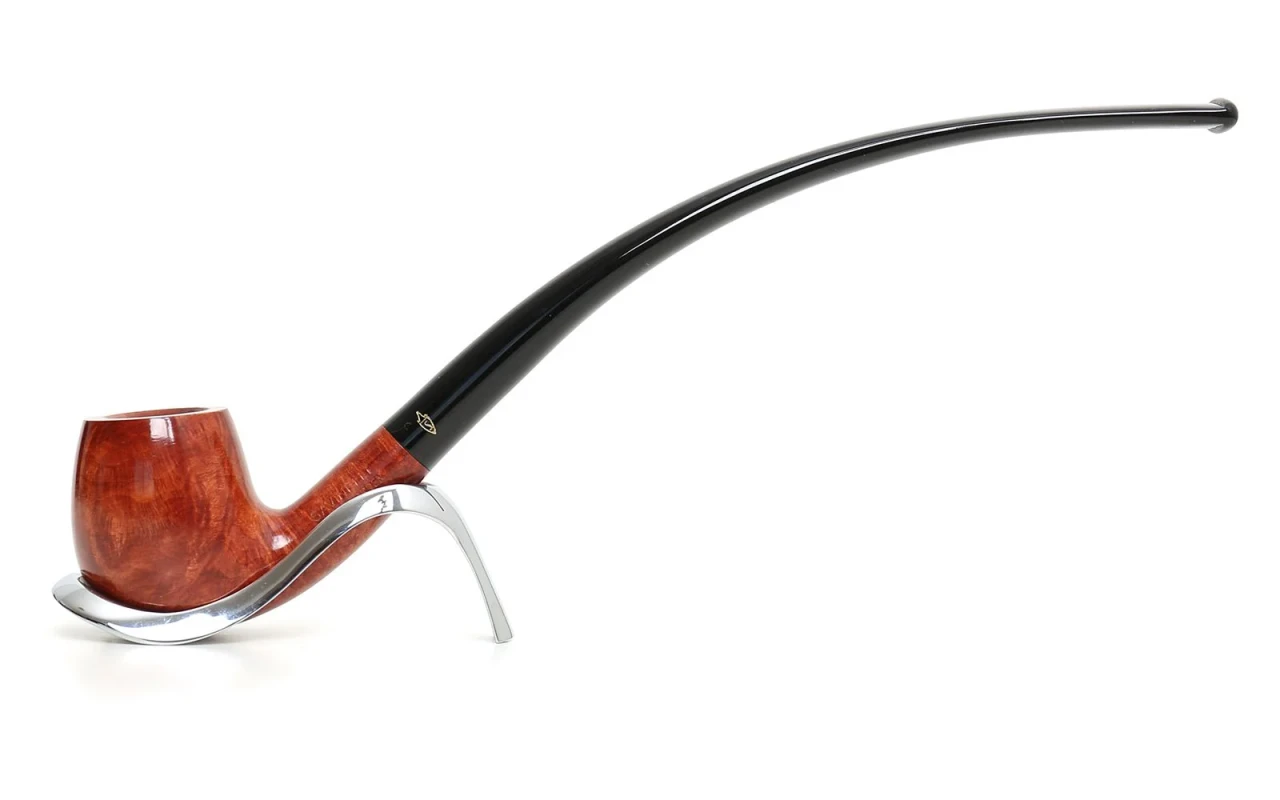
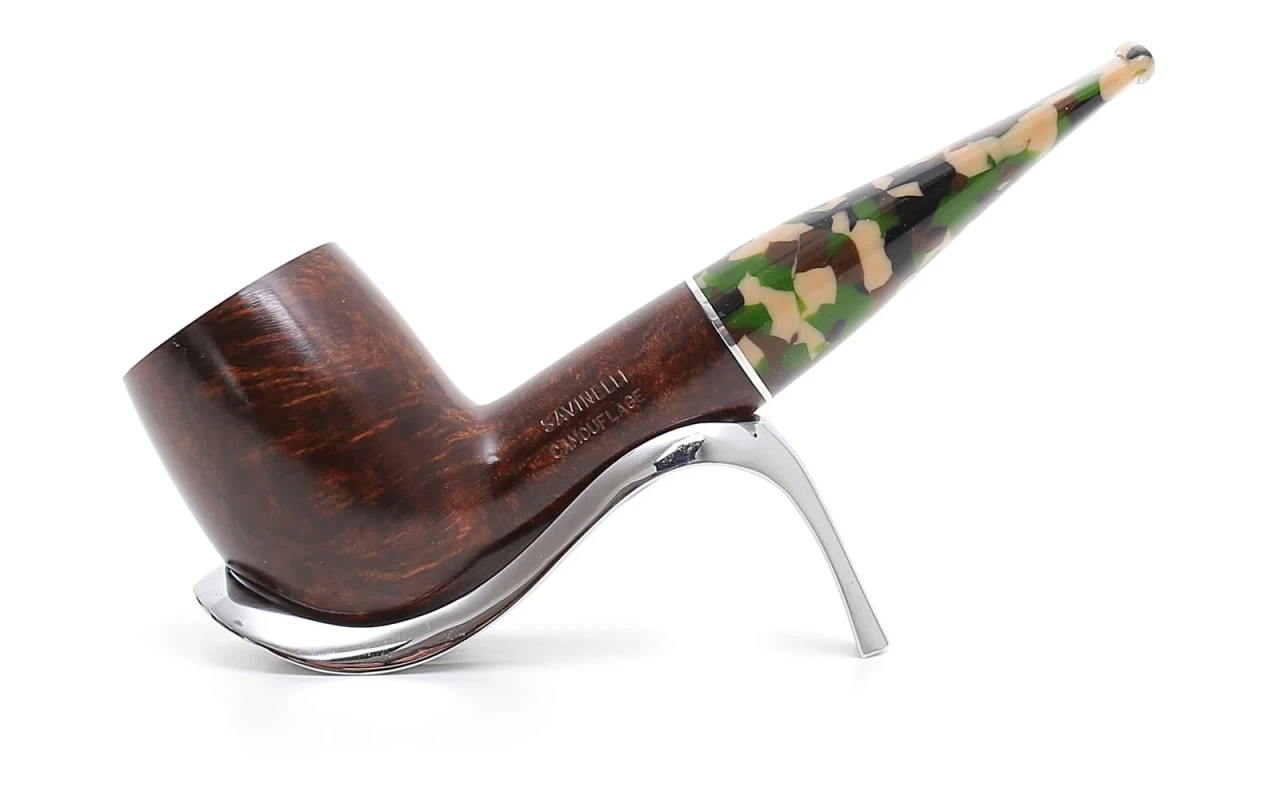
Materials for designing smoking pipes
The materials used in the design of smoking pipes are crucial to ensure a good smoking experience. The most common materials are:- Wood: traditionally used for its ability to absorb moisture and enhance the tobacco flavor.- Clay: lightweight and porous, allowing for a cool and dry smoke.- Corn cob: light and inexpensive, often used for budget smoking pipes.- Meerschaum: a highly porous stone that absorbs nicotine and colors with use.- Metal: durable and easy to clean, but may alter the tobacco flavor.The choice of material influences both the design and the smoking quality.
Best Materials for Smoking Pipes
The best materials for smoking pipes are wood, briar, and clay. These materials are highly appreciated by pipe enthusiasts for their distinctive characteristics. Wood, such as briar, is widely used for its durability and ability to absorb moisture from the smoke. Roots, like juniper or mortar, offer a wide range of colors and veins. Clay pipes are lightweight and odorless, ideal for fully enjoying the tobacco flavor. In general, the choice of material depends on personal preferences and the tastes of experienced smokers and collectors.
Types of materials for smoking pipes
There are different types of materials used for crafting smoking pipes, each with specific characteristics:- Briar wood: light, heat-resistant, and neutral in taste.- Oak wood: sturdy and durable, but tends to influence the tobacco flavor.- Meerschaum: porous material that absorbs tobacco oils, ensuring a cool and dry smoke.- Clay: lightweight and porous, but fragile and heat-sensitive.- Corn cob: lightweight and inexpensive, ideal for travel pipes.- Brio: innovative material, lightweight and heat-resistant.The choice of material affects the performance and smoking experience of a pipe.
Materials for handmade smoking pipes
Materials for handmade smoking pipes can vary, but the most common ones include:- Heather root: light and durable, it offers a neutral taste and darkens over time.- Oak root: hard and heat-resistant, ideal for long-lasting pipes.- Olive root: particularly appreciated for its beauty and unique veins.- Deer or bull horns: used for ornaments or decorative parts.- Silver or brass: for components like mouthpieces.- Acrylic or ebonite mouthpieces: heat and corrosion resistant.The choice of material influences the aesthetic and functional characteristics of the pipe.
'%3e%3cg id='Final-Copy-2_2_' transform='translate(1275.000000, 200.000000)'%3e%3cpath class='st0' d='M7.4,12.8h6.8l3.1-11.6H7.4C4.2,1.2,1.6,3.8,1.6,7S4.2,12.8,7.4,12.8z'/%3e%3c/g%3e%3c/g%3e%3c/g%3e%3cg id='final---dec.11-2020'%3e%3cg id='_x30_208-our-toggle' transform='translate(-1275.000000, -200.000000)'%3e%3cg id='Final-Copy-2' transform='translate(1275.000000, 200.000000)'%3e%3cpath class='st1' d='M22.6,0H7.4c-3.9,0-7,3.1-7,7s3.1,7,7,7h15.2c3.9,0,7-3.1,7-7S26.4,0,22.6,0z M1.6,7c0-3.2,2.6-5.8,5.8-5.8 h9.9l-3.1,11.6H7.4C4.2,12.8,1.6,10.2,1.6,7z'/%3e%3cpath id='x' class='st2' d='M24.6,4c0.2,0.2,0.2,0.6,0,0.8l0,0L22.5,7l2.2,2.2c0.2,0.2,0.2,0.6,0,0.8c-0.2,0.2-0.6,0.2-0.8,0 l0,0l-2.2-2.2L19.5,10c-0.2,0.2-0.6,0.2-0.8,0c-0.2-0.2-0.2-0.6,0-0.8l0,0L20.8,7l-2.2-2.2c-0.2-0.2-0.2-0.6,0-0.8 c0.2-0.2,0.6-0.2,0.8,0l0,0l2.2,2.2L23.8,4C24,3.8,24.4,3.8,24.6,4z'/%3e%3cpath id='y' class='st3' d='M12.7,4.1c0.2,0.2,0.3,0.6,0.1,0.8l0,0L8.6,9.8C8.5,9.9,8.4,10,8.3,10c-0.2,0.1-0.5,0.1-0.7-0.1l0,0 L5.4,7.7c-0.2-0.2-0.2-0.6,0-0.8c0.2-0.2,0.6-0.2,0.8,0l0,0L8,8.6l3.8-4.5C12,3.9,12.4,3.9,12.7,4.1z'/%3e%3c/g%3e%3c/g%3e%3c/g%3e%3c/g%3e%3c/svg%3e) Your Privacy Choices
Your Privacy Choices 


