 ES
ES FR
FR EN
EN IT
IT DE
DE
Materials and types of smoking pipes
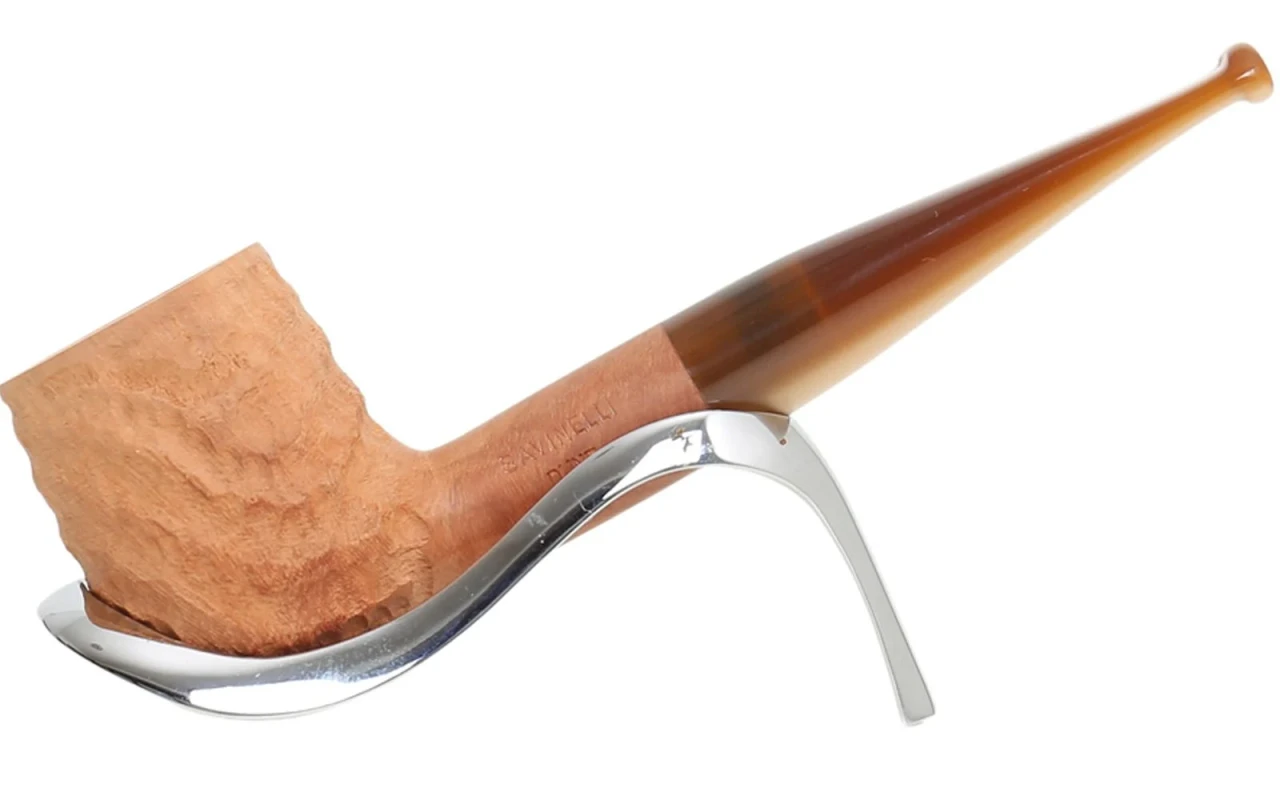
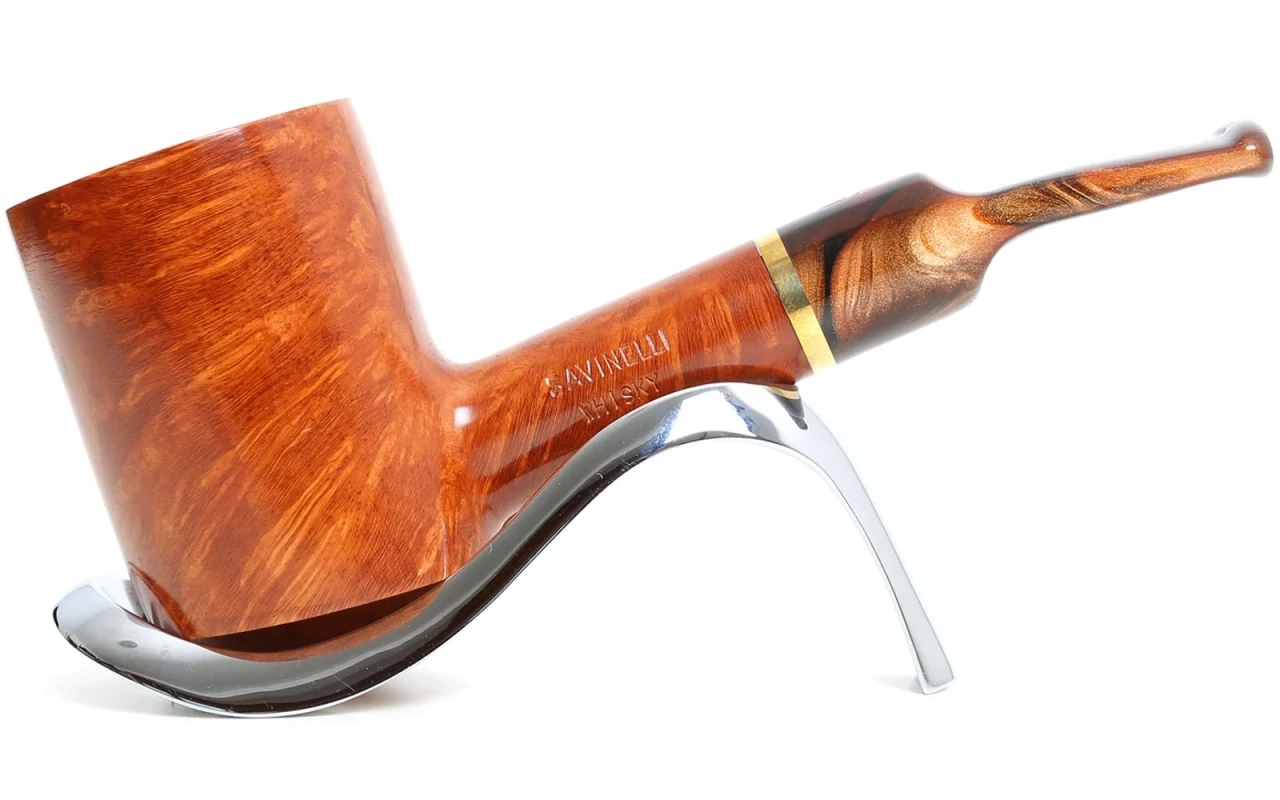
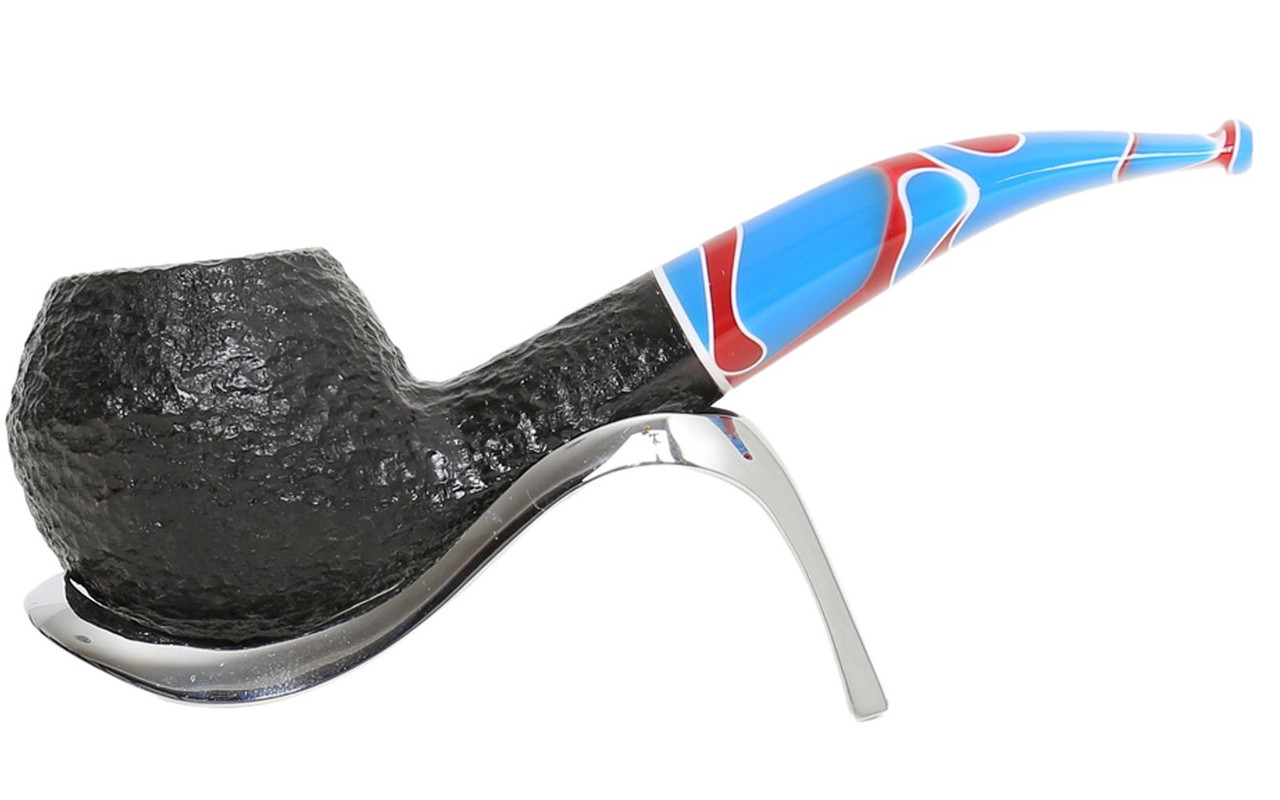
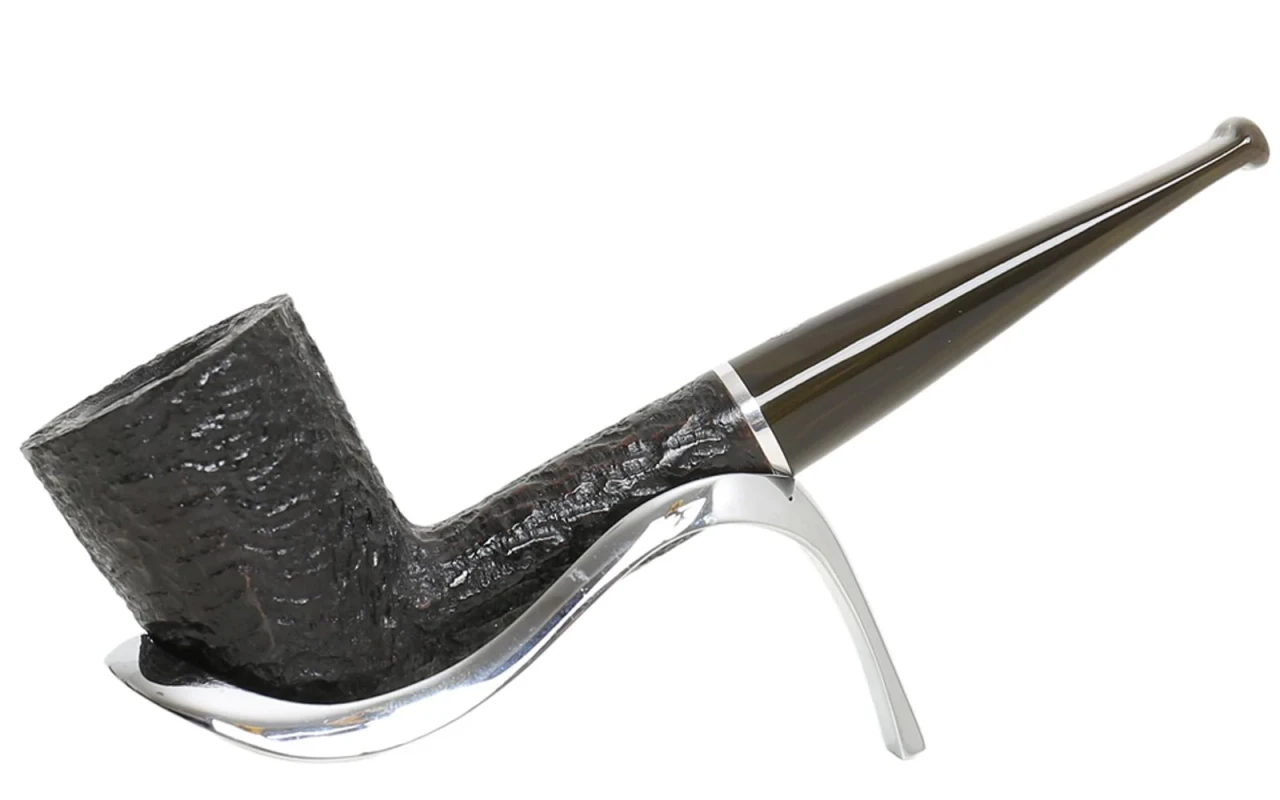
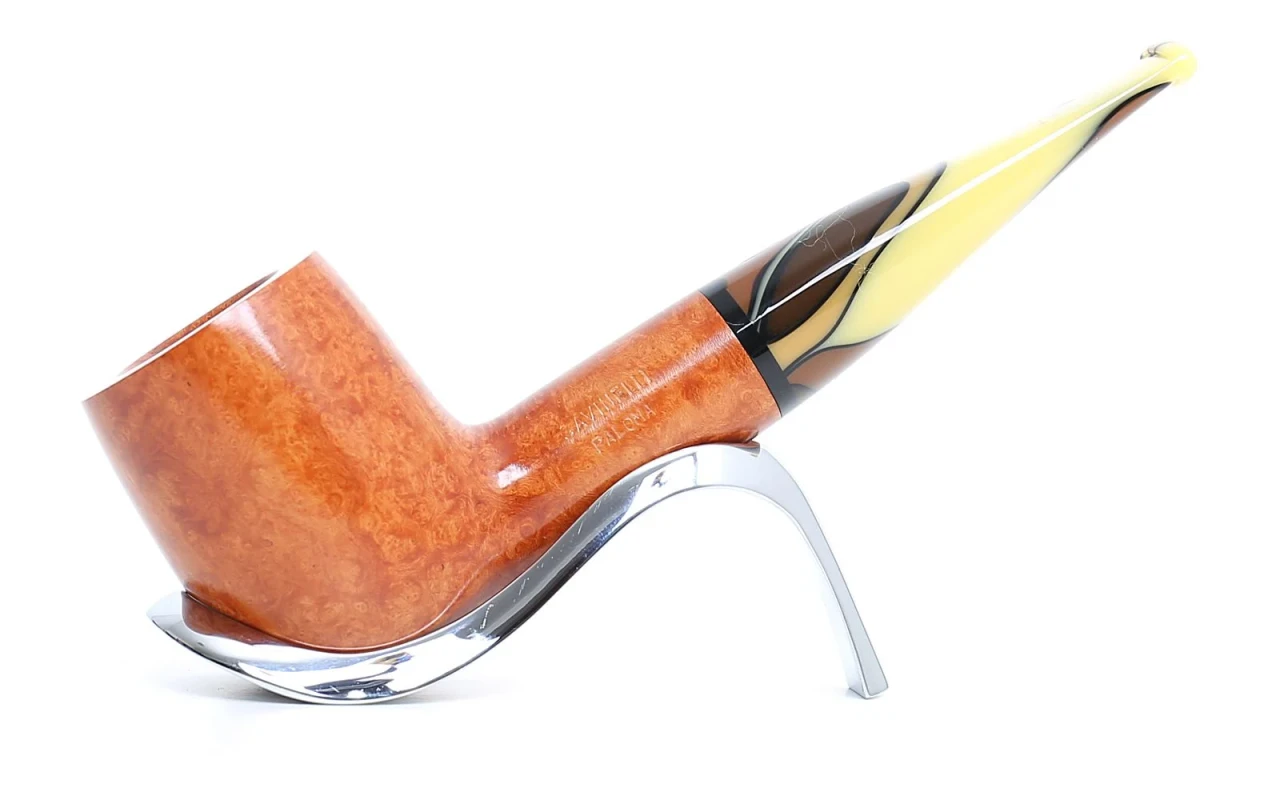
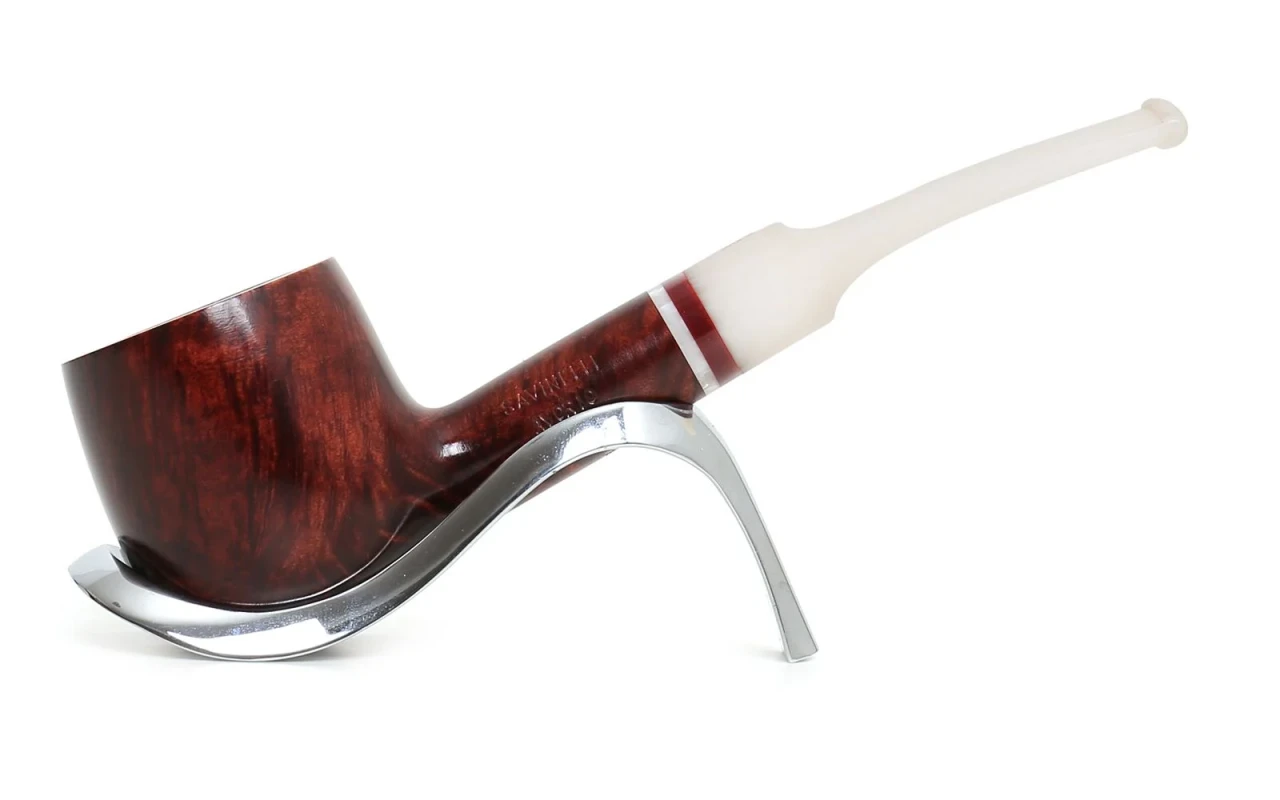
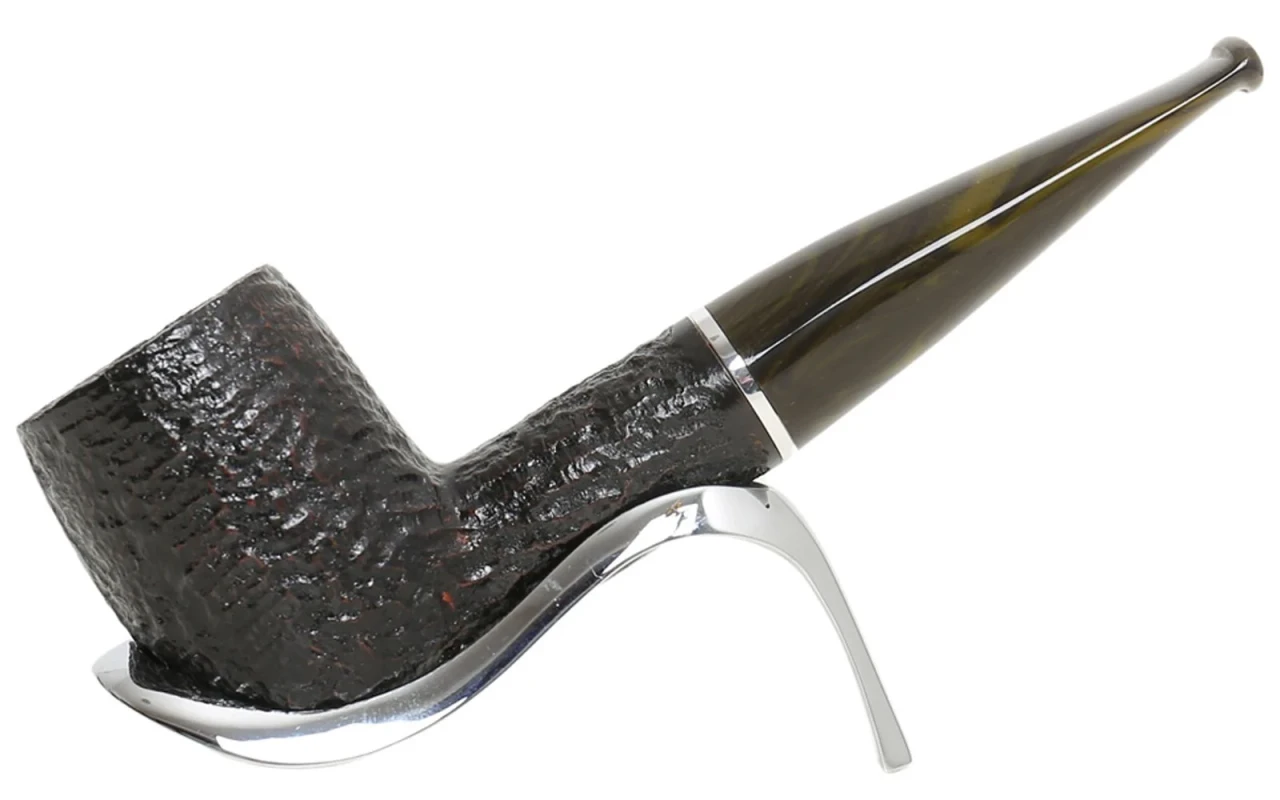
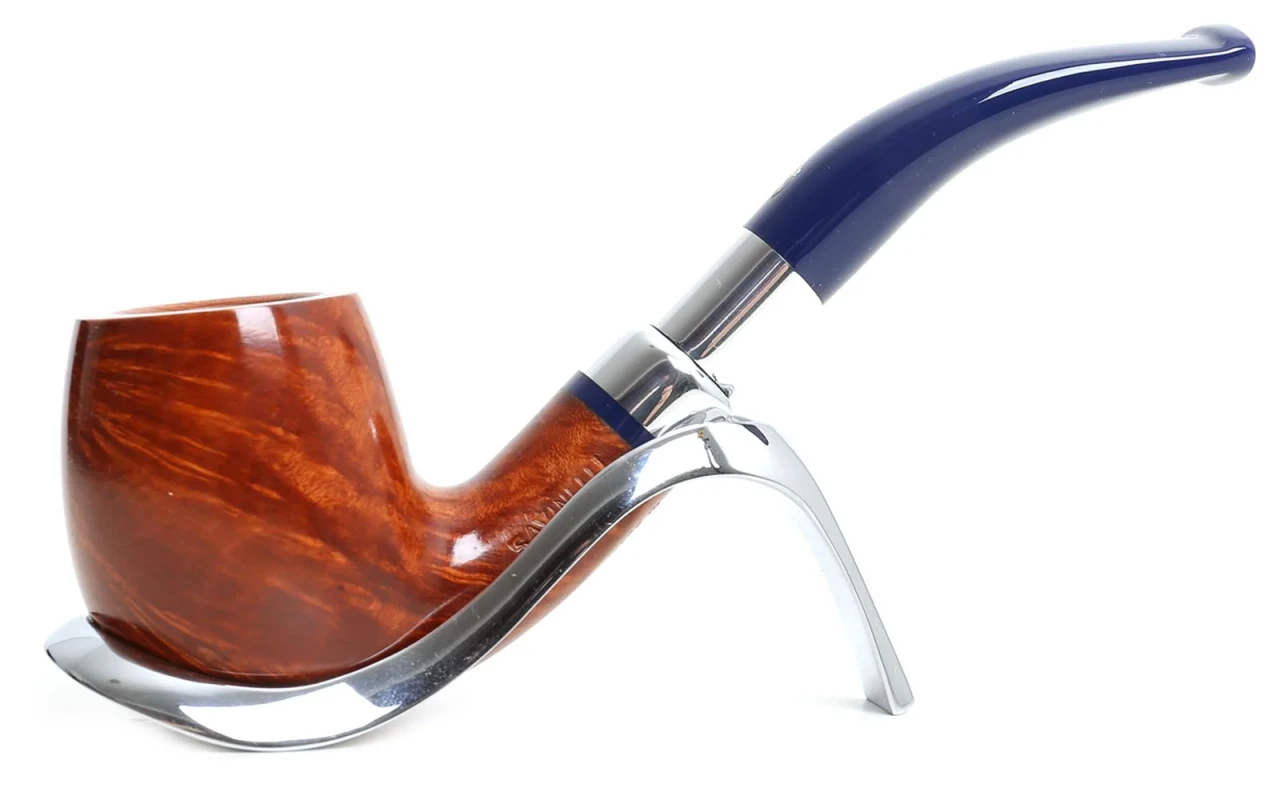
Materials and types of smoking pipes
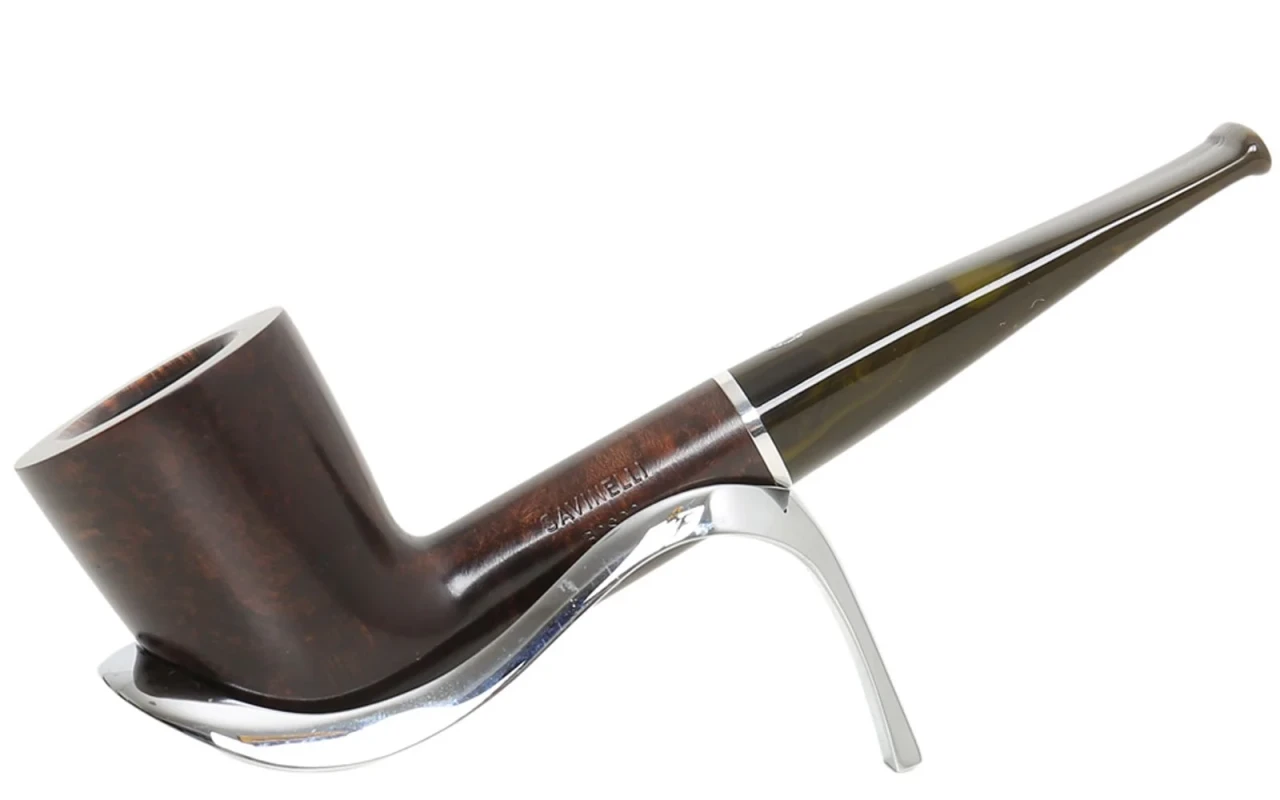
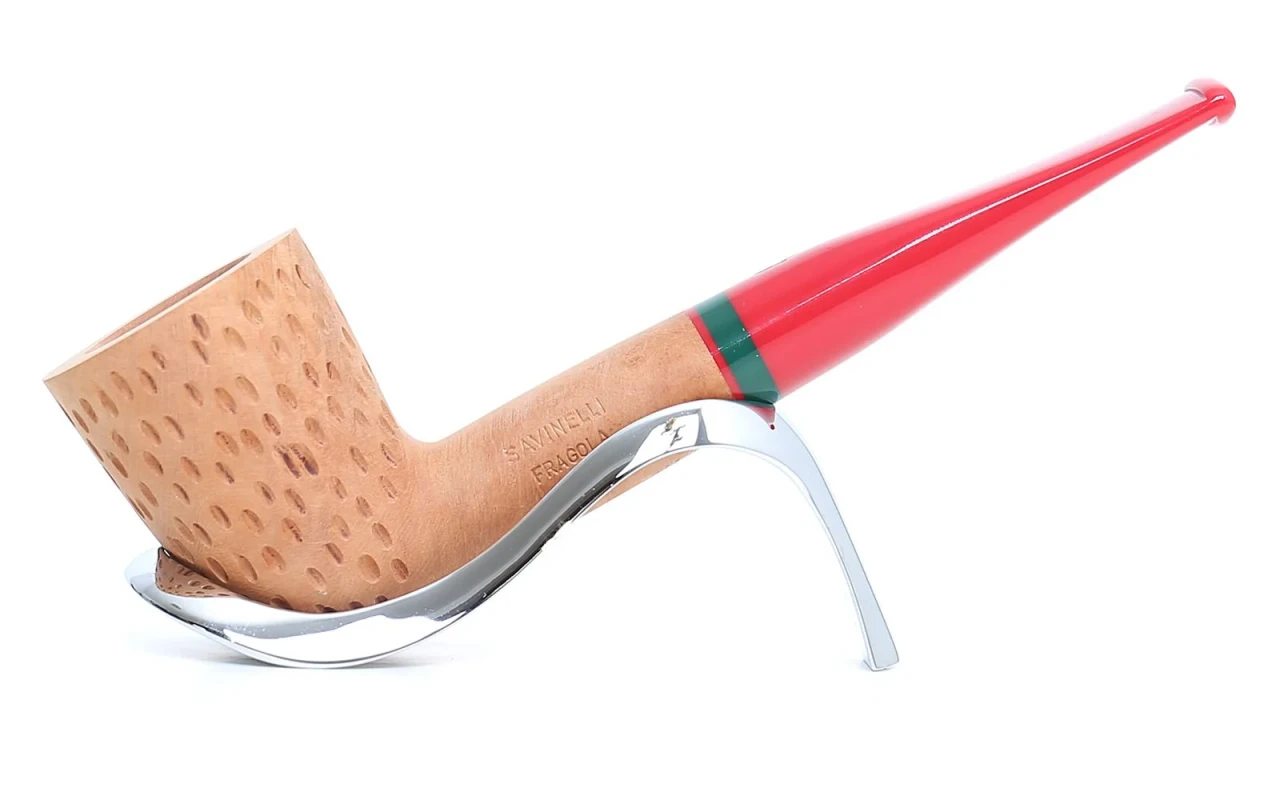
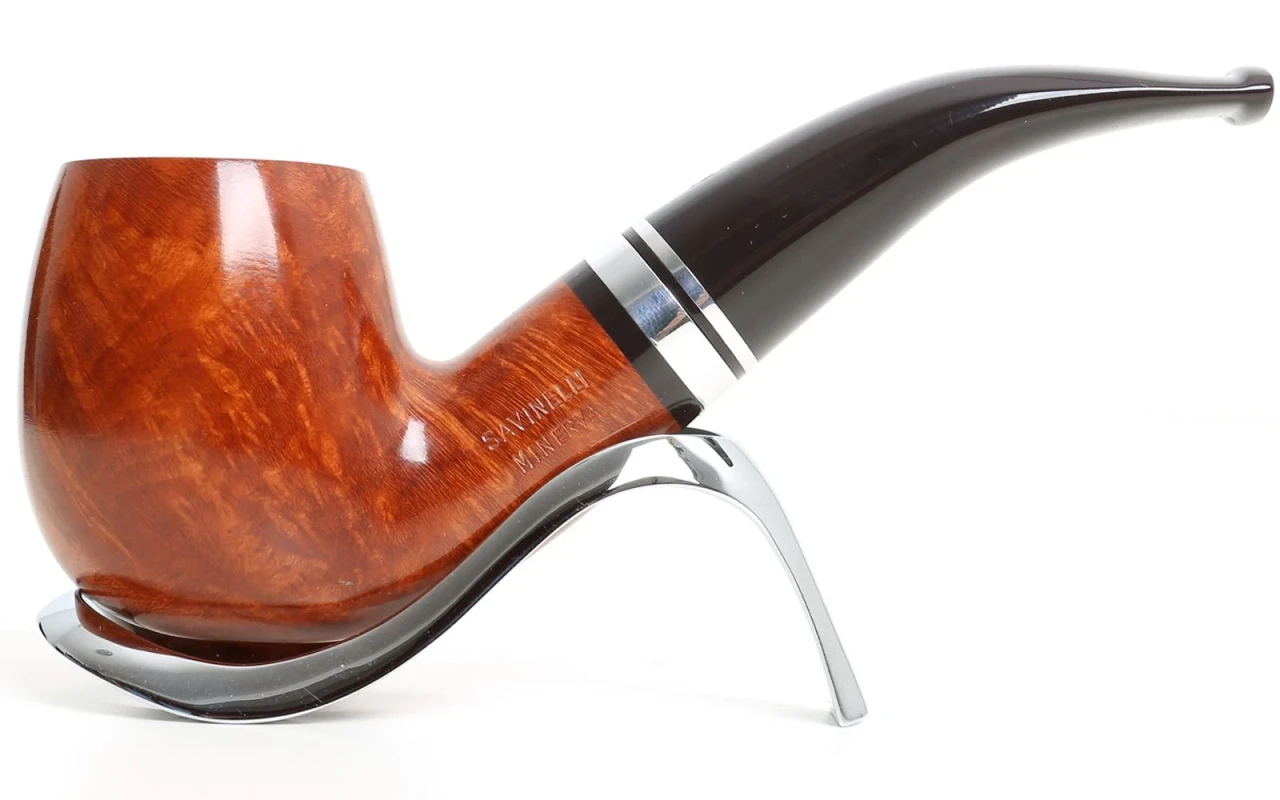
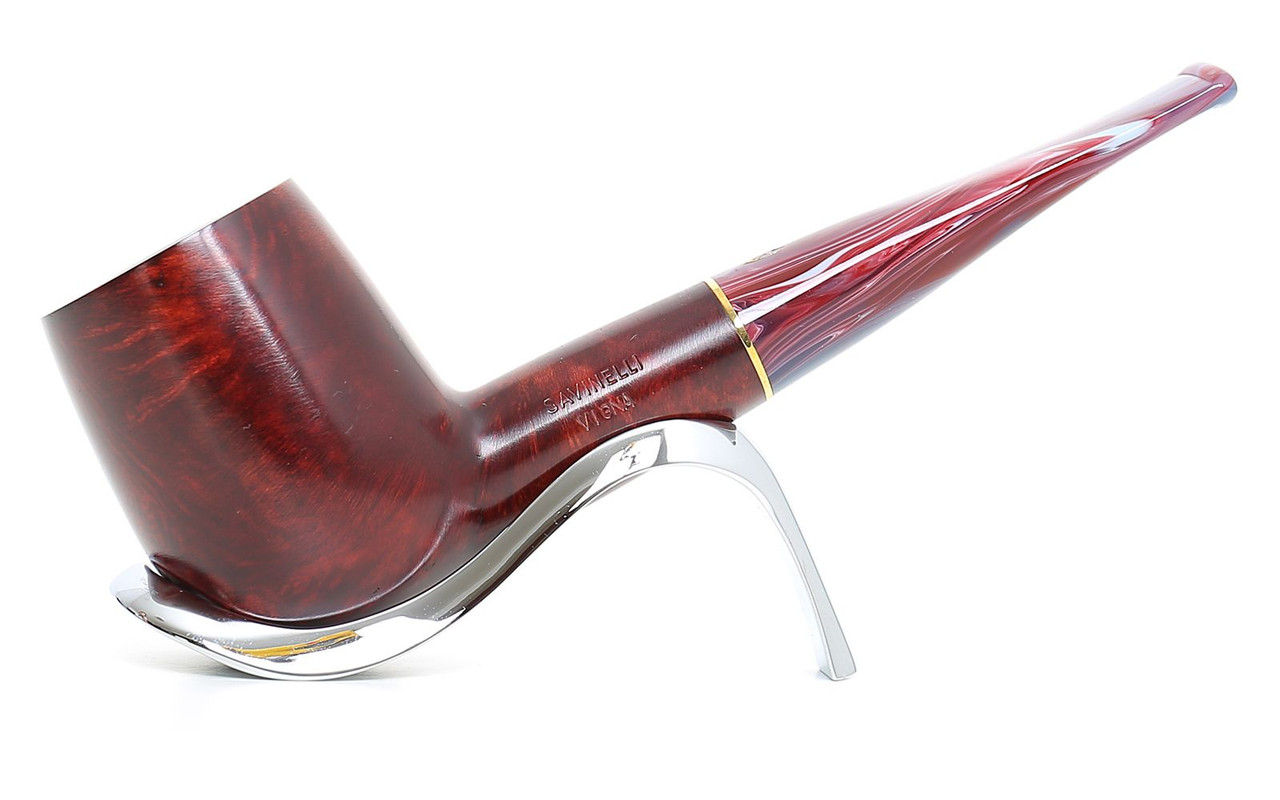
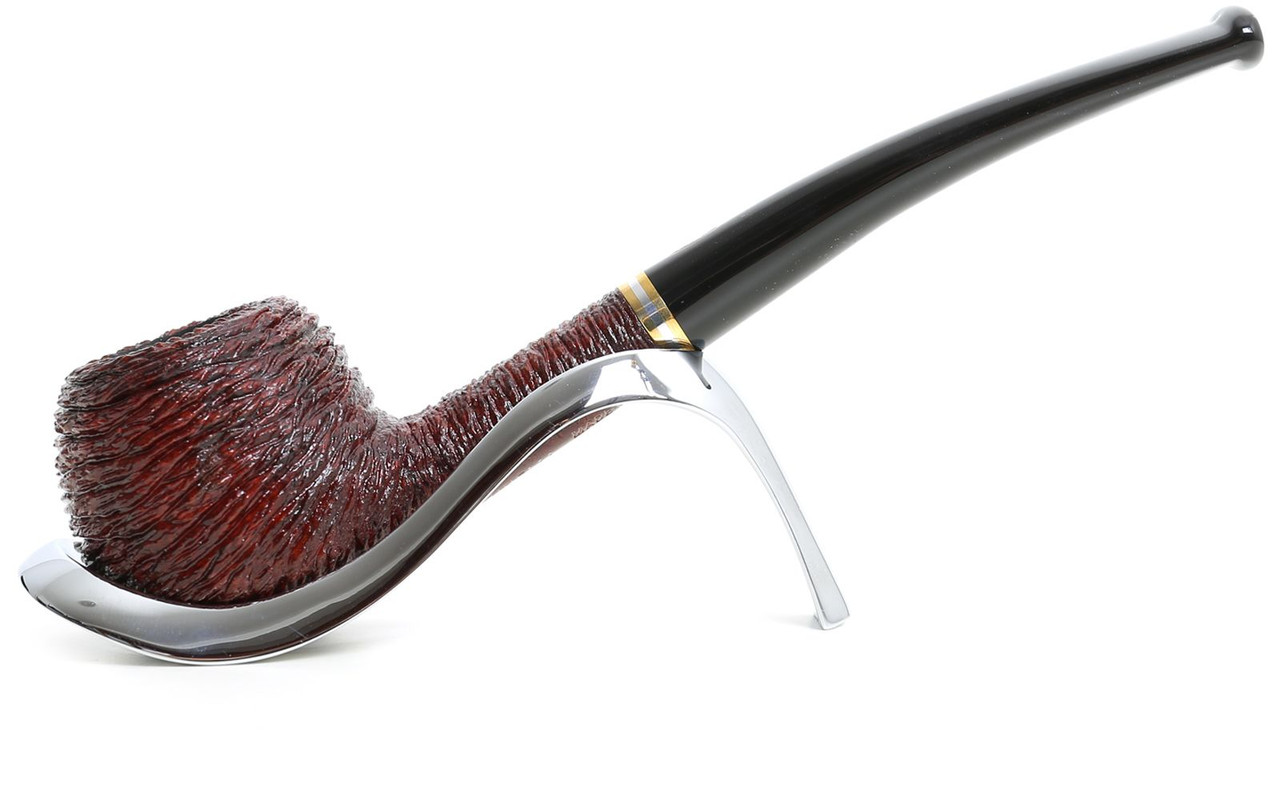
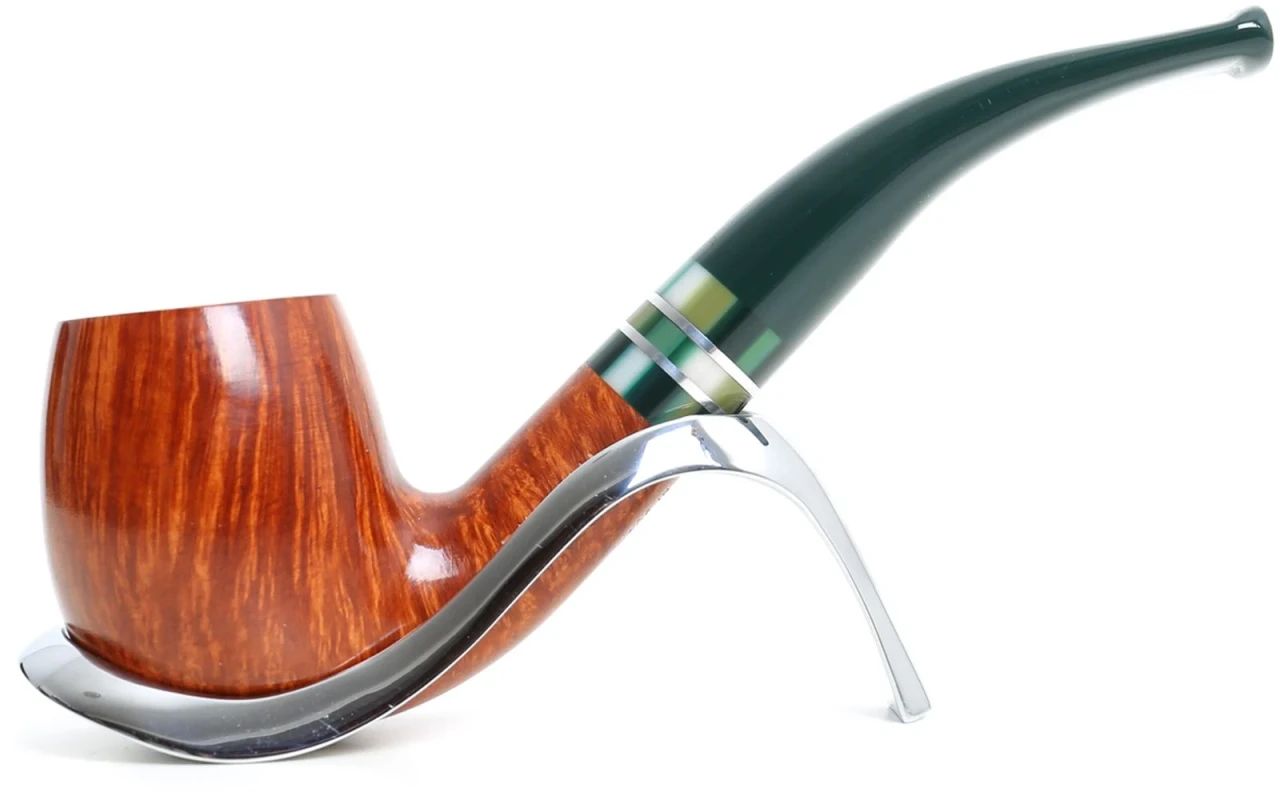
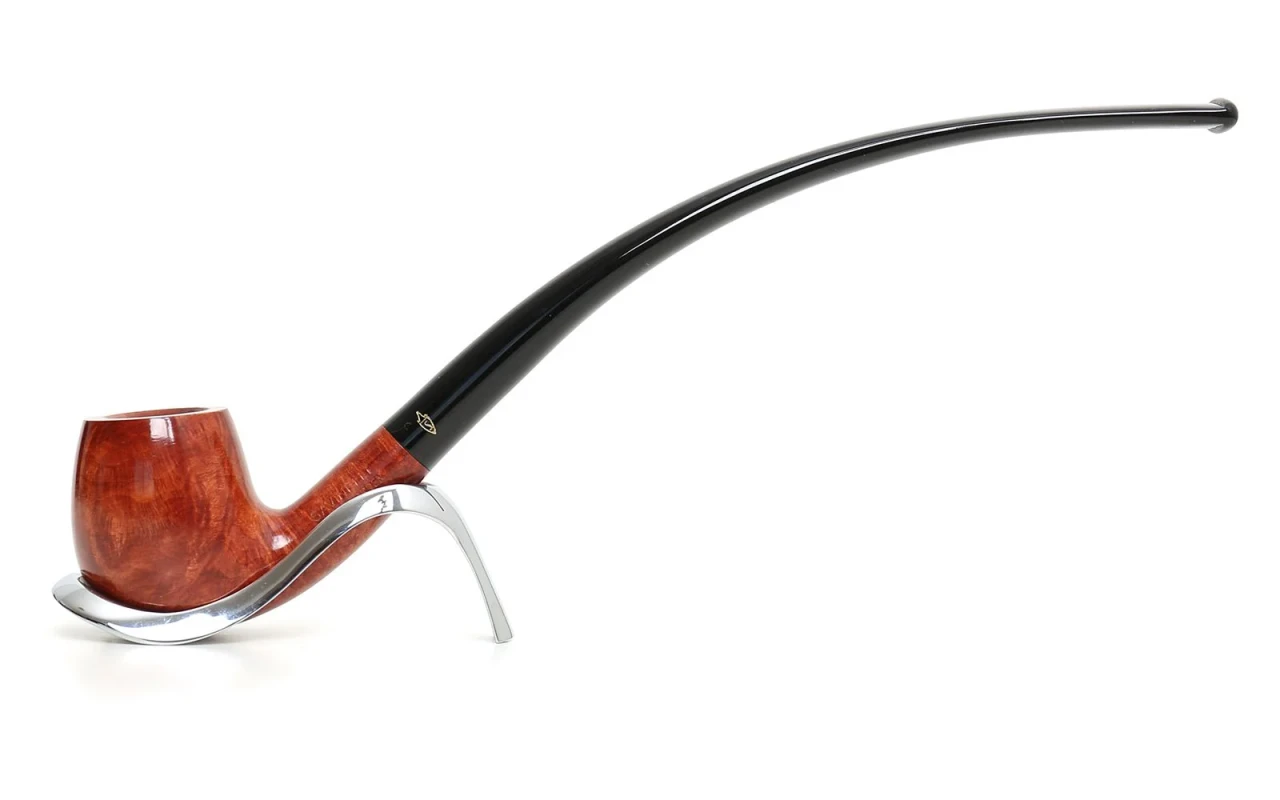
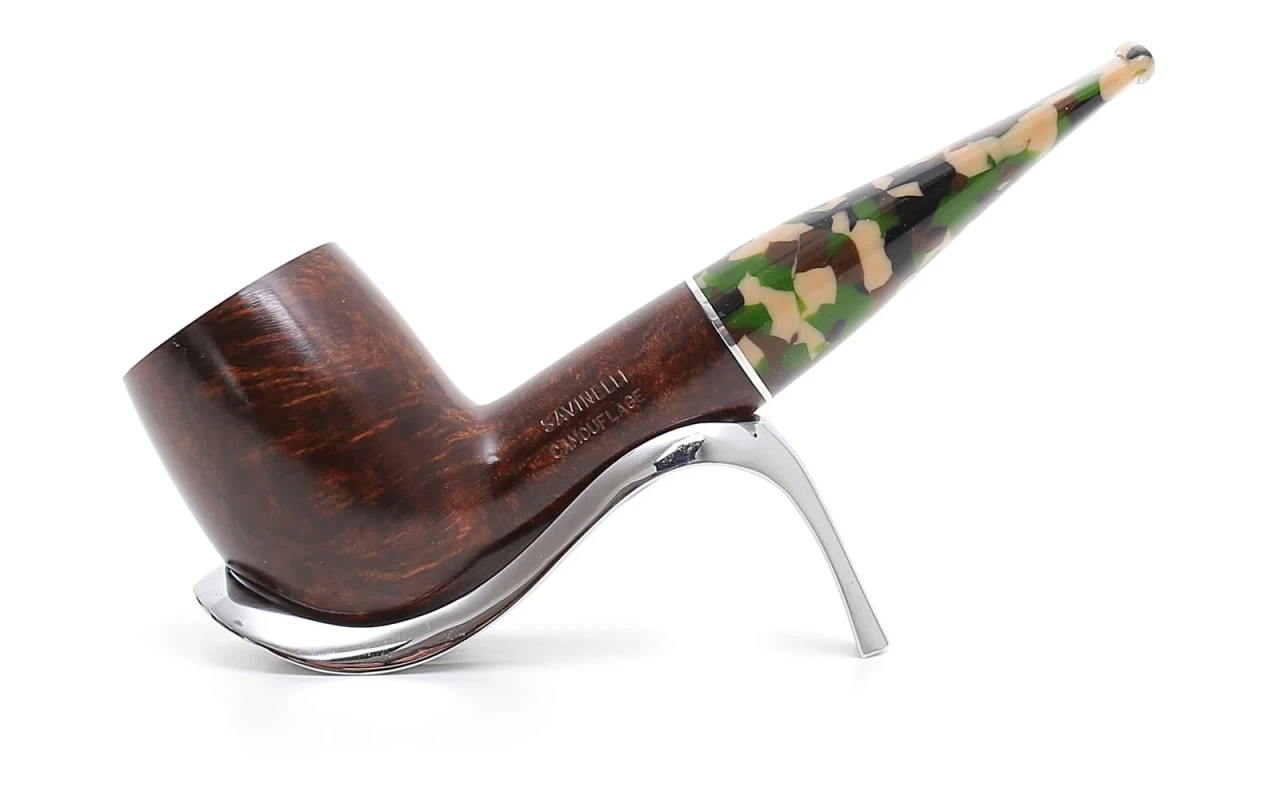
Smoking pipes are available in a variety of materials and types to satisfy the preferences of every smoker. The most common materials include:- Briar wood: the most popular material for smoking pipes, known for its durability and moisture-absorbing capabilities.- Corn cob: inexpensive and lightweight, ideal for beginner smoking pipes.- Meerschaum: a porous stone that absorbs smoke oils, creating a unique patina over time.Pipe types range from straight pipes to curved pipes, from horn-shaped pipes to calabash-shaped pipes, each offering a different smoking experience.
Materials for smoking pipes
The materials used for crafting smoking pipes can influence both their aesthetics and performance. The main materials employed include:- Briar wood: light and durable, it promotes a good combustion without affecting the tobacco flavor.- Walnut wood: appreciated for its beauty and long-lasting quality.- Clay: a porous material that absorbs moisture, ensuring a cooler smoke.- Meerschaum: a porous white stone that absorbs nicotine residues, providing a cleaner smoke.- Corn Cob: light and affordable, often used for budget-friendly smoking pipes.The choice of material depends on the smoker's personal preferences and the experience they aim to achieve during the smoke.
Types of smoking pipes
There are several types of smoking pipes, each with unique characteristics suitable for different needs. Here are some of the main types of smoking pipes:- Straight pipe: the classic and most common shape, easy to clean and use.- Curved pipe: with a curved design that allows for a cooler and smoother smoke.- Horse shape pipe: characterized by a particular curvature that makes it comfortable to hold in the mouth.- Calabash pipe: with a separate air chamber that cools and dries the smoke, ensuring a better smoking experience.- Meerschaum shape pipe: made with a porous stone that absorbs moisture and smoke residues, keeping the pipe cleaner over time.
Best smoking pipes
The best smoking pipes are those made with high-quality materials such as briar wood, corn cob, or juniper wood. These materials ensure a cooler and more aromatic smoke. Handcrafted pipes, made by master pipemakers, often offer greater attention to detail and a unique design. The shape of the pipe, such as bent, straight, or apple, can influence the smoking experience. It is also important to consider the size of the combustion chamber and the quality of craftsmanship to achieve an optimal smoke.
'%3e%3cg id='Final-Copy-2_2_' transform='translate(1275.000000, 200.000000)'%3e%3cpath class='st0' d='M7.4,12.8h6.8l3.1-11.6H7.4C4.2,1.2,1.6,3.8,1.6,7S4.2,12.8,7.4,12.8z'/%3e%3c/g%3e%3c/g%3e%3c/g%3e%3cg id='final---dec.11-2020'%3e%3cg id='_x30_208-our-toggle' transform='translate(-1275.000000, -200.000000)'%3e%3cg id='Final-Copy-2' transform='translate(1275.000000, 200.000000)'%3e%3cpath class='st1' d='M22.6,0H7.4c-3.9,0-7,3.1-7,7s3.1,7,7,7h15.2c3.9,0,7-3.1,7-7S26.4,0,22.6,0z M1.6,7c0-3.2,2.6-5.8,5.8-5.8 h9.9l-3.1,11.6H7.4C4.2,12.8,1.6,10.2,1.6,7z'/%3e%3cpath id='x' class='st2' d='M24.6,4c0.2,0.2,0.2,0.6,0,0.8l0,0L22.5,7l2.2,2.2c0.2,0.2,0.2,0.6,0,0.8c-0.2,0.2-0.6,0.2-0.8,0 l0,0l-2.2-2.2L19.5,10c-0.2,0.2-0.6,0.2-0.8,0c-0.2-0.2-0.2-0.6,0-0.8l0,0L20.8,7l-2.2-2.2c-0.2-0.2-0.2-0.6,0-0.8 c0.2-0.2,0.6-0.2,0.8,0l0,0l2.2,2.2L23.8,4C24,3.8,24.4,3.8,24.6,4z'/%3e%3cpath id='y' class='st3' d='M12.7,4.1c0.2,0.2,0.3,0.6,0.1,0.8l0,0L8.6,9.8C8.5,9.9,8.4,10,8.3,10c-0.2,0.1-0.5,0.1-0.7-0.1l0,0 L5.4,7.7c-0.2-0.2-0.2-0.6,0-0.8c0.2-0.2,0.6-0.2,0.8,0l0,0L8,8.6l3.8-4.5C12,3.9,12.4,3.9,12.7,4.1z'/%3e%3c/g%3e%3c/g%3e%3c/g%3e%3c/g%3e%3c/svg%3e) Your Privacy Choices
Your Privacy Choices 


