 ES
ES FR
FR EN
EN IT
IT DE
DE
Materials and Styles of 20th Century Pipes
Materials and Styles of 20th Century Pipes
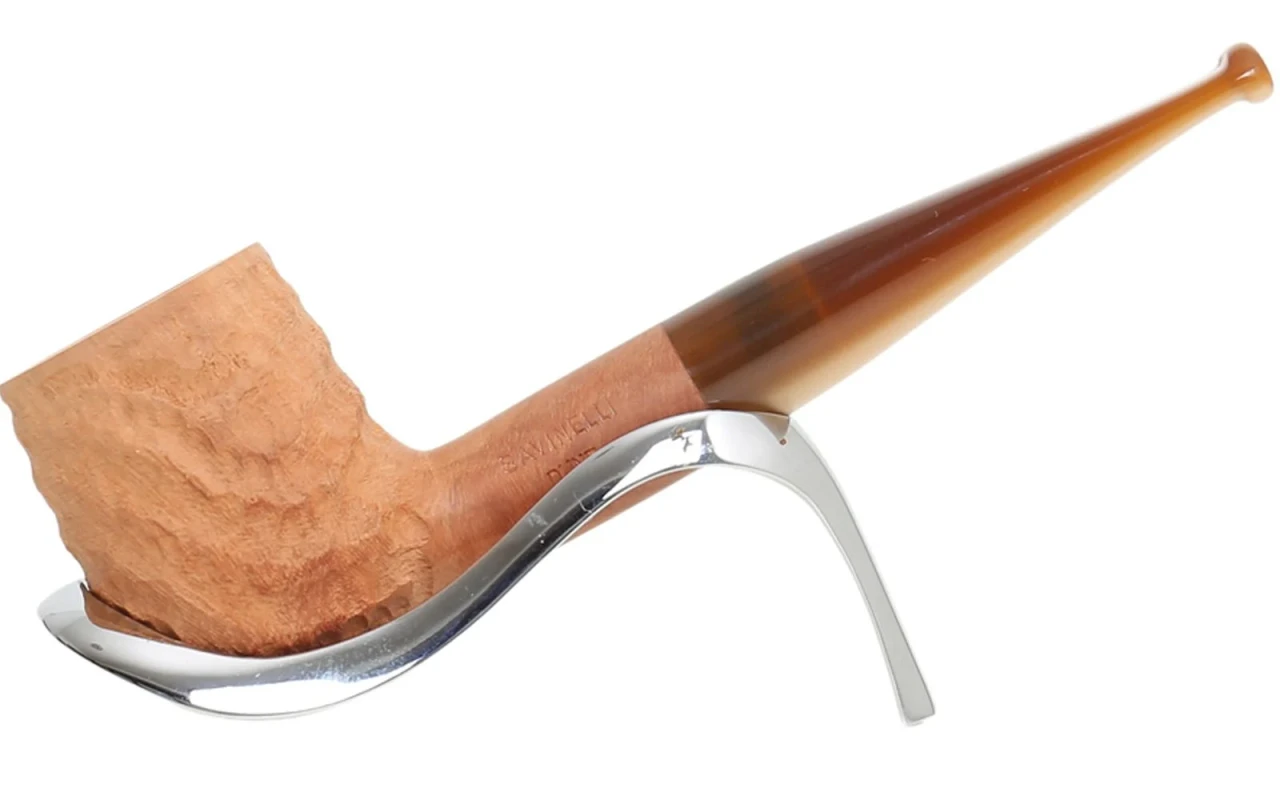
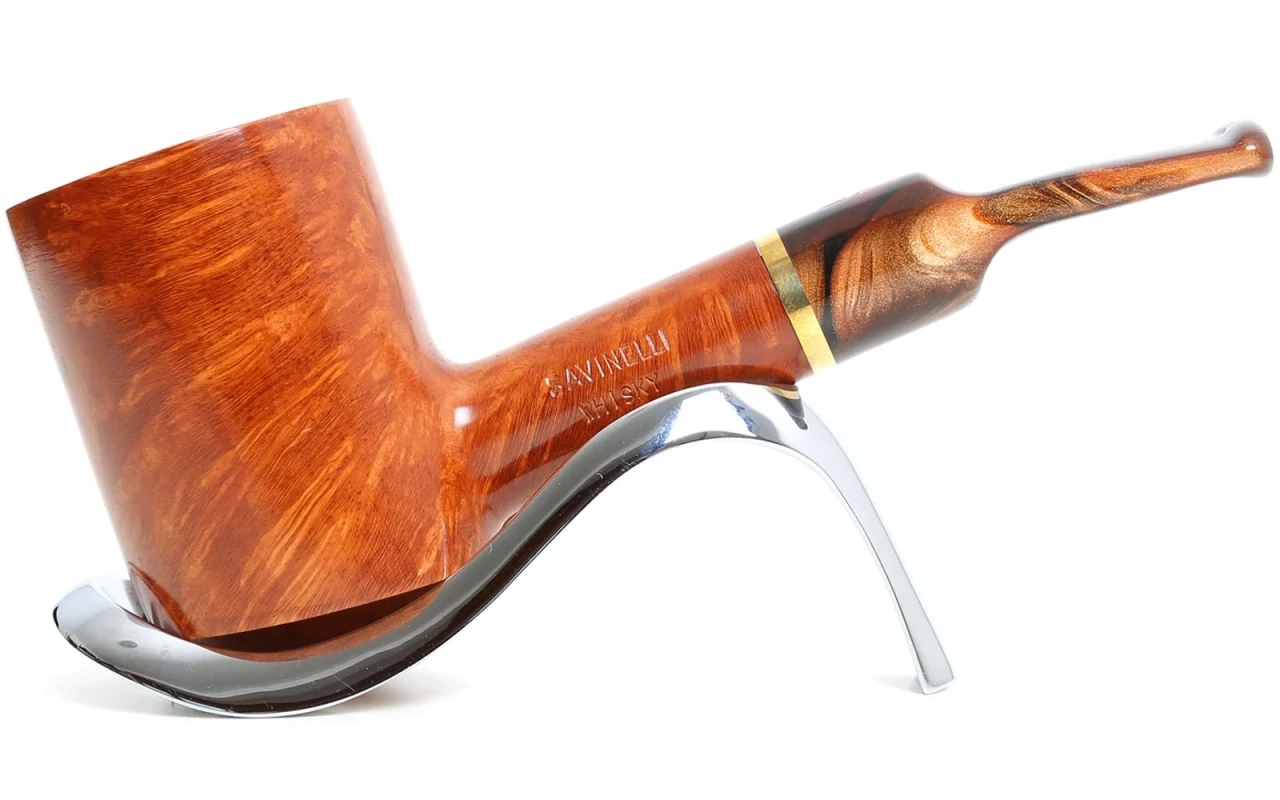
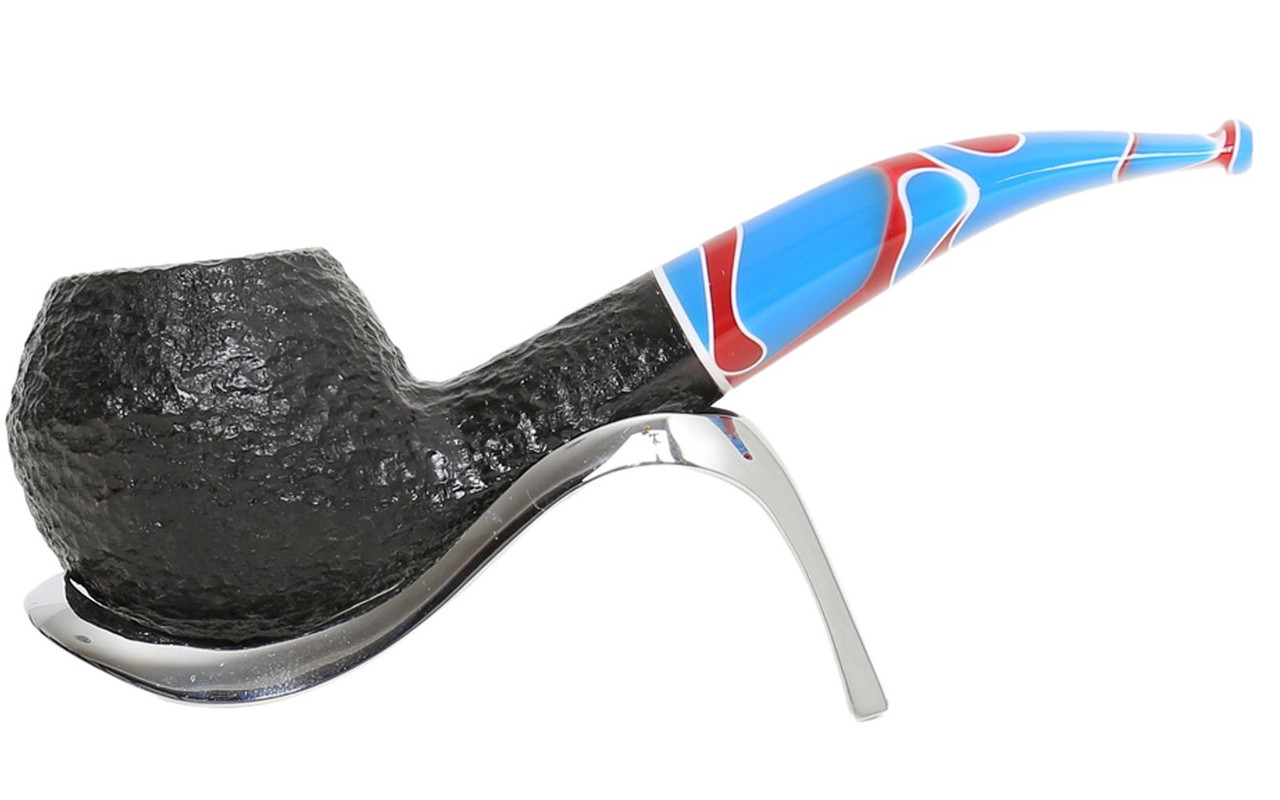
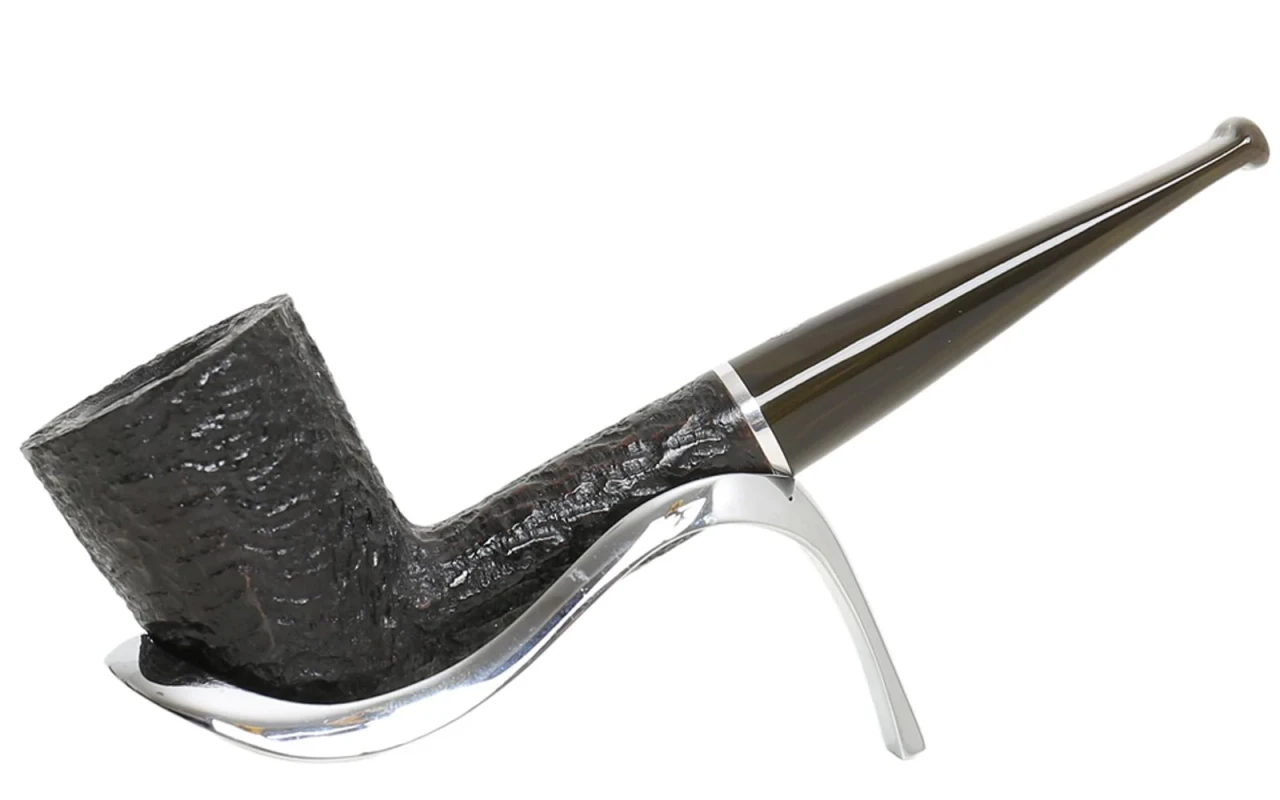
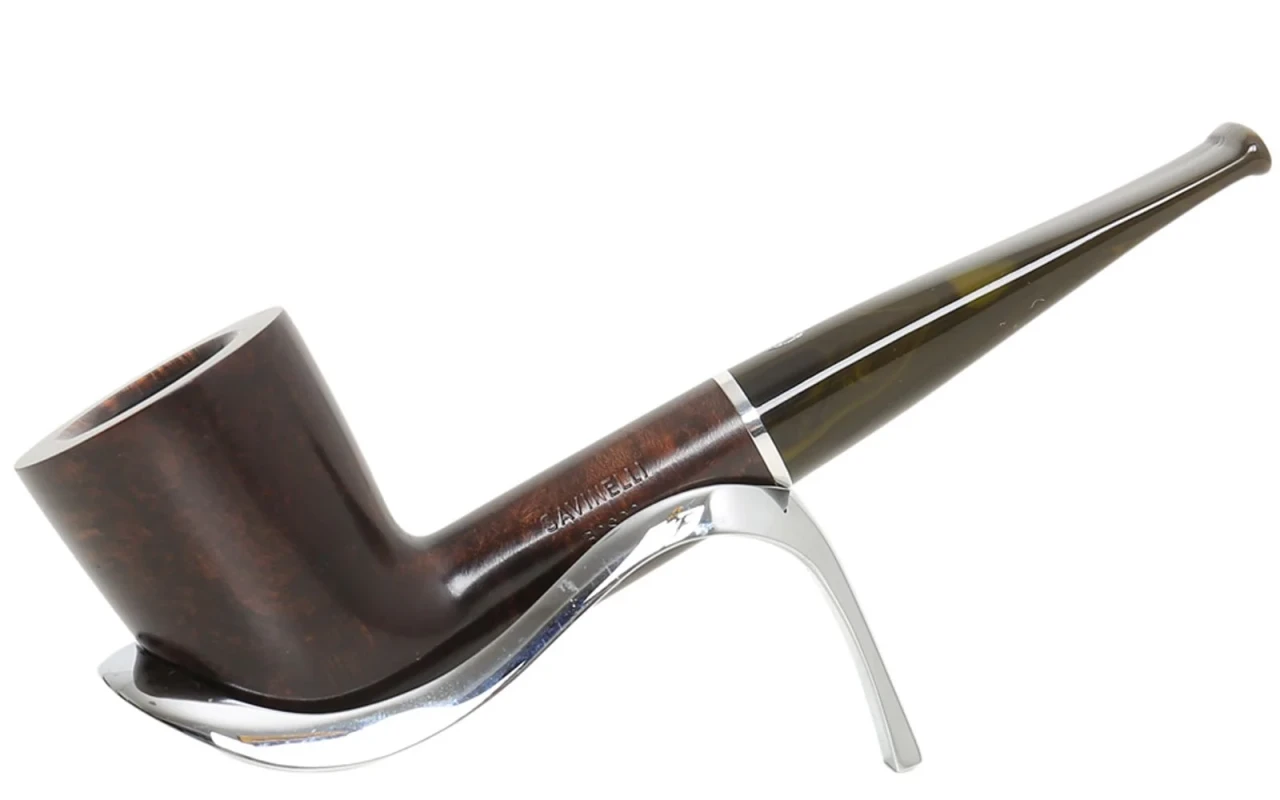
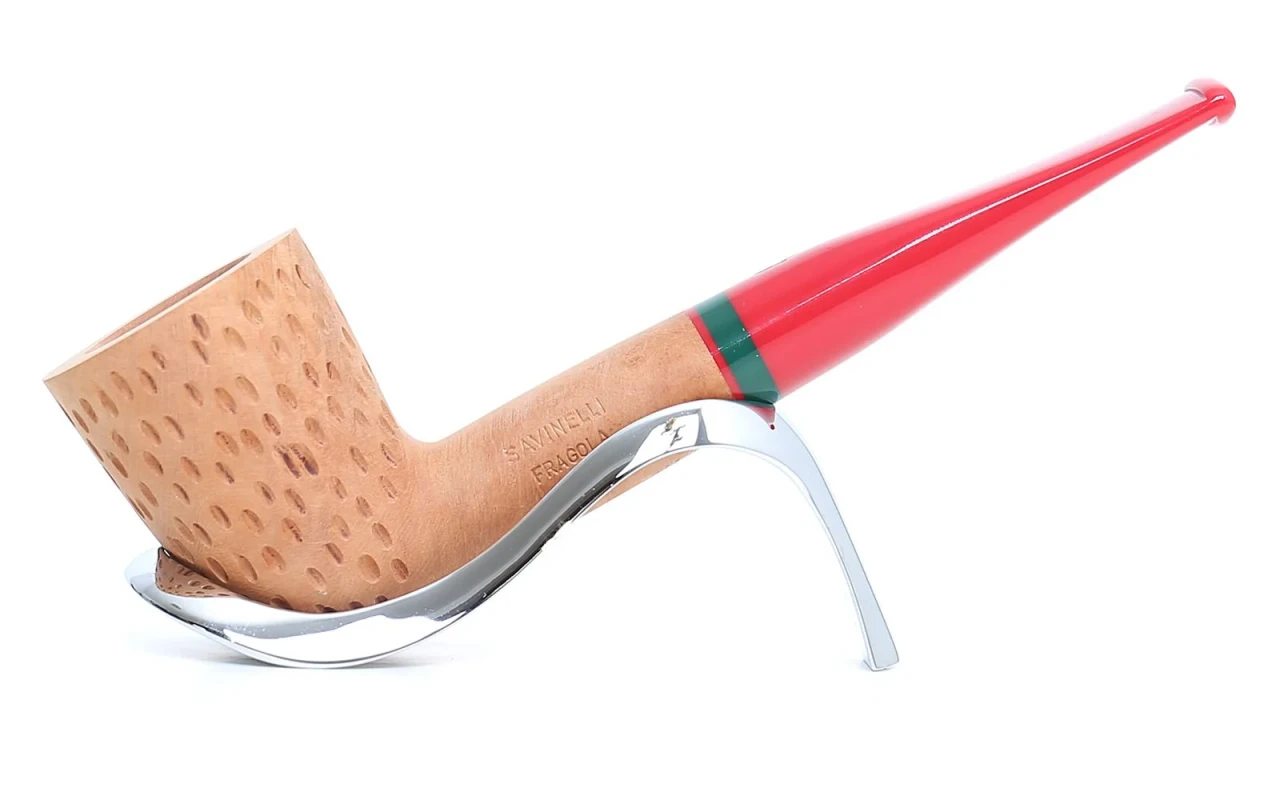
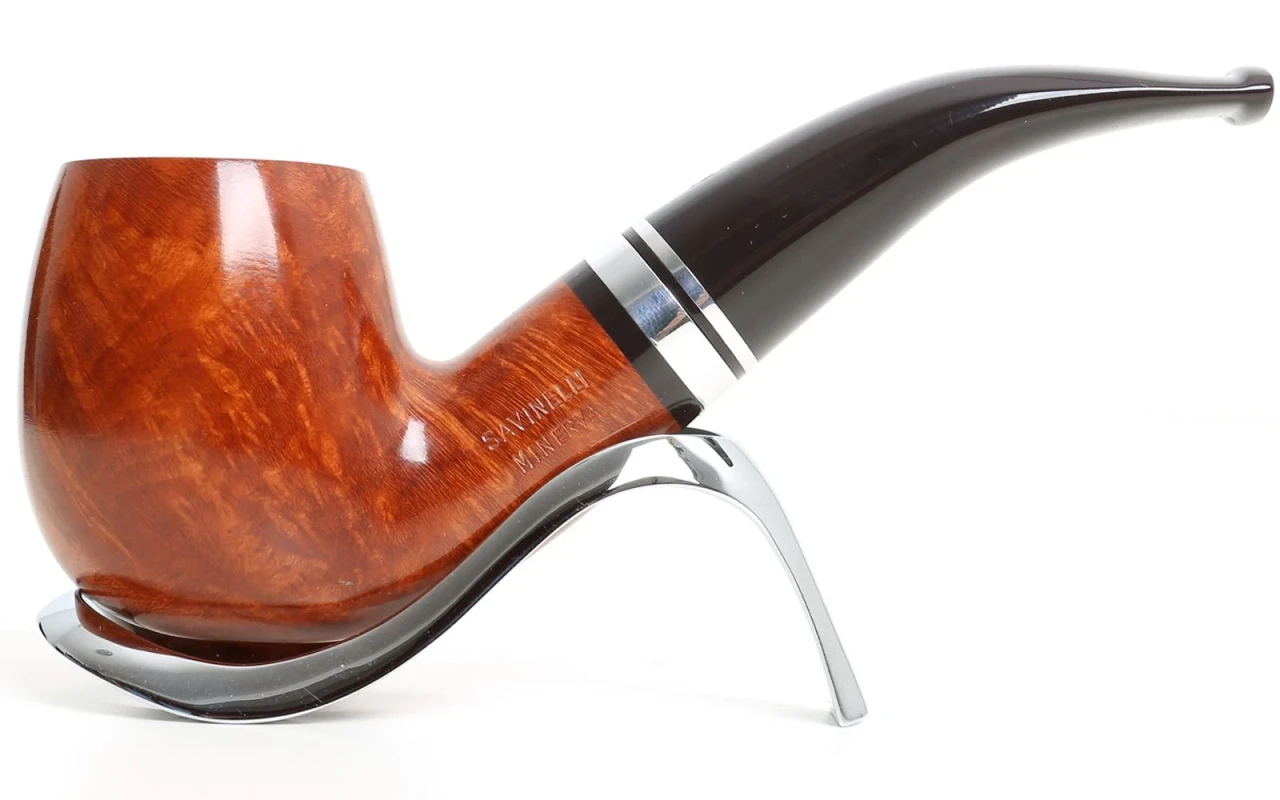
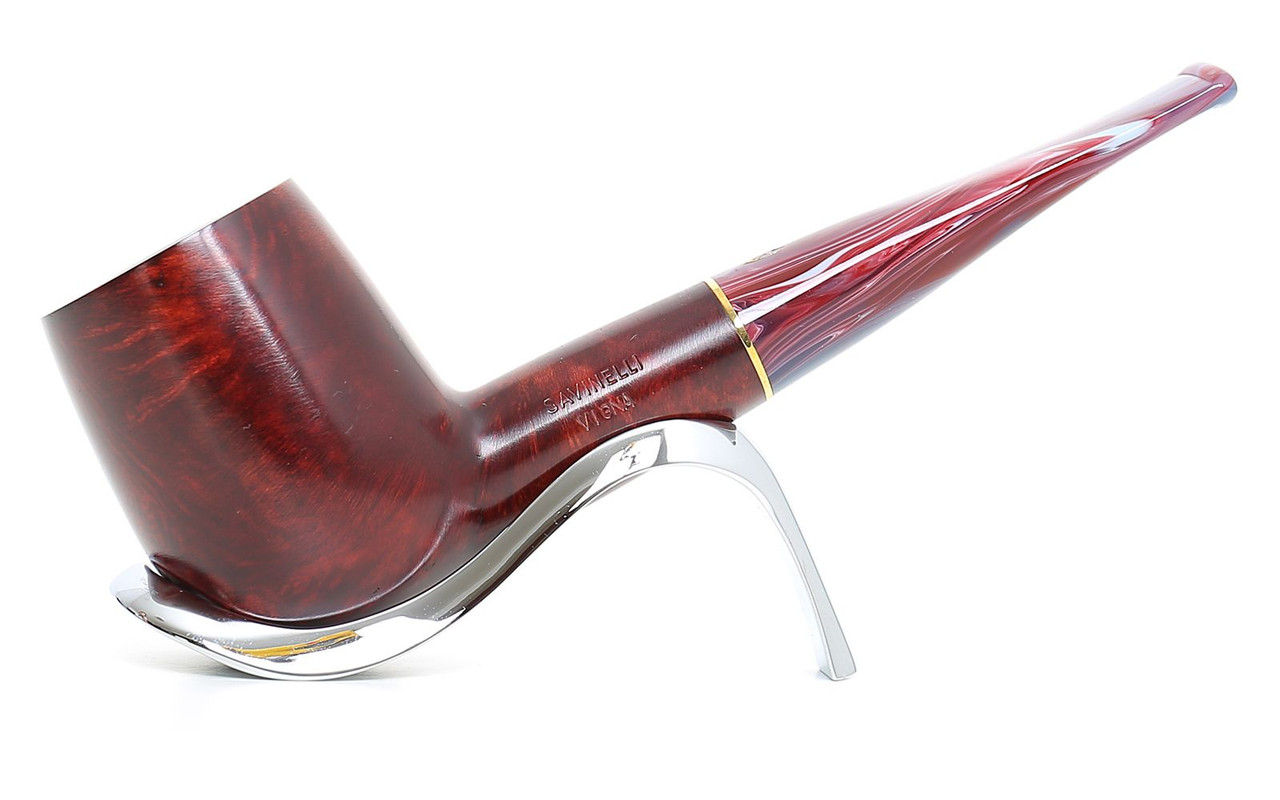
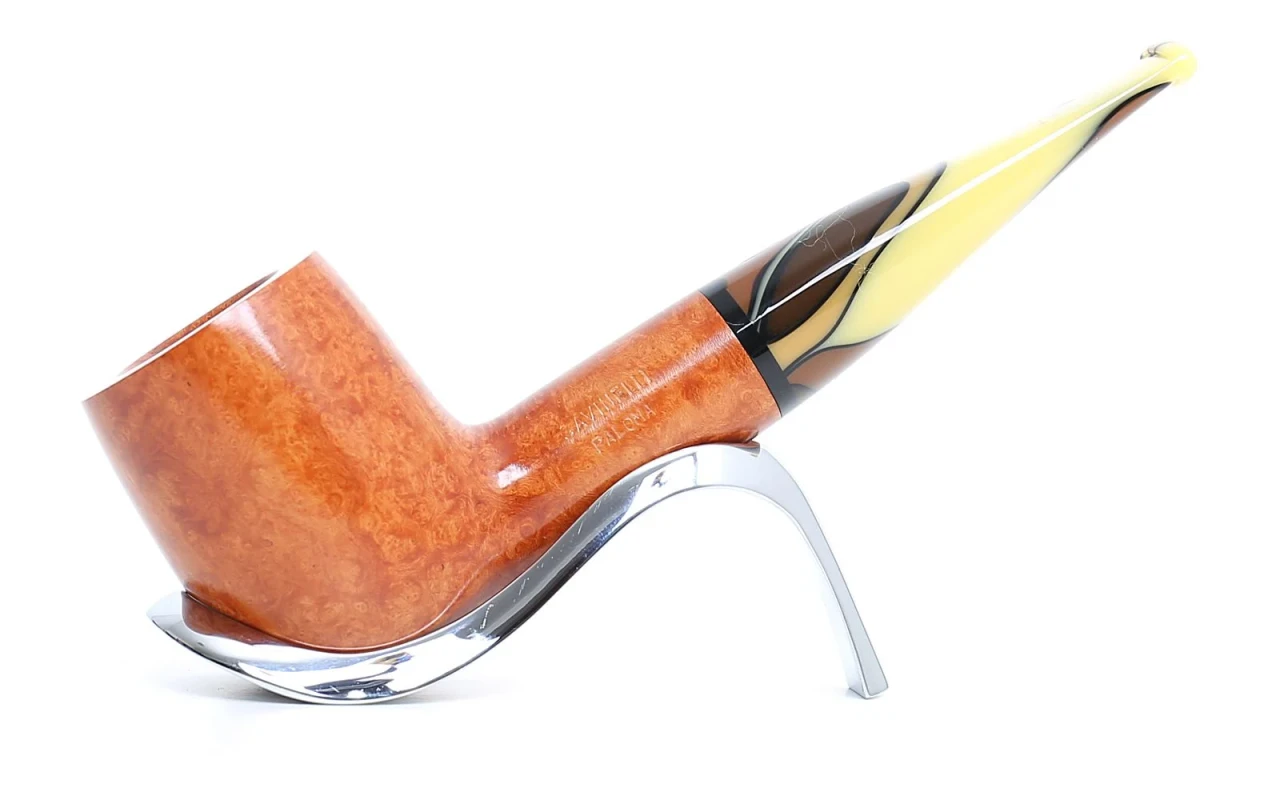
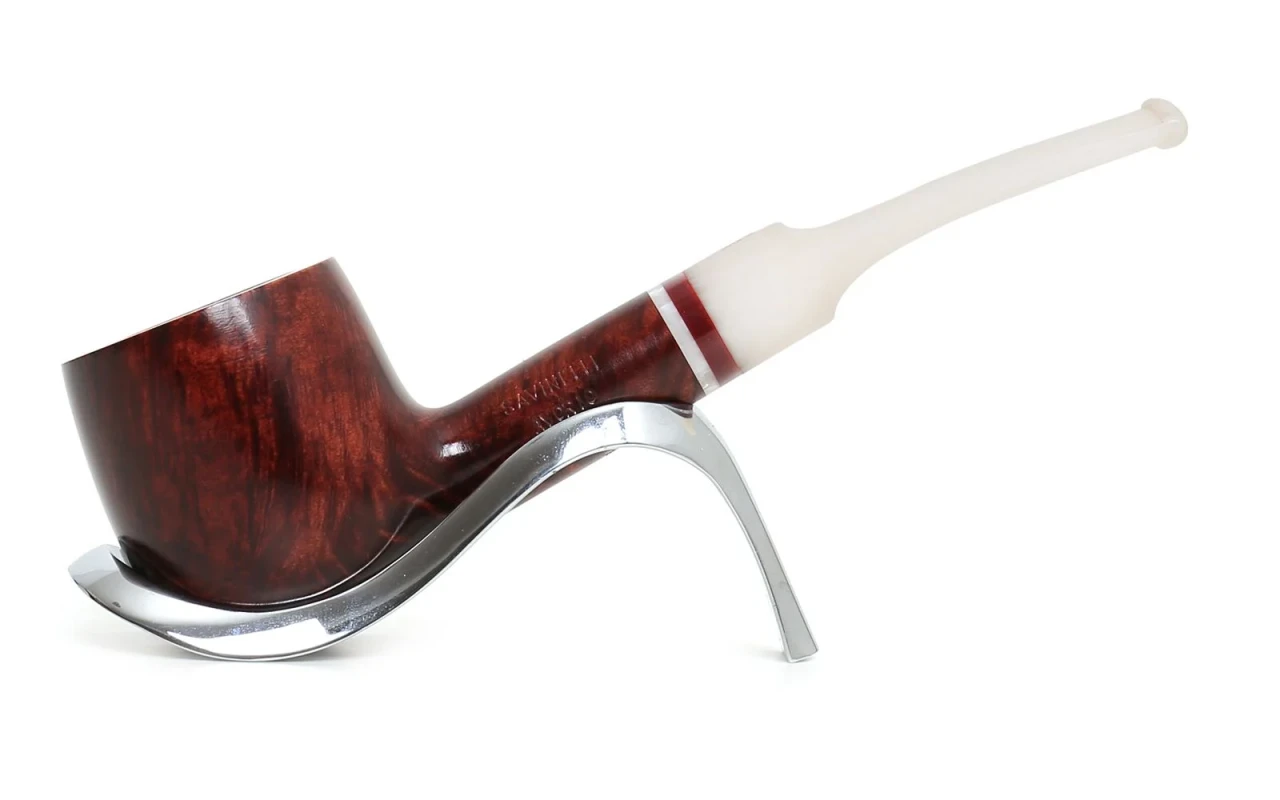
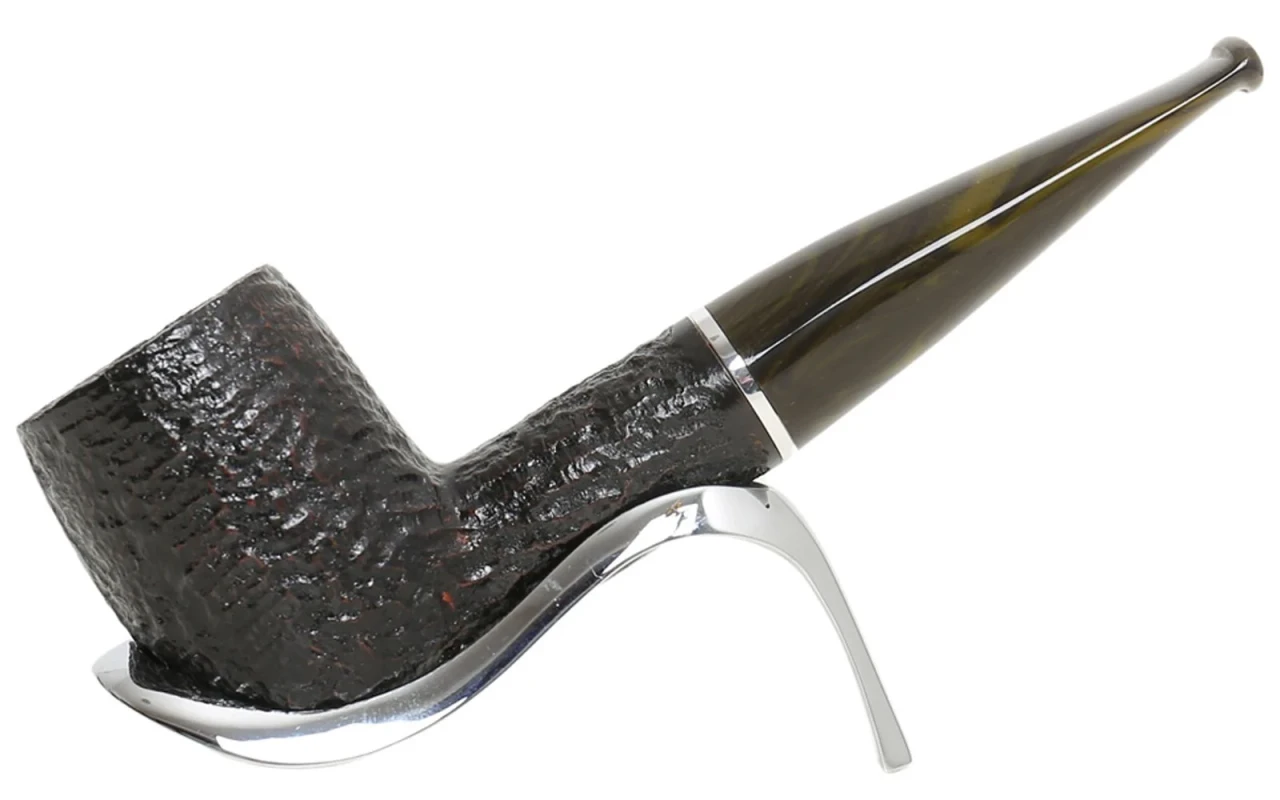
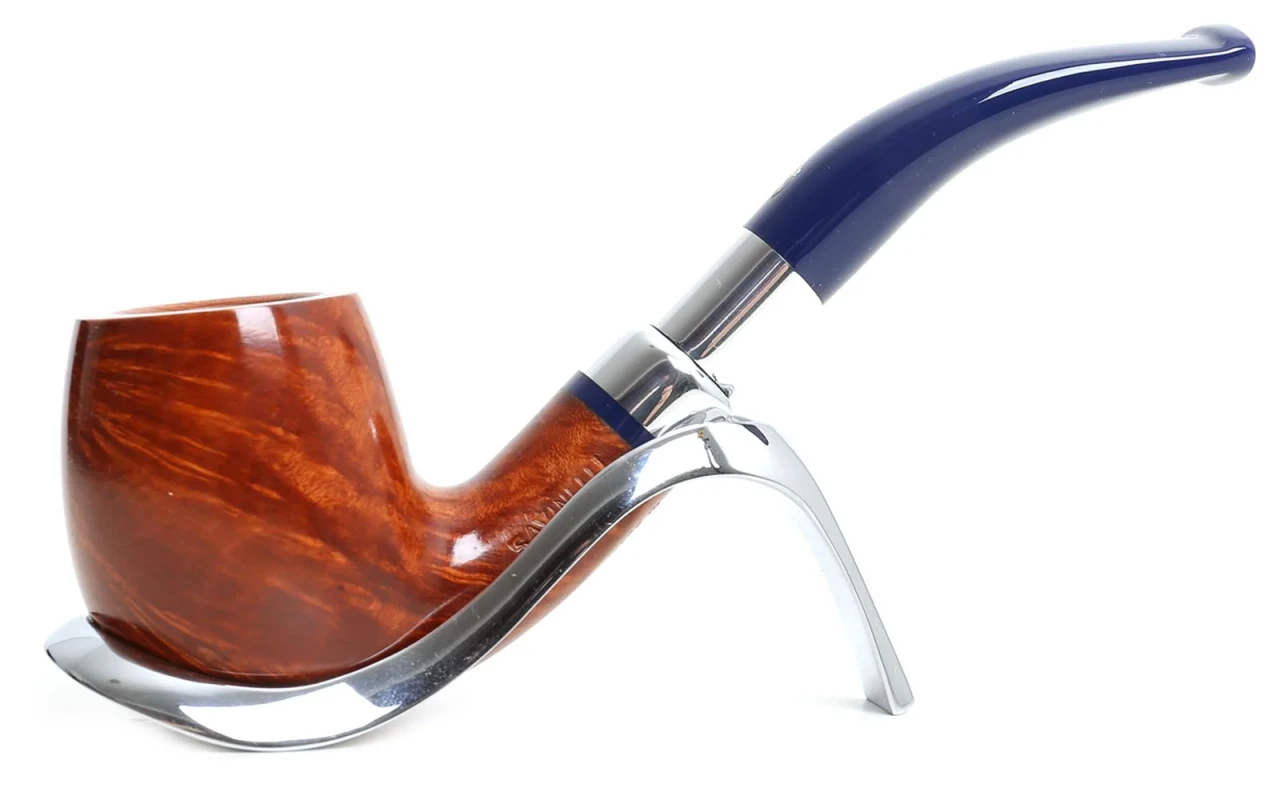
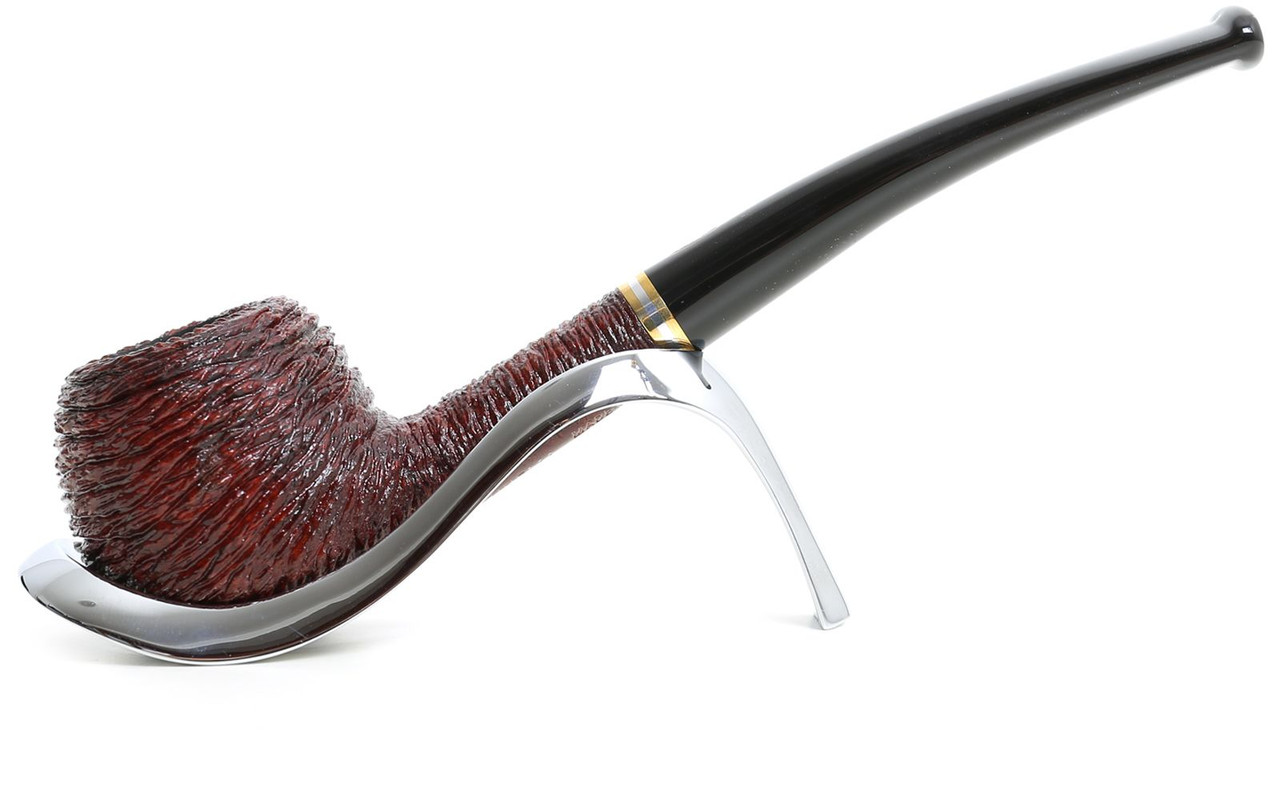
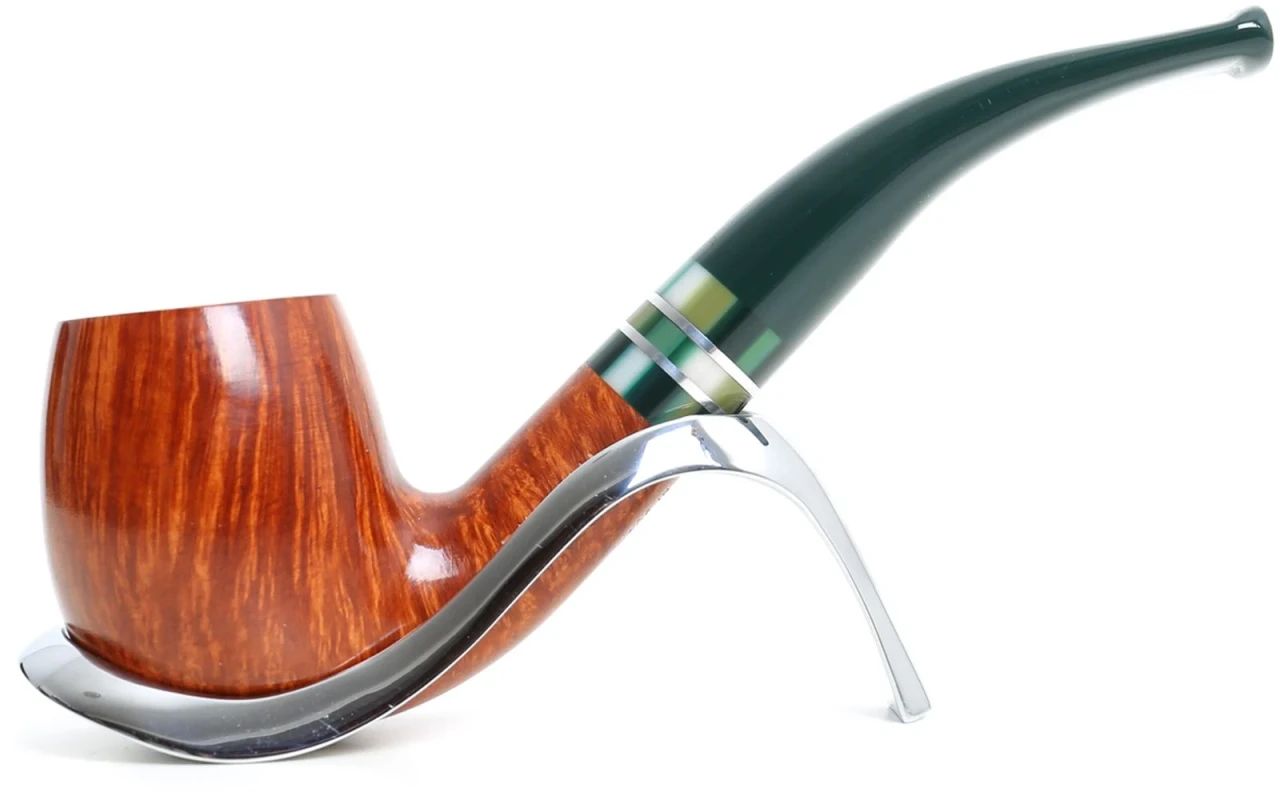
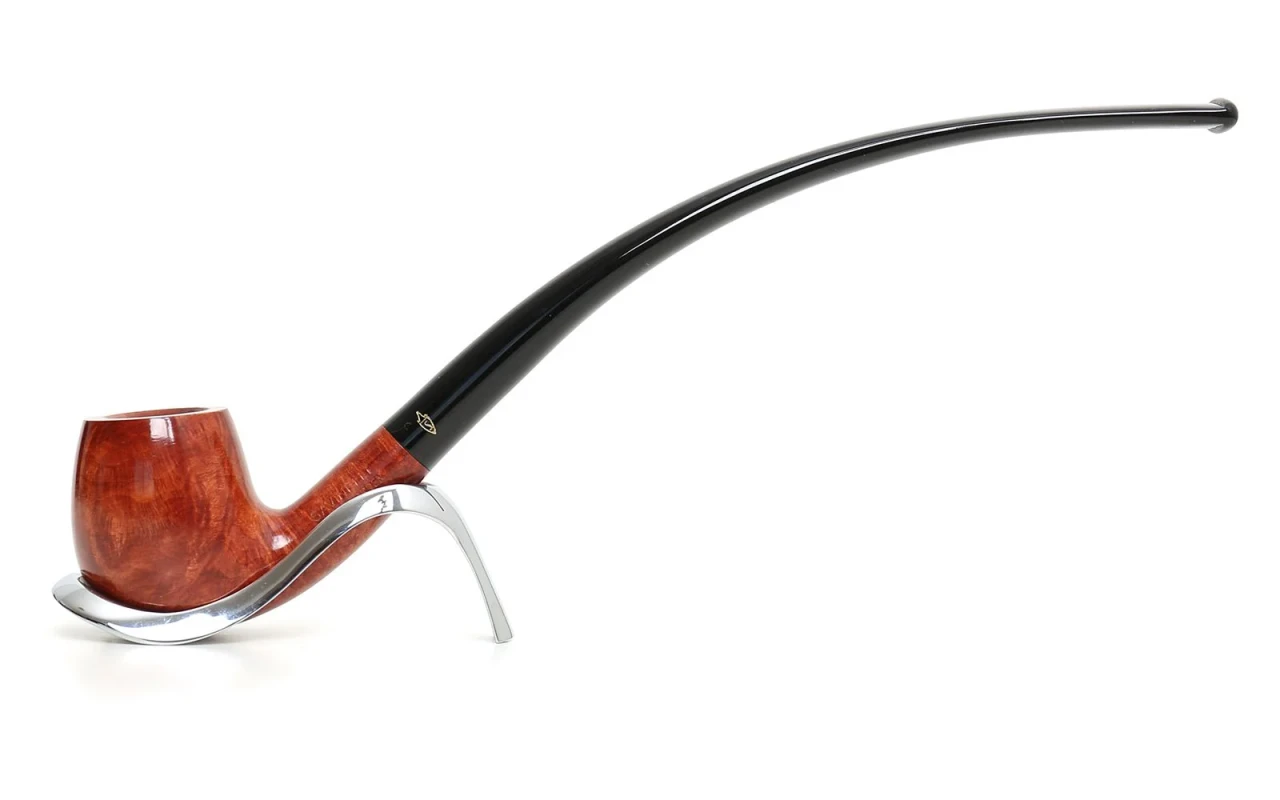
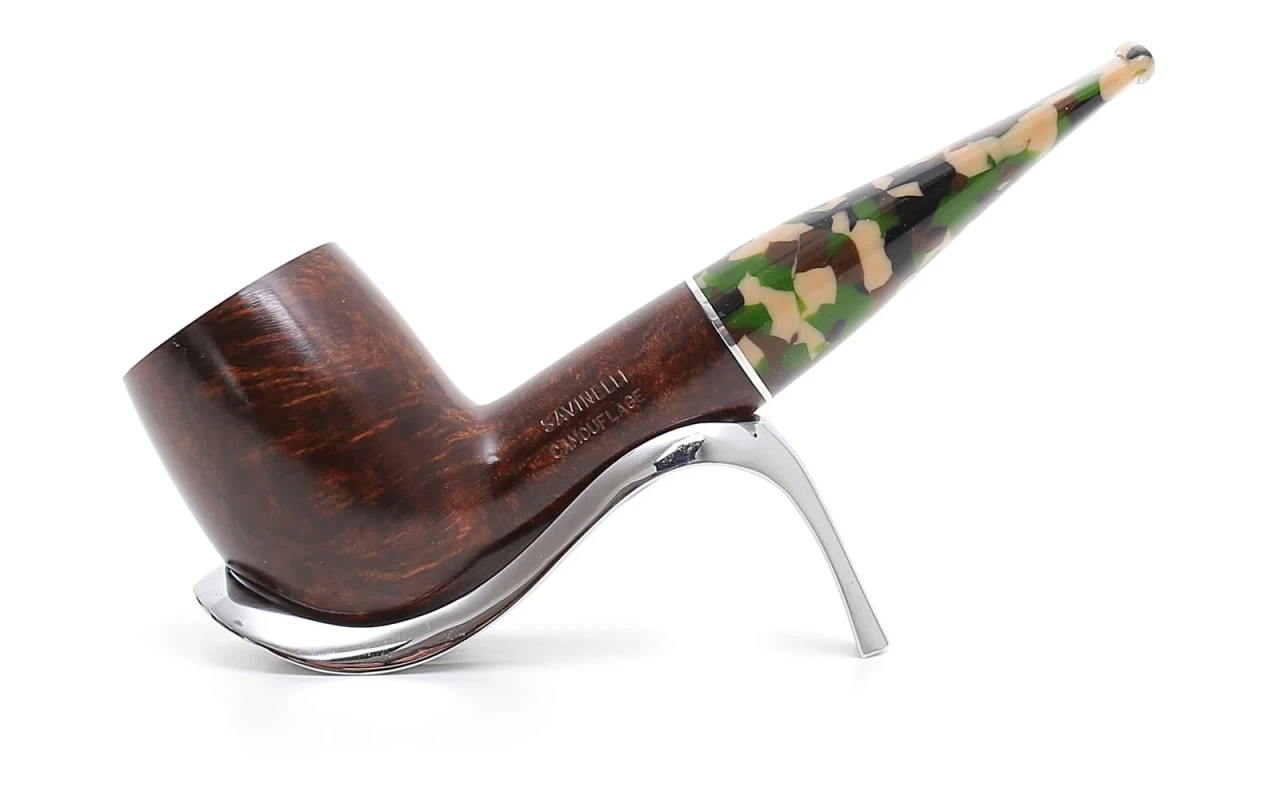
20th-century pipes were made in a variety of materials and styles that reflected the trends and techniques of the era. The most common materials included wood, briar, clay, corn cob, and even synthetic materials like bakelite. The most popular pipe styles were the classic straight pipe, bent, freehand, and churchwarden. Throughout the century, more modern and experimental styles were also seen, such as object-shaped pipes or ultra-thin pipes. This variety of materials and styles helped make 20th-century pipes an iconic element of the culture and fashion of the time.
Ancient smoking pipe materials
Ancient pipes were made from a variety of materials, each with unique characteristics. The most common materials included:- Briar wood: lightweight, heat-resistant, and with a fine grain.- Chestnut wood: lightweight and porous, suitable for a good smoke.- Clay: favored a pure taste, but required delicacy in use.- Porcelain: elegant and resistant to high temperatures.- Meerschaum: porous stone that absorbed nicotine and colored over time.Today, many of these ancient materials are still used for the production of traditional pipes.
Ancient Pipe Styles
Ancient pipe styles vary significantly depending on the historical period and the region of origin. Ancient pipes can be classified according to various criteria, such as the construction material (wood, clay, metal), the shape of the bowl (spherical, conical, calabash), and the stem style (straight, curved, duck-bill). Some examples of ancient pipe styles include the "churchwarden" with its long stem, the "calabash" with its characteristic gourd-shaped bowl, and the hand-carved "meerschaum". Each style reflects the tradition and distinctive craftsmanship of its era and culture.
Vintage pipe materials
The most common materials used for vintage pipes include:- Briar wood: light and resistant, it offers good heat dissipation.- Oak wood: hard and durable, it gives a unique flavor to the smoke.- Meerschaum: a porous stone that absorbs tobacco oils, enhancing the flavor.- Clay: light and porous, mainly used for decorative pipes.- Porcelain: elegant and fragile, mainly suitable for collector pipes.- Metal: solid and resistant, often used for travel pipes.The choice of material influences the characteristics and taste of the smoke, making each vintage pipe unique.
Vintage Pipes
Vintage pipes represent an important chapter in the history of pipe smoking. Over the centuries, pipes have been crafted from a variety of materials, including wood, clay, corn cob, and even stone. These ancient pipes often featured intricate craftsmanship details and were used for smoking tobacco, herbs, or other substances. Vintage pipes can vary significantly in design and shape depending on the historical period and cultural origin. Today, many of these old pipes are highly sought-after collectibles by history enthusiasts and pipe smokers.
'%3e%3cg id='Final-Copy-2_2_' transform='translate(1275.000000, 200.000000)'%3e%3cpath class='st0' d='M7.4,12.8h6.8l3.1-11.6H7.4C4.2,1.2,1.6,3.8,1.6,7S4.2,12.8,7.4,12.8z'/%3e%3c/g%3e%3c/g%3e%3c/g%3e%3cg id='final---dec.11-2020'%3e%3cg id='_x30_208-our-toggle' transform='translate(-1275.000000, -200.000000)'%3e%3cg id='Final-Copy-2' transform='translate(1275.000000, 200.000000)'%3e%3cpath class='st1' d='M22.6,0H7.4c-3.9,0-7,3.1-7,7s3.1,7,7,7h15.2c3.9,0,7-3.1,7-7S26.4,0,22.6,0z M1.6,7c0-3.2,2.6-5.8,5.8-5.8 h9.9l-3.1,11.6H7.4C4.2,12.8,1.6,10.2,1.6,7z'/%3e%3cpath id='x' class='st2' d='M24.6,4c0.2,0.2,0.2,0.6,0,0.8l0,0L22.5,7l2.2,2.2c0.2,0.2,0.2,0.6,0,0.8c-0.2,0.2-0.6,0.2-0.8,0 l0,0l-2.2-2.2L19.5,10c-0.2,0.2-0.6,0.2-0.8,0c-0.2-0.2-0.2-0.6,0-0.8l0,0L20.8,7l-2.2-2.2c-0.2-0.2-0.2-0.6,0-0.8 c0.2-0.2,0.6-0.2,0.8,0l0,0l2.2,2.2L23.8,4C24,3.8,24.4,3.8,24.6,4z'/%3e%3cpath id='y' class='st3' d='M12.7,4.1c0.2,0.2,0.3,0.6,0.1,0.8l0,0L8.6,9.8C8.5,9.9,8.4,10,8.3,10c-0.2,0.1-0.5,0.1-0.7-0.1l0,0 L5.4,7.7c-0.2-0.2-0.2-0.6,0-0.8c0.2-0.2,0.6-0.2,0.8,0l0,0L8,8.6l3.8-4.5C12,3.9,12.4,3.9,12.7,4.1z'/%3e%3c/g%3e%3c/g%3e%3c/g%3e%3c/g%3e%3c/svg%3e) Your Privacy Choices
Your Privacy Choices 


