 ES
ES FR
FR EN
EN IT
IT
Materials and Production Techniques for Pipes
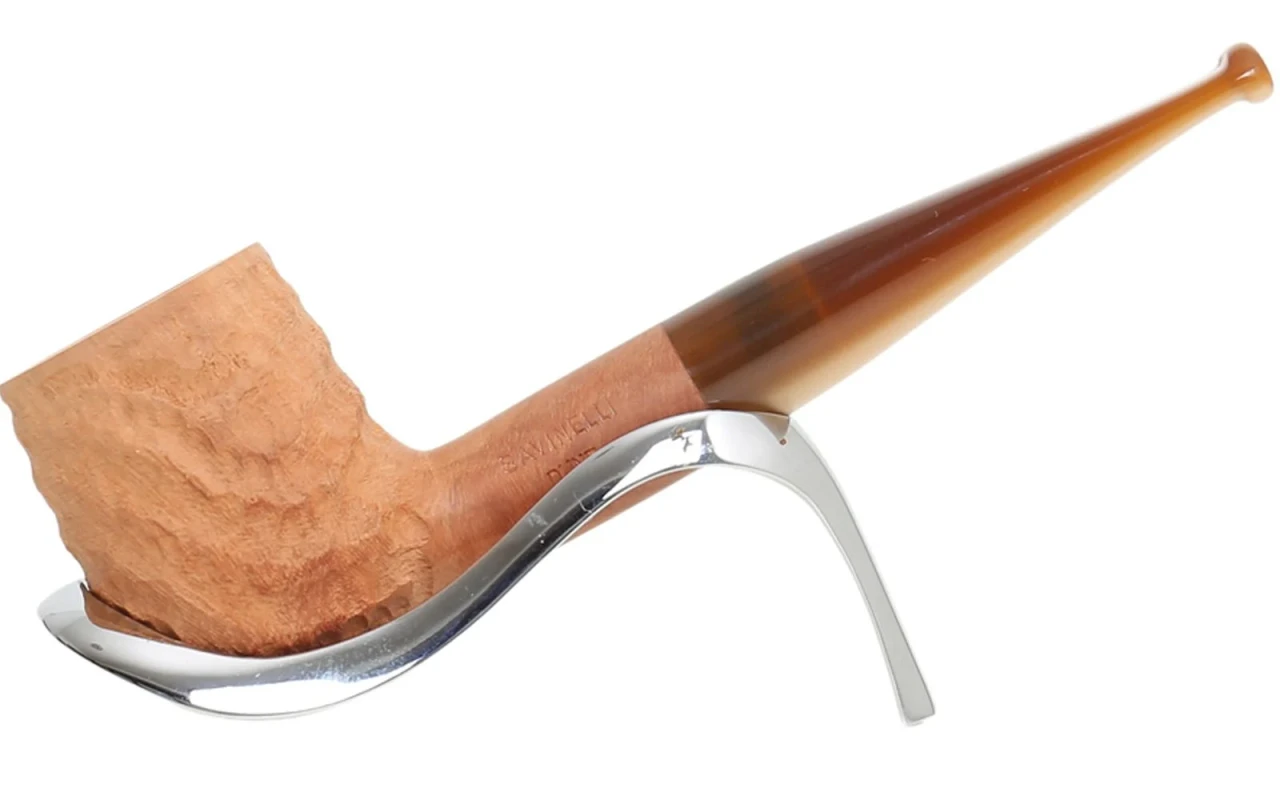
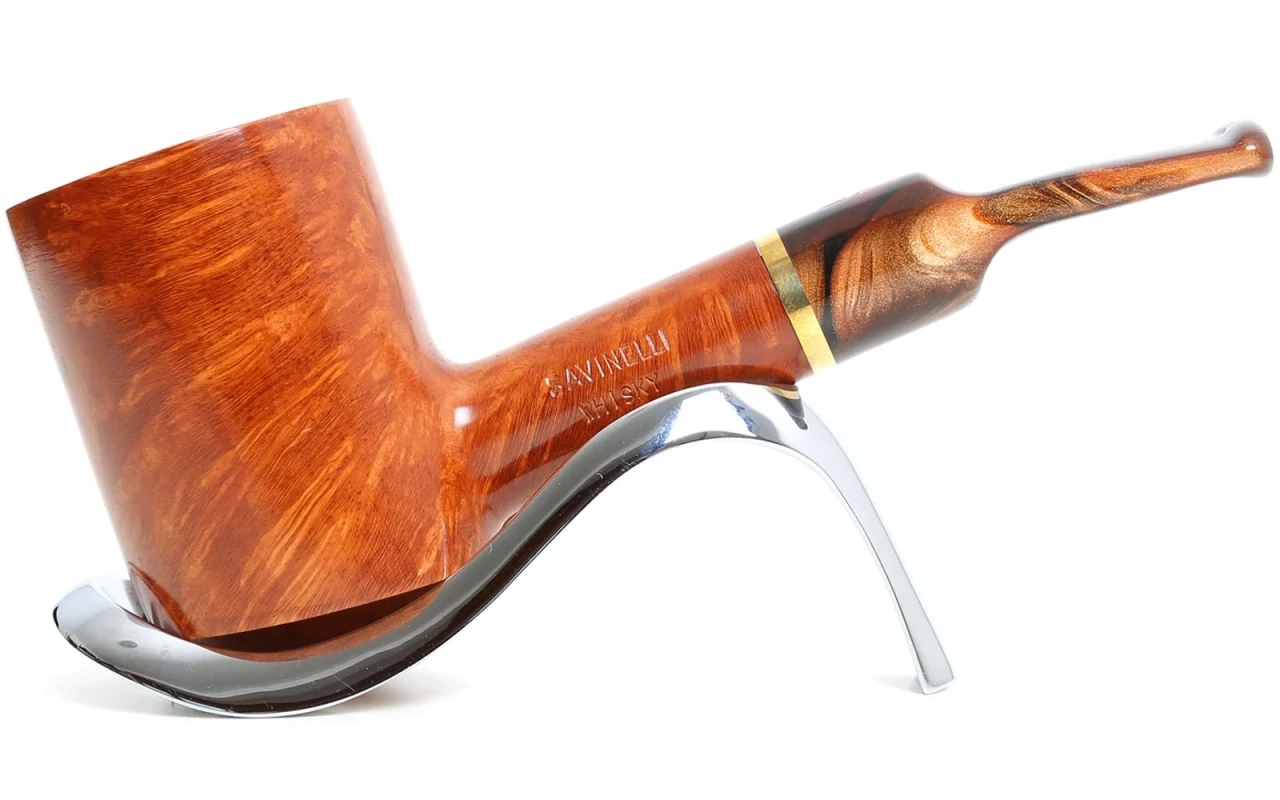
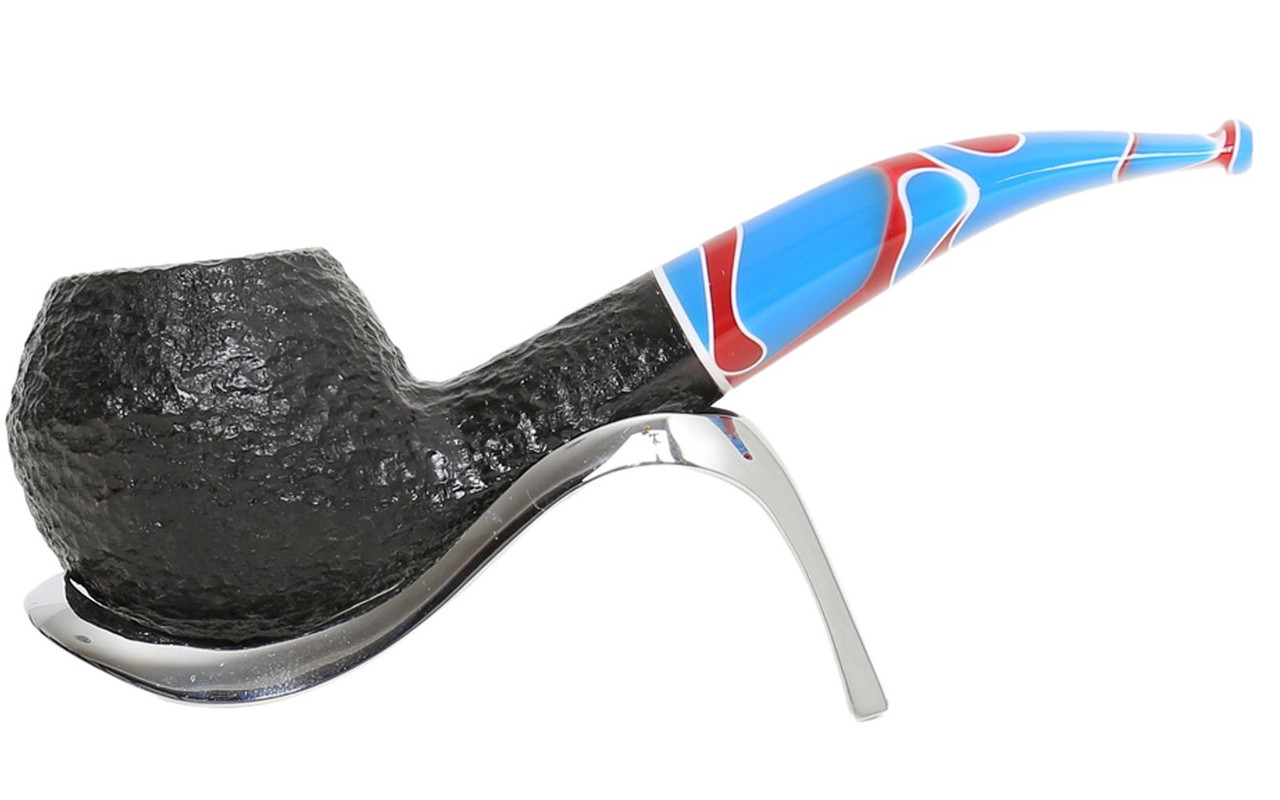
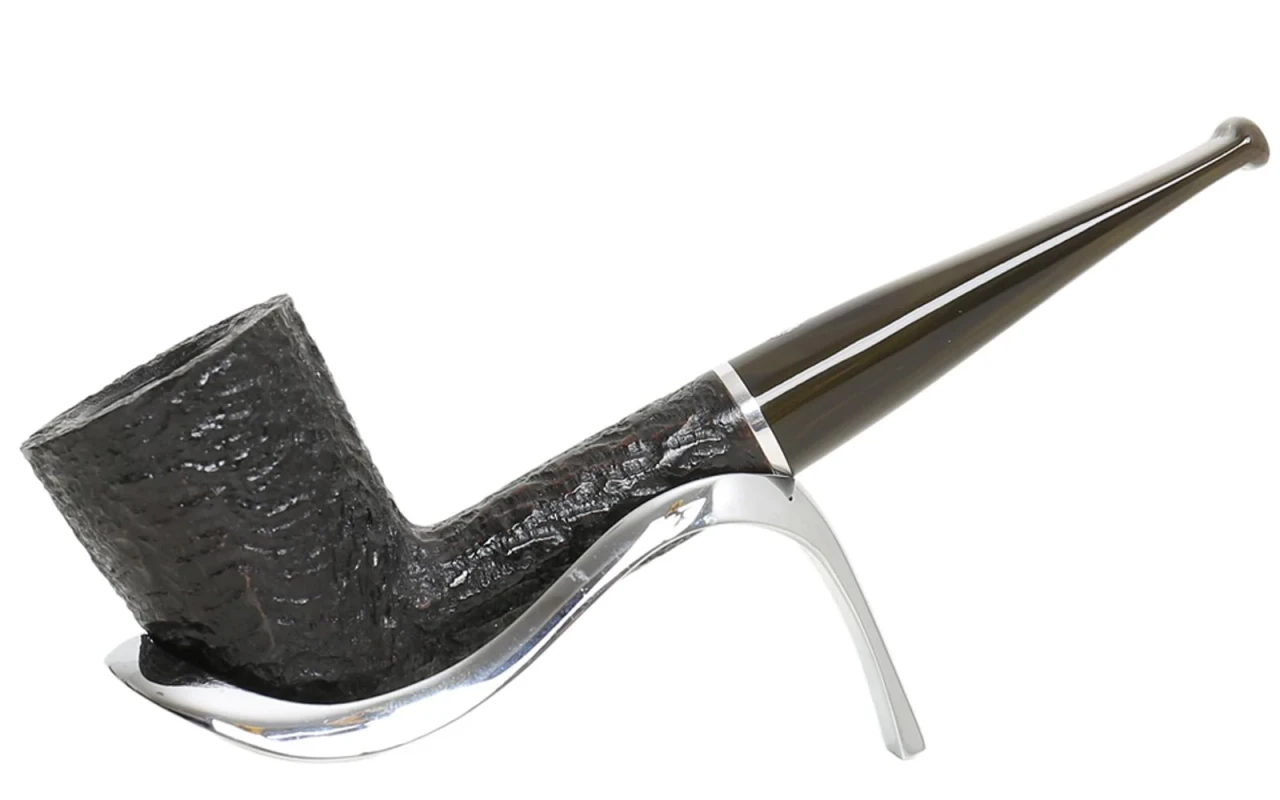
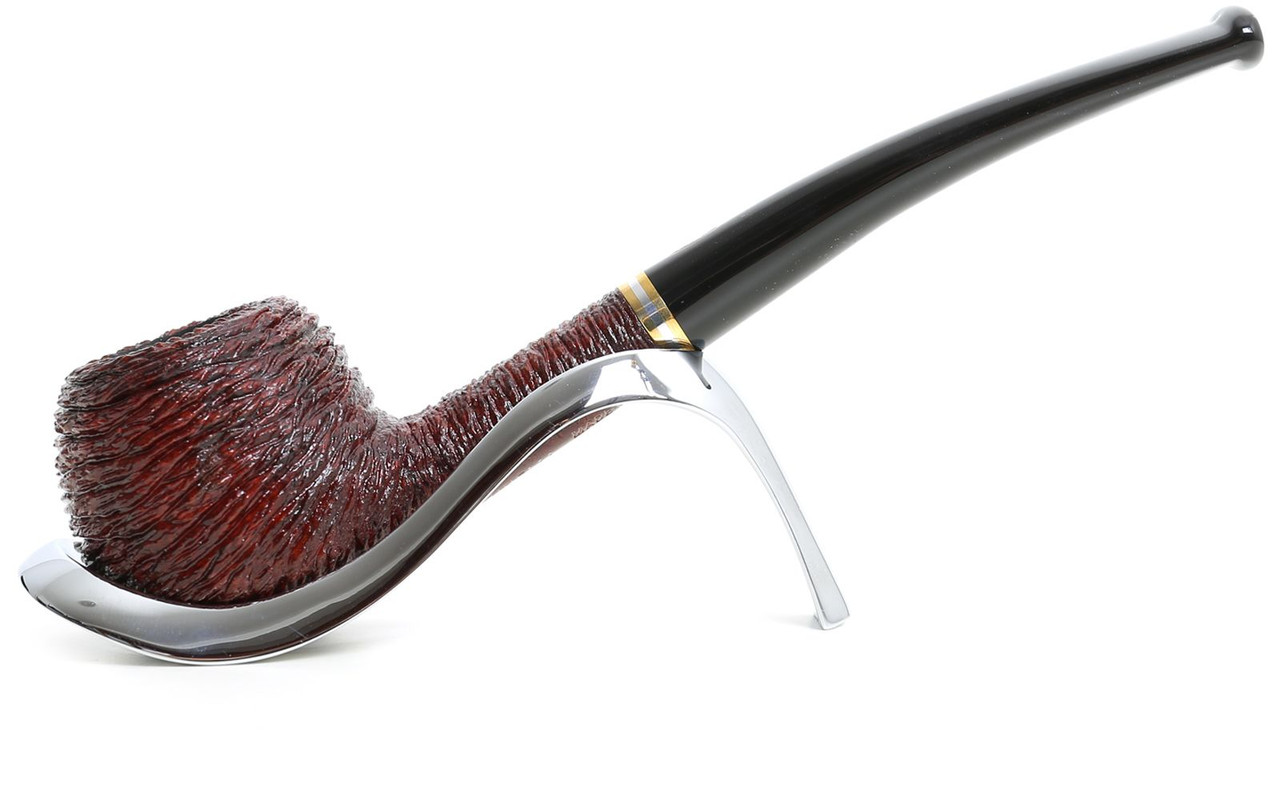
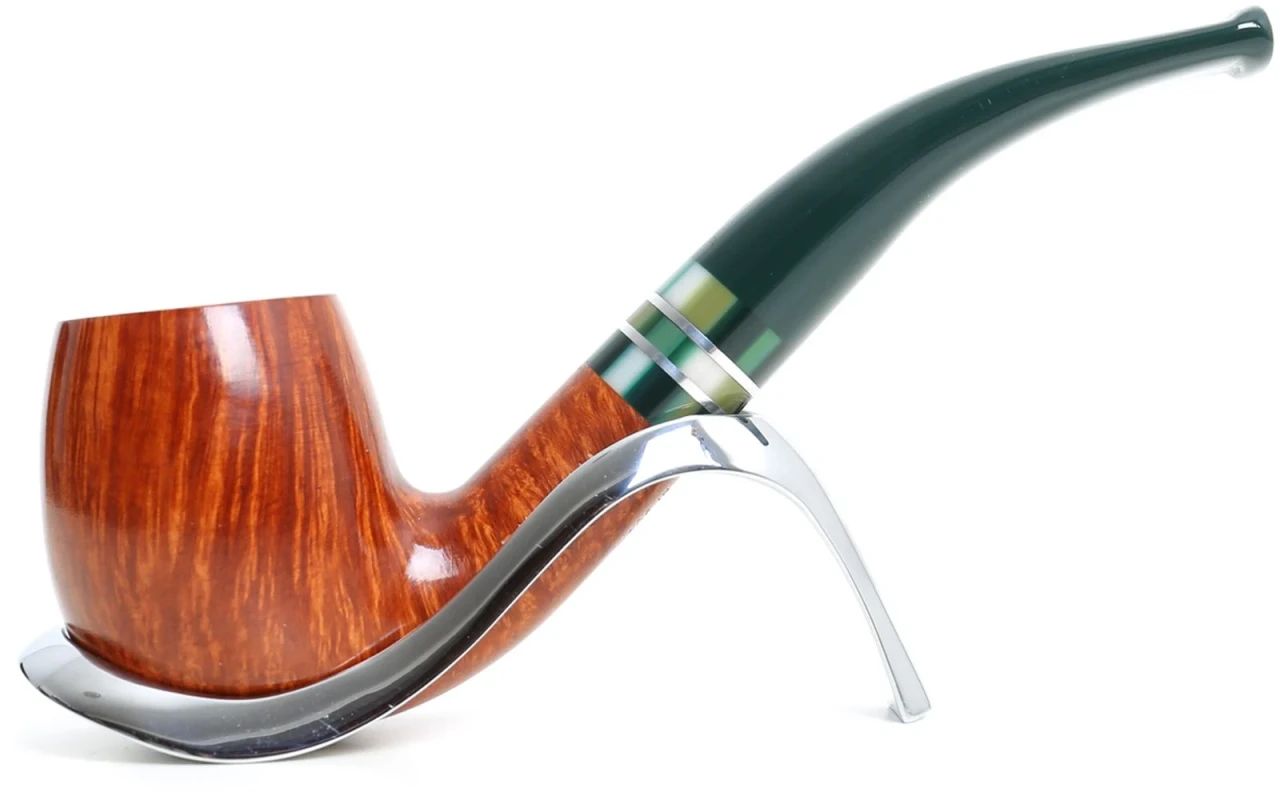
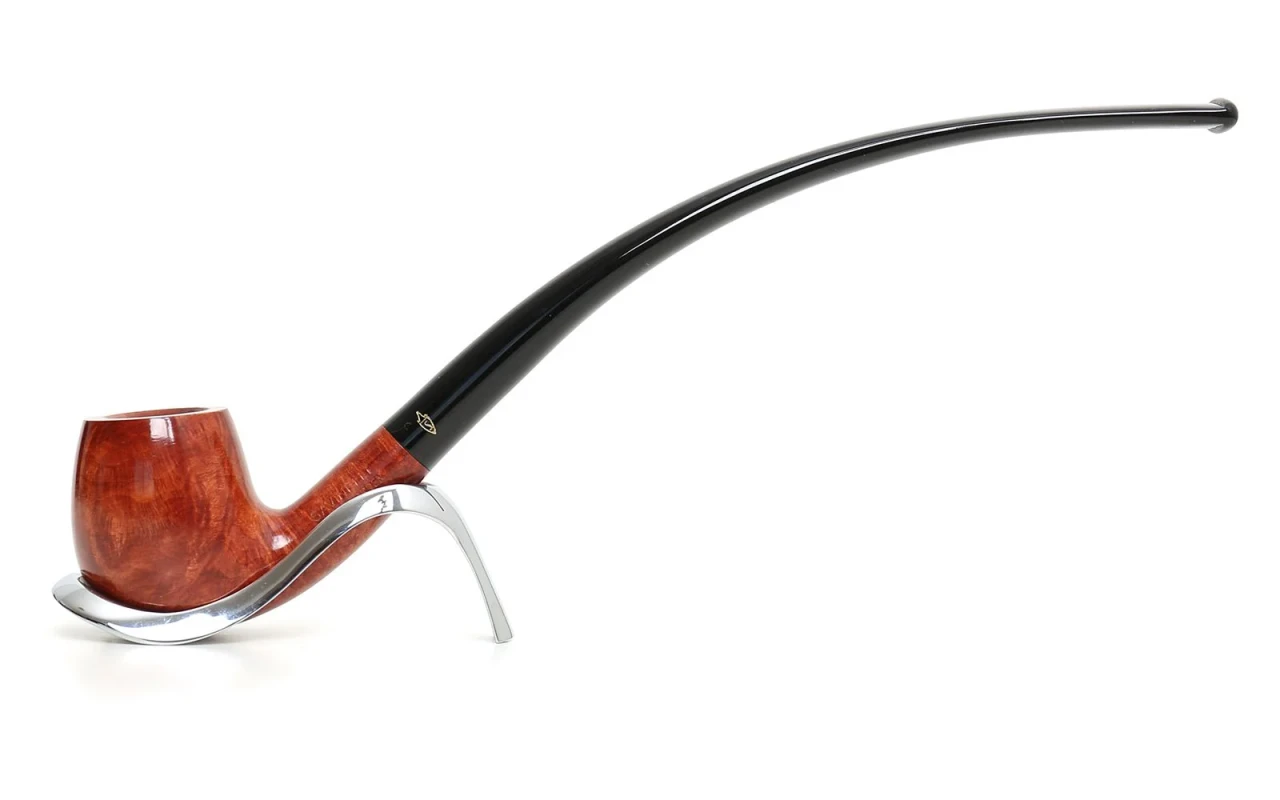
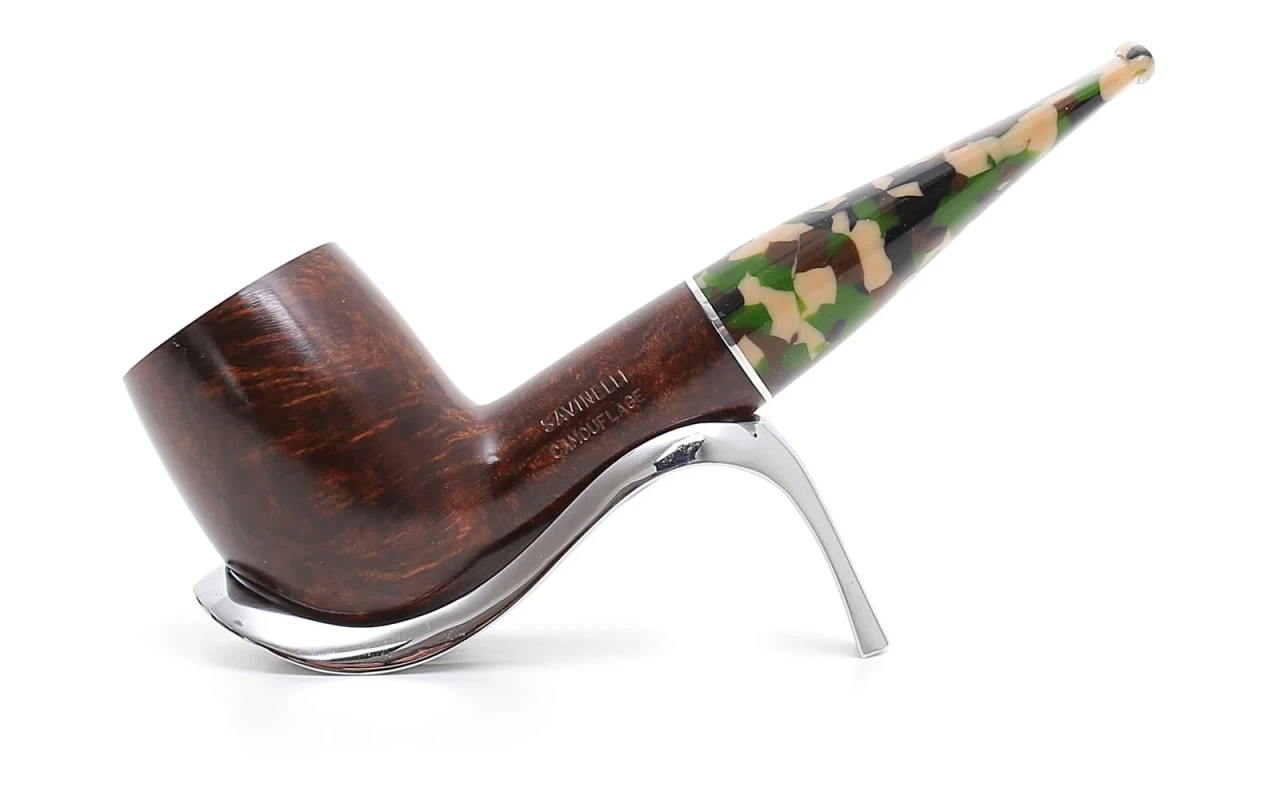
Materials and Production Techniques for Pipes
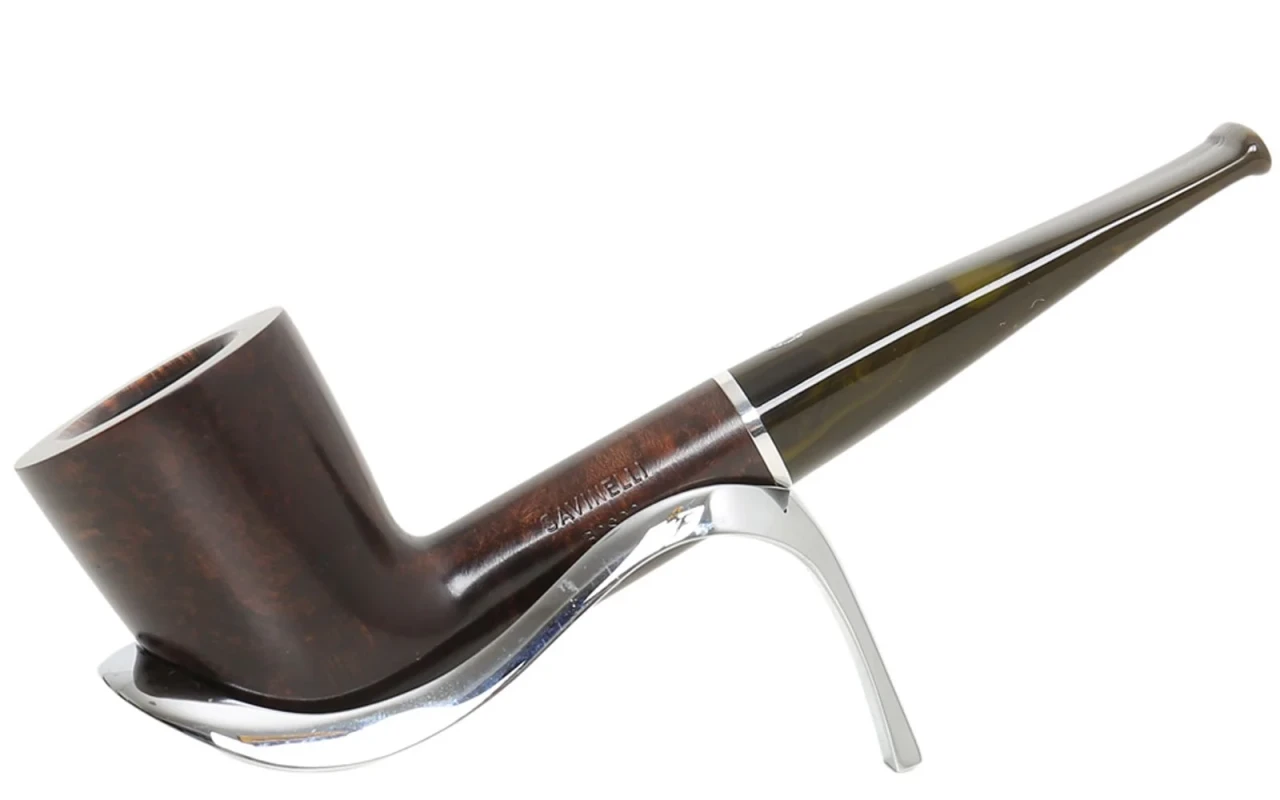
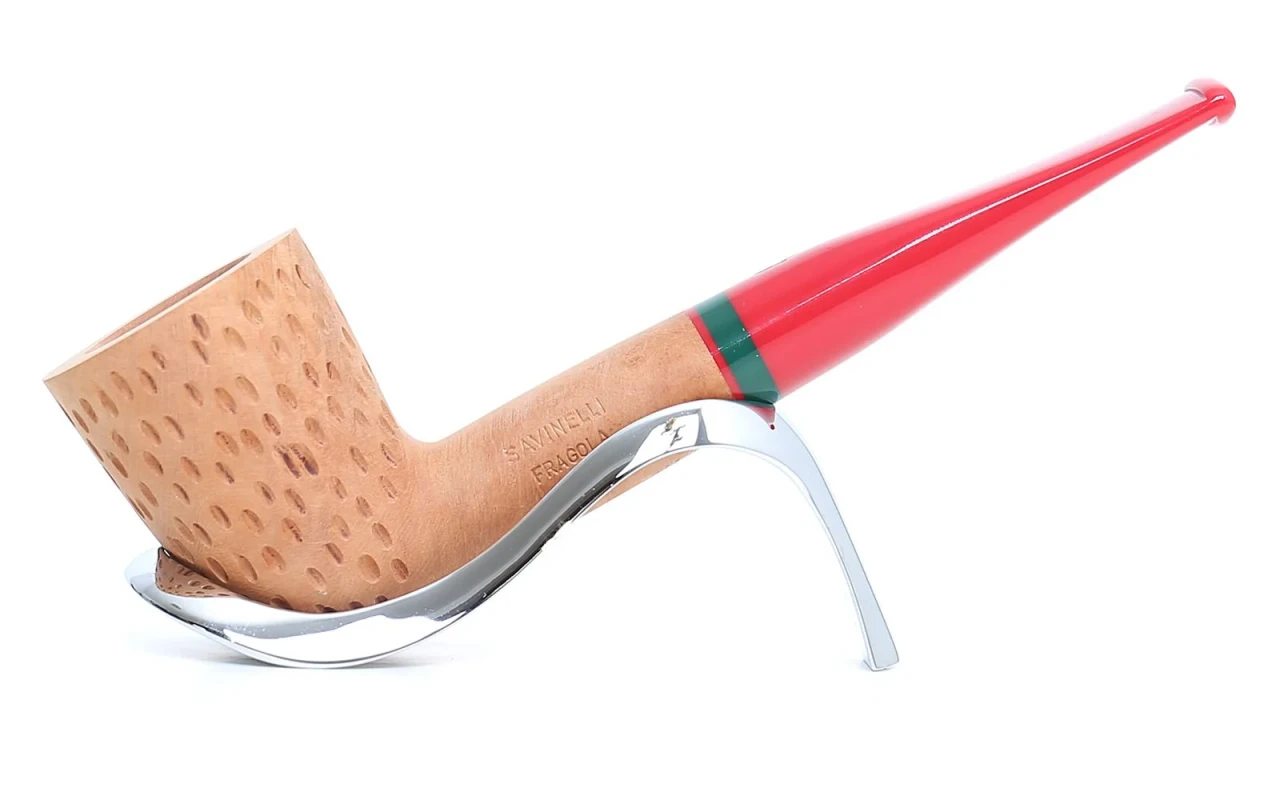
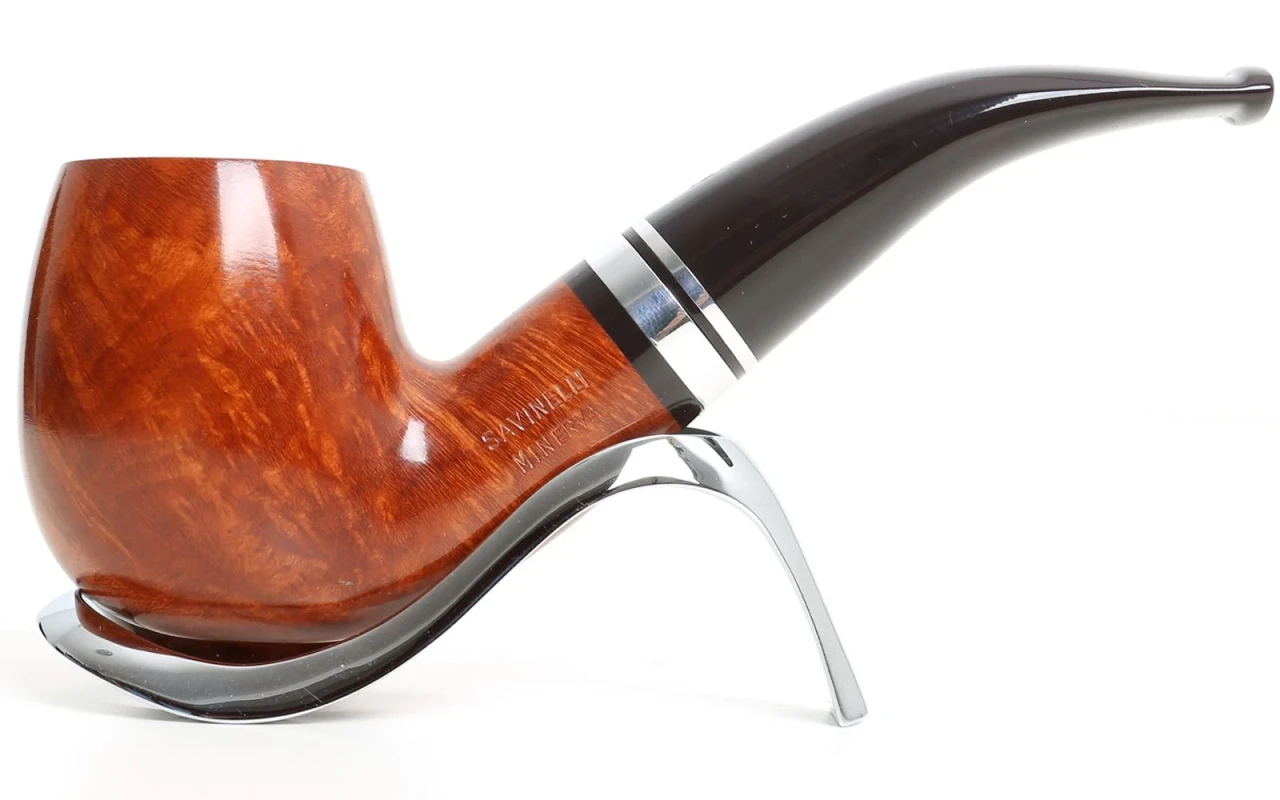
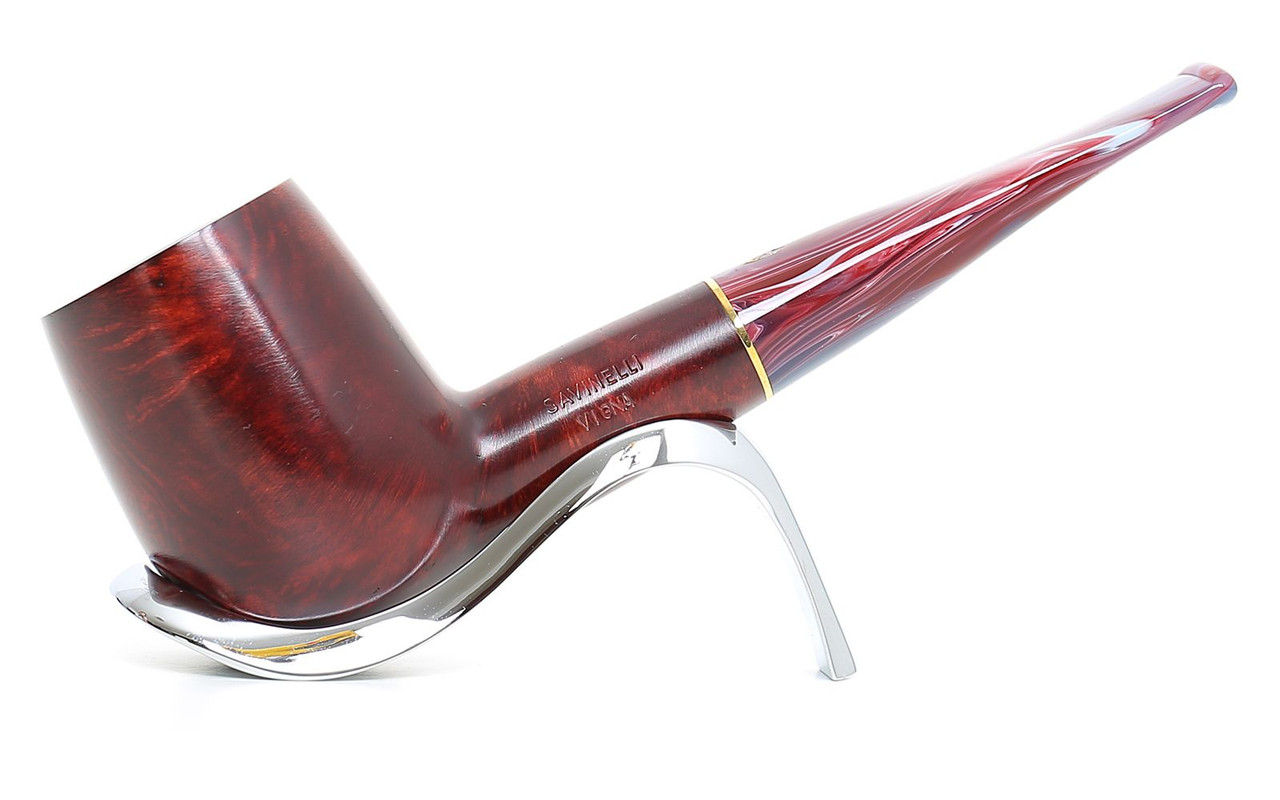
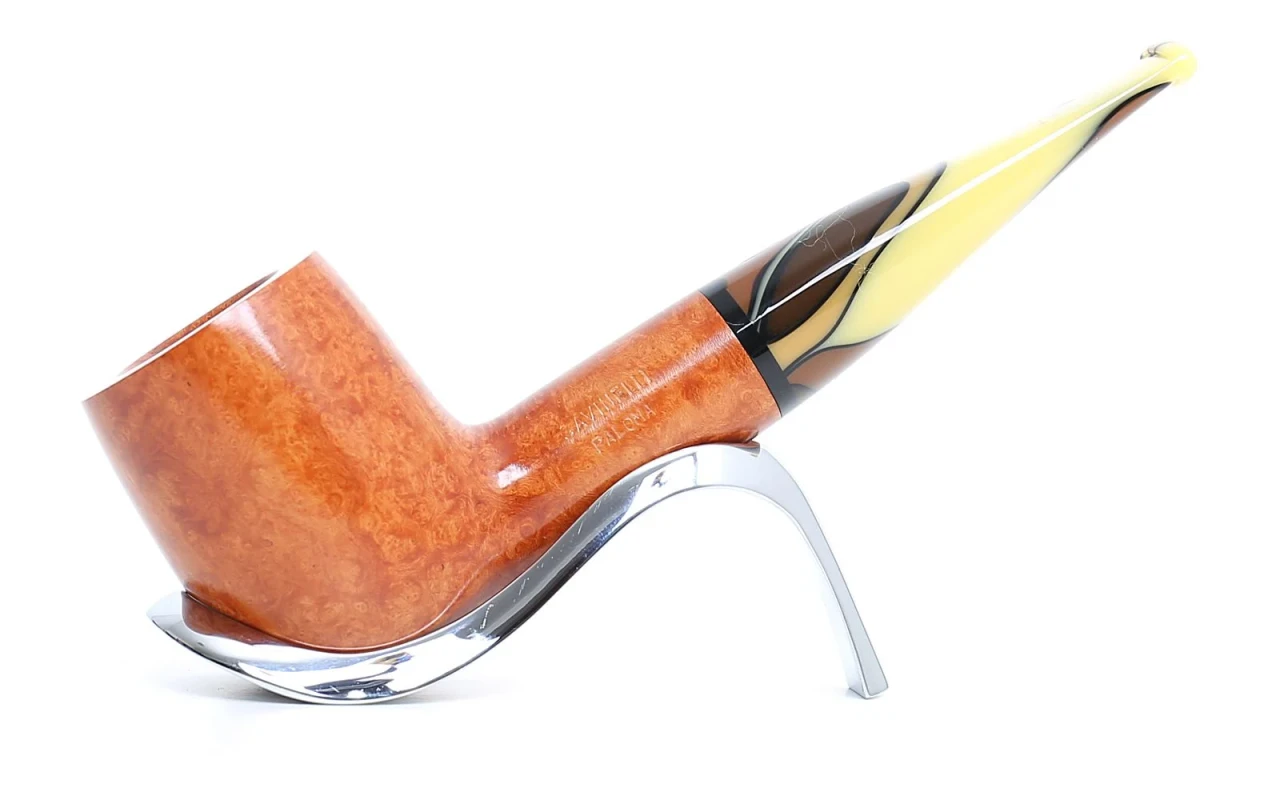
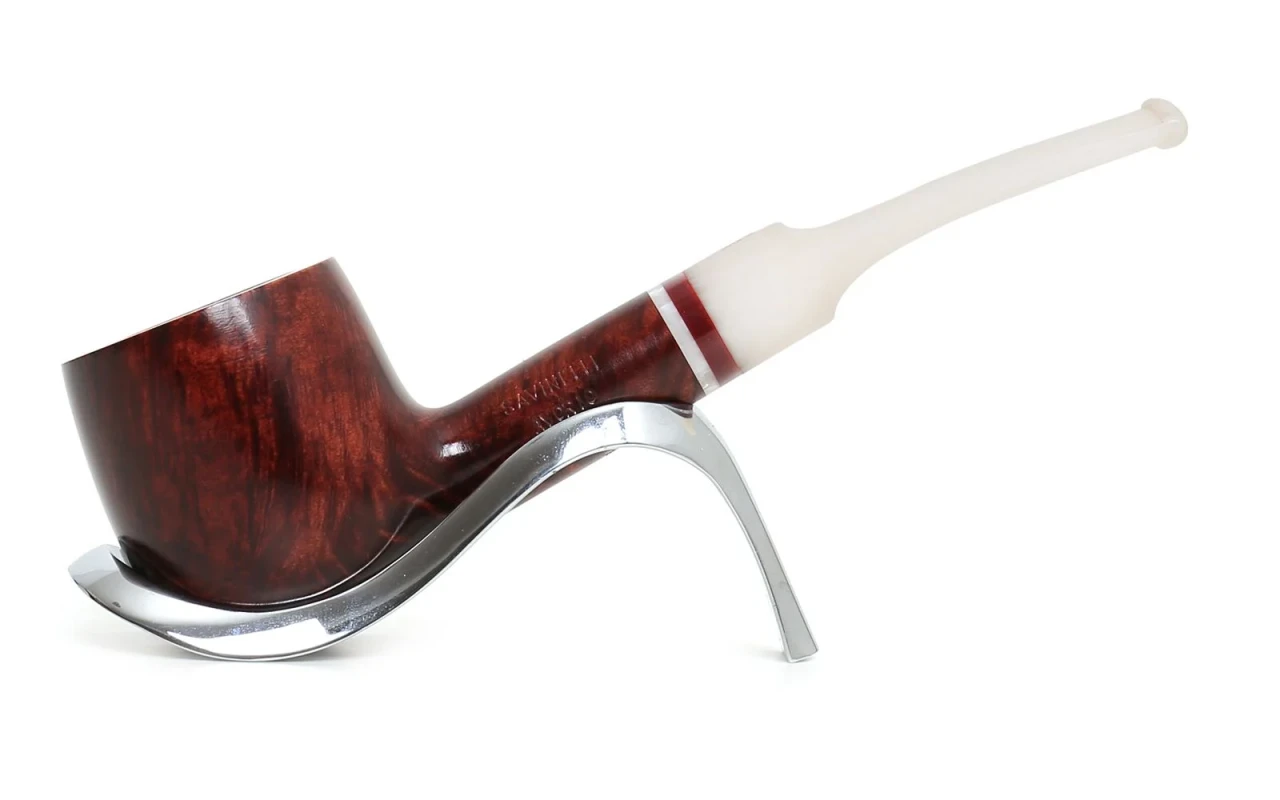
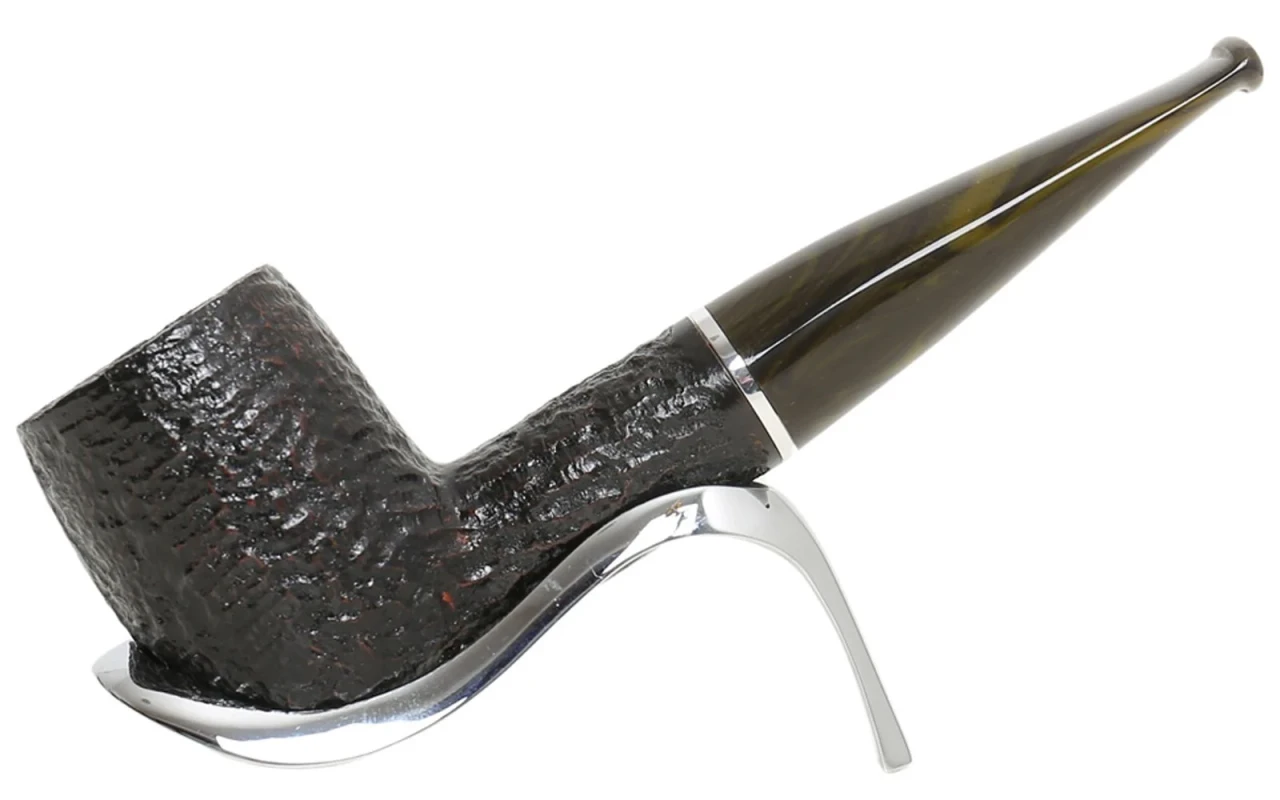
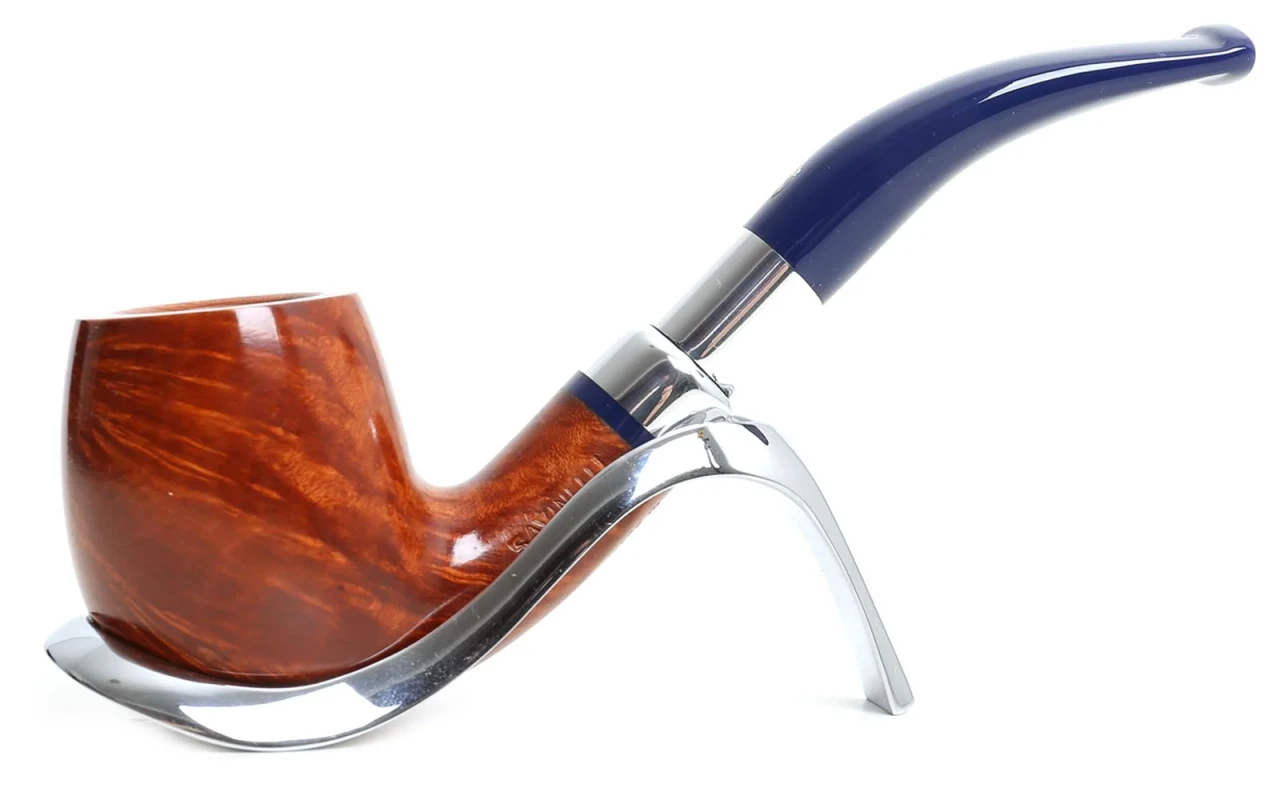
The production of pipes involves the use of various materials, including wood, briar, corn cob, and clay. Each material offers unique characteristics that influence the taste and smoking performance. Production techniques vary depending on the type of pipe: for instance, briar pipes are hand-carved to create customized shapes and designs, while clay pipes are molded and then fired to make them heat resistant. The choice of material and craftsmanship are essential to obtain high-quality pipes with optimal performance.
Pipe manufacturing techniques
Pipe manufacturing techniques are essential for creating a high-quality product. Among the main methodologies used are:- Carving: using specific mills and tools to shape the wood or other materials to create the desired pipe shape.- Polishing: after carving, the surface of the pipe is smoothed and polished to make it smooth and shiny.- Drilling: using different-sized bits to create the combustion chamber and the smoke passage inside the pipe.- Finishing: special oils or waxes are applied to protect the wood and give the pipe an elegant appearance.- Assembly: finally, accessories such as the mouthpiece and the filter are assembled, completing the pipe production process.
smoking pipe materials
There are different materials used for the production of smoking pipes, each with specific characteristics. The most common materials are:- **Wood**: traditionally used for its ability to absorb tobacco moisture and enhance flavor.- **Briar wood**: appreciated for its heat resistance and the ability not to affect the tobacco flavor.- **Clay**: light and porous, offering a cool, dry, and neutral smoke.- **Porcelain**: usually decorative and of high quality.- **Metals**: such as brass or silver, used for more modern and uniquely designed pipes.The choice of material will influence the smoking pipe experience in terms of taste, maintenance, and long-term durability.
Craftsmanship in Pipe Production
Crafting pipes is a process that requires skill and precision. Artisans create unique pipes by working manually with high-quality materials such as briar root or corn cob. During production, strict techniques are followed to shape the bowl, engrave details, and polish the surface. Each phase is carried out with care to ensure that the pipe is both functional and aesthetically pleasing. Artisanal pipes often hold significant artistic value and are highly sought after by enthusiasts for their quality and originality.
'%3e%3cg id='Final-Copy-2_2_' transform='translate(1275.000000, 200.000000)'%3e%3cpath class='st0' d='M7.4,12.8h6.8l3.1-11.6H7.4C4.2,1.2,1.6,3.8,1.6,7S4.2,12.8,7.4,12.8z'/%3e%3c/g%3e%3c/g%3e%3c/g%3e%3cg id='final---dec.11-2020'%3e%3cg id='_x30_208-our-toggle' transform='translate(-1275.000000, -200.000000)'%3e%3cg id='Final-Copy-2' transform='translate(1275.000000, 200.000000)'%3e%3cpath class='st1' d='M22.6,0H7.4c-3.9,0-7,3.1-7,7s3.1,7,7,7h15.2c3.9,0,7-3.1,7-7S26.4,0,22.6,0z M1.6,7c0-3.2,2.6-5.8,5.8-5.8 h9.9l-3.1,11.6H7.4C4.2,12.8,1.6,10.2,1.6,7z'/%3e%3cpath id='x' class='st2' d='M24.6,4c0.2,0.2,0.2,0.6,0,0.8l0,0L22.5,7l2.2,2.2c0.2,0.2,0.2,0.6,0,0.8c-0.2,0.2-0.6,0.2-0.8,0 l0,0l-2.2-2.2L19.5,10c-0.2,0.2-0.6,0.2-0.8,0c-0.2-0.2-0.2-0.6,0-0.8l0,0L20.8,7l-2.2-2.2c-0.2-0.2-0.2-0.6,0-0.8 c0.2-0.2,0.6-0.2,0.8,0l0,0l2.2,2.2L23.8,4C24,3.8,24.4,3.8,24.6,4z'/%3e%3cpath id='y' class='st3' d='M12.7,4.1c0.2,0.2,0.3,0.6,0.1,0.8l0,0L8.6,9.8C8.5,9.9,8.4,10,8.3,10c-0.2,0.1-0.5,0.1-0.7-0.1l0,0 L5.4,7.7c-0.2-0.2-0.2-0.6,0-0.8c0.2-0.2,0.6-0.2,0.8,0l0,0L8,8.6l3.8-4.5C12,3.9,12.4,3.9,12.7,4.1z'/%3e%3c/g%3e%3c/g%3e%3c/g%3e%3c/g%3e%3c/svg%3e) Your Privacy Choices
Your Privacy Choices 


