 FR
FR EN
EN IT
IT DE
DE
Materials and Production Process of Industrial Pipes

Materials and Production Process of Industrial Pipes
Industrial pipes are mainly made of carbon steel, stainless steel, aluminum, or composite materials. The production process starts with the selection of raw material, which is then cut and shaped through bending, welding, and finishing. Pipes can be manufactured through spiral welding, electric resistance welding, induction welding, laser welding, or extrusion. After forming, the pipes undergo heat and mechanical treatments to enhance their properties. Finally, they undergo quality control checks to ensure compliance with the required specifications and to guarantee quality and reliability in industrial use.
Materials for smoking pipes
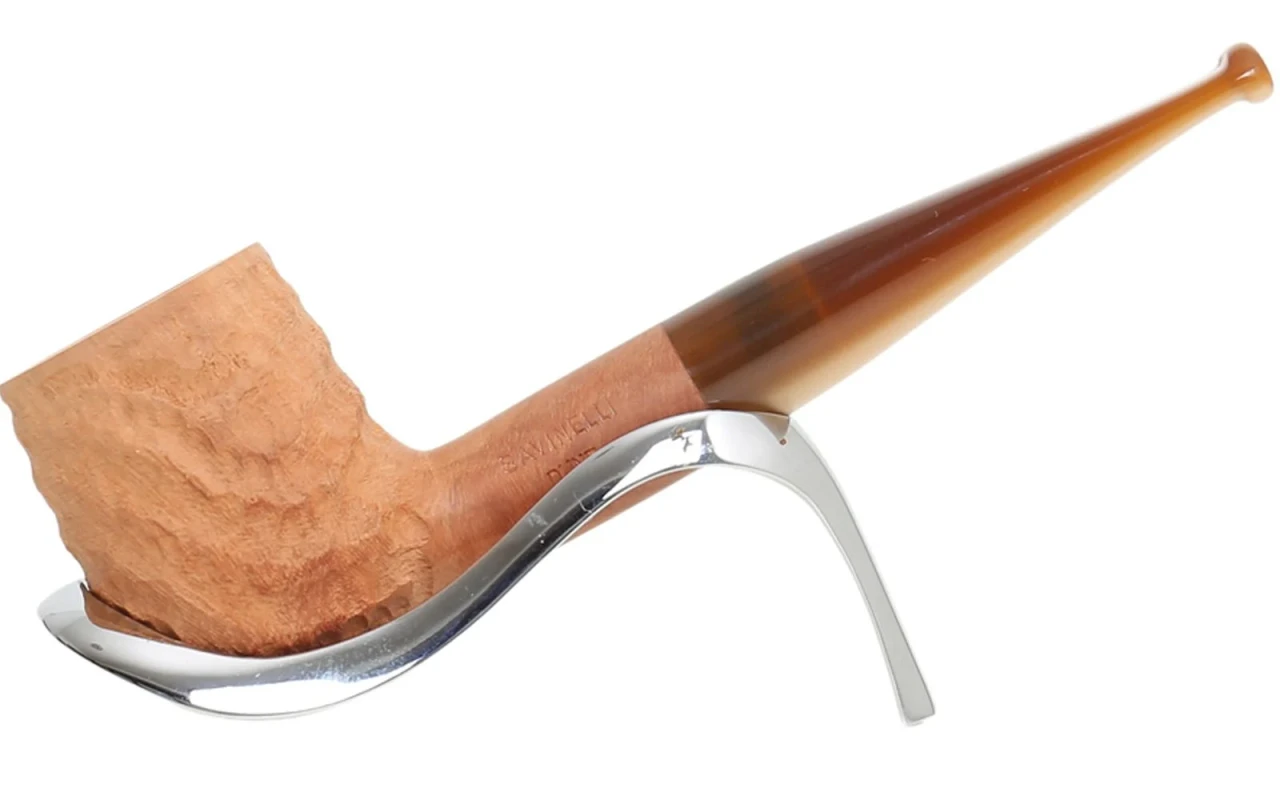
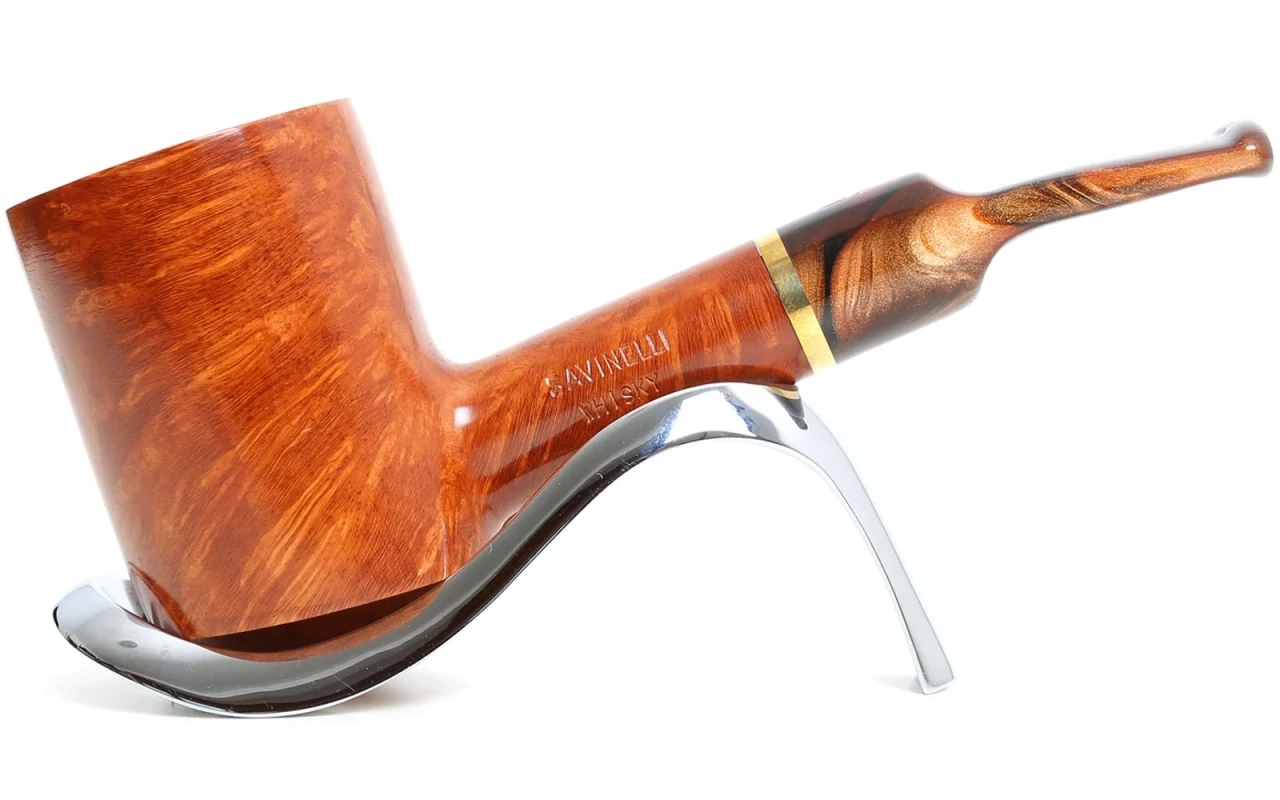
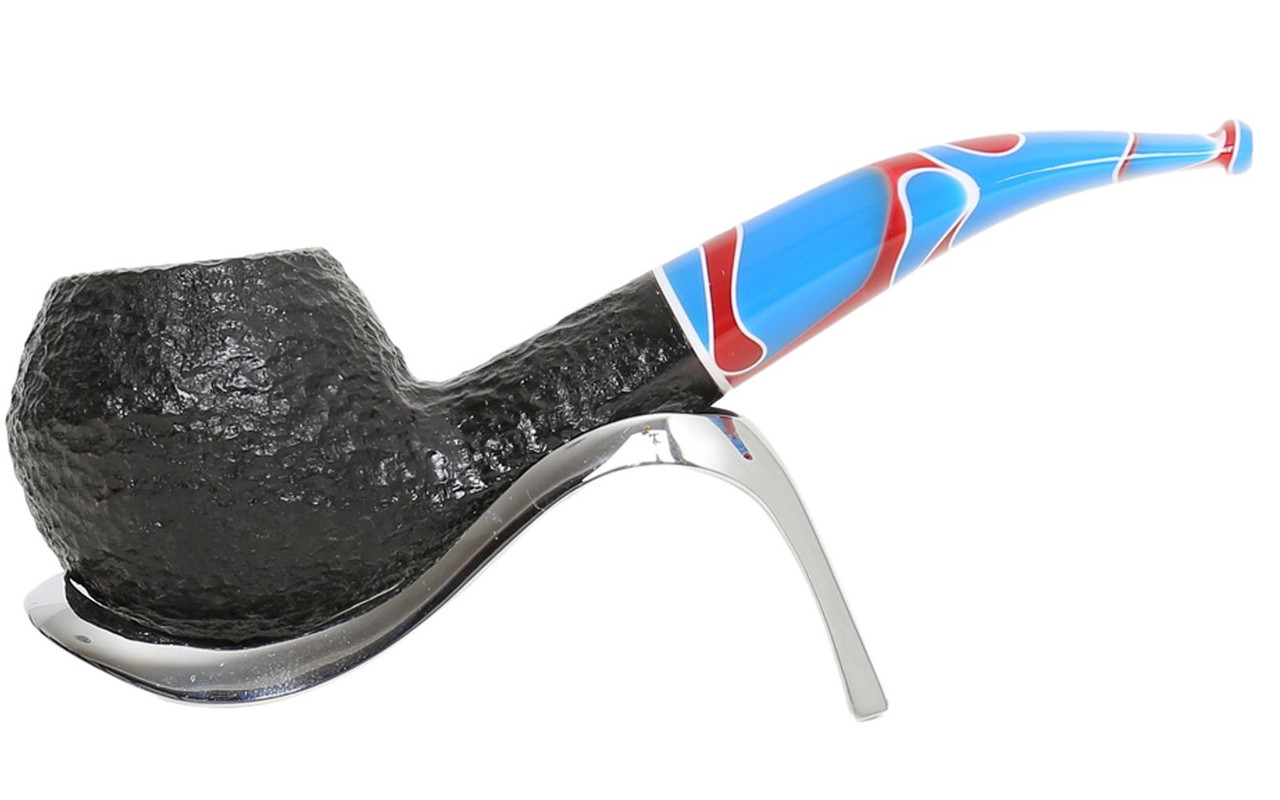
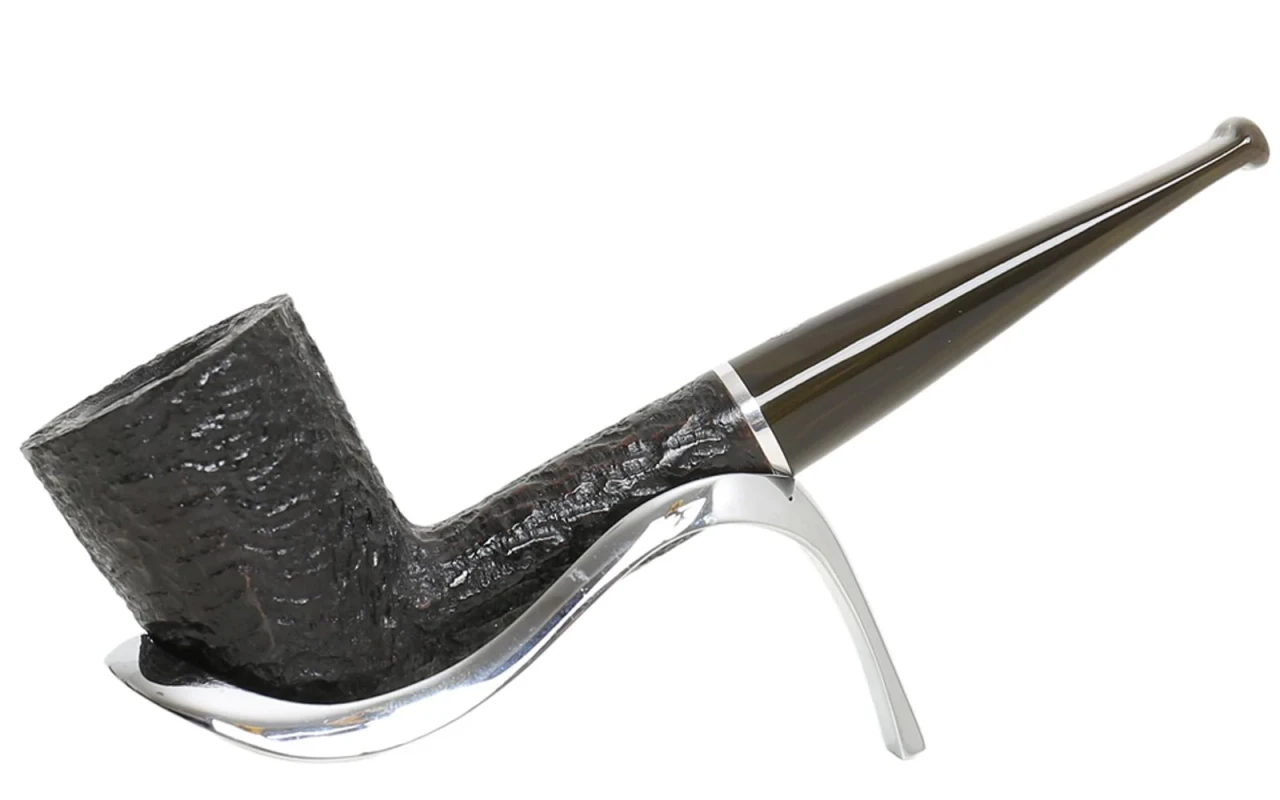
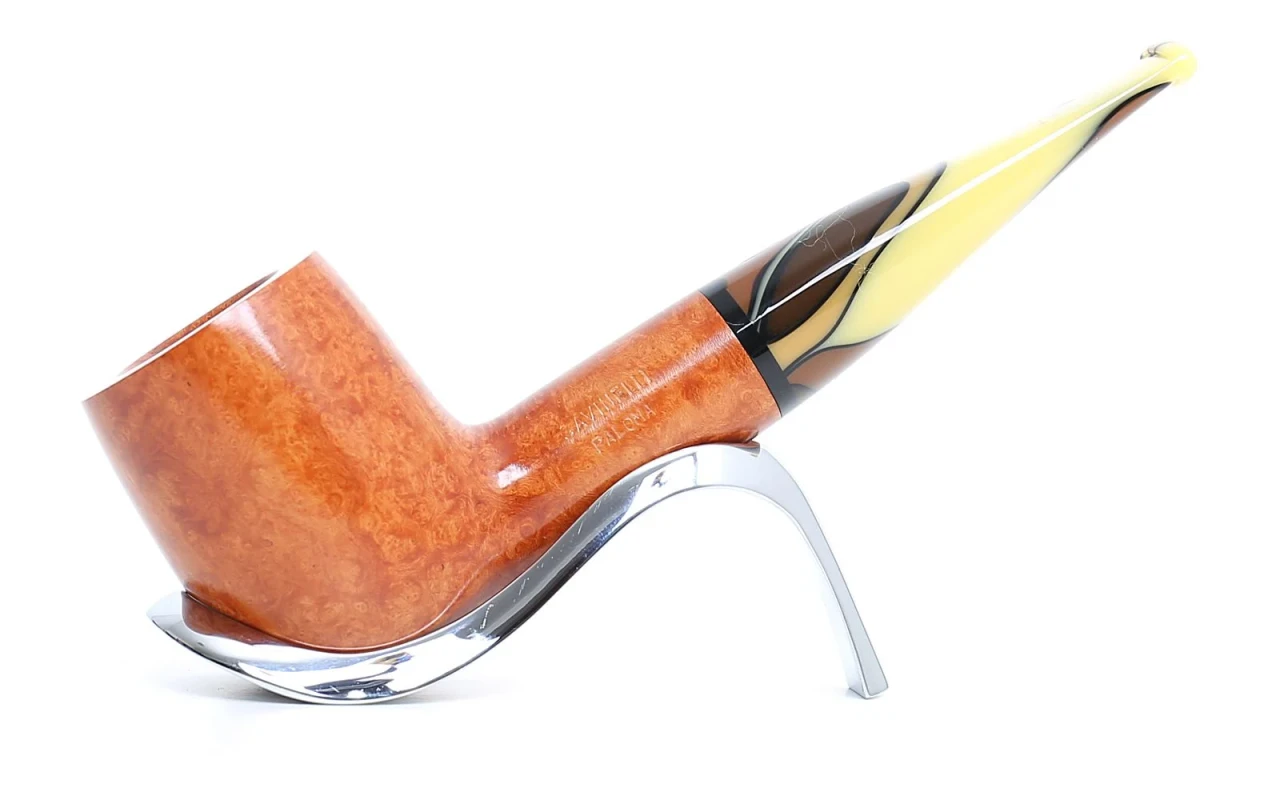
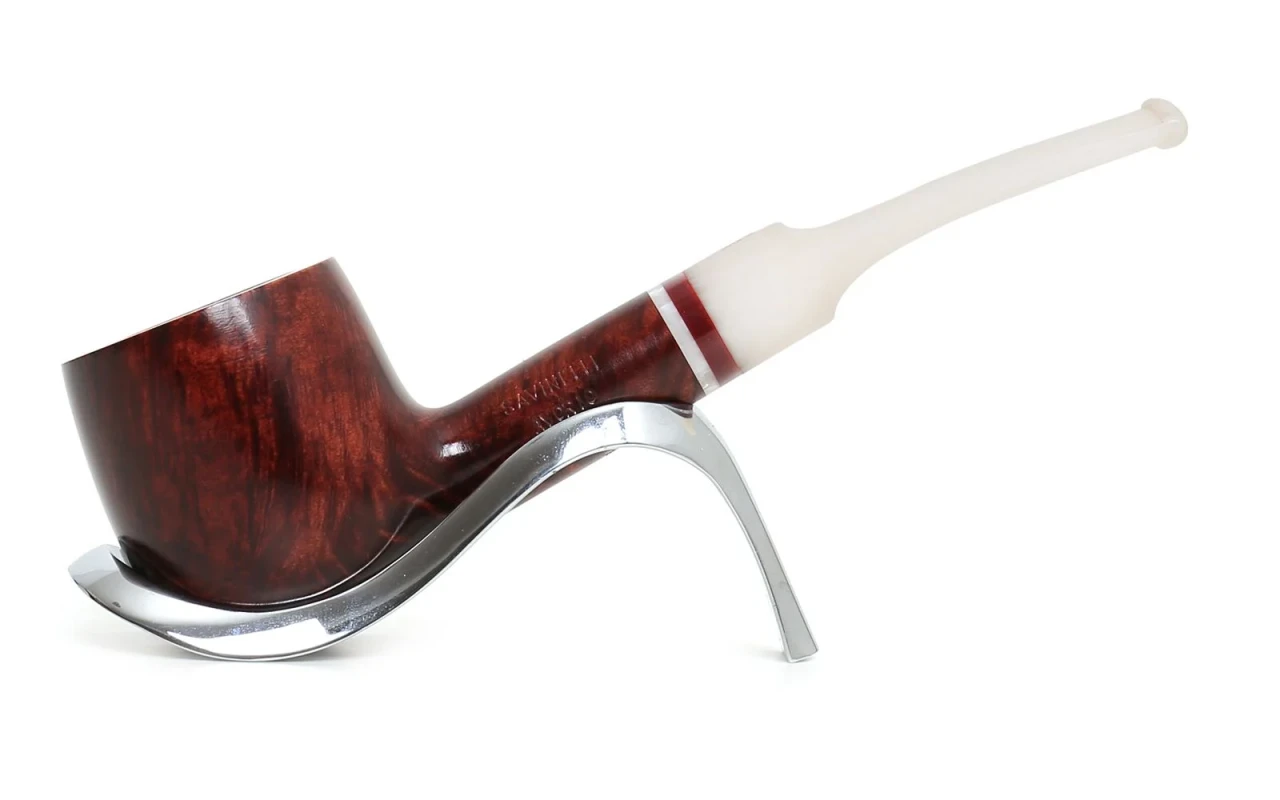
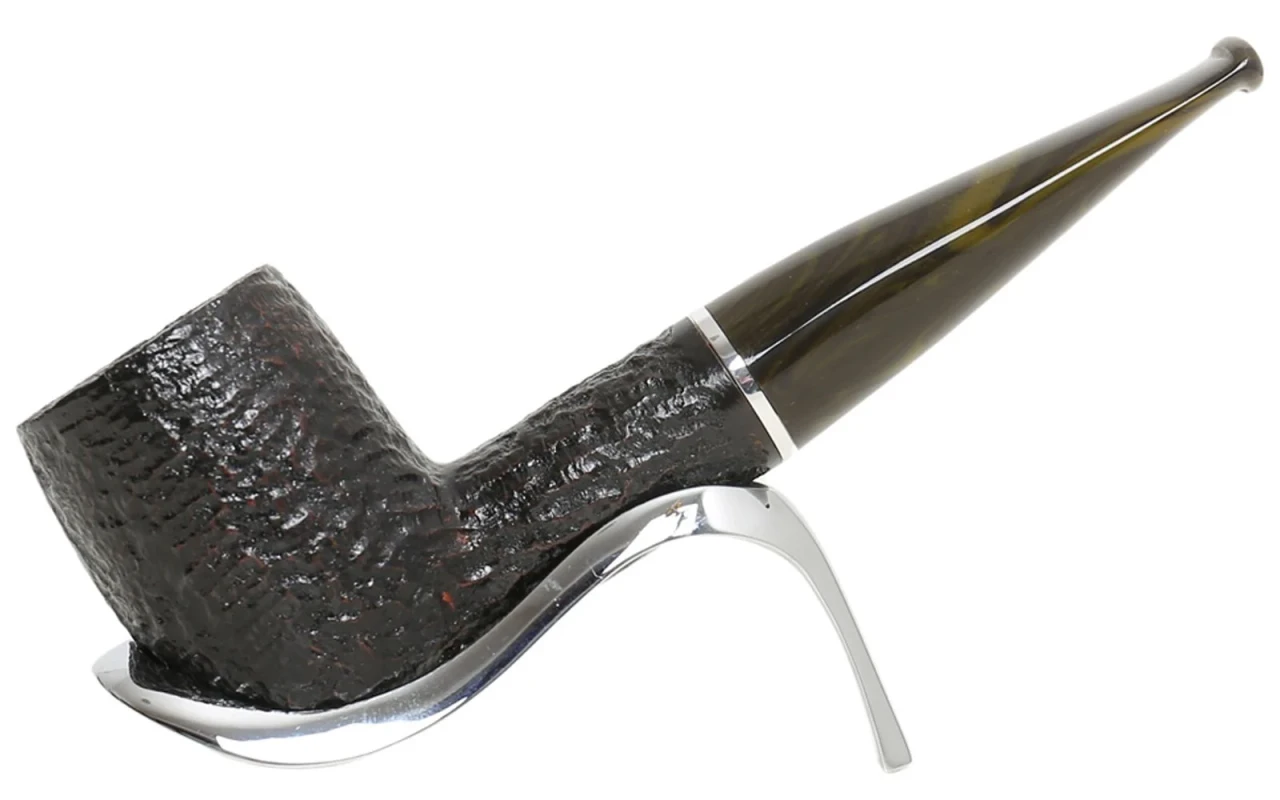
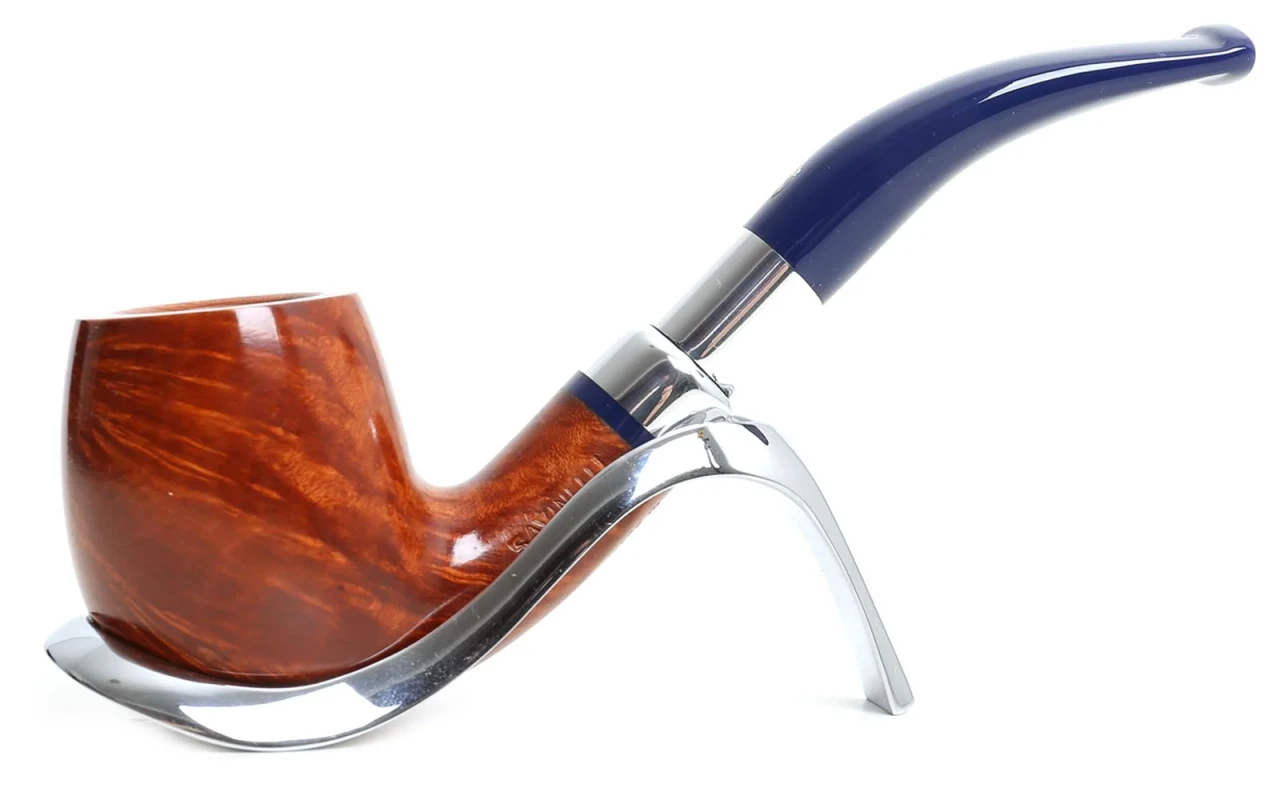
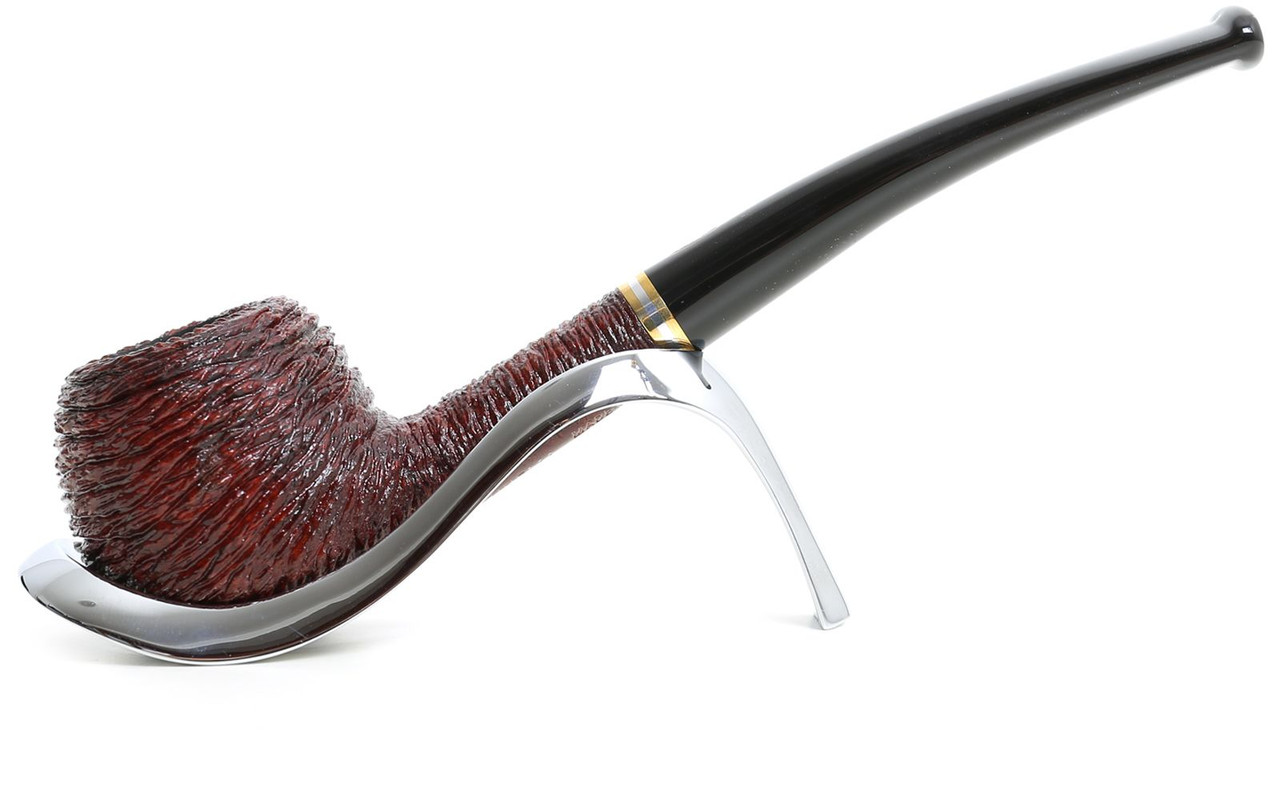
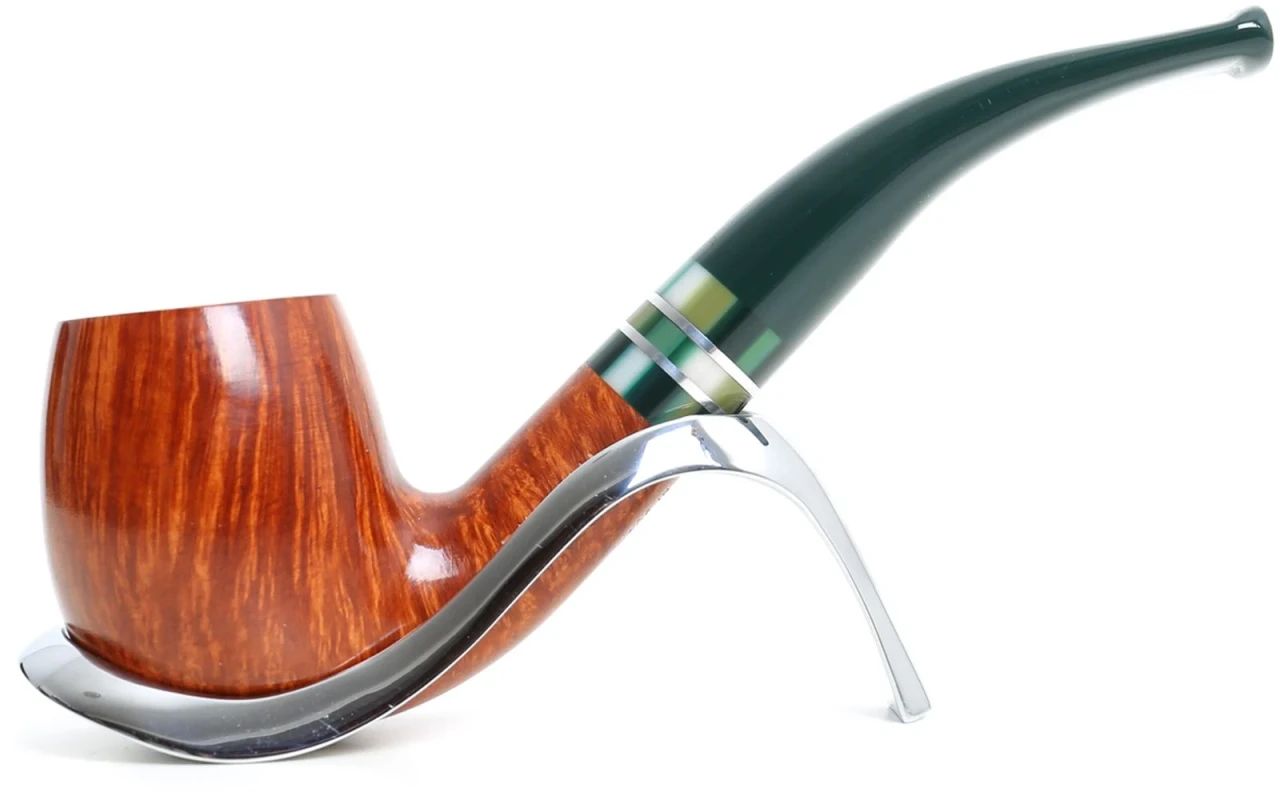
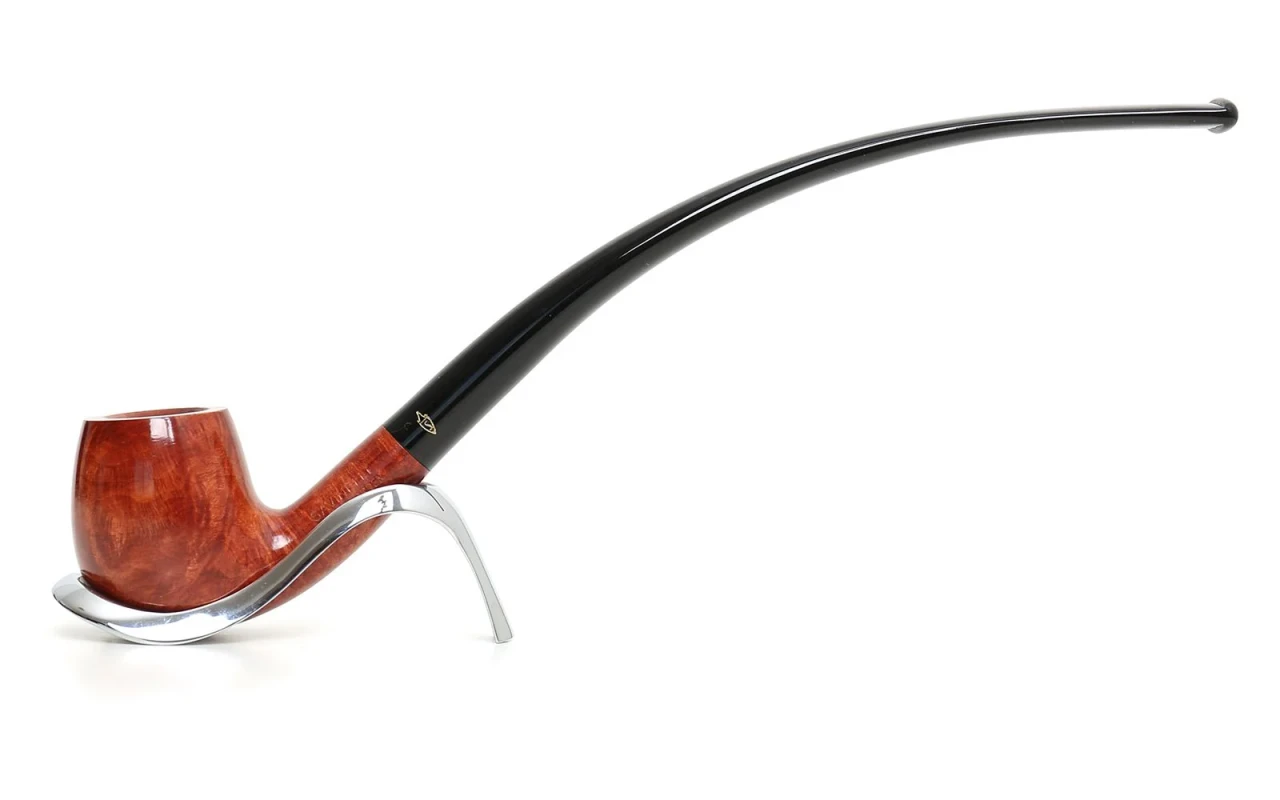
The most common materials used for the production of smoking pipes are wood, briar, corn cob, and clay. Each material offers unique characteristics that influence the smoking and overall experience. Wooden pipes, such as oak or pear wood, are popular for their durability and the flavor they impart to the tobacco. Briar pipes are valued for the beauty of the material and their ability to absorb moisture. Corn cob pipes are lightweight and affordable, making them ideal for beginners. Clay pipes are traditional and provide a pure, neutral taste to the tobacco. Choosing the right material depends on personal preferences and the desired smoking experience.
Production Techniques of Smoking Pipes
The production techniques of smoking pipes vary depending on the material used. Briar pipes, for example, are crafted through a process of carving and sanding to create the desired shape. Clay pipes are either hand-shaped or molded, while corn cob pipes are obtained through the processing of dried corn cobs. Meerschaum pipes are carved from blocks of foam extracted from natural deposits. Regardless of the material, pipes are then subjected to finishes such as polishing or coloring to make them aesthetically pleasing and ready for use.
Components of artisanal pipes
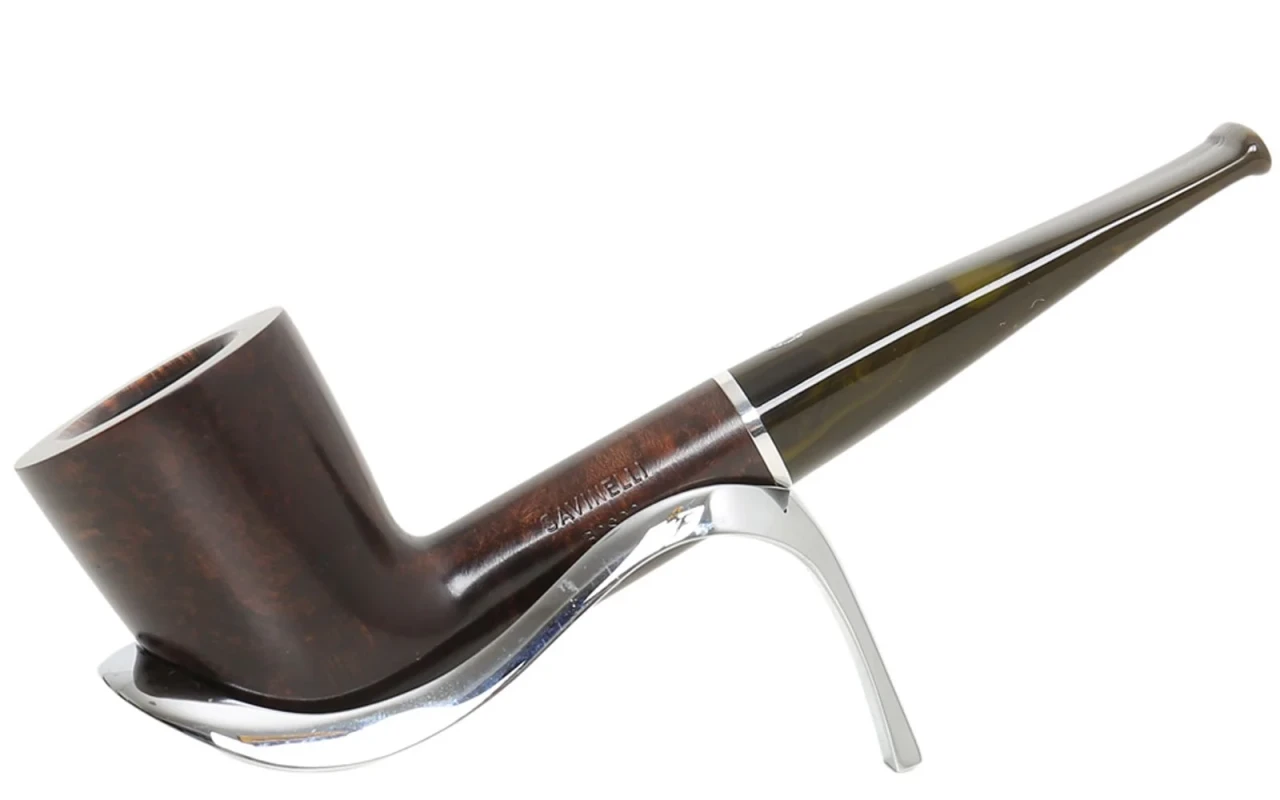
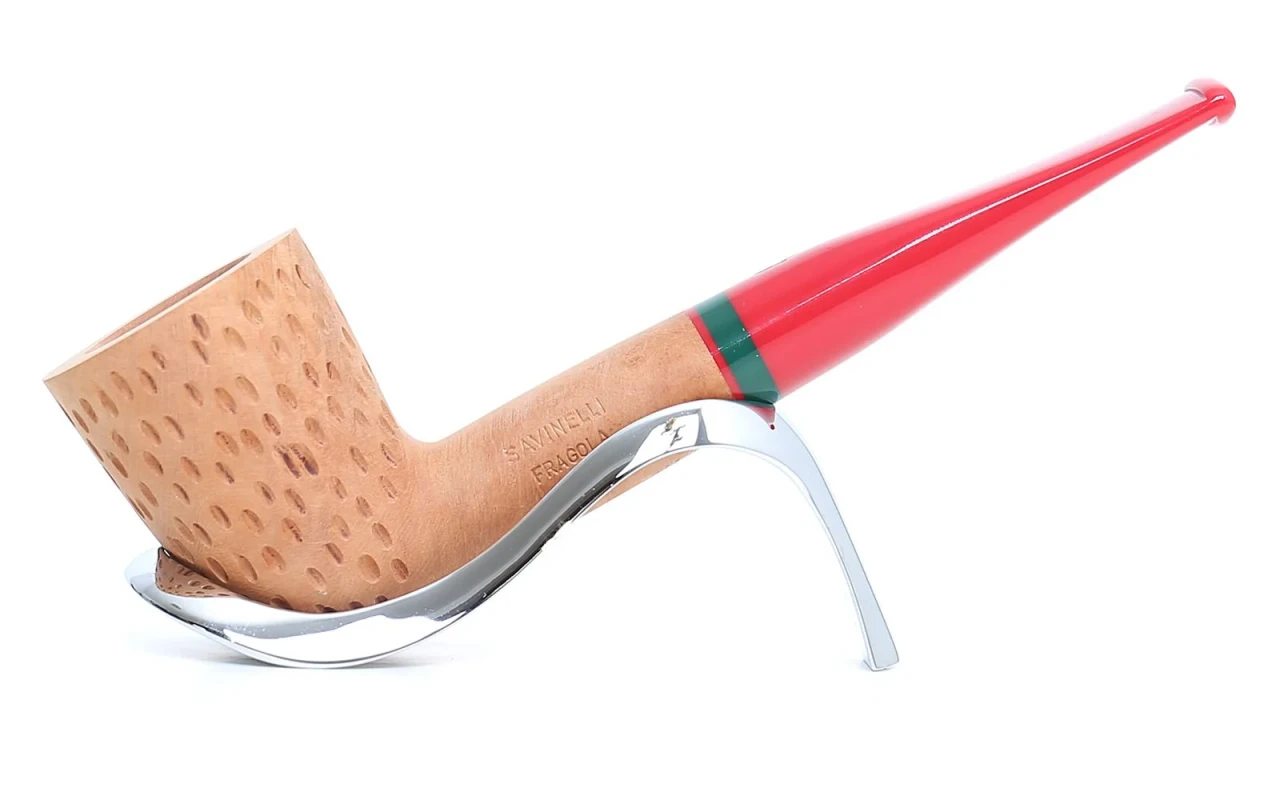
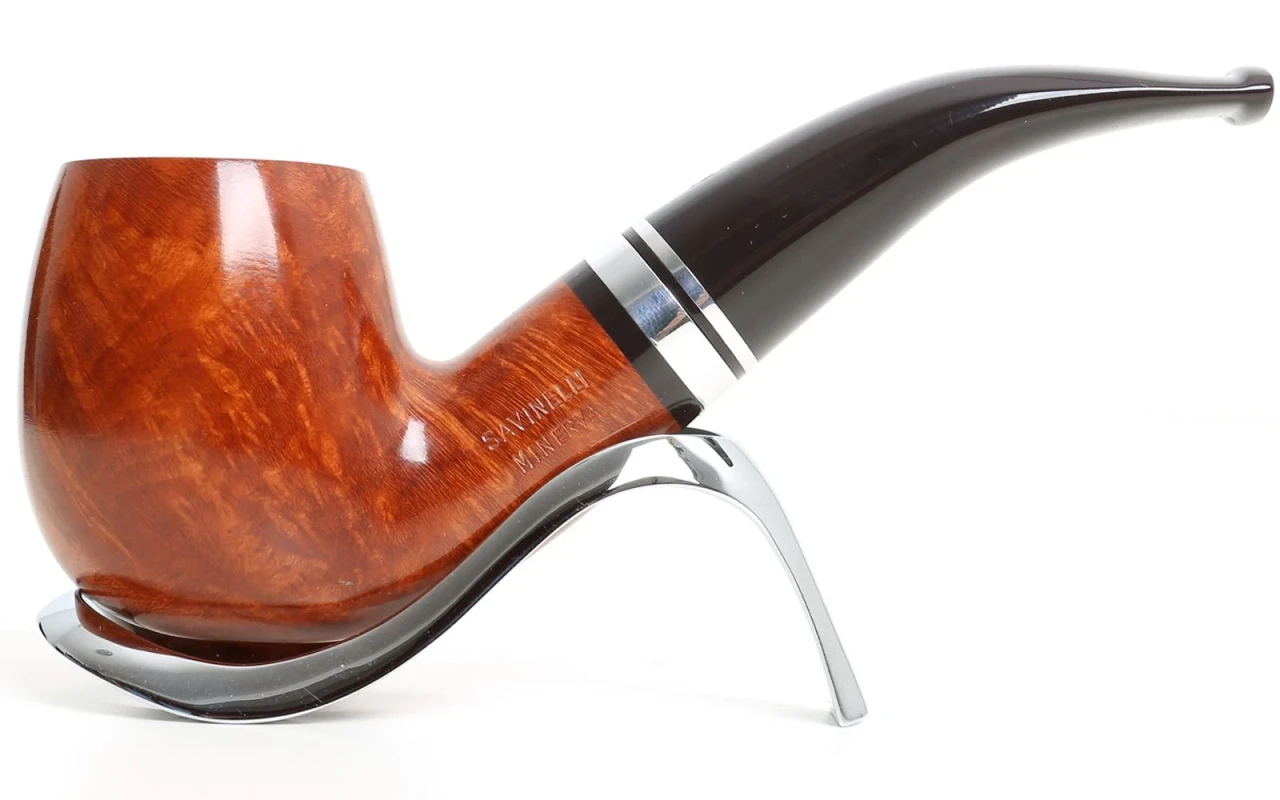
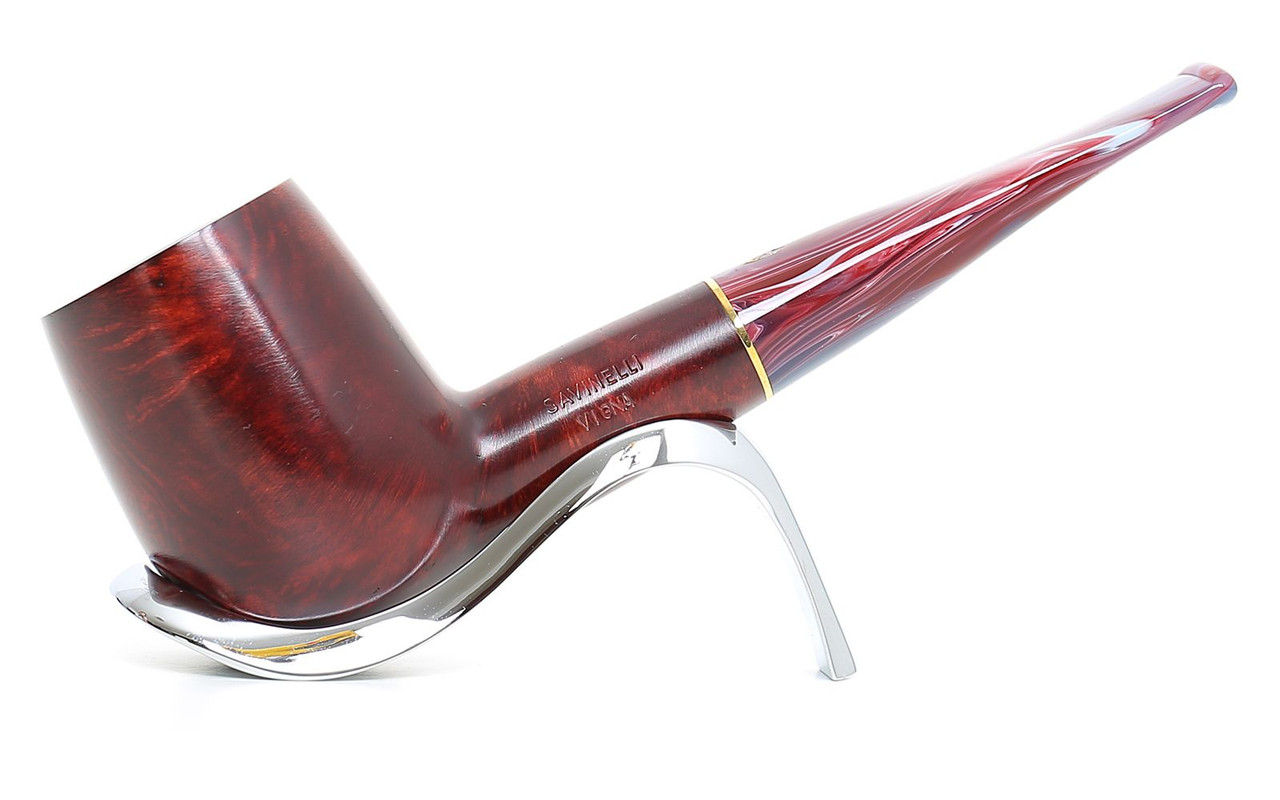
Artisanal pipes are composed of various components that contribute to their functionality and unique design. Here are the main elements that make up a typical artisanal pipe:- Bowl: the top part of the pipe where the tobacco is inserted.- Stem: the long part of the pipe that connects the bowl to the mouthpiece.- Mouthpiece: the end part of the pipe that is inserted into the mouth.- Filter: some pipes may include a filter to reduce moisture and enhance the smoking experience.- Chamber: the cavity inside the bowl where the tobacco is burnt.- Shank: the part of the pipe that connects the bowl to the mouthpiece.These components are essential for the construction and operation of a high-quality artisanal pipe.
'%3e%3cg id='Final-Copy-2_2_' transform='translate(1275.000000, 200.000000)'%3e%3cpath class='st0' d='M7.4,12.8h6.8l3.1-11.6H7.4C4.2,1.2,1.6,3.8,1.6,7S4.2,12.8,7.4,12.8z'/%3e%3c/g%3e%3c/g%3e%3c/g%3e%3cg id='final---dec.11-2020'%3e%3cg id='_x30_208-our-toggle' transform='translate(-1275.000000, -200.000000)'%3e%3cg id='Final-Copy-2' transform='translate(1275.000000, 200.000000)'%3e%3cpath class='st1' d='M22.6,0H7.4c-3.9,0-7,3.1-7,7s3.1,7,7,7h15.2c3.9,0,7-3.1,7-7S26.4,0,22.6,0z M1.6,7c0-3.2,2.6-5.8,5.8-5.8 h9.9l-3.1,11.6H7.4C4.2,12.8,1.6,10.2,1.6,7z'/%3e%3cpath id='x' class='st2' d='M24.6,4c0.2,0.2,0.2,0.6,0,0.8l0,0L22.5,7l2.2,2.2c0.2,0.2,0.2,0.6,0,0.8c-0.2,0.2-0.6,0.2-0.8,0 l0,0l-2.2-2.2L19.5,10c-0.2,0.2-0.6,0.2-0.8,0c-0.2-0.2-0.2-0.6,0-0.8l0,0L20.8,7l-2.2-2.2c-0.2-0.2-0.2-0.6,0-0.8 c0.2-0.2,0.6-0.2,0.8,0l0,0l2.2,2.2L23.8,4C24,3.8,24.4,3.8,24.6,4z'/%3e%3cpath id='y' class='st3' d='M12.7,4.1c0.2,0.2,0.3,0.6,0.1,0.8l0,0L8.6,9.8C8.5,9.9,8.4,10,8.3,10c-0.2,0.1-0.5,0.1-0.7-0.1l0,0 L5.4,7.7c-0.2-0.2-0.2-0.6,0-0.8c0.2-0.2,0.6-0.2,0.8,0l0,0L8,8.6l3.8-4.5C12,3.9,12.4,3.9,12.7,4.1z'/%3e%3c/g%3e%3c/g%3e%3c/g%3e%3c/g%3e%3c/svg%3e) Your Privacy Choices
Your Privacy Choices 


