 FR
FR EN
EN IT
IT DE
DE
Materials and design of the pipe
Materials and design of the pipe
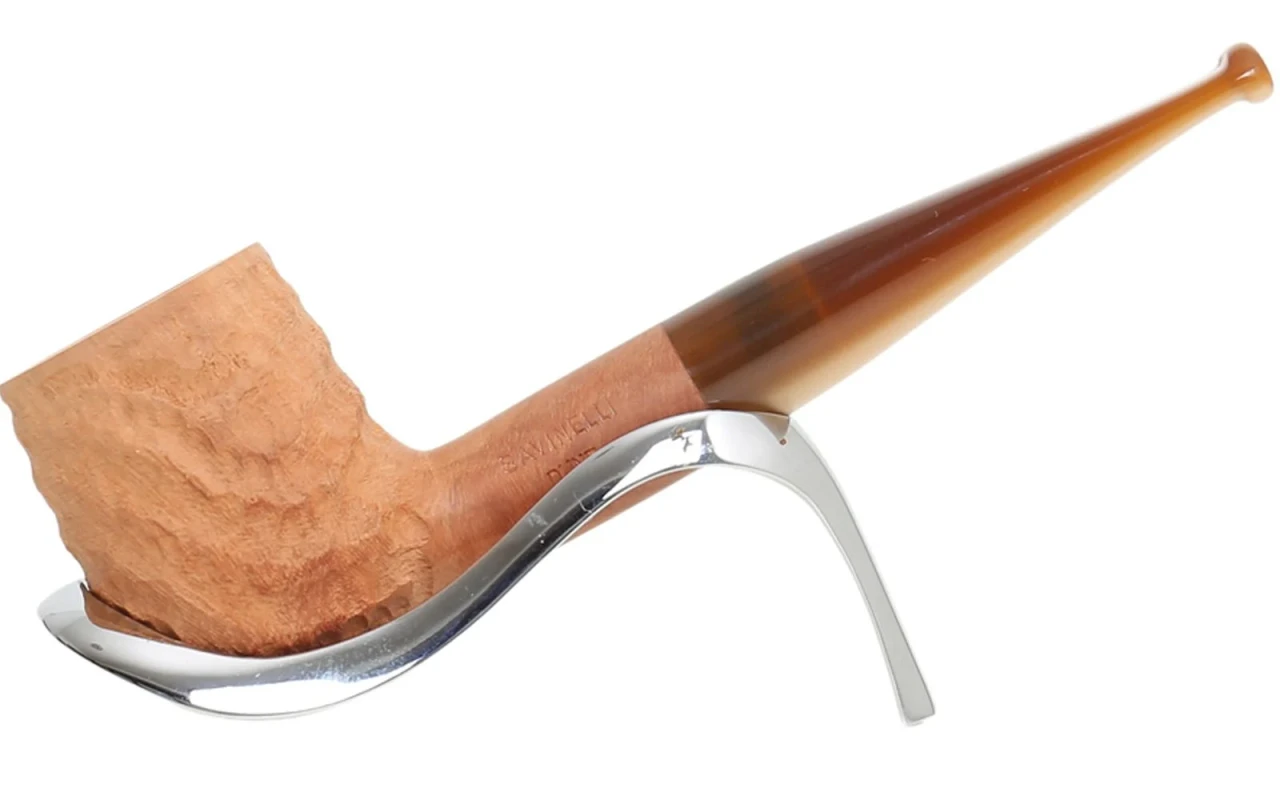
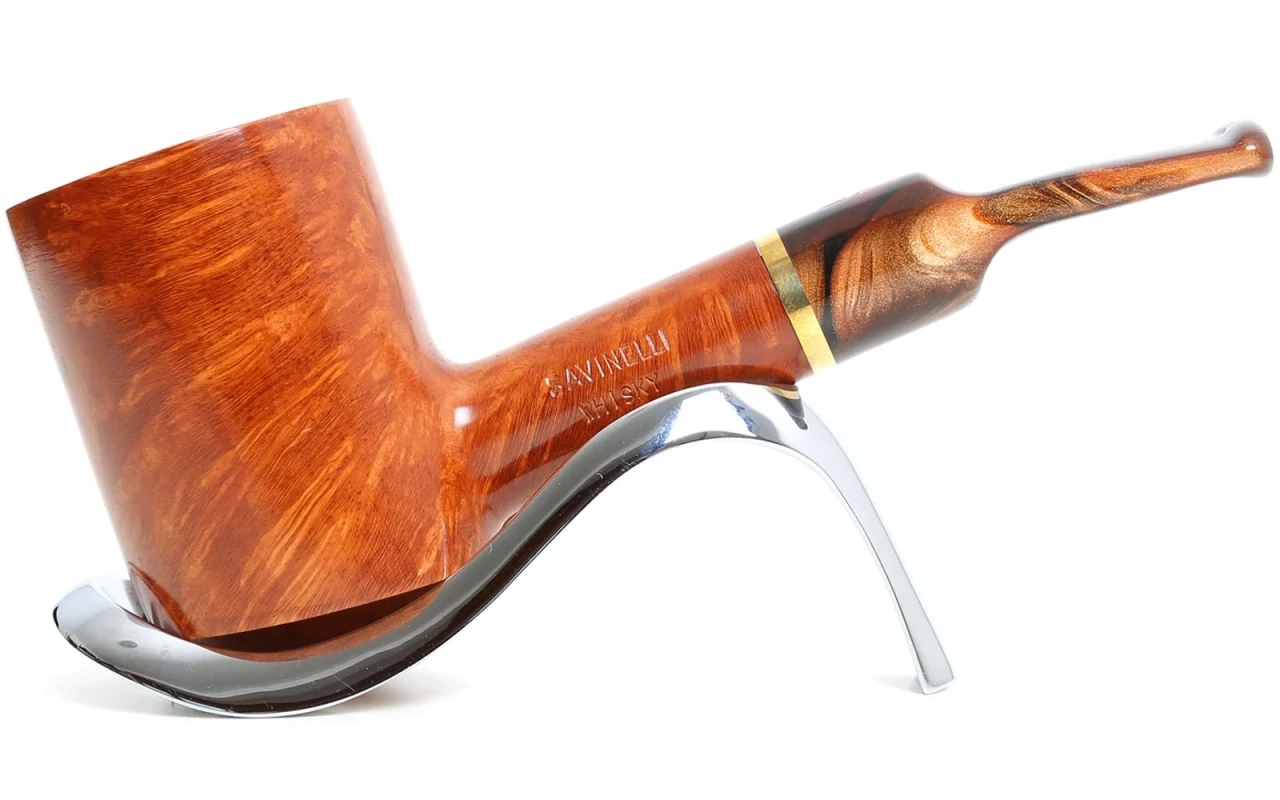
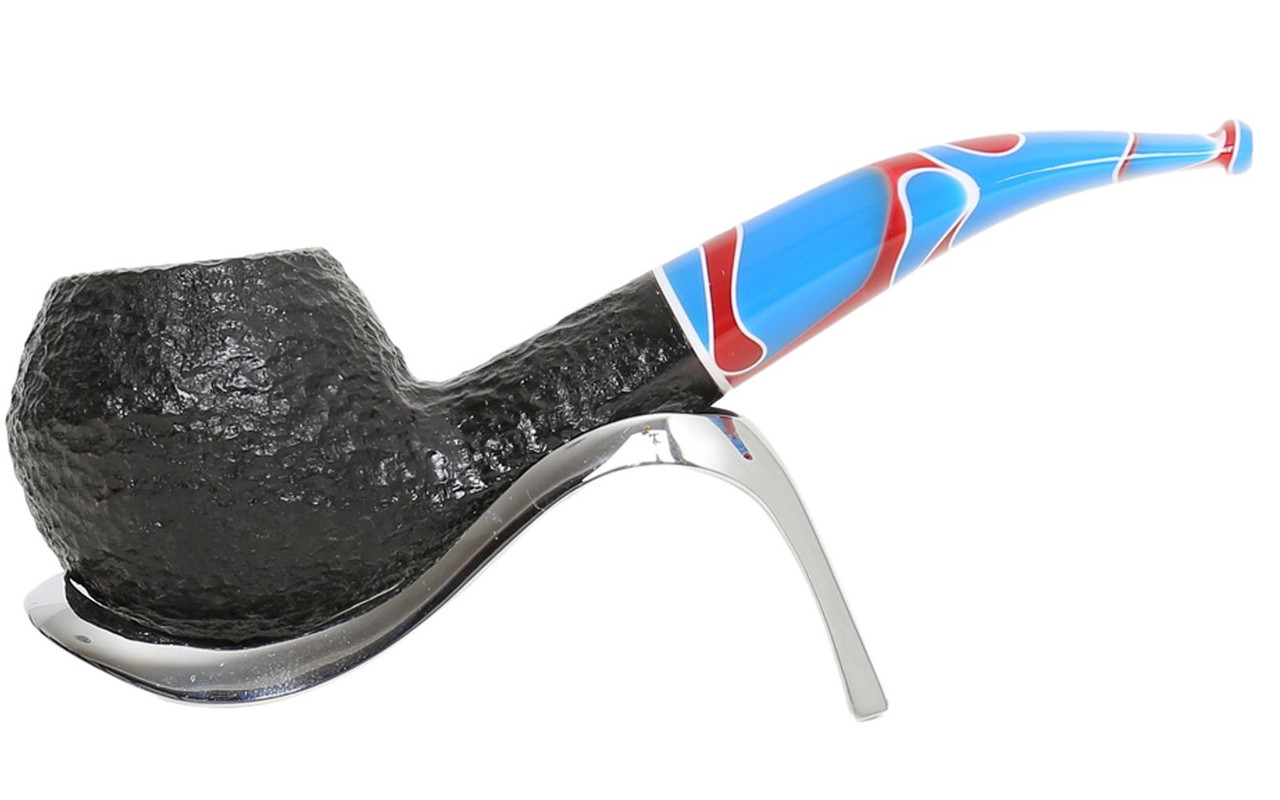
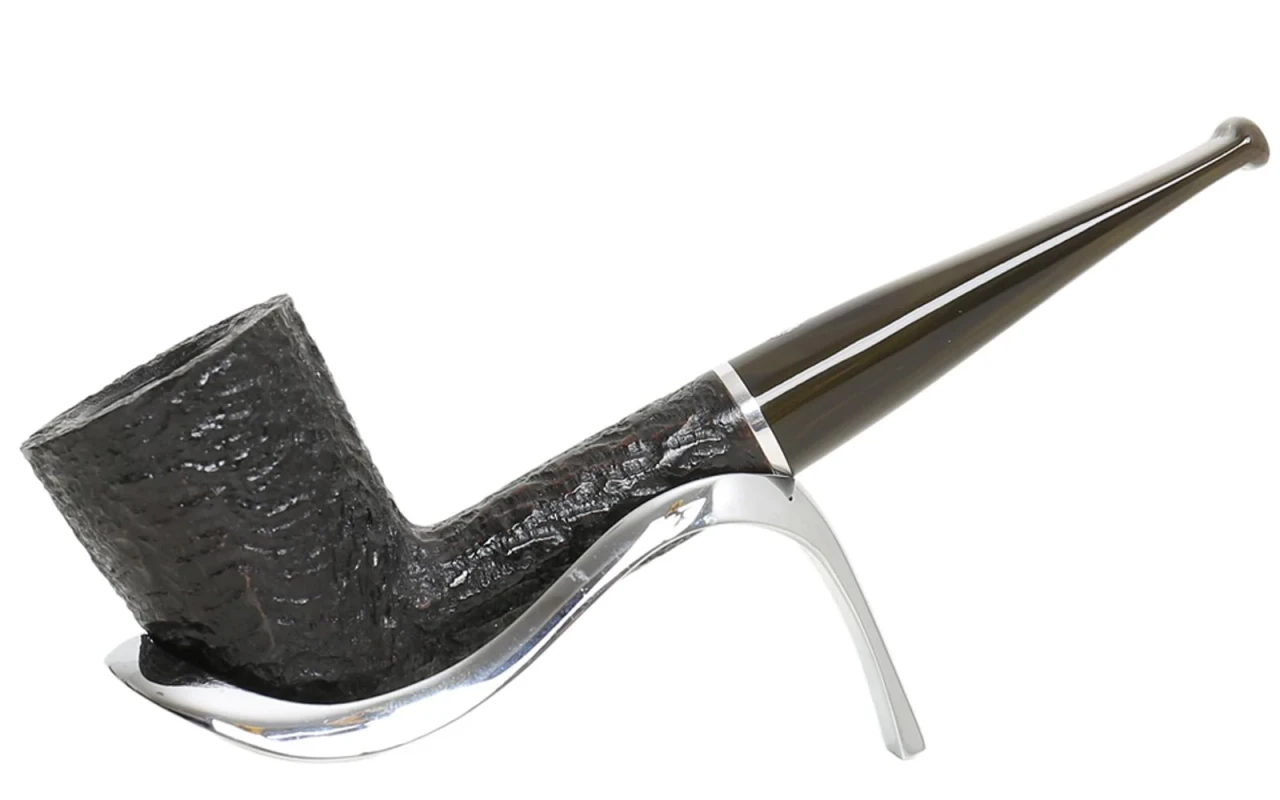
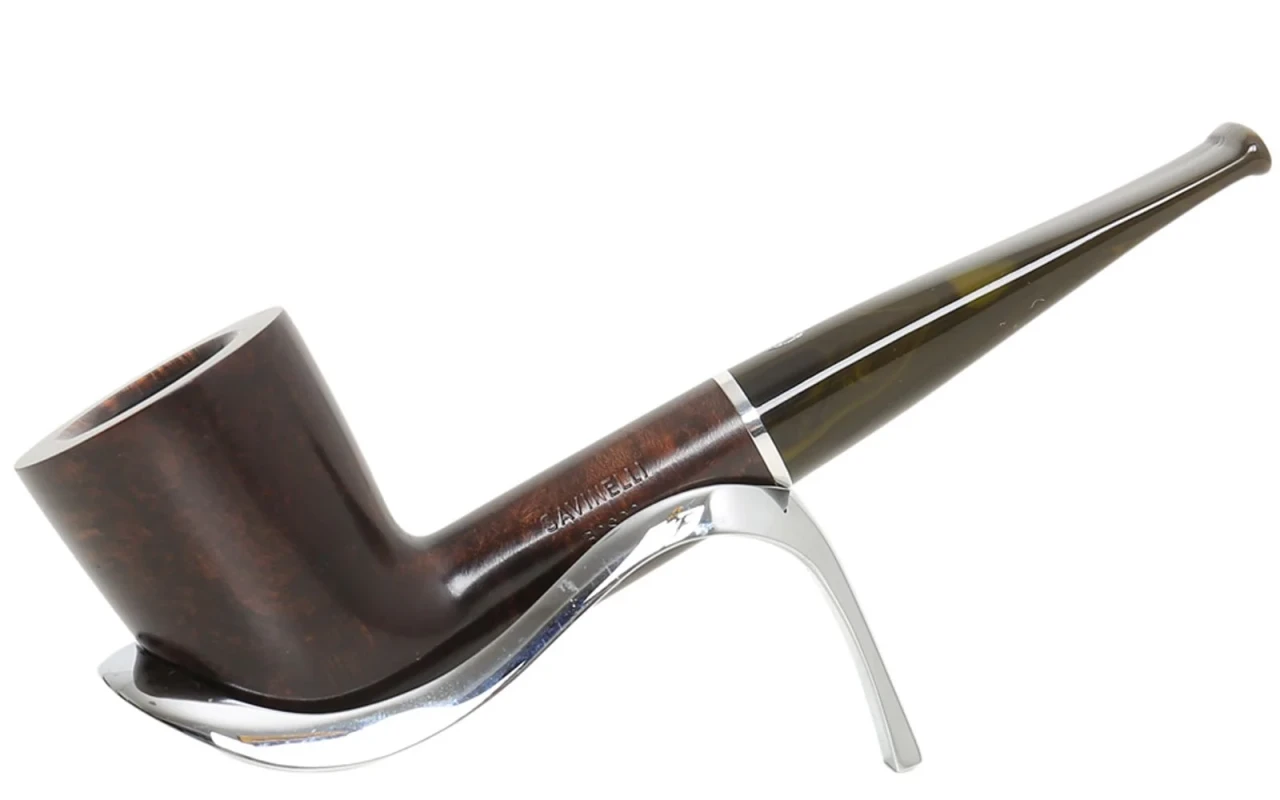
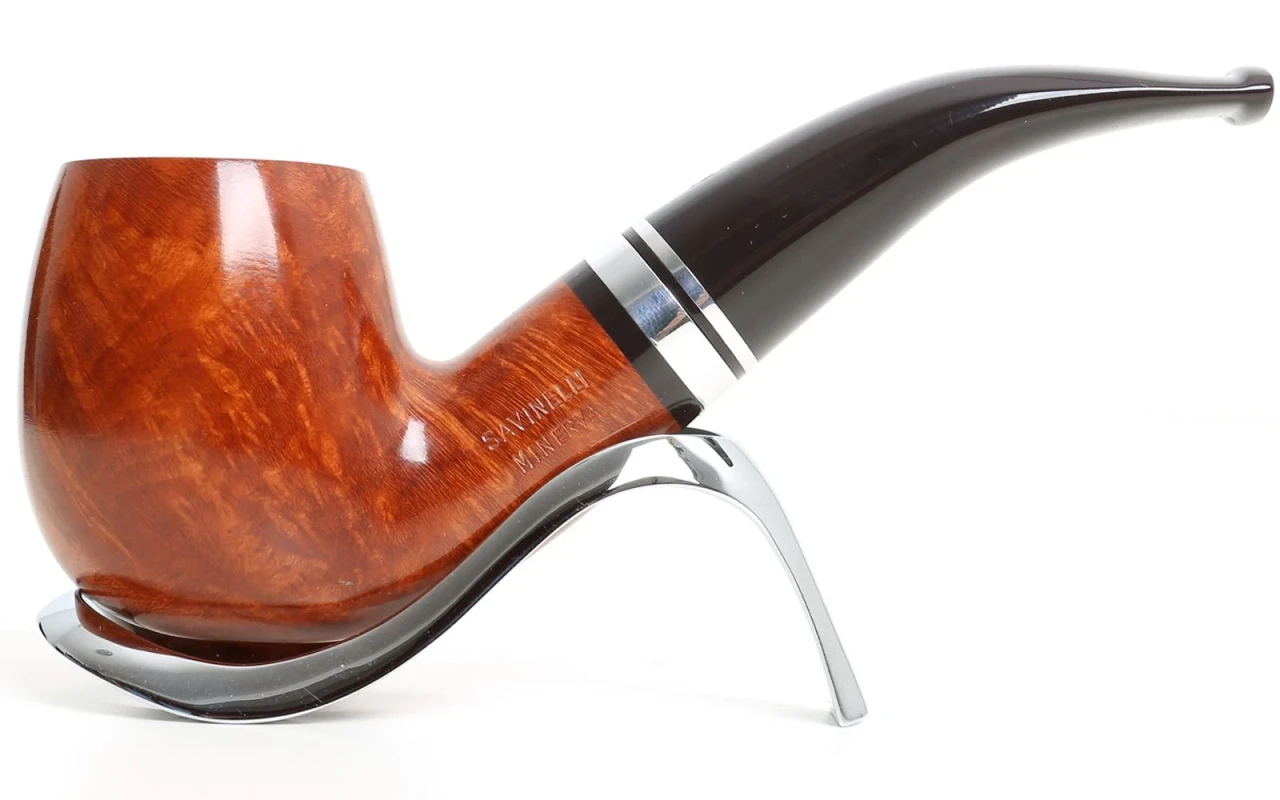
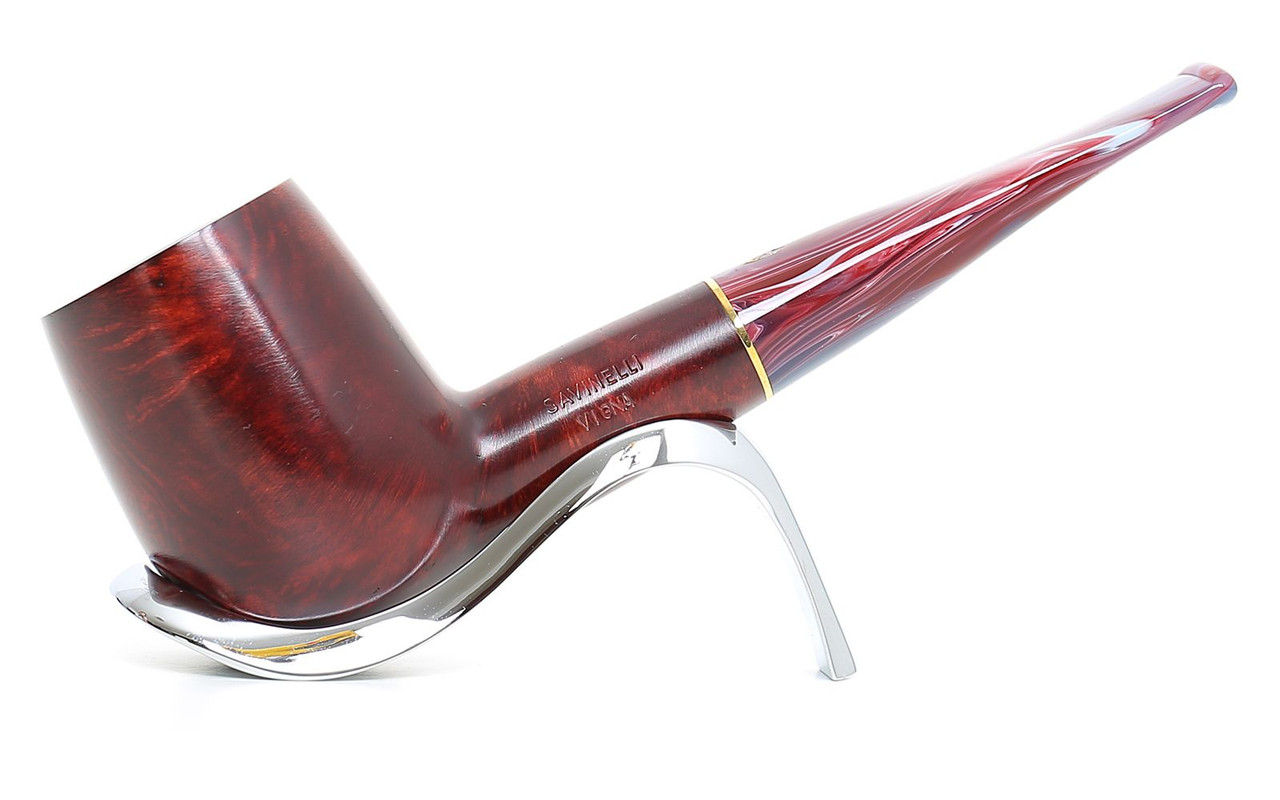
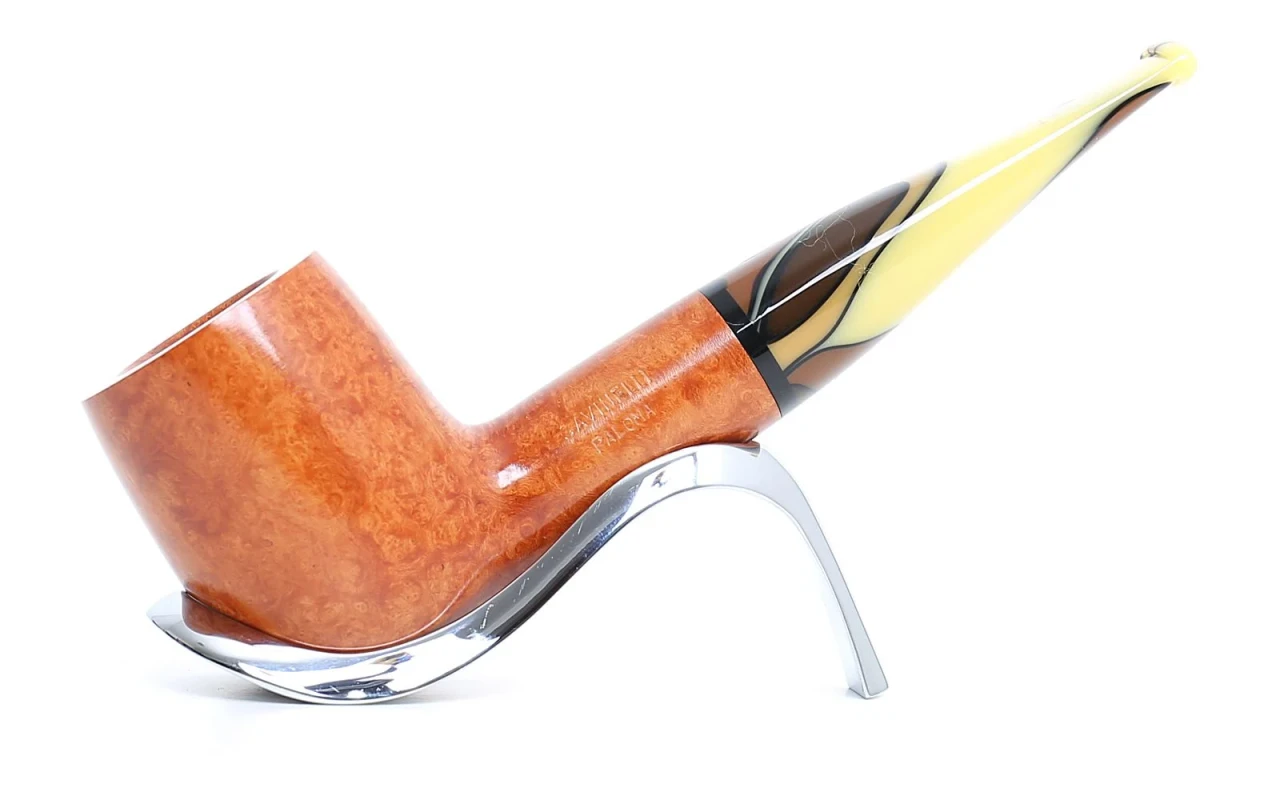
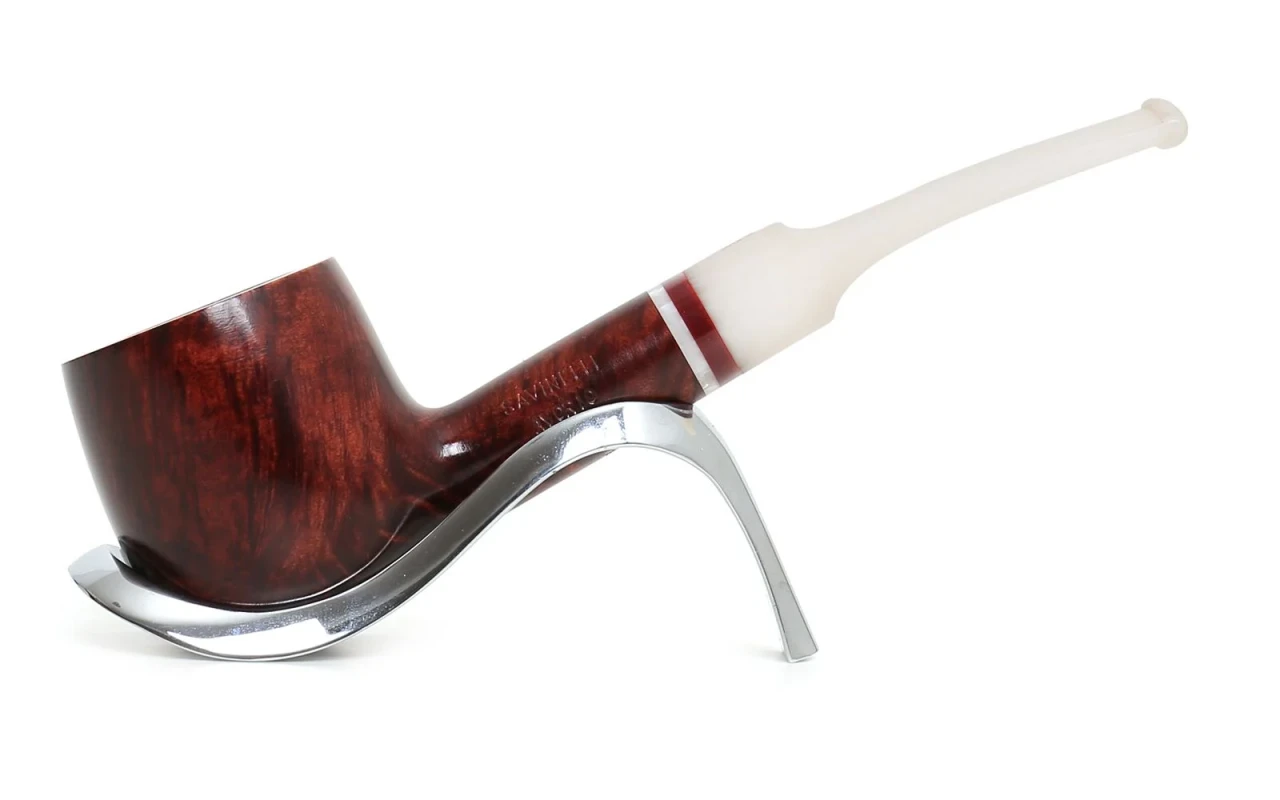
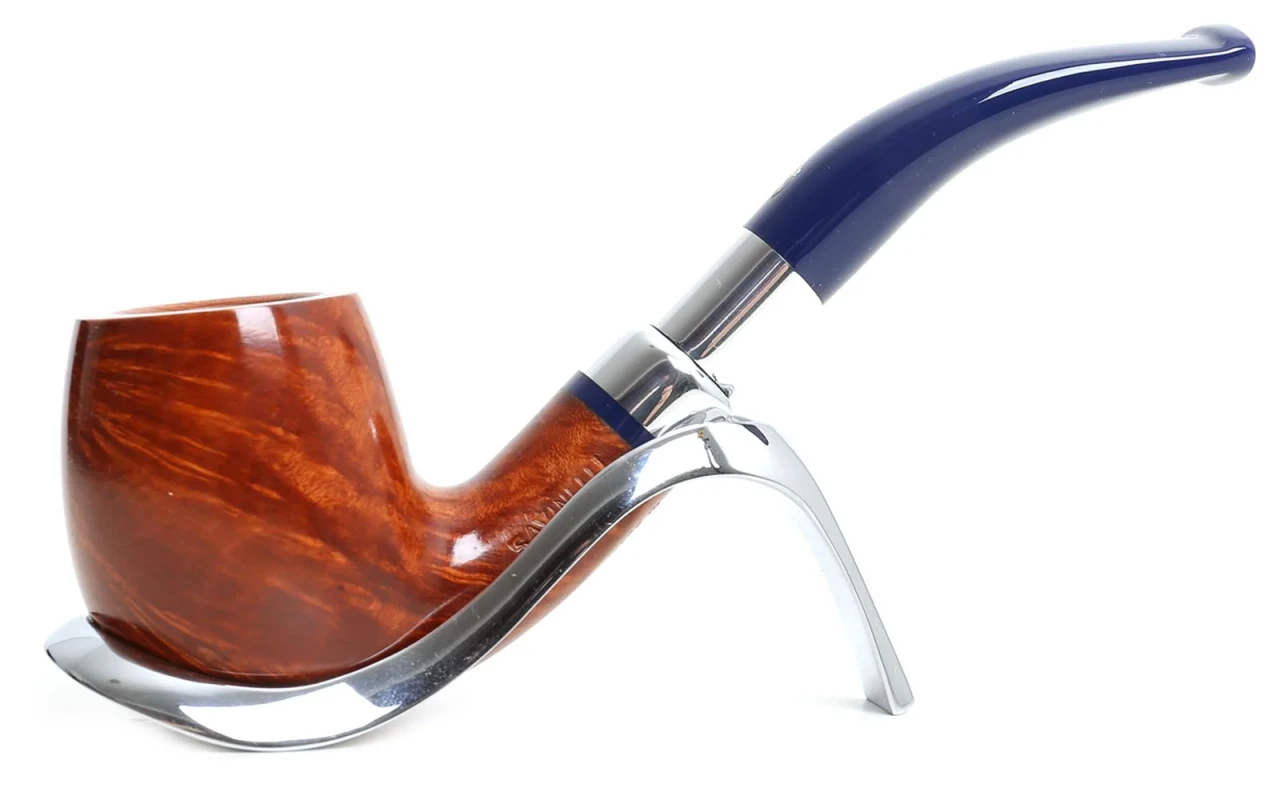
The design and materials used in the construction of a pipe play a fundamental role in its functionality and the overall smoking experience. Pipes can be made from a variety of materials such as briarwood, corn cob, clay, meerschaum, and heather root, each with unique characteristics that influence the taste and quality of the smoke. The pipe's design, including the shape of the bowl, the length of the stem, and the size of the combustion chamber, also contributes to the smoke's temperature and ease of cleaning. It is important to choose a pipe made from high-quality materials and featuring an ergonomic design for an optimal smoking experience.
Materials for smoking pipes
Materials for smoking pipes can influence both the aesthetics and the performance of this smoking tool. The most common materials used for constructing smoking pipes include:- Wood: traditional and appreciated for its warmth to the touch and smoke absorption characteristics.- Corn cob: lightweight and inexpensive, often chosen for budget smoking pipes.- Clay: porous material that tends to cool down the smoke.- Meerschaum: porous natural stone that absorbs liquids, contributing to a cooler smoke.- Metal: sturdy and resistant, ideal for travel pipes.The choice of material depends on personal preferences and experience with smoking a smoking pipe.
Pipe Design Styles
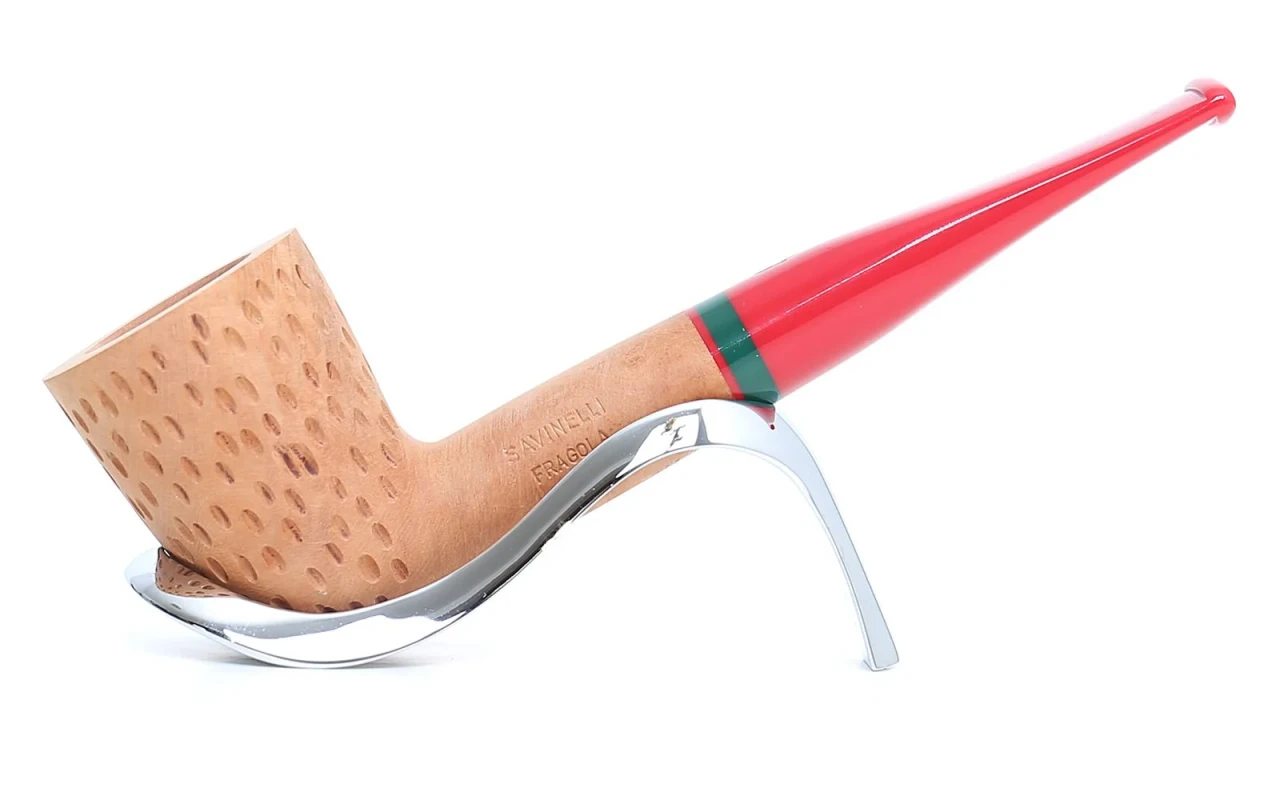
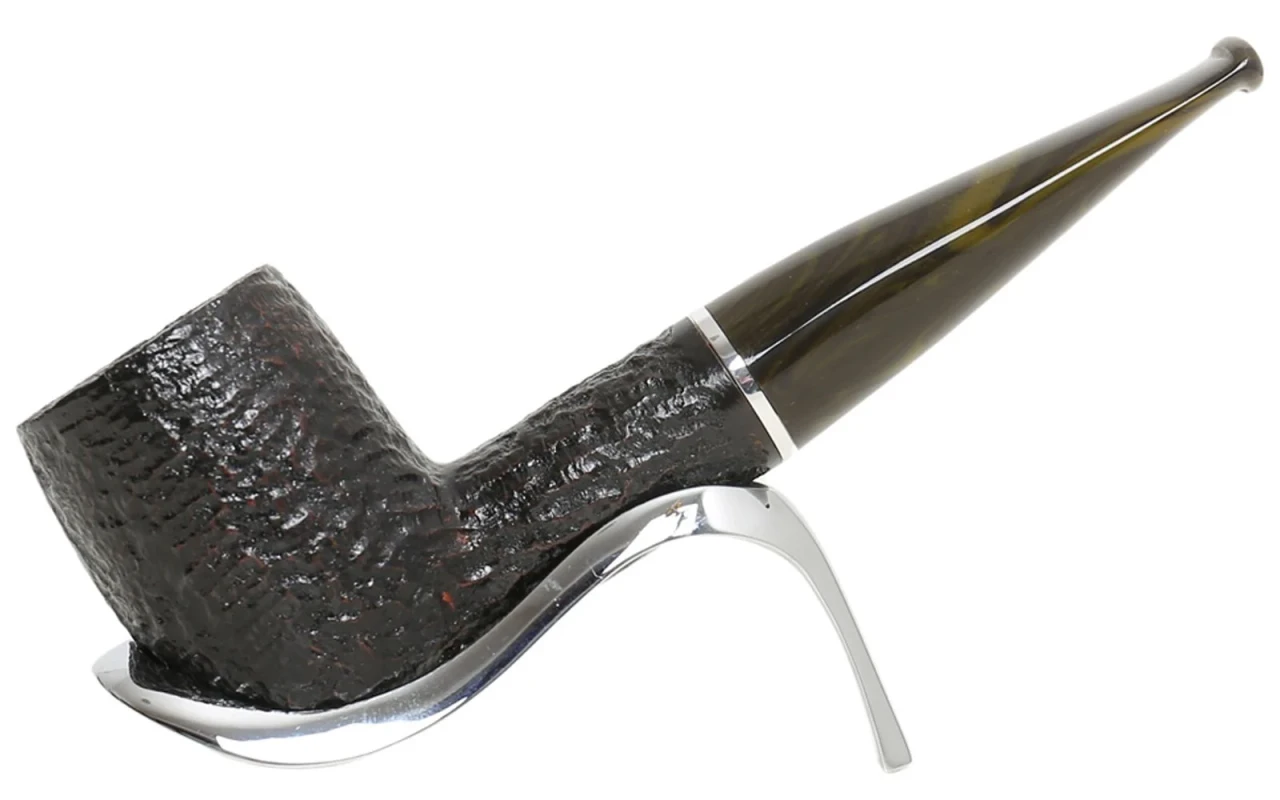
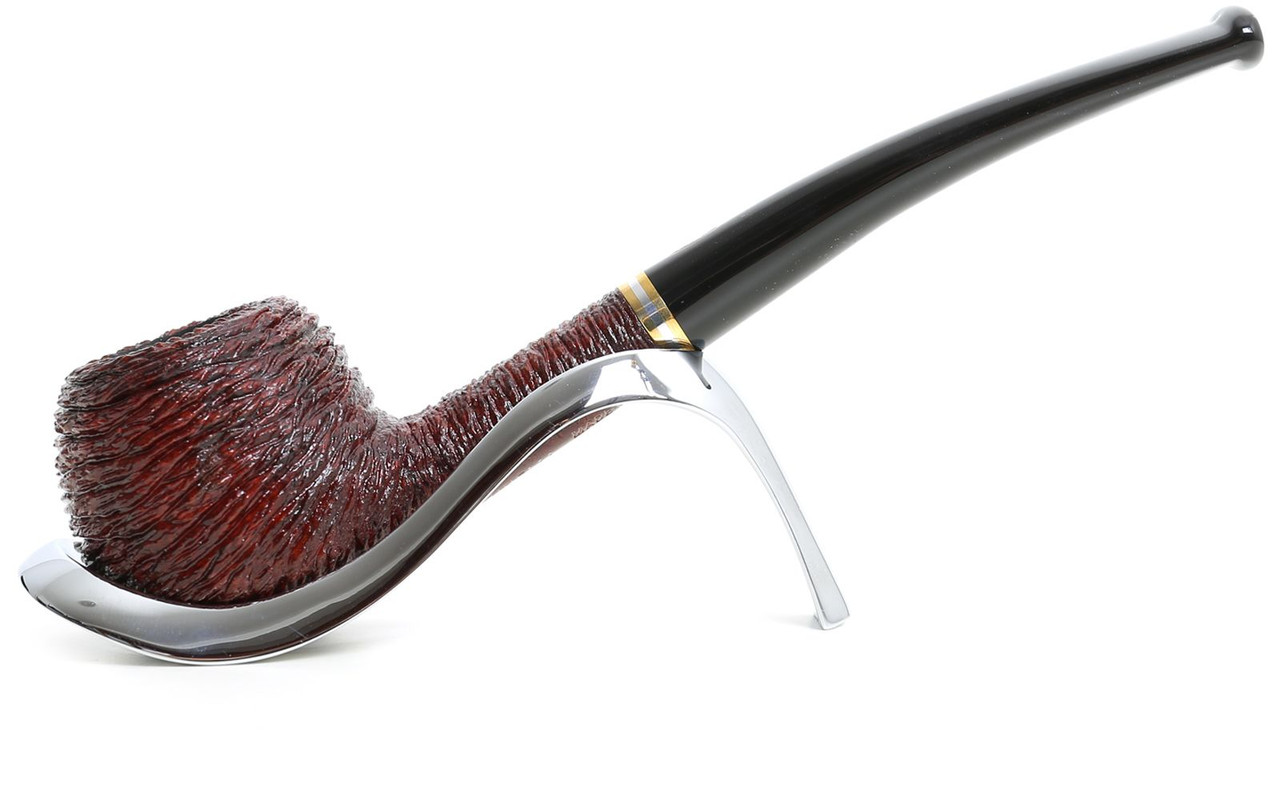
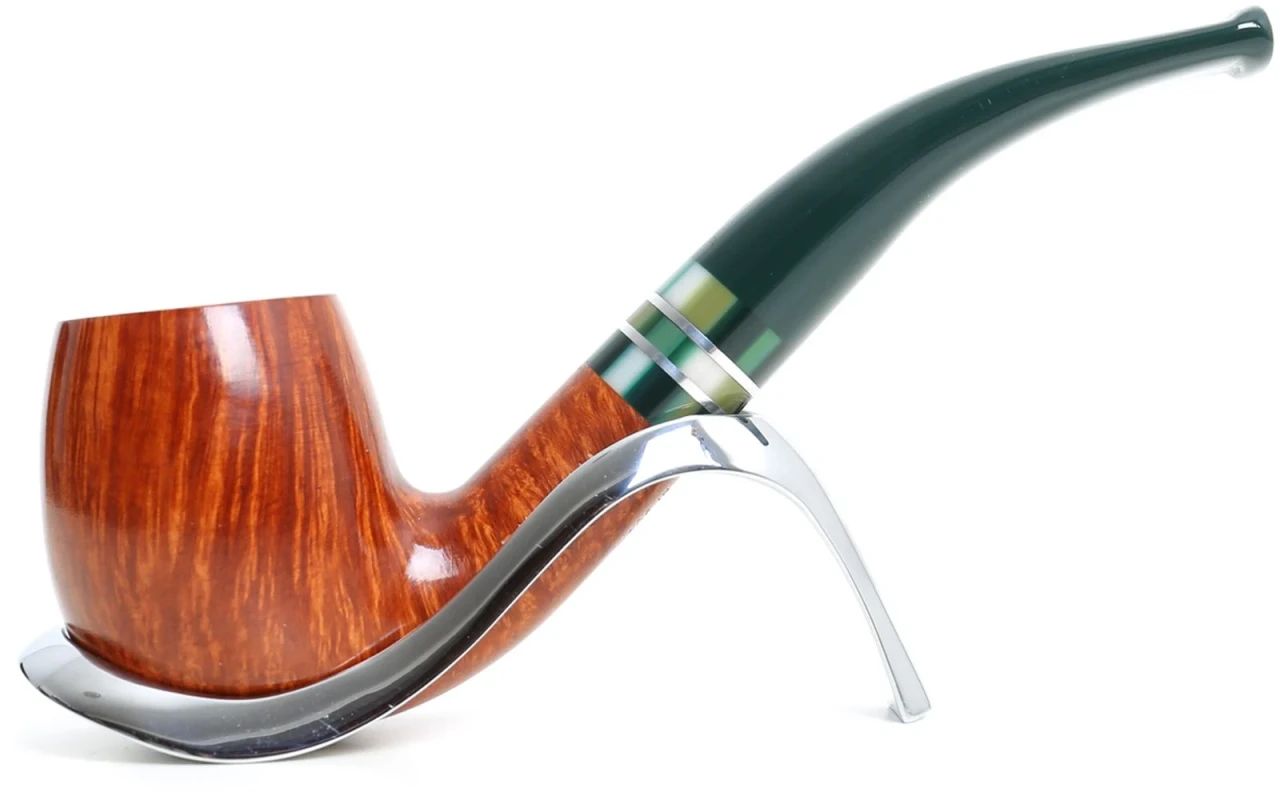
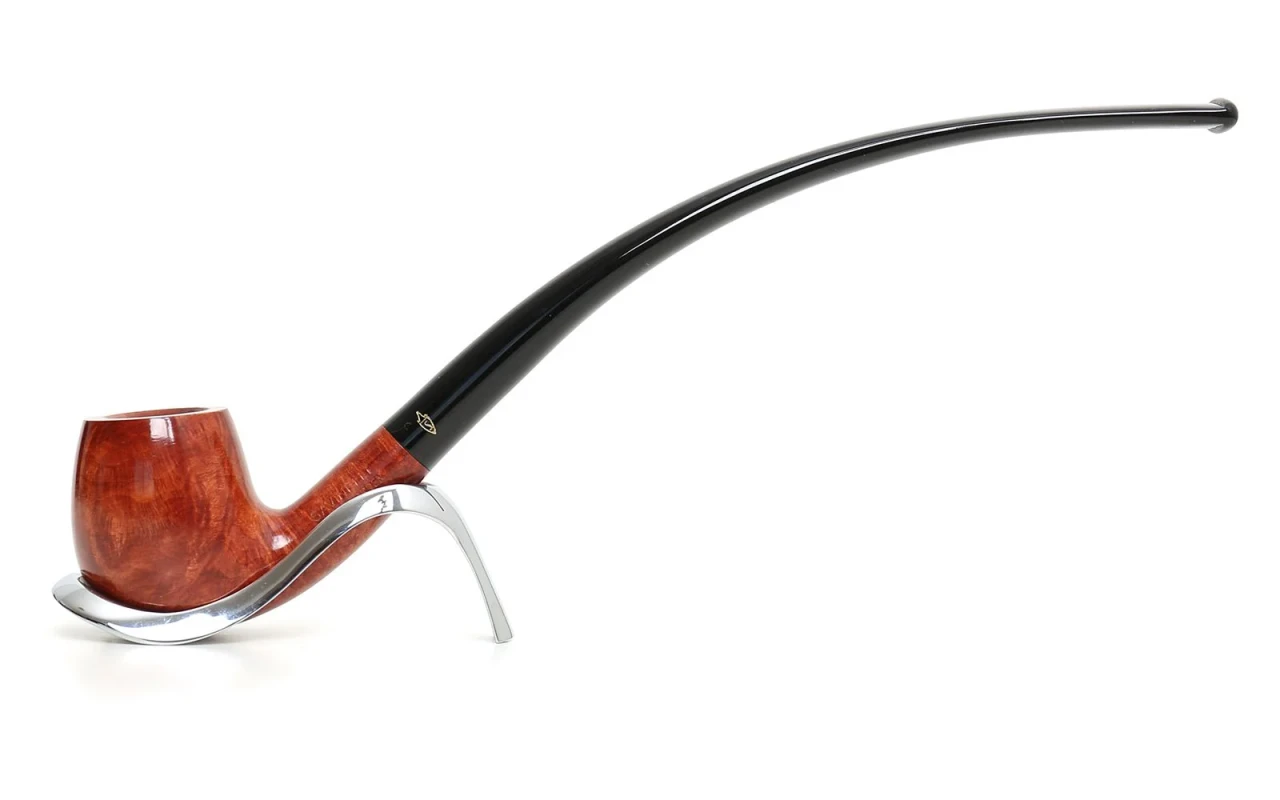
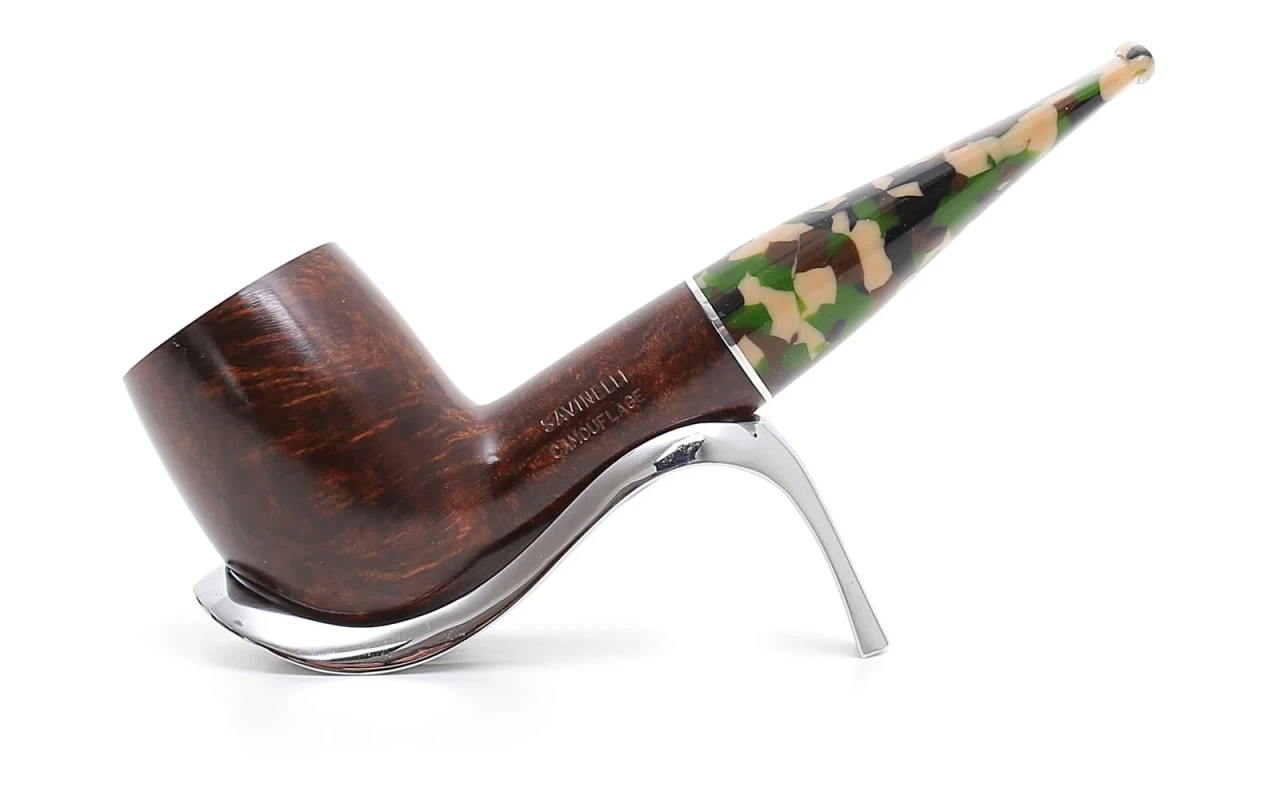
Pipe design styles vary significantly, offering a wide range of options for passionate smokers. Some of the most popular styles include:- Classic: pipes with a traditional design, often made of wood or briar.- Rustic: pipes with rough and natural finishes, maintaining the original texture of the material.- Smooth: polished and sleek pipes, providing an elegant and refined look.- Freehand: artistic and unique pipes, handcrafted without standard shapes.- Churchwarden: pipes with a long curved stem, inspired by medieval models.Each style caters to different aesthetic preferences and offers a unique smoking experience.
Pipe Manufacturing Techniques
Pipe manufacturing techniques are essential for creating high-quality artifacts. In pipe production, various artisanal techniques are employed, such as wood or briar turning, sandblasting to achieve rustic finishes, and lacquering to protect and decorate the surface. Other methods include crafting the stem from acrylic or ebonite, and the final polishing to give brilliance to the artifact. Each step requires skill and precision to produce high-quality pipes, both aesthetically and functionally. Craftsmanship is the cornerstone of creating unique and refined pipes.
'%3e%3cg id='Final-Copy-2_2_' transform='translate(1275.000000, 200.000000)'%3e%3cpath class='st0' d='M7.4,12.8h6.8l3.1-11.6H7.4C4.2,1.2,1.6,3.8,1.6,7S4.2,12.8,7.4,12.8z'/%3e%3c/g%3e%3c/g%3e%3c/g%3e%3cg id='final---dec.11-2020'%3e%3cg id='_x30_208-our-toggle' transform='translate(-1275.000000, -200.000000)'%3e%3cg id='Final-Copy-2' transform='translate(1275.000000, 200.000000)'%3e%3cpath class='st1' d='M22.6,0H7.4c-3.9,0-7,3.1-7,7s3.1,7,7,7h15.2c3.9,0,7-3.1,7-7S26.4,0,22.6,0z M1.6,7c0-3.2,2.6-5.8,5.8-5.8 h9.9l-3.1,11.6H7.4C4.2,12.8,1.6,10.2,1.6,7z'/%3e%3cpath id='x' class='st2' d='M24.6,4c0.2,0.2,0.2,0.6,0,0.8l0,0L22.5,7l2.2,2.2c0.2,0.2,0.2,0.6,0,0.8c-0.2,0.2-0.6,0.2-0.8,0 l0,0l-2.2-2.2L19.5,10c-0.2,0.2-0.6,0.2-0.8,0c-0.2-0.2-0.2-0.6,0-0.8l0,0L20.8,7l-2.2-2.2c-0.2-0.2-0.2-0.6,0-0.8 c0.2-0.2,0.6-0.2,0.8,0l0,0l2.2,2.2L23.8,4C24,3.8,24.4,3.8,24.6,4z'/%3e%3cpath id='y' class='st3' d='M12.7,4.1c0.2,0.2,0.3,0.6,0.1,0.8l0,0L8.6,9.8C8.5,9.9,8.4,10,8.3,10c-0.2,0.1-0.5,0.1-0.7-0.1l0,0 L5.4,7.7c-0.2-0.2-0.2-0.6,0-0.8c0.2-0.2,0.6-0.2,0.8,0l0,0L8,8.6l3.8-4.5C12,3.9,12.4,3.9,12.7,4.1z'/%3e%3c/g%3e%3c/g%3e%3c/g%3e%3c/g%3e%3c/svg%3e) Your Privacy Choices
Your Privacy Choices 


