 ES
ES FR
FR EN
EN IT
IT DE
DE
Materials and Design of Curved Pipes
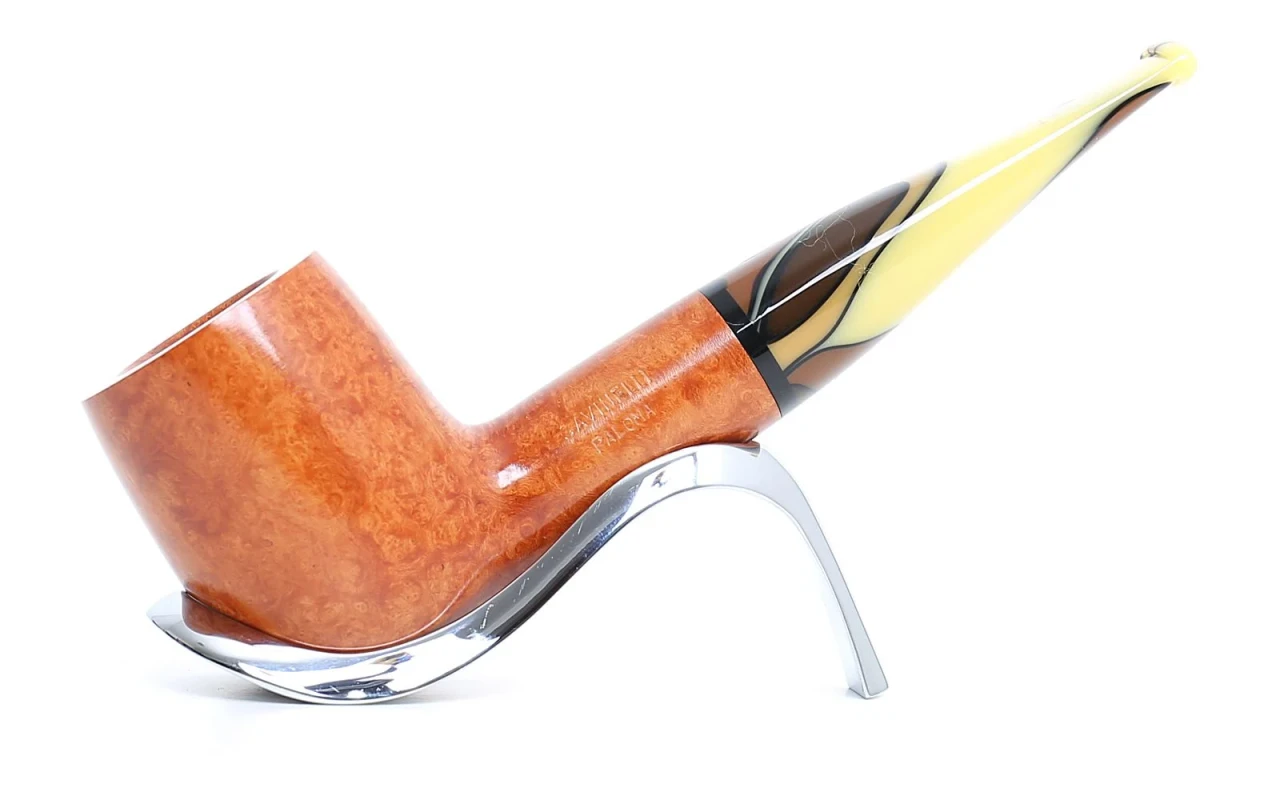
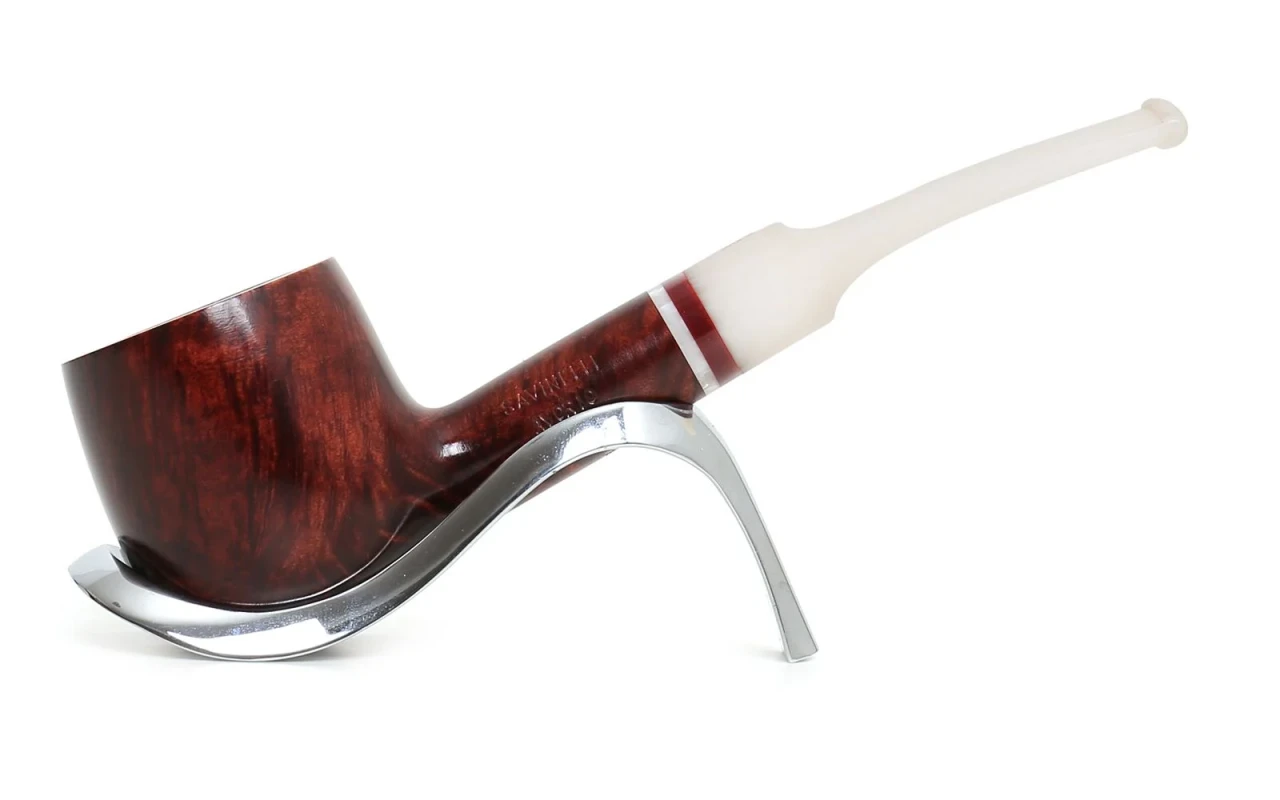
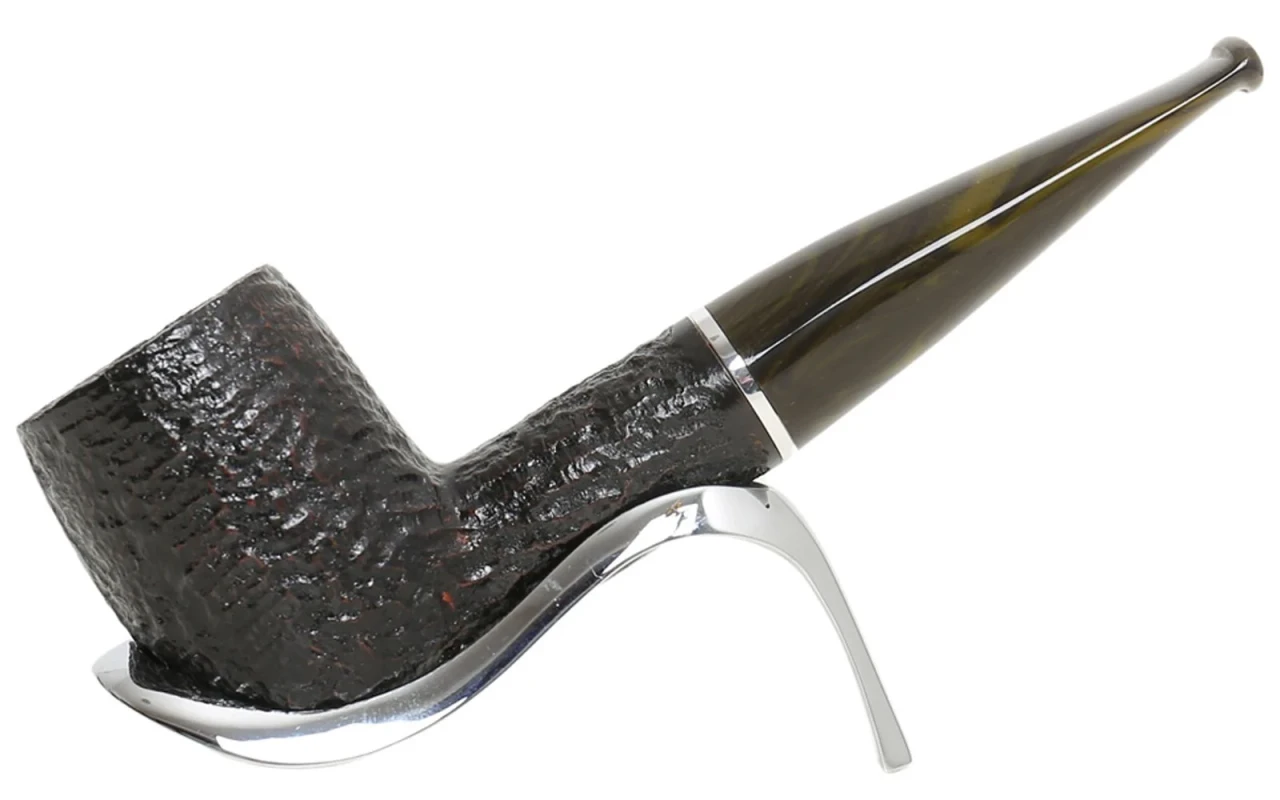
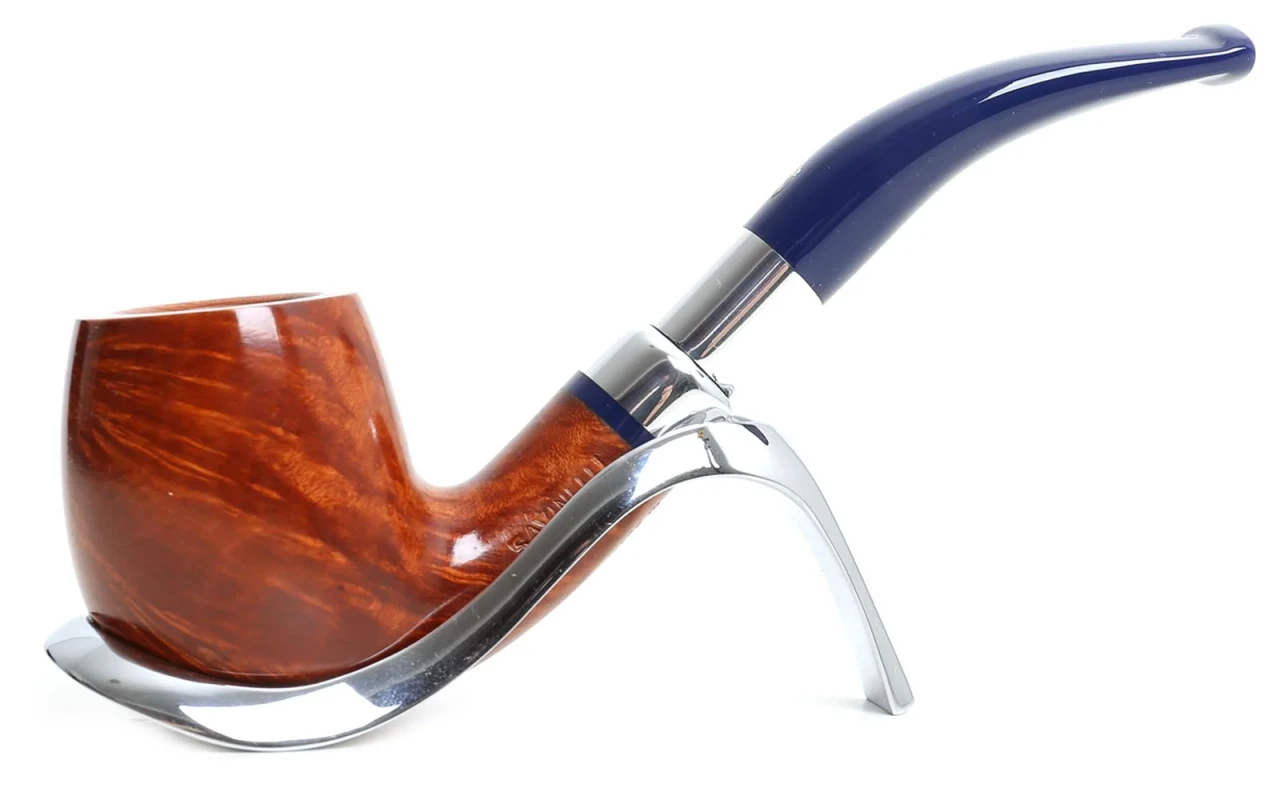
Materials and Design of Curved Pipes
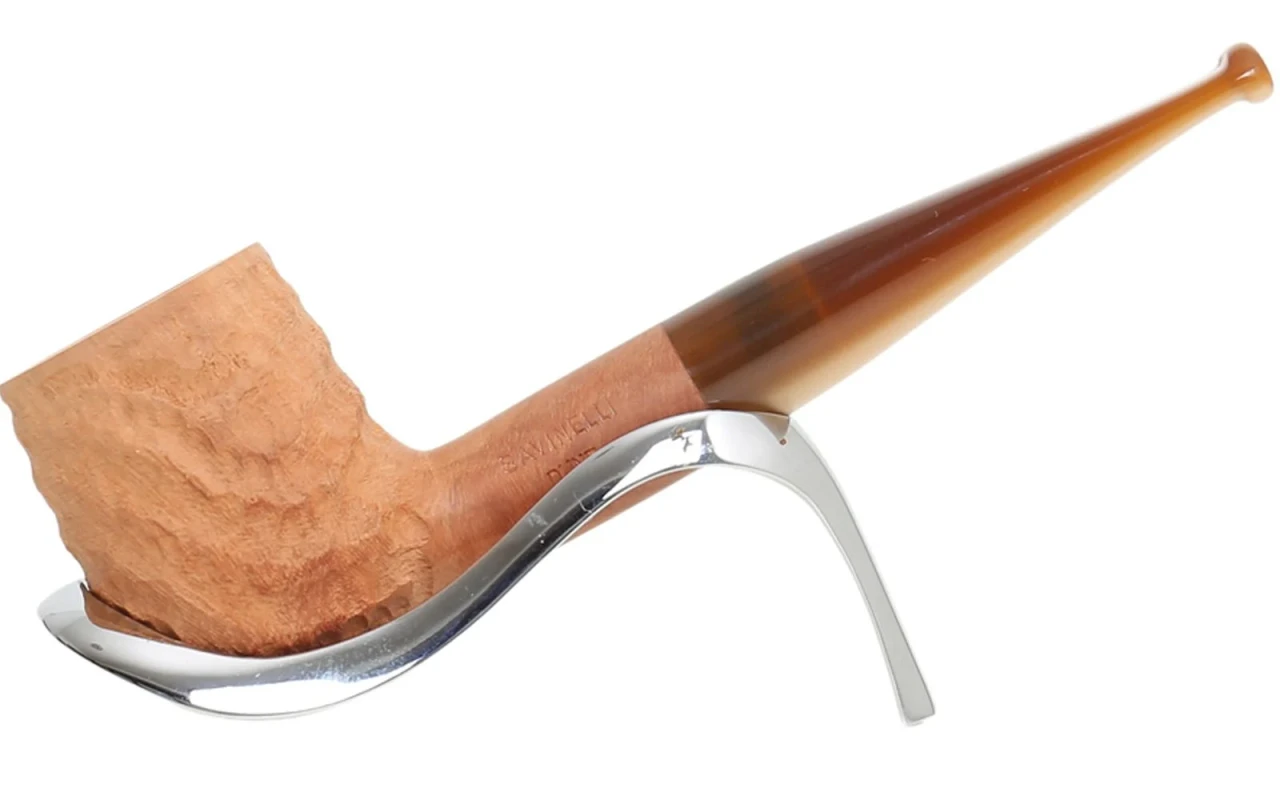
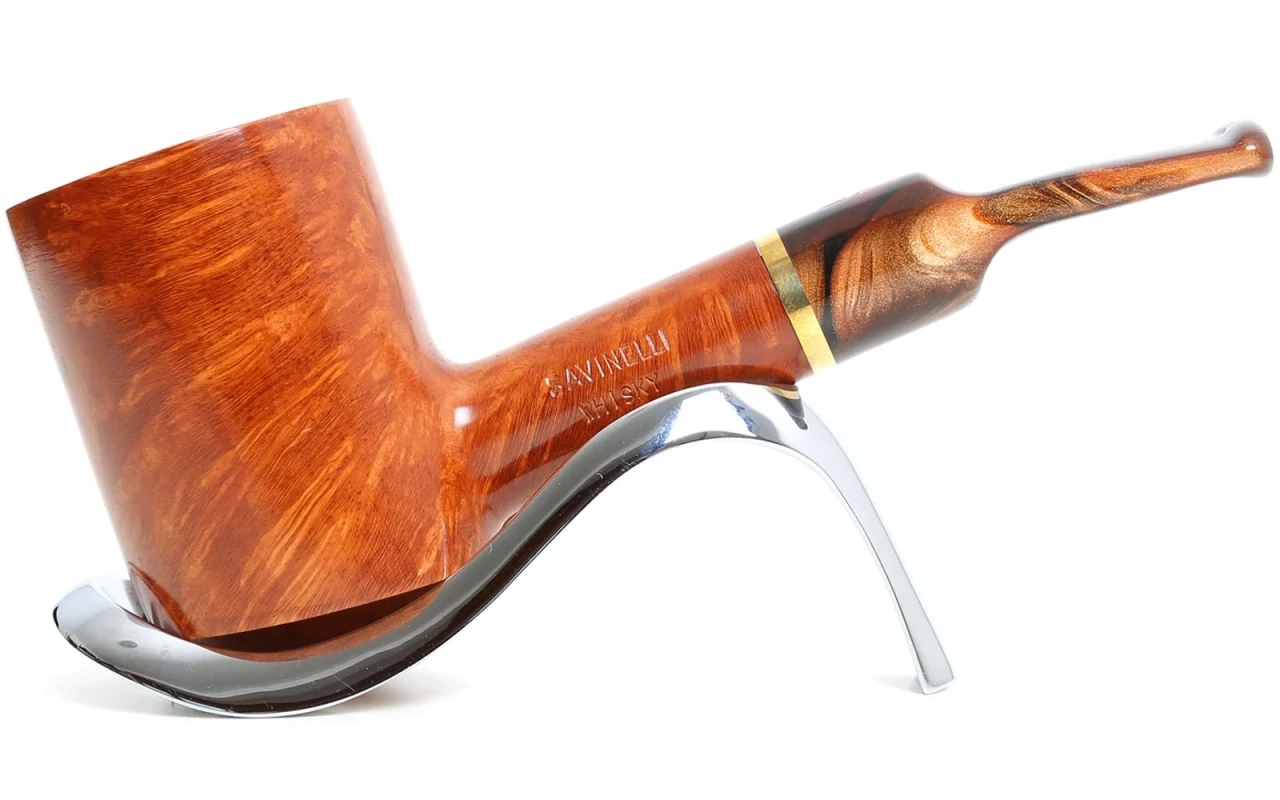
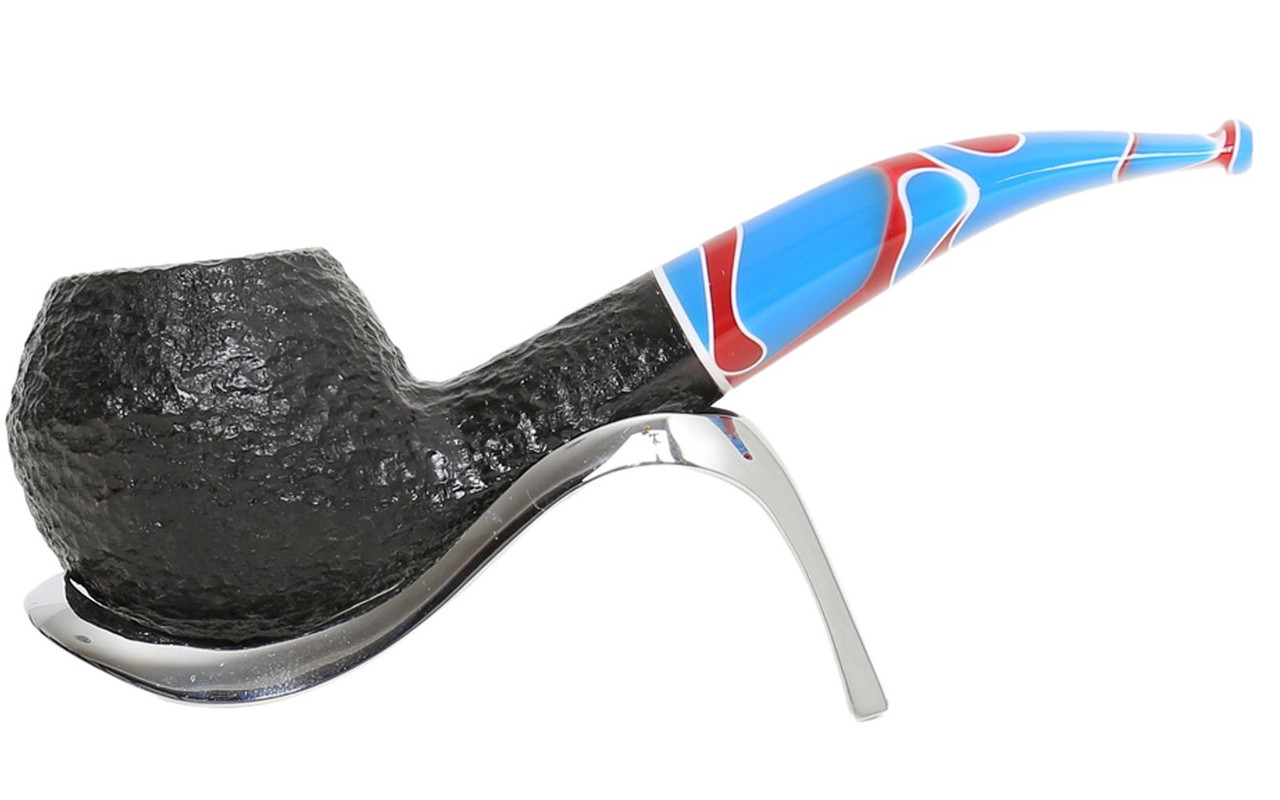
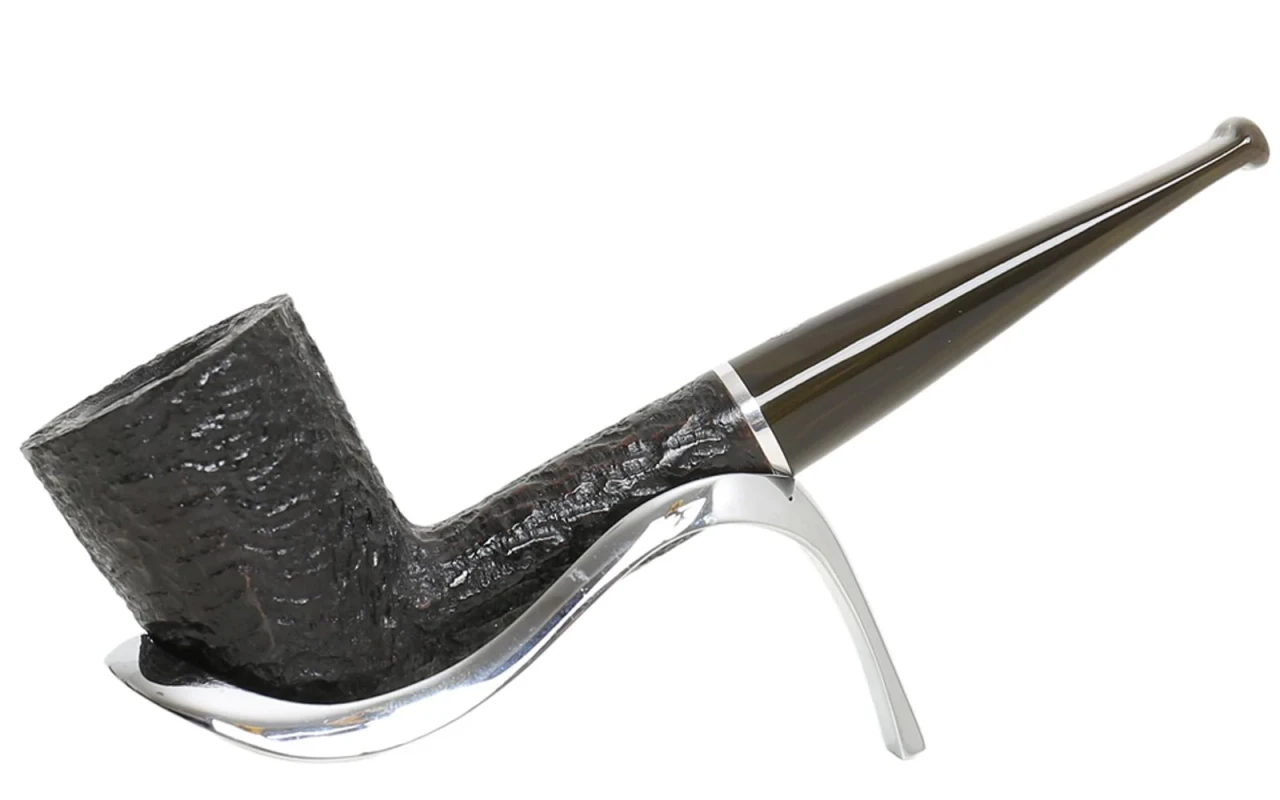
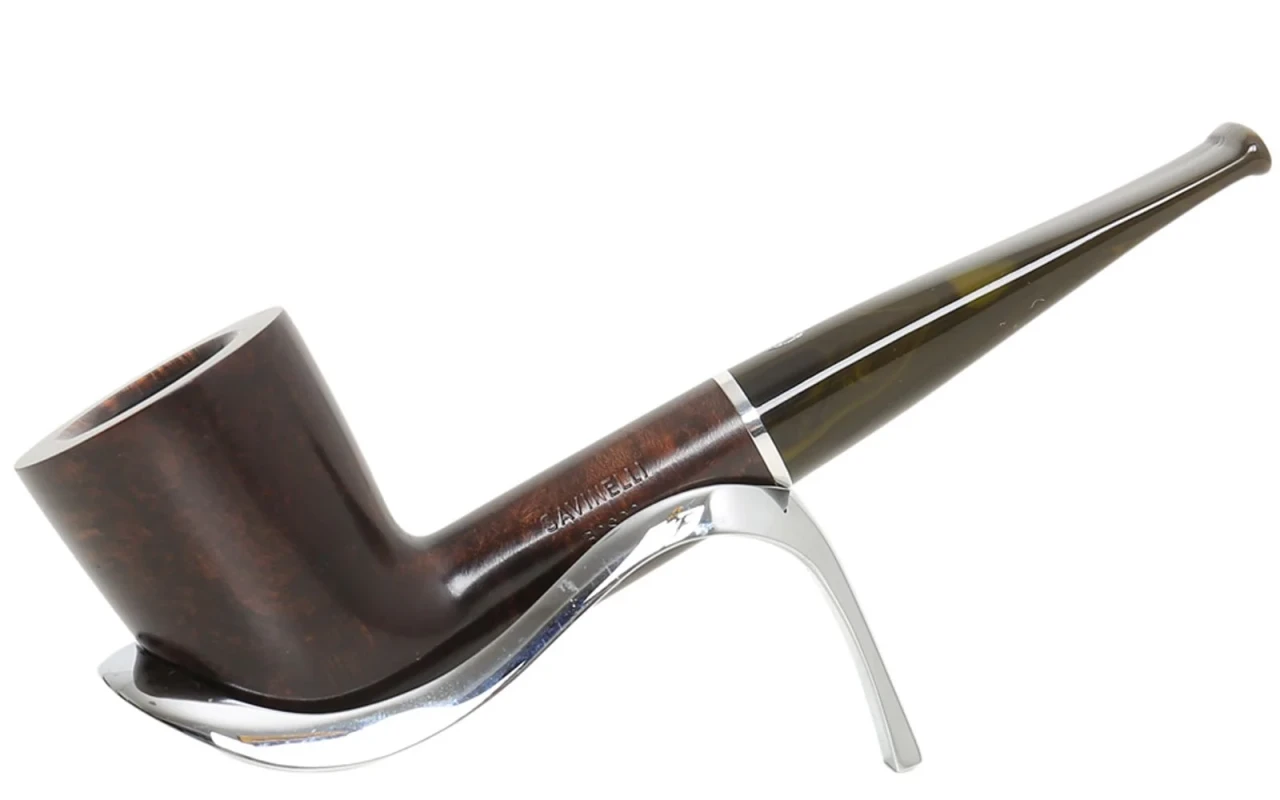
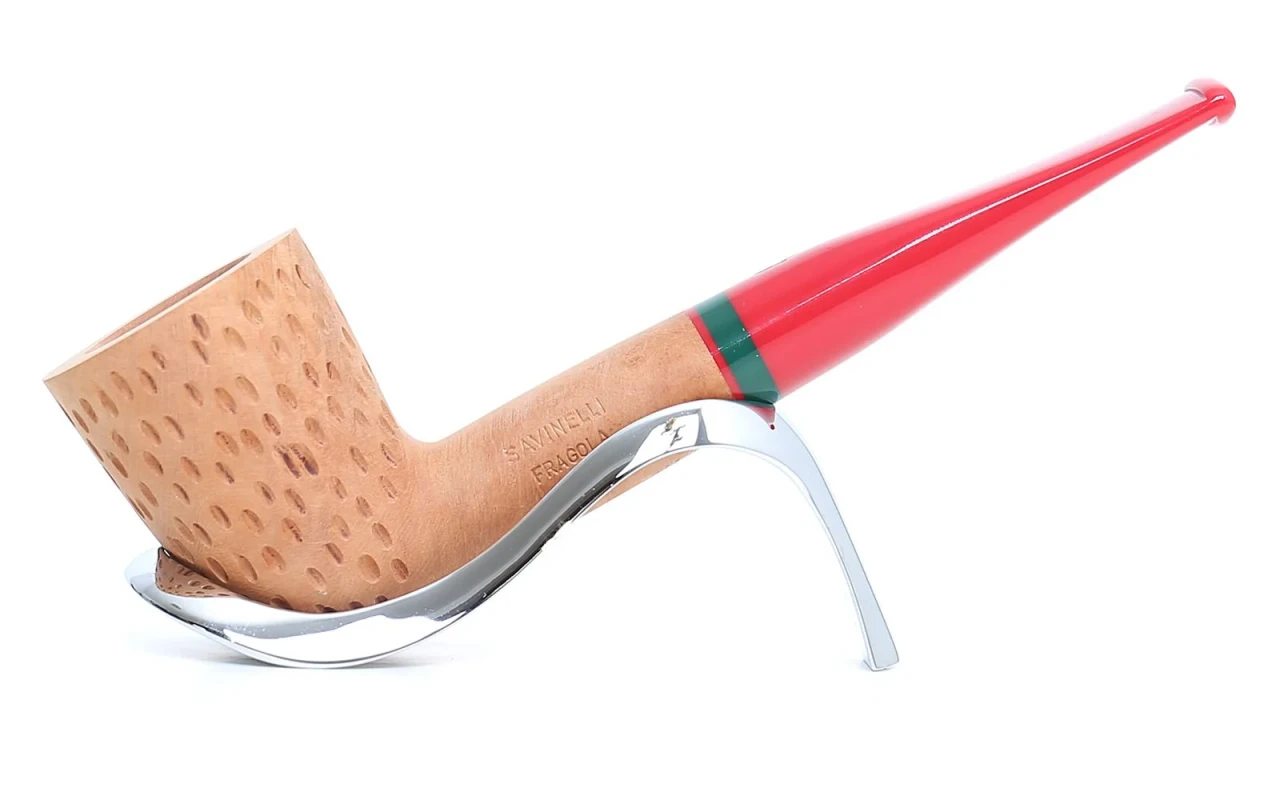
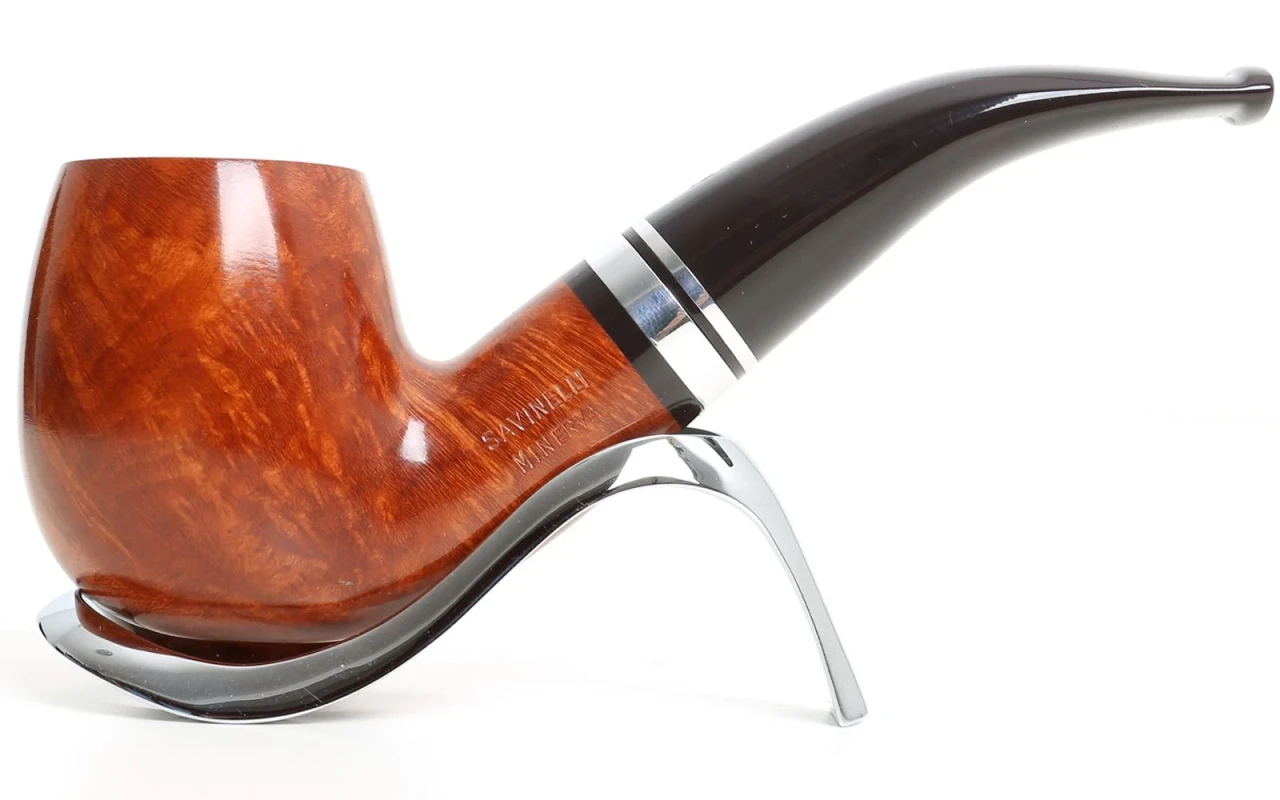
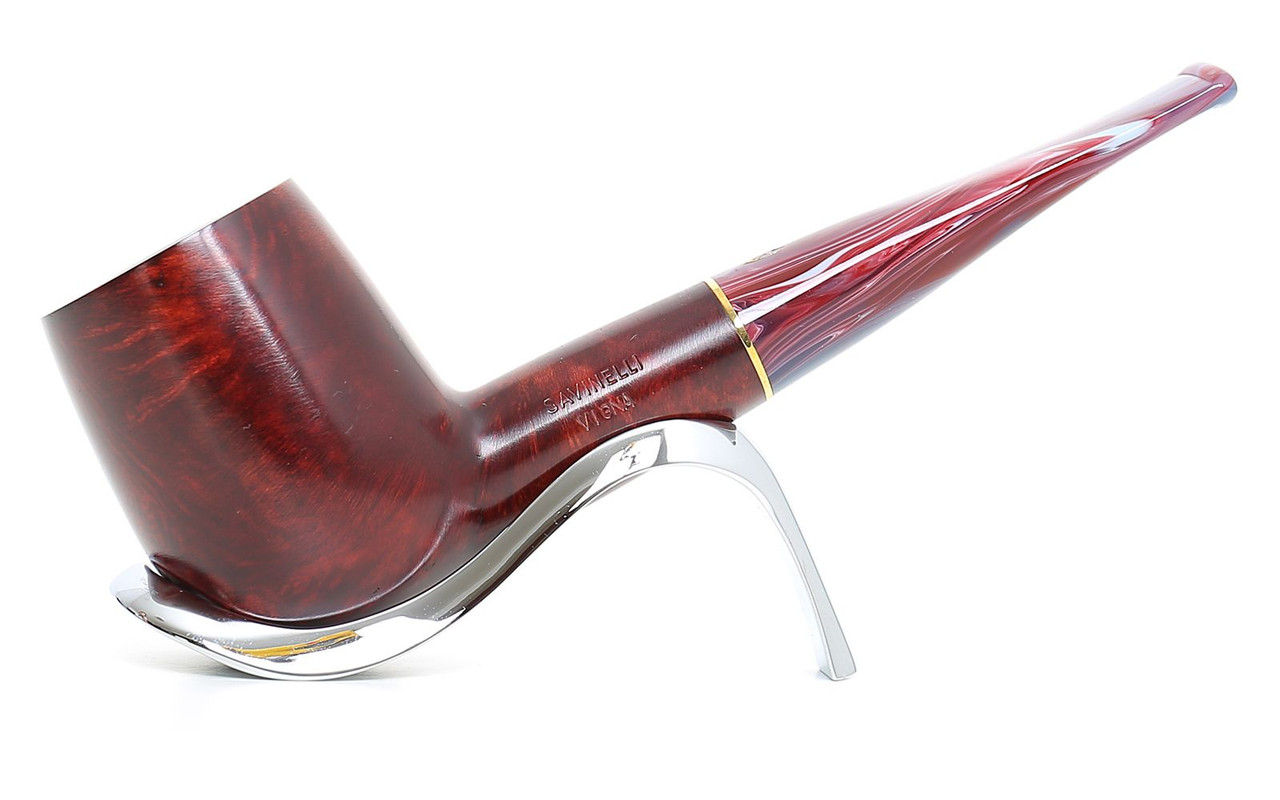
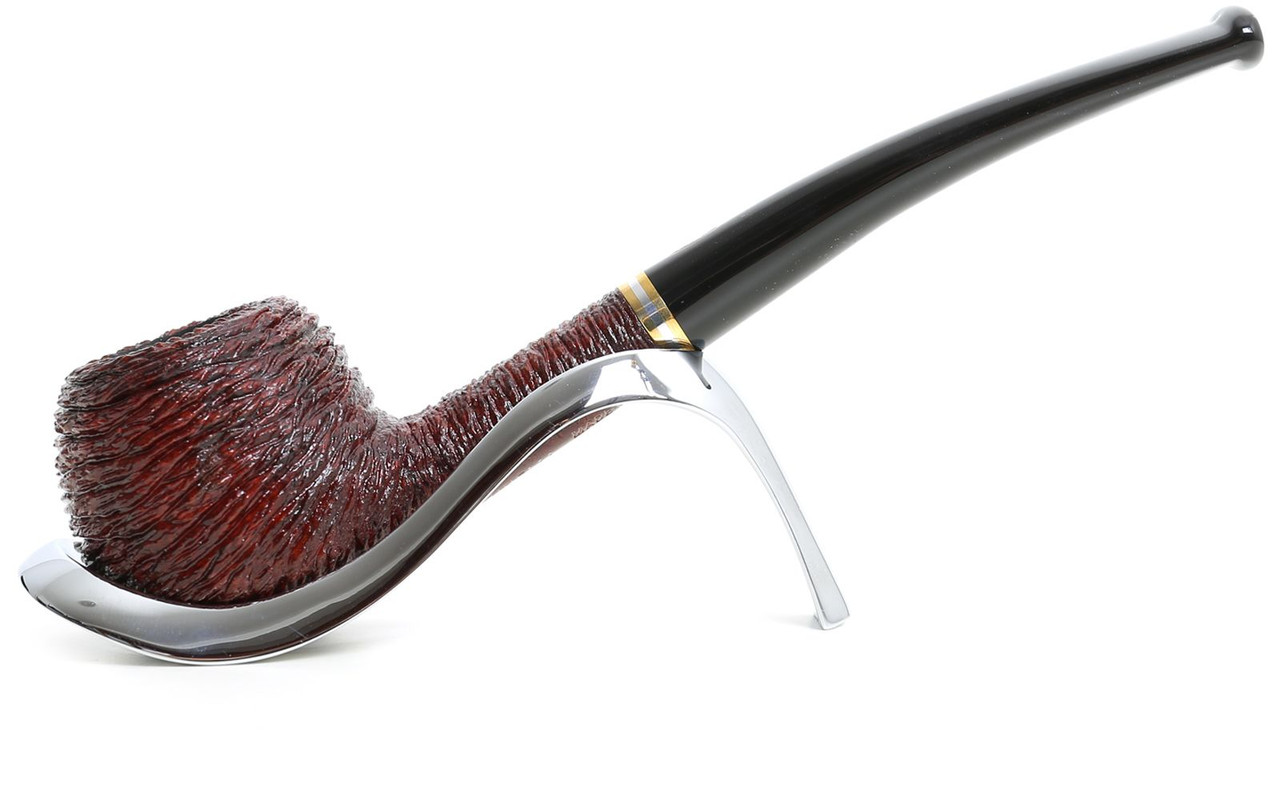
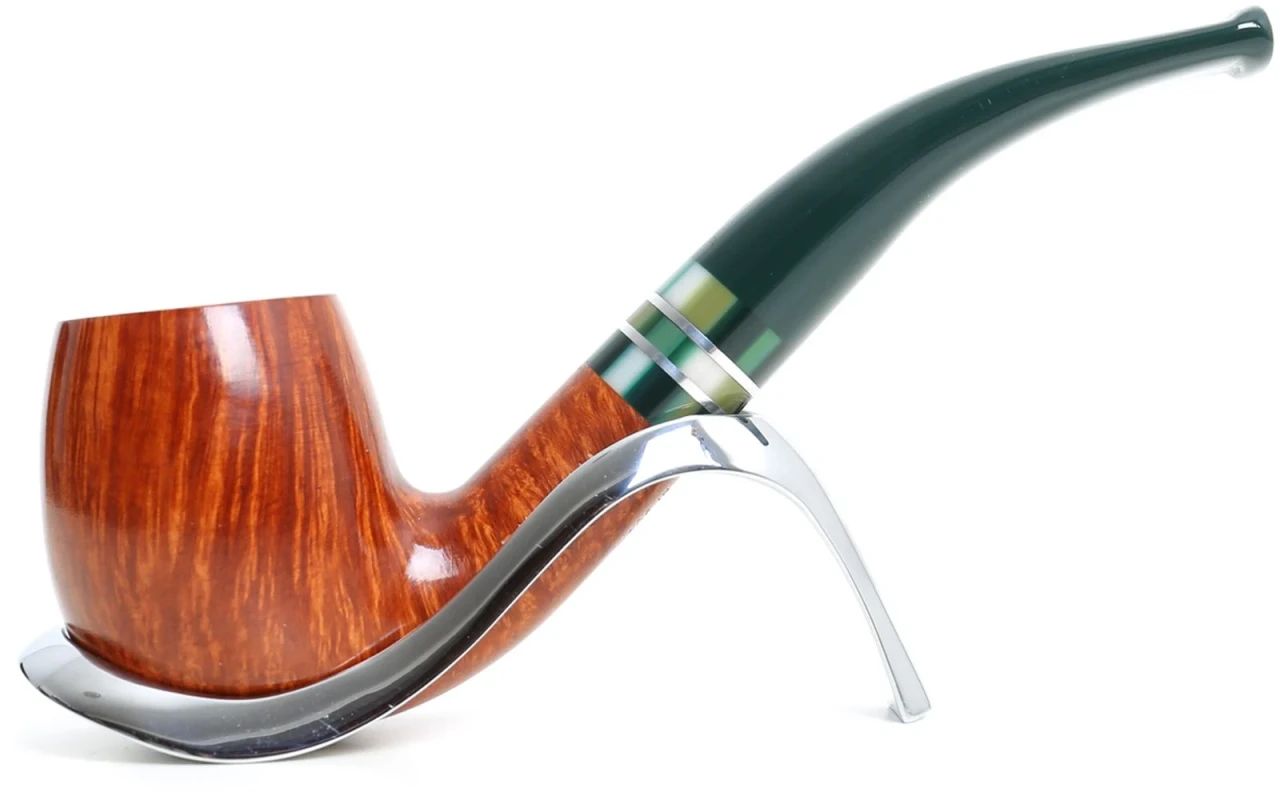
Curved pipes are crafted using various materials, including briar, olive wood, chestnut, and pear wood. These materials impart unique characteristics to the pipes, such as heat resistance and the ability to absorb tobacco moisture. The curved design of the pipes is not only aesthetic but also serves the purpose of cooling the smoke before it reaches the smoker. Curved pipes can feature different mouthpiece styles, such as the S-shaped one, which allows for a more comfortable smoking experience. Additionally, the curved design promotes a more ergonomic grip during use.
Materials for smoking pipes
Materials for smoking pipes can significantly influence the smoking experience. Here are some of the most common materials used for producing pipes:- **Wood**: among the most traditional and appreciated materials for smoking pipes. Woods such as briar, cherry, or oak are often used for their ability to absorb moisture and enhance the tobacco flavor.- **Clay**: clay pipes are valued for their ability to maintain the tobacco flavor unchanged, without external influences. However, they are fragile and require special care.- **Heather root**: a high-quality material, light and heat-resistant. Heather root pipes are appreciated for their moisture-absorbing capabilities.- **Corn**: corn pipes are lightweight and affordable, ideal for beginners.The choice of material will not only impact the pipe's aesthetics but also its taste and the quality of the smoking experience.
Features of Bent Pipes
Bent pipes have several characteristics that make them particularly appreciated by pipe smoking enthusiasts. This type of pipe offers a comfortable and natural grip, allowing for better weight distribution and increased comfort during smoking. Moreover, the curved shape promotes smoke cooling, reducing the risk of overheating the pipe wall. This design contributes to a smoother and more enjoyable smoking experience. Bent pipes are also valued for their elegant and refined aesthetic appearance, making them collectible items for many enthusiasts.
Design Styles for Smoking Pipes
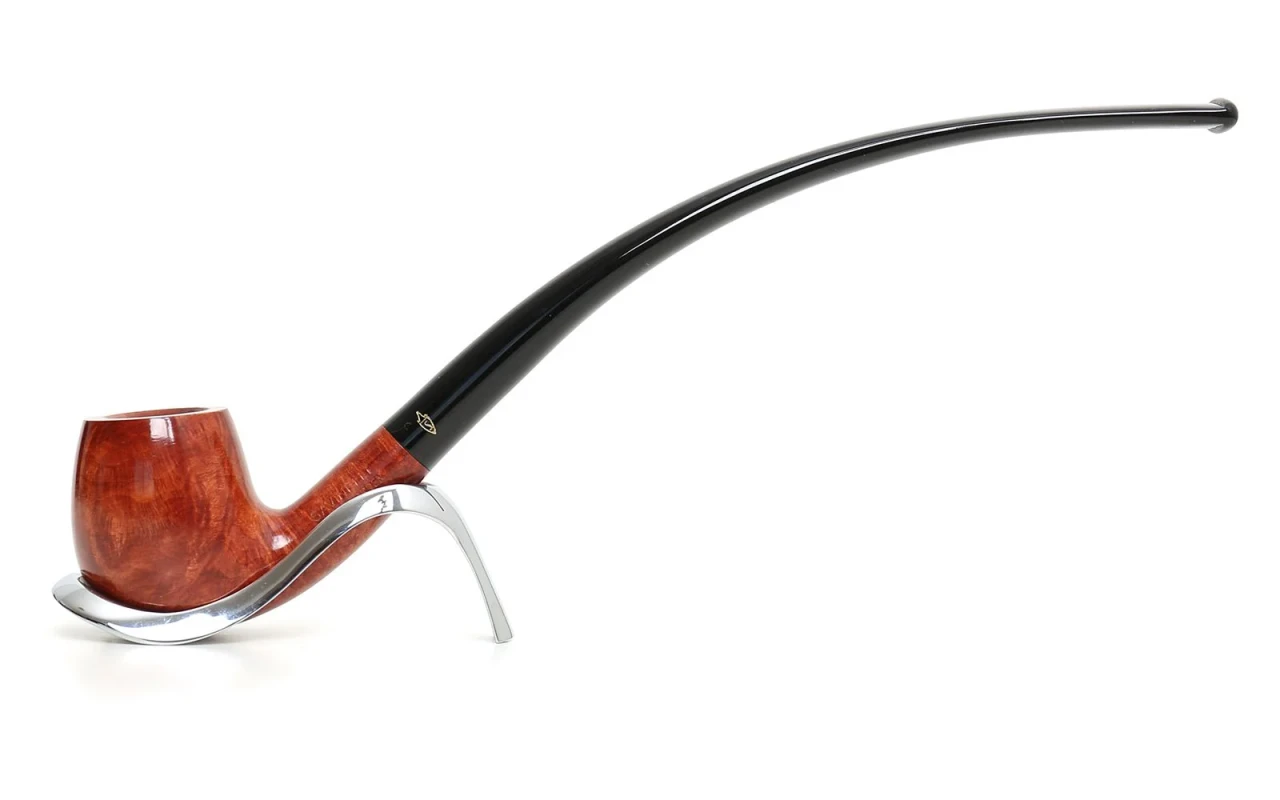
There are various design styles for smoking pipes, each with unique features that attract enthusiasts. Here are some examples:- Classic: pipes with traditional shapes such as bent, straight, or billiard.- Rustic: characterized by rough or unlacquered finishes.- Freehand: hand-carved pipes, often with creative and irregular shapes.- Churchwarden: pipes with a long curved stem.- Dublin: pipes with a conical shape and a downward-tilted bowl.- Calabash: pipes with a gourd bowl and a briar body.Each design style offers a different and unique experience for tobacco pipe enthusiasts.
'%3e%3cg id='Final-Copy-2_2_' transform='translate(1275.000000, 200.000000)'%3e%3cpath class='st0' d='M7.4,12.8h6.8l3.1-11.6H7.4C4.2,1.2,1.6,3.8,1.6,7S4.2,12.8,7.4,12.8z'/%3e%3c/g%3e%3c/g%3e%3c/g%3e%3cg id='final---dec.11-2020'%3e%3cg id='_x30_208-our-toggle' transform='translate(-1275.000000, -200.000000)'%3e%3cg id='Final-Copy-2' transform='translate(1275.000000, 200.000000)'%3e%3cpath class='st1' d='M22.6,0H7.4c-3.9,0-7,3.1-7,7s3.1,7,7,7h15.2c3.9,0,7-3.1,7-7S26.4,0,22.6,0z M1.6,7c0-3.2,2.6-5.8,5.8-5.8 h9.9l-3.1,11.6H7.4C4.2,12.8,1.6,10.2,1.6,7z'/%3e%3cpath id='x' class='st2' d='M24.6,4c0.2,0.2,0.2,0.6,0,0.8l0,0L22.5,7l2.2,2.2c0.2,0.2,0.2,0.6,0,0.8c-0.2,0.2-0.6,0.2-0.8,0 l0,0l-2.2-2.2L19.5,10c-0.2,0.2-0.6,0.2-0.8,0c-0.2-0.2-0.2-0.6,0-0.8l0,0L20.8,7l-2.2-2.2c-0.2-0.2-0.2-0.6,0-0.8 c0.2-0.2,0.6-0.2,0.8,0l0,0l2.2,2.2L23.8,4C24,3.8,24.4,3.8,24.6,4z'/%3e%3cpath id='y' class='st3' d='M12.7,4.1c0.2,0.2,0.3,0.6,0.1,0.8l0,0L8.6,9.8C8.5,9.9,8.4,10,8.3,10c-0.2,0.1-0.5,0.1-0.7-0.1l0,0 L5.4,7.7c-0.2-0.2-0.2-0.6,0-0.8c0.2-0.2,0.6-0.2,0.8,0l0,0L8,8.6l3.8-4.5C12,3.9,12.4,3.9,12.7,4.1z'/%3e%3c/g%3e%3c/g%3e%3c/g%3e%3c/g%3e%3c/svg%3e) Your Privacy Choices
Your Privacy Choices 


