 ES
ES FR
FR EN
EN IT
IT DE
DE
Materials and craftsmanship of the Lumberman pipe
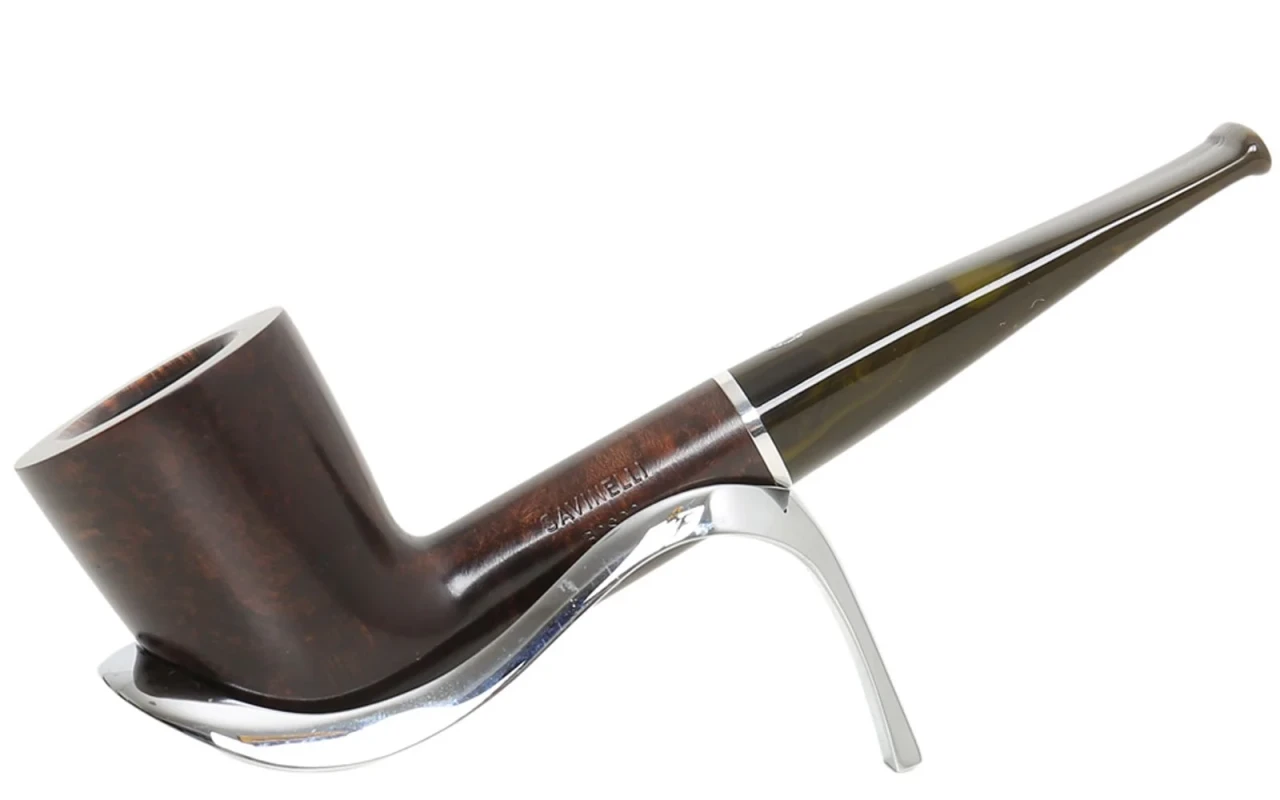
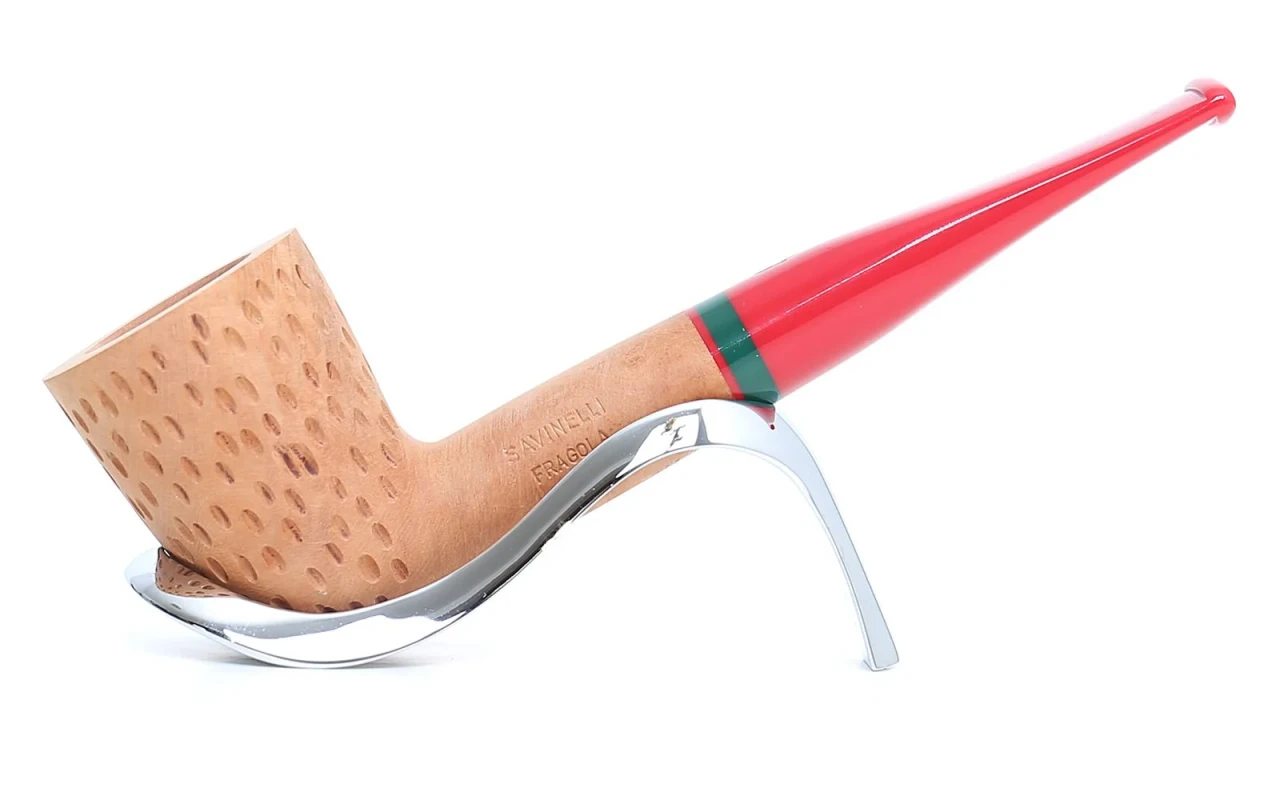
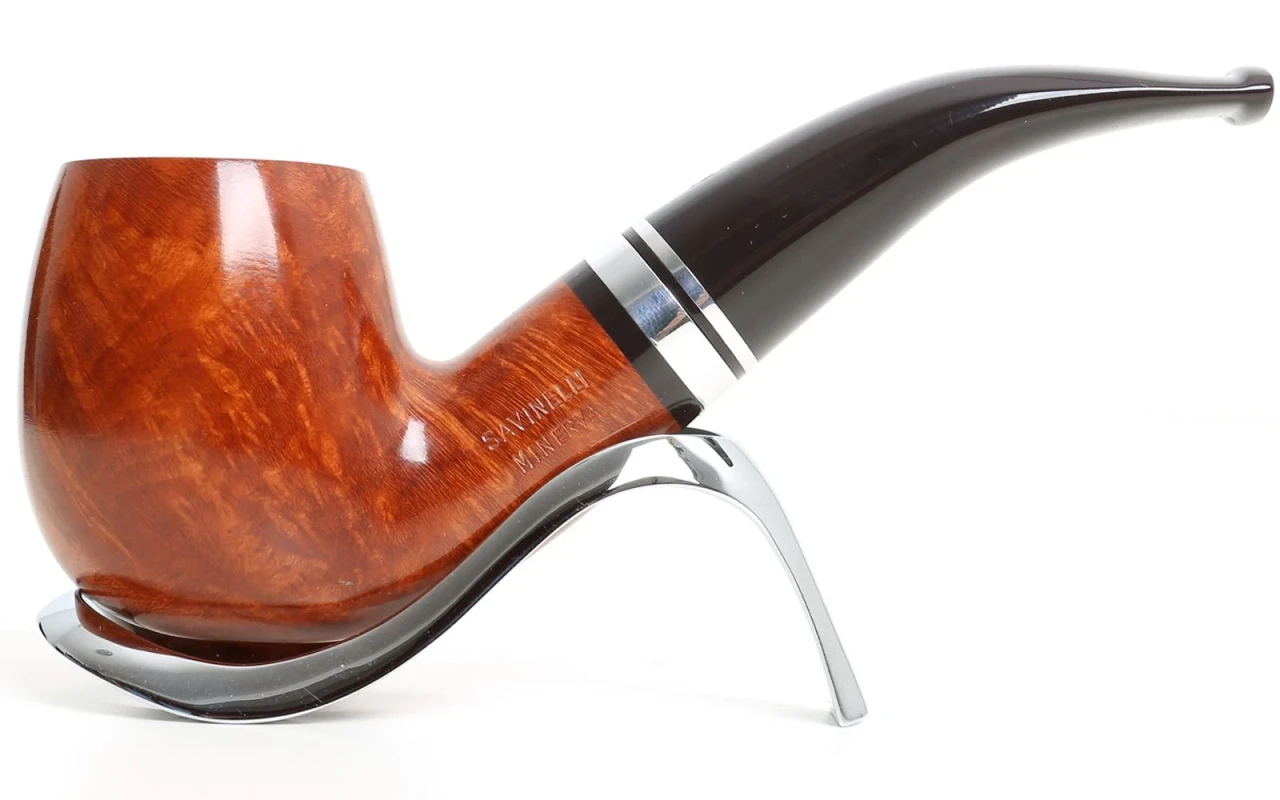
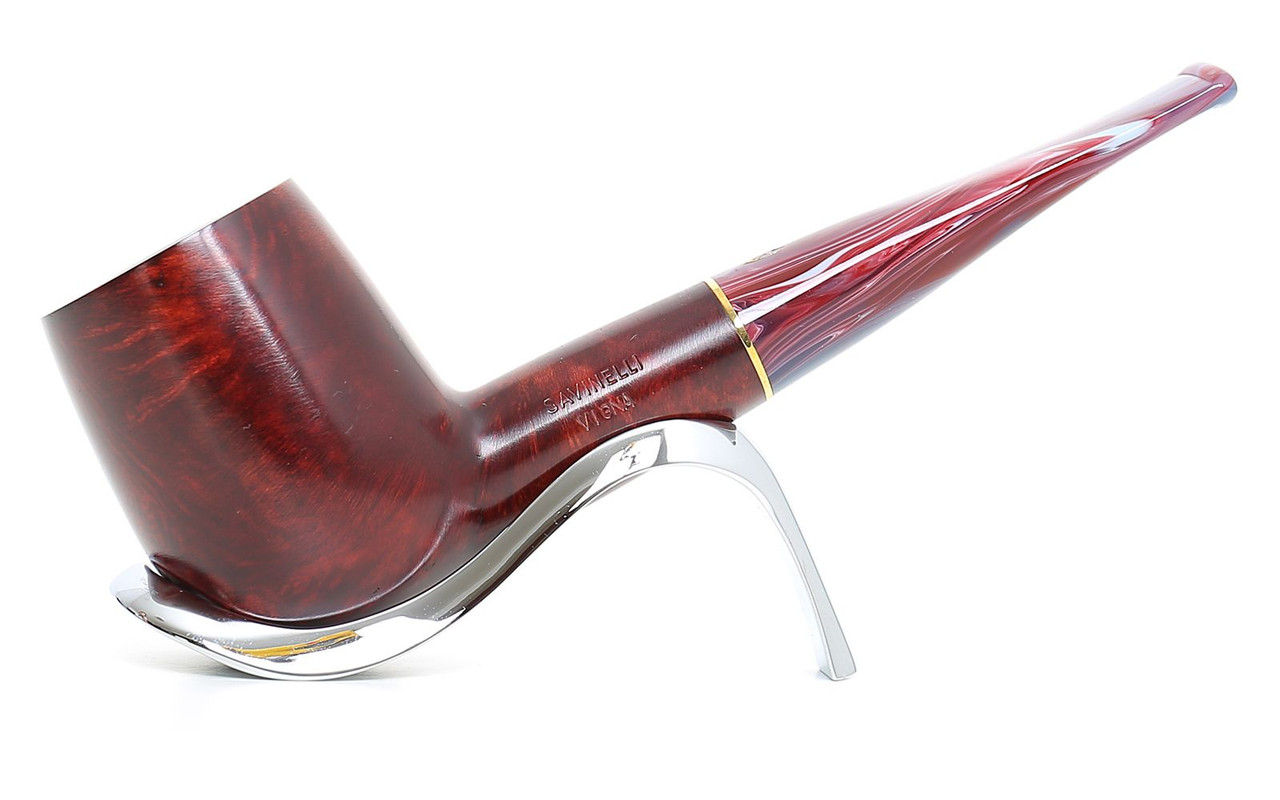
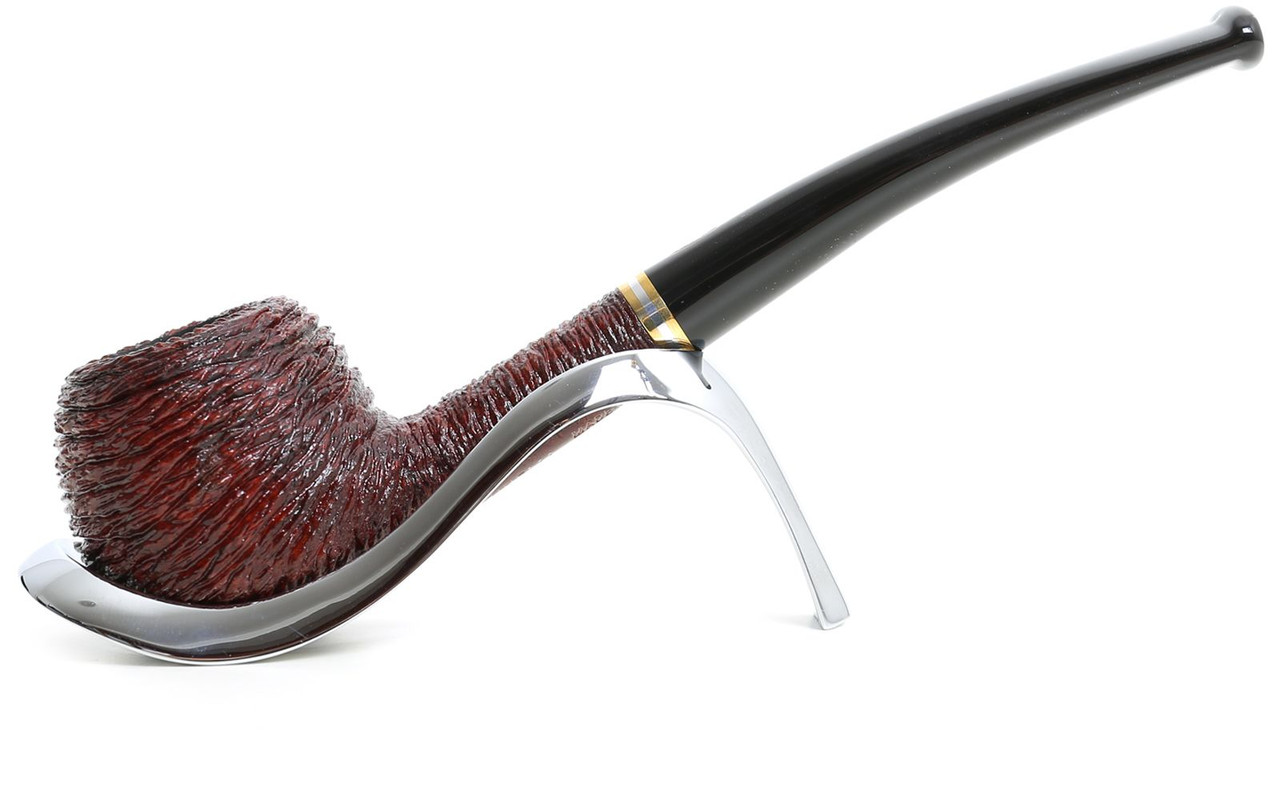
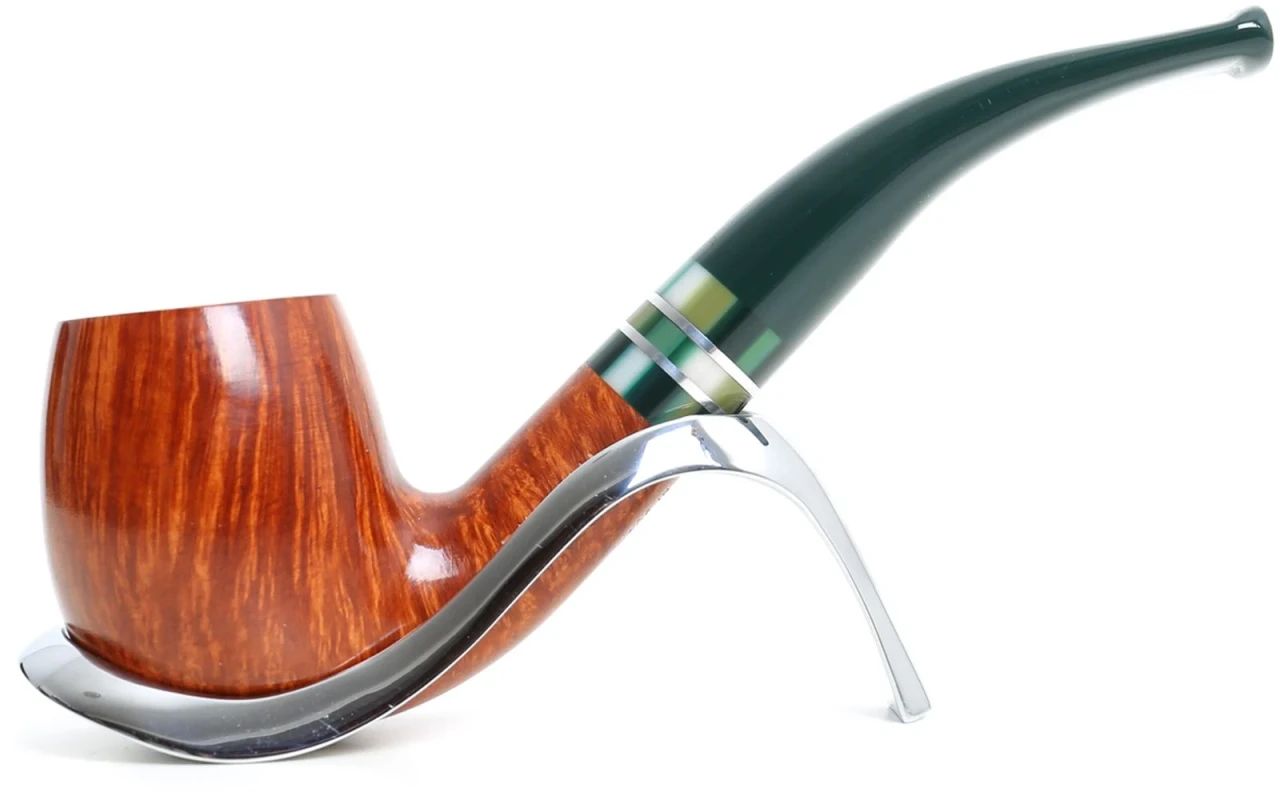
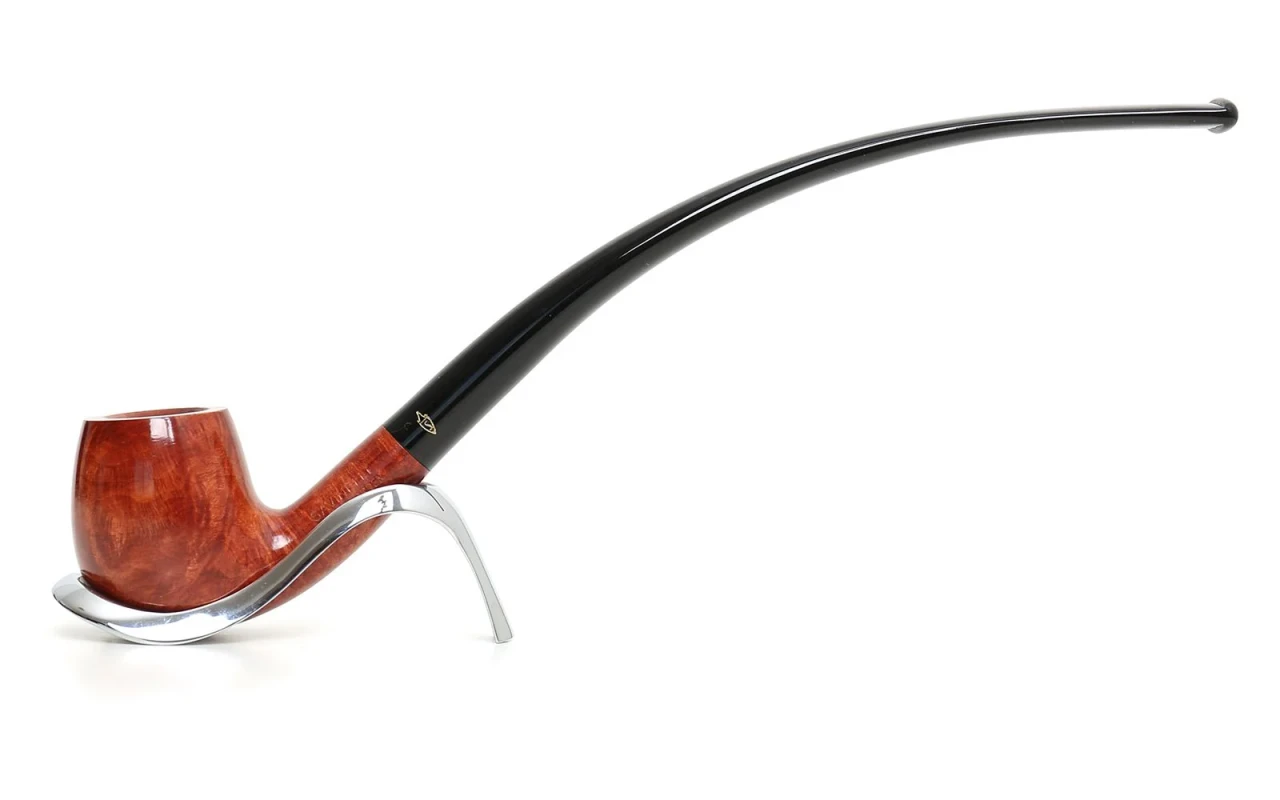
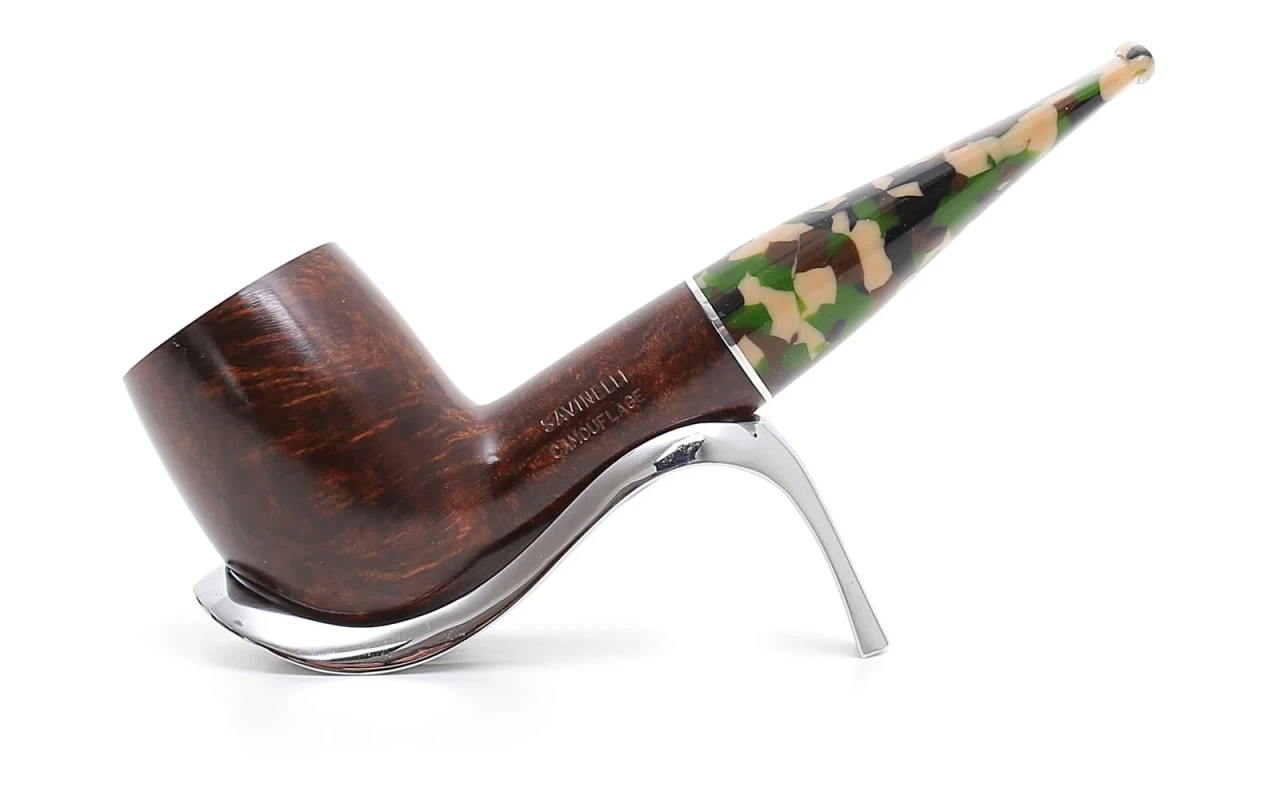
Materials and craftsmanship of the Lumberman pipe
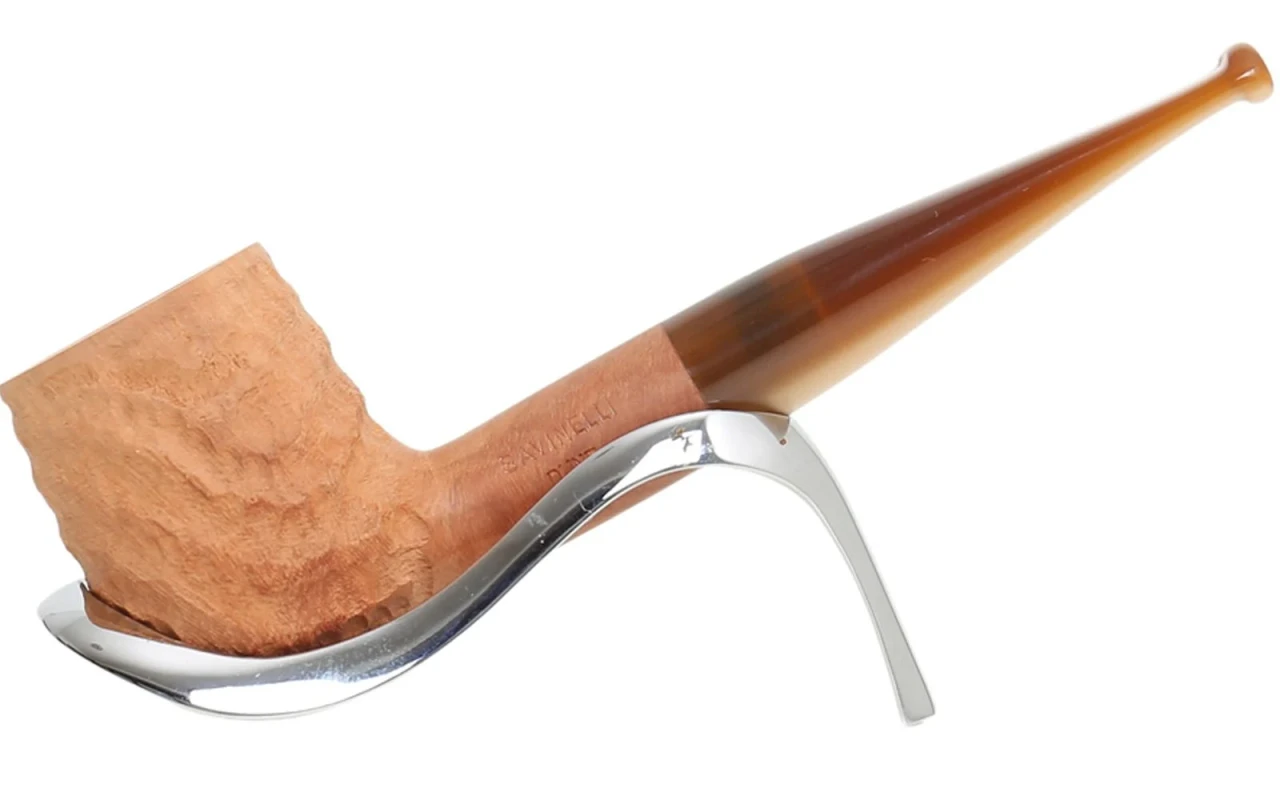
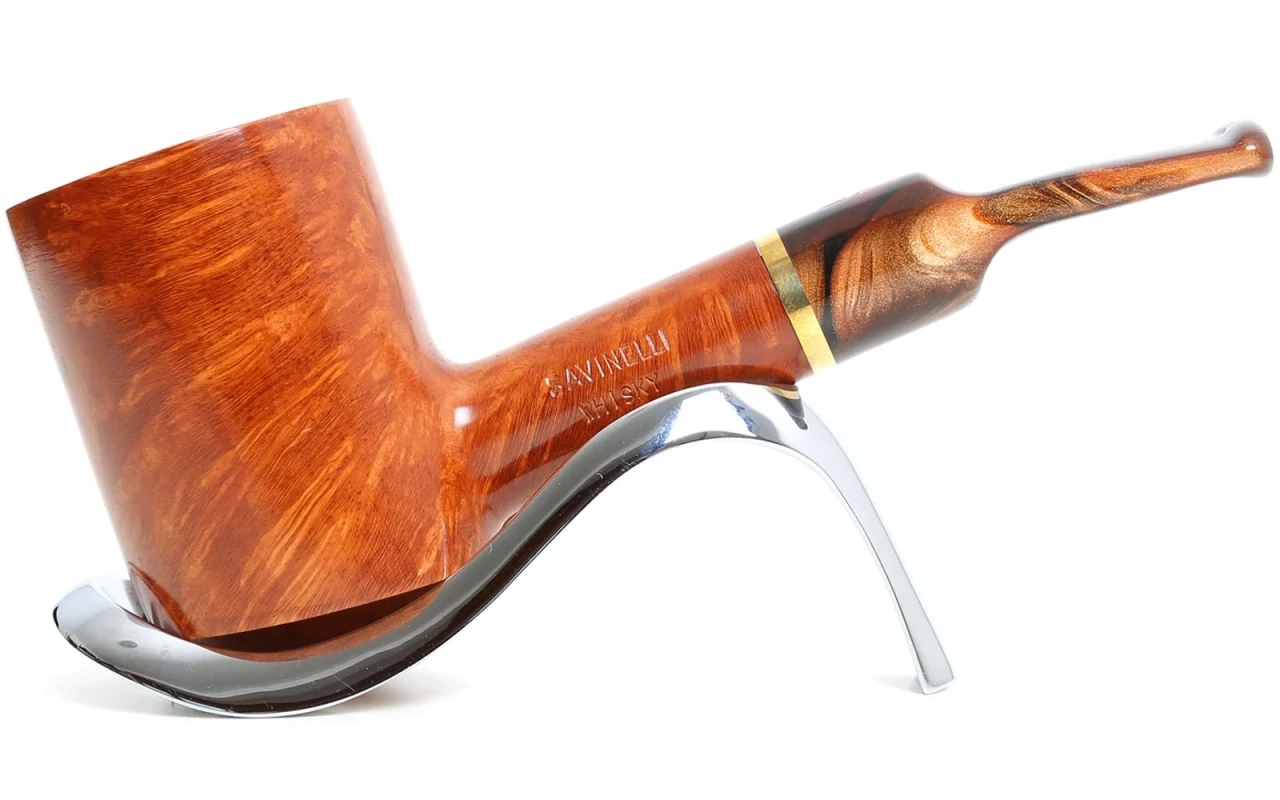
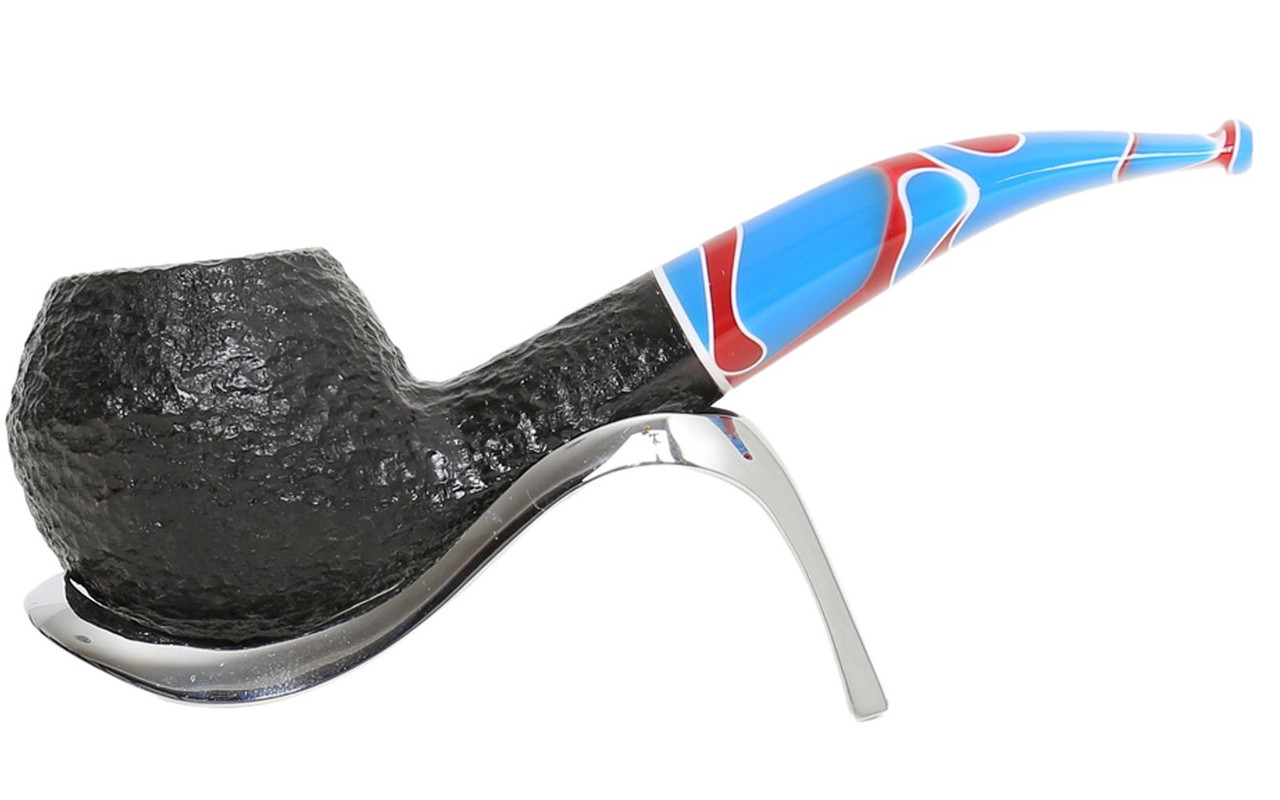
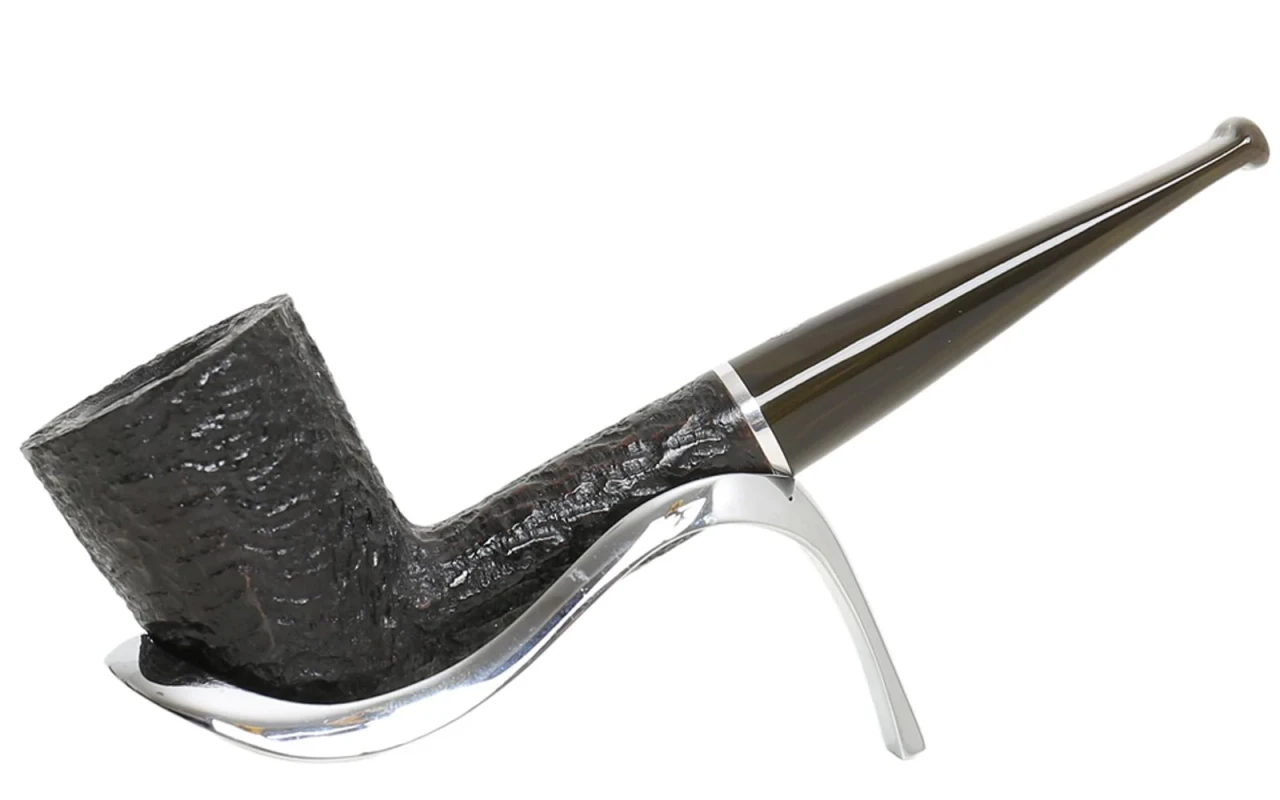
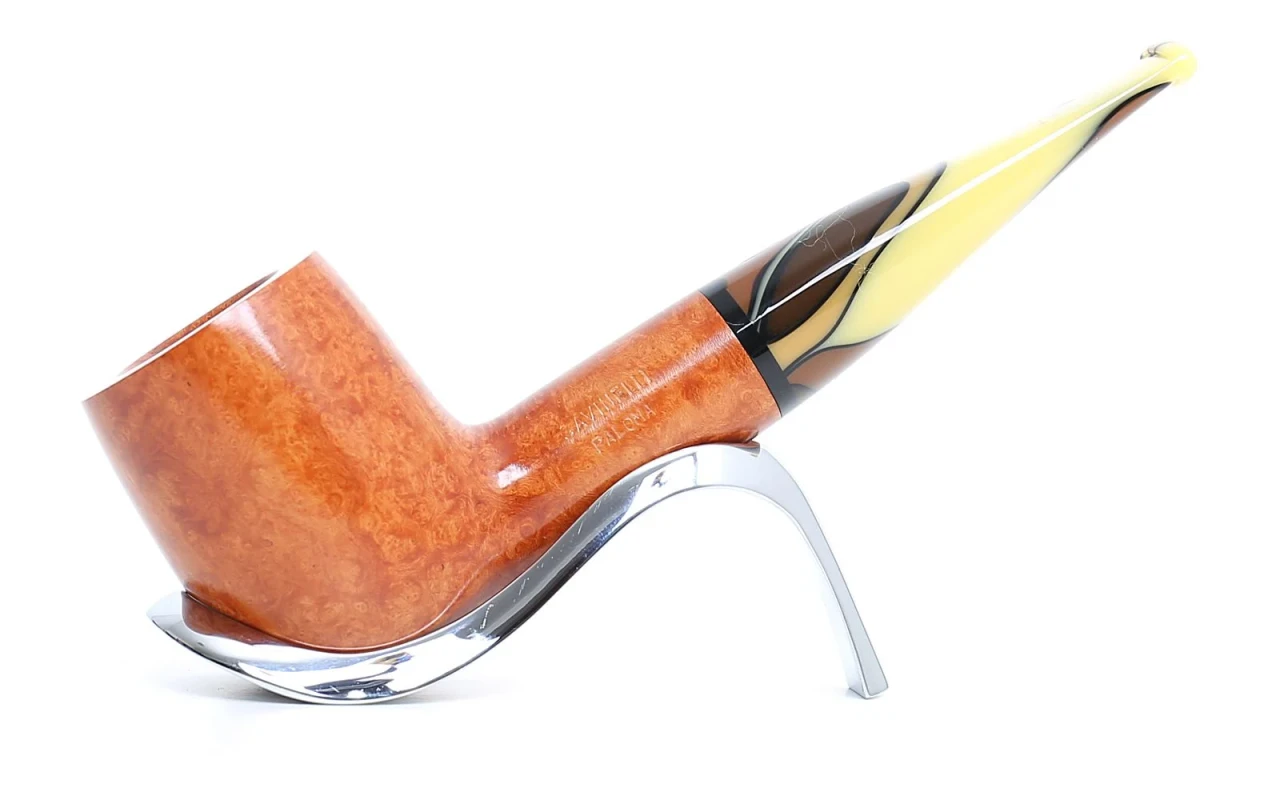
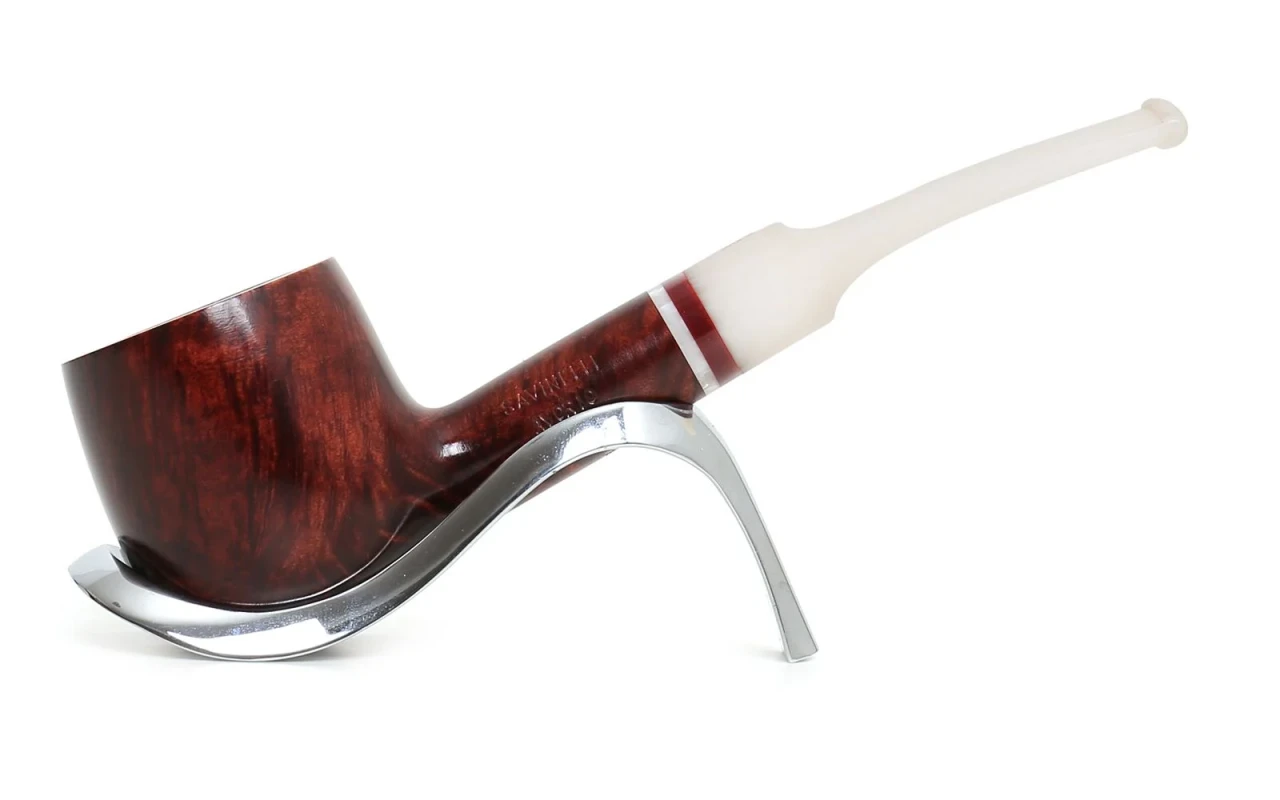
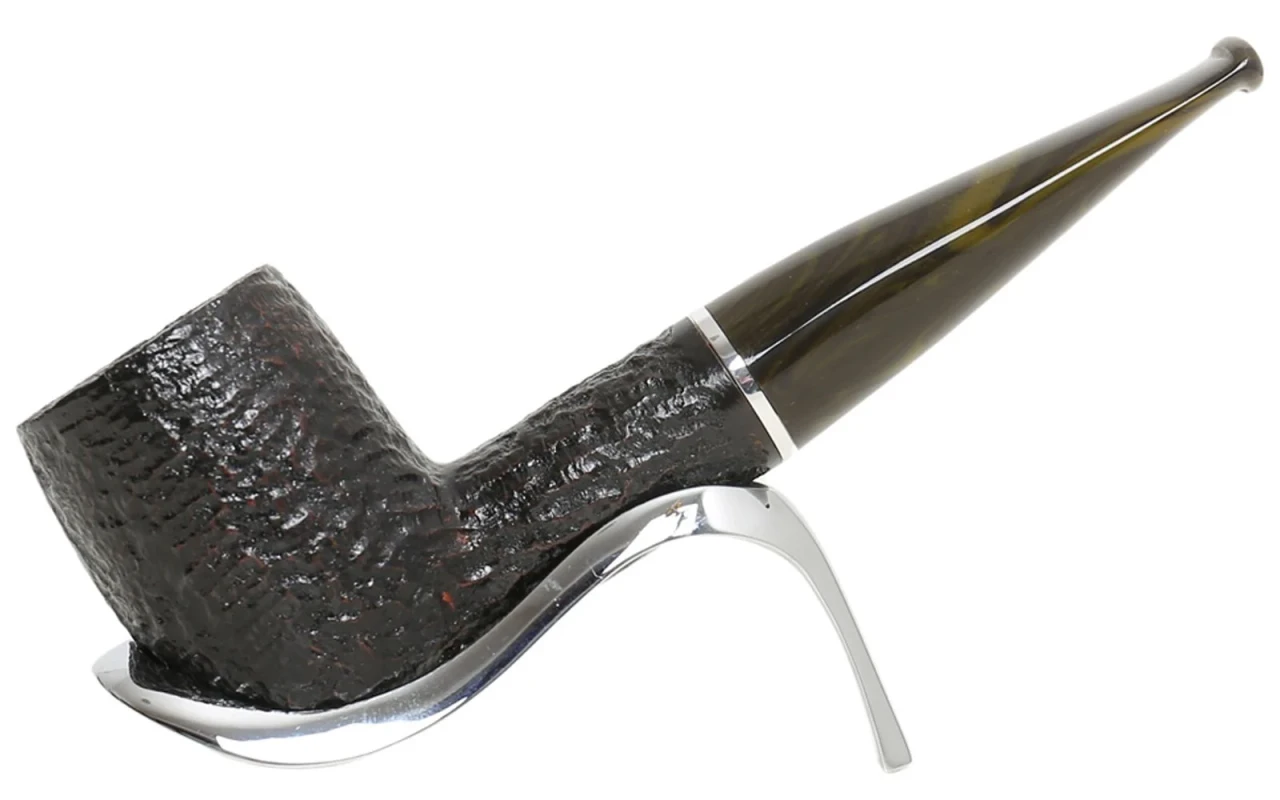
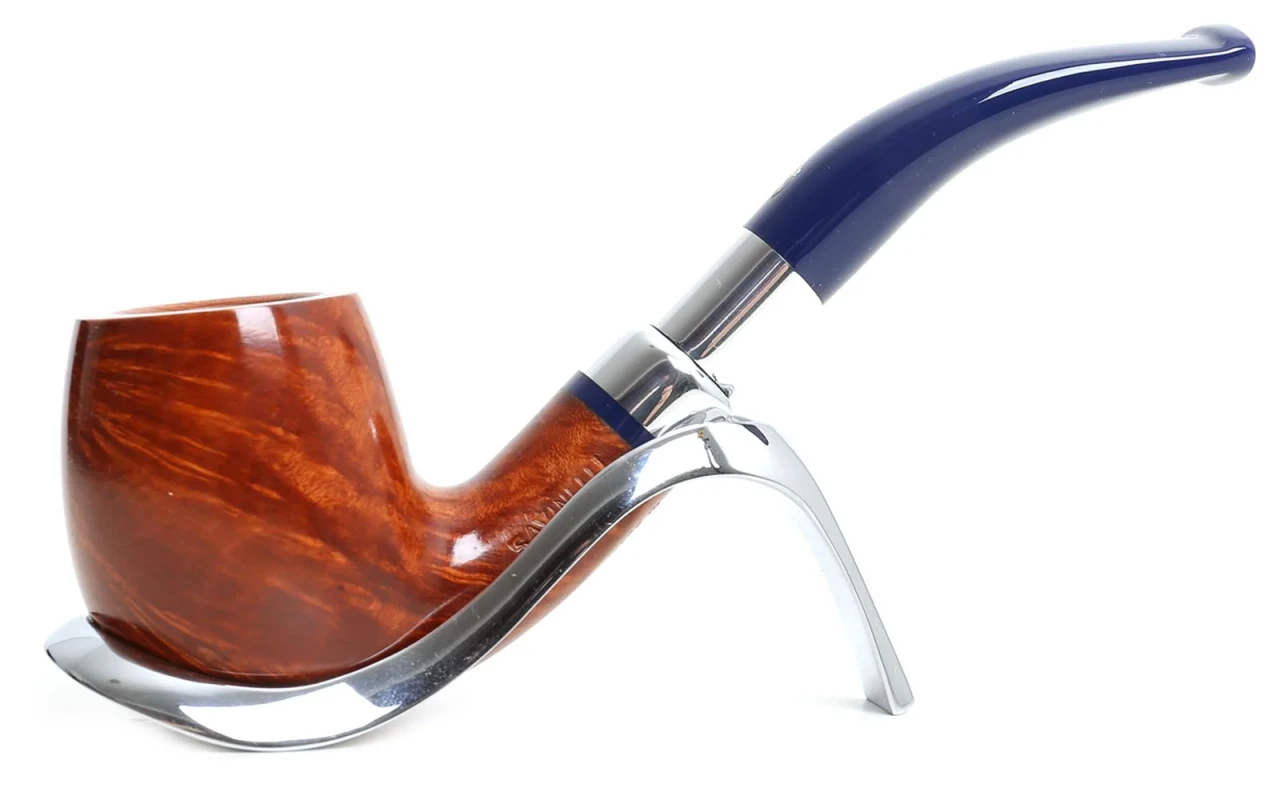
The Lumberman is a type of pipe characterized by a wide combustion chamber and a long stem. Usually made of briar, olive wood, or other precious woods, the Lumberman pipe requires carefully executed craftsmanship. The wood is carefully selected to ensure good quality and flame resistance. After the wood selection, the process involves shaping the combustion chamber, sanding the external and internal surfaces, crafting the mouthpiece, and finally finishing with natural oils or waxes. The end result is an elegant and functional pipe, appreciated by pipe smoking enthusiasts for its aesthetics and performance.
Types of wood for smoking pipes
There are several types of wood used for making smoking pipes, each with specific characteristics that influence the smoking experience. Here are some of the most common woods:- Briar: a wood from the Erica arborea plant, considered the best for crafting high-quality smoking pipes.- Olive wood: hard and durable wood, appreciated for its beauty and longevity.- Walnut: dark wood with a rich grain, giving a unique flavor to the tobacco.- Cherry wood: light and easy-to-shape wood, often chosen for artisanal pipes.- Heather root: light wood with interesting grain patterns, often used for budget-friendly pipes.The choice of wood will impact the smoking quality and the pipe's longevity over time.
Artisanal Techniques for Crafting Pipes
Crafting pipes requires skill and precision. Master pipemakers use various techniques to create these unique artifacts. Among the main techniques used are:- Wood carving: Pipemakers carve the wood with precision to create the desired shape of the pipe.- Wood curing: The wood is dried and seasoned to ensure the pipe's longevity over time.- Stem crafting: The stem is shaped and finished to ensure optimal comfort during use.- Aesthetic finishing: Pipes are smoothed, polished, and possibly decorated to create a high-quality final product.These artisanal techniques give pipes uniqueness and superior quality compared to industrially produced pipes.
Maintenance and cleaning of tobacco pipes
Maintenance and cleaning of tobacco pipes are essential to ensure an optimal smoke and prolong the life of the device. Here are some important steps to follow:- After each use, empty the ash and residual tobacco from the pipe.- Use a pipe cleaner or a specific brush to clean the pipe chamber.- Remove any tar residues with a scraper or a specific tool.- Pass a cotton swab soaked in alcohol through the stem to eliminate resin residues.- Allow the pipe to dry thoroughly before storing it.- Periodically, check the condition of the pipe and, if necessary, perform a more thorough cleaning.
'%3e%3cg id='Final-Copy-2_2_' transform='translate(1275.000000, 200.000000)'%3e%3cpath class='st0' d='M7.4,12.8h6.8l3.1-11.6H7.4C4.2,1.2,1.6,3.8,1.6,7S4.2,12.8,7.4,12.8z'/%3e%3c/g%3e%3c/g%3e%3c/g%3e%3cg id='final---dec.11-2020'%3e%3cg id='_x30_208-our-toggle' transform='translate(-1275.000000, -200.000000)'%3e%3cg id='Final-Copy-2' transform='translate(1275.000000, 200.000000)'%3e%3cpath class='st1' d='M22.6,0H7.4c-3.9,0-7,3.1-7,7s3.1,7,7,7h15.2c3.9,0,7-3.1,7-7S26.4,0,22.6,0z M1.6,7c0-3.2,2.6-5.8,5.8-5.8 h9.9l-3.1,11.6H7.4C4.2,12.8,1.6,10.2,1.6,7z'/%3e%3cpath id='x' class='st2' d='M24.6,4c0.2,0.2,0.2,0.6,0,0.8l0,0L22.5,7l2.2,2.2c0.2,0.2,0.2,0.6,0,0.8c-0.2,0.2-0.6,0.2-0.8,0 l0,0l-2.2-2.2L19.5,10c-0.2,0.2-0.6,0.2-0.8,0c-0.2-0.2-0.2-0.6,0-0.8l0,0L20.8,7l-2.2-2.2c-0.2-0.2-0.2-0.6,0-0.8 c0.2-0.2,0.6-0.2,0.8,0l0,0l2.2,2.2L23.8,4C24,3.8,24.4,3.8,24.6,4z'/%3e%3cpath id='y' class='st3' d='M12.7,4.1c0.2,0.2,0.3,0.6,0.1,0.8l0,0L8.6,9.8C8.5,9.9,8.4,10,8.3,10c-0.2,0.1-0.5,0.1-0.7-0.1l0,0 L5.4,7.7c-0.2-0.2-0.2-0.6,0-0.8c0.2-0.2,0.6-0.2,0.8,0l0,0L8,8.6l3.8-4.5C12,3.9,12.4,3.9,12.7,4.1z'/%3e%3c/g%3e%3c/g%3e%3c/g%3e%3c/g%3e%3c/svg%3e) Your Privacy Choices
Your Privacy Choices 


