 ES
ES FR
FR EN
EN IT
IT DE
DE
Light vs Dark Briar: Differences and Impact
Light vs Dark Briar: Differences and Impact
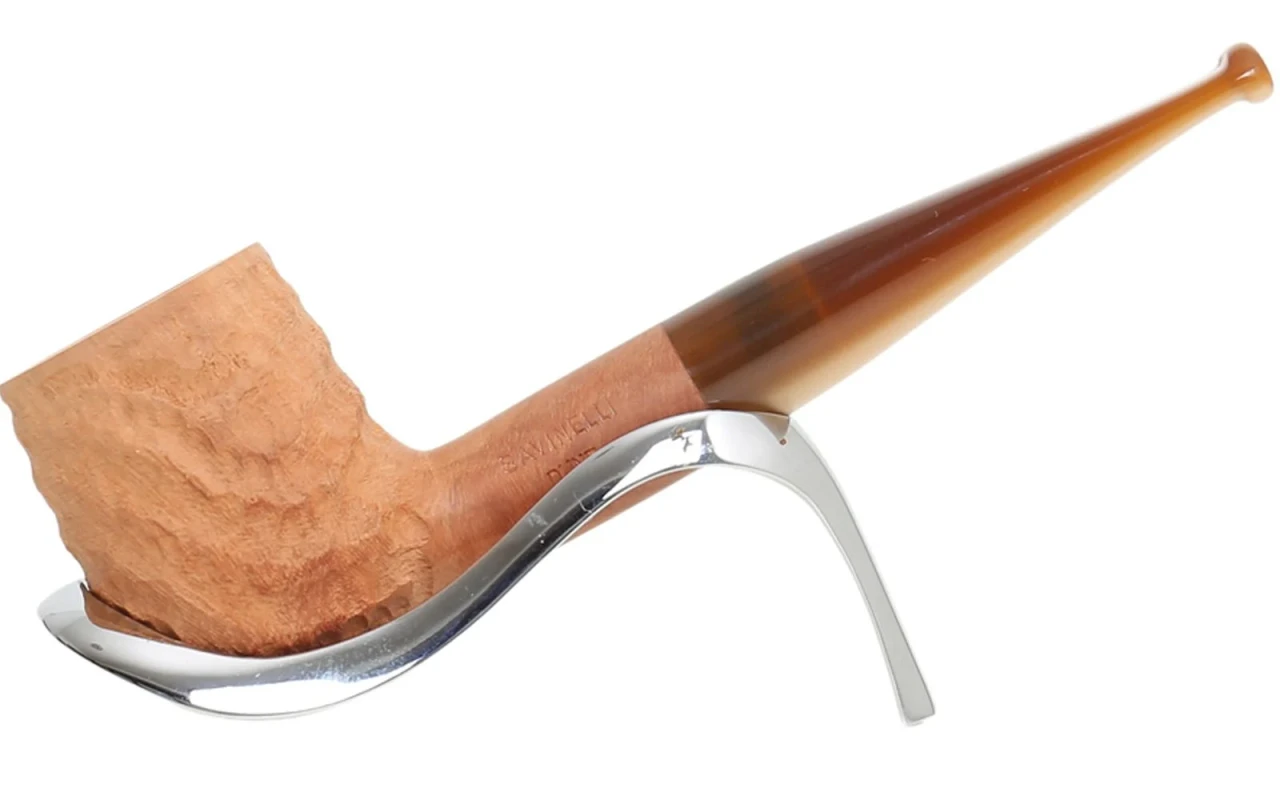
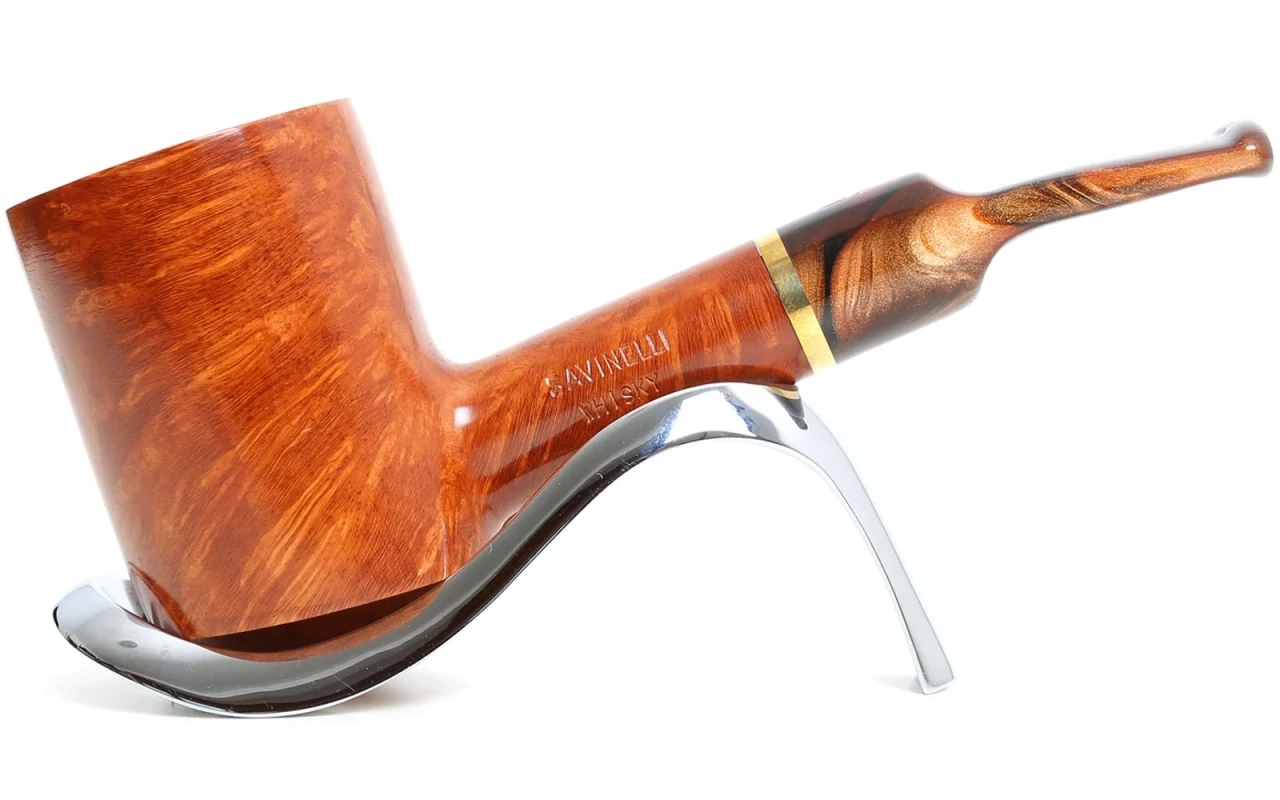
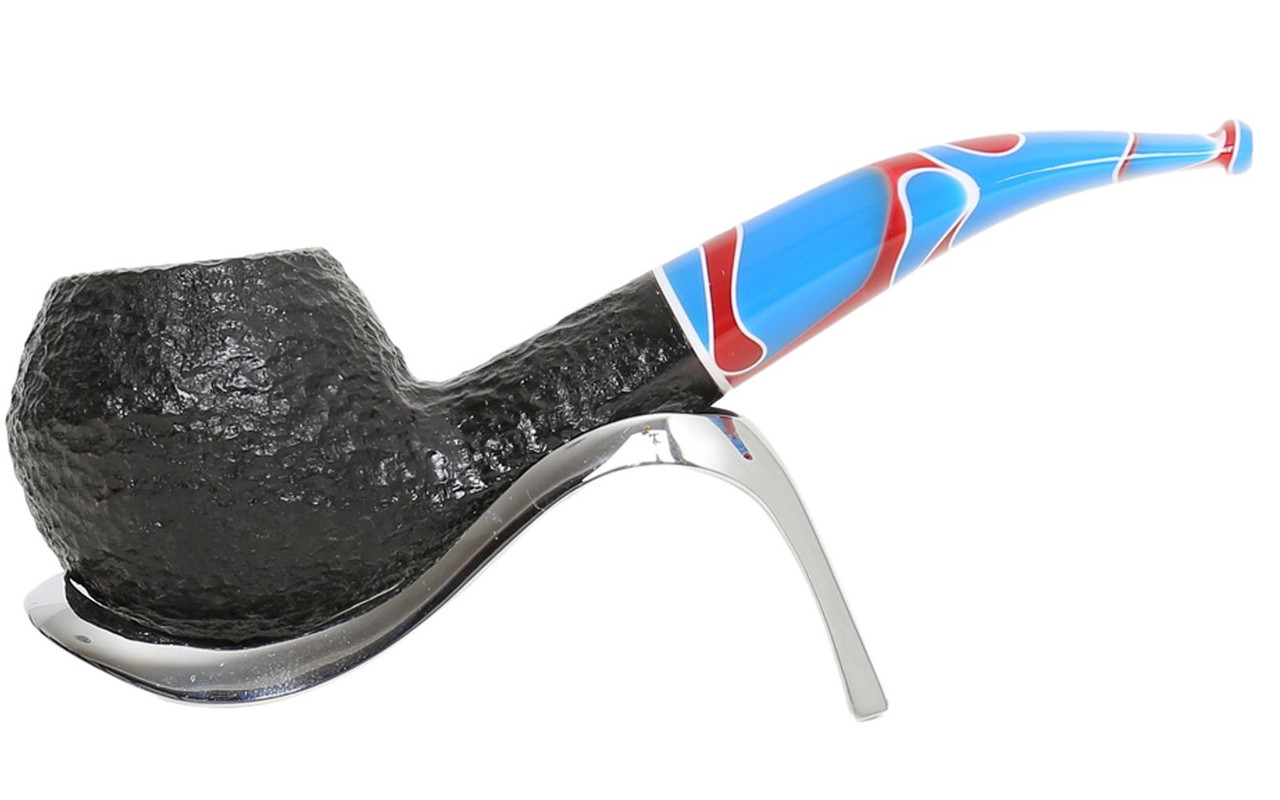
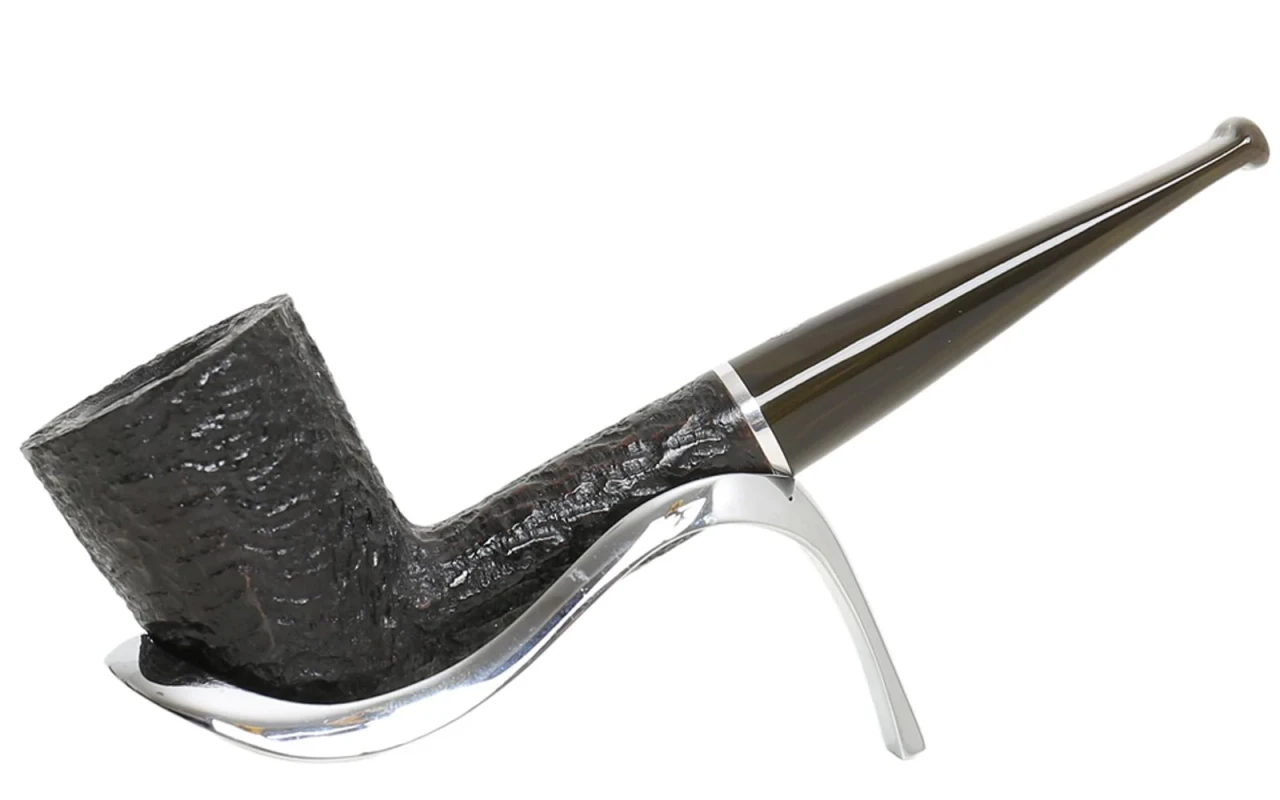
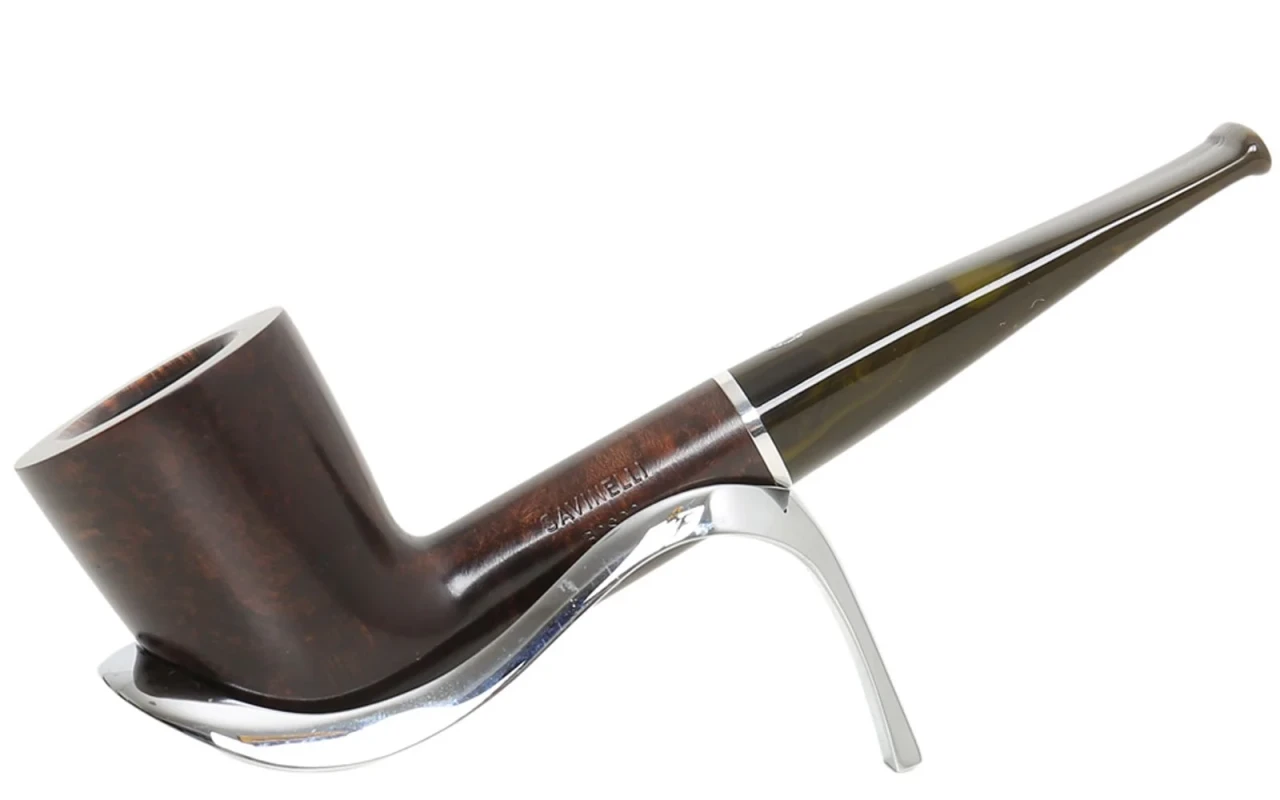
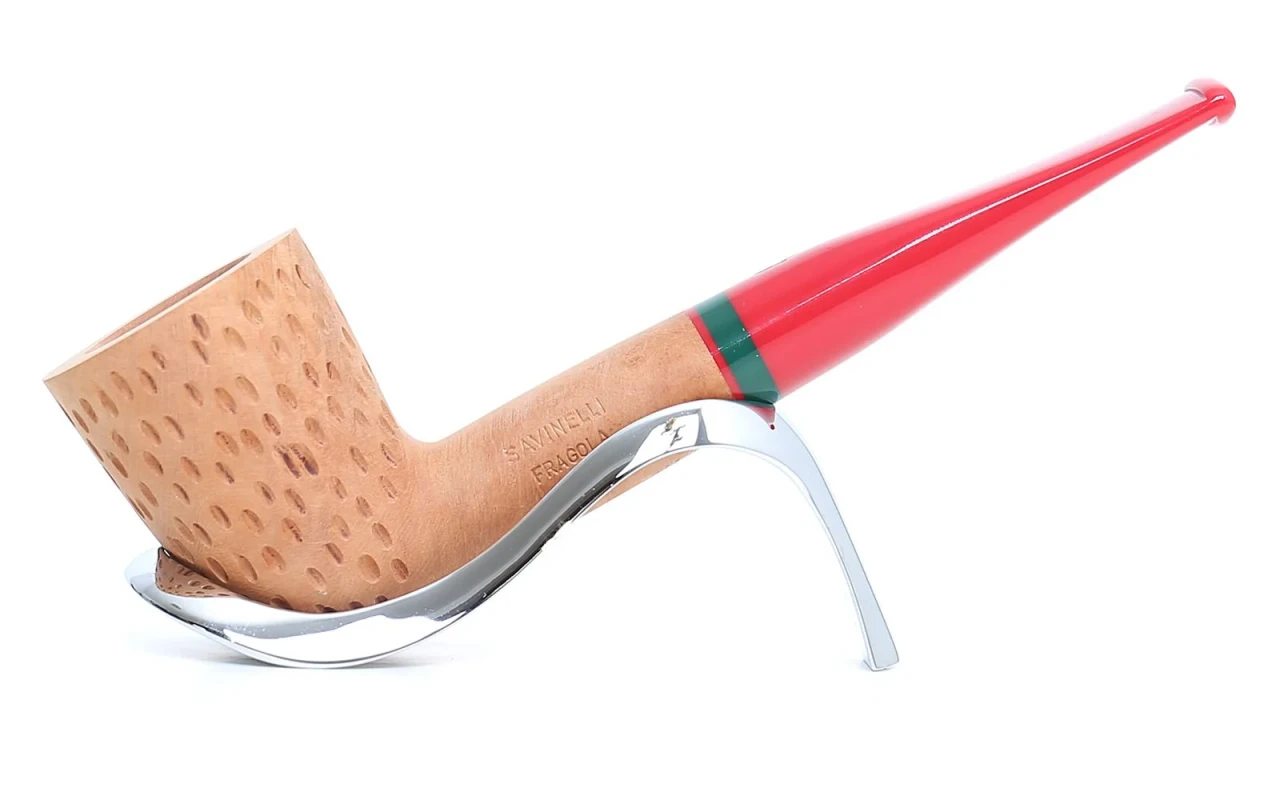
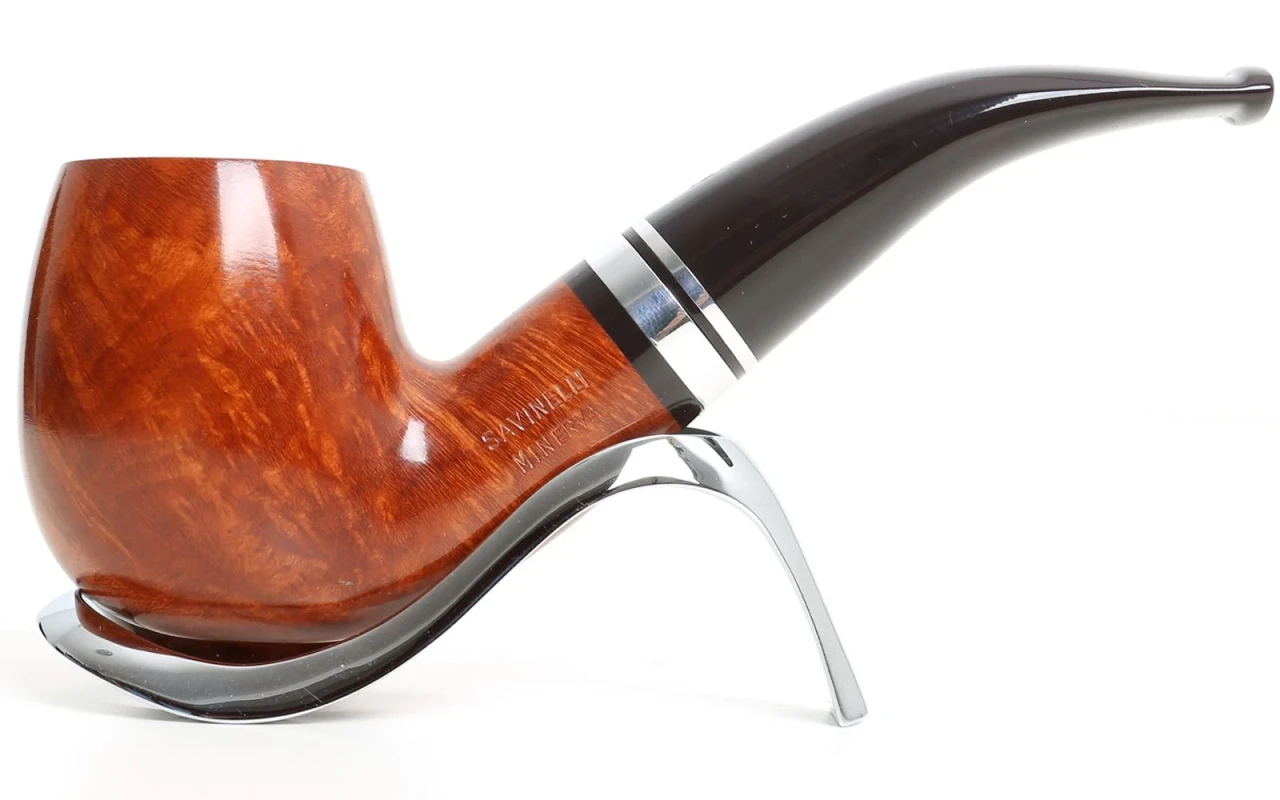
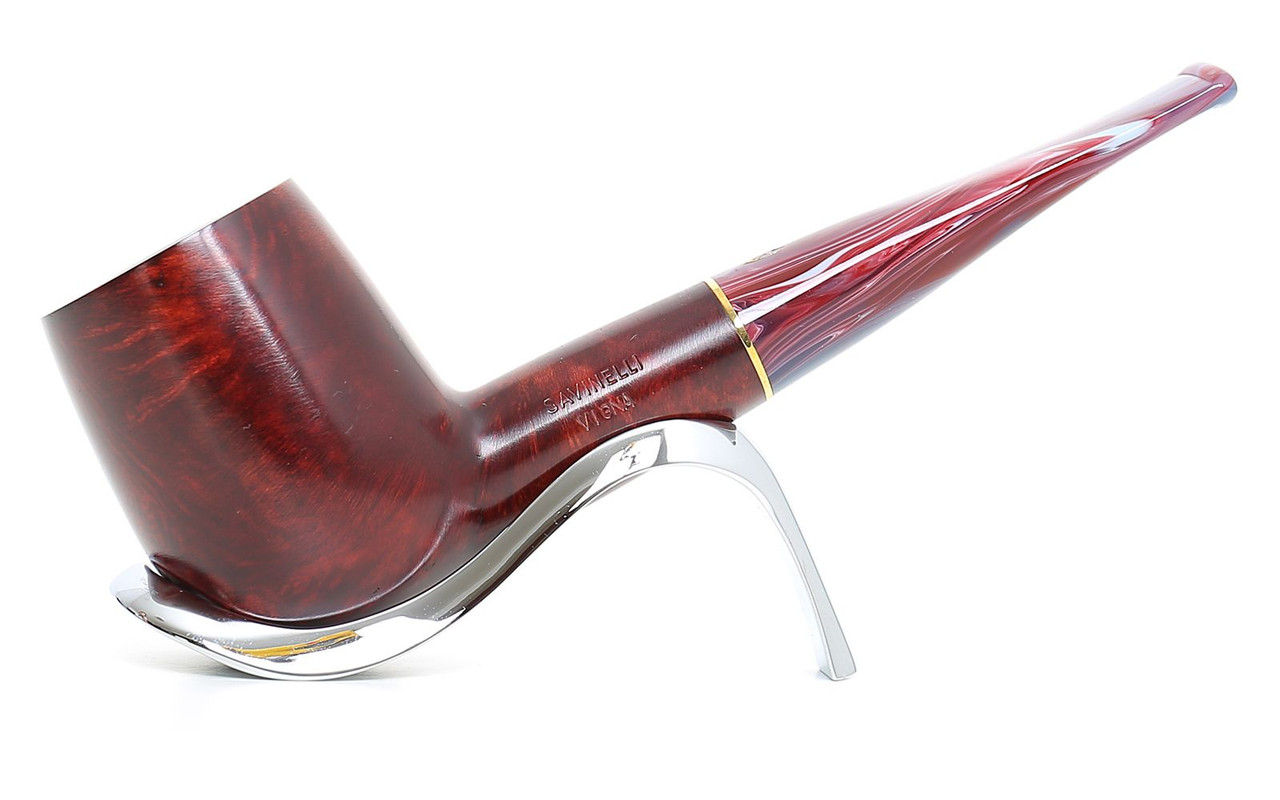
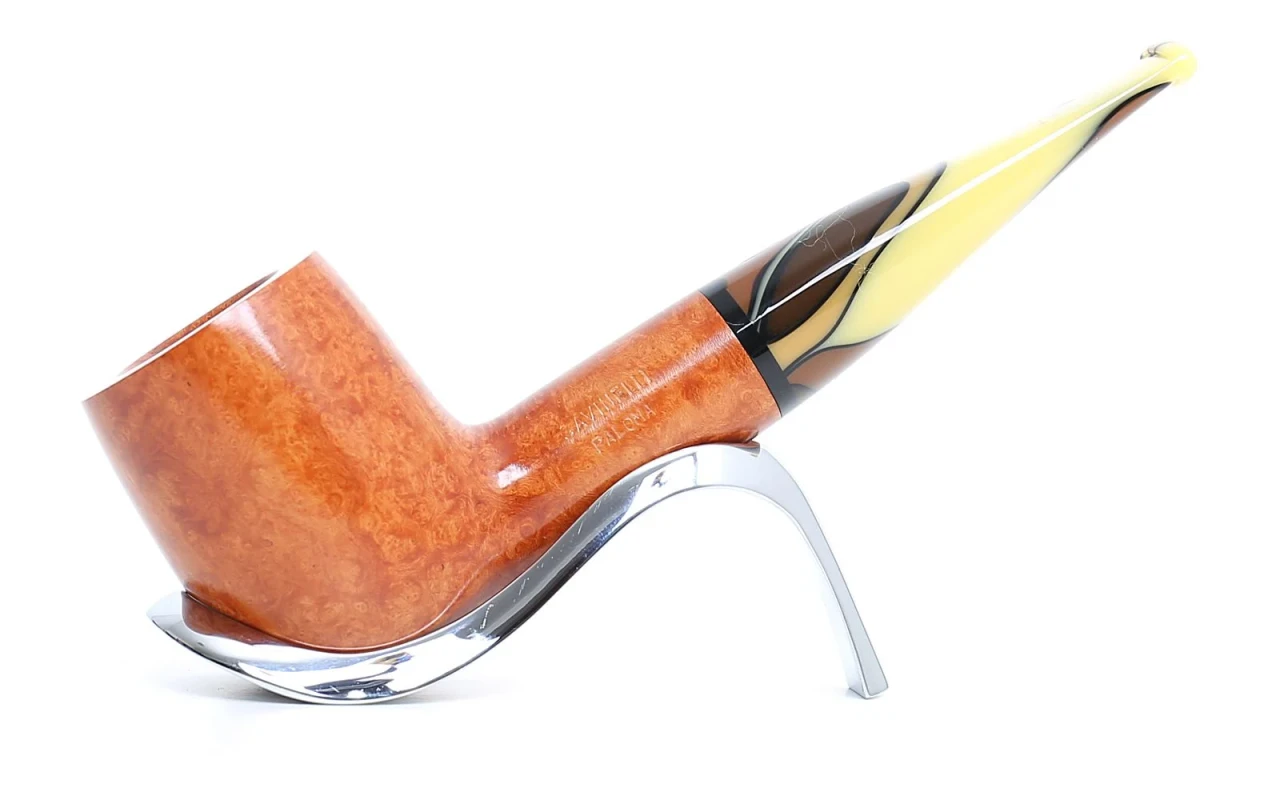
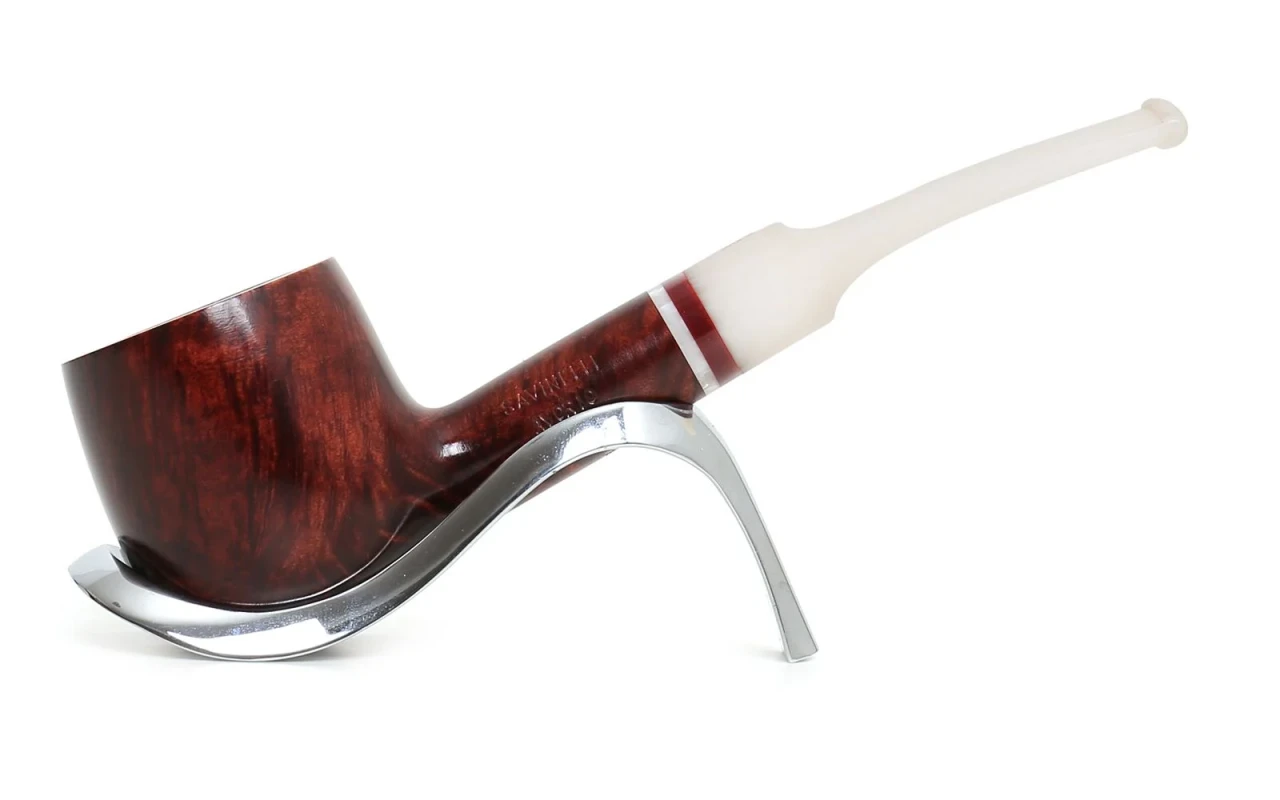
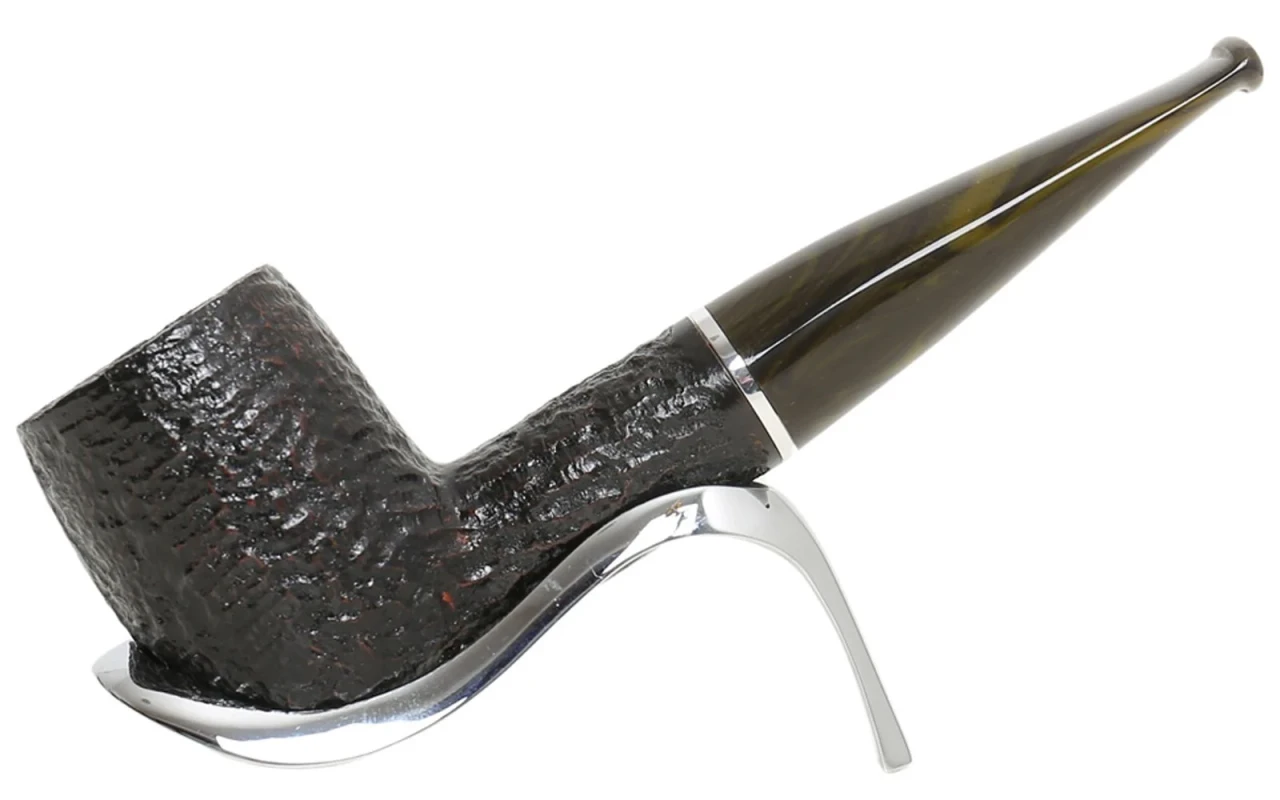
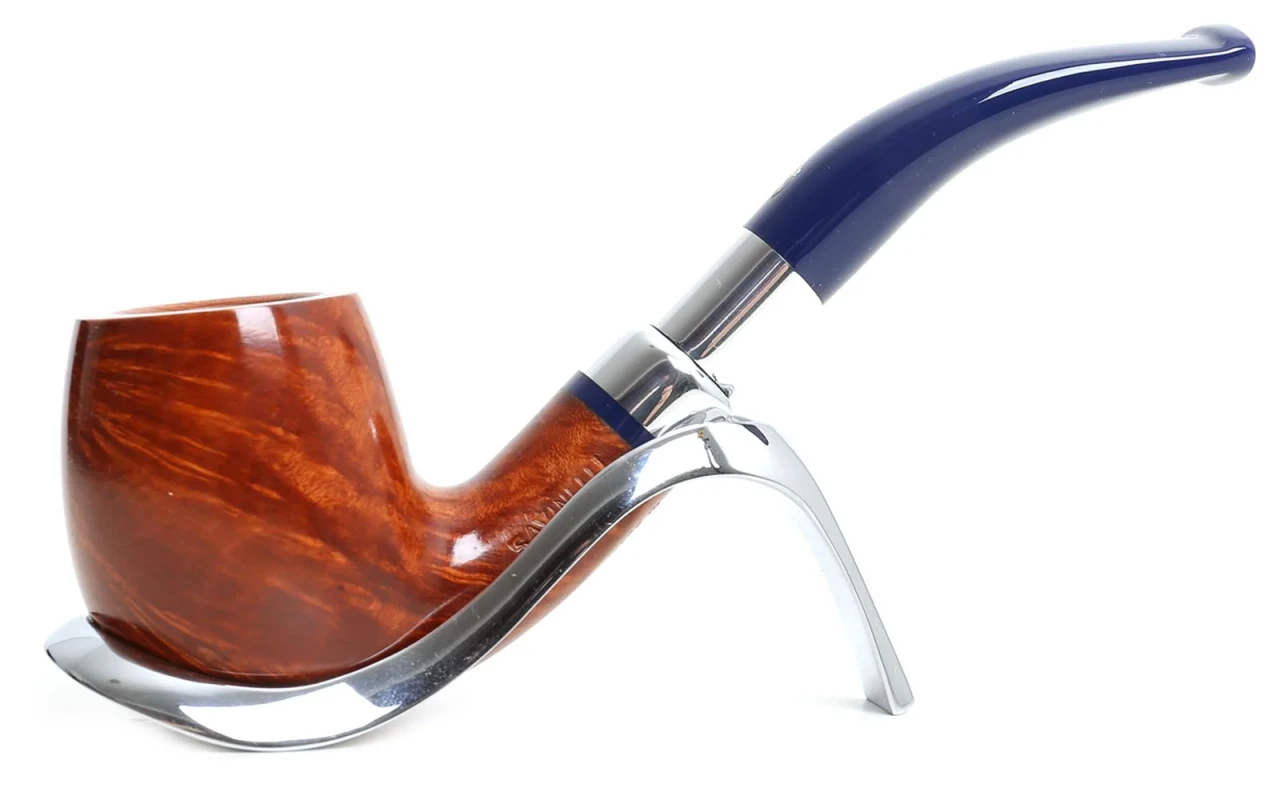
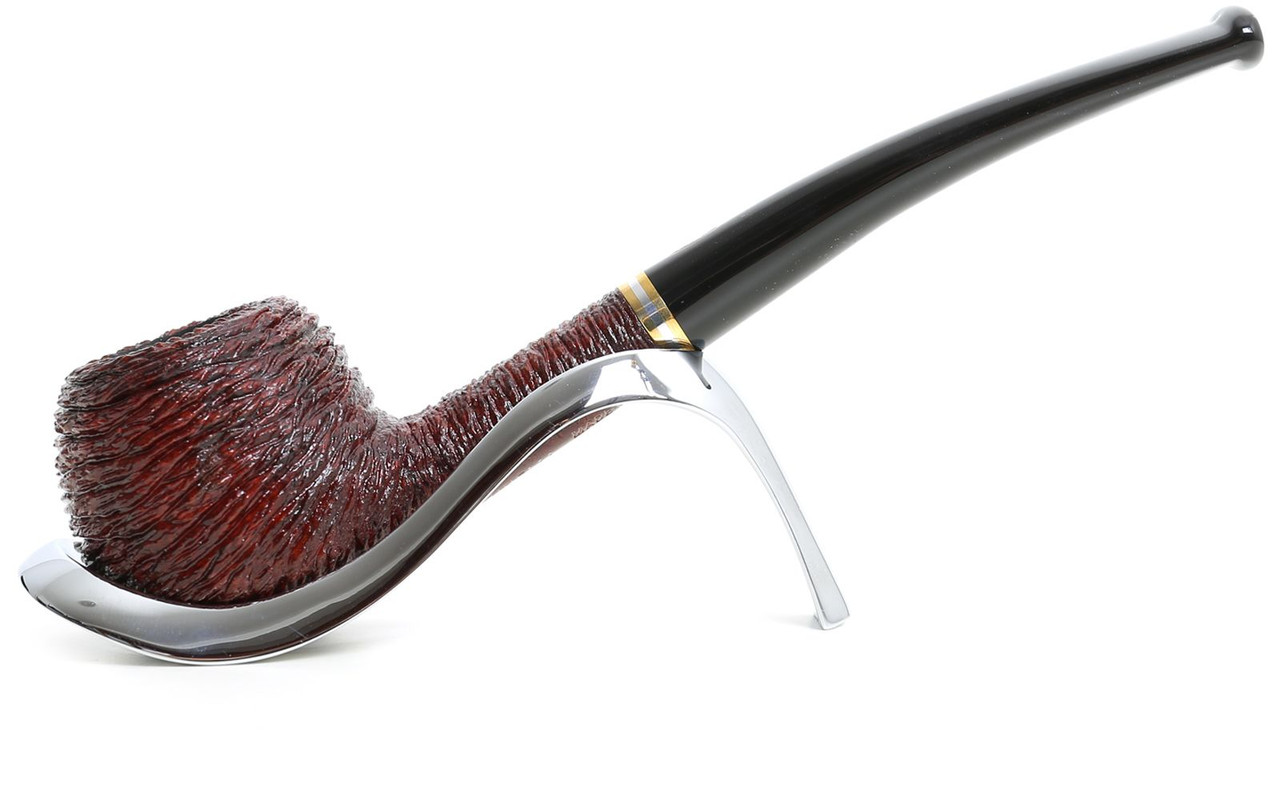
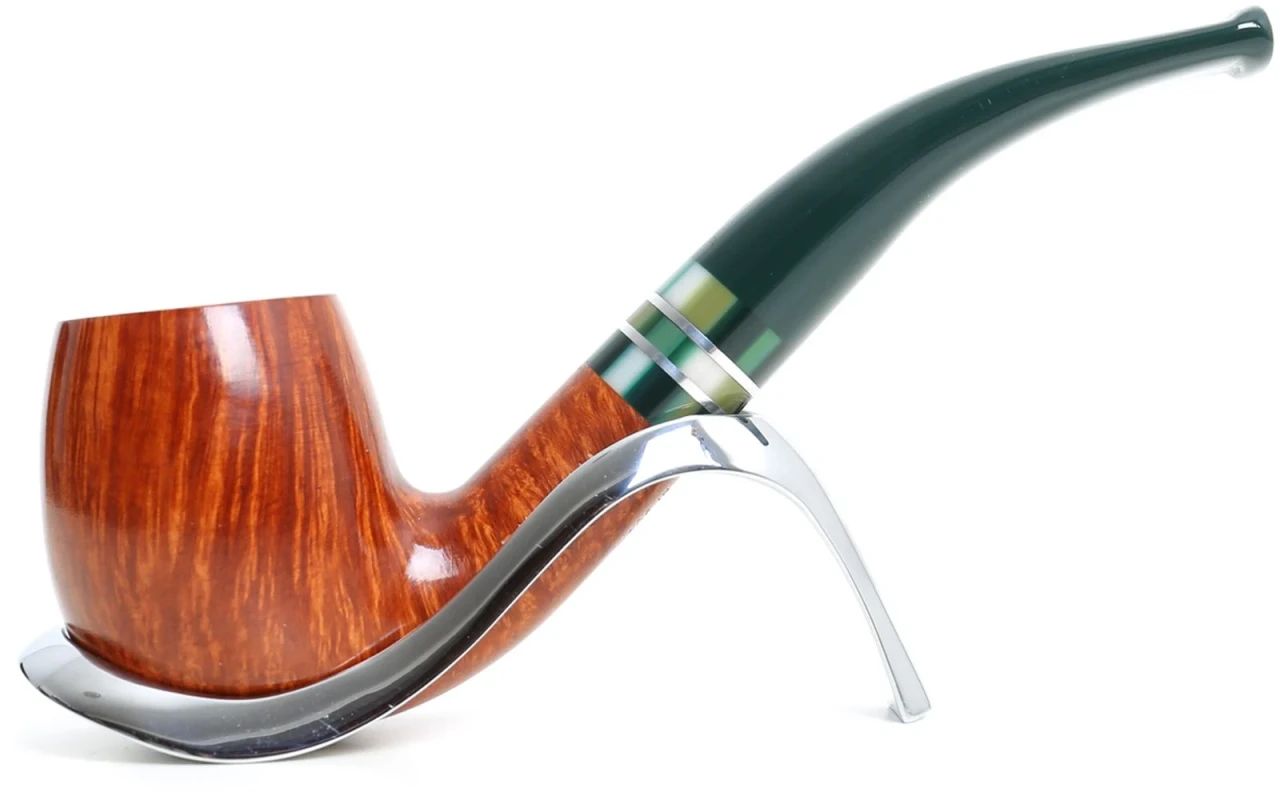
The main difference between light briar and dark briar pipes lies in the type of wood used for their crafting. Light briar pipes are made from briar wood with a lighter color, while dark briar pipes are crafted from briar wood with a darker hue. This aesthetic distinction can influence the overall look of the pipe and how it is perceived by enthusiasts. However, in terms of functionality and quality, both types of briar offer similar performance and mainly depend on the smoker's personal preference when choosing between light and dark briar.
Light Briar vs Dark Briar Pipes
The difference between light briar and dark briar pipes lies mainly in the type of wood used for their crafting. Light briar pipes are generally made with lighter woods, such as birch or maple briar, which exhibit brighter and livelier shades. On the other hand, dark briar pipes are crafted from darker woods, such as oak or beech briar, giving the pipe a more intense and profound appearance. The choice between light briar and dark briar is often a matter of personal preference, as both offer similar performance and quality in the world of pipe smoking.
Smoking natural briar pipes
Pipes made from natural briar are highly esteemed by pipe smoking enthusiasts. Natural briar is a high-quality material, often sourced from the roots of trees like heather. This type of briar is particularly heat-resistant and ensures a long lifespan for the pipe. Pipes crafted from natural briar also provide a unique flavor to the tobacco, as they slowly absorb and release the essential oils during smoking. These pipes require specific care to keep them in excellent condition over time, but they offer a truly special and satisfying smoking experience.
Guide to Choosing Pipe Briar
Briar wood is a fundamental material in the production of high-quality smoking pipes. The choice of briar wood influences the aesthetic and functional characteristics of the pipe itself. Here are some points to consider:- Grain: The grain of the briar wood is a determining factor for the beauty and value of the pipe.- Hardness: A harder briar wood is preferable to ensure strength and durability over time.- Porosity: Well-porous briar wood promotes better tobacco moisture absorption.- Origin: Briar roots from certain regions, such as Turkey or Italy, are renowned for their quality.Every enthusiast should carefully assess these aspects before choosing their ideal pipe.
'%3e%3cg id='Final-Copy-2_2_' transform='translate(1275.000000, 200.000000)'%3e%3cpath class='st0' d='M7.4,12.8h6.8l3.1-11.6H7.4C4.2,1.2,1.6,3.8,1.6,7S4.2,12.8,7.4,12.8z'/%3e%3c/g%3e%3c/g%3e%3c/g%3e%3cg id='final---dec.11-2020'%3e%3cg id='_x30_208-our-toggle' transform='translate(-1275.000000, -200.000000)'%3e%3cg id='Final-Copy-2' transform='translate(1275.000000, 200.000000)'%3e%3cpath class='st1' d='M22.6,0H7.4c-3.9,0-7,3.1-7,7s3.1,7,7,7h15.2c3.9,0,7-3.1,7-7S26.4,0,22.6,0z M1.6,7c0-3.2,2.6-5.8,5.8-5.8 h9.9l-3.1,11.6H7.4C4.2,12.8,1.6,10.2,1.6,7z'/%3e%3cpath id='x' class='st2' d='M24.6,4c0.2,0.2,0.2,0.6,0,0.8l0,0L22.5,7l2.2,2.2c0.2,0.2,0.2,0.6,0,0.8c-0.2,0.2-0.6,0.2-0.8,0 l0,0l-2.2-2.2L19.5,10c-0.2,0.2-0.6,0.2-0.8,0c-0.2-0.2-0.2-0.6,0-0.8l0,0L20.8,7l-2.2-2.2c-0.2-0.2-0.2-0.6,0-0.8 c0.2-0.2,0.6-0.2,0.8,0l0,0l2.2,2.2L23.8,4C24,3.8,24.4,3.8,24.6,4z'/%3e%3cpath id='y' class='st3' d='M12.7,4.1c0.2,0.2,0.3,0.6,0.1,0.8l0,0L8.6,9.8C8.5,9.9,8.4,10,8.3,10c-0.2,0.1-0.5,0.1-0.7-0.1l0,0 L5.4,7.7c-0.2-0.2-0.2-0.6,0-0.8c0.2-0.2,0.6-0.2,0.8,0l0,0L8,8.6l3.8-4.5C12,3.9,12.4,3.9,12.7,4.1z'/%3e%3c/g%3e%3c/g%3e%3c/g%3e%3c/g%3e%3c/svg%3e) Your Privacy Choices
Your Privacy Choices 


