 ES
ES FR
FR EN
EN IT
IT DE
DE
Innovative materials and technologies for freehand pipes
Innovative materials and technologies for freehand pipes
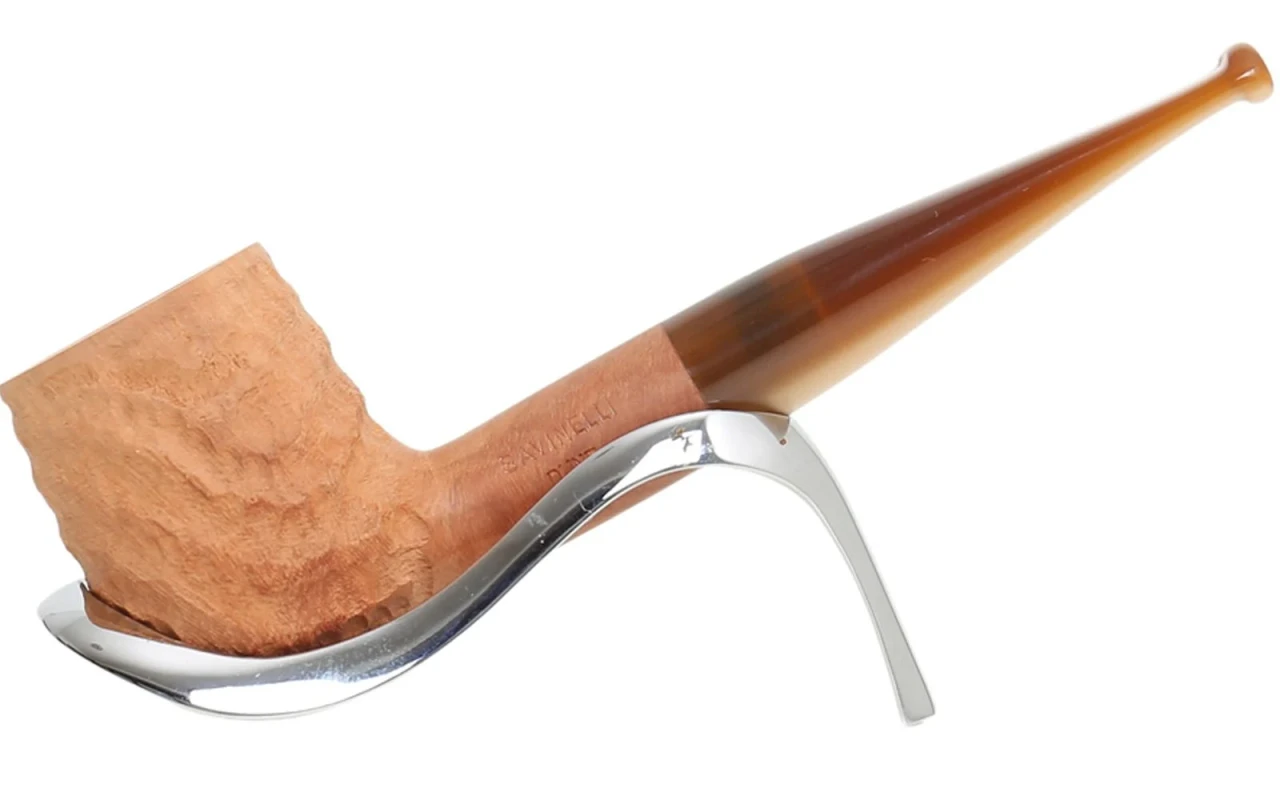
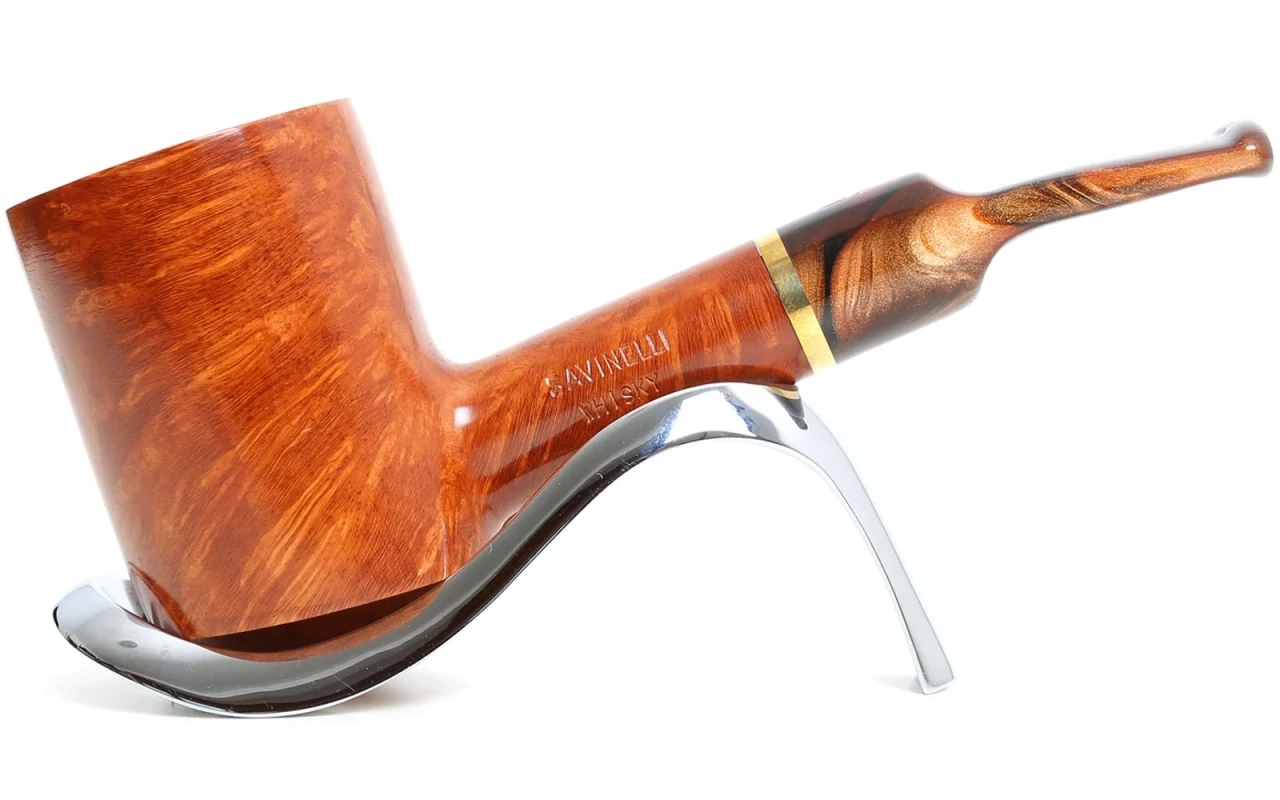
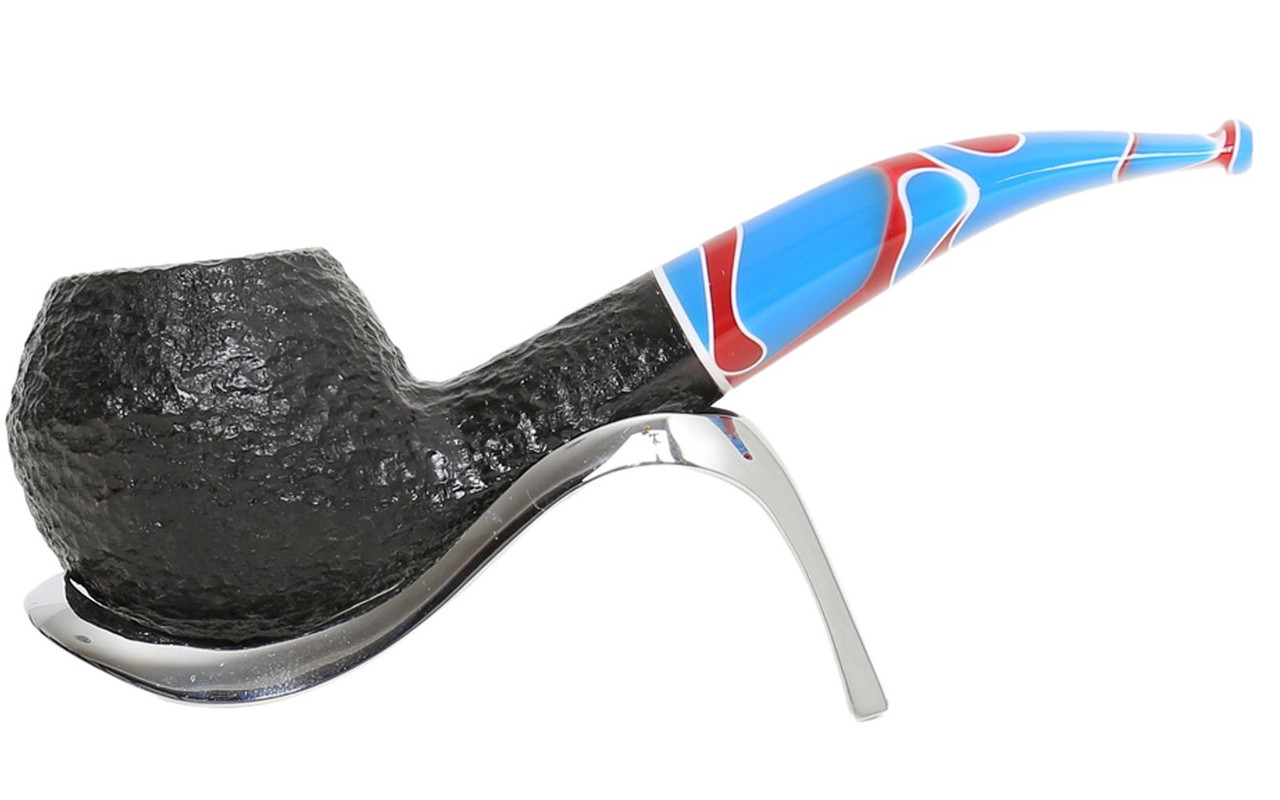
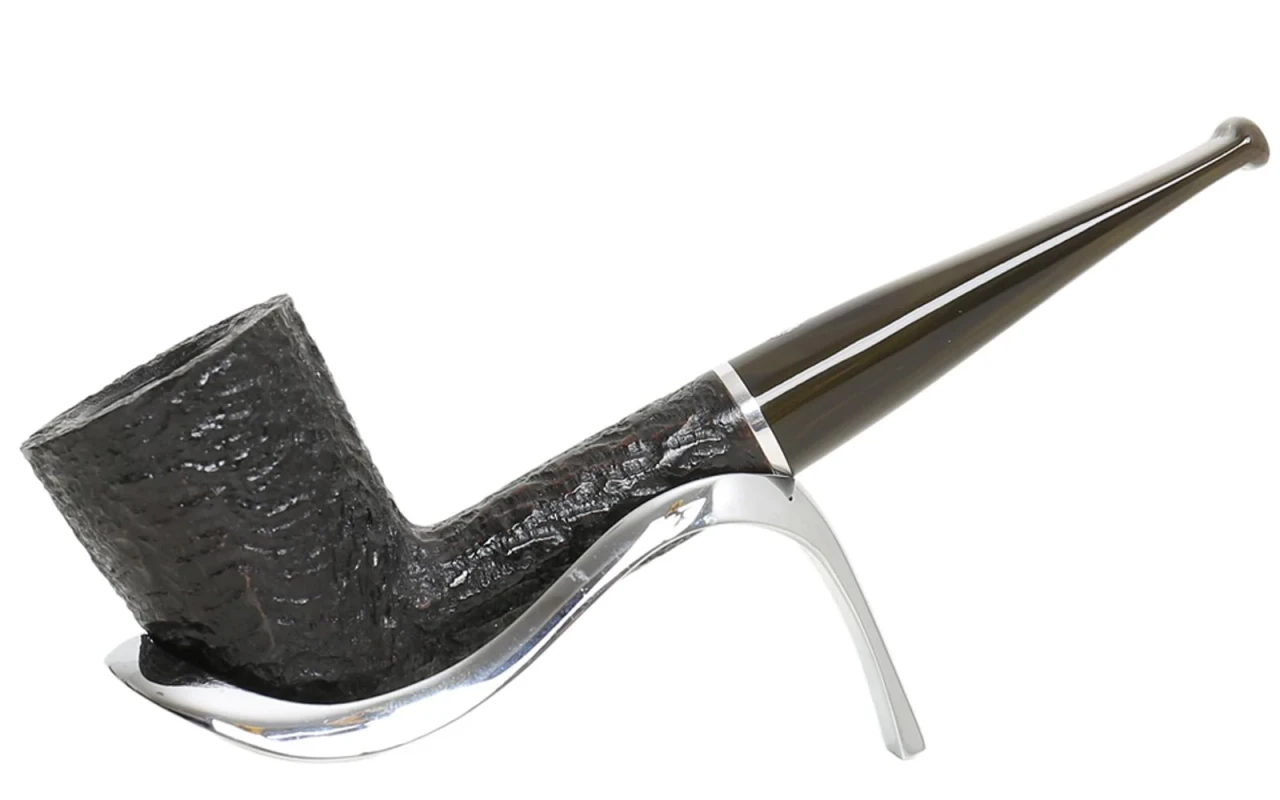
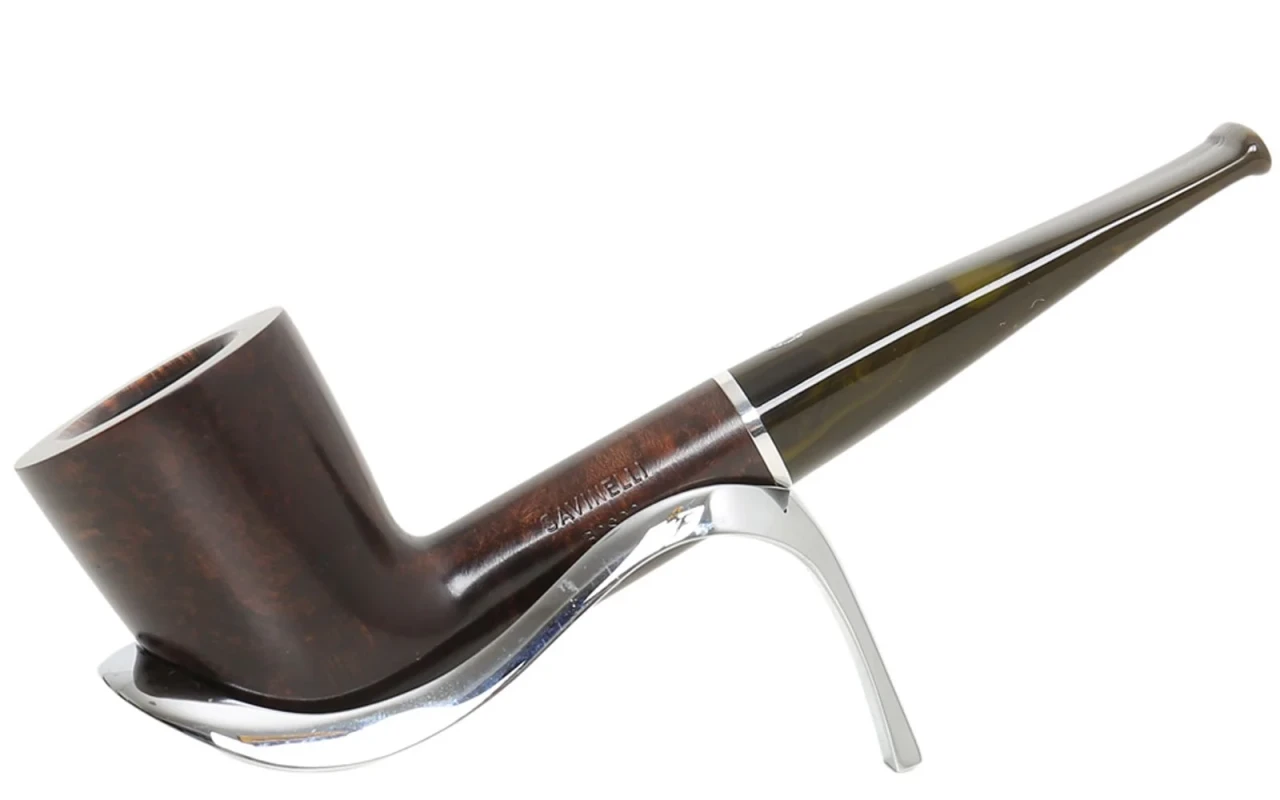
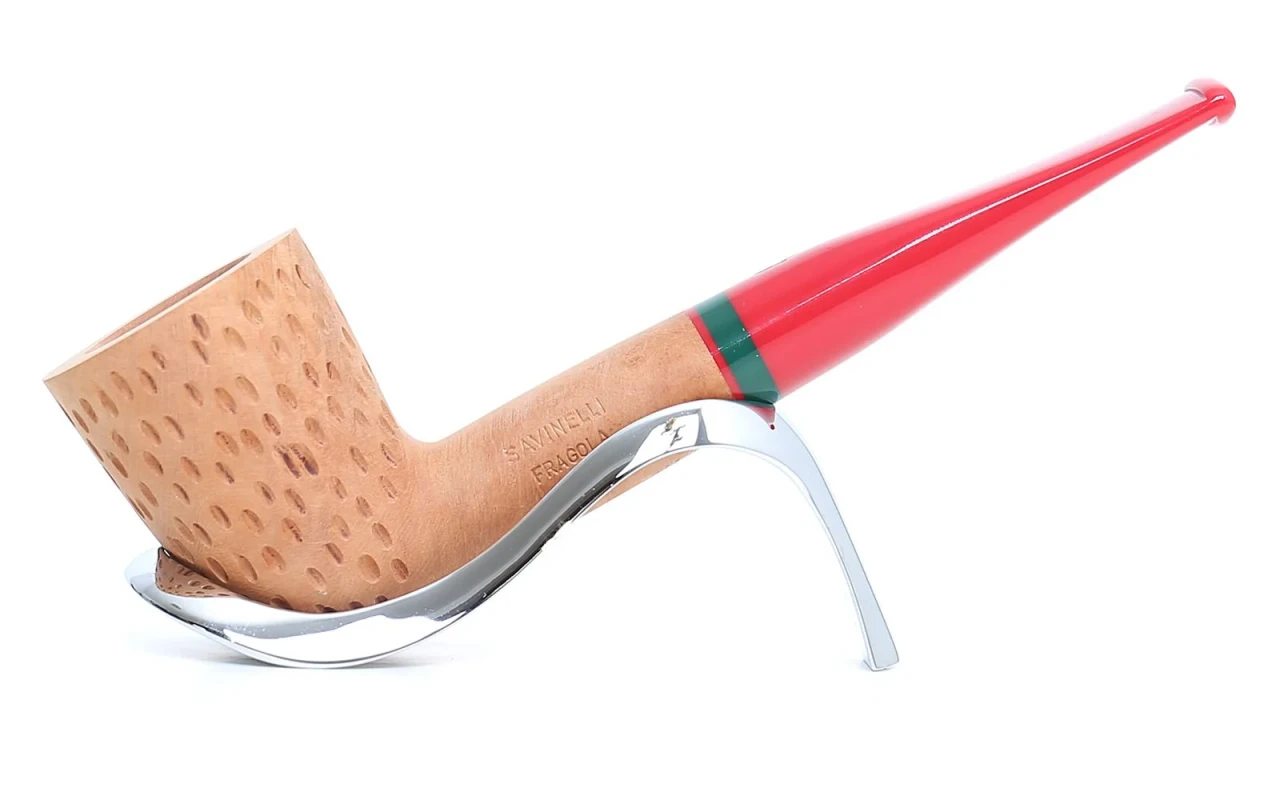
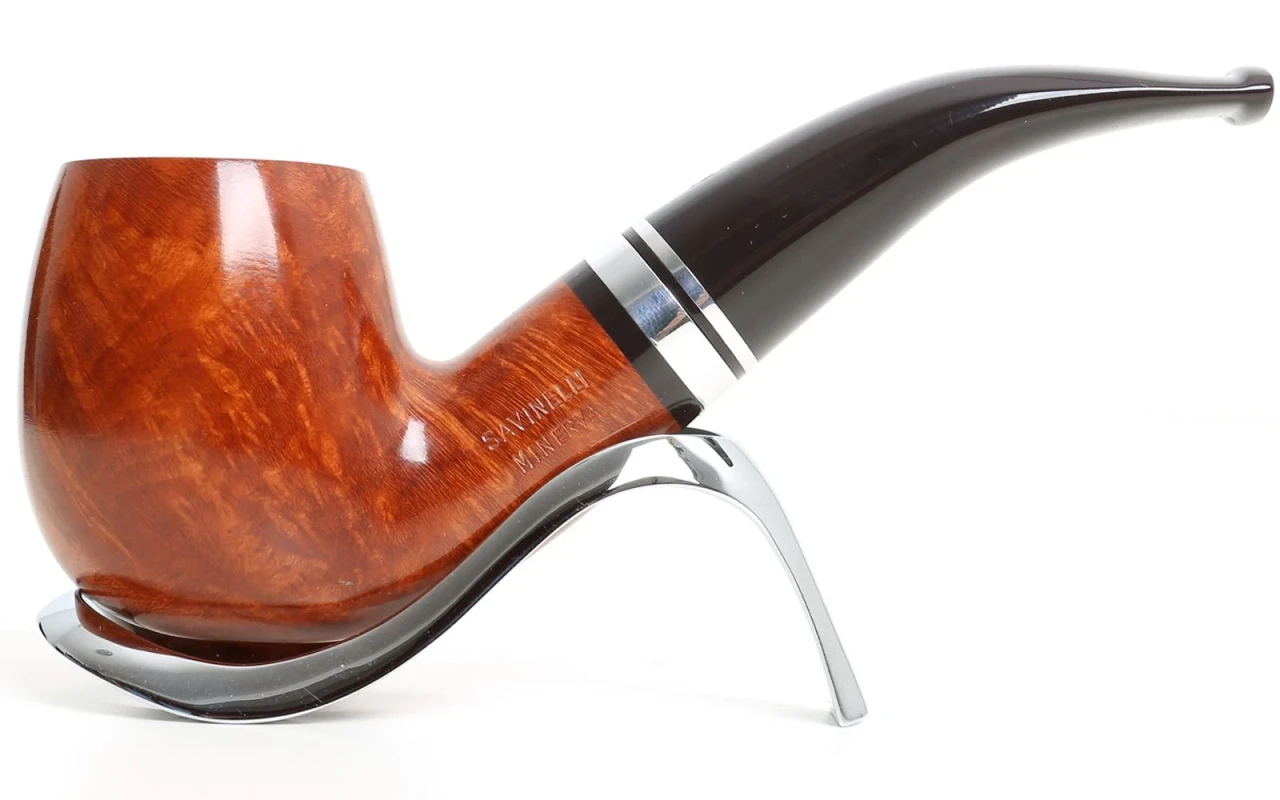
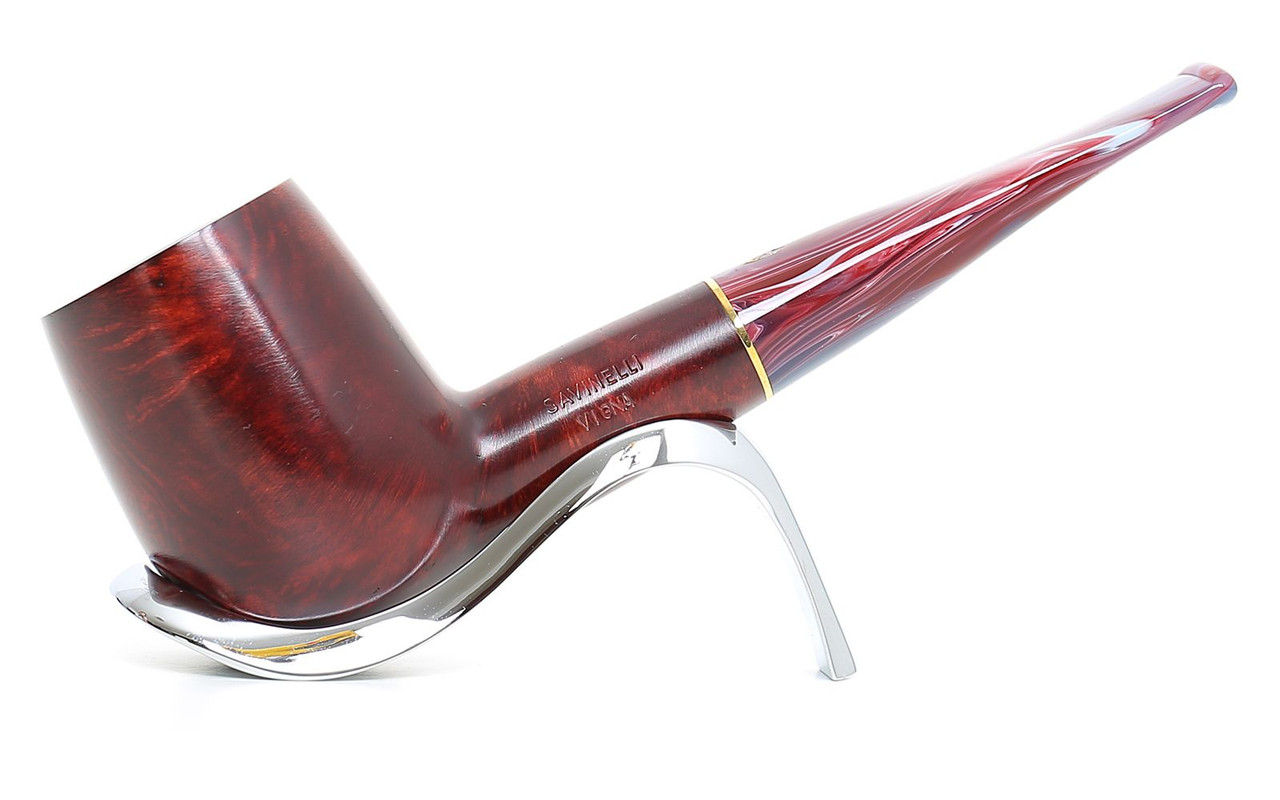
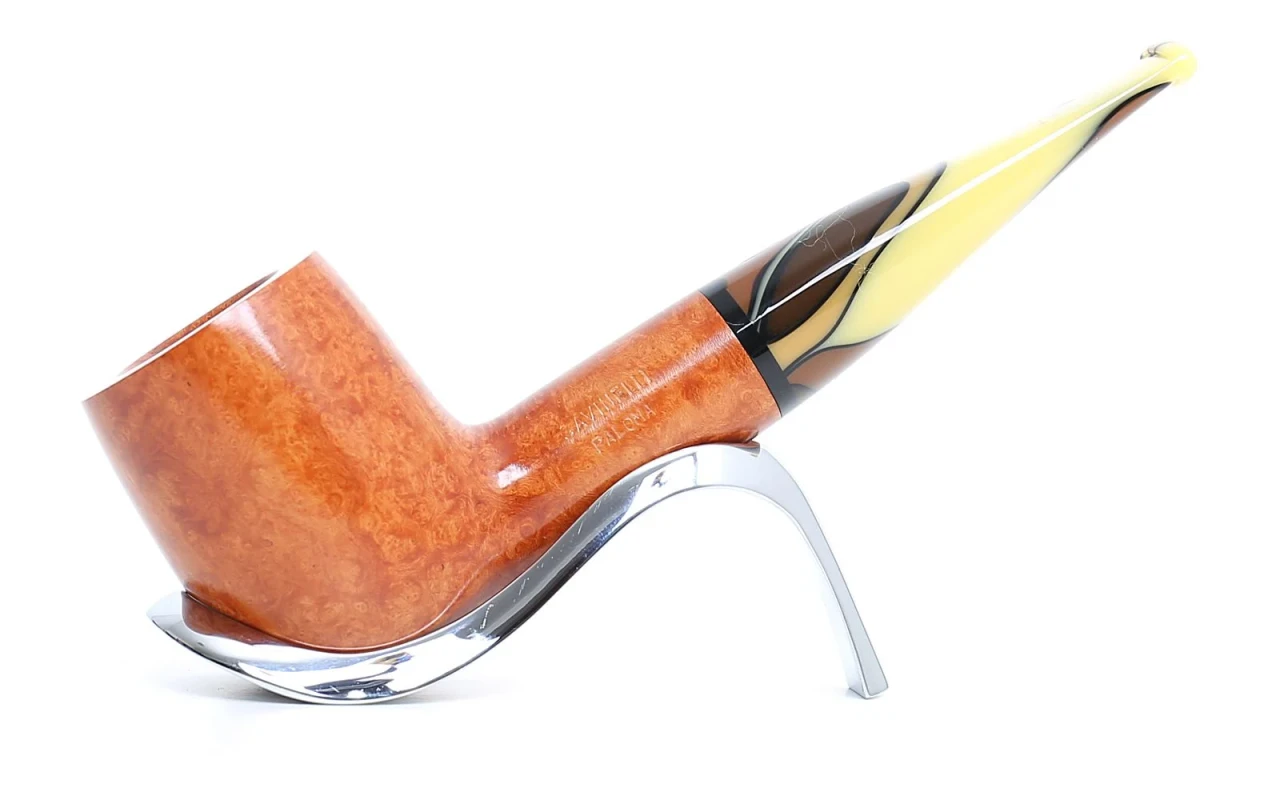
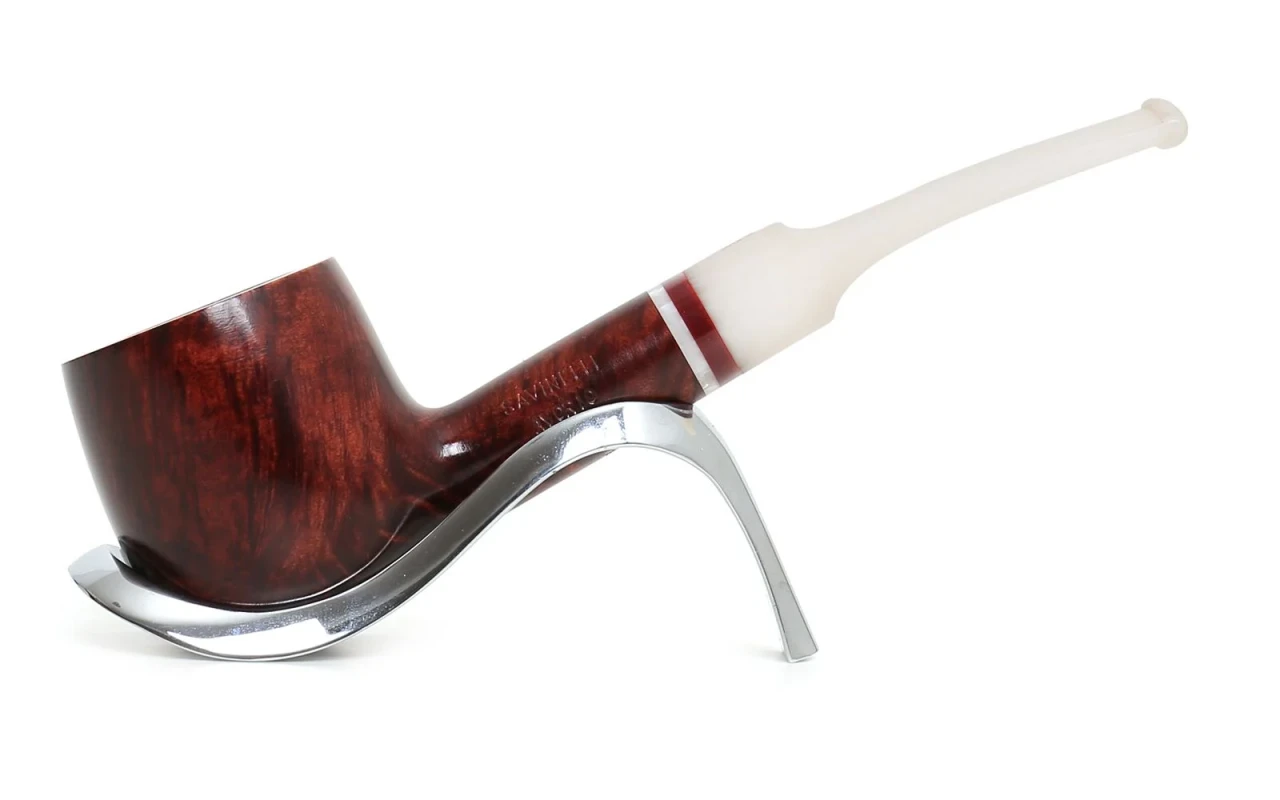
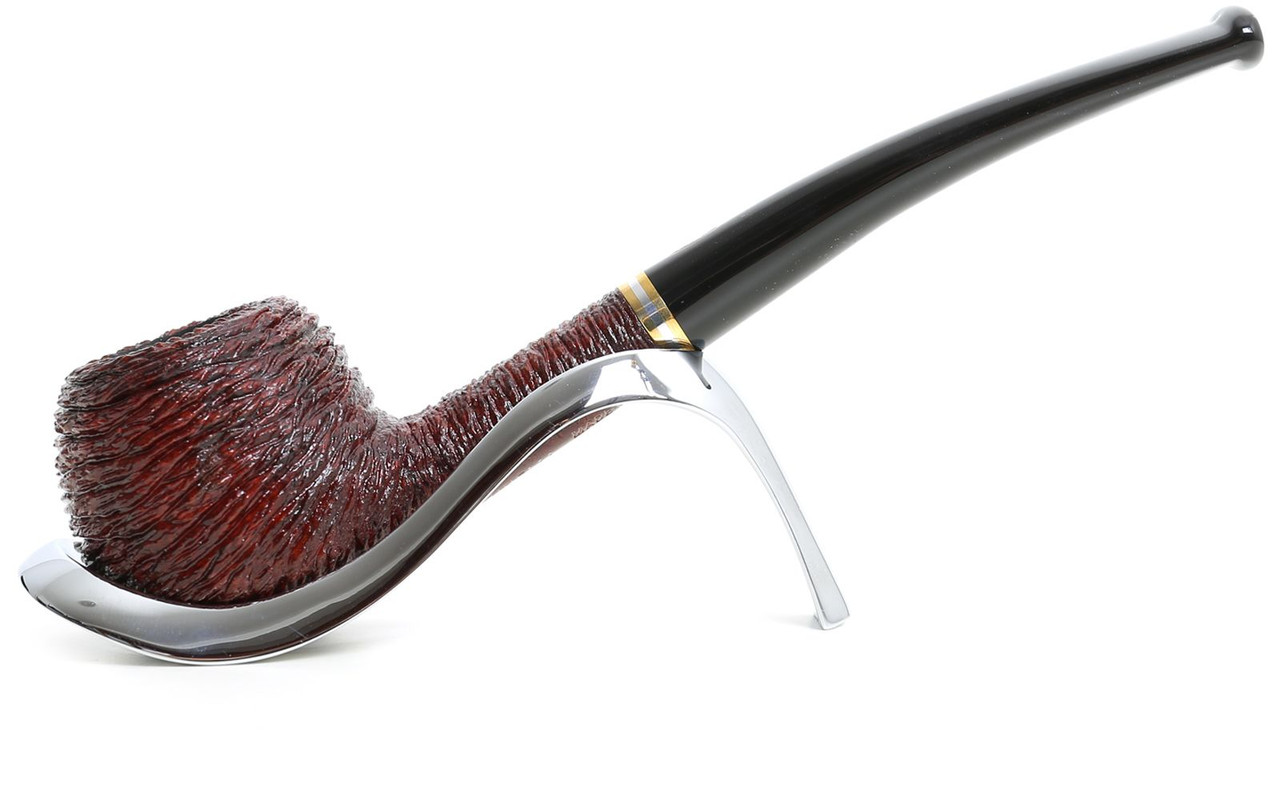
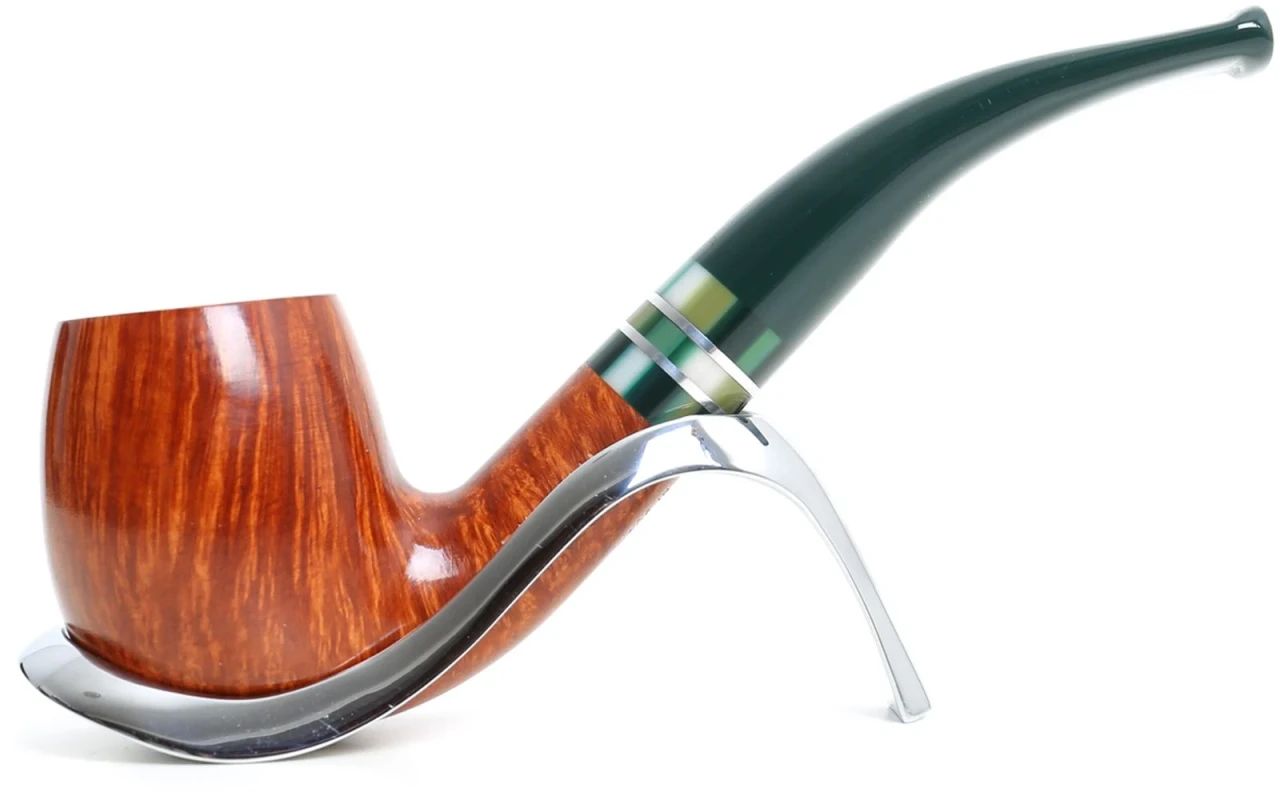
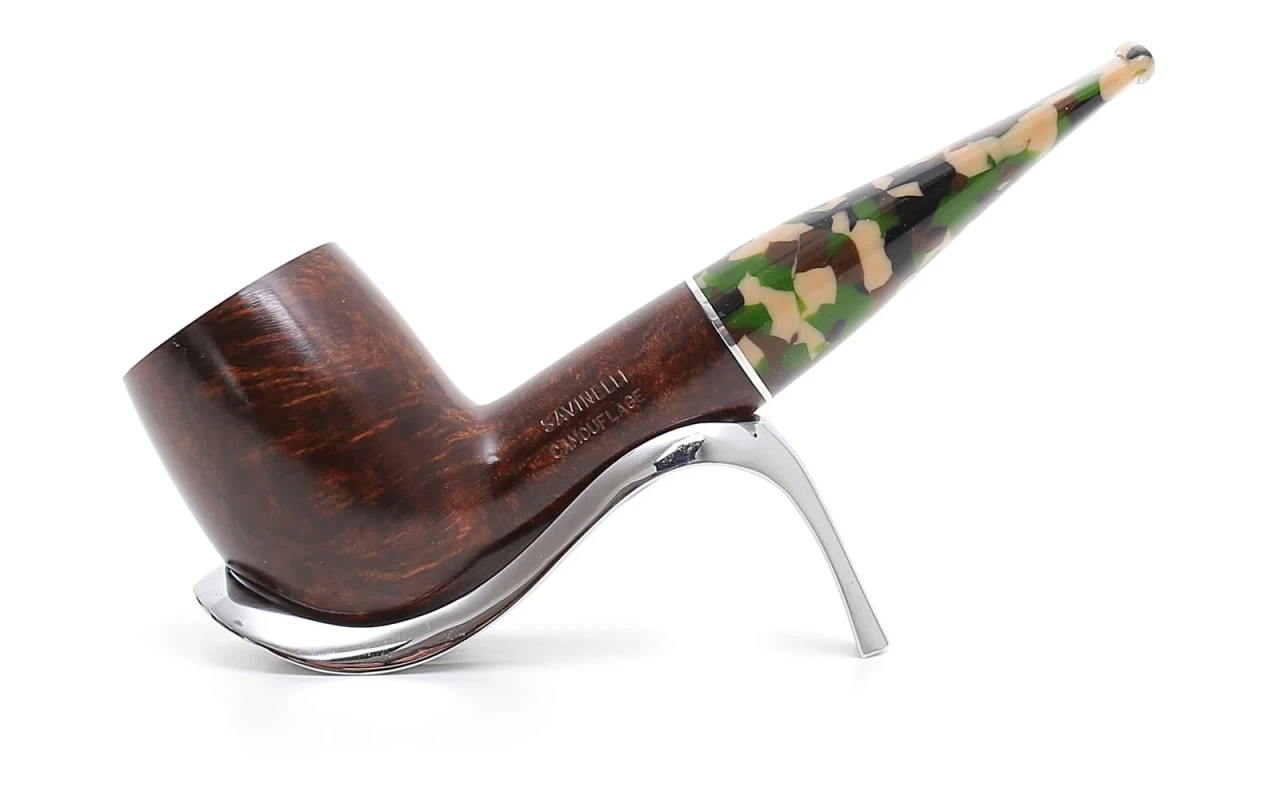
Freehand pipes are artisanal objects that require innovative materials and technologies for their production. Some of the most commonly used materials are:- Briar wood: high-quality wood resistant to heat and combustion.- Acrylic stems: lightweight and durable, ensuring an excellent grip.- Latex linings: to protect the pipe from moisture and heat.Innovative technologies include:- 3D printers for creating customized models.- CNC machines for precise wood processing.- Advanced finishing techniques for a unique and appealing design.
Materials for Freehand Pipes
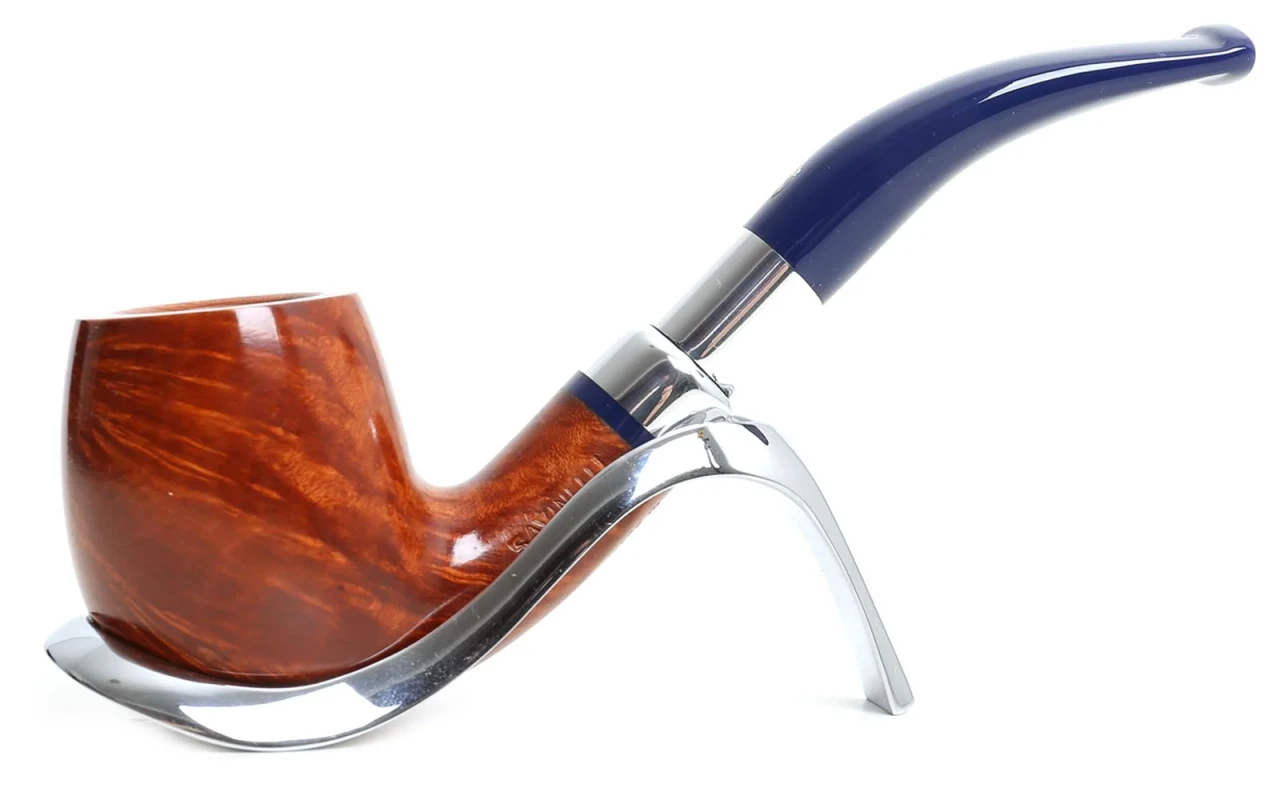
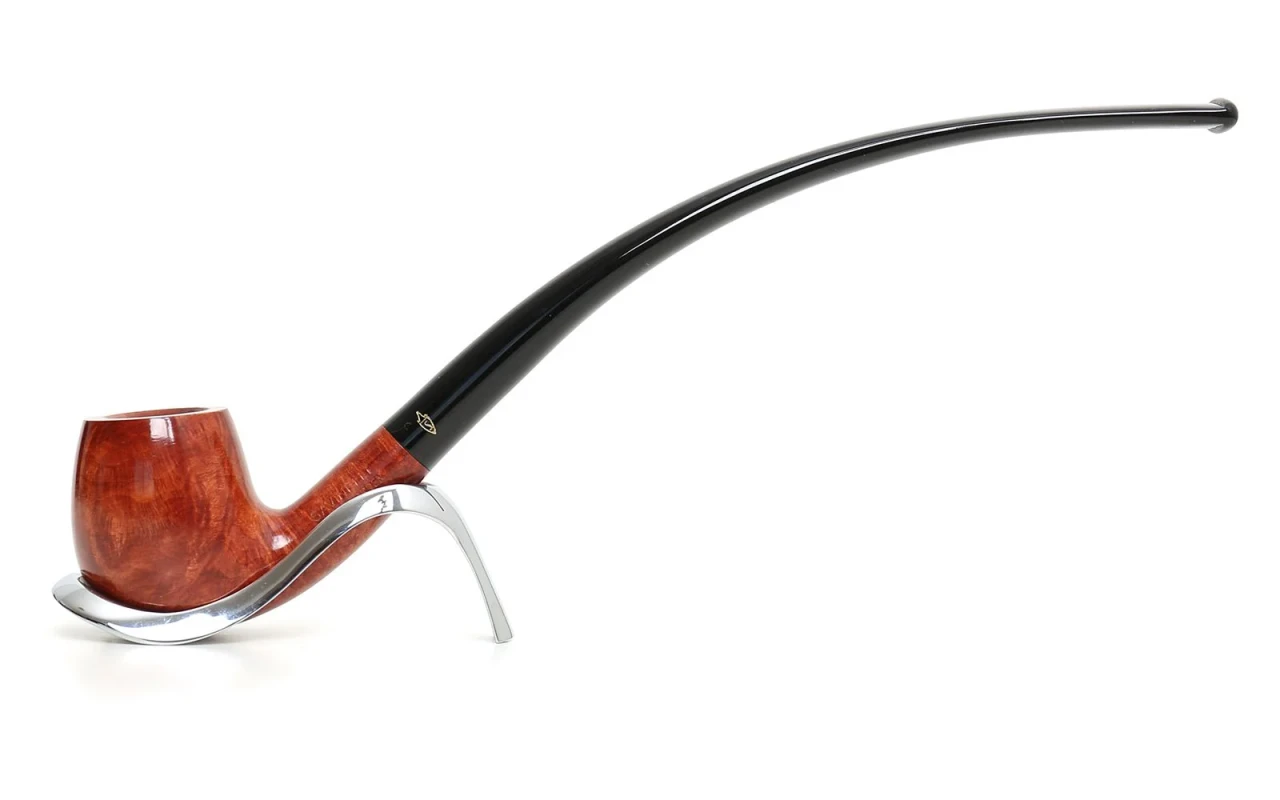
Freehand pipes are characterized by unique and unconventional shapes, often handmade by master pipemakers. For the crafting of these pipes, various high-quality materials are used, including:- Briar wood: a highly appreciated wood for its heat and flame resistance.- Oak wood: a sturdy and durable wood, commonly used for high-quality pipes.- Ebonite: a shiny black plastic material used for the mouthpiece, valued for its resistance and comfort.- Silver: employed for decorations or rings on the mouthpiece and stem.- Maple: used for special inserts or finishes.These materials give freehand pipes a unique and artisanal look, making them true works of art.
Construction techniques for freehand pipes
Construction techniques for freehand pipes are particularly appreciated by pipe smoking enthusiasts. This type of pipe is characterized by its irregular and artistic shape, achieved through a craftsmanship process that requires skill and precision. The construction techniques for freehand pipes involve the direct processing of raw wood without the use of molds, allowing the master pipemaker to express their creativity. Typically, the outer surface of the pipe is smoothed and refined to obtain a smooth and pleasant tactile surface. This craftsmanship process gives each freehand pipe a unique and distinctive character.
Innovations in Freehand Pipe Design
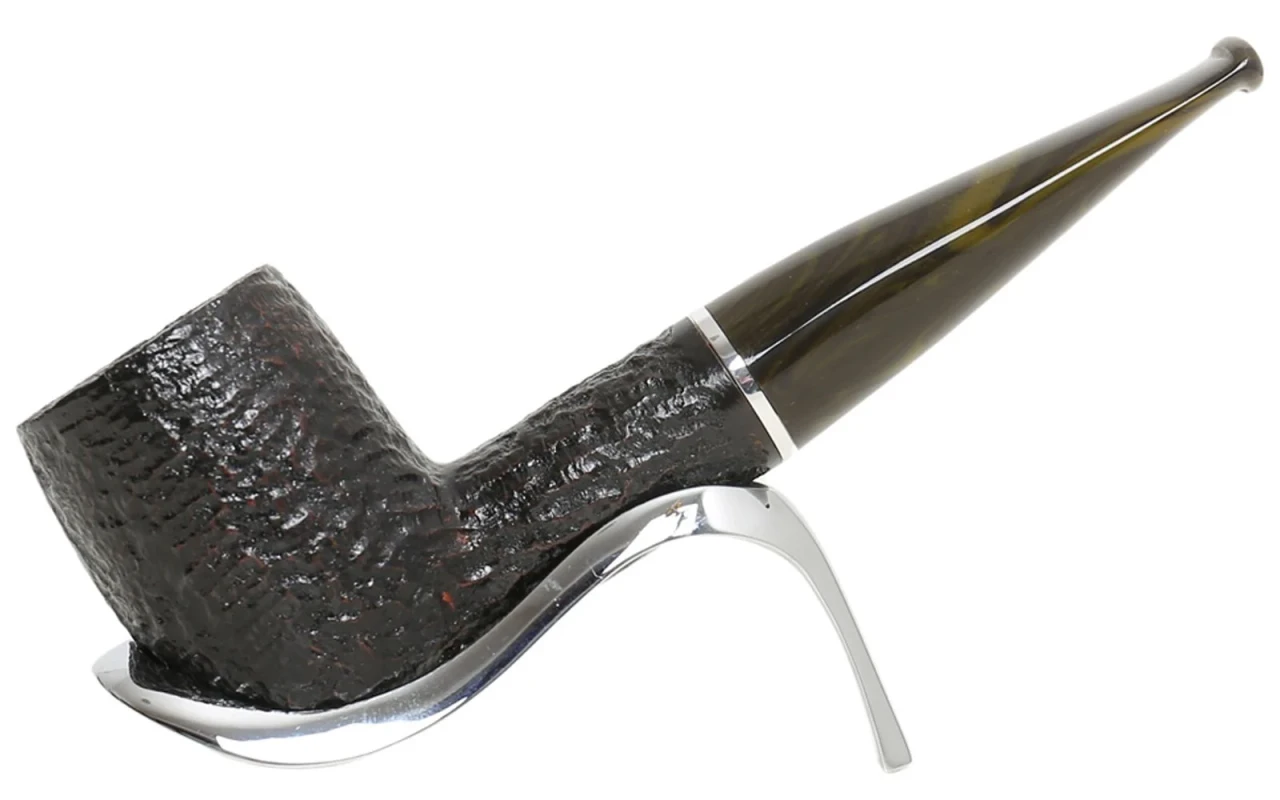
The design of freehand pipes has seen several innovations over the years, contributing to making these creations increasingly unique and artistic. Among the main novelties, we can mention:- Introduction of exotic and high-quality materials for external finishes.- Development of new carving and processing techniques to create original and intricate shapes.- Use of inserts in precious metal or wood to enrich the design and increase its aesthetic value.- Experimentation with special finishes, such as lacquering or sandblasting, to give the pipe a distinctive look.These innovations have turned freehand pipes into true works of art, appreciated by both collectors and pipe enthusiasts.
'%3e%3cg id='Final-Copy-2_2_' transform='translate(1275.000000, 200.000000)'%3e%3cpath class='st0' d='M7.4,12.8h6.8l3.1-11.6H7.4C4.2,1.2,1.6,3.8,1.6,7S4.2,12.8,7.4,12.8z'/%3e%3c/g%3e%3c/g%3e%3c/g%3e%3cg id='final---dec.11-2020'%3e%3cg id='_x30_208-our-toggle' transform='translate(-1275.000000, -200.000000)'%3e%3cg id='Final-Copy-2' transform='translate(1275.000000, 200.000000)'%3e%3cpath class='st1' d='M22.6,0H7.4c-3.9,0-7,3.1-7,7s3.1,7,7,7h15.2c3.9,0,7-3.1,7-7S26.4,0,22.6,0z M1.6,7c0-3.2,2.6-5.8,5.8-5.8 h9.9l-3.1,11.6H7.4C4.2,12.8,1.6,10.2,1.6,7z'/%3e%3cpath id='x' class='st2' d='M24.6,4c0.2,0.2,0.2,0.6,0,0.8l0,0L22.5,7l2.2,2.2c0.2,0.2,0.2,0.6,0,0.8c-0.2,0.2-0.6,0.2-0.8,0 l0,0l-2.2-2.2L19.5,10c-0.2,0.2-0.6,0.2-0.8,0c-0.2-0.2-0.2-0.6,0-0.8l0,0L20.8,7l-2.2-2.2c-0.2-0.2-0.2-0.6,0-0.8 c0.2-0.2,0.6-0.2,0.8,0l0,0l2.2,2.2L23.8,4C24,3.8,24.4,3.8,24.6,4z'/%3e%3cpath id='y' class='st3' d='M12.7,4.1c0.2,0.2,0.3,0.6,0.1,0.8l0,0L8.6,9.8C8.5,9.9,8.4,10,8.3,10c-0.2,0.1-0.5,0.1-0.7-0.1l0,0 L5.4,7.7c-0.2-0.2-0.2-0.6,0-0.8c0.2-0.2,0.6-0.2,0.8,0l0,0L8,8.6l3.8-4.5C12,3.9,12.4,3.9,12.7,4.1z'/%3e%3c/g%3e%3c/g%3e%3c/g%3e%3c/g%3e%3c/svg%3e) Your Privacy Choices
Your Privacy Choices 


