 ES
ES FR
FR EN
EN IT
IT DE
DE
Impact of the wartime on pipe models
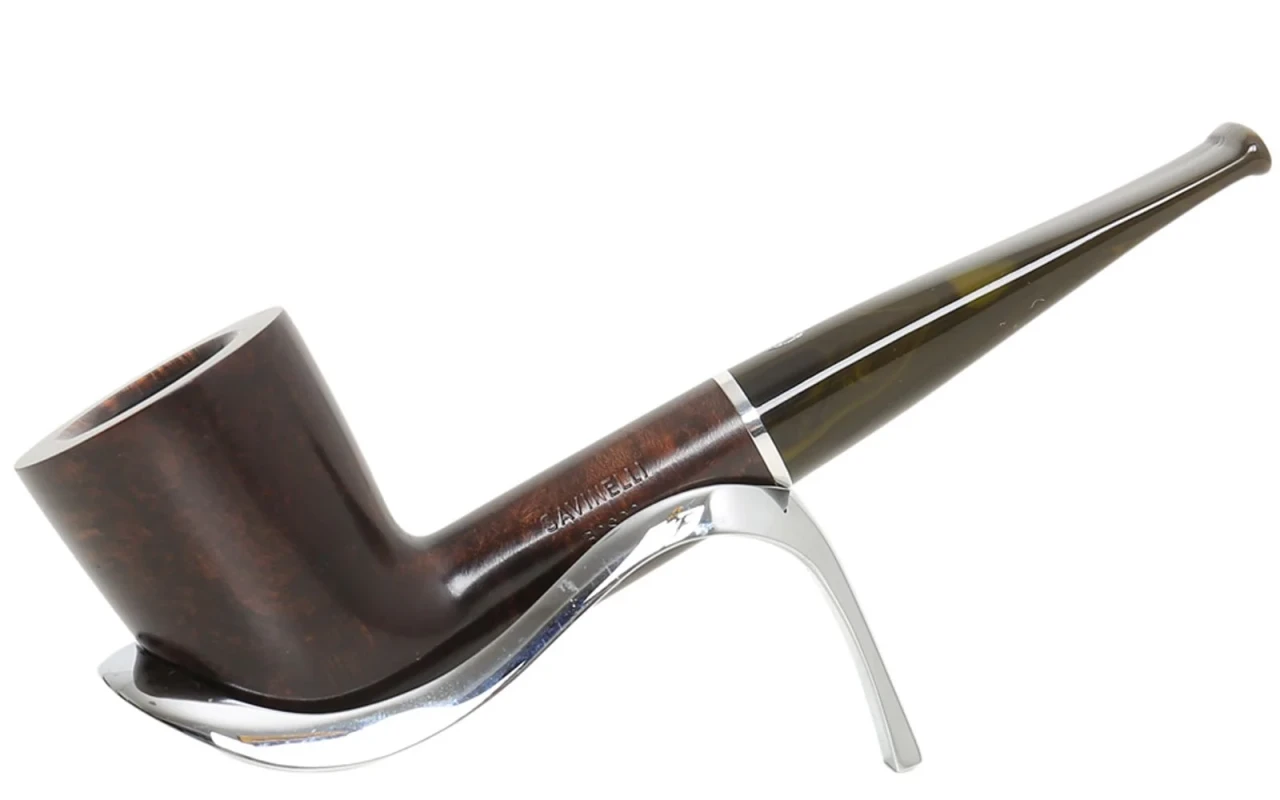
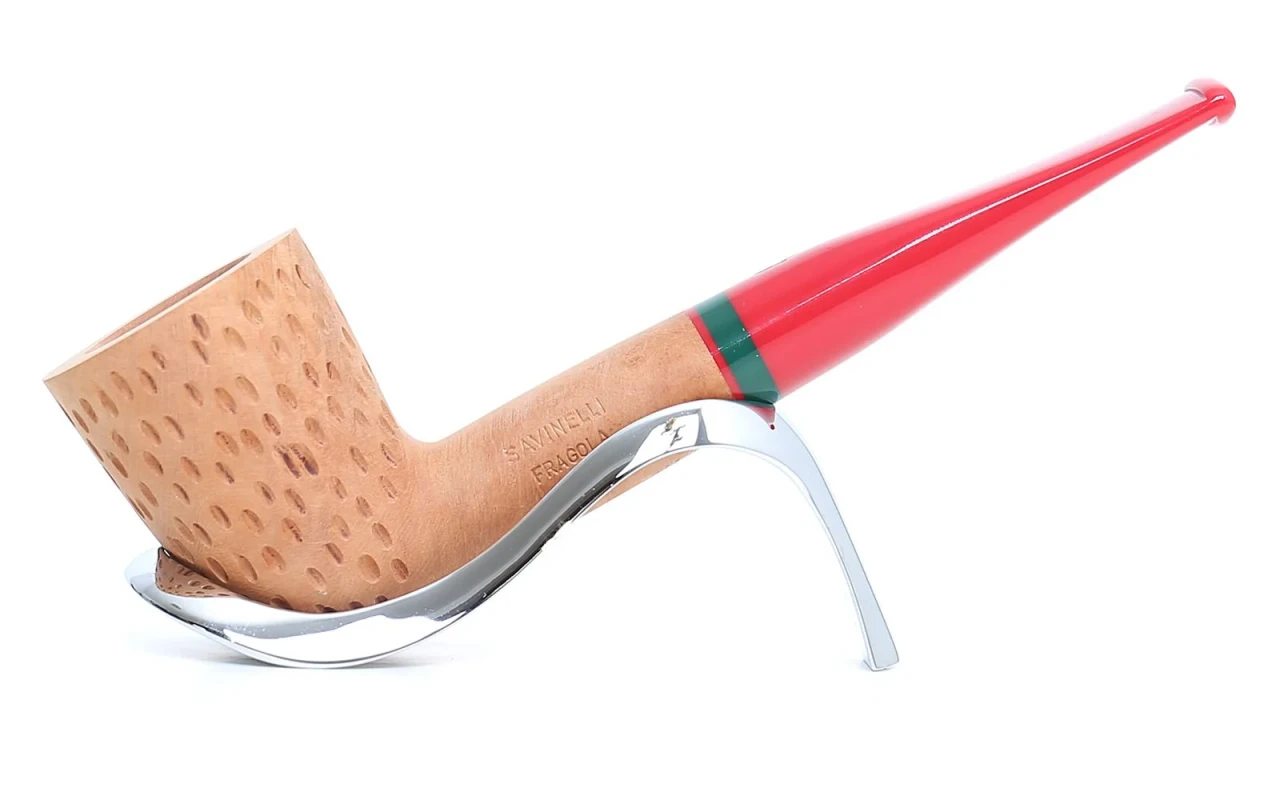
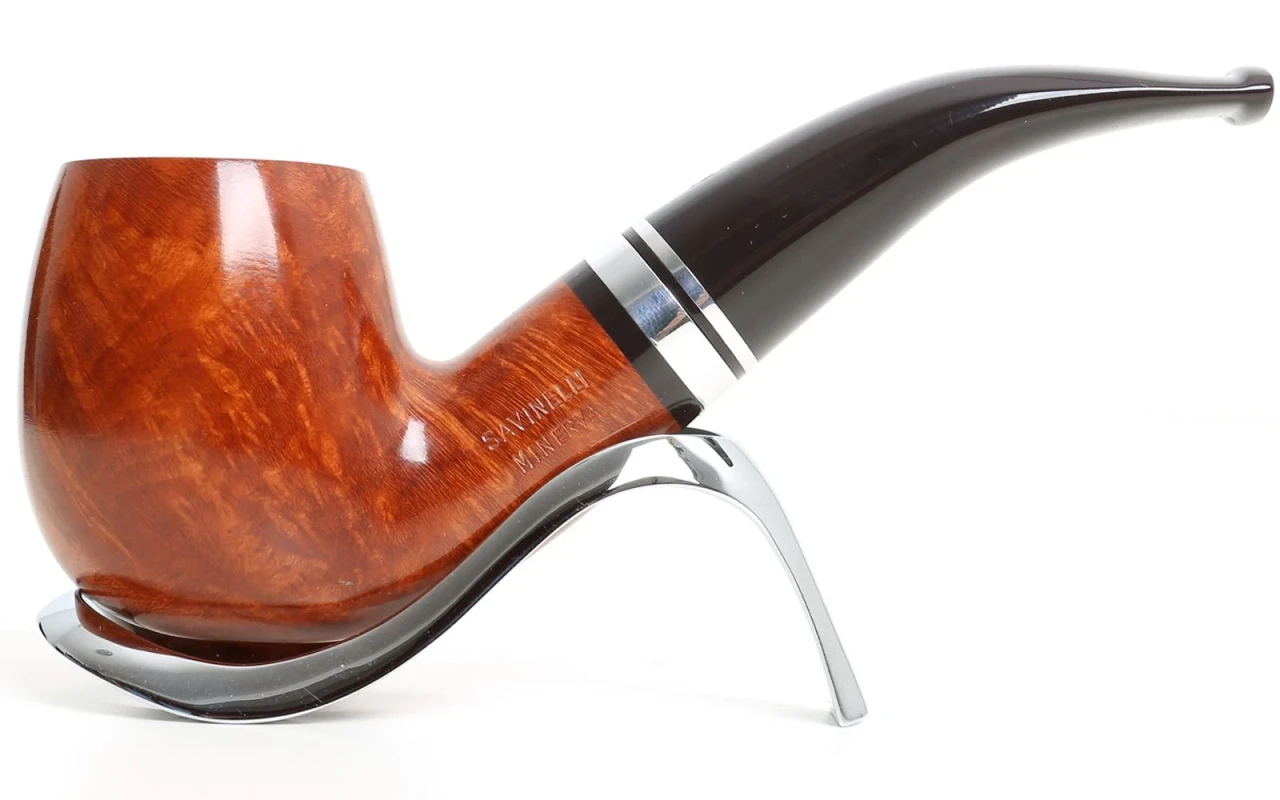
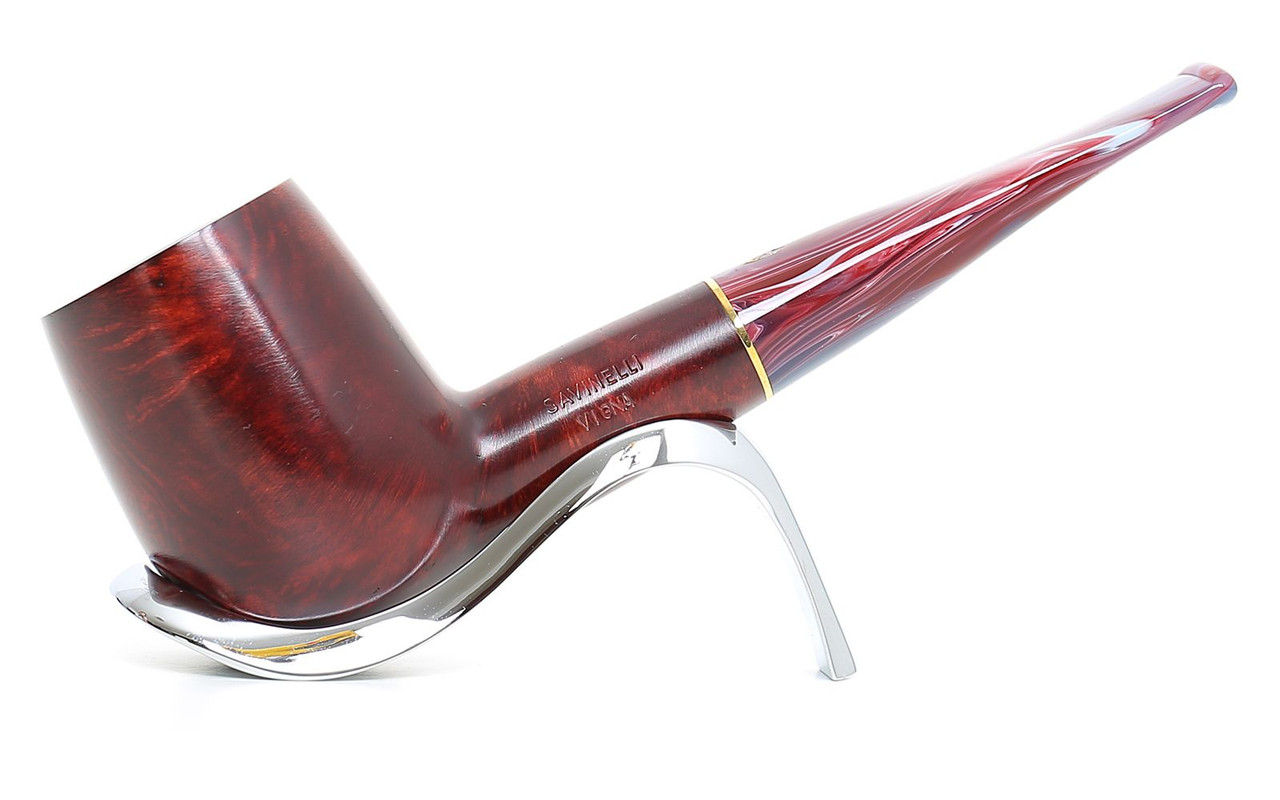
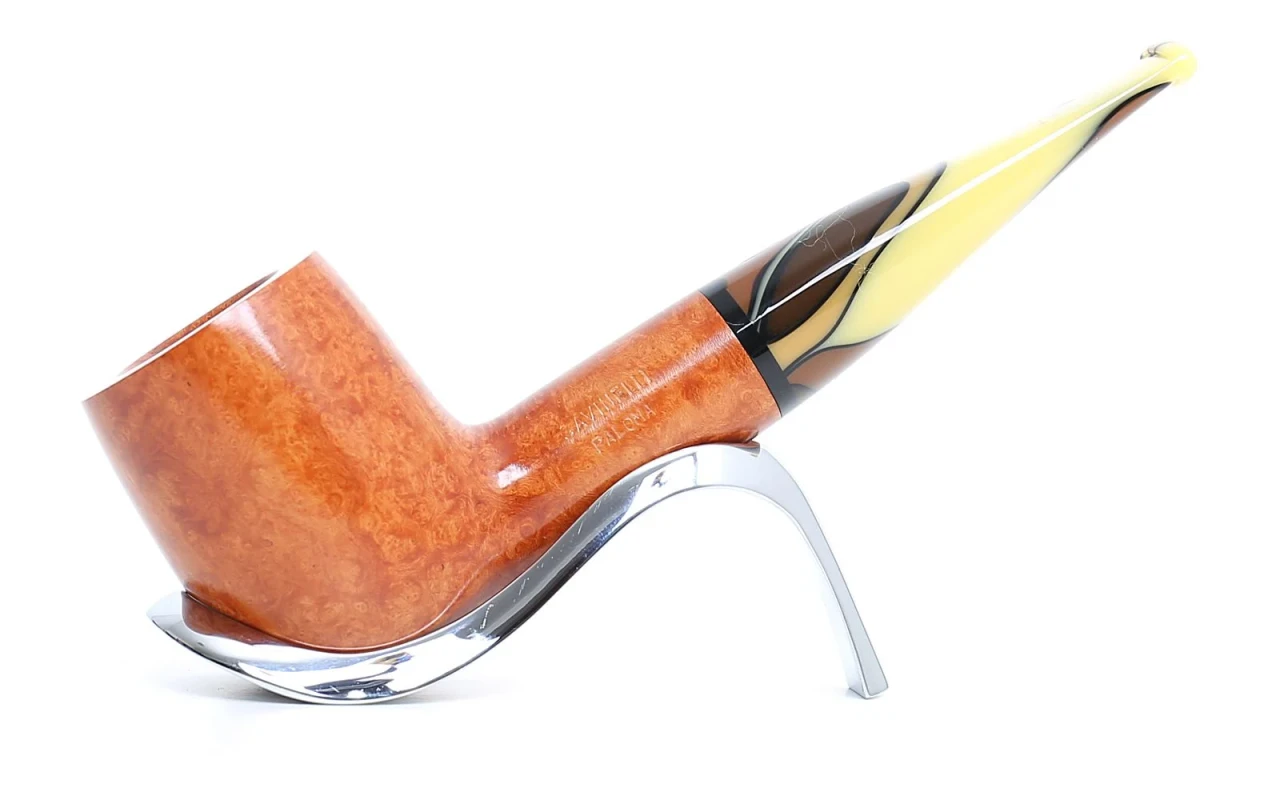
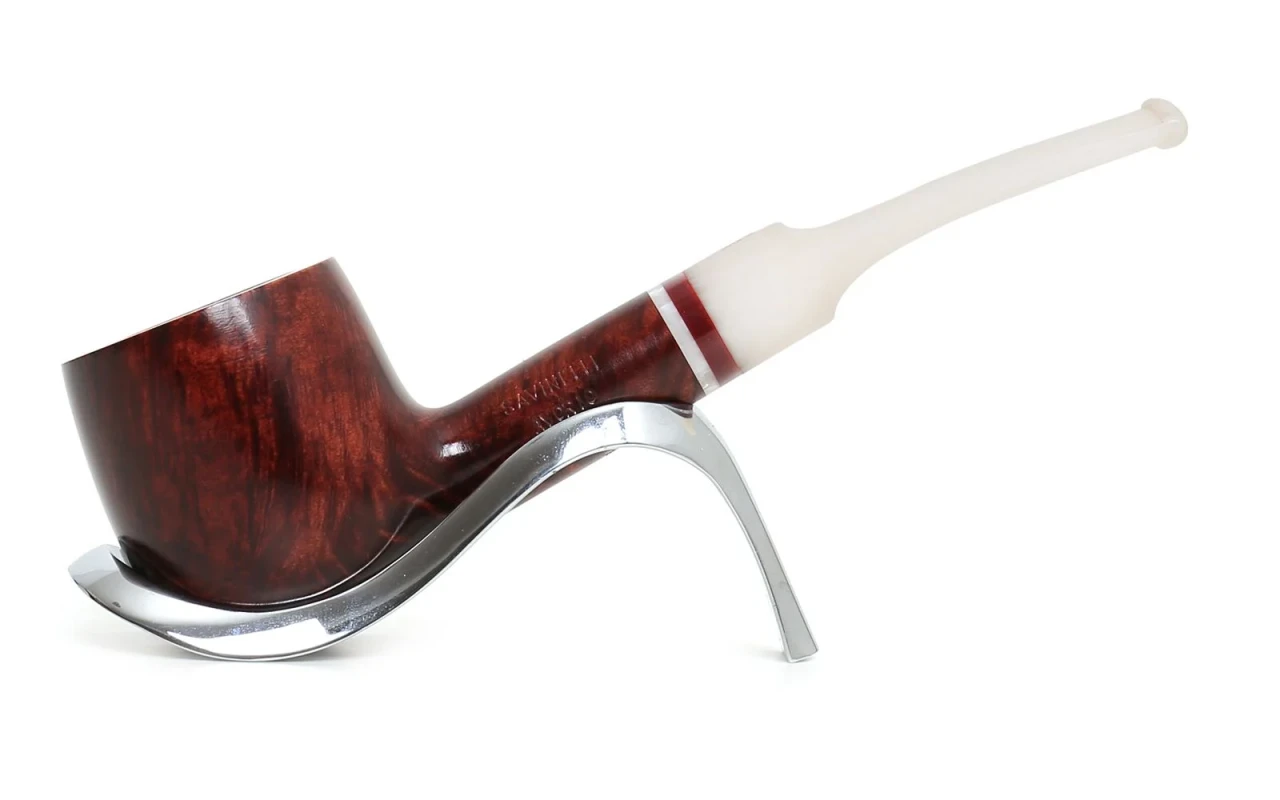
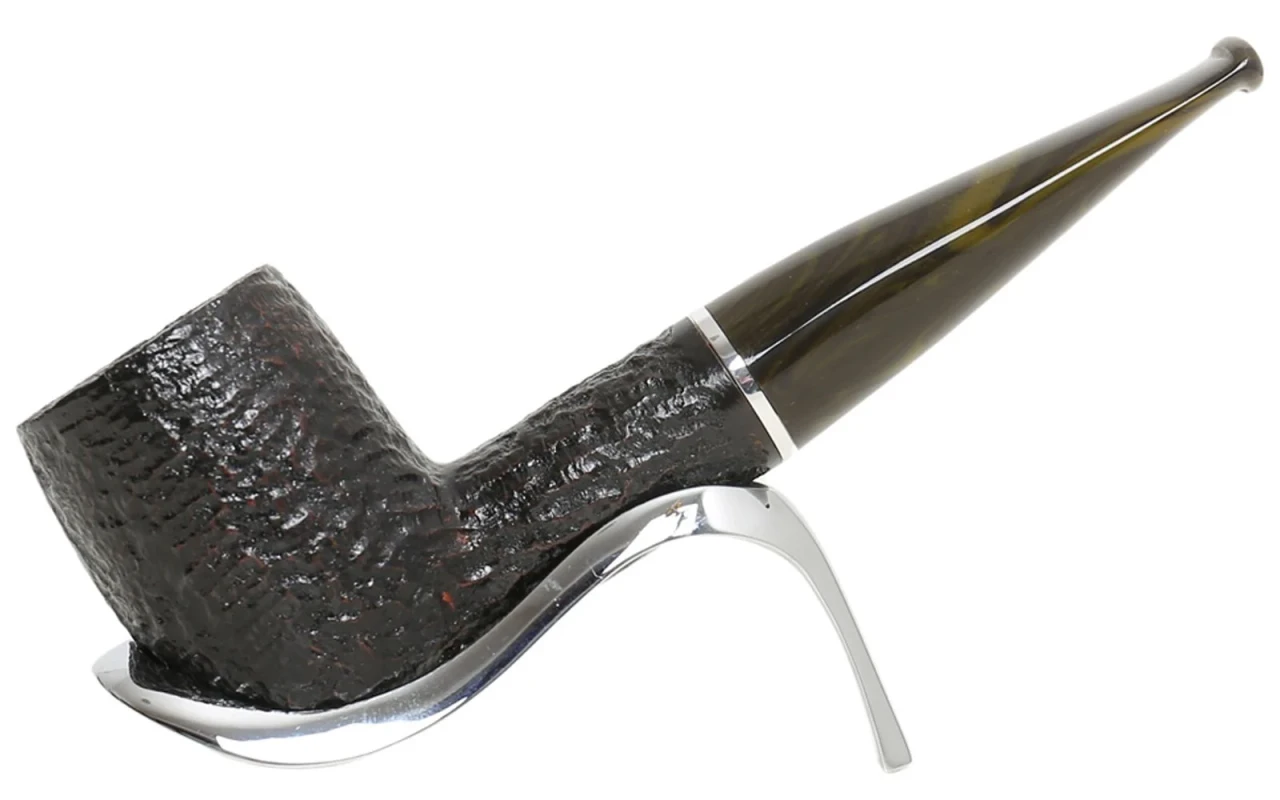
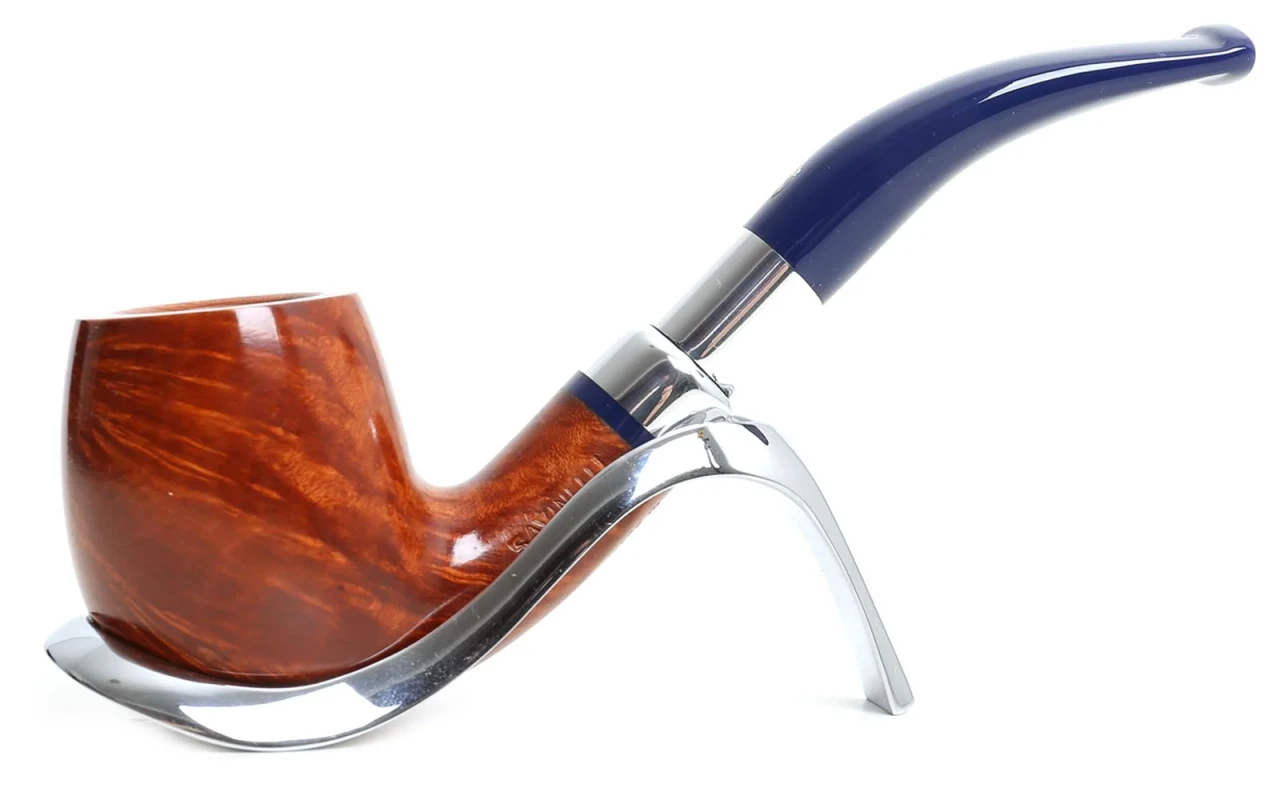
Impact of the wartime on pipe models
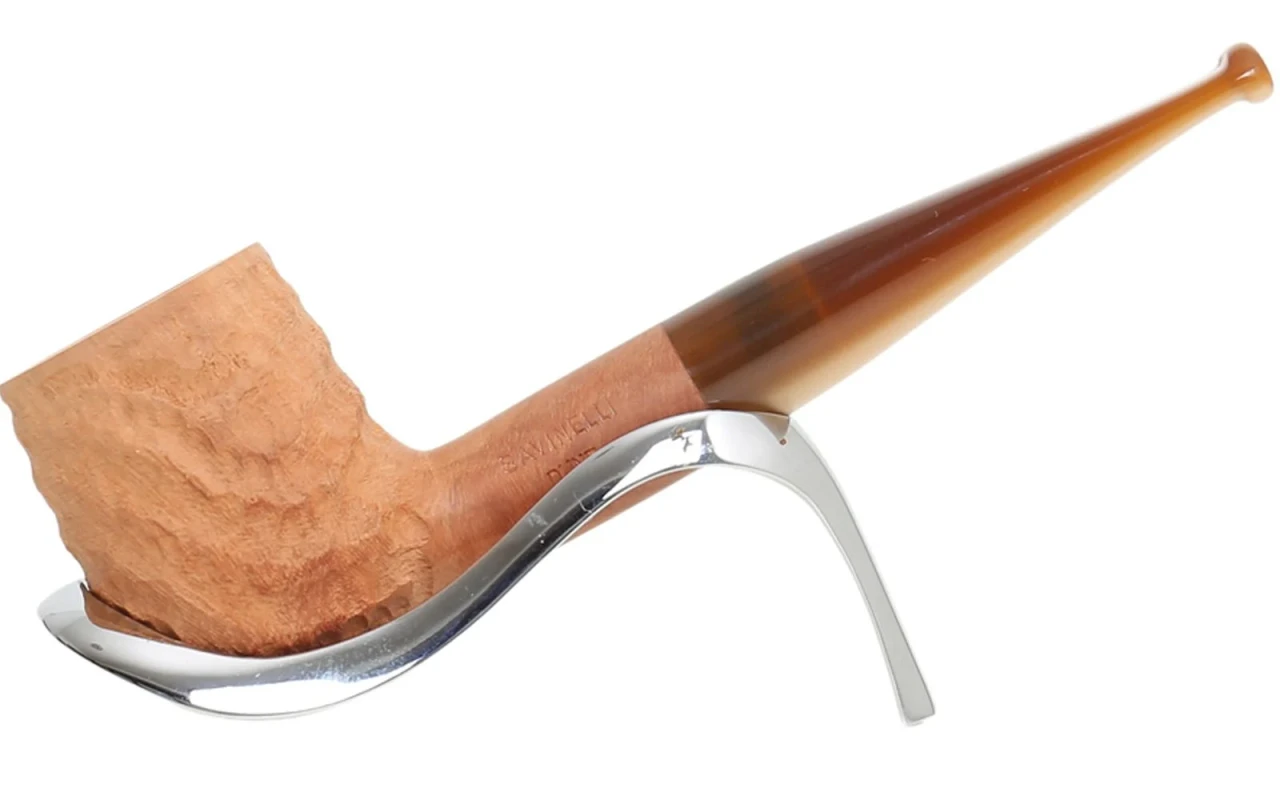
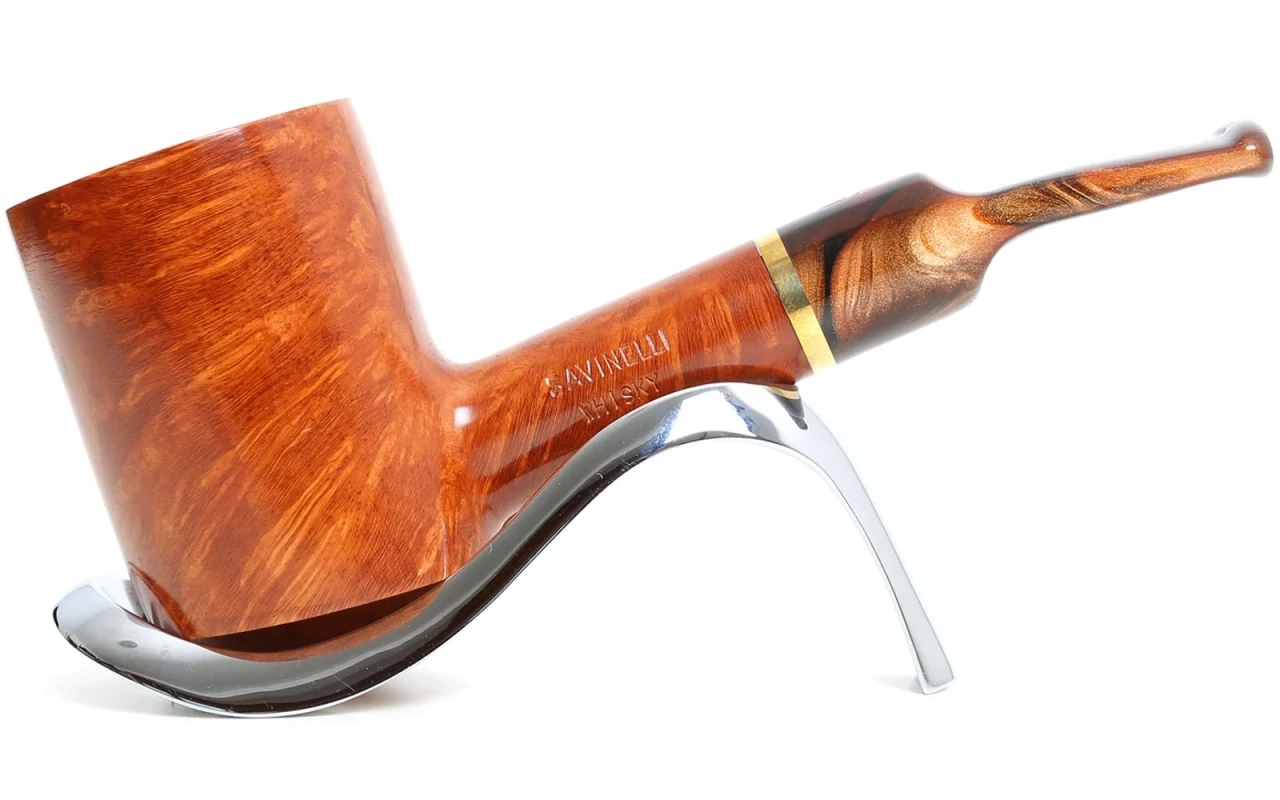
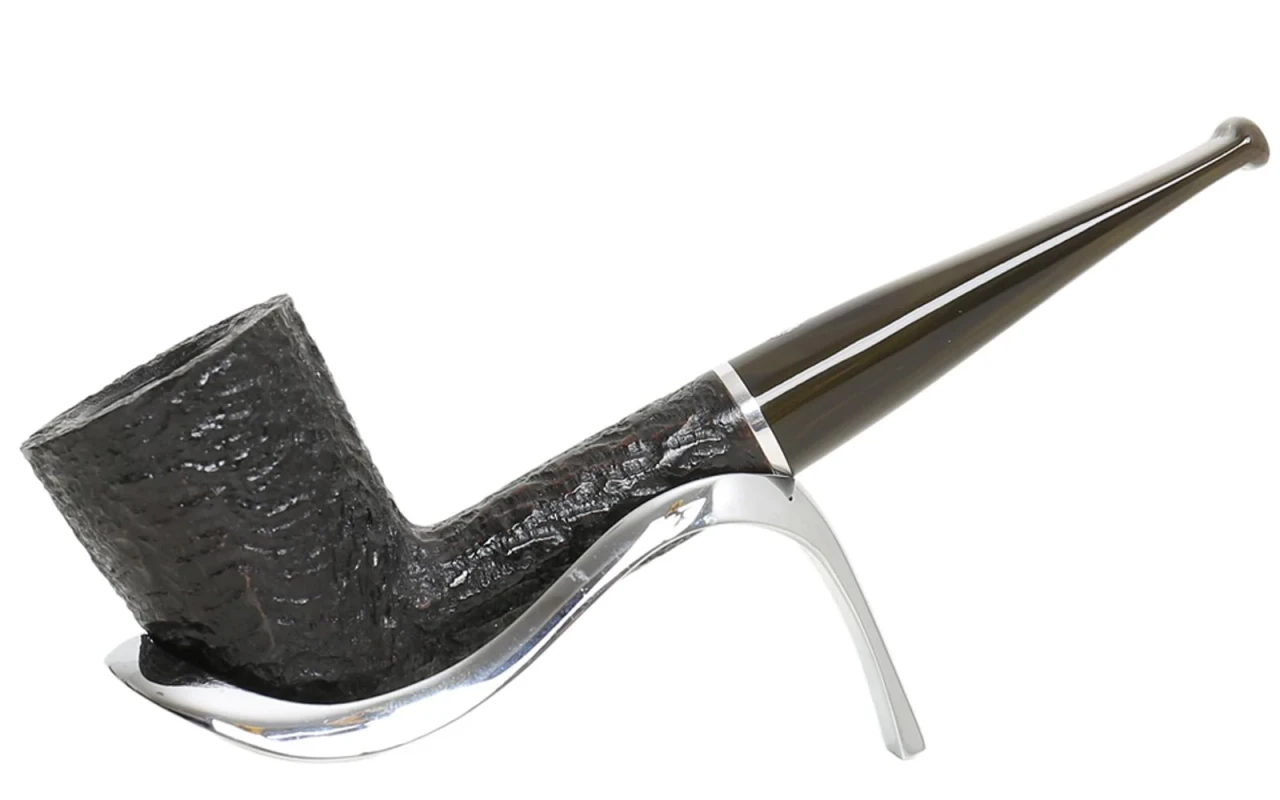
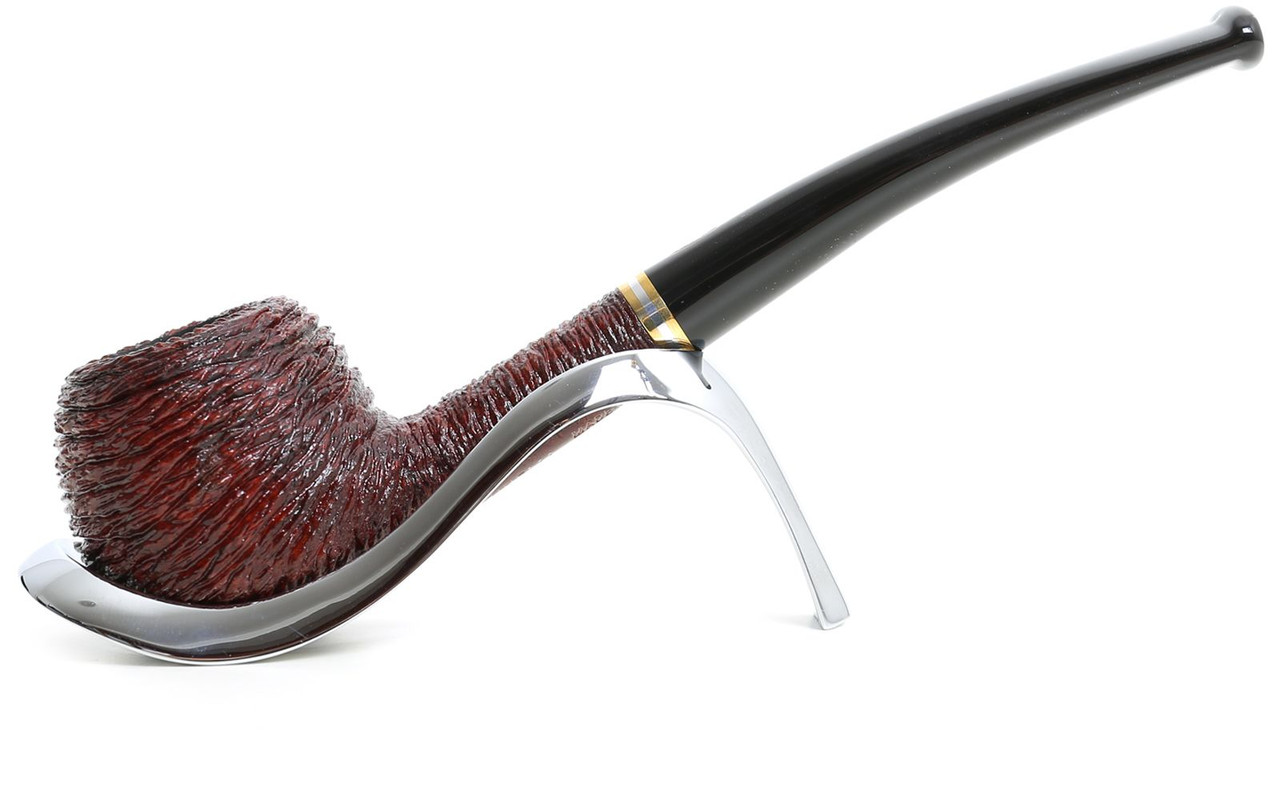
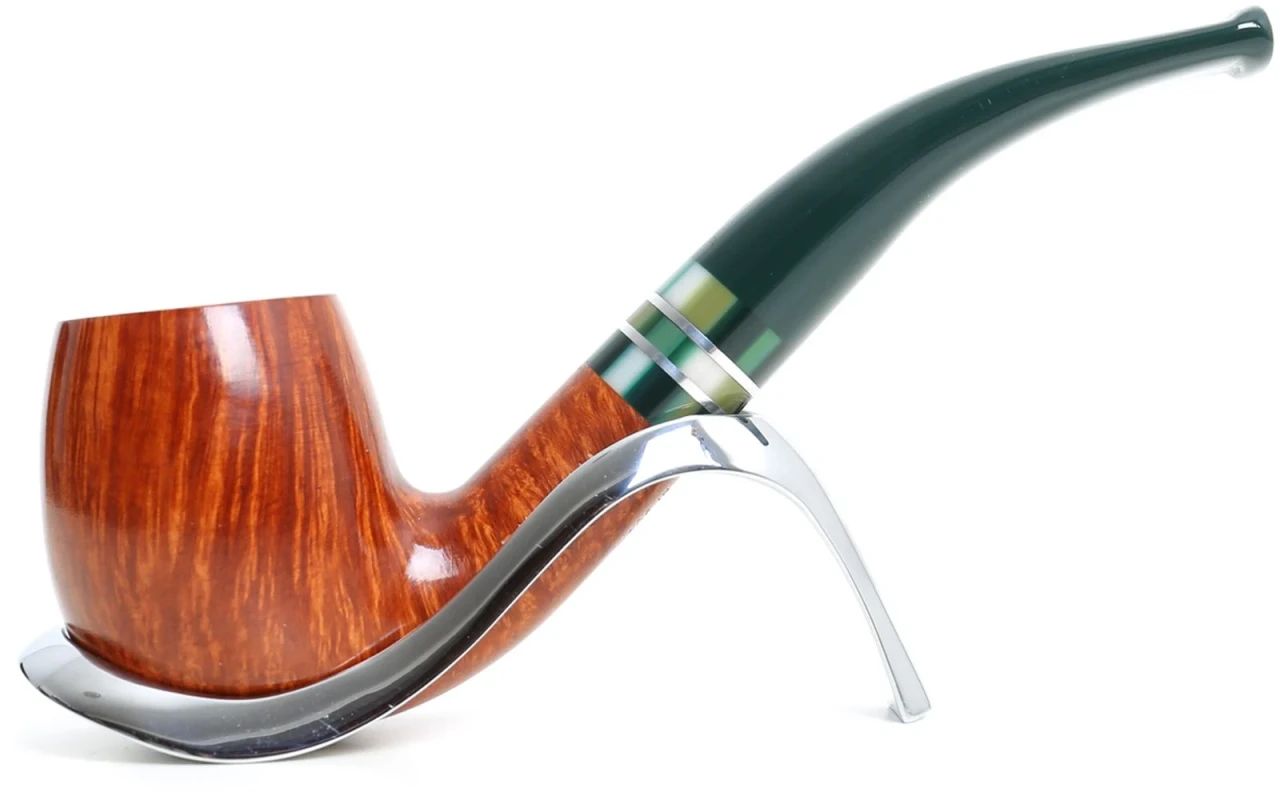
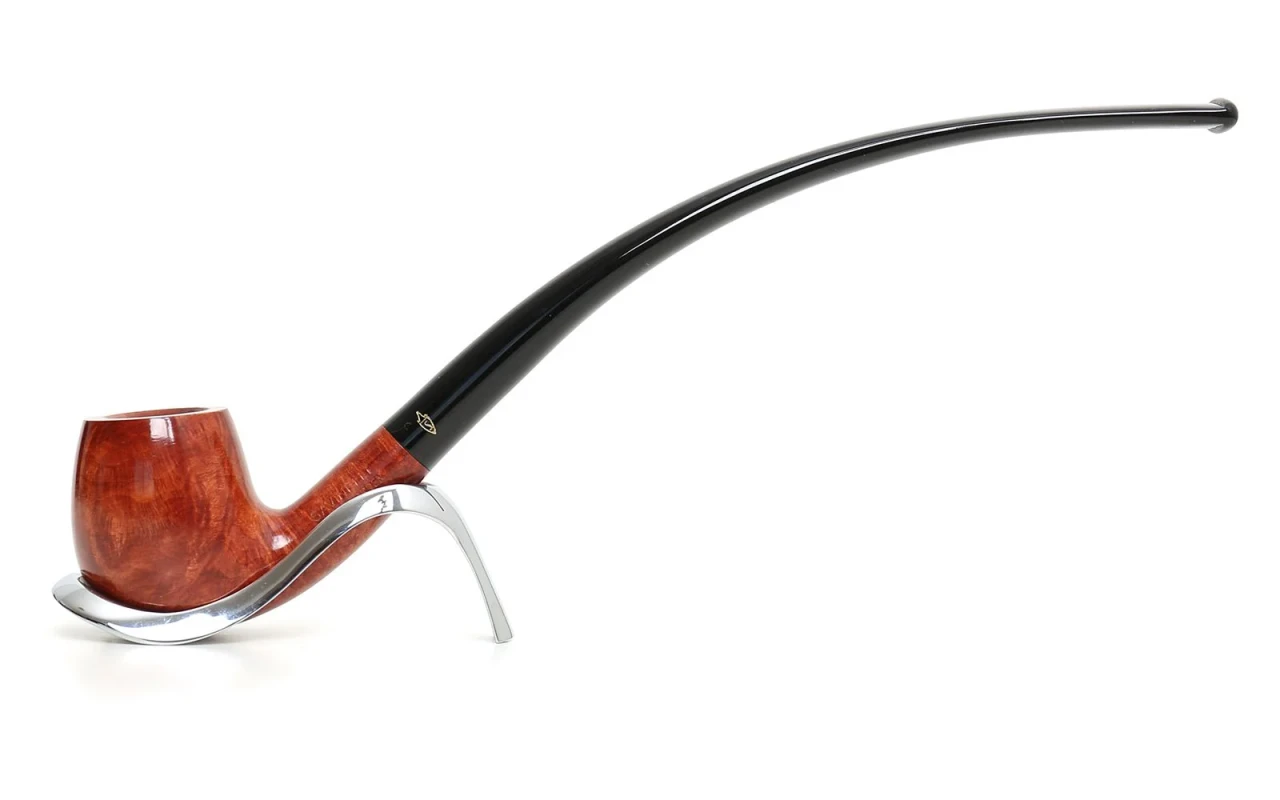
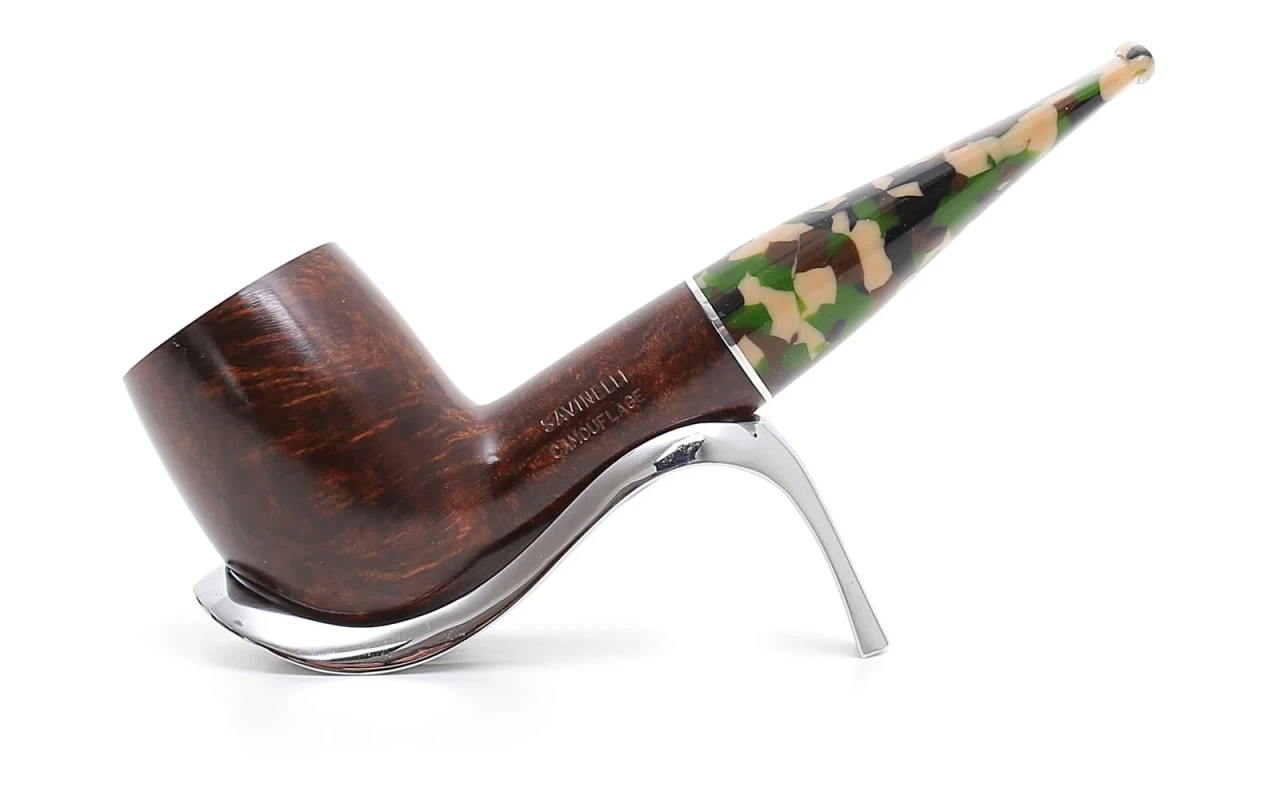
During the wartime, the pipe industry underwent significant changes in the models produced. Tobacco pipes became simpler and more functional, with fewer ornaments and precious materials due to economic limitations and restrictions on raw materials. Traditional materials such as ebony became less common, replaced by more affordable alternatives. At the same time, field pipes, designed to be sturdy and portable, became popular among soldiers. The impact of the wartime is still reflected today in some pipe models that retain the sober and practical style of those years.
Evolution of pipe models during the war
During the war, the evolution of pipe models underwent significant changes to adapt to the needs of soldiers in the field. Pipes became more sturdy and practical, designed to withstand adverse conditions and ensure better durability over time. Additionally, more resistant and lighter materials were preferred, such as metal or olive wood. These modifications allowed soldiers to enjoy a moment of relaxation, smoking their pipe even in the most difficult situations. The evolution of pipe models during the war highlights the ability of men to adapt traditional objects to contingent needs.
History of pipes during wartime
During past wartime conflicts, pipes played a significant role among soldiers and officers. Used as a tool for relaxation and contemplation, pipes were often present during breaks from combat. The smoke from the pipe created an atmosphere of calm and reflection, helping to alleviate stress and create a sense of normalcy in extreme situations. Furthermore, pipes were often regarded as personal items of great symbolic value, passed down from generation to generation. This tradition helped to forge bonds among soldiers and to boost morale during wartime periods.
Pipe models influenced by the war
During the war, the pipe industry underwent significant changes, influencing the models of pipes produced during that period. Some common features of war-influenced pipe models include:- **Materials of production**: due to the scarcity of traditional materials such as wood, some pipes were made using cheaper alternatives like bakelite or metal.- **Simple design**: war-time pipe models often featured a simpler and more functional design, reflecting the needs of the wartime period.- **Smaller sizes**: some pipes were produced in more compact sizes for easy transportation by soldiers.These influences shaped the pipe models during the war, reflecting the challenges and limitations of the historical context.
'%3e%3cg id='Final-Copy-2_2_' transform='translate(1275.000000, 200.000000)'%3e%3cpath class='st0' d='M7.4,12.8h6.8l3.1-11.6H7.4C4.2,1.2,1.6,3.8,1.6,7S4.2,12.8,7.4,12.8z'/%3e%3c/g%3e%3c/g%3e%3c/g%3e%3cg id='final---dec.11-2020'%3e%3cg id='_x30_208-our-toggle' transform='translate(-1275.000000, -200.000000)'%3e%3cg id='Final-Copy-2' transform='translate(1275.000000, 200.000000)'%3e%3cpath class='st1' d='M22.6,0H7.4c-3.9,0-7,3.1-7,7s3.1,7,7,7h15.2c3.9,0,7-3.1,7-7S26.4,0,22.6,0z M1.6,7c0-3.2,2.6-5.8,5.8-5.8 h9.9l-3.1,11.6H7.4C4.2,12.8,1.6,10.2,1.6,7z'/%3e%3cpath id='x' class='st2' d='M24.6,4c0.2,0.2,0.2,0.6,0,0.8l0,0L22.5,7l2.2,2.2c0.2,0.2,0.2,0.6,0,0.8c-0.2,0.2-0.6,0.2-0.8,0 l0,0l-2.2-2.2L19.5,10c-0.2,0.2-0.6,0.2-0.8,0c-0.2-0.2-0.2-0.6,0-0.8l0,0L20.8,7l-2.2-2.2c-0.2-0.2-0.2-0.6,0-0.8 c0.2-0.2,0.6-0.2,0.8,0l0,0l2.2,2.2L23.8,4C24,3.8,24.4,3.8,24.6,4z'/%3e%3cpath id='y' class='st3' d='M12.7,4.1c0.2,0.2,0.3,0.6,0.1,0.8l0,0L8.6,9.8C8.5,9.9,8.4,10,8.3,10c-0.2,0.1-0.5,0.1-0.7-0.1l0,0 L5.4,7.7c-0.2-0.2-0.2-0.6,0-0.8c0.2-0.2,0.6-0.2,0.8,0l0,0L8,8.6l3.8-4.5C12,3.9,12.4,3.9,12.7,4.1z'/%3e%3c/g%3e%3c/g%3e%3c/g%3e%3c/g%3e%3c/svg%3e) Your Privacy Choices
Your Privacy Choices 


