 ES
ES FR
FR EN
EN IT
IT DE
DE
Impact of pipe materials on taste
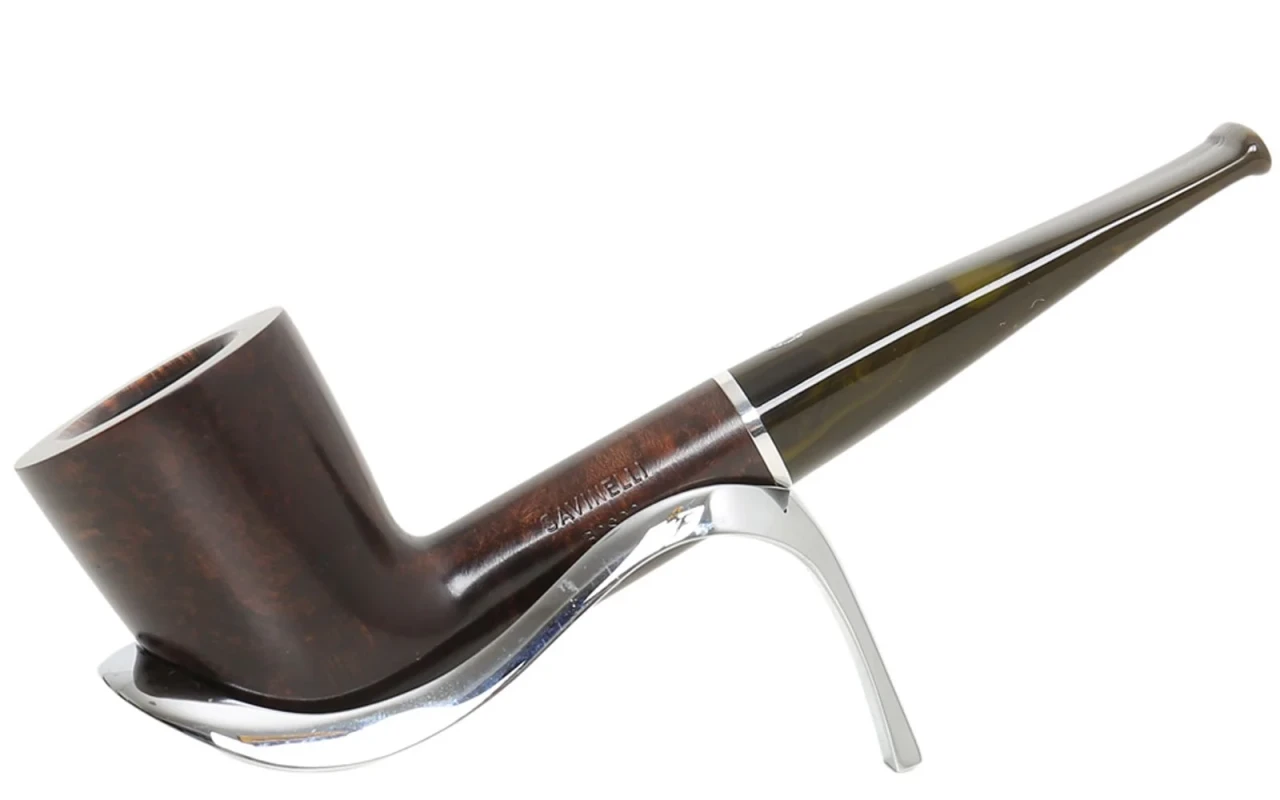
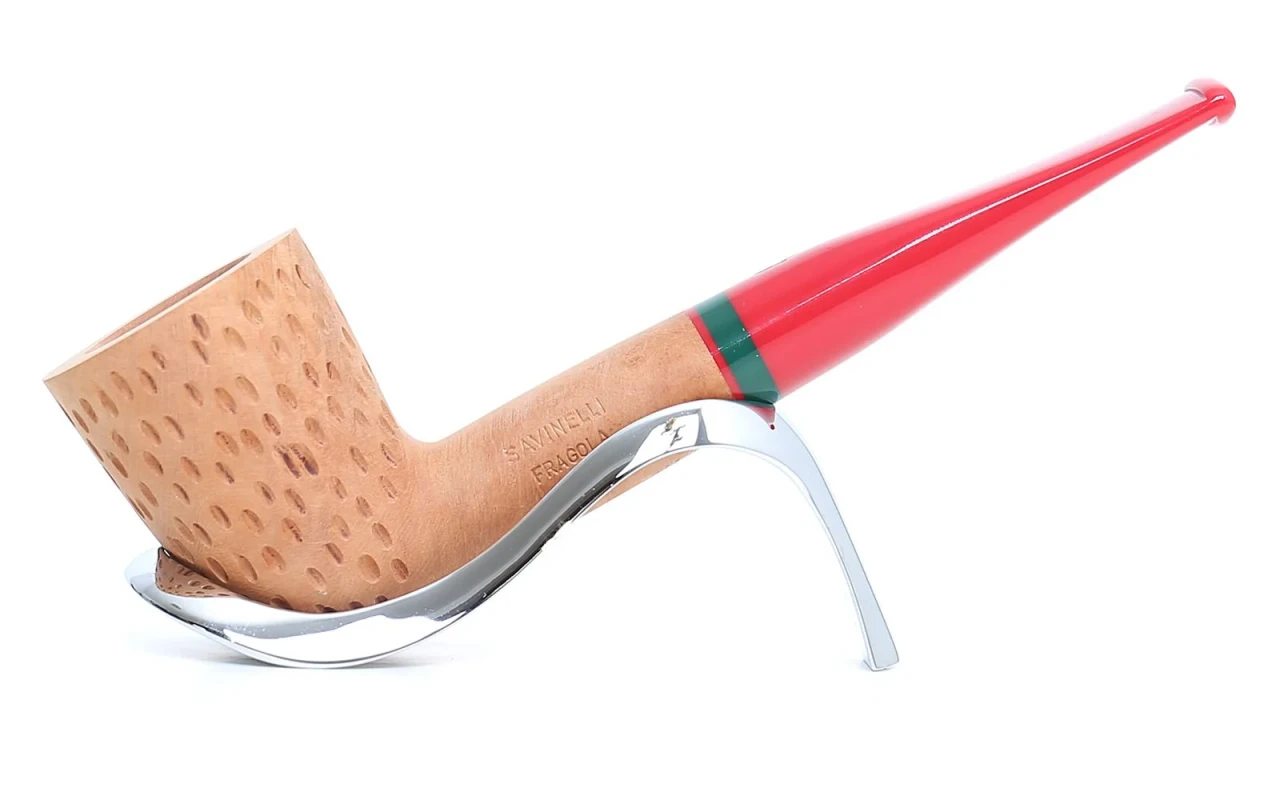
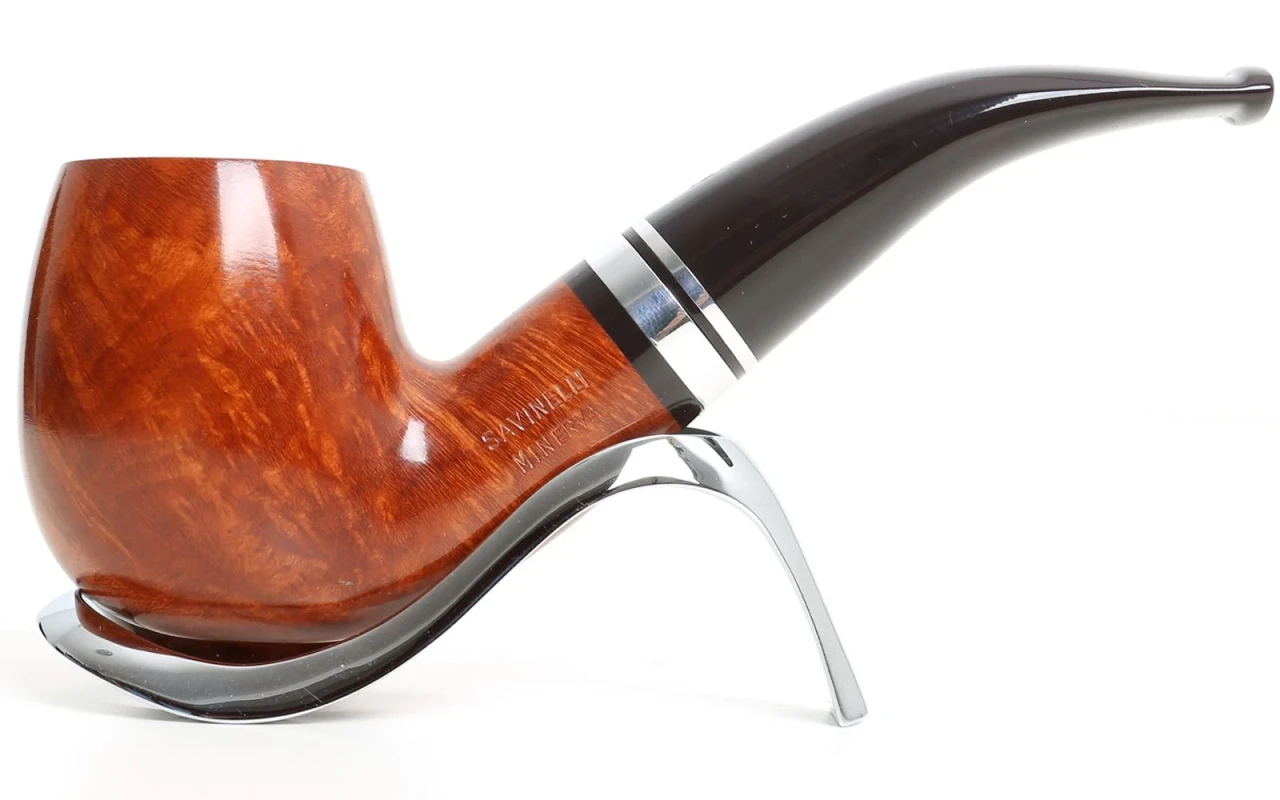
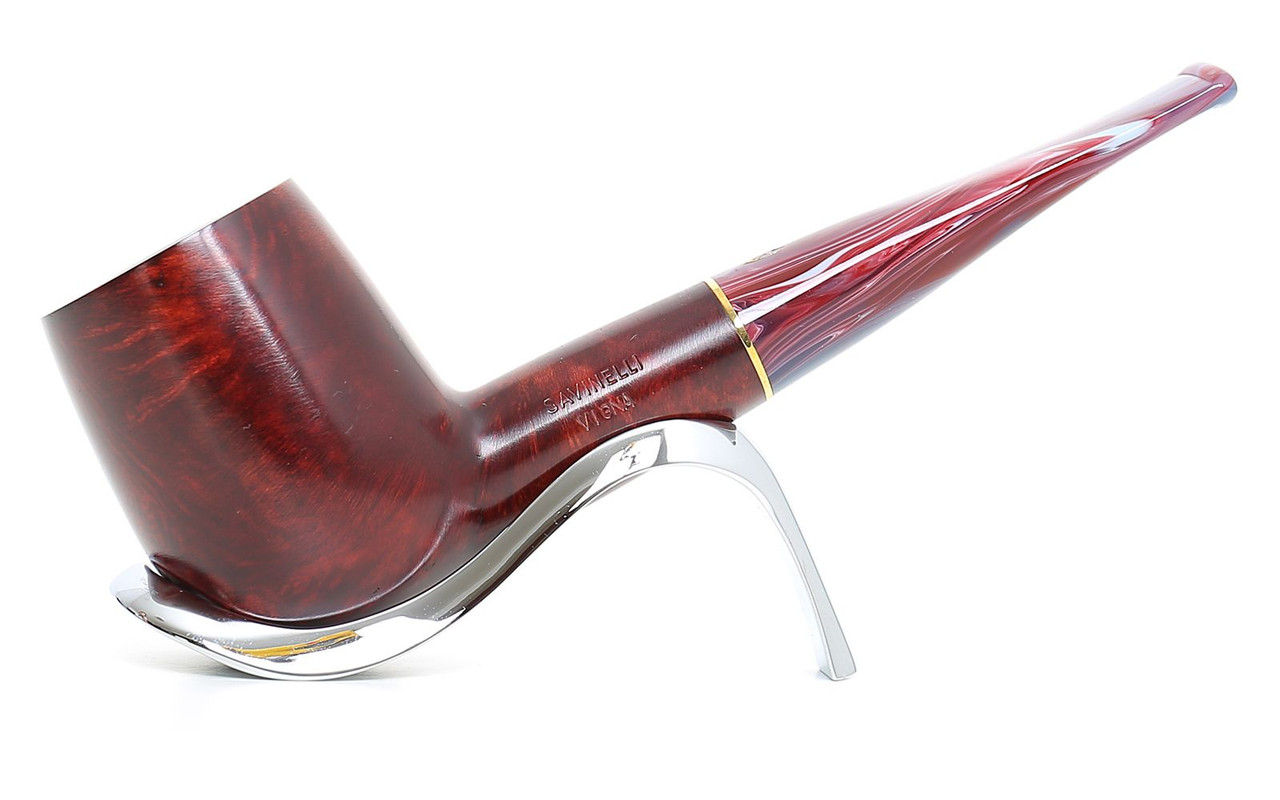
Impact of pipe materials on taste
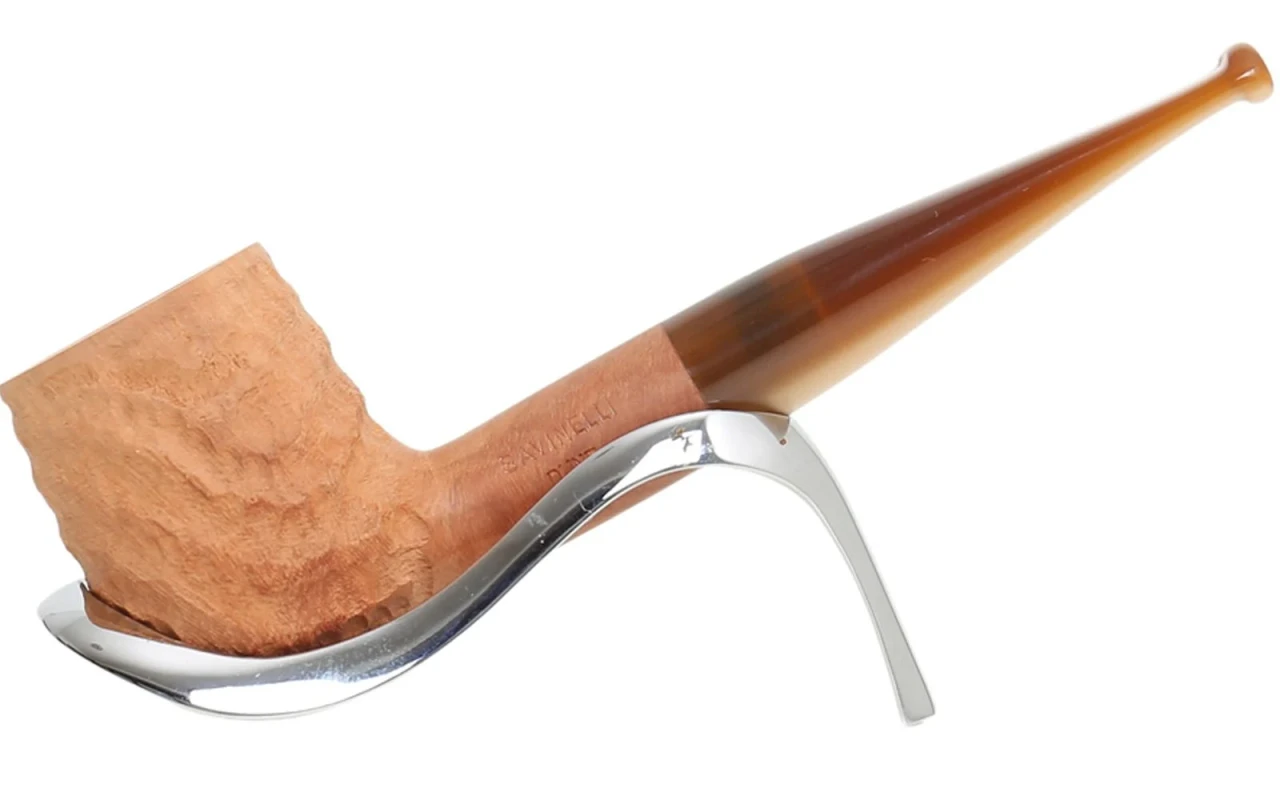
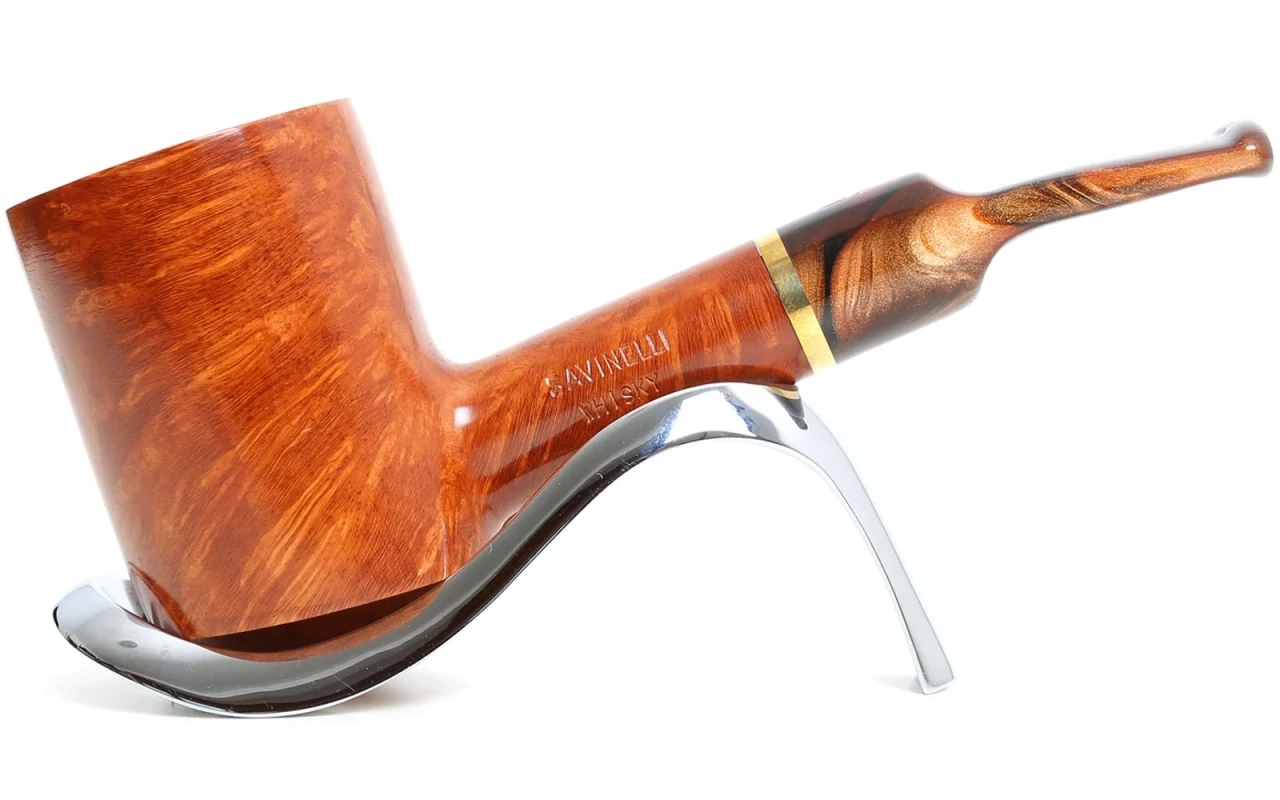
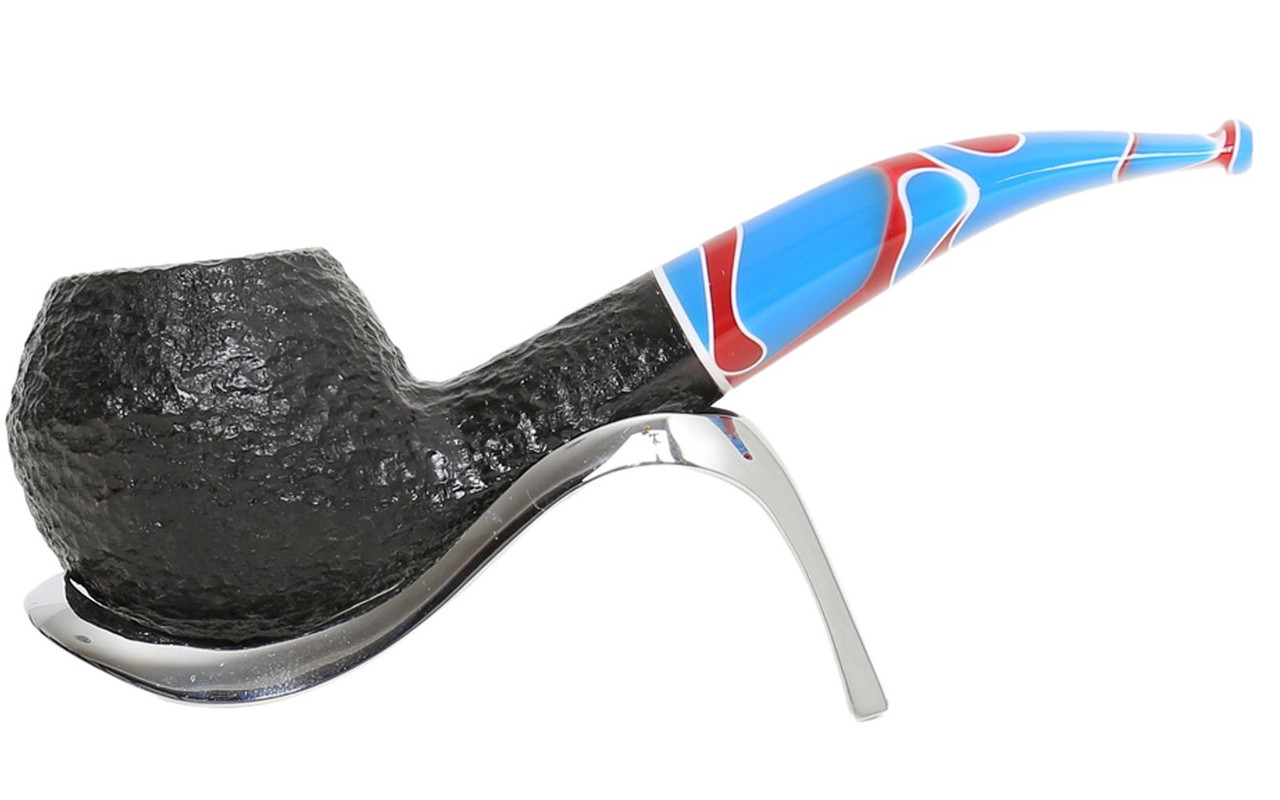
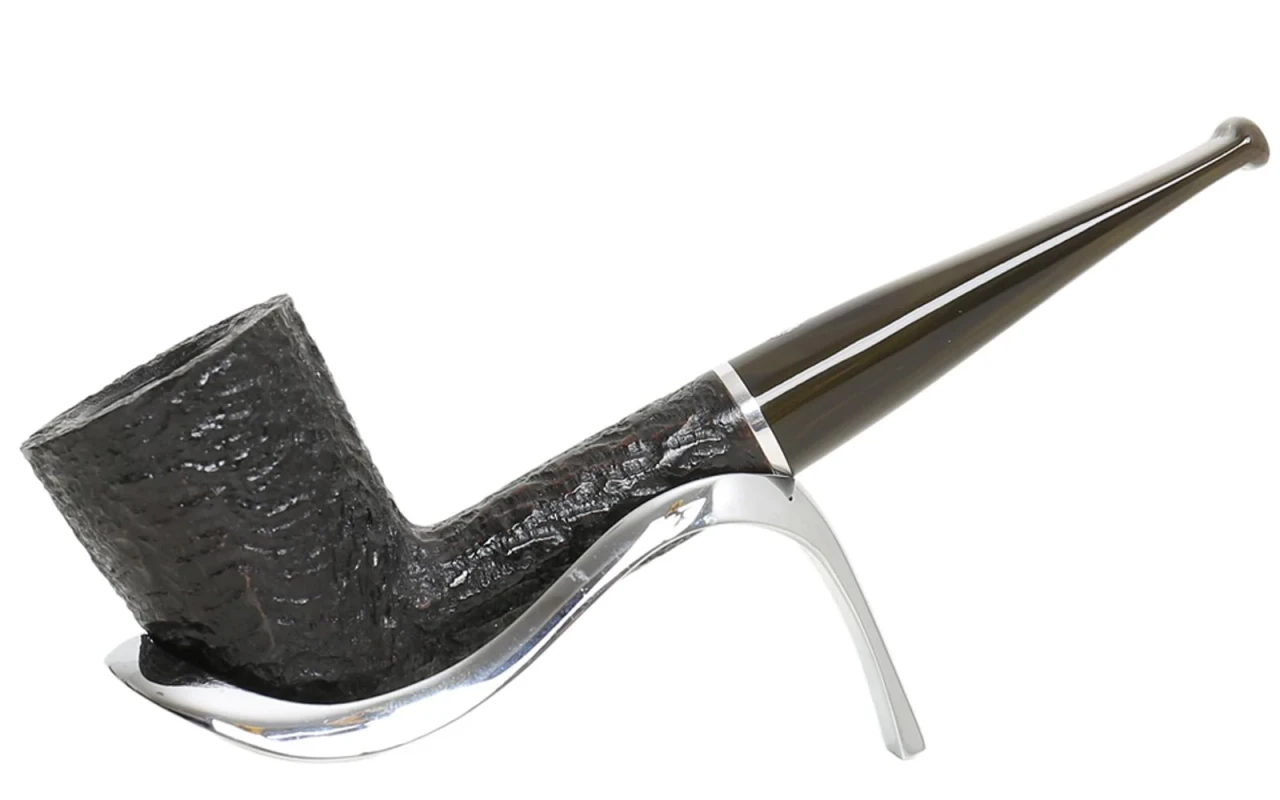
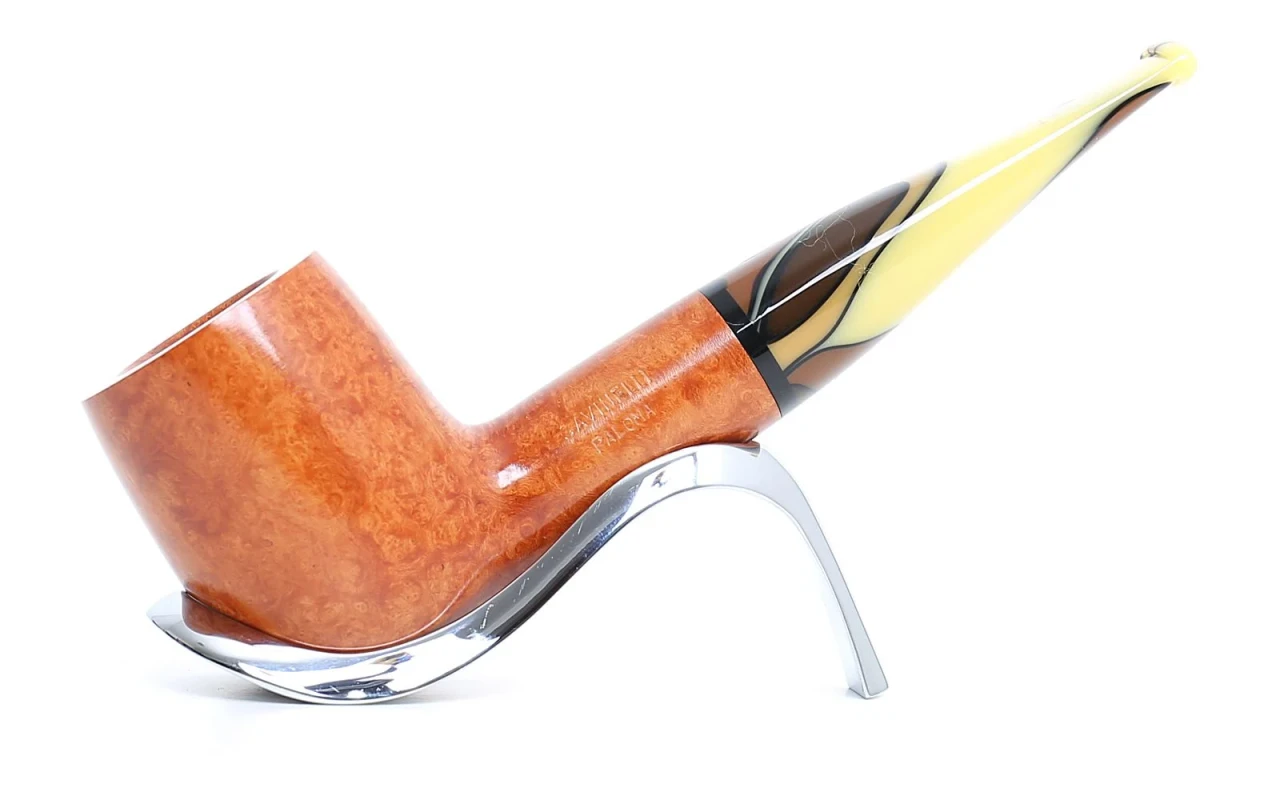
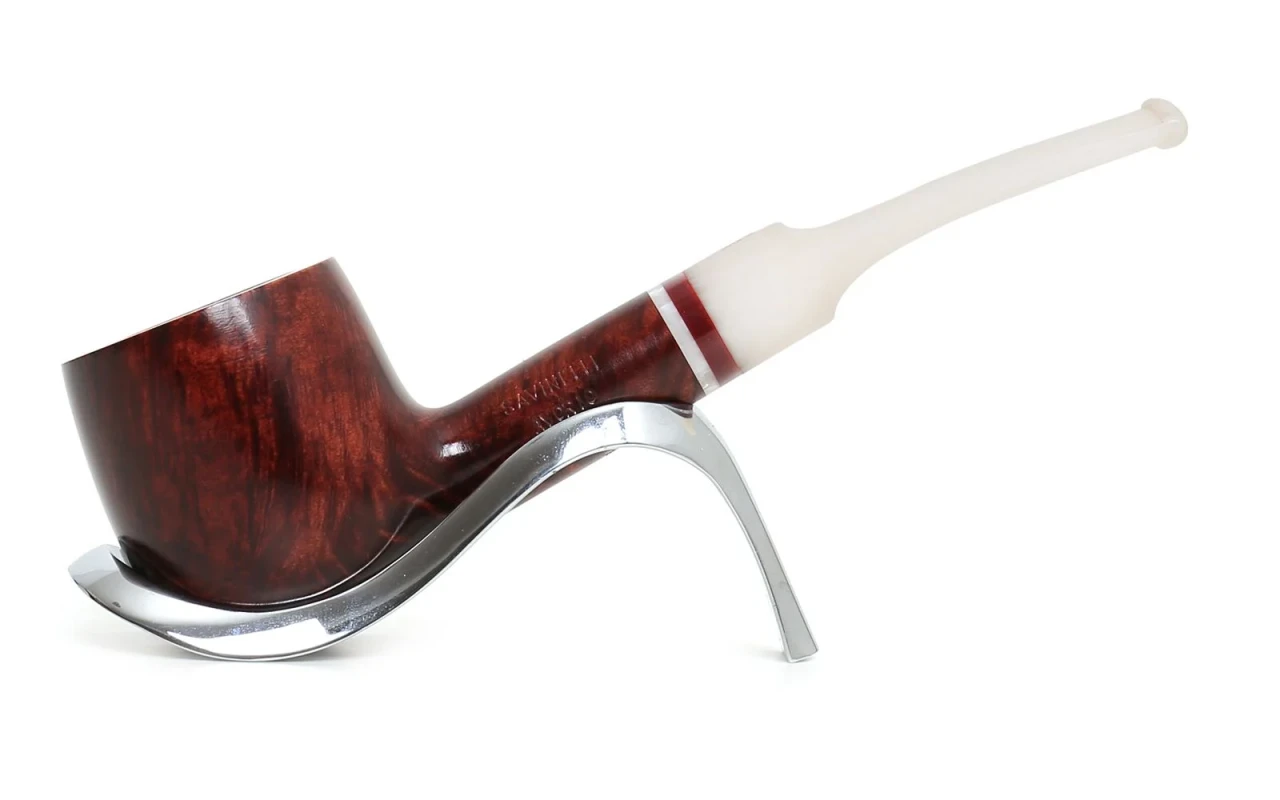
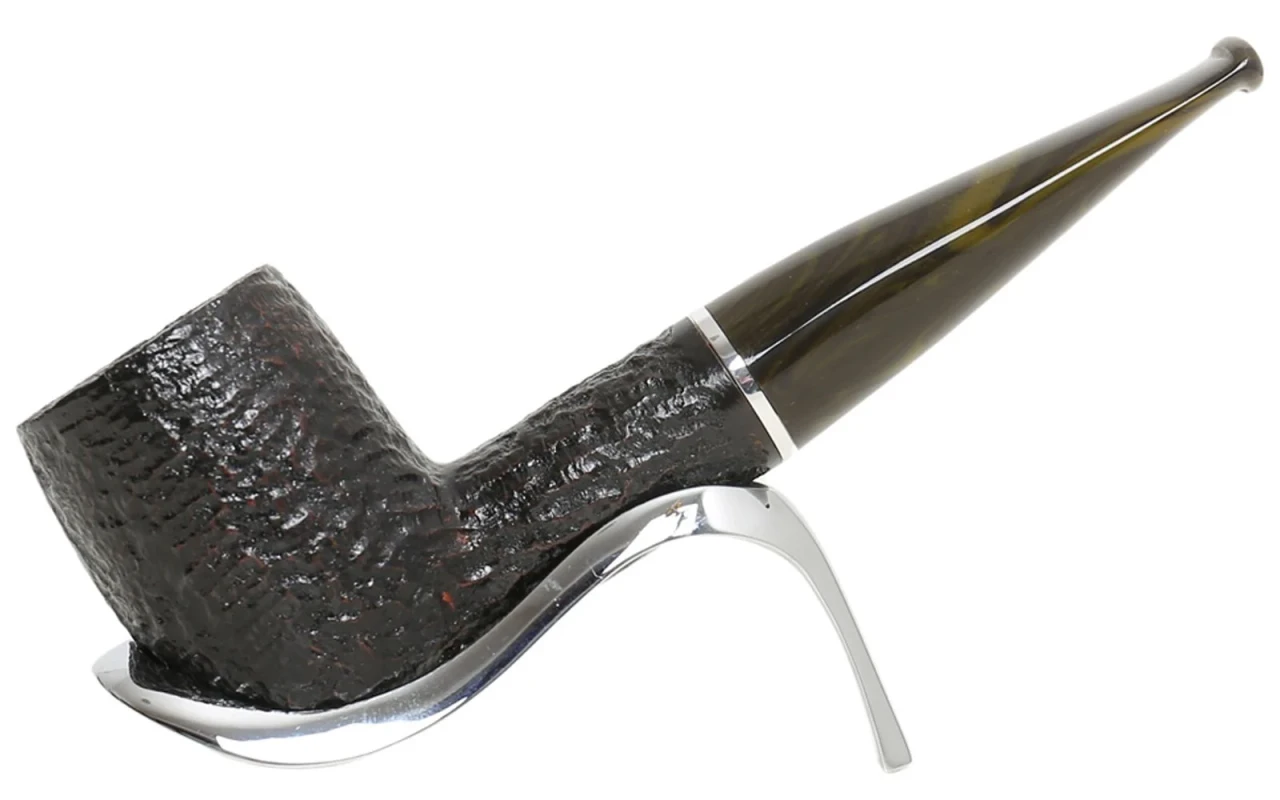
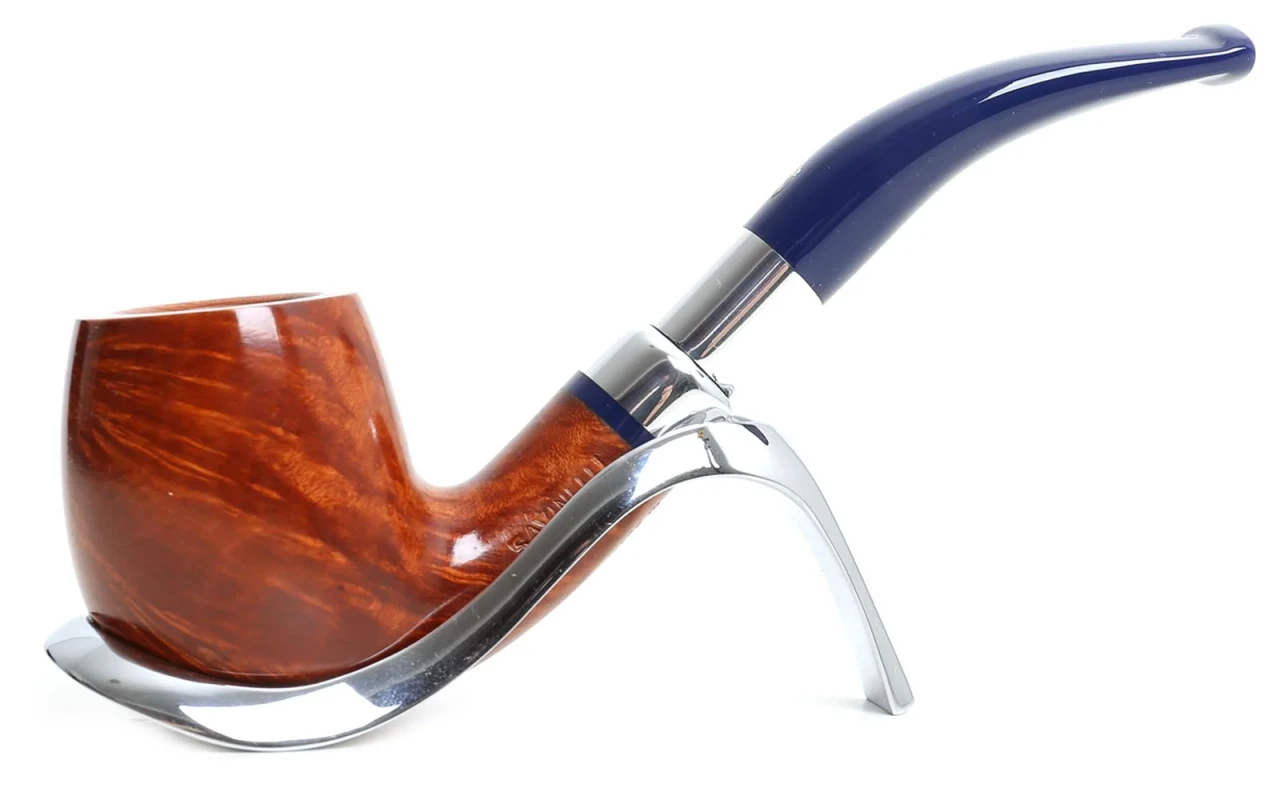
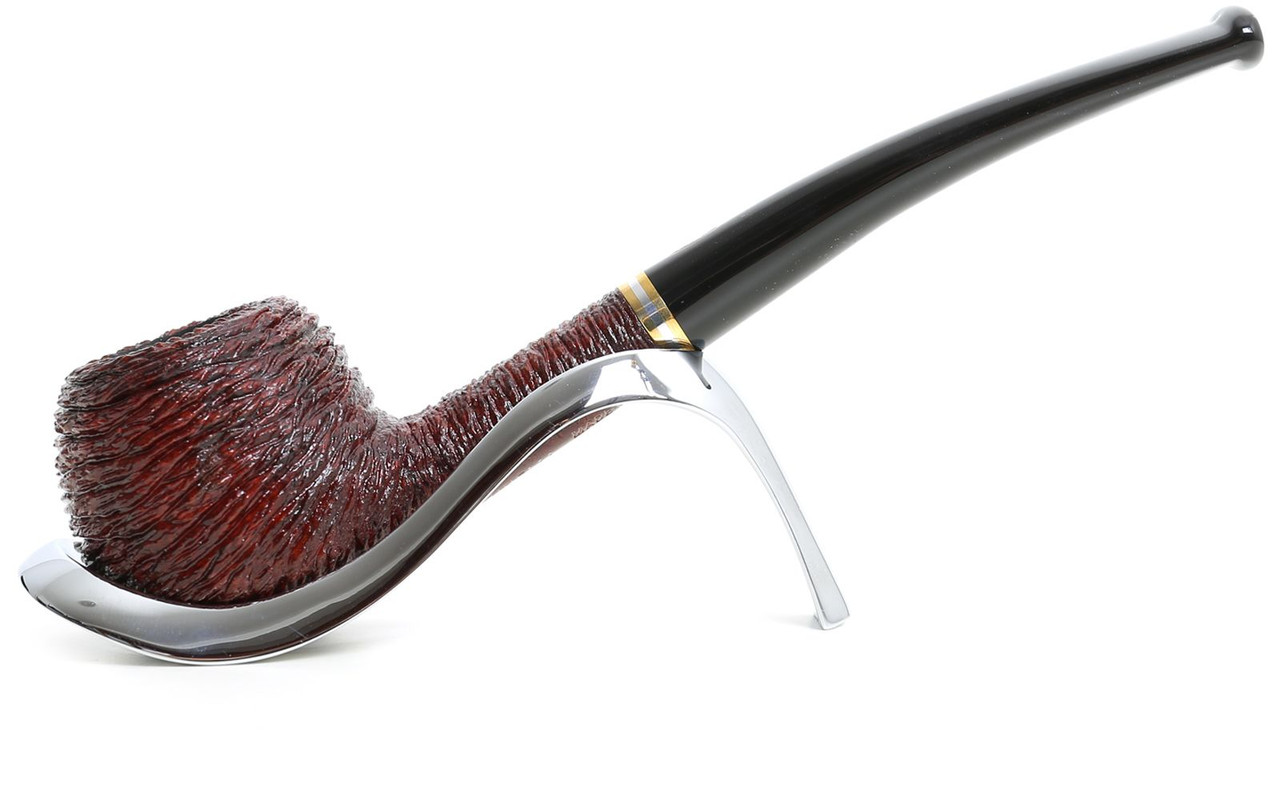
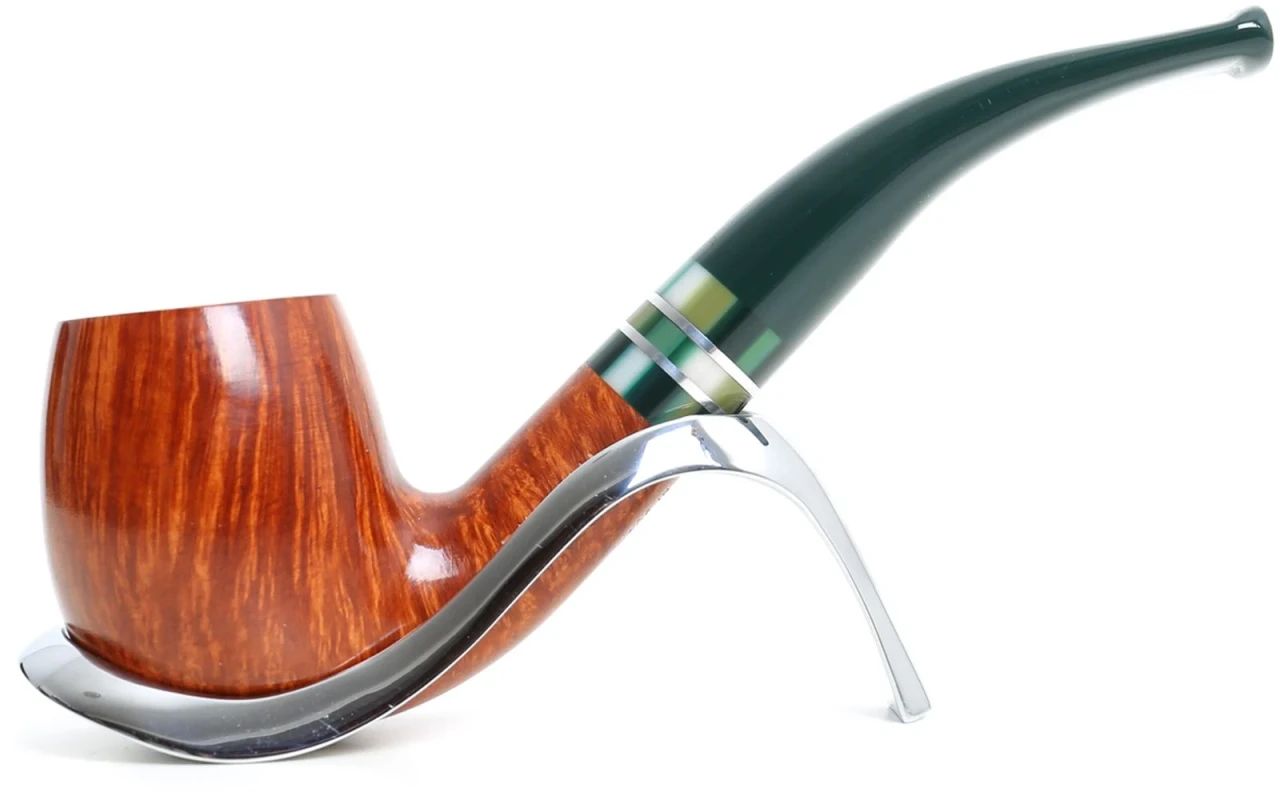
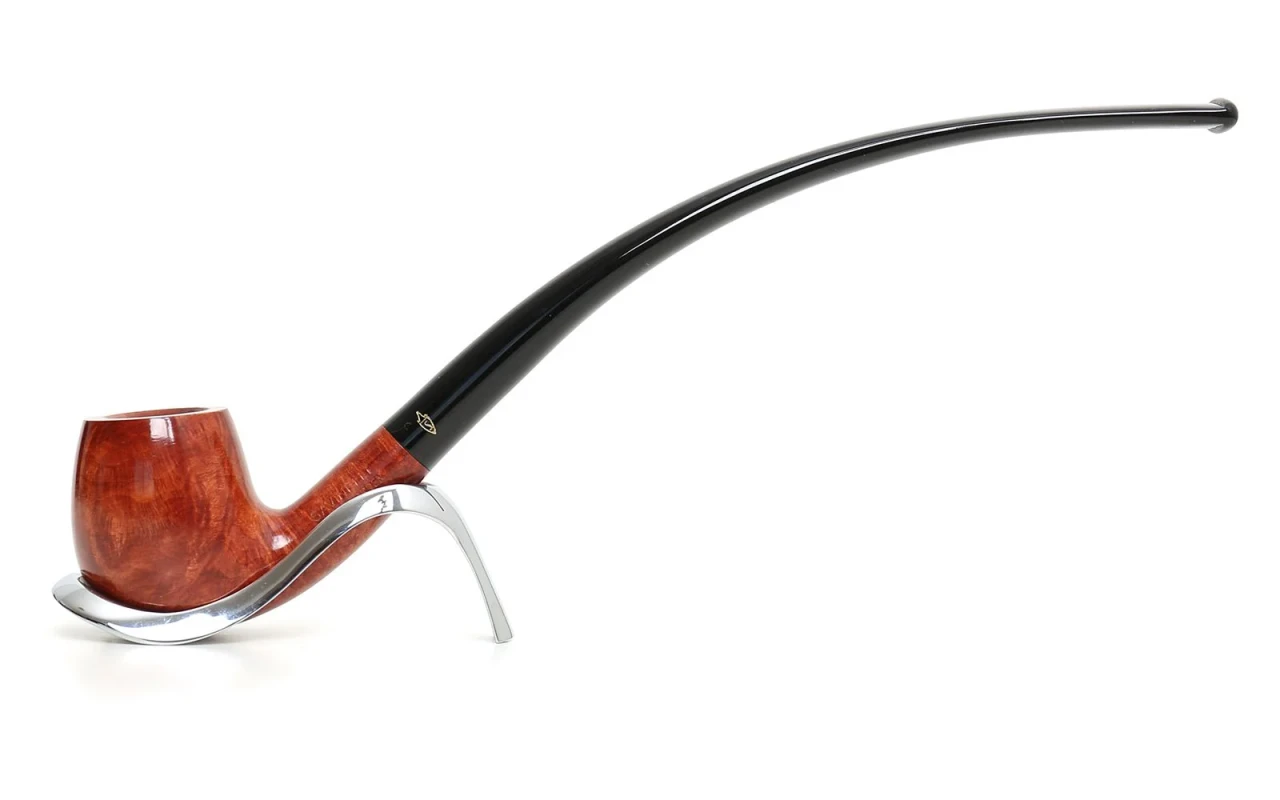
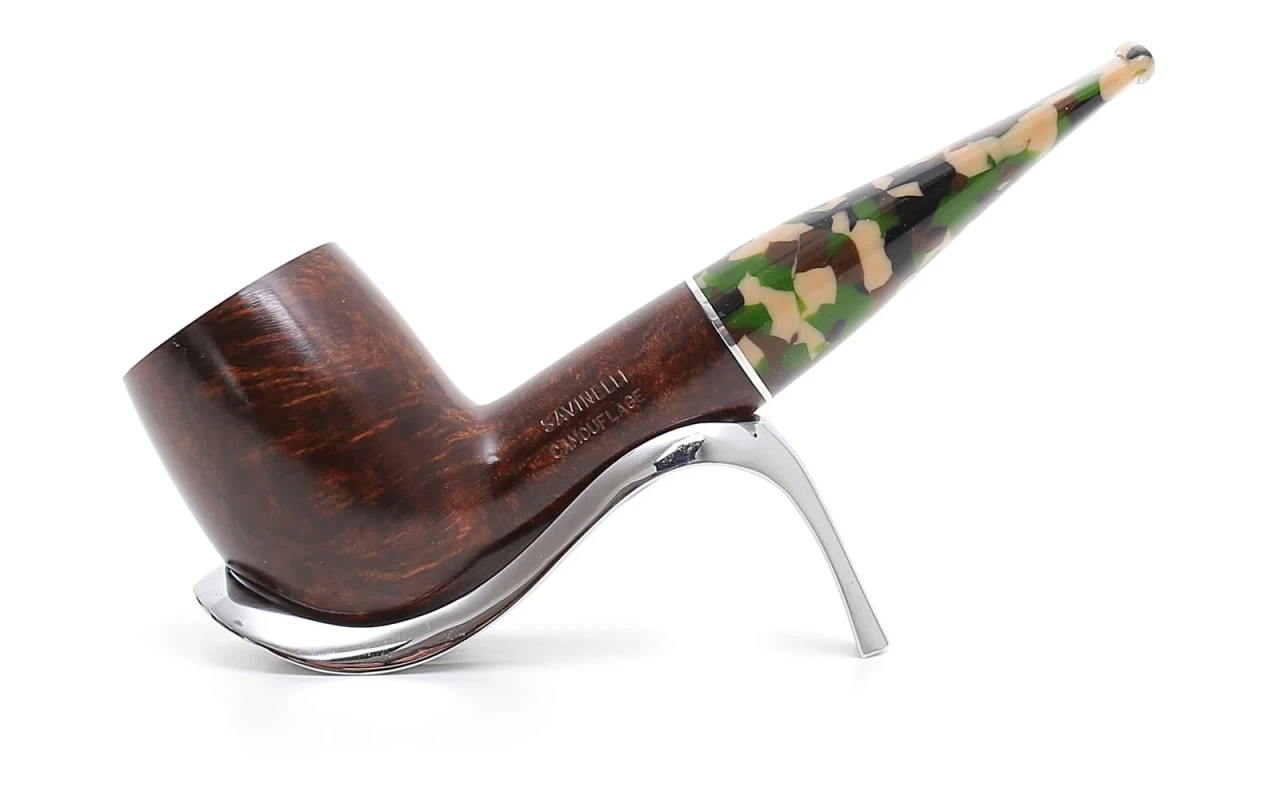
The materials of pipes significantly influence the taste of tobacco. Briar pipes, for instance, are highly valued for their ability to absorb moisture and release sweet and soft flavors. Corn cob pipes, on the other hand, are lightweight and allow for a fresh and neutral smoking experience. Walnut pipes offer a slightly sweet taste and tend to darken over time, enhancing the smoking experience. Clay pipes are particularly appreciated for their ability to enhance the natural flavors of tobacco. Ultimately, the choice of pipe material is crucial to achieve a satisfying and personalized smoking experience.
Best Materials for Smoking Pipes
The most commonly used materials for crafting high-quality smoking pipes are:- Briar Wood: a hard, heat-resistant wood that imparts a unique flavor to the tobacco.- Corn Cob: lightweight and affordable, allowing for good heat dissipation.- Juniper Wood: highly aromatic wood that adds a distinctive aroma to the smoke.- Clay: a porous material that absorbs moisture, ensuring a cool smoke.- Meerschaum: a porous mineral, lightweight and heat-resistant, with the ability to absorb nicotine.The choice of material depends on personal preferences and smoking experience.
Tobacco Pipe Materials
The most common materials used for crafting tobacco pipes are wood, briar, clay, corn cob, and acrylic. Wood, such as briar, is highly popular for its heat and flame resistance. Briar pipes offer a unique flavor to the smoke due to the material's porosity. Clay pipes are valued for the purity of taste they provide. Corn cob pipes, lightweight and affordable, are ideal for beginners. Lastly, acrylic pipes are sturdy and easy to maintain. The choice of material impacts the smoke quality and the overall smoking experience.
How materials affect the flavor of pipes
The materials used in the manufacturing of pipes can significantly impact the taste of smoked tobacco. Here's how:- Ebony and briar, traditional materials, are neutral and do not alter the tobacco's taste.- Heather root, slightly porous, can absorb some moisture and tobacco flavor.- Olive wood imparts a slightly sweet flavor to the smoke.- Meerschaum, a porous mineral, can absorb oils and condensates, enhancing the taste over time.- Briar, wood from the Erica arborea, is highly valued for its ability to enhance the tobacco's flavor with use.Therefore, the choice of pipe material can influence the smoking experience.
'%3e%3cg id='Final-Copy-2_2_' transform='translate(1275.000000, 200.000000)'%3e%3cpath class='st0' d='M7.4,12.8h6.8l3.1-11.6H7.4C4.2,1.2,1.6,3.8,1.6,7S4.2,12.8,7.4,12.8z'/%3e%3c/g%3e%3c/g%3e%3c/g%3e%3cg id='final---dec.11-2020'%3e%3cg id='_x30_208-our-toggle' transform='translate(-1275.000000, -200.000000)'%3e%3cg id='Final-Copy-2' transform='translate(1275.000000, 200.000000)'%3e%3cpath class='st1' d='M22.6,0H7.4c-3.9,0-7,3.1-7,7s3.1,7,7,7h15.2c3.9,0,7-3.1,7-7S26.4,0,22.6,0z M1.6,7c0-3.2,2.6-5.8,5.8-5.8 h9.9l-3.1,11.6H7.4C4.2,12.8,1.6,10.2,1.6,7z'/%3e%3cpath id='x' class='st2' d='M24.6,4c0.2,0.2,0.2,0.6,0,0.8l0,0L22.5,7l2.2,2.2c0.2,0.2,0.2,0.6,0,0.8c-0.2,0.2-0.6,0.2-0.8,0 l0,0l-2.2-2.2L19.5,10c-0.2,0.2-0.6,0.2-0.8,0c-0.2-0.2-0.2-0.6,0-0.8l0,0L20.8,7l-2.2-2.2c-0.2-0.2-0.2-0.6,0-0.8 c0.2-0.2,0.6-0.2,0.8,0l0,0l2.2,2.2L23.8,4C24,3.8,24.4,3.8,24.6,4z'/%3e%3cpath id='y' class='st3' d='M12.7,4.1c0.2,0.2,0.3,0.6,0.1,0.8l0,0L8.6,9.8C8.5,9.9,8.4,10,8.3,10c-0.2,0.1-0.5,0.1-0.7-0.1l0,0 L5.4,7.7c-0.2-0.2-0.2-0.6,0-0.8c0.2-0.2,0.6-0.2,0.8,0l0,0L8,8.6l3.8-4.5C12,3.9,12.4,3.9,12.7,4.1z'/%3e%3c/g%3e%3c/g%3e%3c/g%3e%3c/g%3e%3c/svg%3e) Your Privacy Choices
Your Privacy Choices 


