 ES
ES FR
FR EN
EN IT
IT DE
DE
Impact of material design on pipe production
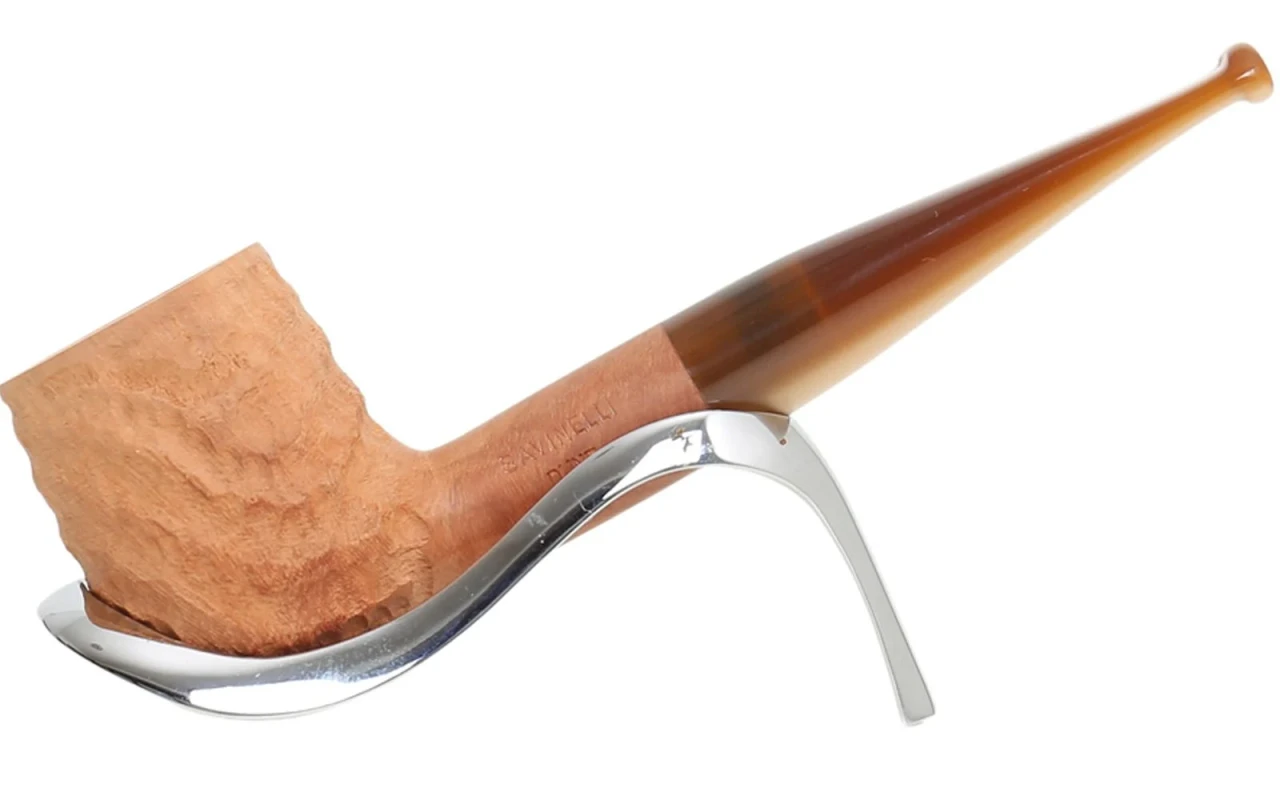
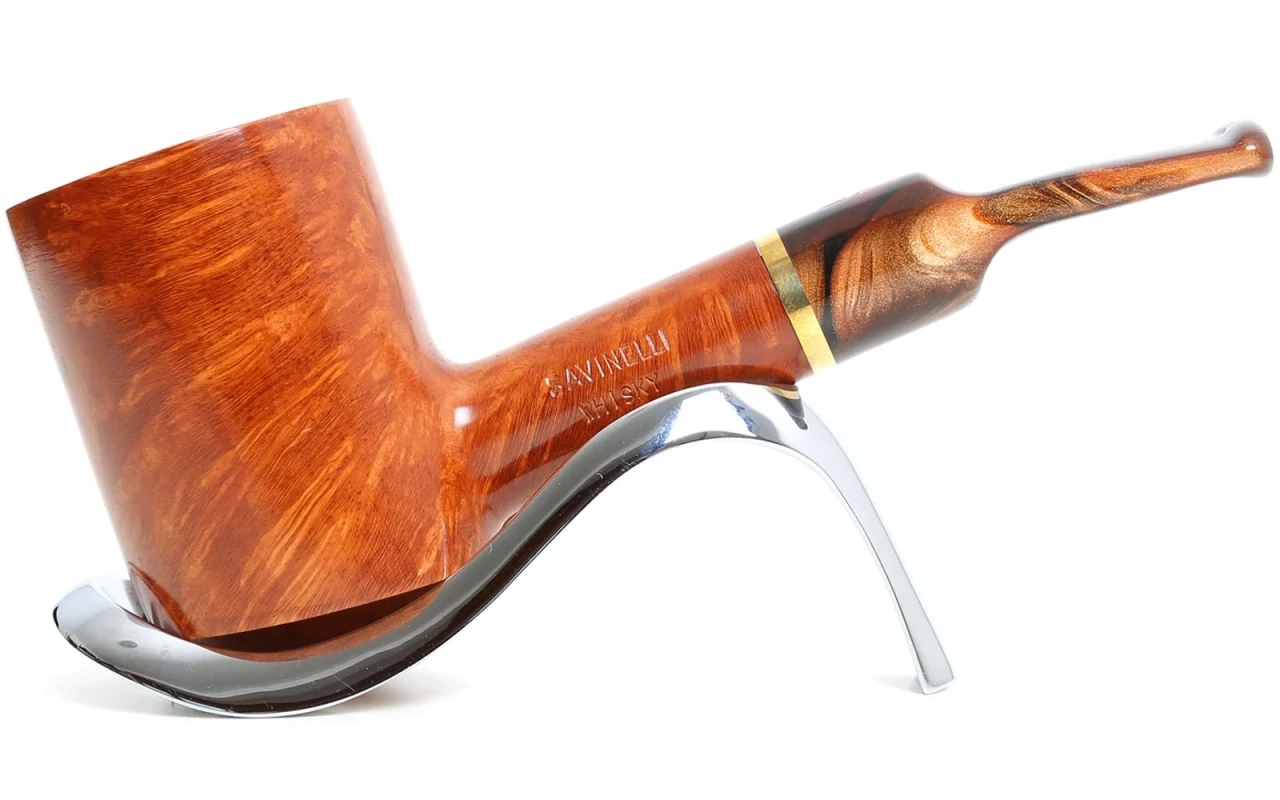
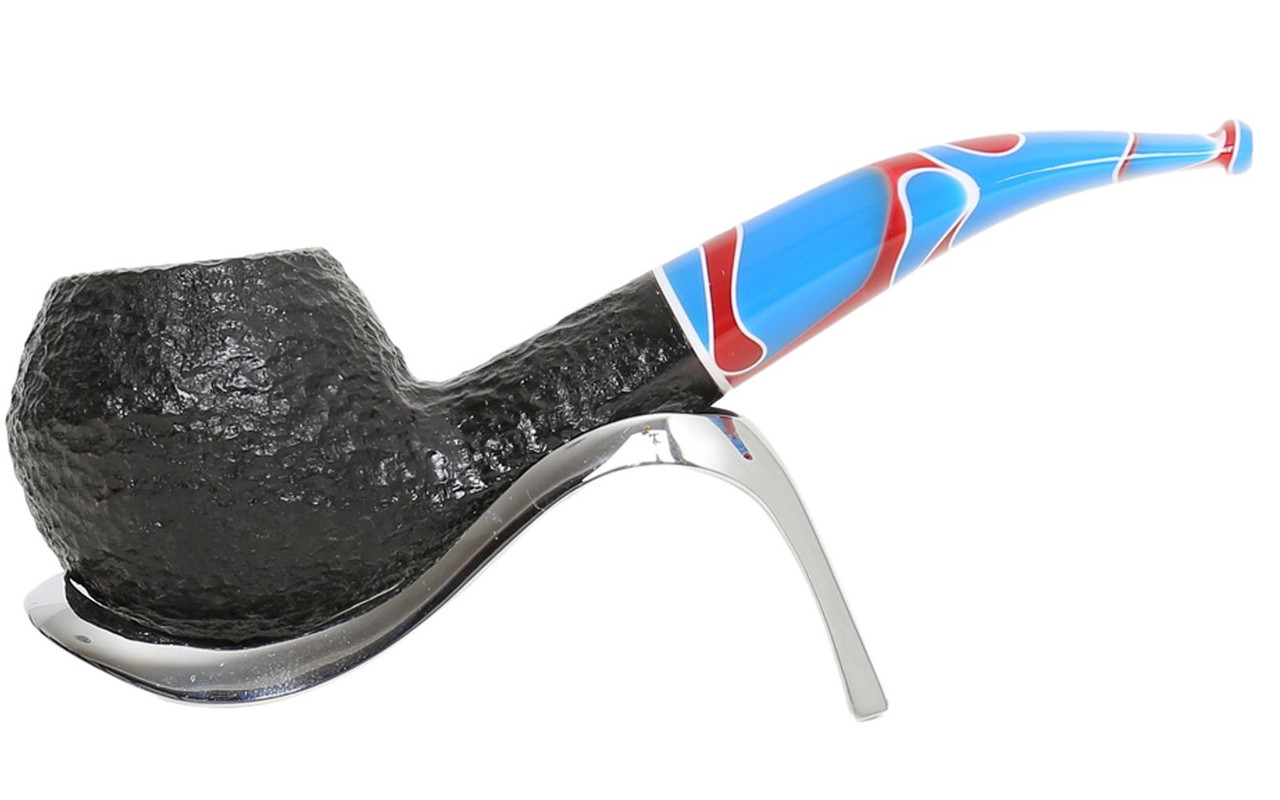
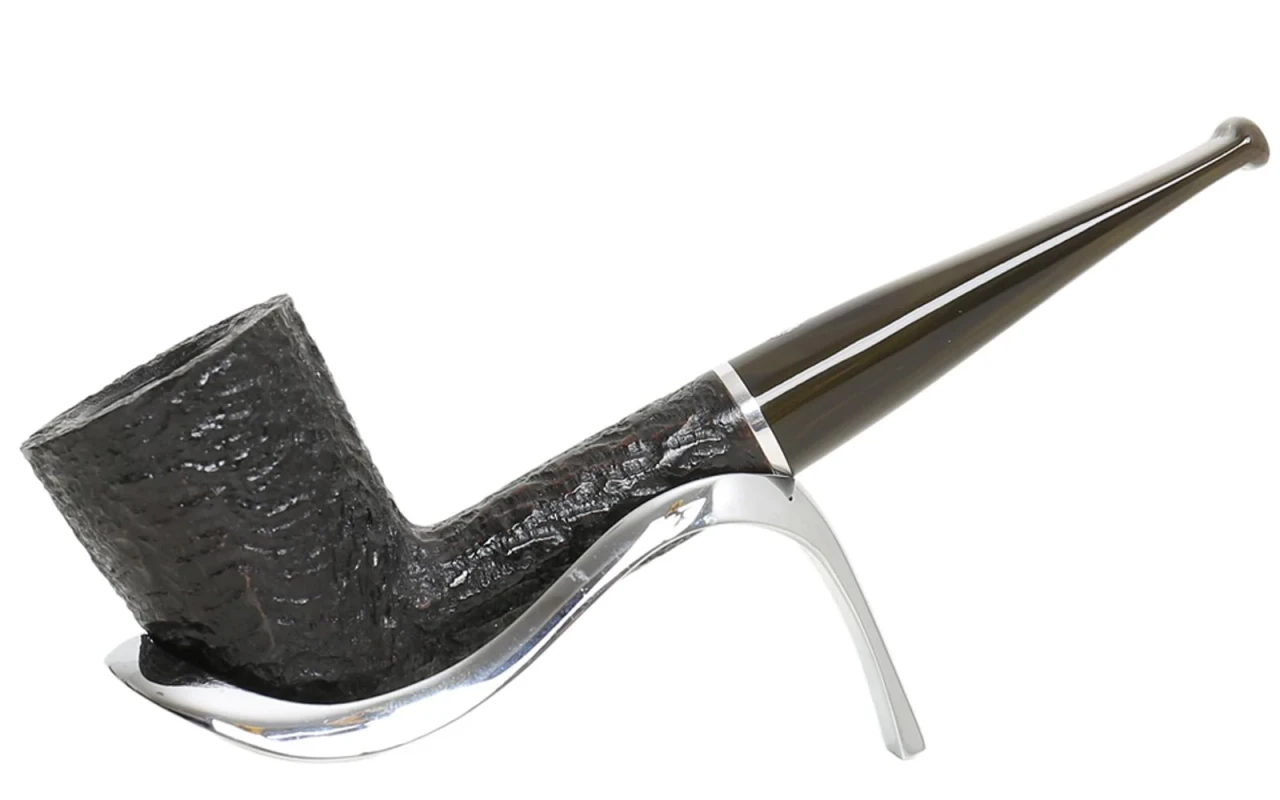
Impact of material design on pipe production
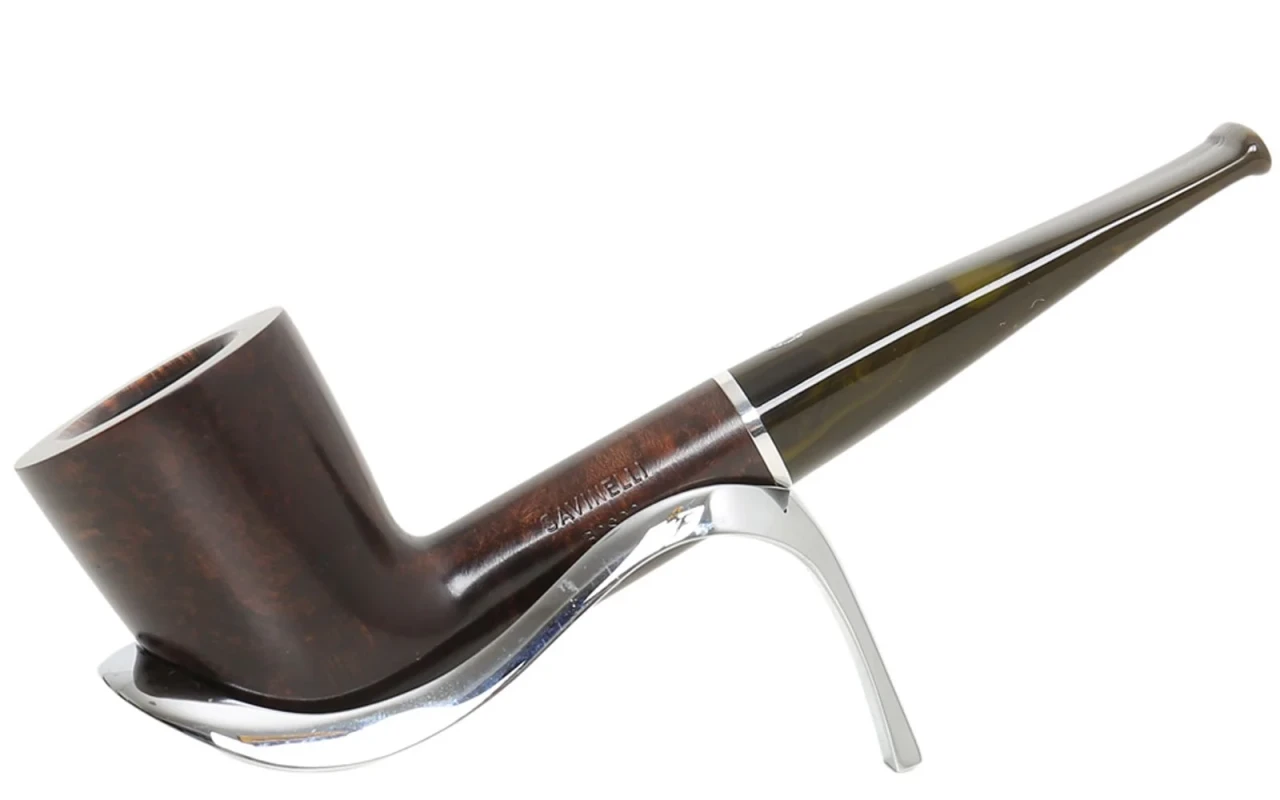
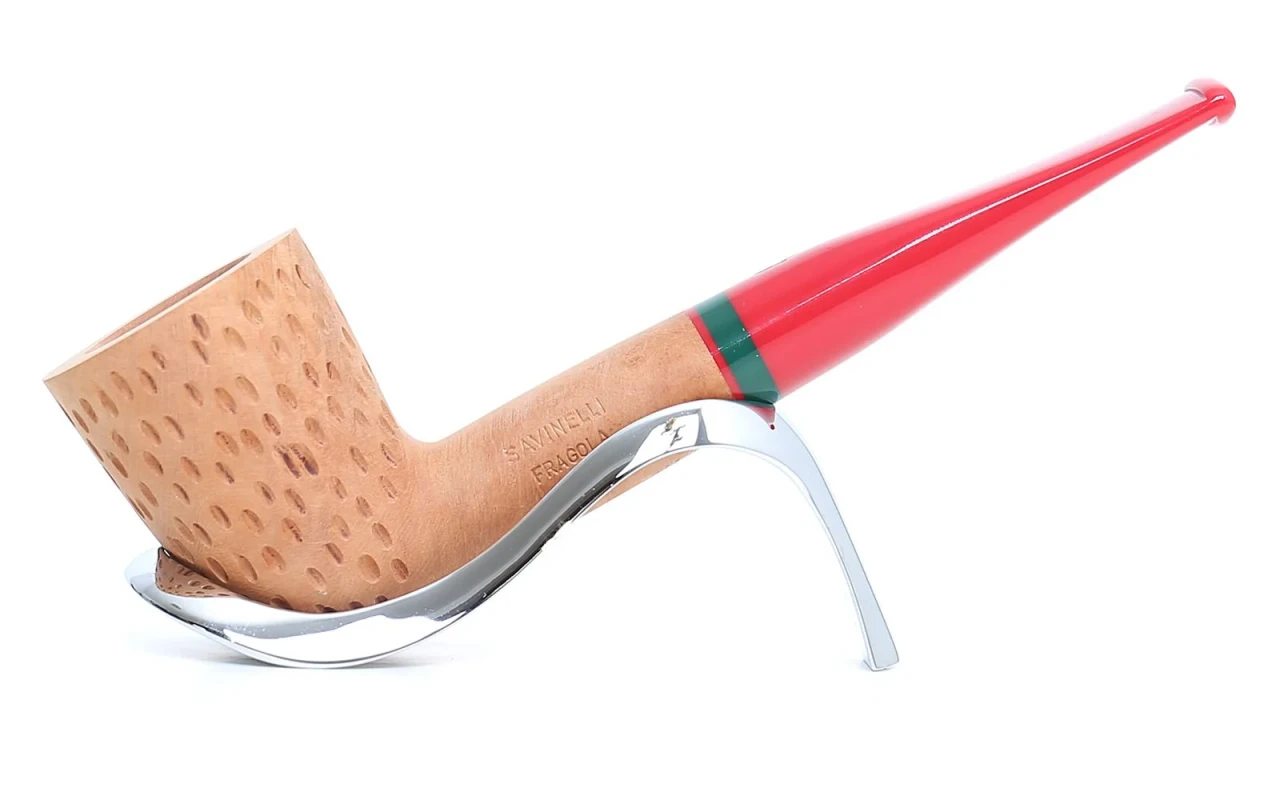
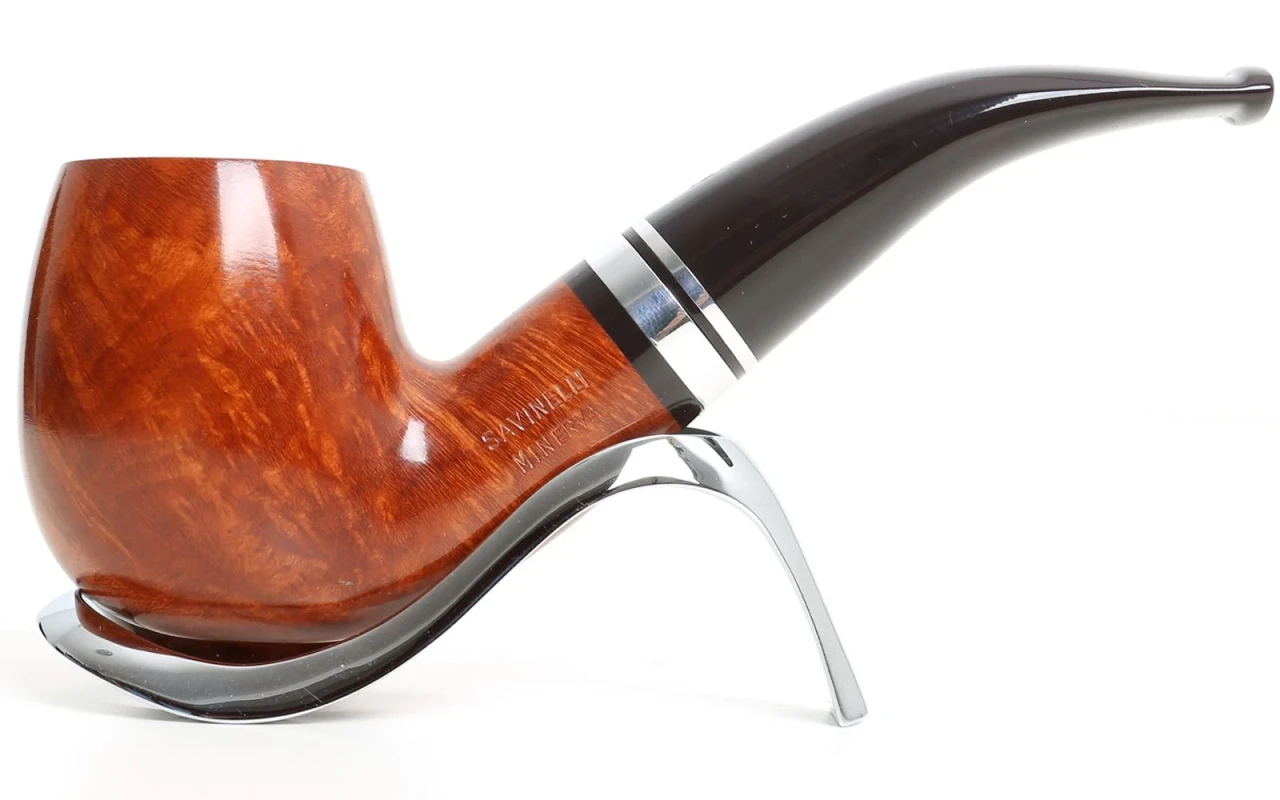
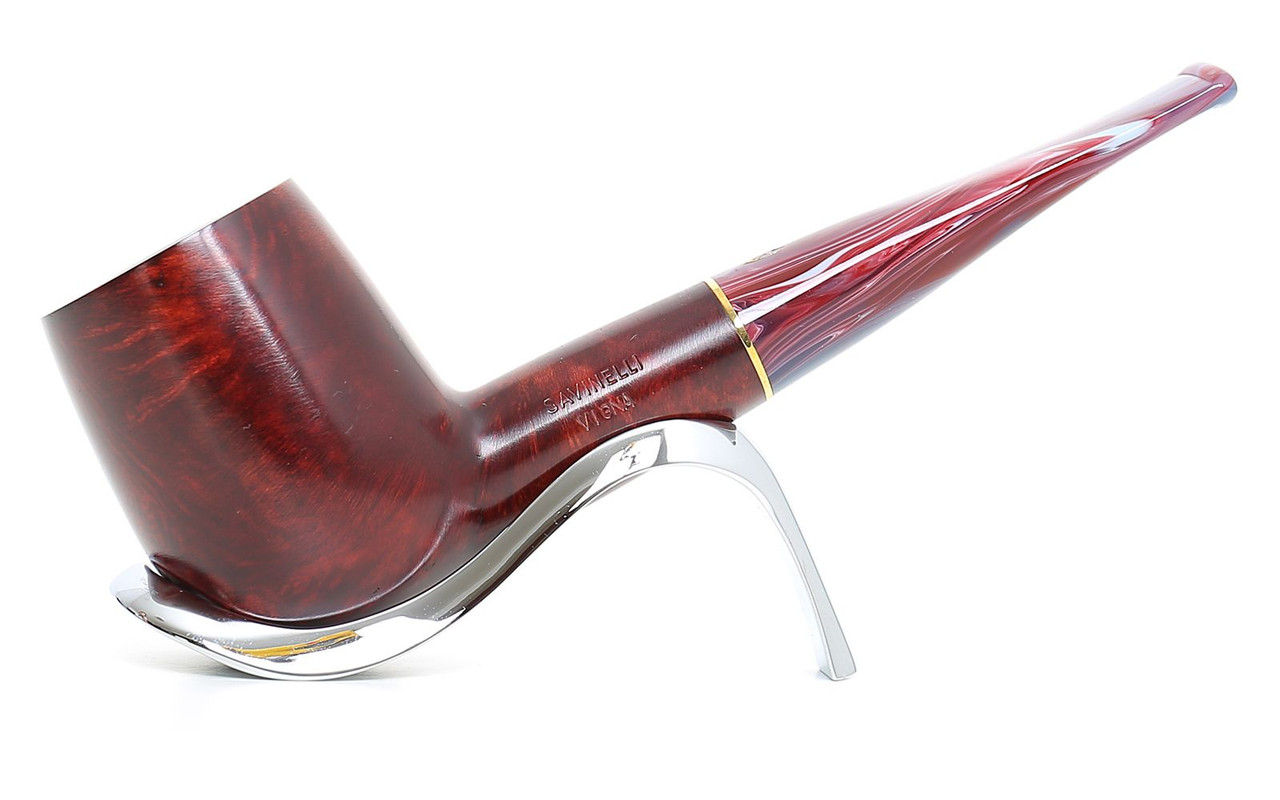
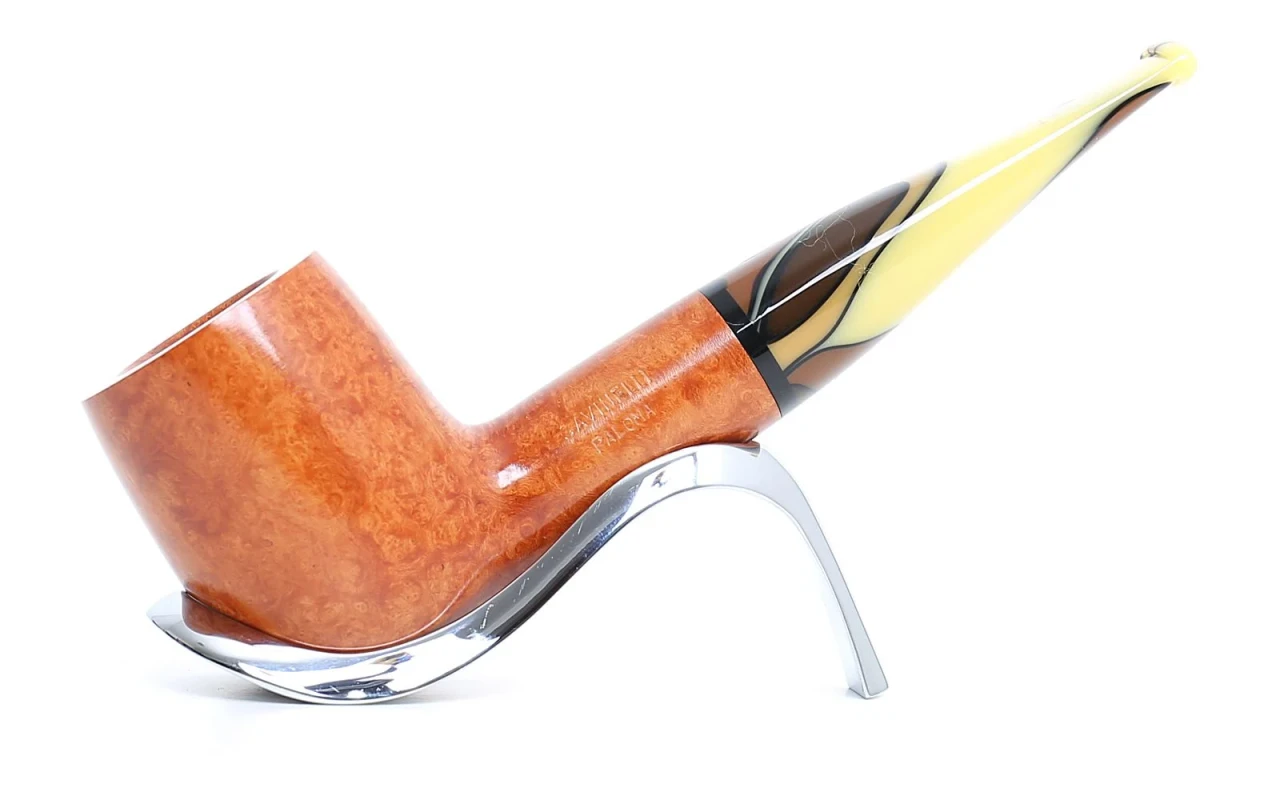
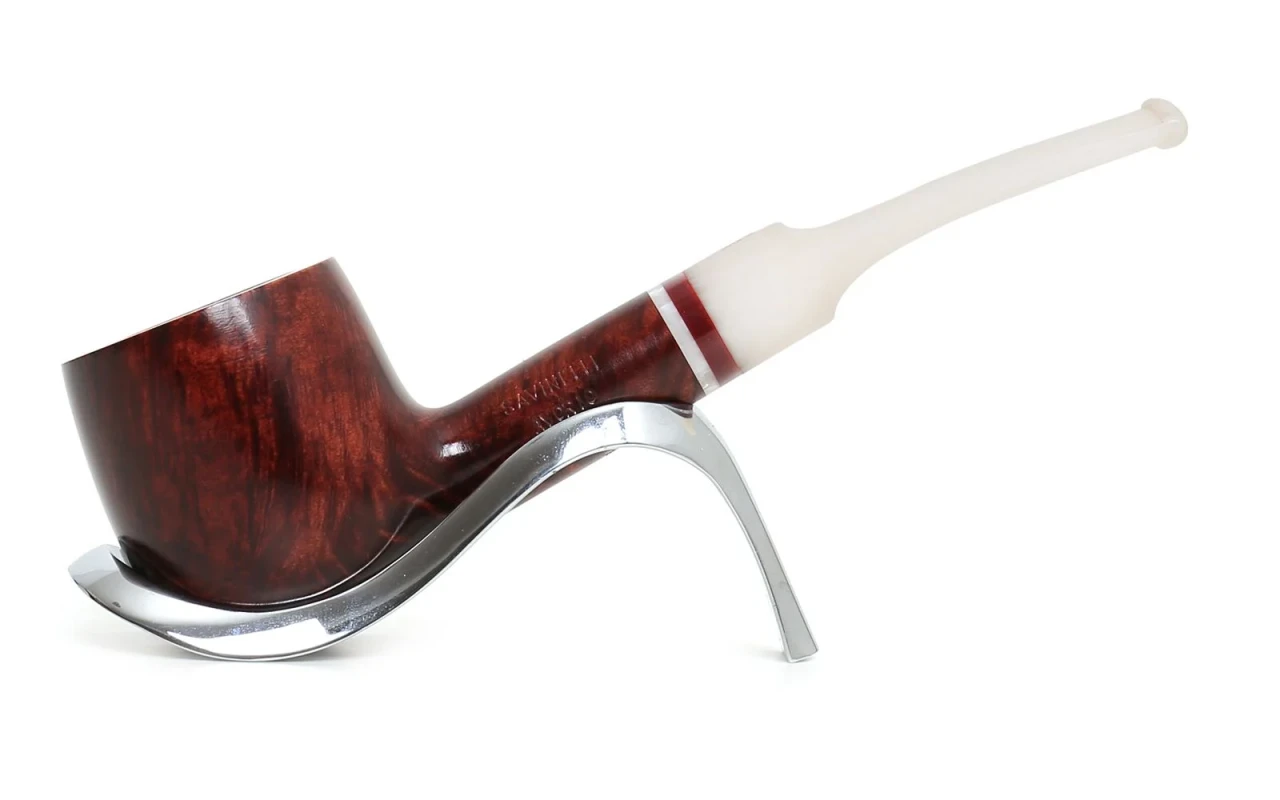
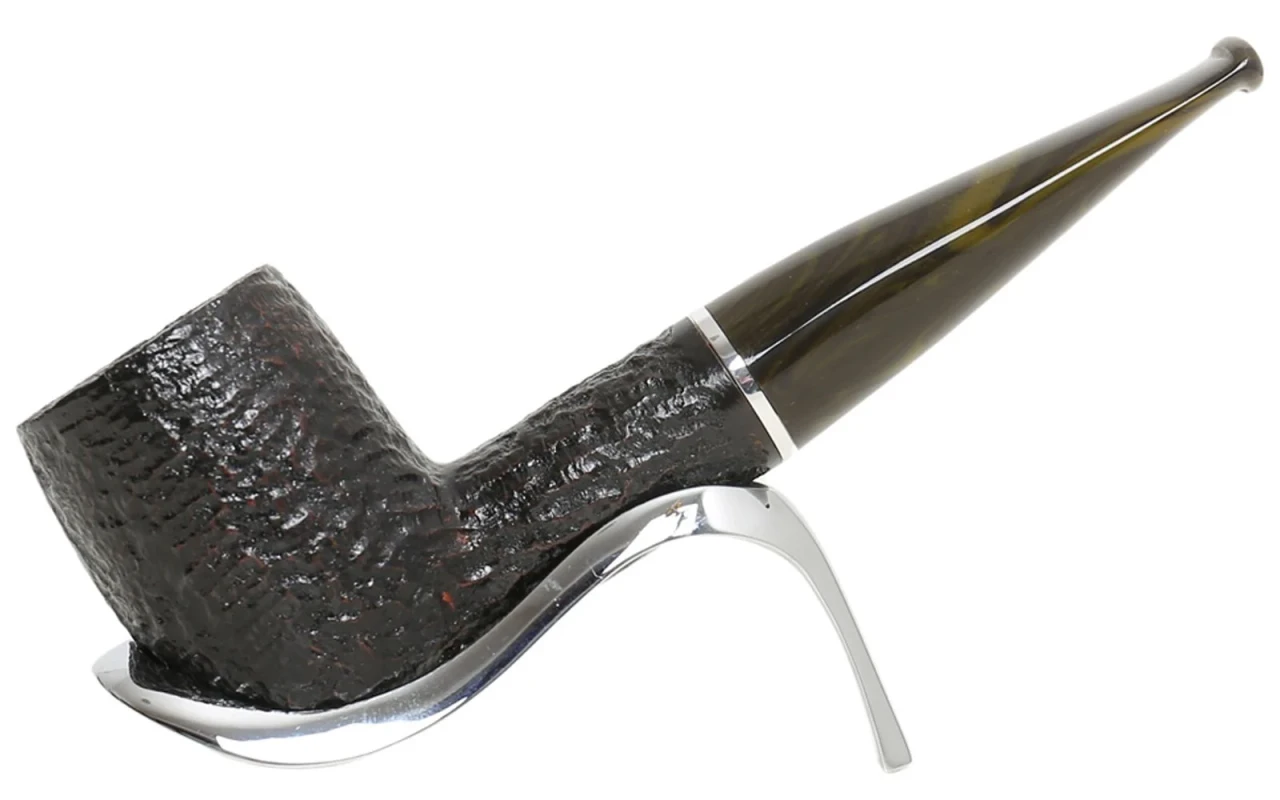
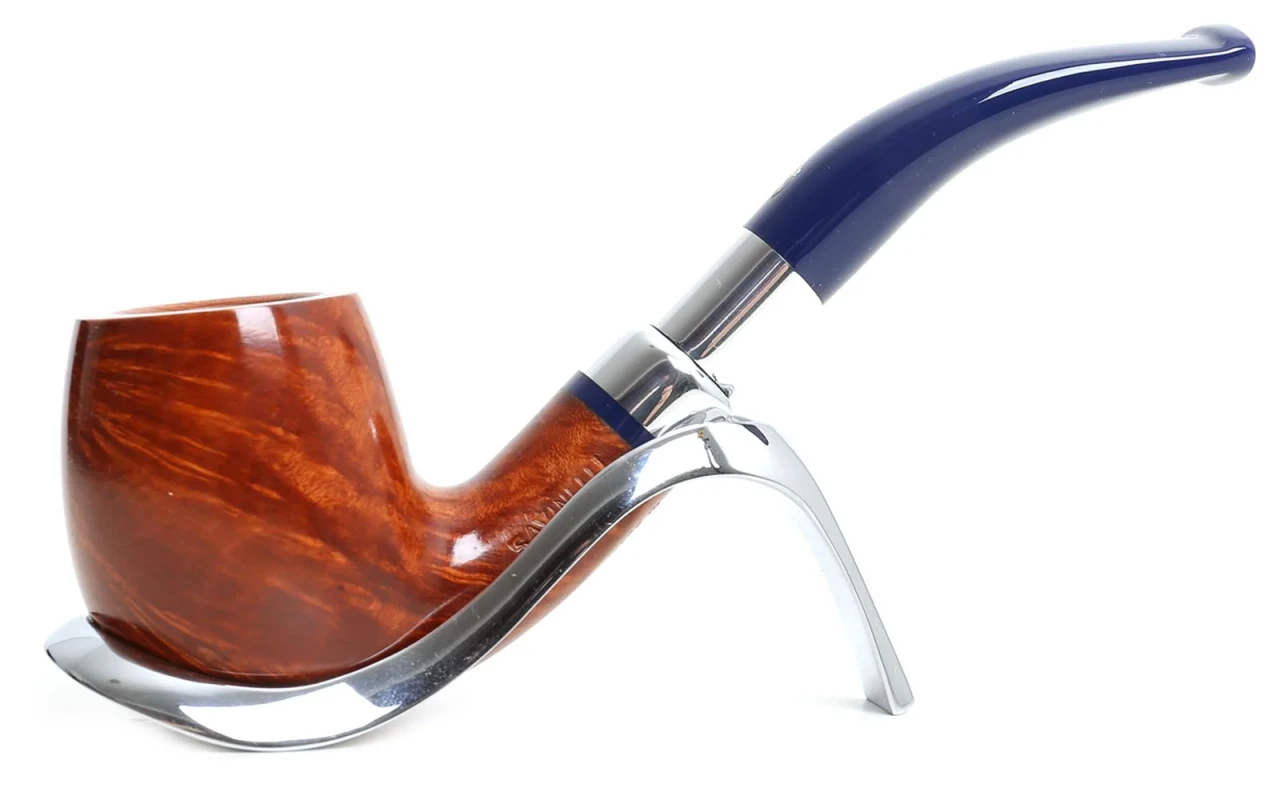
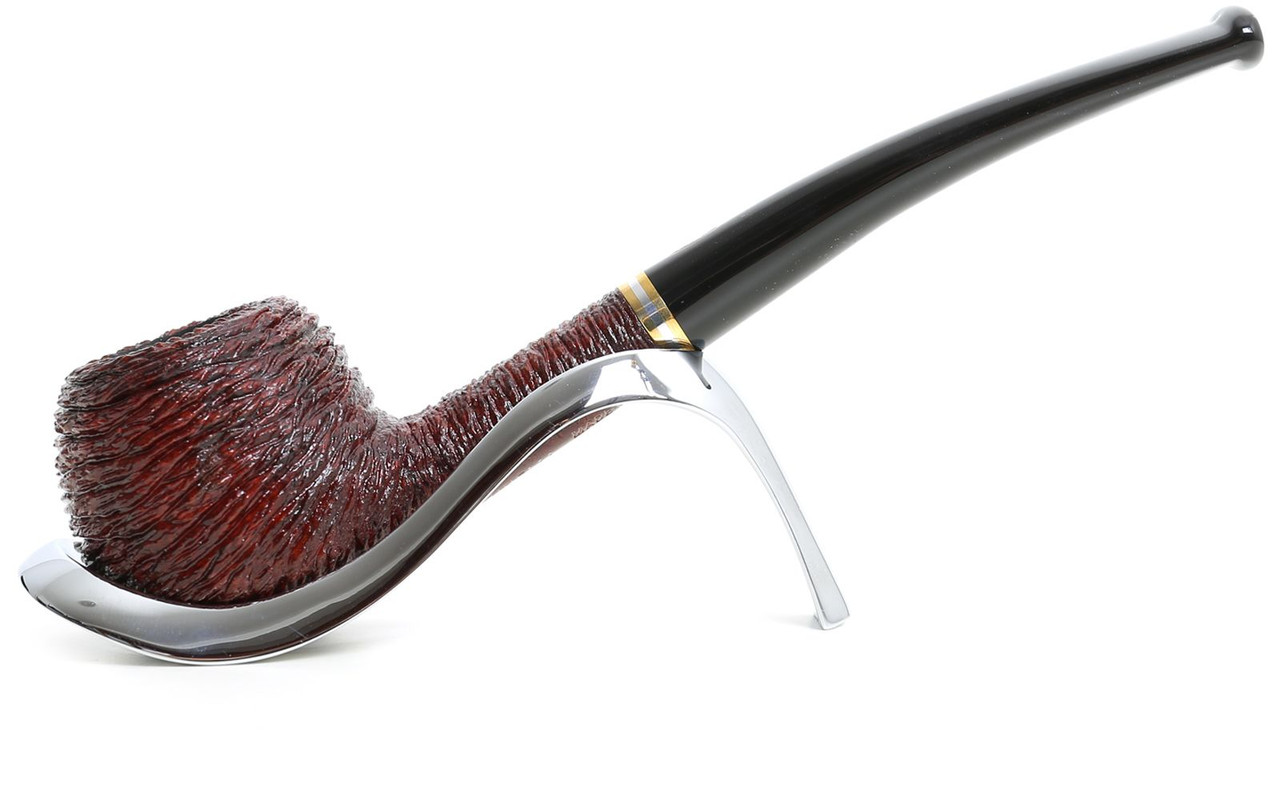
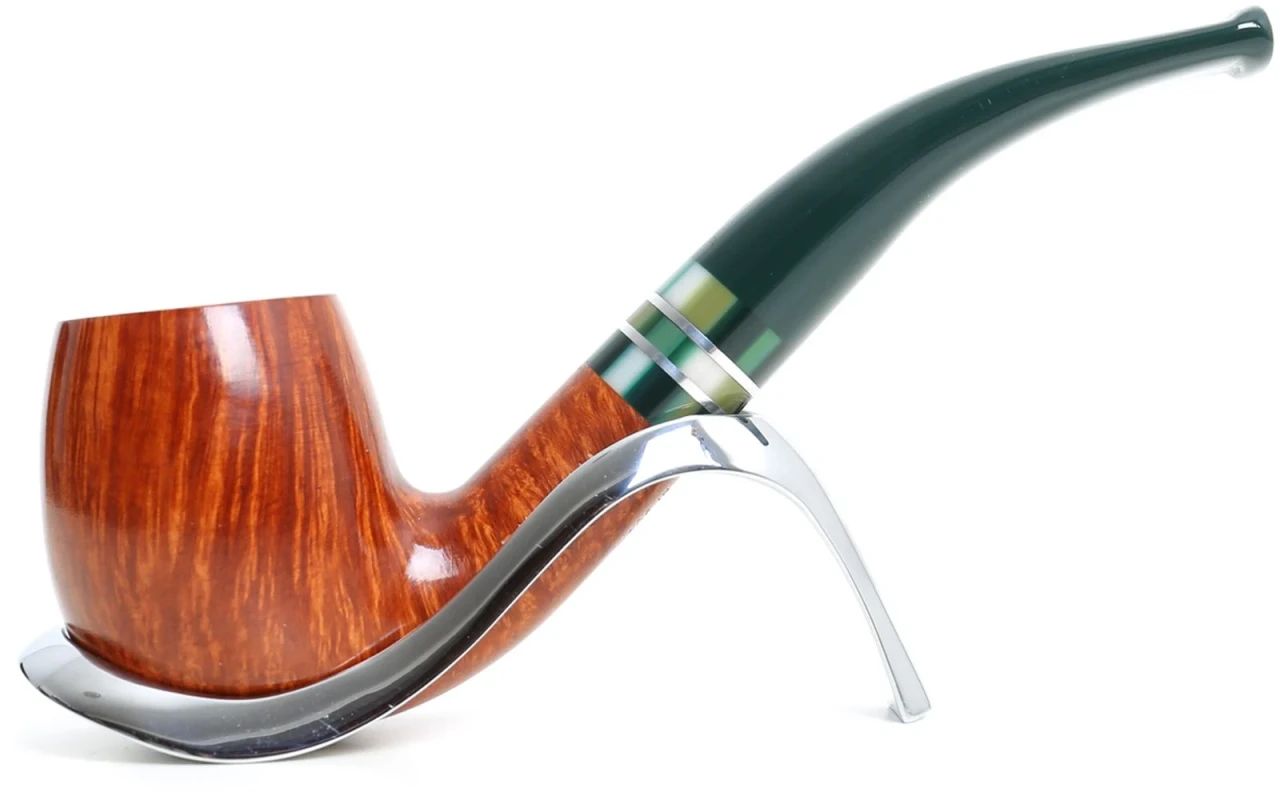
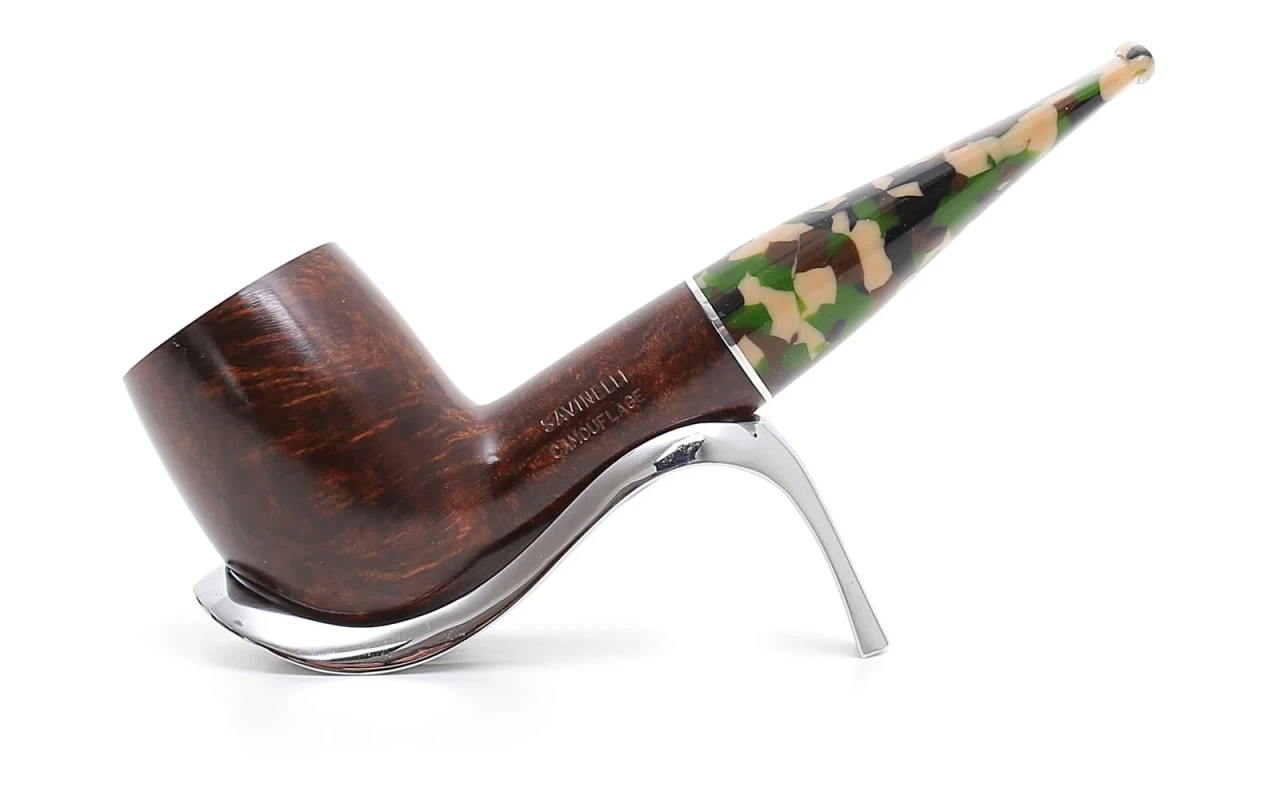
The design of materials in pipe production has a significant impact on the quality and performance of the final product. The materials used not only influence the aesthetics and durability of the pipe but also the smoking experience and ease of maintenance. For instance, briar pipes offer better heat resistance compared to other woods, while clay pipes ensure a superior tobacco flavor transmission. Additionally, metal pipes are sturdy and easy to clean, but they may alter the taste of the smoke. Choosing the right material is crucial to ensure an optimal smoking experience.
Best materials for pipes
The best materials for pipes are those that offer good heat resistance and optimal smoking quality. The most common materials are:- Briar wood: light, durable, and well-suited for artisanal craftsmanship.- Oak wood: sturdy and heat-resistant.- Clay: a porous material that absorbs moisture, ensuring a cool smoke.- Corn cob: light and affordable, providing a sweet smoke.- Meerschaum: a porous stone that absorbs nicotine and moisture, ensuring a lighter smoke.The choice of material depends on personal preferences and the desired smoking experience.
Smoking pipe design
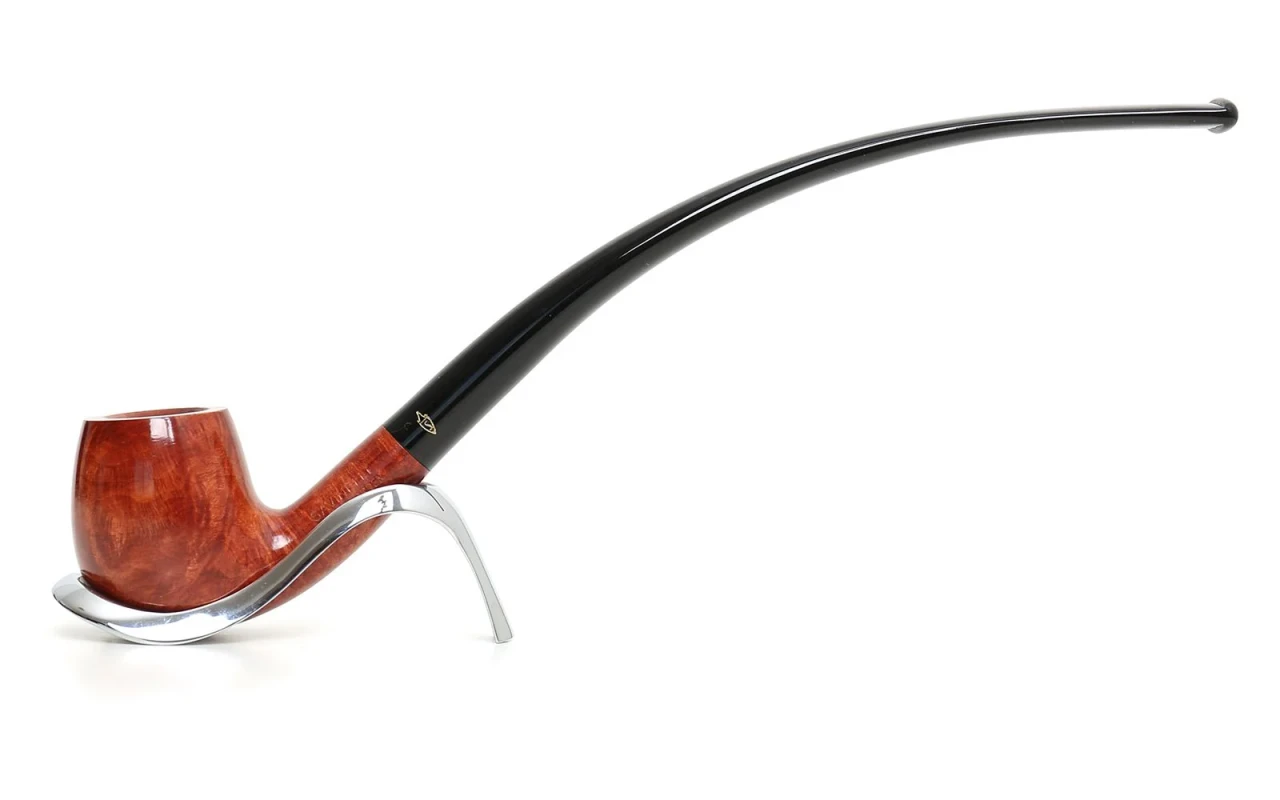
The design of smoking pipes is a crucial element for pipe tobacco enthusiasts. Pipes are available in a wide range of shapes, materials, and styles, each intended to offer a unique smoking experience. Pipe designers take into account various factors such as the shape of the bowl, the length of the stem, and the curvature of the shank to ensure optimal smoking. Some prefer pipes with a classic and traditional design, while others are attracted to more modern and innovative models. In any case, the design of the smoking pipe plays a fundamental role in the overall pipe smoking experience.
Handcrafted pipe production
Handcrafted pipes are produced through a meticulous and traditional artisanal process. Artisans carefully select high-quality root materials, such as briar, and shape them with precision. The process involves stages like burl carving, sanding, and polishing, ensuring a unique and high-quality final result. Each step is carried out manually with care and attention to detail to create aesthetically beautiful and functional pipes. Handcrafted pipes are valued by connoisseurs for their beauty, as well as for the smoking characteristics they offer, thanks to their artisanal construction and the quality of the materials used.
'%3e%3cg id='Final-Copy-2_2_' transform='translate(1275.000000, 200.000000)'%3e%3cpath class='st0' d='M7.4,12.8h6.8l3.1-11.6H7.4C4.2,1.2,1.6,3.8,1.6,7S4.2,12.8,7.4,12.8z'/%3e%3c/g%3e%3c/g%3e%3c/g%3e%3cg id='final---dec.11-2020'%3e%3cg id='_x30_208-our-toggle' transform='translate(-1275.000000, -200.000000)'%3e%3cg id='Final-Copy-2' transform='translate(1275.000000, 200.000000)'%3e%3cpath class='st1' d='M22.6,0H7.4c-3.9,0-7,3.1-7,7s3.1,7,7,7h15.2c3.9,0,7-3.1,7-7S26.4,0,22.6,0z M1.6,7c0-3.2,2.6-5.8,5.8-5.8 h9.9l-3.1,11.6H7.4C4.2,12.8,1.6,10.2,1.6,7z'/%3e%3cpath id='x' class='st2' d='M24.6,4c0.2,0.2,0.2,0.6,0,0.8l0,0L22.5,7l2.2,2.2c0.2,0.2,0.2,0.6,0,0.8c-0.2,0.2-0.6,0.2-0.8,0 l0,0l-2.2-2.2L19.5,10c-0.2,0.2-0.6,0.2-0.8,0c-0.2-0.2-0.2-0.6,0-0.8l0,0L20.8,7l-2.2-2.2c-0.2-0.2-0.2-0.6,0-0.8 c0.2-0.2,0.6-0.2,0.8,0l0,0l2.2,2.2L23.8,4C24,3.8,24.4,3.8,24.6,4z'/%3e%3cpath id='y' class='st3' d='M12.7,4.1c0.2,0.2,0.3,0.6,0.1,0.8l0,0L8.6,9.8C8.5,9.9,8.4,10,8.3,10c-0.2,0.1-0.5,0.1-0.7-0.1l0,0 L5.4,7.7c-0.2-0.2-0.2-0.6,0-0.8c0.2-0.2,0.6-0.2,0.8,0l0,0L8,8.6l3.8-4.5C12,3.9,12.4,3.9,12.7,4.1z'/%3e%3c/g%3e%3c/g%3e%3c/g%3e%3c/g%3e%3c/svg%3e) Your Privacy Choices
Your Privacy Choices 


