 ES
ES FR
FR EN
EN IT
IT DE
DE
Impact of globalization on pipe production
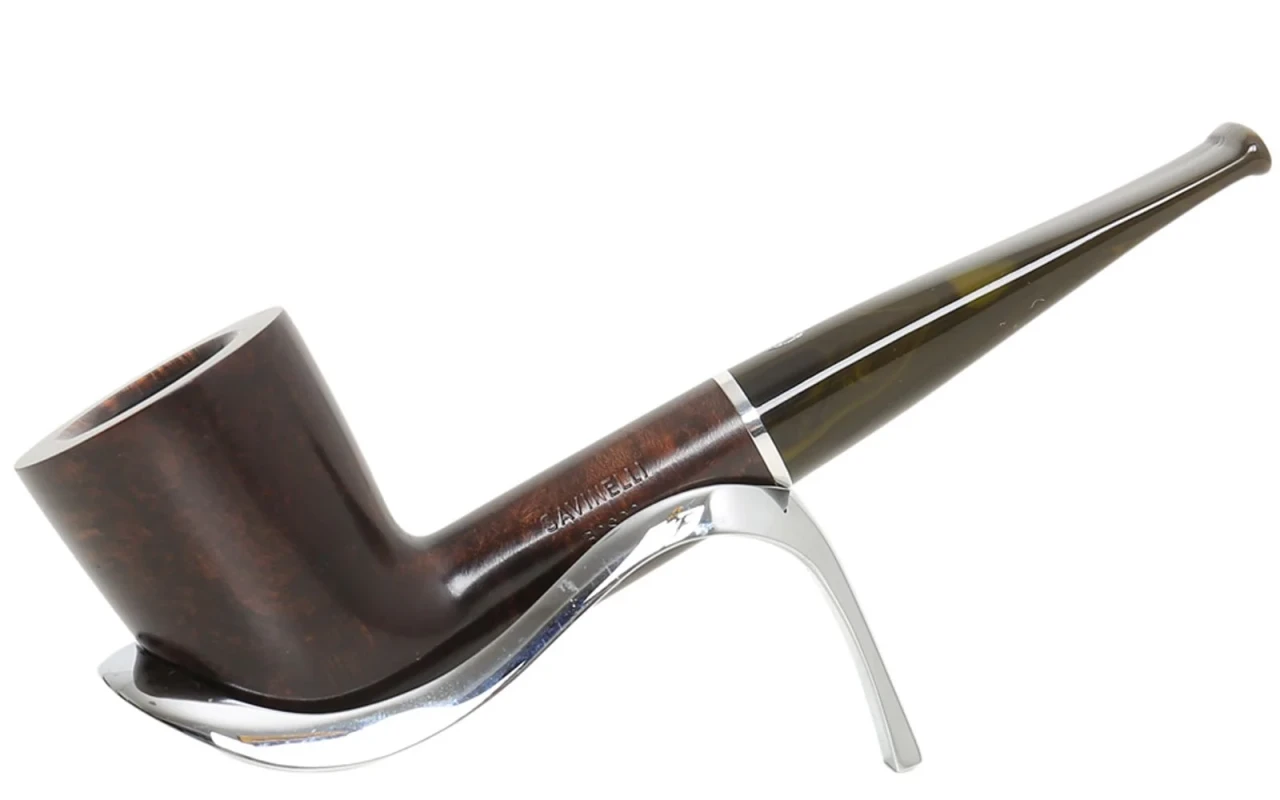
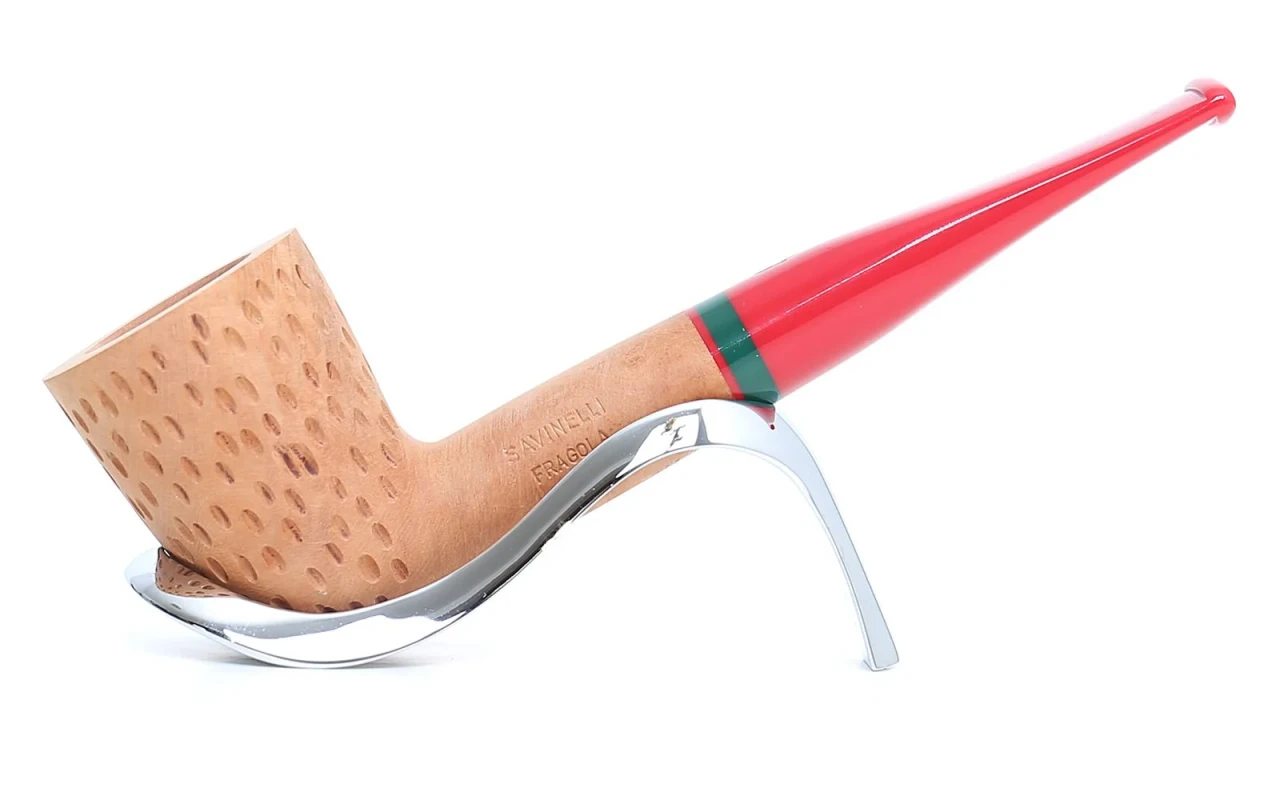
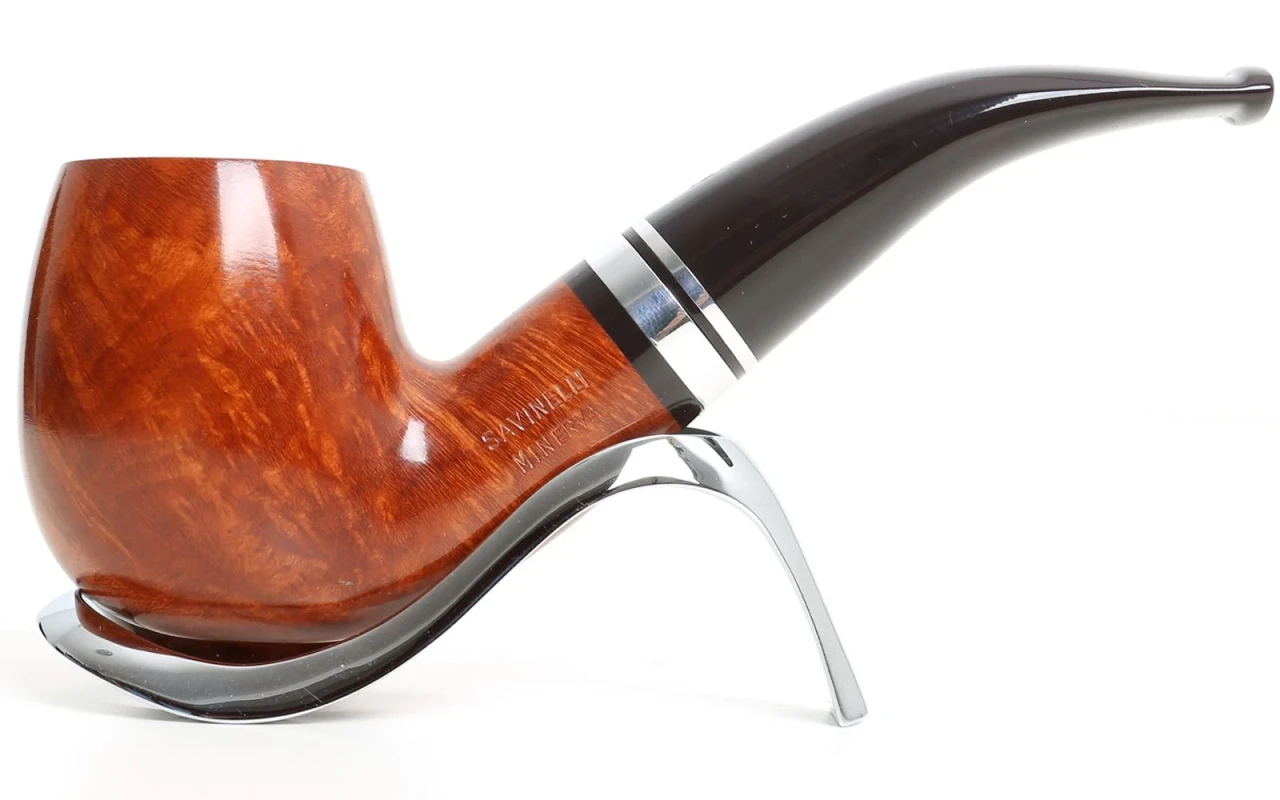
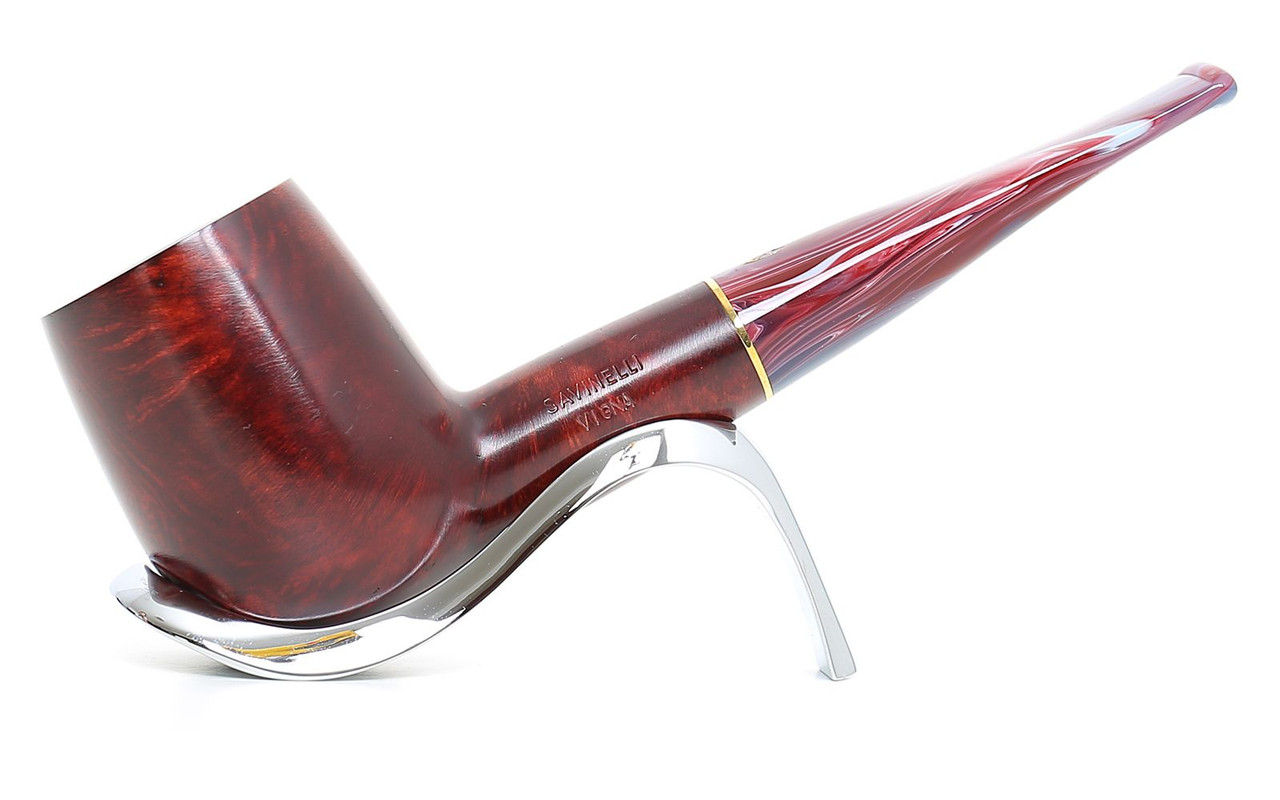

Impact of globalization on pipe production
Globalization has had a significant impact on pipe production. Production techniques and materials used have become more accessible globally, allowing pipe manufacturers to access a variety of resources from different parts of the world. This has led to an increase in diversity and innovation in the design and quality of pipes. However, international competition has also posed challenges for traditional manufacturers, who now have to compete with companies from around the world. Furthermore, globalization has influenced consumer preferences, with a growing demand for exotic and high-quality pipes from various countries.
Italian handmade pipes
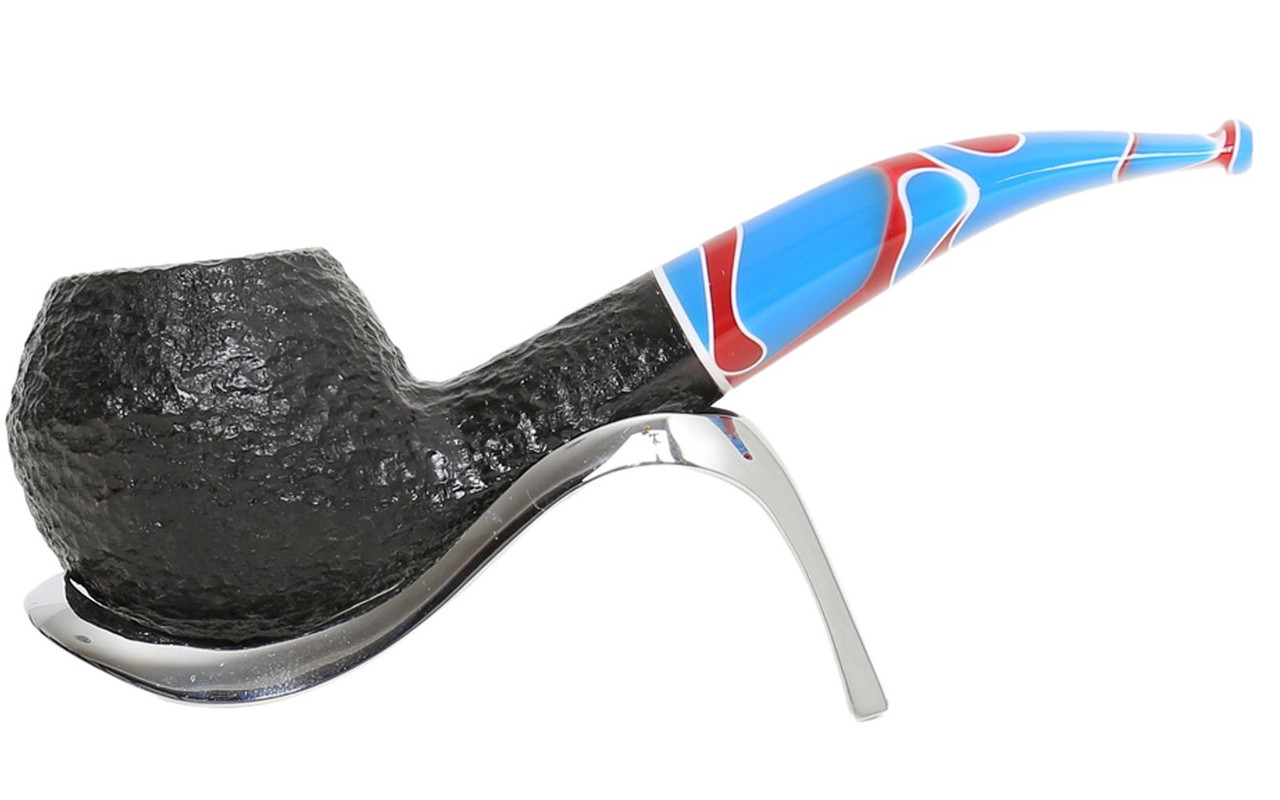
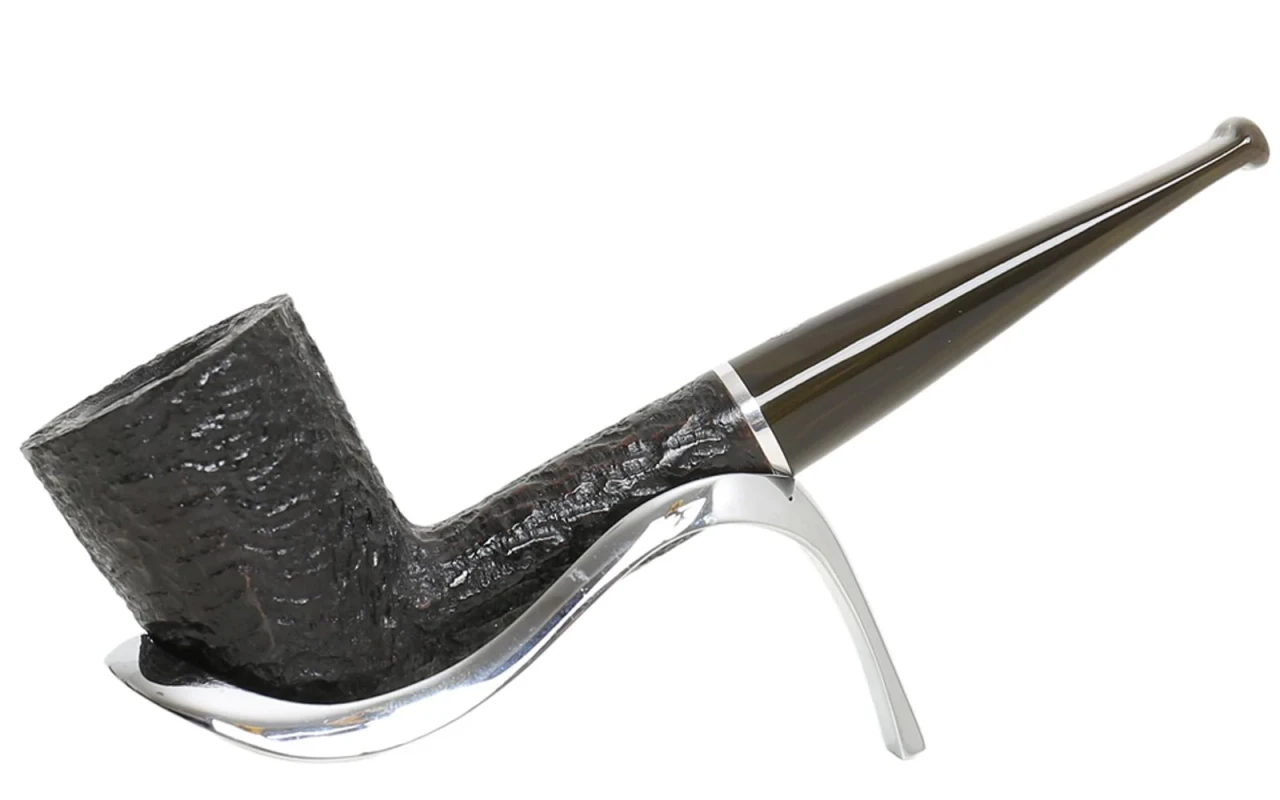
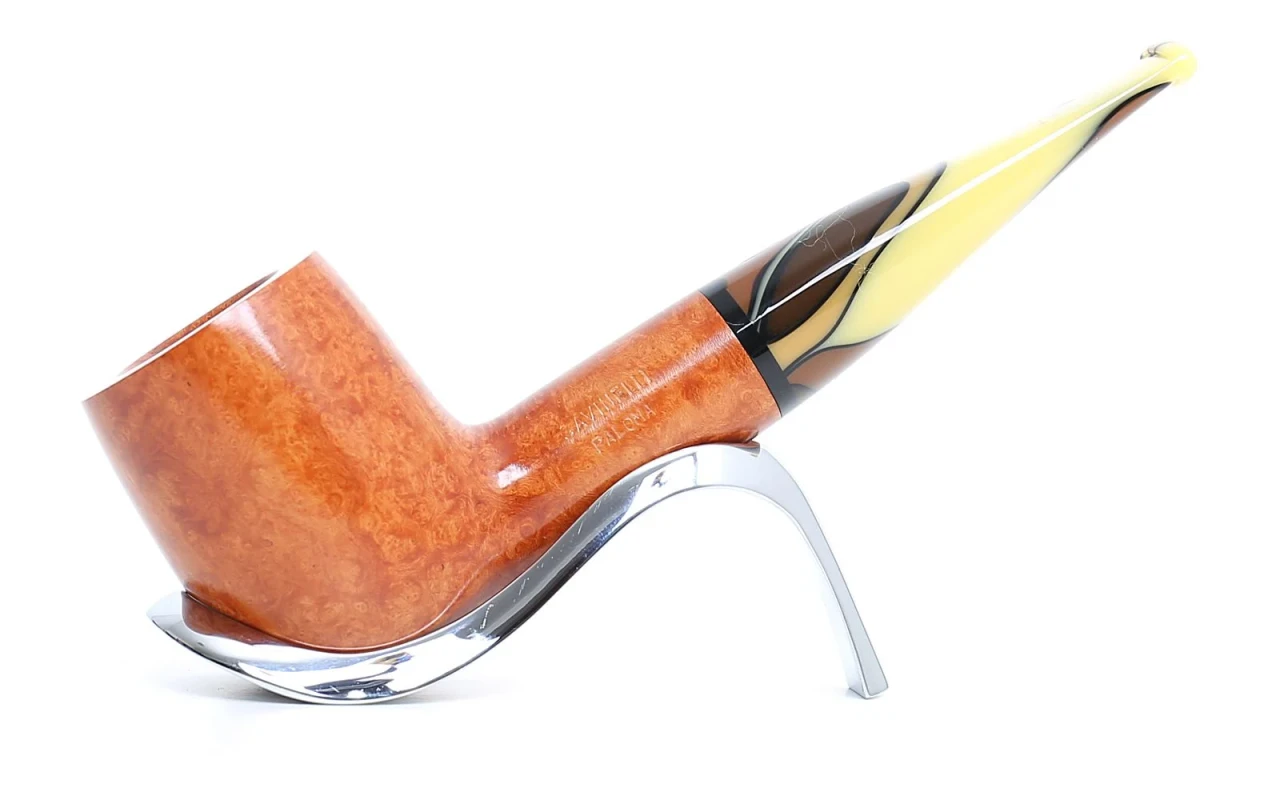
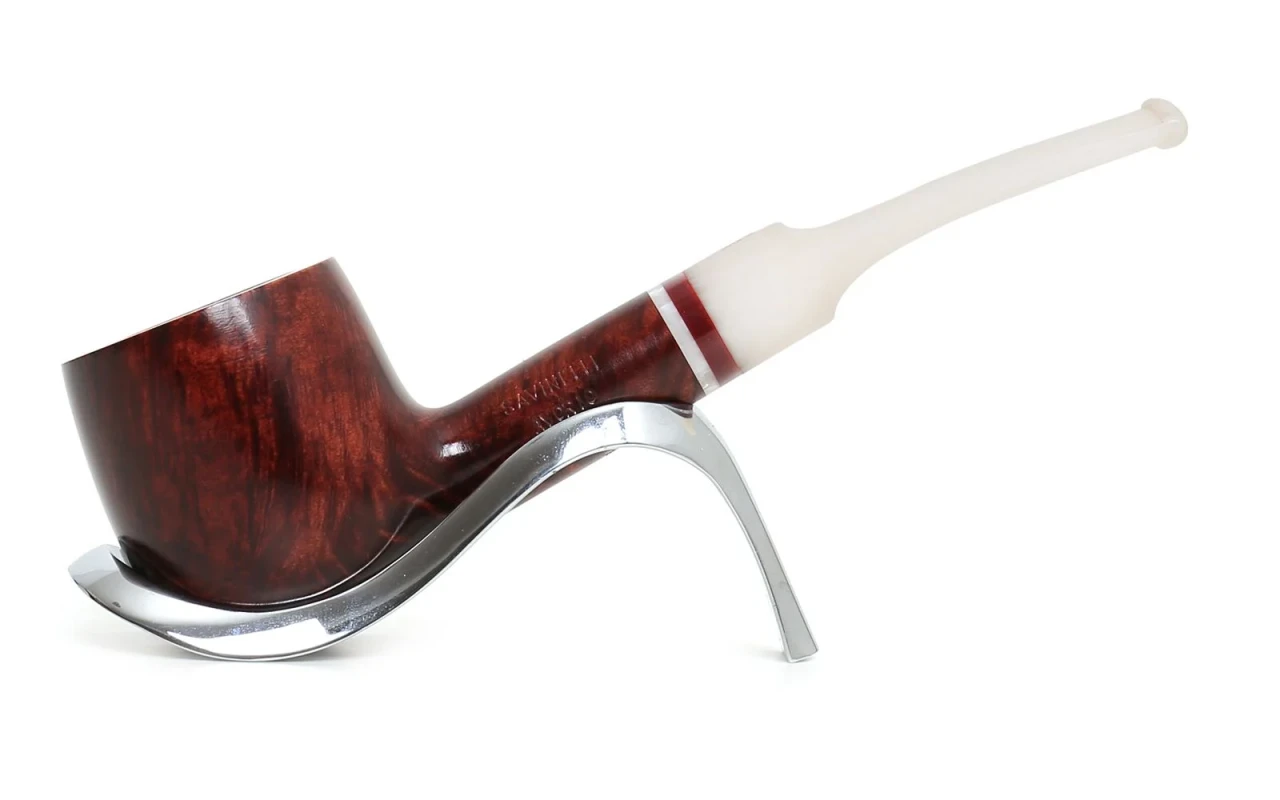
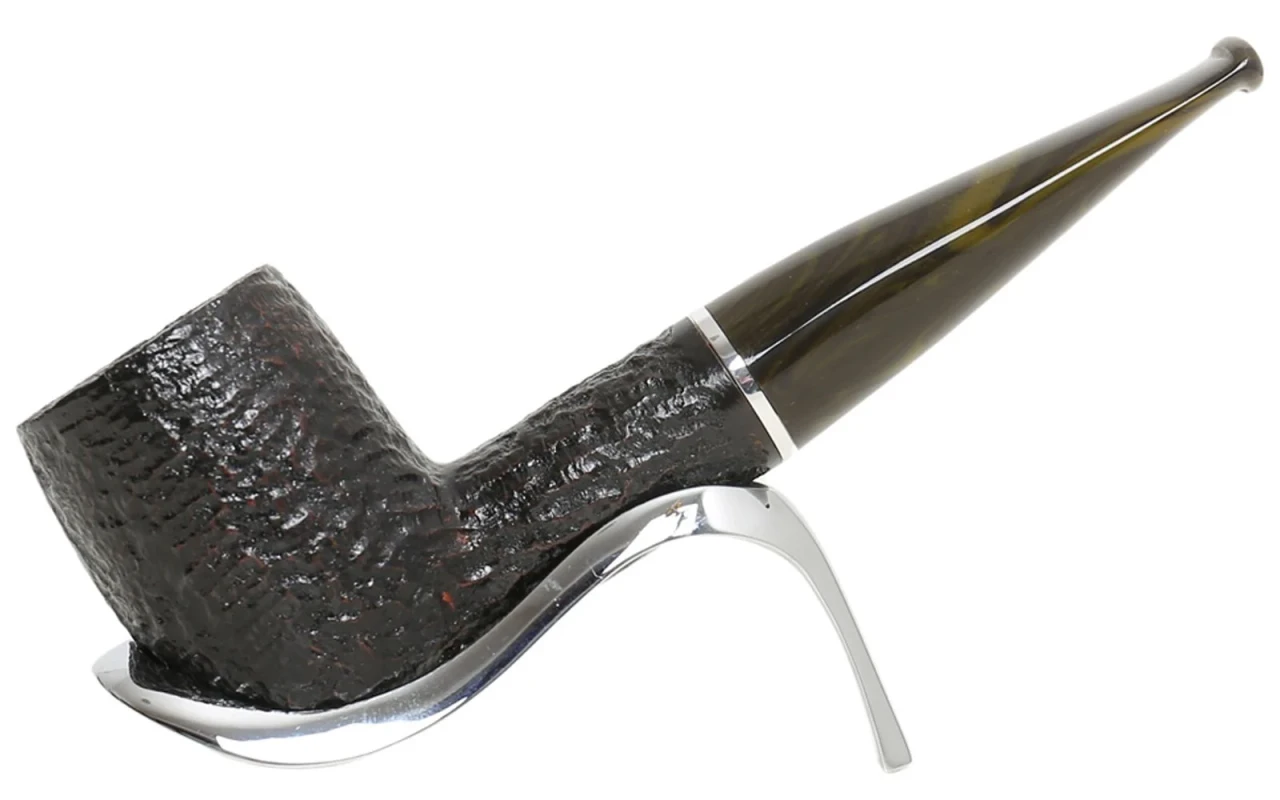
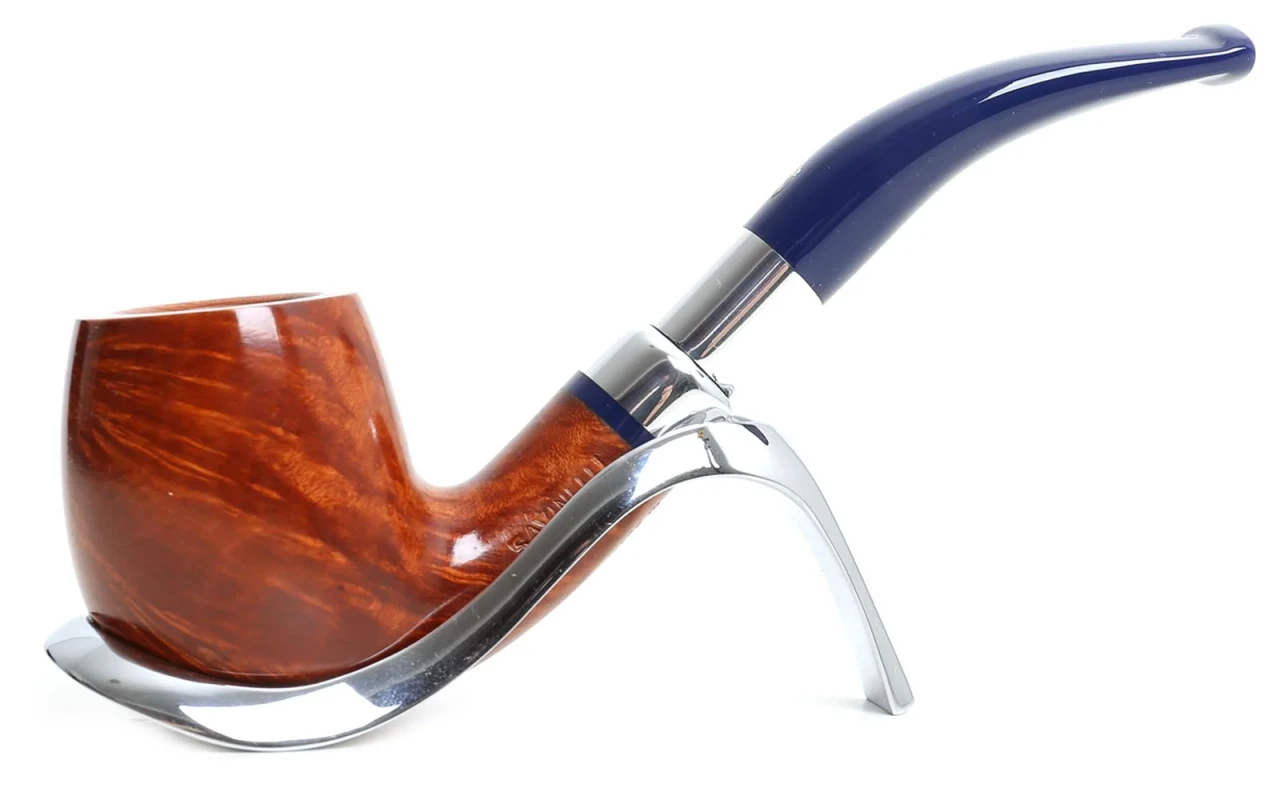
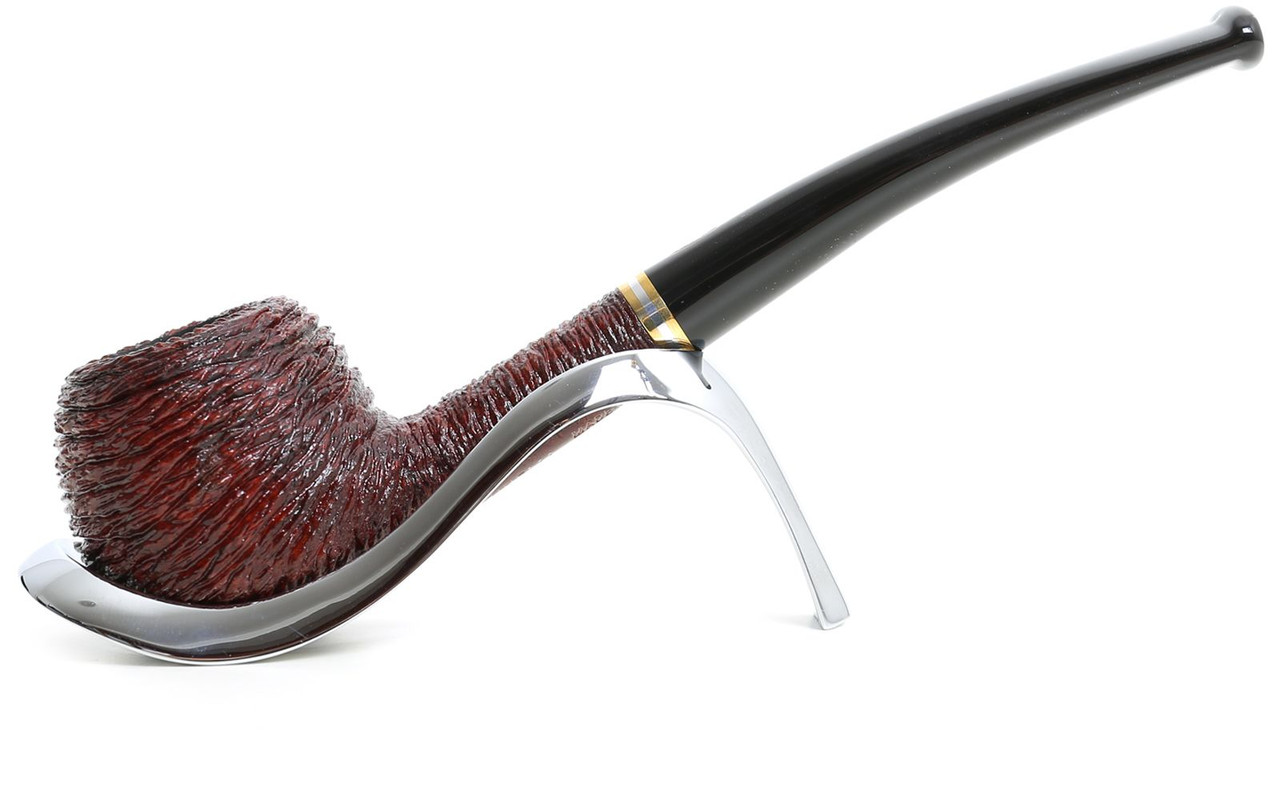
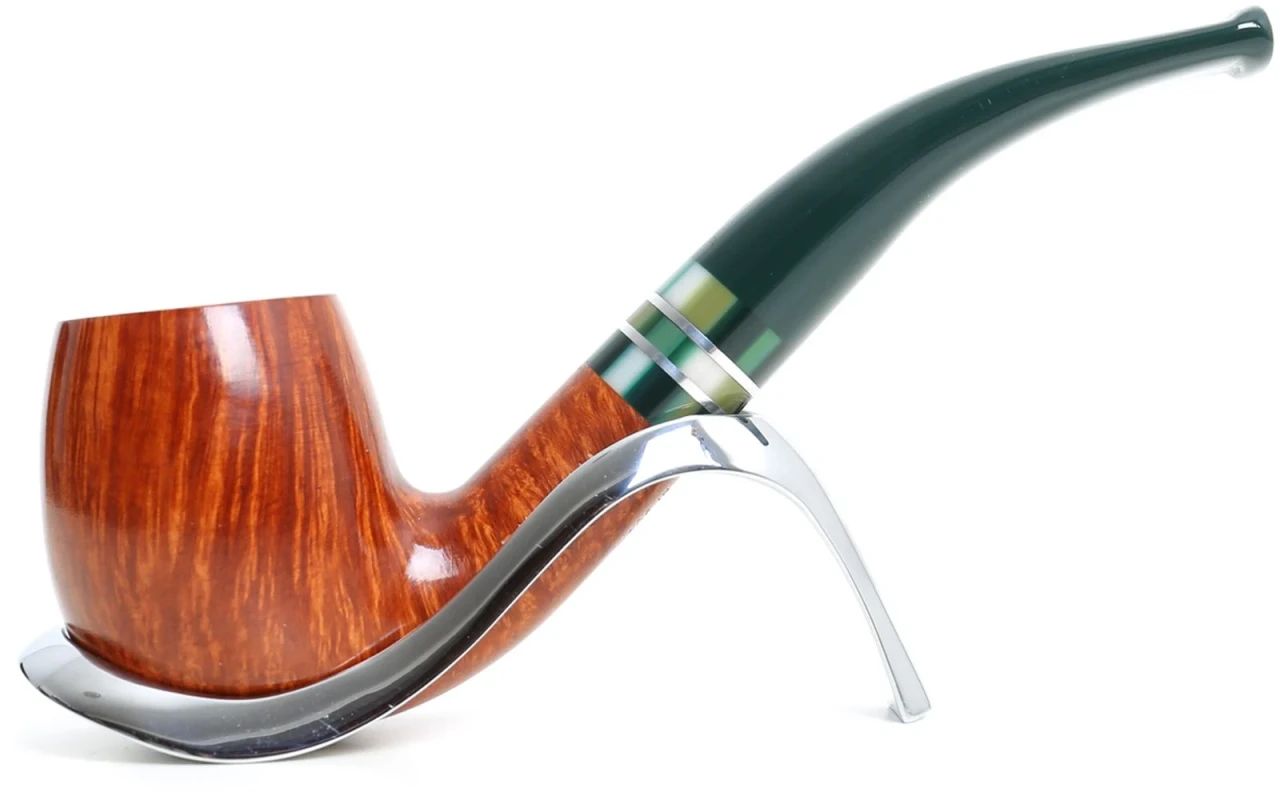
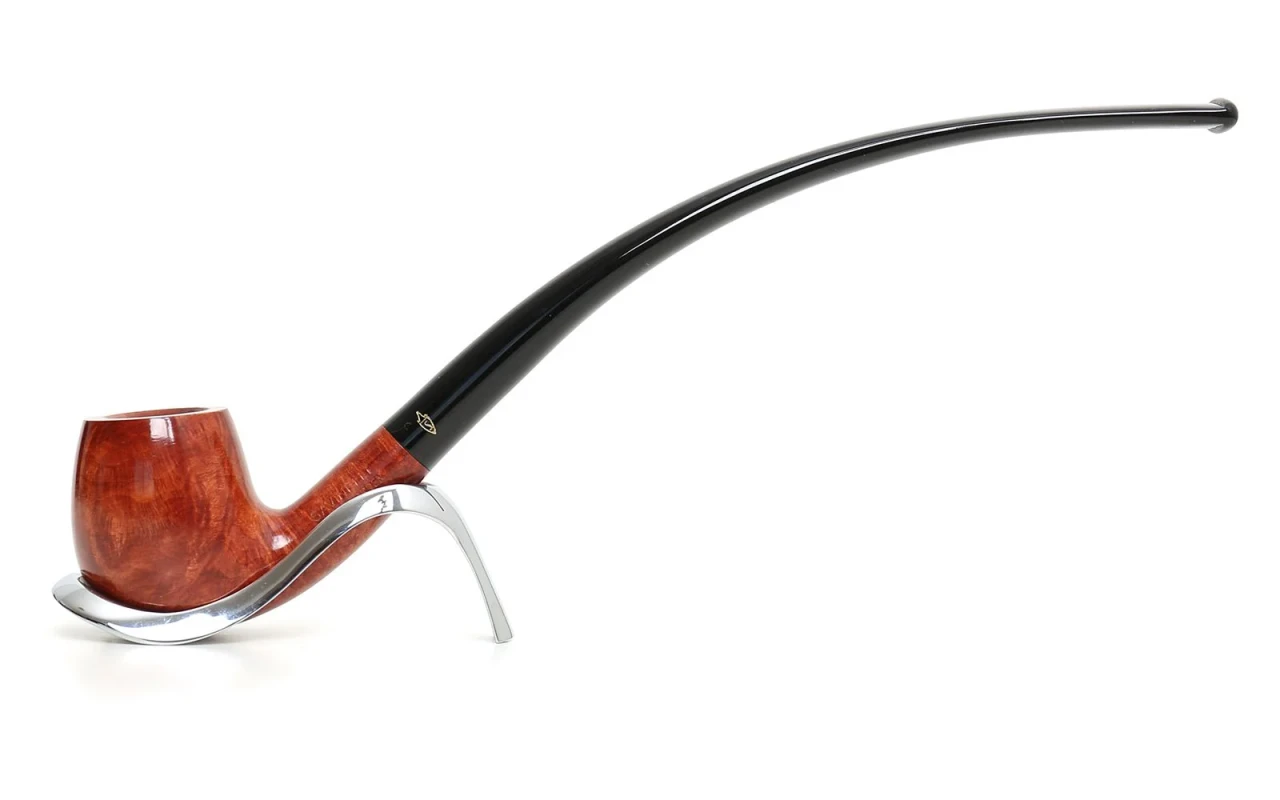
Italian handmade pipes are renowned for their quality and craftsmanship. Crafted by skilled master pipemakers, these pipes are appreciated worldwide for their meticulous workmanship and the use of high-quality materials. Italian handmade pipes span a wide range of styles and designs, from classic and traditional to more modern and innovative ones. Thanks to the skill and passion of their creators, Italian handmade pipes are considered true works of art that combine aesthetics and functionality in a single precious object.
History of pipes in Italy
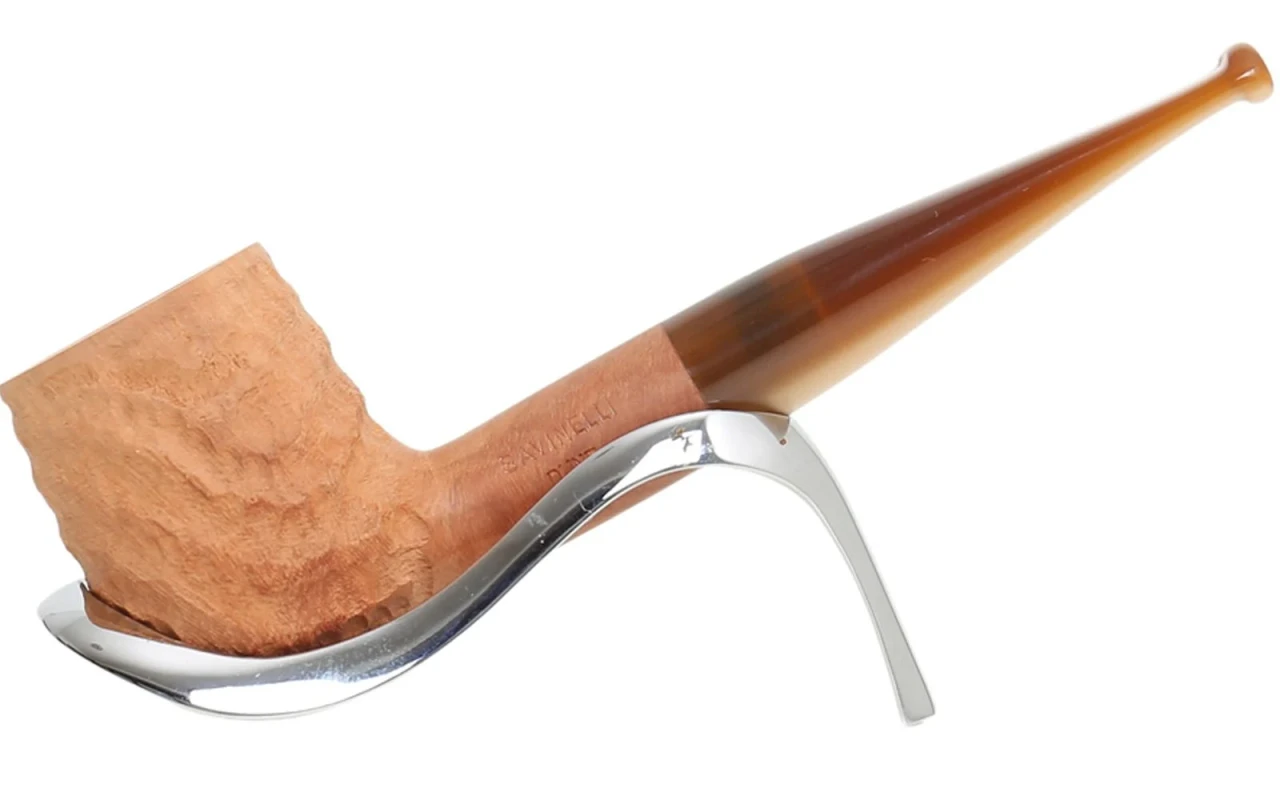
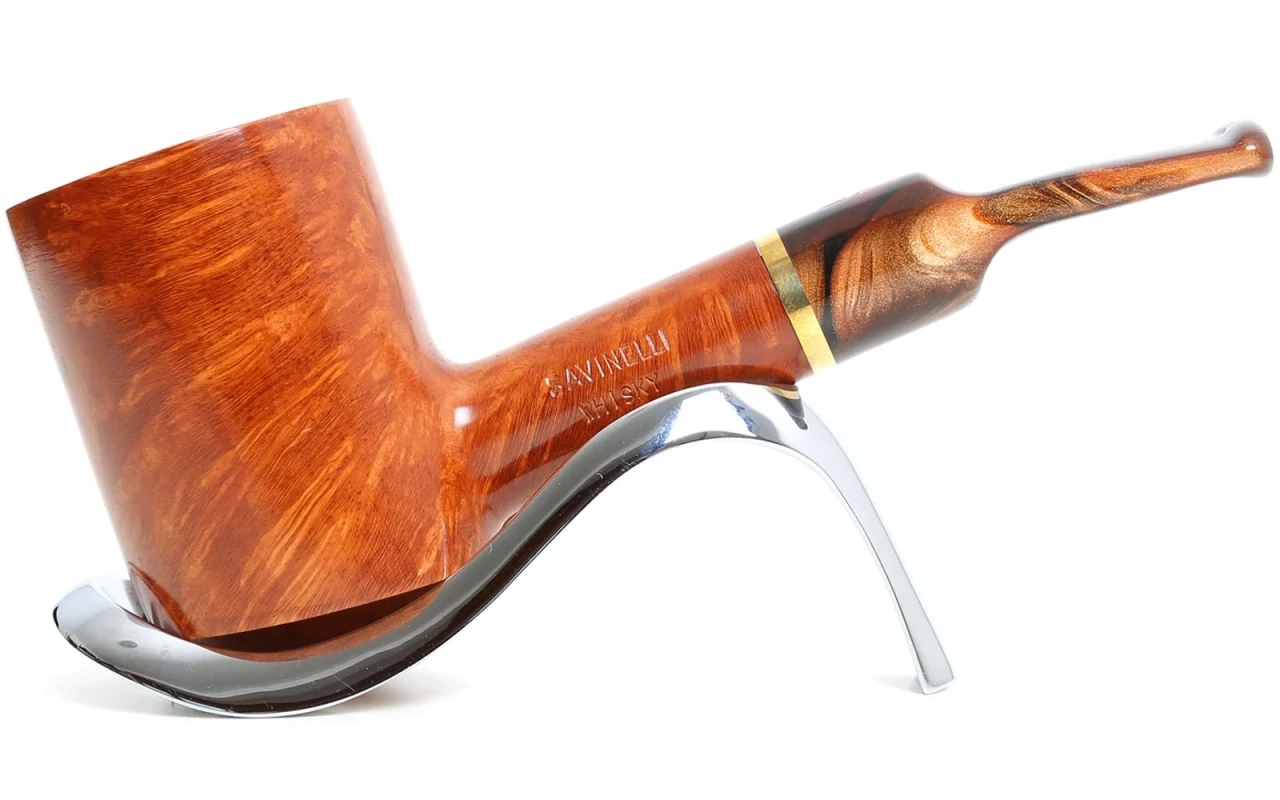
Pipes are smoking instruments consisting of a bowl, a stem, and a mouthpiece, used to smoke pipe tobacco. In Italy, the tradition of pipes dates back centuries, when they were handcrafted using materials such as briar wood. Over time, Italian pipes have gained international fame for their quality and craftsmanship. Renowned brands such as Savinelli and Ser Jacopo have helped to solidify Italy's reputation in the world of pipes. Today, the production of pipes in Italy continues to be appreciated by enthusiasts for attention to detail and the variety of shapes and materials used.
Craftsmanship techniques for pipe production
Craftsmanship in pipe production is an art that requires skill and precision. Traditional techniques involve several stages:1. **Wood selection**: high-quality wood is chosen, often briar or morta tree root.2. **Cutting and drying**: the wood is cut and left to dry for an extended period, ensuring stability and durability.3. **Carving and shaping**: using specific milling machines and tools, the wood is carved and shaped according to the manufacturer's design.4. **Finishing and polishing**: the pipe's surface is smoothed, sanded, and often hand-polished to achieve an impeccable result.5. **Assembly**: finally, stems, filters, and other details are added to complete the pipe.These artisanal techniques ensure the creation of unique and high-quality pipes.
Materials used for artisanal pipes
Artisanal pipes can be crafted using a variety of high-quality materials. Some of the most common materials used include:- Briar wood: a precious wood known for its strength and ability to absorb moisture.- Briar: a hard and dense wood that ensures long-lasting durability and a neutral taste.- Morta: a material derived from the roots of trees, used for its strength and beauty.- Meerschaum: a porous and lightweight stone that absorbs smoke, ensuring a better smoking experience.- Silver: used for decorations and linings, adding elegance and value to artisanal pipes.These materials are carefully selected by master pipemakers to ensure the quality and functionality of artisanal pipes.
'%3e%3cg id='Final-Copy-2_2_' transform='translate(1275.000000, 200.000000)'%3e%3cpath class='st0' d='M7.4,12.8h6.8l3.1-11.6H7.4C4.2,1.2,1.6,3.8,1.6,7S4.2,12.8,7.4,12.8z'/%3e%3c/g%3e%3c/g%3e%3c/g%3e%3cg id='final---dec.11-2020'%3e%3cg id='_x30_208-our-toggle' transform='translate(-1275.000000, -200.000000)'%3e%3cg id='Final-Copy-2' transform='translate(1275.000000, 200.000000)'%3e%3cpath class='st1' d='M22.6,0H7.4c-3.9,0-7,3.1-7,7s3.1,7,7,7h15.2c3.9,0,7-3.1,7-7S26.4,0,22.6,0z M1.6,7c0-3.2,2.6-5.8,5.8-5.8 h9.9l-3.1,11.6H7.4C4.2,12.8,1.6,10.2,1.6,7z'/%3e%3cpath id='x' class='st2' d='M24.6,4c0.2,0.2,0.2,0.6,0,0.8l0,0L22.5,7l2.2,2.2c0.2,0.2,0.2,0.6,0,0.8c-0.2,0.2-0.6,0.2-0.8,0 l0,0l-2.2-2.2L19.5,10c-0.2,0.2-0.6,0.2-0.8,0c-0.2-0.2-0.2-0.6,0-0.8l0,0L20.8,7l-2.2-2.2c-0.2-0.2-0.2-0.6,0-0.8 c0.2-0.2,0.6-0.2,0.8,0l0,0l2.2,2.2L23.8,4C24,3.8,24.4,3.8,24.6,4z'/%3e%3cpath id='y' class='st3' d='M12.7,4.1c0.2,0.2,0.3,0.6,0.1,0.8l0,0L8.6,9.8C8.5,9.9,8.4,10,8.3,10c-0.2,0.1-0.5,0.1-0.7-0.1l0,0 L5.4,7.7c-0.2-0.2-0.2-0.6,0-0.8c0.2-0.2,0.6-0.2,0.8,0l0,0L8,8.6l3.8-4.5C12,3.9,12.4,3.9,12.7,4.1z'/%3e%3c/g%3e%3c/g%3e%3c/g%3e%3c/g%3e%3c/svg%3e) Your Privacy Choices
Your Privacy Choices 


