 ES
ES FR
FR EN
EN IT
IT DE
DE
History of the “Opera” Pipe Design
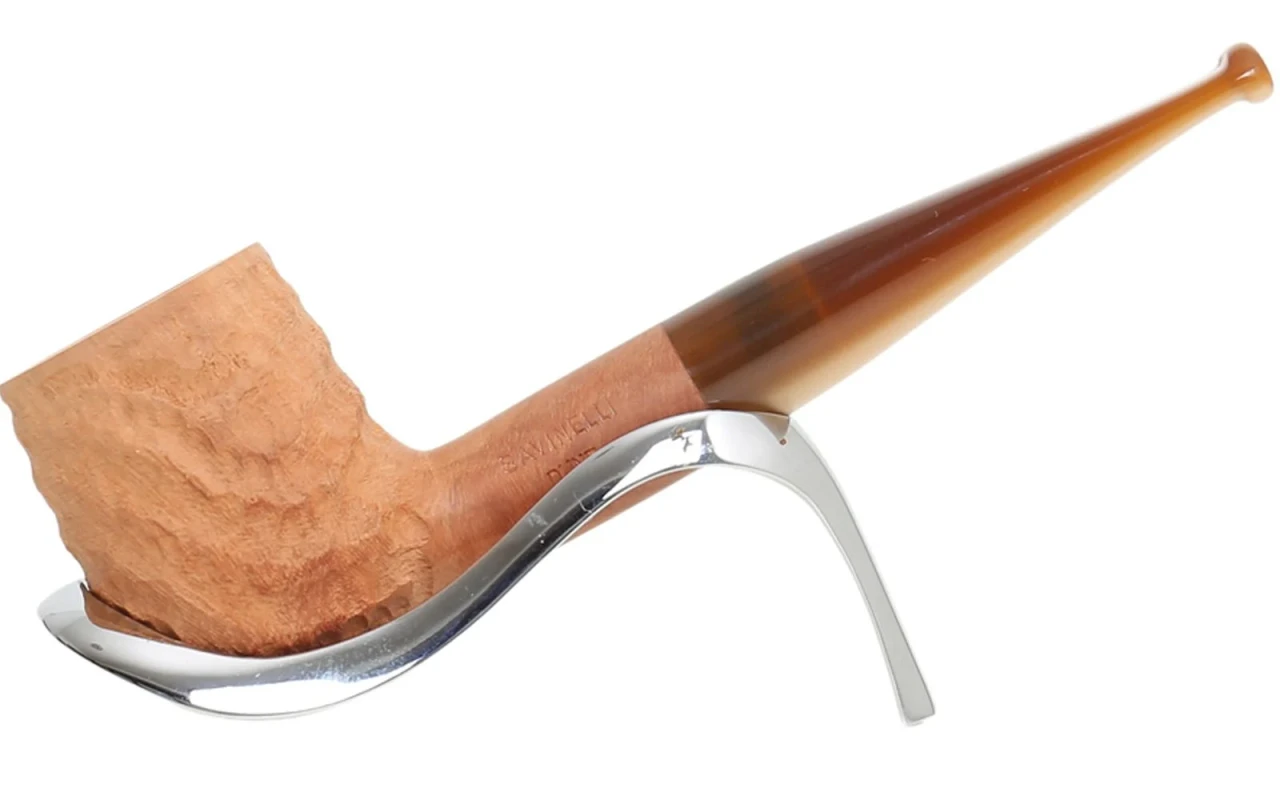
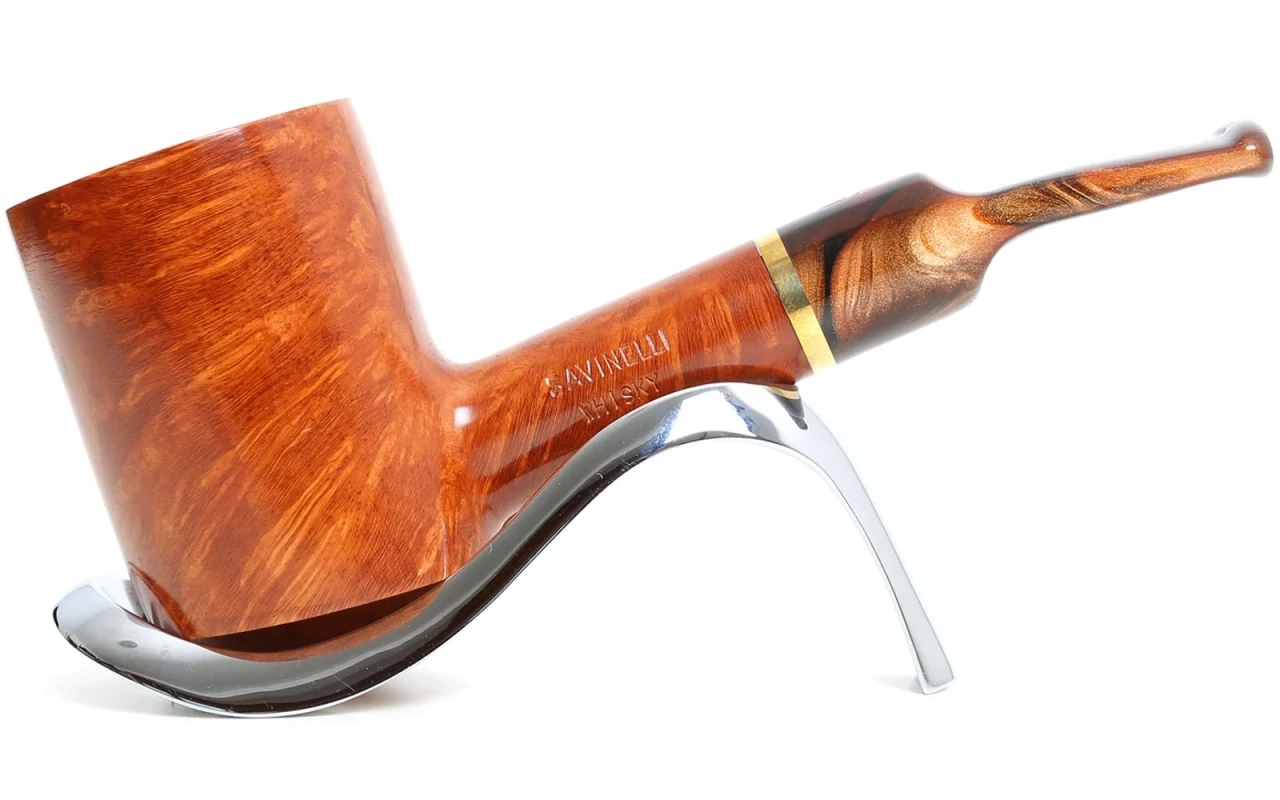
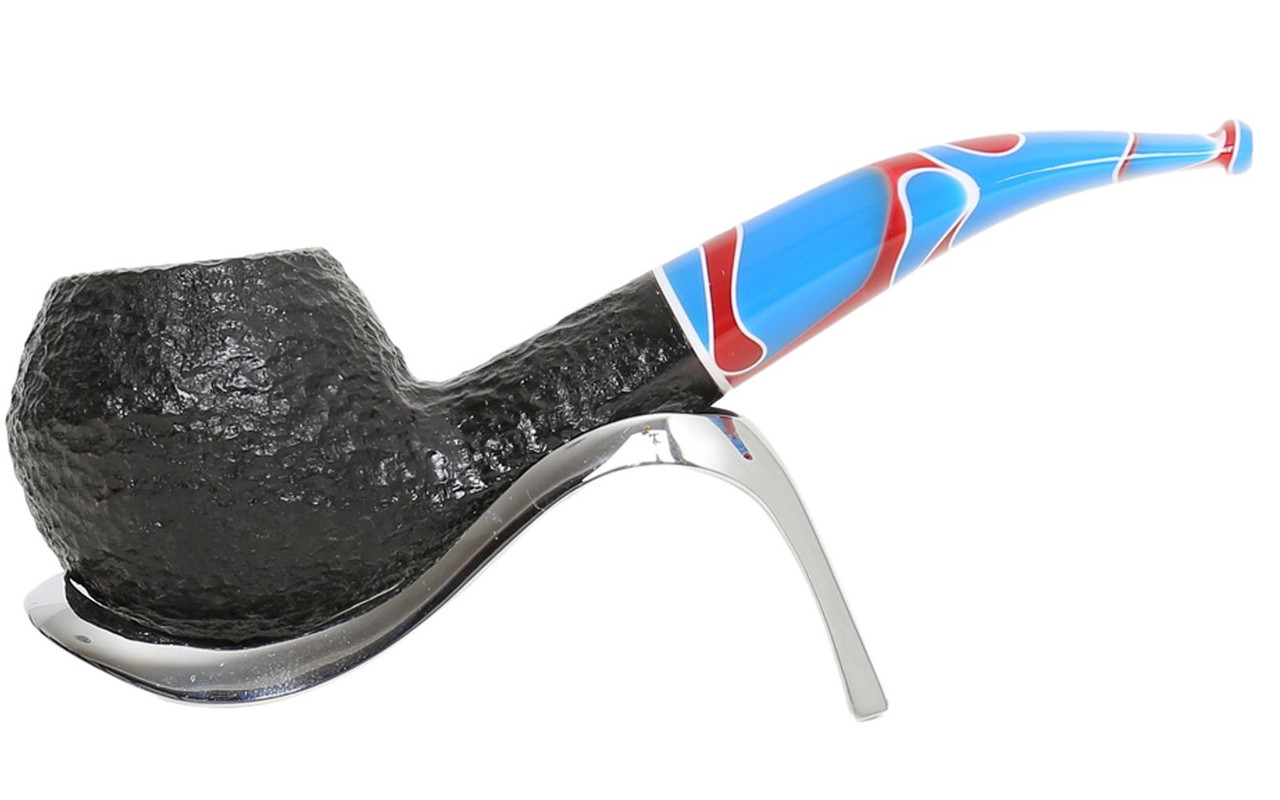
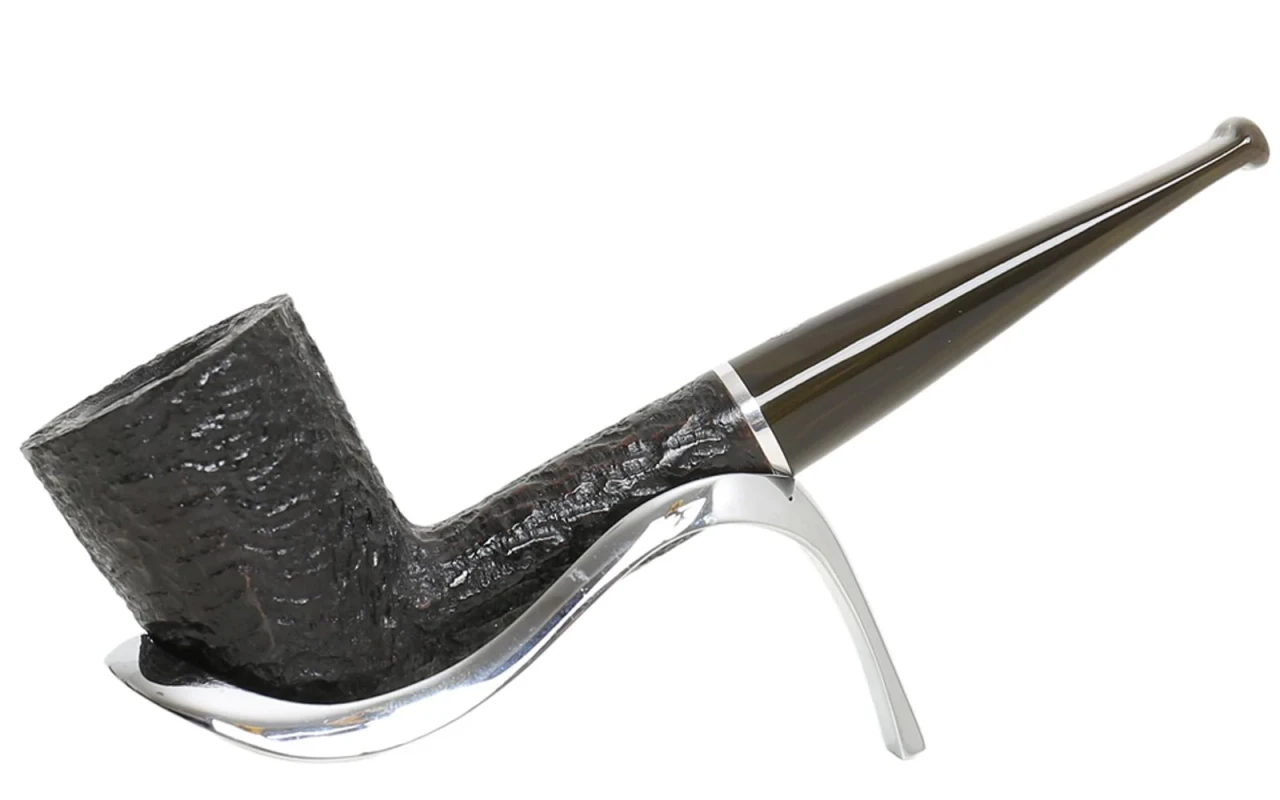
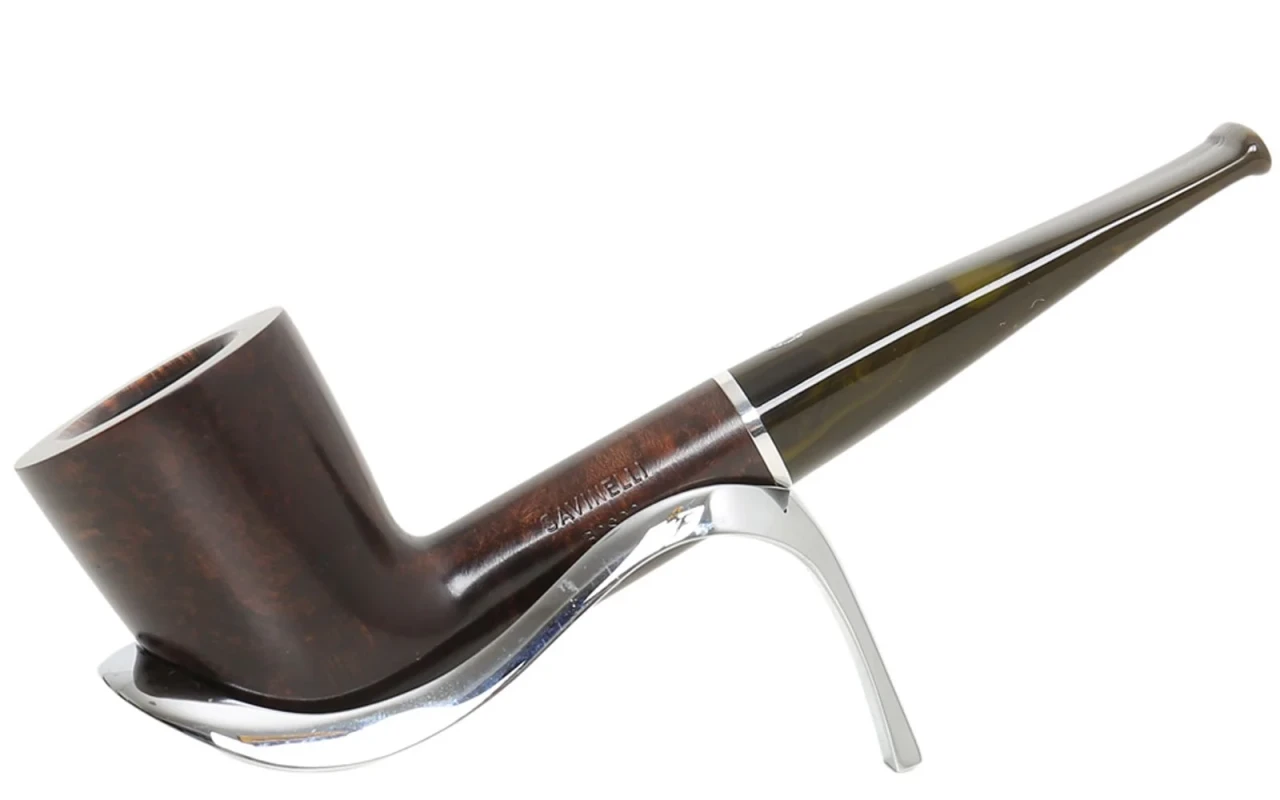
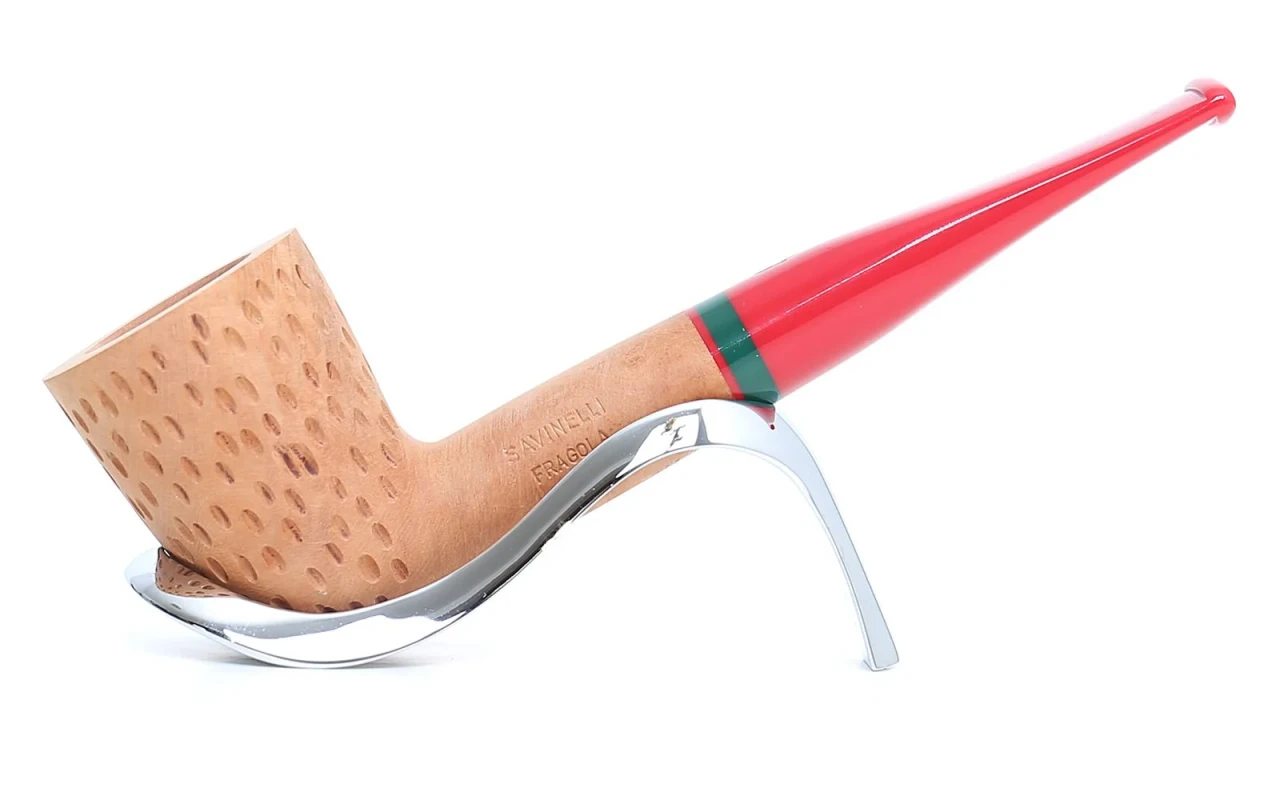
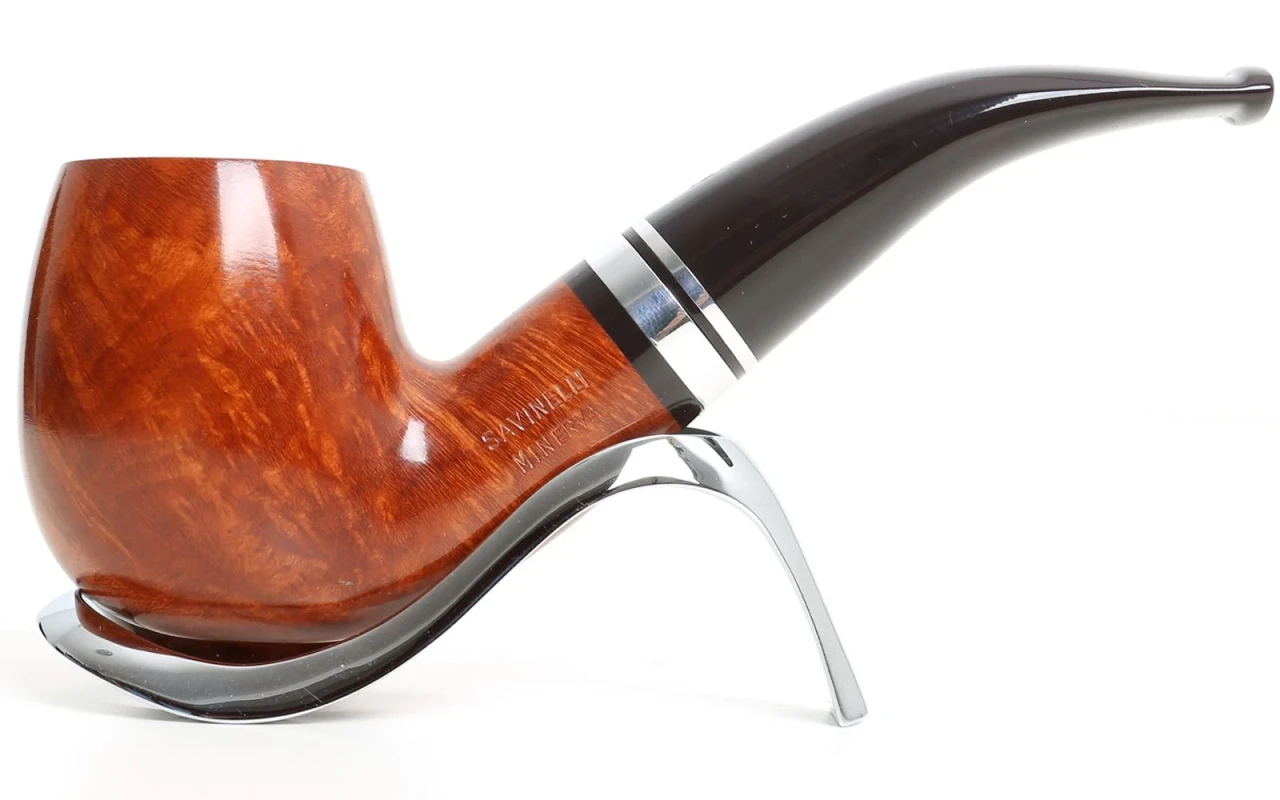
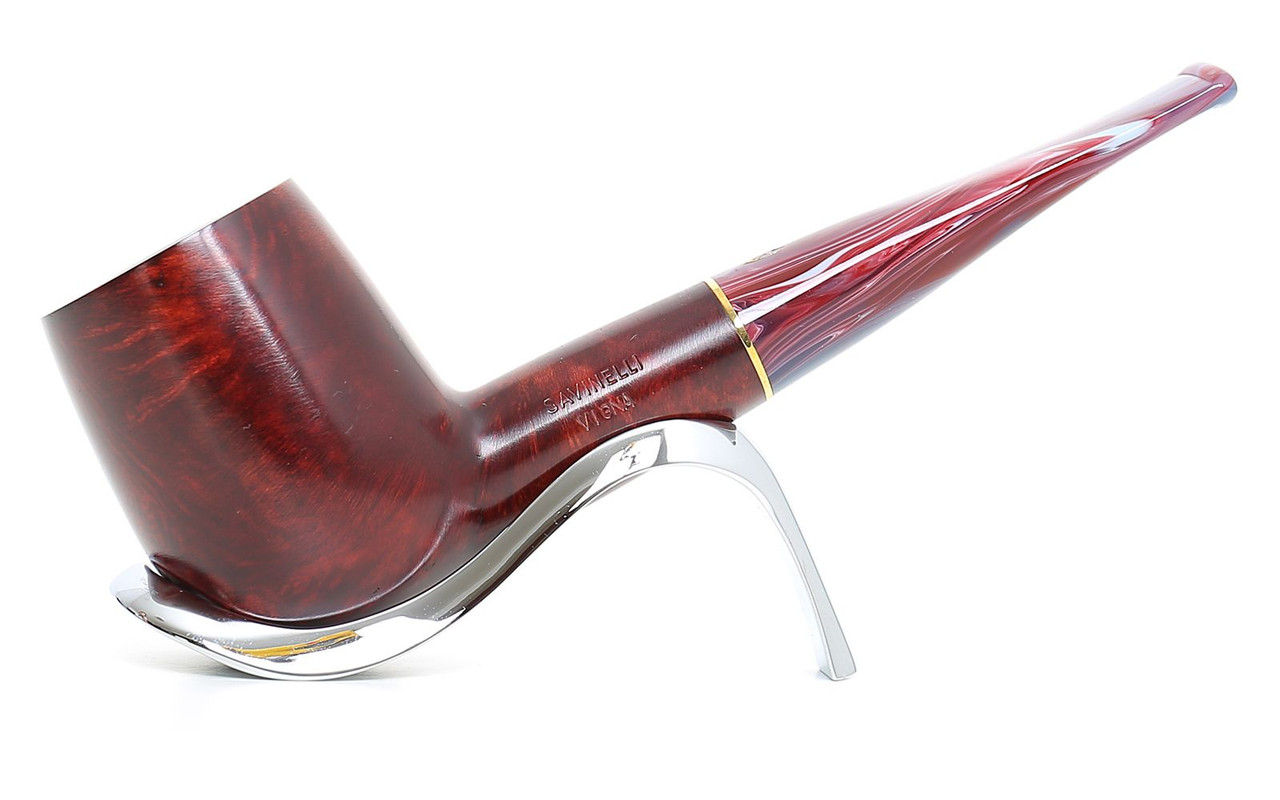
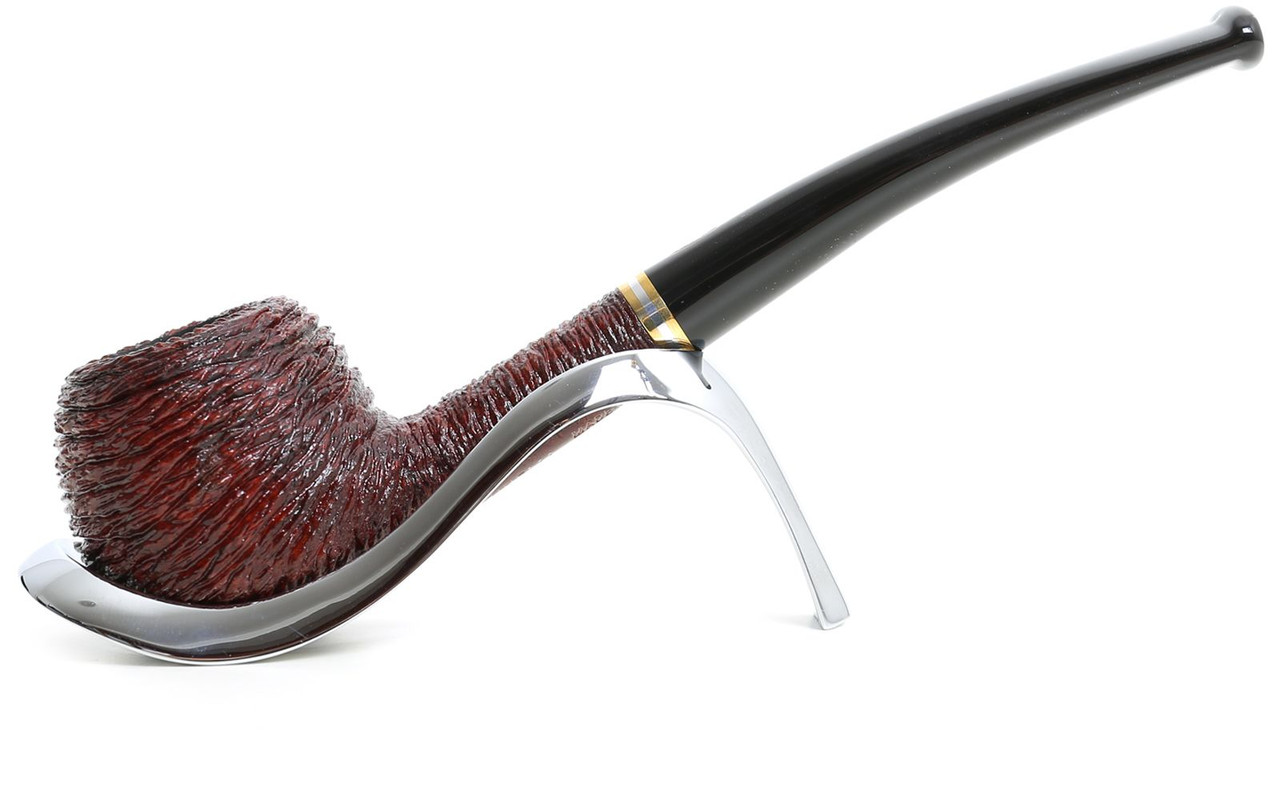
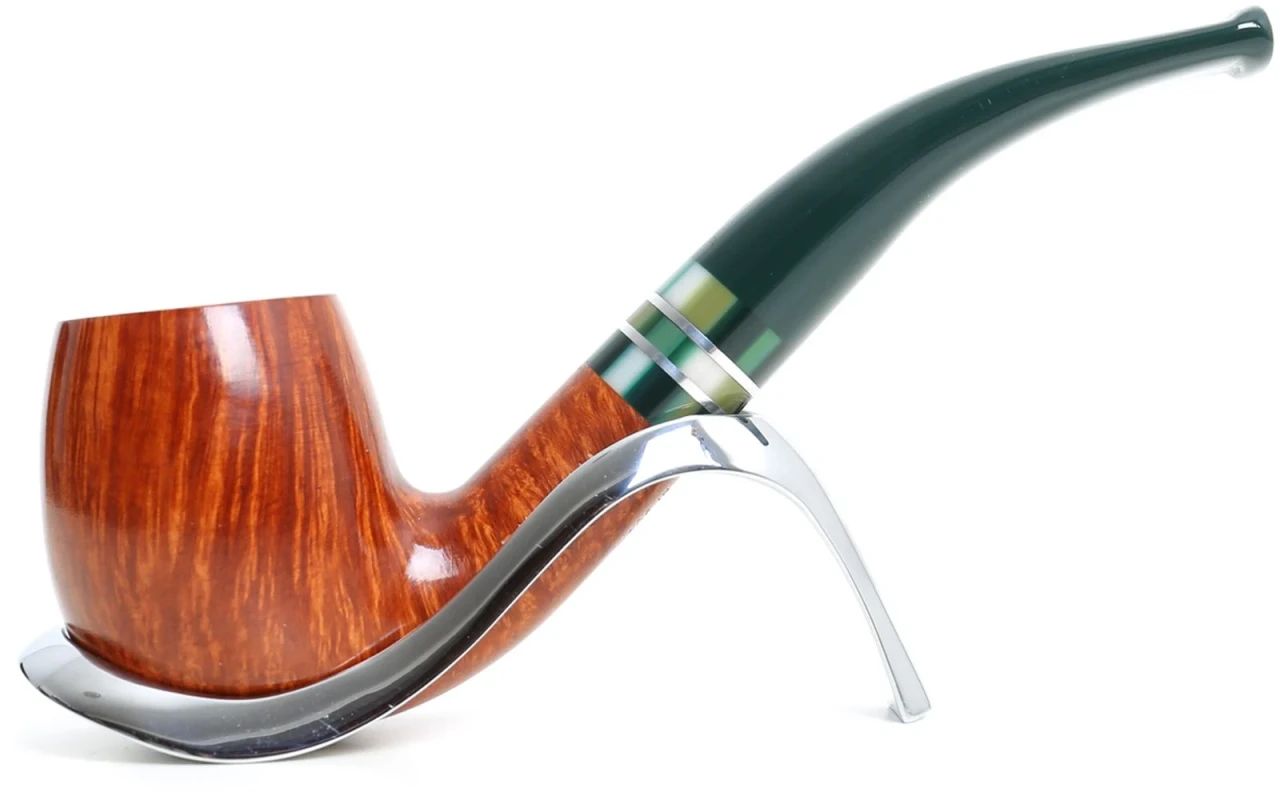
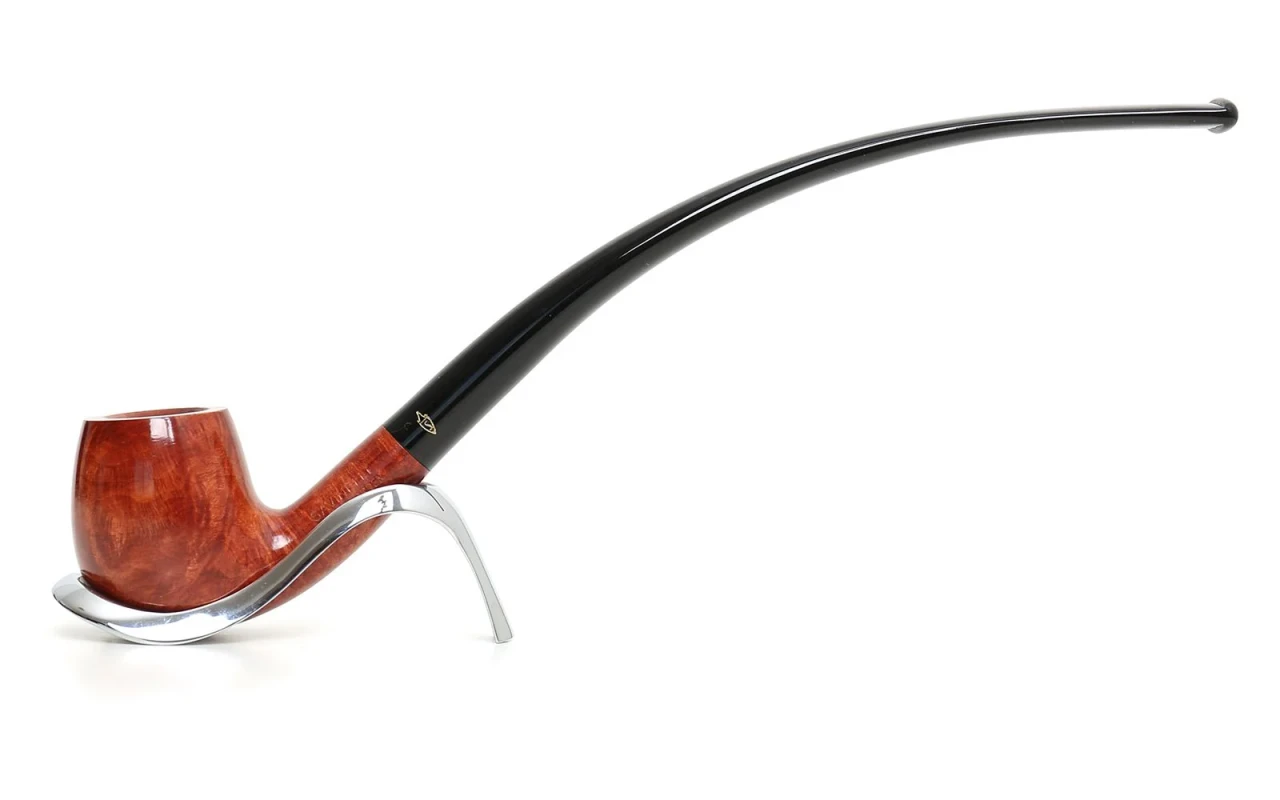

History of the "Opera" Pipe Design
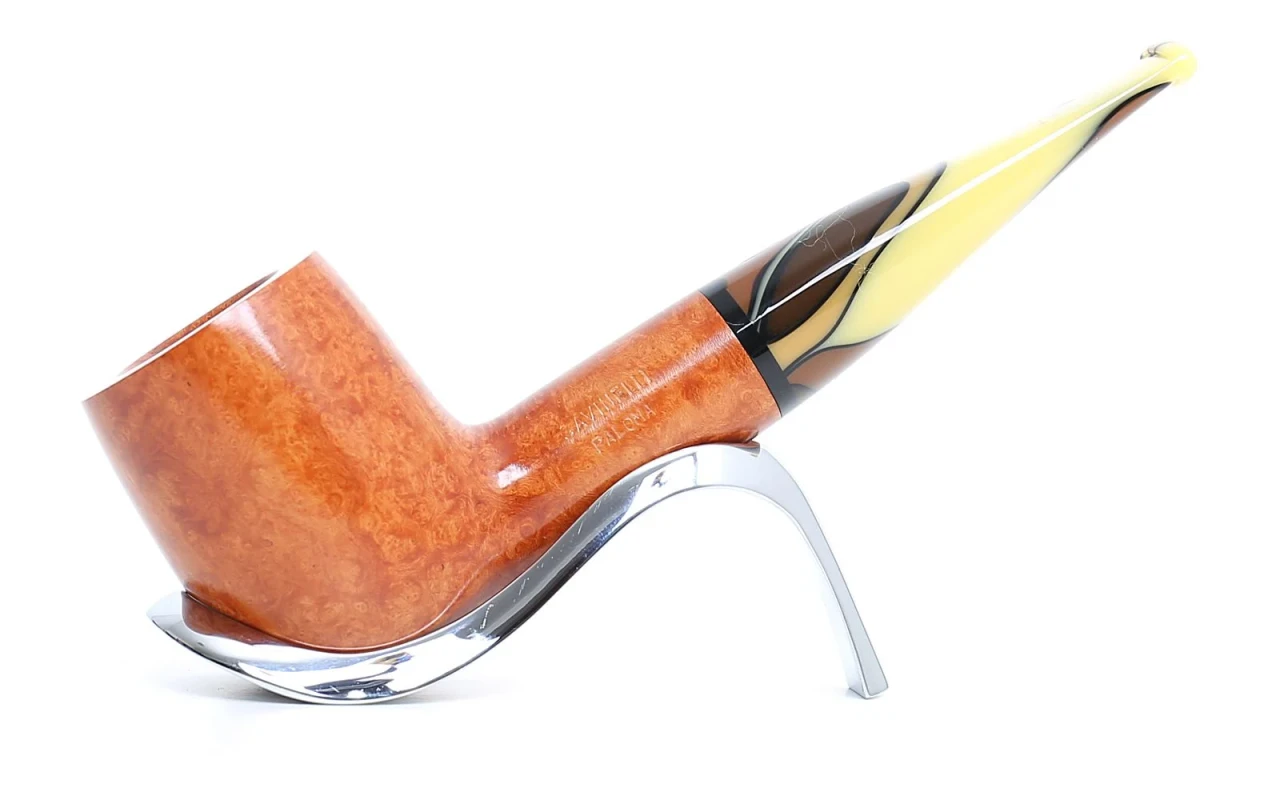
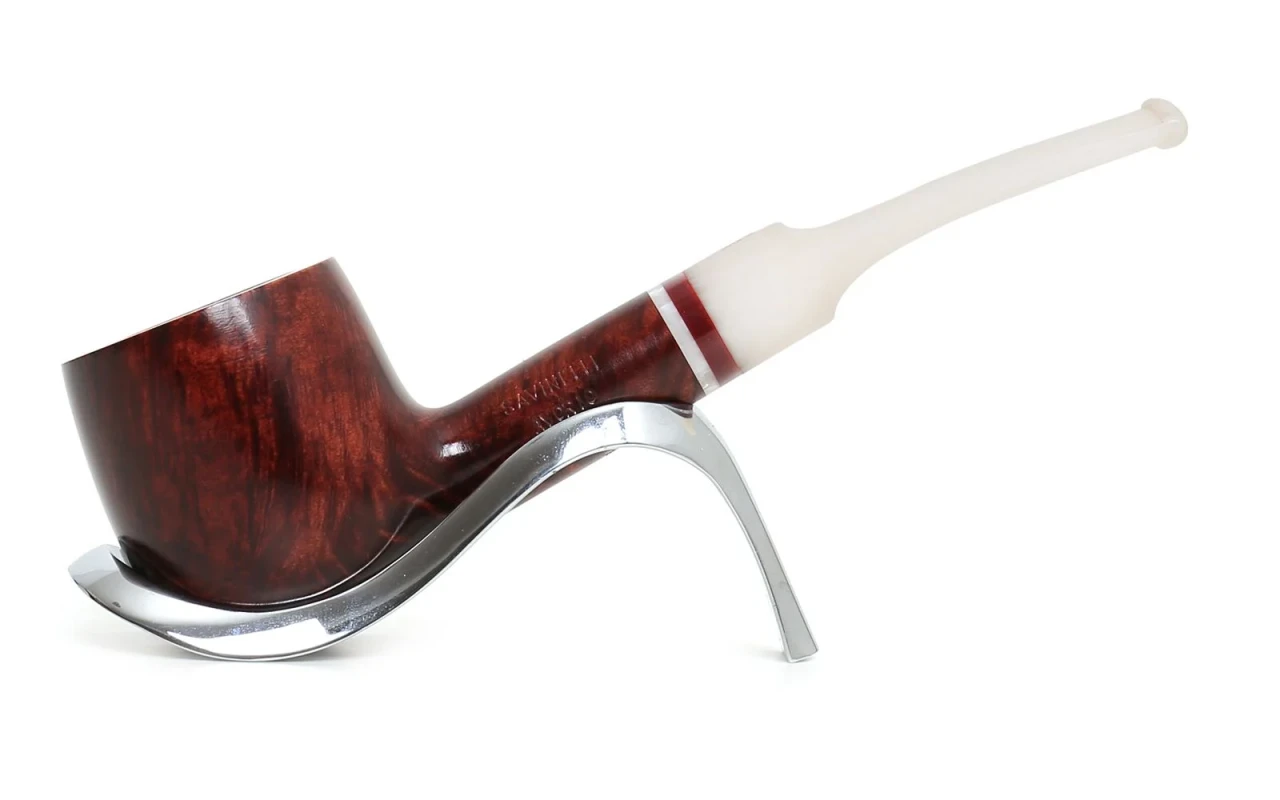
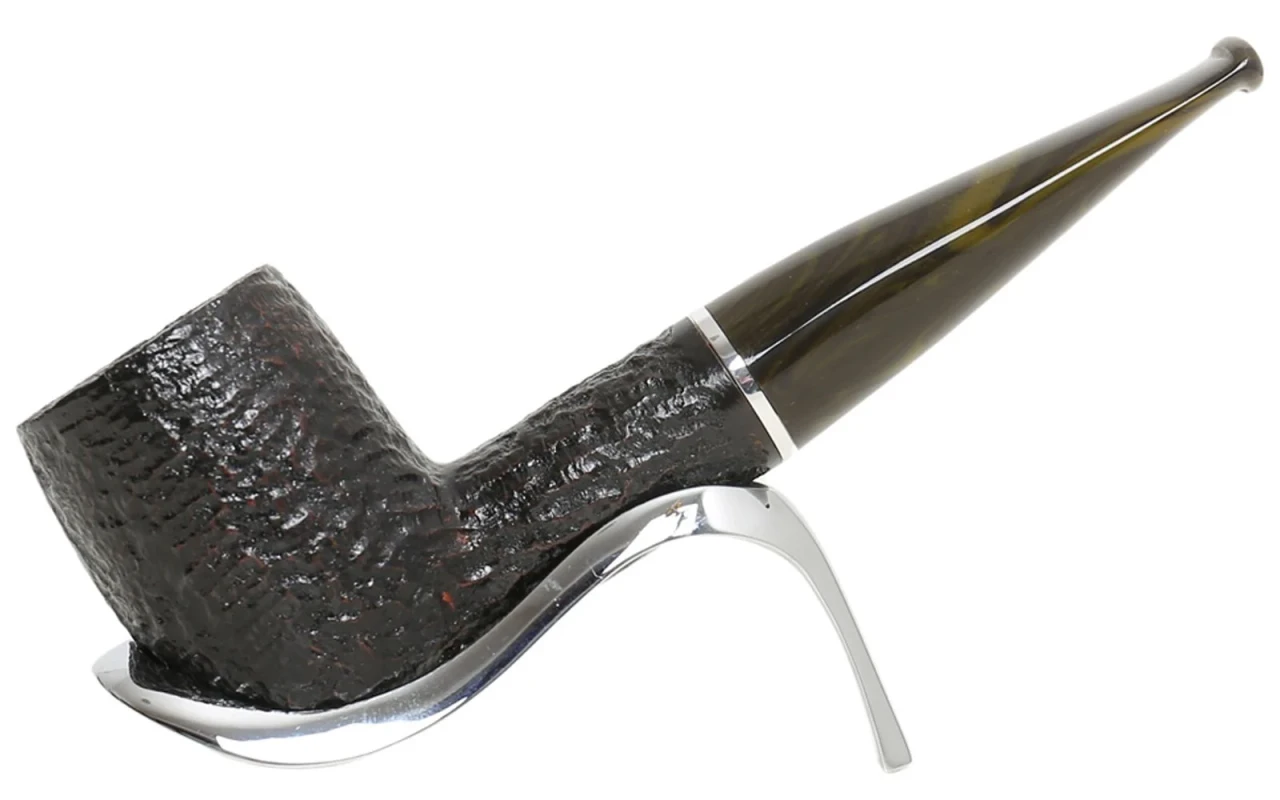
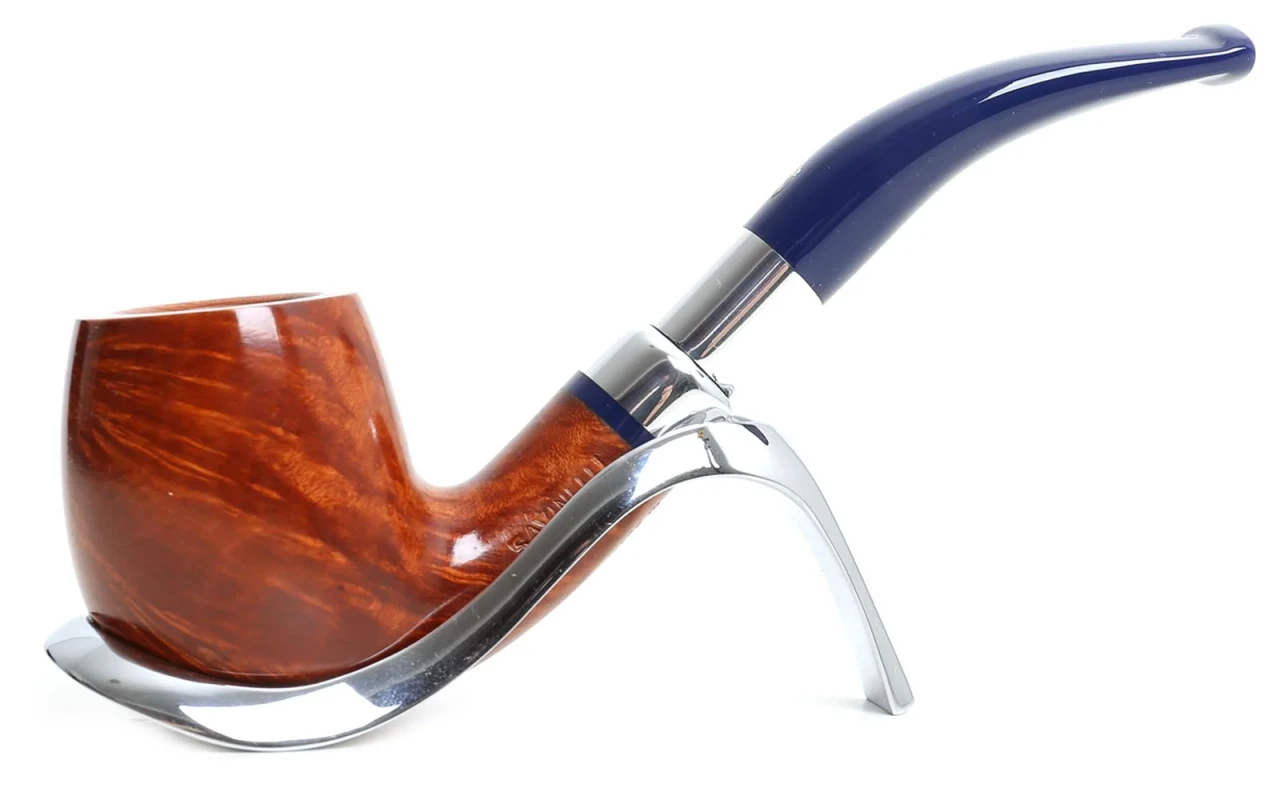
The design of the "Opera" pipe has a fascinating history rich in tradition in the world of pipes. This particular model stands out for its elegance and sophistication, inspired by the culture and art of opera. The "Opera" pipe is characterized by sinuous and curvilinear lines, reminiscent of classic and aristocratic shapes. Crafted with precious materials such as briar or meerschaum, this pipe is a symbol of class and style. Thanks to its ergonomic shape and the smooth, cool smoke it provides, the "Opera" pipe has become an icon among pipe enthusiasts.
COLLECTIBLE PIPES
Collectible pipes are sought-after items by enthusiasts and collectors for their beauty and uniqueness. Usually crafted with precious materials such as briar or meerschaum, collectible pipes often feature intricate artisanal work and high-quality finishes. These pipes are valued not only for their functionality in smoking tobacco, but also as works of art to display and admire. Pipe collectors seek out rare pieces from various countries, created by renowned master pipemakers, thus contributing to preserving and enhancing the tradition and craftsmanship associated with the world of pipes.
Materials of collectible pipes
Collectible pipes are made from a wide range of precious materials, each with unique characteristics. The most common materials include:- Briar wood: light and durable, it offers a natural surface with unique grain patterns.- Meerschaum: a porous stone that absorbs smoke, gradually darkening and enriching the pipe with character over time.- Silver: used for decorations or linings, it adds elegance and sophistication.- Ivory: precious and sought-after, although now rarely used due to conservation reasons.The choice of material contributes to defining the value and aesthetics of a collectible pipe.
Maintenance of collectible pipes
Maintenance of collectible pipes is a fundamental aspect to preserve their integrity over time and ensure optimal functionality. Here are some useful tips:- Regular cleaning: remove tobacco residue and moisture with a pipe cleaner.- Polishing: use beeswax or specific pipe oil to preserve the wood.- Avoid overheating: alternate pipes to allow for cooling down.- Filter replacement: if the pipe has a filter, replace it periodically.- Proper storage: store the pipe in a pipe rack or case to protect it from impacts and dust.By following these practices, your collectible pipes will maintain their beauty and functionality over time.
Value of collectible pipes
Collectible pipes can have a significant value for various reasons, including the brand, the materials used, the rarity, and the craftsmanship. Pipes made by renowned pipe masters can reach high prices in the collectible pipe market. Furthermore, pipes made with precious materials such as briar wood or meerschaum can have a higher value compared to those made with more common materials. The rarity of some pipe models, especially if they were produced in limited or vintage editions, can increase their value in the eyes of collectors. Lastly, the craftsmanship and the construction quality of a pipe can significantly influence its market value.
'%3e%3cg id='Final-Copy-2_2_' transform='translate(1275.000000, 200.000000)'%3e%3cpath class='st0' d='M7.4,12.8h6.8l3.1-11.6H7.4C4.2,1.2,1.6,3.8,1.6,7S4.2,12.8,7.4,12.8z'/%3e%3c/g%3e%3c/g%3e%3c/g%3e%3cg id='final---dec.11-2020'%3e%3cg id='_x30_208-our-toggle' transform='translate(-1275.000000, -200.000000)'%3e%3cg id='Final-Copy-2' transform='translate(1275.000000, 200.000000)'%3e%3cpath class='st1' d='M22.6,0H7.4c-3.9,0-7,3.1-7,7s3.1,7,7,7h15.2c3.9,0,7-3.1,7-7S26.4,0,22.6,0z M1.6,7c0-3.2,2.6-5.8,5.8-5.8 h9.9l-3.1,11.6H7.4C4.2,12.8,1.6,10.2,1.6,7z'/%3e%3cpath id='x' class='st2' d='M24.6,4c0.2,0.2,0.2,0.6,0,0.8l0,0L22.5,7l2.2,2.2c0.2,0.2,0.2,0.6,0,0.8c-0.2,0.2-0.6,0.2-0.8,0 l0,0l-2.2-2.2L19.5,10c-0.2,0.2-0.6,0.2-0.8,0c-0.2-0.2-0.2-0.6,0-0.8l0,0L20.8,7l-2.2-2.2c-0.2-0.2-0.2-0.6,0-0.8 c0.2-0.2,0.6-0.2,0.8,0l0,0l2.2,2.2L23.8,4C24,3.8,24.4,3.8,24.6,4z'/%3e%3cpath id='y' class='st3' d='M12.7,4.1c0.2,0.2,0.3,0.6,0.1,0.8l0,0L8.6,9.8C8.5,9.9,8.4,10,8.3,10c-0.2,0.1-0.5,0.1-0.7-0.1l0,0 L5.4,7.7c-0.2-0.2-0.2-0.6,0-0.8c0.2-0.2,0.6-0.2,0.8,0l0,0L8,8.6l3.8-4.5C12,3.9,12.4,3.9,12.7,4.1z'/%3e%3c/g%3e%3c/g%3e%3c/g%3e%3c/g%3e%3c/svg%3e) Your Privacy Choices
Your Privacy Choices 


