 ES
ES FR
FR EN
EN IT
IT DE
DE
Heat transmission from a wooden pipe smoke
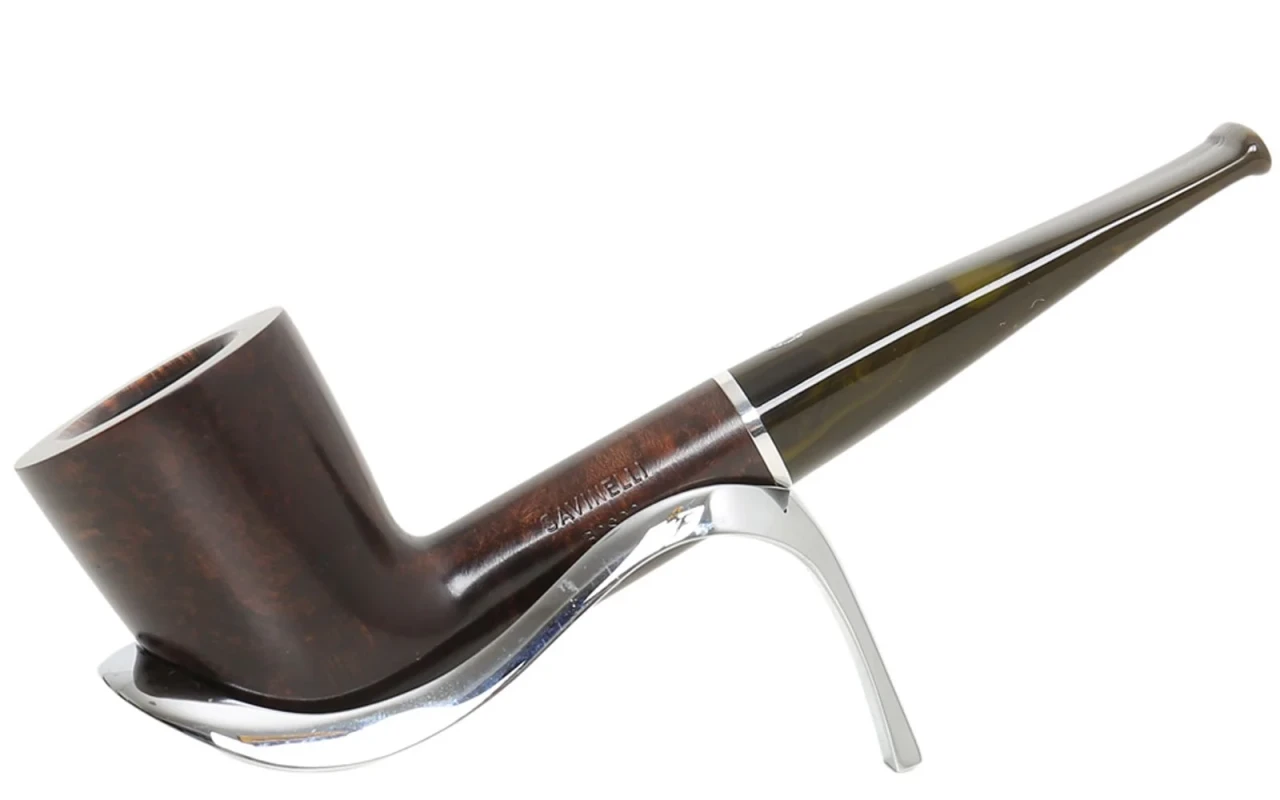
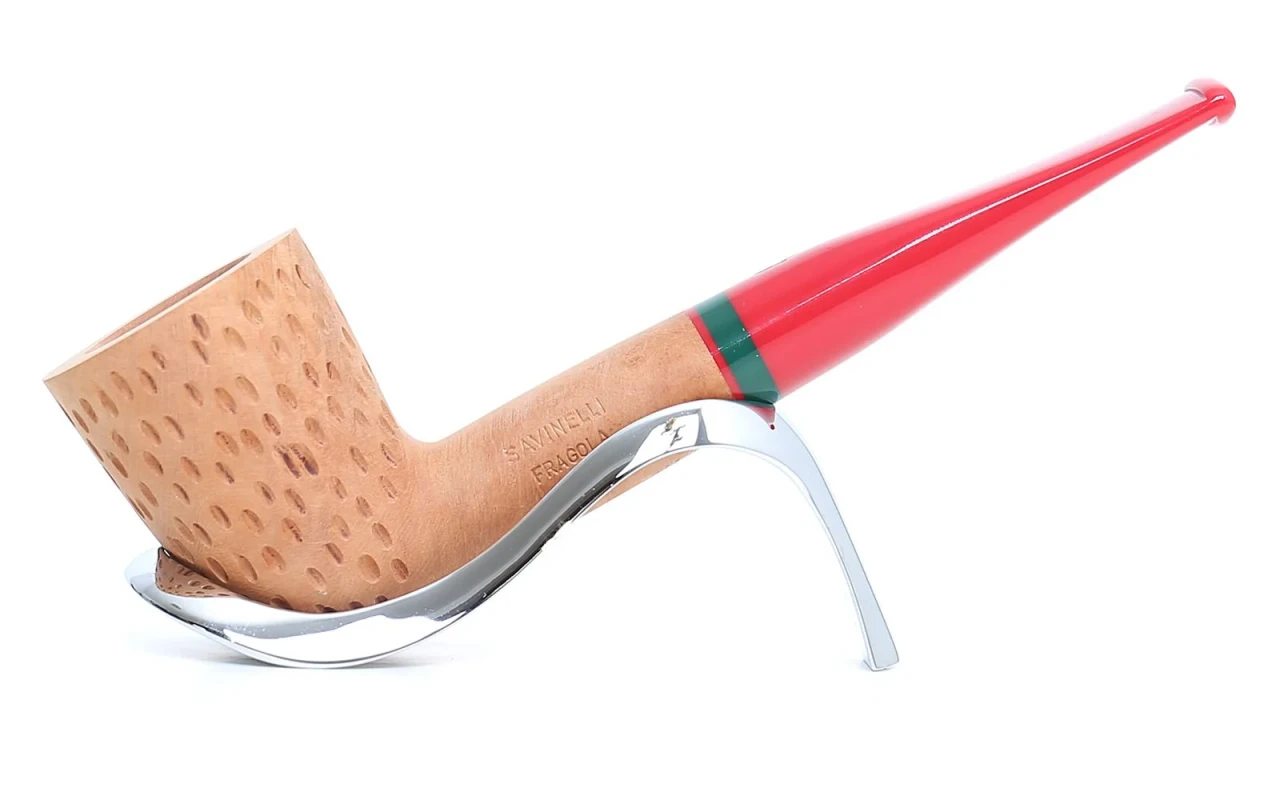
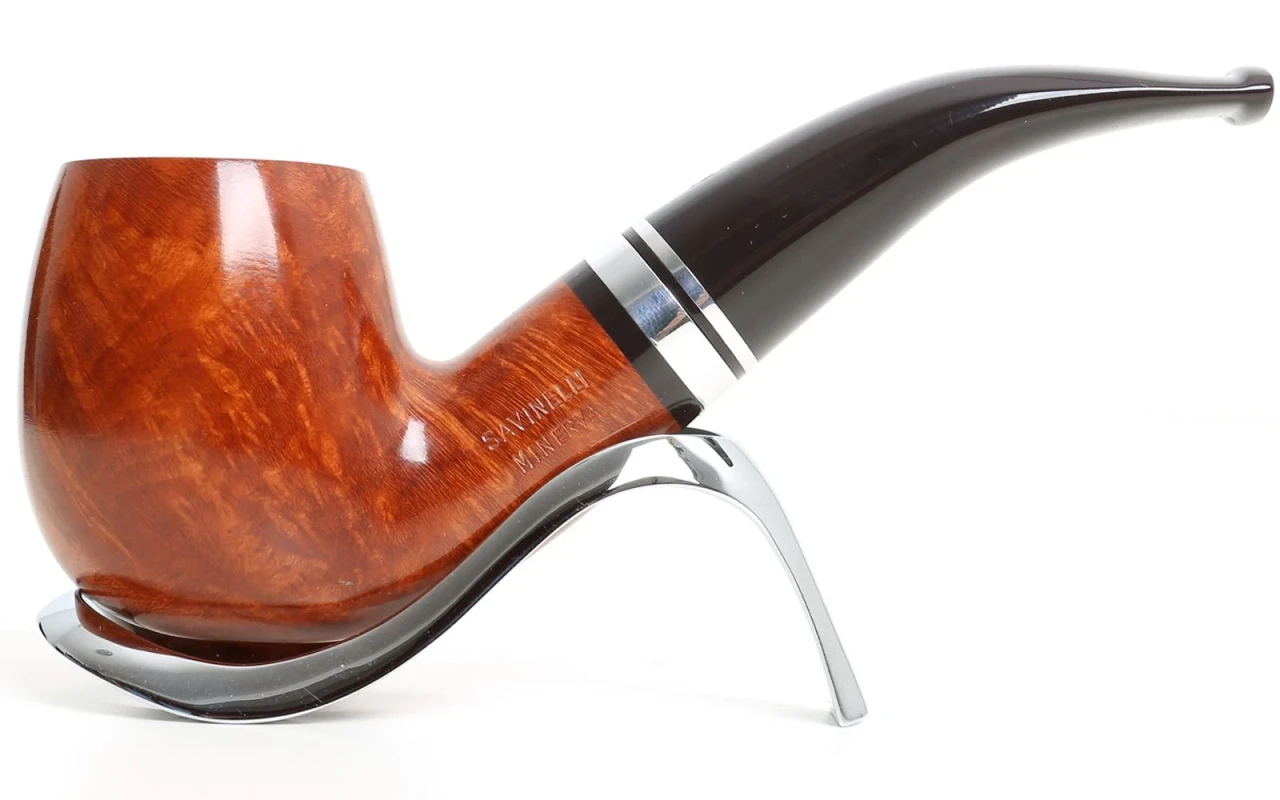
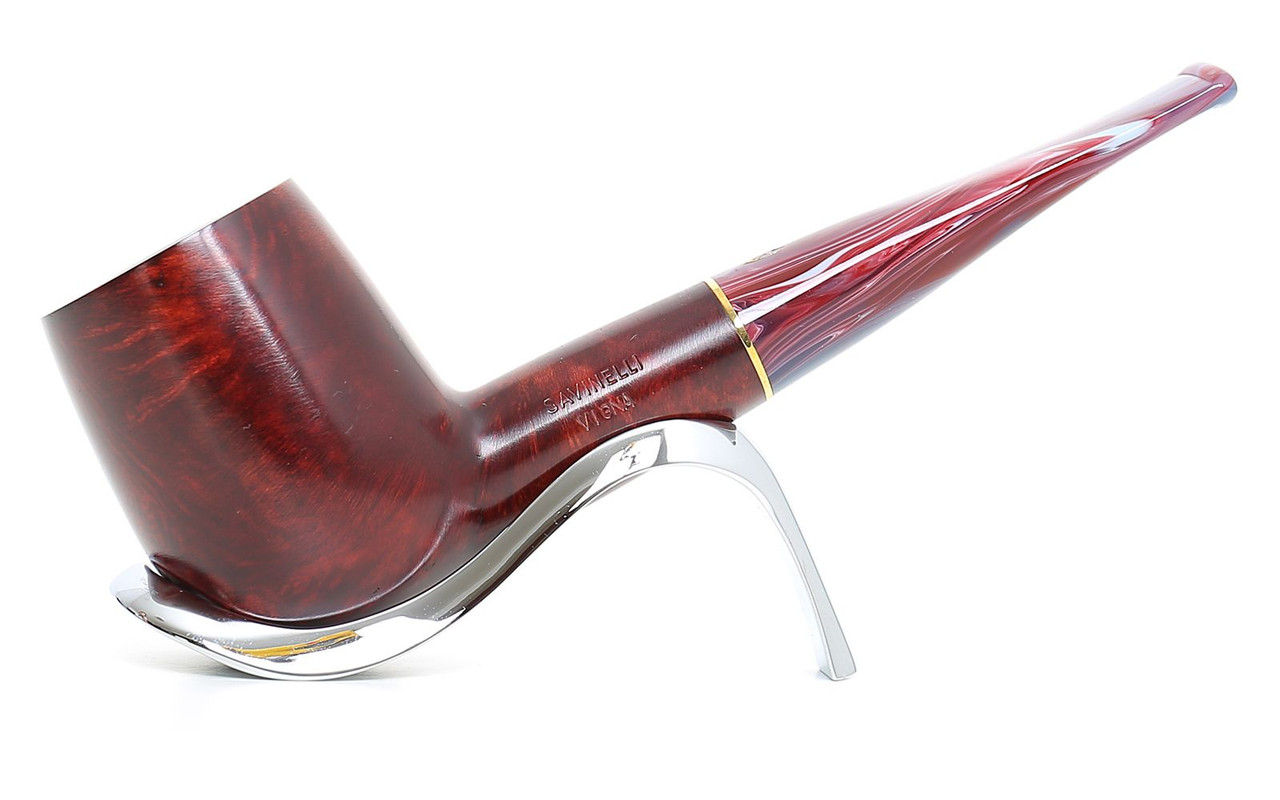
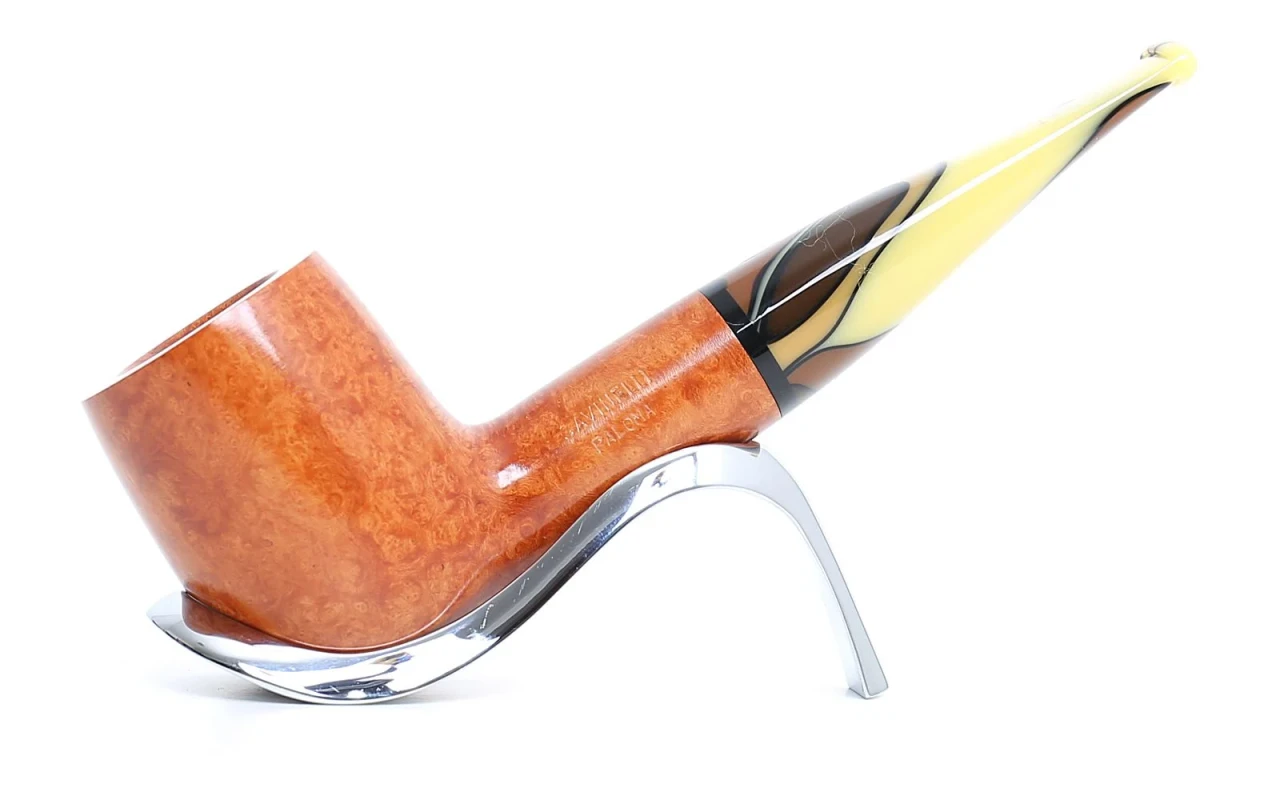
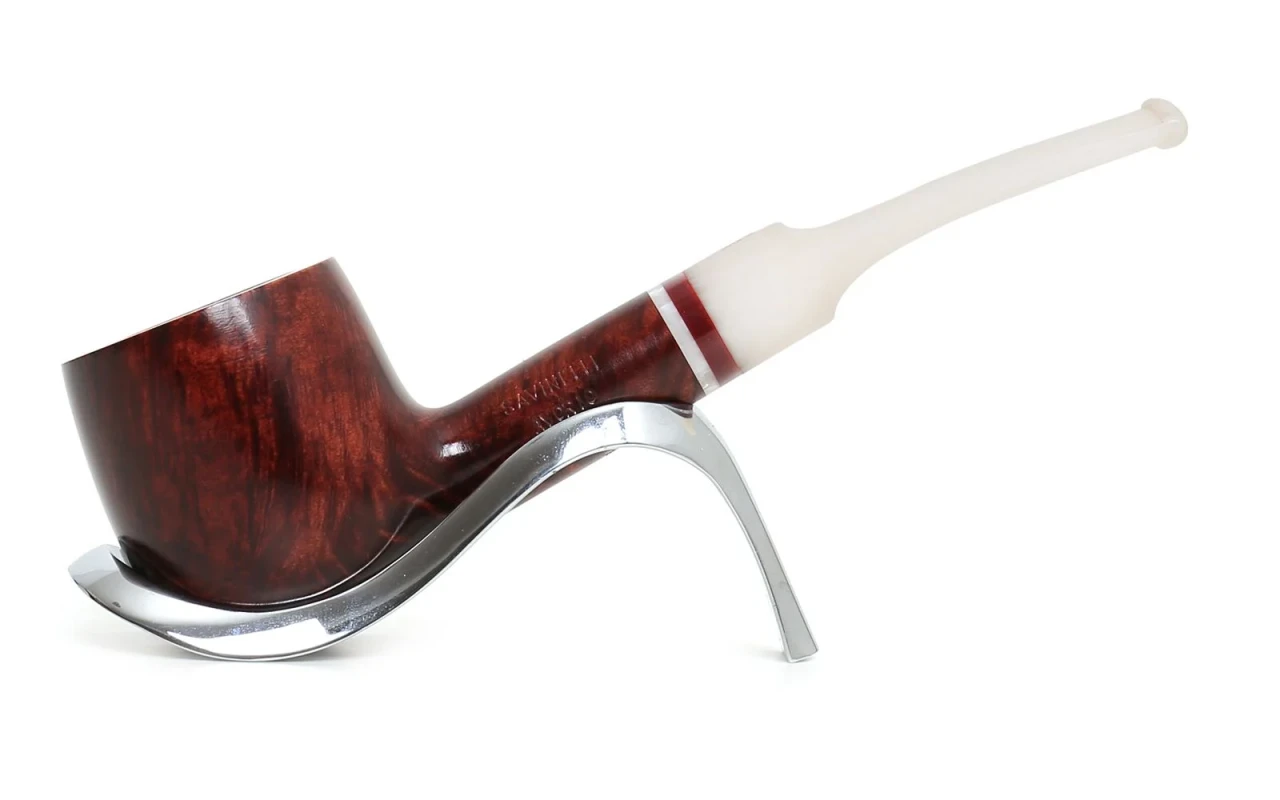
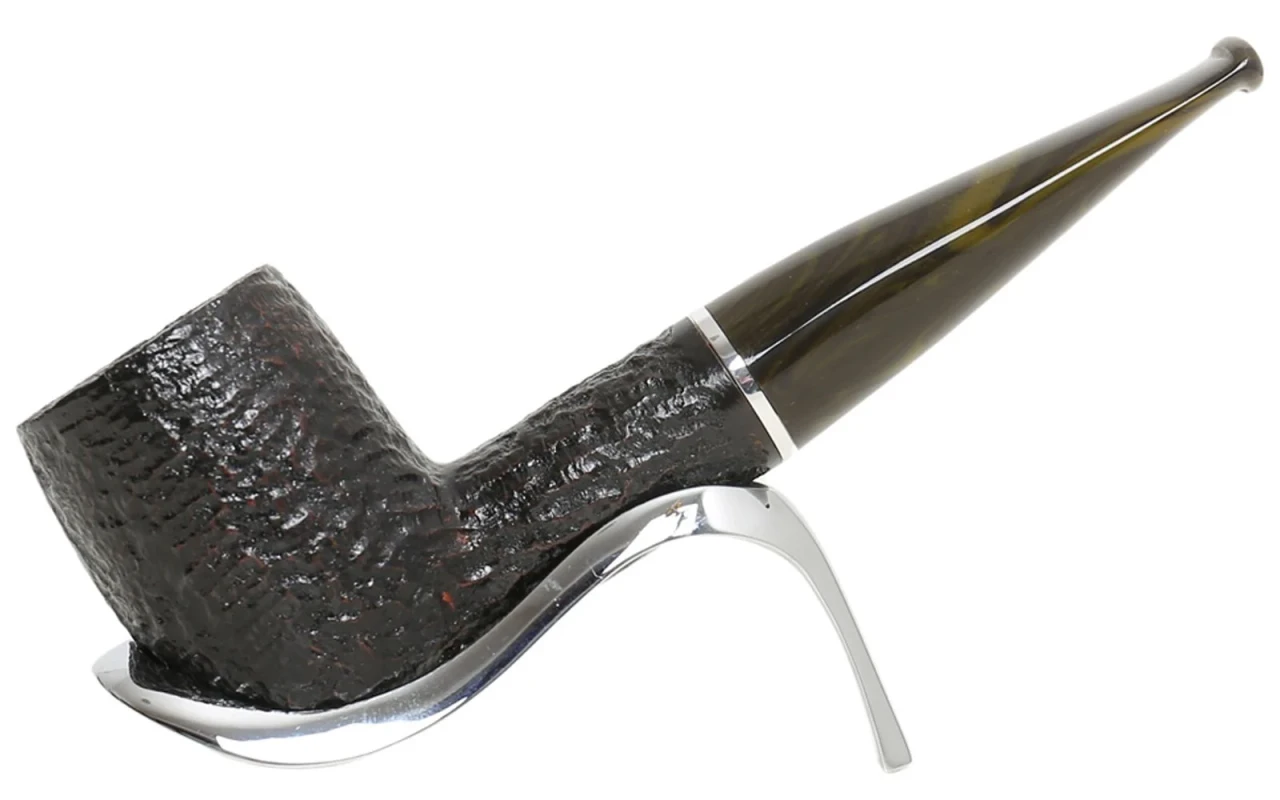
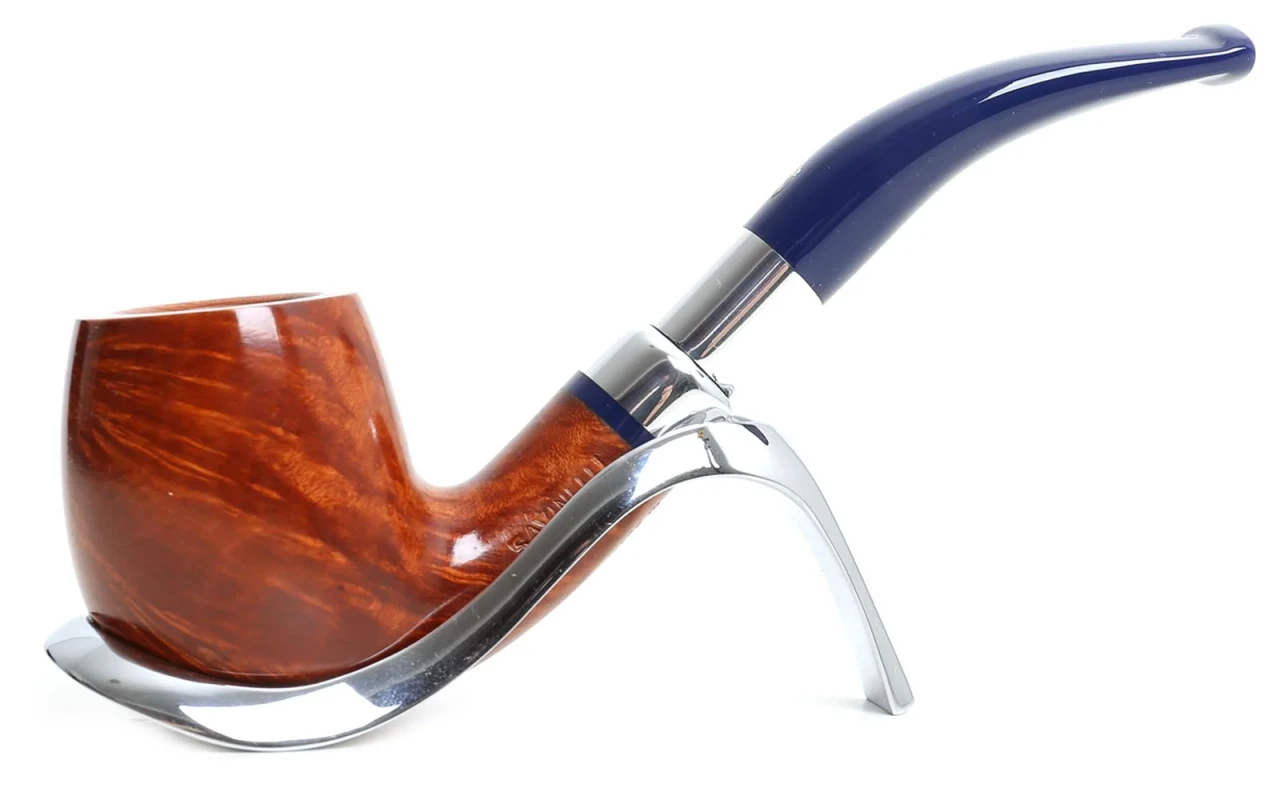
Heat transmission from a wooden pipe smoke
The heat transmitted from a wooden pipe smoke mainly depends on the type of wood used for the pipe itself. High-quality woods such as briar or olive wood tend to retain and transmit heat more evenly compared to other woods. During the tobacco combustion in the pipe, the heat spreads through the pipe walls, slightly warming up the wood. This heat is then transferred to the user's hand, creating a pleasant sensation and enhancing the overall experience of smoking a wooden pipe. It is important to note that the transmitted heat should never be excessive to ensure a comfortable and safe smoking session.
Types of wood for smoking pipes
There are different types of wood used for making smoking pipes, each with unique characteristics that influence the smoking experience. Among the most popular woods are:- Briar: hard wood, heat and flame resistant, commonly used for high-quality smoking pipes.- Pearwood: soft wood but heat resistant, often chosen for budget pipes.- Cherrywood: light and easy to shape wood, offers a sweet flavor to the smoke.- Walnut: hard wood with distinctive grain patterns, ideal for artisanal smoking pipes.- Olive wood: dense and hard wood, appreciated for its beauty and durability.The choice of wood affects both the performance and the aesthetics of the smoking pipe.
How to maintain the smoking temperature of a pipe
To maintain the optimal smoking temperature of a pipe, it is essential to follow some practices:1. **Pipe selection:** Choose a quality pipe, preferably made of briar, capable of retaining heat evenly.2. **Gentle lighting:** Light the pipe carefully, avoiding burning it too quickly. A soft and steady flame is ideal.3. **Slow smoking:** Smoke slowly, avoiding strong draws. Breathe gently to maintain a constant temperature.4. **Regular cleaning:** A clean pipe ensures better air circulation and a more even smoke.By following these guidelines, you can enjoy a pipe smoke at the ideal temperature.
Wood influences on smoke temperature
The wood used for crafting smoking pipes can influence the smoke temperature in various ways. The type of wood, its density, and heat absorption capacity can all contribute to regulating the temperature during smoking. For instance, briar wood, known for its heat resistance, can help maintain a more consistent temperature during smoking. Conversely, more porous or lighter woods may heat up more quickly. Additionally, the shape and thickness of the pipe wall can affect heat dissipation, further contributing to regulating the smoke temperature.
'%3e%3cg id='Final-Copy-2_2_' transform='translate(1275.000000, 200.000000)'%3e%3cpath class='st0' d='M7.4,12.8h6.8l3.1-11.6H7.4C4.2,1.2,1.6,3.8,1.6,7S4.2,12.8,7.4,12.8z'/%3e%3c/g%3e%3c/g%3e%3c/g%3e%3cg id='final---dec.11-2020'%3e%3cg id='_x30_208-our-toggle' transform='translate(-1275.000000, -200.000000)'%3e%3cg id='Final-Copy-2' transform='translate(1275.000000, 200.000000)'%3e%3cpath class='st1' d='M22.6,0H7.4c-3.9,0-7,3.1-7,7s3.1,7,7,7h15.2c3.9,0,7-3.1,7-7S26.4,0,22.6,0z M1.6,7c0-3.2,2.6-5.8,5.8-5.8 h9.9l-3.1,11.6H7.4C4.2,12.8,1.6,10.2,1.6,7z'/%3e%3cpath id='x' class='st2' d='M24.6,4c0.2,0.2,0.2,0.6,0,0.8l0,0L22.5,7l2.2,2.2c0.2,0.2,0.2,0.6,0,0.8c-0.2,0.2-0.6,0.2-0.8,0 l0,0l-2.2-2.2L19.5,10c-0.2,0.2-0.6,0.2-0.8,0c-0.2-0.2-0.2-0.6,0-0.8l0,0L20.8,7l-2.2-2.2c-0.2-0.2-0.2-0.6,0-0.8 c0.2-0.2,0.6-0.2,0.8,0l0,0l2.2,2.2L23.8,4C24,3.8,24.4,3.8,24.6,4z'/%3e%3cpath id='y' class='st3' d='M12.7,4.1c0.2,0.2,0.3,0.6,0.1,0.8l0,0L8.6,9.8C8.5,9.9,8.4,10,8.3,10c-0.2,0.1-0.5,0.1-0.7-0.1l0,0 L5.4,7.7c-0.2-0.2-0.2-0.6,0-0.8c0.2-0.2,0.6-0.2,0.8,0l0,0L8,8.6l3.8-4.5C12,3.9,12.4,3.9,12.7,4.1z'/%3e%3c/g%3e%3c/g%3e%3c/g%3e%3c/g%3e%3c/svg%3e) Your Privacy Choices
Your Privacy Choices 


