 ES
ES FR
FR EN
EN IT
IT DE
DE
Heat-resistant wood for pipes
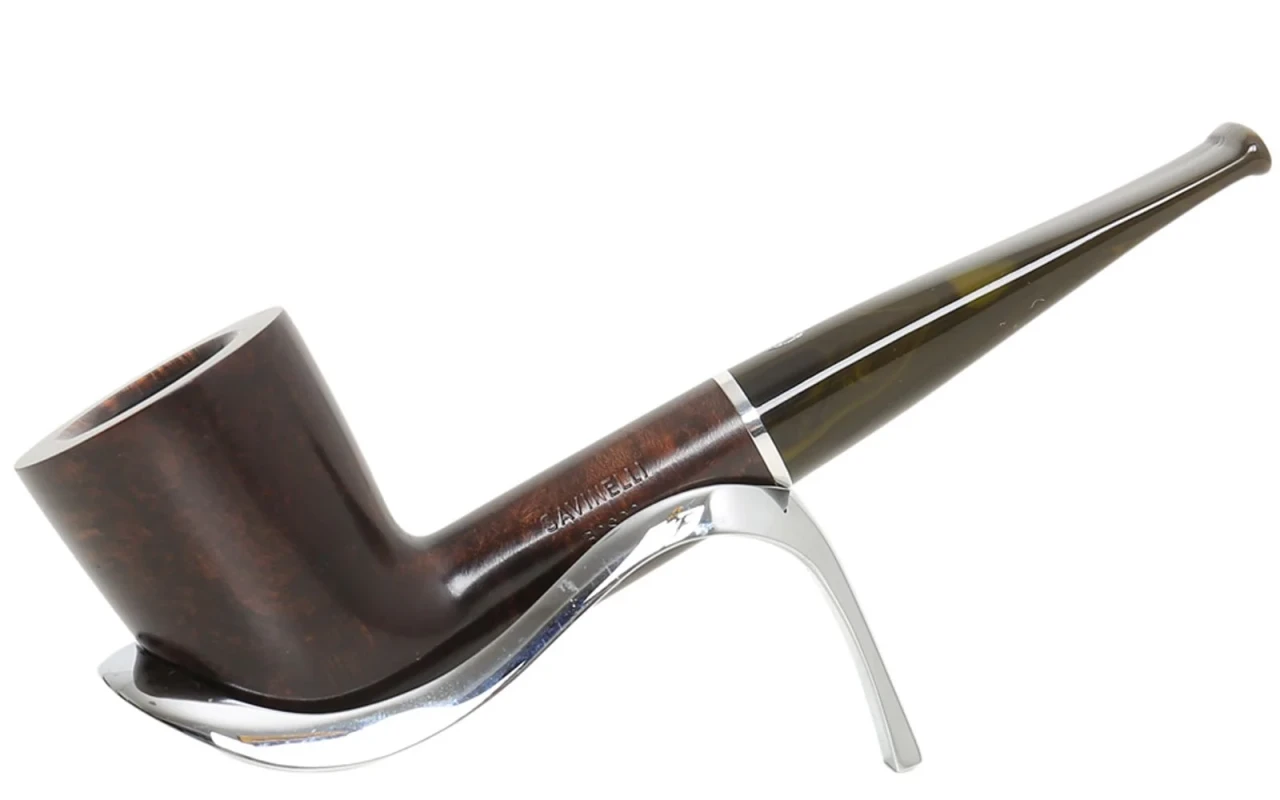
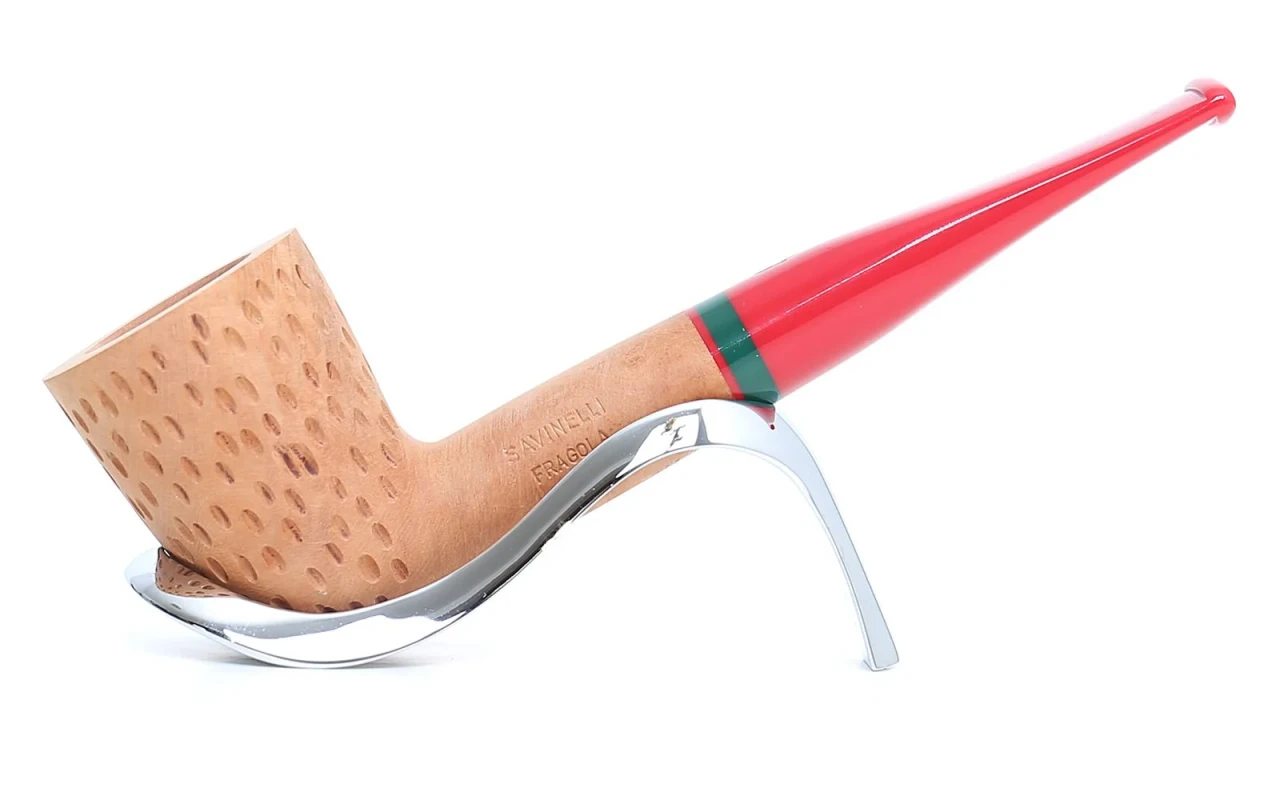
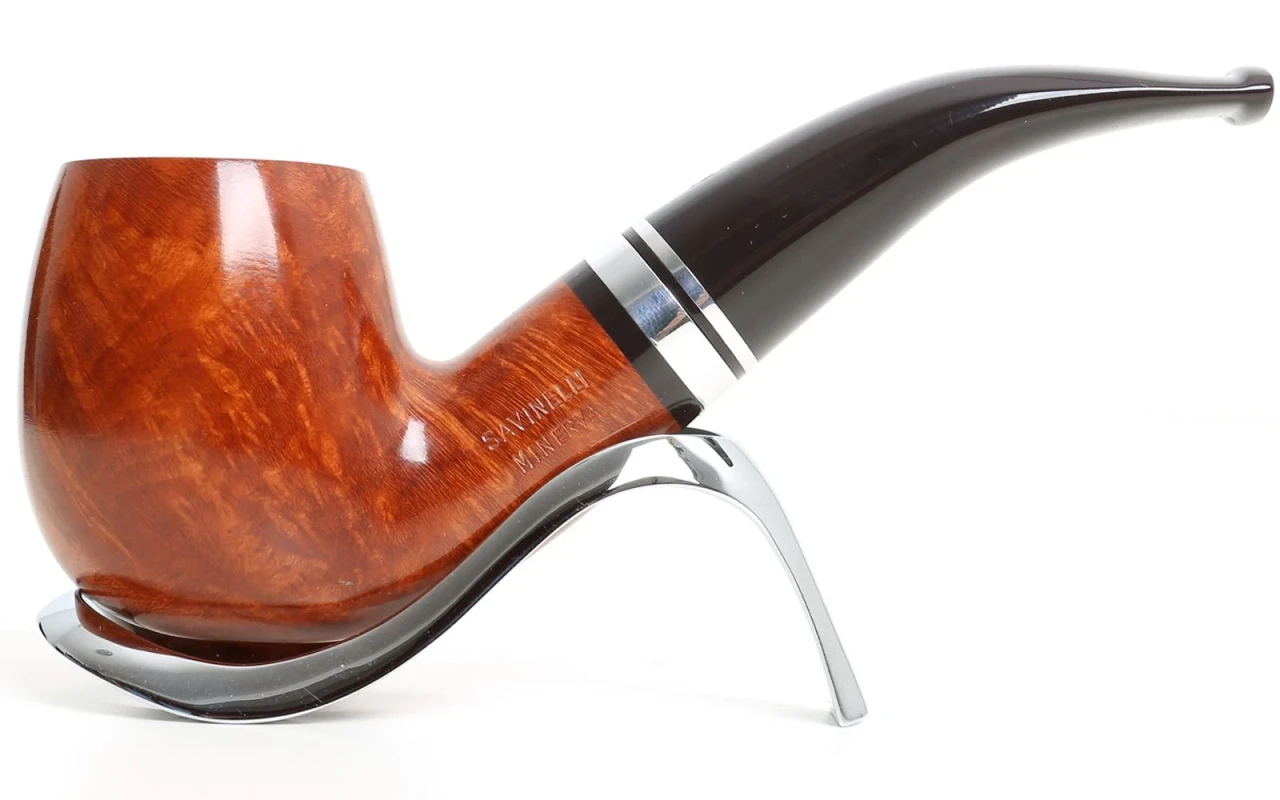
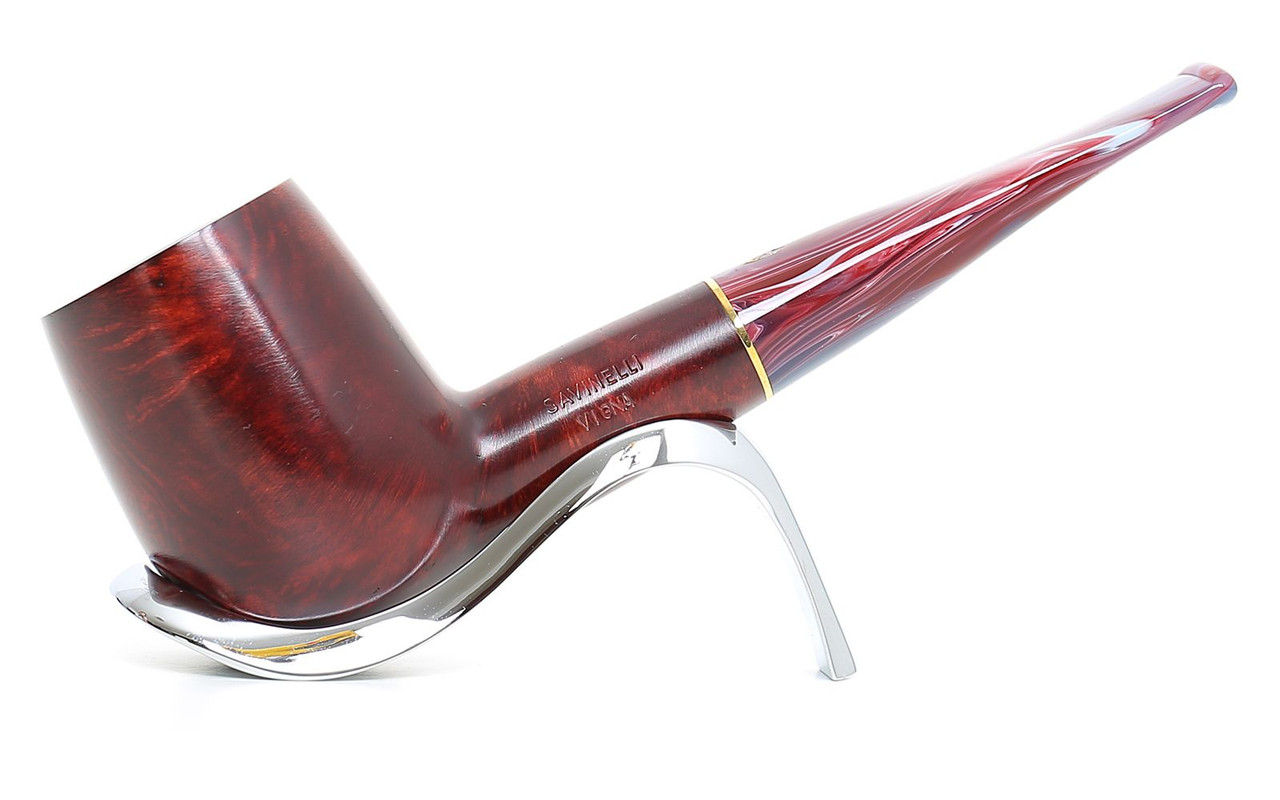
Heat-resistant wood for pipes
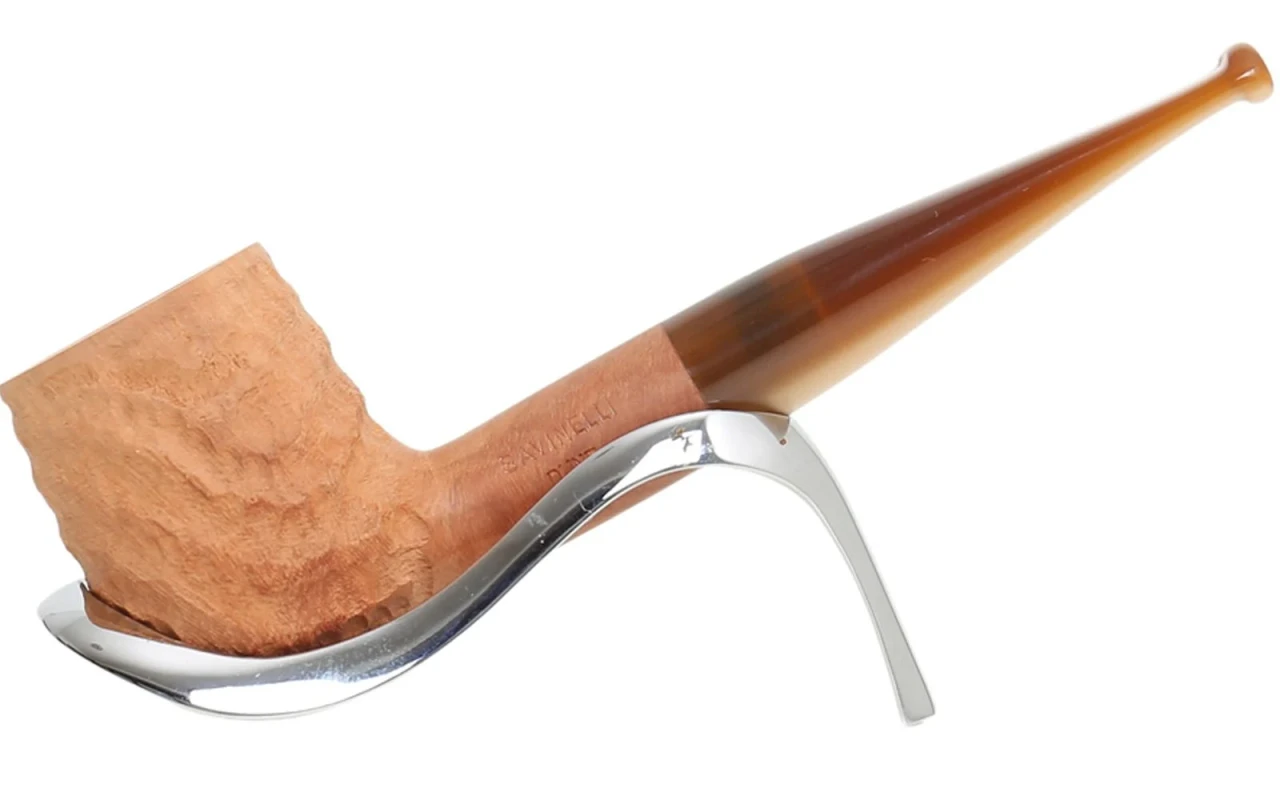
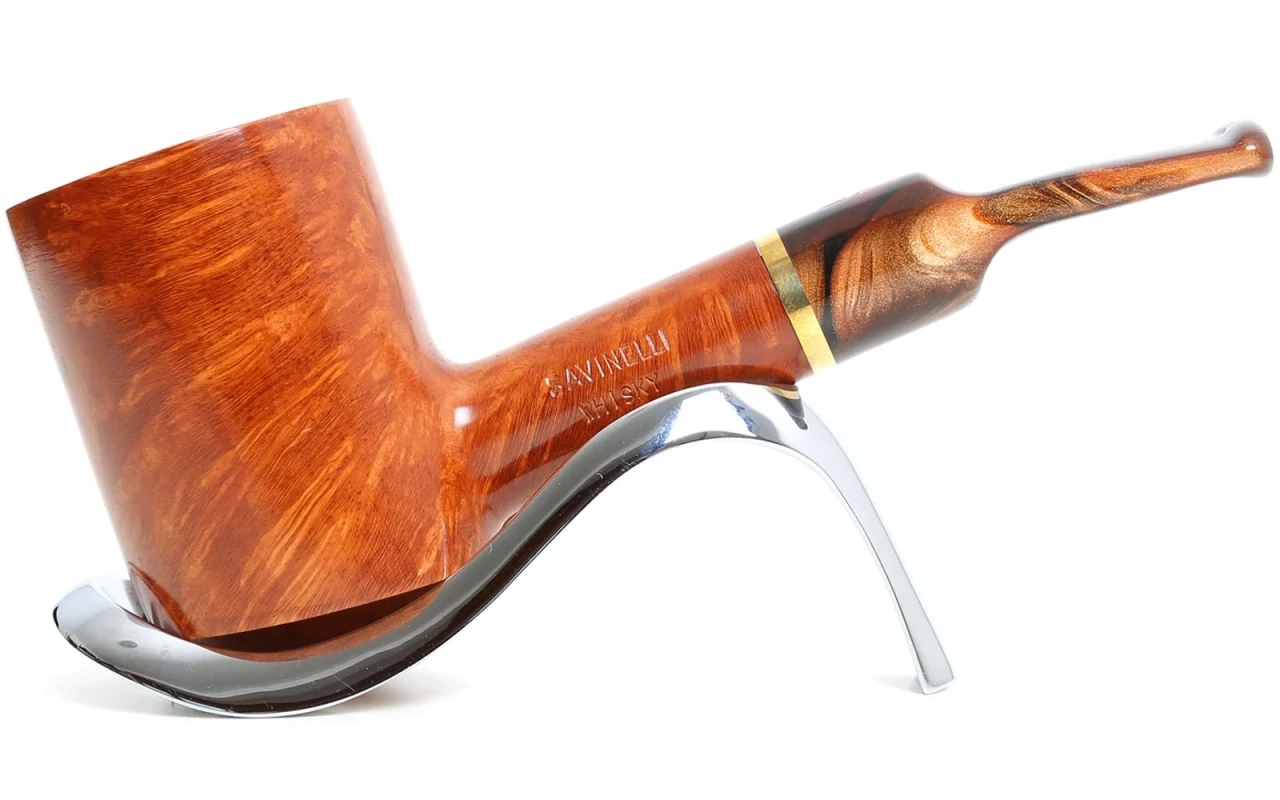
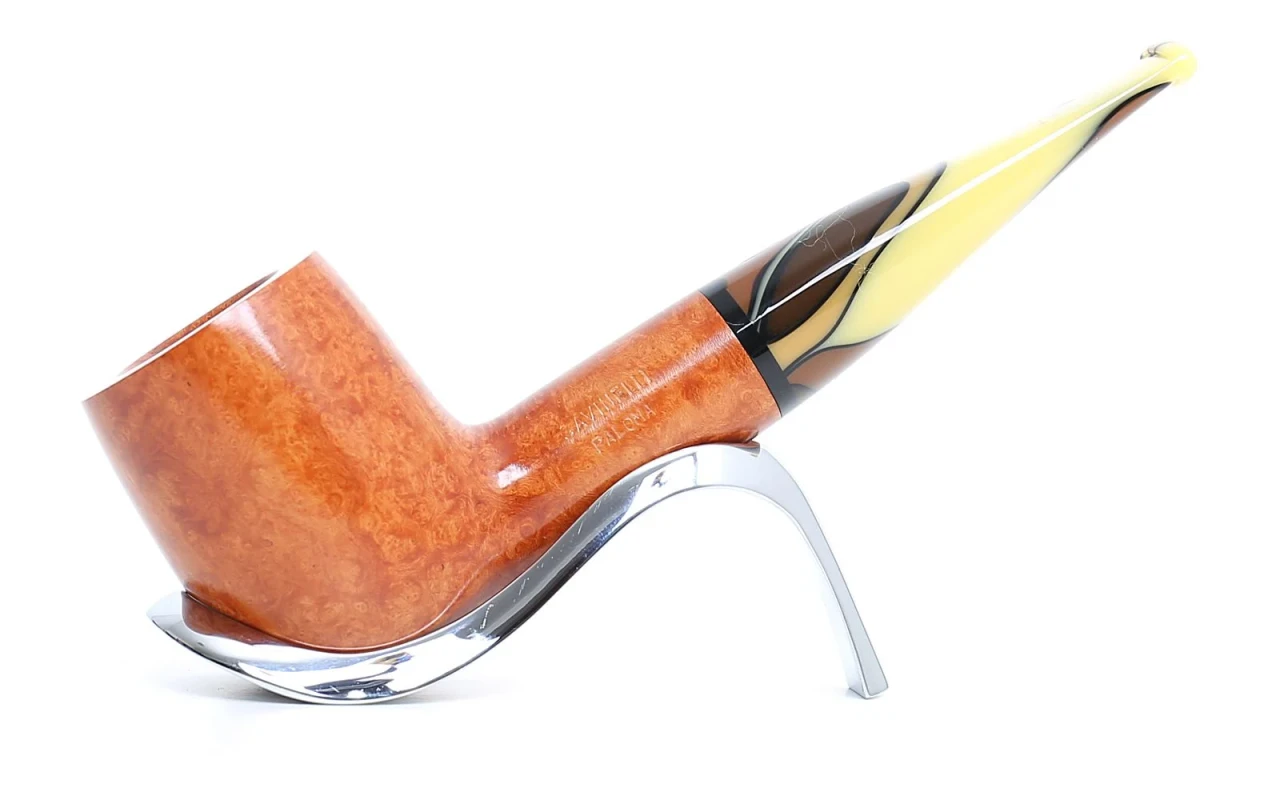
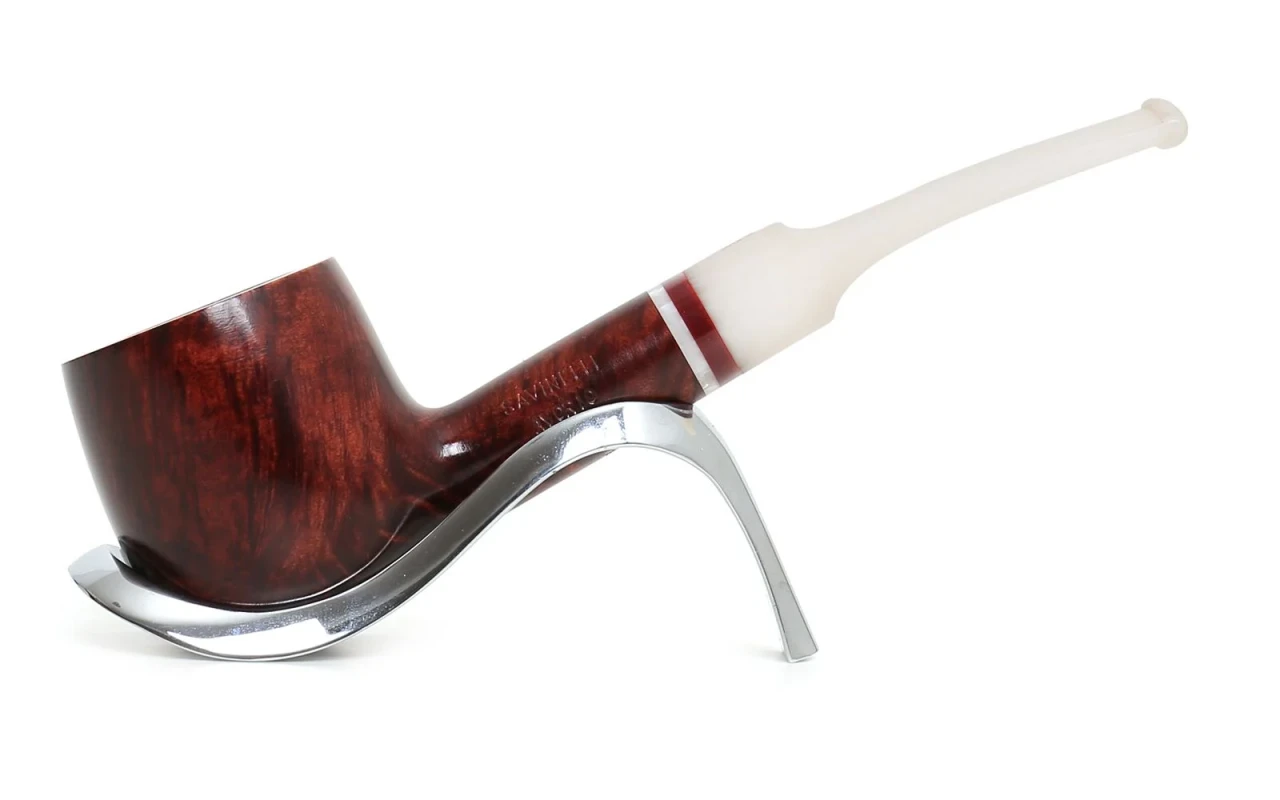
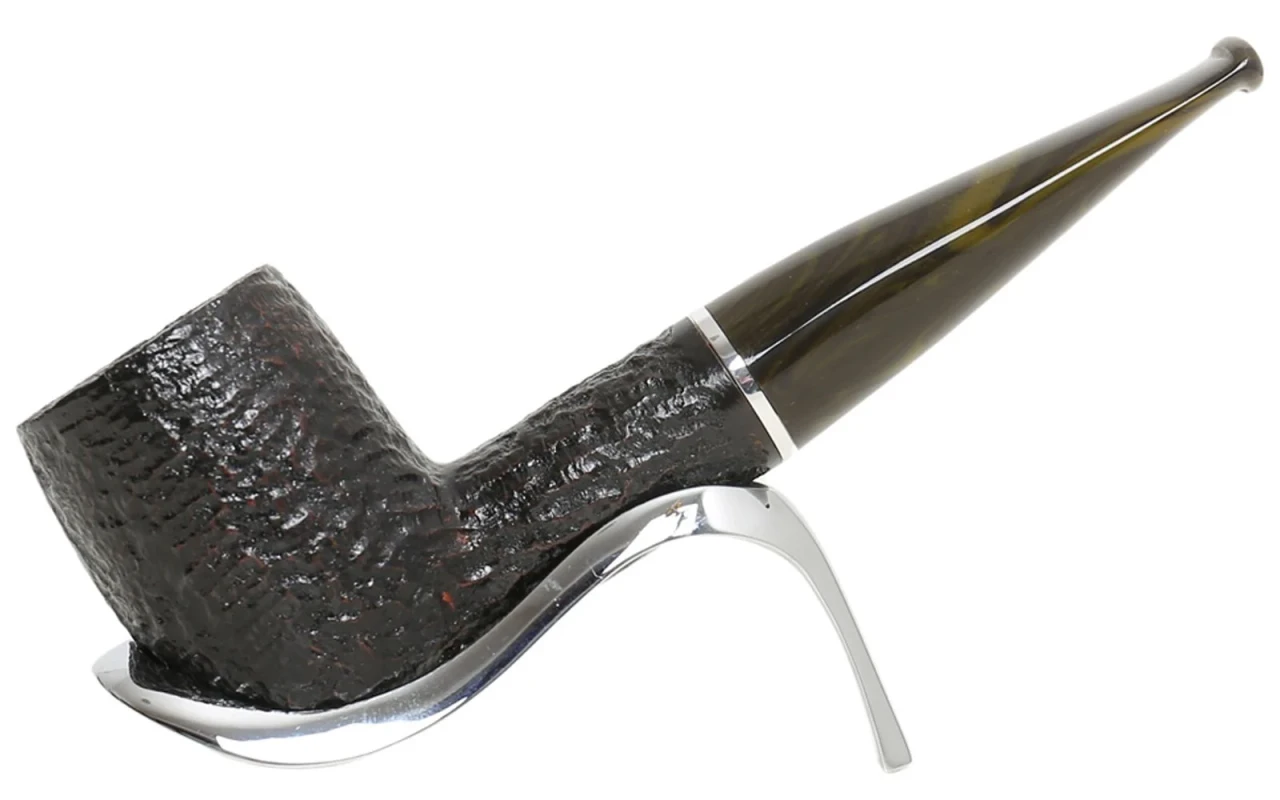
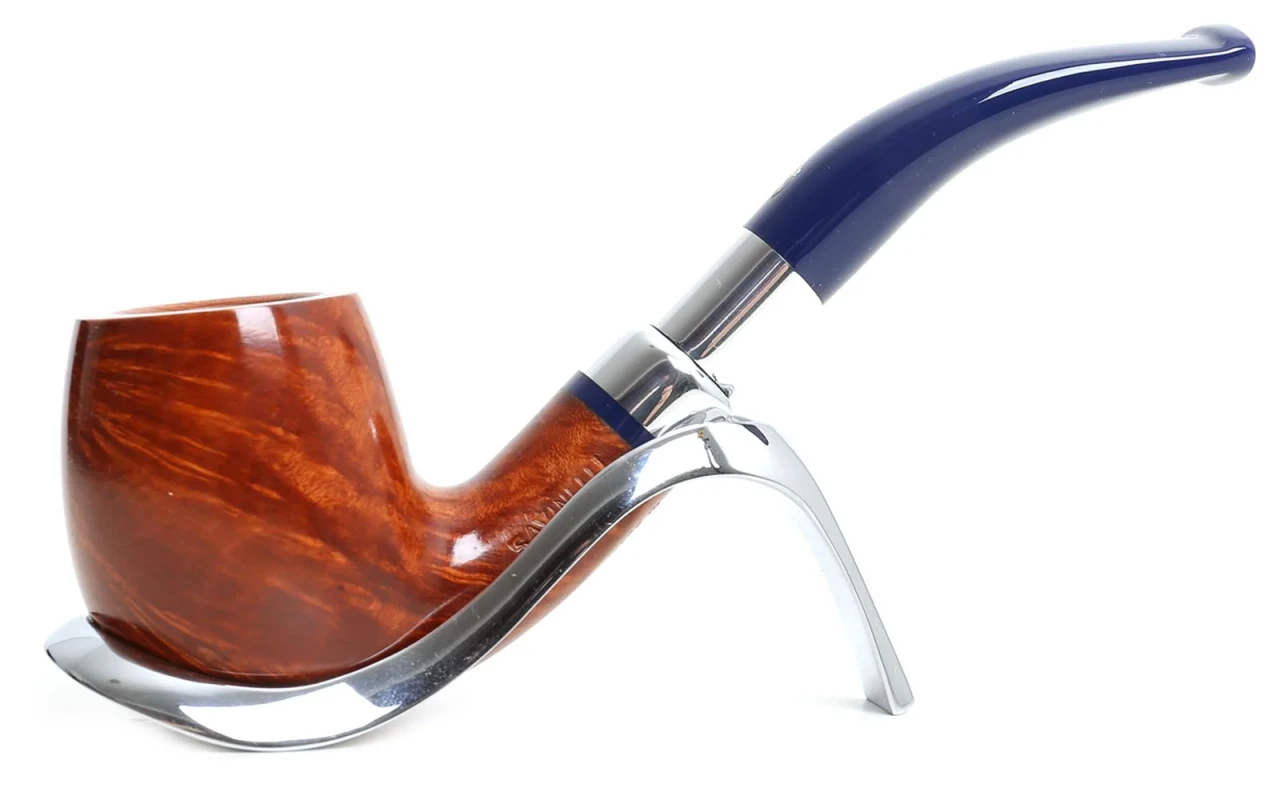
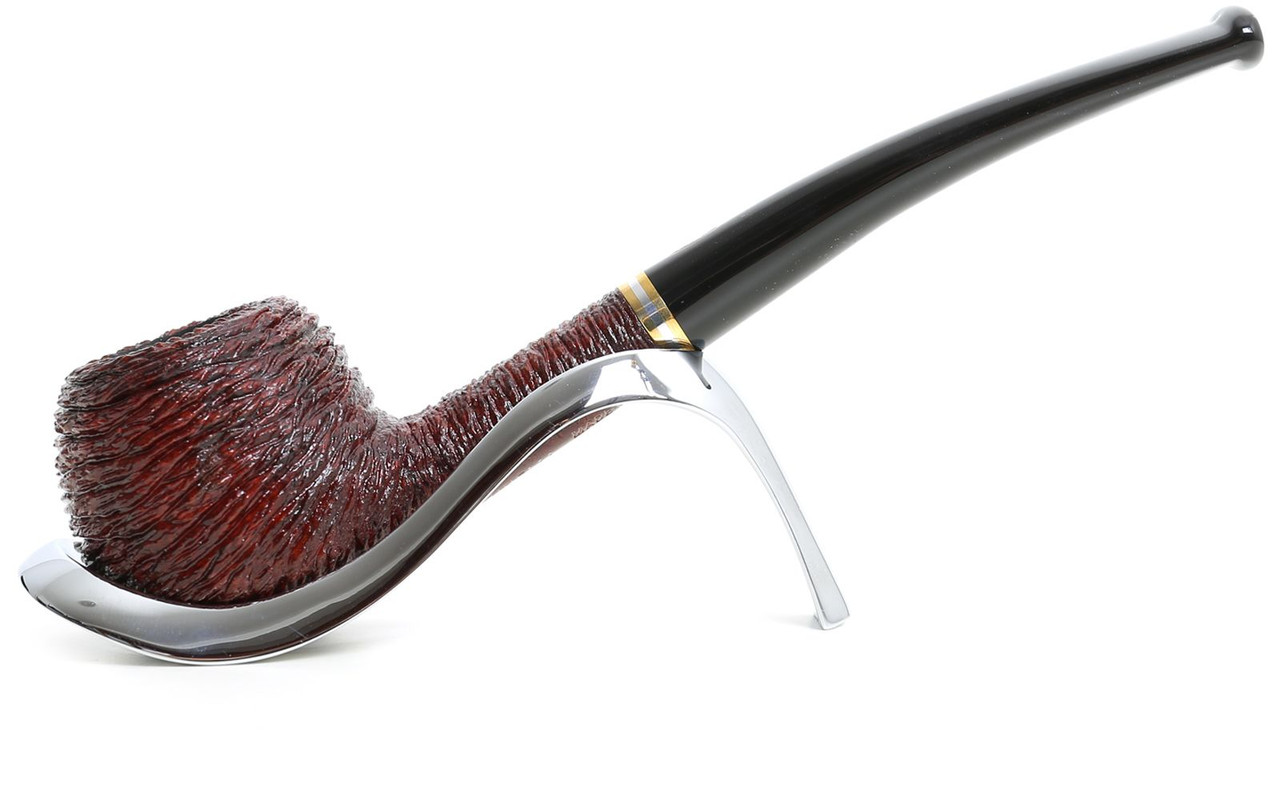
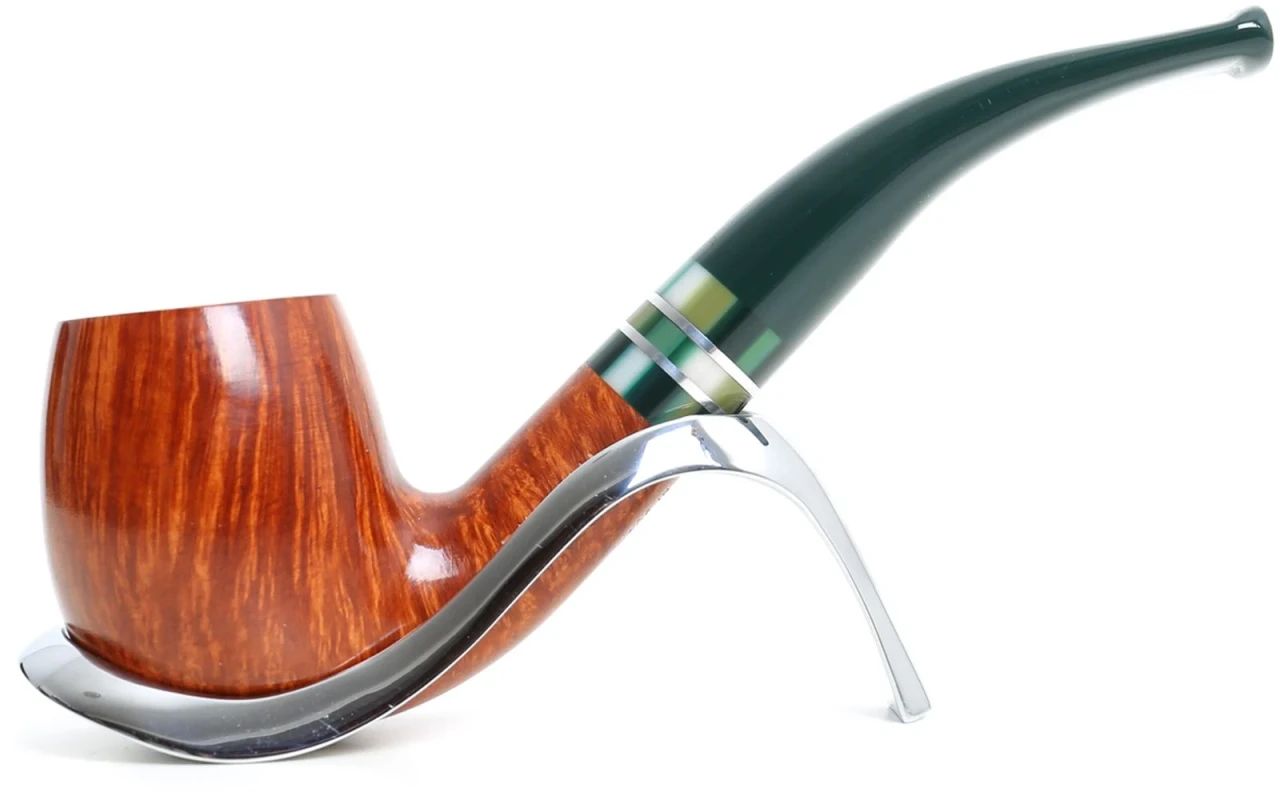
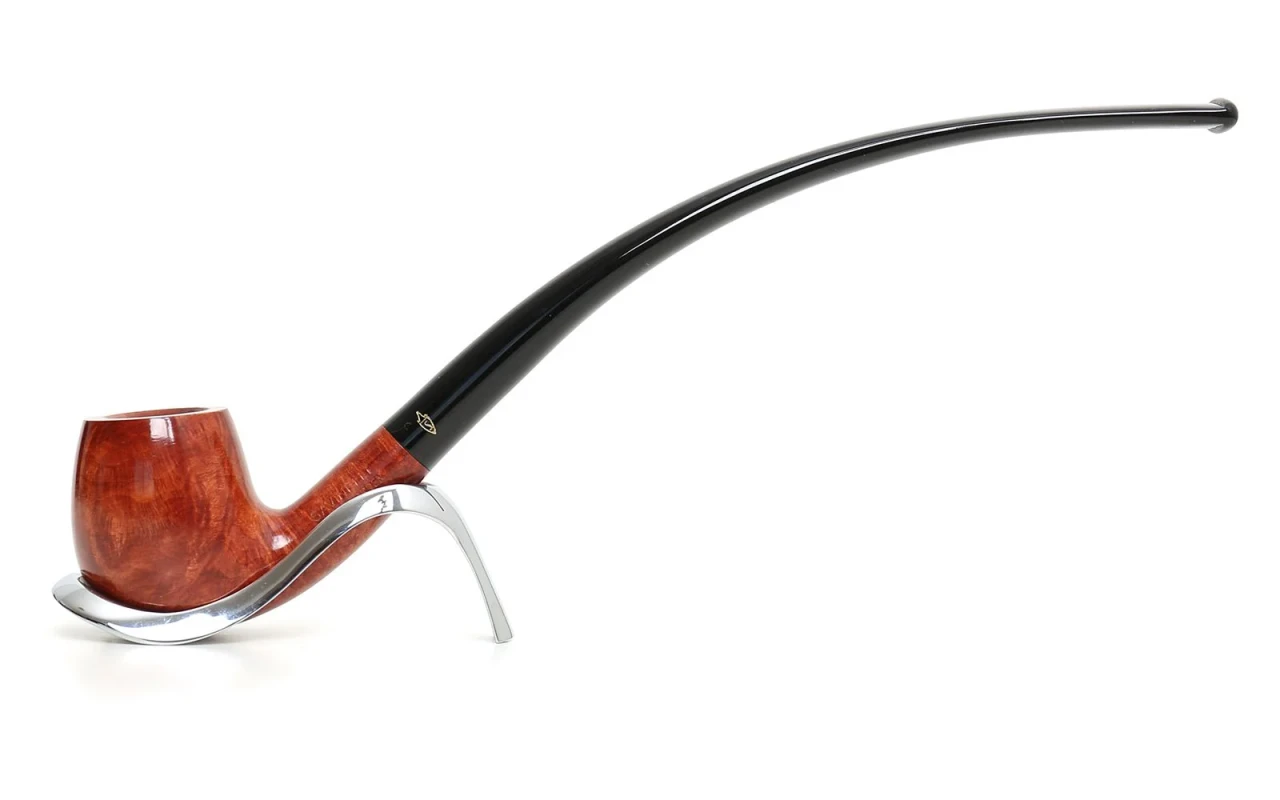
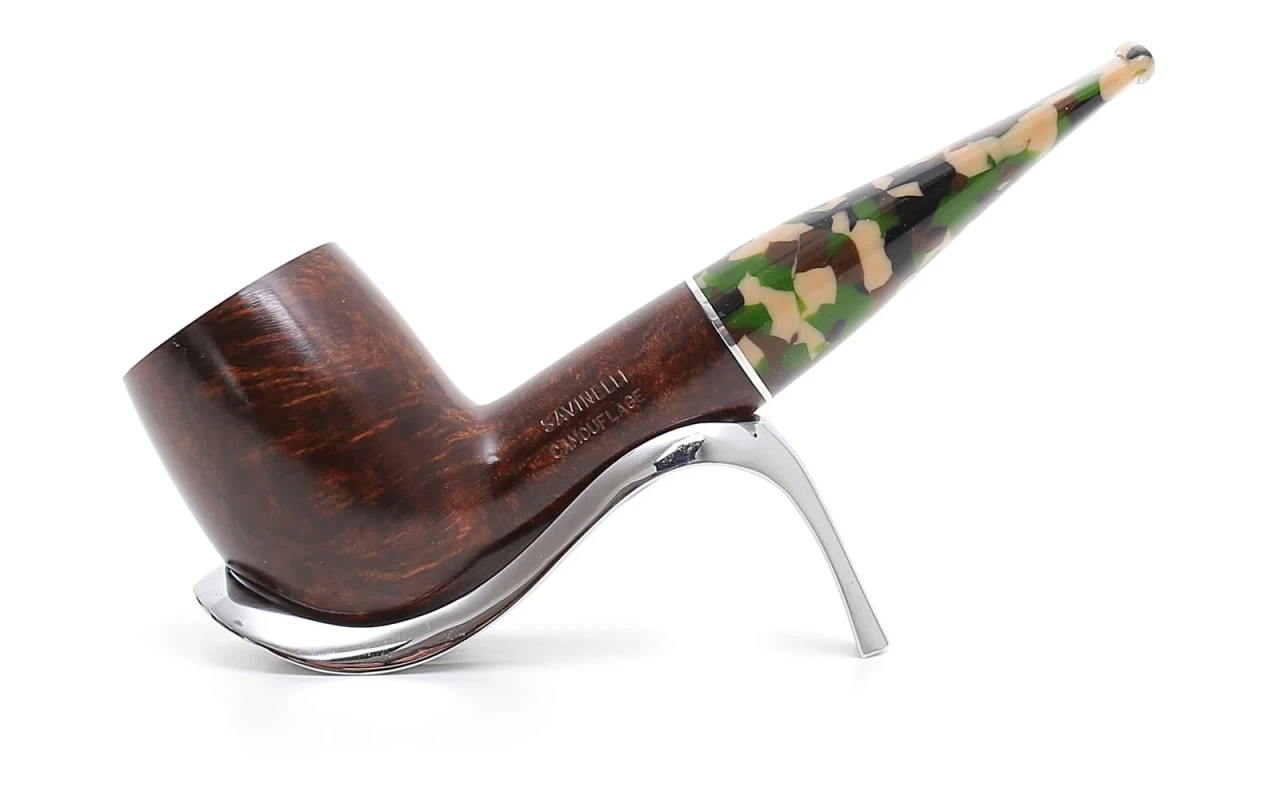
Briar wood is particularly renowned for its heat resistance and is widely used in the production of high-quality smoking pipes. This wood comes from the Erica arborea plant, mainly found in the Mediterranean basin. Its dense and hard structure allows it to withstand the high temperatures generated during pipe smoking, preventing deformations or damage to the pipe's outer surface. Thanks to its heat-resistant properties and ability to absorb moisture evenly, briar wood is the ideal choice for pipe enthusiasts seeking a durable and top-quality material.
Wooden pipe heat resistant
Wood used in pipes is well-known for its heat resistance, making it an ideal material for crafting smoking pipes. Wooden pipes can withstand high temperatures without compromising their structure or flavor. This heat resistance is due to the natural thermal properties of wood, allowing smokers to fully enjoy their smoking experience without worrying about damaging the pipe. However, it is important to maintain the pipe properly and avoid excessive overheating to ensure its longevity.
High-temperature pipe wood
High-temperature pipe wood is a topic of interest in the world of pipes. During the use of a pipe, wood can be subjected to high temperatures due to the combustion of tobacco. It is important to choose high-quality and resistant woods to ensure that the pipe can withstand such temperatures without suffering structural damage. Woods suitable for this purpose are those known for their heat and combustion resistance, such as briar, mortaio, or cherry wood. These woods are able to maintain their aesthetic and functional characteristics even at high temperatures, ensuring a better smoking experience.
Flame-Resistant Pipe Wood
Flame-resistant pipe wood is essential to ensure the durability and safety of pipe use. The most common woods used for making pipes are briar, oak, juniper, and beech. These woods are valued for their ability to withstand high temperatures during pipe use and to preserve the aromatic characteristics of the tobacco. Flame resistance is a key requirement to prevent damage to the pipe and ensure a better smoking experience.
'%3e%3cg id='Final-Copy-2_2_' transform='translate(1275.000000, 200.000000)'%3e%3cpath class='st0' d='M7.4,12.8h6.8l3.1-11.6H7.4C4.2,1.2,1.6,3.8,1.6,7S4.2,12.8,7.4,12.8z'/%3e%3c/g%3e%3c/g%3e%3c/g%3e%3cg id='final---dec.11-2020'%3e%3cg id='_x30_208-our-toggle' transform='translate(-1275.000000, -200.000000)'%3e%3cg id='Final-Copy-2' transform='translate(1275.000000, 200.000000)'%3e%3cpath class='st1' d='M22.6,0H7.4c-3.9,0-7,3.1-7,7s3.1,7,7,7h15.2c3.9,0,7-3.1,7-7S26.4,0,22.6,0z M1.6,7c0-3.2,2.6-5.8,5.8-5.8 h9.9l-3.1,11.6H7.4C4.2,12.8,1.6,10.2,1.6,7z'/%3e%3cpath id='x' class='st2' d='M24.6,4c0.2,0.2,0.2,0.6,0,0.8l0,0L22.5,7l2.2,2.2c0.2,0.2,0.2,0.6,0,0.8c-0.2,0.2-0.6,0.2-0.8,0 l0,0l-2.2-2.2L19.5,10c-0.2,0.2-0.6,0.2-0.8,0c-0.2-0.2-0.2-0.6,0-0.8l0,0L20.8,7l-2.2-2.2c-0.2-0.2-0.2-0.6,0-0.8 c0.2-0.2,0.6-0.2,0.8,0l0,0l2.2,2.2L23.8,4C24,3.8,24.4,3.8,24.6,4z'/%3e%3cpath id='y' class='st3' d='M12.7,4.1c0.2,0.2,0.3,0.6,0.1,0.8l0,0L8.6,9.8C8.5,9.9,8.4,10,8.3,10c-0.2,0.1-0.5,0.1-0.7-0.1l0,0 L5.4,7.7c-0.2-0.2-0.2-0.6,0-0.8c0.2-0.2,0.6-0.2,0.8,0l0,0L8,8.6l3.8-4.5C12,3.9,12.4,3.9,12.7,4.1z'/%3e%3c/g%3e%3c/g%3e%3c/g%3e%3c/g%3e%3c/svg%3e) Your Privacy Choices
Your Privacy Choices 


