 ES
ES FR
FR EN
EN IT
IT DE
DE
Heat conduction ensuring optimal smoking in pipes
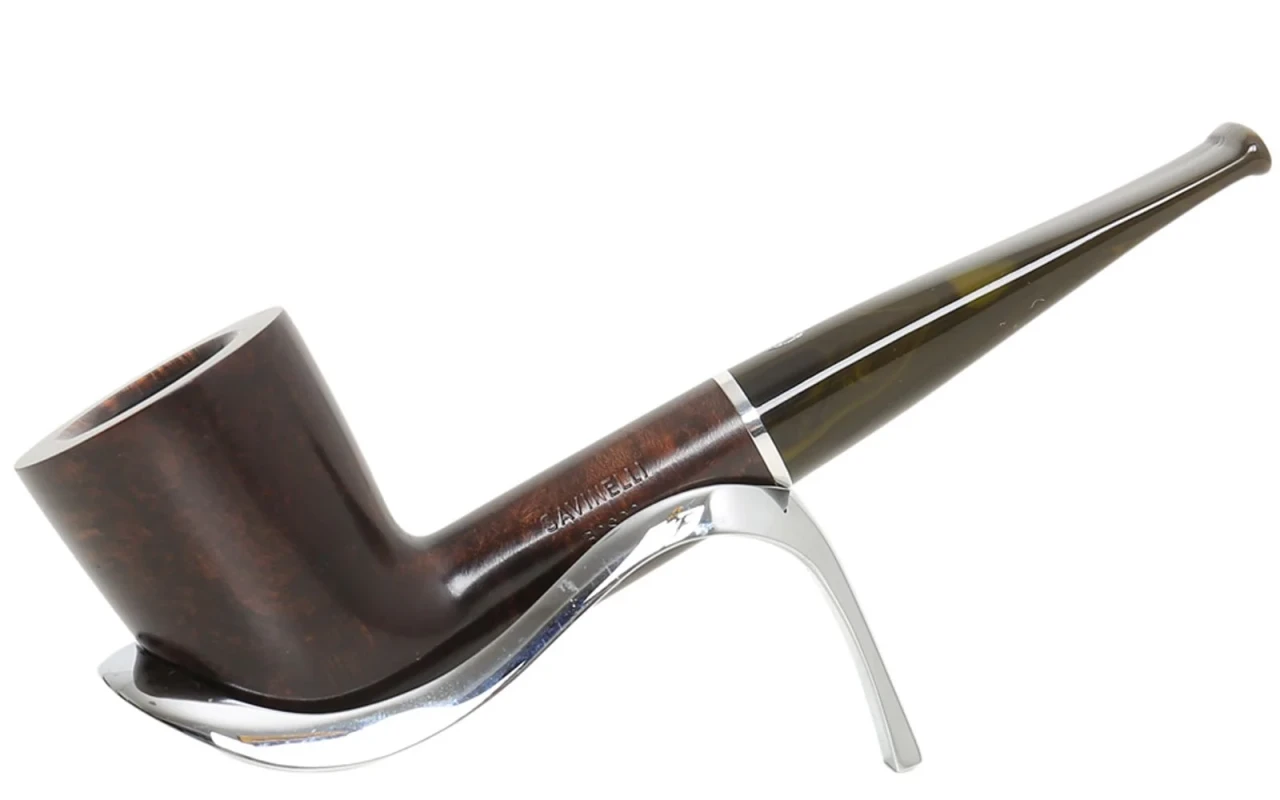
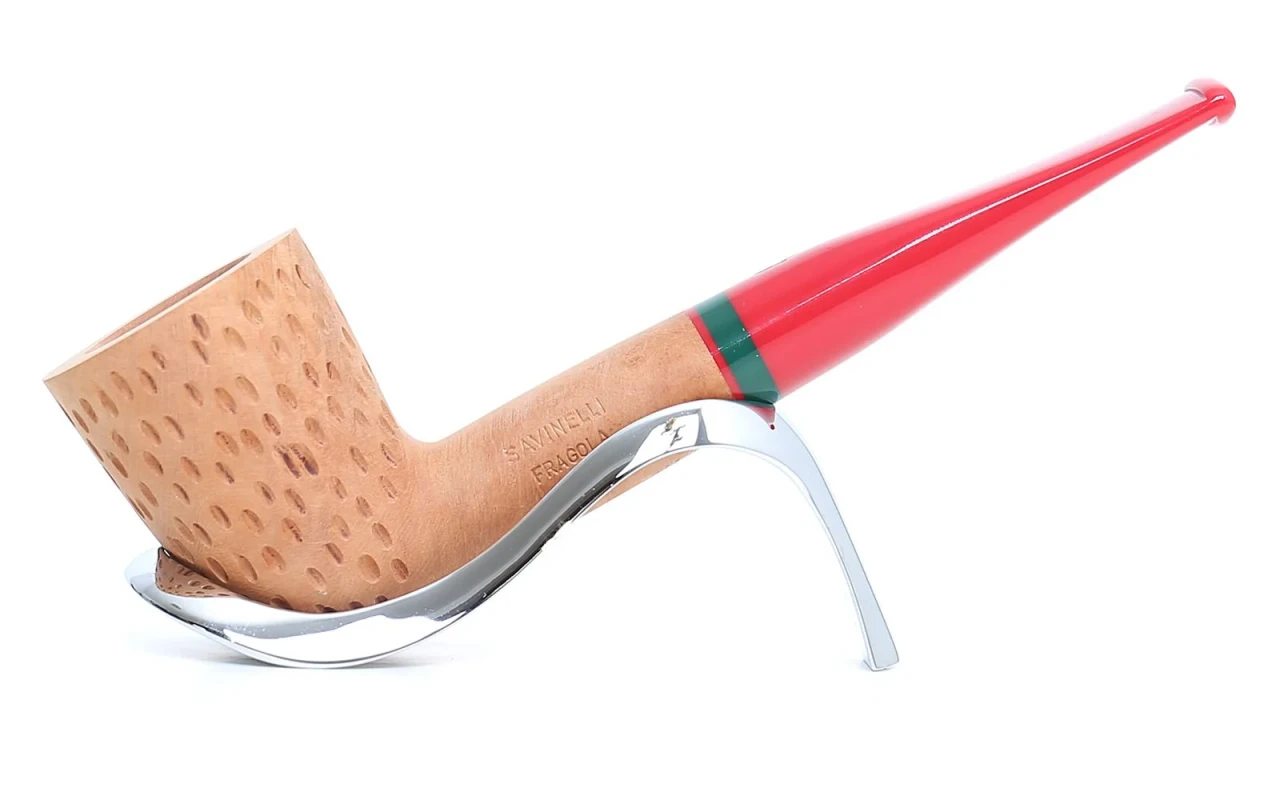
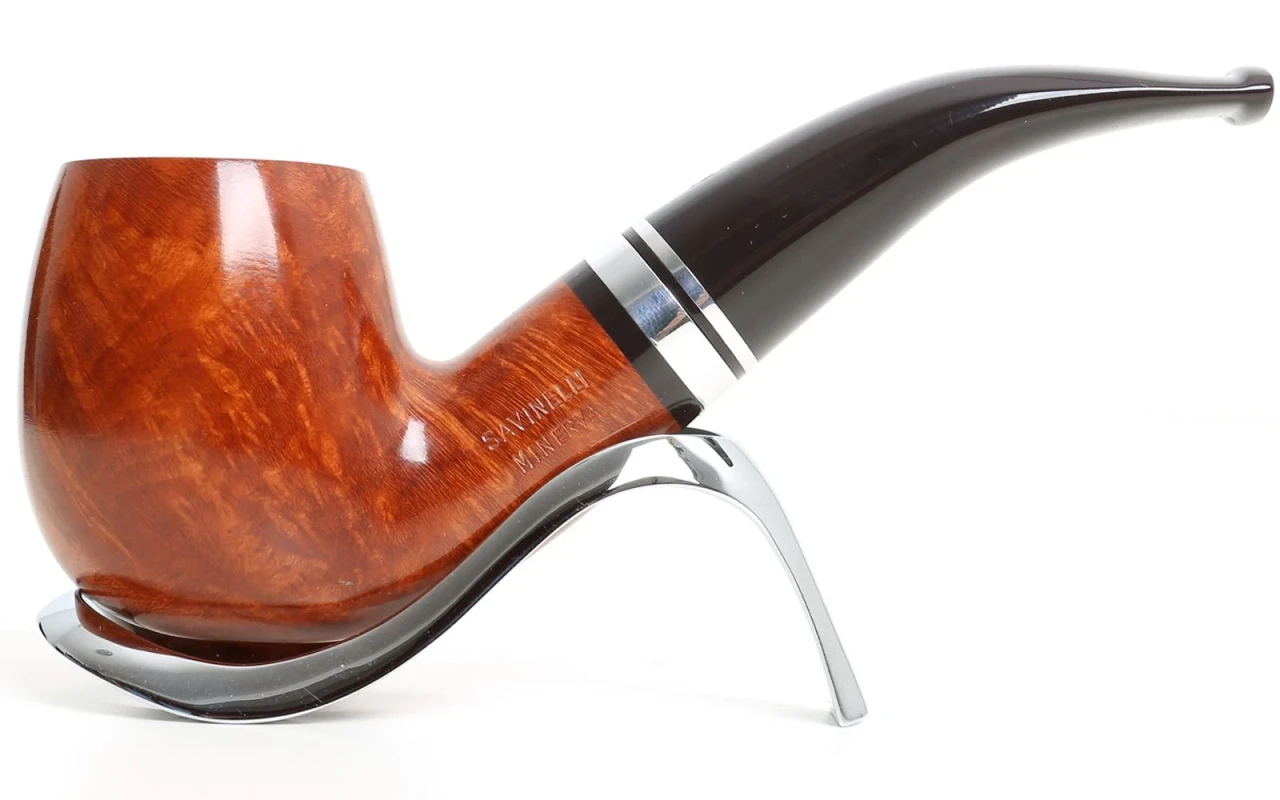
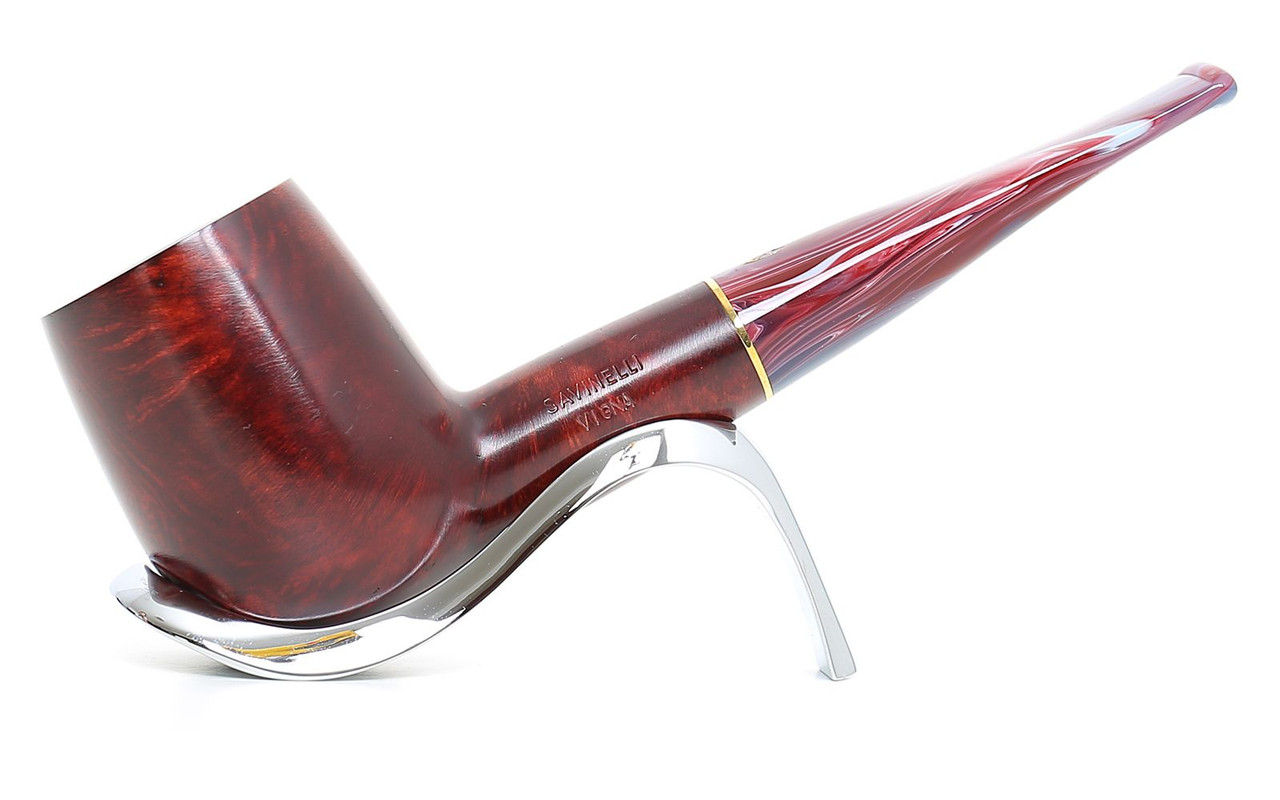
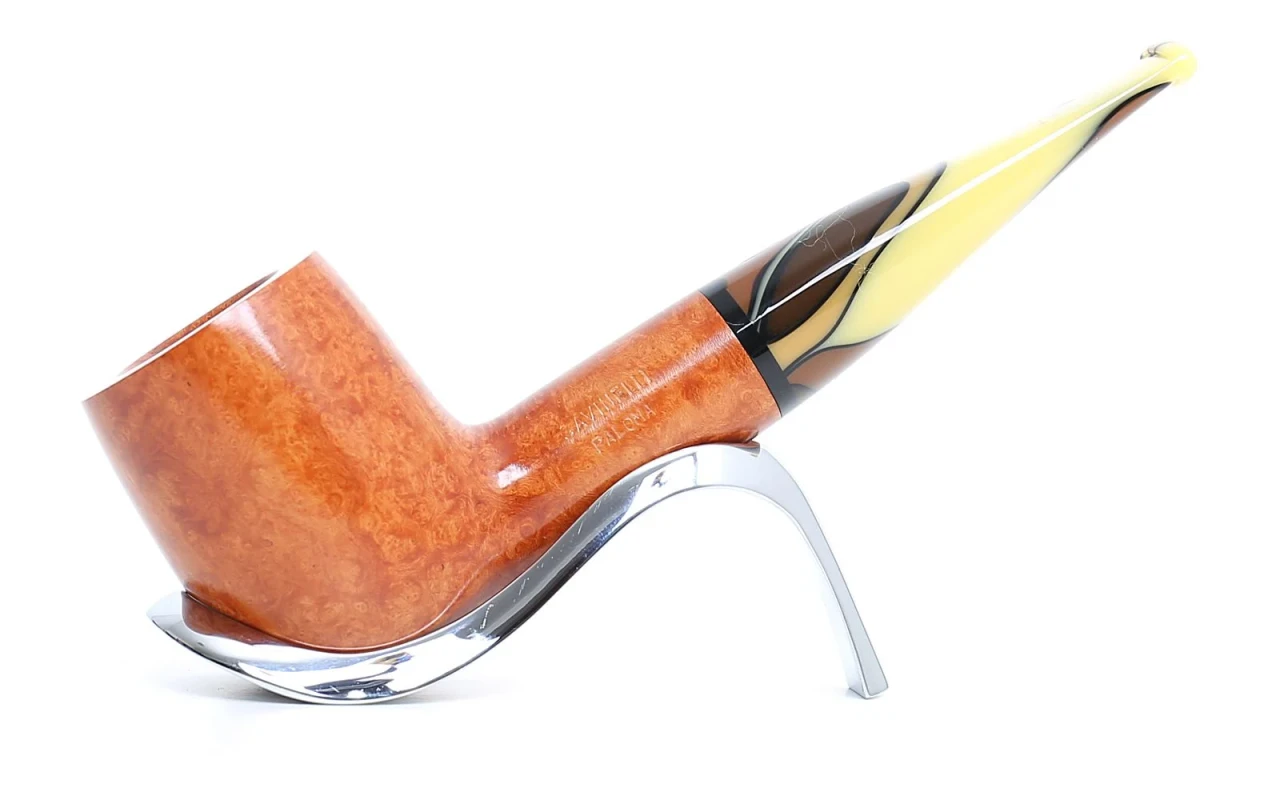
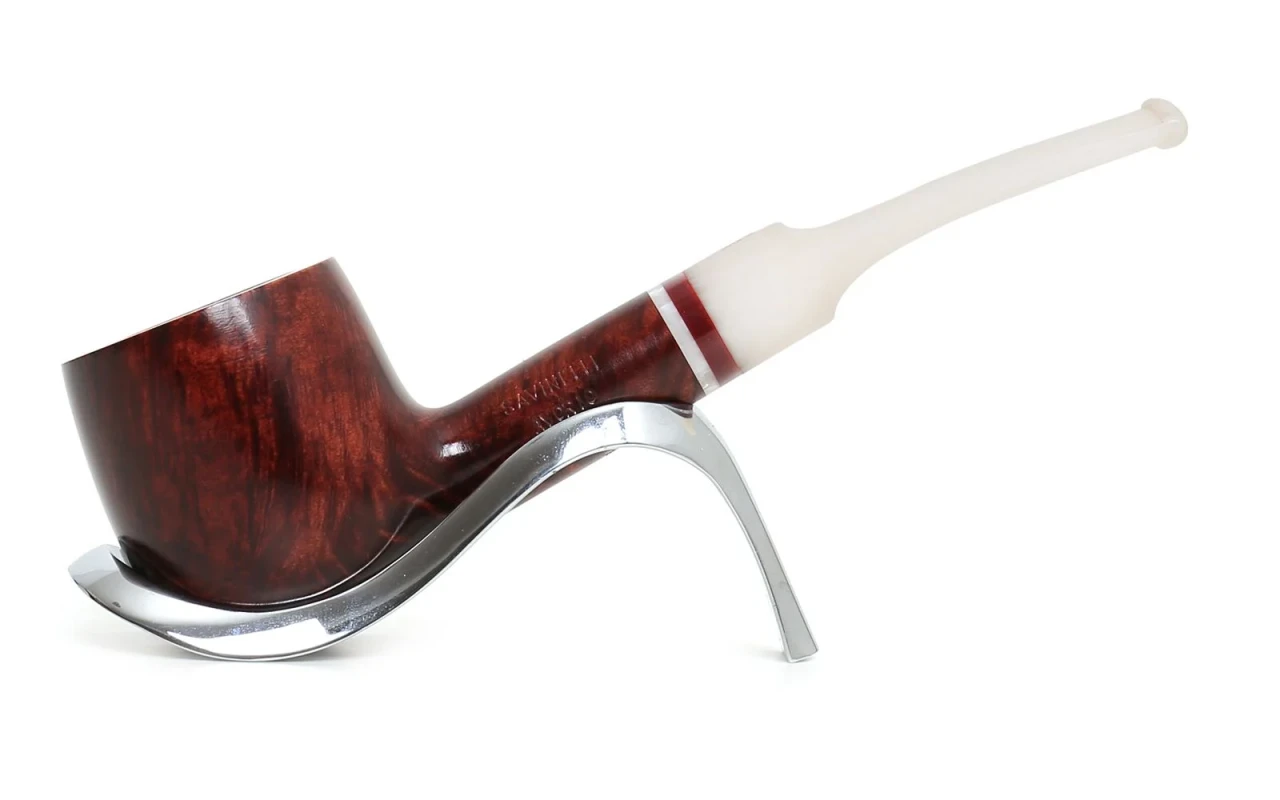
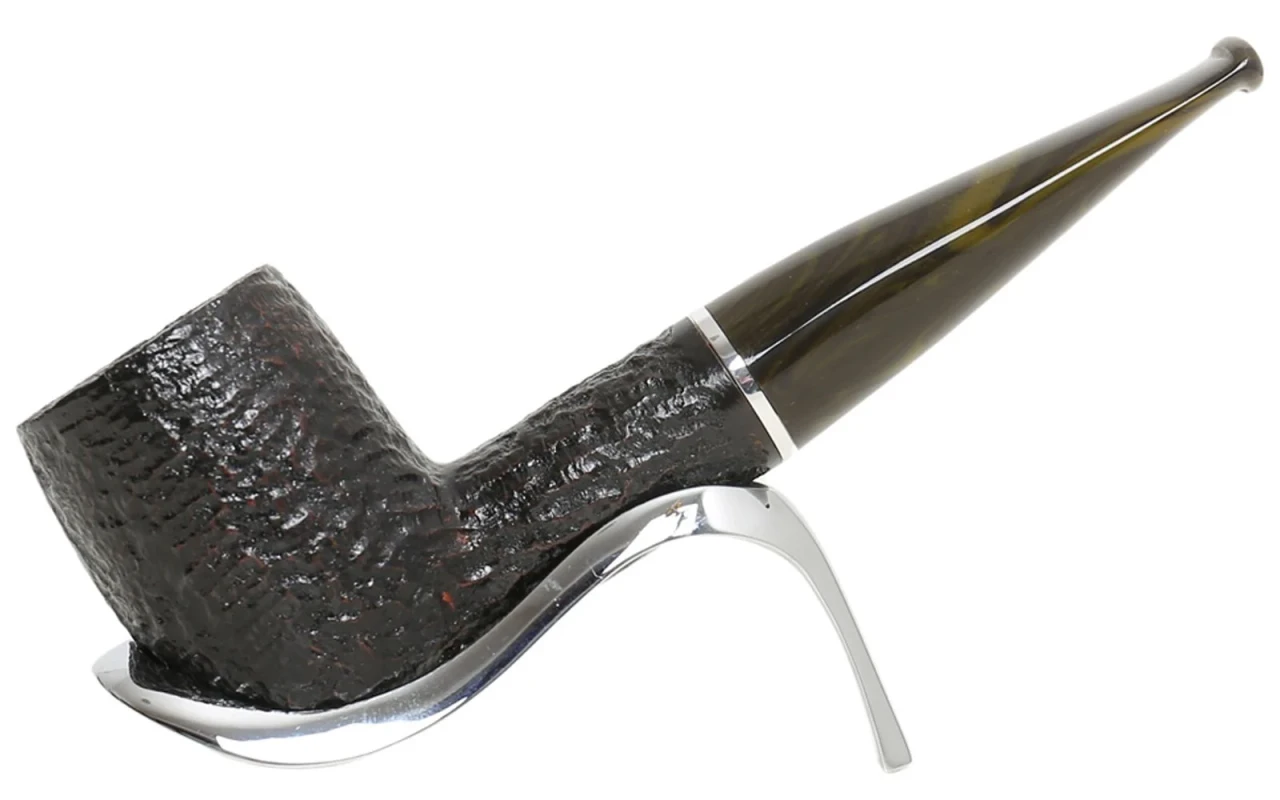
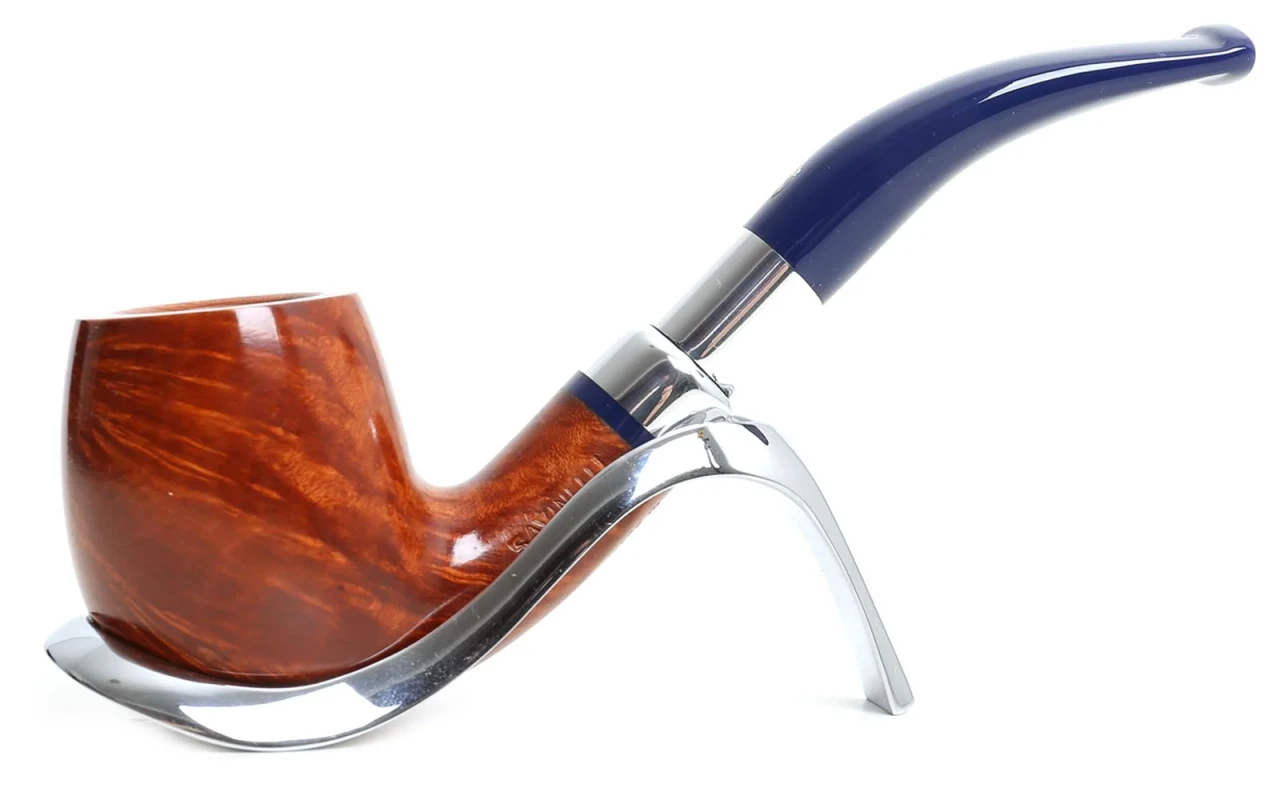
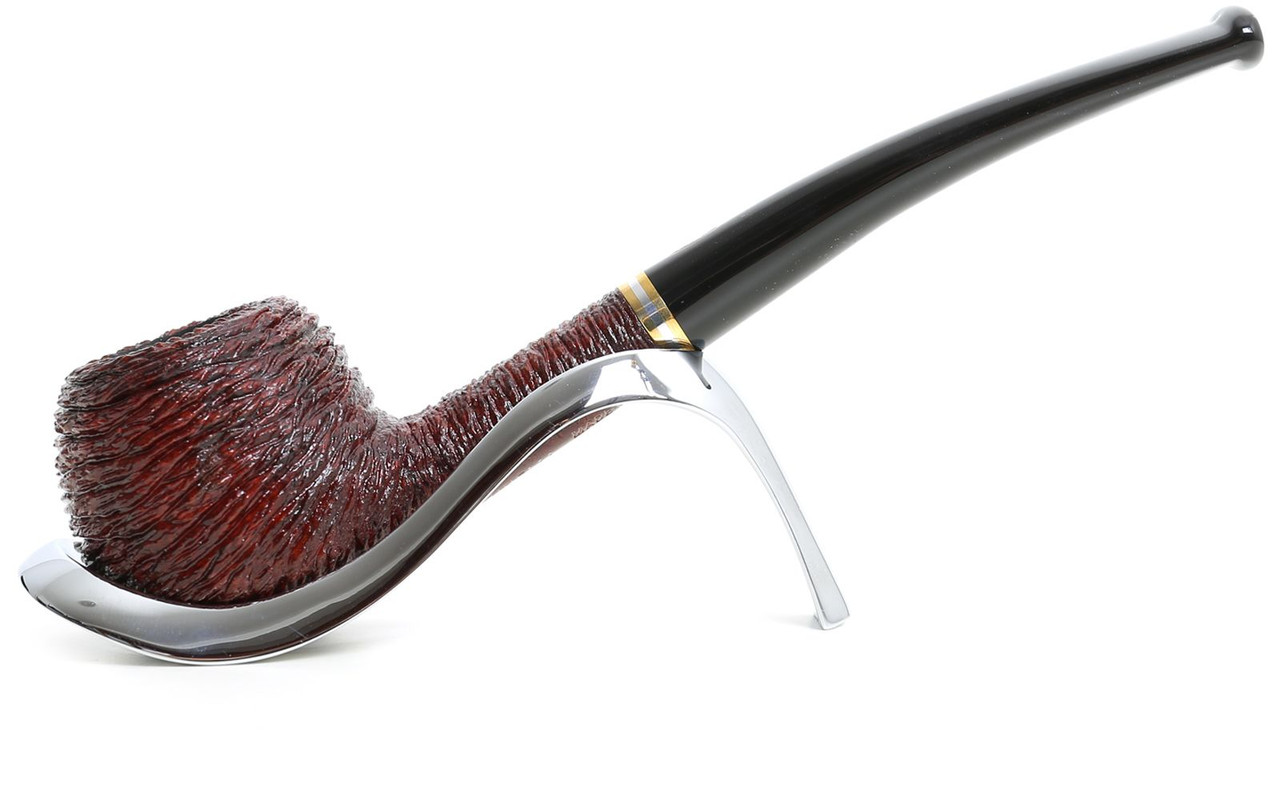
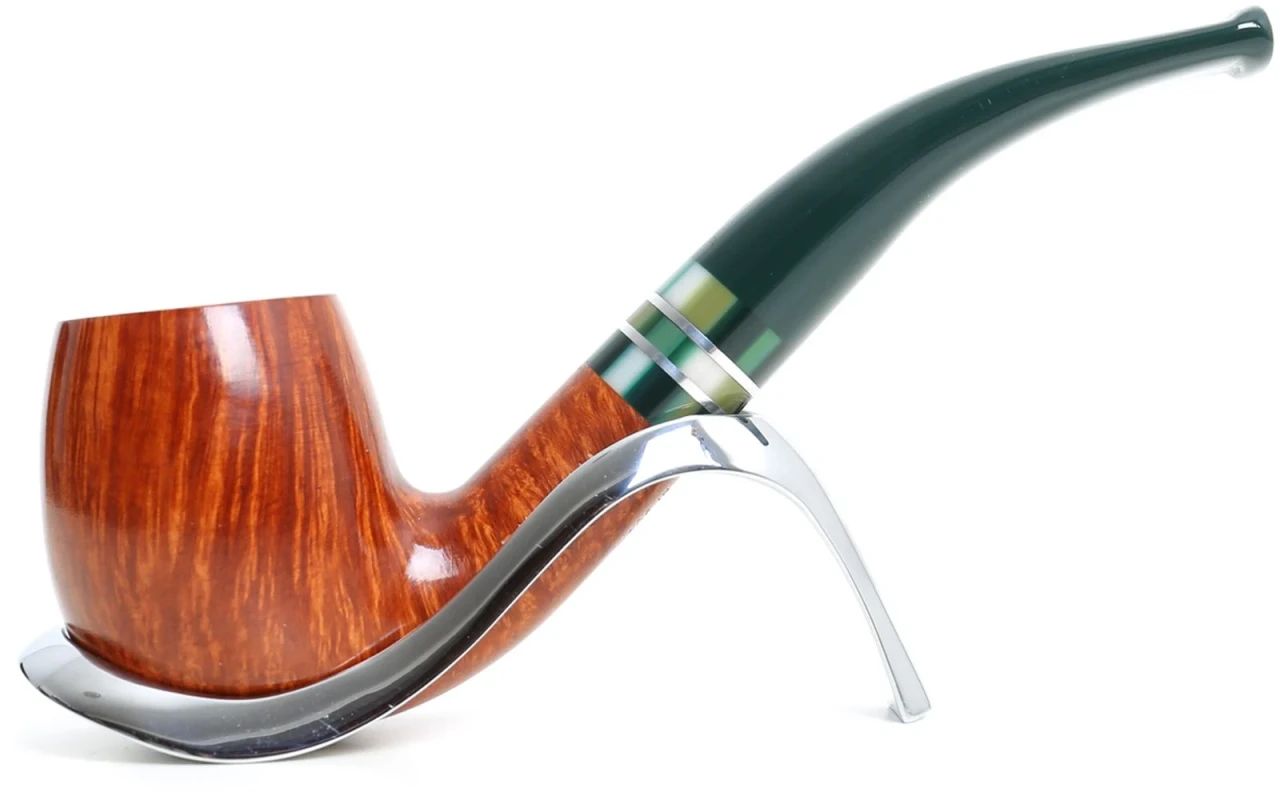
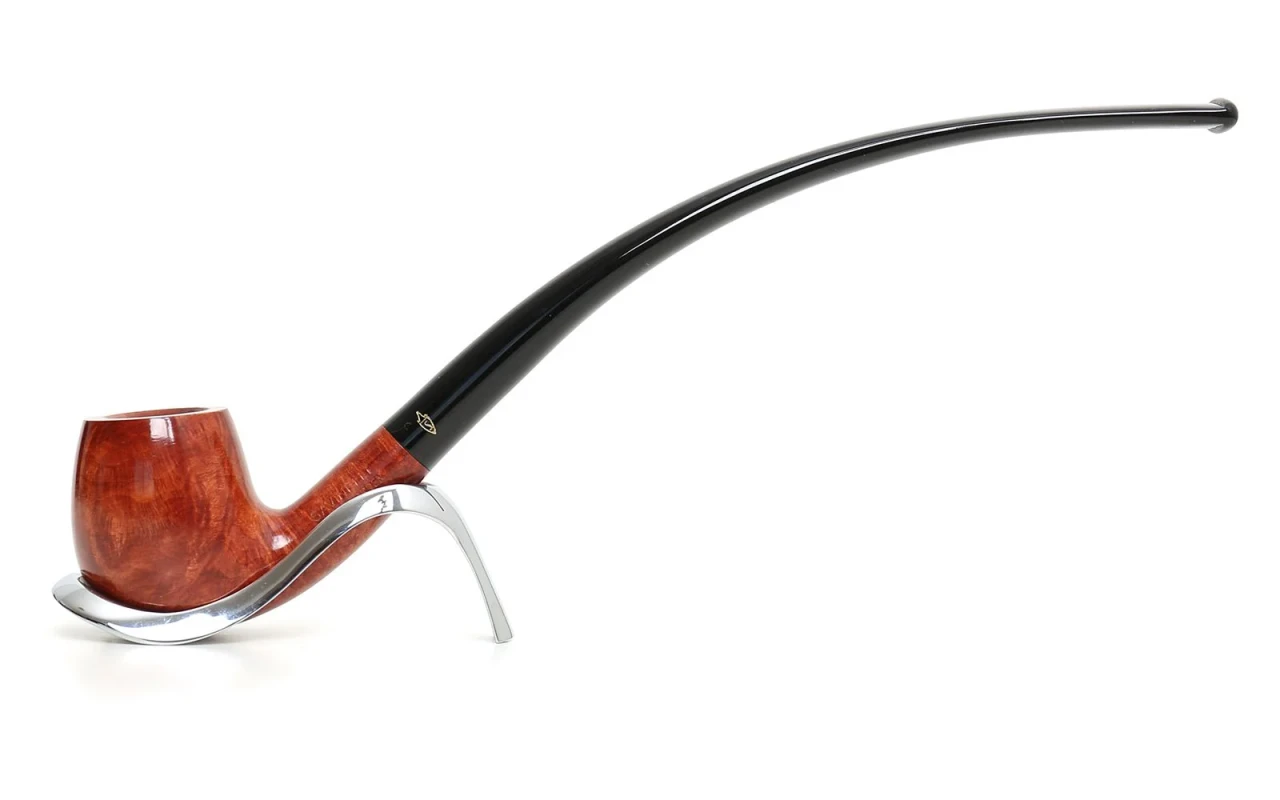
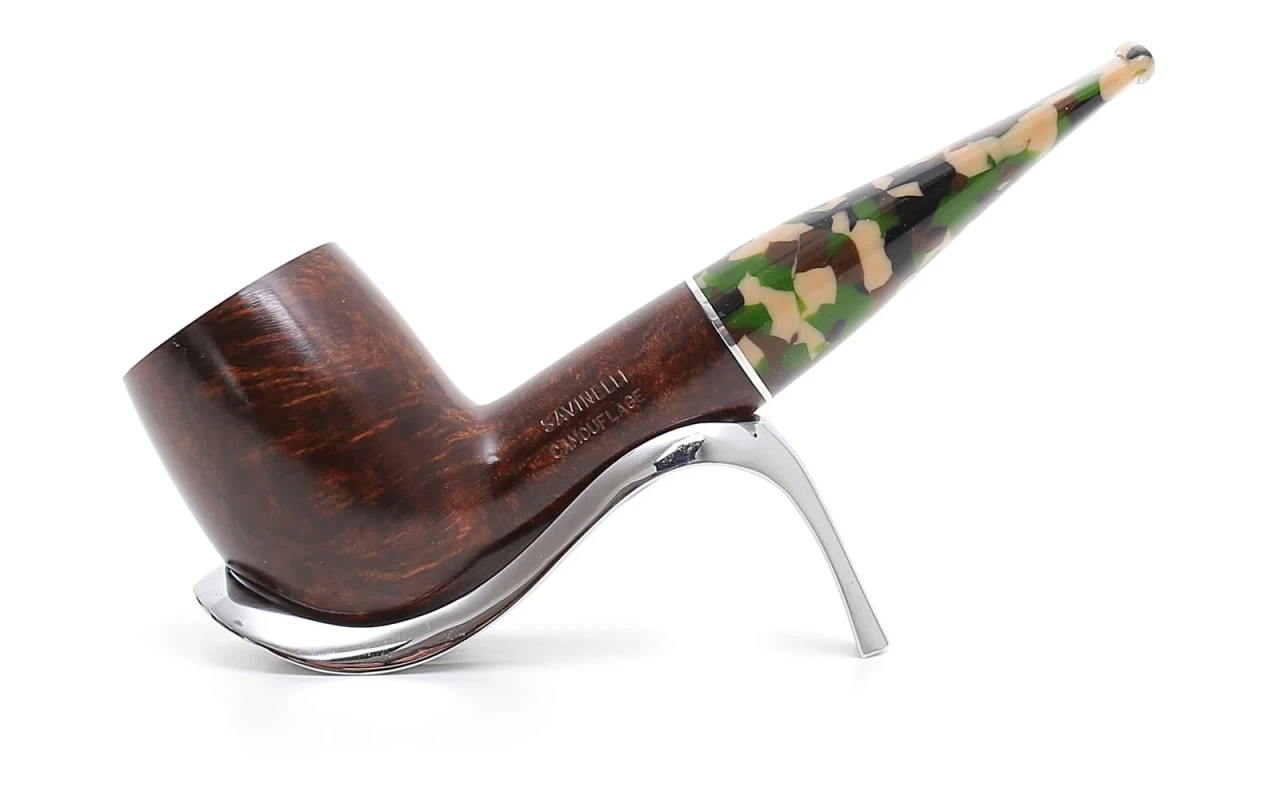
Heat conduction ensuring optimal smoking in pipes
Heat conduction is crucial to ensure an optimal smoking experience in pipes. Heat is transmitted from the tobacco combustion through the pipe's combustion chamber and spreads along the stem to the mouthpiece. To achieve a uniform smoke without overheating, it is important for the pipe to be made of high-quality materials that conduct heat evenly. Materials like briar, for instance, are valued for their thermal properties that allow for better temperature control during smoking. Moreover, proper combustion management and adequate draw are essential for an optimal smoking experience.
Improving pipe draw
To improve the draw of pipes, it is essential to follow some correct practices. First of all, make sure that the pipe is clean, removing tobacco and smoke residues from the bowl. Check that the airway is free from obstructions and that airflow is optimal. Use well-moistened tobaccos to prevent blockages in the tobacco that would hinder air flow. Additionally, it is advisable to check the compatibility between pipes and tobaccos used, as different combinations can affect the draw. Finally, avoid overfilling the pipe to allow for proper combustion. By following these tips, you can achieve an optimal draw and fully enjoy the tobacco tasting experience.
Techniques for uniform combustion
To ensure a uniform combustion in the pipe, it is important to follow some specific techniques:1. Fill the pipe evenly with tobacco, without compressing it too much.2. Light the surface of the tobacco evenly, avoiding concentrating the flame in one single point.3. Use specific pipe lighters, such as soft flame or flint lighters, to prevent tobacco overheating.4. Maintain a constant and slow puffing during the smoke, to avoid overheating and promote a uniform combustion.5. Rotate the pipe slightly during smoking to better distribute the heat and achieve an even burning of the tobacco.
Maximizing the thermal efficiency of pipes
To maximize the thermal efficiency of pipes, it is essential to adopt specific strategies. Firstly, it is advisable to use materials with high thermal conductivity such as copper or aluminum to promote heat transfer. Additionally, thermal insulation of the pipes is important to reduce heat losses along the pipeline. Another effective practice is to optimize the diameter and thickness of the pipes according to the thermal transfer requirements. Lastly, it is recommended to keep the system clean and well insulated to avoid unwanted heat losses. By following these guidelines, you can maximize the thermal efficiency of pipes and reduce energy consumption.
'%3e%3cg id='Final-Copy-2_2_' transform='translate(1275.000000, 200.000000)'%3e%3cpath class='st0' d='M7.4,12.8h6.8l3.1-11.6H7.4C4.2,1.2,1.6,3.8,1.6,7S4.2,12.8,7.4,12.8z'/%3e%3c/g%3e%3c/g%3e%3c/g%3e%3cg id='final---dec.11-2020'%3e%3cg id='_x30_208-our-toggle' transform='translate(-1275.000000, -200.000000)'%3e%3cg id='Final-Copy-2' transform='translate(1275.000000, 200.000000)'%3e%3cpath class='st1' d='M22.6,0H7.4c-3.9,0-7,3.1-7,7s3.1,7,7,7h15.2c3.9,0,7-3.1,7-7S26.4,0,22.6,0z M1.6,7c0-3.2,2.6-5.8,5.8-5.8 h9.9l-3.1,11.6H7.4C4.2,12.8,1.6,10.2,1.6,7z'/%3e%3cpath id='x' class='st2' d='M24.6,4c0.2,0.2,0.2,0.6,0,0.8l0,0L22.5,7l2.2,2.2c0.2,0.2,0.2,0.6,0,0.8c-0.2,0.2-0.6,0.2-0.8,0 l0,0l-2.2-2.2L19.5,10c-0.2,0.2-0.6,0.2-0.8,0c-0.2-0.2-0.2-0.6,0-0.8l0,0L20.8,7l-2.2-2.2c-0.2-0.2-0.2-0.6,0-0.8 c0.2-0.2,0.6-0.2,0.8,0l0,0l2.2,2.2L23.8,4C24,3.8,24.4,3.8,24.6,4z'/%3e%3cpath id='y' class='st3' d='M12.7,4.1c0.2,0.2,0.3,0.6,0.1,0.8l0,0L8.6,9.8C8.5,9.9,8.4,10,8.3,10c-0.2,0.1-0.5,0.1-0.7-0.1l0,0 L5.4,7.7c-0.2-0.2-0.2-0.6,0-0.8c0.2-0.2,0.6-0.2,0.8,0l0,0L8,8.6l3.8-4.5C12,3.9,12.4,3.9,12.7,4.1z'/%3e%3c/g%3e%3c/g%3e%3c/g%3e%3c/g%3e%3c/svg%3e) Your Privacy Choices
Your Privacy Choices 


