 ES
ES FR
FR EN
EN IT
IT DE
DE
Health Risks of Pipe Smoking

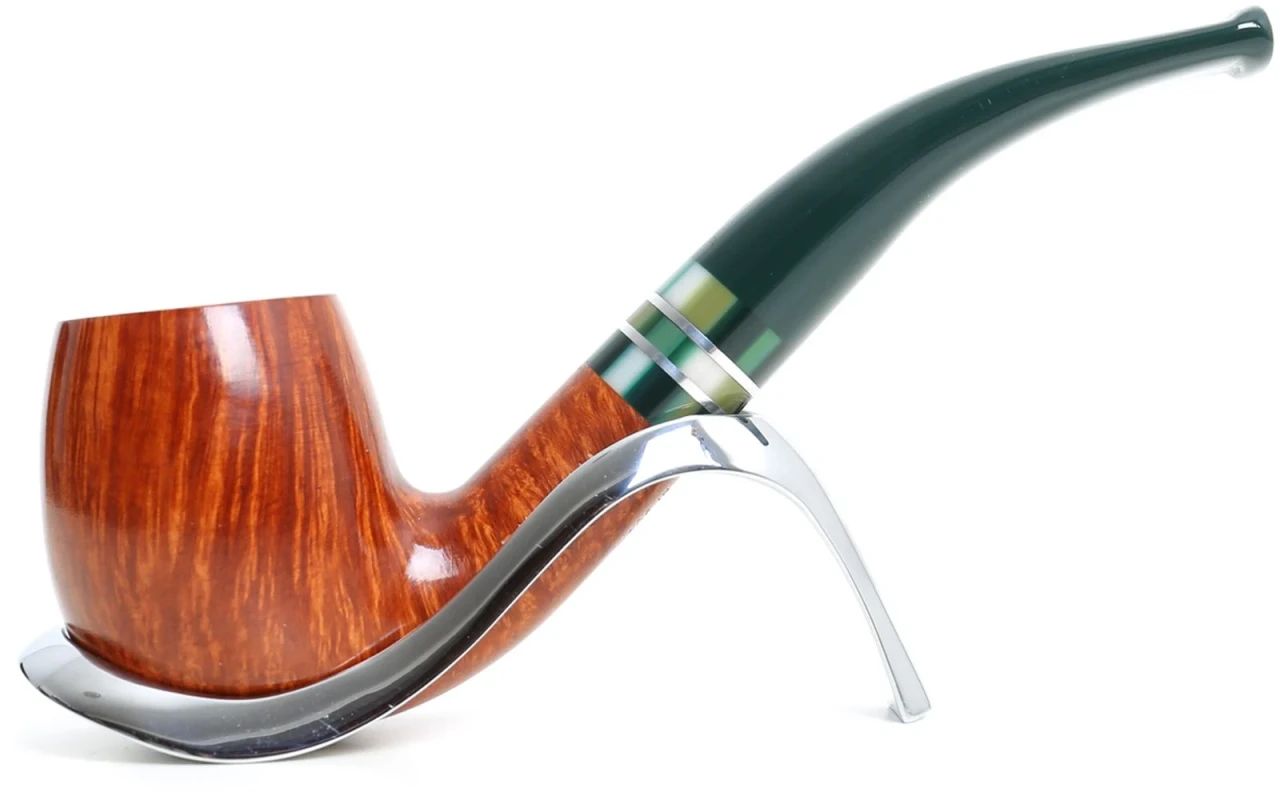
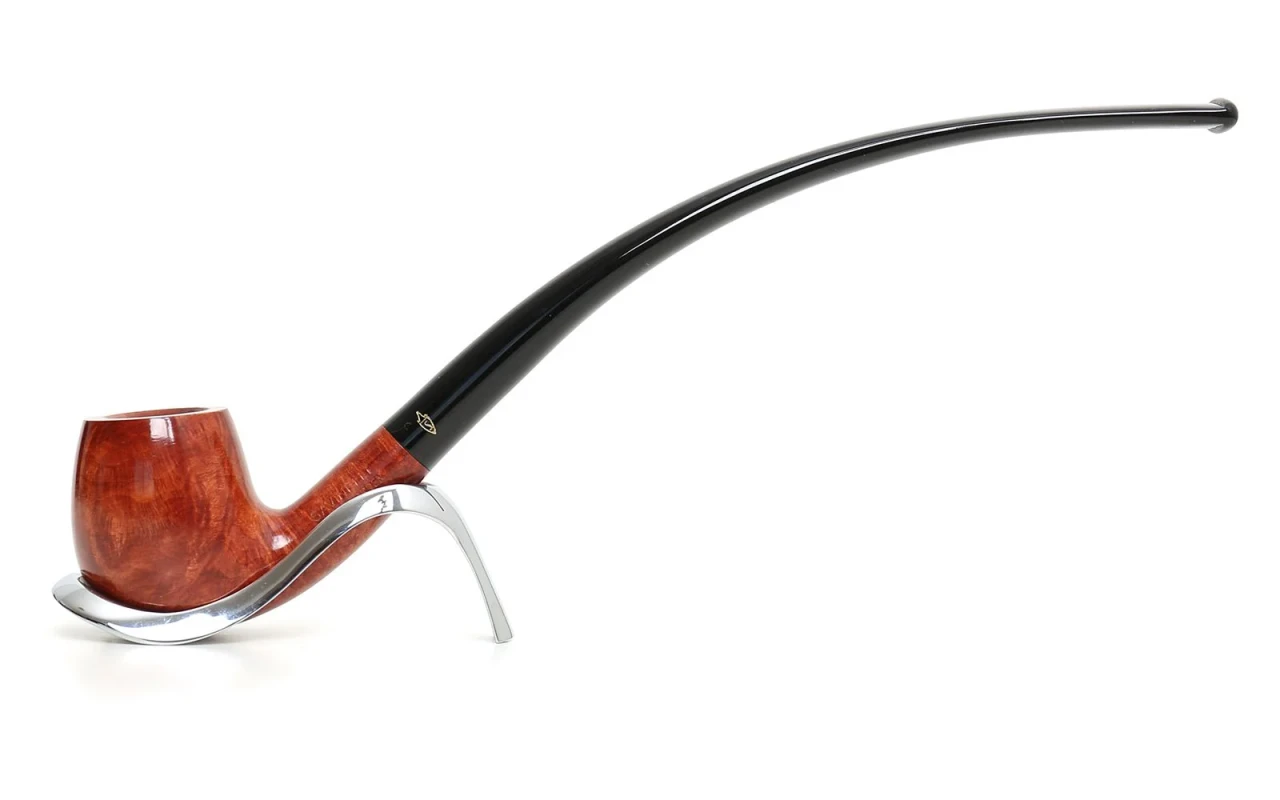

Health Risks of Pipe Smoking
Pipe smoking can cause health damage similar to cigarette smoking, although with some differences. Among the risks associated with pipe smoking are increased risks of heart diseases, lung diseases, and cancer, particularly oral cavity, throat, and lung cancer. Additionally, pipe smoking can lead to respiratory issues, damage teeth due to nicotine and chemicals in tobacco, and raise the risk of developing mouth ulcers. It is important to be aware of the potential health risks linked to pipe smoking and consider healthier alternatives.
Pipe smoking risks
Pipe smoking poses health risks similar to cigarette smoking, albeit to a lesser extent. The combustion of tobacco produces harmful substances such as nicotine, tar, and carbon monoxide, which can damage the respiratory system and increase the risk of diseases such as lung cancer and heart diseases. Additionally, the habit of pipe smoking can lead to nicotine addiction. It is important to note that there is no safe level of exposure to pipe smoke, and therefore, its consumption should be limited or avoided to preserve health.
Pipe smoking effects
Pipe smoking can have various effects on health, especially when inhaled frequently and in significant quantities. Here are some aspects to consider regarding the effects of pipe smoking:- Pipe smoke contains harmful chemicals such as nicotine, tar, and carbon monoxide, which can damage the lungs and cardiovascular system.- The risk of developing lung diseases, heart conditions, and certain types of cancer increases with regular pipe use.- Secondhand smoke from pipes can also be harmful to individuals in the vicinity.- Quitting pipe smoking can significantly reduce long-term health risks.It is important to consult a physician to assess individual risks associated with pipe smoking and to receive advice on how to reduce or eliminate this habit.
Preventing pipe smoking damage
To prevent damage related to pipe smoking, it is important to follow some good practices. First of all, make sure to use high-quality tobaccos and avoid those that are too moist, as they can cause overheating and condensation. Regularly clean your pipe to avoid tar build-up and harmful residues. Also, check that the pipe smoke is not too hot to prevent damage to the wood or the mouthpiece. Lastly, smoke in moderation to avoid health issues. By following these precautions, it is possible to enjoy the pleasure of pipe smoking in a safe and responsible manner.
'%3e%3cg id='Final-Copy-2_2_' transform='translate(1275.000000, 200.000000)'%3e%3cpath class='st0' d='M7.4,12.8h6.8l3.1-11.6H7.4C4.2,1.2,1.6,3.8,1.6,7S4.2,12.8,7.4,12.8z'/%3e%3c/g%3e%3c/g%3e%3c/g%3e%3cg id='final---dec.11-2020'%3e%3cg id='_x30_208-our-toggle' transform='translate(-1275.000000, -200.000000)'%3e%3cg id='Final-Copy-2' transform='translate(1275.000000, 200.000000)'%3e%3cpath class='st1' d='M22.6,0H7.4c-3.9,0-7,3.1-7,7s3.1,7,7,7h15.2c3.9,0,7-3.1,7-7S26.4,0,22.6,0z M1.6,7c0-3.2,2.6-5.8,5.8-5.8 h9.9l-3.1,11.6H7.4C4.2,12.8,1.6,10.2,1.6,7z'/%3e%3cpath id='x' class='st2' d='M24.6,4c0.2,0.2,0.2,0.6,0,0.8l0,0L22.5,7l2.2,2.2c0.2,0.2,0.2,0.6,0,0.8c-0.2,0.2-0.6,0.2-0.8,0 l0,0l-2.2-2.2L19.5,10c-0.2,0.2-0.6,0.2-0.8,0c-0.2-0.2-0.2-0.6,0-0.8l0,0L20.8,7l-2.2-2.2c-0.2-0.2-0.2-0.6,0-0.8 c0.2-0.2,0.6-0.2,0.8,0l0,0l2.2,2.2L23.8,4C24,3.8,24.4,3.8,24.6,4z'/%3e%3cpath id='y' class='st3' d='M12.7,4.1c0.2,0.2,0.3,0.6,0.1,0.8l0,0L8.6,9.8C8.5,9.9,8.4,10,8.3,10c-0.2,0.1-0.5,0.1-0.7-0.1l0,0 L5.4,7.7c-0.2-0.2-0.2-0.6,0-0.8c0.2-0.2,0.6-0.2,0.8,0l0,0L8,8.6l3.8-4.5C12,3.9,12.4,3.9,12.7,4.1z'/%3e%3c/g%3e%3c/g%3e%3c/g%3e%3c/g%3e%3c/svg%3e) Your Privacy Choices
Your Privacy Choices 


