 ES
ES FR
FR EN
EN IT
IT DE
DE
Harmful residues for the pipe









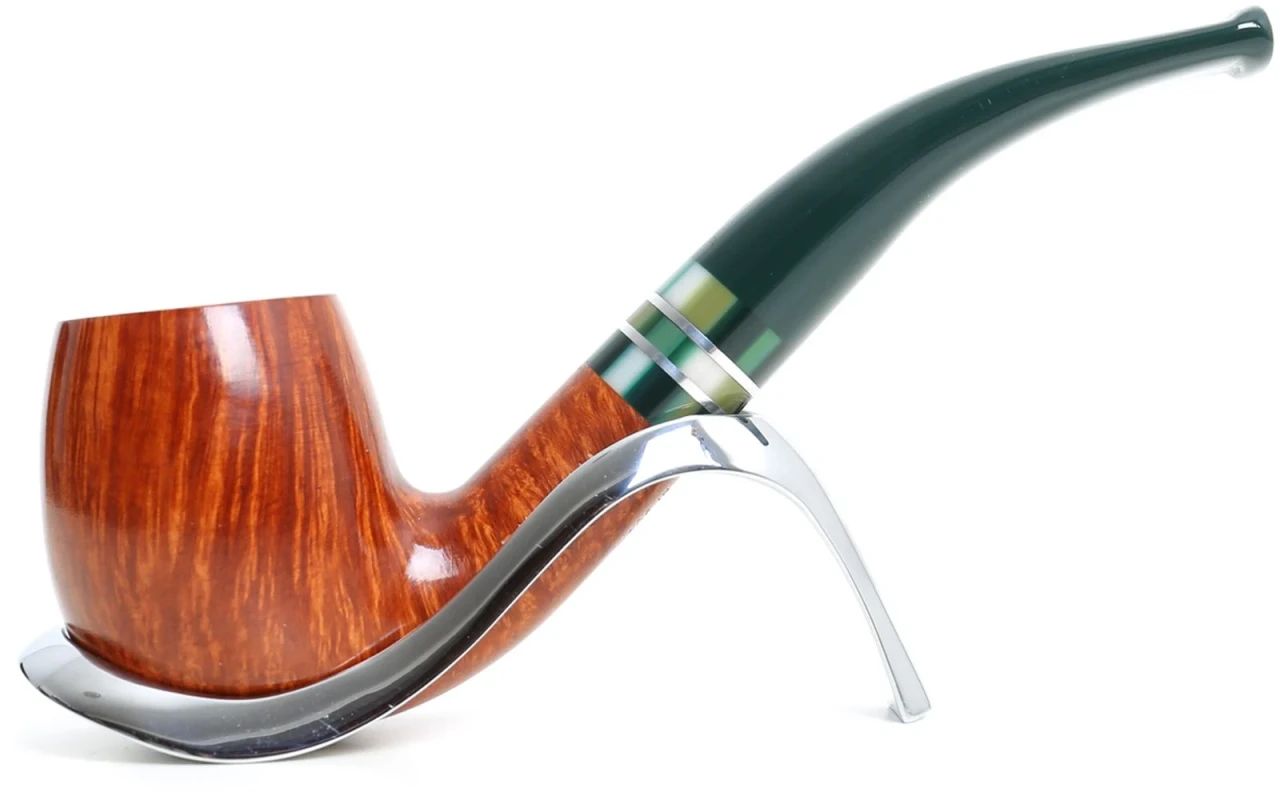
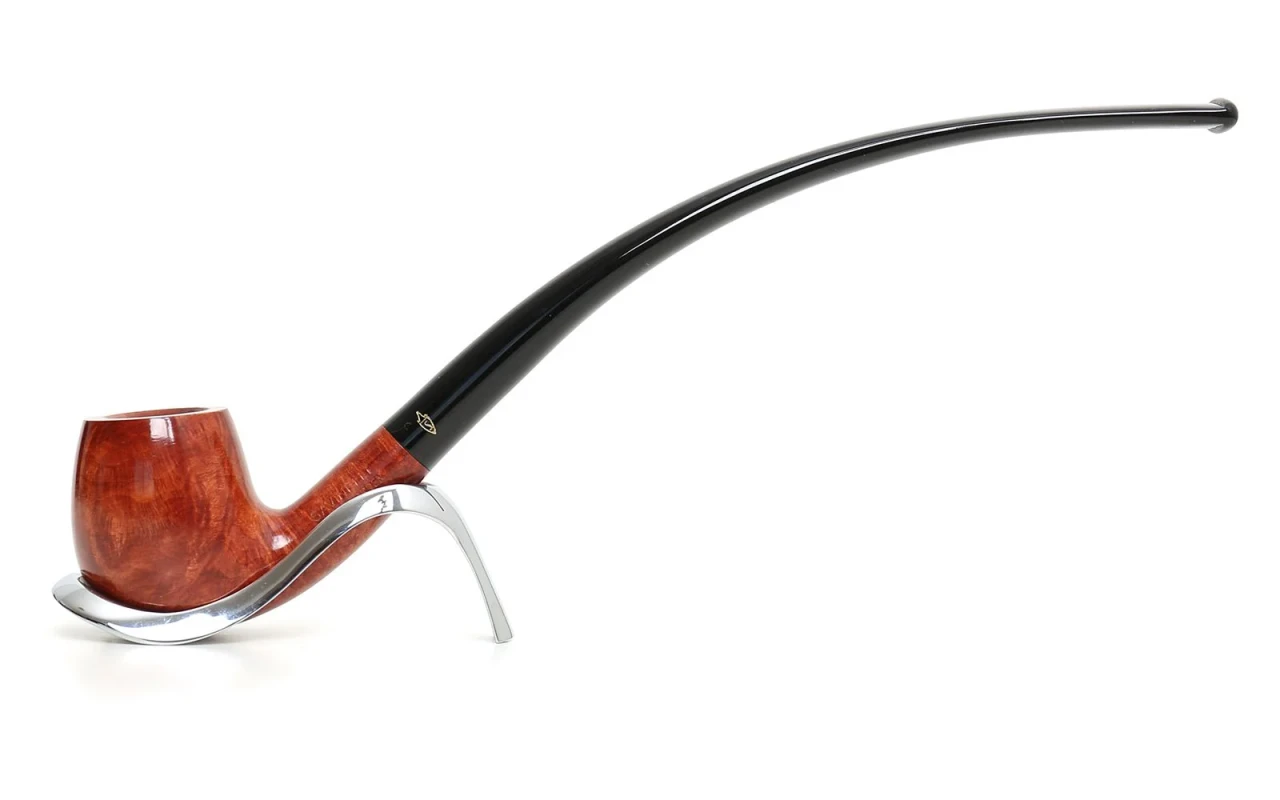

Harmful residues for the pipe
Harmful residues for the pipe can mainly come from three sources:1. **Condensation**: during smoking, the water vapor in the pipe smoke cools down and condenses on the pipe walls, accumulating residues.2. **Nicotine and tar**: pipe smoke contains nicotine and tar, which can deposit inside the pipe and form a harmful layer.3. **Incomplete combustion**: if the pipe does not burn evenly, harmful residues such as carbon can form.It is important to regularly clean the pipe to avoid the accumulation of these residues, which can affect the tobacco flavor and compromise the smoking quality.
Pipe Smoking Risks
Pipe smoking poses health risks that are important to take into consideration. Among the main risks associated with pipe smoking are:- **Cancer**: Pipe smoking can increase the risk of developing mouth, throat, and lung cancers.- **Cardiovascular diseases**: Smoking a pipe can contribute to the development of heart diseases and strokes.- **Nicotine addiction**: The tobacco in pipes can lead to nicotine addiction, resulting in difficulties in quitting smoking.It is important to be aware of these risks and carefully evaluate the health consequences before starting or continuing to smoke a pipe.
Pipe smoking cleaning
Cleaning the pipe for smoking is essential to ensure an optimal smoking experience and prolong the life of the pipe itself. Here are some steps to follow to properly clean your pipe:- Gently remove the cap and empty the remaining ash.- Disassemble the pipe and remove the filter (if present).- Pass a pipe cleaner through the stem to eliminate tobacco residue and moisture.- Use a cotton swab soaked in alcohol or pipe cleaning liquid to clean the pipe bowl.- Thoroughly dry the pipe before reassembling it.By following these simple steps, you will keep your pipe clean and ready to be used again.
Tobacco Smoke Effects
Tobacco smoke is responsible for numerous negative effects on health. Among the main effects of tobacco smoke are:- Increased risk of cardiovascular diseases, such as heart attacks and strokes.- Lung damage, with the possibility of developing conditions like chronic bronchitis and emphysema.- Increased risk of cancer, particularly lung cancer, but also affecting the mouth, throat, esophagus, pancreas, and bladder.- Deterioration of overall health, with consequences on the skin, teeth, and gums.- Potential negative impact on reproductive health, with risks to fertility and fetal health during pregnancy.
'%3e%3cg id='Final-Copy-2_2_' transform='translate(1275.000000, 200.000000)'%3e%3cpath class='st0' d='M7.4,12.8h6.8l3.1-11.6H7.4C4.2,1.2,1.6,3.8,1.6,7S4.2,12.8,7.4,12.8z'/%3e%3c/g%3e%3c/g%3e%3c/g%3e%3cg id='final---dec.11-2020'%3e%3cg id='_x30_208-our-toggle' transform='translate(-1275.000000, -200.000000)'%3e%3cg id='Final-Copy-2' transform='translate(1275.000000, 200.000000)'%3e%3cpath class='st1' d='M22.6,0H7.4c-3.9,0-7,3.1-7,7s3.1,7,7,7h15.2c3.9,0,7-3.1,7-7S26.4,0,22.6,0z M1.6,7c0-3.2,2.6-5.8,5.8-5.8 h9.9l-3.1,11.6H7.4C4.2,12.8,1.6,10.2,1.6,7z'/%3e%3cpath id='x' class='st2' d='M24.6,4c0.2,0.2,0.2,0.6,0,0.8l0,0L22.5,7l2.2,2.2c0.2,0.2,0.2,0.6,0,0.8c-0.2,0.2-0.6,0.2-0.8,0 l0,0l-2.2-2.2L19.5,10c-0.2,0.2-0.6,0.2-0.8,0c-0.2-0.2-0.2-0.6,0-0.8l0,0L20.8,7l-2.2-2.2c-0.2-0.2-0.2-0.6,0-0.8 c0.2-0.2,0.6-0.2,0.8,0l0,0l2.2,2.2L23.8,4C24,3.8,24.4,3.8,24.6,4z'/%3e%3cpath id='y' class='st3' d='M12.7,4.1c0.2,0.2,0.3,0.6,0.1,0.8l0,0L8.6,9.8C8.5,9.9,8.4,10,8.3,10c-0.2,0.1-0.5,0.1-0.7-0.1l0,0 L5.4,7.7c-0.2-0.2-0.2-0.6,0-0.8c0.2-0.2,0.6-0.2,0.8,0l0,0L8,8.6l3.8-4.5C12,3.9,12.4,3.9,12.7,4.1z'/%3e%3c/g%3e%3c/g%3e%3c/g%3e%3c/g%3e%3c/svg%3e) Your Privacy Choices
Your Privacy Choices 


