 ES
ES FR
FR EN
EN IT
IT DE
DE
Fine woods for heat resistance in Canadian pipe
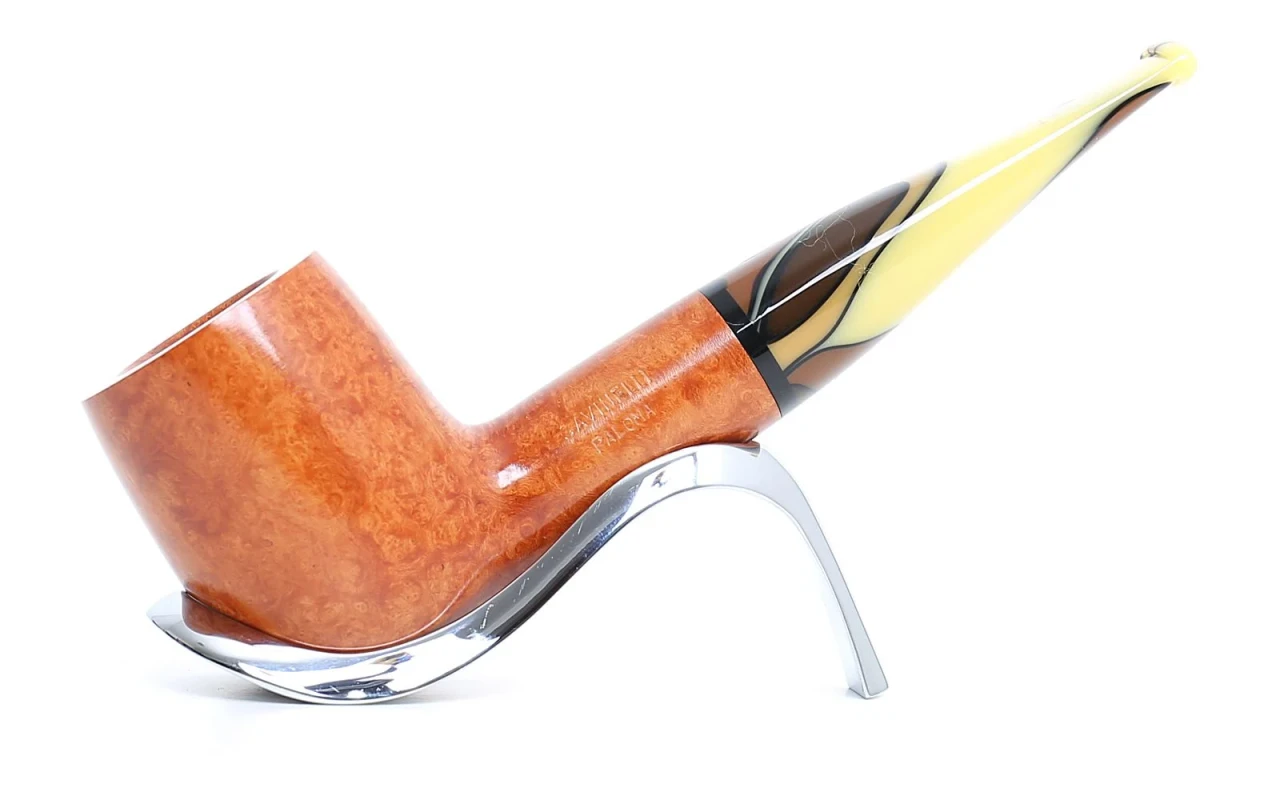
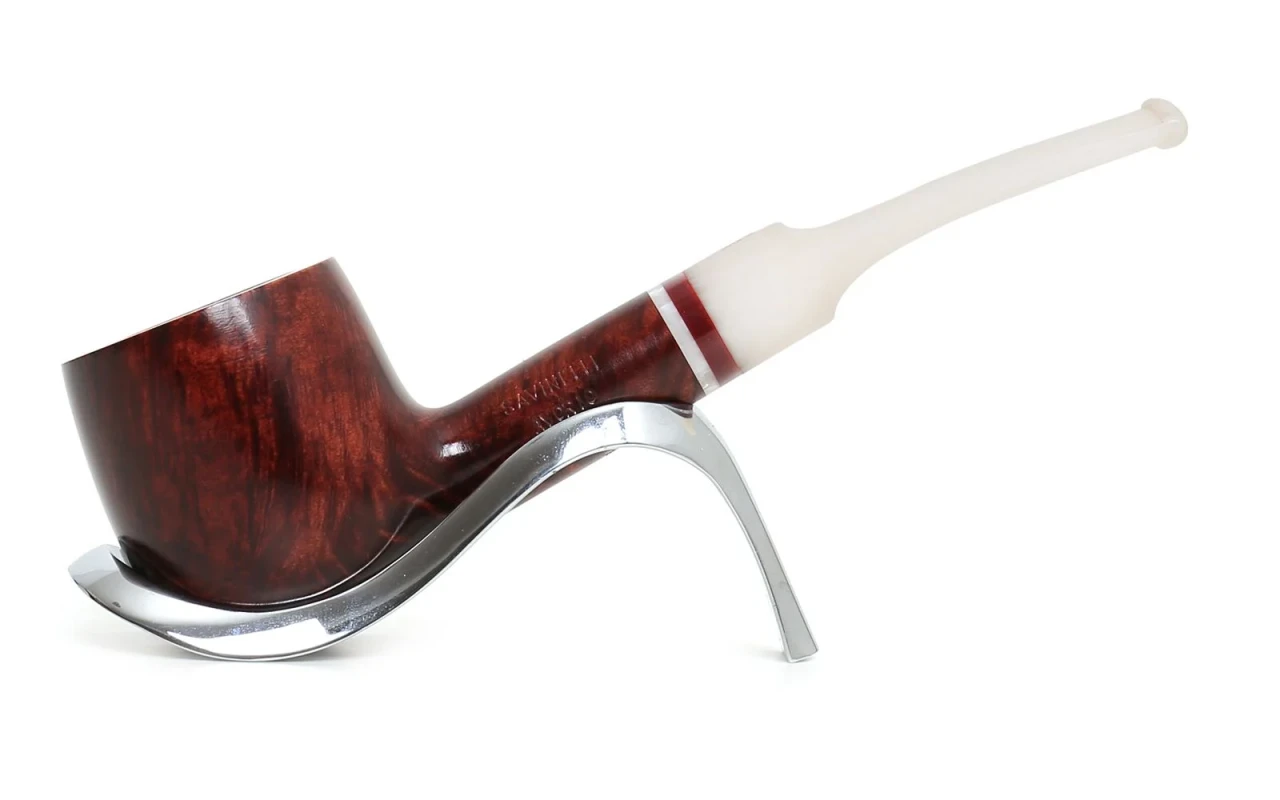
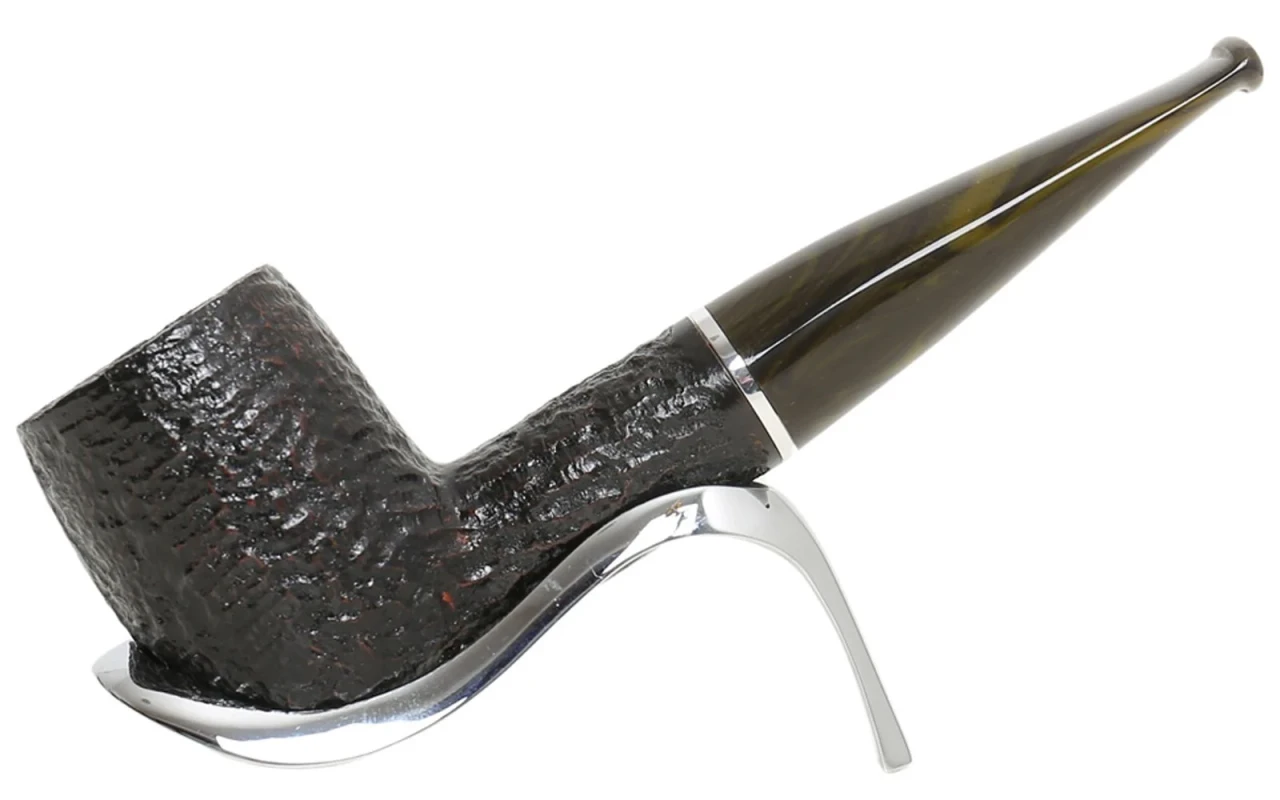
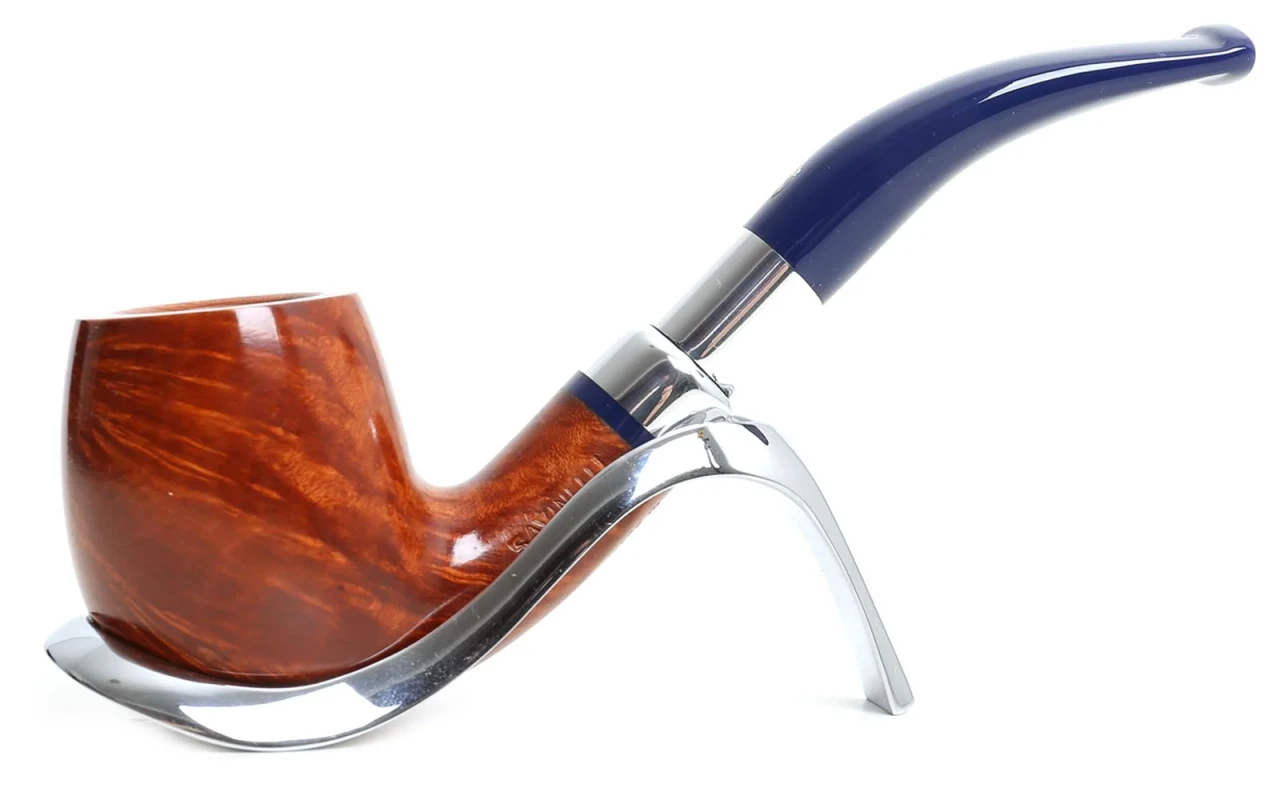
Fine woods for heat resistance in Canadian pipe
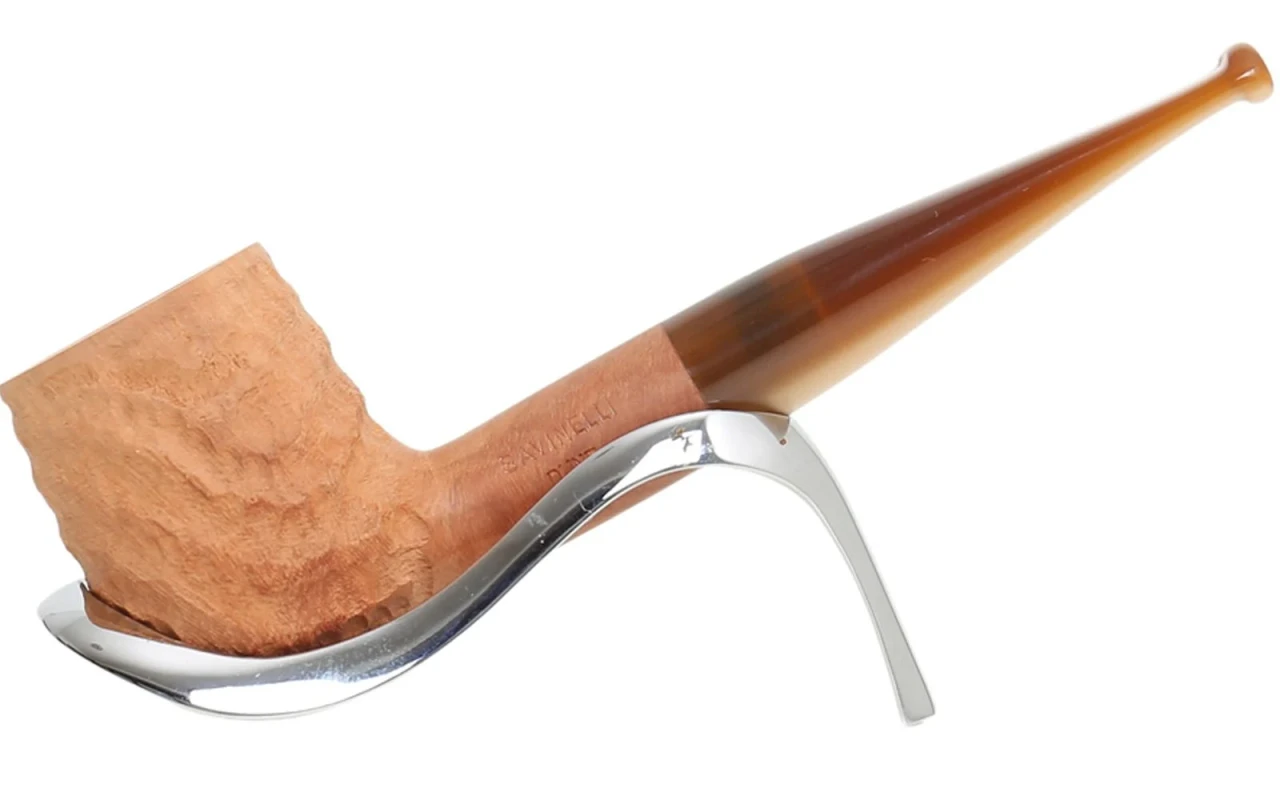
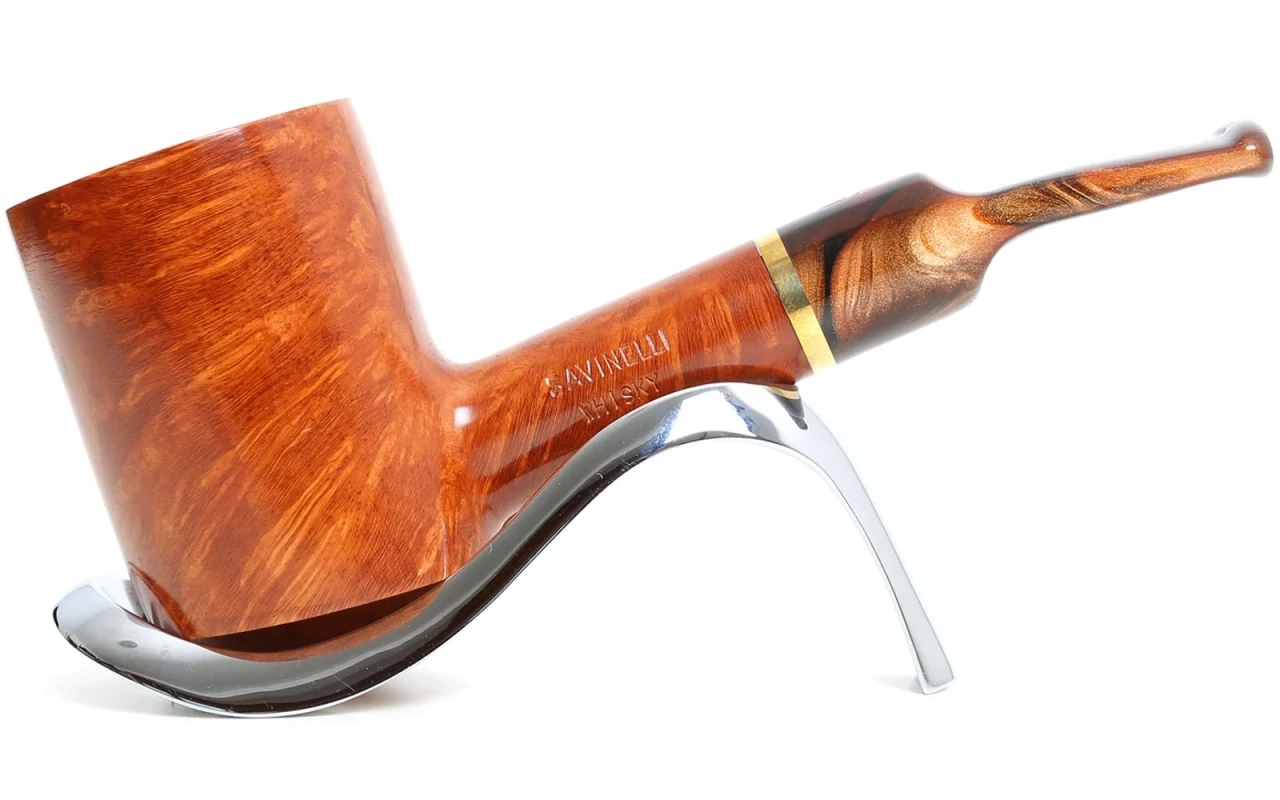
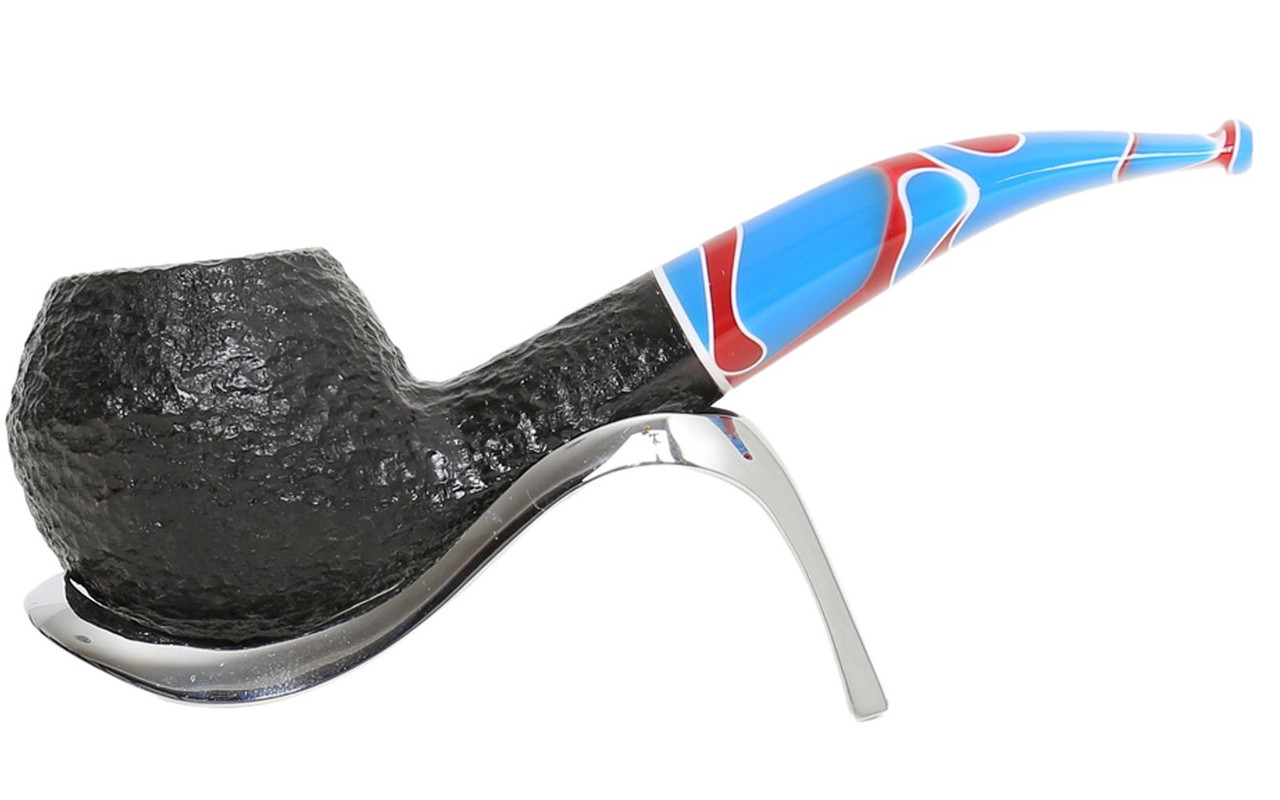
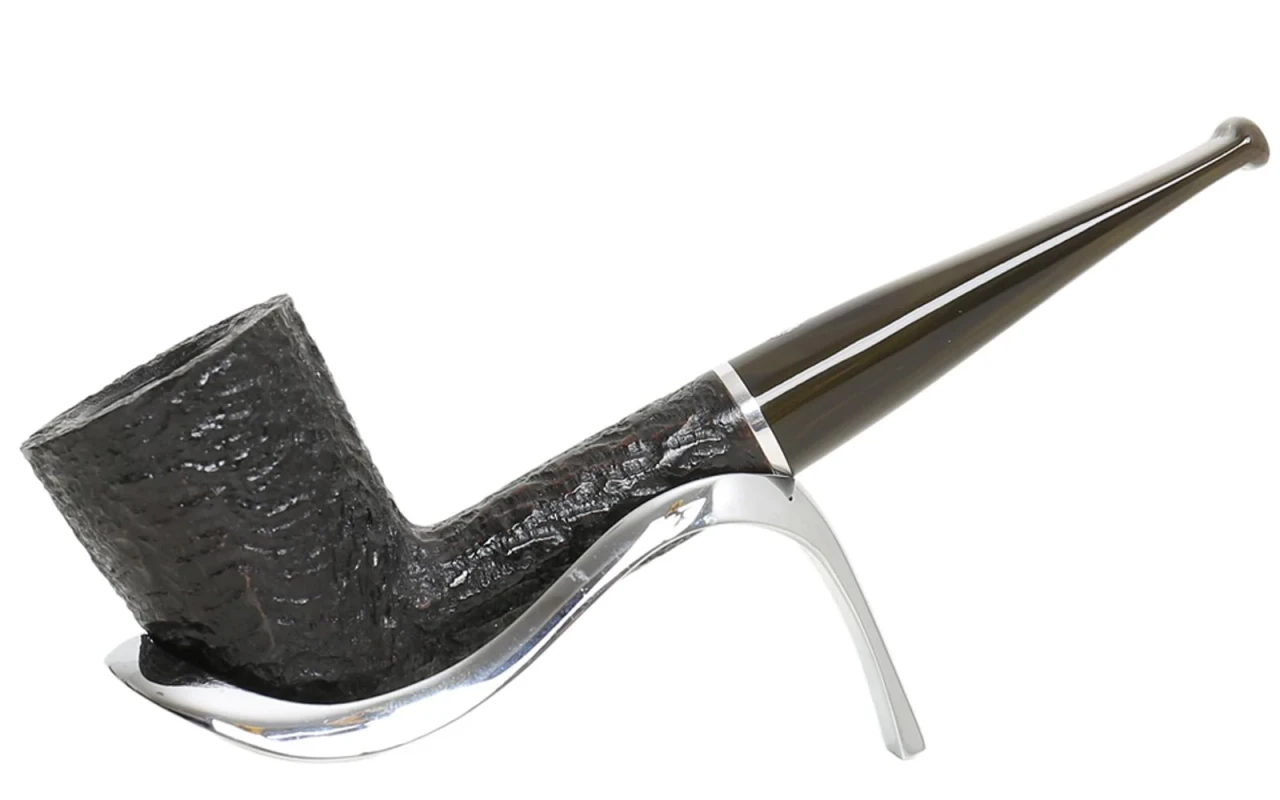
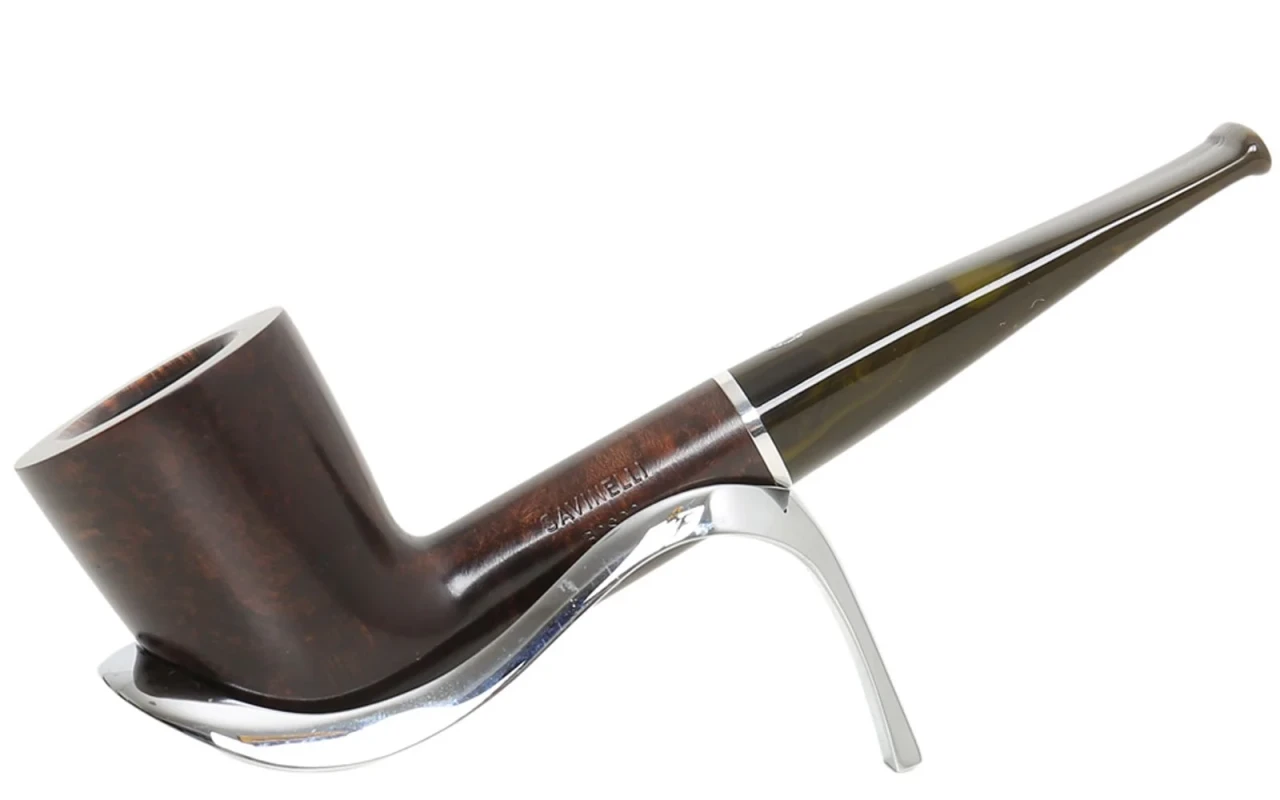
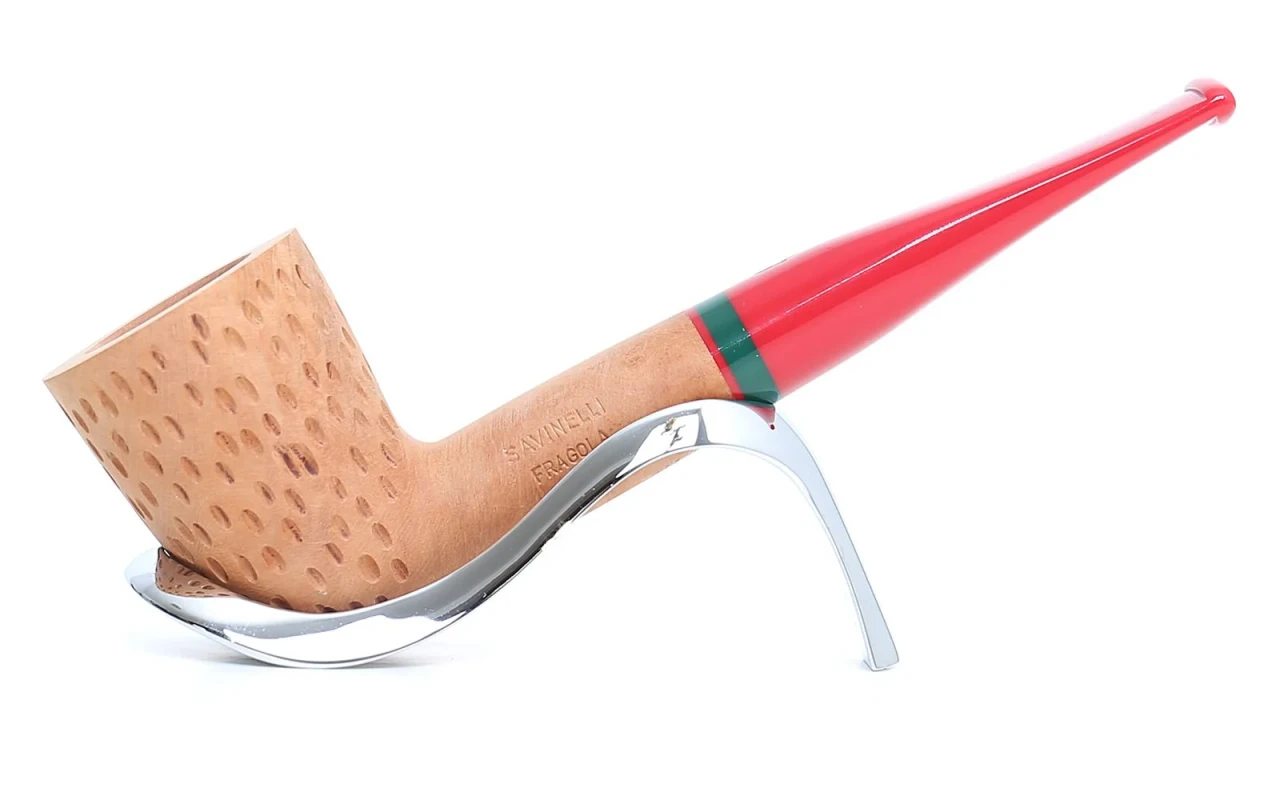
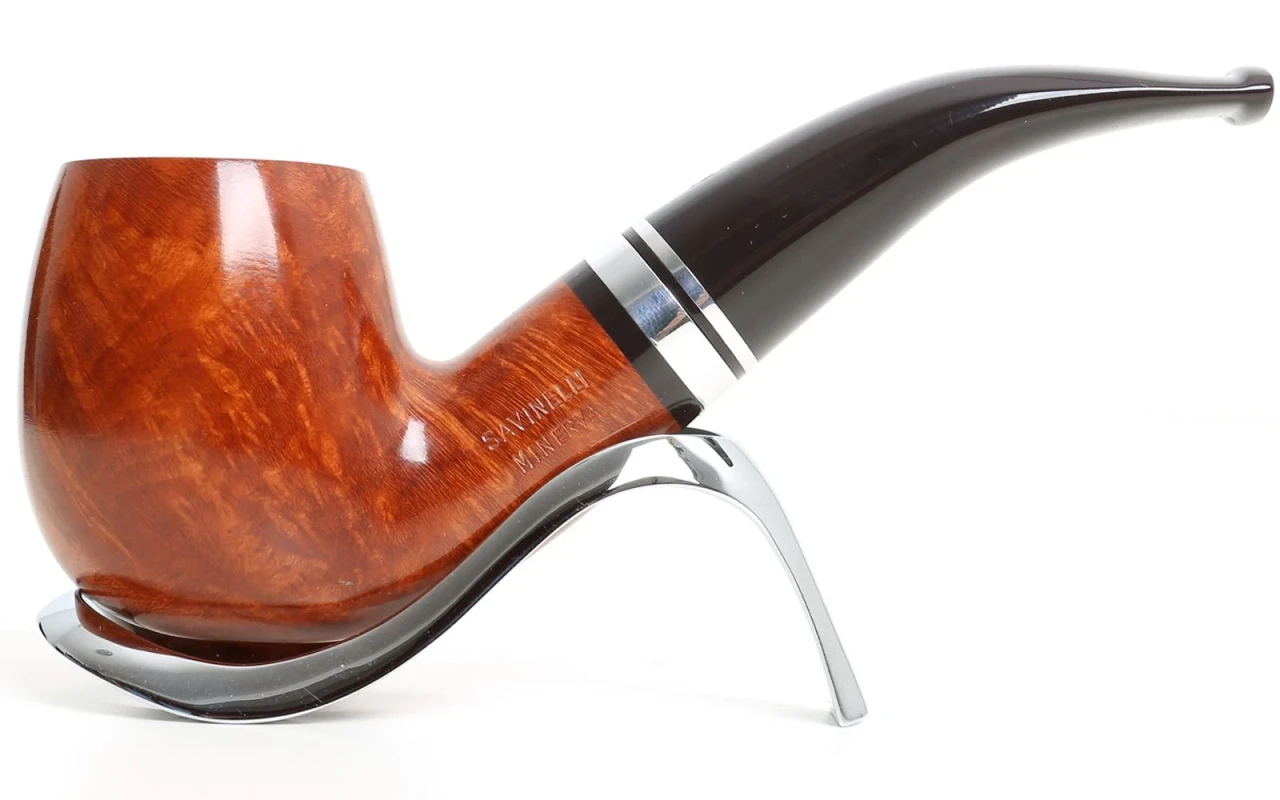
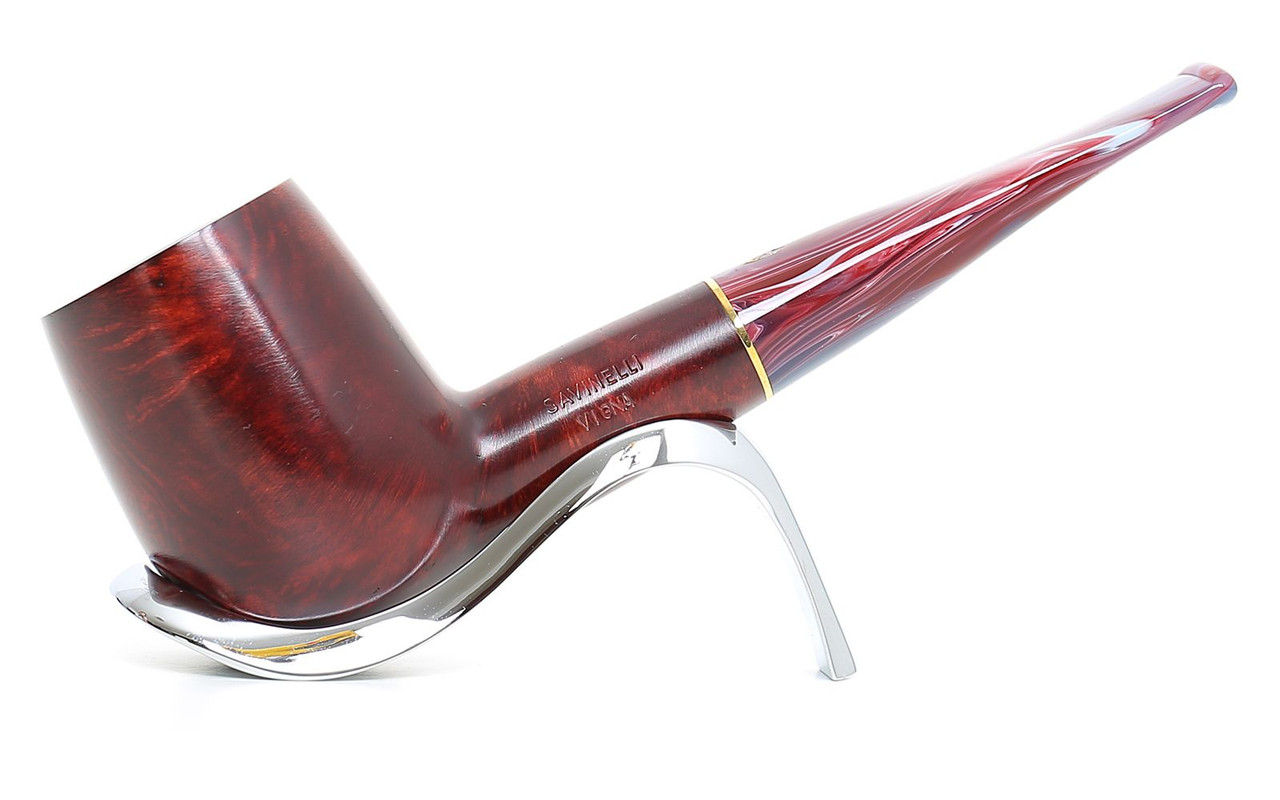
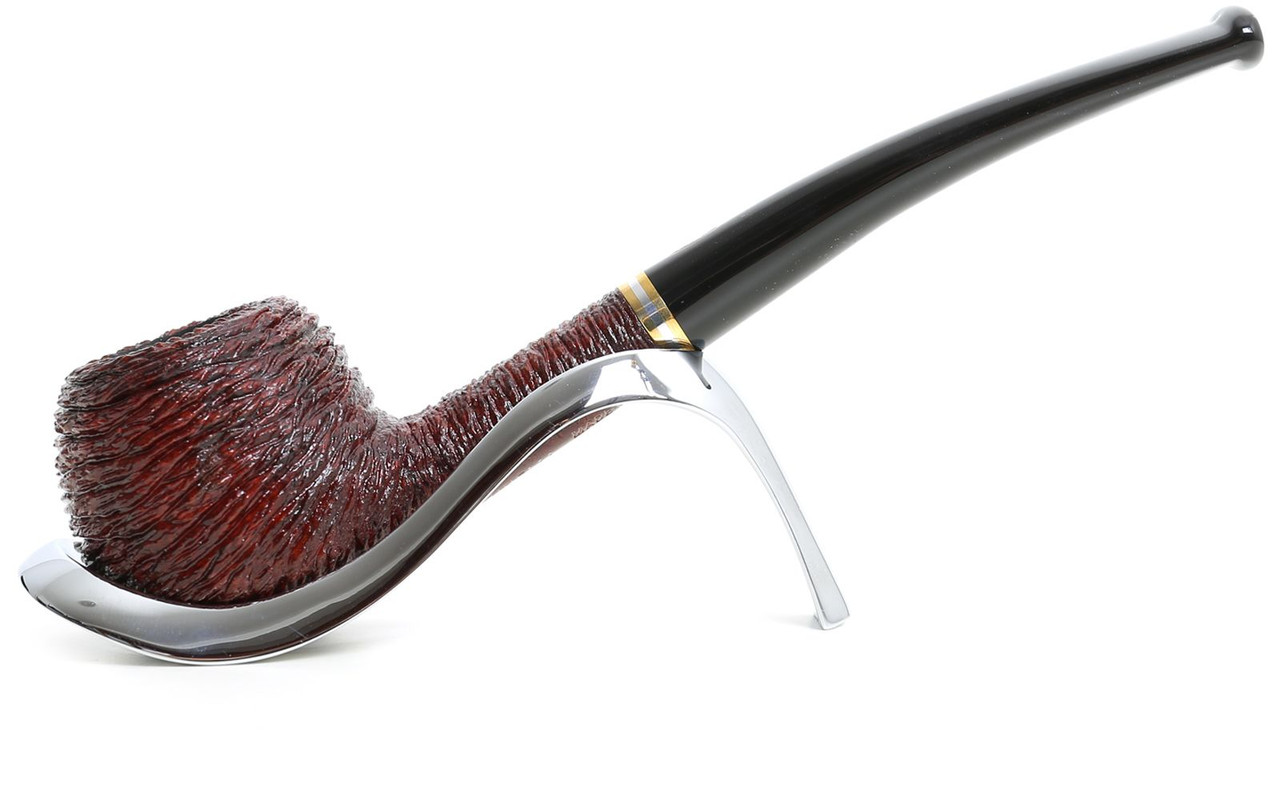
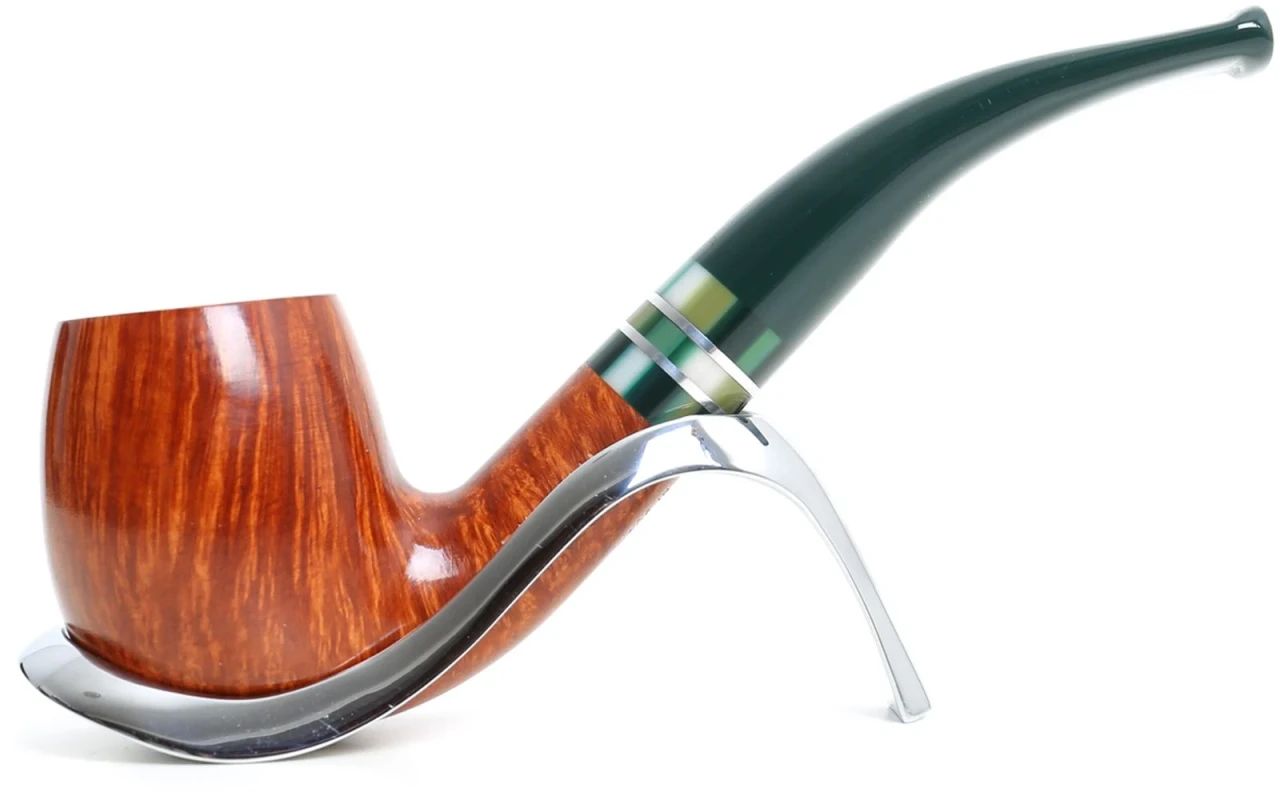
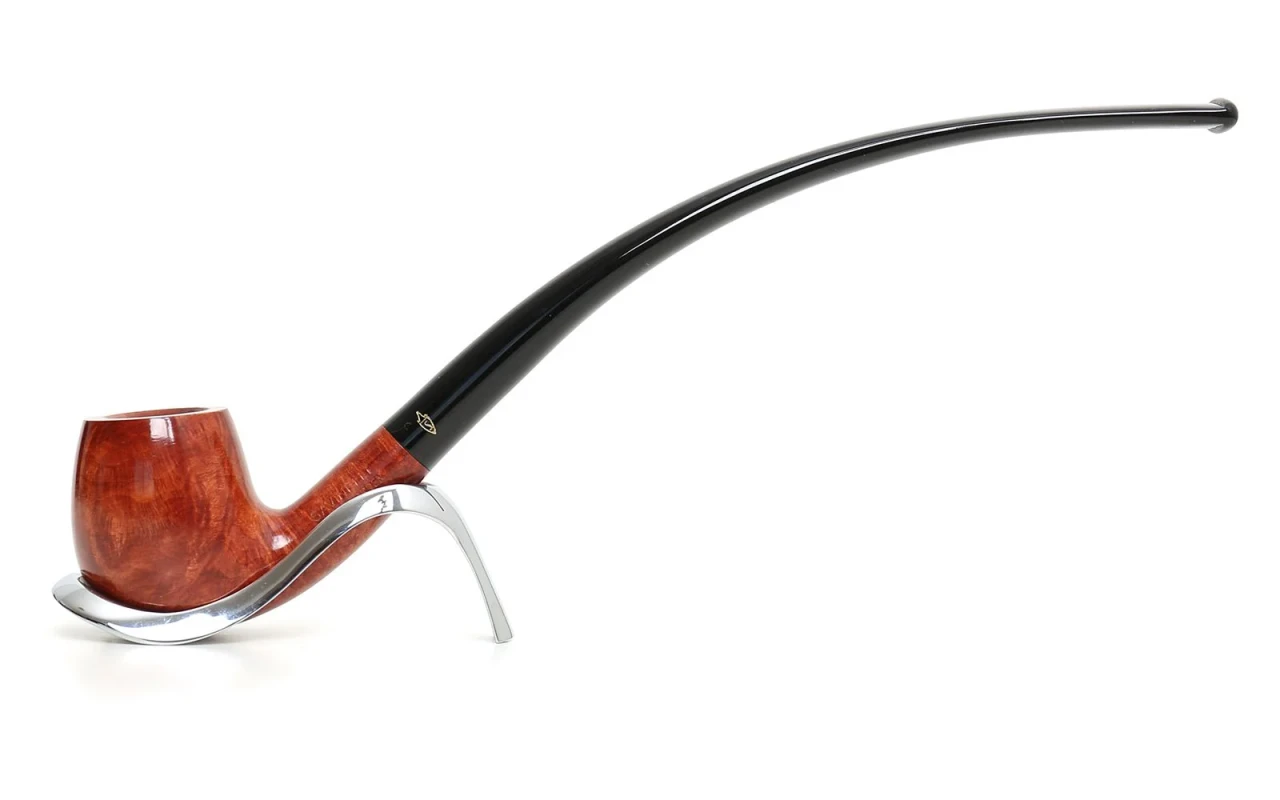
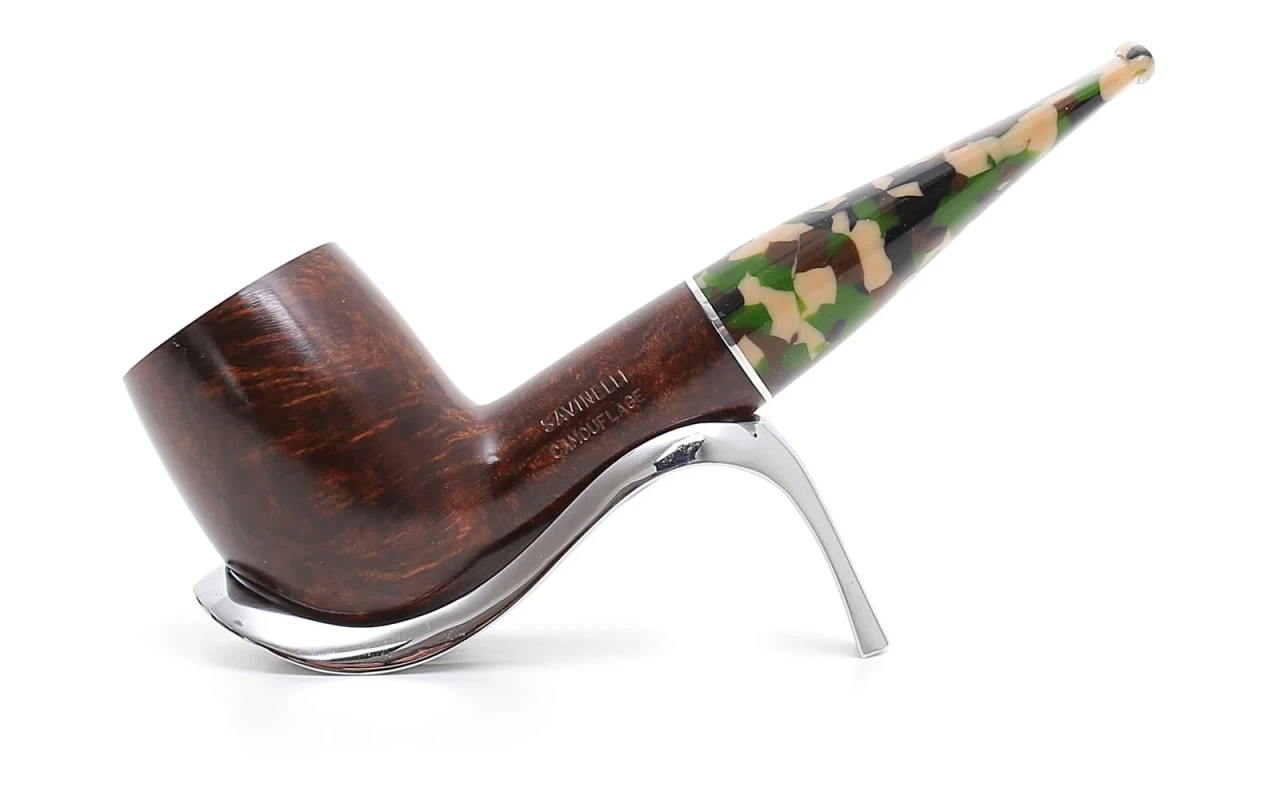
The fine woods used for Canadian pipes are renowned for their heat and combustion resistance. These high-quality woods, such as briar, walnut, cherry, or pear, are carefully chosen to ensure superior durability and a better smoking experience. Thanks to their unique characteristics, fine woods ensure greater heat resistance during pipe smoking, allowing enthusiasts to fully enjoy tobacco without compromising the pipe's structure. The Canadian pipe, in particular, benefits from these properties, offering an excellent and long-lasting smoking experience.
Best woods for pipes
The best woods for pipes are those that offer an optimal combination of characteristics for a pleasant smoke. The most appreciated woods include:- Briar: a wood particularly resistant to heat with a beautiful grain, highly valued for dry smoking pipes.- Oak: a hard and durable wood, often used for sturdy and long-lasting pipes.- Cherry: a lightweight wood, with a beautiful dark red color, ideal for elegant and refined pipes.- Walnut: a dark brown wood, highly valued for its aromatic properties that transfer to the tobacco during smoking.
Materials for Handcrafted Pipes
The main materials used for crafting handcrafted pipes are wood, briar, corn cob, and clay. Wood, such as briar, is highly popular for its heat resistance and ability to absorb moisture. Briar pipes are valued for the beauty of their grain and their capacity to enhance the flavor of the tobacco. Corn cob pipes are lightweight and affordable, making them particularly suitable for beginners. Clay pipes are traditional and provide a pure smoking experience. Each material imparts unique characteristics to the pipe, influencing the taste and overall quality of the smoking experience.
Exotic Woods for Pipes
Exotic woods for pipes are precious materials used in the crafting of high-quality smoking pipes. These woods, sourced from various parts of the world, offer unique characteristics that influence both the aesthetics and performance of the pipe. Among the most popular exotic woods are briar, mainly sourced from the Mediterranean region, known for its heat and flame resistance. Other common exotic woods include ebony, oak burl, and cocobolo, each with their own color nuances and veining that give a distinctive touch to each pipe. The choice of exotic wood contributes to defining the style and overall quality of the smoking pipe.
'%3e%3cg id='Final-Copy-2_2_' transform='translate(1275.000000, 200.000000)'%3e%3cpath class='st0' d='M7.4,12.8h6.8l3.1-11.6H7.4C4.2,1.2,1.6,3.8,1.6,7S4.2,12.8,7.4,12.8z'/%3e%3c/g%3e%3c/g%3e%3c/g%3e%3cg id='final---dec.11-2020'%3e%3cg id='_x30_208-our-toggle' transform='translate(-1275.000000, -200.000000)'%3e%3cg id='Final-Copy-2' transform='translate(1275.000000, 200.000000)'%3e%3cpath class='st1' d='M22.6,0H7.4c-3.9,0-7,3.1-7,7s3.1,7,7,7h15.2c3.9,0,7-3.1,7-7S26.4,0,22.6,0z M1.6,7c0-3.2,2.6-5.8,5.8-5.8 h9.9l-3.1,11.6H7.4C4.2,12.8,1.6,10.2,1.6,7z'/%3e%3cpath id='x' class='st2' d='M24.6,4c0.2,0.2,0.2,0.6,0,0.8l0,0L22.5,7l2.2,2.2c0.2,0.2,0.2,0.6,0,0.8c-0.2,0.2-0.6,0.2-0.8,0 l0,0l-2.2-2.2L19.5,10c-0.2,0.2-0.6,0.2-0.8,0c-0.2-0.2-0.2-0.6,0-0.8l0,0L20.8,7l-2.2-2.2c-0.2-0.2-0.2-0.6,0-0.8 c0.2-0.2,0.6-0.2,0.8,0l0,0l2.2,2.2L23.8,4C24,3.8,24.4,3.8,24.6,4z'/%3e%3cpath id='y' class='st3' d='M12.7,4.1c0.2,0.2,0.3,0.6,0.1,0.8l0,0L8.6,9.8C8.5,9.9,8.4,10,8.3,10c-0.2,0.1-0.5,0.1-0.7-0.1l0,0 L5.4,7.7c-0.2-0.2-0.2-0.6,0-0.8c0.2-0.2,0.6-0.2,0.8,0l0,0L8,8.6l3.8-4.5C12,3.9,12.4,3.9,12.7,4.1z'/%3e%3c/g%3e%3c/g%3e%3c/g%3e%3c/g%3e%3c/svg%3e) Your Privacy Choices
Your Privacy Choices 


