 ES
ES FR
FR EN
EN IT
IT DE
DE
Features of the “Chimney” Pipe
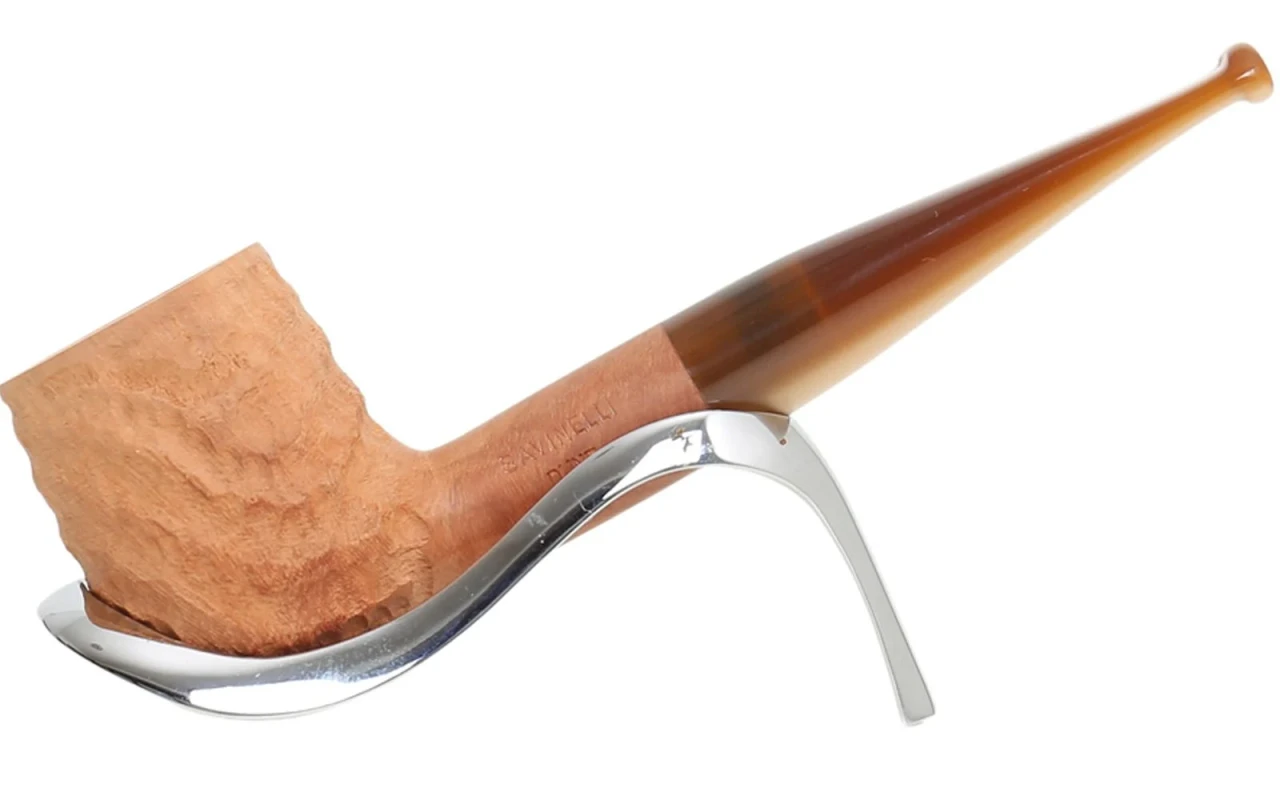
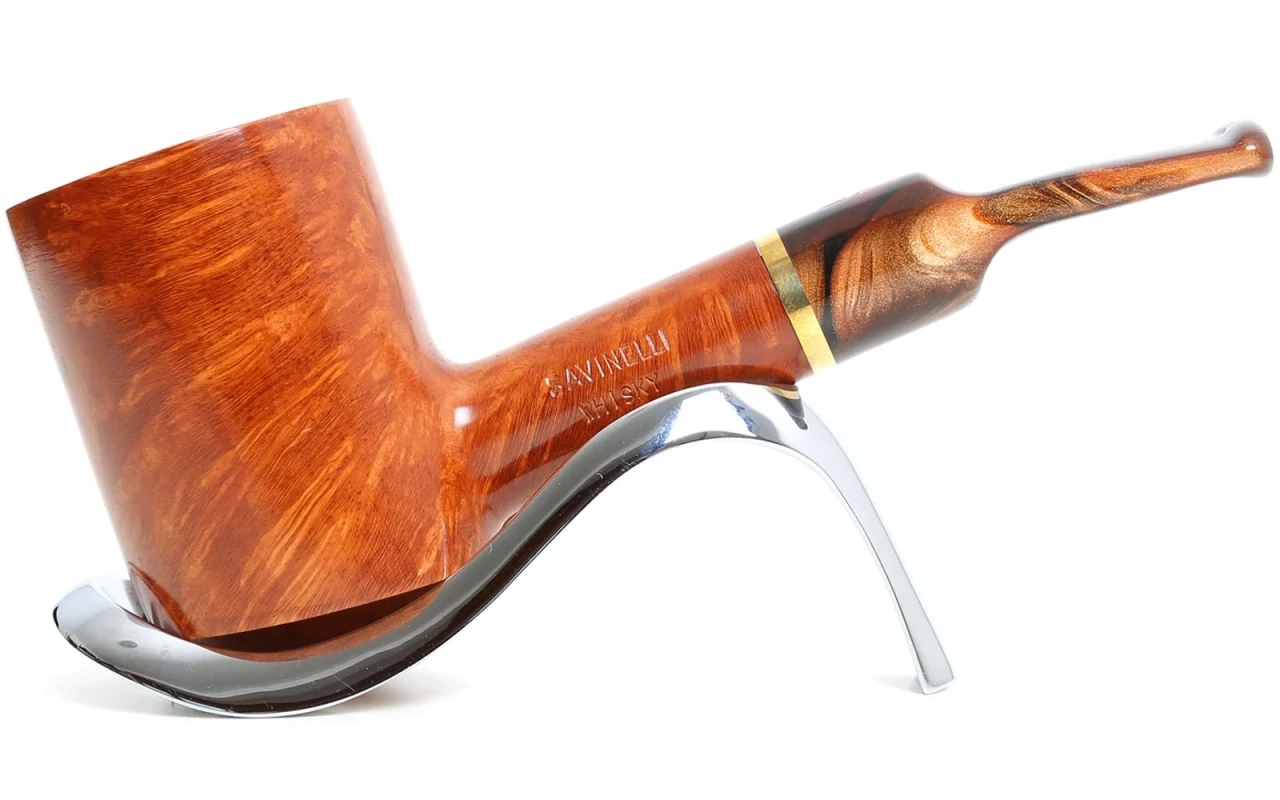
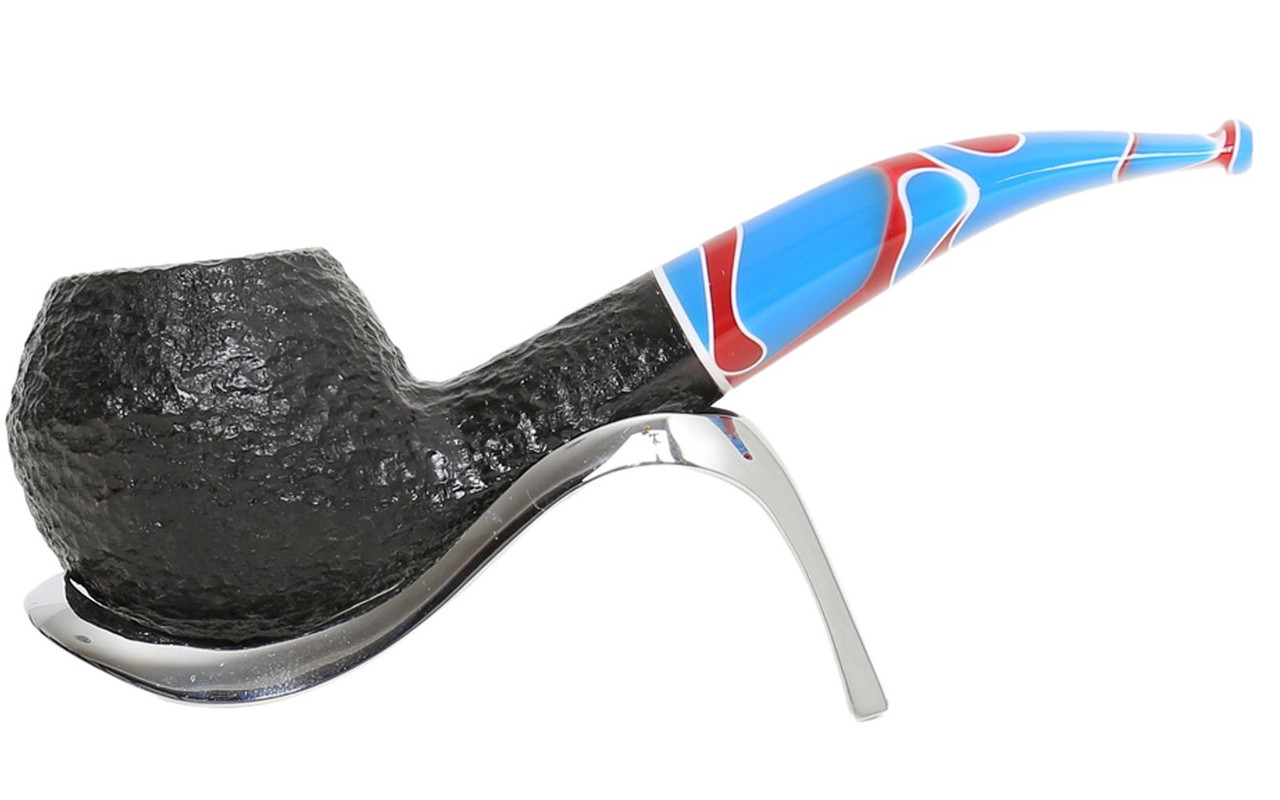
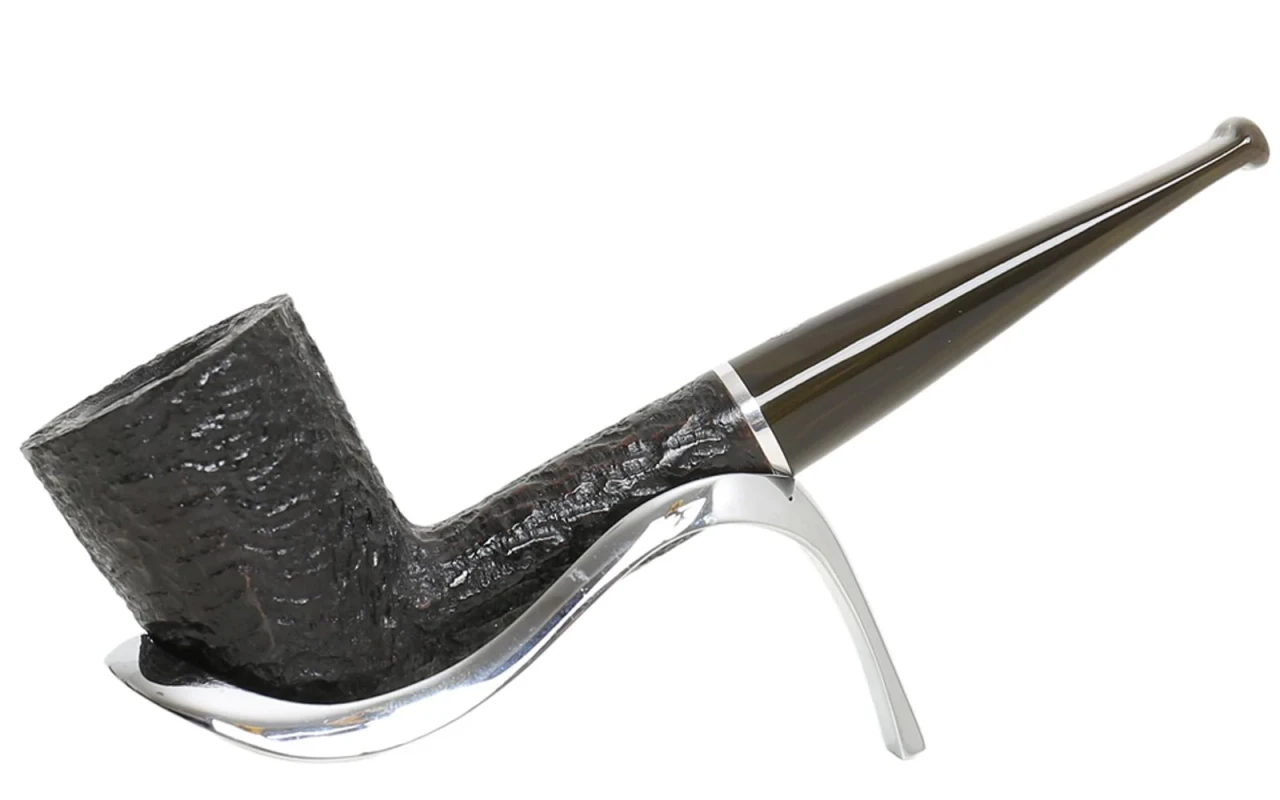
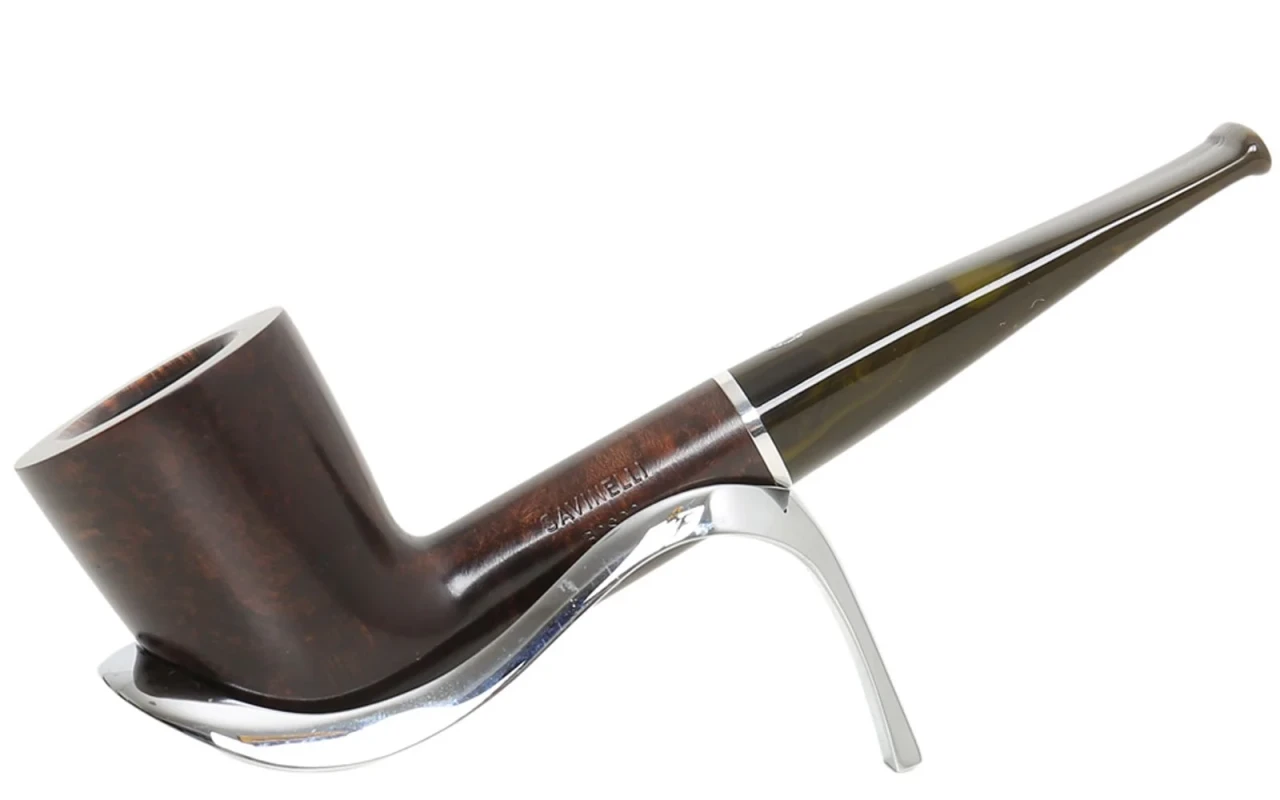
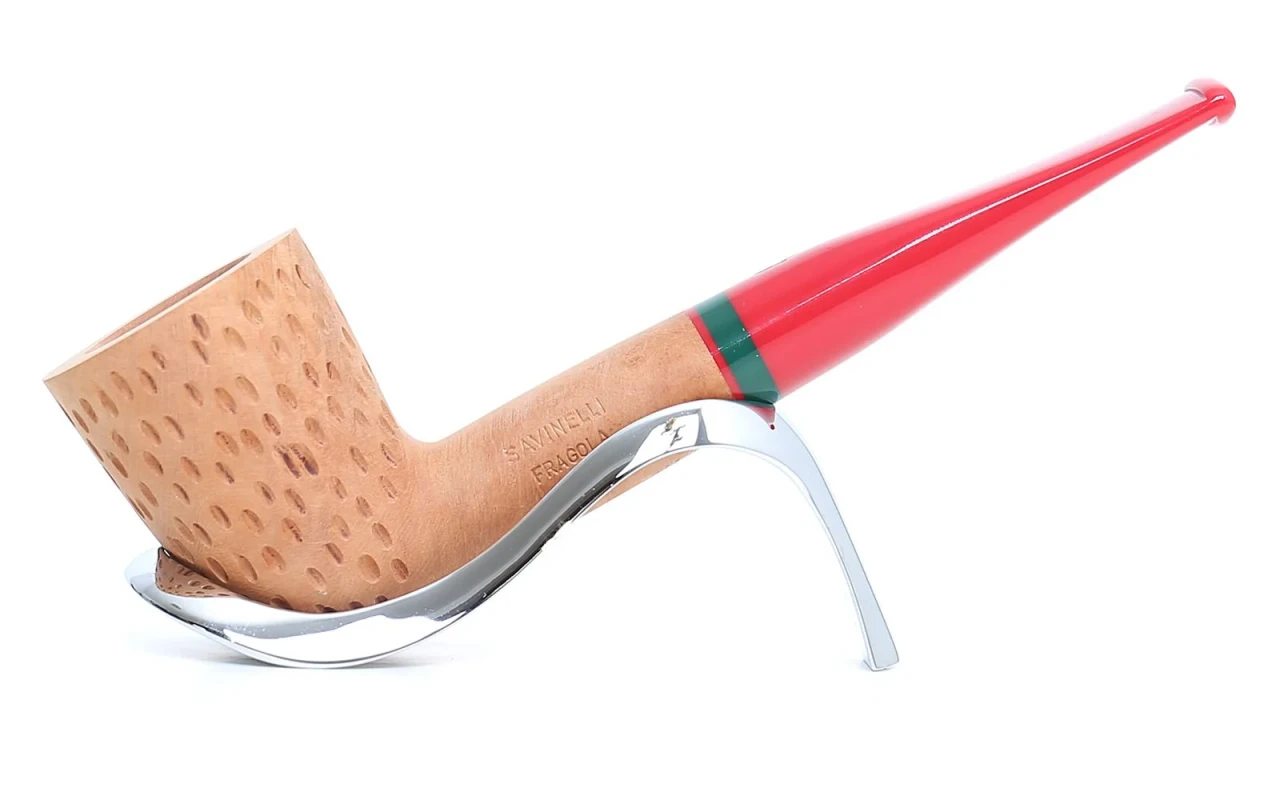
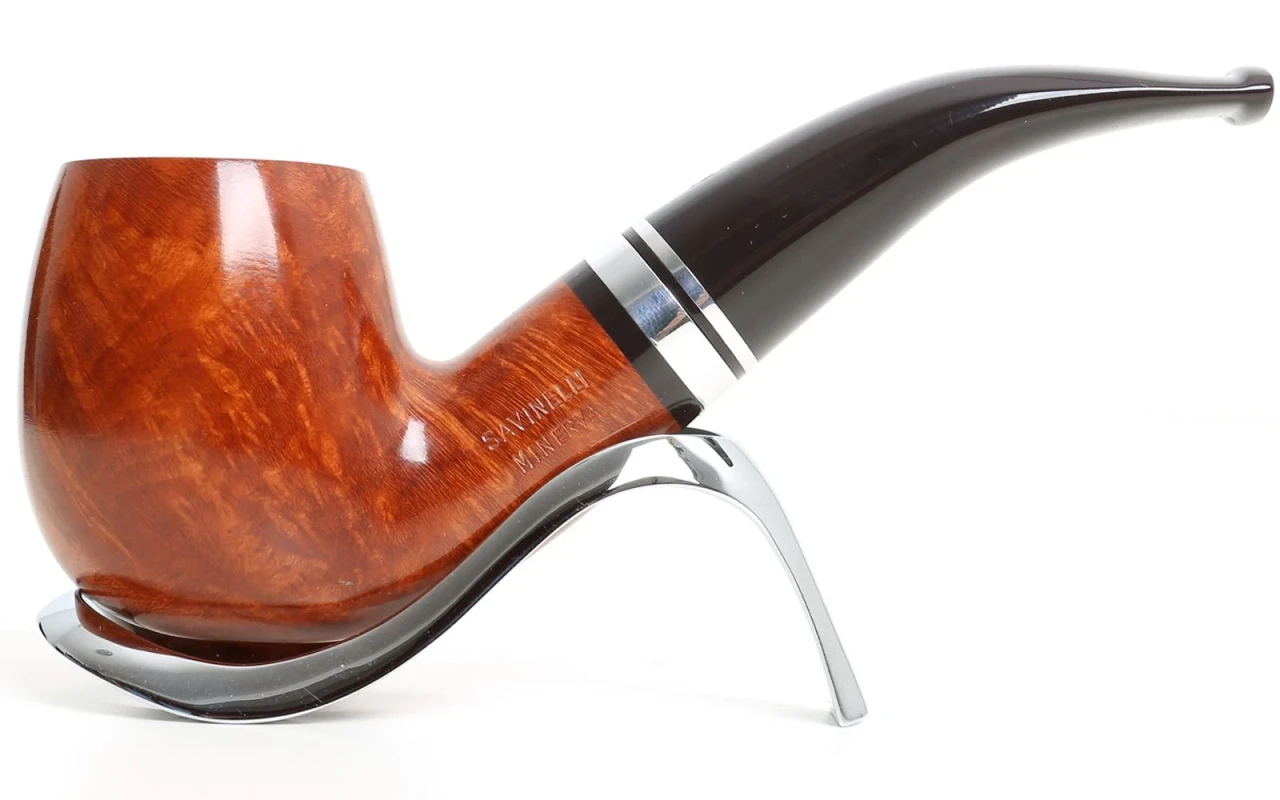
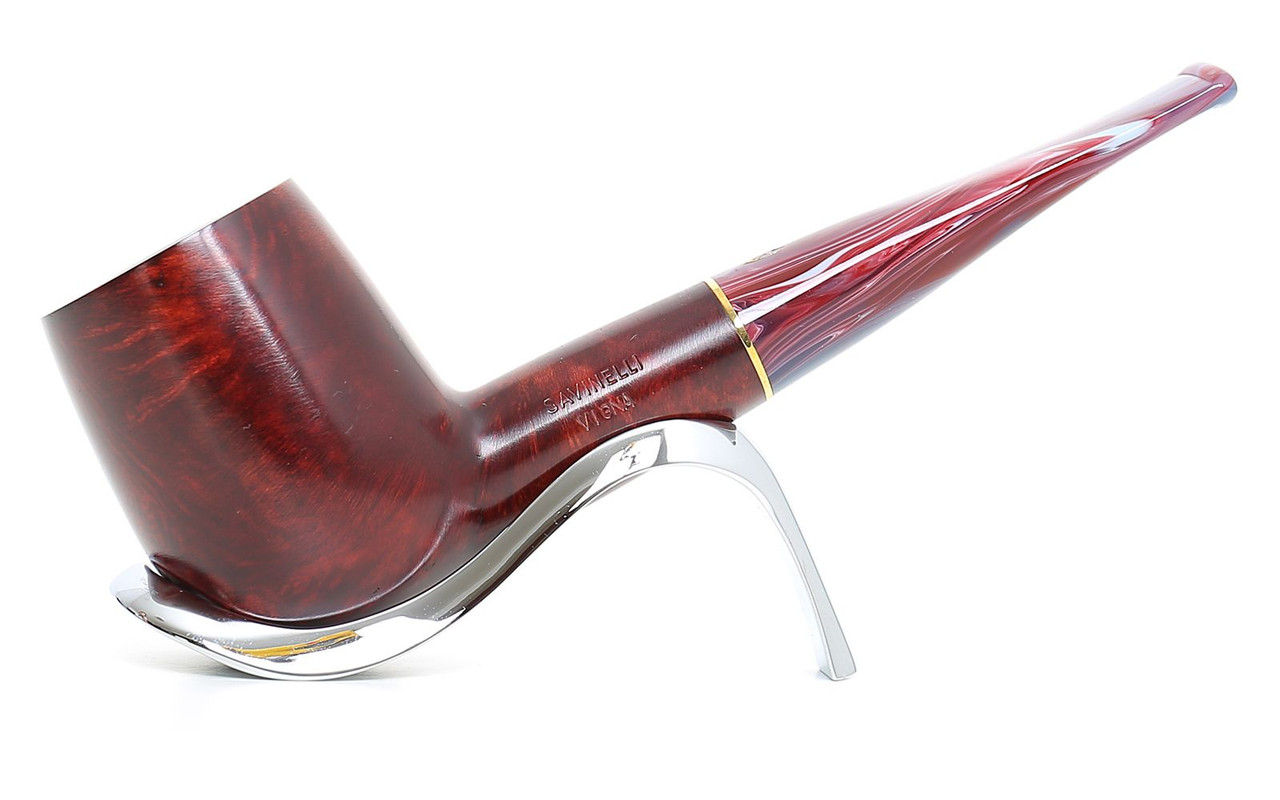
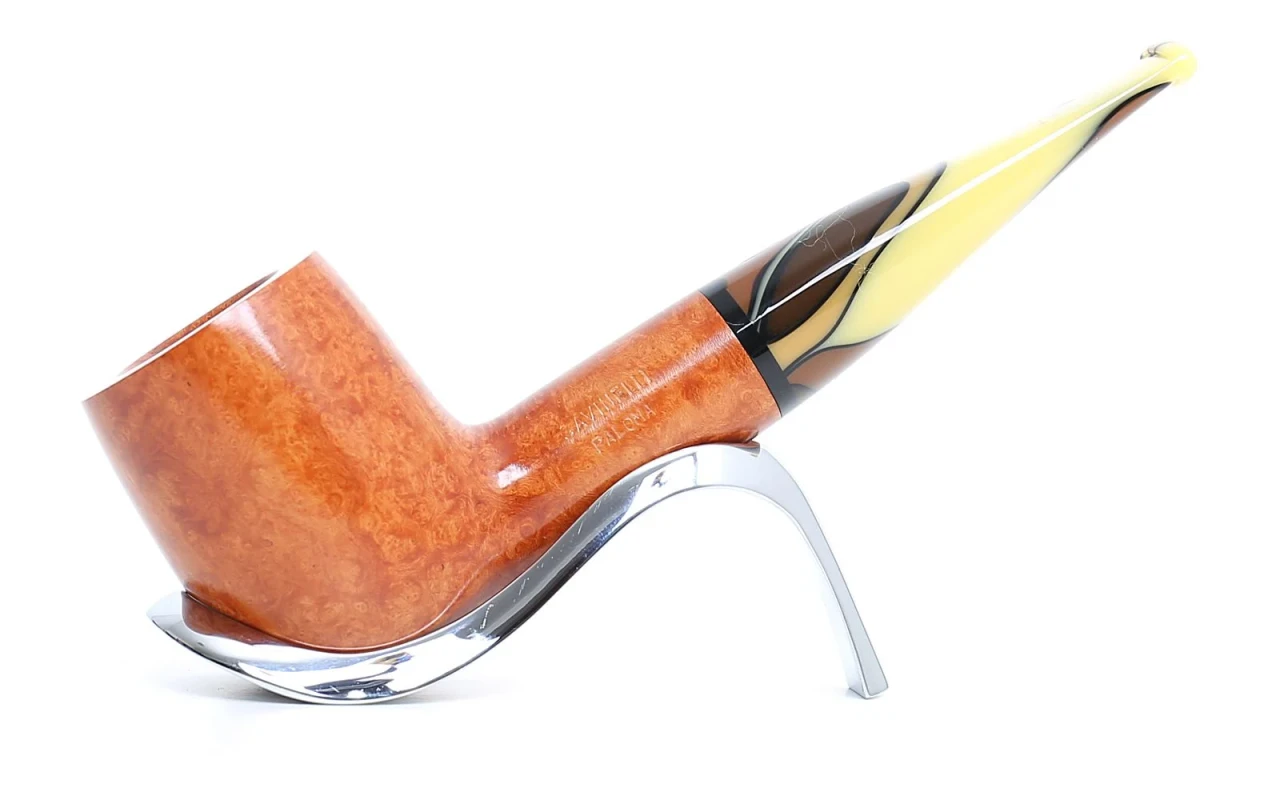
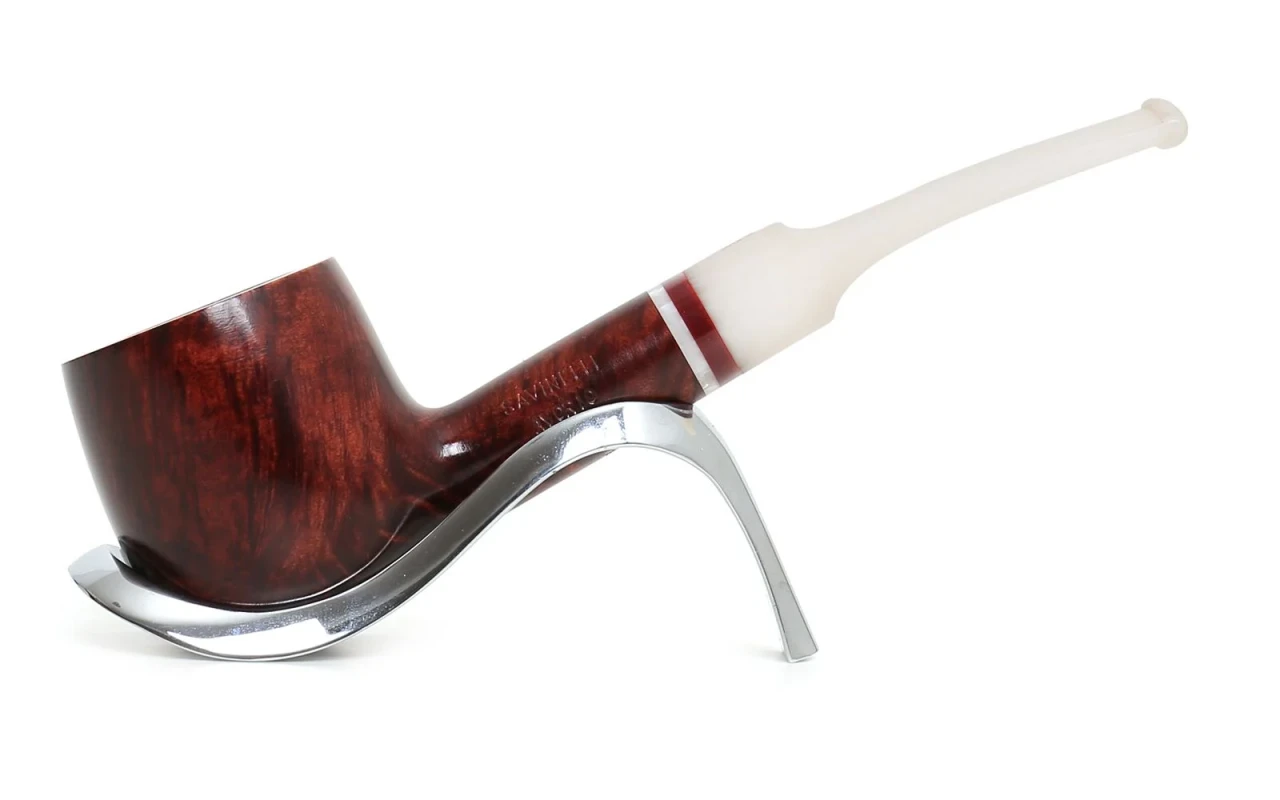
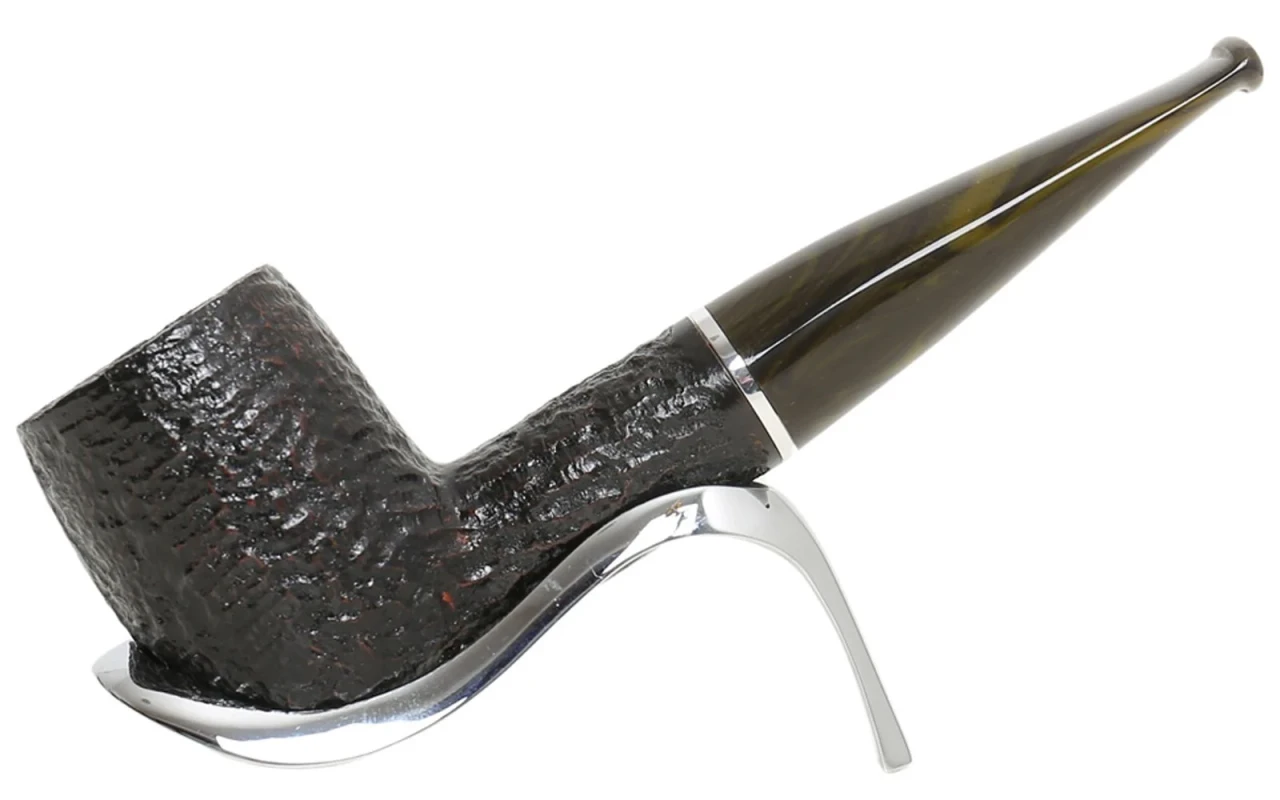
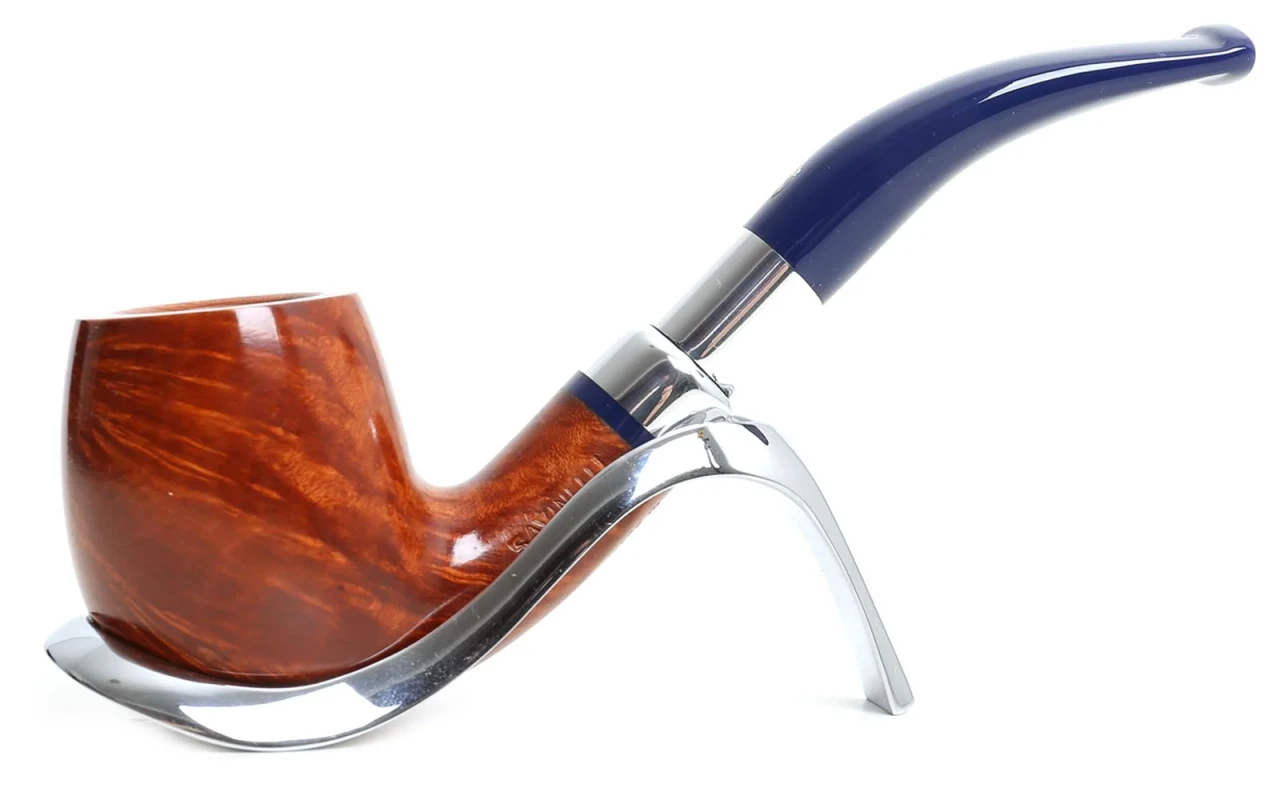
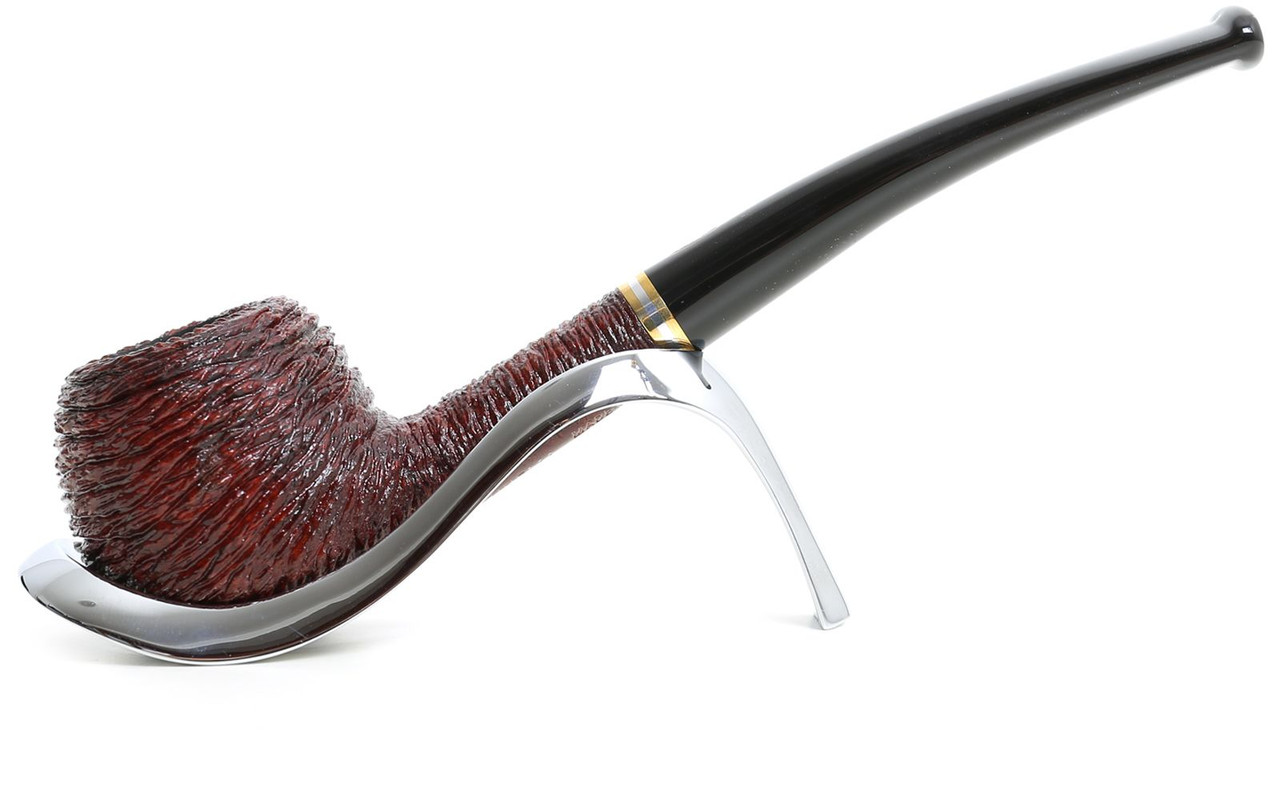
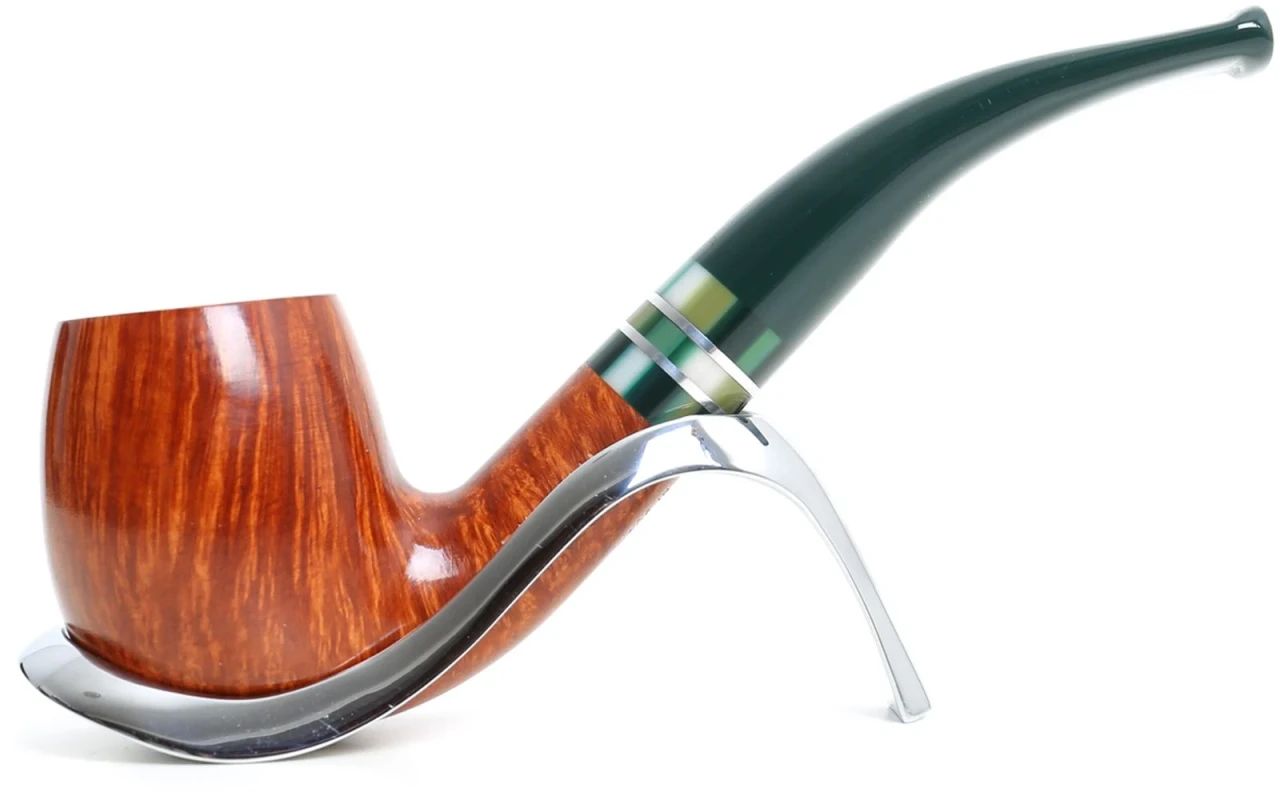
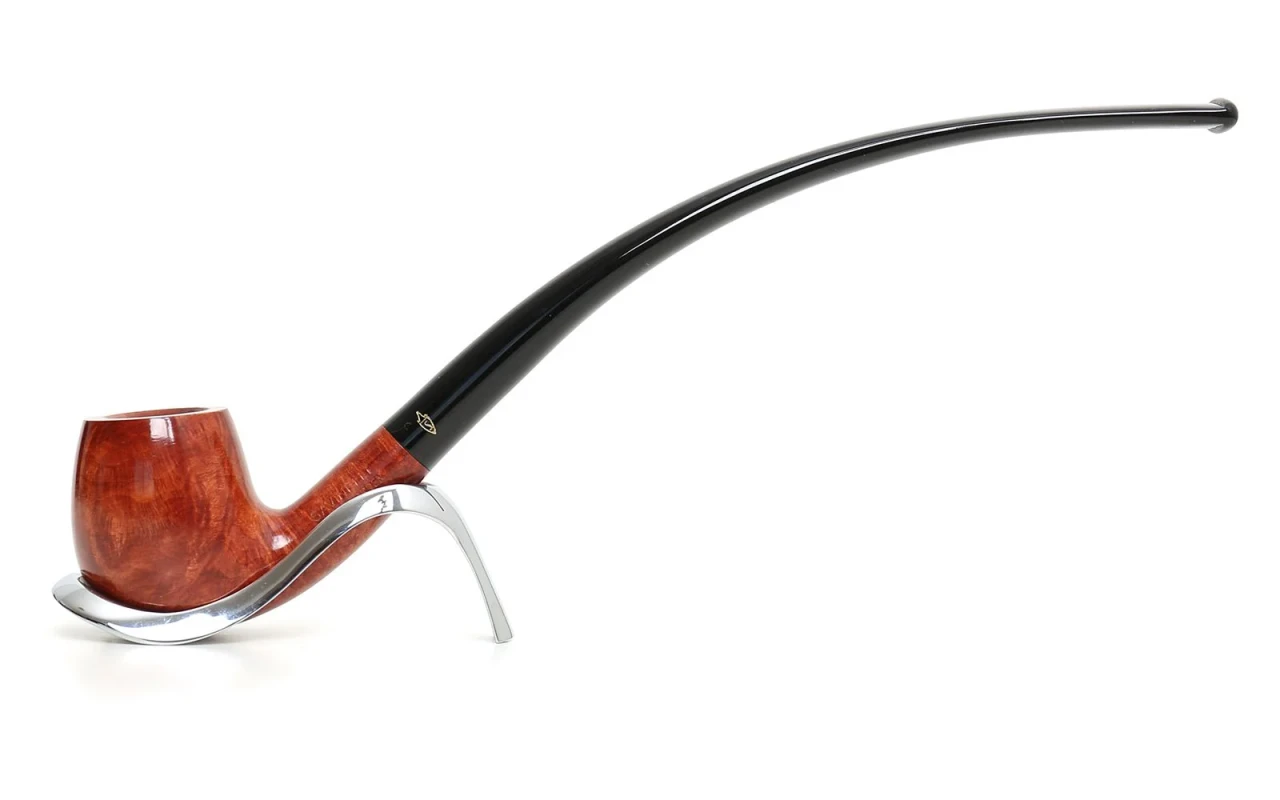

Features of the "Chimney" Pipe
The "Chimney" pipe is a particular model characterized by some specific distinctive features:- Slender and elongated shape, resembling a cane or a chimney, from which it derives its name "Chimney".- Narrow and deep bowl that promotes a slow and even tobacco combustion.- Long and thin stem, often slightly curved to enhance a better grip.- Elegant and refined design, often crafted with precious materials such as briar or other fine woods.- Ideal for smokers who appreciate a relaxing and meditative smoke, thanks to its ability to maintain a constant temperature and enhance the tobacco flavors.
"Chimney" Pipe
The "Chimney" pipe is a particular type of smoking pipe characterized by a slender and elongated shape, similar to a chimney. This specific design allows for a cooler and drier smoke thanks to the longer distance traveled by the smoke before being inhaled. The "Chimney" pipe is appreciated by many smokers for its ability to enhance the flavors of tobacco and for its elegant aesthetic. It is important to choose a high-quality pipe and take care of it properly to ensure a better smoking experience and greater longevity over time.
Types of Chimney Pipes
Chimney pipes are a type of pipe characterized by a wide combustion chamber and a tall stem, ideal for smokers looking for a cooler and drier smoke. This model promotes a colder smoke thanks to the stem length and the greater amount of wood between the tobacco and the mouthpiece. Chimney pipes are available in various shapes and materials, such as briar wood or coral. Thanks to their unique structure, they offer a distinctive and enjoyable smoking experience for pipe enthusiasts.
Pipe Chimney Maintenance
Maintaining a pipe chimney is a fundamental process to ensure proper functioning and preserve its longevity over time. Here are some important steps to follow:- Regular cleaning of the chimney to remove combustion residues and creosote- Periodic inspection of the pipe's condition to detect any damages or cracks- Checking the proper installation and functionality of the pipe components- Ensuring proper draft to ensure effective smoke evacuation- Maintaining safety devices and checking for any smoke leaksFollowing these practices helps to keep the pipe chimney in optimal conditions and ensure a safe and healthy environment.
Materials for Chimney Pipes
The materials for a Chimney pipe vary depending on the smoker's preferences and desired quality. The most common materials include:- Briar: highly valued for its heat resistance and moisture absorption characteristics, briar wood is often the preferred choice for high-quality pipes.- Morta: a blend of clay, cast iron, and graphite that offers excellent heat resistance and a sturdy structure.- Corn Cob: an economical and lightweight option for smoking pipes, providing a unique smoking experience.- Meerschaum: a porous stone that absorbs tobacco oils, delivering a pure and fresh flavor.
'%3e%3cg id='Final-Copy-2_2_' transform='translate(1275.000000, 200.000000)'%3e%3cpath class='st0' d='M7.4,12.8h6.8l3.1-11.6H7.4C4.2,1.2,1.6,3.8,1.6,7S4.2,12.8,7.4,12.8z'/%3e%3c/g%3e%3c/g%3e%3c/g%3e%3cg id='final---dec.11-2020'%3e%3cg id='_x30_208-our-toggle' transform='translate(-1275.000000, -200.000000)'%3e%3cg id='Final-Copy-2' transform='translate(1275.000000, 200.000000)'%3e%3cpath class='st1' d='M22.6,0H7.4c-3.9,0-7,3.1-7,7s3.1,7,7,7h15.2c3.9,0,7-3.1,7-7S26.4,0,22.6,0z M1.6,7c0-3.2,2.6-5.8,5.8-5.8 h9.9l-3.1,11.6H7.4C4.2,12.8,1.6,10.2,1.6,7z'/%3e%3cpath id='x' class='st2' d='M24.6,4c0.2,0.2,0.2,0.6,0,0.8l0,0L22.5,7l2.2,2.2c0.2,0.2,0.2,0.6,0,0.8c-0.2,0.2-0.6,0.2-0.8,0 l0,0l-2.2-2.2L19.5,10c-0.2,0.2-0.6,0.2-0.8,0c-0.2-0.2-0.2-0.6,0-0.8l0,0L20.8,7l-2.2-2.2c-0.2-0.2-0.2-0.6,0-0.8 c0.2-0.2,0.6-0.2,0.8,0l0,0l2.2,2.2L23.8,4C24,3.8,24.4,3.8,24.6,4z'/%3e%3cpath id='y' class='st3' d='M12.7,4.1c0.2,0.2,0.3,0.6,0.1,0.8l0,0L8.6,9.8C8.5,9.9,8.4,10,8.3,10c-0.2,0.1-0.5,0.1-0.7-0.1l0,0 L5.4,7.7c-0.2-0.2-0.2-0.6,0-0.8c0.2-0.2,0.6-0.2,0.8,0l0,0L8,8.6l3.8-4.5C12,3.9,12.4,3.9,12.7,4.1z'/%3e%3c/g%3e%3c/g%3e%3c/g%3e%3c/g%3e%3c/svg%3e) Your Privacy Choices
Your Privacy Choices 


