 ES
ES FR
FR EN
EN IT
IT DE
DE
Factors to consider when choosing pipe material
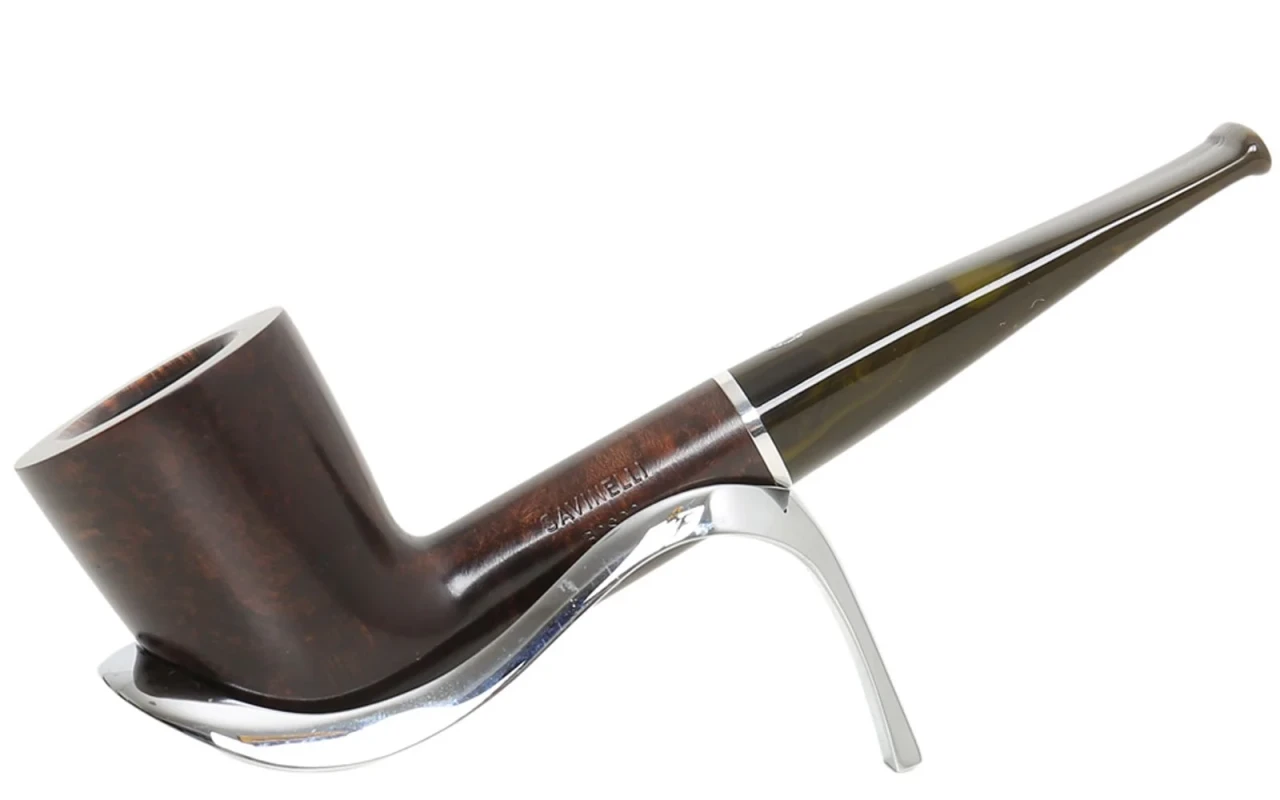
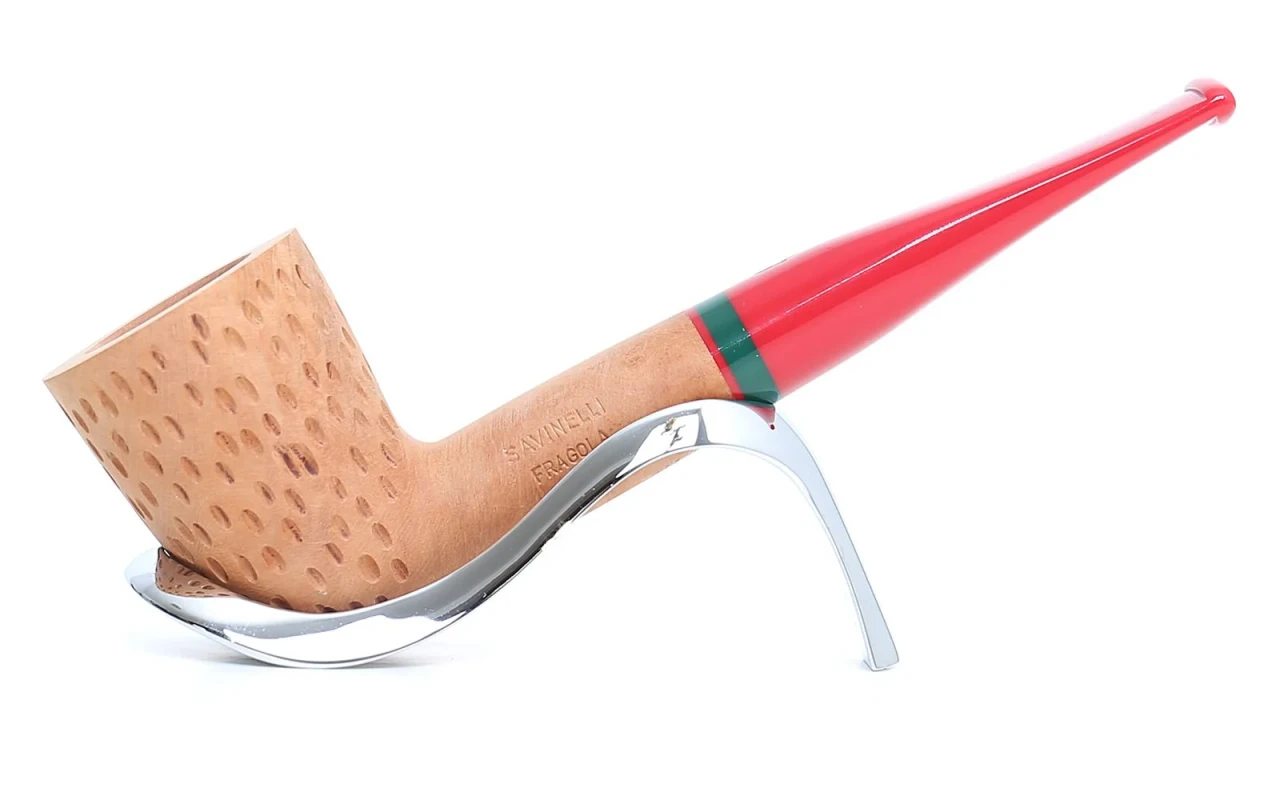
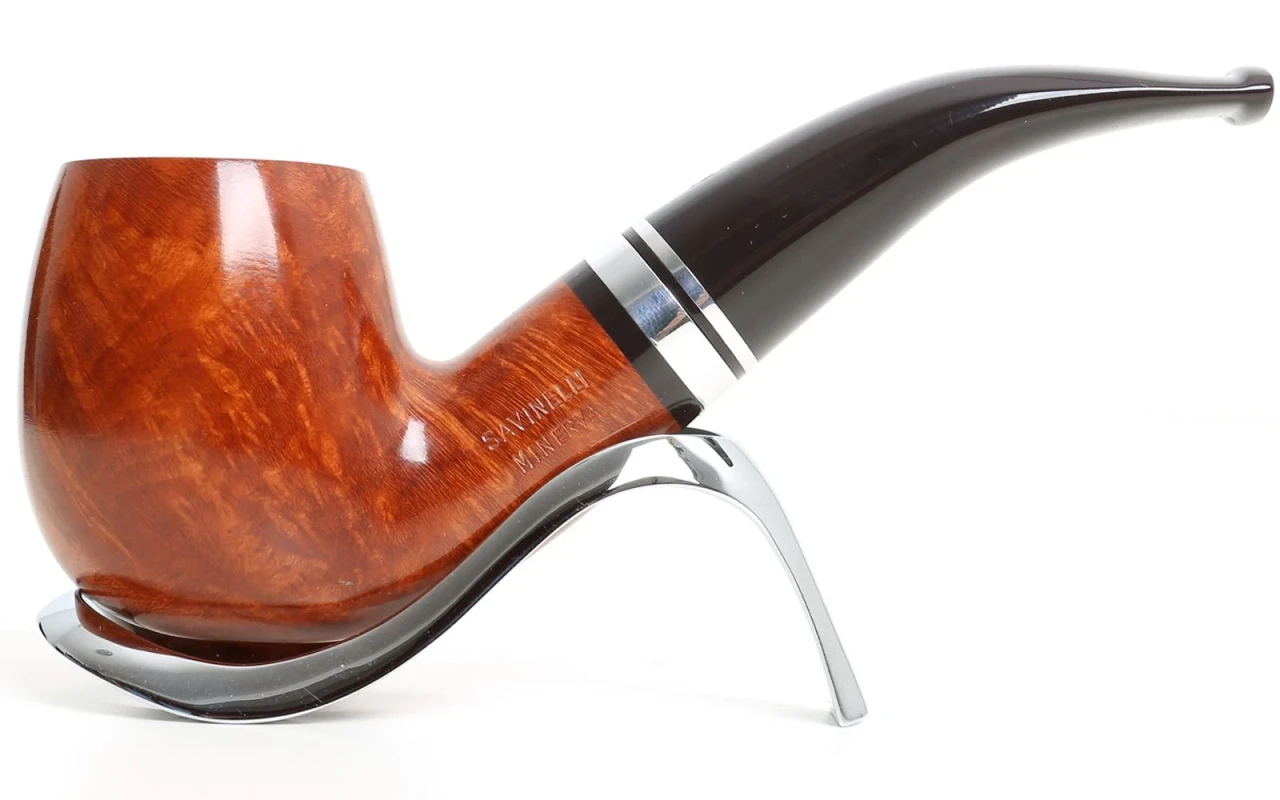
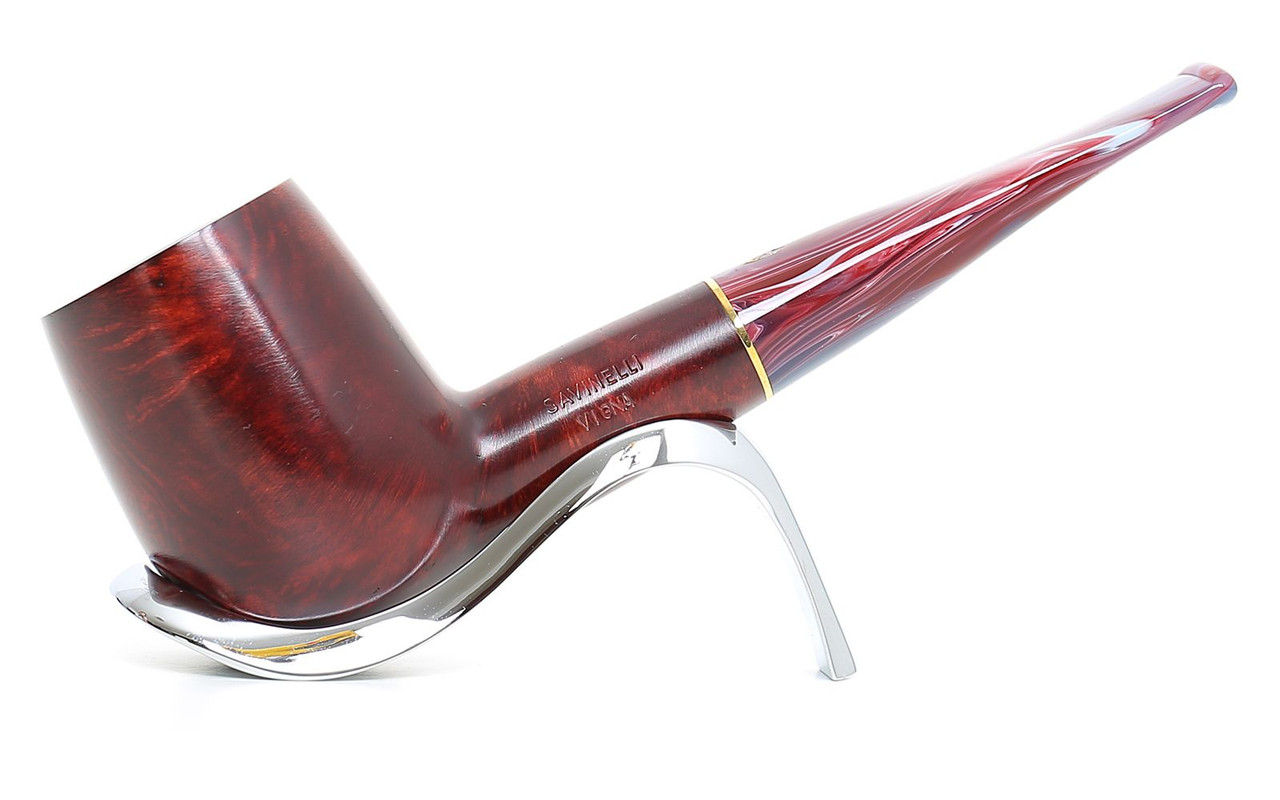
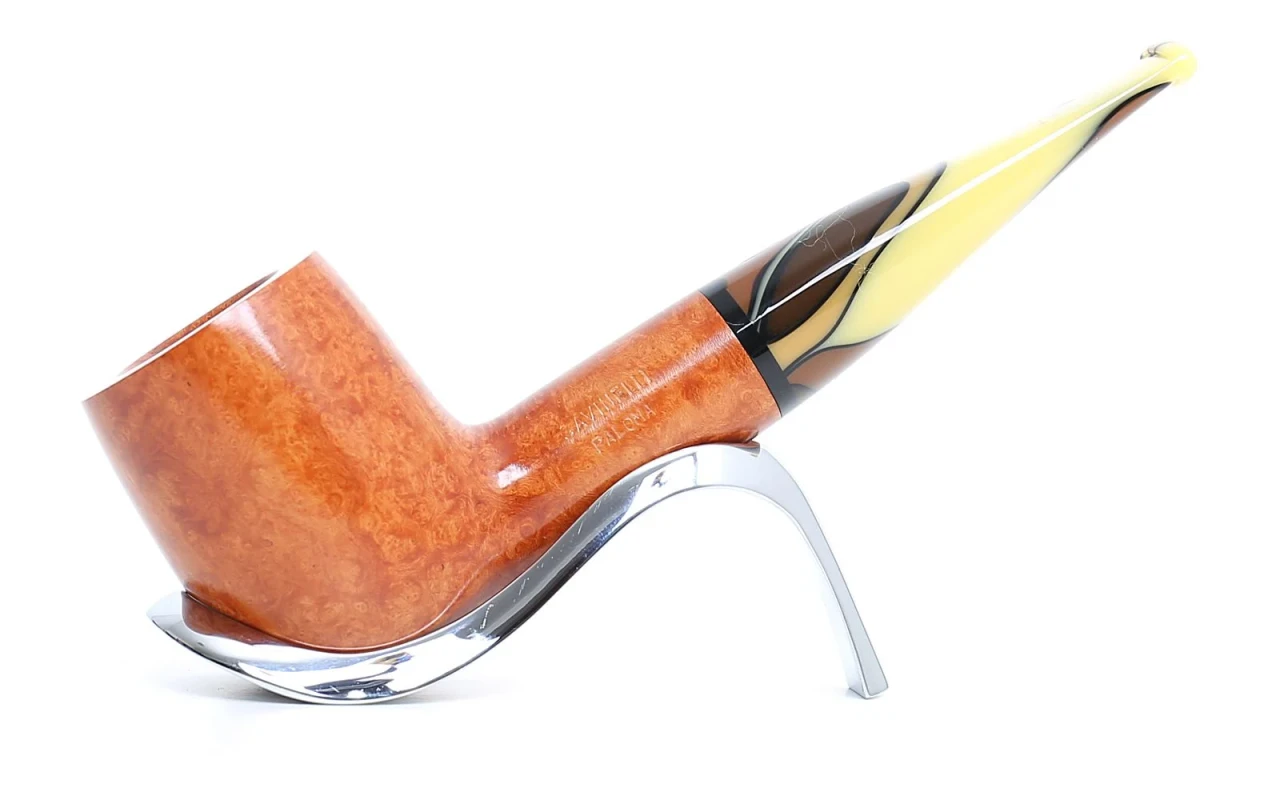
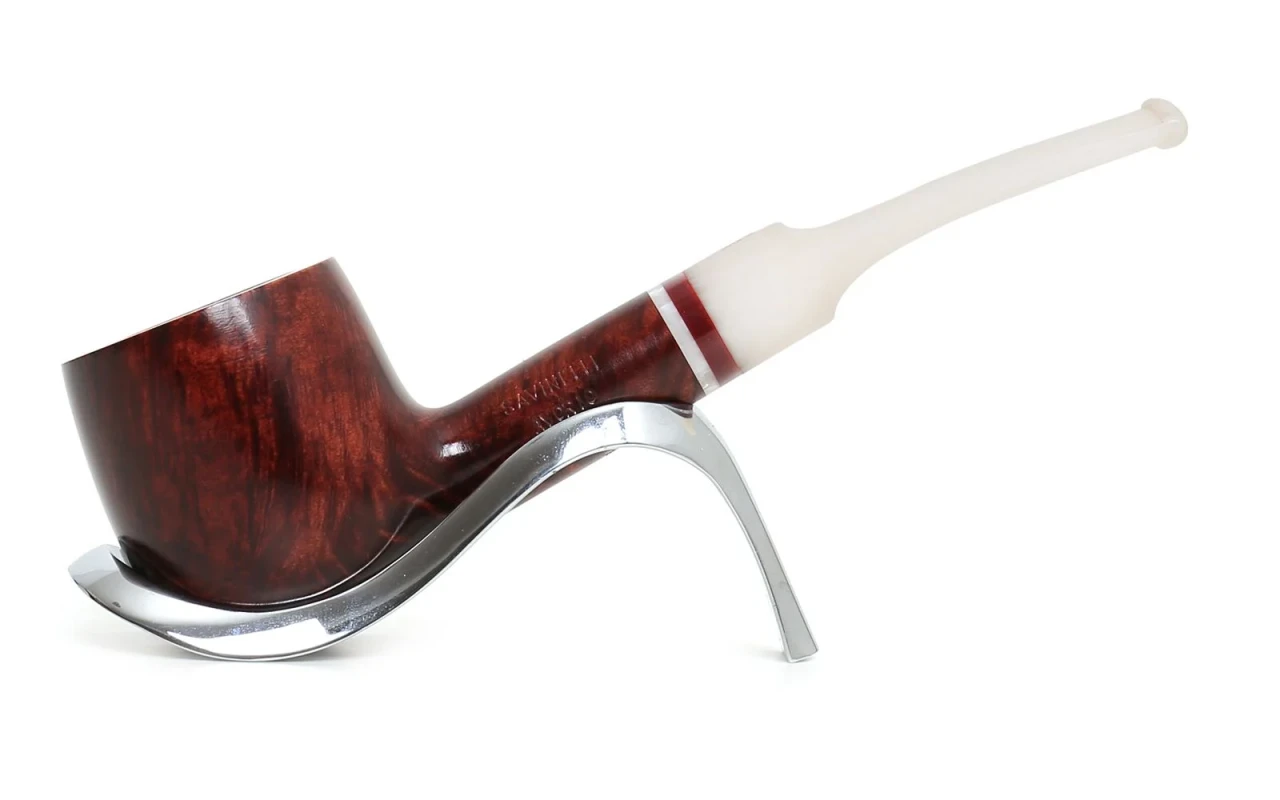
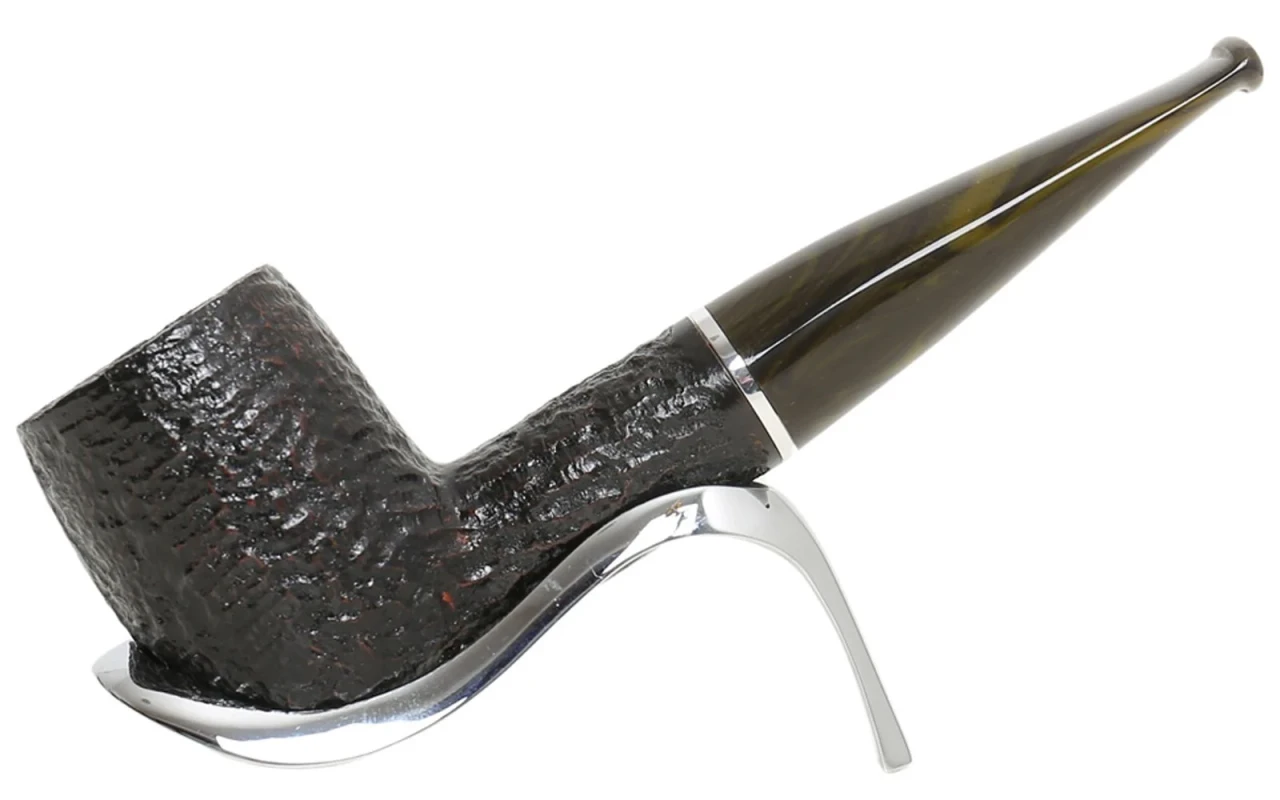
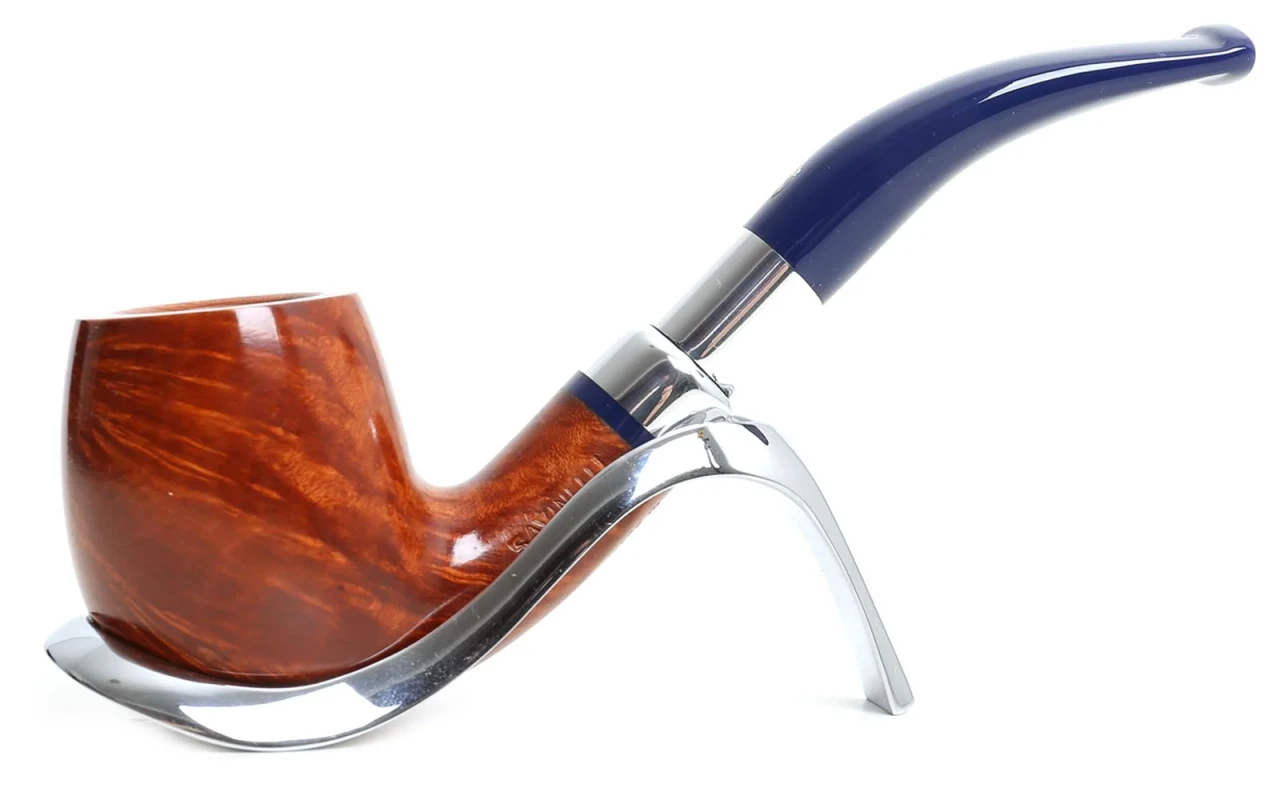
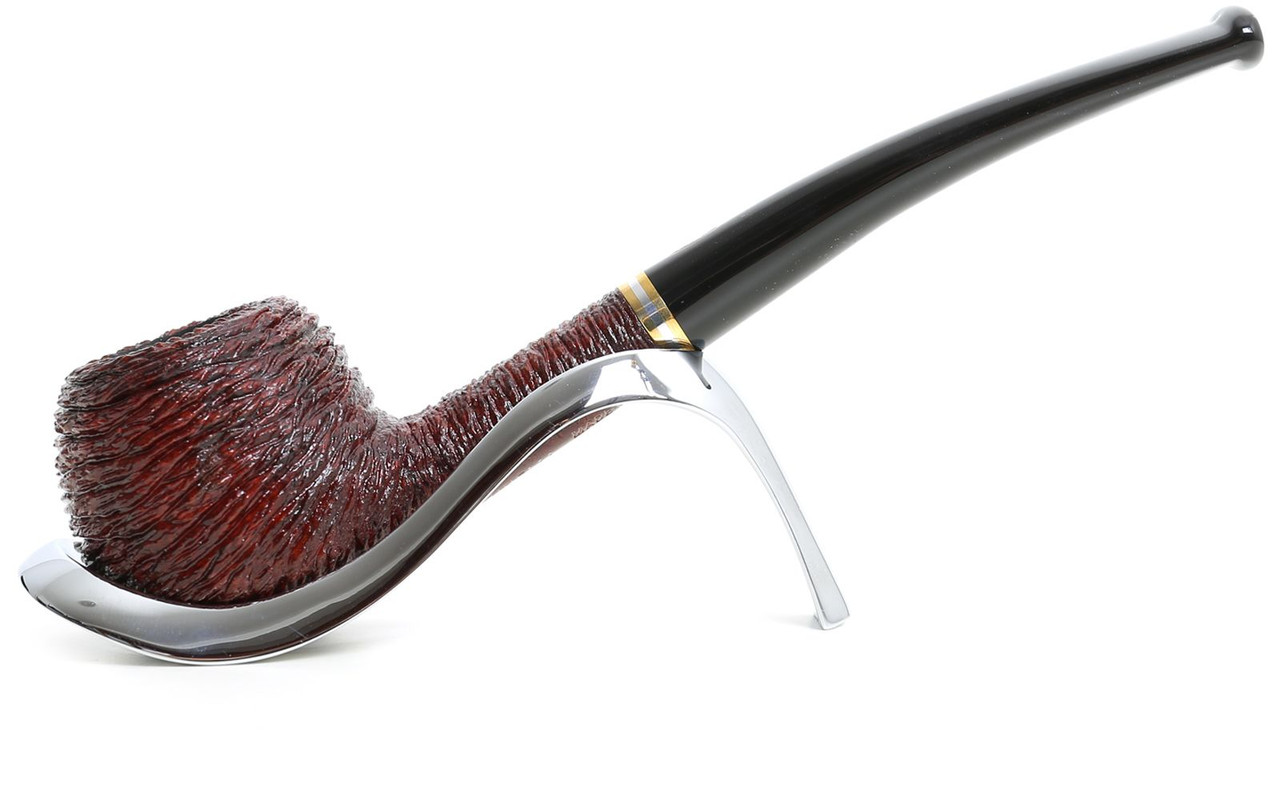
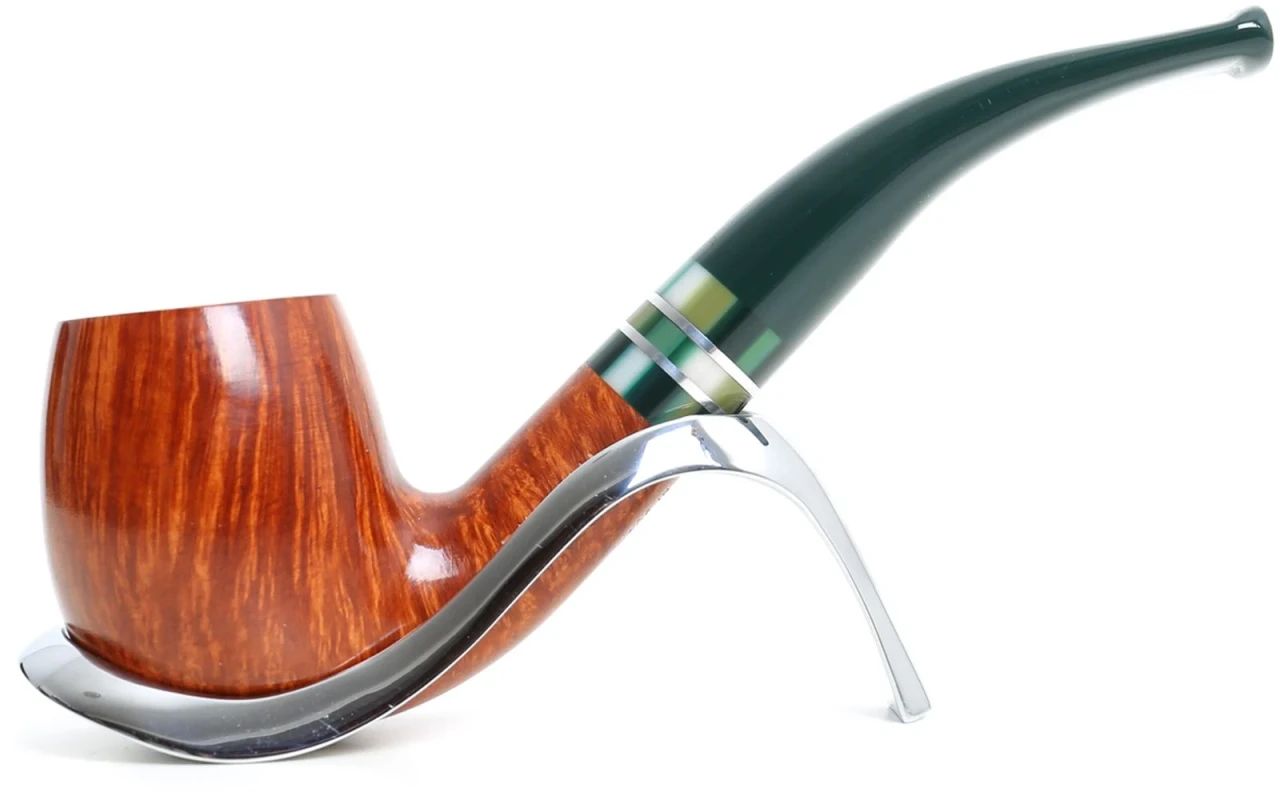
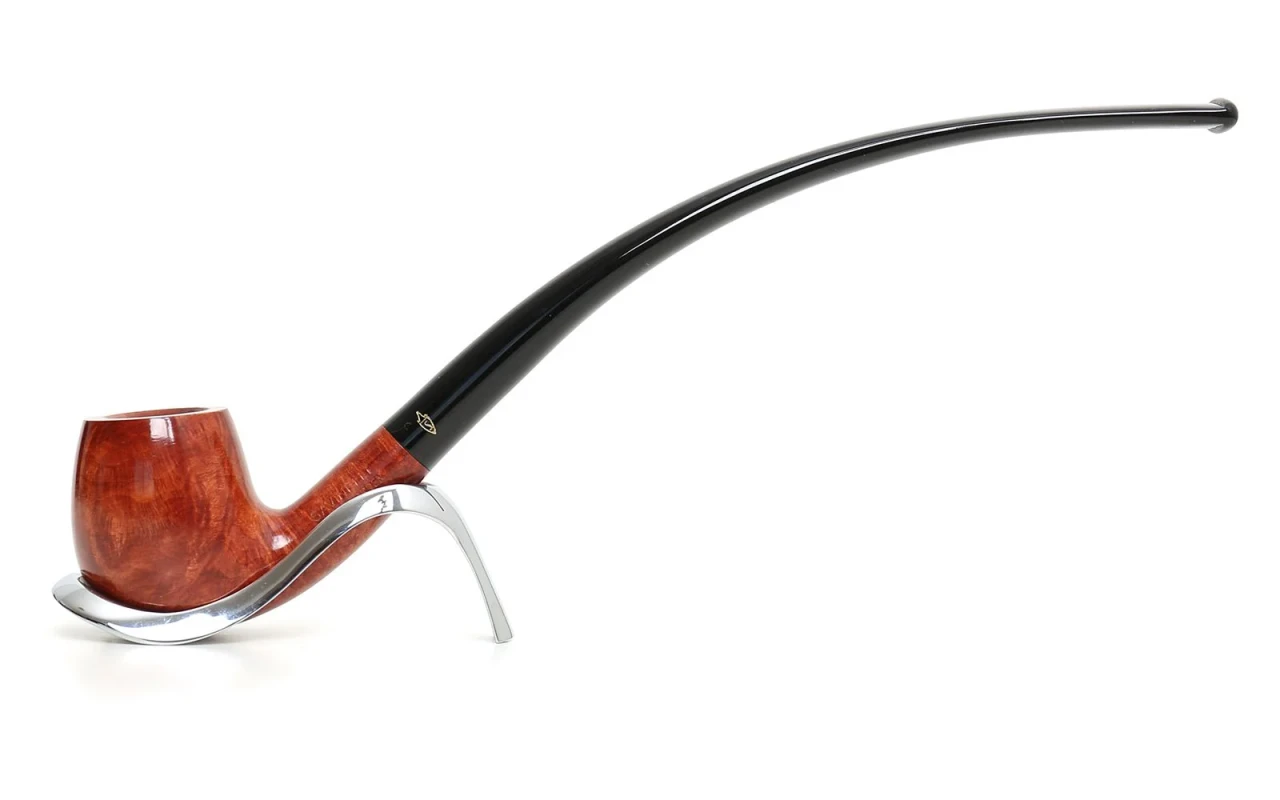
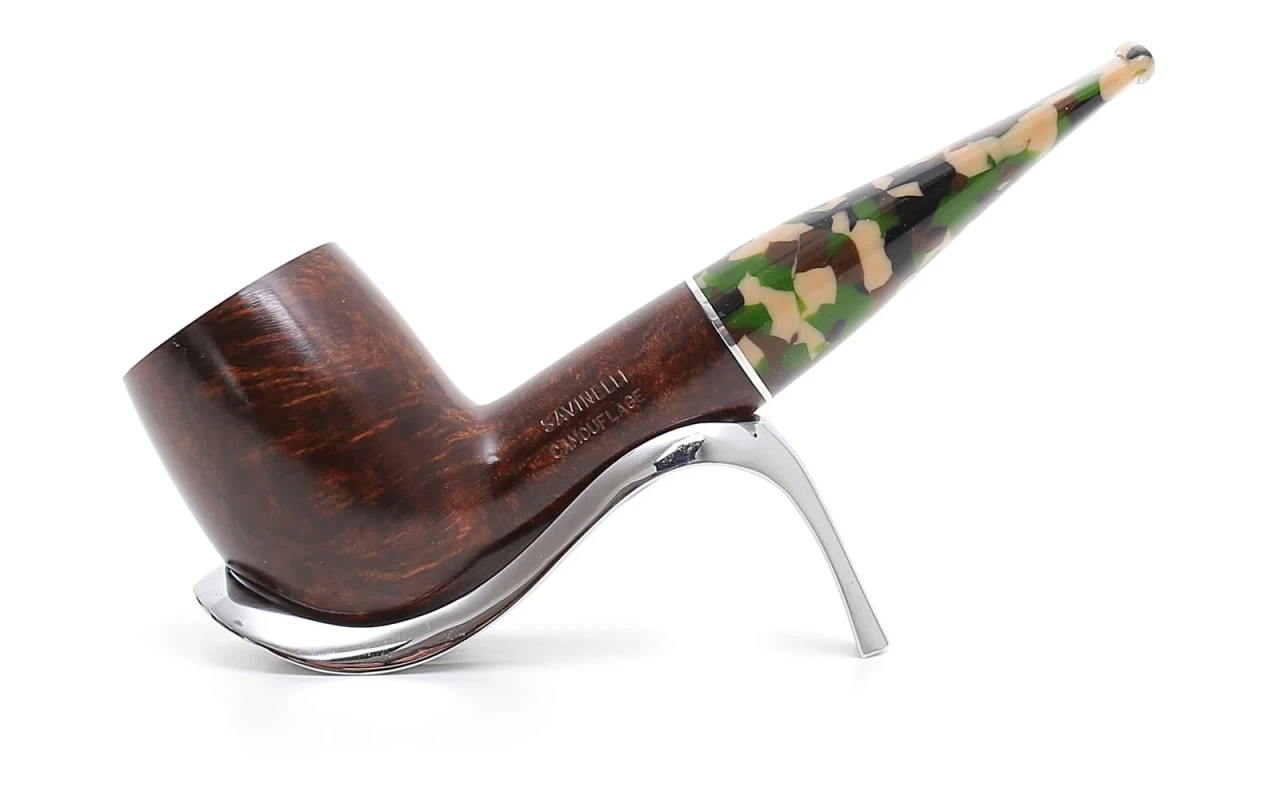
Factors to consider when choosing pipe material
The choice of material for a pipe is crucial for the smoking experience. Here are some factors to consider:- **Porosity**: determines moisture absorption and tobacco drying.- **Thermal conductivity**: influences smoke temperature and tobacco combustion.- **Chemical inertia**: some materials affect the tobacco flavor during combustion.- **Heat resistance**: important to prevent damage to the pipe during use.- **Aesthetics**: the material influences the pipe's appearance and the smoker's visual pleasure.Considering these aspects helps in choosing the pipe that best suits one's smoking preferences and habits.
Best Pipe Smoking Material
The best material for a smoking pipe is briar, a wood derived from the root of the Erica arborea tree. This wood is particularly suitable for crafting pipes due to its heat resistance and ability to absorb moisture, ensuring a cooler and more pleasant smoke. Briar pipes are highly valued by tobacco enthusiasts for their longevity and the aromatic qualities they develop with use. Other materials commonly used for pipes include corn cob, clay, and meerschaum, each with its own peculiarities and advantages.
Materials for smoking pipes
Smoking pipes can be made from different materials, each with specific characteristics:- **Wood:** among the most traditional and appreciated materials for pipes. Briar wood is particularly renowned for its heat and flame resistance, ensuring a good tobacco combustion.- **Clay:** lightweight and porous, allows to fully savor the tobacco without external influences. However, it is fragile and requires delicacy in handling.- **Corn cob:** inexpensive and lightweight, offers a fresh and sweet smoke. Corn cob pipes are ideal for beginners.- **Meerschaum:** soft and porous stone that absorbs liquids, ensuring a dry and cool smoke. Highly valued by connoisseurs.
Choice of Pipe Tobacco Material
The choice of material for a tobacco pipe is a fundamental aspect for pipe smoking enthusiasts. The most common materials are:- Briar Wood: it is the most precious and widespread material, ensuring good heat resistance and long durability.- Corn Cob: corn cob pipes are light and affordable, but require more careful maintenance.- Clay: clay pipes offer a pure and neutral taste, but they are fragile and require special care.- Meerschaum: this material absorbs the tobacco oils, ensuring a unique flavor, but requires attention in cleaning.The choice depends on personal preferences and the experience one wishes to have during the tobacco tasting.
'%3e%3cg id='Final-Copy-2_2_' transform='translate(1275.000000, 200.000000)'%3e%3cpath class='st0' d='M7.4,12.8h6.8l3.1-11.6H7.4C4.2,1.2,1.6,3.8,1.6,7S4.2,12.8,7.4,12.8z'/%3e%3c/g%3e%3c/g%3e%3c/g%3e%3cg id='final---dec.11-2020'%3e%3cg id='_x30_208-our-toggle' transform='translate(-1275.000000, -200.000000)'%3e%3cg id='Final-Copy-2' transform='translate(1275.000000, 200.000000)'%3e%3cpath class='st1' d='M22.6,0H7.4c-3.9,0-7,3.1-7,7s3.1,7,7,7h15.2c3.9,0,7-3.1,7-7S26.4,0,22.6,0z M1.6,7c0-3.2,2.6-5.8,5.8-5.8 h9.9l-3.1,11.6H7.4C4.2,12.8,1.6,10.2,1.6,7z'/%3e%3cpath id='x' class='st2' d='M24.6,4c0.2,0.2,0.2,0.6,0,0.8l0,0L22.5,7l2.2,2.2c0.2,0.2,0.2,0.6,0,0.8c-0.2,0.2-0.6,0.2-0.8,0 l0,0l-2.2-2.2L19.5,10c-0.2,0.2-0.6,0.2-0.8,0c-0.2-0.2-0.2-0.6,0-0.8l0,0L20.8,7l-2.2-2.2c-0.2-0.2-0.2-0.6,0-0.8 c0.2-0.2,0.6-0.2,0.8,0l0,0l2.2,2.2L23.8,4C24,3.8,24.4,3.8,24.6,4z'/%3e%3cpath id='y' class='st3' d='M12.7,4.1c0.2,0.2,0.3,0.6,0.1,0.8l0,0L8.6,9.8C8.5,9.9,8.4,10,8.3,10c-0.2,0.1-0.5,0.1-0.7-0.1l0,0 L5.4,7.7c-0.2-0.2-0.2-0.6,0-0.8c0.2-0.2,0.6-0.2,0.8,0l0,0L8,8.6l3.8-4.5C12,3.9,12.4,3.9,12.7,4.1z'/%3e%3c/g%3e%3c/g%3e%3c/g%3e%3c/g%3e%3c/svg%3e) Your Privacy Choices
Your Privacy Choices 


