 ES
ES FR
FR EN
EN IT
IT DE
DE
Evolution of the Dublin Pipe Design Over the Centuries
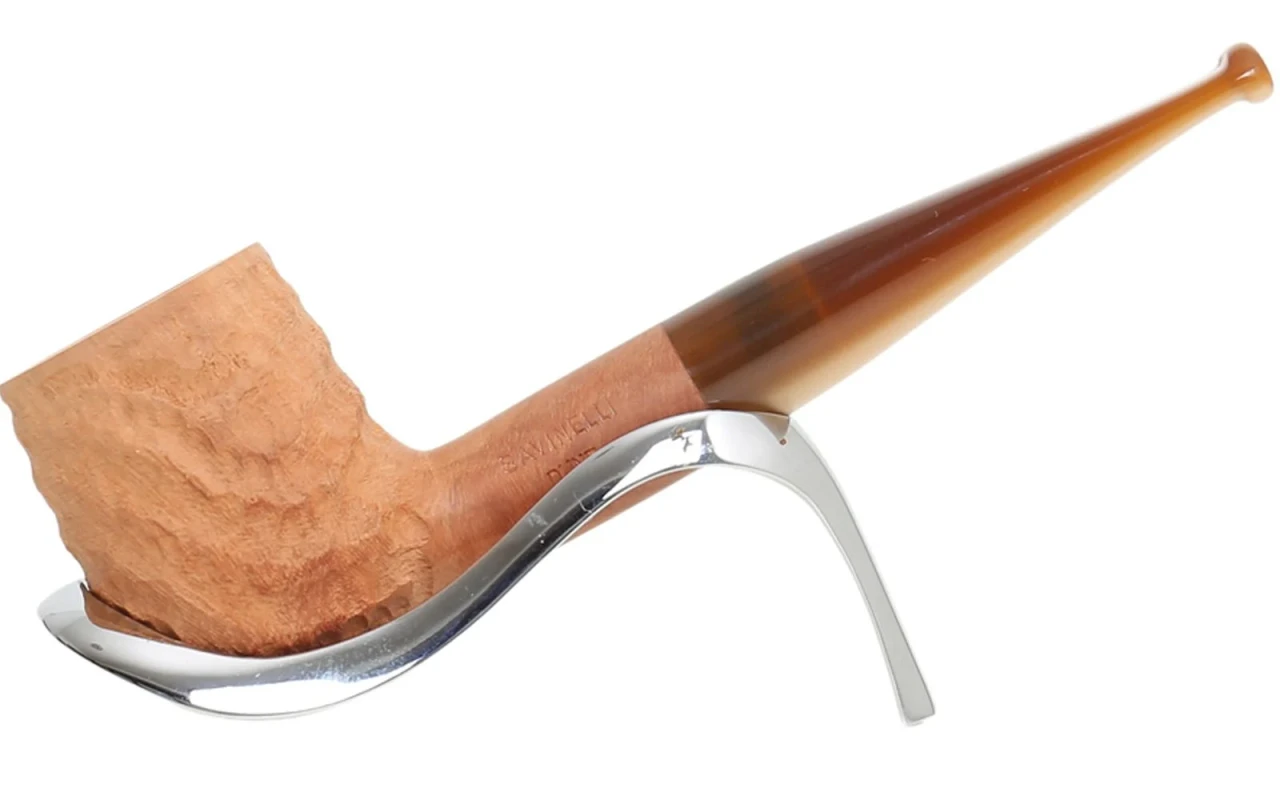
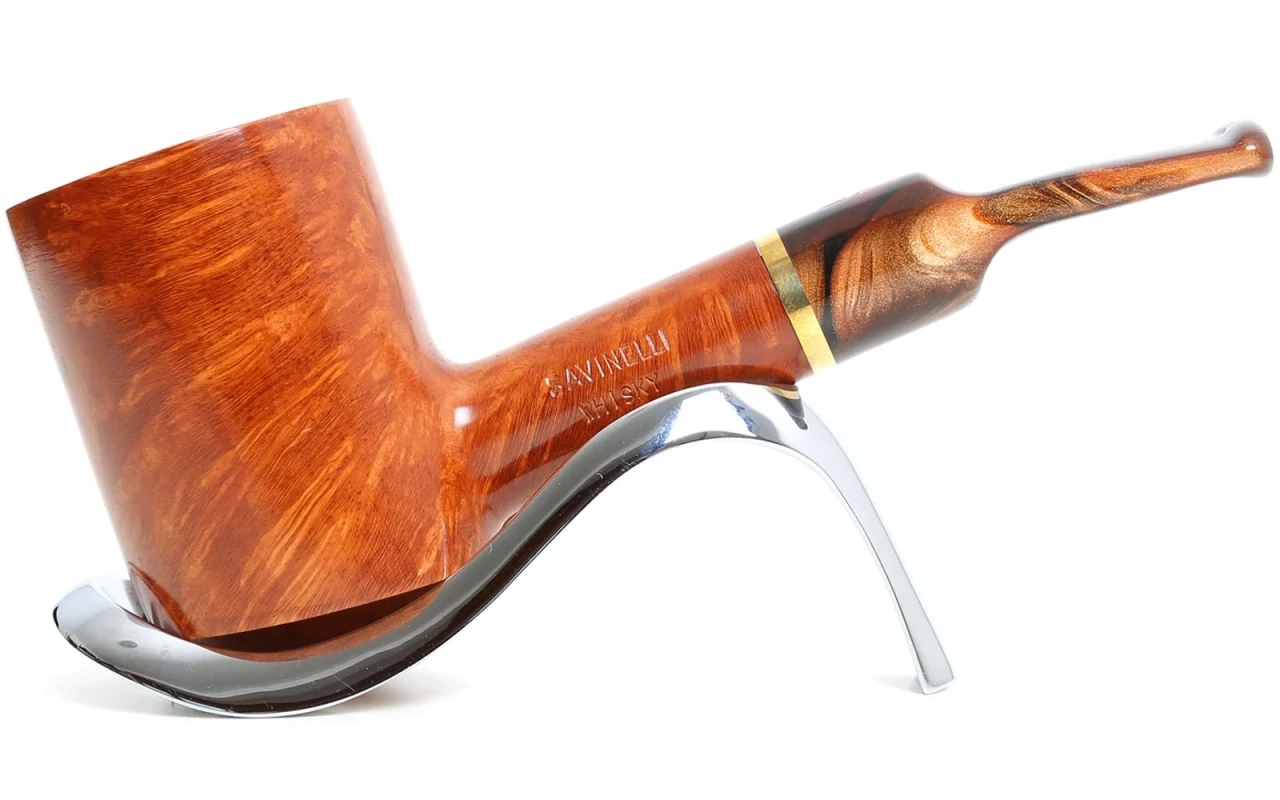
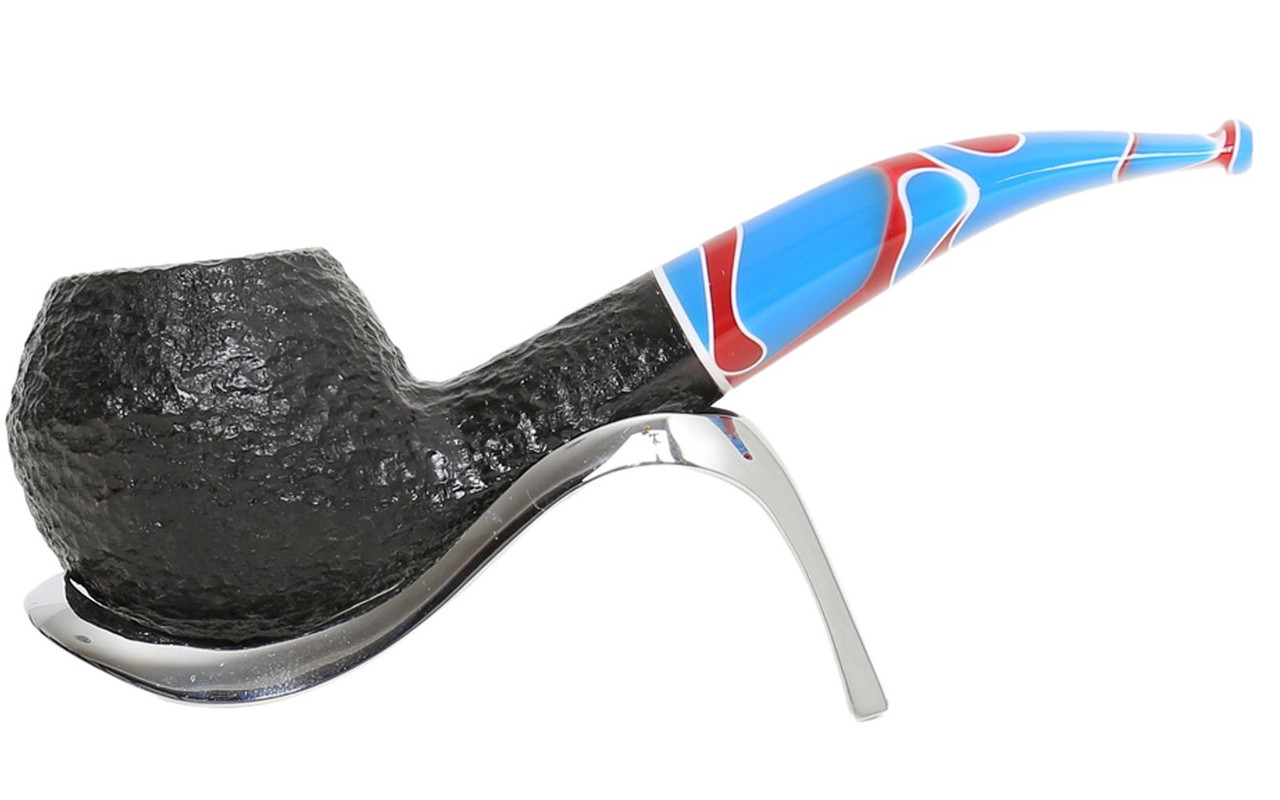
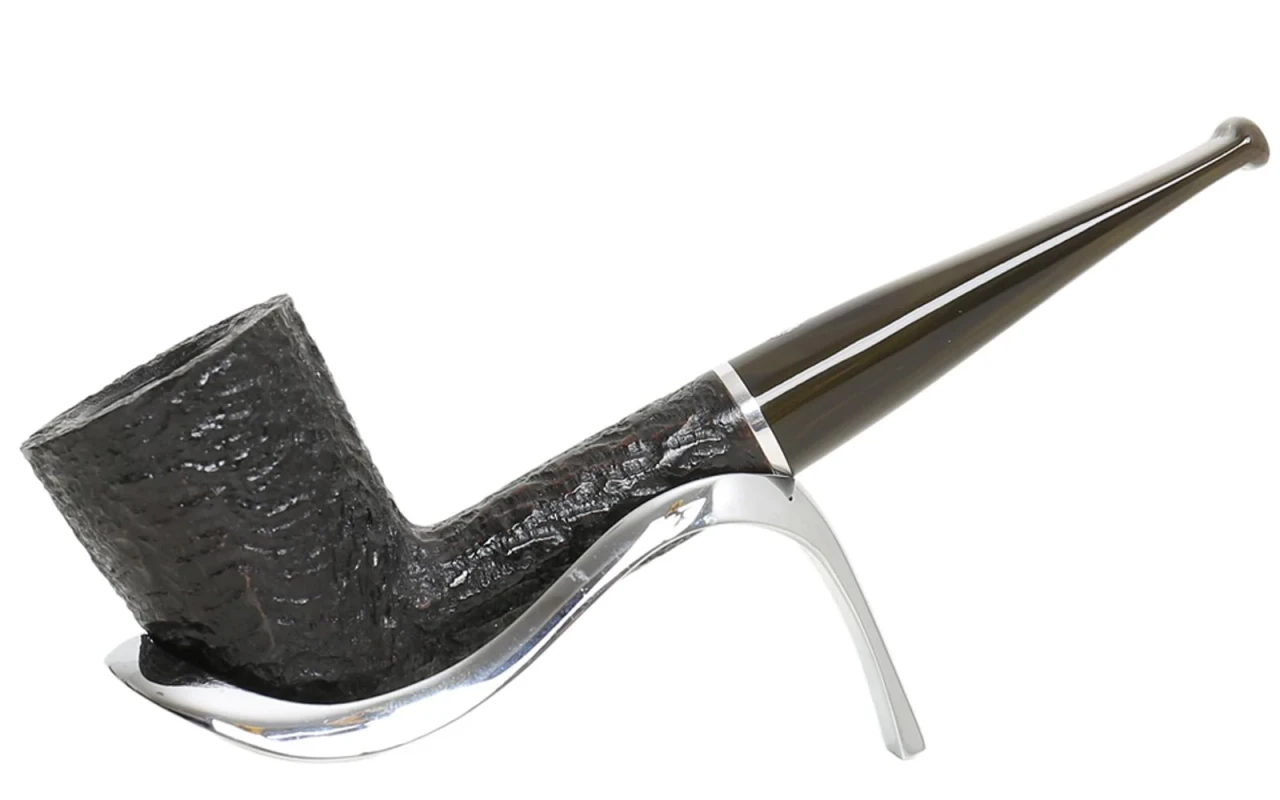
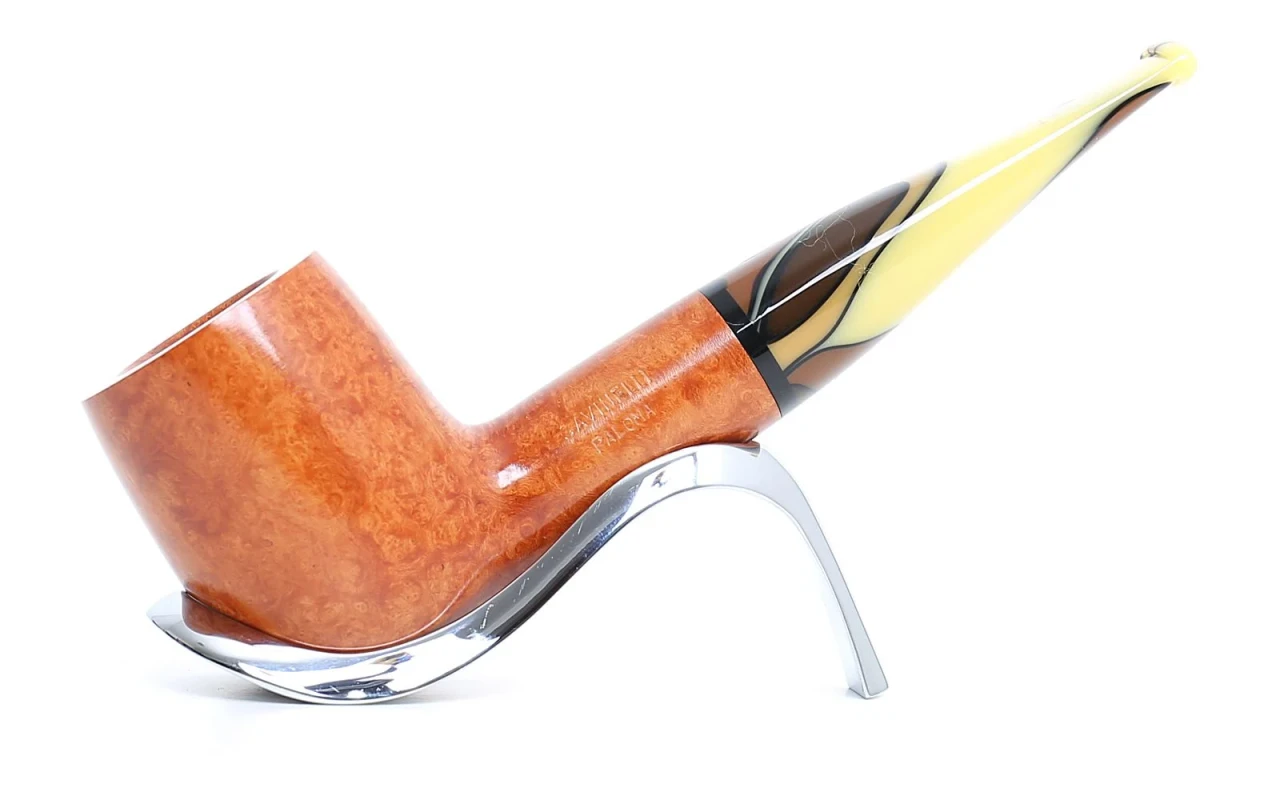
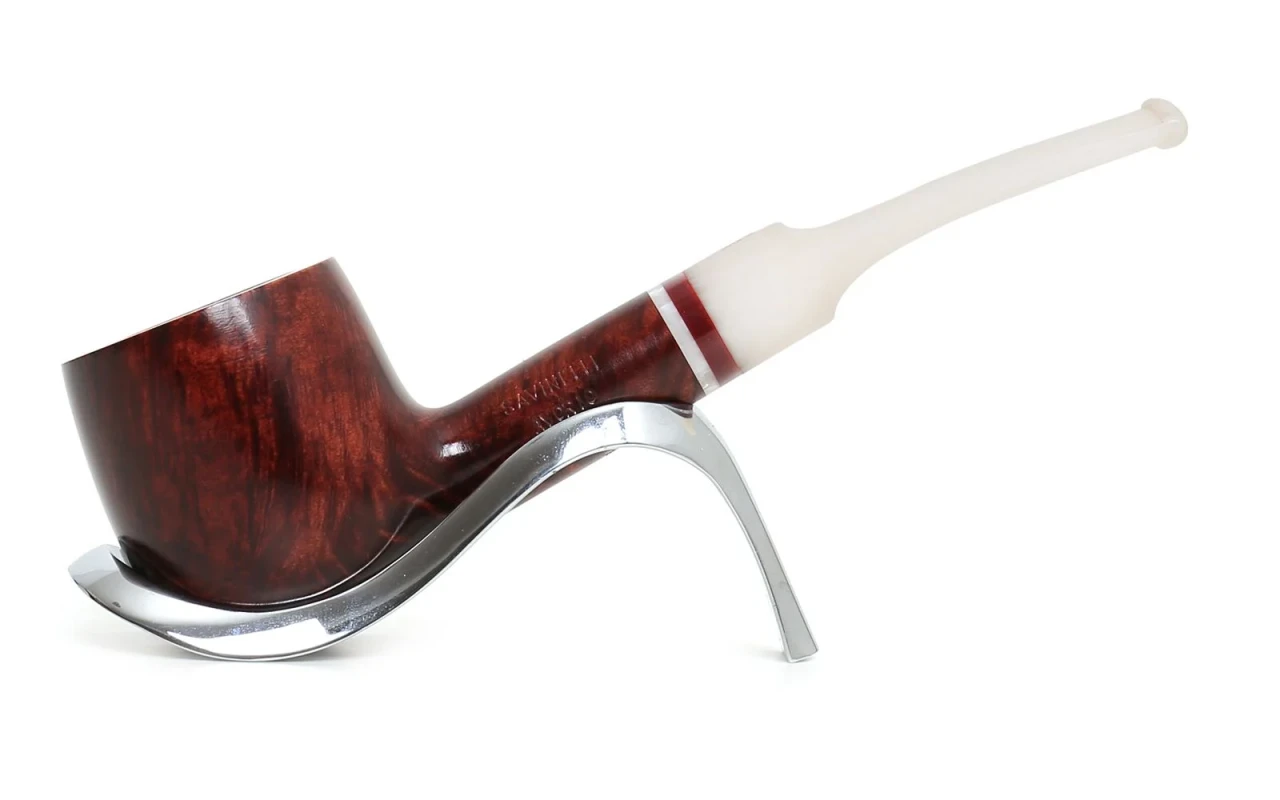
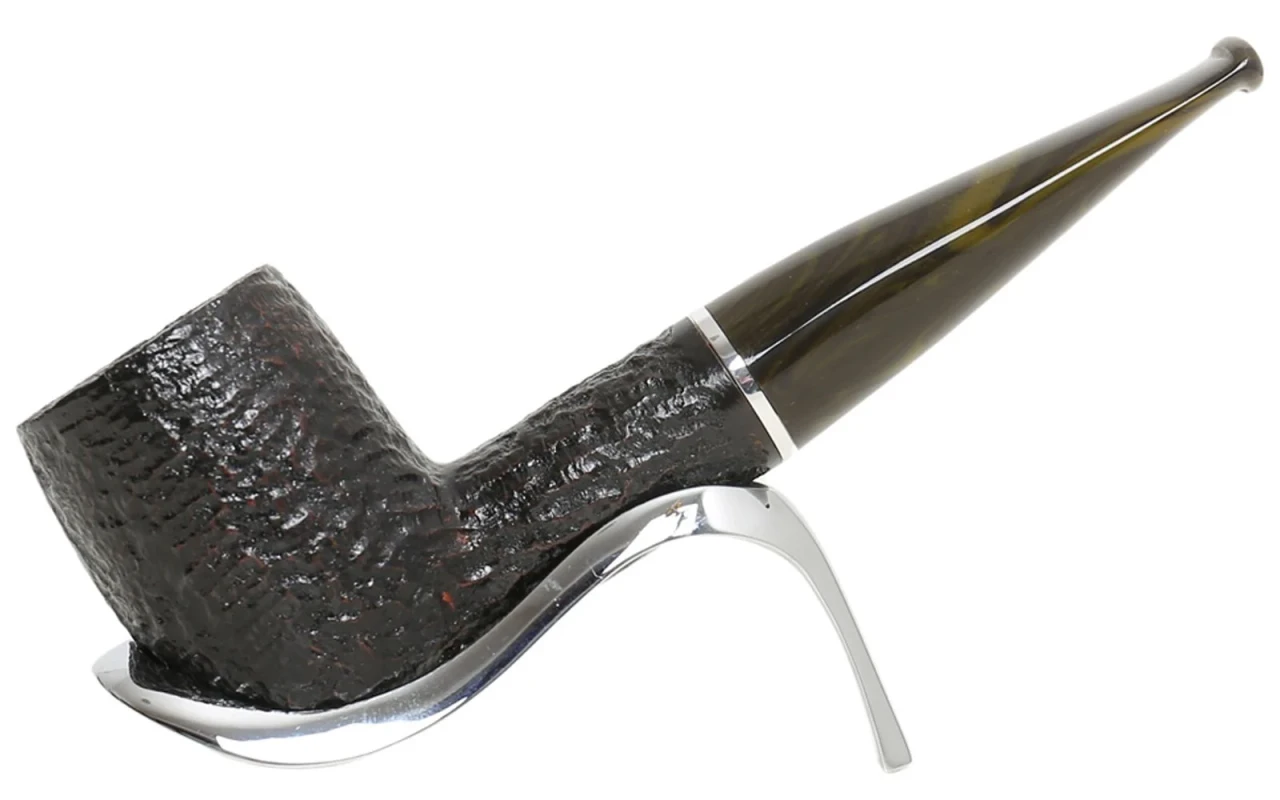
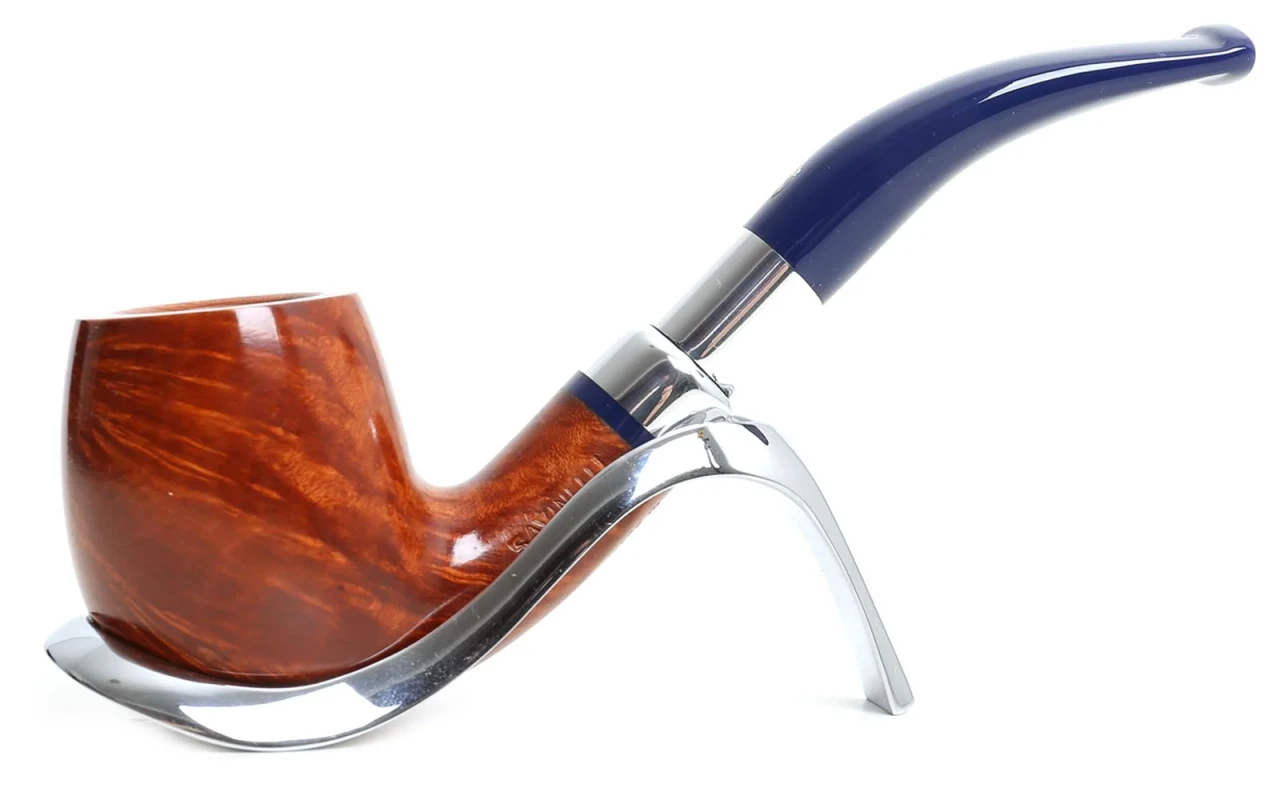
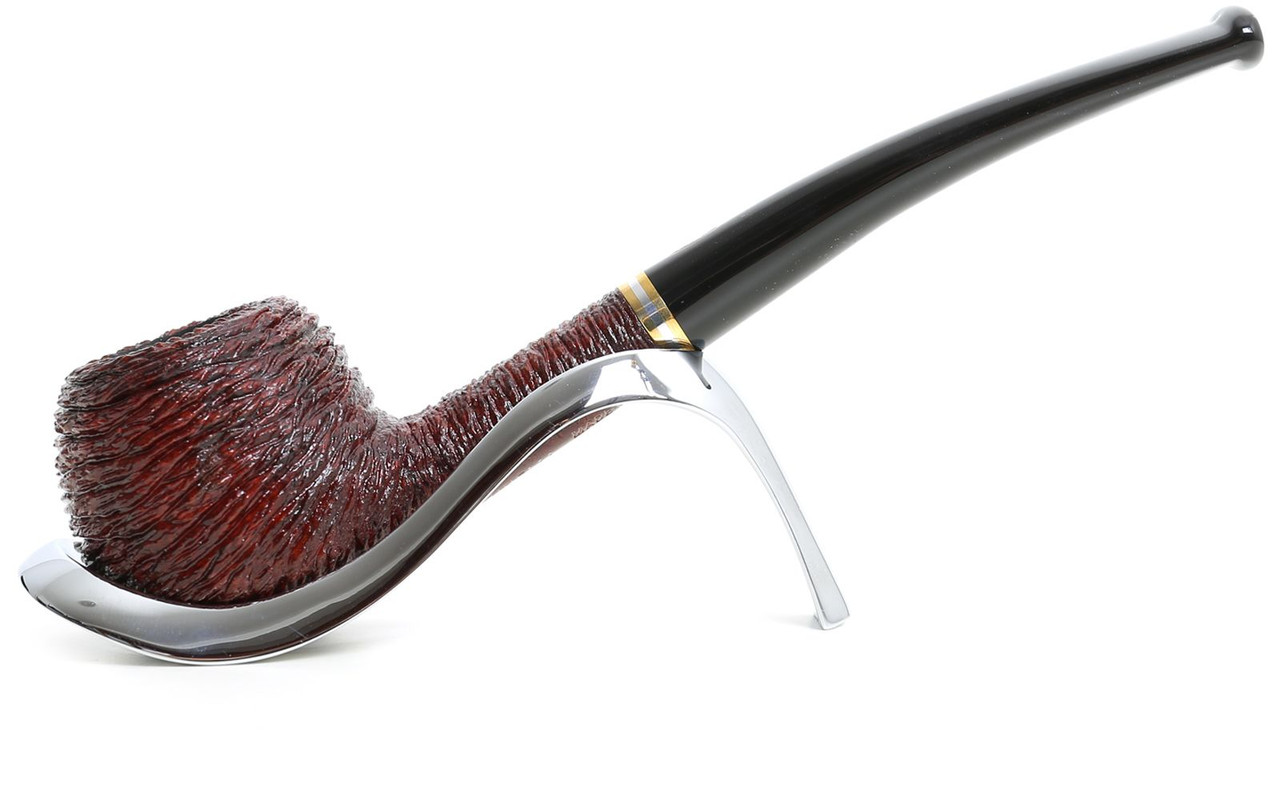
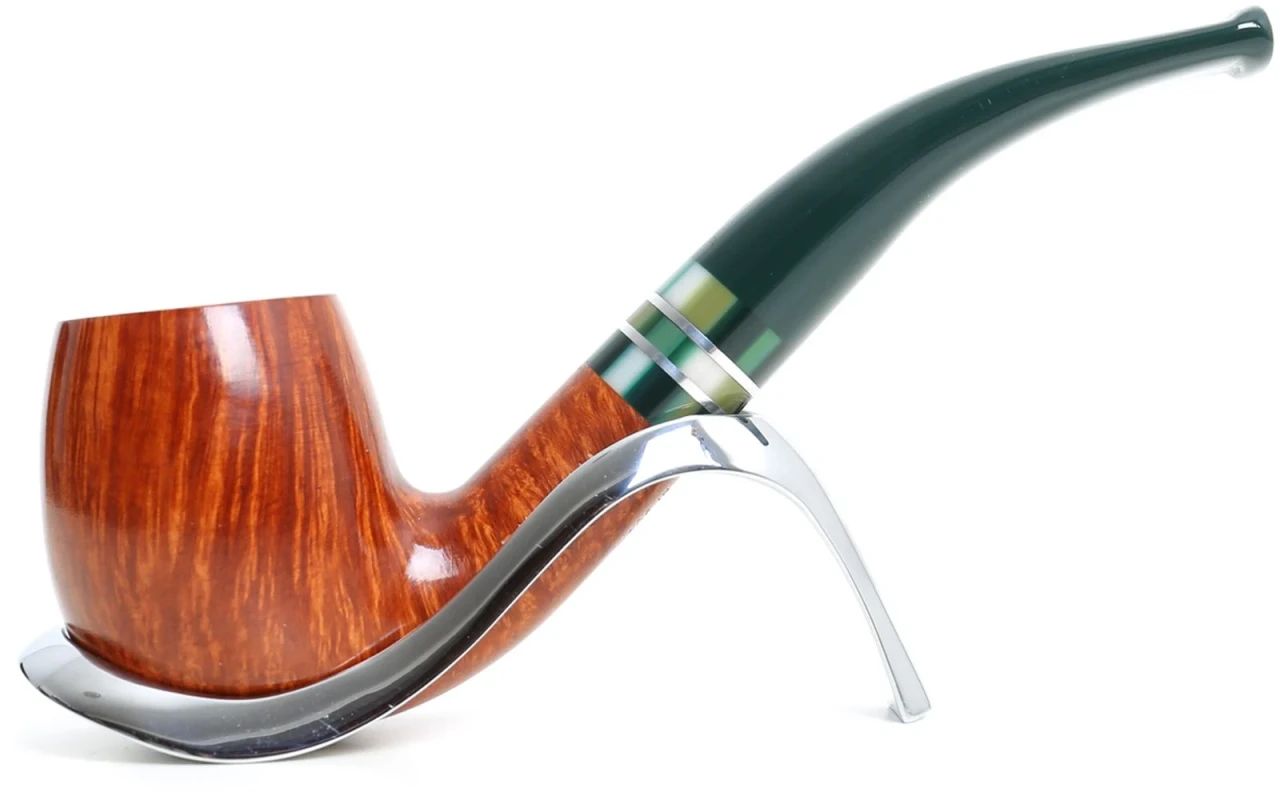
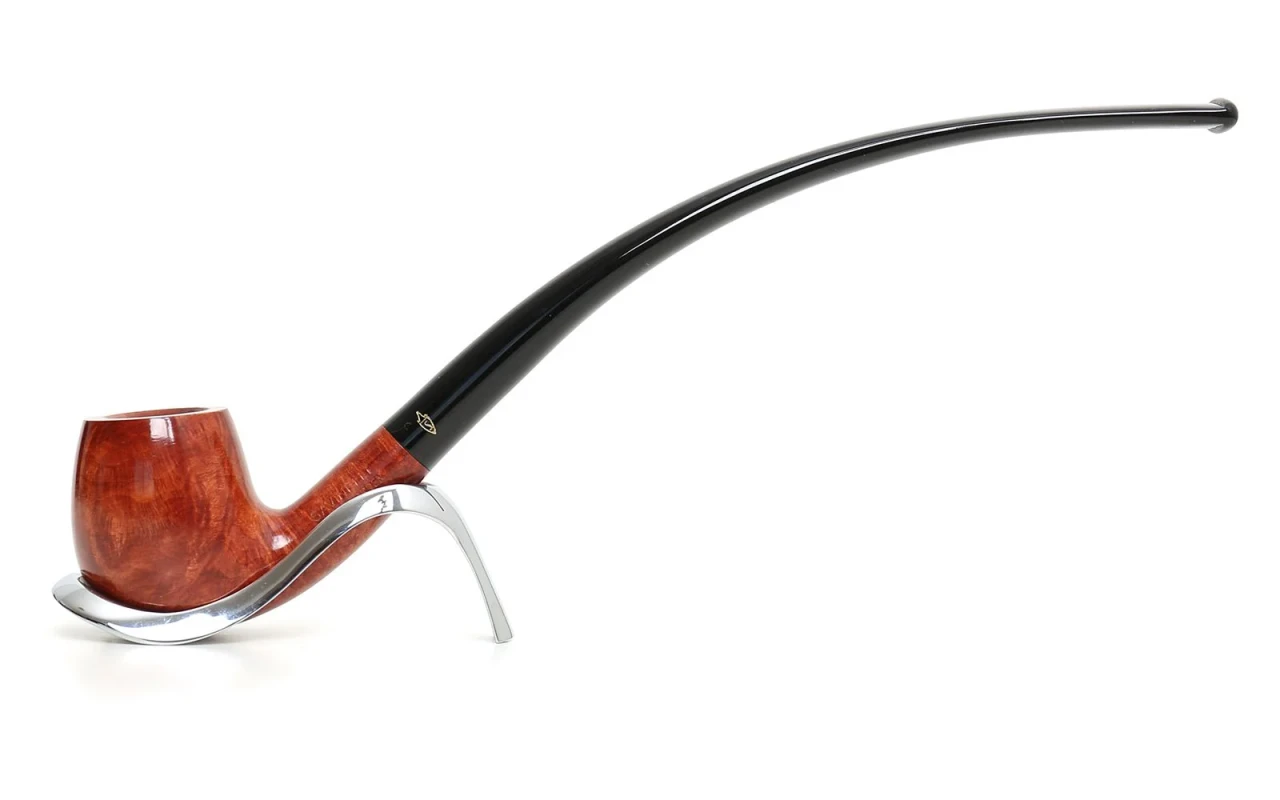
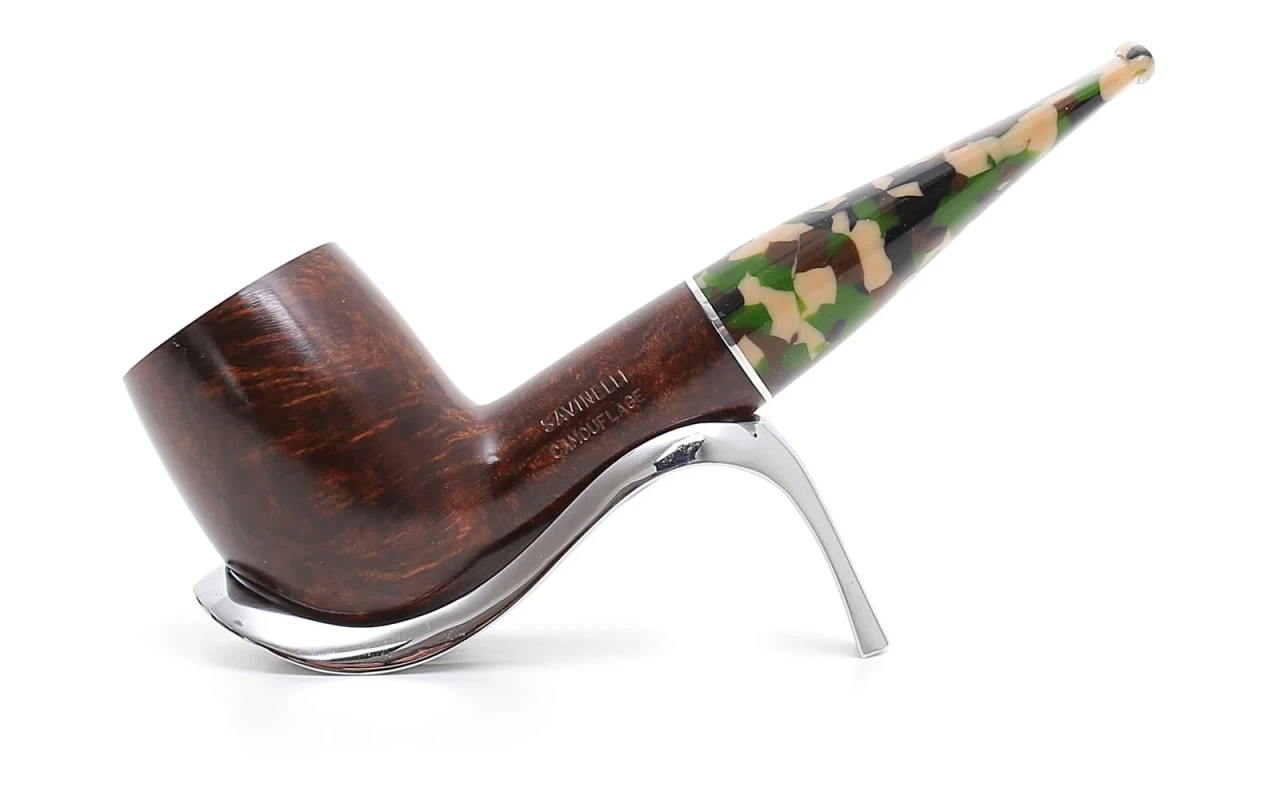
Evolution of the Dublin Pipe Design Over the Centuries
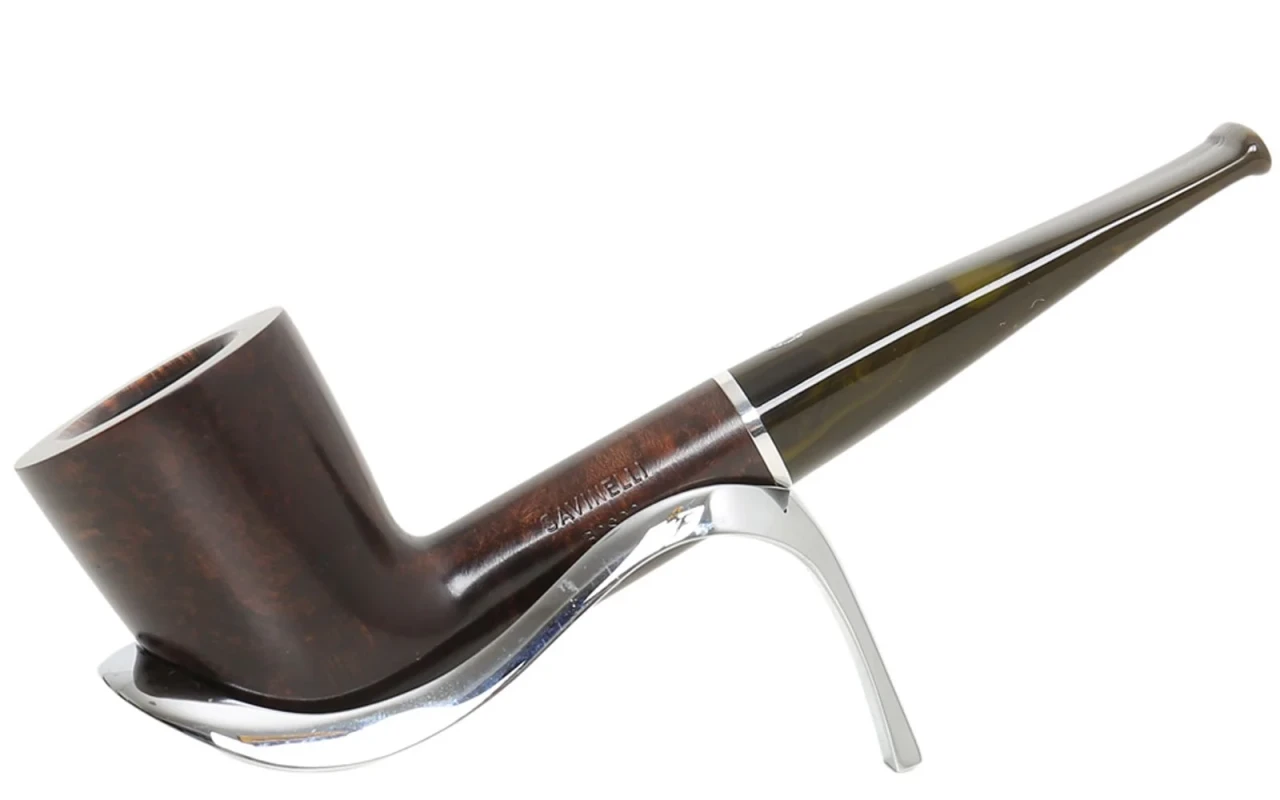
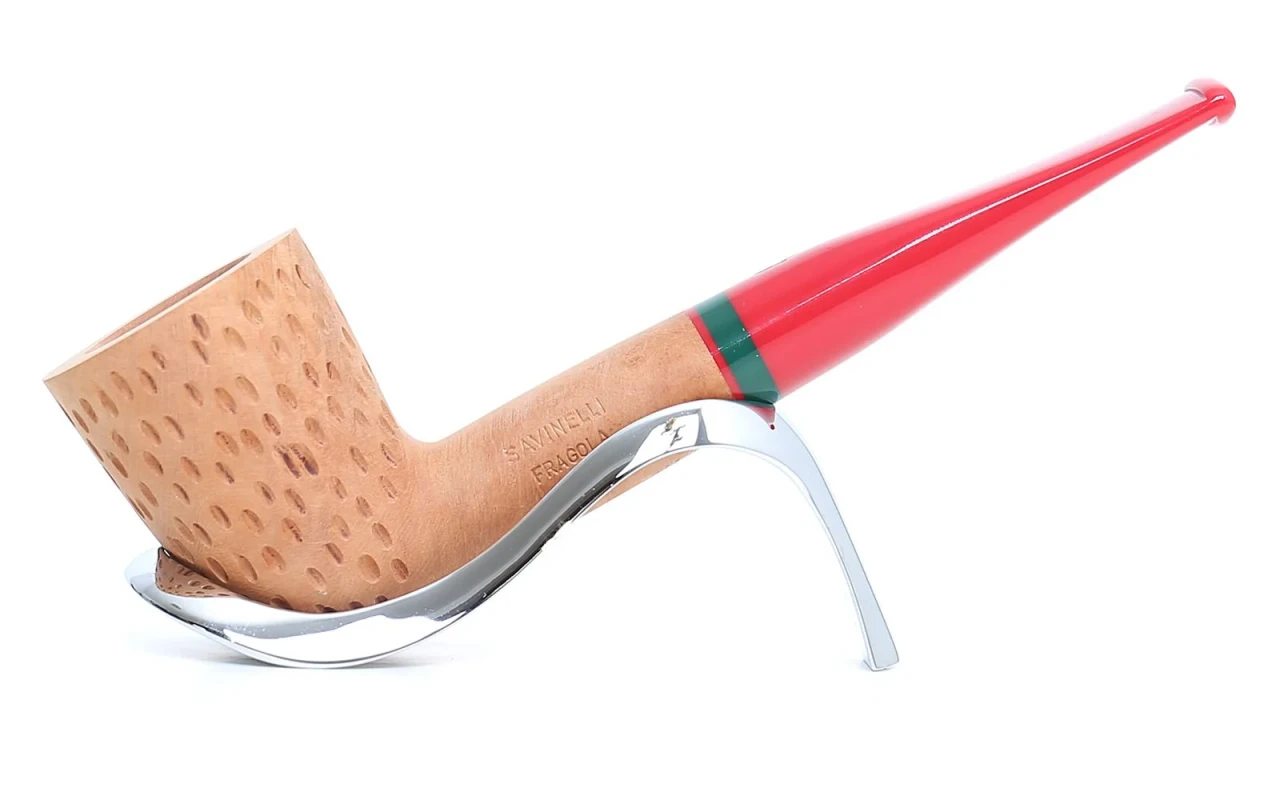
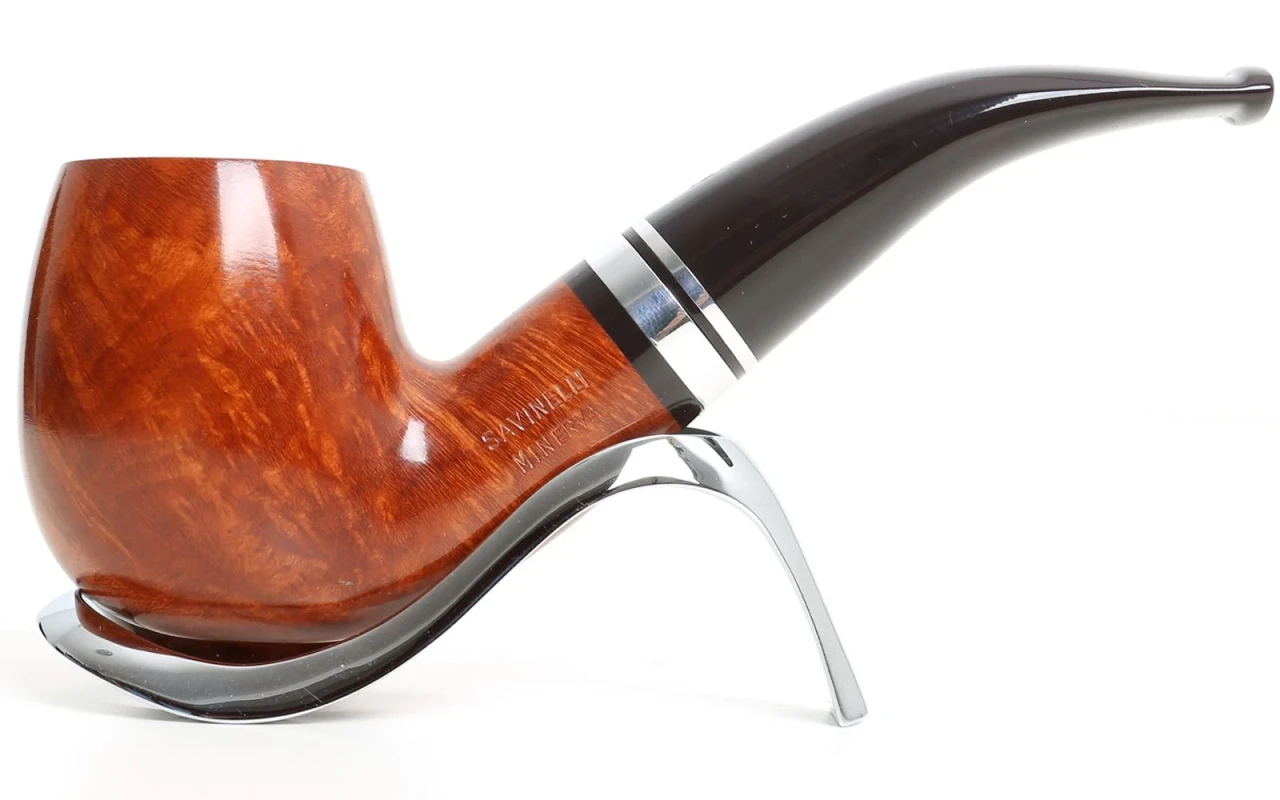
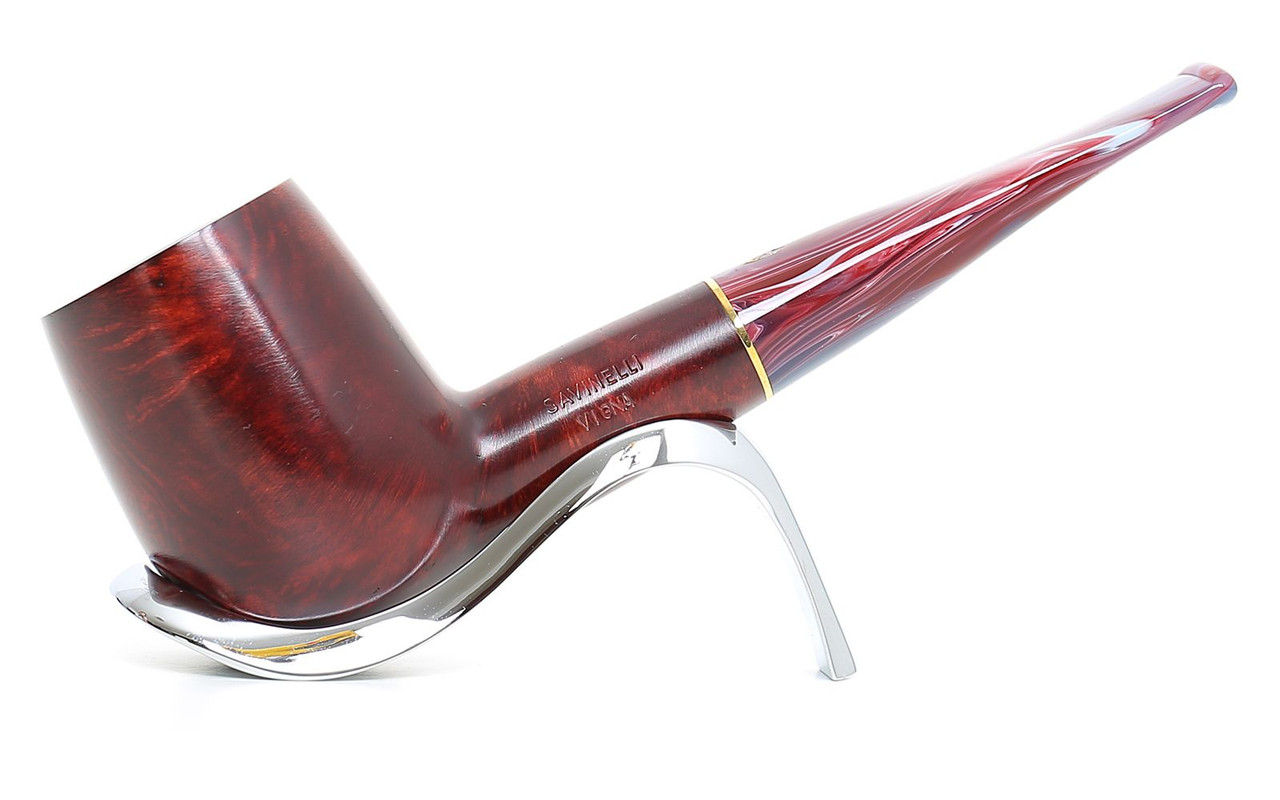
The design of the Dublin pipe has undergone significant evolution over the centuries. Originally characterized by a conical bowl and a flat opening, over time it has taken on more complex and modern shapes. In the 19th century, for example, the famous pipe maker Alfred Dunhill introduced the slightly curved and slender shape that we now associate with the Dublin. In recent decades, master pipemakers have experimented with further variations, creating personalized and innovative interpretations of the classic Dublin shape. This ongoing evolution testifies to the craftsmanship and creativity in the world of pipes.
PIPE PIPE SMOKING
Pipe smoking is the result of tobacco combustion inside a pipe. This process releases chemicals and flavors that are inhaled through the smoker's mouth. The pipe is a traditional tool used for smoking tobacco, characterized by a combustion chamber and a stem. During smoking, tobacco is burned slowly, producing smoke that is inhaled and enjoyed for its unique flavor and aroma. There are various types of pipes, each with specific features that influence the smoking experience.
Pipe smoking history
The history of pipe smoking dates back to ancient and fascinating origins. Dating back thousands of years, the practice of smoking tobacco through a pipe spread across different cultures worldwide. The earliest pipes were crafted from natural materials such as clay, wood, or stone. Over the centuries, pipes have evolved into true works of art, adorned and customized according to traditions and current trends. Today, the pipe smoking hobby represents a symbol of elegance and sophistication for many enthusiasts who appreciate the ritual and contemplation that surround this ancient gesture.
Types of smoking pipes
There are different types of smoking pipes, each with specific characteristics:- Straight pipes: the classic and most common shape.- Tulip-shaped pipes: with a unique shape resembling a tulip.- Dublin-shaped pipes: characterized by a stem that is bent upwards.- Bulldog-shaped pipes: featuring a square shape and a shorter stem.- Calabash-shaped pipes: with a cooling chamber made of gourd.- Churchwarden-shaped pipes: with a long stem to cool the smoke.- Billiard-shaped pipes: among the most common, with a straight and cylindrical shape.
Materials for smoking pipes
The most common materials for smoking pipes are wood, briar, corn cob, and clay. Wood is popular for its durability and ability to absorb moisture, while briar is valued for its heat resistance. Corn cob pipes are lightweight and inexpensive, but require special care. Clay pipes offer an excellent smoking experience, as they do not affect the taste of tobacco. It is important to choose a material that suits personal preferences and smoking habits, ensuring a rewarding and satisfying experience.
'%3e%3cg id='Final-Copy-2_2_' transform='translate(1275.000000, 200.000000)'%3e%3cpath class='st0' d='M7.4,12.8h6.8l3.1-11.6H7.4C4.2,1.2,1.6,3.8,1.6,7S4.2,12.8,7.4,12.8z'/%3e%3c/g%3e%3c/g%3e%3c/g%3e%3cg id='final---dec.11-2020'%3e%3cg id='_x30_208-our-toggle' transform='translate(-1275.000000, -200.000000)'%3e%3cg id='Final-Copy-2' transform='translate(1275.000000, 200.000000)'%3e%3cpath class='st1' d='M22.6,0H7.4c-3.9,0-7,3.1-7,7s3.1,7,7,7h15.2c3.9,0,7-3.1,7-7S26.4,0,22.6,0z M1.6,7c0-3.2,2.6-5.8,5.8-5.8 h9.9l-3.1,11.6H7.4C4.2,12.8,1.6,10.2,1.6,7z'/%3e%3cpath id='x' class='st2' d='M24.6,4c0.2,0.2,0.2,0.6,0,0.8l0,0L22.5,7l2.2,2.2c0.2,0.2,0.2,0.6,0,0.8c-0.2,0.2-0.6,0.2-0.8,0 l0,0l-2.2-2.2L19.5,10c-0.2,0.2-0.6,0.2-0.8,0c-0.2-0.2-0.2-0.6,0-0.8l0,0L20.8,7l-2.2-2.2c-0.2-0.2-0.2-0.6,0-0.8 c0.2-0.2,0.6-0.2,0.8,0l0,0l2.2,2.2L23.8,4C24,3.8,24.4,3.8,24.6,4z'/%3e%3cpath id='y' class='st3' d='M12.7,4.1c0.2,0.2,0.3,0.6,0.1,0.8l0,0L8.6,9.8C8.5,9.9,8.4,10,8.3,10c-0.2,0.1-0.5,0.1-0.7-0.1l0,0 L5.4,7.7c-0.2-0.2-0.2-0.6,0-0.8c0.2-0.2,0.6-0.2,0.8,0l0,0L8,8.6l3.8-4.5C12,3.9,12.4,3.9,12.7,4.1z'/%3e%3c/g%3e%3c/g%3e%3c/g%3e%3c/g%3e%3c/svg%3e) Your Privacy Choices
Your Privacy Choices 


