 ES
ES FR
FR EN
EN IT
IT DE
DE
Evolution of Pipe Aesthetics
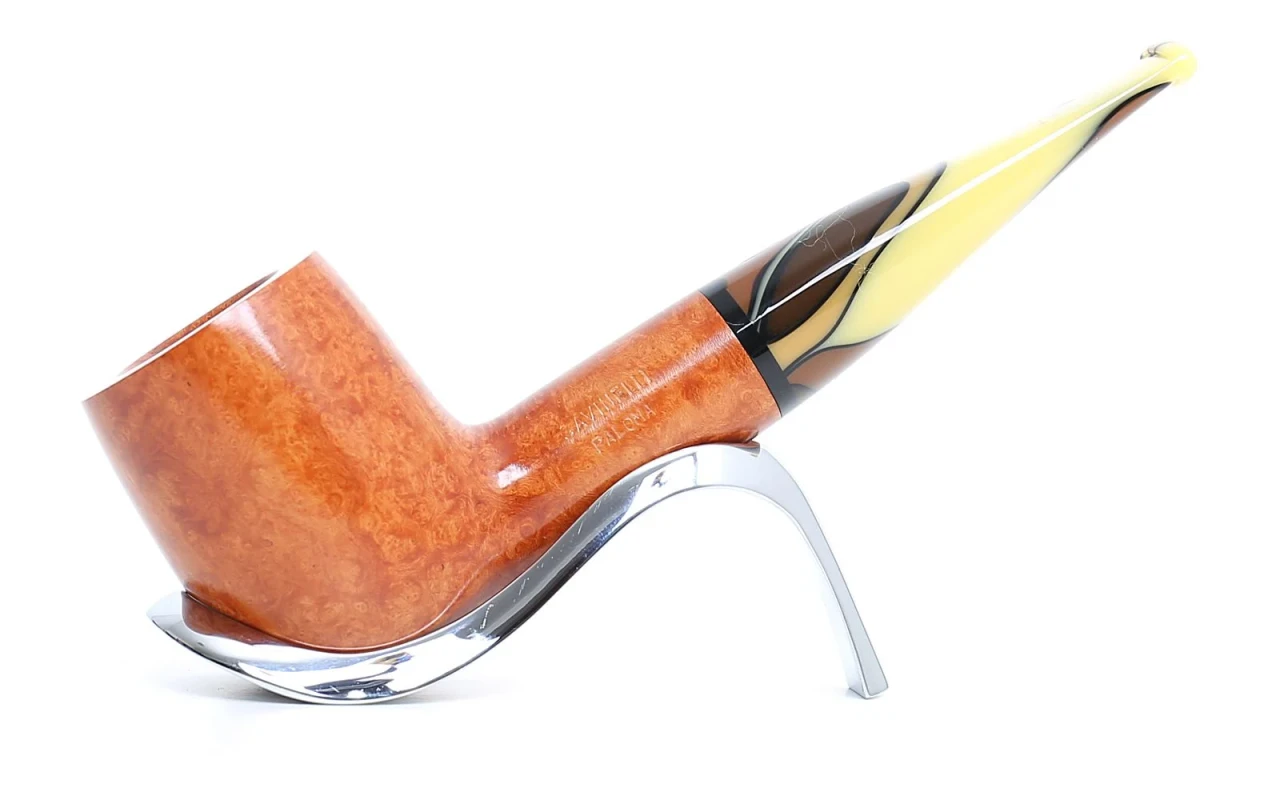
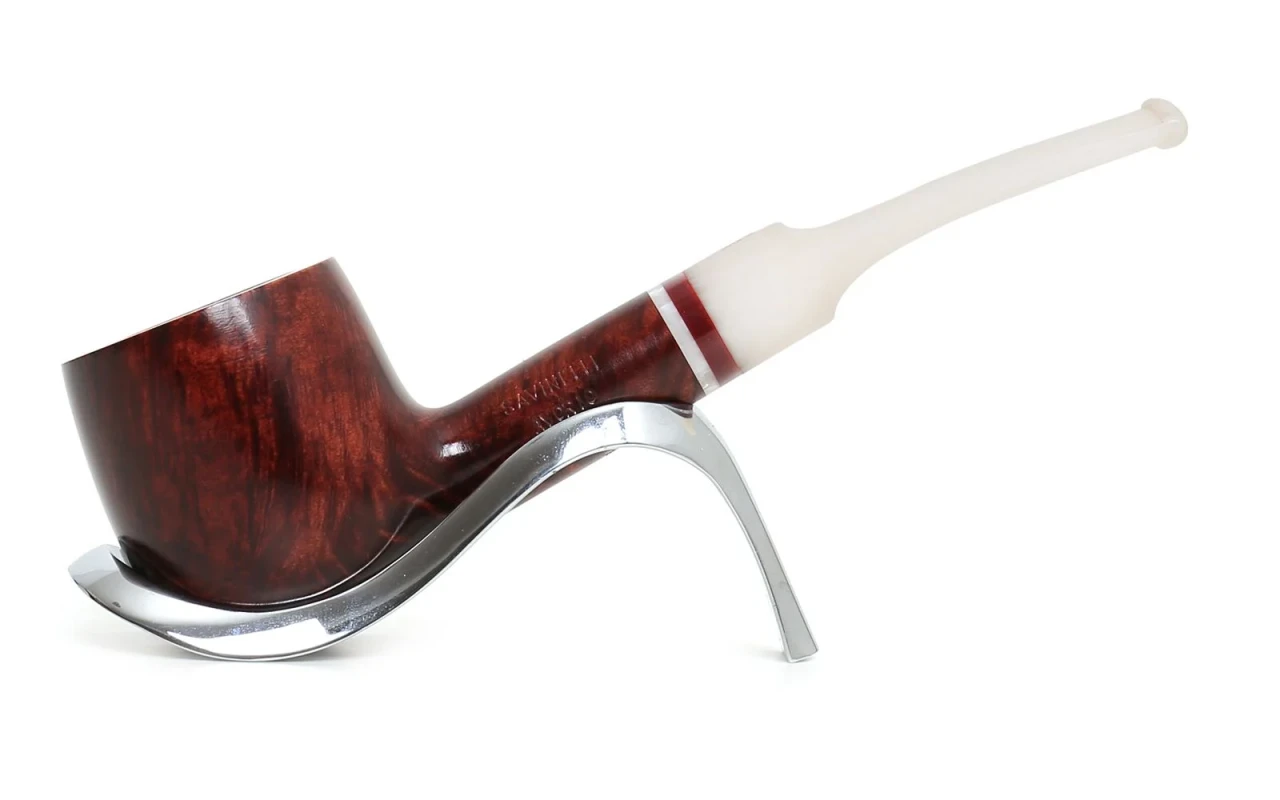
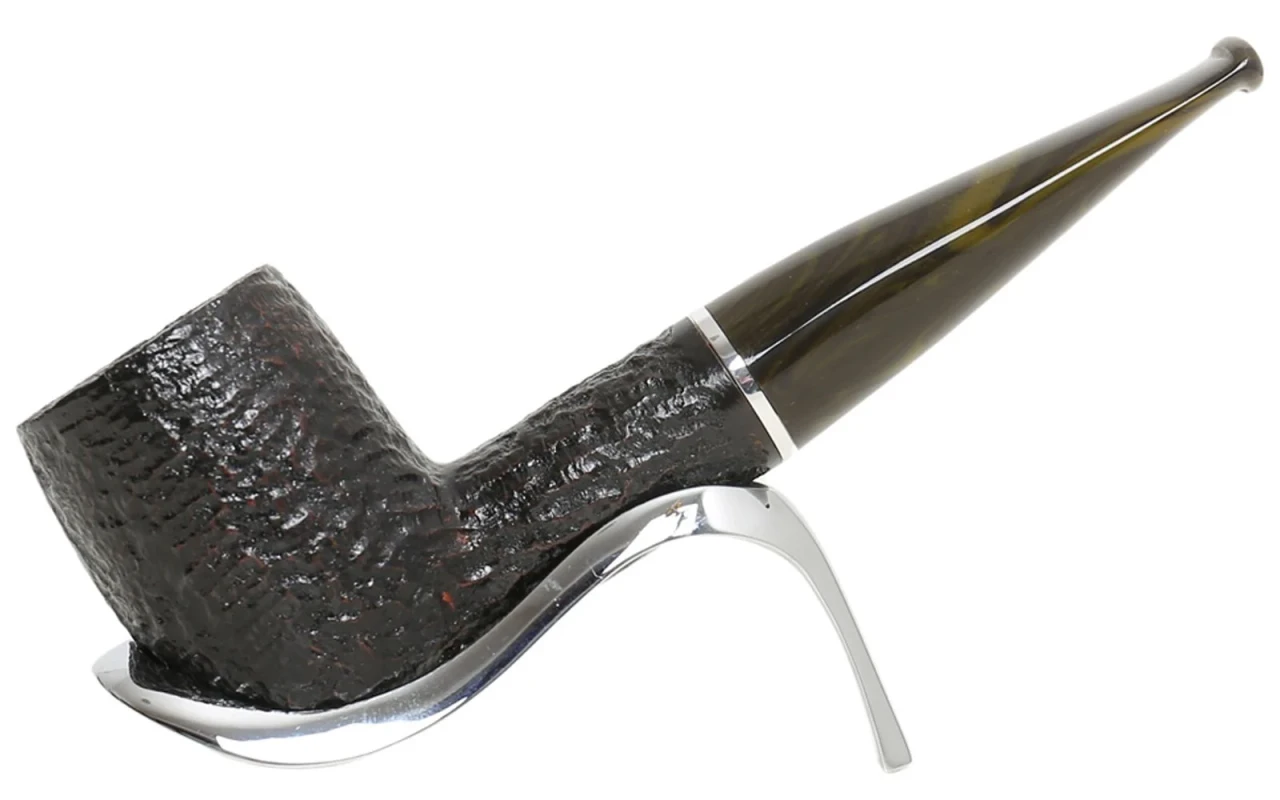
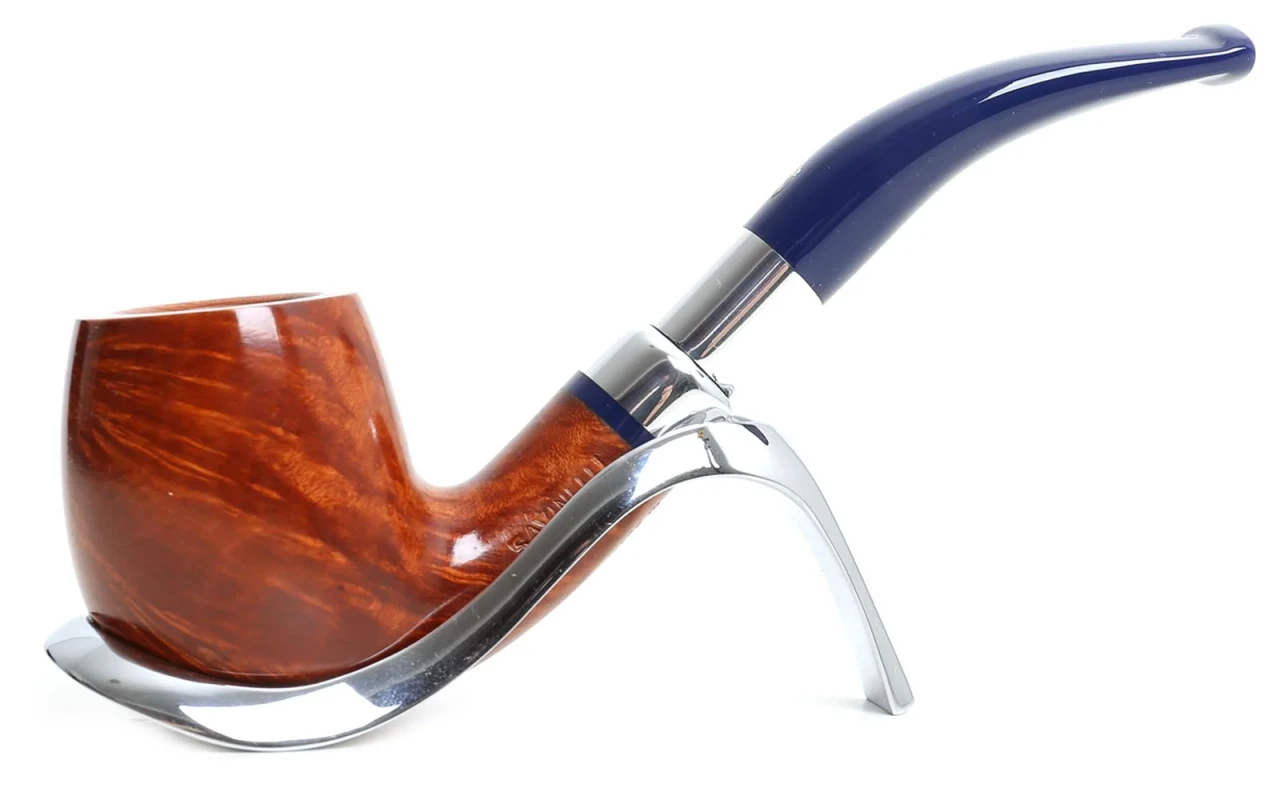
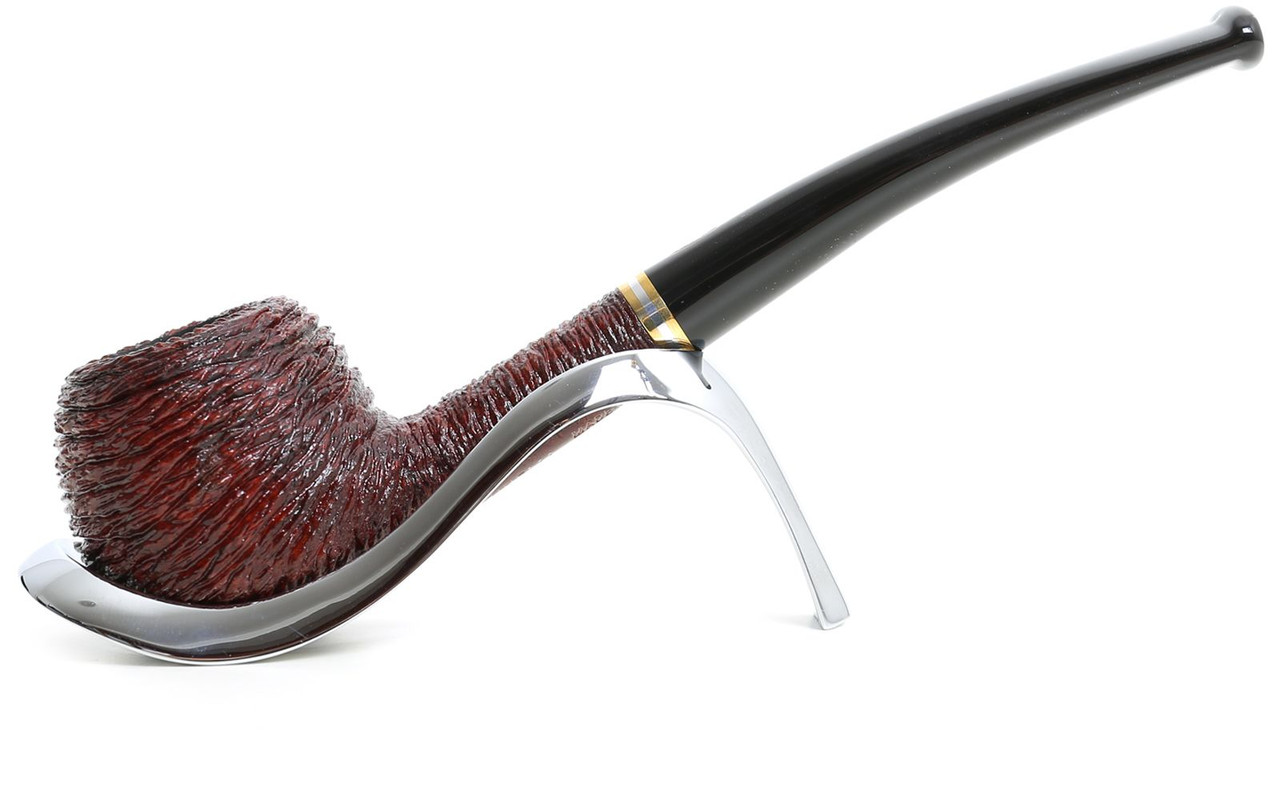
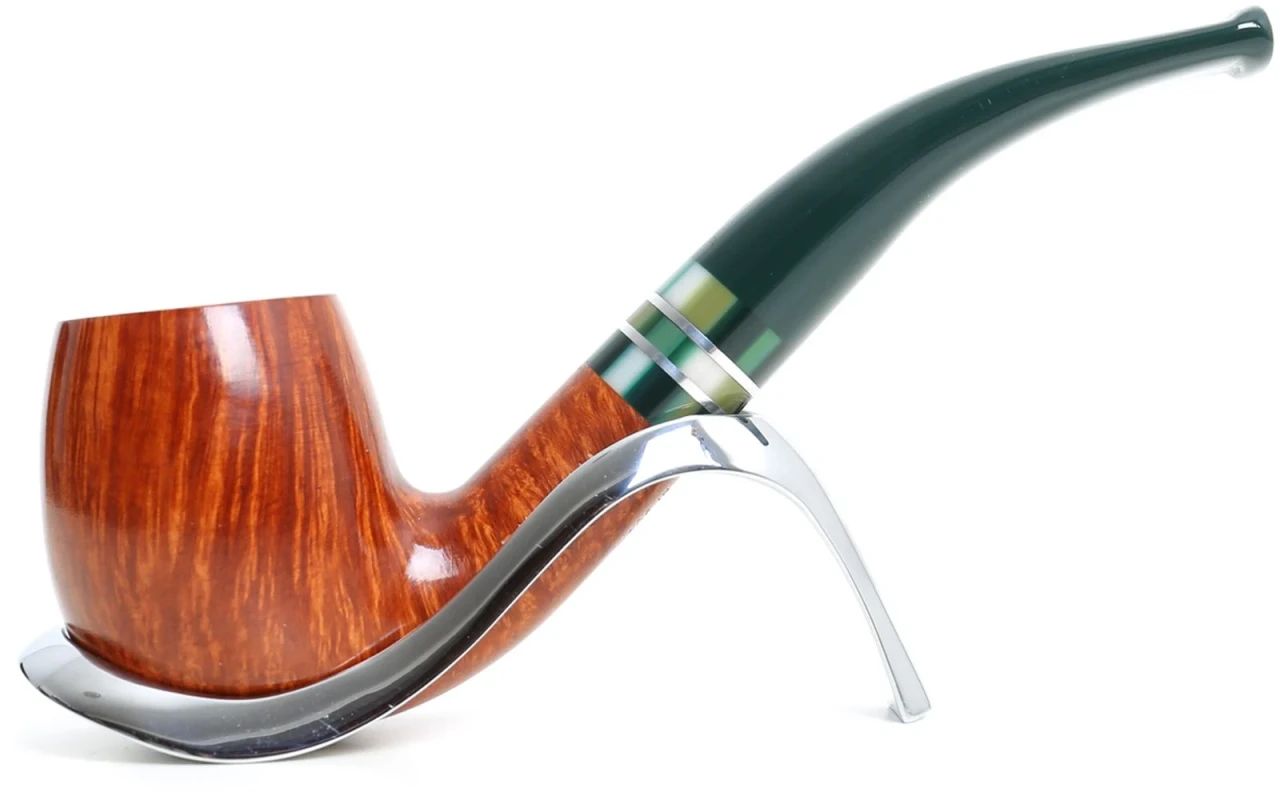
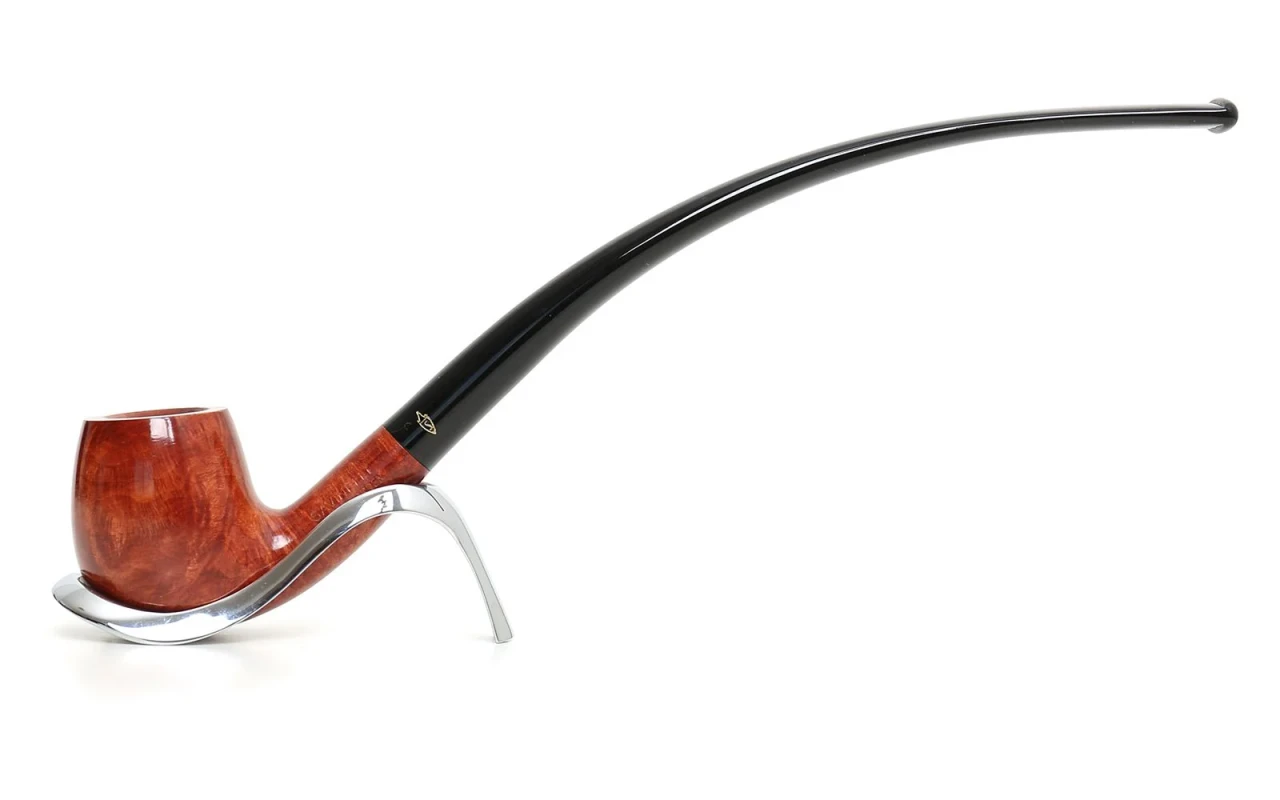
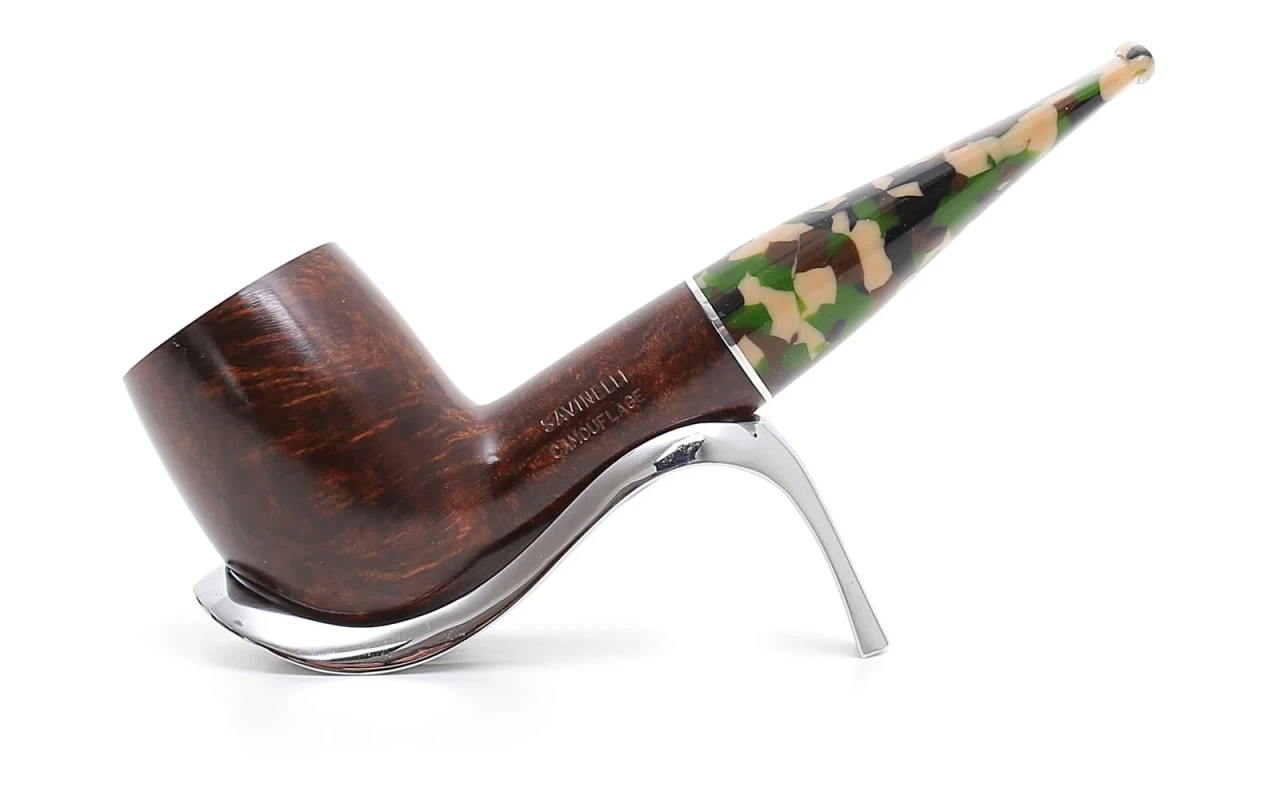
Evolution of Pipe Aesthetics
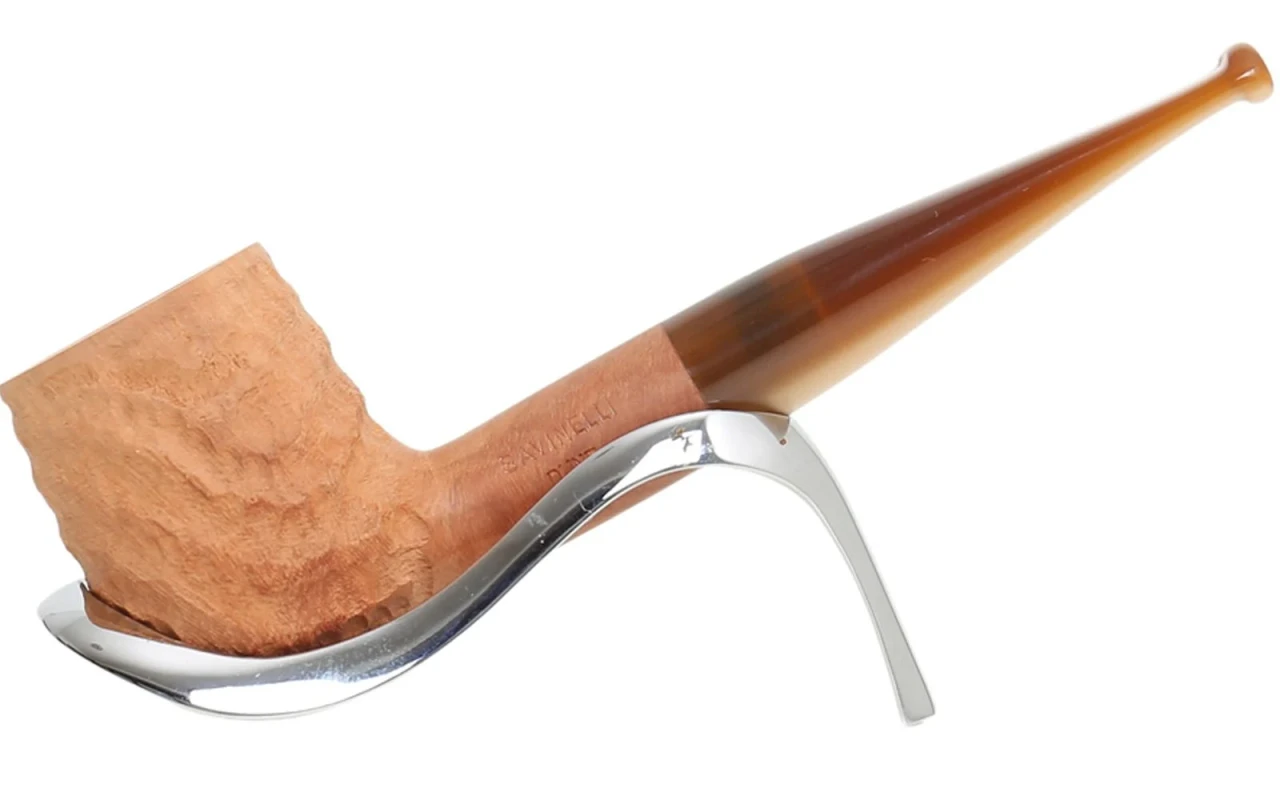
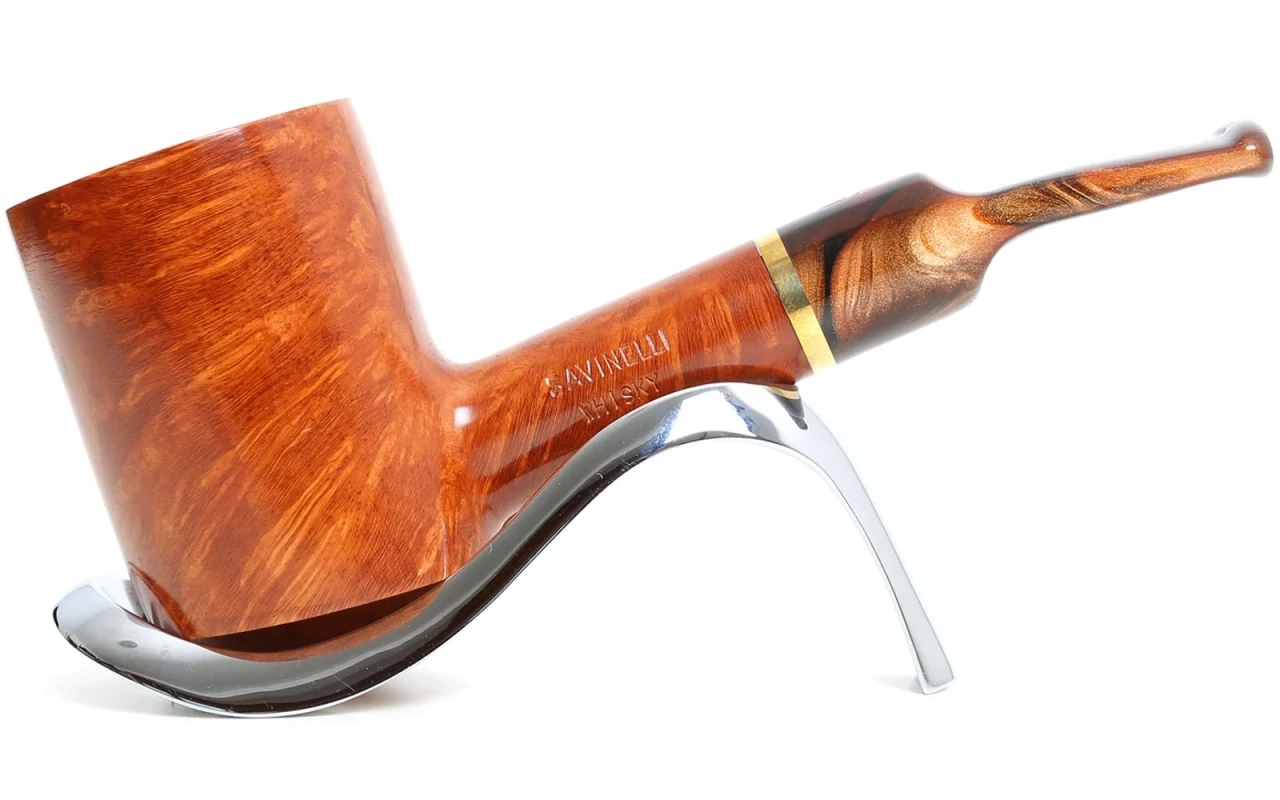
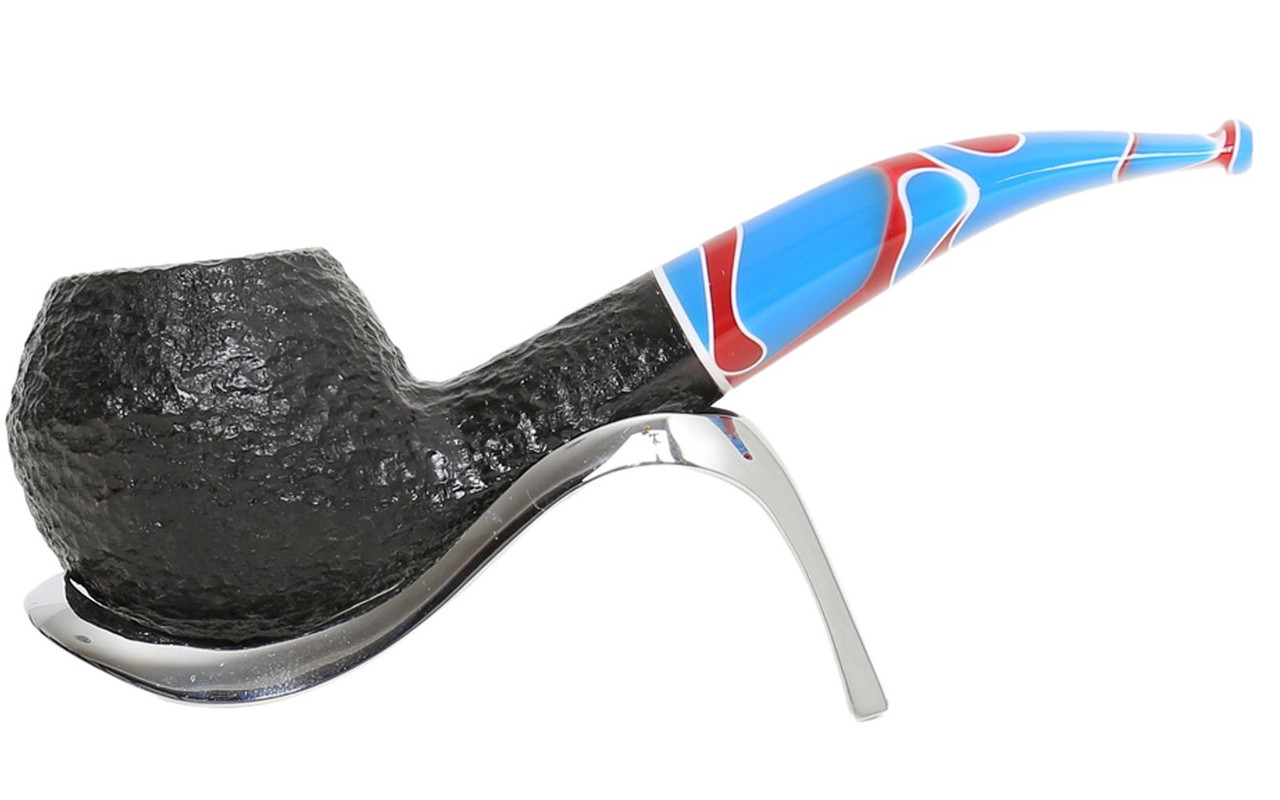
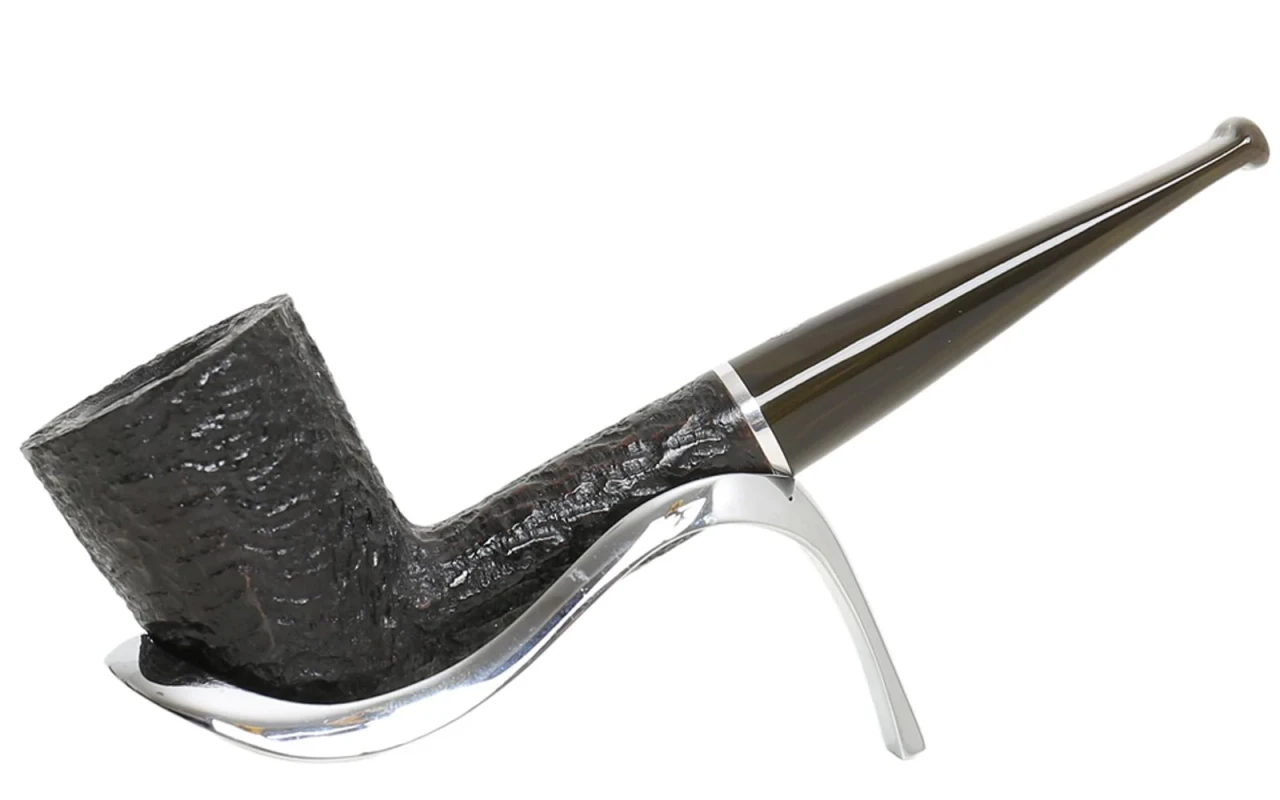
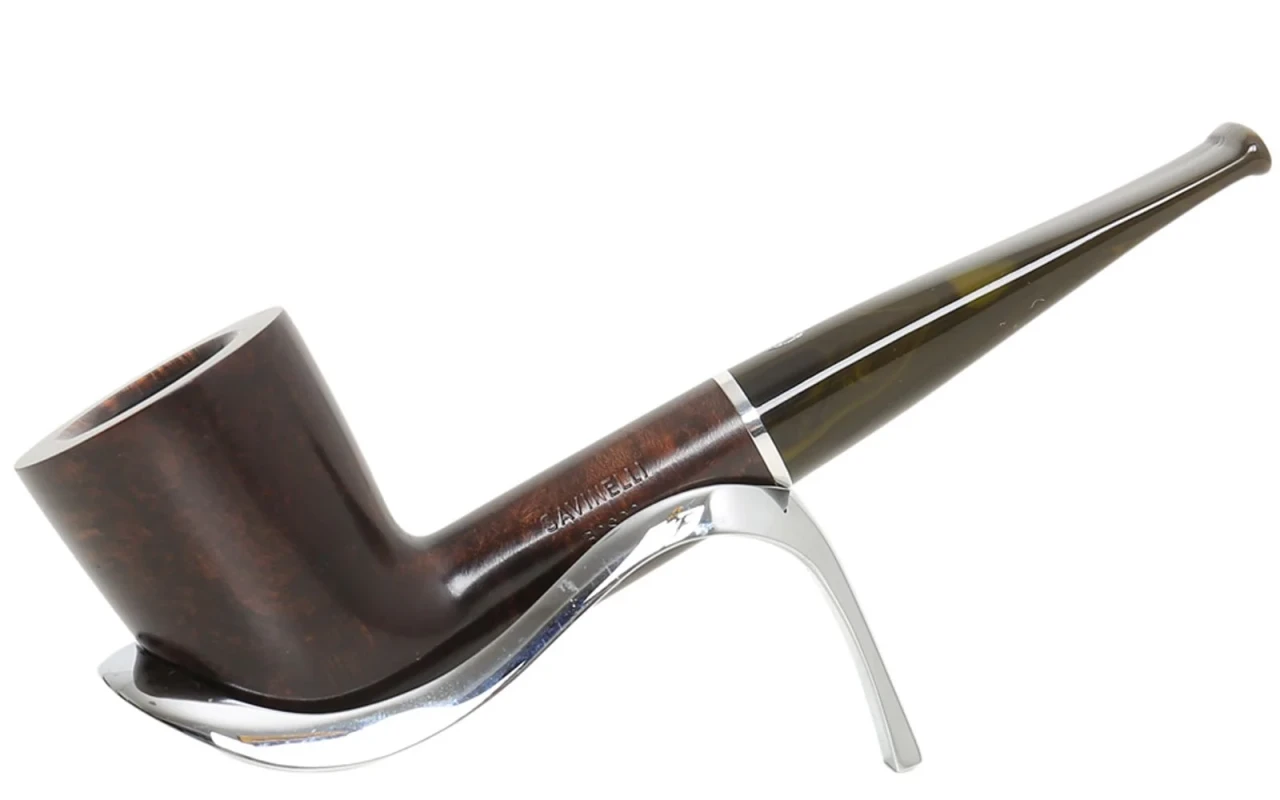
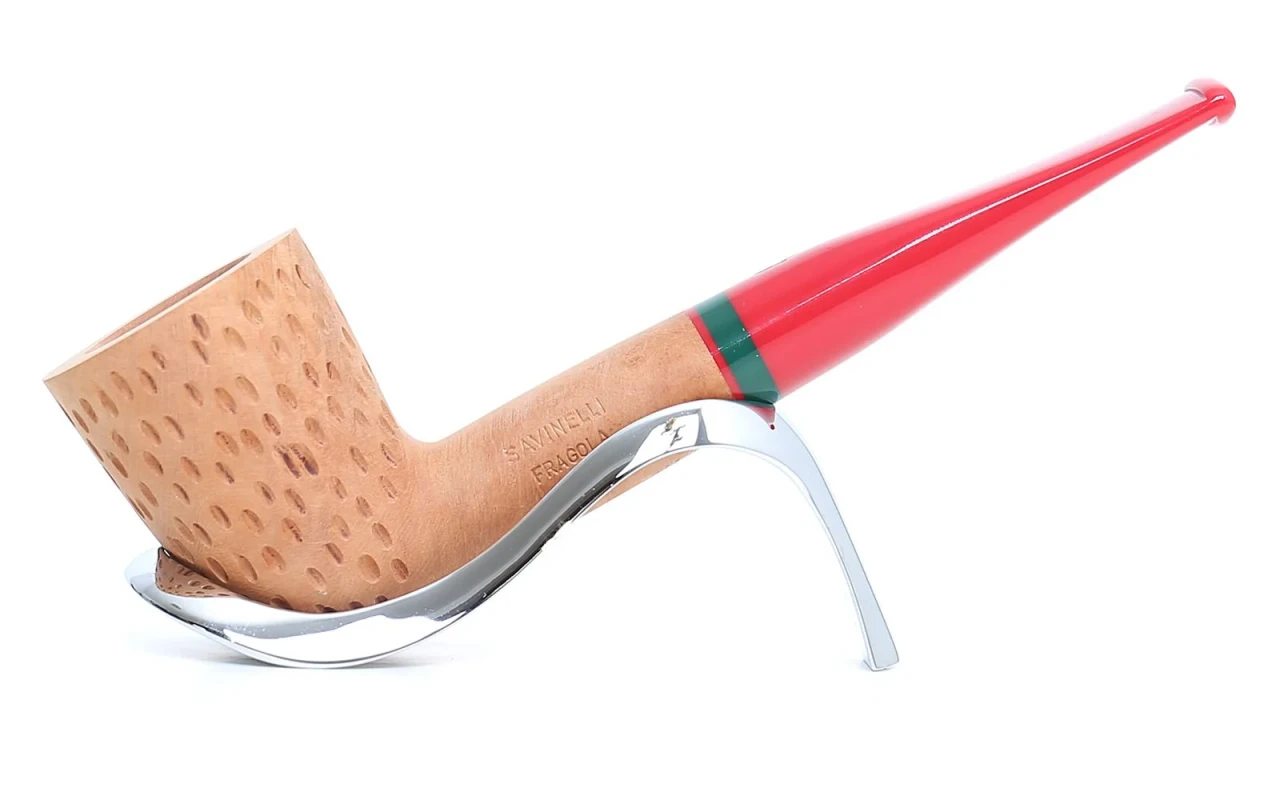
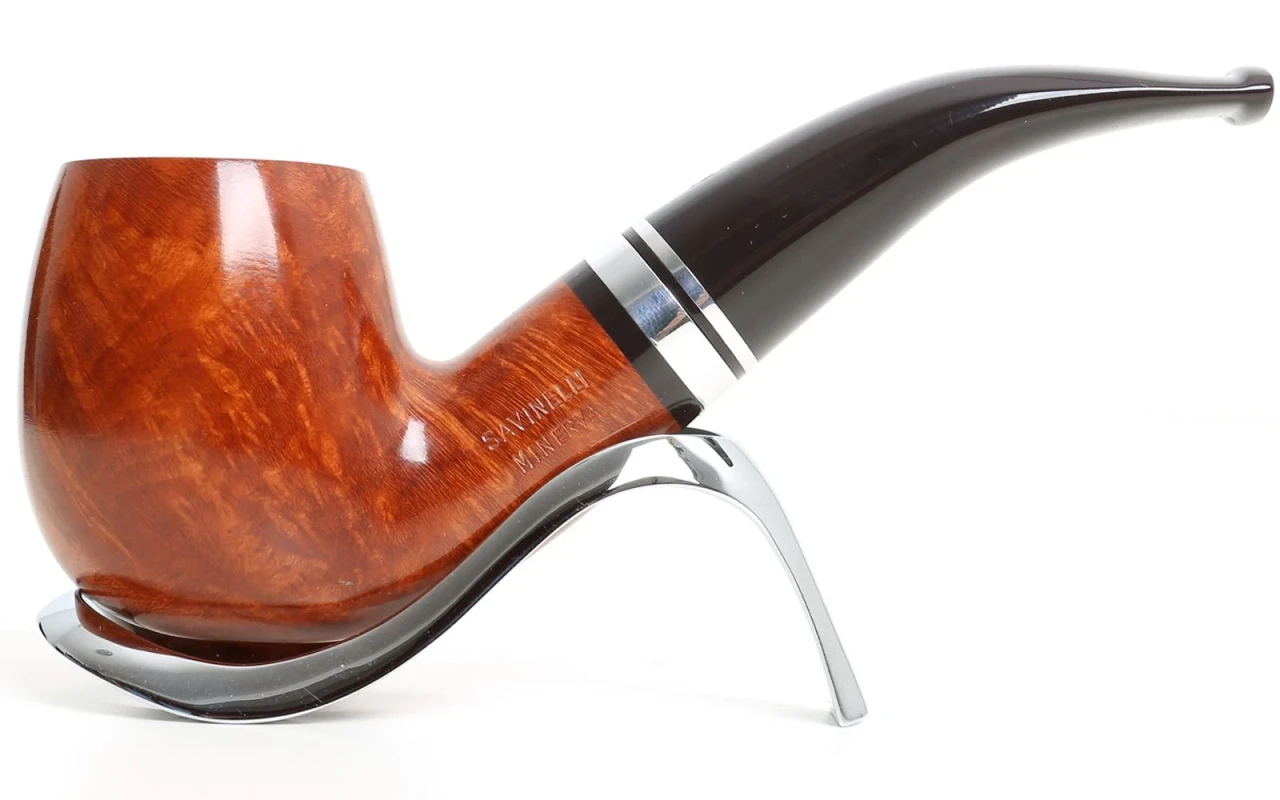
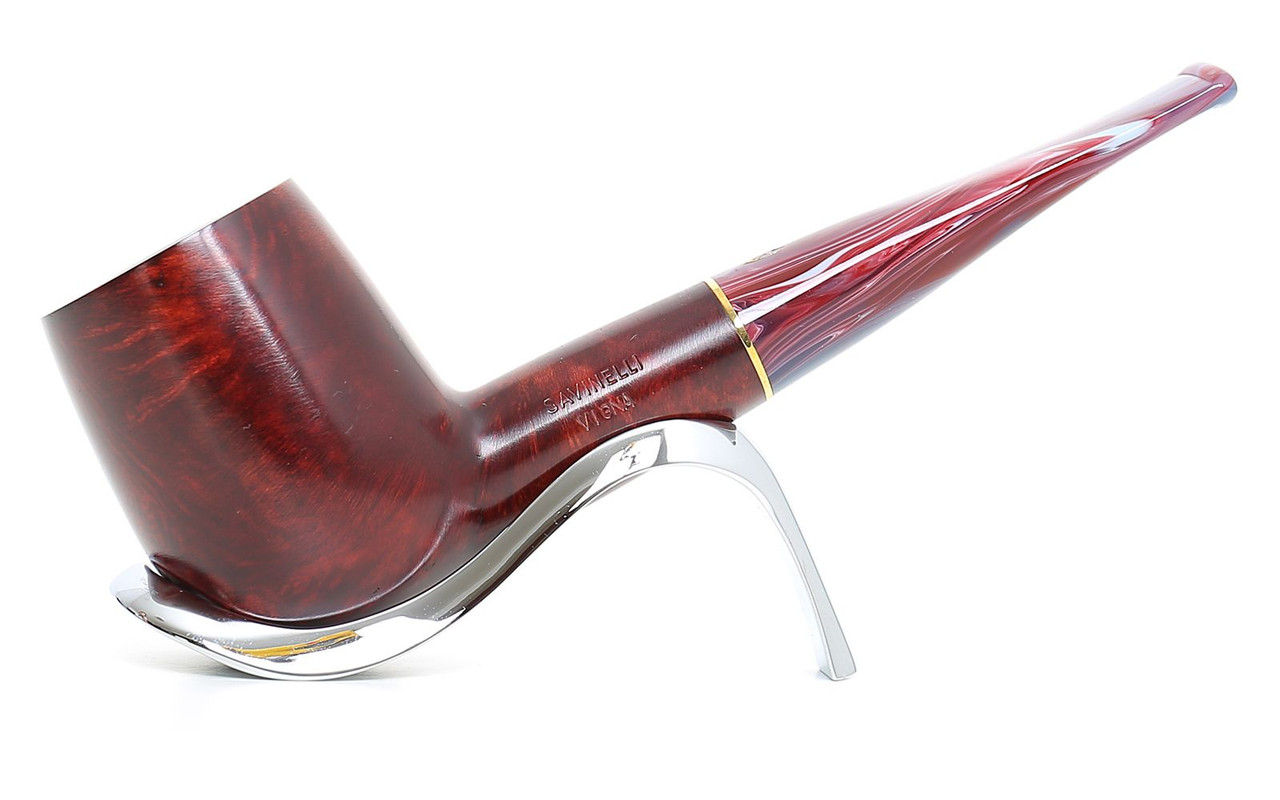
The aesthetics of pipes have undergone significant evolution over the centuries. In the past, pipes were primarily functional tools, but over time they have also taken on a decorative and artistic expression role. The early pipes were often simple and rustic, made from materials such as briar wood. As time passed, pipes of various shapes and sizes were developed, with intricate details and elegant finishes. Today, pipes can be found in a wide range of styles and designs, reflecting smokers' personal preferences and the craftsmanship skills of the manufacturers.
Pipe Manufacturing Techniques
Pipes are crafted using various artisanal techniques to ensure quality and precision in the final result. The main stages of pipe manufacturing include:- Bowl carving: the rough shape of the pipe is created by carving the wood or other materials such as briar or corn cob.- Tobacco chamber and air passage drilling: to ensure a smooth smoke and good combustion.- Sandblasting: to achieve a rough or smooth finish on the external surface of the pipe.- Finishing and polishing: to make the pipe aesthetically pleasing and durable over time.
Materials for smoking pipes
The most common materials used for making smoking pipes are wood, briar root, and corn. Wood, such as briar, is highly valued for its heat and flame resistance, as well as its ability to absorb smoke moisture. Briar root, also known as heather root, is light and durable, ensuring good heat conduction. Corn pipes, on the other hand, are lightweight and inexpensive, making them ideal for beginners. Each material imparts unique characteristics to the pipe, influencing the aroma and smoking experience.
Innovative Pipe Design
The innovative design of pipes is an element that is gaining more and more attention among pipe smoking enthusiasts. Traditional pipes are being reimagined through modern materials and creative shapes, offering a new perspective to those who love this ancient ritual. Innovative pipes may feature ergonomic designs for a better grip, smoke cooling mechanisms for a smoother smoke, or innovative materials that enhance the overall experience. This evolution in pipe design not only meets the needs of modern users but also contributes to renewing the aesthetics and functionality of this timeless object.
'%3e%3cg id='Final-Copy-2_2_' transform='translate(1275.000000, 200.000000)'%3e%3cpath class='st0' d='M7.4,12.8h6.8l3.1-11.6H7.4C4.2,1.2,1.6,3.8,1.6,7S4.2,12.8,7.4,12.8z'/%3e%3c/g%3e%3c/g%3e%3c/g%3e%3cg id='final---dec.11-2020'%3e%3cg id='_x30_208-our-toggle' transform='translate(-1275.000000, -200.000000)'%3e%3cg id='Final-Copy-2' transform='translate(1275.000000, 200.000000)'%3e%3cpath class='st1' d='M22.6,0H7.4c-3.9,0-7,3.1-7,7s3.1,7,7,7h15.2c3.9,0,7-3.1,7-7S26.4,0,22.6,0z M1.6,7c0-3.2,2.6-5.8,5.8-5.8 h9.9l-3.1,11.6H7.4C4.2,12.8,1.6,10.2,1.6,7z'/%3e%3cpath id='x' class='st2' d='M24.6,4c0.2,0.2,0.2,0.6,0,0.8l0,0L22.5,7l2.2,2.2c0.2,0.2,0.2,0.6,0,0.8c-0.2,0.2-0.6,0.2-0.8,0 l0,0l-2.2-2.2L19.5,10c-0.2,0.2-0.6,0.2-0.8,0c-0.2-0.2-0.2-0.6,0-0.8l0,0L20.8,7l-2.2-2.2c-0.2-0.2-0.2-0.6,0-0.8 c0.2-0.2,0.6-0.2,0.8,0l0,0l2.2,2.2L23.8,4C24,3.8,24.4,3.8,24.6,4z'/%3e%3cpath id='y' class='st3' d='M12.7,4.1c0.2,0.2,0.3,0.6,0.1,0.8l0,0L8.6,9.8C8.5,9.9,8.4,10,8.3,10c-0.2,0.1-0.5,0.1-0.7-0.1l0,0 L5.4,7.7c-0.2-0.2-0.2-0.6,0-0.8c0.2-0.2,0.6-0.2,0.8,0l0,0L8,8.6l3.8-4.5C12,3.9,12.4,3.9,12.7,4.1z'/%3e%3c/g%3e%3c/g%3e%3c/g%3e%3c/g%3e%3c/svg%3e) Your Privacy Choices
Your Privacy Choices 


