 ES
ES FR
FR EN
EN IT
IT DE
DE
evolution of briar pipe design
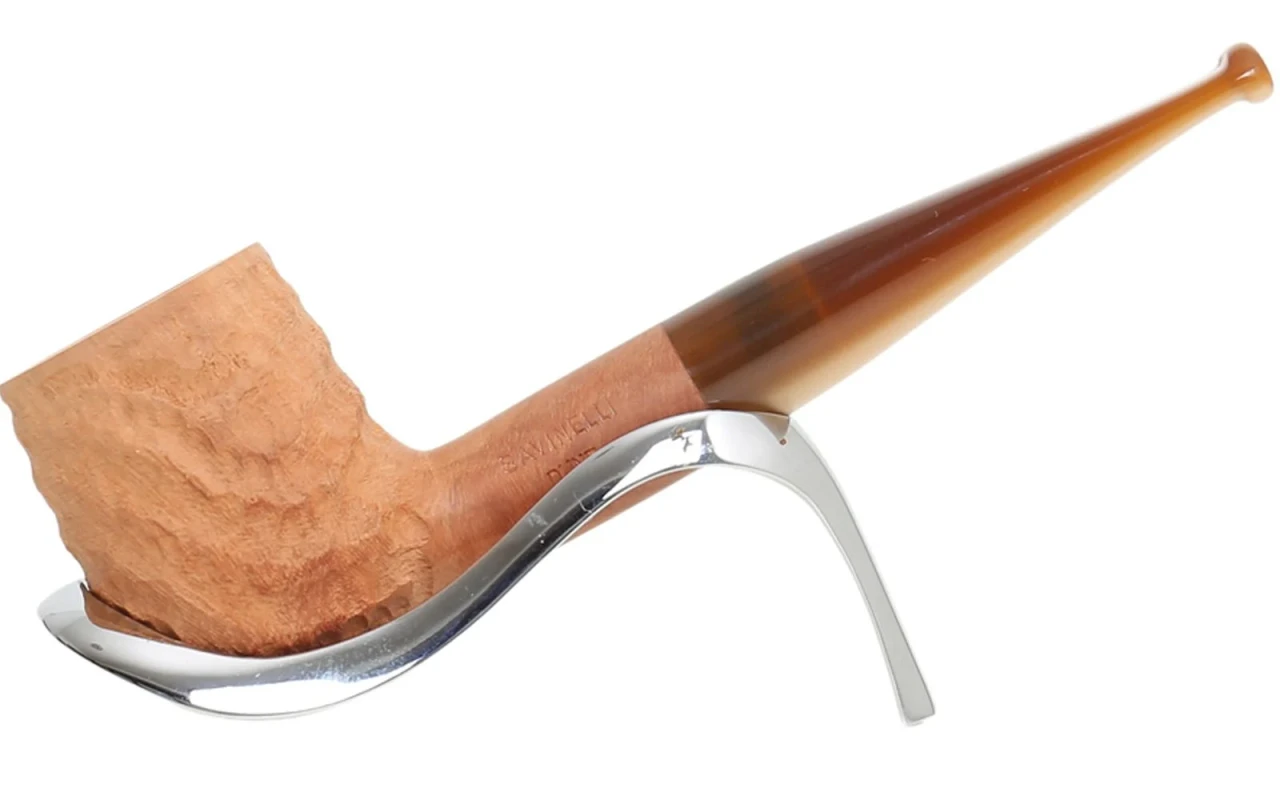
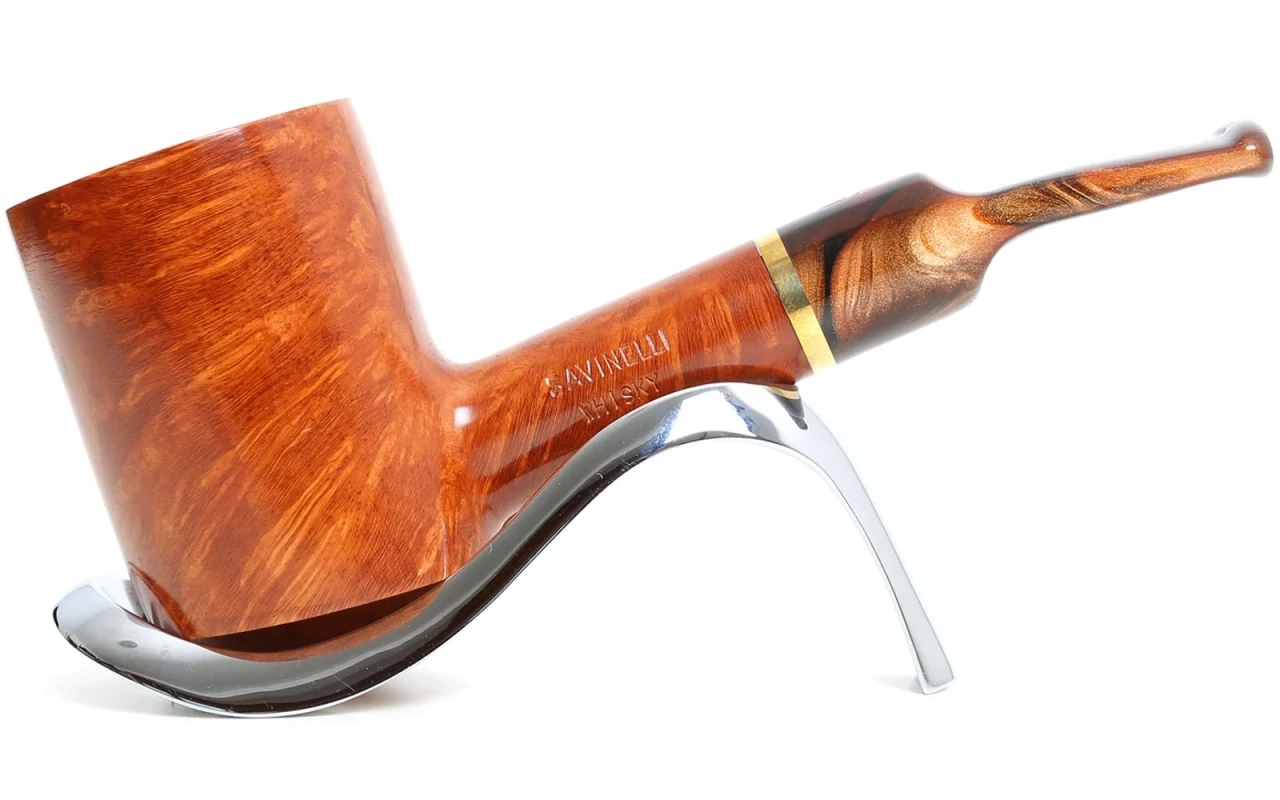
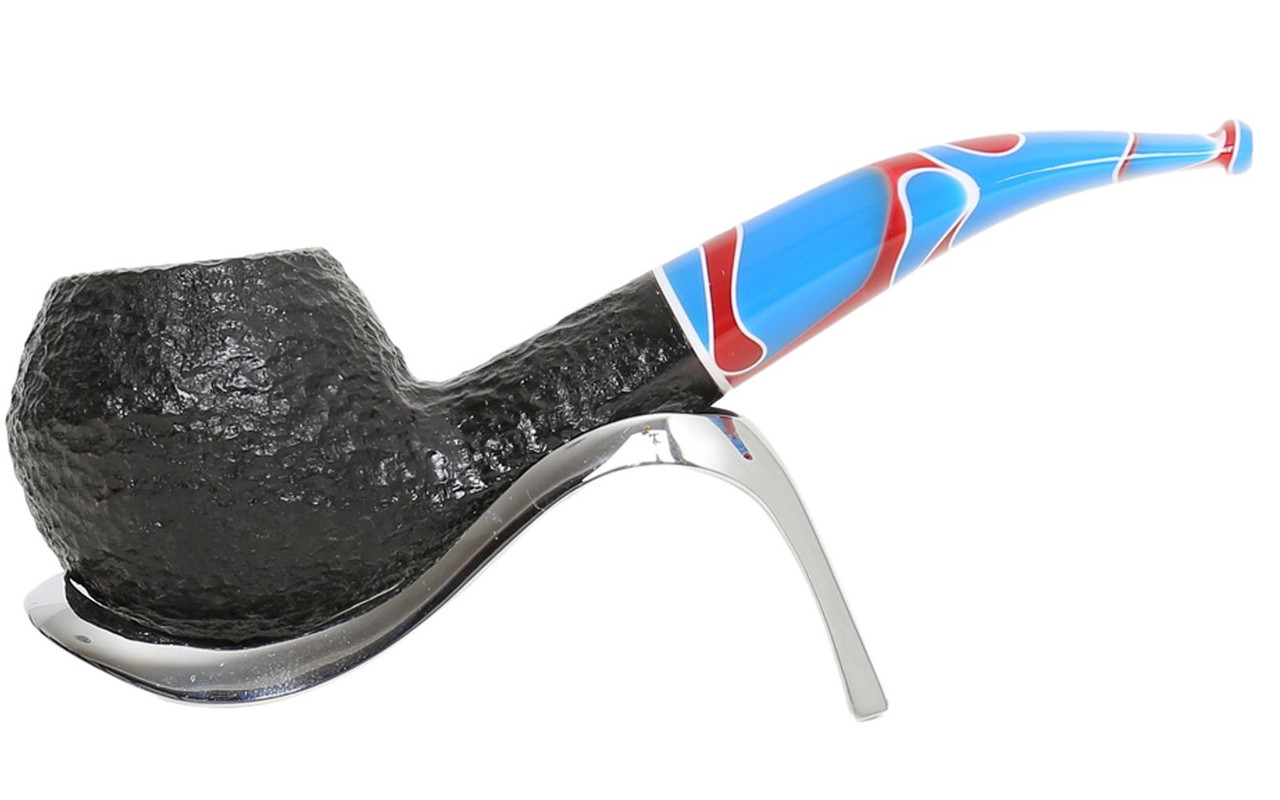
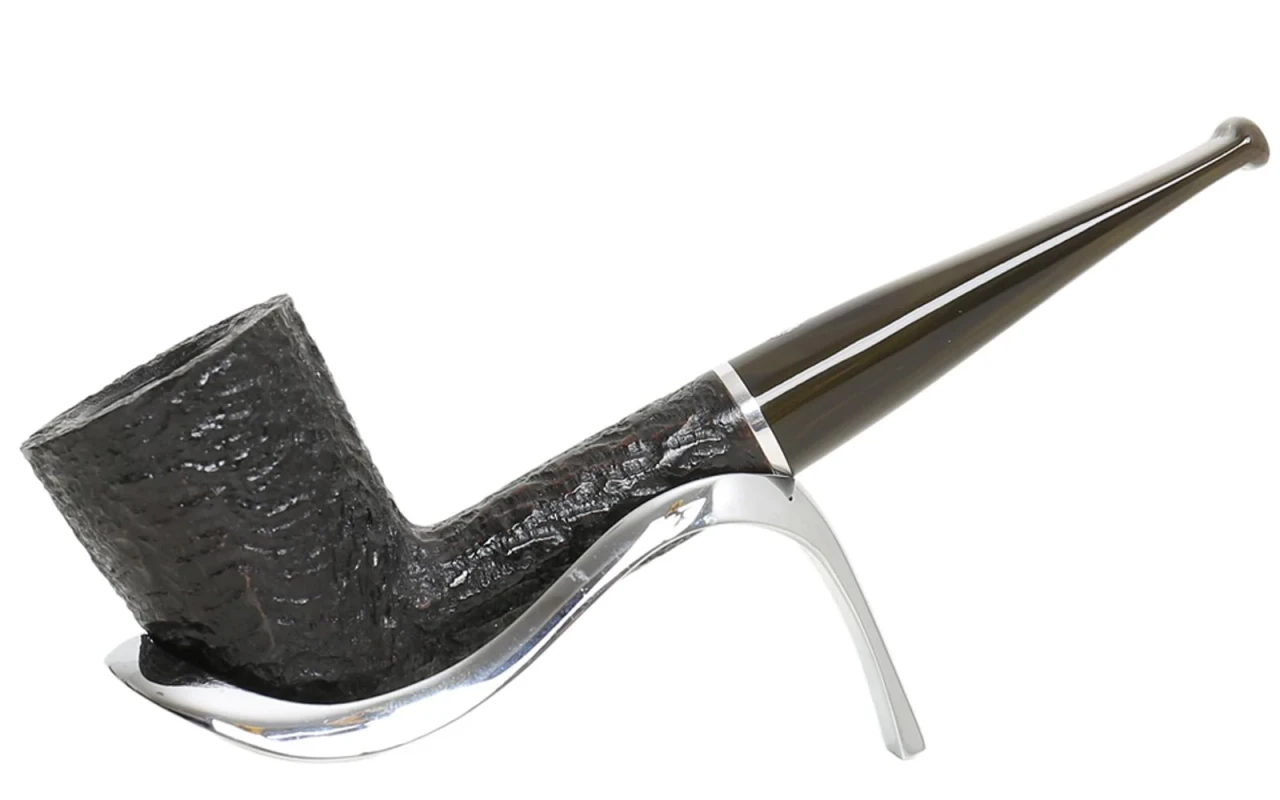
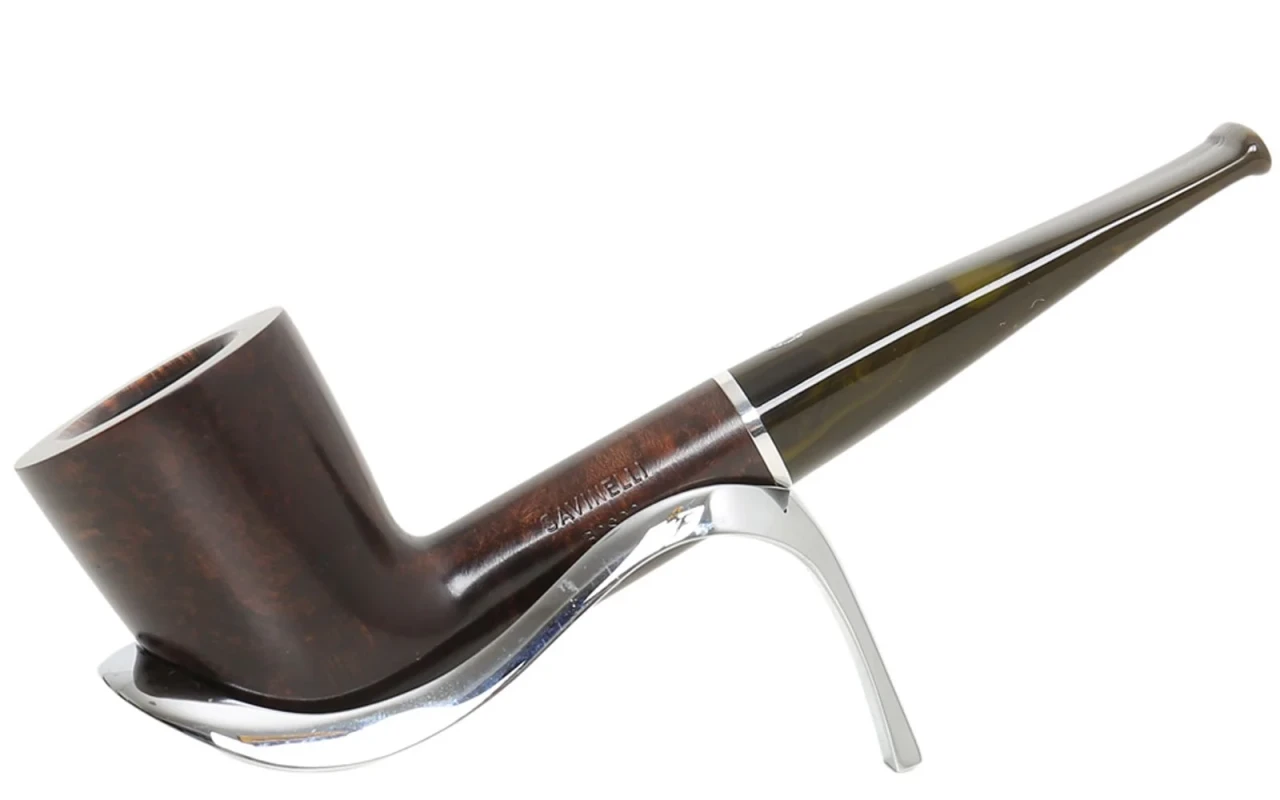
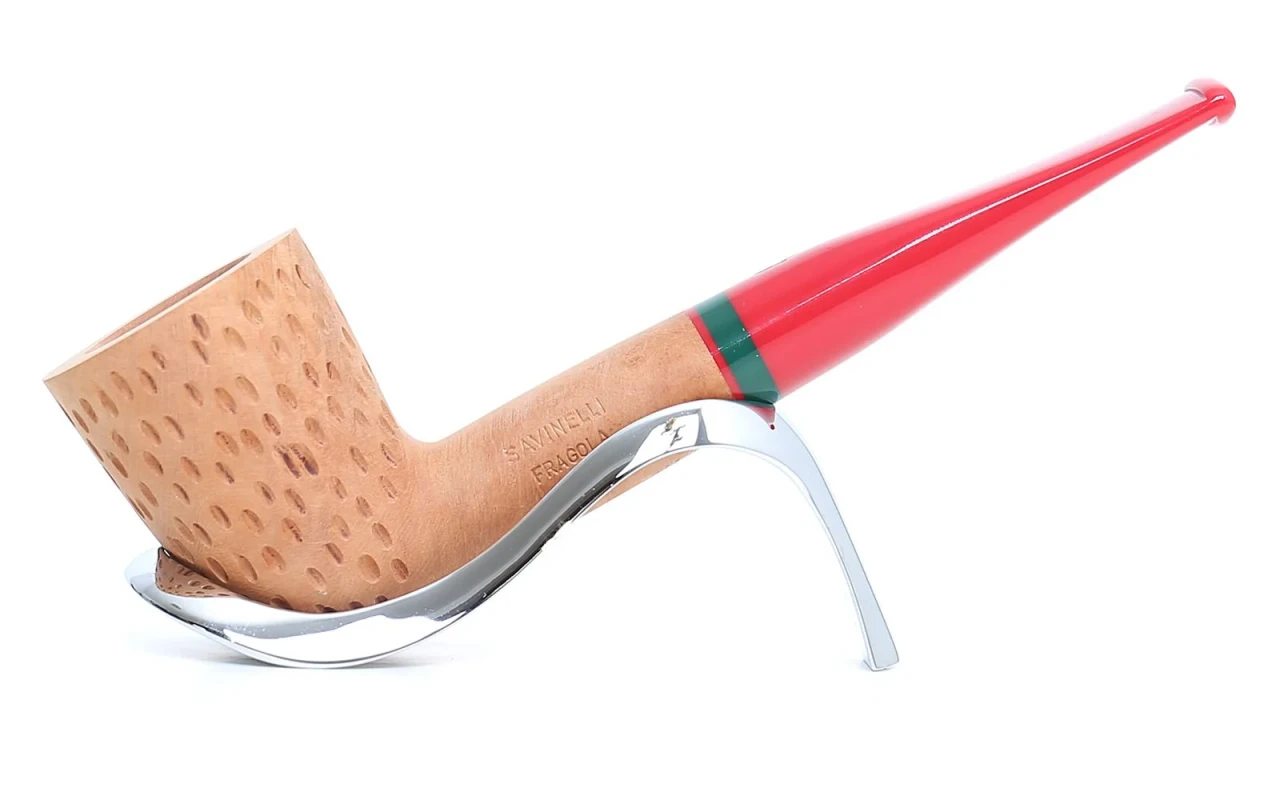
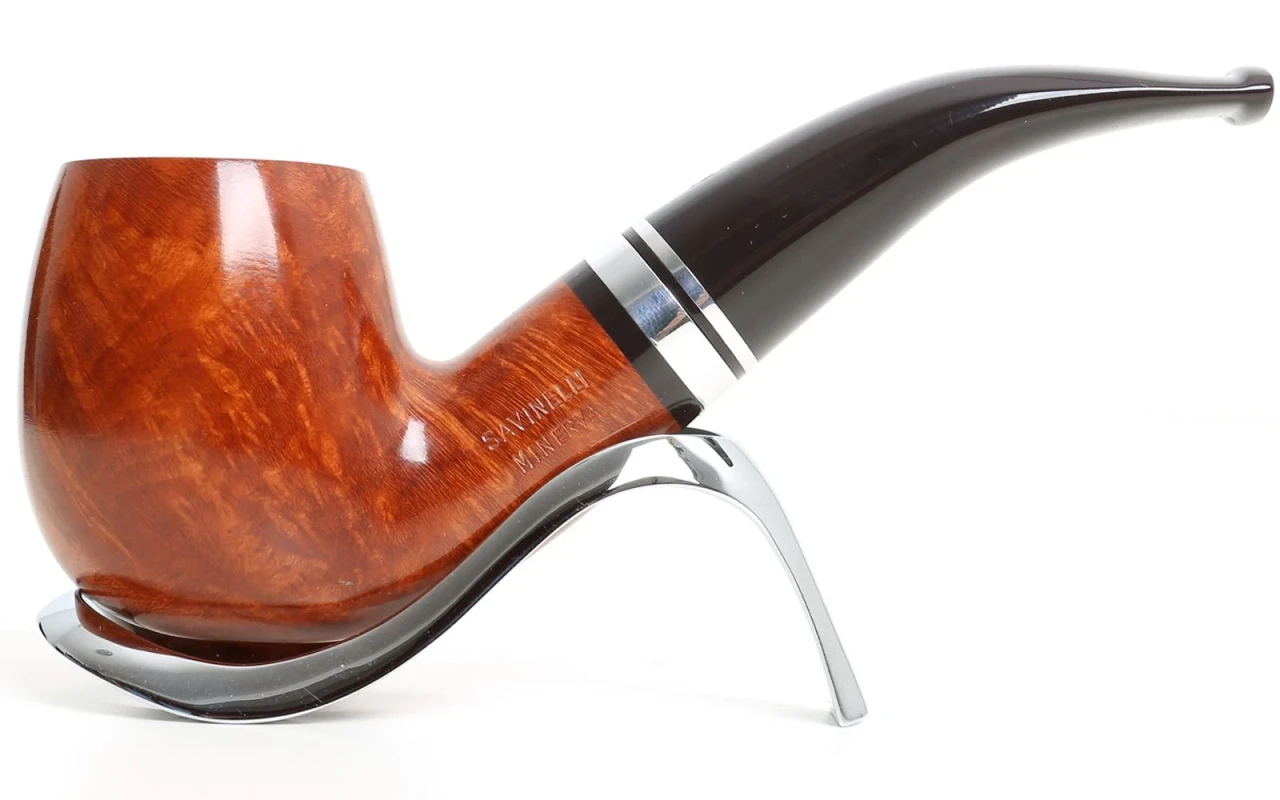
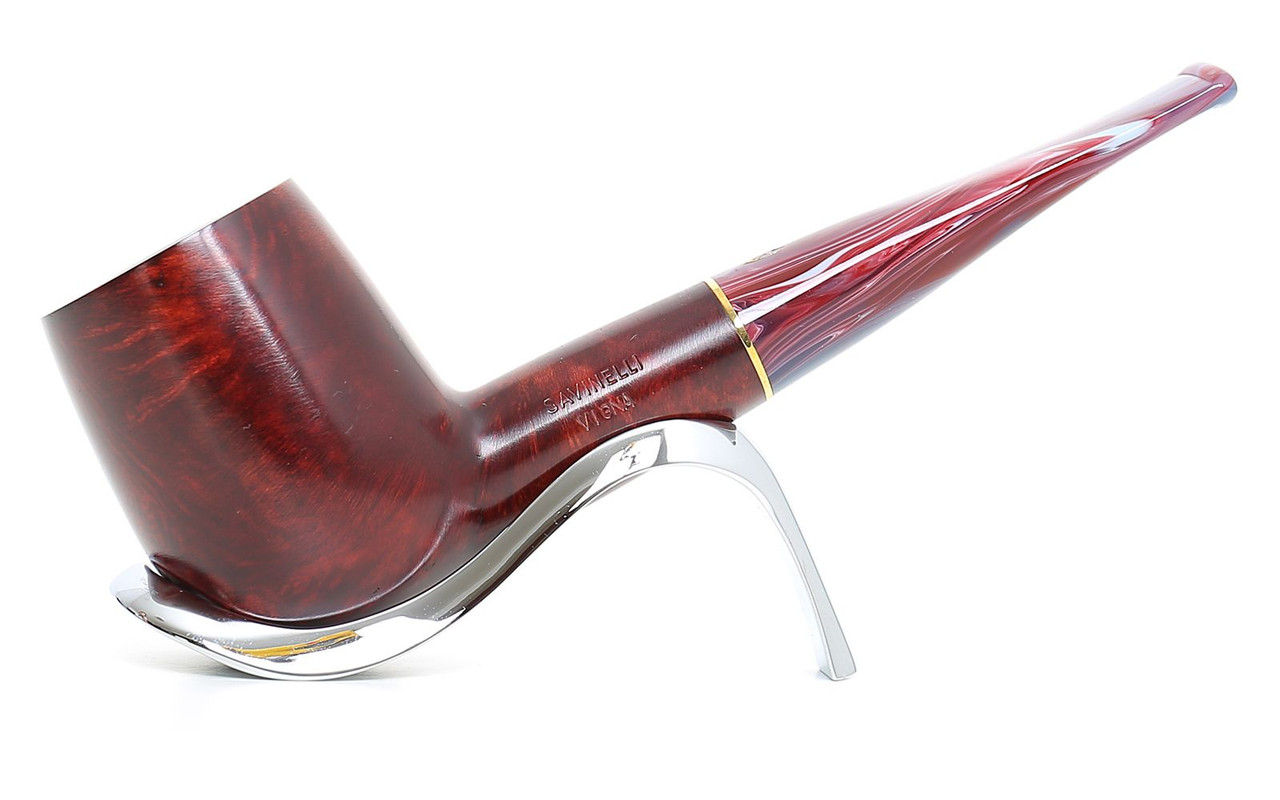
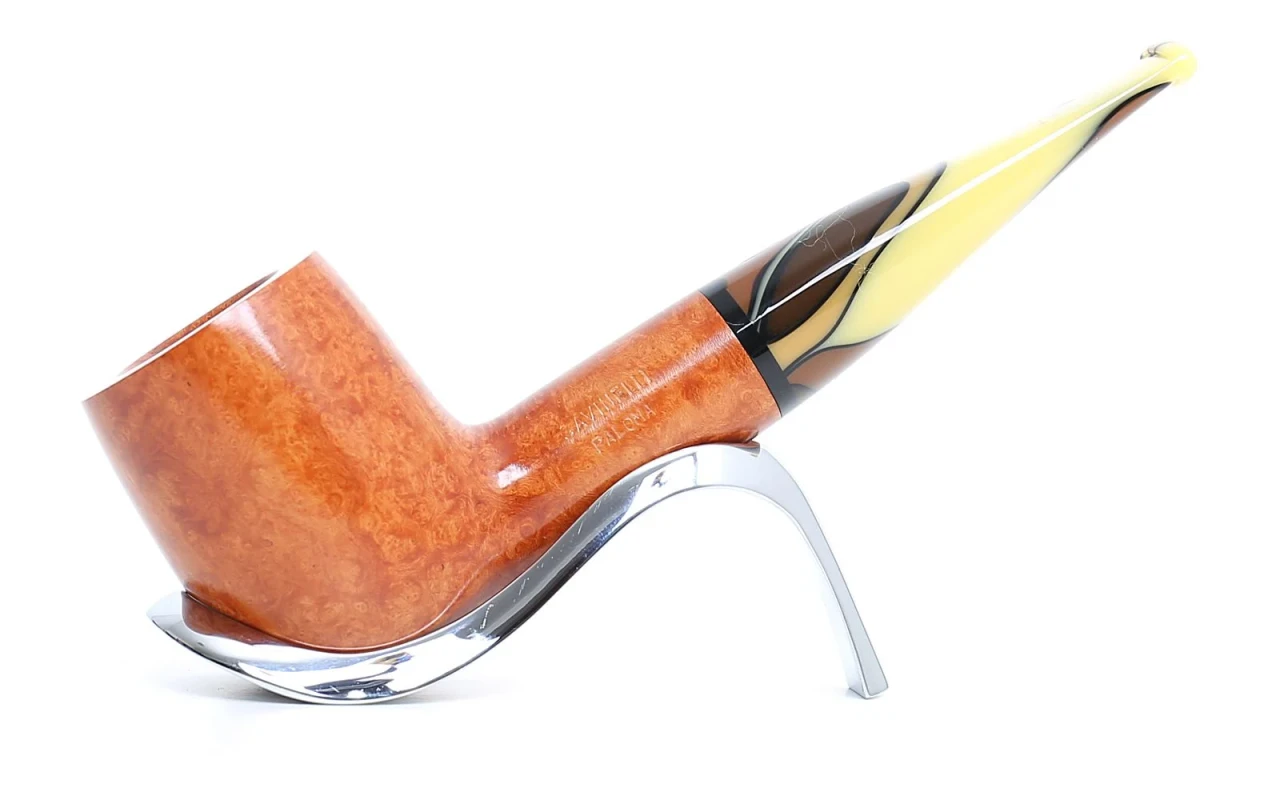
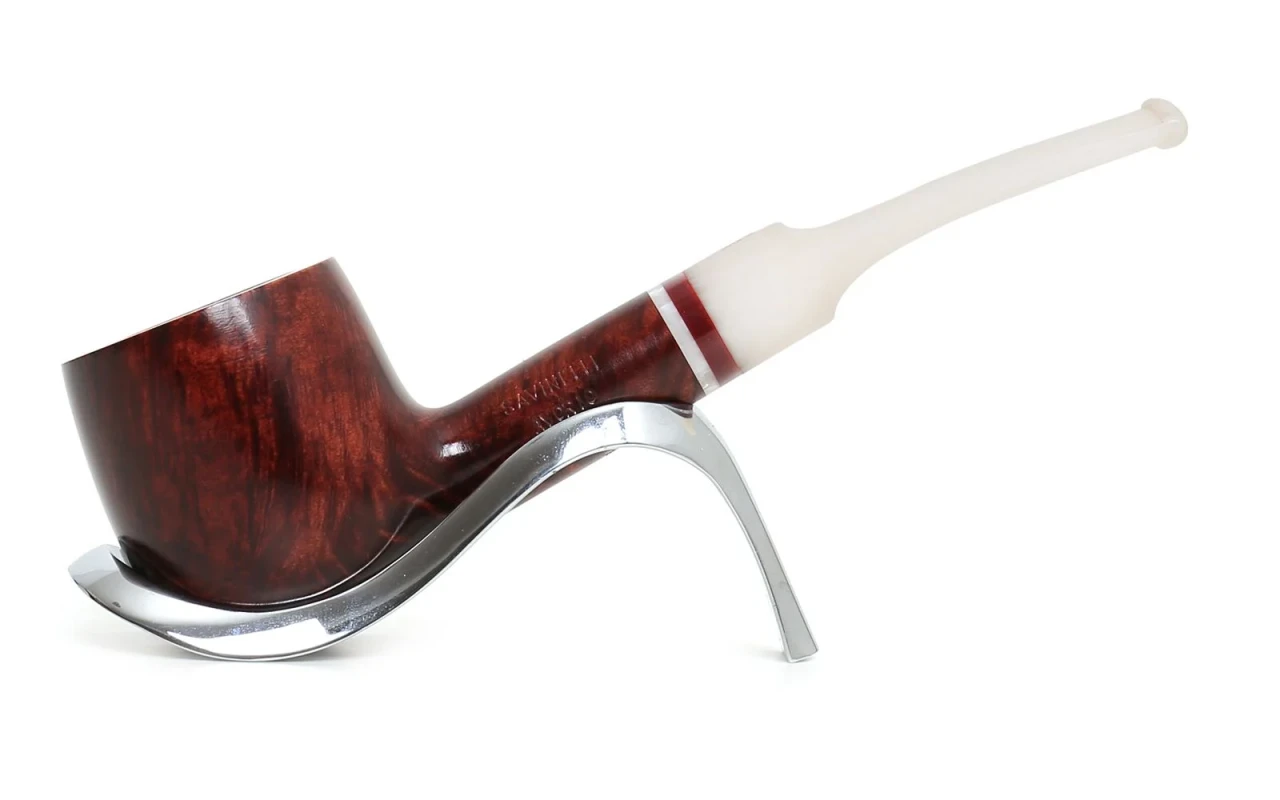
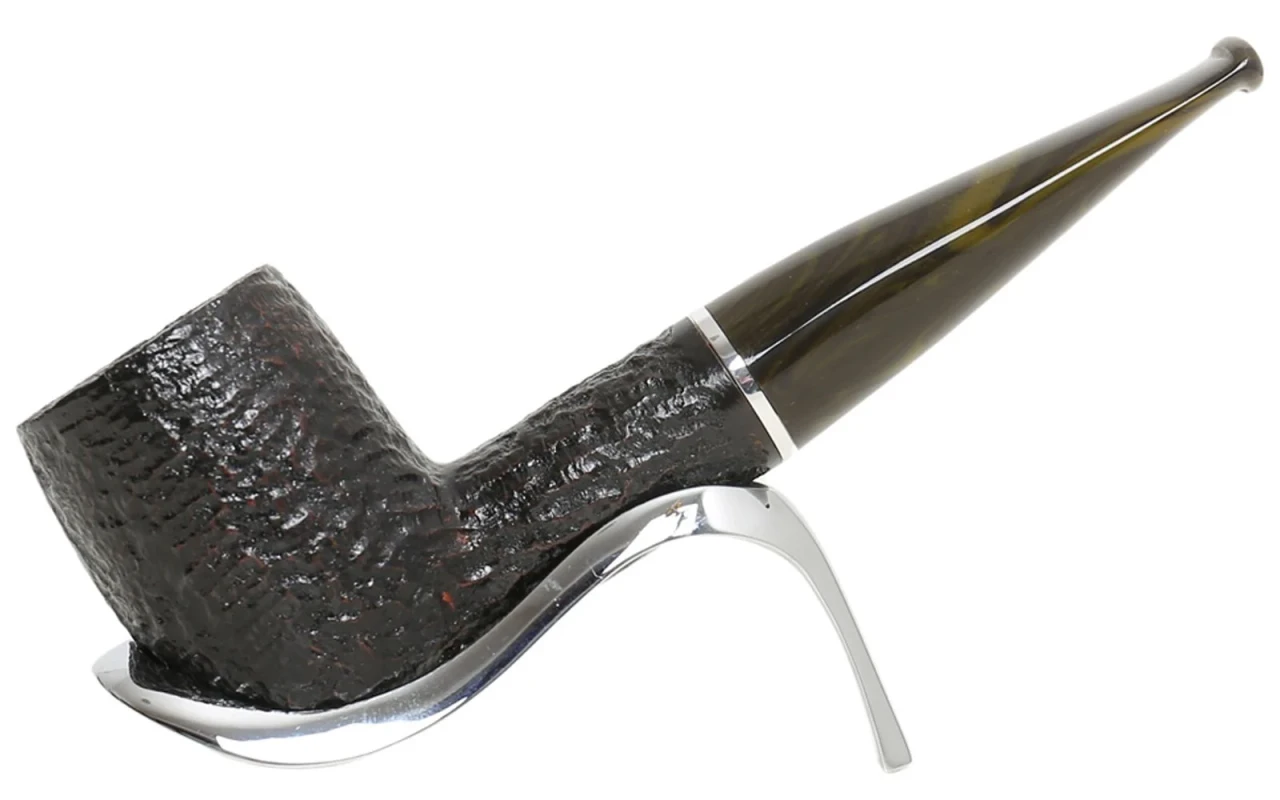
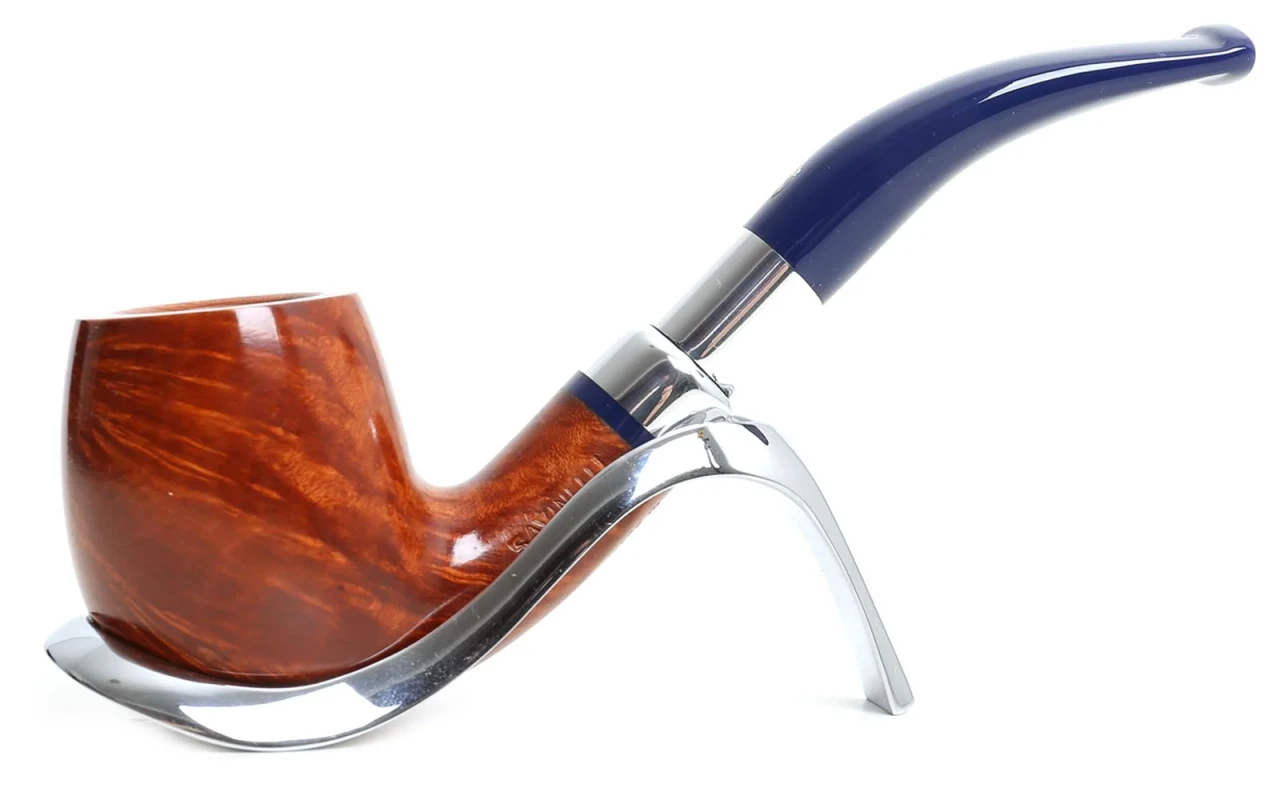
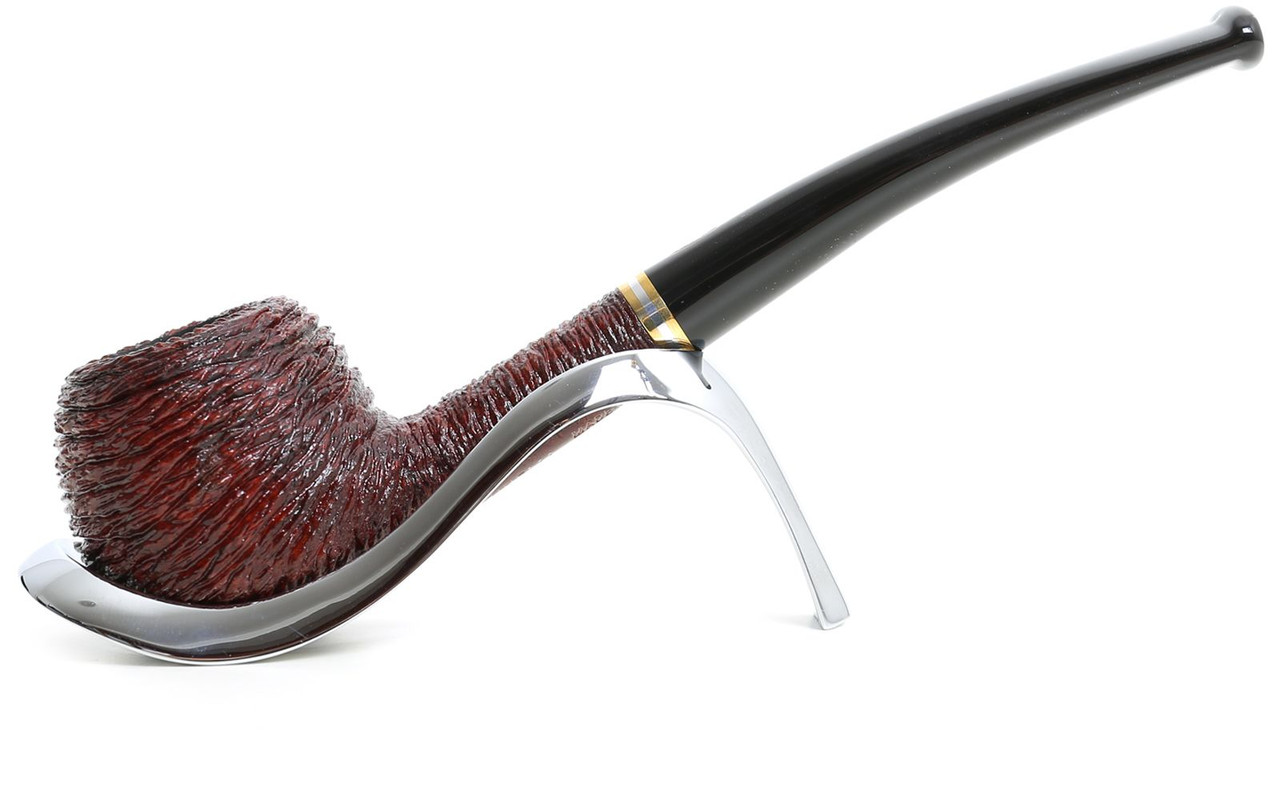
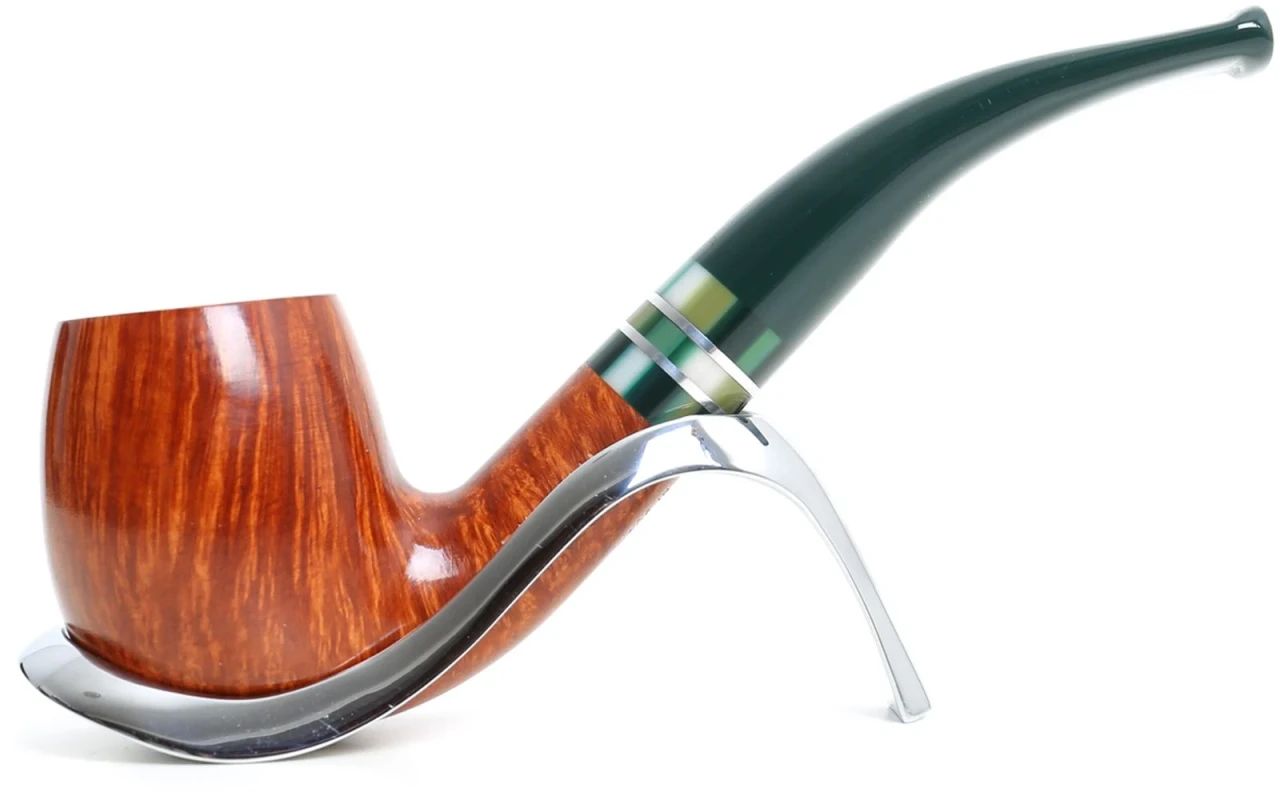
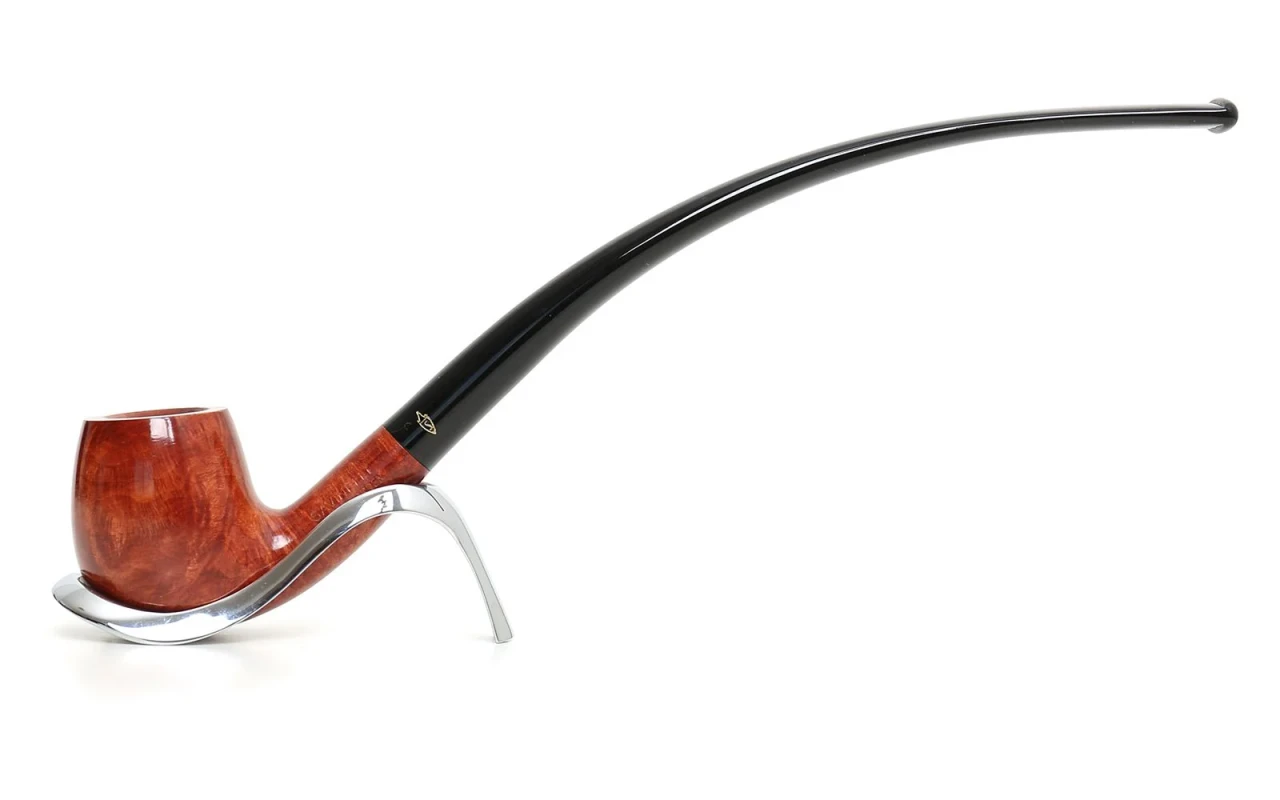
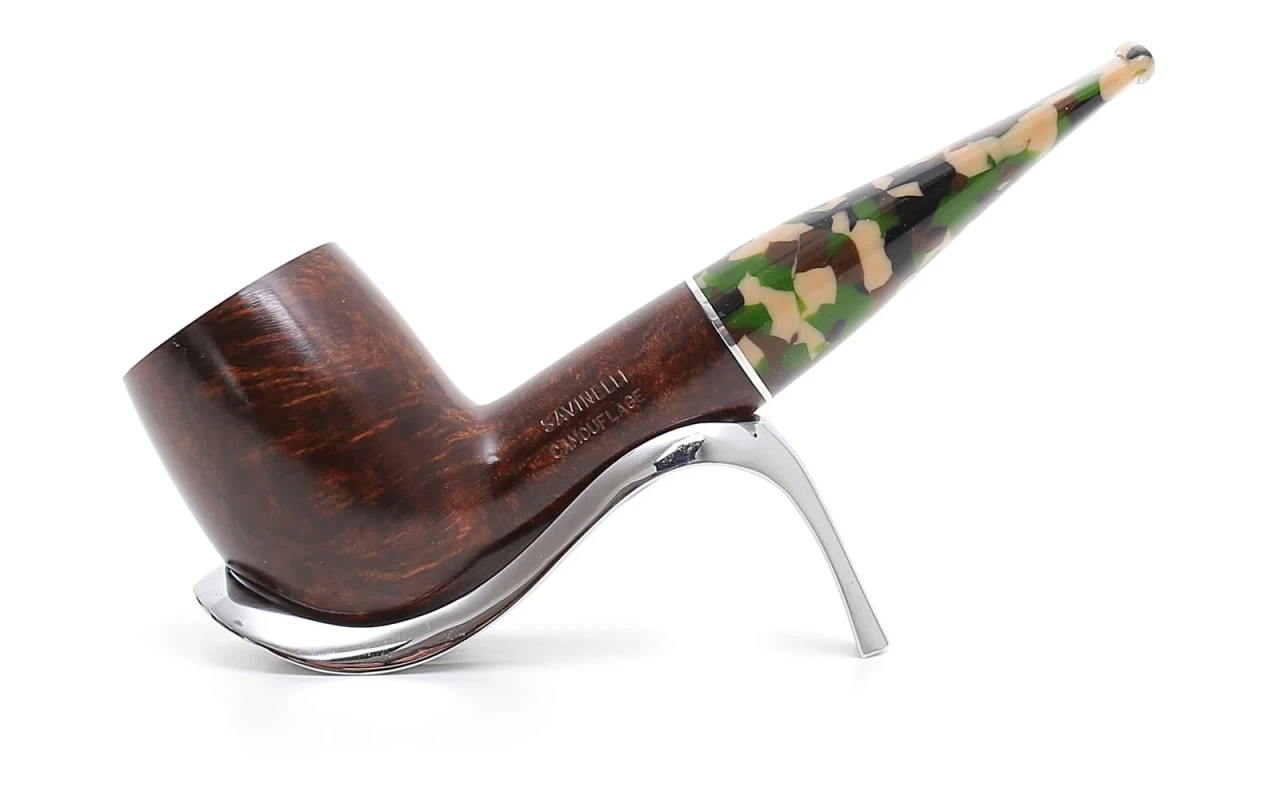
evolution of briar pipe design
The design of briar pipes has undergone a significant evolution over the years. In the past, briar pipes often featured traditional and classic shapes, with a special focus on craftsmanship and material quality. However, as time has progressed, new trends in briar pipe design have emerged, leading to the introduction of more modern, innovative, and creative models. Today, pipe manufacturers are dedicated to experimenting with different shapes, colors, and finishes, pushing the boundaries of tradition to create unique and distinctive pieces that meet the needs and tastes of pipe collectors and enthusiasts.
Smoking Pipes Materials
The materials for smoking pipes can significantly influence the smoking experience. The most common ones are:- **Wood:** offers a traditional and unique experience, as each wood type has different characteristics.- **Corn:** light and inexpensive, it is a popular choice for smoking pipes.- **Meerschaum:** a porous stone that absorbs tobacco oils, enhancing the flavor over time.- **Clay:** considered the best for the pure flavor it imparts to the tobacco.- **Briar:** Mediterranean heath wood, very durable and popular among smoking pipe enthusiasts.The choice of material depends on personal preferences and the pursuit of a better smoking experience.
Crafted Pipe Styles
Crafted pipe styles vary significantly, offering a wide range of options for pipe smoking enthusiasts. Some of the most popular styles include:- Billiard: a classic style with a cylindrical bowl and a straight stem.- Dublin: characterized by a conical bowl and a thin stem.- Bulldog: featuring a diamond-shaped bowl and a thick stem.- Apple: resembling the shape of an apple, with a rounded bowl.- Bent: with a curved stem for a more comfortable smoke.- Freehand: a creative and unconventional style, often crafted freehand.Each style offers a different smoking experience and a unique design to meet individual preferences.
Pipe Production Technologies
The technologies for pipe production are varied and complex, as they involve different processes and materials. Some of the main techniques used include:- Turning: a mechanical processing process that allows shaping wood or other materials to create the desired shape of the pipe.- Curing: a crucial phase that involves the heat treatment of wood to eliminate any residual moisture and ensure the pipe's durability.- Sandblasting: an operation to smooth and uniform the external surface of the pipe.- Assembly: the phase where the different parts of the pipe, such as the stem and bowl, are joined to create the finished product.These technologies are essential to ensure the quality and functionality of pipes.
'%3e%3cg id='Final-Copy-2_2_' transform='translate(1275.000000, 200.000000)'%3e%3cpath class='st0' d='M7.4,12.8h6.8l3.1-11.6H7.4C4.2,1.2,1.6,3.8,1.6,7S4.2,12.8,7.4,12.8z'/%3e%3c/g%3e%3c/g%3e%3c/g%3e%3cg id='final---dec.11-2020'%3e%3cg id='_x30_208-our-toggle' transform='translate(-1275.000000, -200.000000)'%3e%3cg id='Final-Copy-2' transform='translate(1275.000000, 200.000000)'%3e%3cpath class='st1' d='M22.6,0H7.4c-3.9,0-7,3.1-7,7s3.1,7,7,7h15.2c3.9,0,7-3.1,7-7S26.4,0,22.6,0z M1.6,7c0-3.2,2.6-5.8,5.8-5.8 h9.9l-3.1,11.6H7.4C4.2,12.8,1.6,10.2,1.6,7z'/%3e%3cpath id='x' class='st2' d='M24.6,4c0.2,0.2,0.2,0.6,0,0.8l0,0L22.5,7l2.2,2.2c0.2,0.2,0.2,0.6,0,0.8c-0.2,0.2-0.6,0.2-0.8,0 l0,0l-2.2-2.2L19.5,10c-0.2,0.2-0.6,0.2-0.8,0c-0.2-0.2-0.2-0.6,0-0.8l0,0L20.8,7l-2.2-2.2c-0.2-0.2-0.2-0.6,0-0.8 c0.2-0.2,0.6-0.2,0.8,0l0,0l2.2,2.2L23.8,4C24,3.8,24.4,3.8,24.6,4z'/%3e%3cpath id='y' class='st3' d='M12.7,4.1c0.2,0.2,0.3,0.6,0.1,0.8l0,0L8.6,9.8C8.5,9.9,8.4,10,8.3,10c-0.2,0.1-0.5,0.1-0.7-0.1l0,0 L5.4,7.7c-0.2-0.2-0.2-0.6,0-0.8c0.2-0.2,0.6-0.2,0.8,0l0,0L8,8.6l3.8-4.5C12,3.9,12.4,3.9,12.7,4.1z'/%3e%3c/g%3e%3c/g%3e%3c/g%3e%3c/g%3e%3c/svg%3e) Your Privacy Choices
Your Privacy Choices 


