 ES
ES FR
FR EN
EN IT
IT DE
DE
Efficient production of pipes with 3D printing
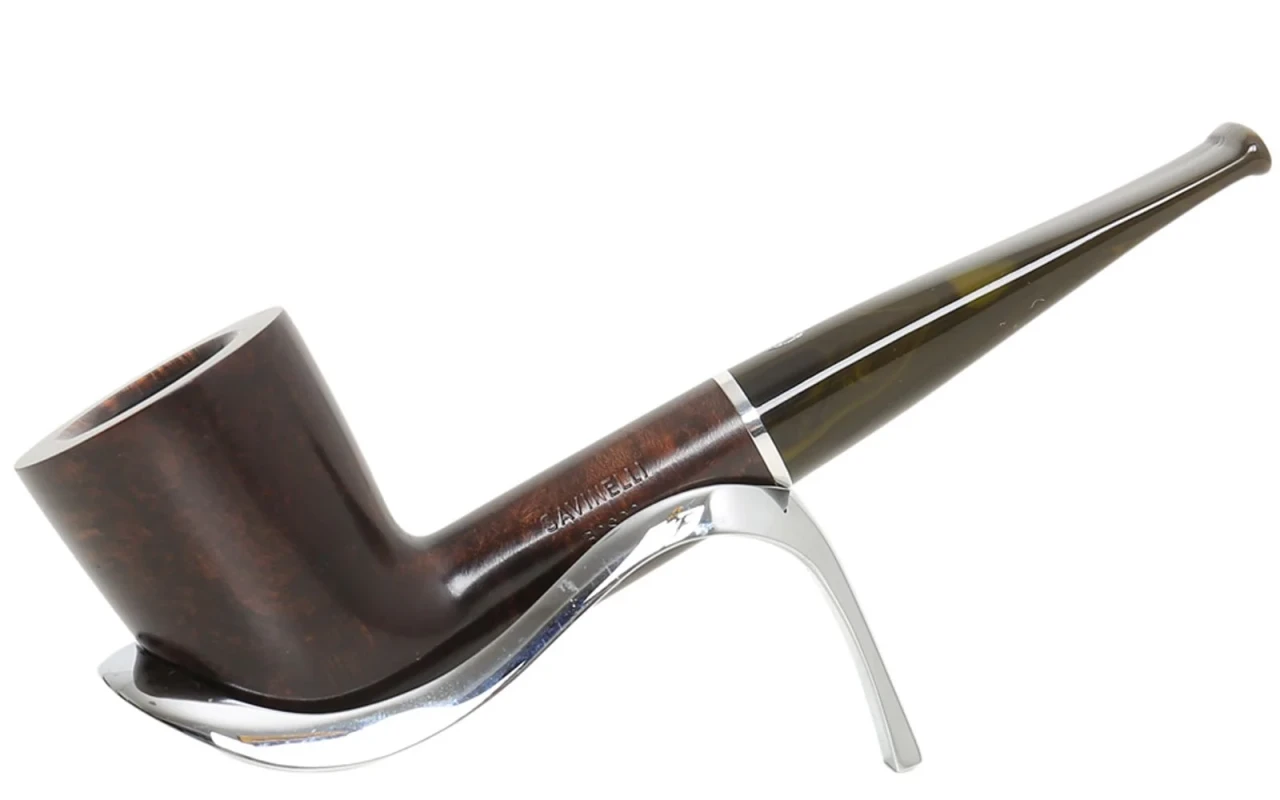
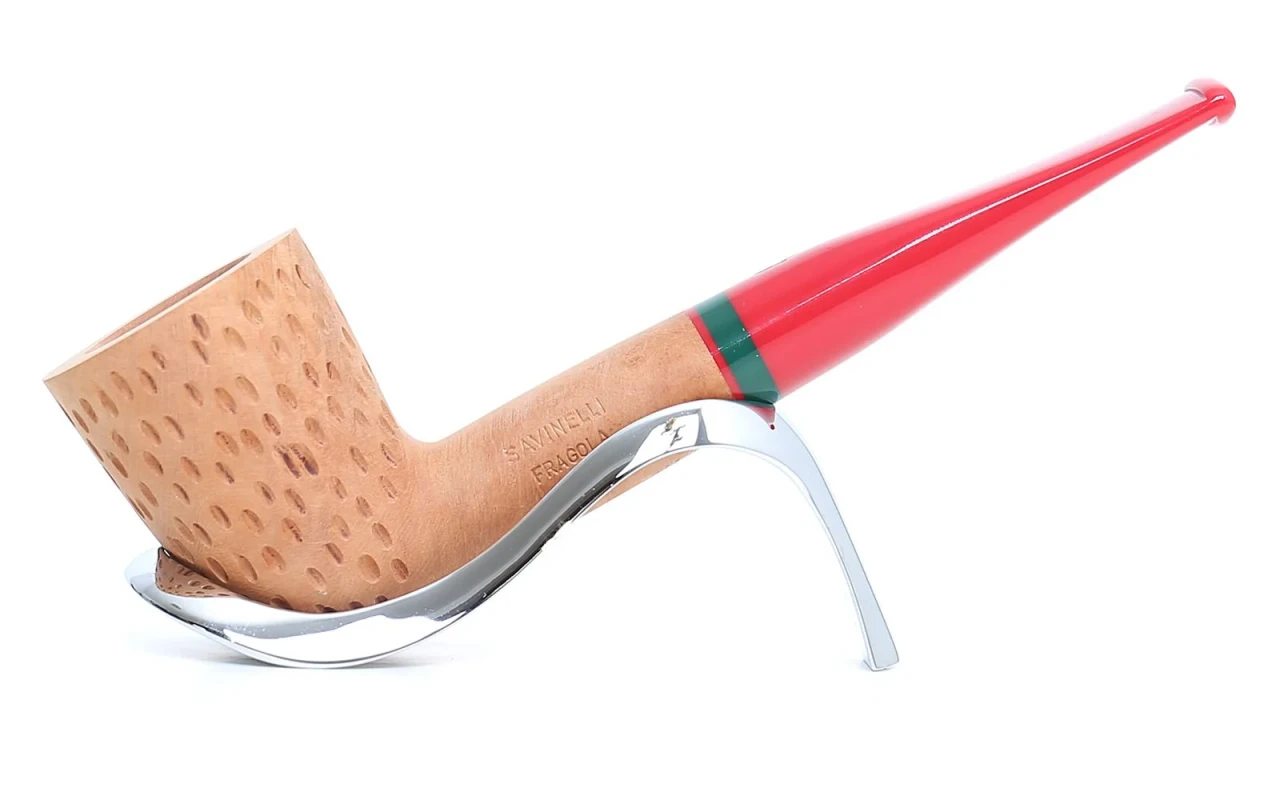
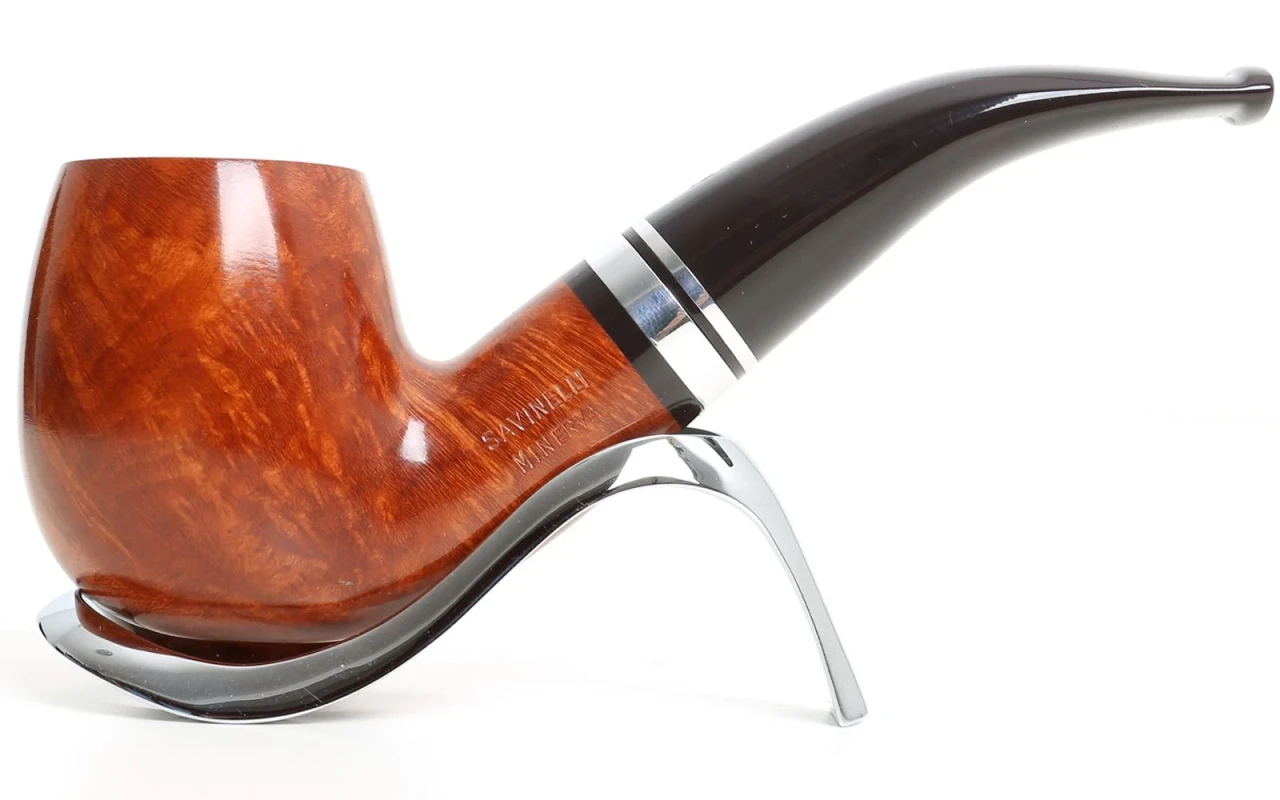
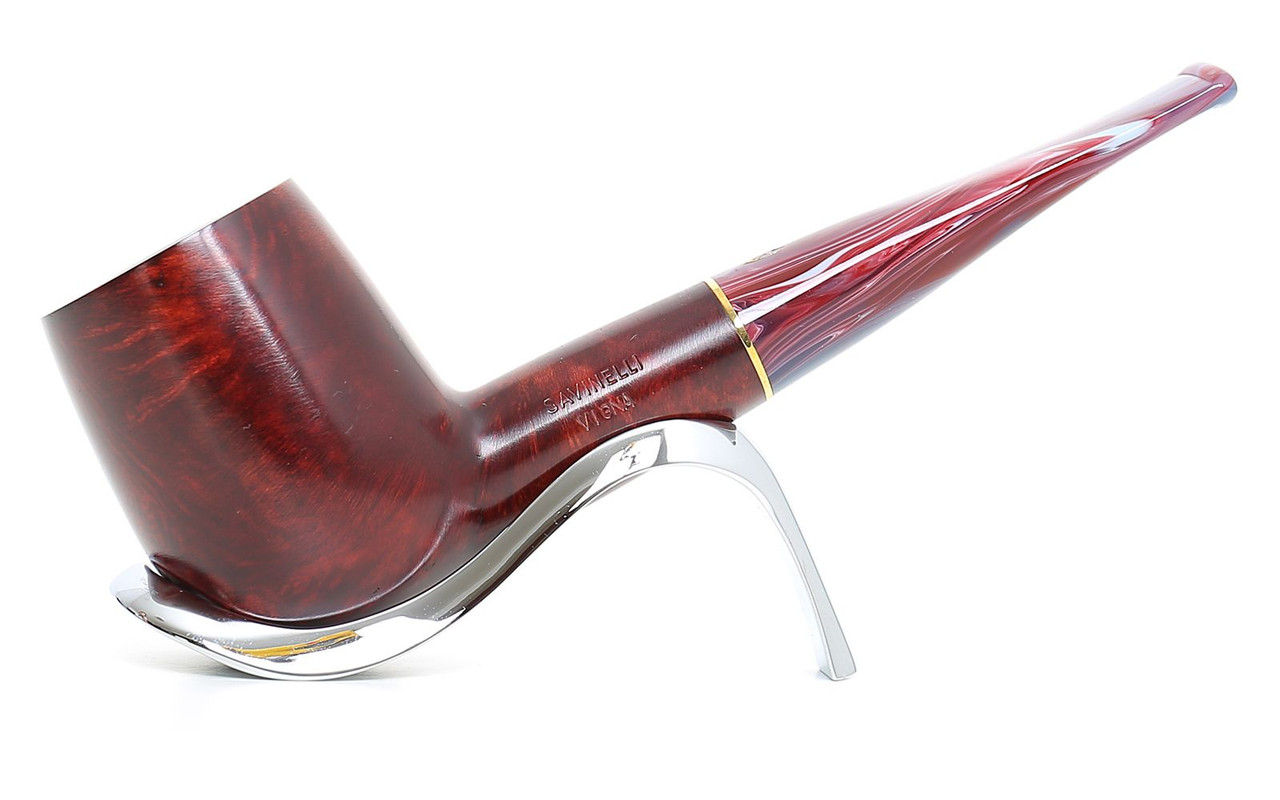
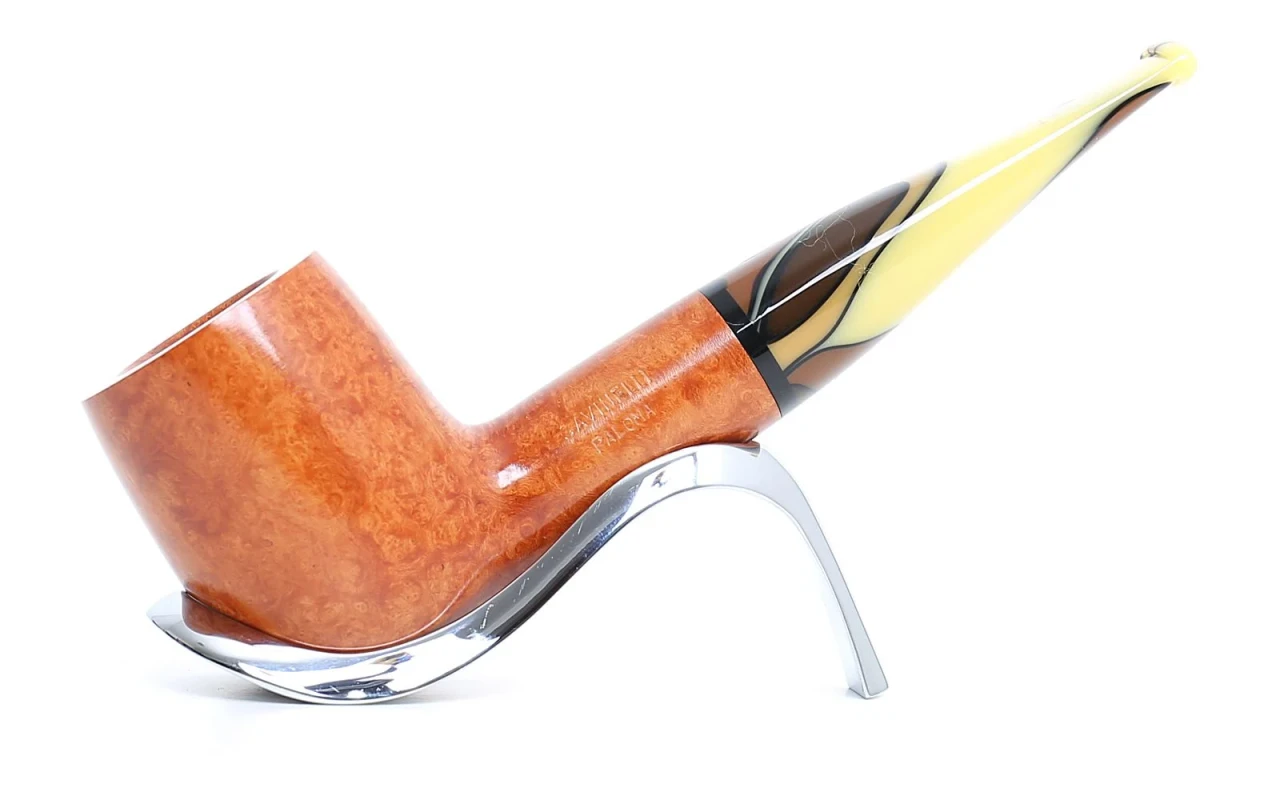
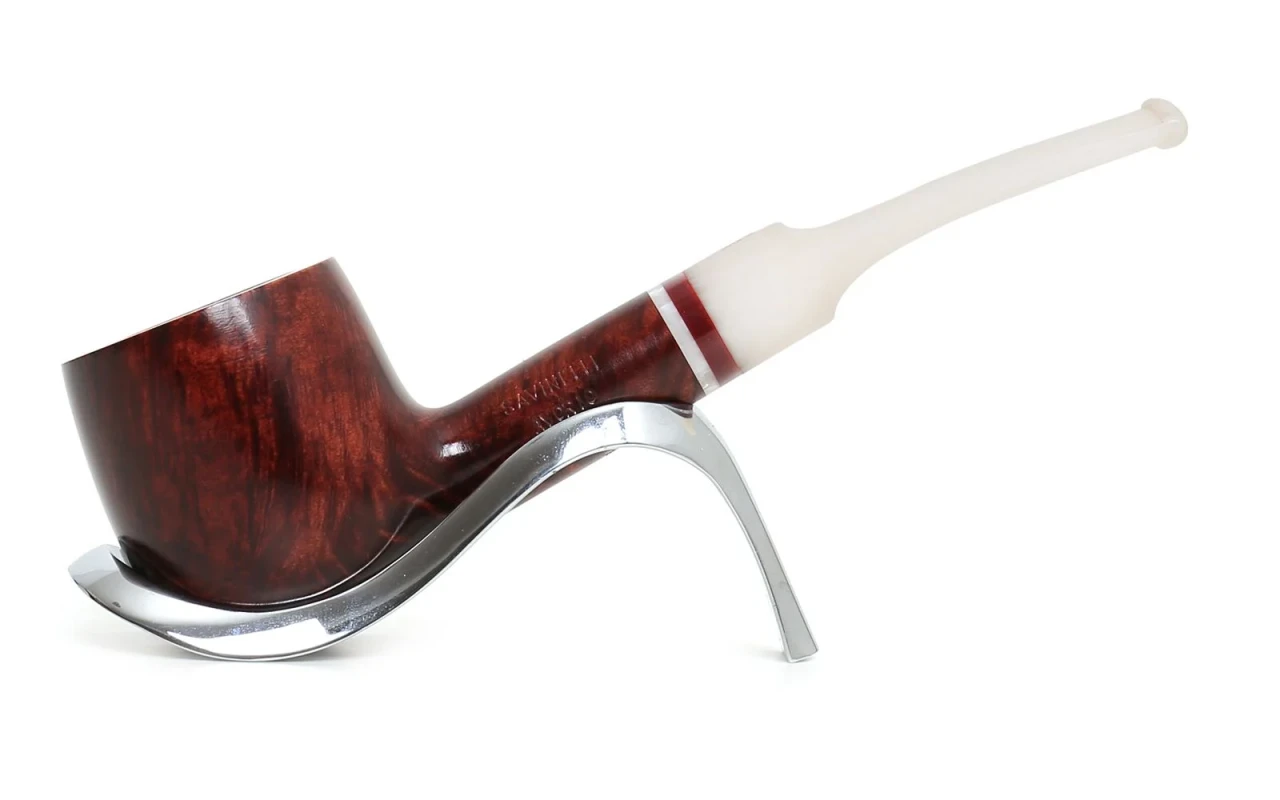
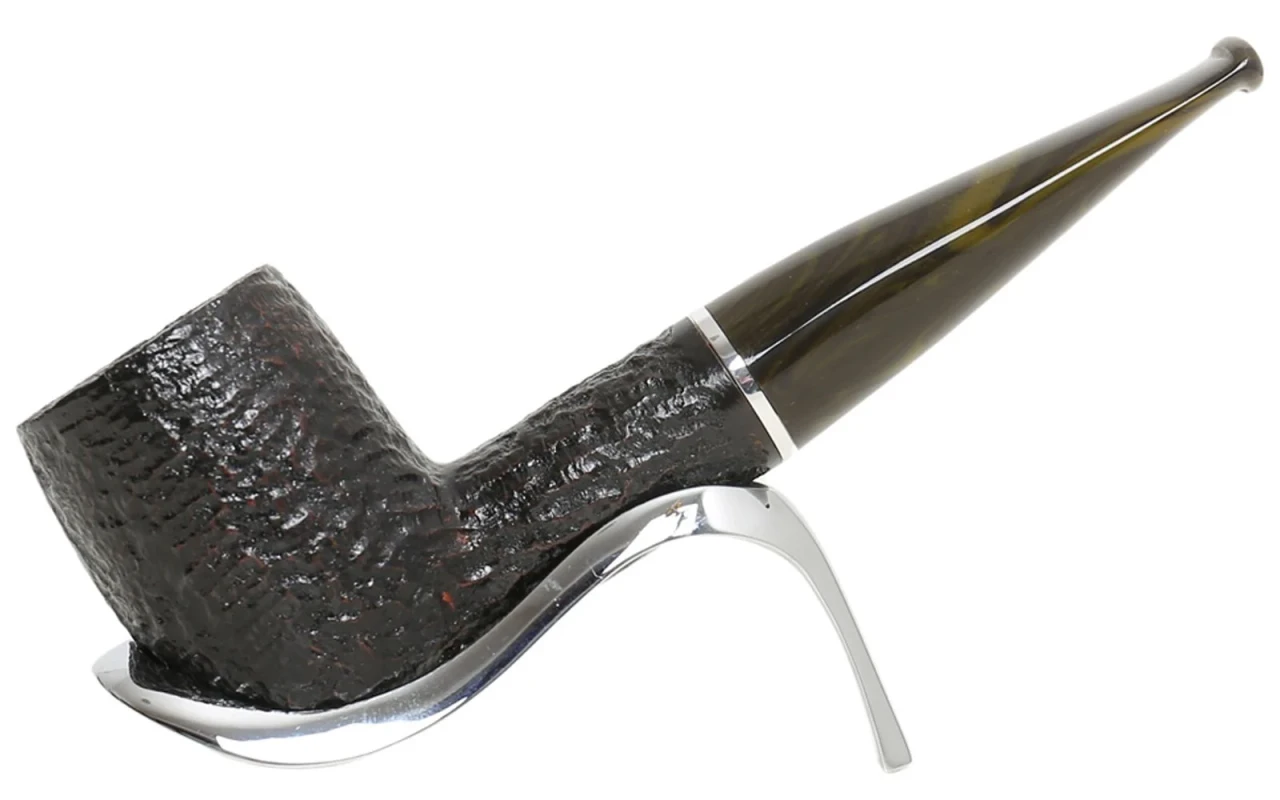
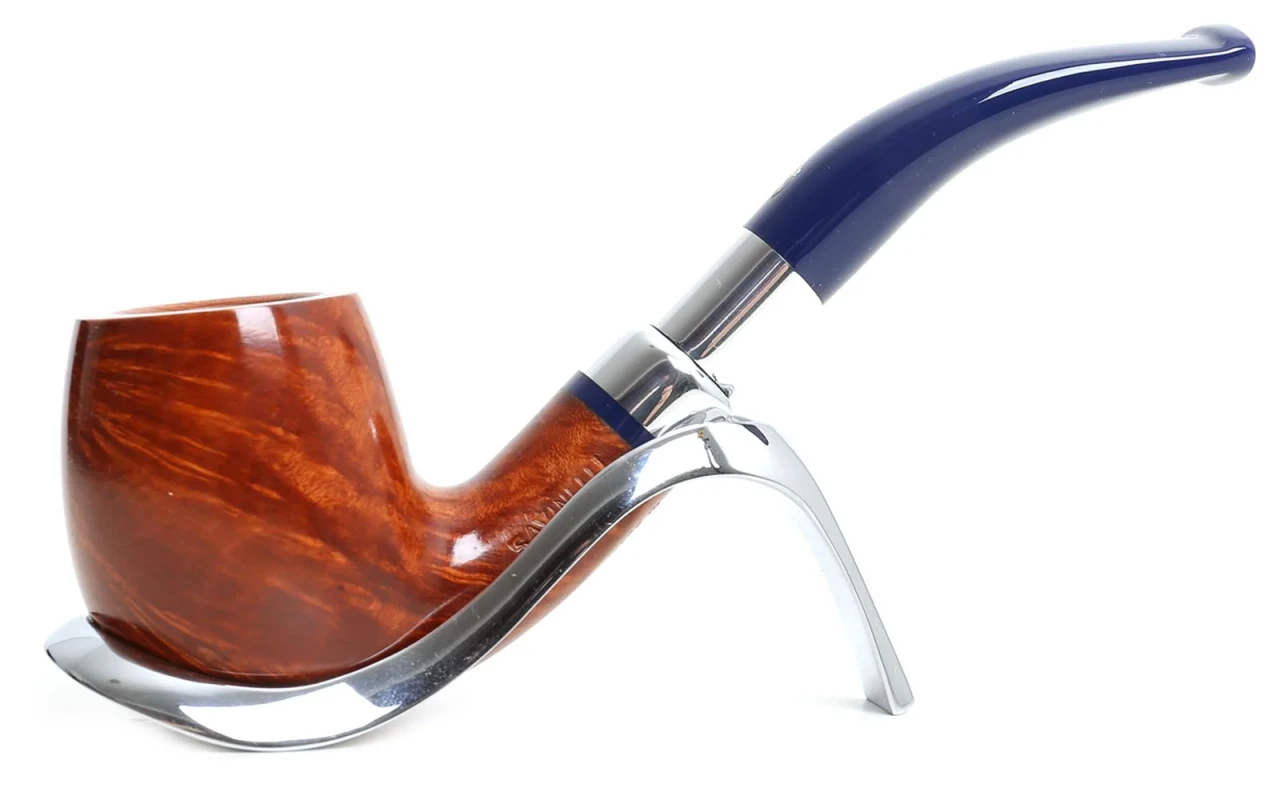
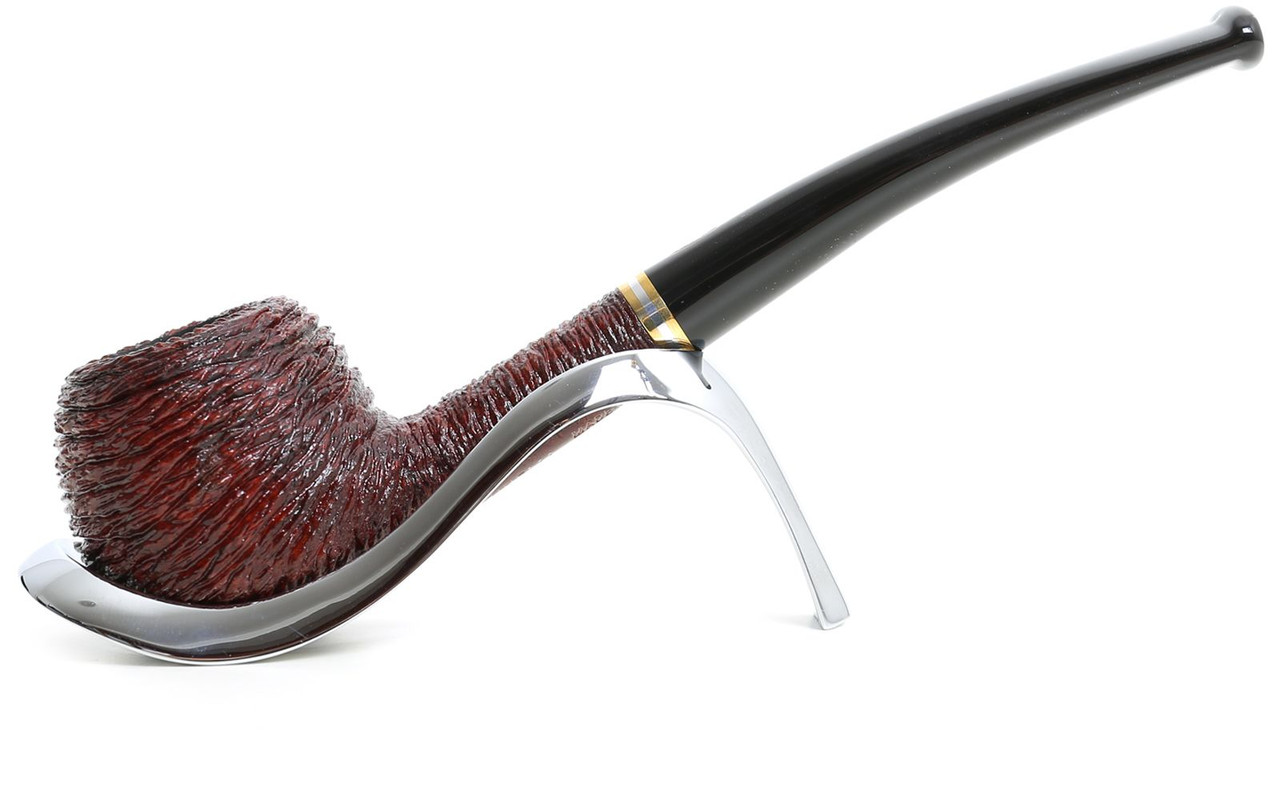
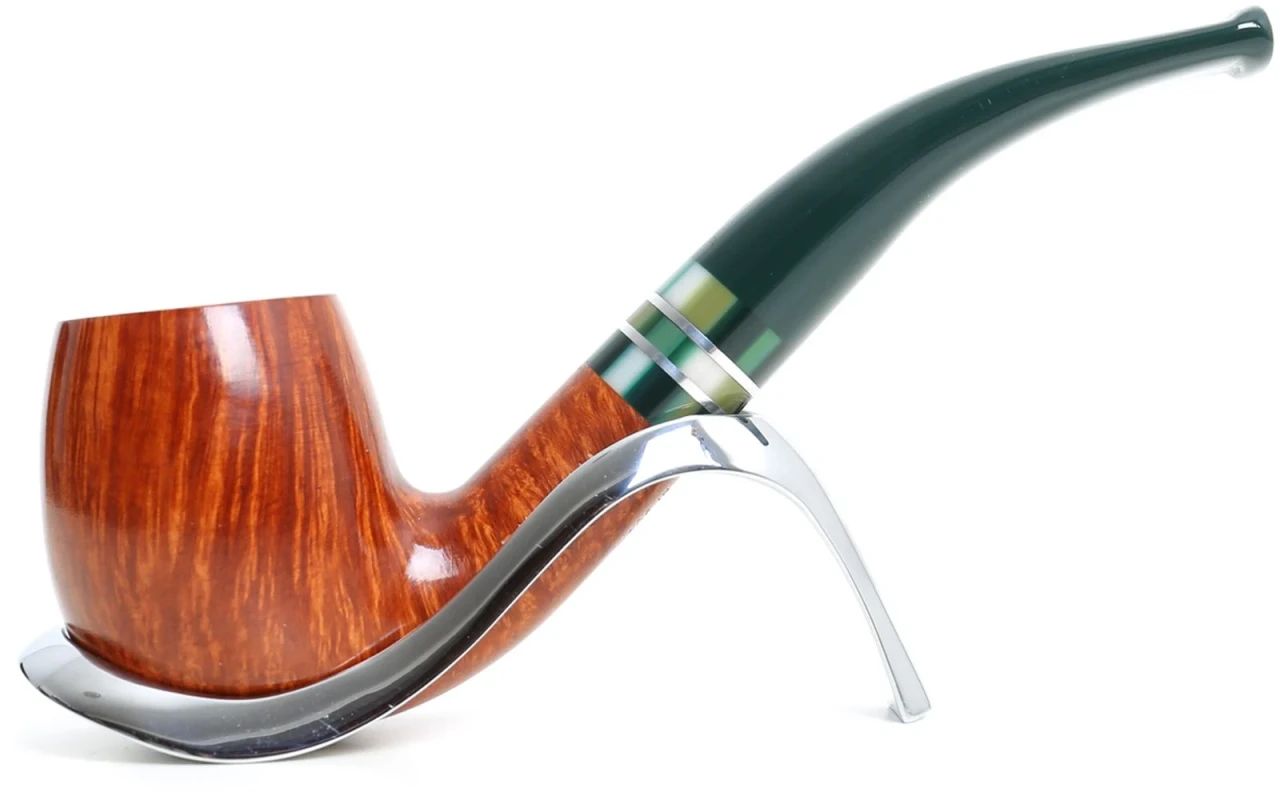
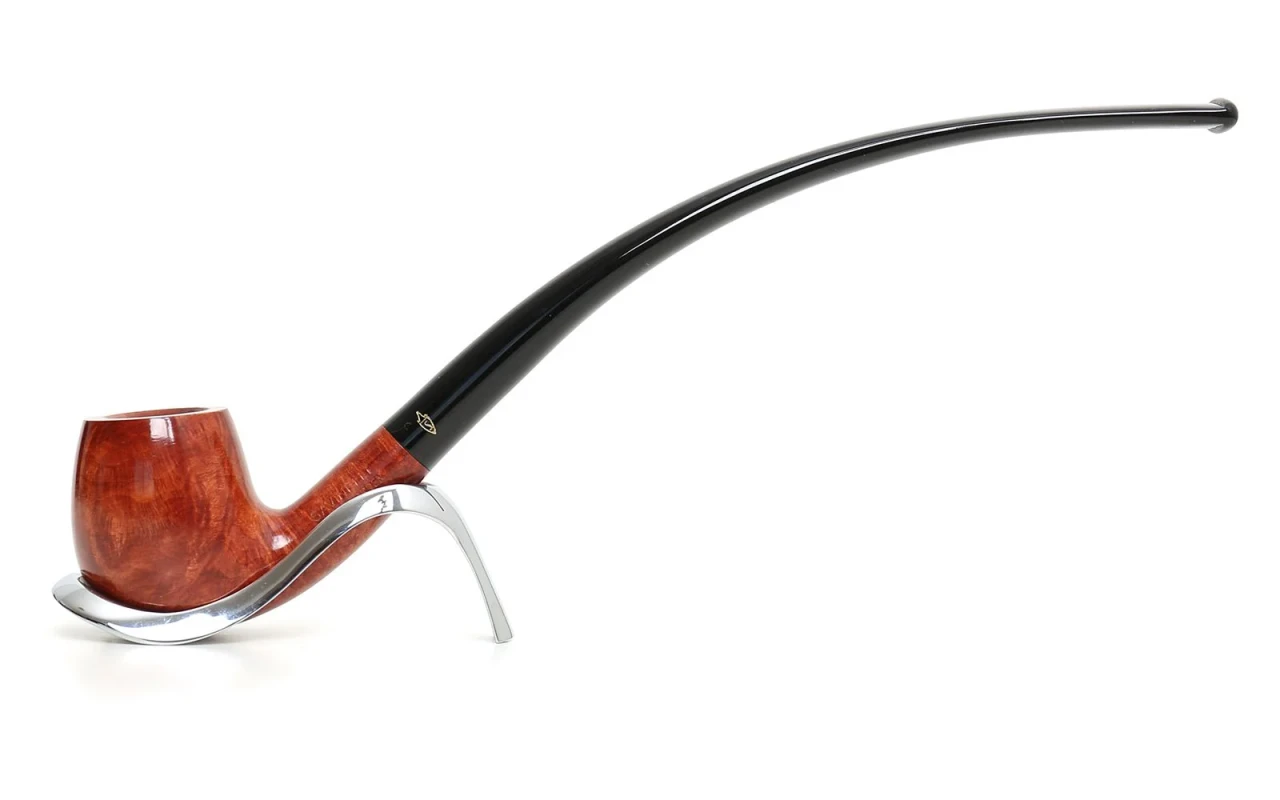

Efficient production of pipes with 3D printing
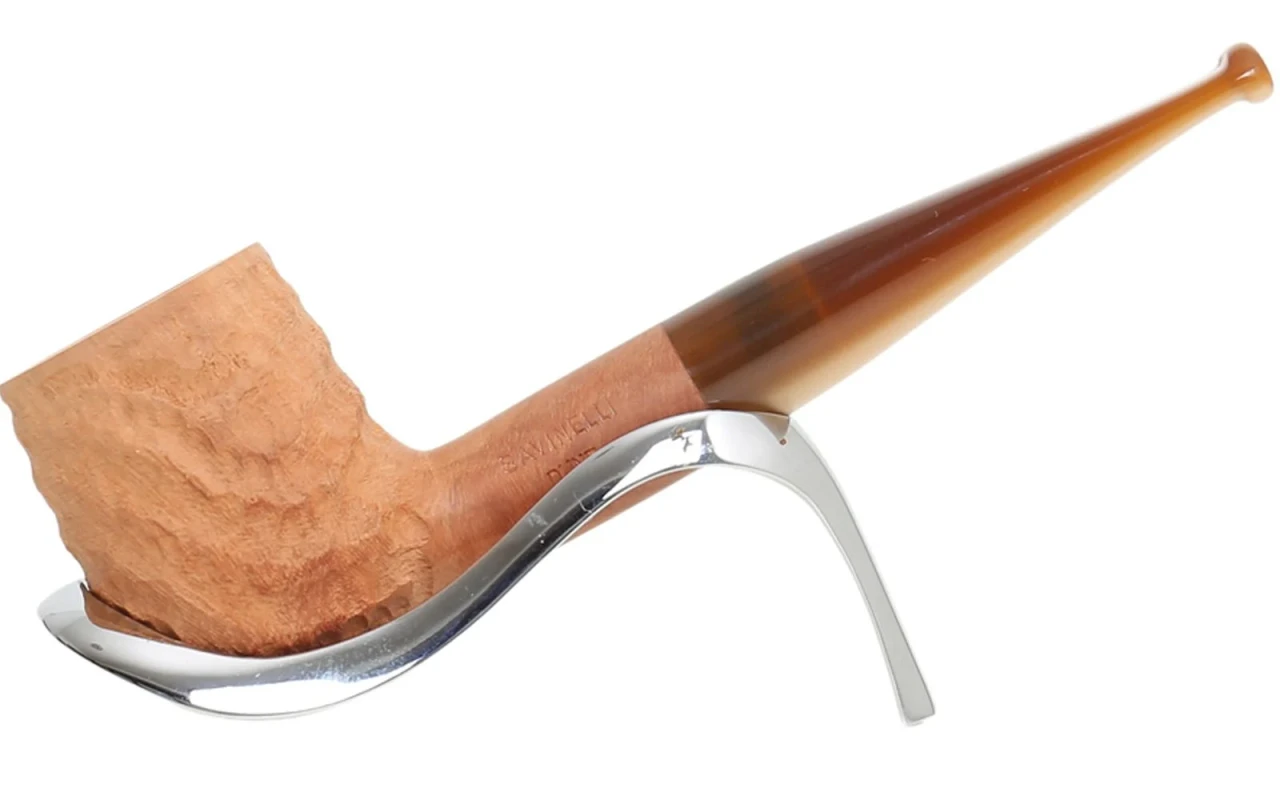
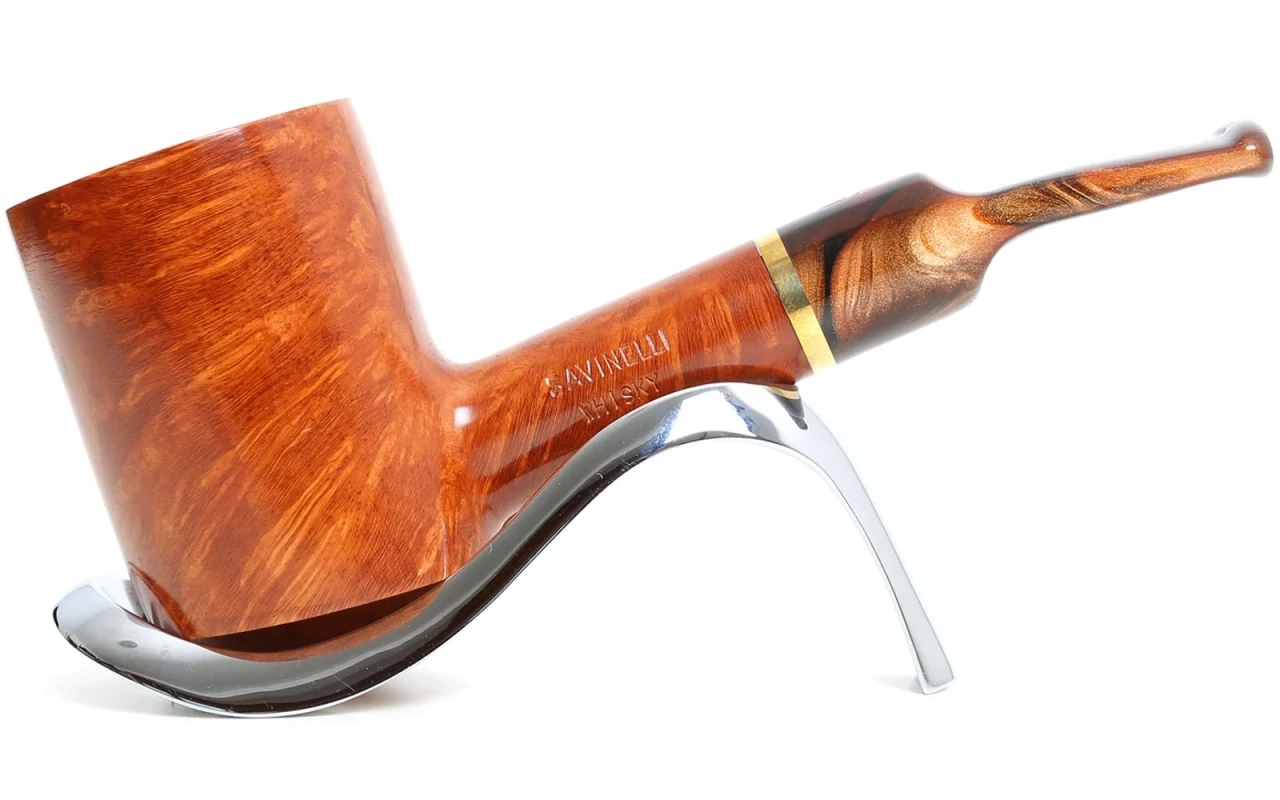
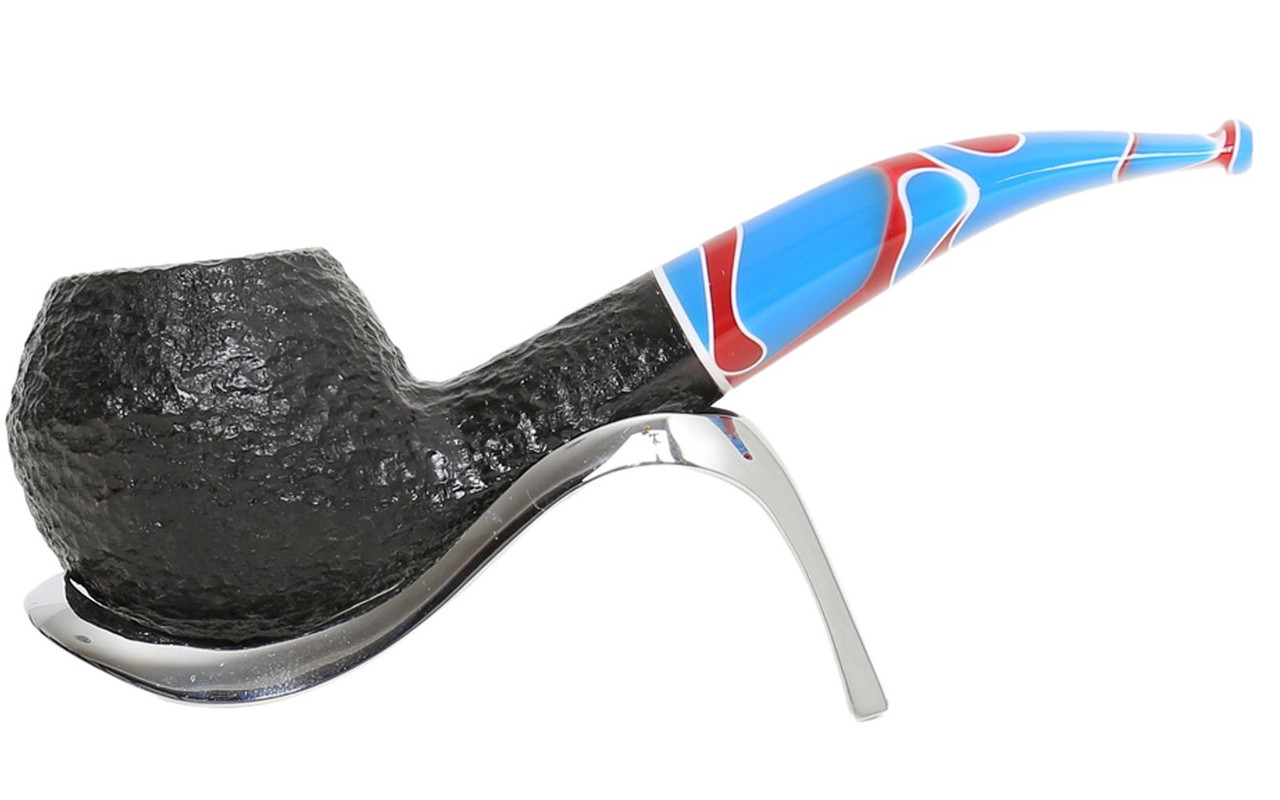
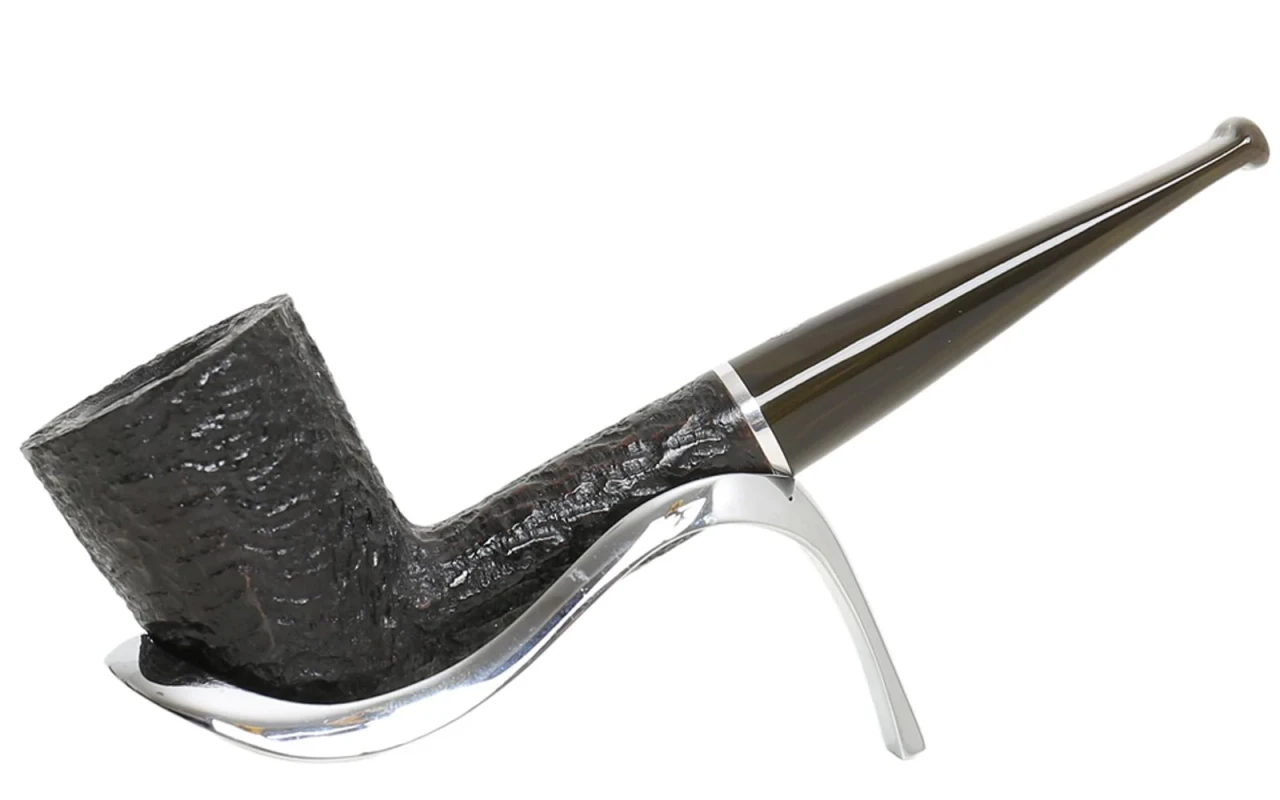
Efficient production of pipes with 3D printing offers numerous advantages in the sector. Thanks to 3D printing, it is possible to create custom pipes with complex designs and refined details, saving time and production costs. This technology allows for greater flexibility in prototyping and small-scale production, reducing material waste. 3D printed pipes can be made with high-quality and durable materials, ensuring optimal performance. Furthermore, 3D printing allows for experimentation with innovative shapes and advanced functionalities, offering a wide range of creative possibilities in the world of pipes.
Technologies for Pipe Production
Technologies for pipe production are diverse and aim to ensure the creation of high-quality artifacts. Among the main methodologies used are:- Turning: a mechanical processing technique that allows shaping wood or other materials to create the desired shape of the pipe.- Milling: enables precision in processing and the creation of complex parts of the pipe.- Sandblasting: a technique that gives the pipe a rough and opaque finish, enhancing its aesthetic appearance.- Lacquering: the final stage involving the application of varnishes and lacquers to protect and decorate the surface of the pipe.These techniques are essential for obtaining high-quality pipes with appealing designs.
Benefits of 3D Printing in the Pipe Industry
3D printing in the pipe industry offers numerous advantages:- Customization: it allows for the creation of tailored and personalized pipes according to the customer's preferences.- Innovative design: 3D printing enables the production of unique and creative shapes and models.- Cost reduction: high-quality pipes can be obtained at lower costs compared to traditional manufacturing methods.- Rapid production: 3D printing allows for the quick production of pipes, reducing overall production times.- Experimentation: it facilitates the creation and experimentation of new designs and materials for increasingly high-performance and original pipes.
Materials used in 3D printing of pipes
Various materials are used in the 3D printing of pipes to ensure strength and safety. The most common materials include:- PLA: biodegradable and easy to print, but not suitable for direct contact with heat.- ABS: strong and durable, but may emit harmful substances during printing.- PETG: heat-resistant and food-safe, ideal for pipes requiring increased strength.- Nylon: lightweight and sturdy, suitable for pipes that need to withstand high temperatures.- Resin: provides precise details and high-quality finishes, but requires a specific 3D printer.It is important to choose the material based on the specific needs of heat resistance and safety of the final product.
'%3e%3cg id='Final-Copy-2_2_' transform='translate(1275.000000, 200.000000)'%3e%3cpath class='st0' d='M7.4,12.8h6.8l3.1-11.6H7.4C4.2,1.2,1.6,3.8,1.6,7S4.2,12.8,7.4,12.8z'/%3e%3c/g%3e%3c/g%3e%3c/g%3e%3cg id='final---dec.11-2020'%3e%3cg id='_x30_208-our-toggle' transform='translate(-1275.000000, -200.000000)'%3e%3cg id='Final-Copy-2' transform='translate(1275.000000, 200.000000)'%3e%3cpath class='st1' d='M22.6,0H7.4c-3.9,0-7,3.1-7,7s3.1,7,7,7h15.2c3.9,0,7-3.1,7-7S26.4,0,22.6,0z M1.6,7c0-3.2,2.6-5.8,5.8-5.8 h9.9l-3.1,11.6H7.4C4.2,12.8,1.6,10.2,1.6,7z'/%3e%3cpath id='x' class='st2' d='M24.6,4c0.2,0.2,0.2,0.6,0,0.8l0,0L22.5,7l2.2,2.2c0.2,0.2,0.2,0.6,0,0.8c-0.2,0.2-0.6,0.2-0.8,0 l0,0l-2.2-2.2L19.5,10c-0.2,0.2-0.6,0.2-0.8,0c-0.2-0.2-0.2-0.6,0-0.8l0,0L20.8,7l-2.2-2.2c-0.2-0.2-0.2-0.6,0-0.8 c0.2-0.2,0.6-0.2,0.8,0l0,0l2.2,2.2L23.8,4C24,3.8,24.4,3.8,24.6,4z'/%3e%3cpath id='y' class='st3' d='M12.7,4.1c0.2,0.2,0.3,0.6,0.1,0.8l0,0L8.6,9.8C8.5,9.9,8.4,10,8.3,10c-0.2,0.1-0.5,0.1-0.7-0.1l0,0 L5.4,7.7c-0.2-0.2-0.2-0.6,0-0.8c0.2-0.2,0.6-0.2,0.8,0l0,0L8,8.6l3.8-4.5C12,3.9,12.4,3.9,12.7,4.1z'/%3e%3c/g%3e%3c/g%3e%3c/g%3e%3c/g%3e%3c/svg%3e) Your Privacy Choices
Your Privacy Choices 


