 ES
ES FR
FR EN
EN IT
IT DE
DE
Effects on the aesthetics of pipes
Effects on the aesthetics of pipes
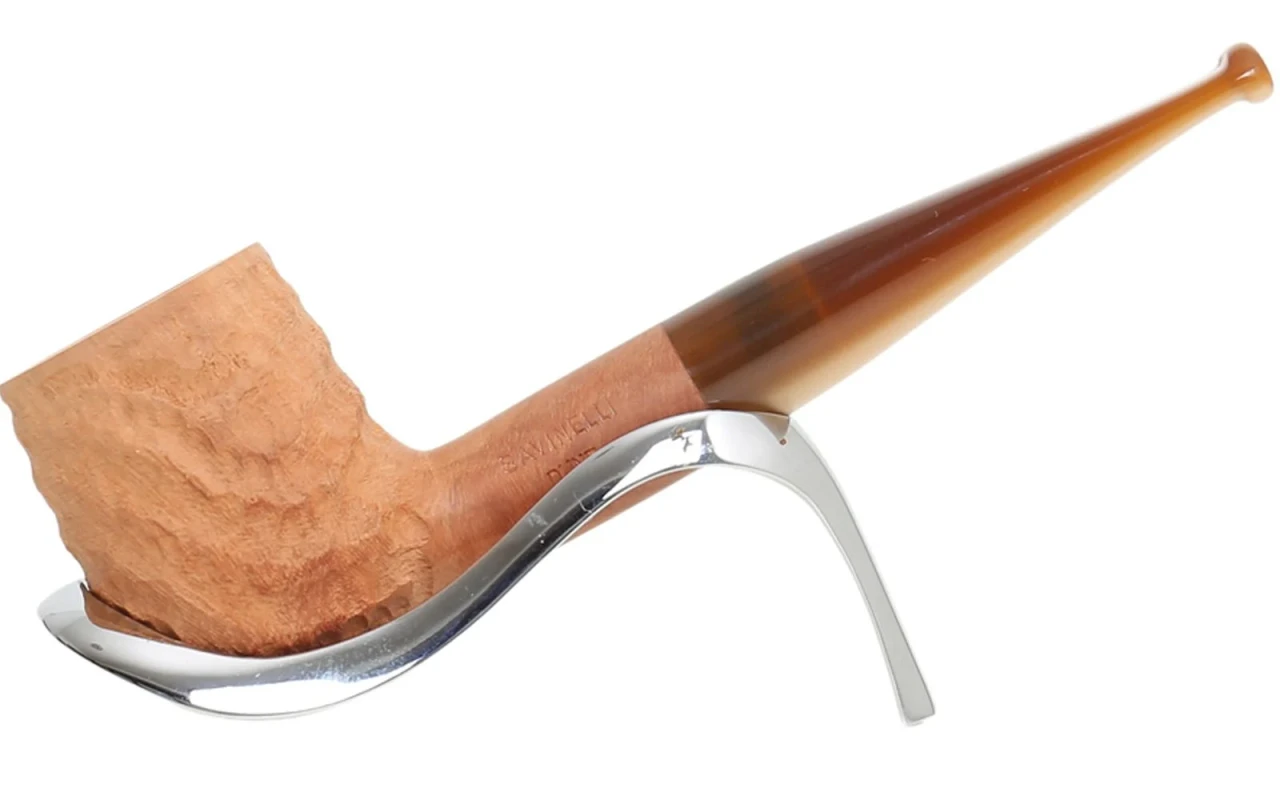
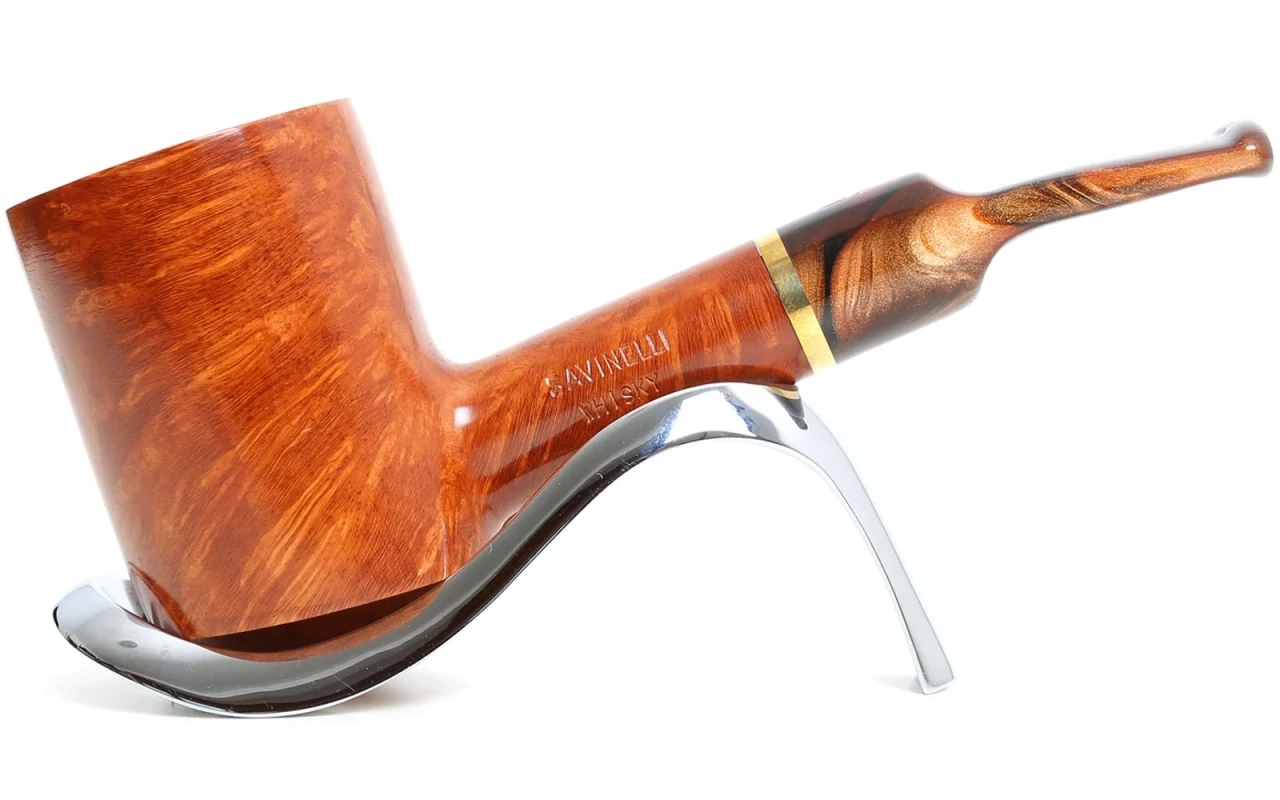
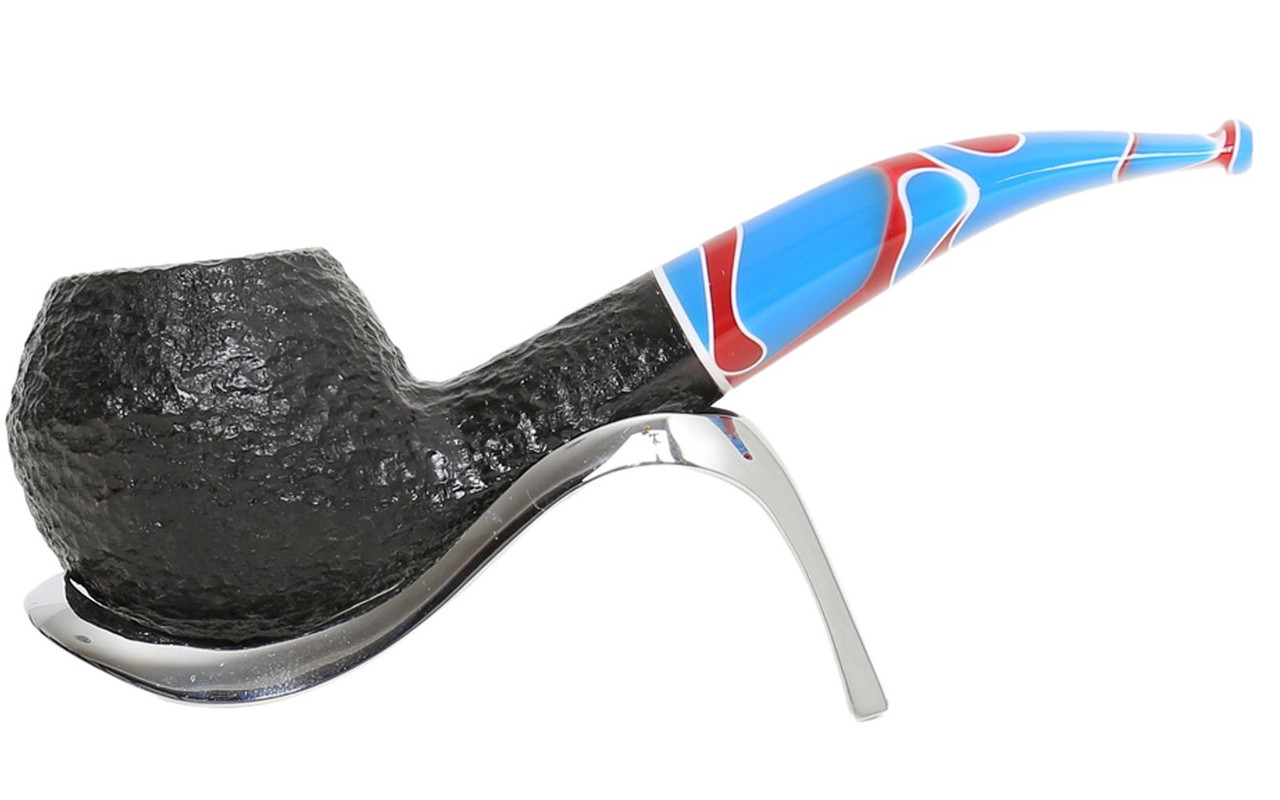
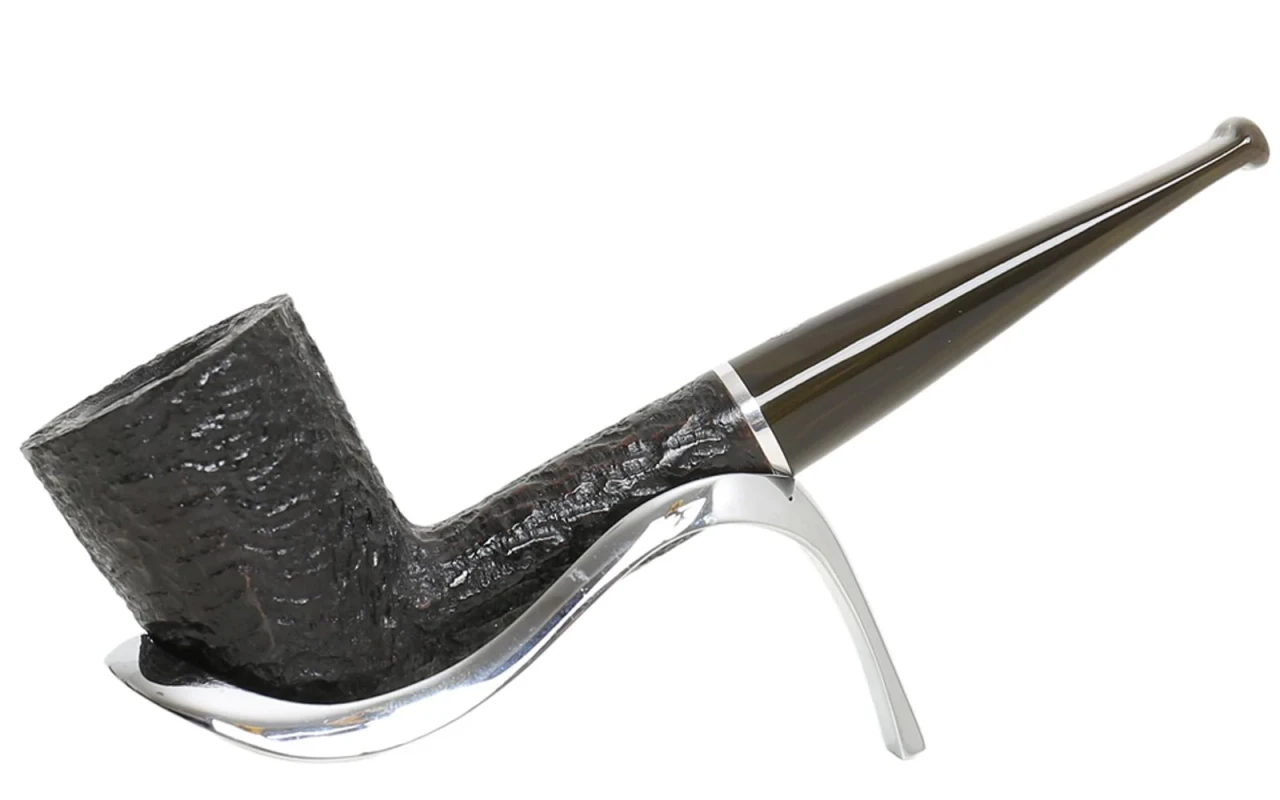
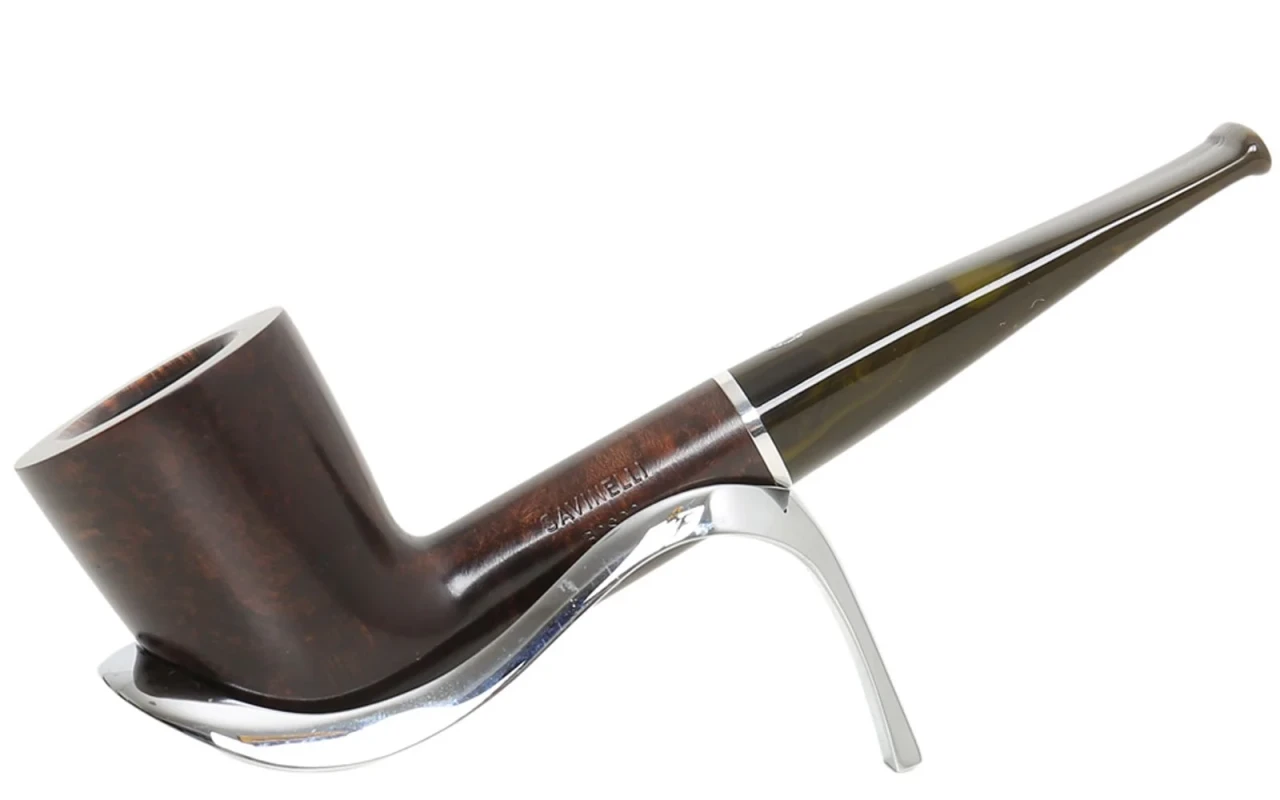
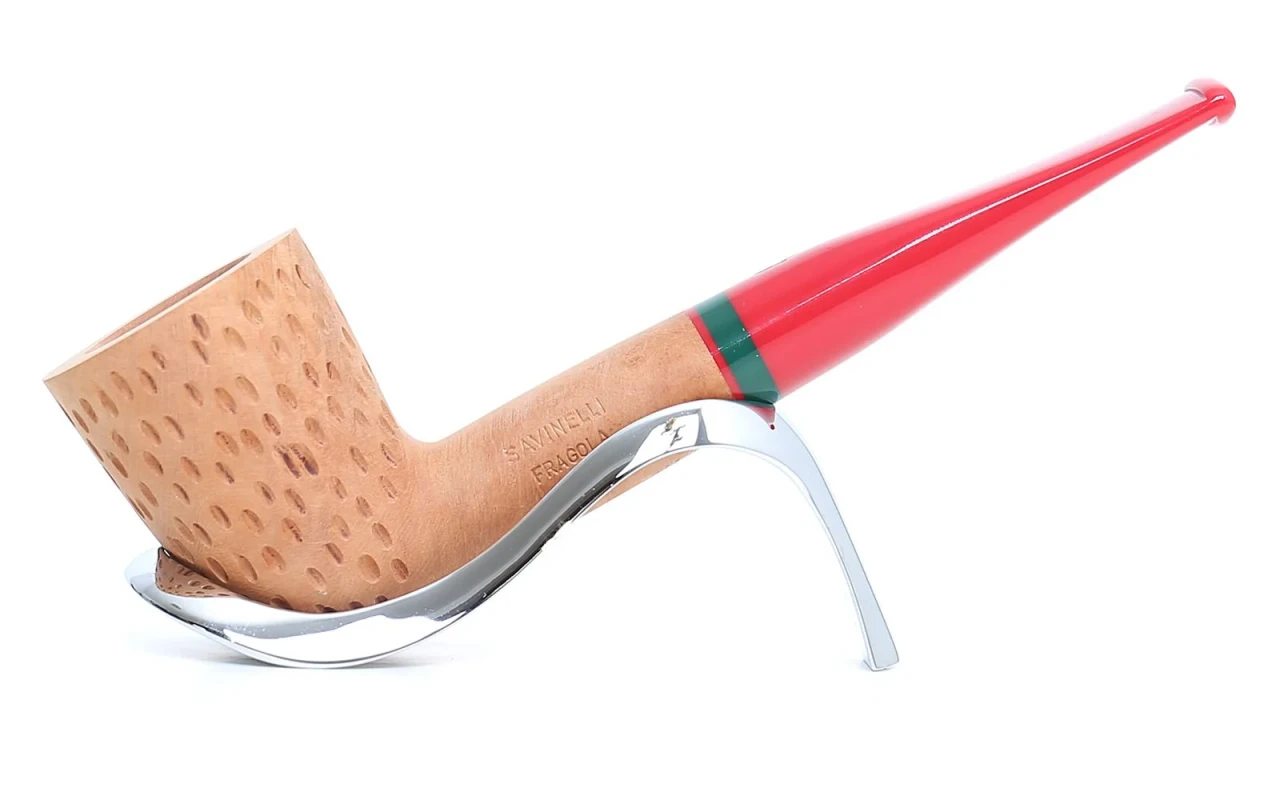
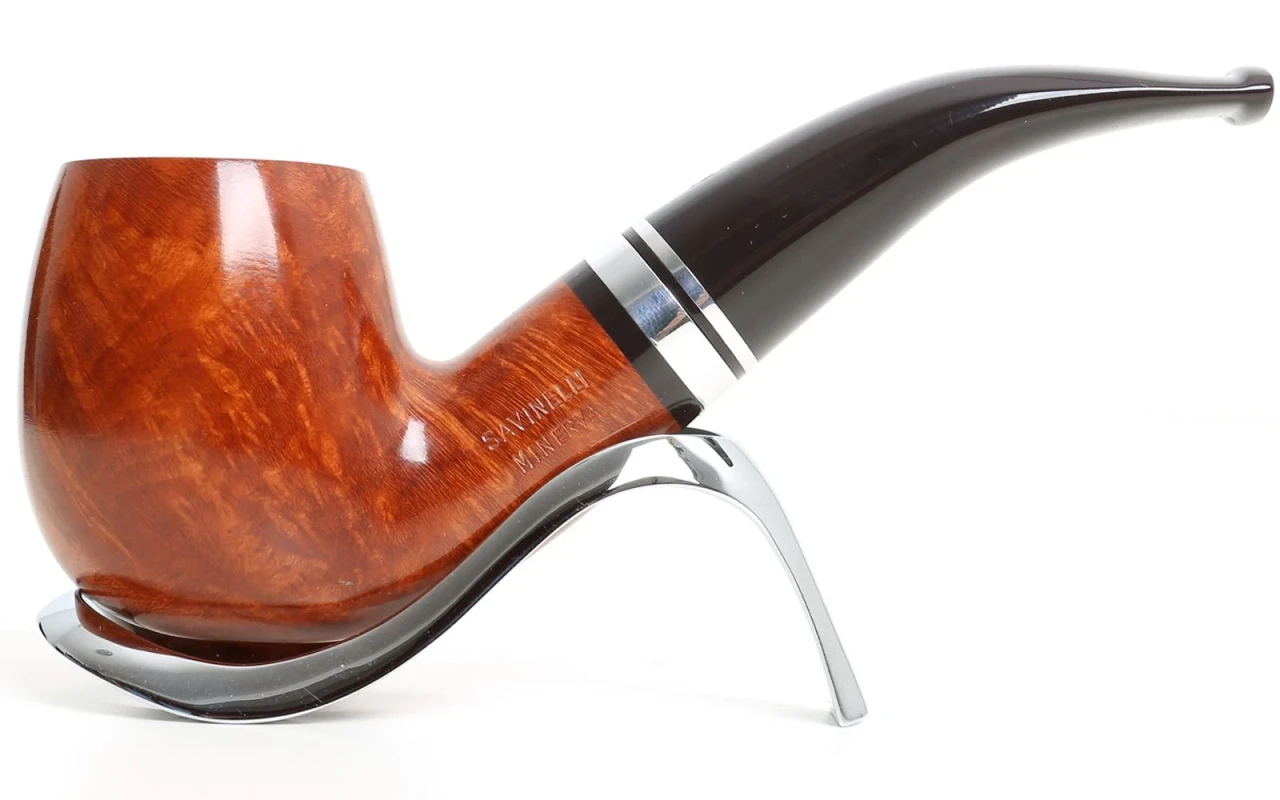
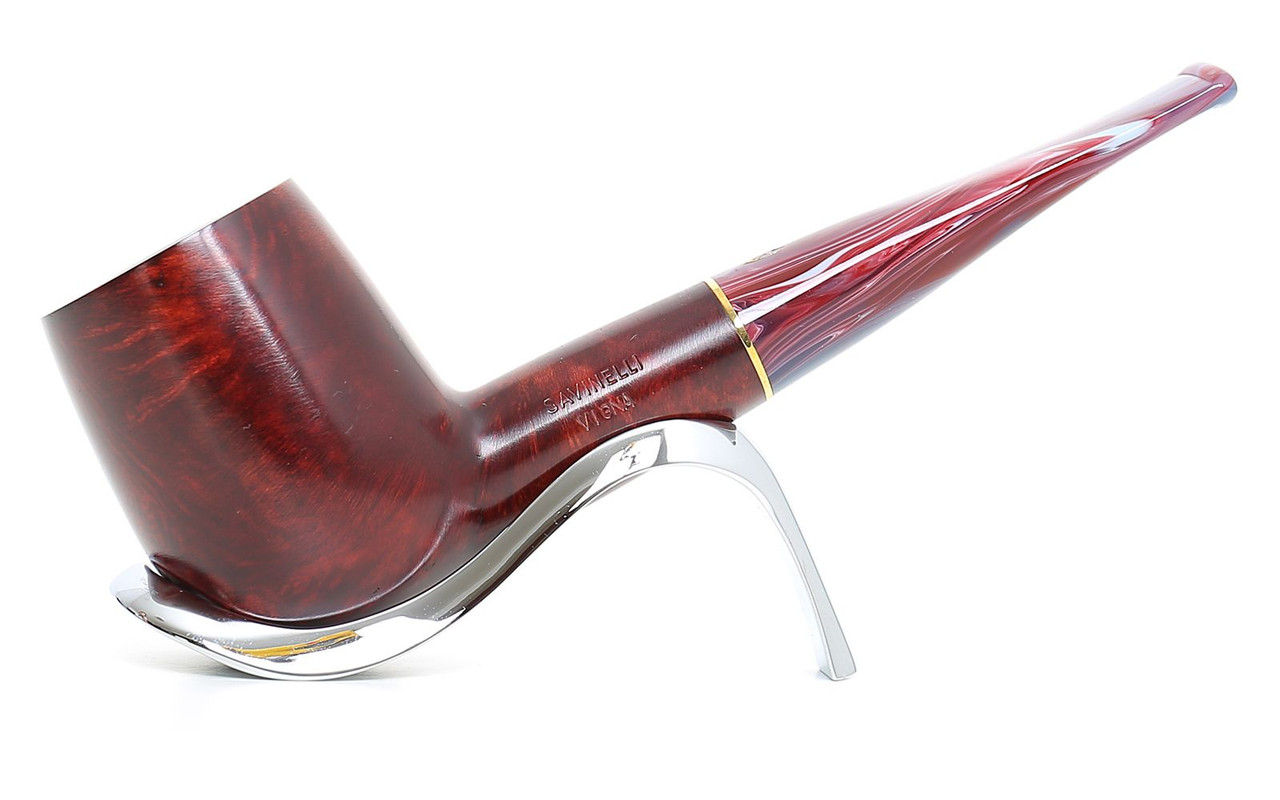
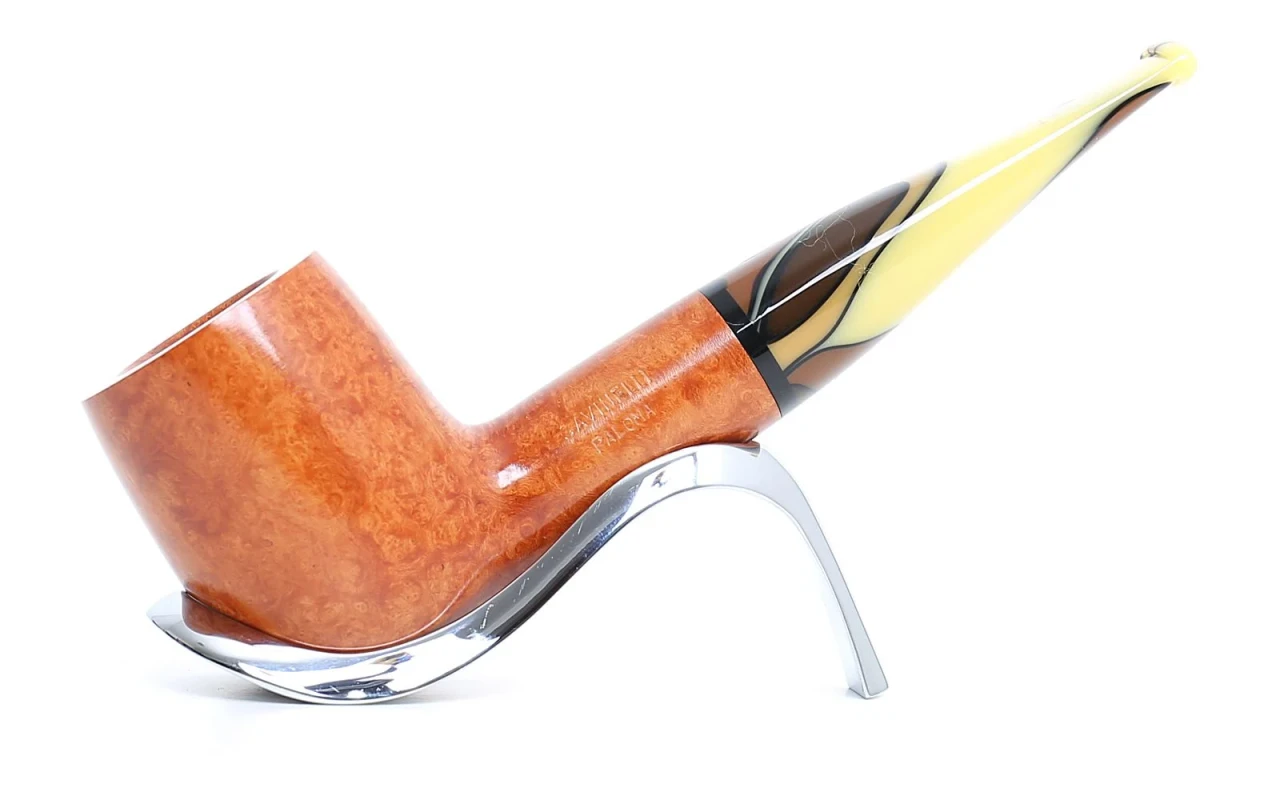
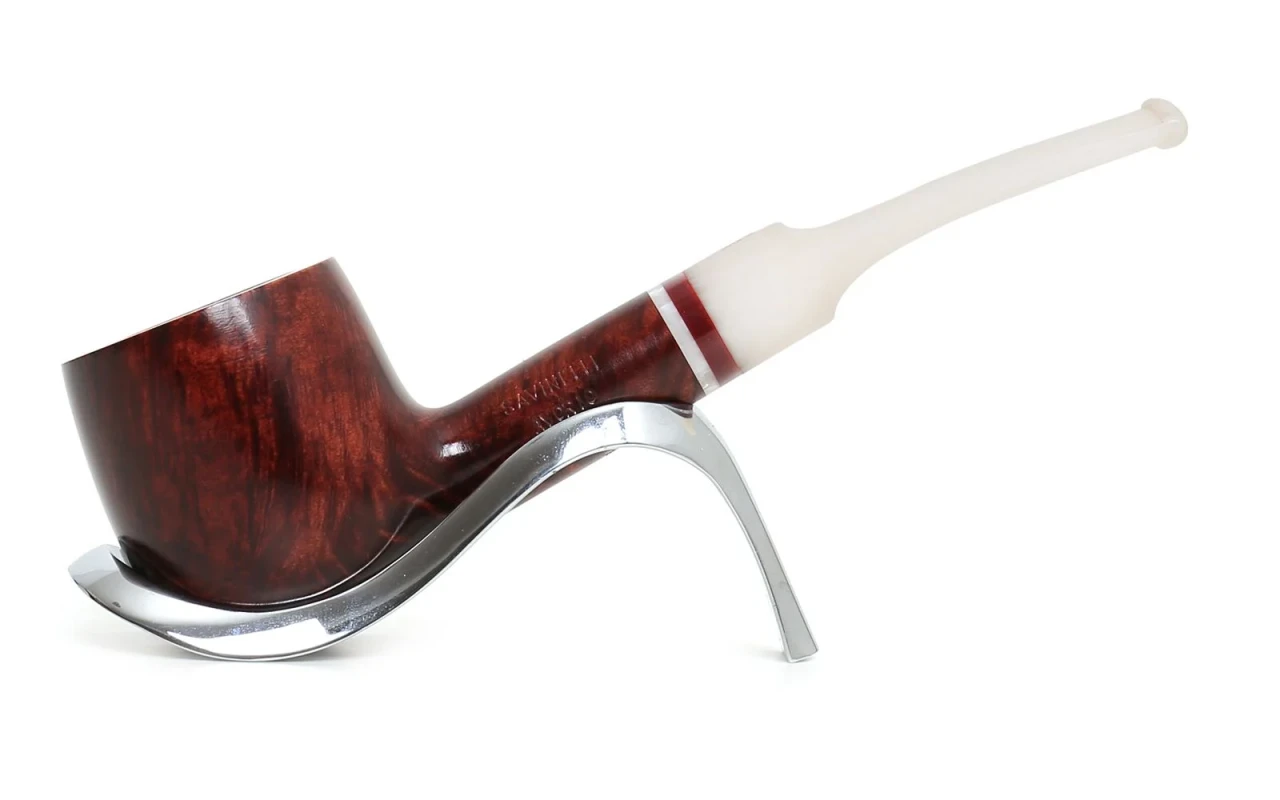
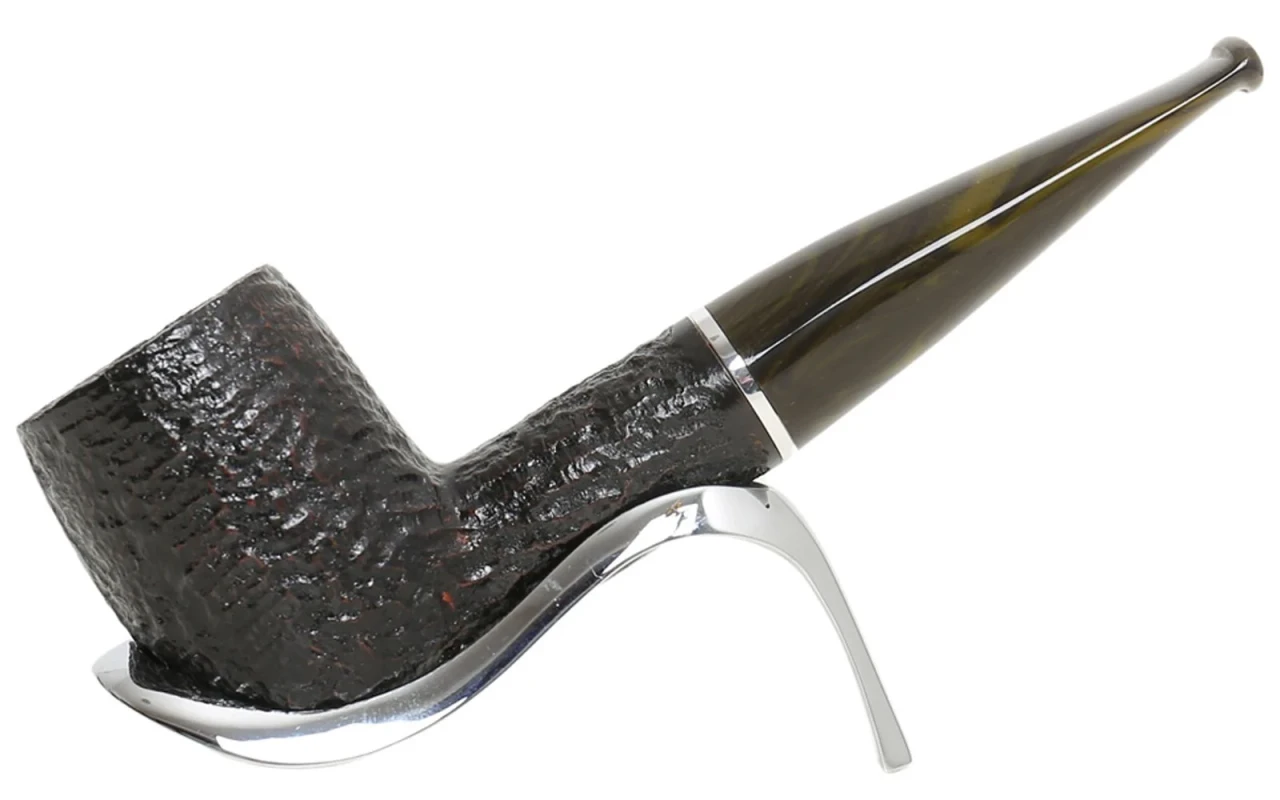
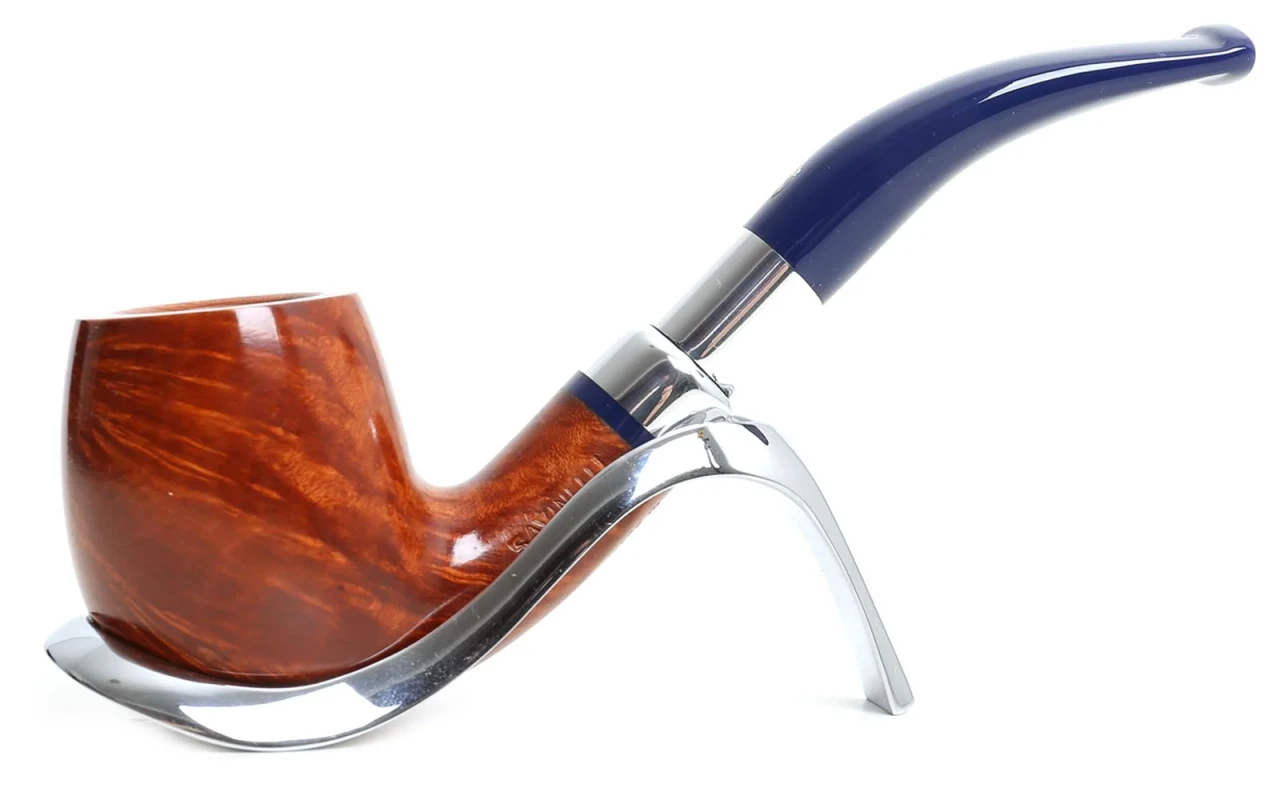
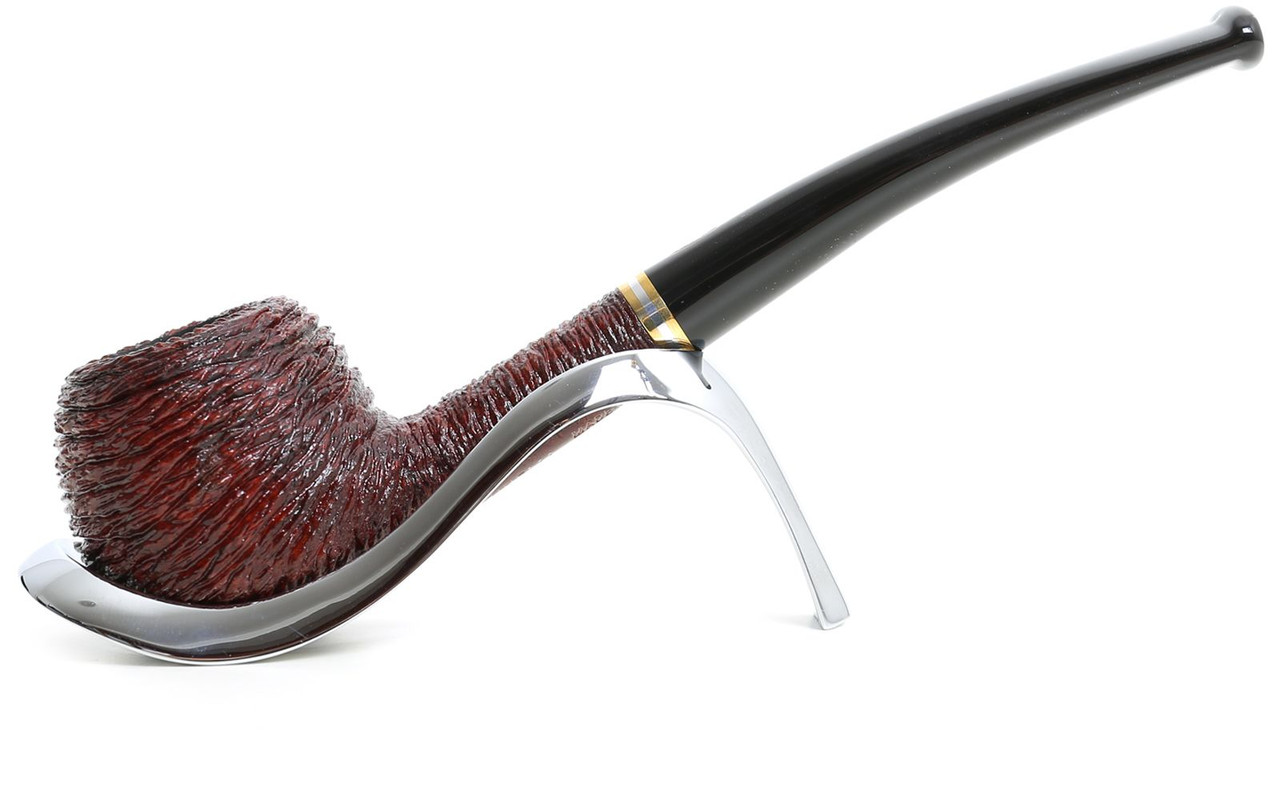
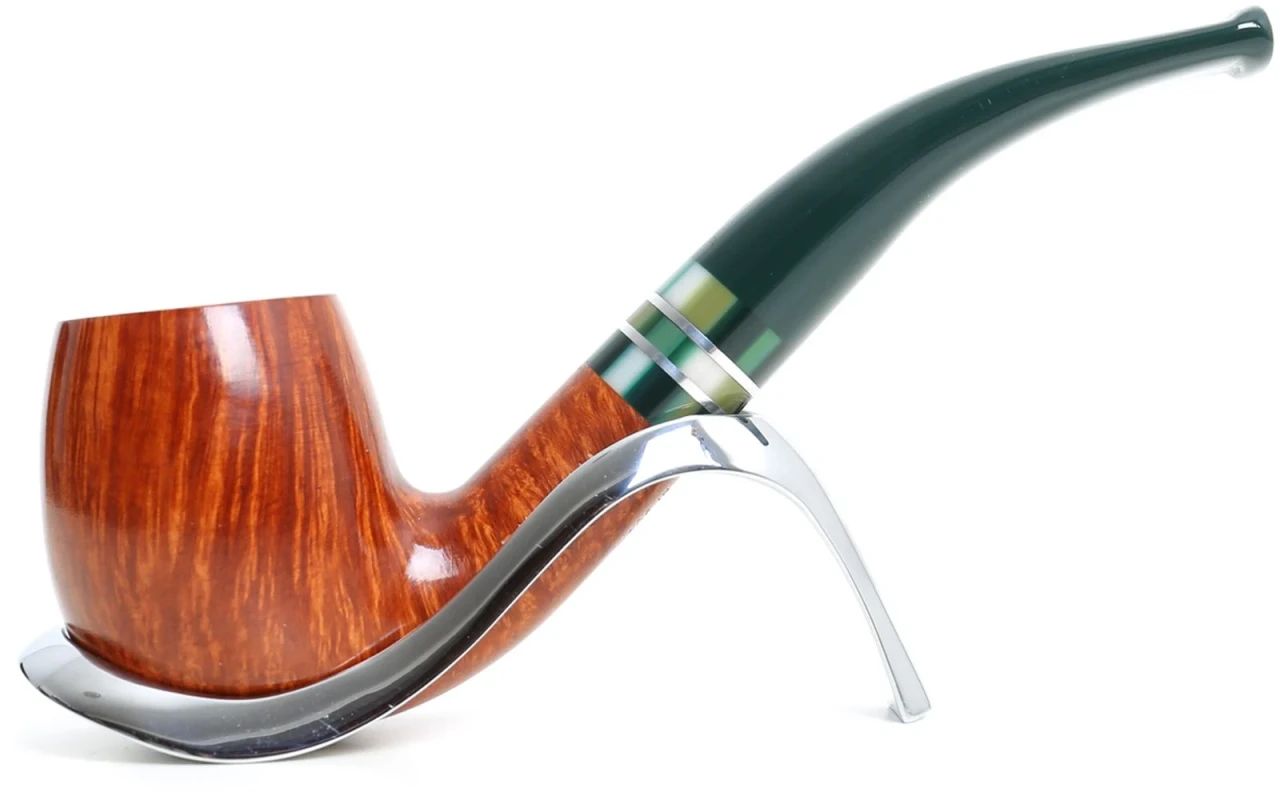
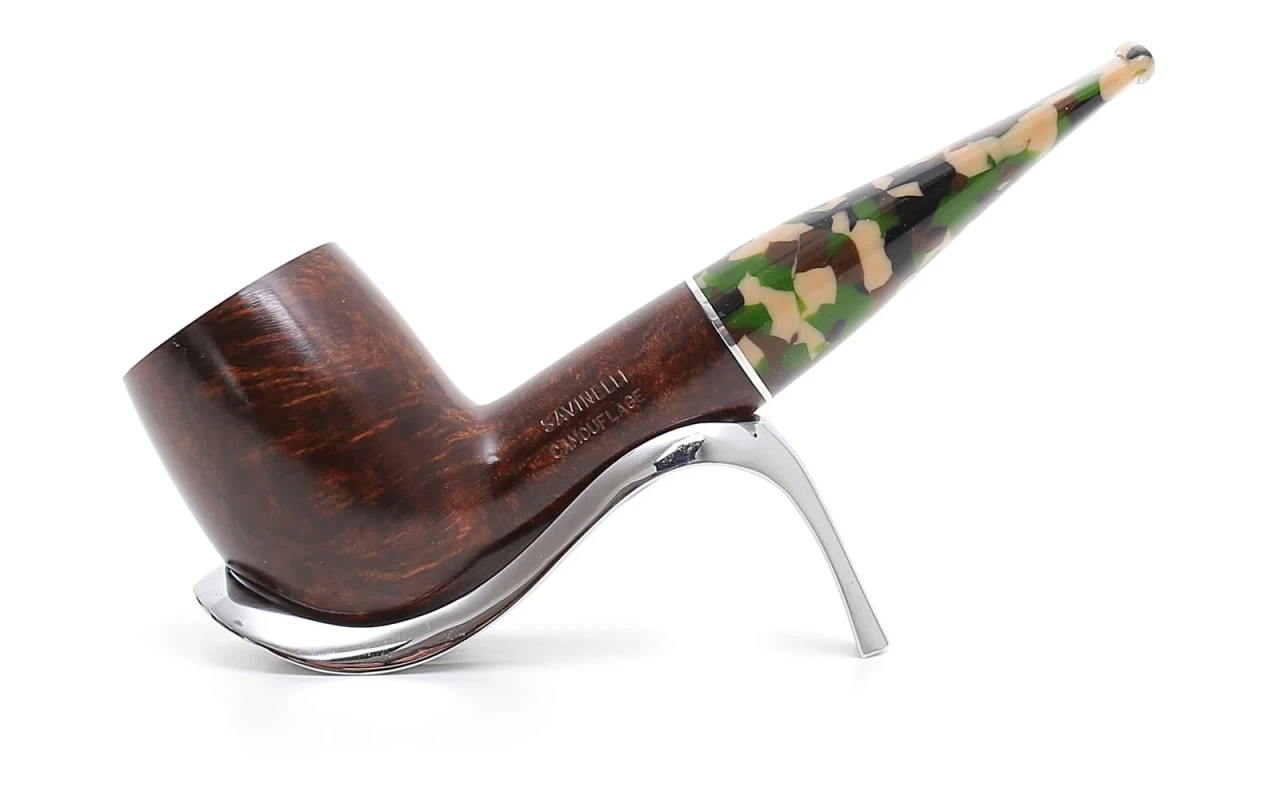
The effects on the aesthetics of pipes depend on various factors, such as the construction material, design, and craftsmanship details. High-quality briar pipes, for example, may showcase unique grain patterns and warm colors that give them an elegant and sophisticated look. Other materials, such as coral or amber, can add a touch of luxury and exclusivity. The pipe's design, with its shapes and proportions, significantly influences the overall aesthetics, while craftsmanship details, like inlays or special finishes, can make each pipe a unique work of art. Ultimately, the aesthetics of pipes reflect the skill and creativity of the artisans who create them.
Materials for Handcrafted Pipes
Handcrafted pipes can be made with a variety of high-quality materials, each with its unique characteristics. The most common materials used for crafting handcrafted pipes include:- Briar wood: lightweight and durable, it offers good combustion and a neutral taste.- Oak wood: hard and heat-resistant, suitable for long-lasting pipes.- Olive wood: imparts a slightly sweet aroma and beautiful grain.- Bocote: exotic wood with a distinctive grain pattern and heat resistance.- Meerschaum: a porous stone that absorbs smoke moisture, ensuring a cool and dry smoke.The choice of material will influence the weight, feel in hand, and smoking taste.
Pipe Manufacturing Techniques
Pipes are crafted using various techniques to ensure optimal quality and functionality. Among the main pipe manufacturing techniques are:- Carving: wood or other materials are carved to create the desired shape of the pipe.- Polishing: the surface of the pipe is polished to make it smooth and even.- Finishing: protective or decorative coatings are applied to the pipe, such as beeswax or varnish.- Drilling: the passage of smoke through the pipe stem is created, ensuring a steady flow.- Assembly: the different parts of the pipe are carefully joined to ensure solidity and optimal tightness.These techniques are essential for producing high-quality pipes in the world of pipe smoking enthusiasts.
Traditional Pipe Design
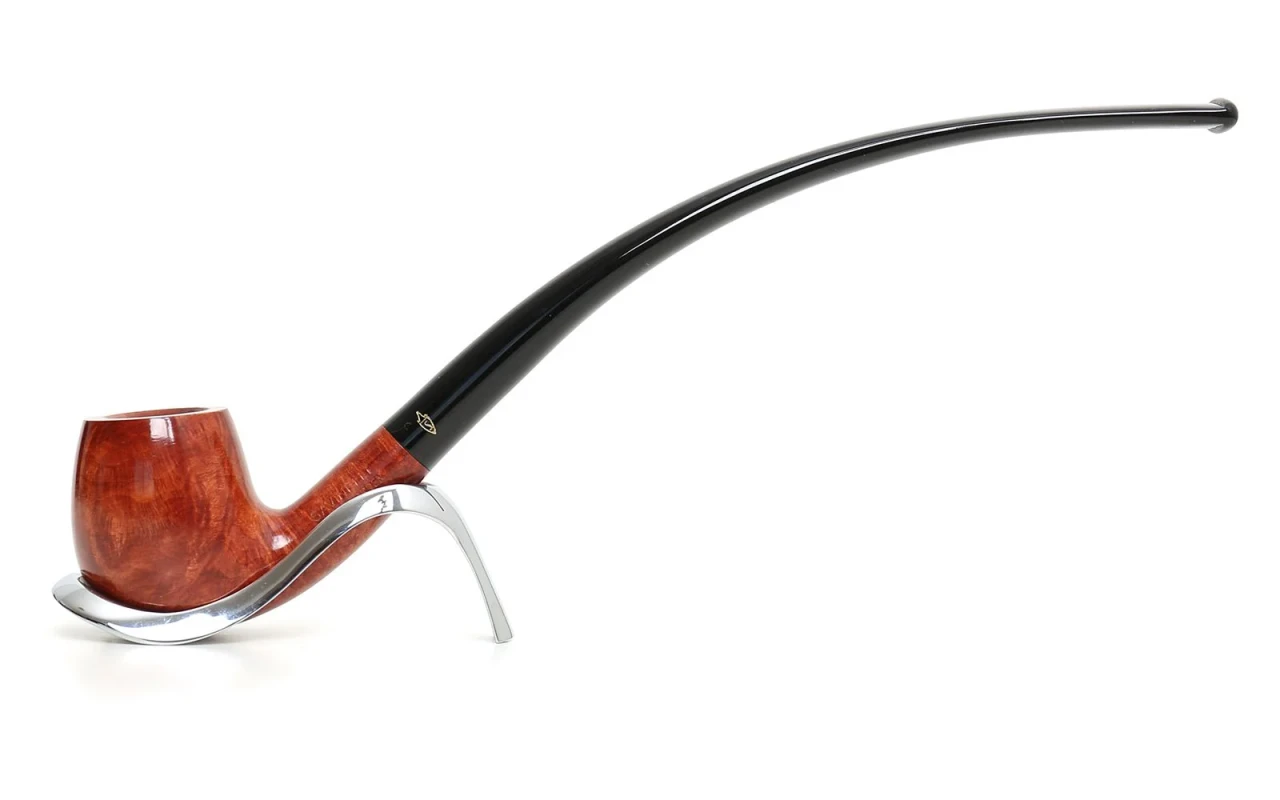
The traditional design of pipes is characterized by simple and elegant lines, often made of wood, briar, or clay. Traditional pipes feature a bowl, a mouthpiece, and a stem, which can be straight or curved. The bowl is the part where tobacco is packed, while the stem allows the smoke to pass through. Traditional pipes can come in various shapes and sizes, but always maintain a classic and refined aesthetic. This design is valued for both its functionality and timeless charm in the world of pipe enthusiasts.
'%3e%3cg id='Final-Copy-2_2_' transform='translate(1275.000000, 200.000000)'%3e%3cpath class='st0' d='M7.4,12.8h6.8l3.1-11.6H7.4C4.2,1.2,1.6,3.8,1.6,7S4.2,12.8,7.4,12.8z'/%3e%3c/g%3e%3c/g%3e%3c/g%3e%3cg id='final---dec.11-2020'%3e%3cg id='_x30_208-our-toggle' transform='translate(-1275.000000, -200.000000)'%3e%3cg id='Final-Copy-2' transform='translate(1275.000000, 200.000000)'%3e%3cpath class='st1' d='M22.6,0H7.4c-3.9,0-7,3.1-7,7s3.1,7,7,7h15.2c3.9,0,7-3.1,7-7S26.4,0,22.6,0z M1.6,7c0-3.2,2.6-5.8,5.8-5.8 h9.9l-3.1,11.6H7.4C4.2,12.8,1.6,10.2,1.6,7z'/%3e%3cpath id='x' class='st2' d='M24.6,4c0.2,0.2,0.2,0.6,0,0.8l0,0L22.5,7l2.2,2.2c0.2,0.2,0.2,0.6,0,0.8c-0.2,0.2-0.6,0.2-0.8,0 l0,0l-2.2-2.2L19.5,10c-0.2,0.2-0.6,0.2-0.8,0c-0.2-0.2-0.2-0.6,0-0.8l0,0L20.8,7l-2.2-2.2c-0.2-0.2-0.2-0.6,0-0.8 c0.2-0.2,0.6-0.2,0.8,0l0,0l2.2,2.2L23.8,4C24,3.8,24.4,3.8,24.6,4z'/%3e%3cpath id='y' class='st3' d='M12.7,4.1c0.2,0.2,0.3,0.6,0.1,0.8l0,0L8.6,9.8C8.5,9.9,8.4,10,8.3,10c-0.2,0.1-0.5,0.1-0.7-0.1l0,0 L5.4,7.7c-0.2-0.2-0.2-0.6,0-0.8c0.2-0.2,0.6-0.2,0.8,0l0,0L8,8.6l3.8-4.5C12,3.9,12.4,3.9,12.7,4.1z'/%3e%3c/g%3e%3c/g%3e%3c/g%3e%3c/g%3e%3c/svg%3e) Your Privacy Choices
Your Privacy Choices 


