 ES
ES FR
FR EN
EN IT
IT DE
DE
Durable materials for pipe construction
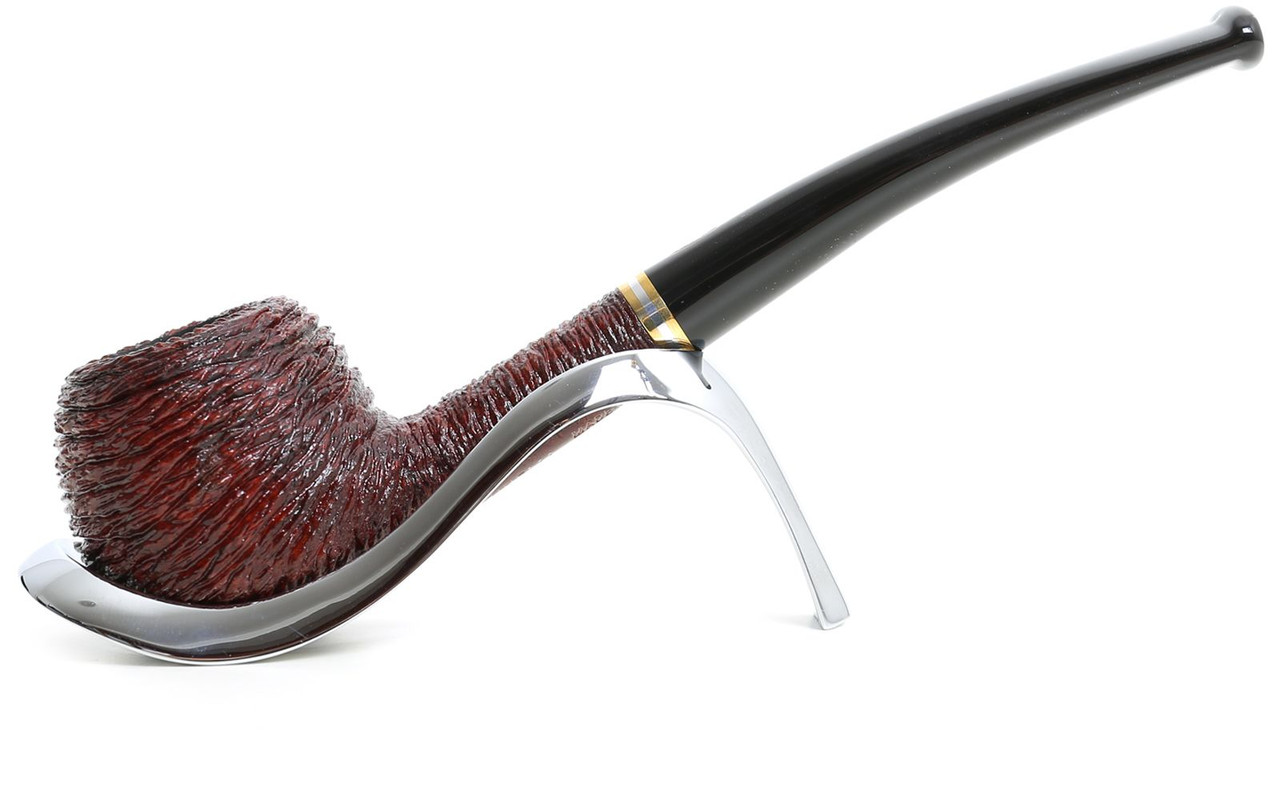
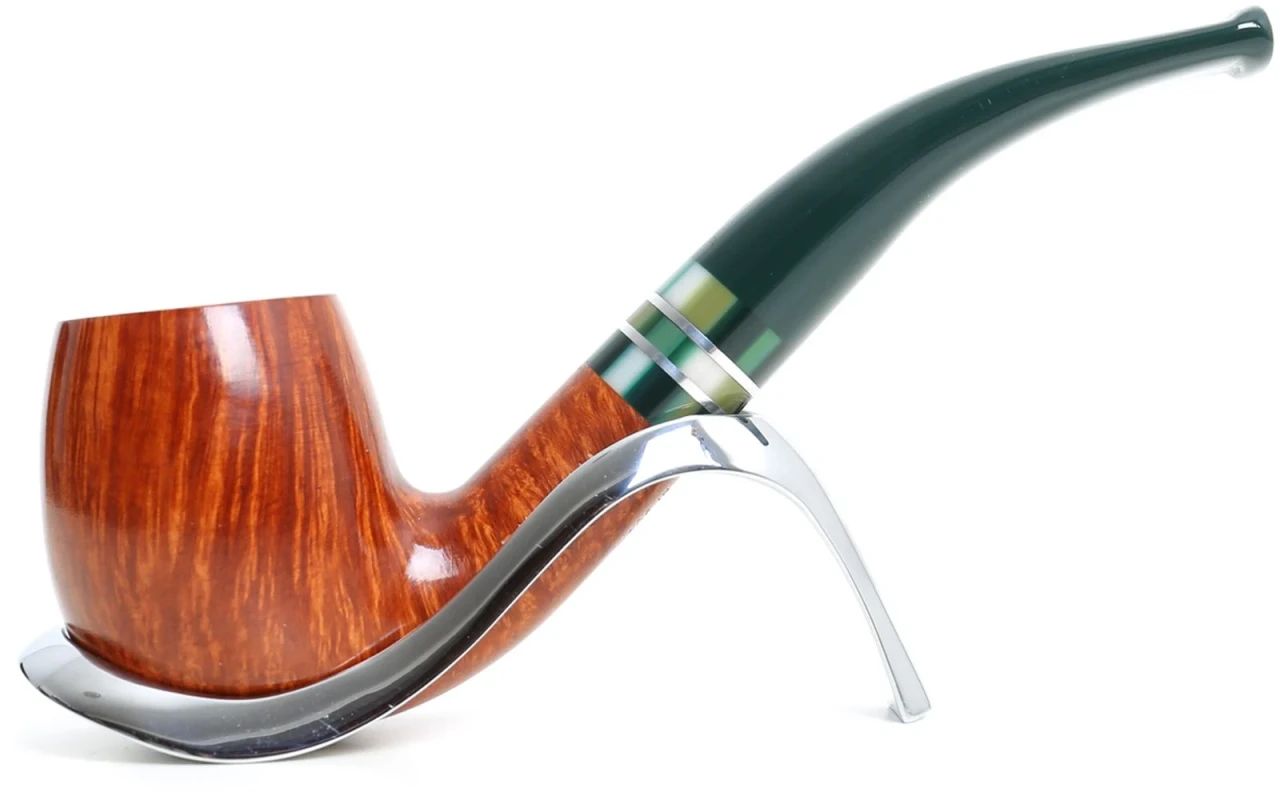
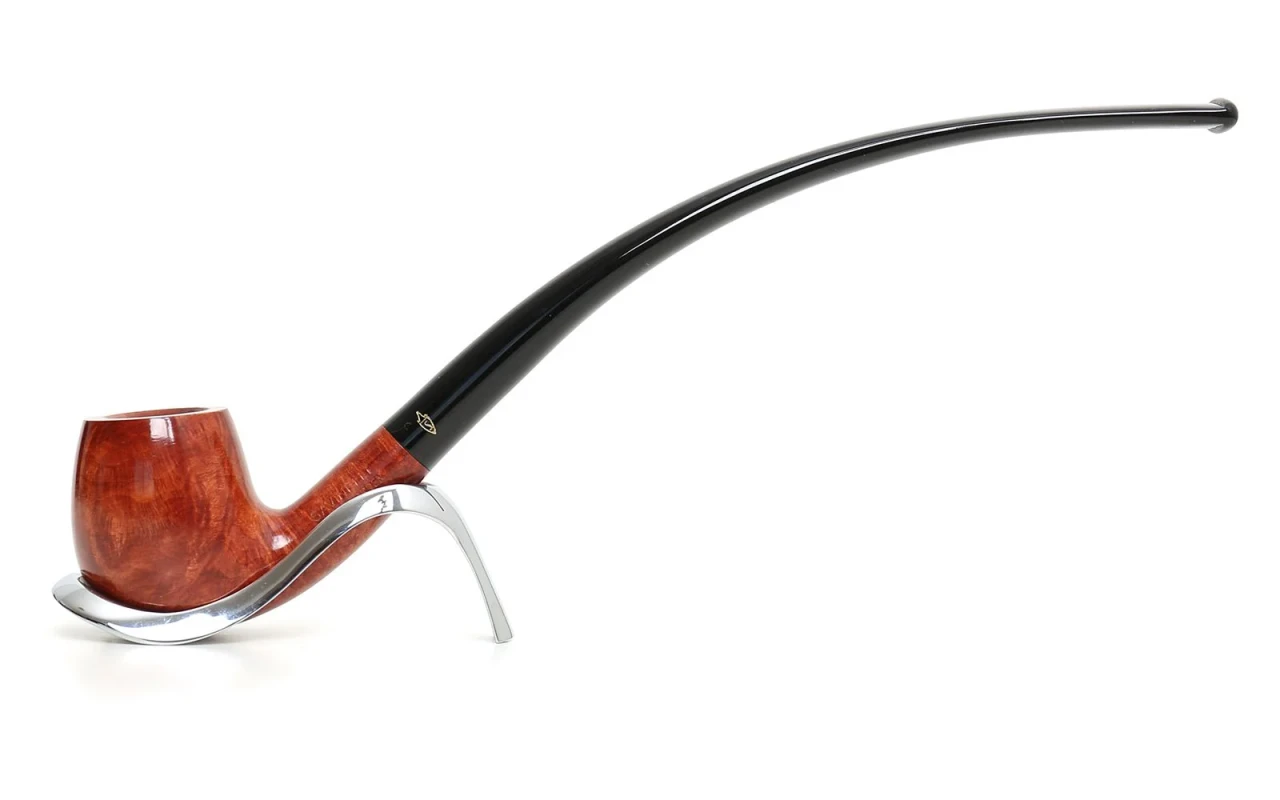

Durable materials for pipe construction
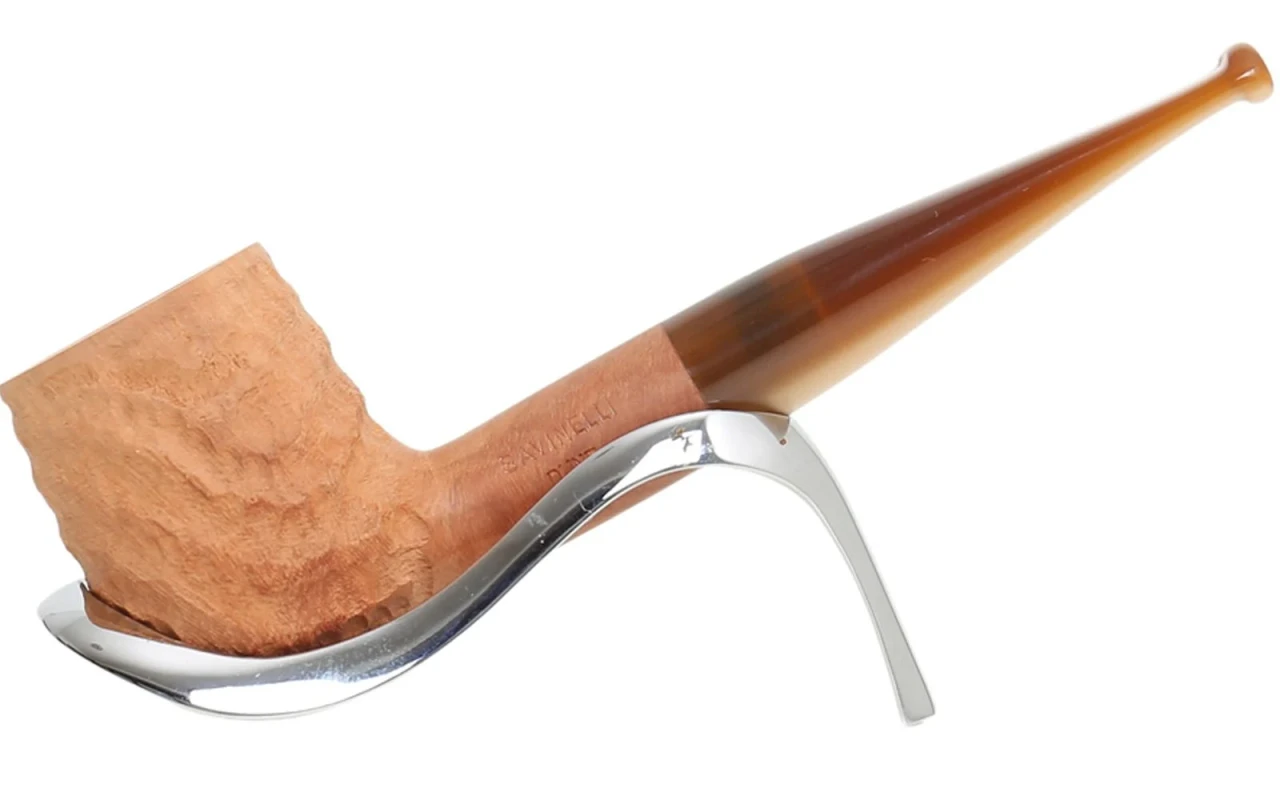
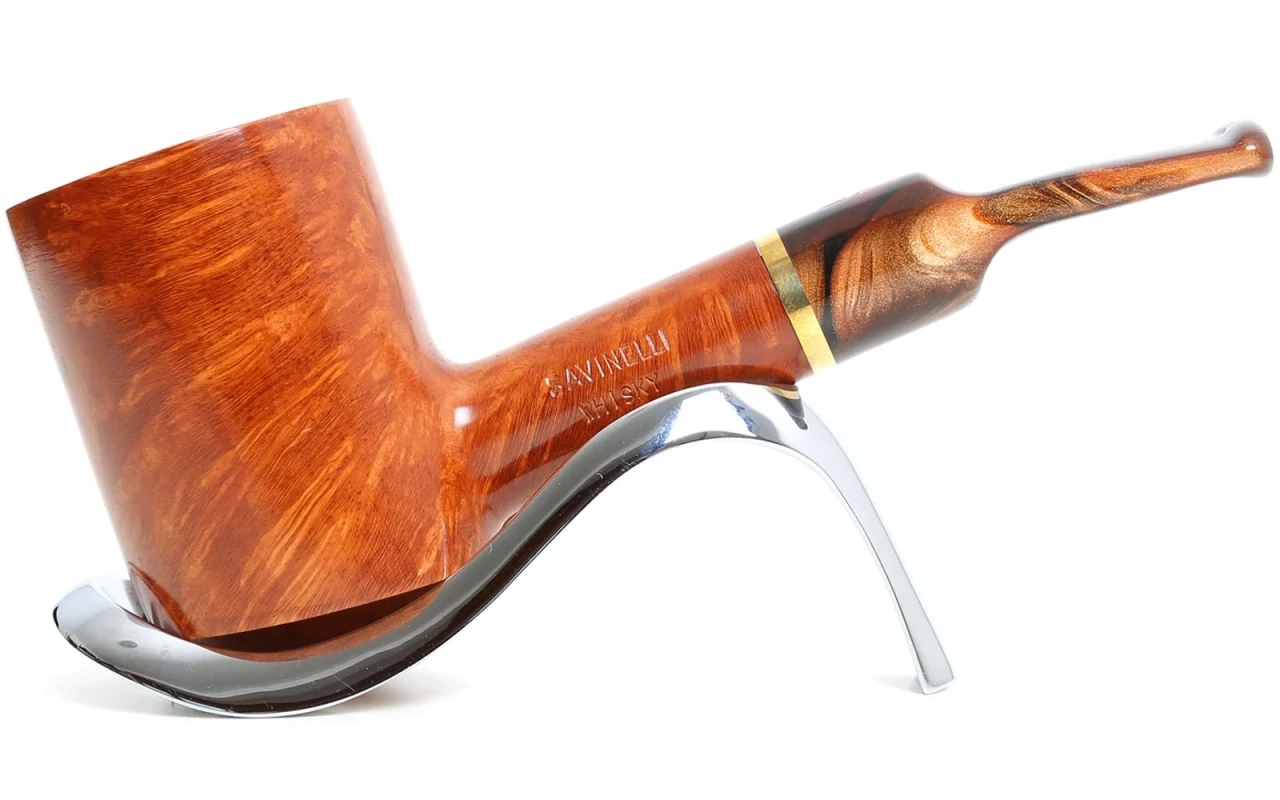
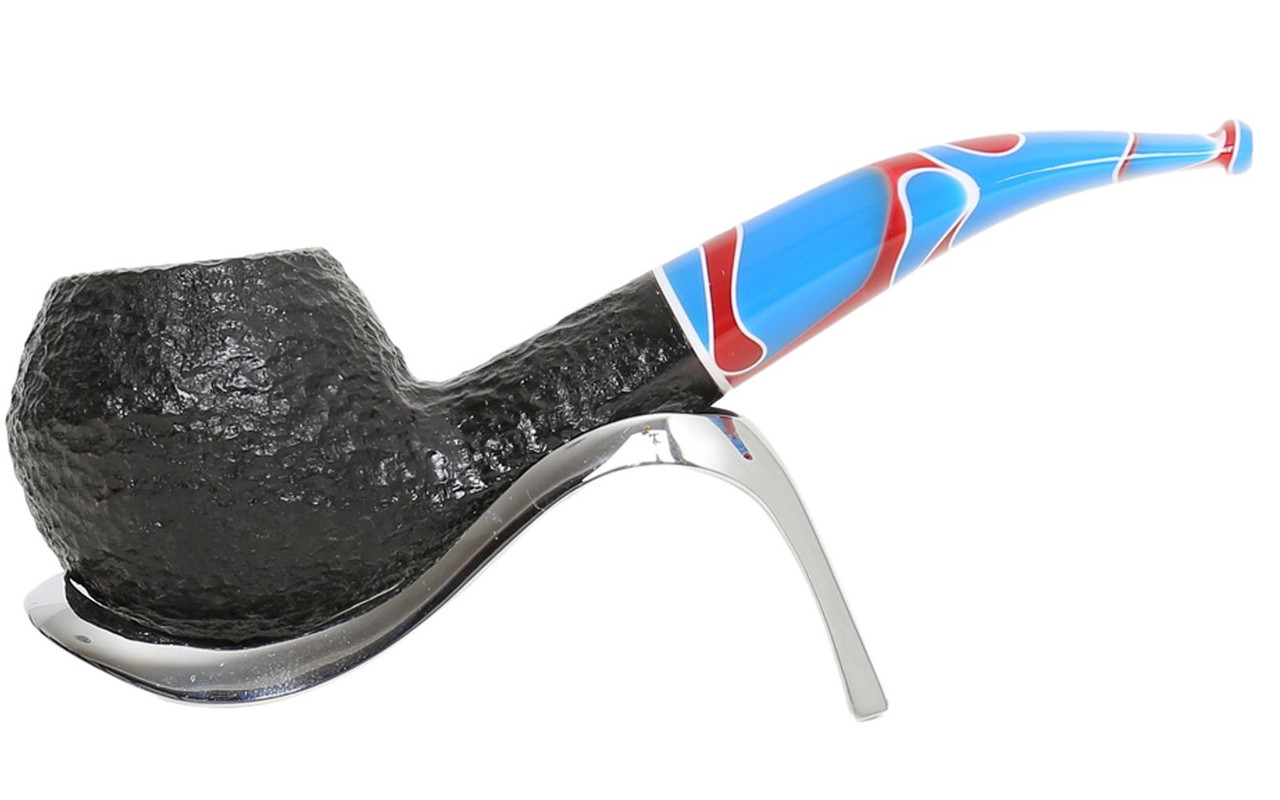
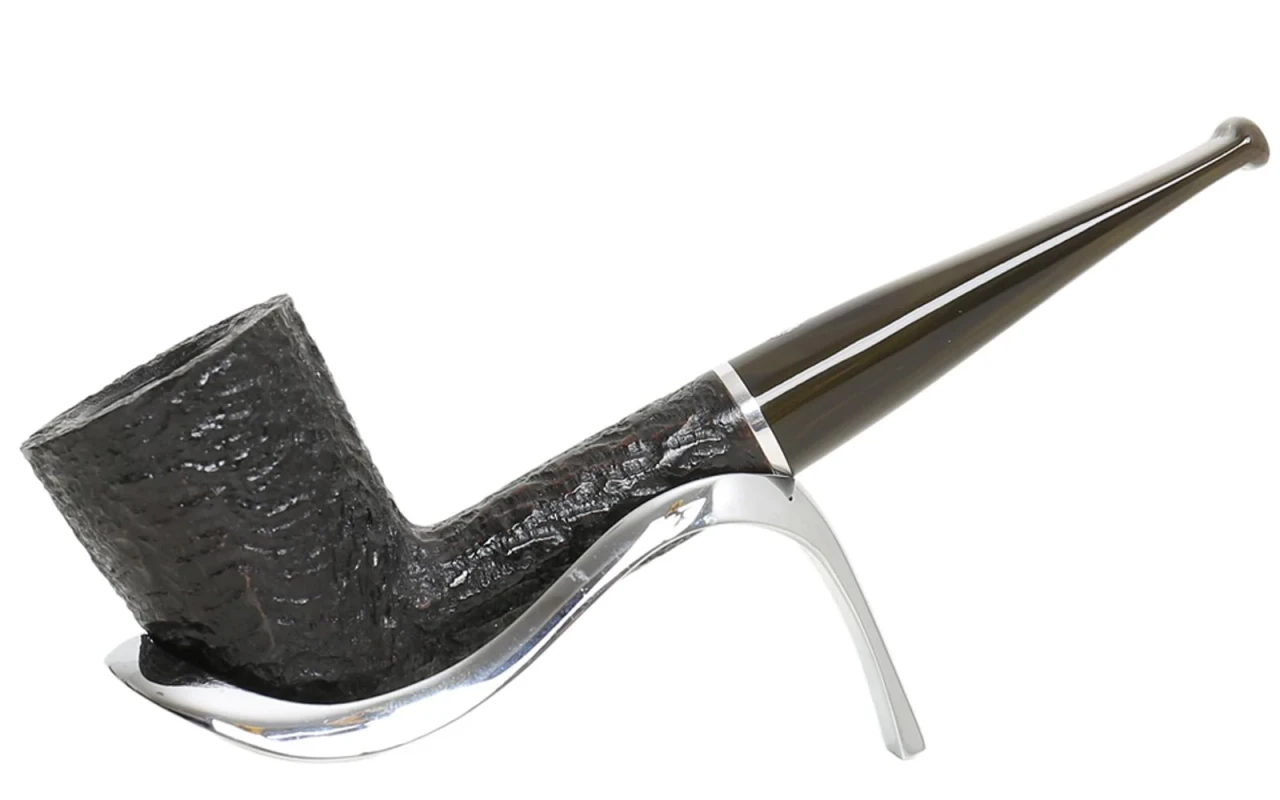
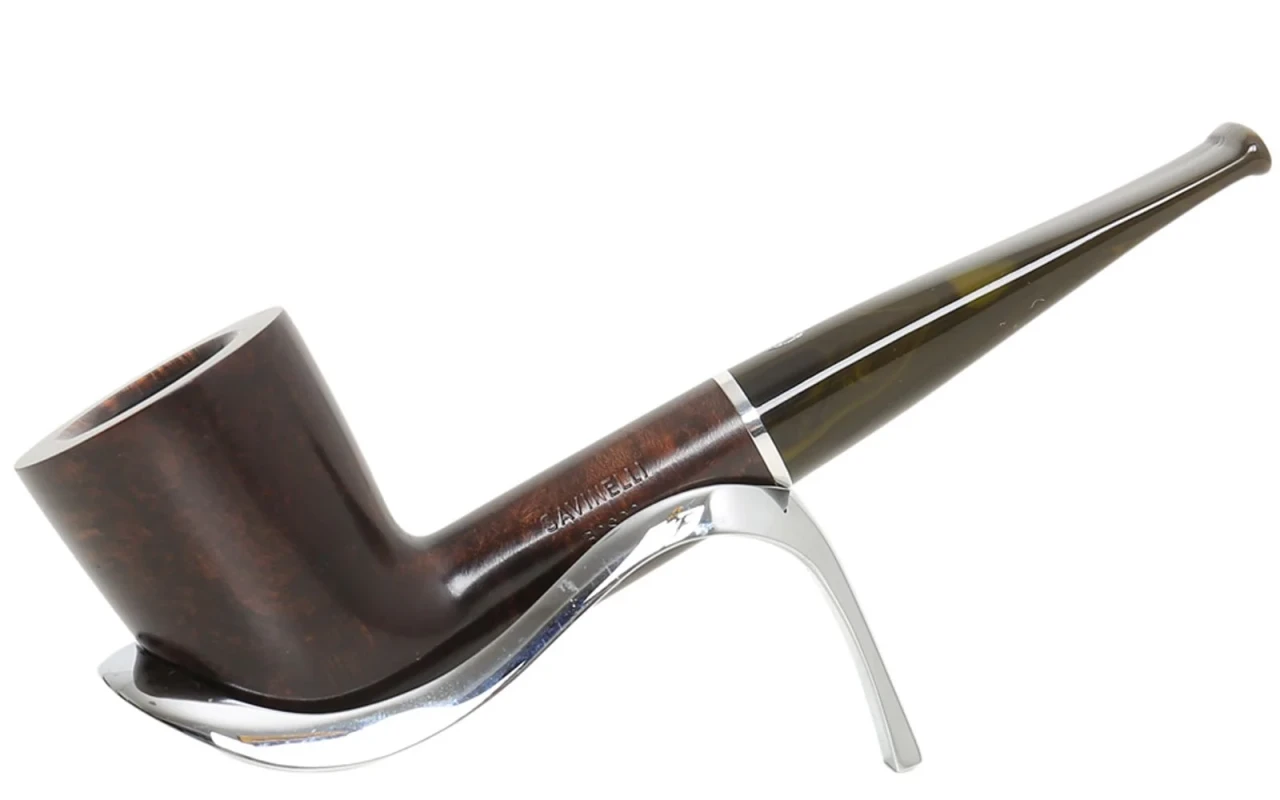
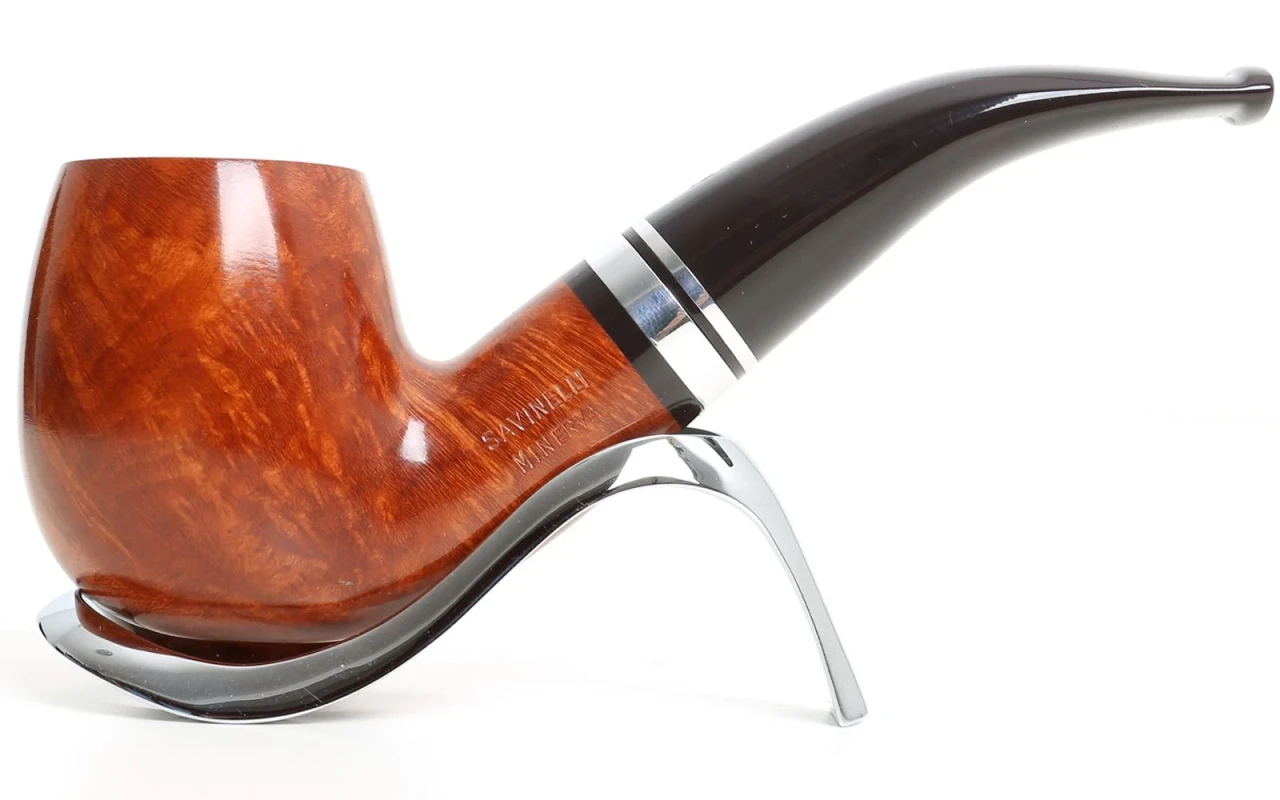
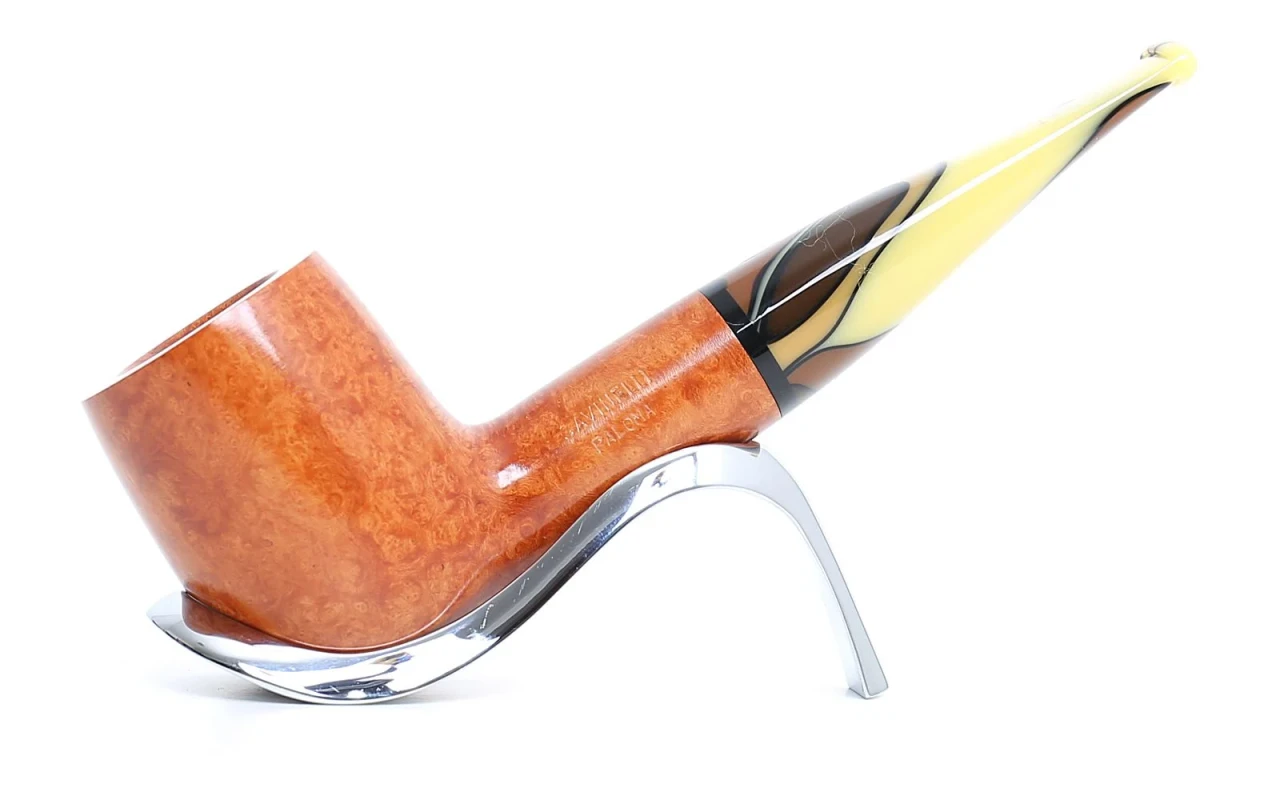
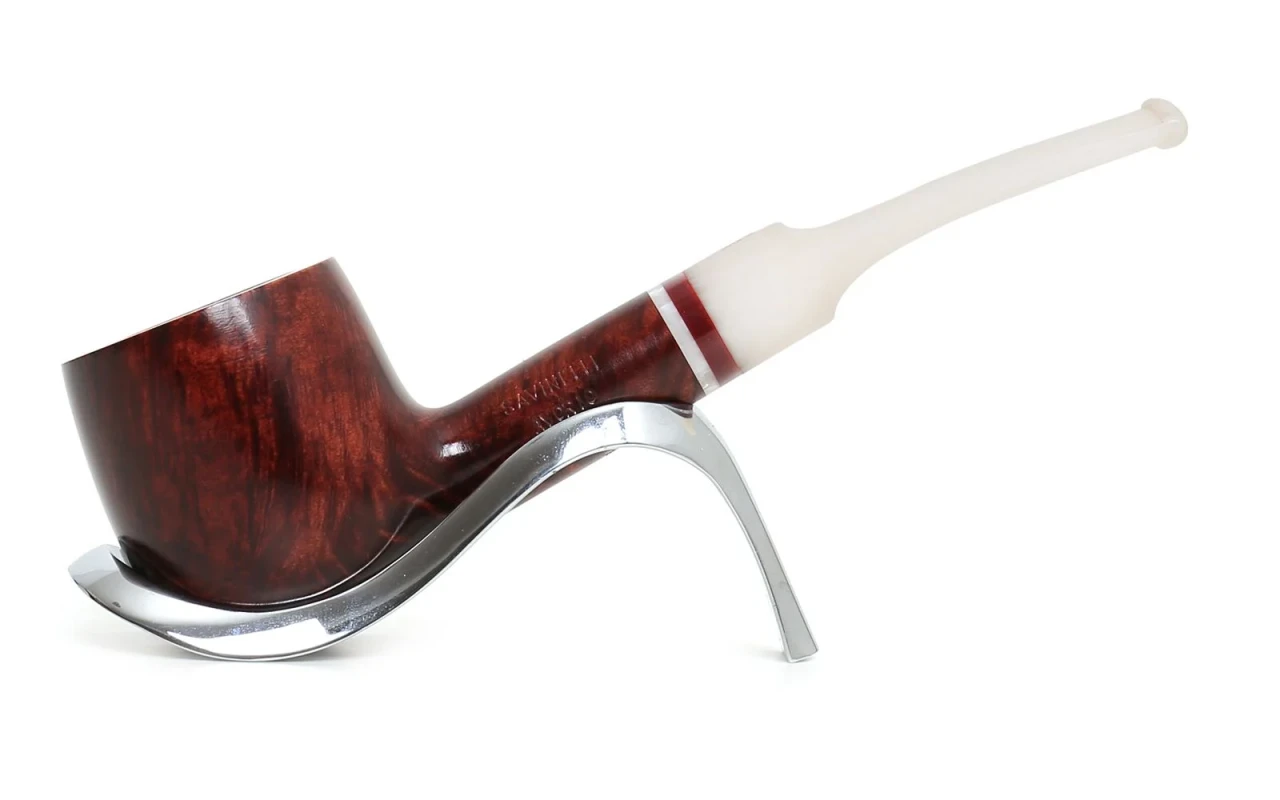
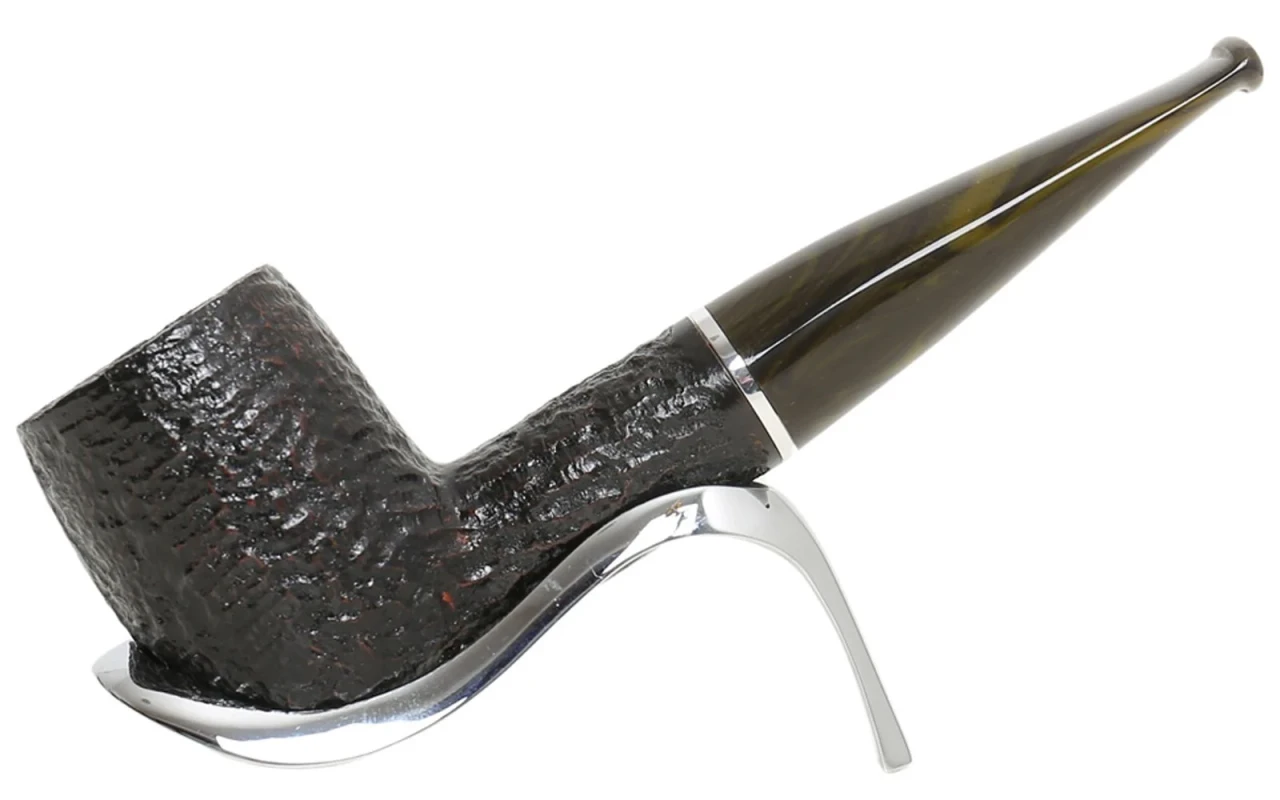
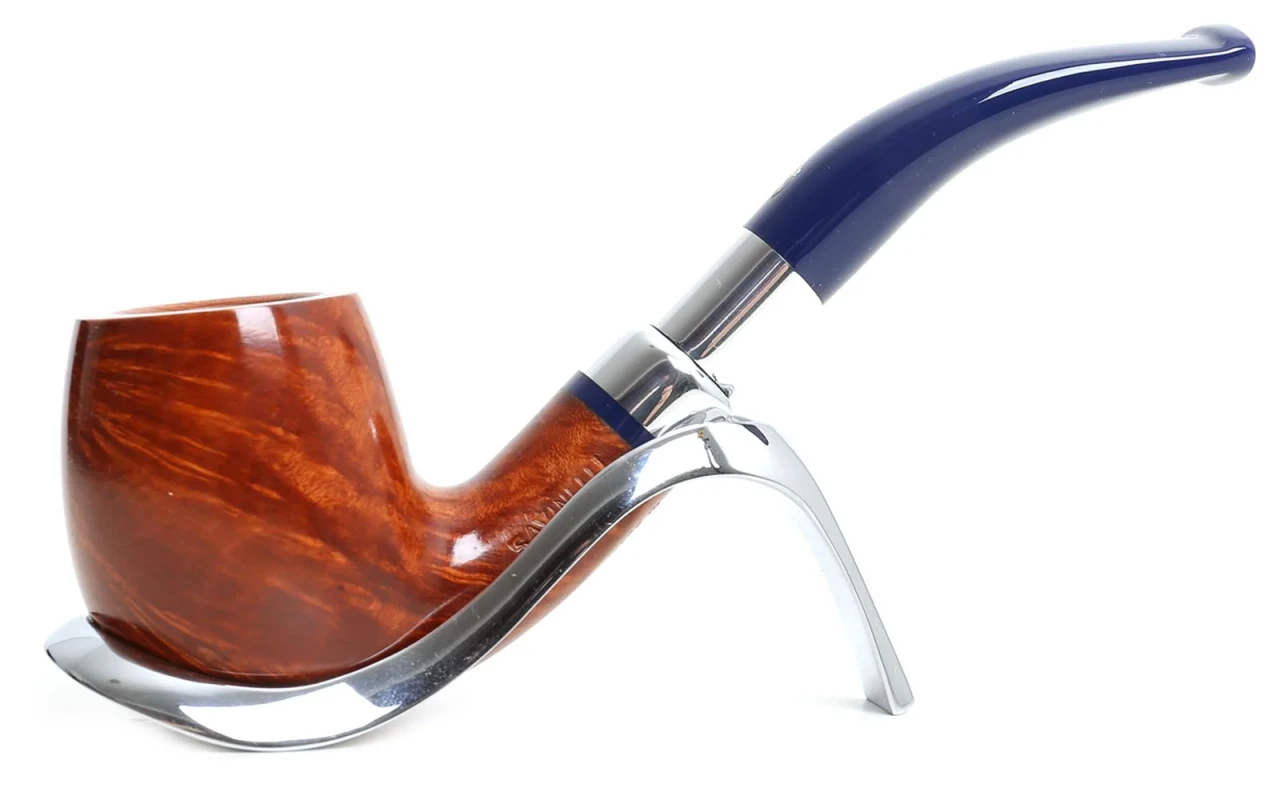
The most commonly used materials for pipe construction are those that withstand heat well and preserve the organoleptic characteristics of the tobacco. Among the most common ones are:- Briar wood: a hard and durable wood, often used for its ability to absorb moisture and ensure a cool smoke.- Meerschaum: a material highly resistant to heat, typically used for the inner part of the pipe.- Horn mouthpiece: provides a pleasant sensation in the mouth, is resilient, and long-lasting.- Silver: used for pipe filters, ensuring better smoke cleaning.The choice of material can influence the quality and smoking experience of a pipe.
Materials for pipe construction
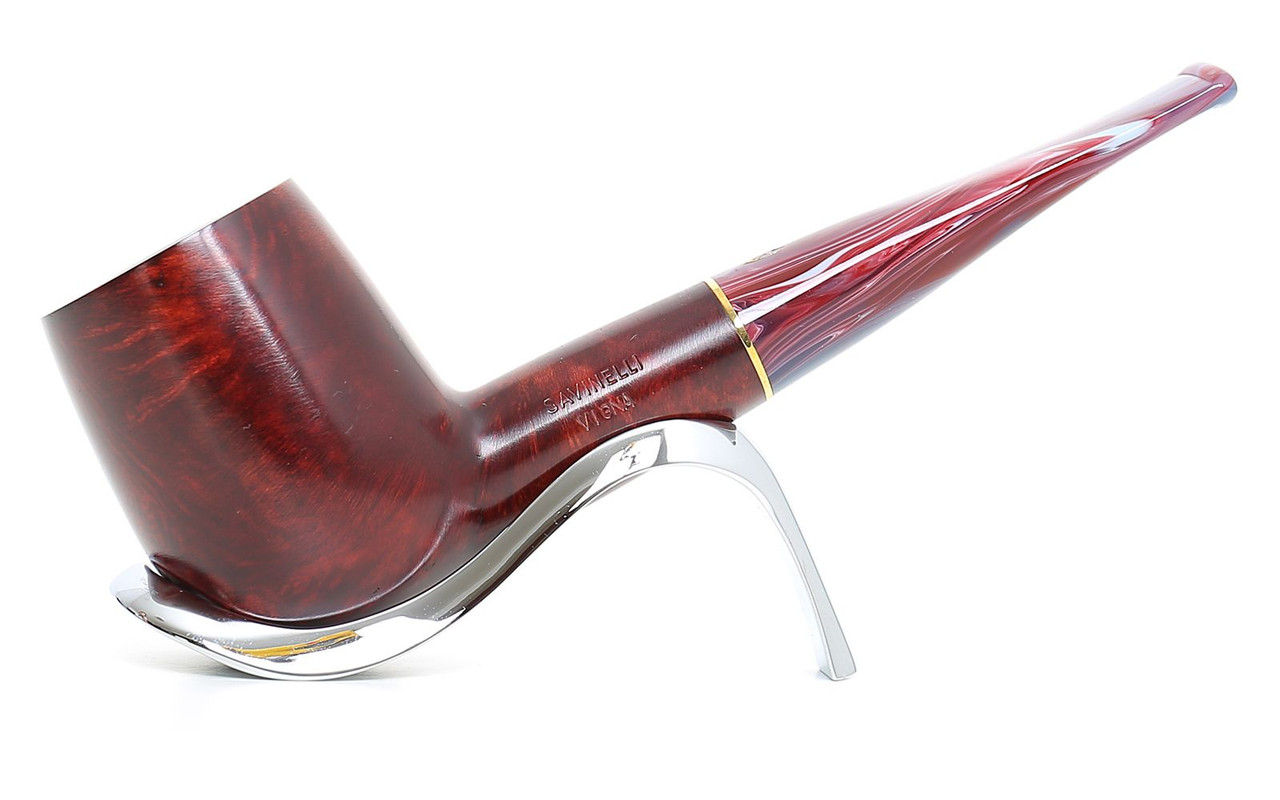
Materials for pipe construction include high-quality wood, such as briar root, walnut, cherry, or olive wood, which provide strength and beauty to the piece. Other common materials are ebony for the inner parts, amber for the mouthpieces, and ivory for decorations. Pipes can also be made of briar root, a wood particularly resistant to heat and humidity. The stem can be made of cellulose acetate or buffalo horn. It is important that the materials are of high quality to ensure a pleasant and long-lasting smoke.
Types of wood for pipes
There are several types of wood suitable for making smoking pipes. Among the most common ones we find:- Briarwood: a lightweight and durable wood, highly appreciated for its beauty and ability to absorb moisture.- Oakwood: a hard and heat-resistant wood, ideal for pipes requiring greater robustness.- Cherrywood: a lightweight and easy-to-work wood, often used for decorative pipes.- Walnut: a dense and sturdy wood, valued for its heat and flame resistance.- Olive wood: a wood with interesting grain patterns and heat-resistant properties, used for high-quality pipes.The choice of wood depends on personal preferences and the intended use of the pipe.
Tobacco Pipe Materials
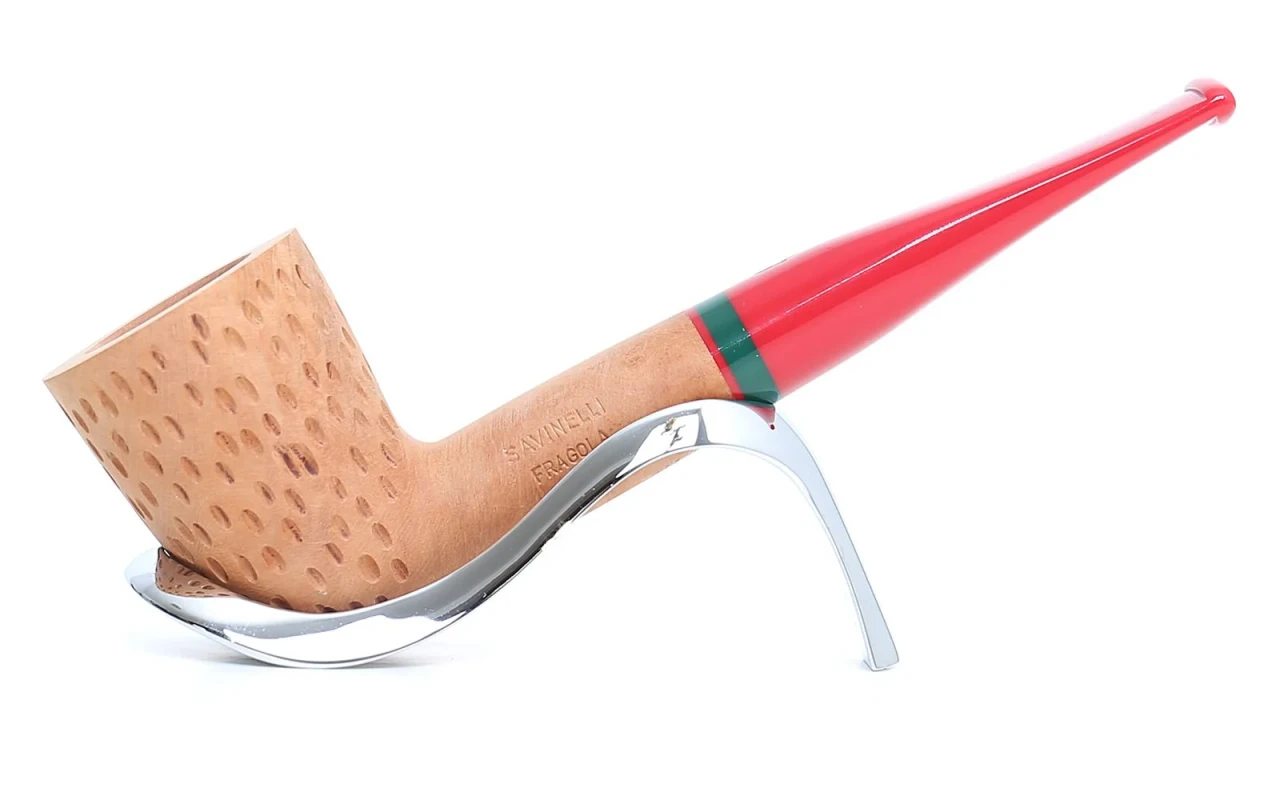
The most common materials used for the production of tobacco pipes include:- Briar root: wood from the Erica arborea tree, known for its excellent heat and combustion resistance characteristics.- Corn cob: used for inexpensive and lightweight pipes, providing a cool and dry smoke.- Morta: a rarer material, valued for its moisture-absorbing ability, ensuring a cooler smoke.- Clay: traditionally used for human head-shaped pipes, offering a neutral and cool smoke.- Meerschaum: a porous and lightweight stone that colors with use, enhancing the tobacco flavoring.
Components for smoking pipes
Smoking pipes are composed of various essential elements that contribute to their functionality and the pleasure of smoking them. Here are the main components for smoking pipes:- Bowl: the top part of the pipe where the smoking tobacco is inserted.- Combustion chamber: the inner space of the bowl where the tobacco burns to create smoke.- Stem: the curved part of the pipe that connects to the bowl and allows for smoking.- Shank: the elongated part of the pipe that ends with the mouthpiece, through which smoke is drawn.- Filter: an optional component that can be inserted into the stem to reduce moisture and nicotine content in the smoke.- Ring: a decorative or functional element that can be placed around the junction between the bowl and the stem.
'%3e%3cg id='Final-Copy-2_2_' transform='translate(1275.000000, 200.000000)'%3e%3cpath class='st0' d='M7.4,12.8h6.8l3.1-11.6H7.4C4.2,1.2,1.6,3.8,1.6,7S4.2,12.8,7.4,12.8z'/%3e%3c/g%3e%3c/g%3e%3c/g%3e%3cg id='final---dec.11-2020'%3e%3cg id='_x30_208-our-toggle' transform='translate(-1275.000000, -200.000000)'%3e%3cg id='Final-Copy-2' transform='translate(1275.000000, 200.000000)'%3e%3cpath class='st1' d='M22.6,0H7.4c-3.9,0-7,3.1-7,7s3.1,7,7,7h15.2c3.9,0,7-3.1,7-7S26.4,0,22.6,0z M1.6,7c0-3.2,2.6-5.8,5.8-5.8 h9.9l-3.1,11.6H7.4C4.2,12.8,1.6,10.2,1.6,7z'/%3e%3cpath id='x' class='st2' d='M24.6,4c0.2,0.2,0.2,0.6,0,0.8l0,0L22.5,7l2.2,2.2c0.2,0.2,0.2,0.6,0,0.8c-0.2,0.2-0.6,0.2-0.8,0 l0,0l-2.2-2.2L19.5,10c-0.2,0.2-0.6,0.2-0.8,0c-0.2-0.2-0.2-0.6,0-0.8l0,0L20.8,7l-2.2-2.2c-0.2-0.2-0.2-0.6,0-0.8 c0.2-0.2,0.6-0.2,0.8,0l0,0l2.2,2.2L23.8,4C24,3.8,24.4,3.8,24.6,4z'/%3e%3cpath id='y' class='st3' d='M12.7,4.1c0.2,0.2,0.3,0.6,0.1,0.8l0,0L8.6,9.8C8.5,9.9,8.4,10,8.3,10c-0.2,0.1-0.5,0.1-0.7-0.1l0,0 L5.4,7.7c-0.2-0.2-0.2-0.6,0-0.8c0.2-0.2,0.6-0.2,0.8,0l0,0L8,8.6l3.8-4.5C12,3.9,12.4,3.9,12.7,4.1z'/%3e%3c/g%3e%3c/g%3e%3c/g%3e%3c/g%3e%3c/svg%3e) Your Privacy Choices
Your Privacy Choices 


