 ES
ES FR
FR EN
EN IT
IT DE
DE
DIY Pipe Repair

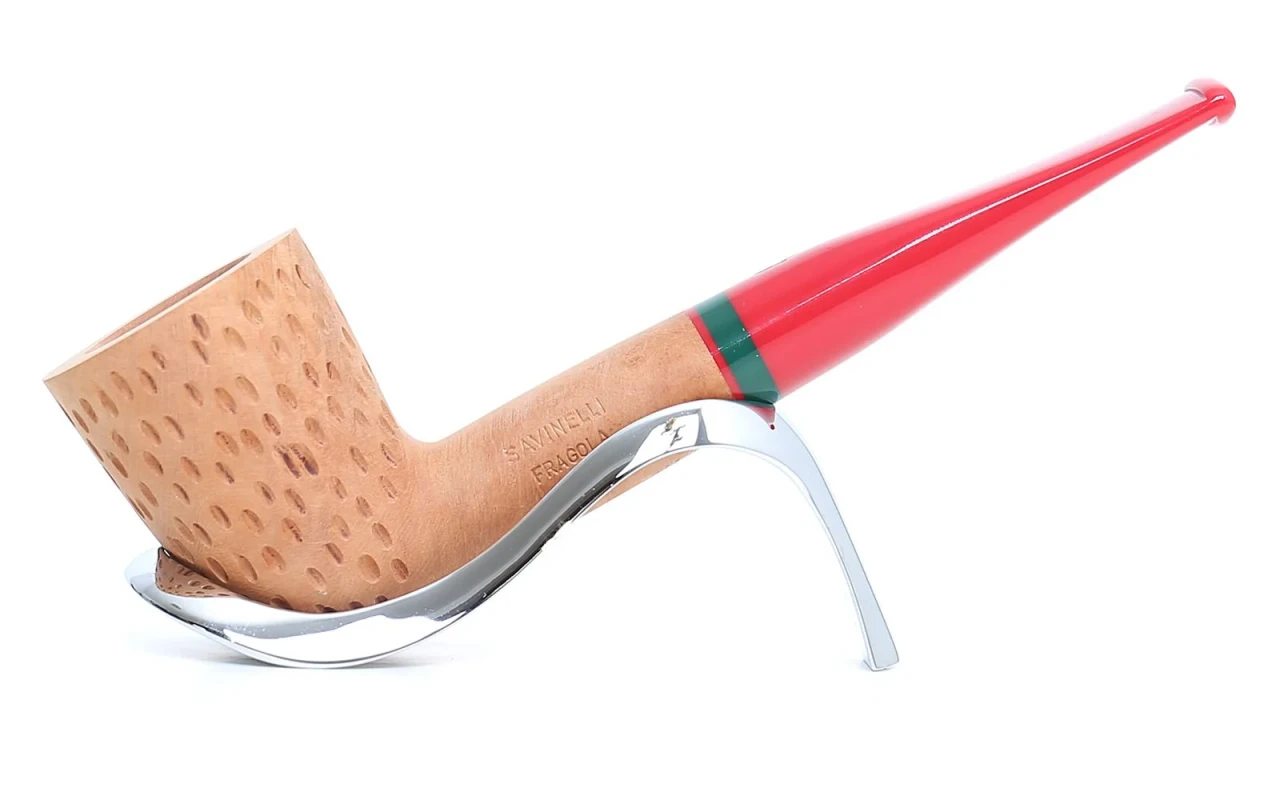
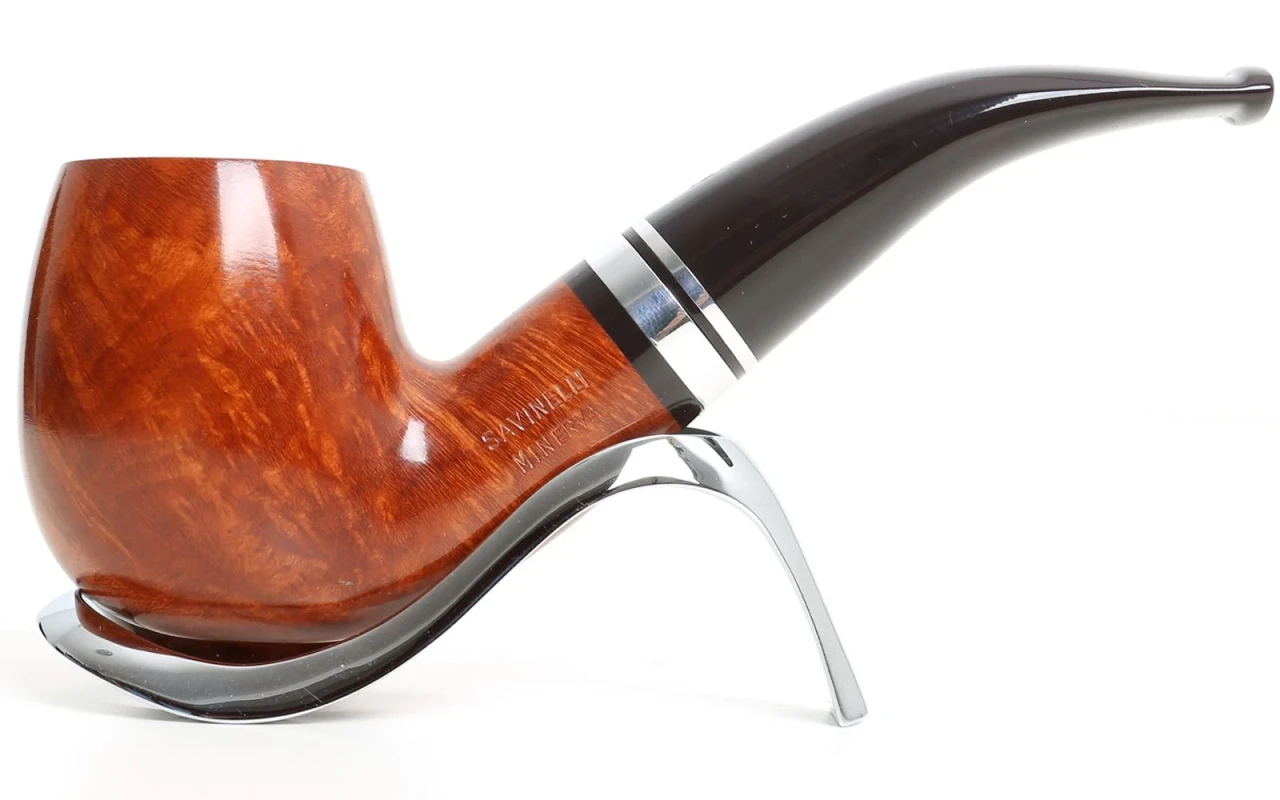
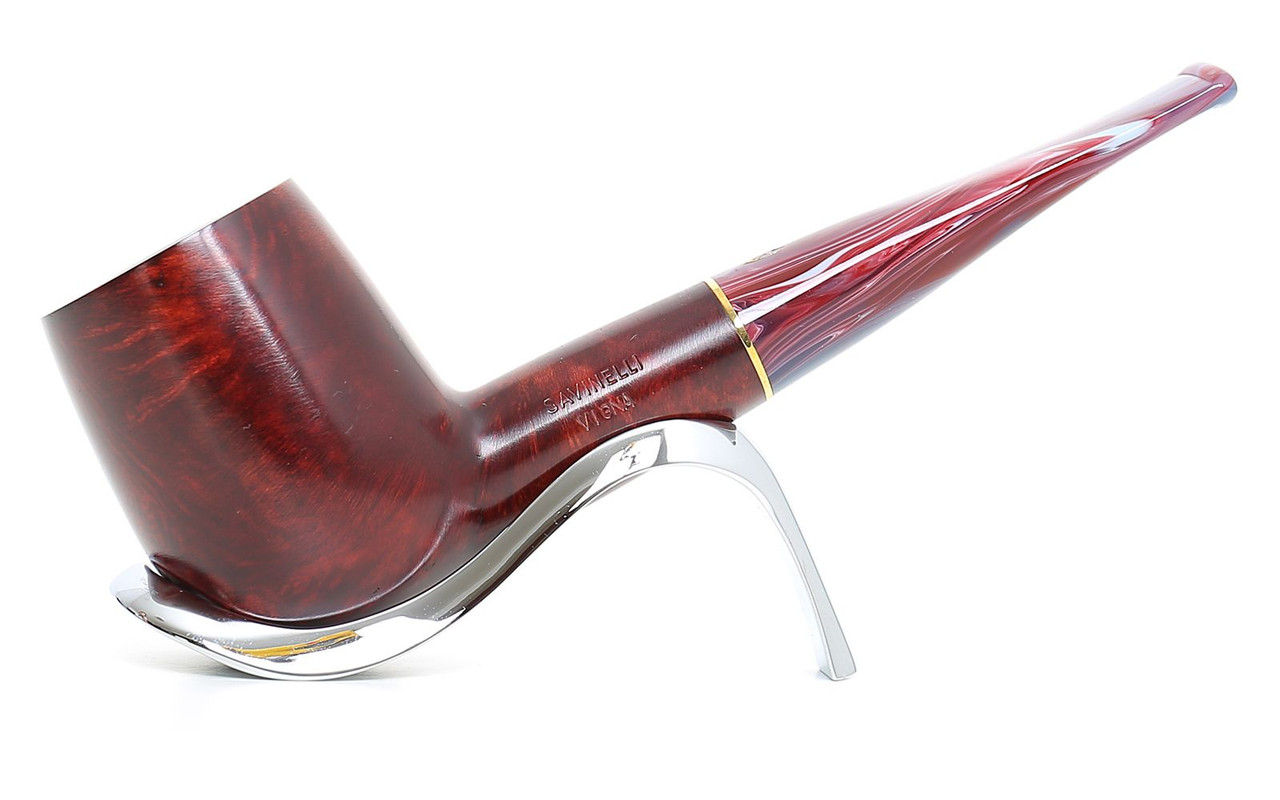
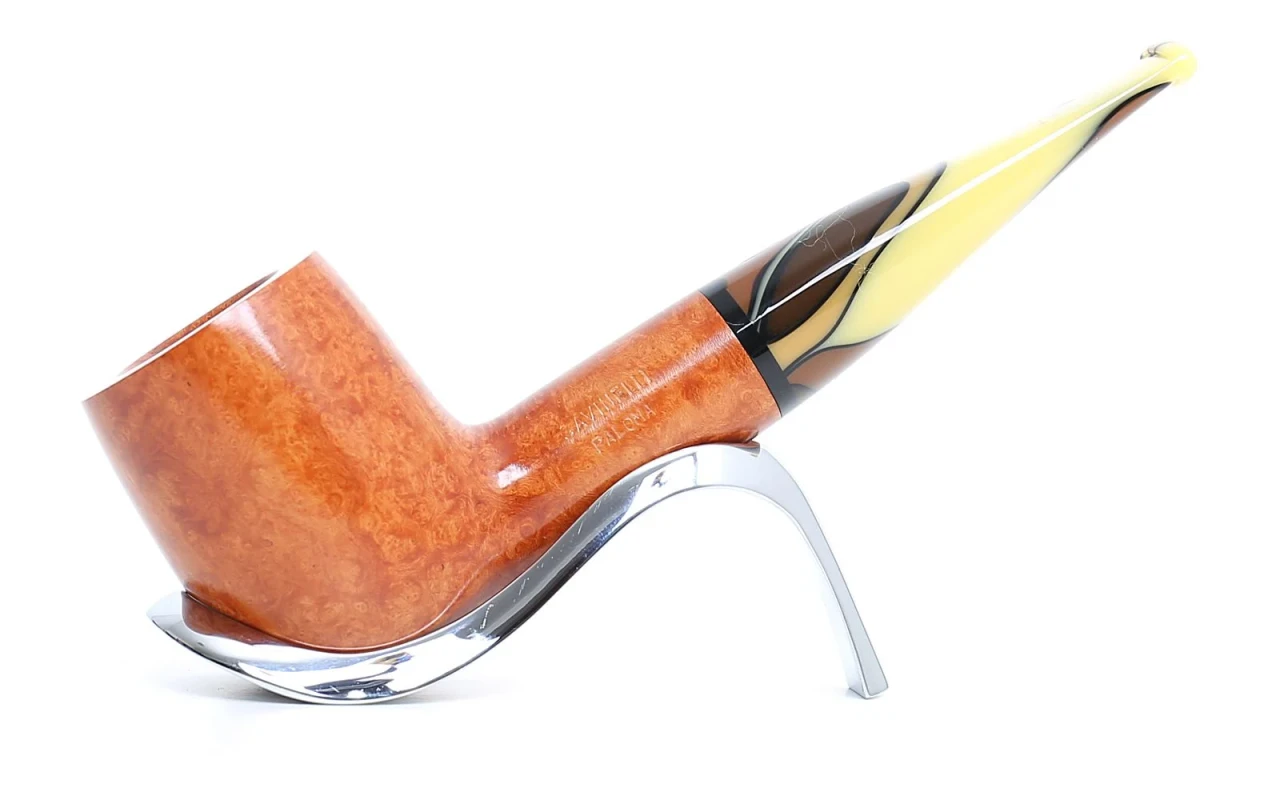
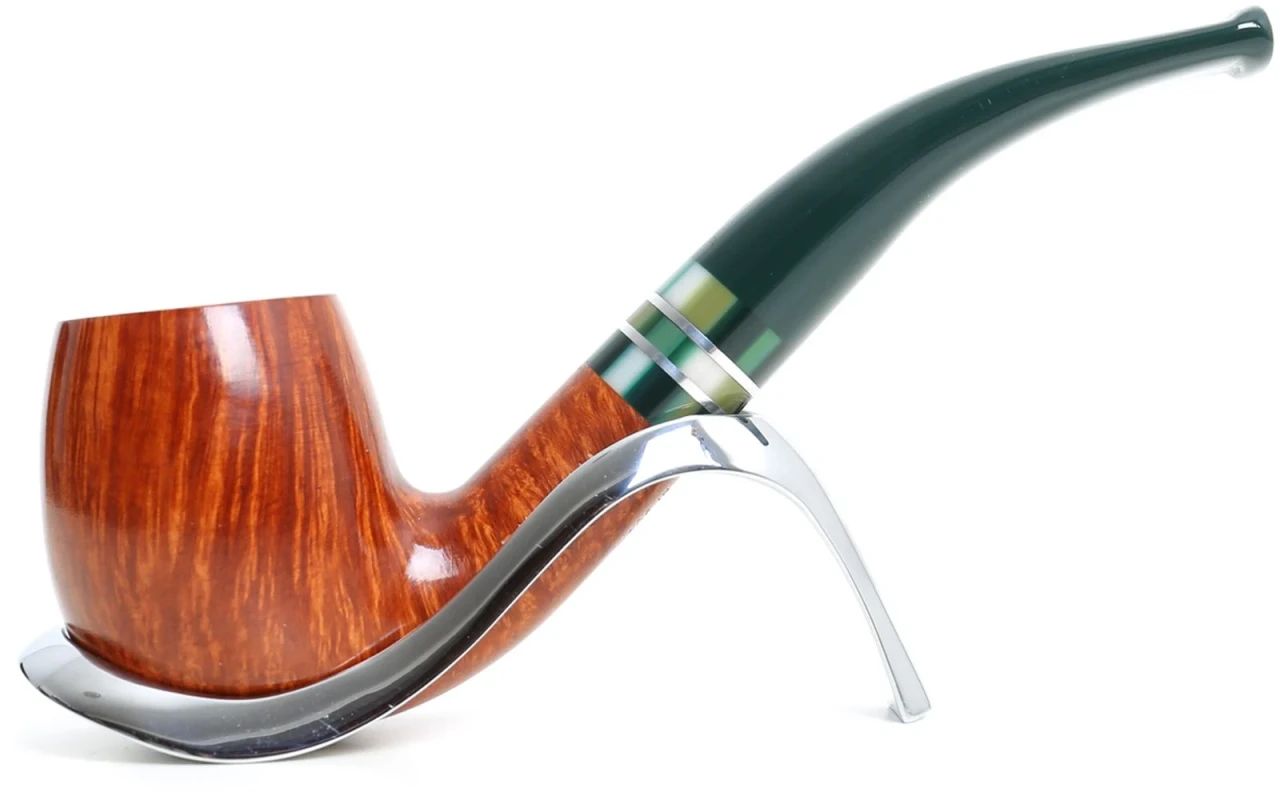
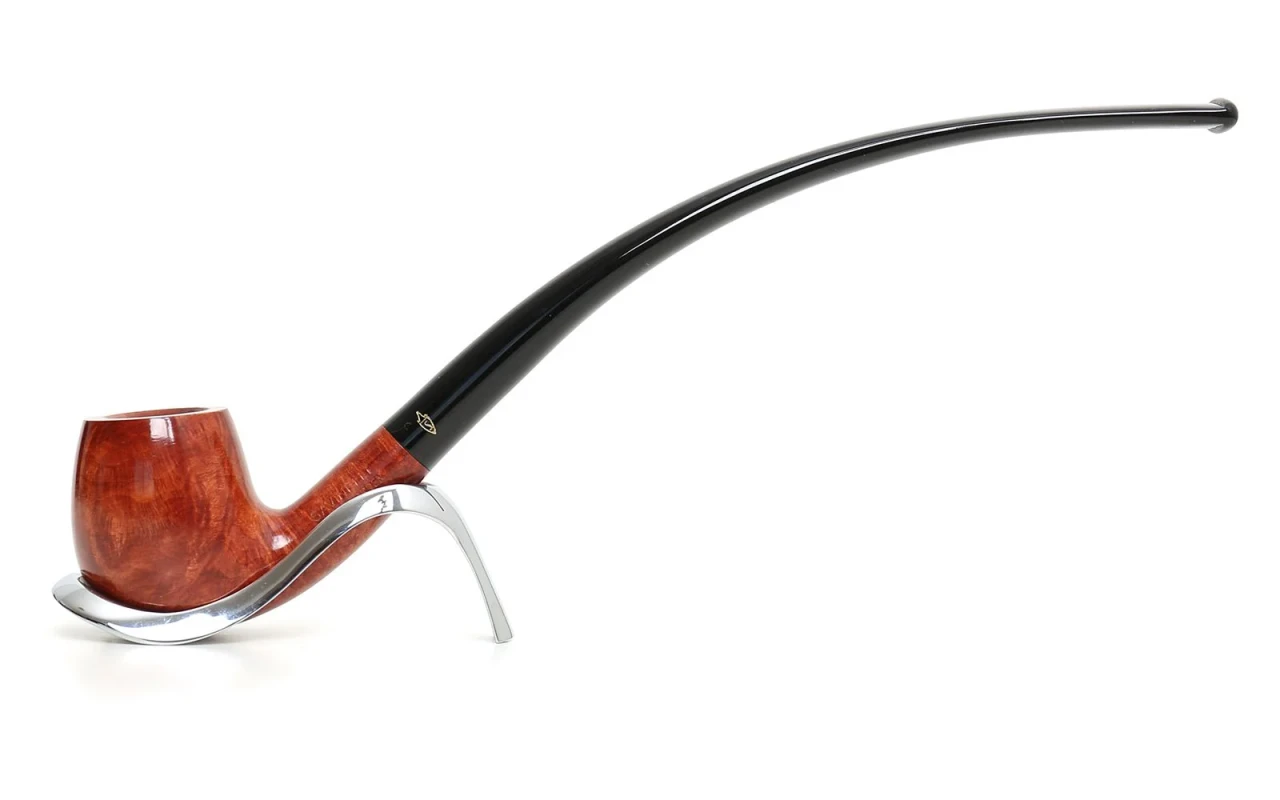
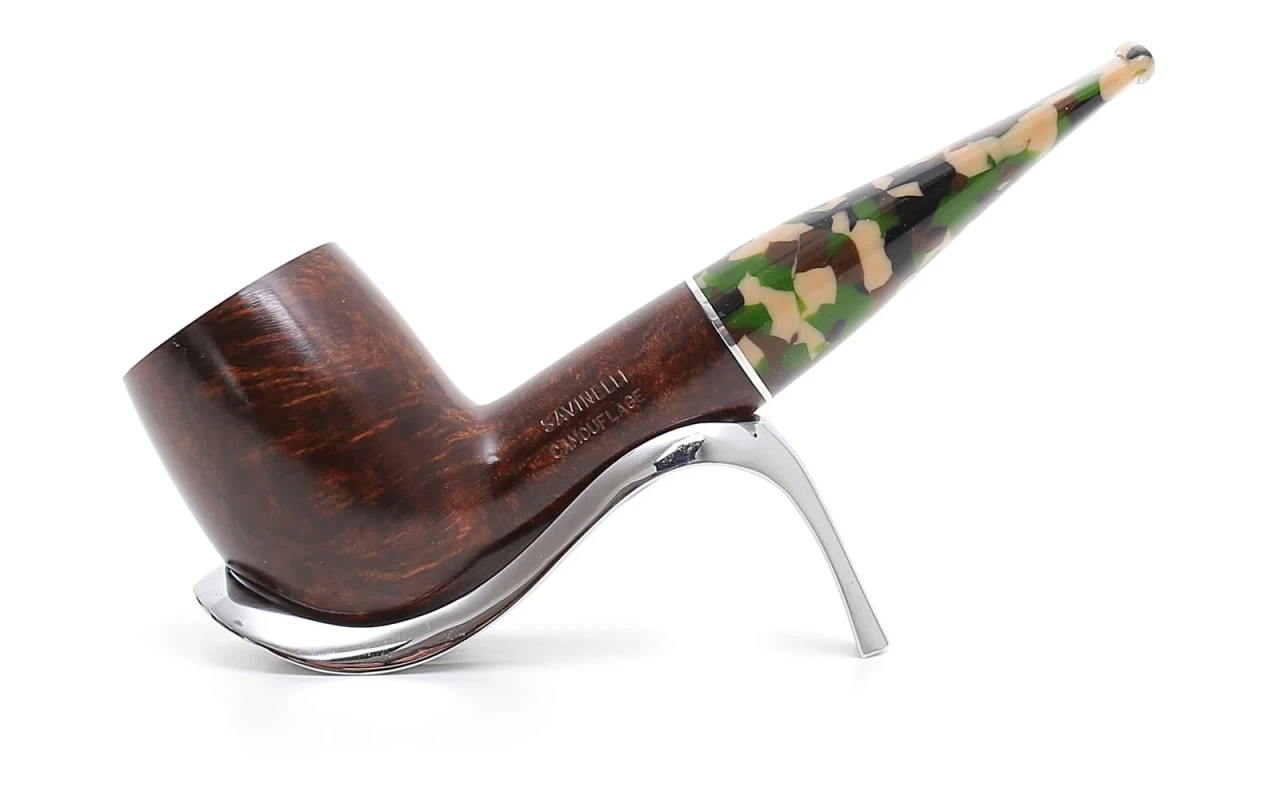
DIY Pipe Repair
DIY pipe repair is a common activity among enthusiasts. Before starting, it is important to have the right knowledge and tools. Here are some steps to follow:1. Identify the issue: pinpoint any cracks, breakages, or blockages in the pipe.2. Cleaning: remove tobacco residues and limescale with specific cleaners.3. Repair: use suitable putties or resins to seal cracks or fix breakages.4. Polishing: smooth the pipe's surface to make it glossy and shiny.5. Testing: ensure that the pipe is functional and free from smoke leaks.By carefully following these steps, it is possible to successfully repair a damaged pipe.
Pipe Smoking Repair Guides
Repair guides for smoking pipes are valuable resources for enthusiasts who want to maintain and repair their own pipes. These guides provide detailed instructions on how to address common issues such as cracks in the briar, stem breakages, or blockages in the smoke passage. They typically include steps on how to properly disassemble the pipe, clean it, repair any damages, and reassemble it correctly. Carefully following the repair guides' instructions can help preserve the functionality and beauty of smoking pipes over time, ensuring an optimal smoking experience.
Materials for repairing pipes
The most common materials used for repairing pipes include:- Pipe repair putty: a mixture of materials, such as clay and fibers, that can be molded and hardened to seal cracks or holes.- Pipe filler compound: suitable for filling small imperfections or superficial cracks.- Fiberglass tape: heat and pressure resistant, ideal for wrapping and reinforcing damaged parts of the pipe.- Refractory mortar: resistant to high temperatures, perfect for repairing damages in pipes carrying hot smoke.- High-temperature sealant: a heat-resistant paste, ideal for sealing joints or cracks in pipes carrying hot smoke.
Pipe Maintenance Tutorial
Maintaining pipes is essential to ensure optimal performance over time. Here are some key steps to follow:1. Cleaning: Remove tobacco residues and moisture with a pipe cleaner or pipe reamer.2. Drying: Allow the pipe to dry completely after each use to prevent moisture build-up.3. Polishing: Use a soft cloth to polish the exterior surface of the pipe and keep it shiny.4. Mouthpiece check: Ensure that the mouthpiece is in good condition and replace it if necessary to avoid chewing or breakage.5. Storage: Store the pipe in a pipe rack or a case to protect it from bumps and dust.By following these simple tips, you can enjoy your favorite pipe for a long time.
'%3e%3cg id='Final-Copy-2_2_' transform='translate(1275.000000, 200.000000)'%3e%3cpath class='st0' d='M7.4,12.8h6.8l3.1-11.6H7.4C4.2,1.2,1.6,3.8,1.6,7S4.2,12.8,7.4,12.8z'/%3e%3c/g%3e%3c/g%3e%3c/g%3e%3cg id='final---dec.11-2020'%3e%3cg id='_x30_208-our-toggle' transform='translate(-1275.000000, -200.000000)'%3e%3cg id='Final-Copy-2' transform='translate(1275.000000, 200.000000)'%3e%3cpath class='st1' d='M22.6,0H7.4c-3.9,0-7,3.1-7,7s3.1,7,7,7h15.2c3.9,0,7-3.1,7-7S26.4,0,22.6,0z M1.6,7c0-3.2,2.6-5.8,5.8-5.8 h9.9l-3.1,11.6H7.4C4.2,12.8,1.6,10.2,1.6,7z'/%3e%3cpath id='x' class='st2' d='M24.6,4c0.2,0.2,0.2,0.6,0,0.8l0,0L22.5,7l2.2,2.2c0.2,0.2,0.2,0.6,0,0.8c-0.2,0.2-0.6,0.2-0.8,0 l0,0l-2.2-2.2L19.5,10c-0.2,0.2-0.6,0.2-0.8,0c-0.2-0.2-0.2-0.6,0-0.8l0,0L20.8,7l-2.2-2.2c-0.2-0.2-0.2-0.6,0-0.8 c0.2-0.2,0.6-0.2,0.8,0l0,0l2.2,2.2L23.8,4C24,3.8,24.4,3.8,24.6,4z'/%3e%3cpath id='y' class='st3' d='M12.7,4.1c0.2,0.2,0.3,0.6,0.1,0.8l0,0L8.6,9.8C8.5,9.9,8.4,10,8.3,10c-0.2,0.1-0.5,0.1-0.7-0.1l0,0 L5.4,7.7c-0.2-0.2-0.2-0.6,0-0.8c0.2-0.2,0.6-0.2,0.8,0l0,0L8,8.6l3.8-4.5C12,3.9,12.4,3.9,12.7,4.1z'/%3e%3c/g%3e%3c/g%3e%3c/g%3e%3c/g%3e%3c/svg%3e) Your Privacy Choices
Your Privacy Choices 


