 ES
ES FR
FR EN
EN IT
IT DE
DE
Diversification of materials for pipe production during the war
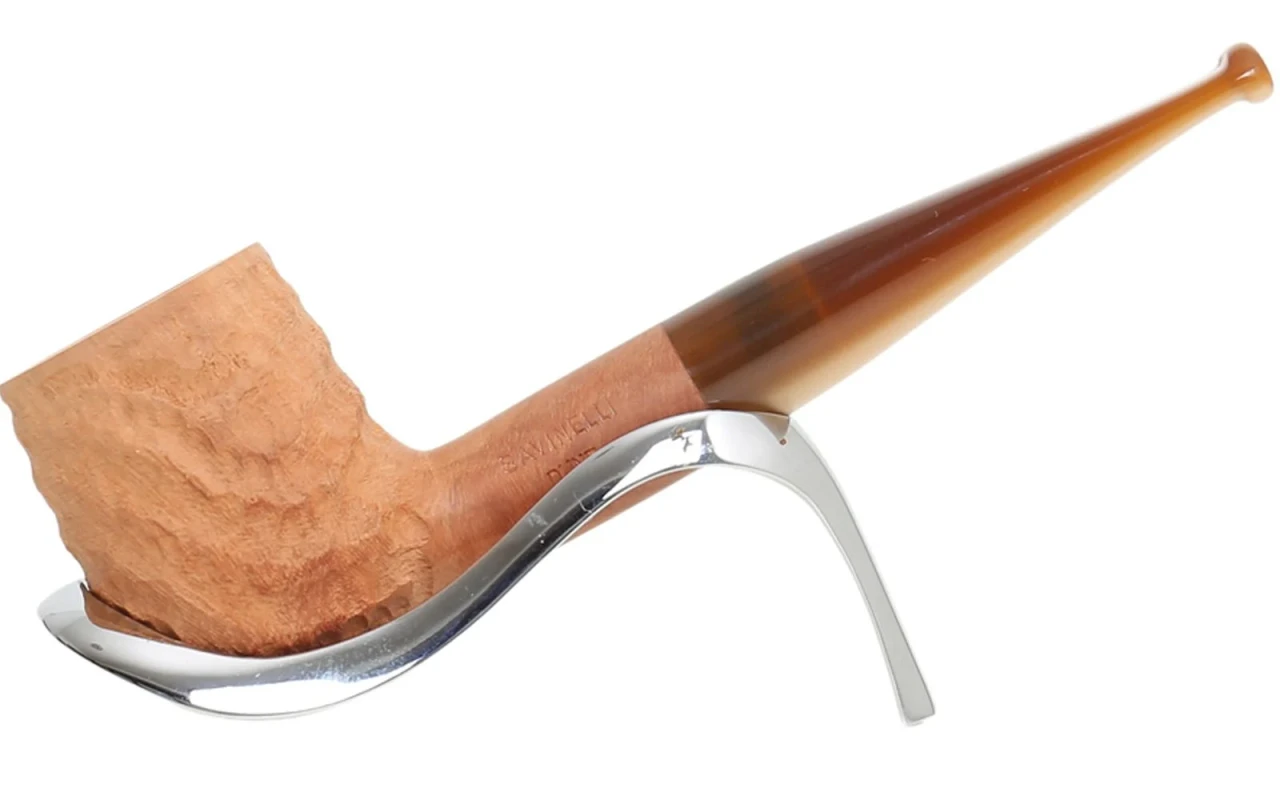
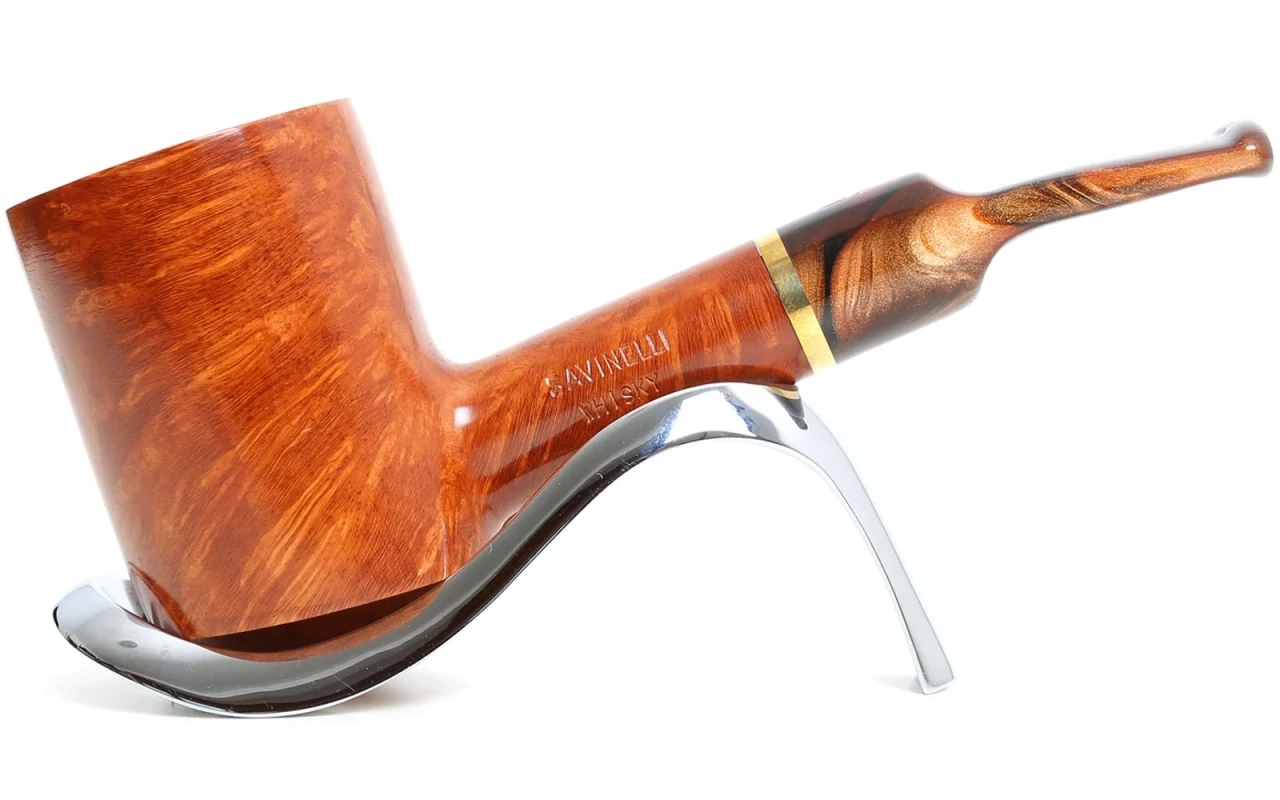
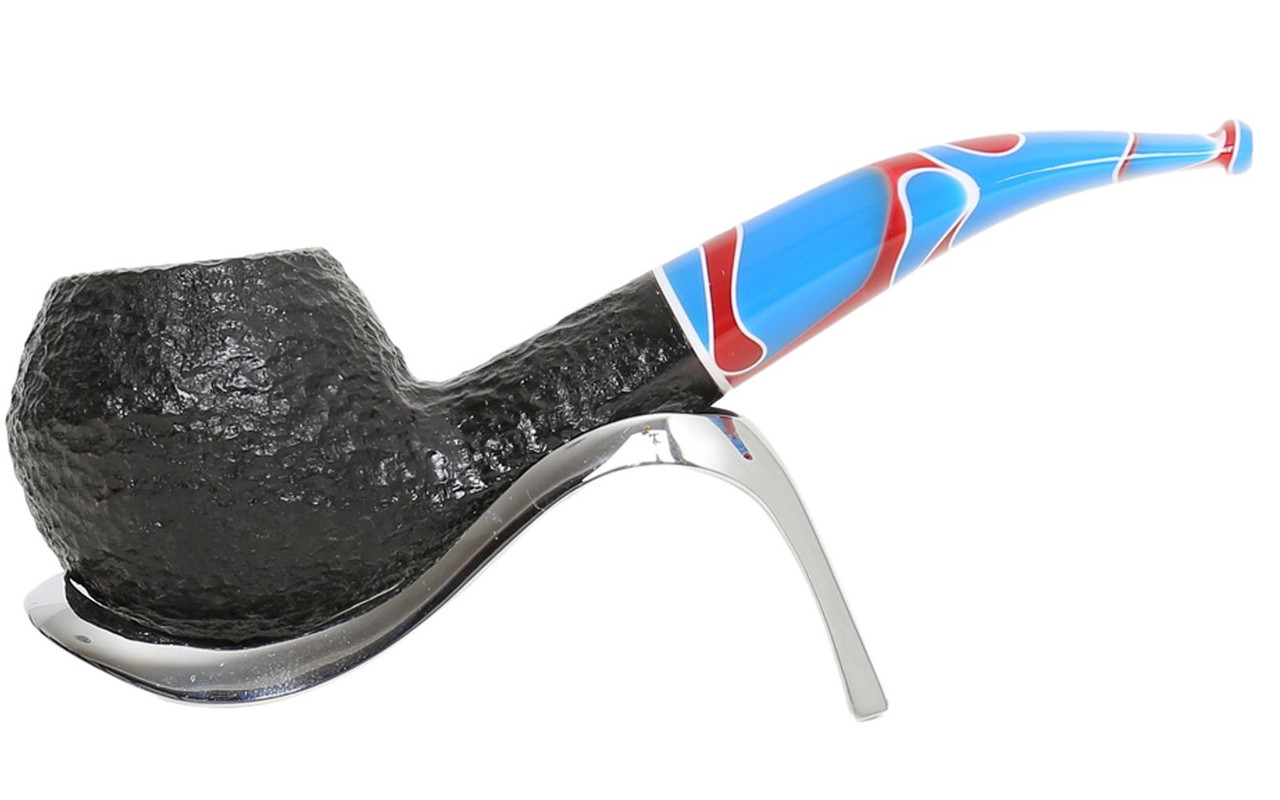
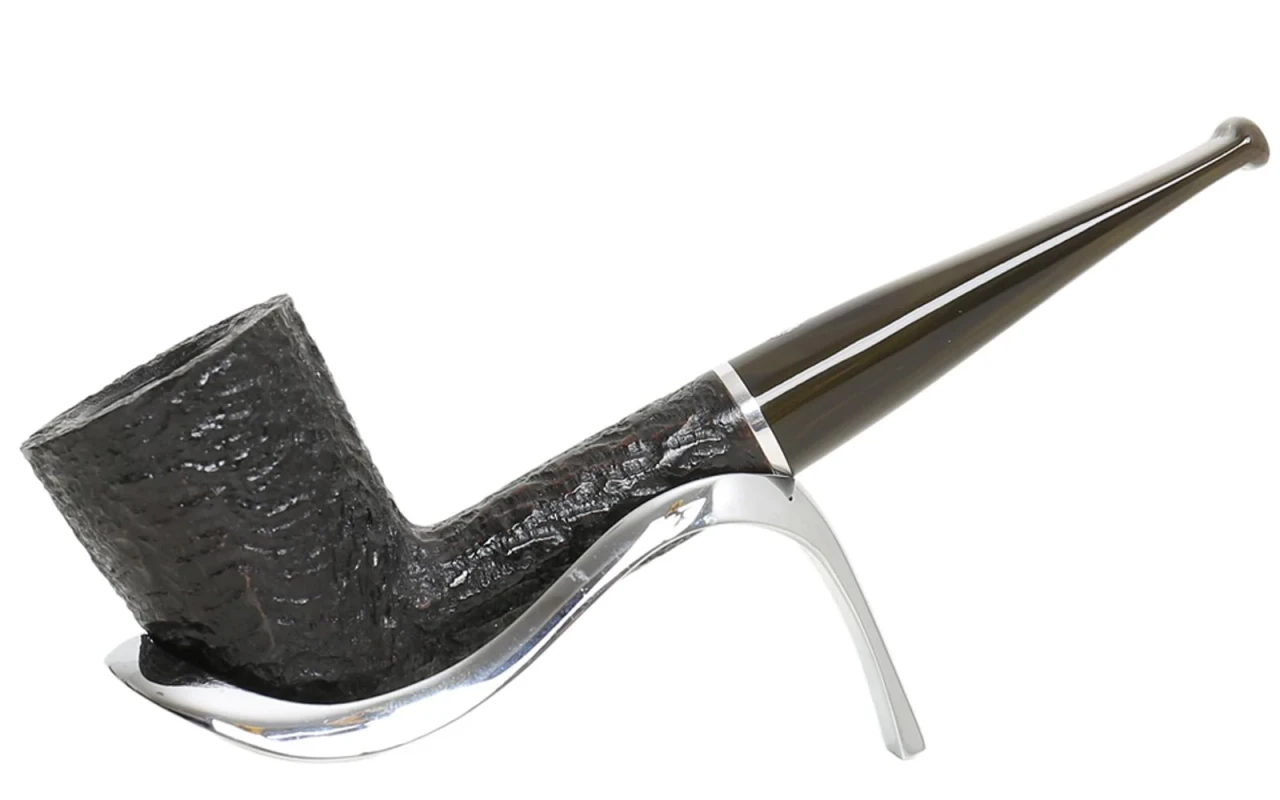
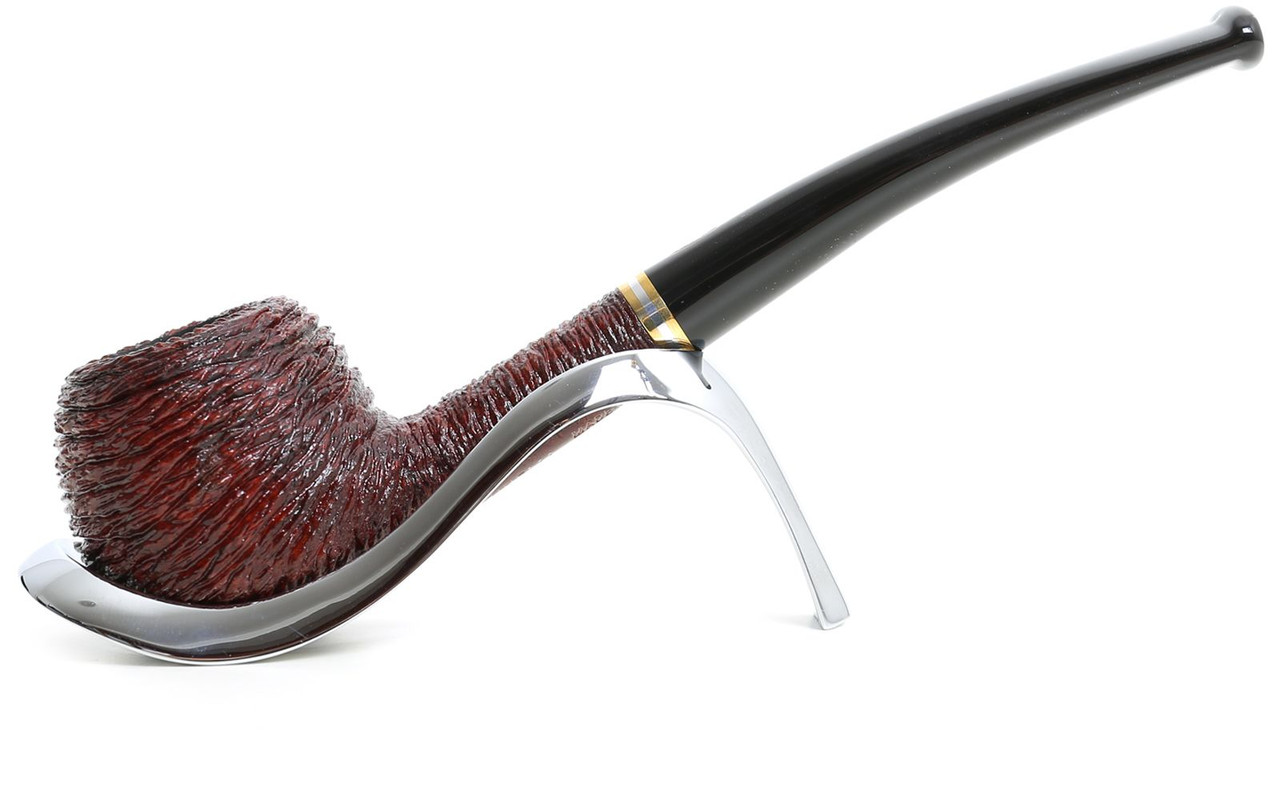
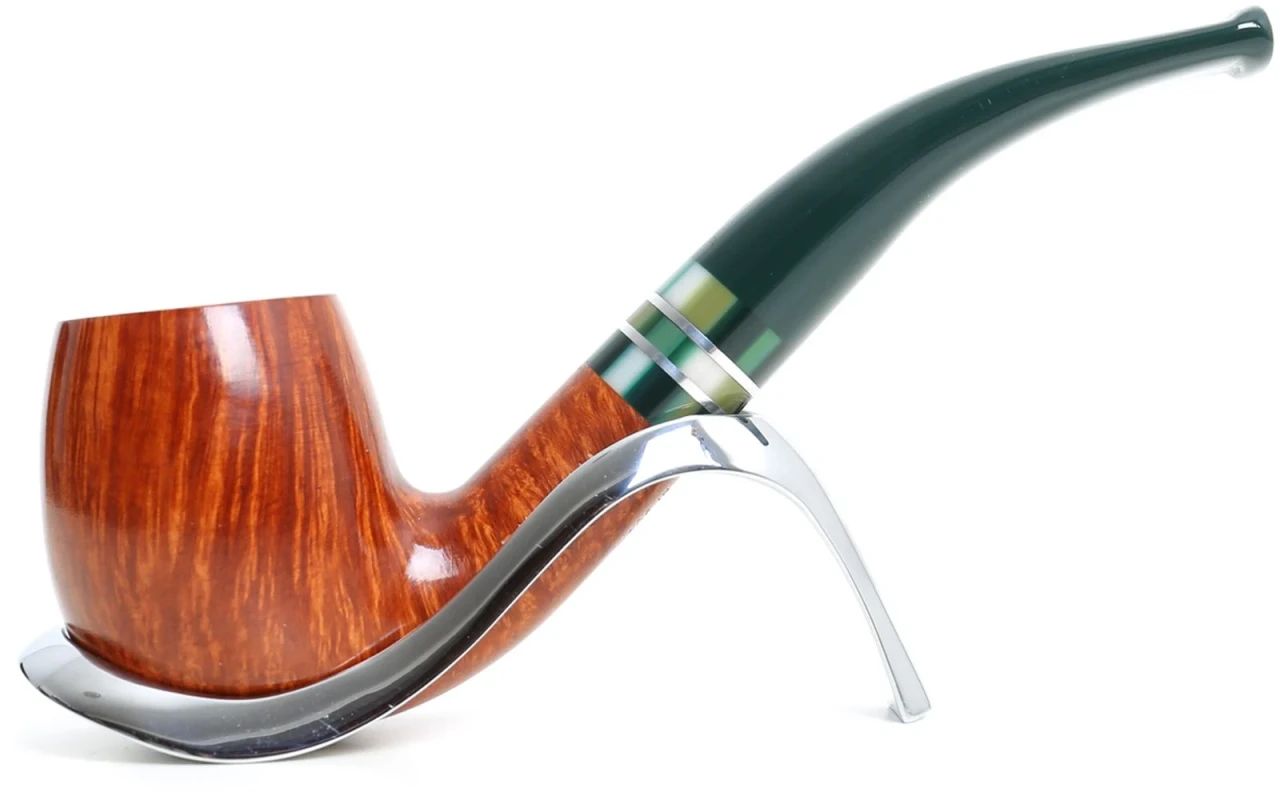
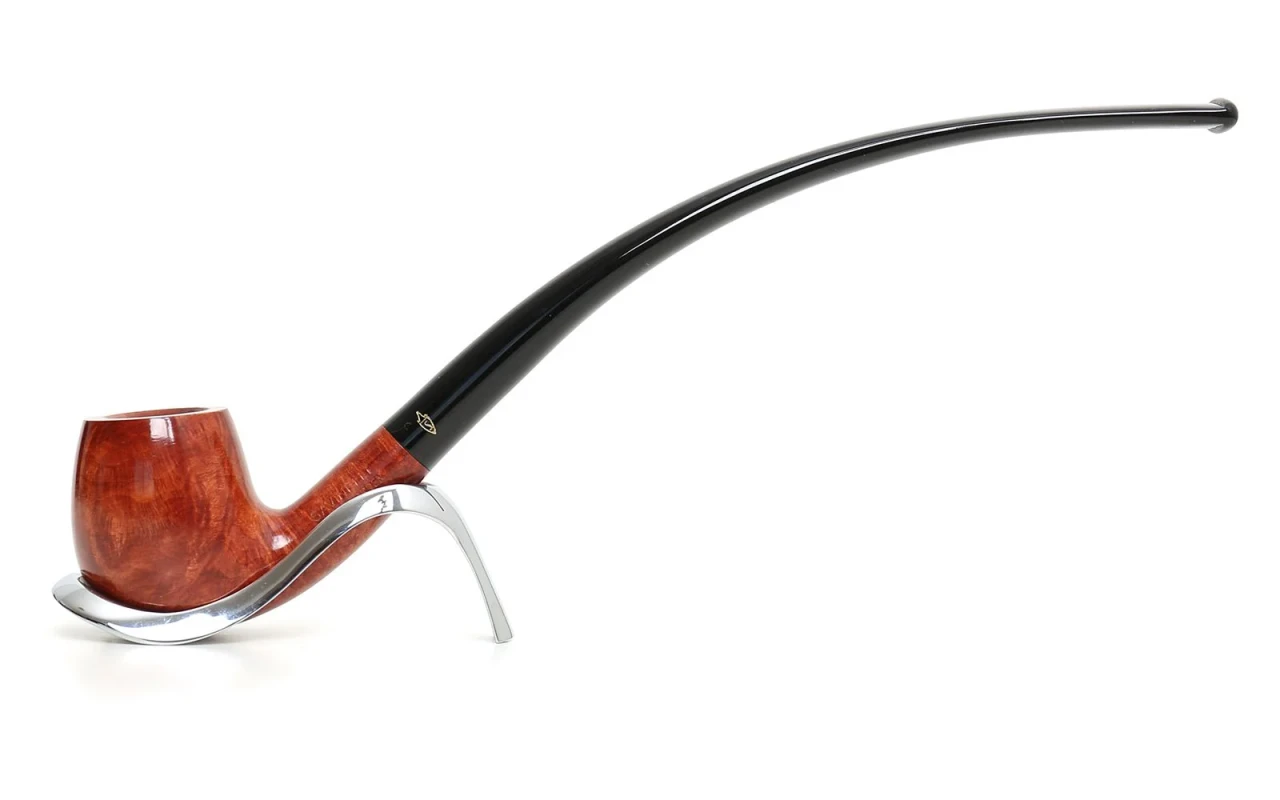
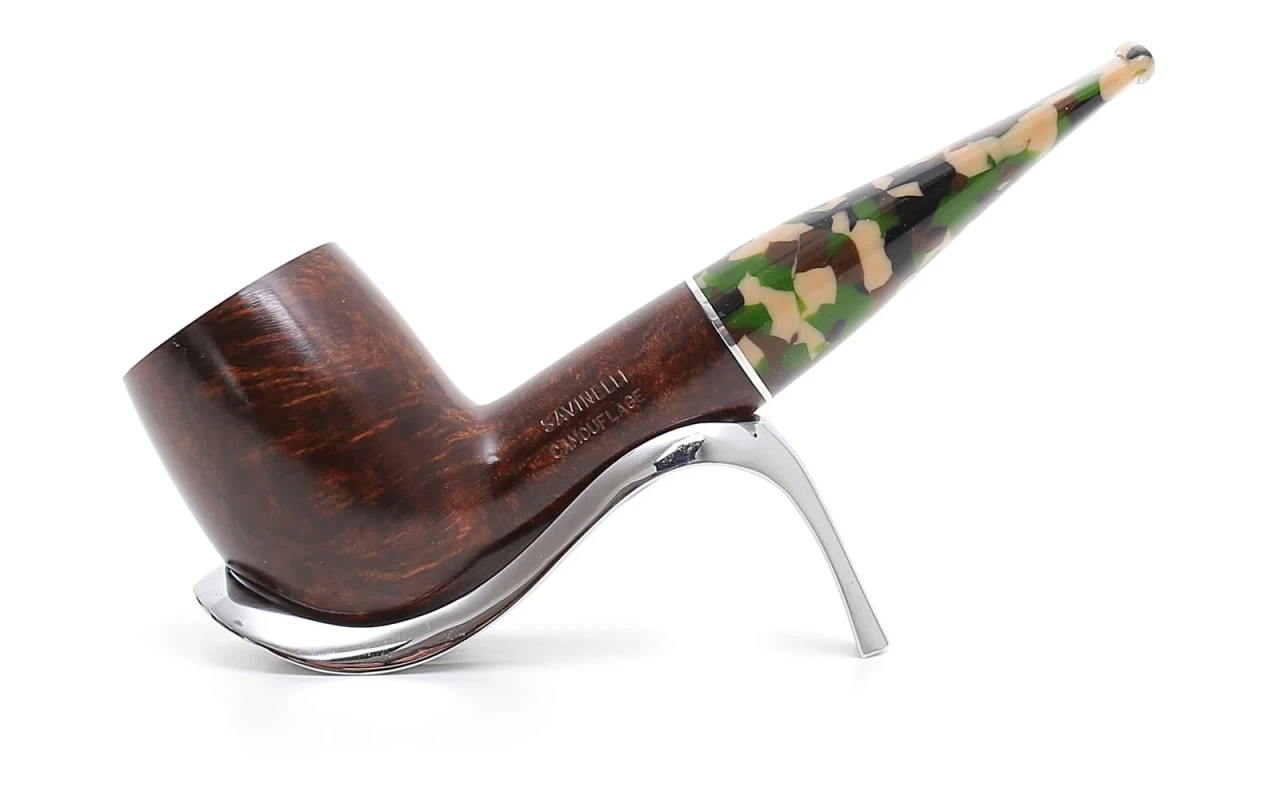
Diversification of materials for pipe production during the war
During the war, the diversification of materials for pipe production became essential due to the scarcity of resources and the need to adapt to circumstances. Traditional wooden pipes were replaced by more economical and available alternatives, such as clay, porcelain, or even metal pipes. This variation in materials allowed manufacturers to continue meeting the demand for pipes despite the limitations imposed by the wartime. Furthermore, the use of different materials led to new production techniques and designs, influencing the pipe market even in the post-war period.
COLLECTIBLE PIPES
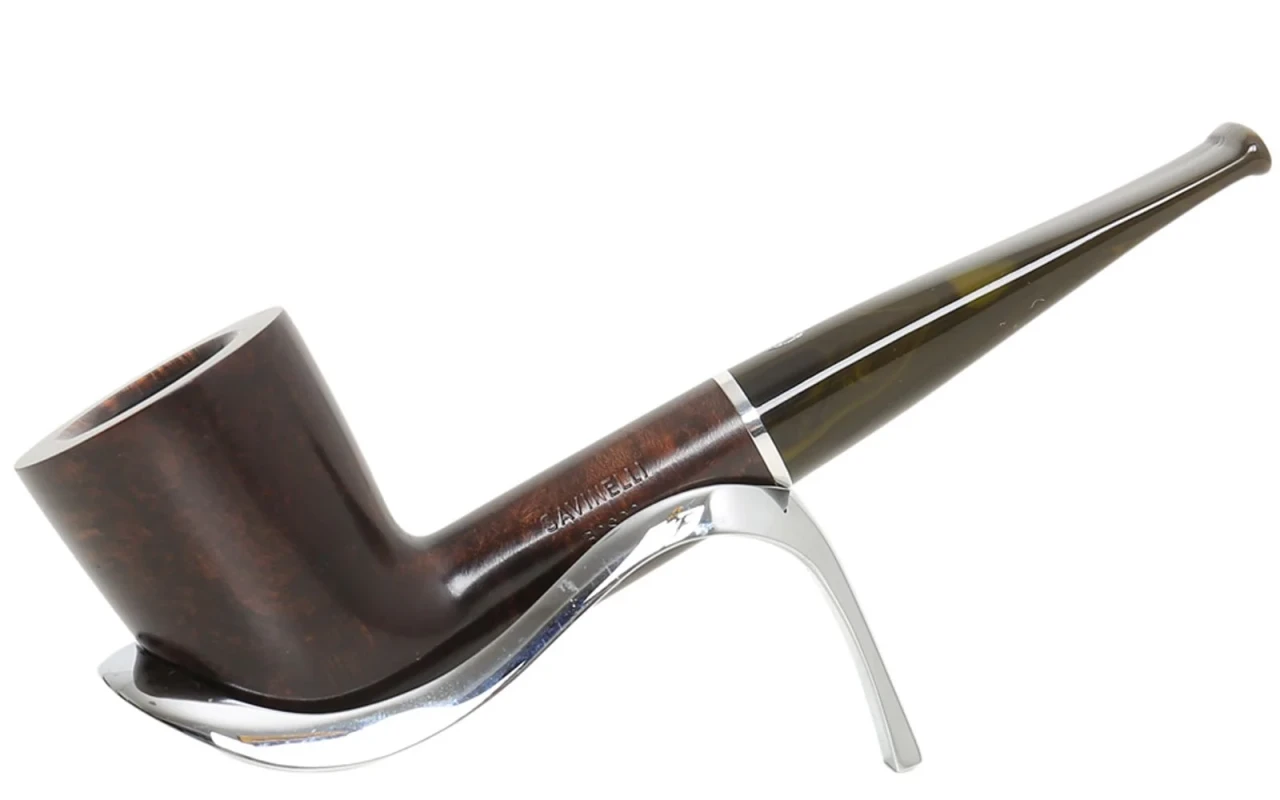
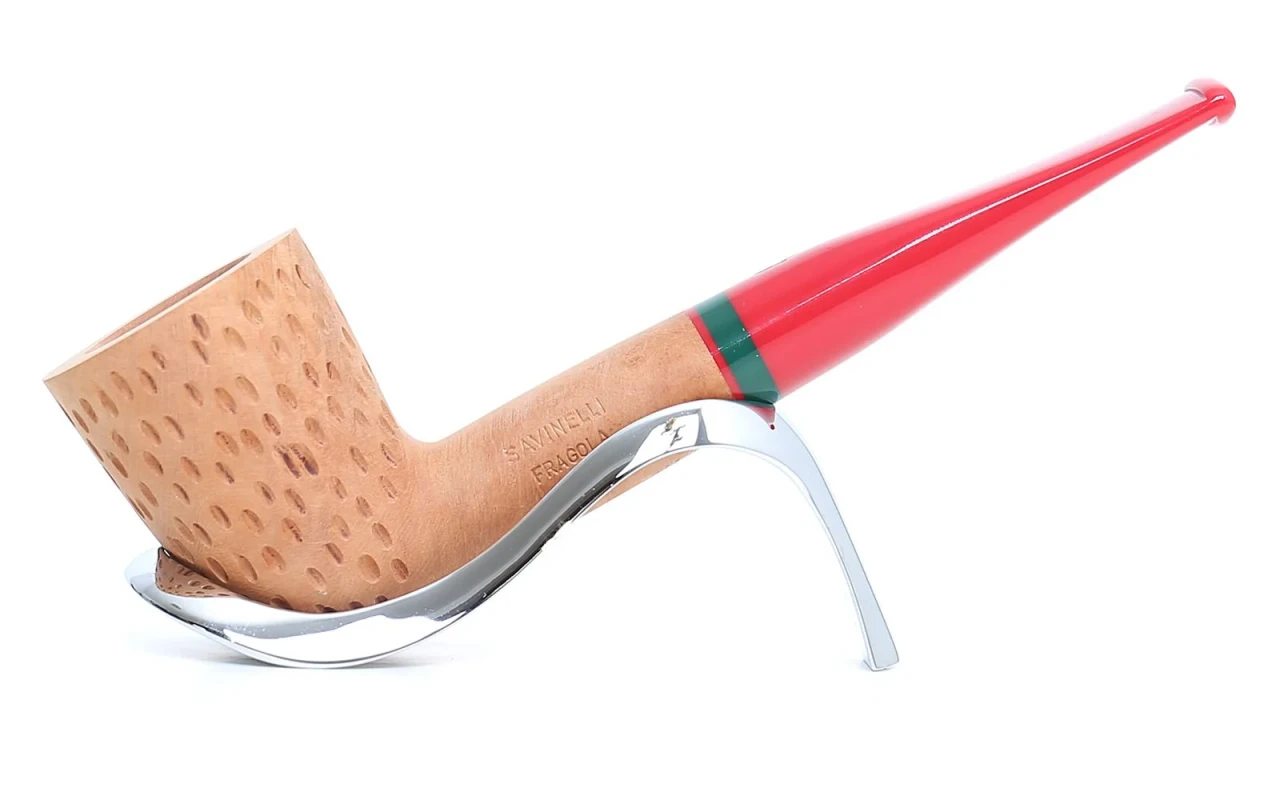
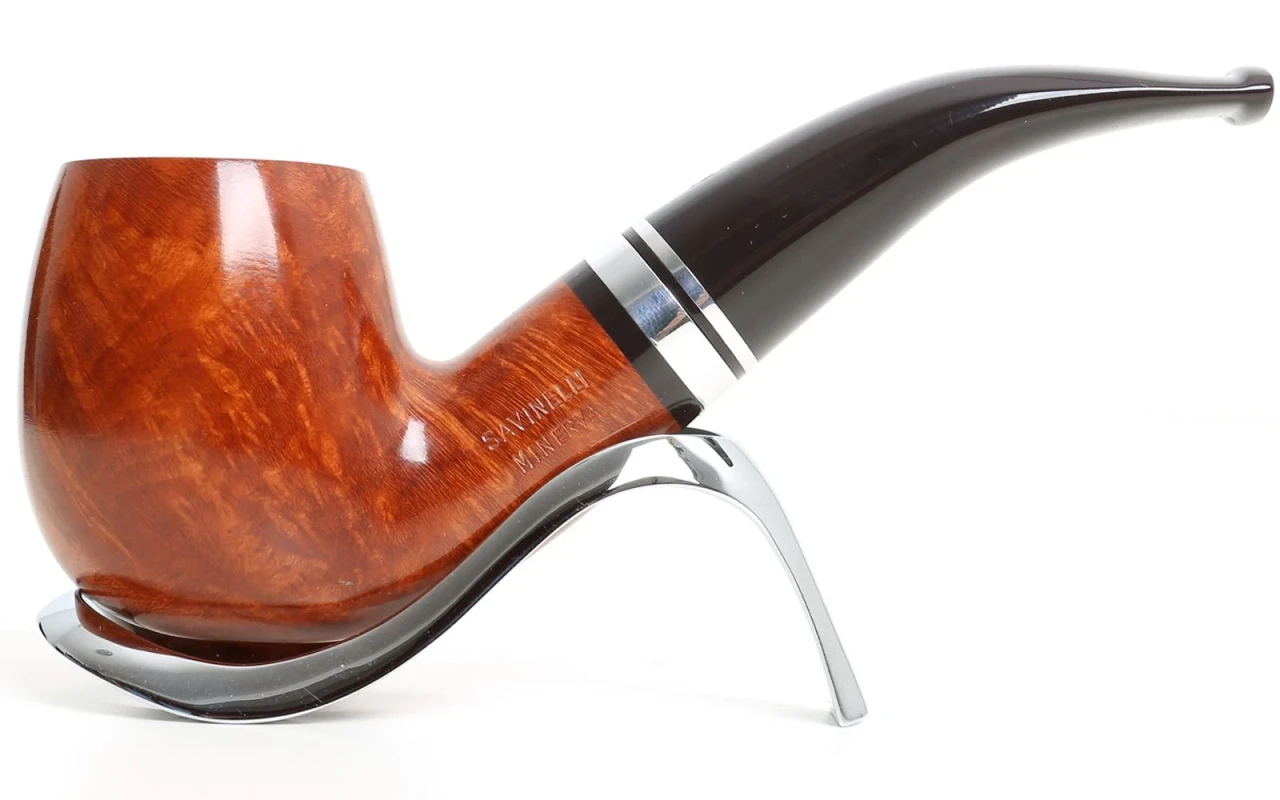
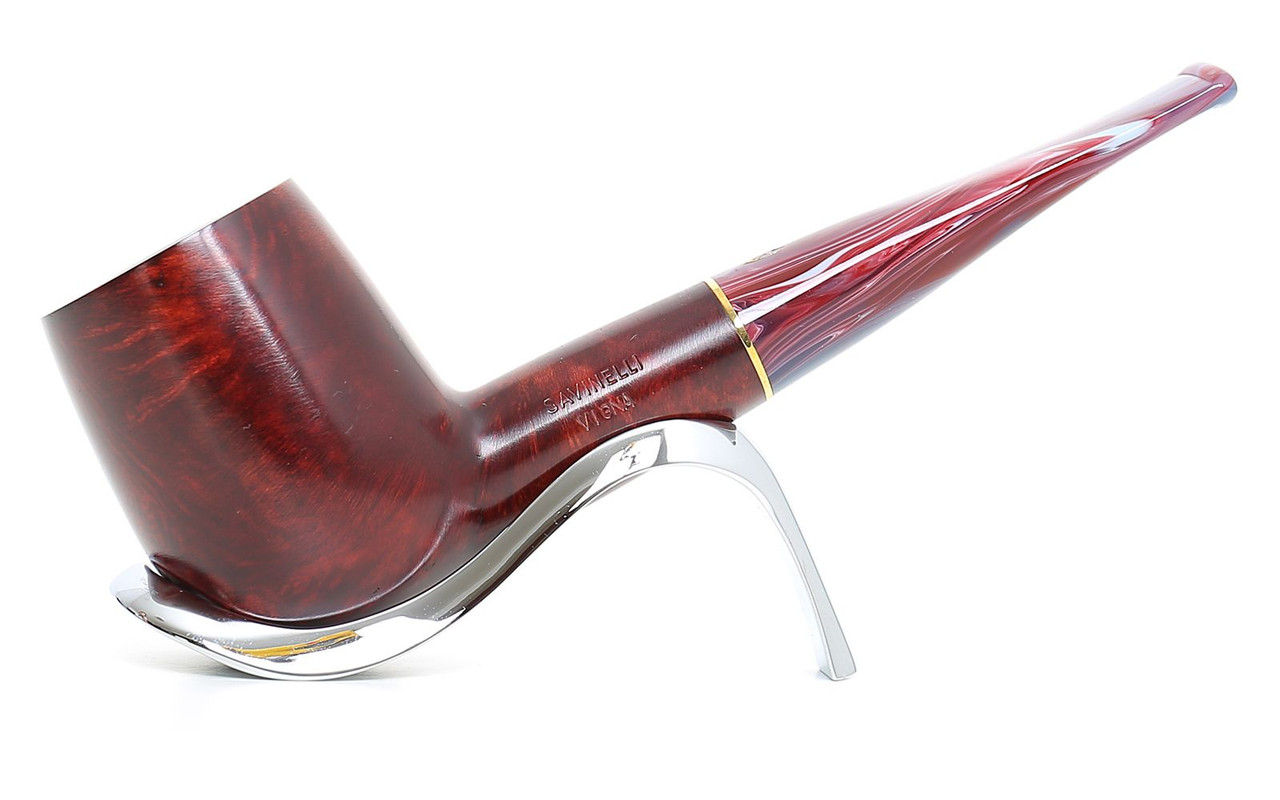
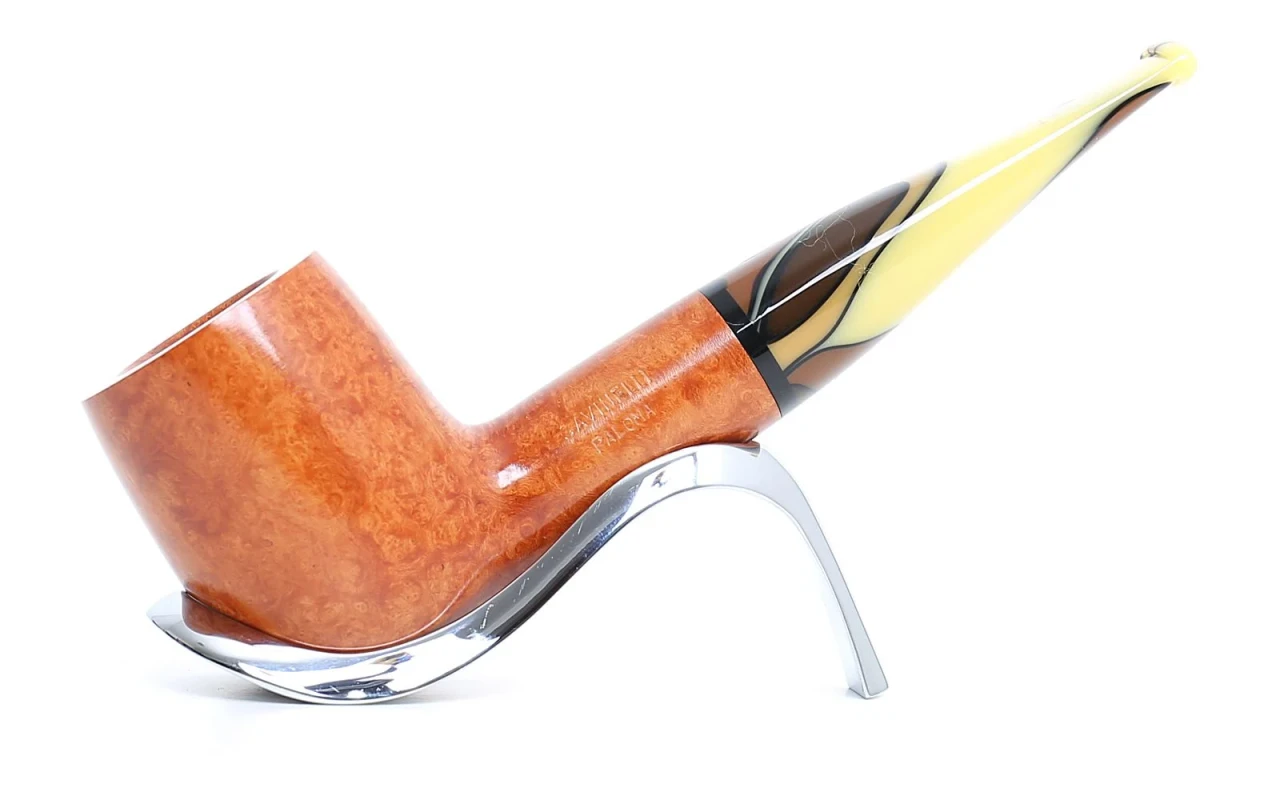
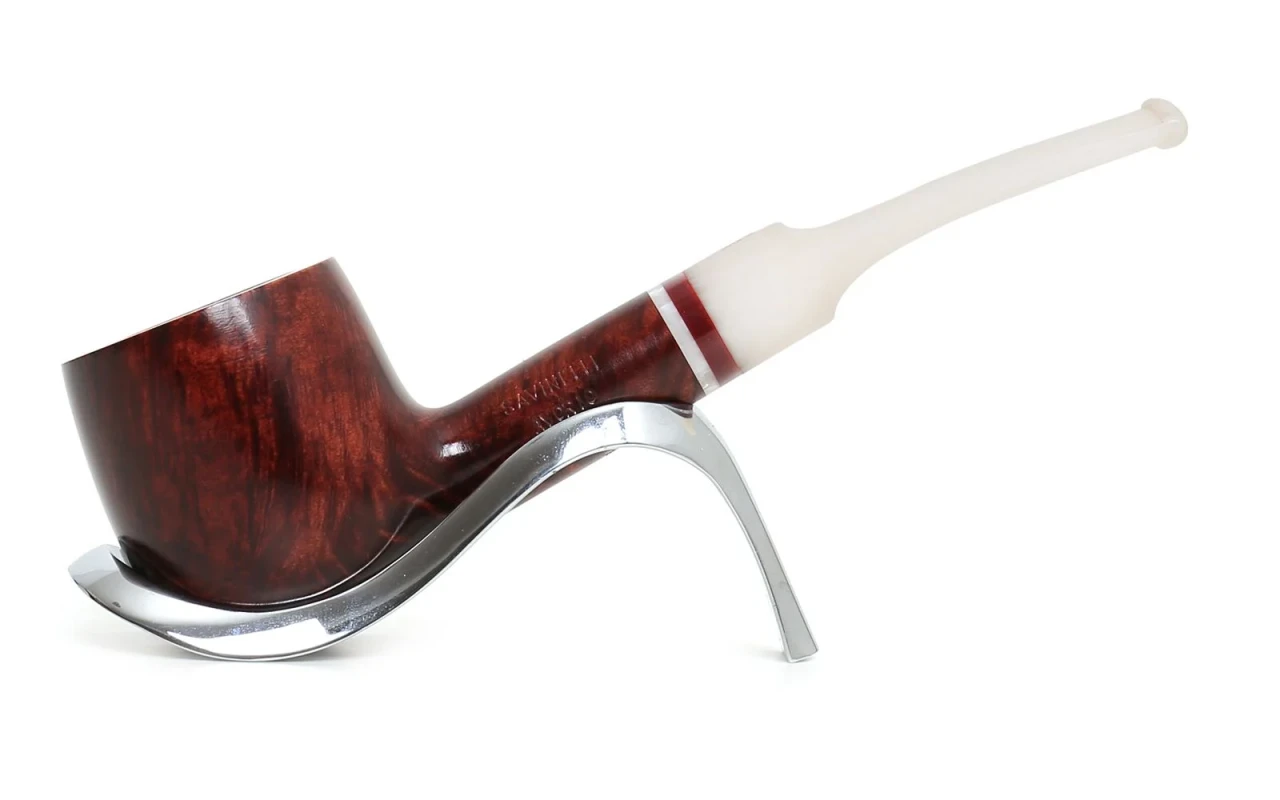
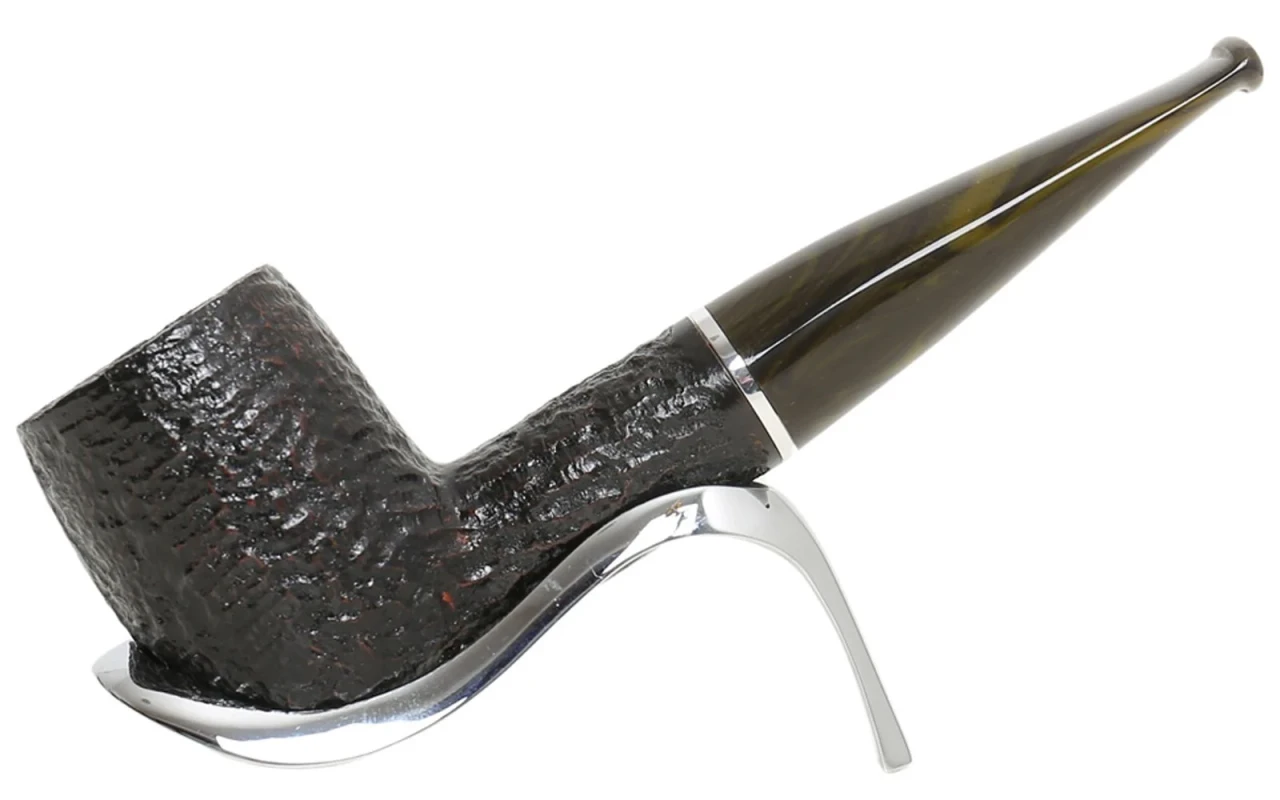
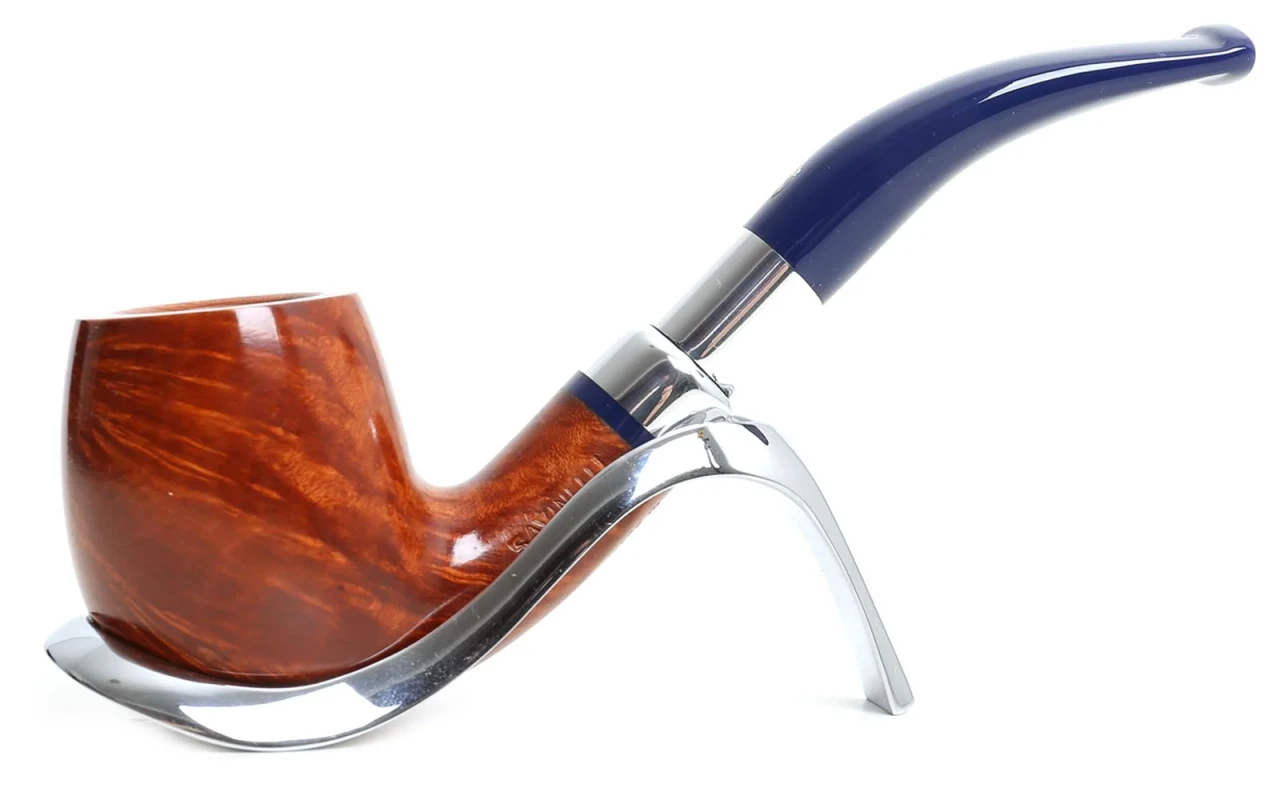
Collectible pipes are sought after by enthusiasts and collectors for their beauty and uniqueness. Usually crafted with precious materials such as briar or other fine woods, these pipes are often adorned with inlays or refined craftsmanship. Collectible pipes can feature unique shapes and sophisticated details, making them true works of art. Some collectors prefer pipes from historic brands or prestigious manufacturers. Care and maintenance are essential to preserve the aesthetics and value of these pipes, which can become unique pieces over time.
Materials used for collectible pipes
Collectible pipes can be made from a variety of precious materials to ensure quality and beauty. The most common materials include:- Briar wood: a hard and durable wood, widely used for its natural beauty and ability to absorb smoke.- Olive wood: wood with unique veins and warm colors, highly appreciated for its elegance.- Meerschaum: a porous and lightweight stone that colors with use, creating a unique effect on the pipe.- Silver: used for decorative details or as an internal lining to enhance smoking.- Horn: often used for mouthpieces or decorative details, offering a rustic and elegant touch.These materials contribute to creating high-quality collectible pipes with a unique design.
History of collectible pipes
Collectible pipes have a fascinating history rich in tradition. Dating back centuries, the first smoking pipes were made of materials such as clay, wood, and briar. Over time, pipes have evolved into true works of art, adorned with inlays, engravings, and precious materials. In the 19th century, collectible pipes became popular among the aristocracy and the wealthy, becoming a symbol of status and sophistication. Today, collectible pipes are sought after by enthusiasts and collectors worldwide, looking for unique and valuable pieces to enrich their collections.
Value of collectible pipes
Collectible pipes can have a significant value, which depends on various factors. The rarity and antiquity of the pipe are among the main elements that influence its price. Additionally, the construction material (such as briar or other precious woods) and the craftsmanship can increase the value of a collectible pipe. The manufacturer's brand and any special features, such as inlays or unique finishes, also contribute to determining the overall value. It is advisable to consult industry experts or specialized retailers to accurately assess the value of a collectible pipe.
'%3e%3cg id='Final-Copy-2_2_' transform='translate(1275.000000, 200.000000)'%3e%3cpath class='st0' d='M7.4,12.8h6.8l3.1-11.6H7.4C4.2,1.2,1.6,3.8,1.6,7S4.2,12.8,7.4,12.8z'/%3e%3c/g%3e%3c/g%3e%3c/g%3e%3cg id='final---dec.11-2020'%3e%3cg id='_x30_208-our-toggle' transform='translate(-1275.000000, -200.000000)'%3e%3cg id='Final-Copy-2' transform='translate(1275.000000, 200.000000)'%3e%3cpath class='st1' d='M22.6,0H7.4c-3.9,0-7,3.1-7,7s3.1,7,7,7h15.2c3.9,0,7-3.1,7-7S26.4,0,22.6,0z M1.6,7c0-3.2,2.6-5.8,5.8-5.8 h9.9l-3.1,11.6H7.4C4.2,12.8,1.6,10.2,1.6,7z'/%3e%3cpath id='x' class='st2' d='M24.6,4c0.2,0.2,0.2,0.6,0,0.8l0,0L22.5,7l2.2,2.2c0.2,0.2,0.2,0.6,0,0.8c-0.2,0.2-0.6,0.2-0.8,0 l0,0l-2.2-2.2L19.5,10c-0.2,0.2-0.6,0.2-0.8,0c-0.2-0.2-0.2-0.6,0-0.8l0,0L20.8,7l-2.2-2.2c-0.2-0.2-0.2-0.6,0-0.8 c0.2-0.2,0.6-0.2,0.8,0l0,0l2.2,2.2L23.8,4C24,3.8,24.4,3.8,24.6,4z'/%3e%3cpath id='y' class='st3' d='M12.7,4.1c0.2,0.2,0.3,0.6,0.1,0.8l0,0L8.6,9.8C8.5,9.9,8.4,10,8.3,10c-0.2,0.1-0.5,0.1-0.7-0.1l0,0 L5.4,7.7c-0.2-0.2-0.2-0.6,0-0.8c0.2-0.2,0.6-0.2,0.8,0l0,0L8,8.6l3.8-4.5C12,3.9,12.4,3.9,12.7,4.1z'/%3e%3c/g%3e%3c/g%3e%3c/g%3e%3c/g%3e%3c/svg%3e) Your Privacy Choices
Your Privacy Choices 


