 ES
ES FR
FR EN
EN IT
IT DE
DE
Distinctive features of pipe design
Distinctive features of pipe design
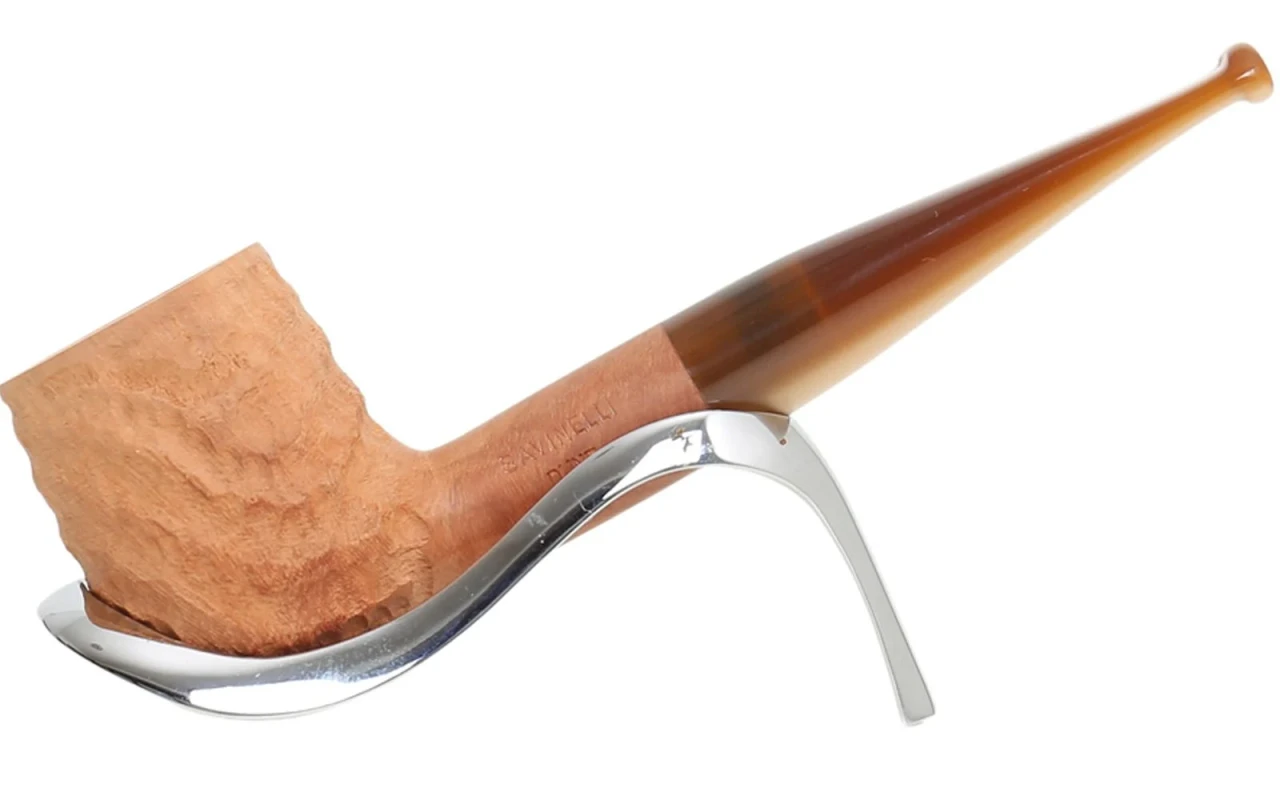
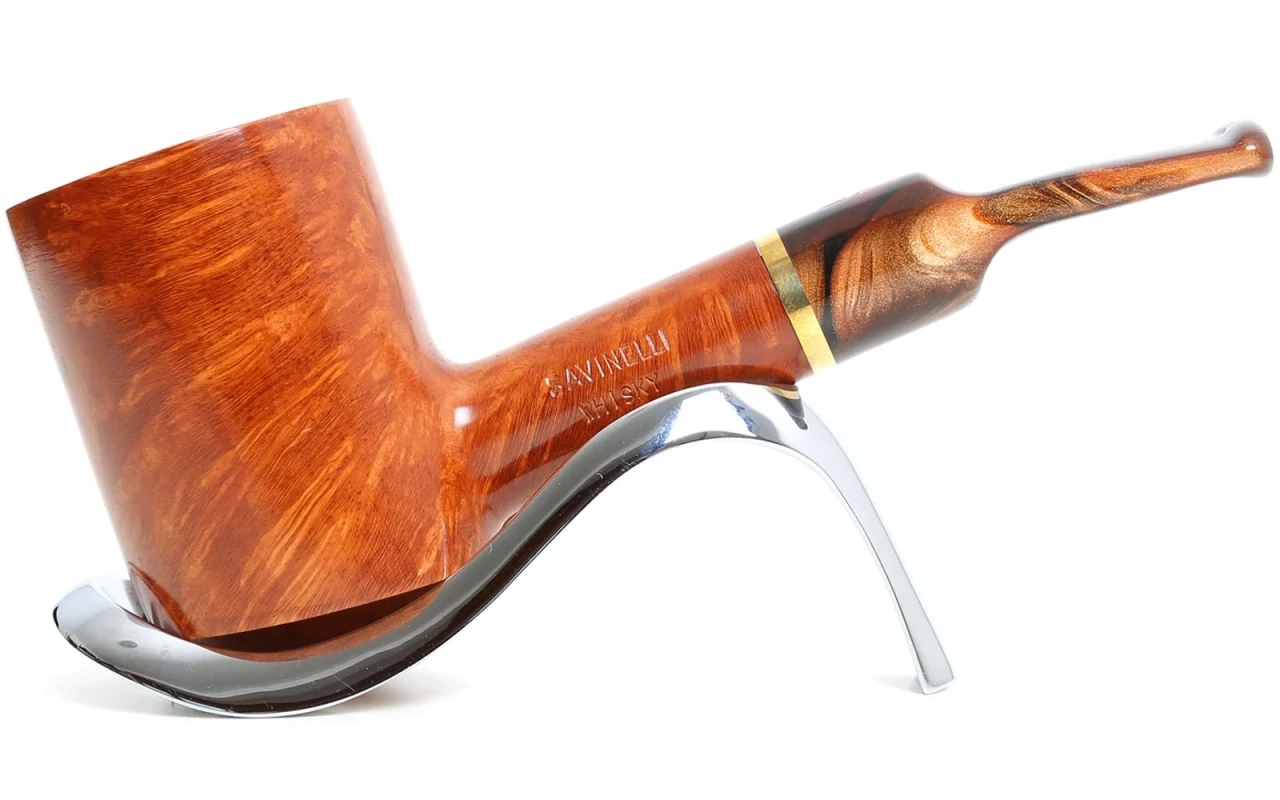
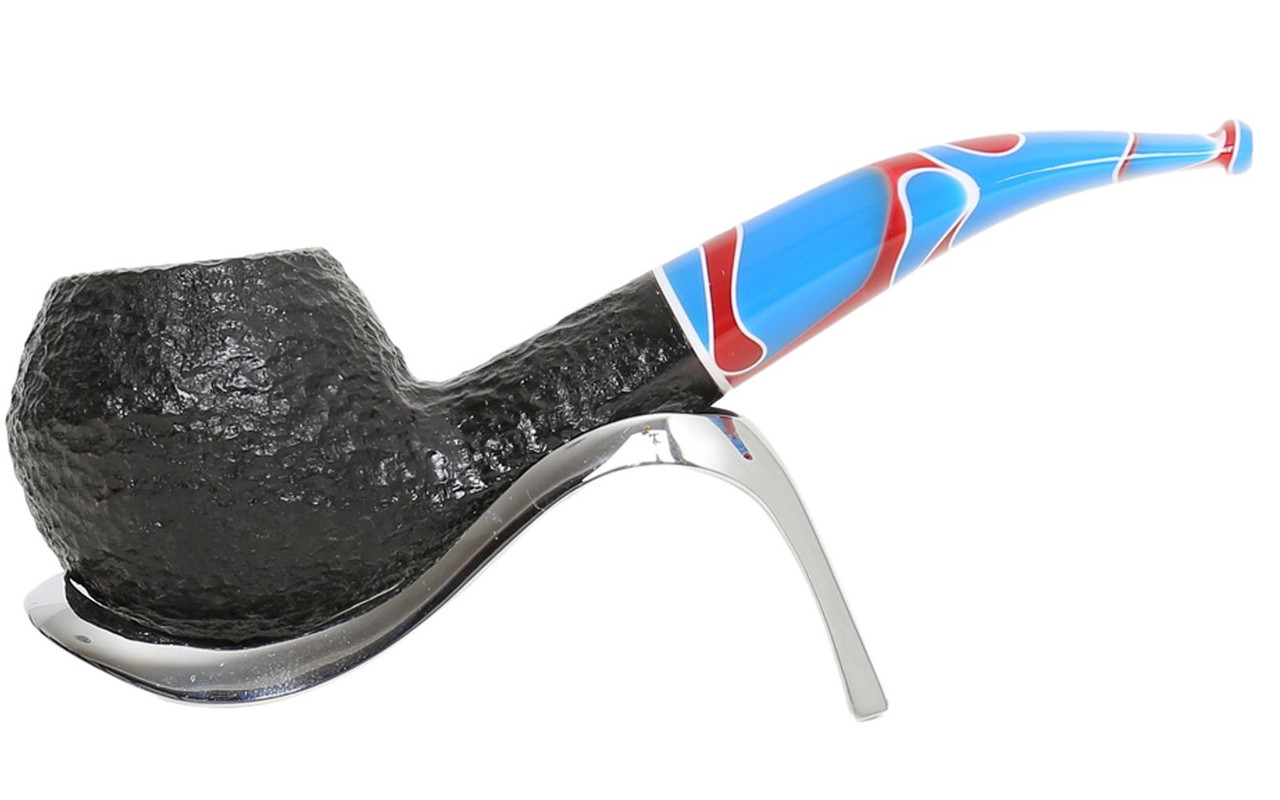
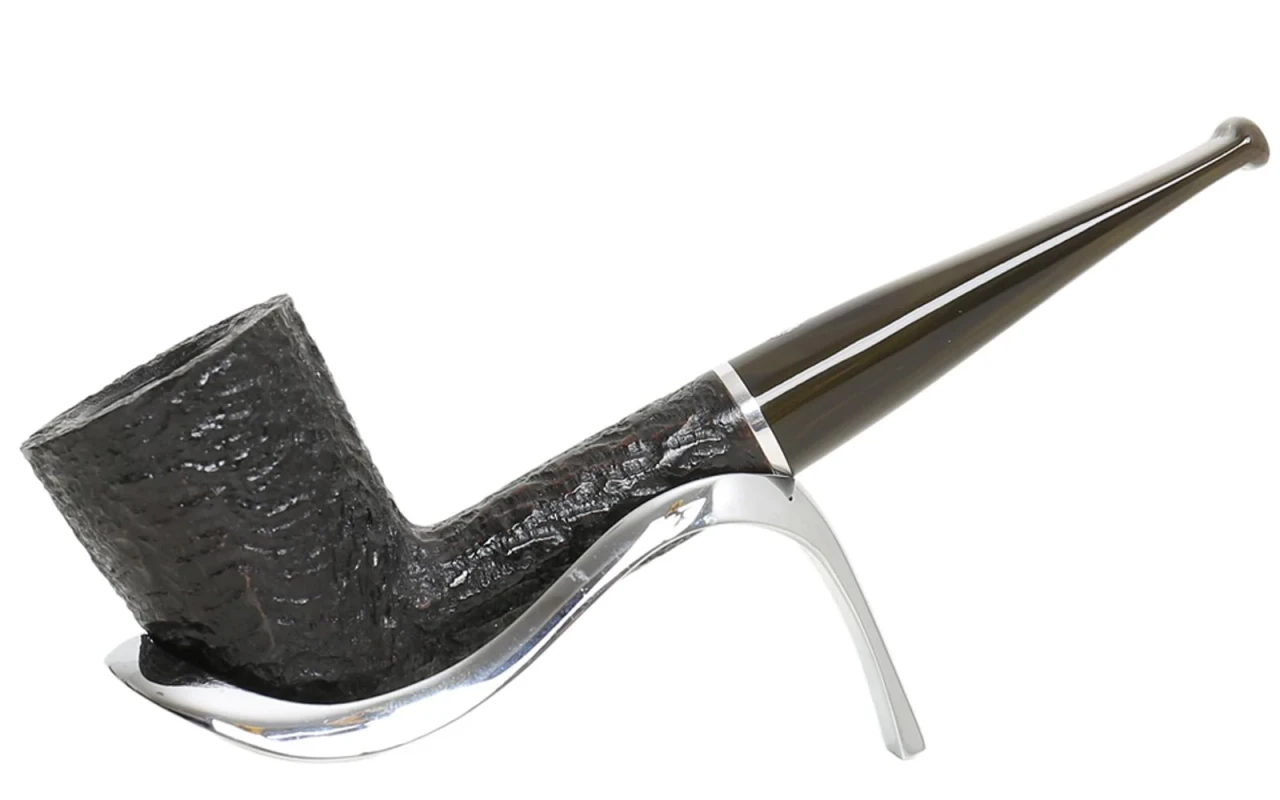
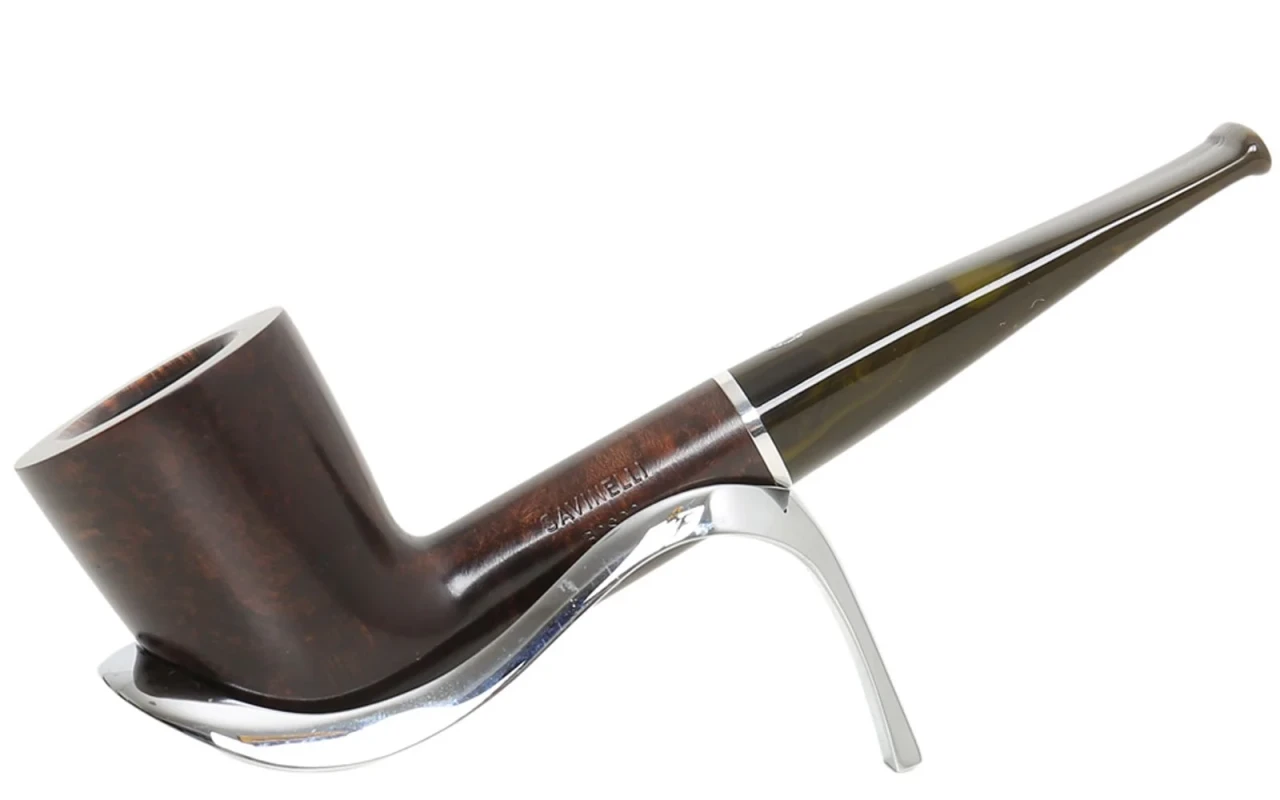
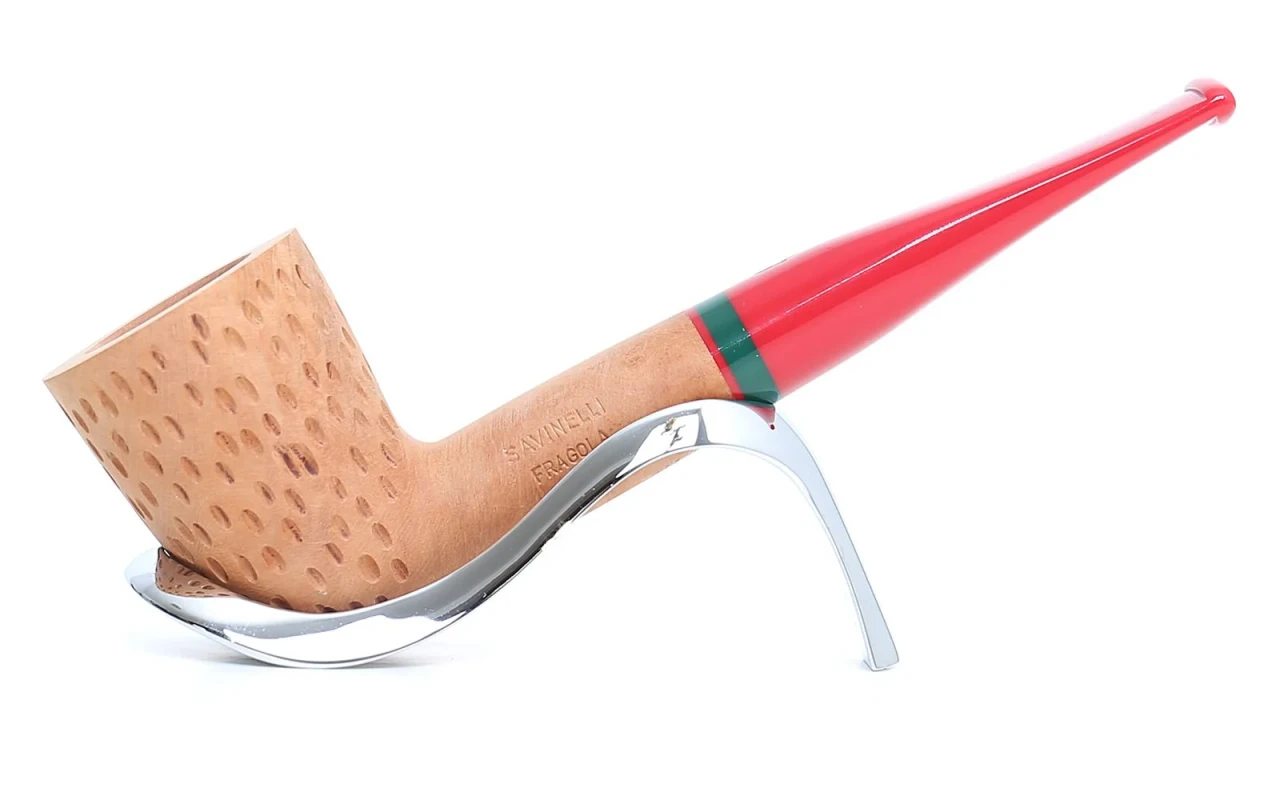
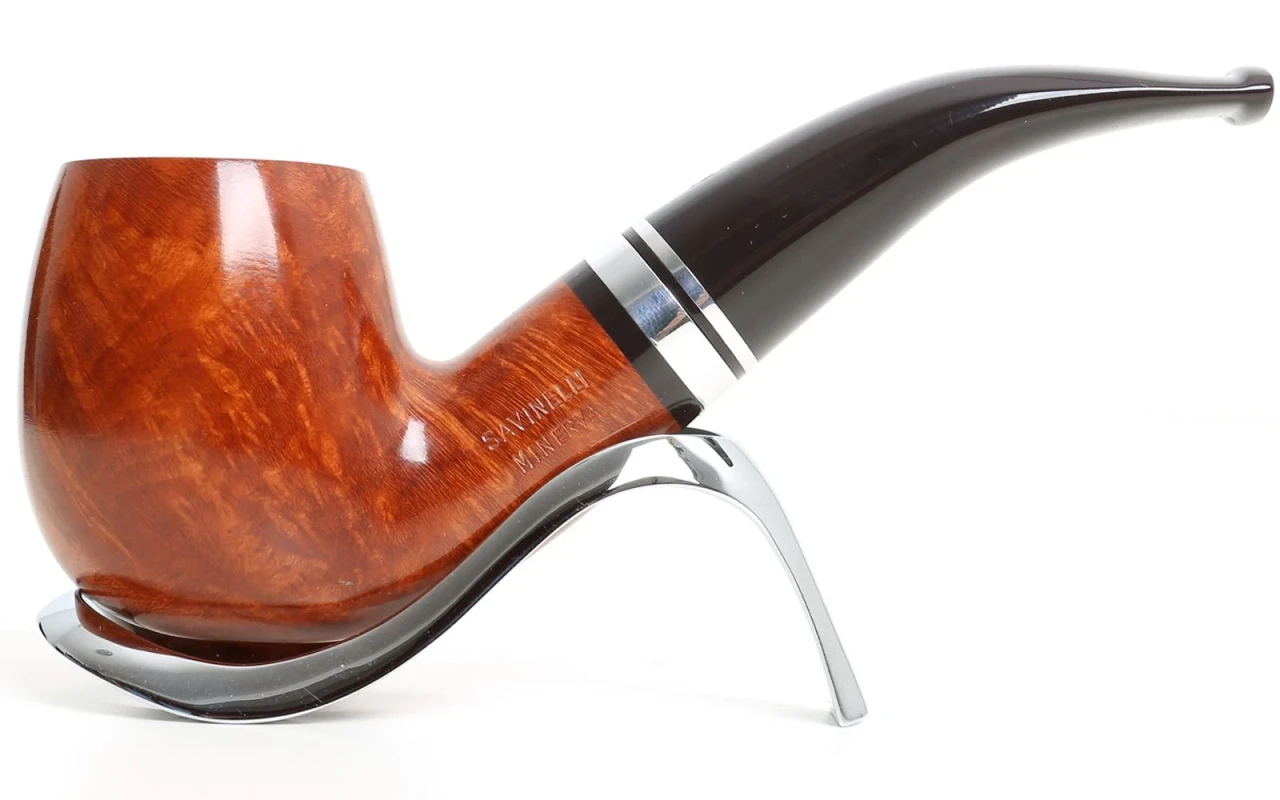
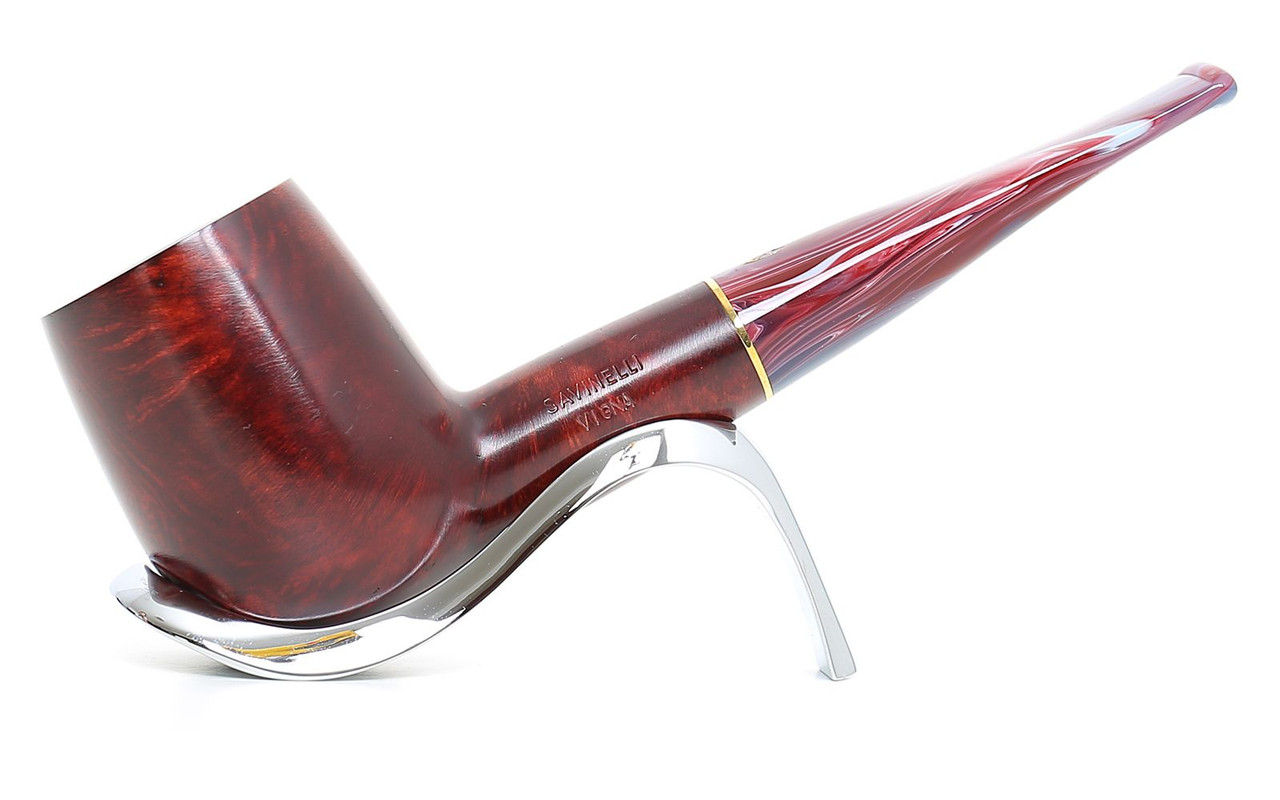
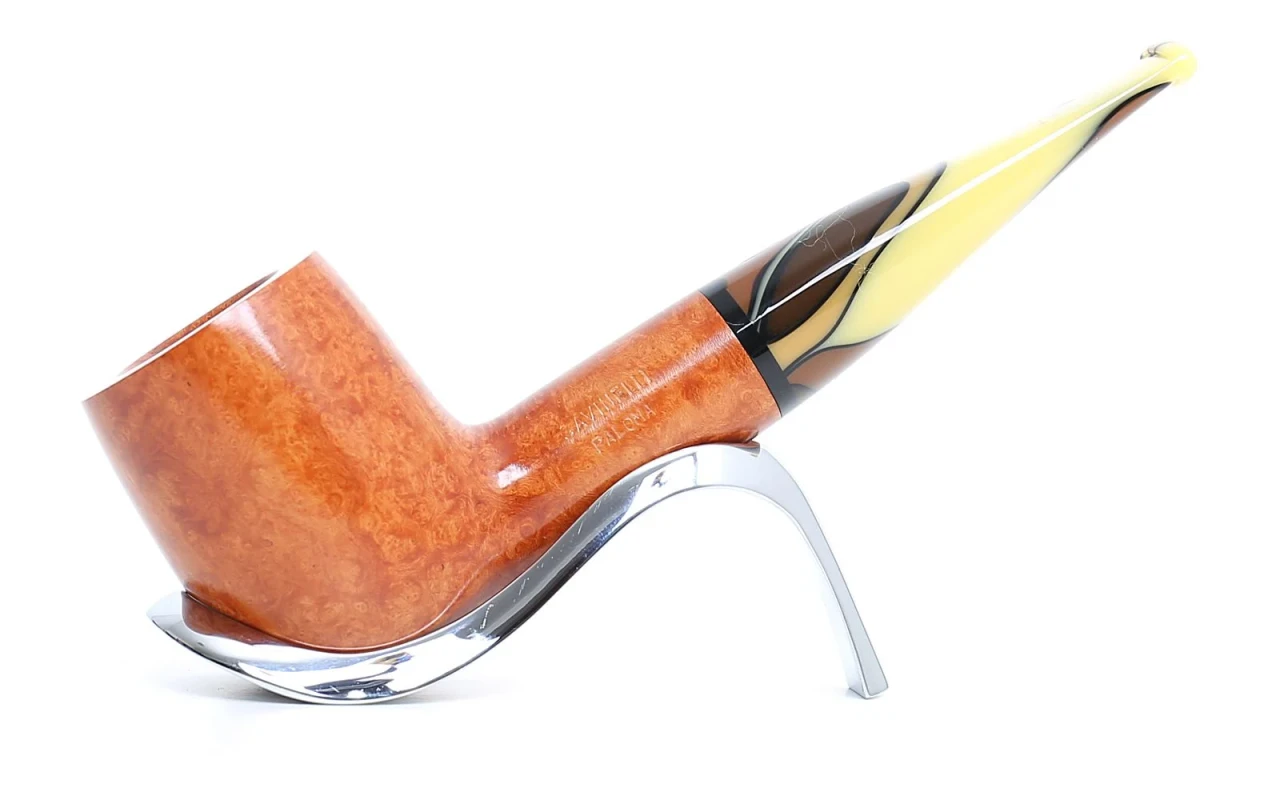
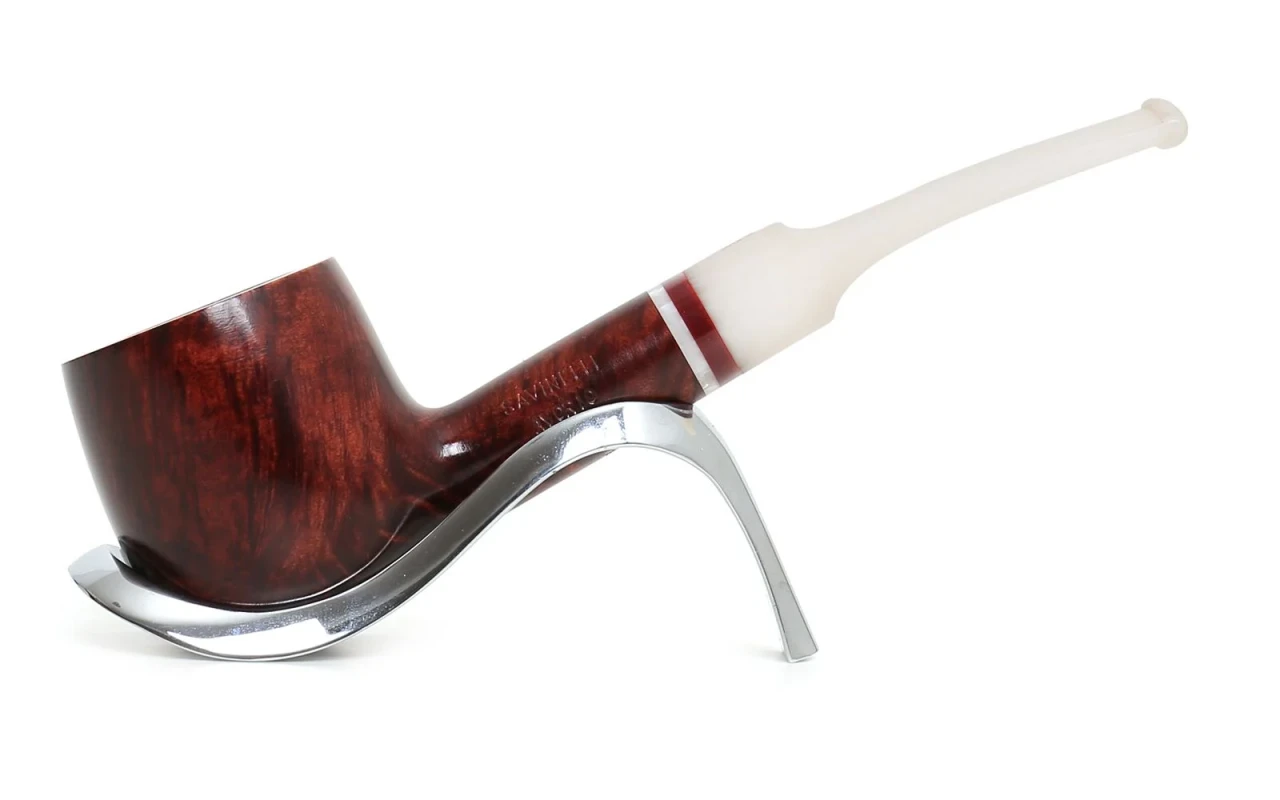
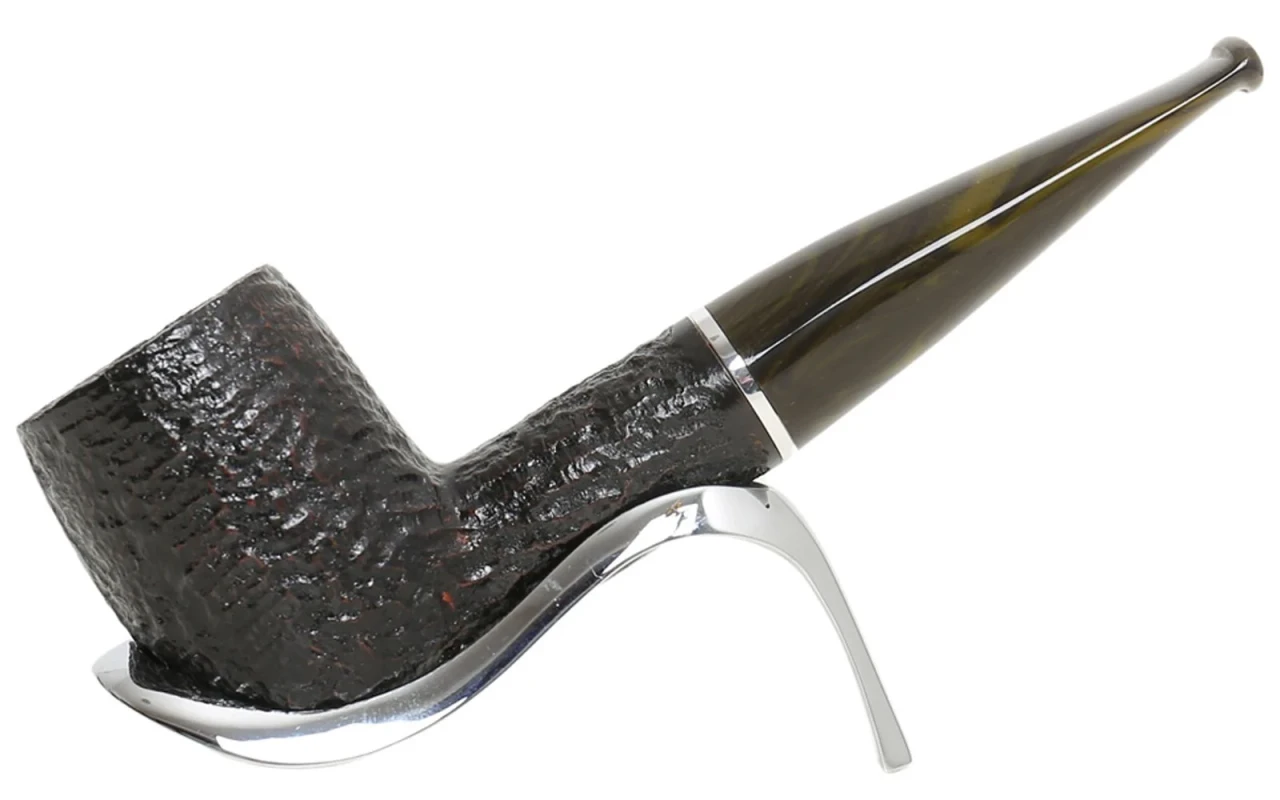
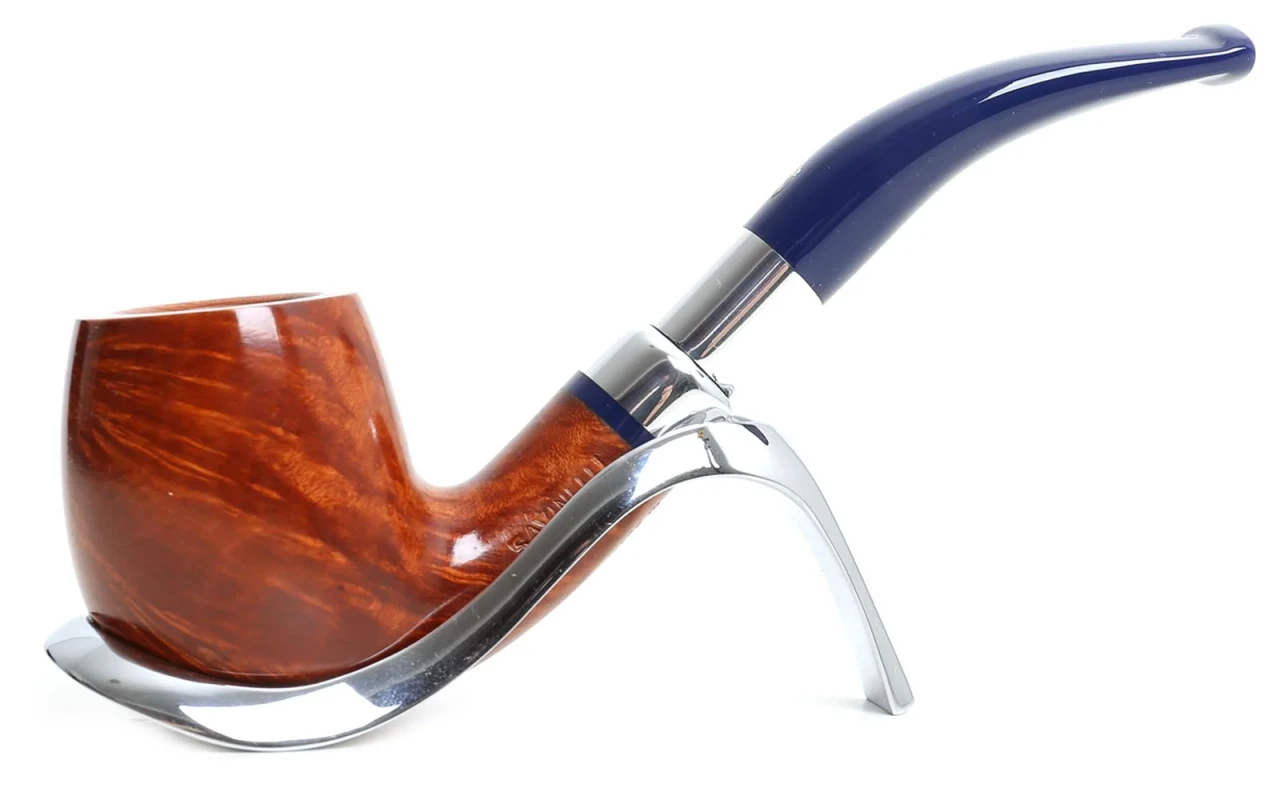
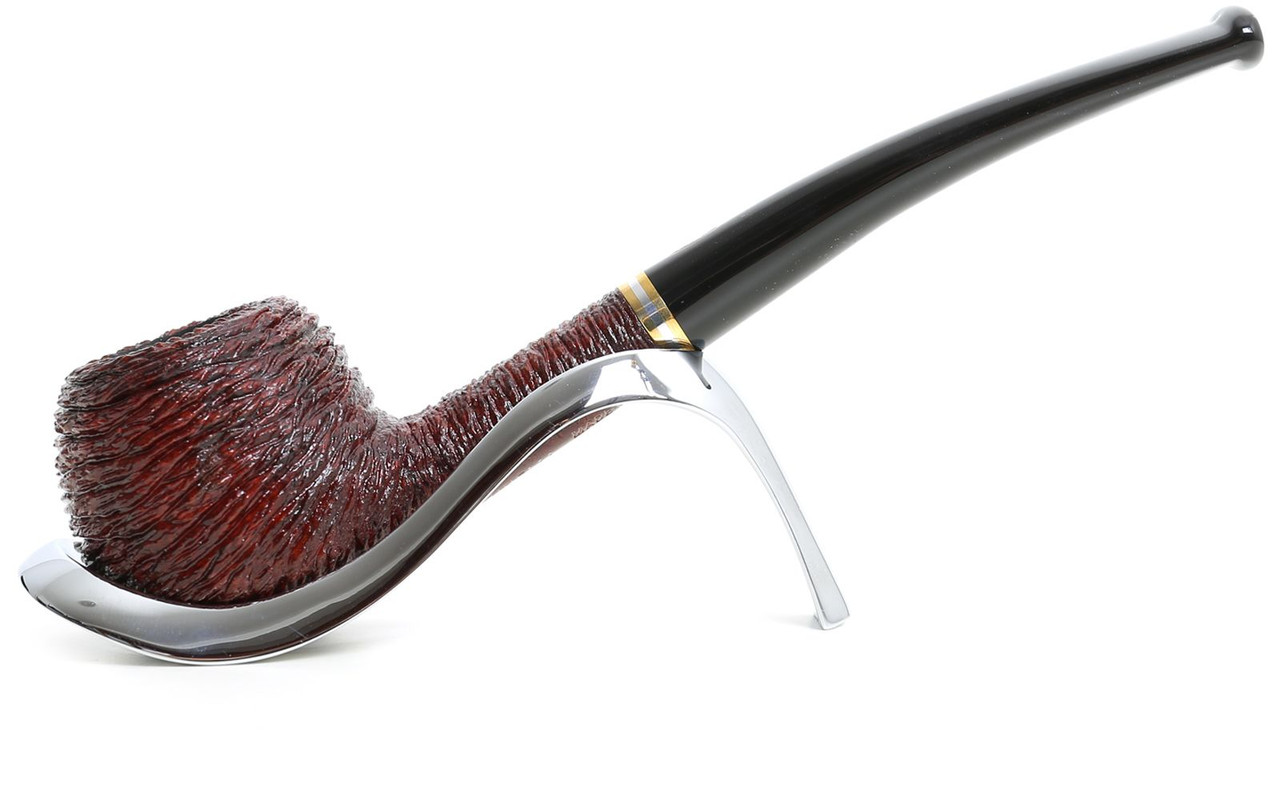
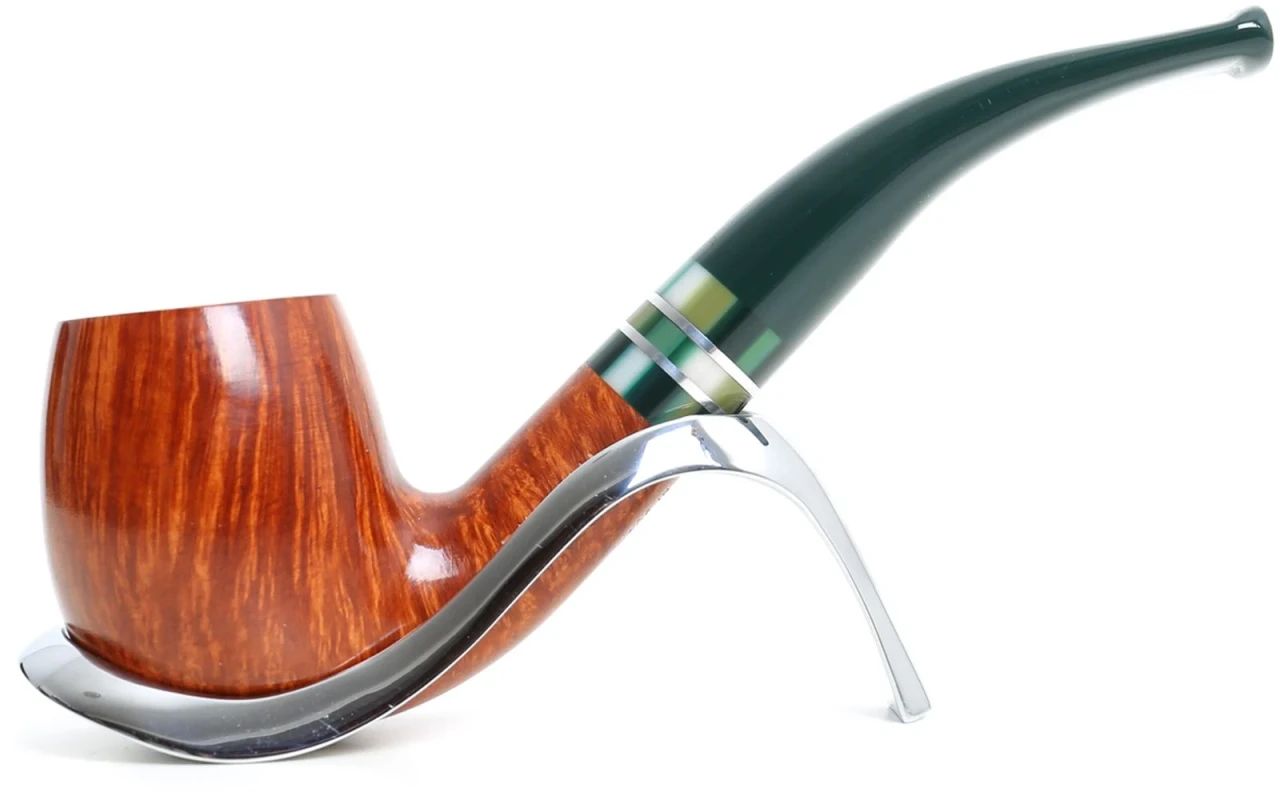
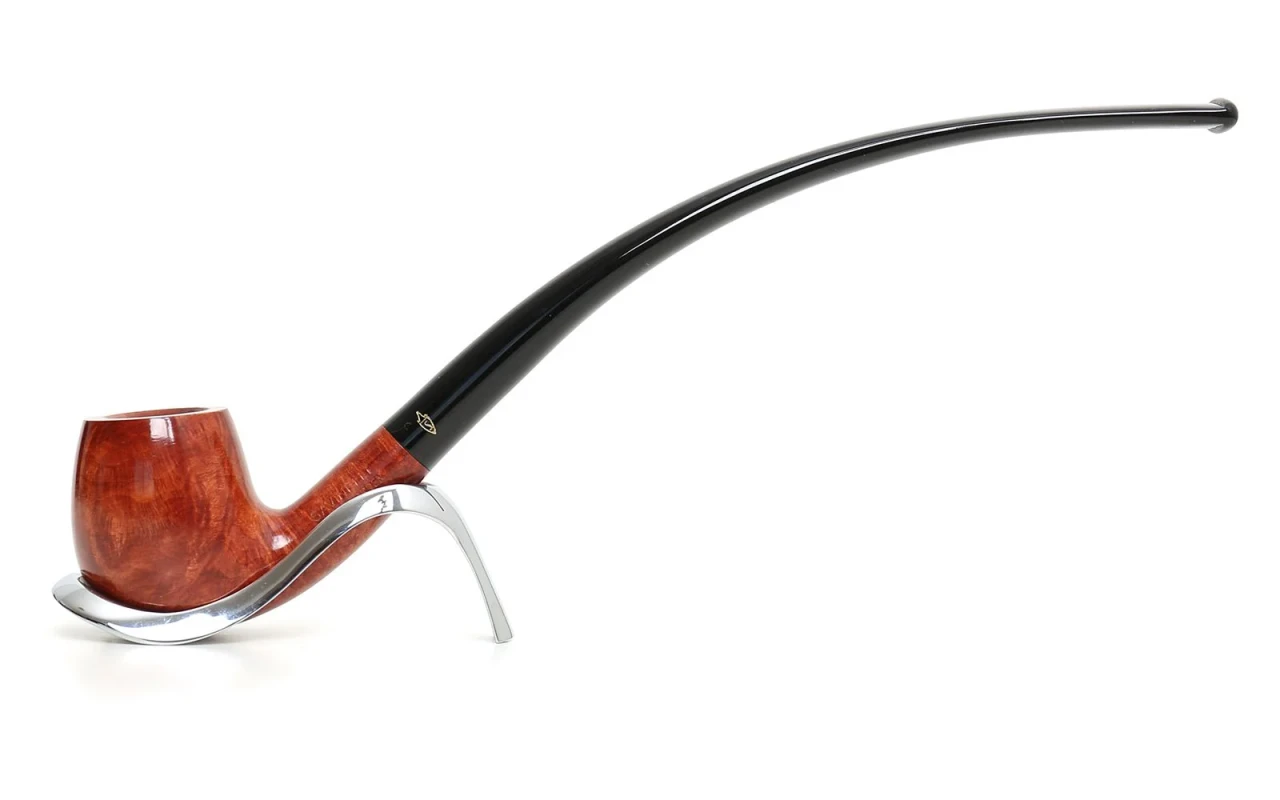
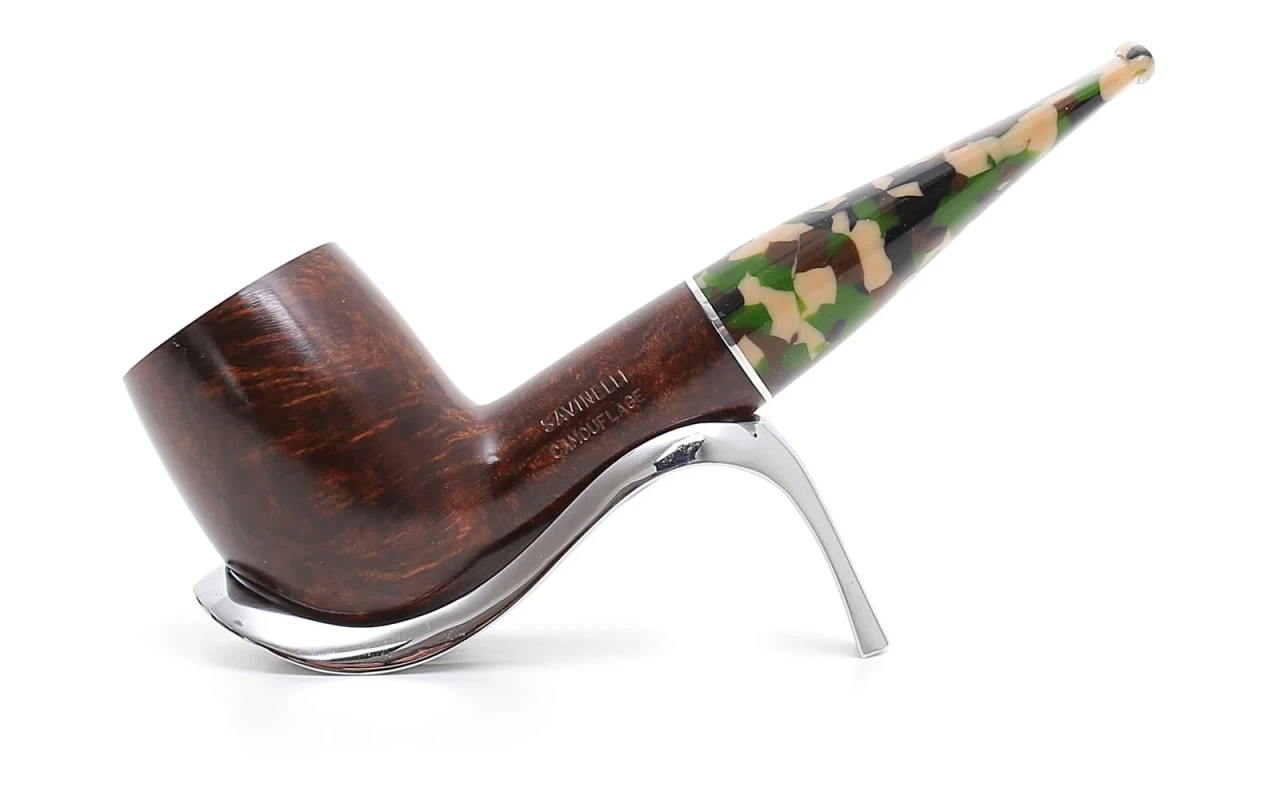
Pipe design stands out for several unique characteristics that influence both its aesthetics and performance. Among the main distinctive features of pipe design, we find:- Mouthpiece shape: it can be straight or curved, affecting the comfort during use.- Bowl shape: it can be cylindrical, pear-shaped, tulip-shaped, etc., influencing the way the tobacco burns.- Stem length: it can vary significantly and affect the smoking experience and smoke cooling.- Materials: pipes can be made of wood, briar, clay, metal, etc., each with unique characteristics.- Finishes: these can include inlays, lacquers, sandblasts, or other decorations that give personality to the pipe.These features contribute to creating a wide range of pipe designs suitable for different tastes and needs.
Special Shapes of Smoking Pipes
Special shapes of smoking pipes offer a variety of options for pipe tobacco enthusiasts. Among the most common types are:- Billiard: with a straight and cylindrical shape.- Dublin: characterized by a tilted bowl and a conical shape.- Bulldog: featuring a square bowl and a groove around the mouthpiece.- Apple: resembling an apple, with a round bowl and a short stem.- Oom Paul: with a very large bowl and a very long stem.These shapes, besides being aesthetically pleasing, also influence the temperature and the quality of the smoke.
Materials used for artisanal pipes
Artisanal pipes can be made using a variety of high-quality materials, each with unique characteristics. The most common materials include:- Briar wood: lightweight and durable, offering good heat dissipation.- Olive wood: hard and distinct in appearance, with interesting grain patterns.- Oak wood: sturdy and heat-resistant, with a beautiful finish.- Corn cob: lightweight and affordable, often used for budget smoking pipes.- Clay: traditional and porous, with a neutral flavor that improves over time.- Meerschaum: lightweight and porous, developing a unique patina with use.
Processing Techniques for Collectible Pipes
Collectible pipes are crafted using various processing techniques to ensure unique quality and design. Among the main techniques used are:- **Handcrafting:** Pipes are handmade by skilled artisans who shape, smooth, and polish each piece with care and precision.- **Turning:** Some pipes are created using a lathe to shape the basic form, which is then hand-finished to add details and customizations.- **Carving:** This technique involves carving wood or other materials to create intricate designs and decorations on the surface of the pipe.- **Lacquering:** Pipes can be coated with multiple layers of lacquer to protect the wood and give them a glossy, refined appearance.These techniques contribute to creating high-quality collectible pipes with great aesthetic value.
'%3e%3cg id='Final-Copy-2_2_' transform='translate(1275.000000, 200.000000)'%3e%3cpath class='st0' d='M7.4,12.8h6.8l3.1-11.6H7.4C4.2,1.2,1.6,3.8,1.6,7S4.2,12.8,7.4,12.8z'/%3e%3c/g%3e%3c/g%3e%3c/g%3e%3cg id='final---dec.11-2020'%3e%3cg id='_x30_208-our-toggle' transform='translate(-1275.000000, -200.000000)'%3e%3cg id='Final-Copy-2' transform='translate(1275.000000, 200.000000)'%3e%3cpath class='st1' d='M22.6,0H7.4c-3.9,0-7,3.1-7,7s3.1,7,7,7h15.2c3.9,0,7-3.1,7-7S26.4,0,22.6,0z M1.6,7c0-3.2,2.6-5.8,5.8-5.8 h9.9l-3.1,11.6H7.4C4.2,12.8,1.6,10.2,1.6,7z'/%3e%3cpath id='x' class='st2' d='M24.6,4c0.2,0.2,0.2,0.6,0,0.8l0,0L22.5,7l2.2,2.2c0.2,0.2,0.2,0.6,0,0.8c-0.2,0.2-0.6,0.2-0.8,0 l0,0l-2.2-2.2L19.5,10c-0.2,0.2-0.6,0.2-0.8,0c-0.2-0.2-0.2-0.6,0-0.8l0,0L20.8,7l-2.2-2.2c-0.2-0.2-0.2-0.6,0-0.8 c0.2-0.2,0.6-0.2,0.8,0l0,0l2.2,2.2L23.8,4C24,3.8,24.4,3.8,24.6,4z'/%3e%3cpath id='y' class='st3' d='M12.7,4.1c0.2,0.2,0.3,0.6,0.1,0.8l0,0L8.6,9.8C8.5,9.9,8.4,10,8.3,10c-0.2,0.1-0.5,0.1-0.7-0.1l0,0 L5.4,7.7c-0.2-0.2-0.2-0.6,0-0.8c0.2-0.2,0.6-0.2,0.8,0l0,0L8,8.6l3.8-4.5C12,3.9,12.4,3.9,12.7,4.1z'/%3e%3c/g%3e%3c/g%3e%3c/g%3e%3c/g%3e%3c/svg%3e) Your Privacy Choices
Your Privacy Choices 


