 ES
ES FR
FR EN
EN IT
IT DE
DE
Differences between Stack and Chimney pipes in heat management
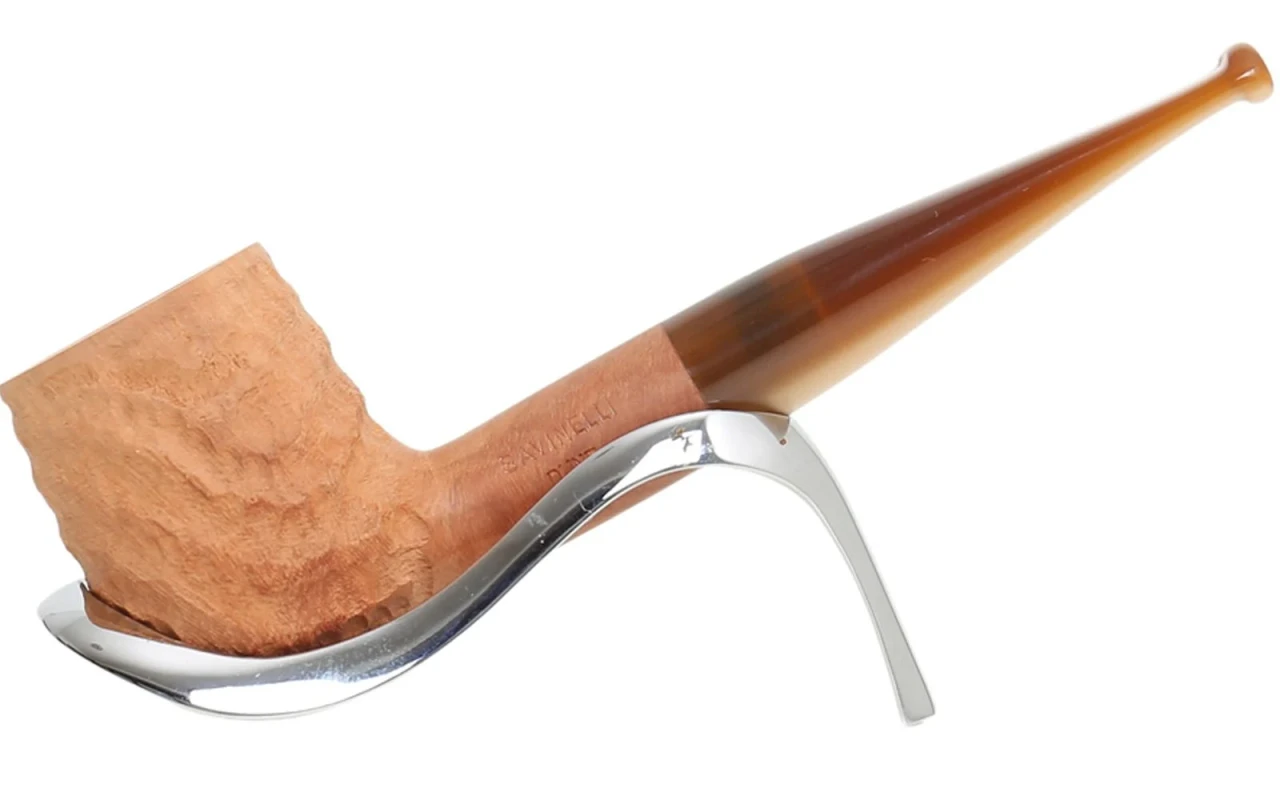
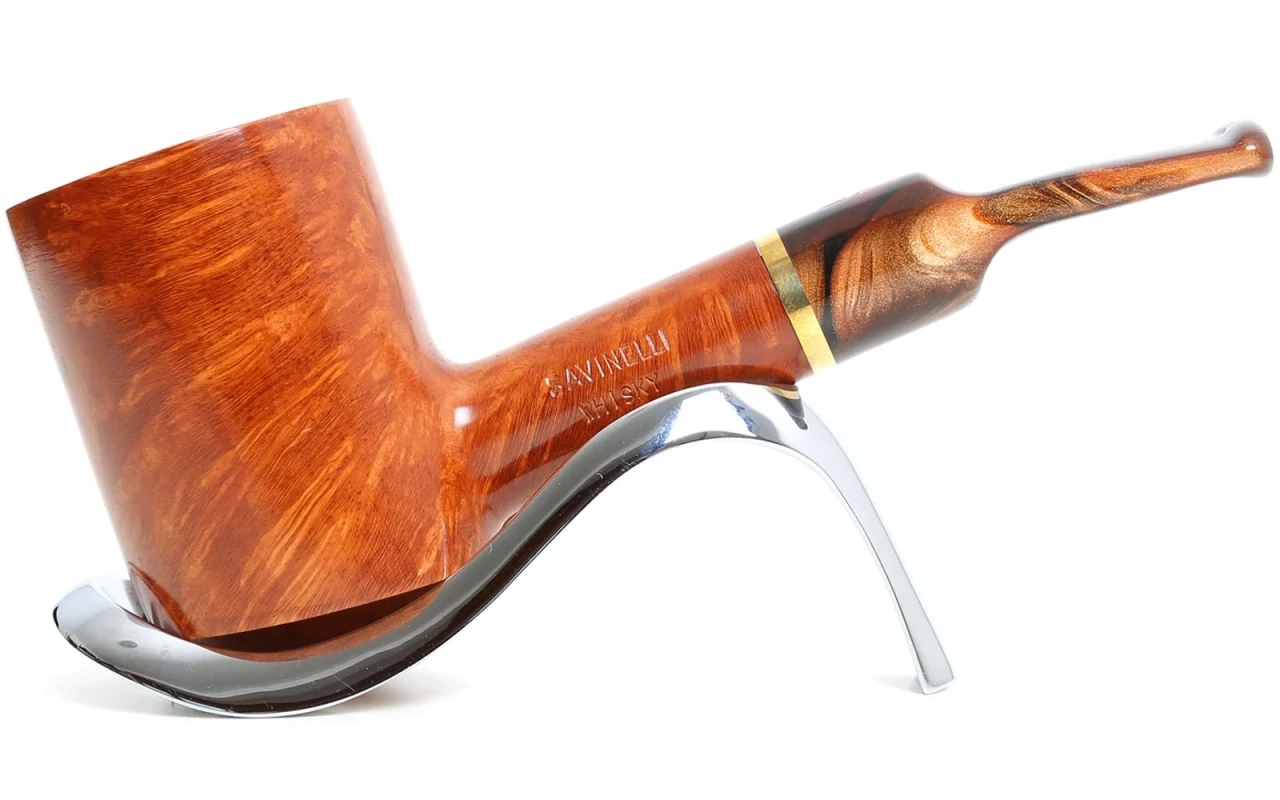
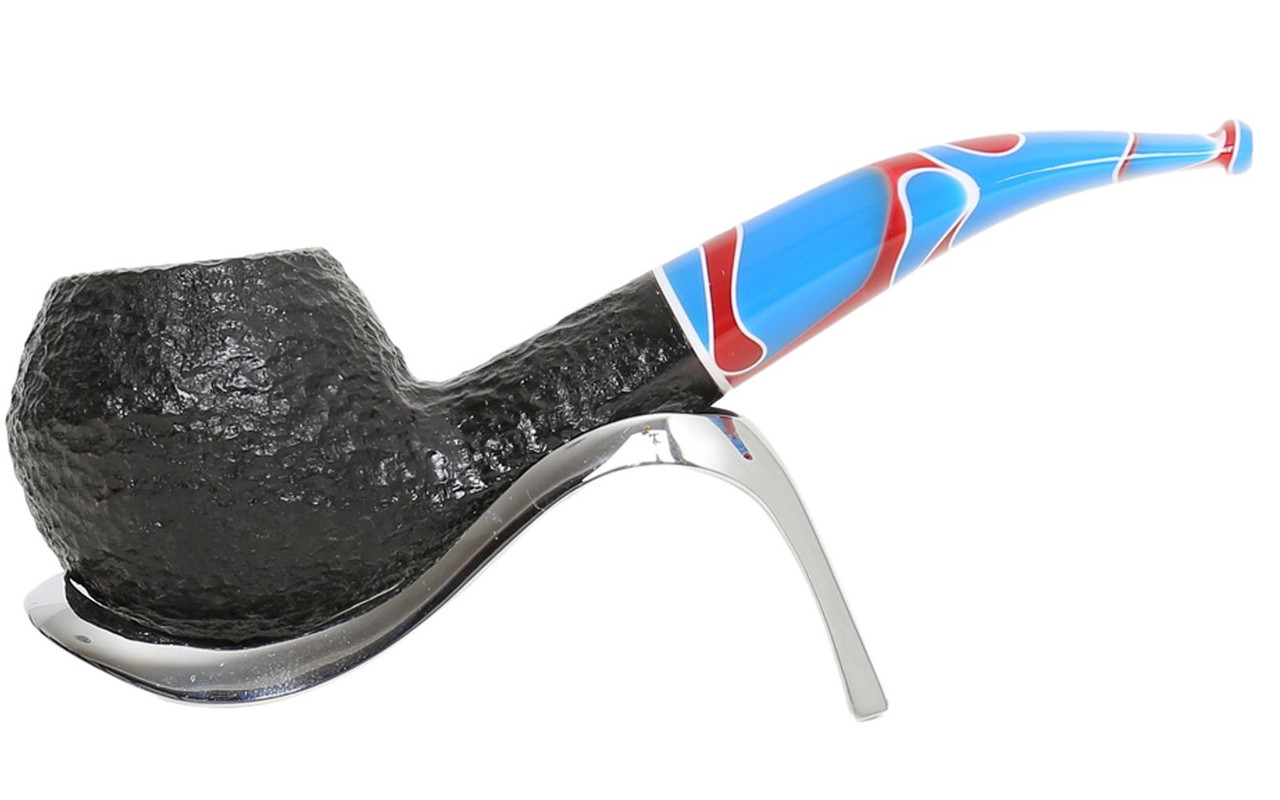
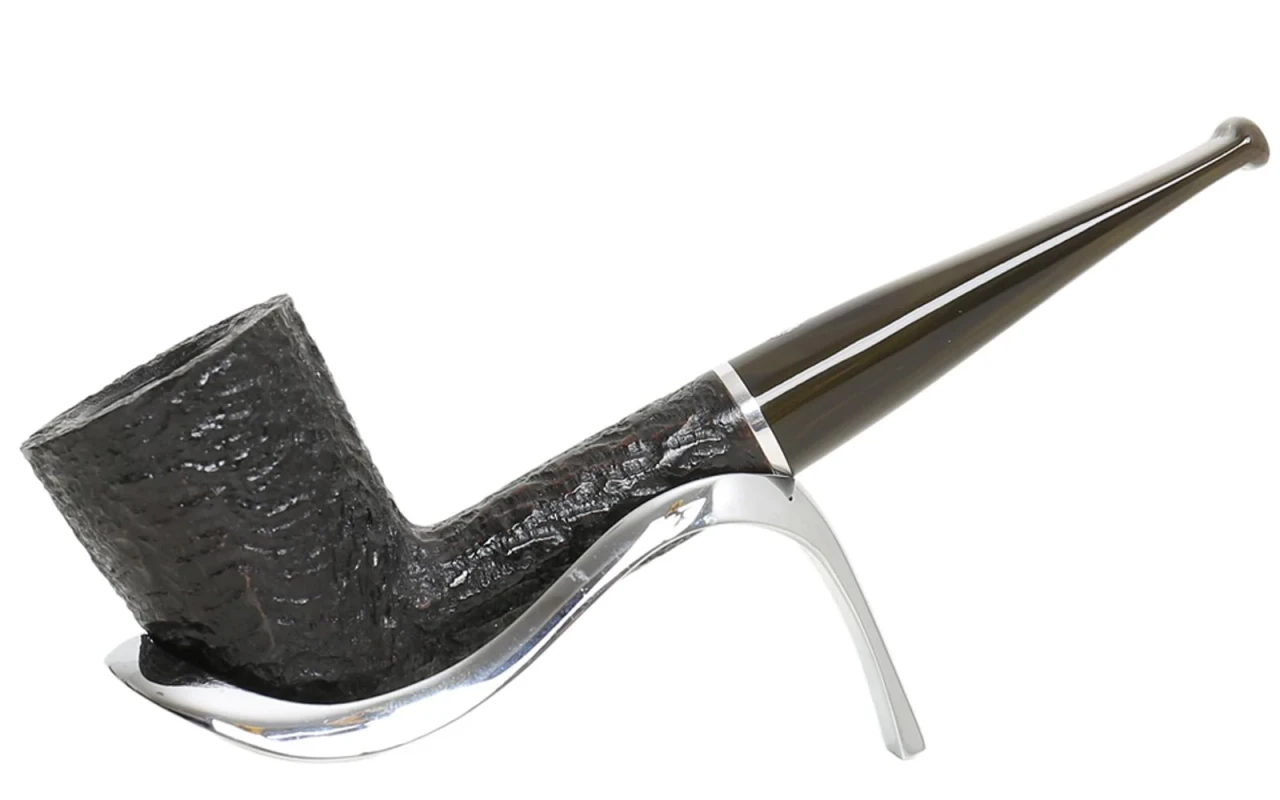
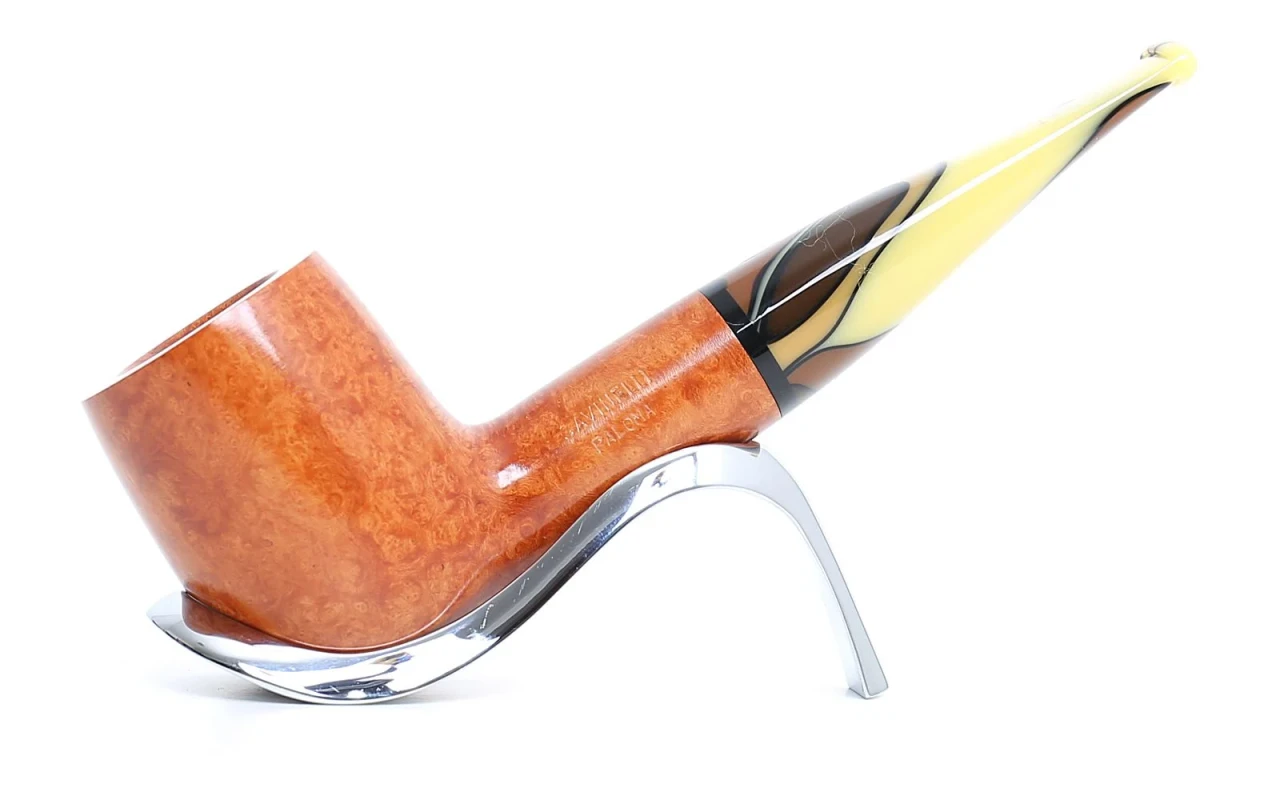
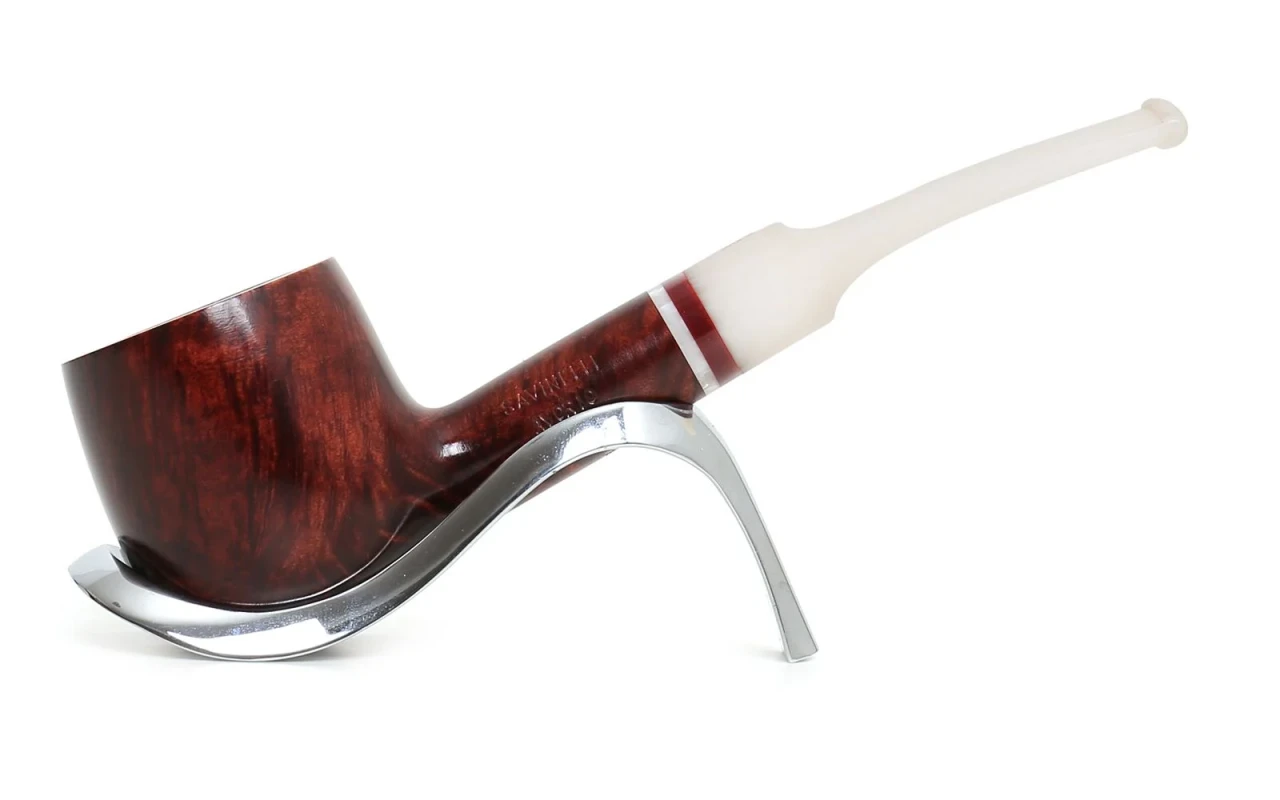
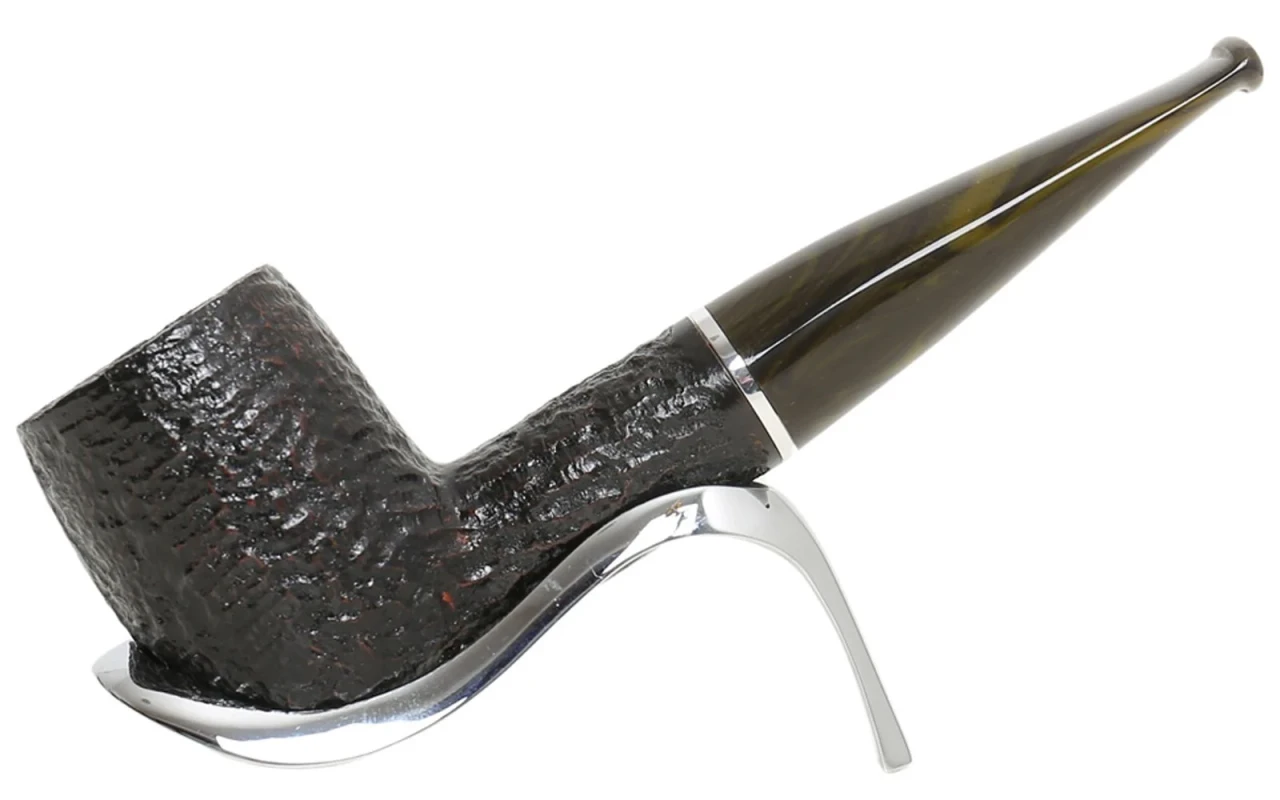
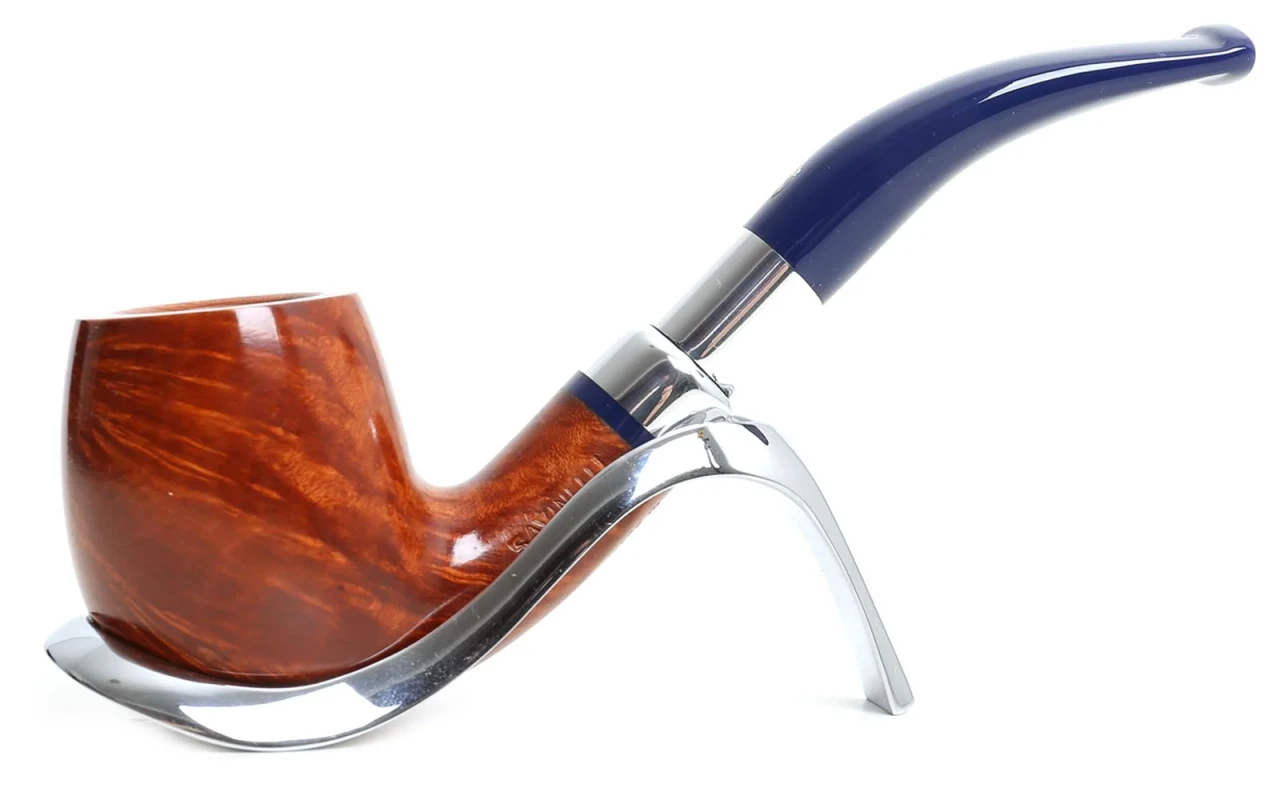
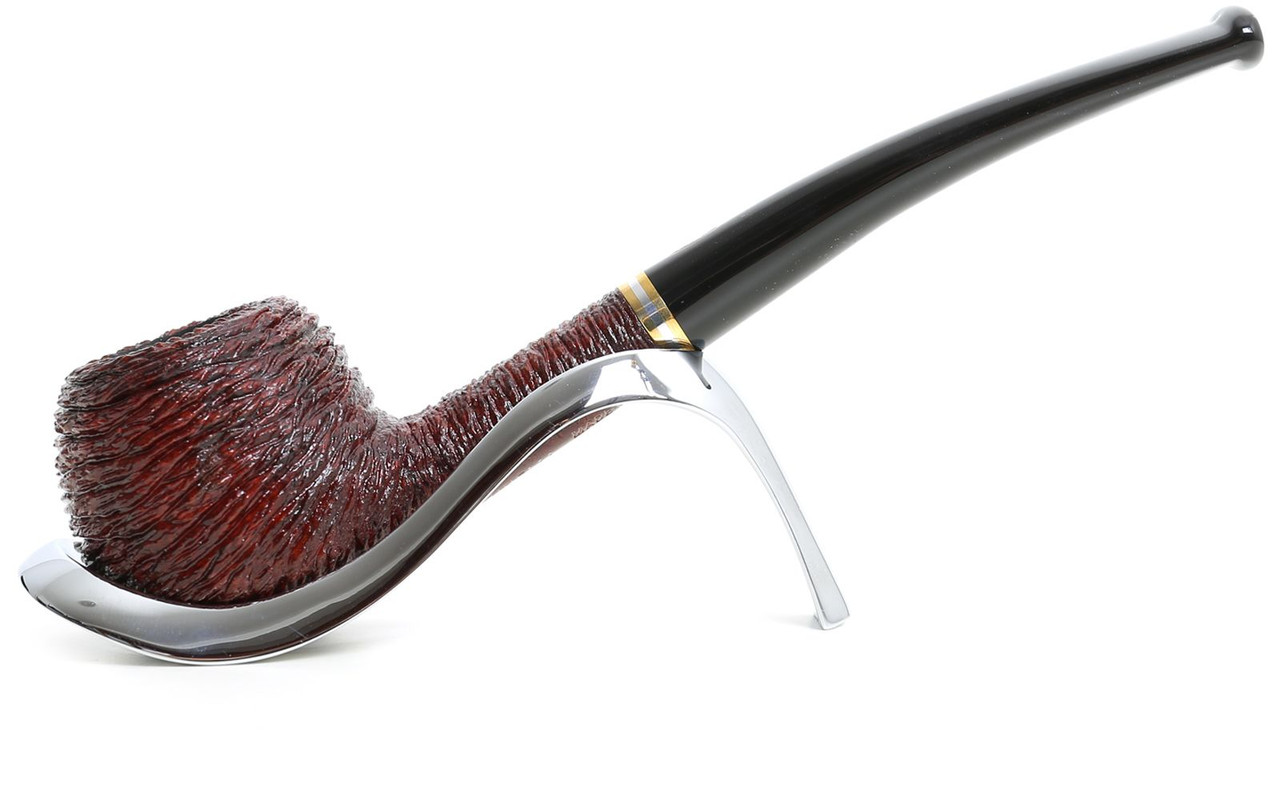
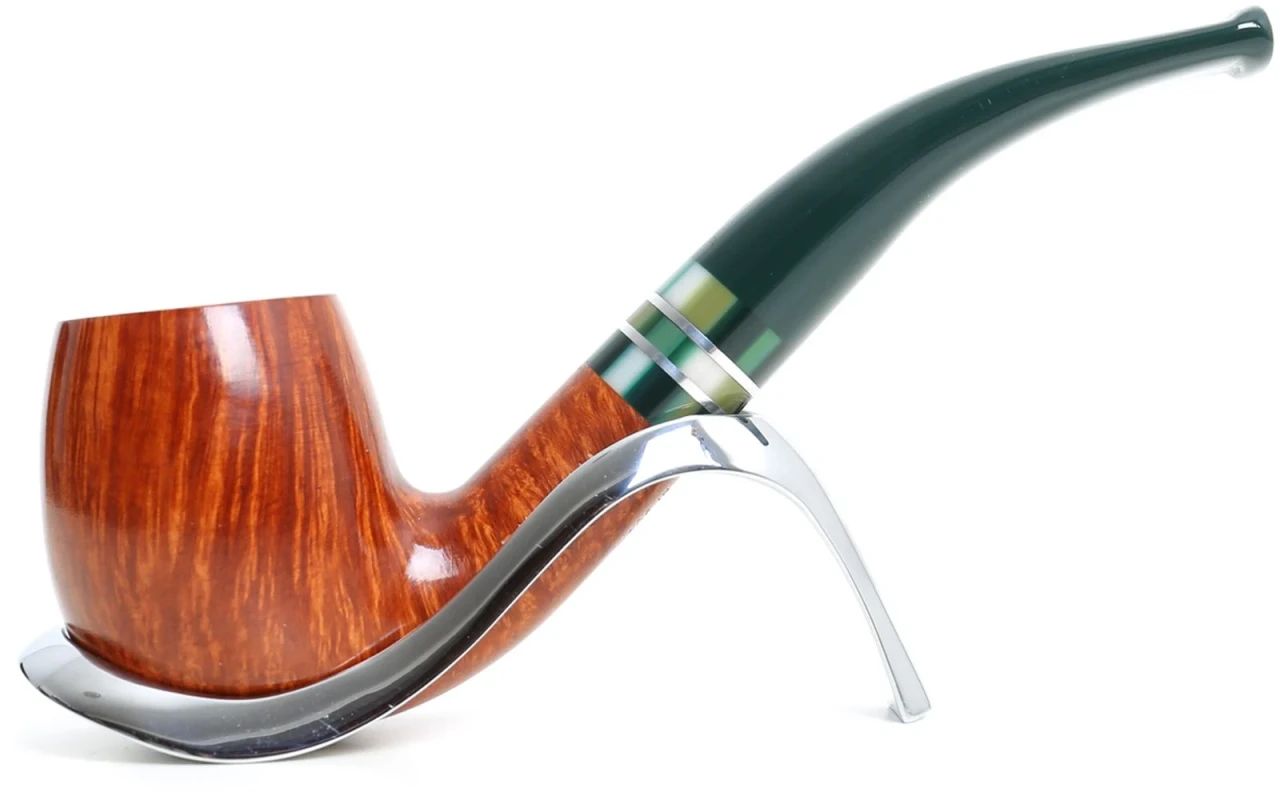
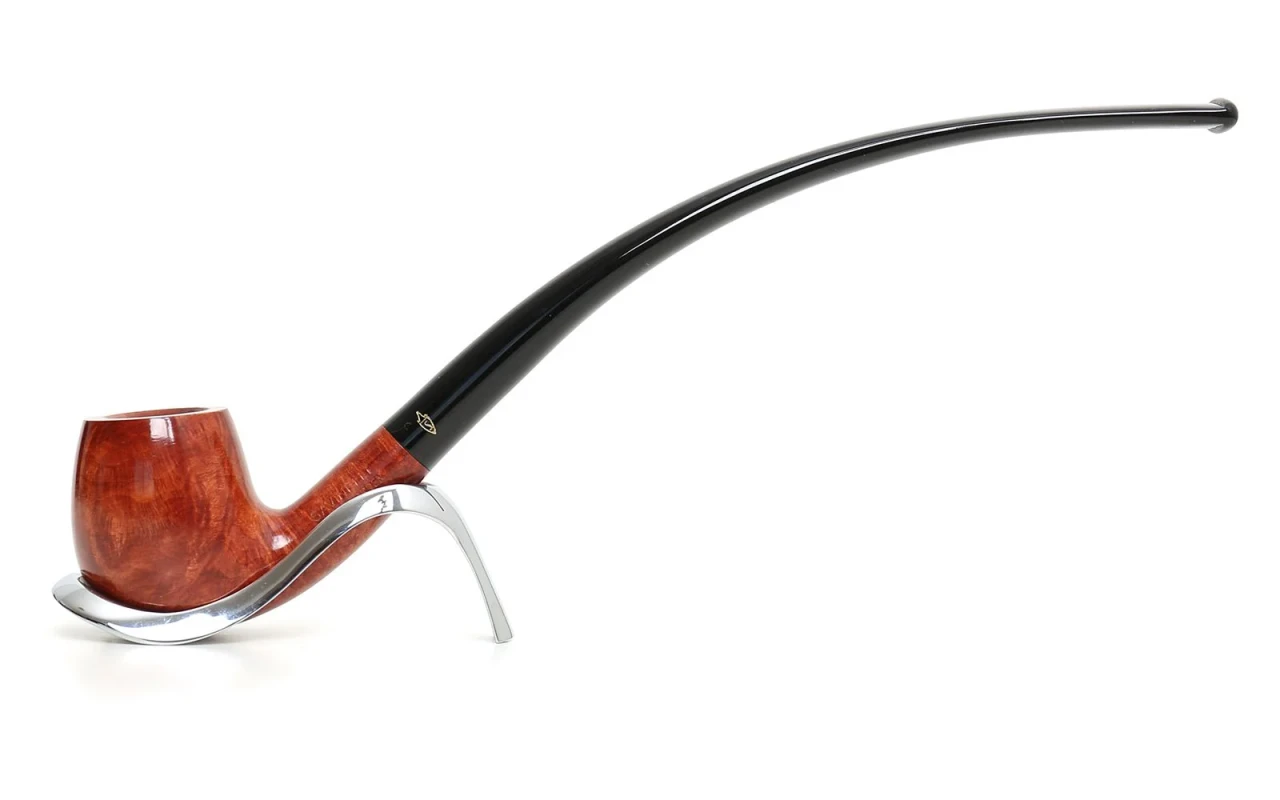

Differences between Stack and Chimney pipes in heat management
Stack and Chimney pipes show significant differences in heat management. Stack pipes, with their slender and slim design, are designed to provide a cooler and drier smoke, allowing the smoke to cool down before being inhaled. On the other hand, Chimney pipes are characterized by thicker and shorter walls, promoting a quicker heating of the tobacco and smoke. This results in a hotter and more intense smoke, ideal for those who prefer stronger and bolder flavors. Furthermore, Chimney pipes tend to retain heat for a longer period compared to Stack pipes.
KEYWORD: Stack Chimney pipe differences heat
The main difference between a Stack pipe and a Chimney pipe lies in heat dispersion. Stack pipes are designed to retain heat within the pipe itself, allowing for a slower and cooler smoke. On the other hand, Chimney pipes are crafted to dissipate excess heat, preventing the tobacco from burning too quickly and causing an overly hot smoke. These variations in heat management significantly impact the pipe smoking experience, enabling the smoker to choose the solution that best suits their preferences.
Differences between Stack and Chimney Pipes
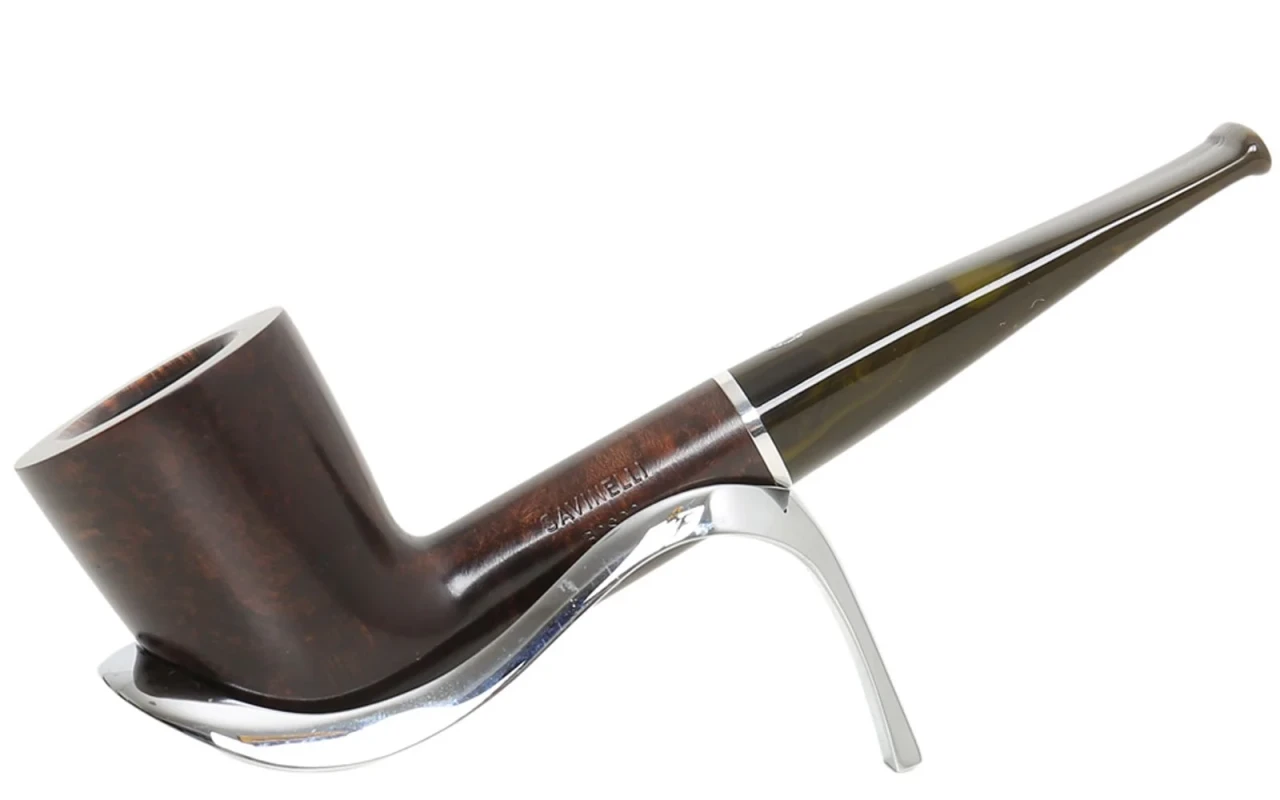
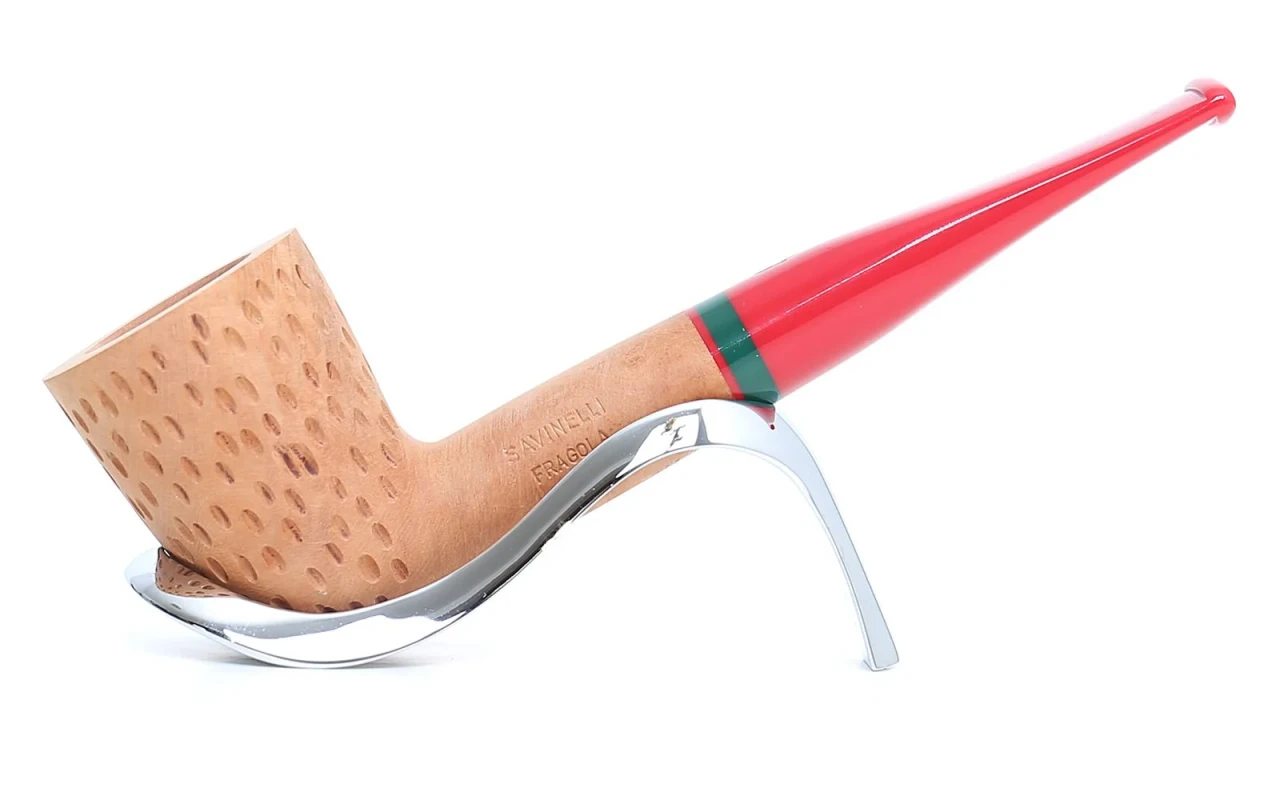
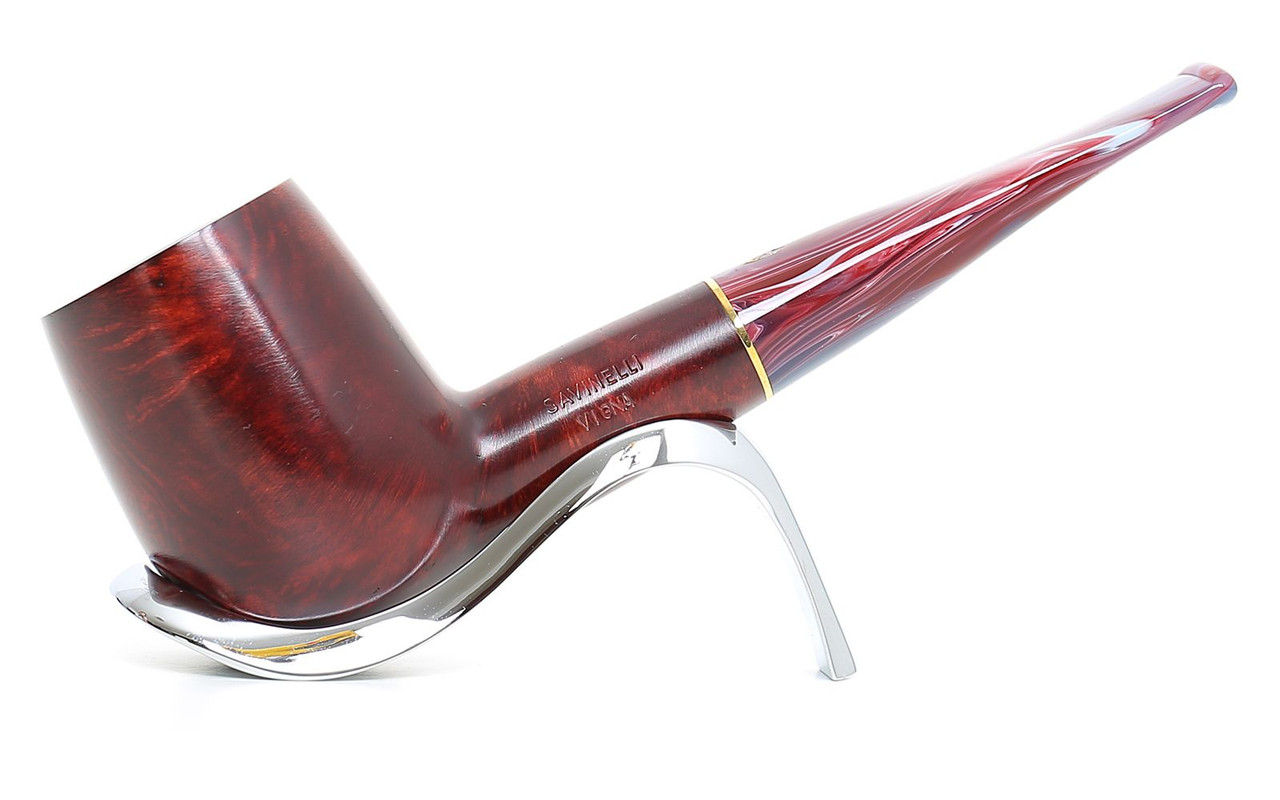
The main differences between a Stack pipe and a Chimney pipe in the world of pipes are:- The Stack pipe has a more slender and cylindrical shape, with a narrower and deeper combustion chamber compared to the Chimney pipe.- The Stack pipe is designed to promote a slower and controlled combustion, while the Chimney pipe is ideal for a quicker and more intense combustion.- The Stack pipe usually has a longer stem than the Chimney pipe, which enhances greater smoke cooling during smoking.- The Chimney pipe tends to have a wider and more open bowl compared to the Stack pipe, which affects how smoke is released during smoking.
How to Manage Pipe Stack Heat
To manage the heat of the Stack pipe, it is important to follow some fundamental practices:1. **Adjust the lighting**: control the amount of tobacco to avoid overheating.2. **Use filters**: use specific filters to cool the smoke and reduce heat buildup.3. **Regular cleaning**: remove residues and ash to ensure proper airflow circulation.4. **Cooling**: if the pipe becomes too hot, let it cool down to prevent damage to the wood.5. **Insulating materials**: consider using insulating materials to protect the pipe and enhance the smoking experience.By following these guidelines, you can effectively manage the heat of your Stack pipe and enjoy more pleasant smoking moments.
Thermal Features of Chimney Pipe
The Chimney pipe is characterized by exceptional thermal capacity, thanks to its particular shape. This type of pipe has a very narrow and tall combustion chamber, allowing the smoke to cool down before being inhaled. The tall stem helps create an effective airflow inside the pipe, ensuring a uniform and controlled tobacco combustion. Furthermore, the shape of the Chimney pipe promotes a cooler and drier smoke, minimizing condensation and preventing moisture build-up. These thermal features make the Chimney pipe a popular choice among pipe enthusiasts who appreciate a cooler and smoother smoke.
'%3e%3cg id='Final-Copy-2_2_' transform='translate(1275.000000, 200.000000)'%3e%3cpath class='st0' d='M7.4,12.8h6.8l3.1-11.6H7.4C4.2,1.2,1.6,3.8,1.6,7S4.2,12.8,7.4,12.8z'/%3e%3c/g%3e%3c/g%3e%3c/g%3e%3cg id='final---dec.11-2020'%3e%3cg id='_x30_208-our-toggle' transform='translate(-1275.000000, -200.000000)'%3e%3cg id='Final-Copy-2' transform='translate(1275.000000, 200.000000)'%3e%3cpath class='st1' d='M22.6,0H7.4c-3.9,0-7,3.1-7,7s3.1,7,7,7h15.2c3.9,0,7-3.1,7-7S26.4,0,22.6,0z M1.6,7c0-3.2,2.6-5.8,5.8-5.8 h9.9l-3.1,11.6H7.4C4.2,12.8,1.6,10.2,1.6,7z'/%3e%3cpath id='x' class='st2' d='M24.6,4c0.2,0.2,0.2,0.6,0,0.8l0,0L22.5,7l2.2,2.2c0.2,0.2,0.2,0.6,0,0.8c-0.2,0.2-0.6,0.2-0.8,0 l0,0l-2.2-2.2L19.5,10c-0.2,0.2-0.6,0.2-0.8,0c-0.2-0.2-0.2-0.6,0-0.8l0,0L20.8,7l-2.2-2.2c-0.2-0.2-0.2-0.6,0-0.8 c0.2-0.2,0.6-0.2,0.8,0l0,0l2.2,2.2L23.8,4C24,3.8,24.4,3.8,24.6,4z'/%3e%3cpath id='y' class='st3' d='M12.7,4.1c0.2,0.2,0.3,0.6,0.1,0.8l0,0L8.6,9.8C8.5,9.9,8.4,10,8.3,10c-0.2,0.1-0.5,0.1-0.7-0.1l0,0 L5.4,7.7c-0.2-0.2-0.2-0.6,0-0.8c0.2-0.2,0.6-0.2,0.8,0l0,0L8,8.6l3.8-4.5C12,3.9,12.4,3.9,12.7,4.1z'/%3e%3c/g%3e%3c/g%3e%3c/g%3e%3c/g%3e%3c/svg%3e) Your Privacy Choices
Your Privacy Choices 


