 ES
ES FR
FR EN
EN IT
IT DE
DE
Damage of pipe smoking to wood

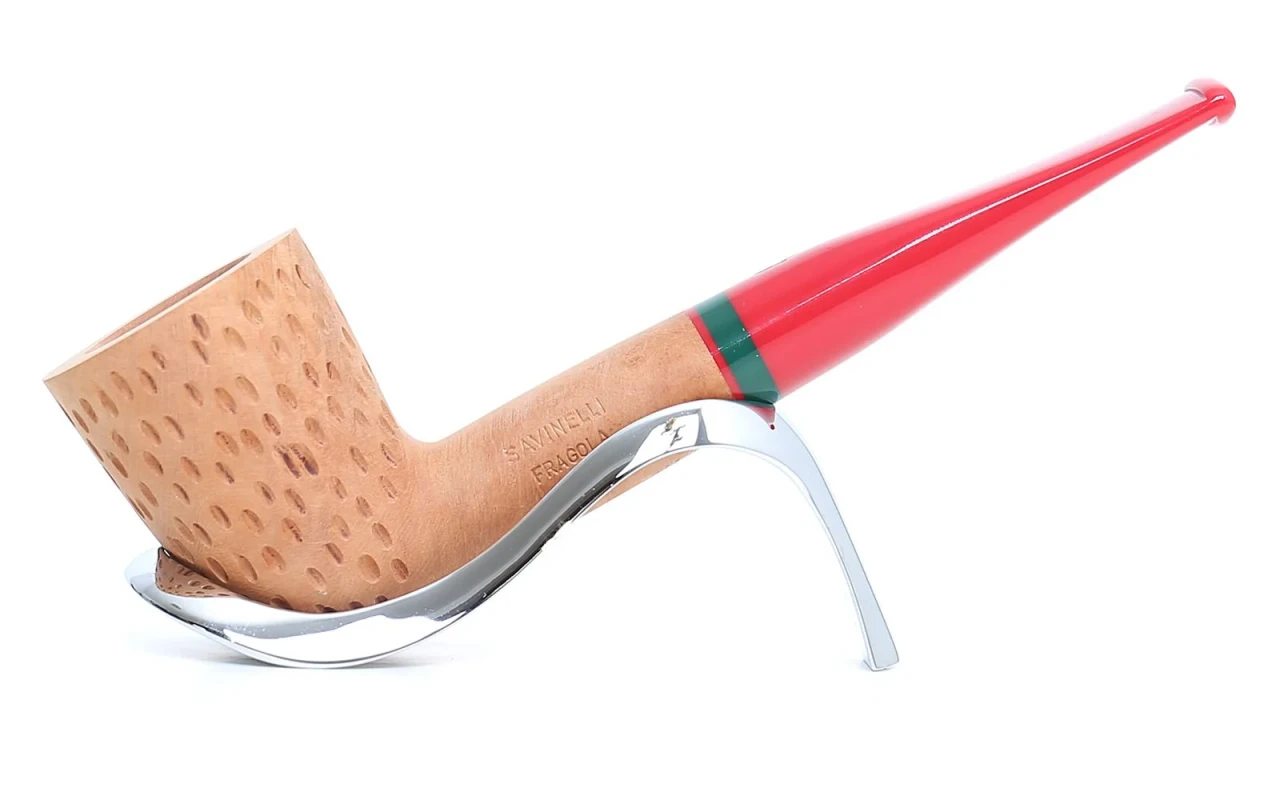
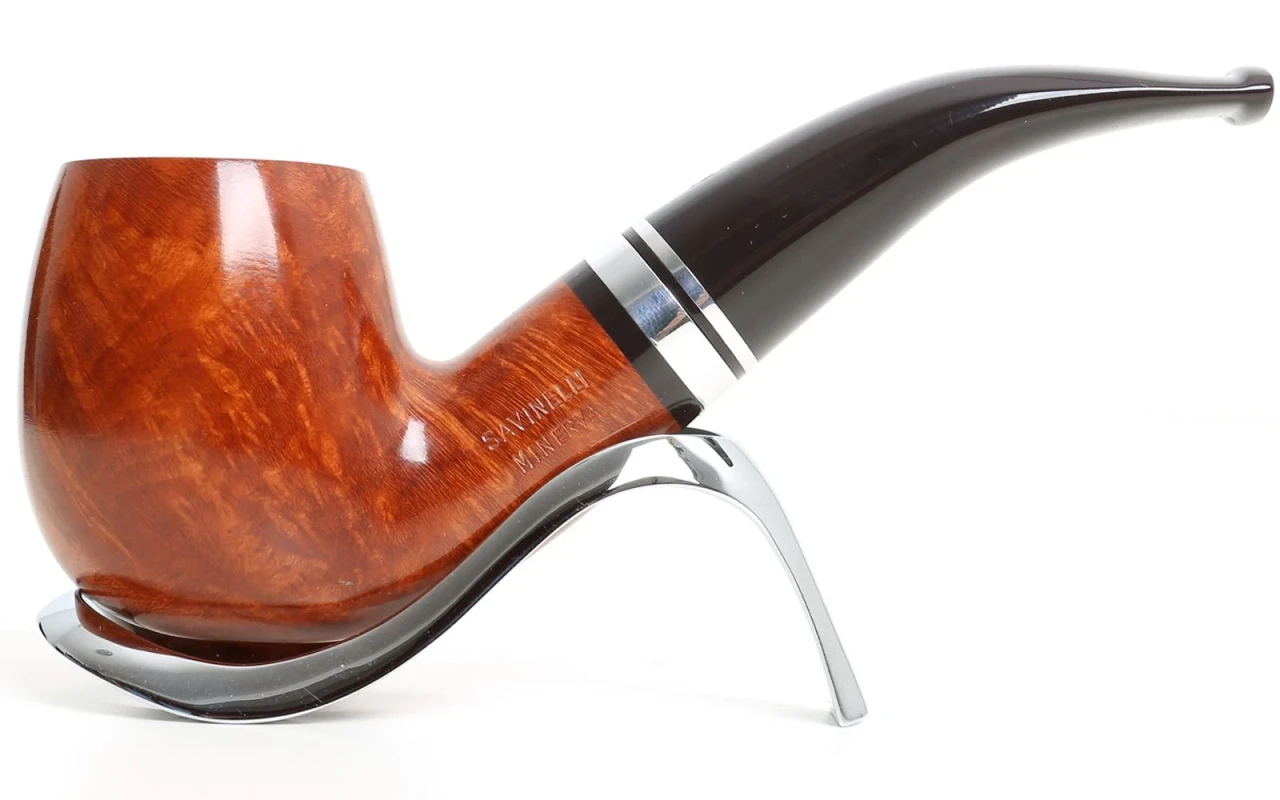
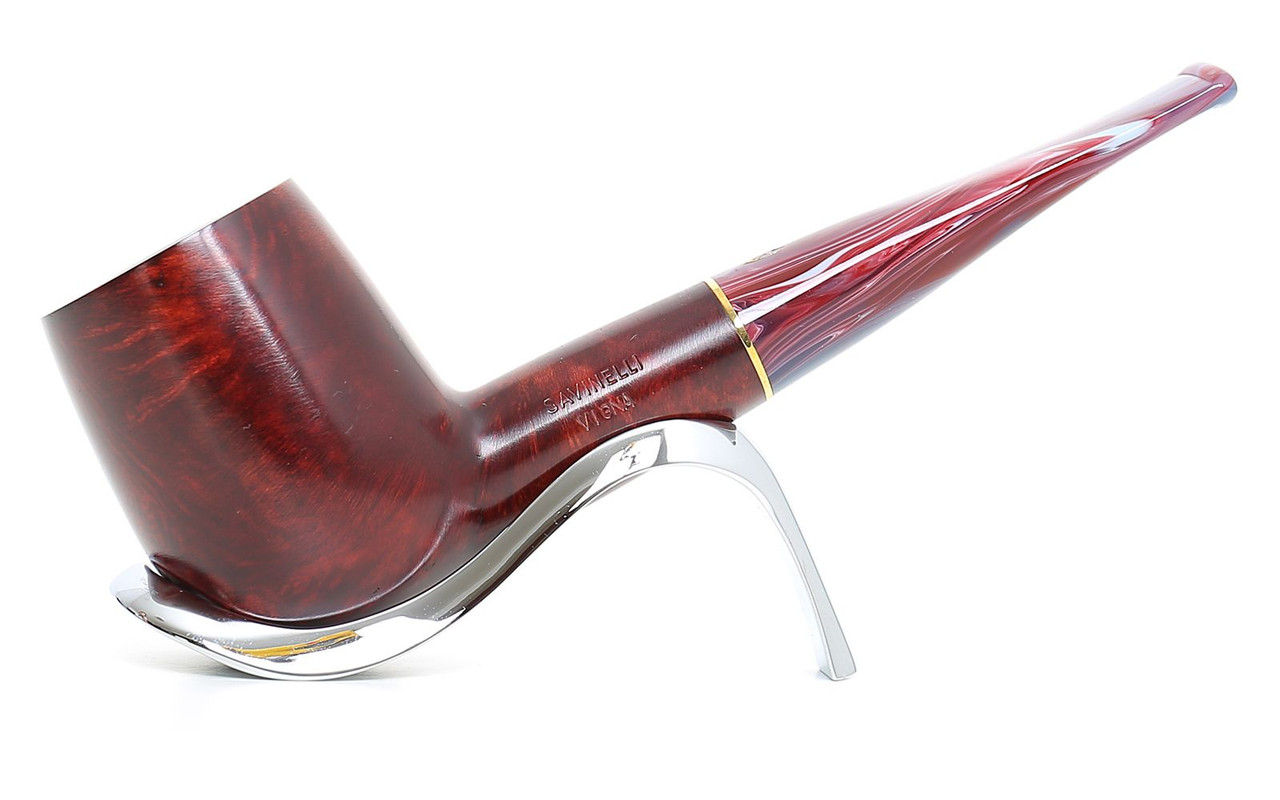
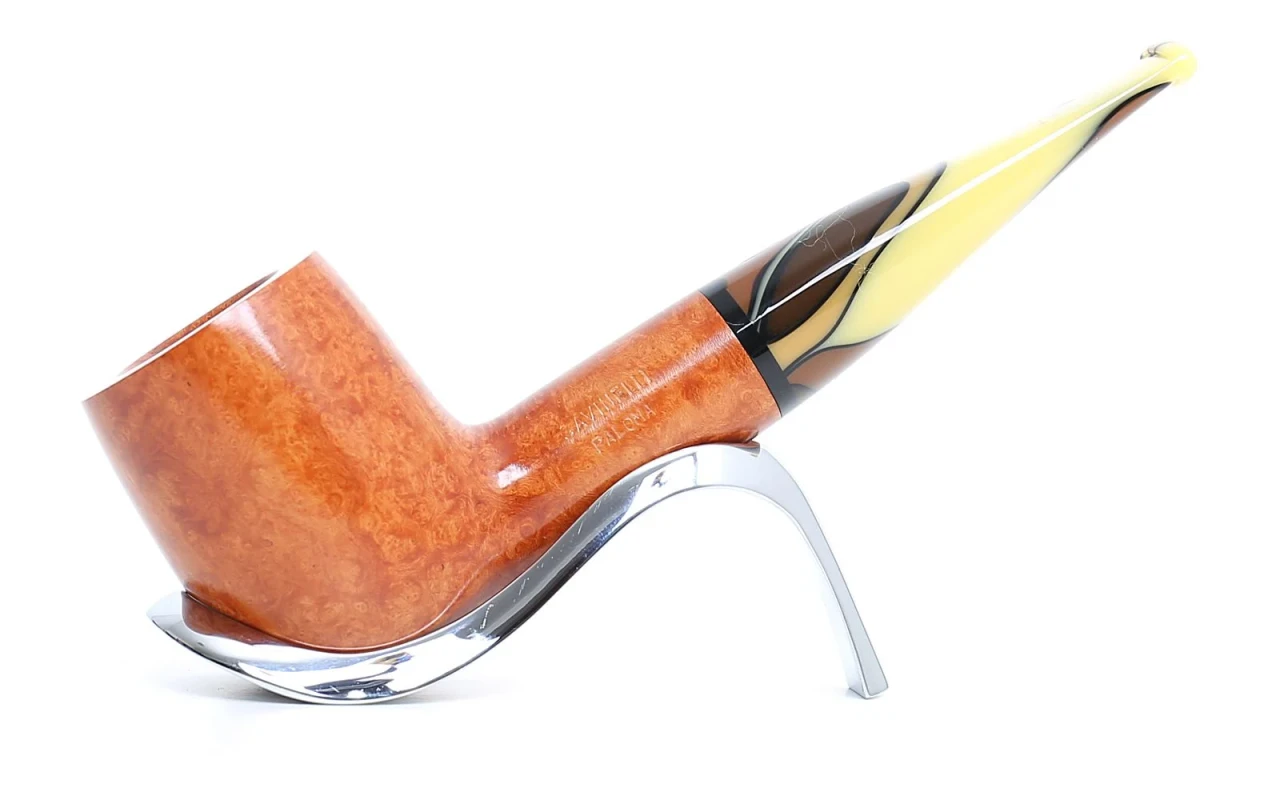
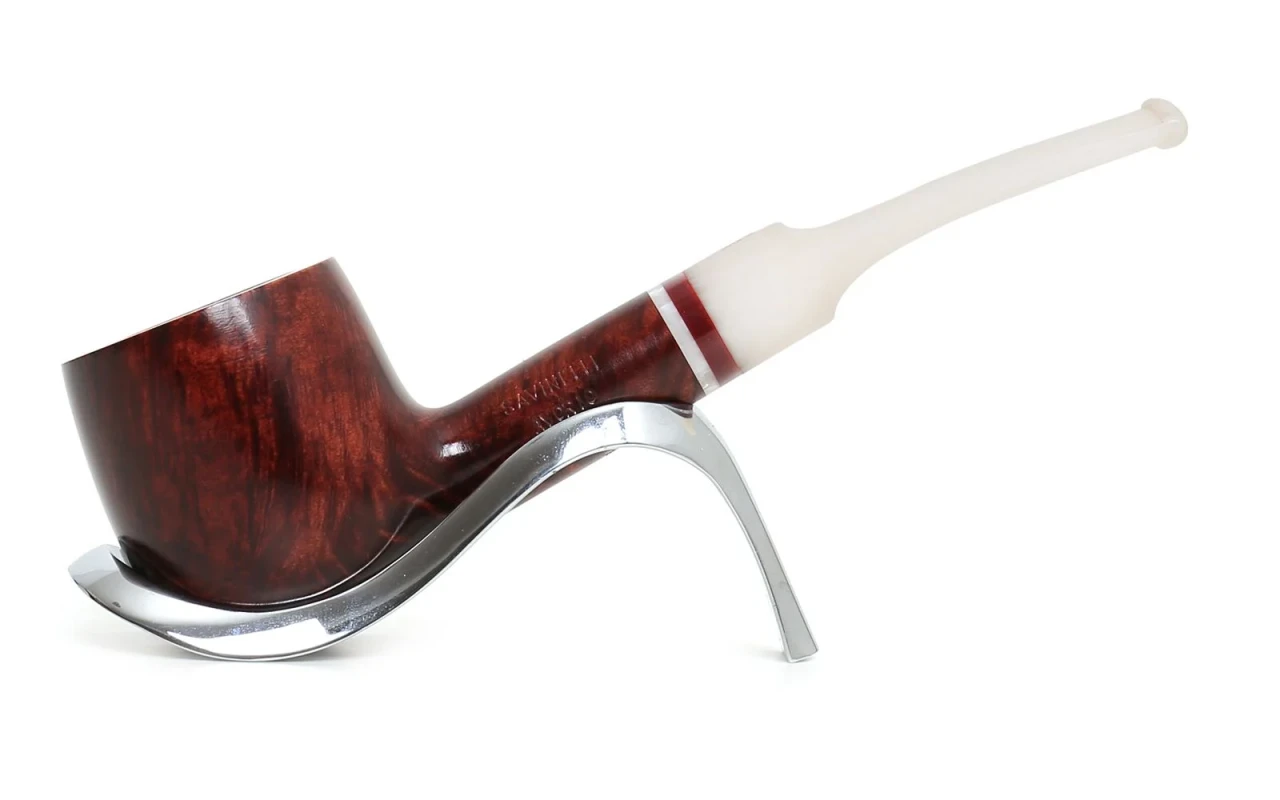
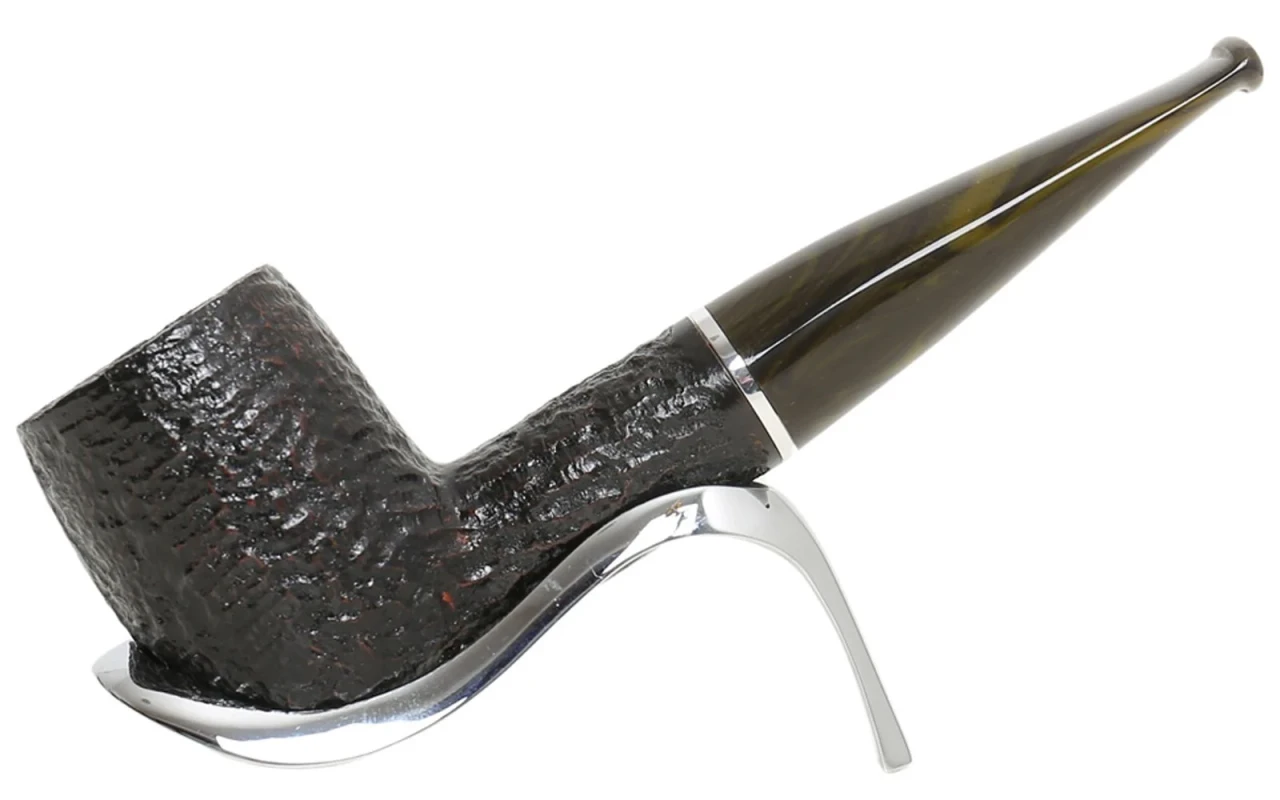
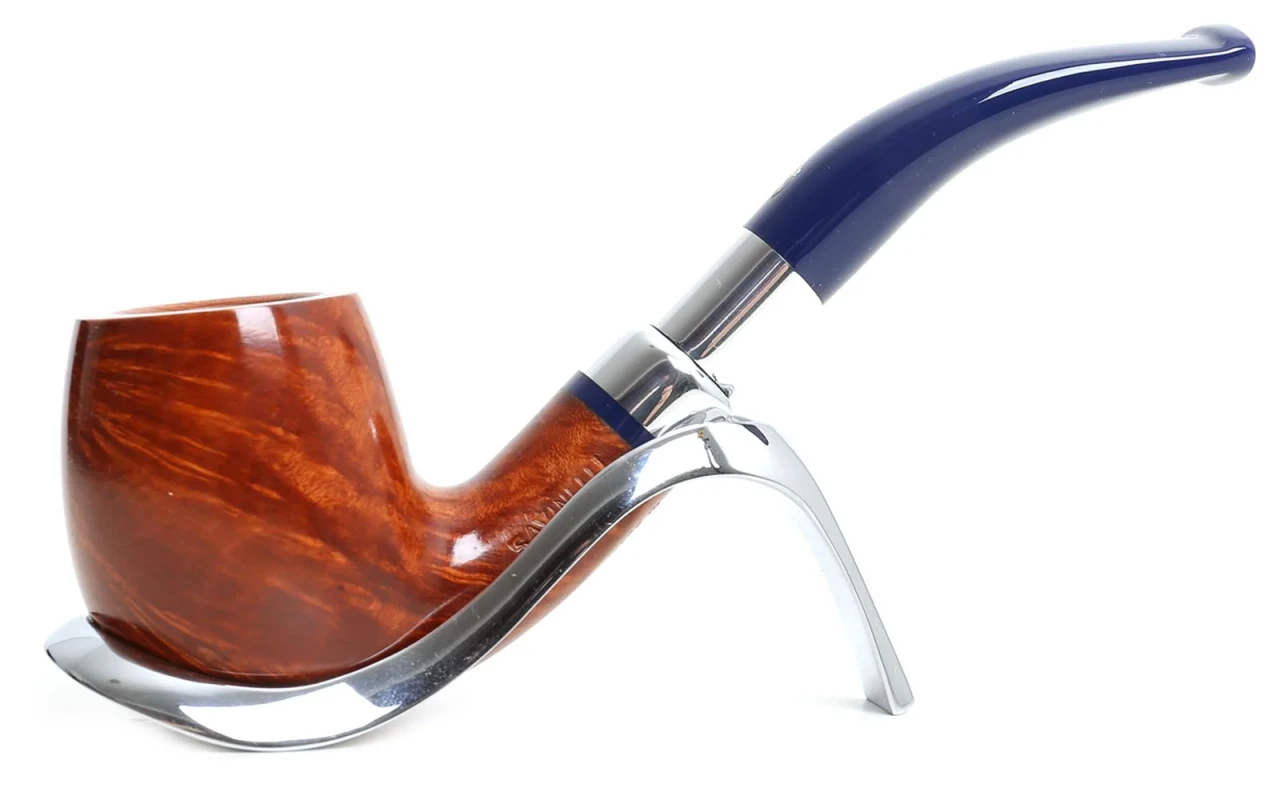
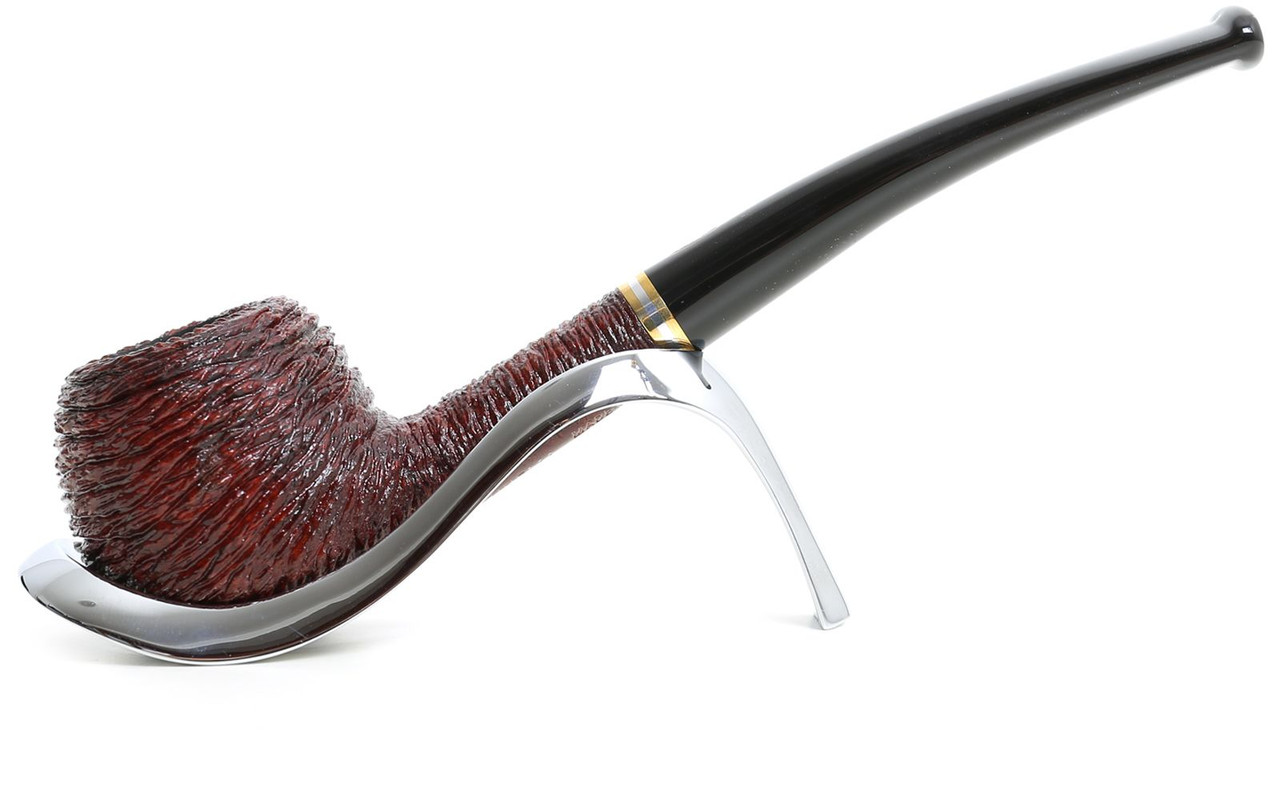
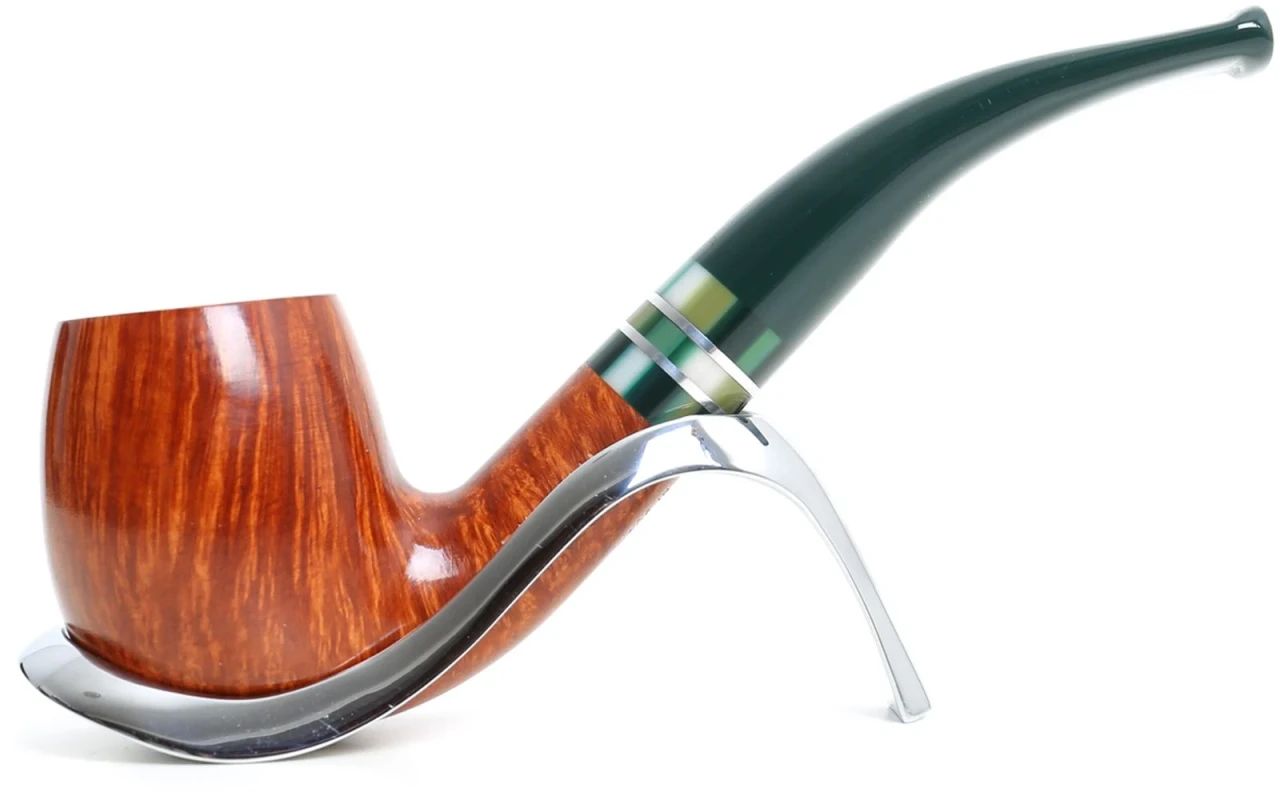
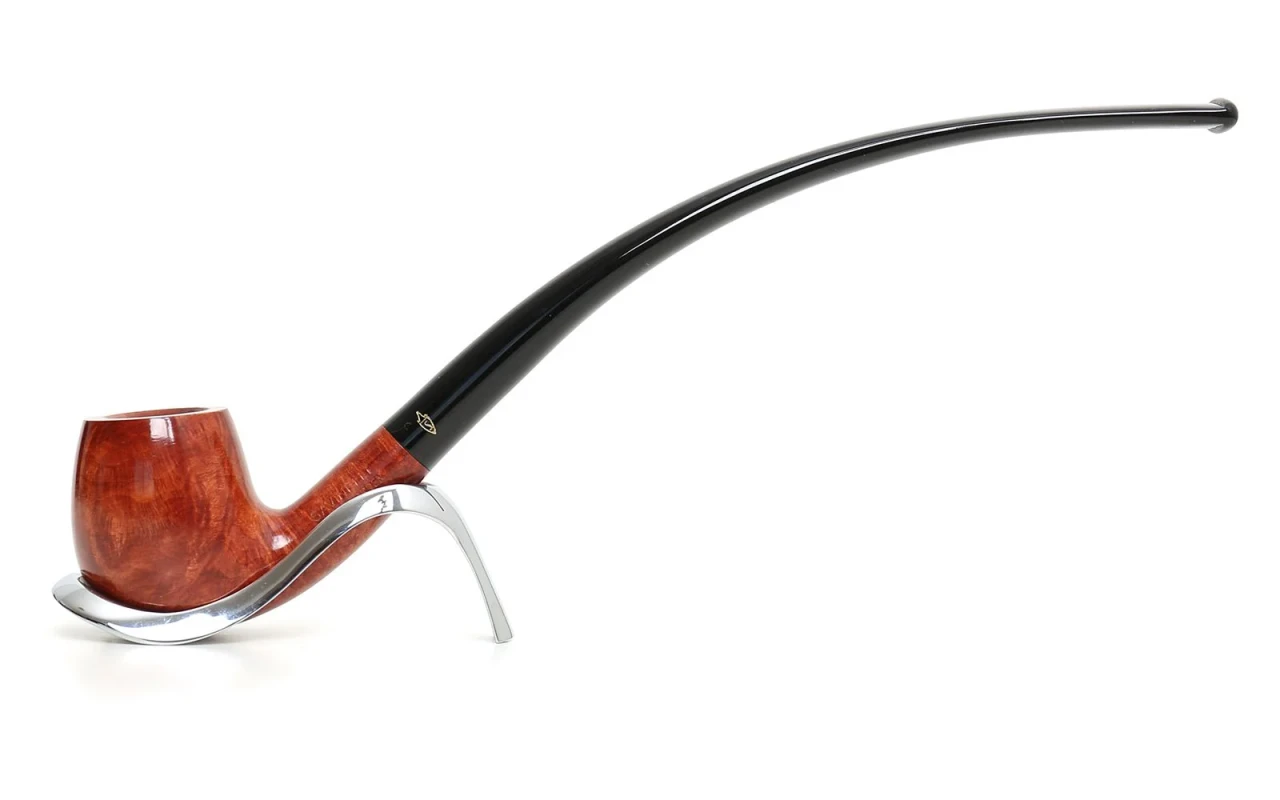

Damage of pipe smoking to wood
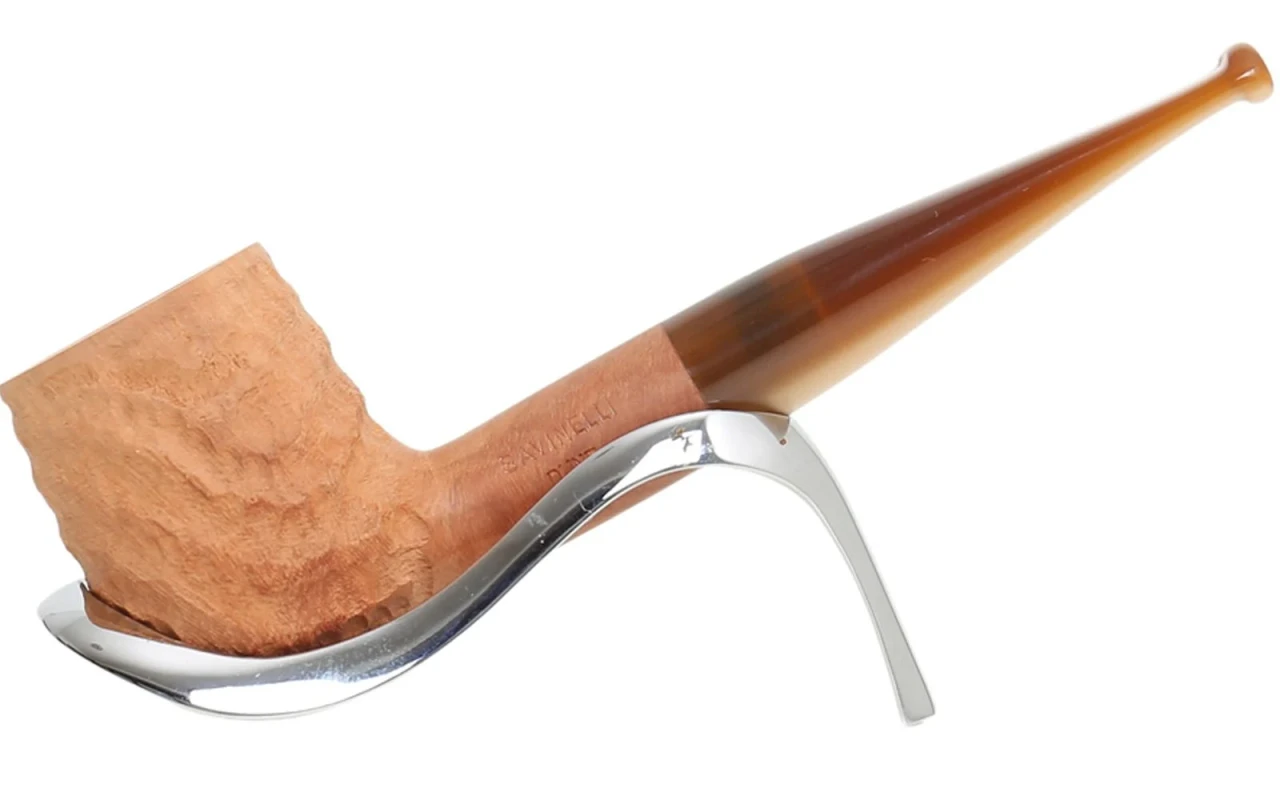
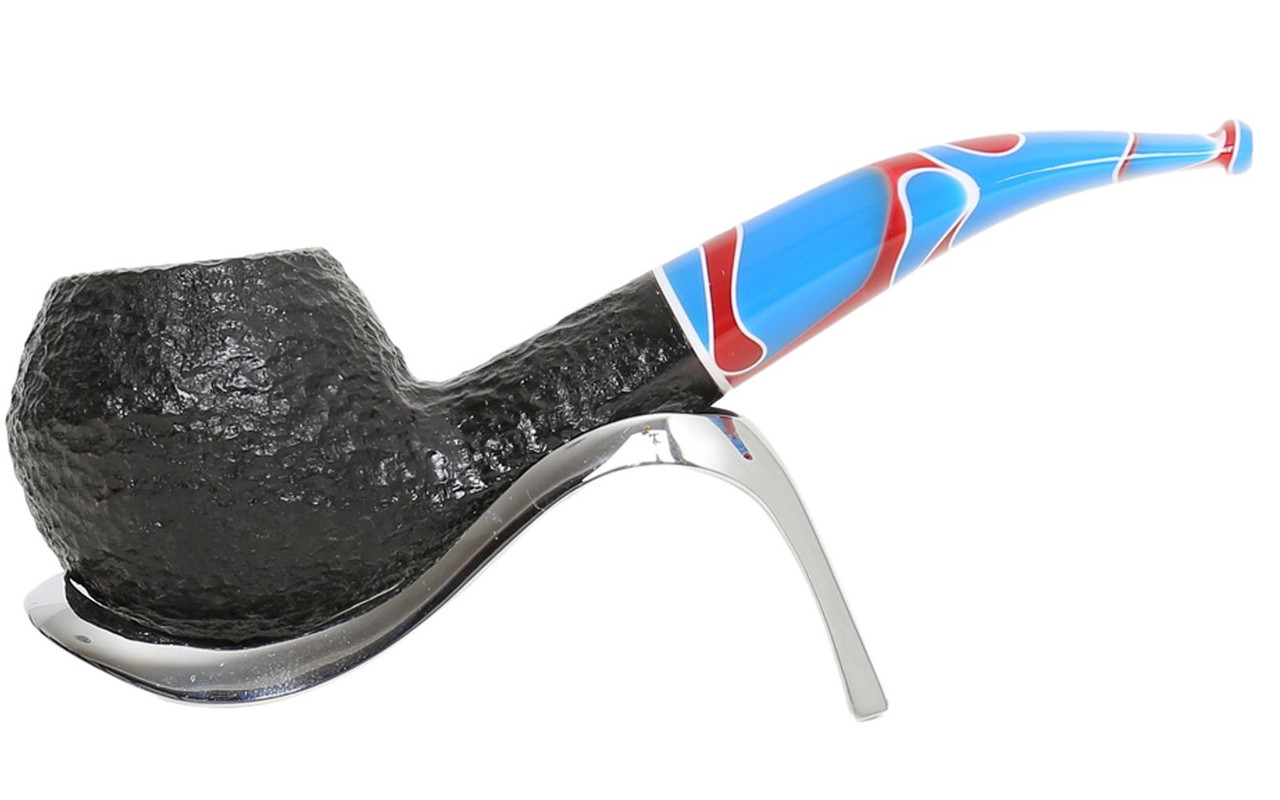
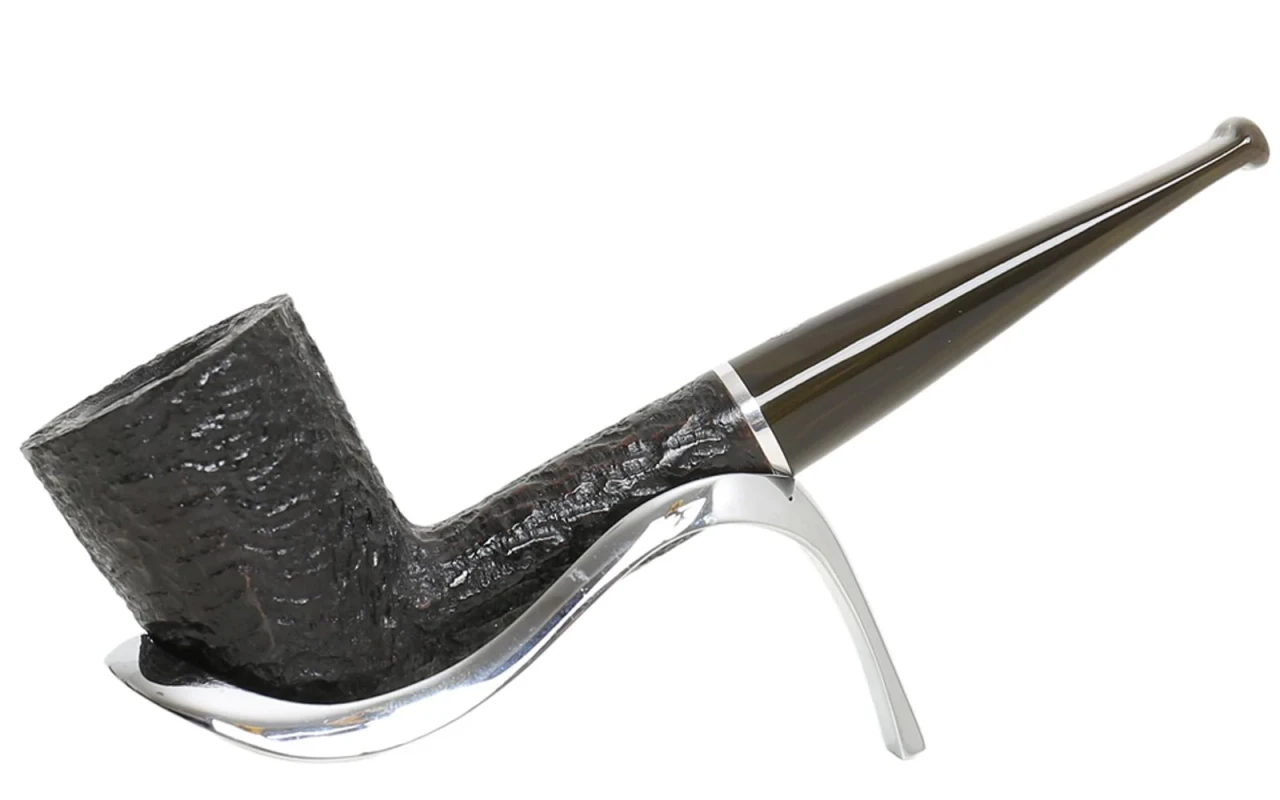
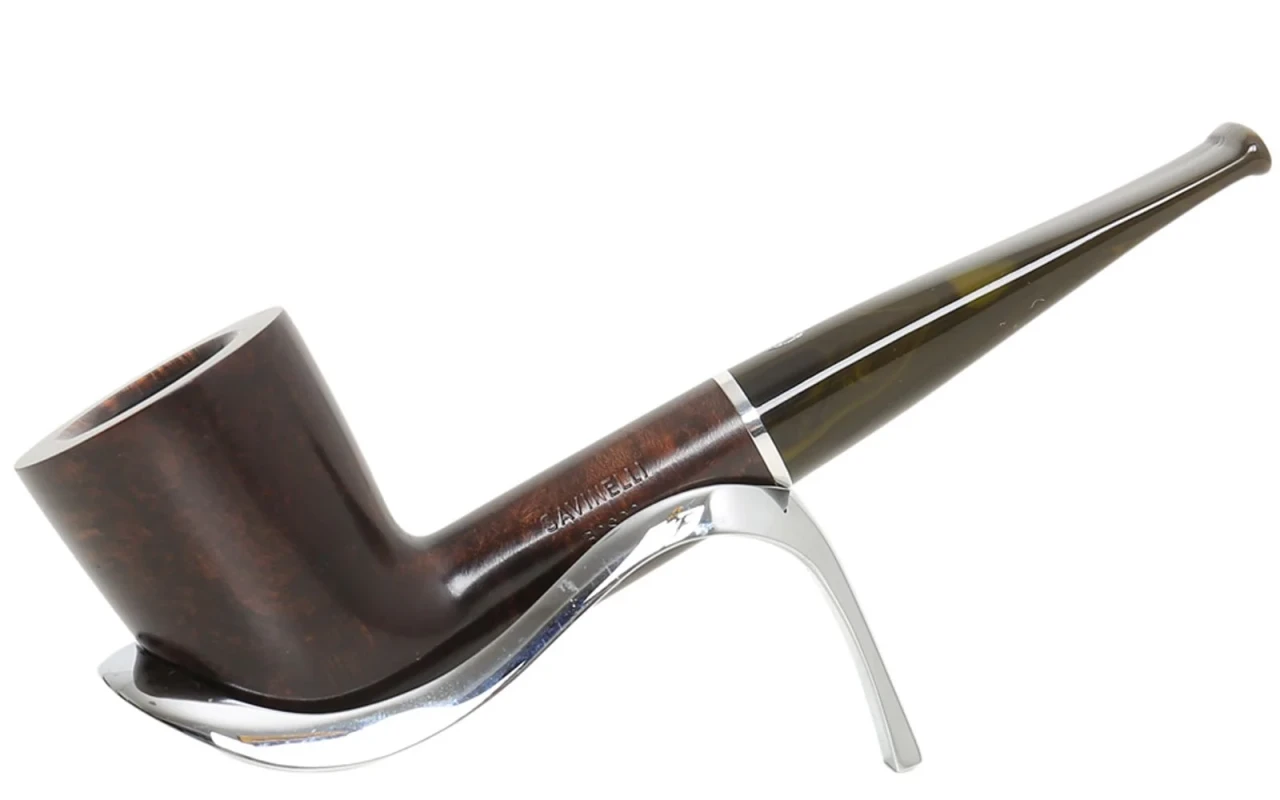
Pipe smoking can cause damage to wood due to the combustion and heat generated during use. These damages can manifest through various alterations of the surface and color of the wood itself. In particular, heat and ash can cause burns, discoloration, and cracking on the pipe. Moreover, continuous contact with smoke and moisture can harm the internal structure of the pipe over time, compromising its longevity and smoke quality. It is therefore advisable to pay attention to proper maintenance and cleaning of pipes to preserve their integrity and ensure a better smoking experience.
How to prevent damage to the pipe's wood
To avoid damage to the pipe's wood, it is important to follow some good practices:1. Keep the pipe clean and dry after each use.2. Avoid overheating the pipe during smoking.3. Use only matches or dedicated pipe lighters.4. Do not disassemble the pipe when it is hot.5. Avoid banging or hitting the pipe against hard surfaces.6. Regularly lubricate the wooden parts with specific oils to maintain their shine and prevent cracking.7. Store the pipe in a cool and dry place, away from heat sources and direct sunlight.By following these guidelines, you can preserve the beauty and integrity of your pipe's wood for a long time.
Proper pipe smoking maintenance
For proper maintenance of a smoking pipe, it is essential to follow some key practices:- After each use, delicately clean the pipe with a pipe cleaner to remove tobacco residues and moisture.- Avoid smoking the pipe too quickly to prevent overheating and damage.- Once a month, it is advisable to perform a more thorough cleaning with specific cleaning solutions and warm water.- Periodically check the condition of the filter and replace it if necessary to ensure an optimal smoke.- Store the pipe in a cool and dry place, away from heat sources and direct light.By following these guidelines, you can enjoy your smoking pipe for a long time.
Risks associated with pipe smoking
Pipe smoking poses health risks similar to those of cigarette smoking, albeit to a lesser extent. Among the main risks associated with pipe smoking are:1. Cancer: Pipe smoking can increase the risk of developing mouth, throat, lung, and bladder cancers.2. Cardiovascular diseases: Pipe smoking is linked to an increased risk of heart diseases and strokes.3. Nicotine addiction: The nicotine in pipe tobacco is highly addictive and can lead to physical and psychological dependence.4. Respiratory problems: Pipe smoking can cause respiratory issues such as chronic bronchitis and emphysema.It is important to be aware of the health risks associated with pipe smoking and to consider safer alternatives to avoid such harmful consequences.
'%3e%3cg id='Final-Copy-2_2_' transform='translate(1275.000000, 200.000000)'%3e%3cpath class='st0' d='M7.4,12.8h6.8l3.1-11.6H7.4C4.2,1.2,1.6,3.8,1.6,7S4.2,12.8,7.4,12.8z'/%3e%3c/g%3e%3c/g%3e%3c/g%3e%3cg id='final---dec.11-2020'%3e%3cg id='_x30_208-our-toggle' transform='translate(-1275.000000, -200.000000)'%3e%3cg id='Final-Copy-2' transform='translate(1275.000000, 200.000000)'%3e%3cpath class='st1' d='M22.6,0H7.4c-3.9,0-7,3.1-7,7s3.1,7,7,7h15.2c3.9,0,7-3.1,7-7S26.4,0,22.6,0z M1.6,7c0-3.2,2.6-5.8,5.8-5.8 h9.9l-3.1,11.6H7.4C4.2,12.8,1.6,10.2,1.6,7z'/%3e%3cpath id='x' class='st2' d='M24.6,4c0.2,0.2,0.2,0.6,0,0.8l0,0L22.5,7l2.2,2.2c0.2,0.2,0.2,0.6,0,0.8c-0.2,0.2-0.6,0.2-0.8,0 l0,0l-2.2-2.2L19.5,10c-0.2,0.2-0.6,0.2-0.8,0c-0.2-0.2-0.2-0.6,0-0.8l0,0L20.8,7l-2.2-2.2c-0.2-0.2-0.2-0.6,0-0.8 c0.2-0.2,0.6-0.2,0.8,0l0,0l2.2,2.2L23.8,4C24,3.8,24.4,3.8,24.6,4z'/%3e%3cpath id='y' class='st3' d='M12.7,4.1c0.2,0.2,0.3,0.6,0.1,0.8l0,0L8.6,9.8C8.5,9.9,8.4,10,8.3,10c-0.2,0.1-0.5,0.1-0.7-0.1l0,0 L5.4,7.7c-0.2-0.2-0.2-0.6,0-0.8c0.2-0.2,0.6-0.2,0.8,0l0,0L8,8.6l3.8-4.5C12,3.9,12.4,3.9,12.7,4.1z'/%3e%3c/g%3e%3c/g%3e%3c/g%3e%3c/g%3e%3c/svg%3e) Your Privacy Choices
Your Privacy Choices 


