 ES
ES FR
FR EN
EN IT
IT DE
DE
Custom sandblasting of briar pipes
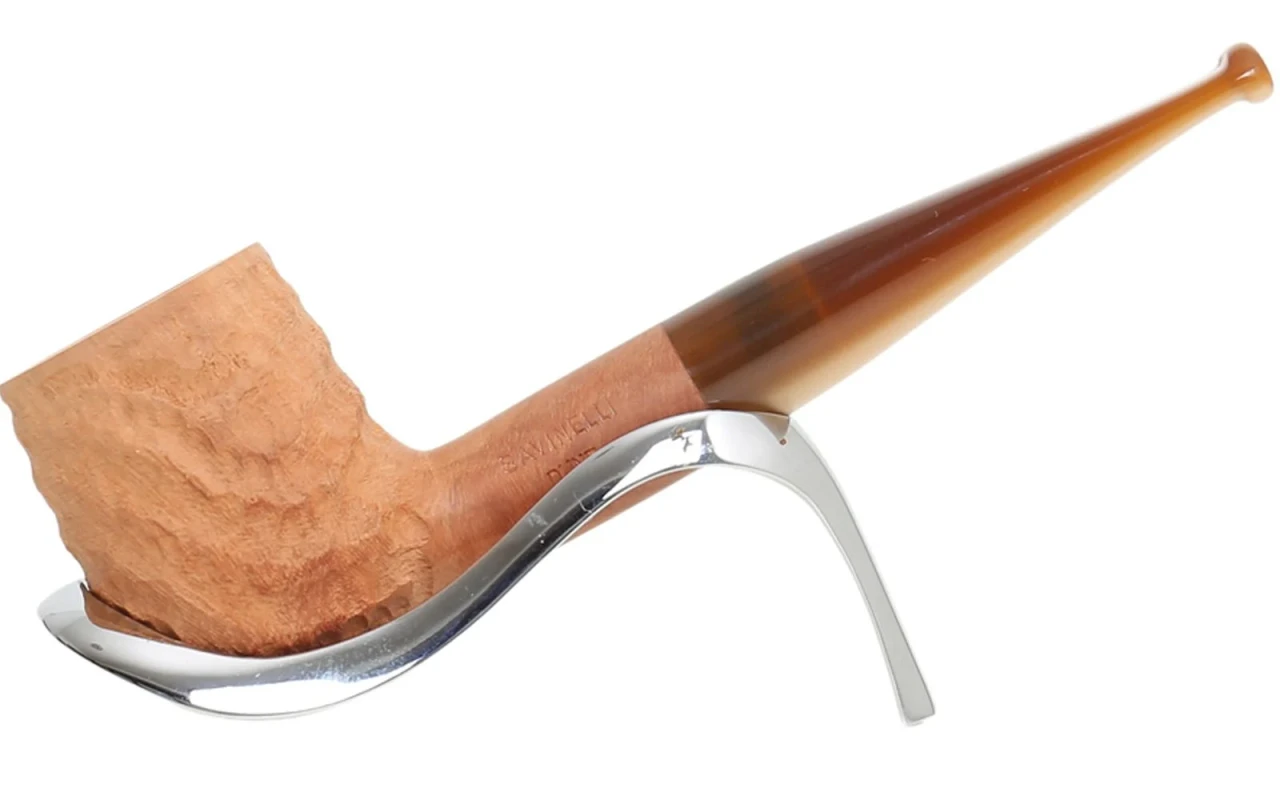
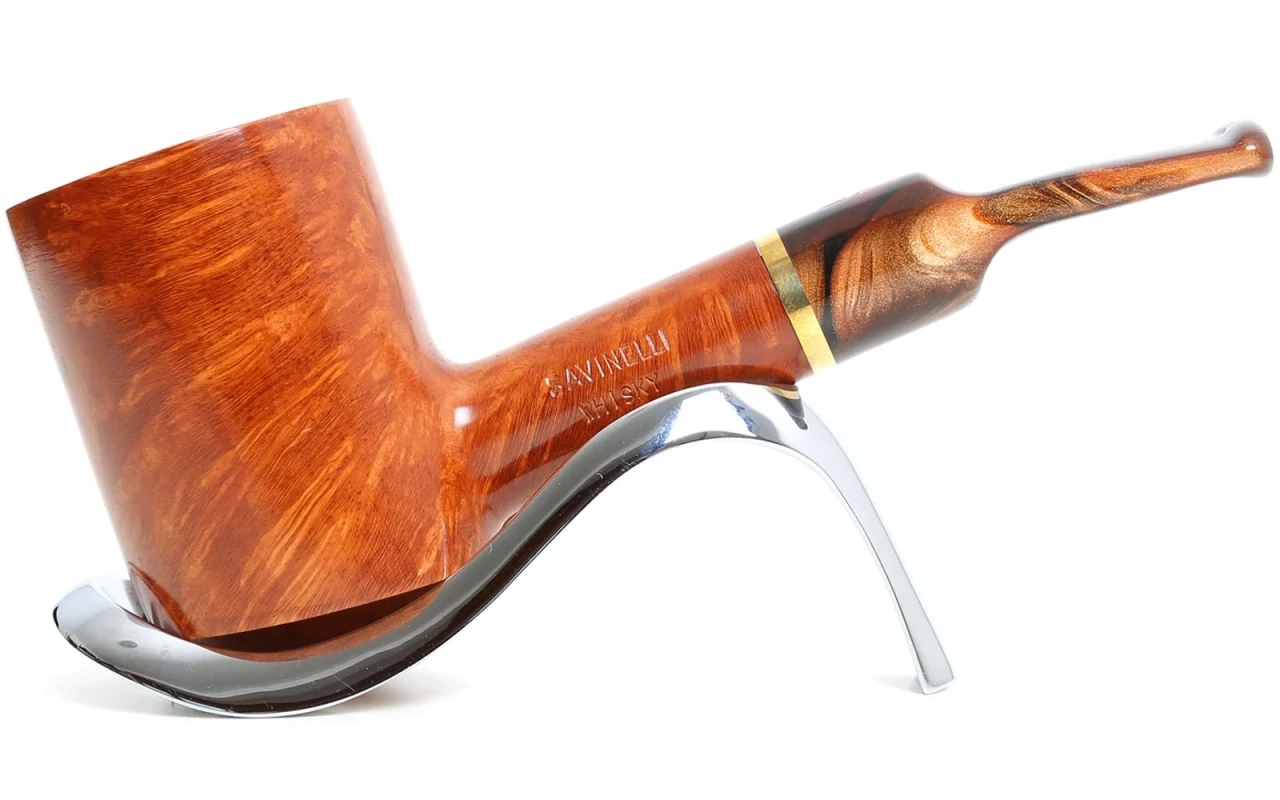
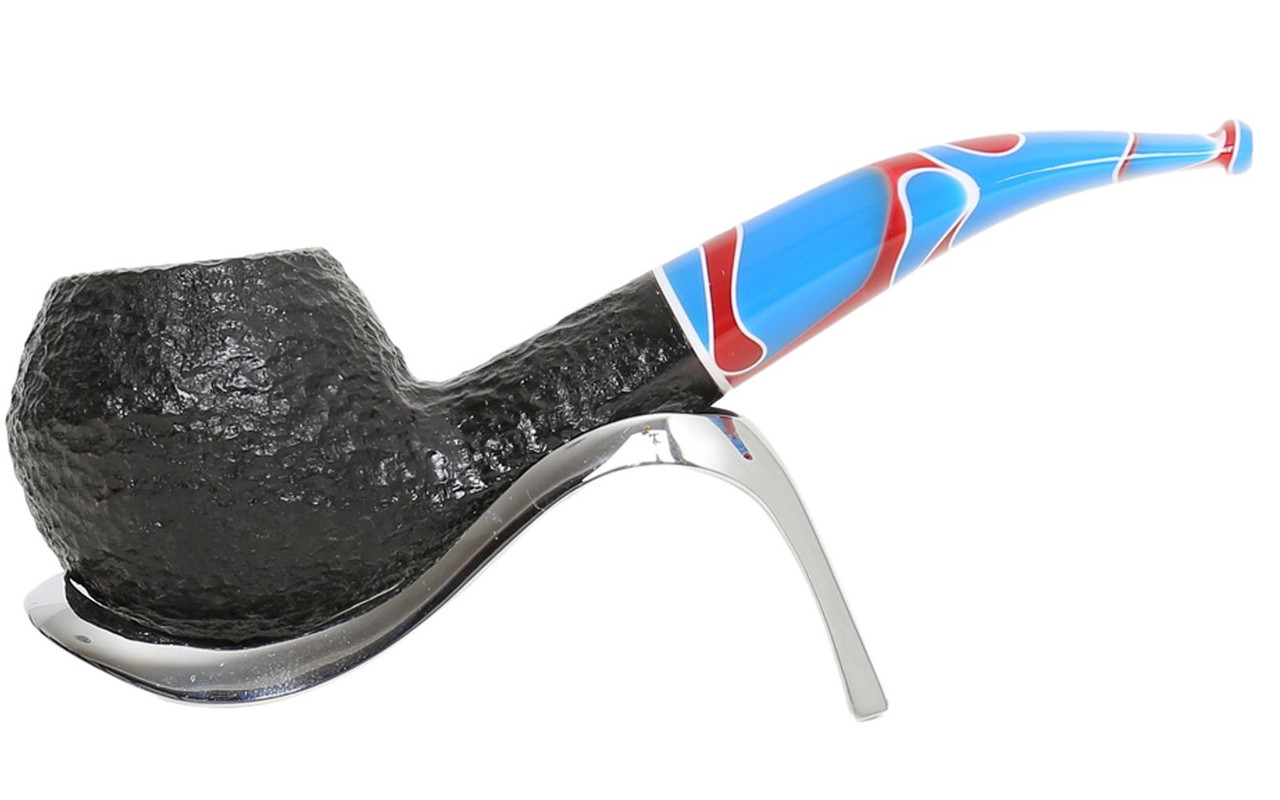
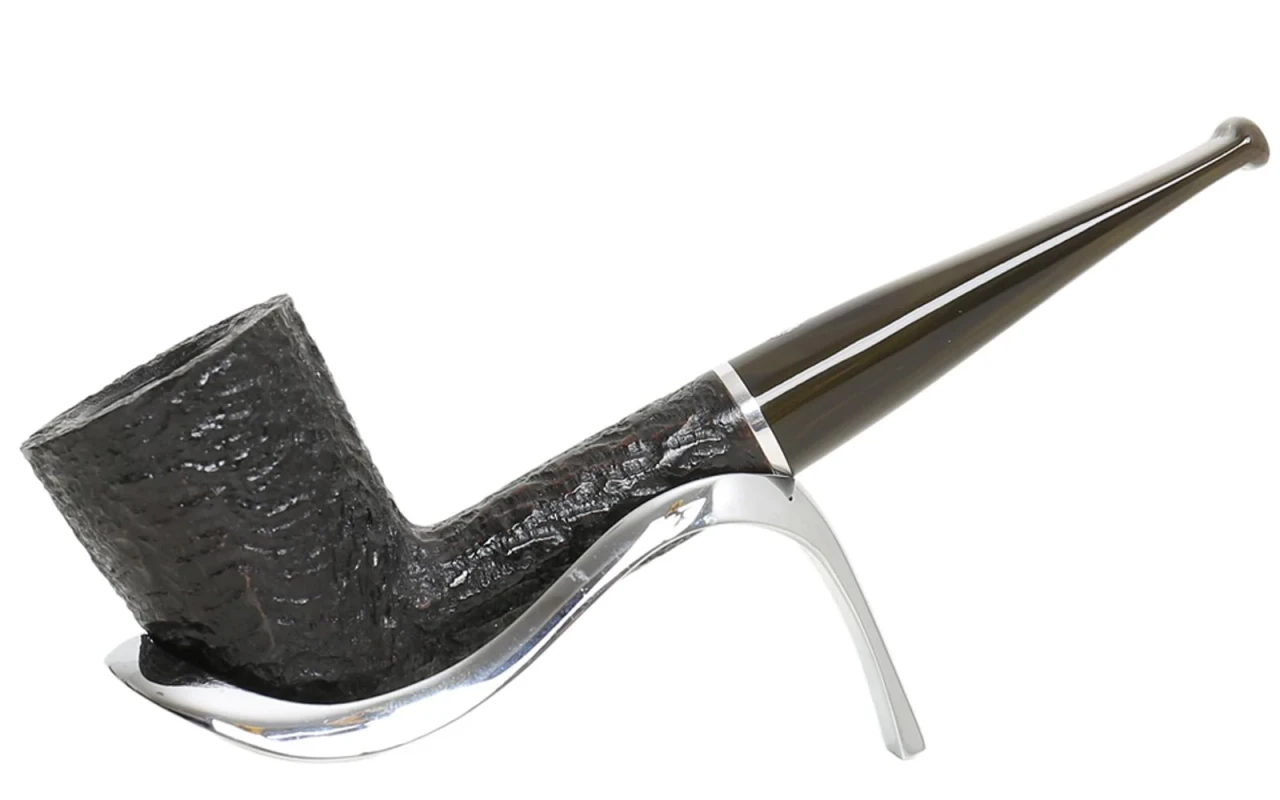
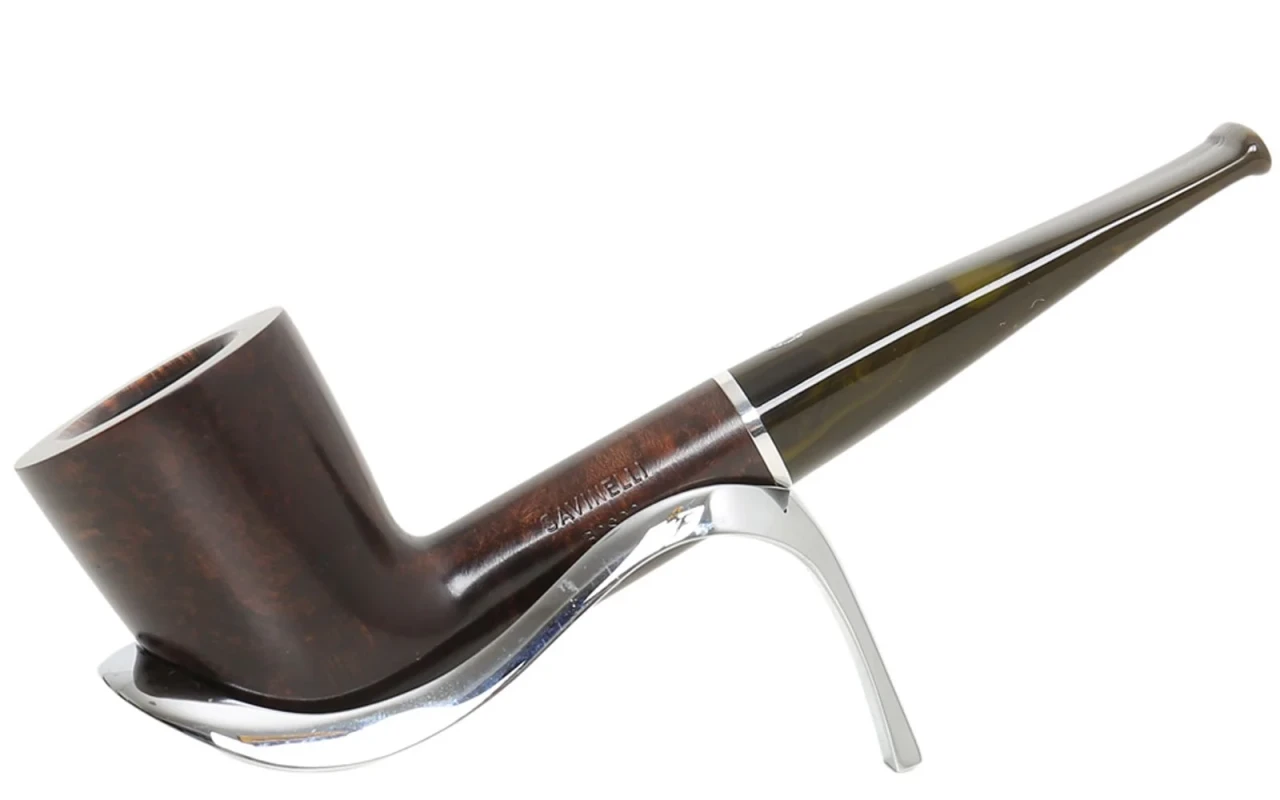
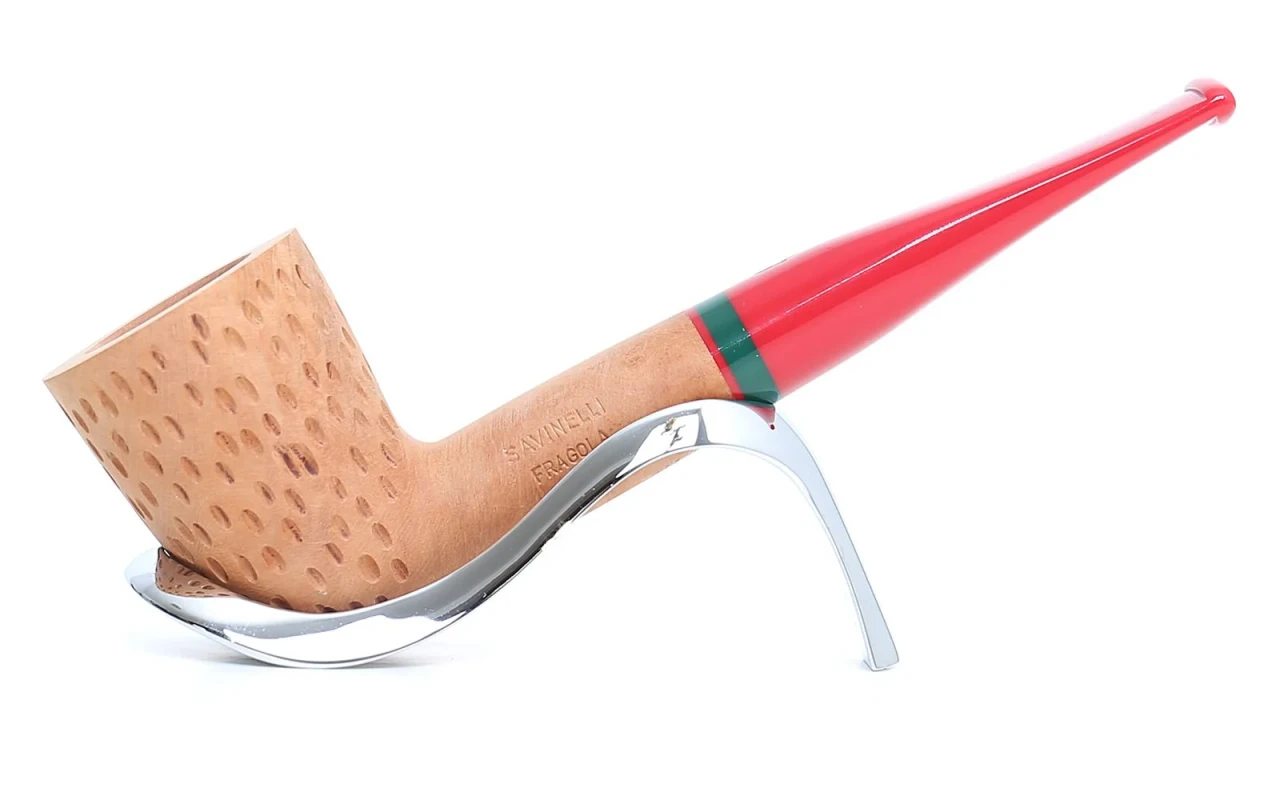
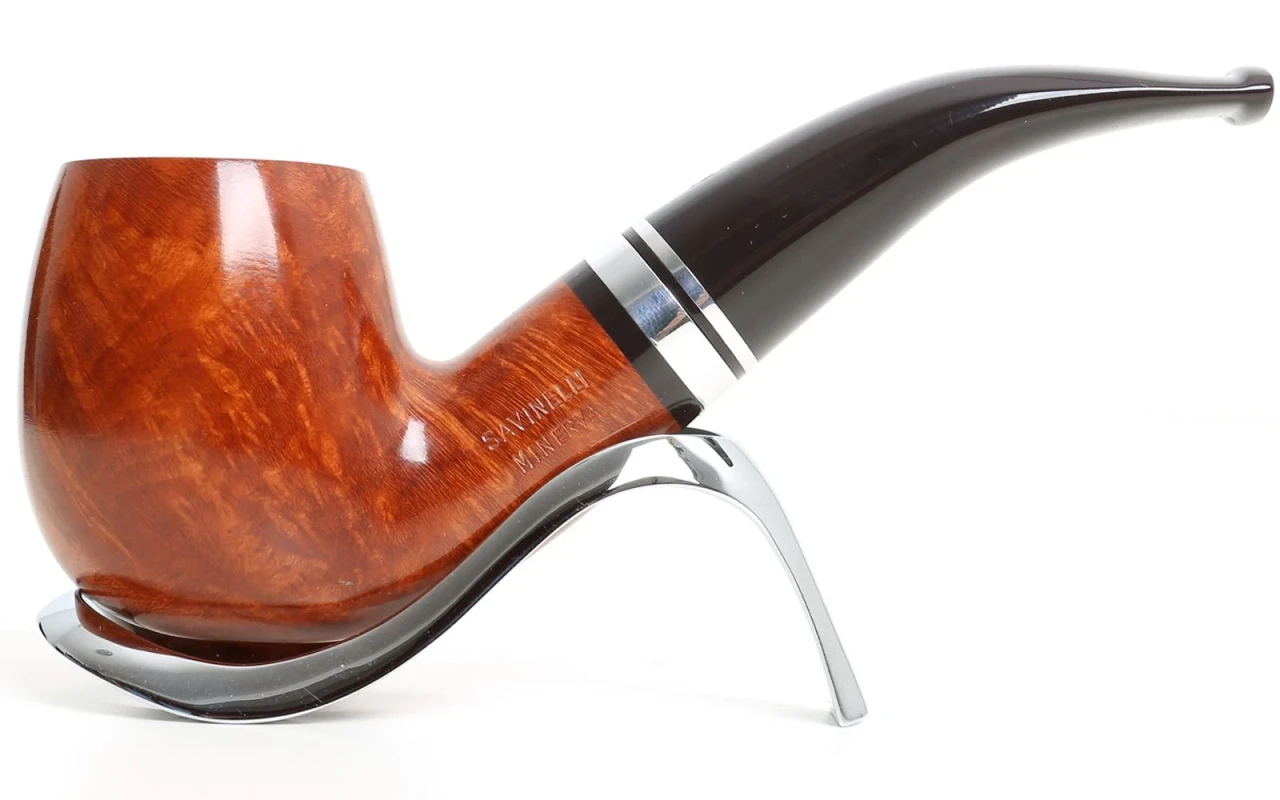
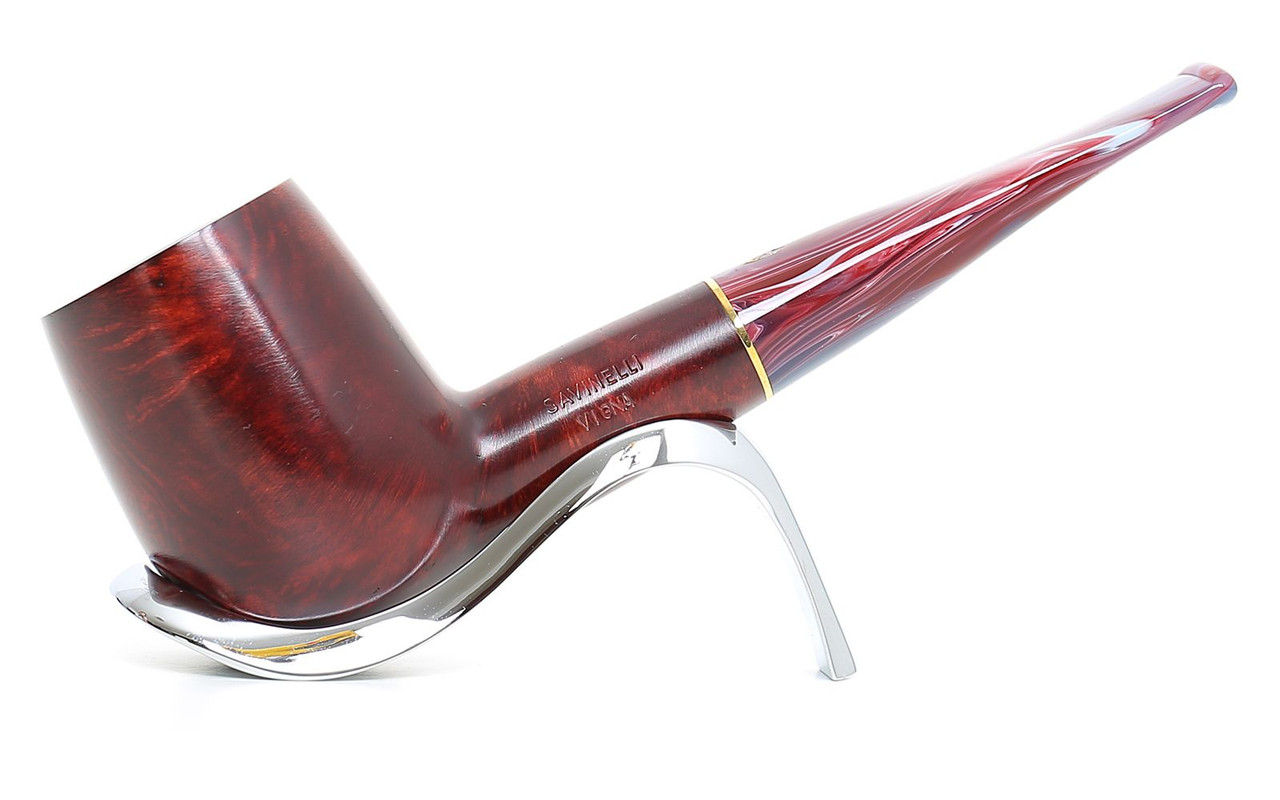
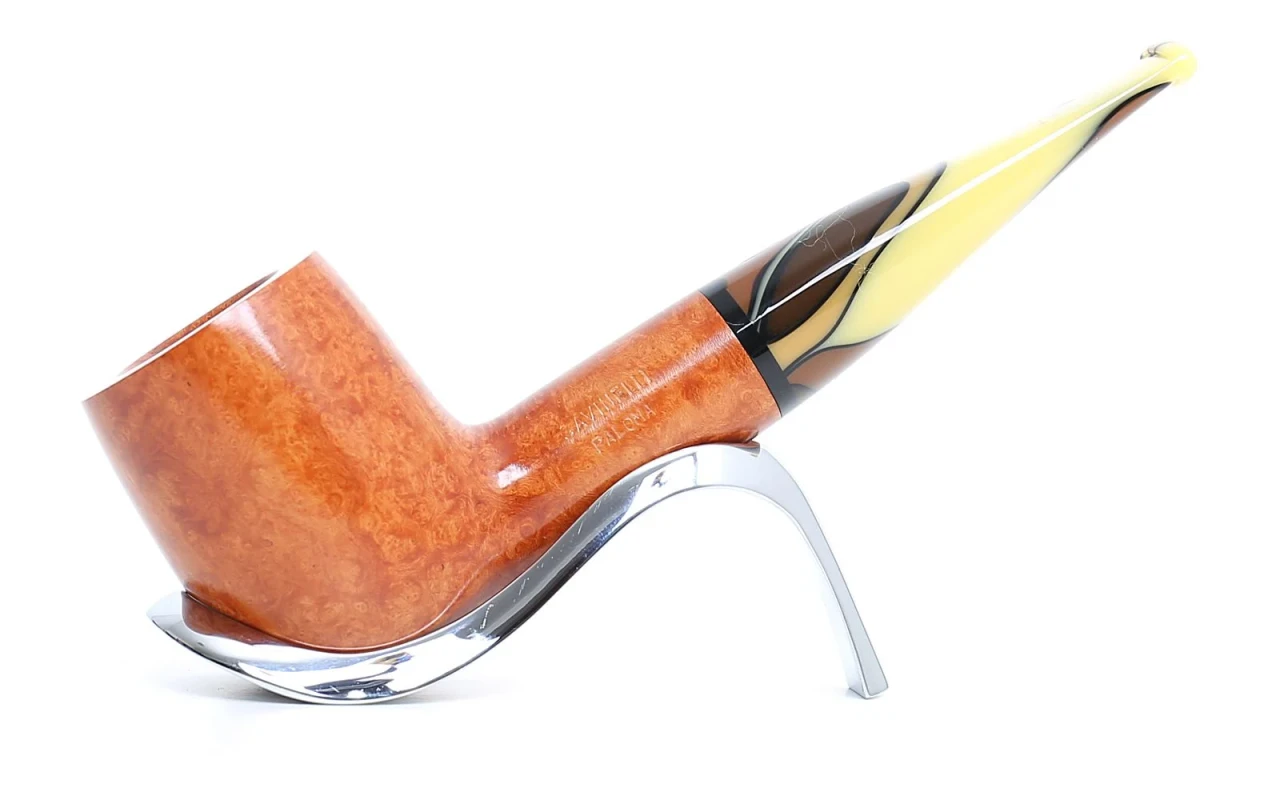
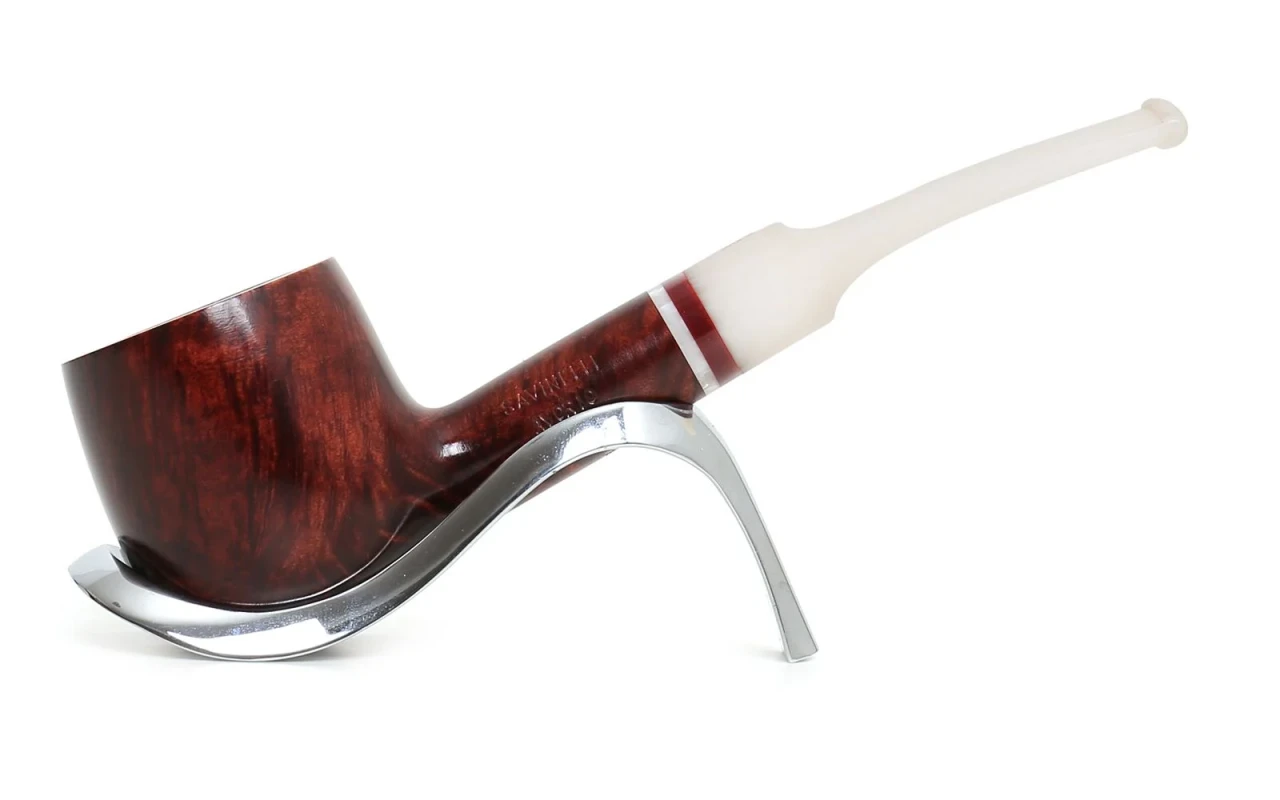
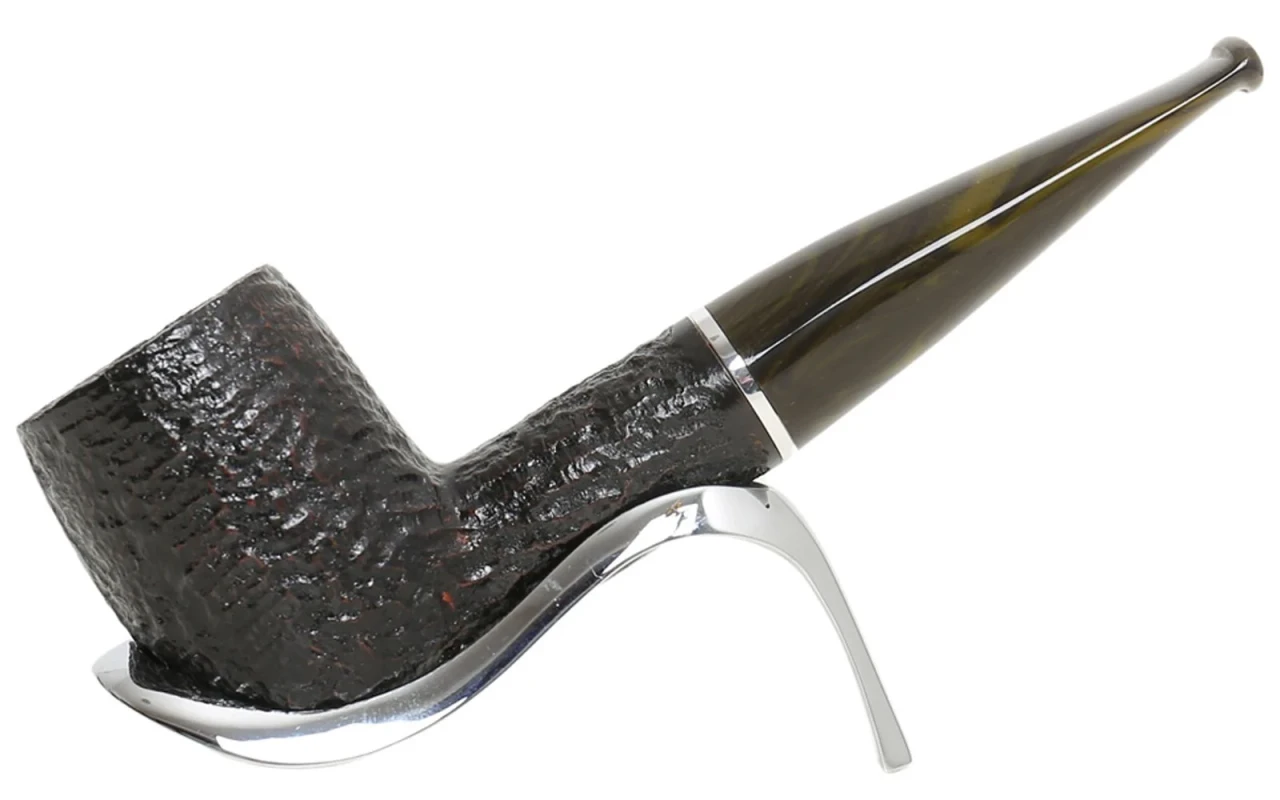
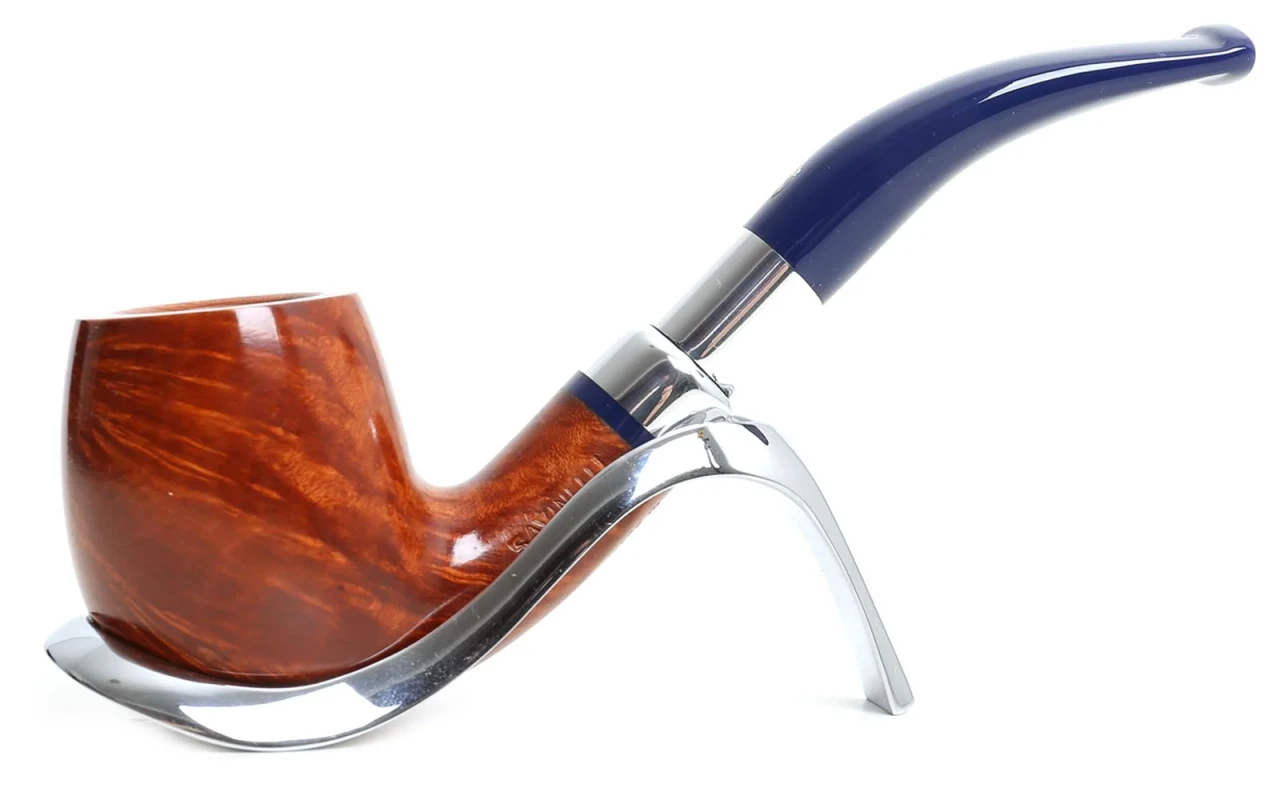
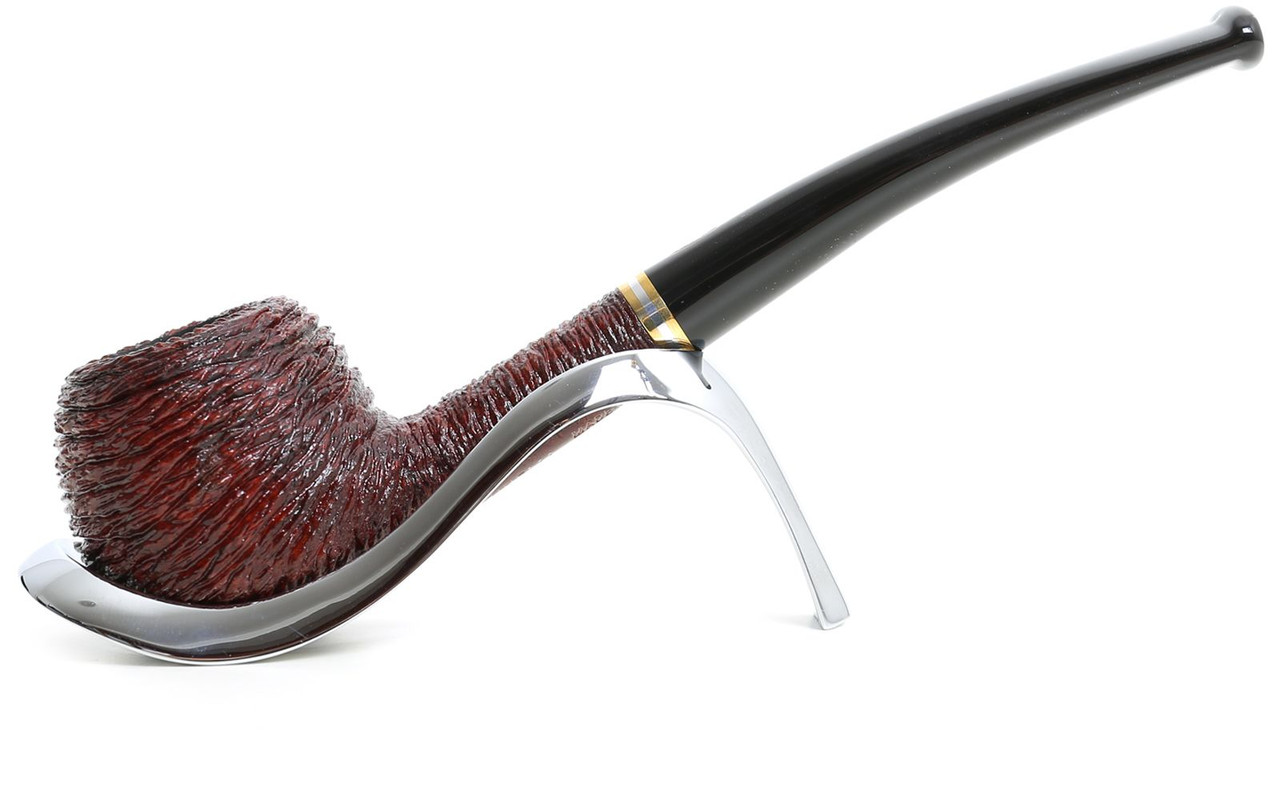
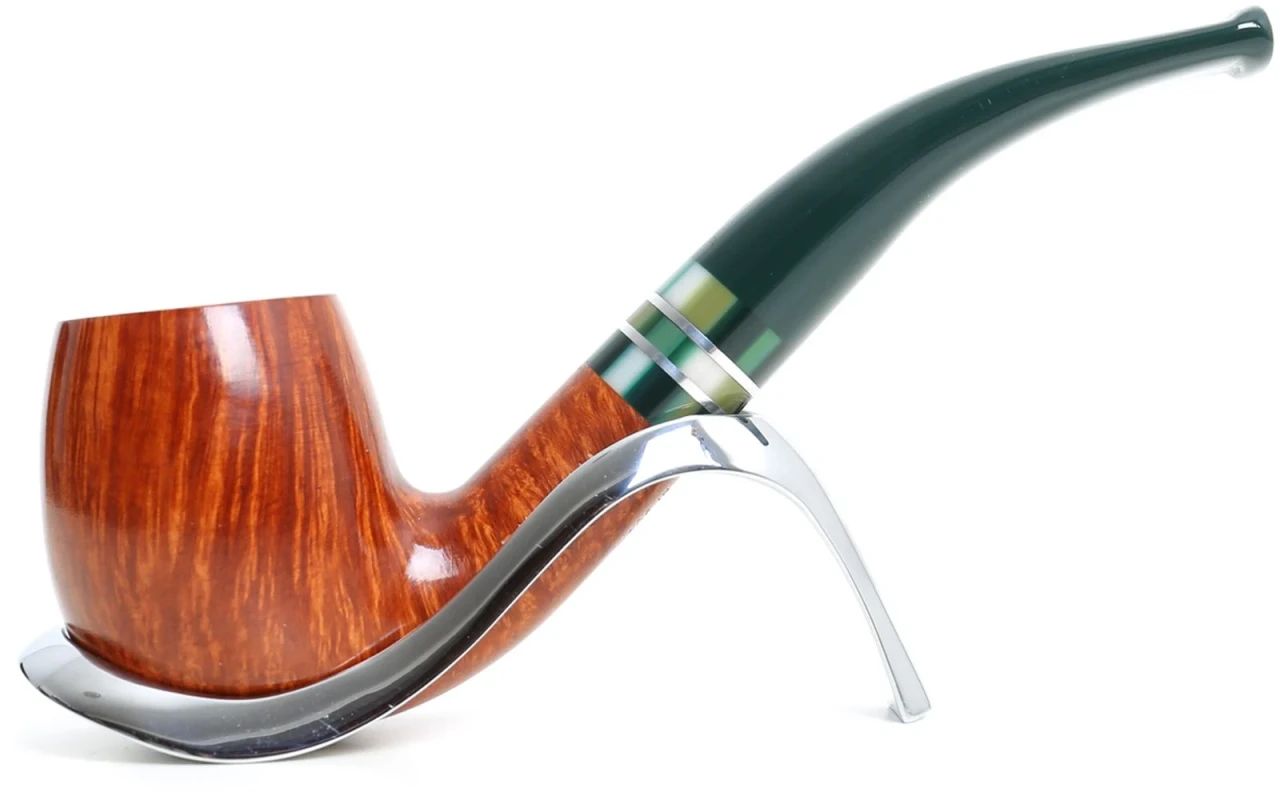
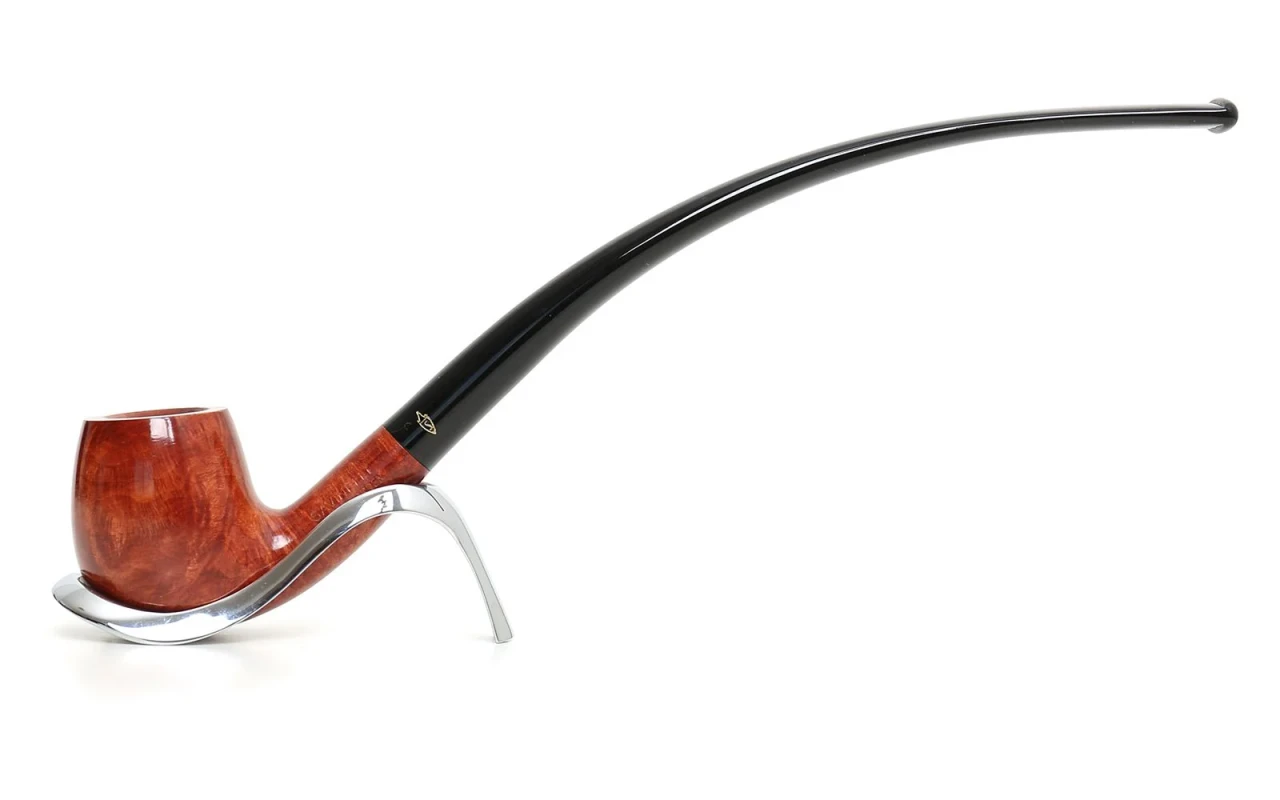
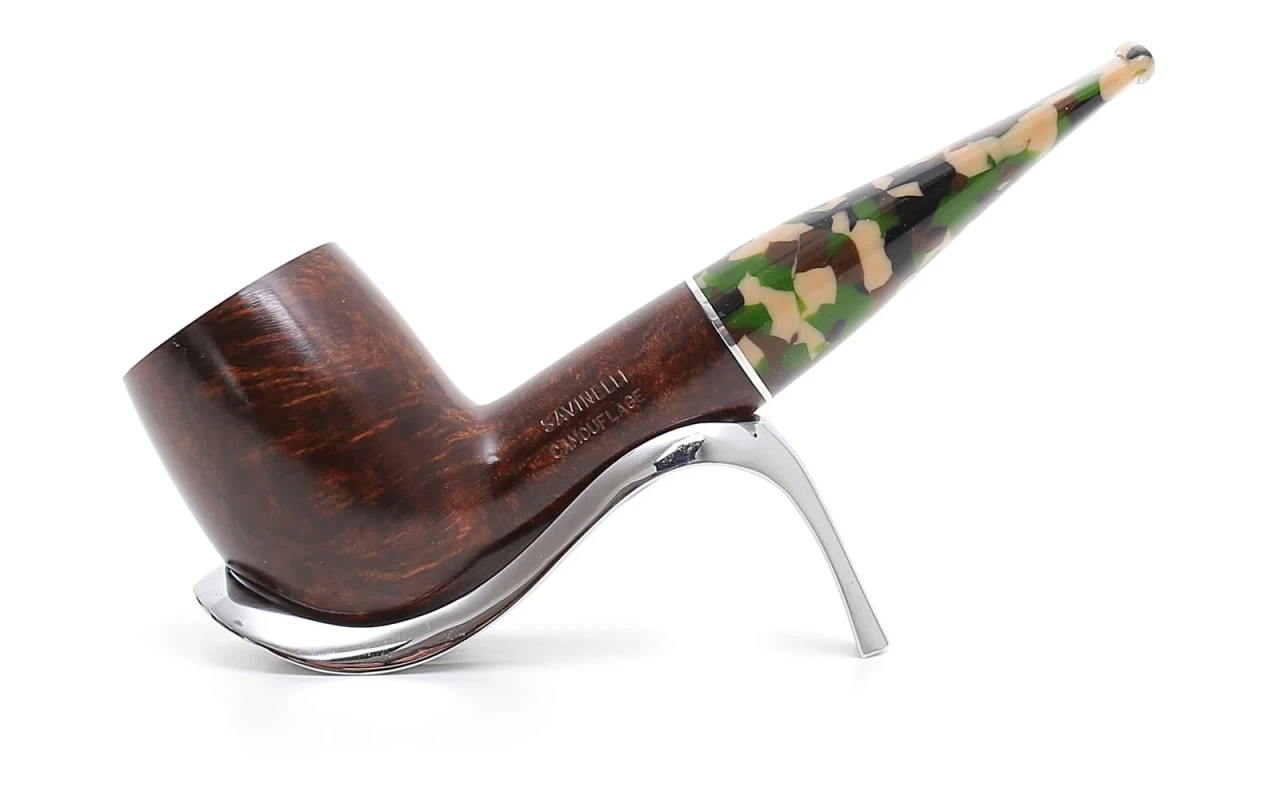
Custom sandblasting of briar pipes
Custom sandblasting of briar pipes is a specialized process that allows for unique and personalized aesthetic effects. During sandblasting, the outer surface of the briar is treated with high-pressure abrasive particles to create a rough and rustic effect. This technique not only adds character and depth to the pipe but can also influence how the pipe heats up during use. Sandblasting customization allows collectors and pipe enthusiasts to create unique pieces that reflect their own style and aesthetic taste.
Sandblasting briar pipes meaning
Sandblasting briar pipes is a finishing process that involves applying sand or abrasive granules on the surface of the pipe to achieve a rustic and matte effect. This technique highlights the natural grain of the briar, giving the pipe a distinctive and unique appearance. The sandblasting can be more or less deep depending on the desired result, creating different textures and finishes. This treatment not only enhances the aesthetic aspect of the pipe but can also influence its smoking characteristics, ensuring better tobacco adherence and heat dissipation during use.
Sandblasting Techniques for Pipes
Sandblasting pipes is a technique used to remove dirt, rust, and old finishes from metal, preparing them to be repainted or polished. Sandblasting techniques involve the use of high-pressure abrasive particles, such as sand, steel grit, or bicarbonate of soda, which are blasted against the surface of the pipe to remove the outer layer. It is important that sandblasting is carried out with care and precision to avoid damaging the pipe itself. After sandblasting, it is advisable to protect the surface with a protective coating to preserve its appearance and durability over time.
Sanding briar pipes: how is it done
Sanding briar pipes is a delicate and artisanal process that requires precision and attention to detail. Here's how it's done:1. Preparation: protect the parts not to be treated with adhesive tape.2. Sanding: use a sandblaster to spray fine sand on the surface of the pipe.3. Inspection: constantly check the effect obtained, avoiding damaging the briar.4. Cleaning: carefully remove excess sand, making sure not to damage the surface.5. Finishing: apply any specific oils or waxes for briar to protect and enhance the wood.It is advisable to rely on a professional to achieve optimal results without compromising the quality of the pipe.
'%3e%3cg id='Final-Copy-2_2_' transform='translate(1275.000000, 200.000000)'%3e%3cpath class='st0' d='M7.4,12.8h6.8l3.1-11.6H7.4C4.2,1.2,1.6,3.8,1.6,7S4.2,12.8,7.4,12.8z'/%3e%3c/g%3e%3c/g%3e%3c/g%3e%3cg id='final---dec.11-2020'%3e%3cg id='_x30_208-our-toggle' transform='translate(-1275.000000, -200.000000)'%3e%3cg id='Final-Copy-2' transform='translate(1275.000000, 200.000000)'%3e%3cpath class='st1' d='M22.6,0H7.4c-3.9,0-7,3.1-7,7s3.1,7,7,7h15.2c3.9,0,7-3.1,7-7S26.4,0,22.6,0z M1.6,7c0-3.2,2.6-5.8,5.8-5.8 h9.9l-3.1,11.6H7.4C4.2,12.8,1.6,10.2,1.6,7z'/%3e%3cpath id='x' class='st2' d='M24.6,4c0.2,0.2,0.2,0.6,0,0.8l0,0L22.5,7l2.2,2.2c0.2,0.2,0.2,0.6,0,0.8c-0.2,0.2-0.6,0.2-0.8,0 l0,0l-2.2-2.2L19.5,10c-0.2,0.2-0.6,0.2-0.8,0c-0.2-0.2-0.2-0.6,0-0.8l0,0L20.8,7l-2.2-2.2c-0.2-0.2-0.2-0.6,0-0.8 c0.2-0.2,0.6-0.2,0.8,0l0,0l2.2,2.2L23.8,4C24,3.8,24.4,3.8,24.6,4z'/%3e%3cpath id='y' class='st3' d='M12.7,4.1c0.2,0.2,0.3,0.6,0.1,0.8l0,0L8.6,9.8C8.5,9.9,8.4,10,8.3,10c-0.2,0.1-0.5,0.1-0.7-0.1l0,0 L5.4,7.7c-0.2-0.2-0.2-0.6,0-0.8c0.2-0.2,0.6-0.2,0.8,0l0,0L8,8.6l3.8-4.5C12,3.9,12.4,3.9,12.7,4.1z'/%3e%3c/g%3e%3c/g%3e%3c/g%3e%3c/g%3e%3c/svg%3e) Your Privacy Choices
Your Privacy Choices 


