 ES
ES FR
FR EN
EN IT
IT DE
DE
Craftsmanship skills in Bulldog pipe making
Craftsmanship skills in Bulldog pipe making
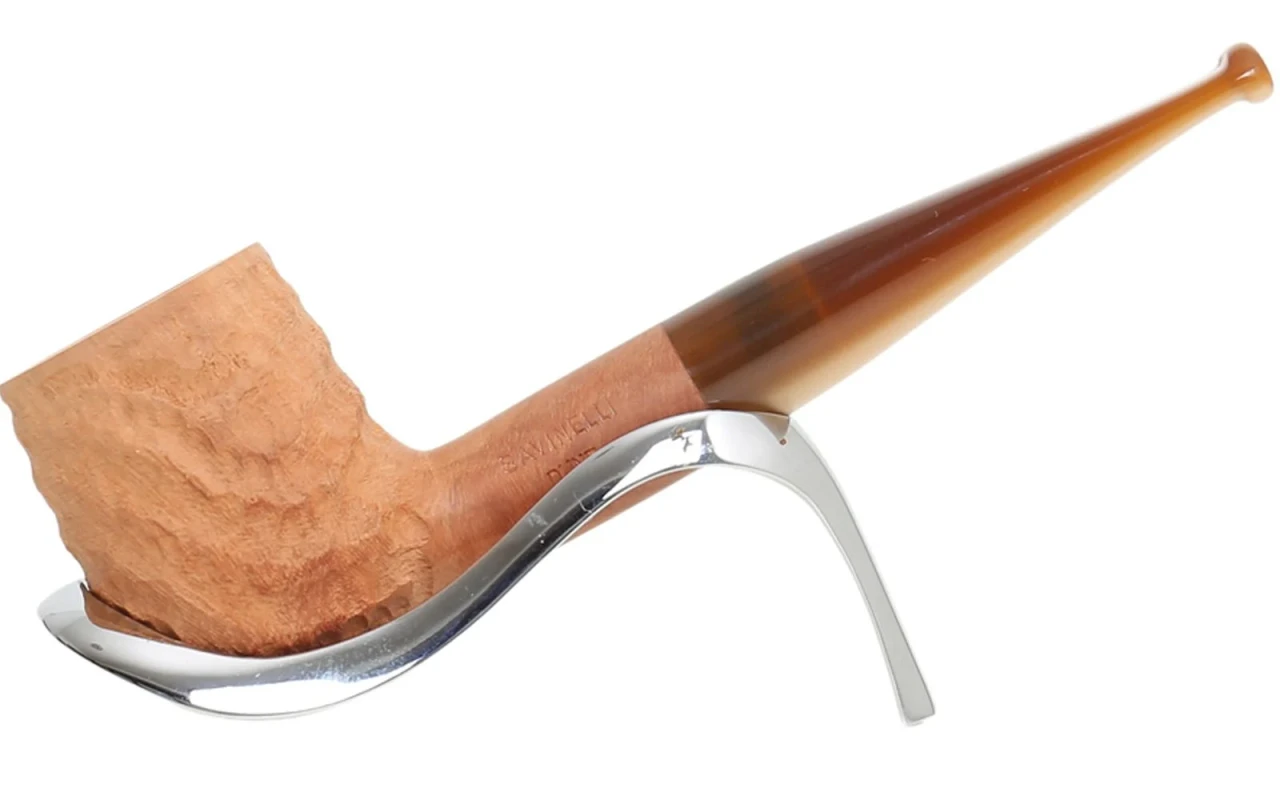
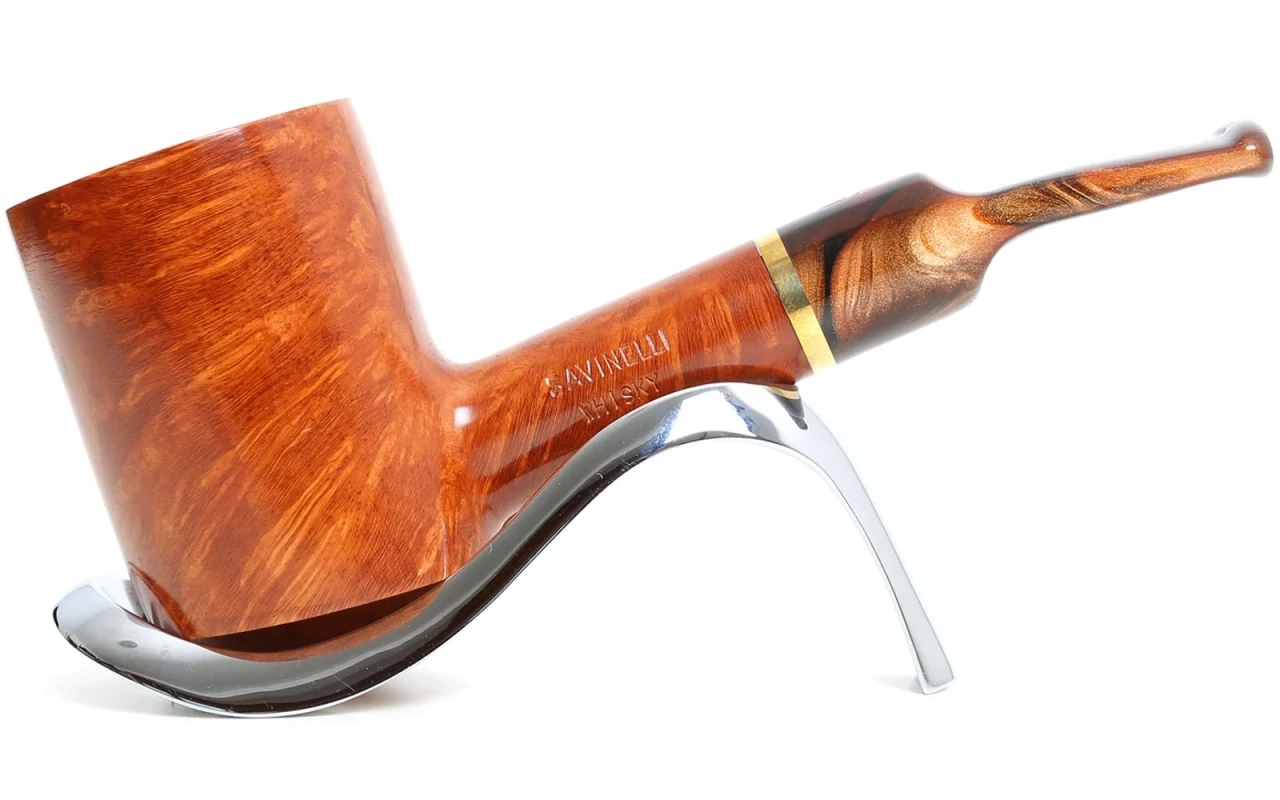
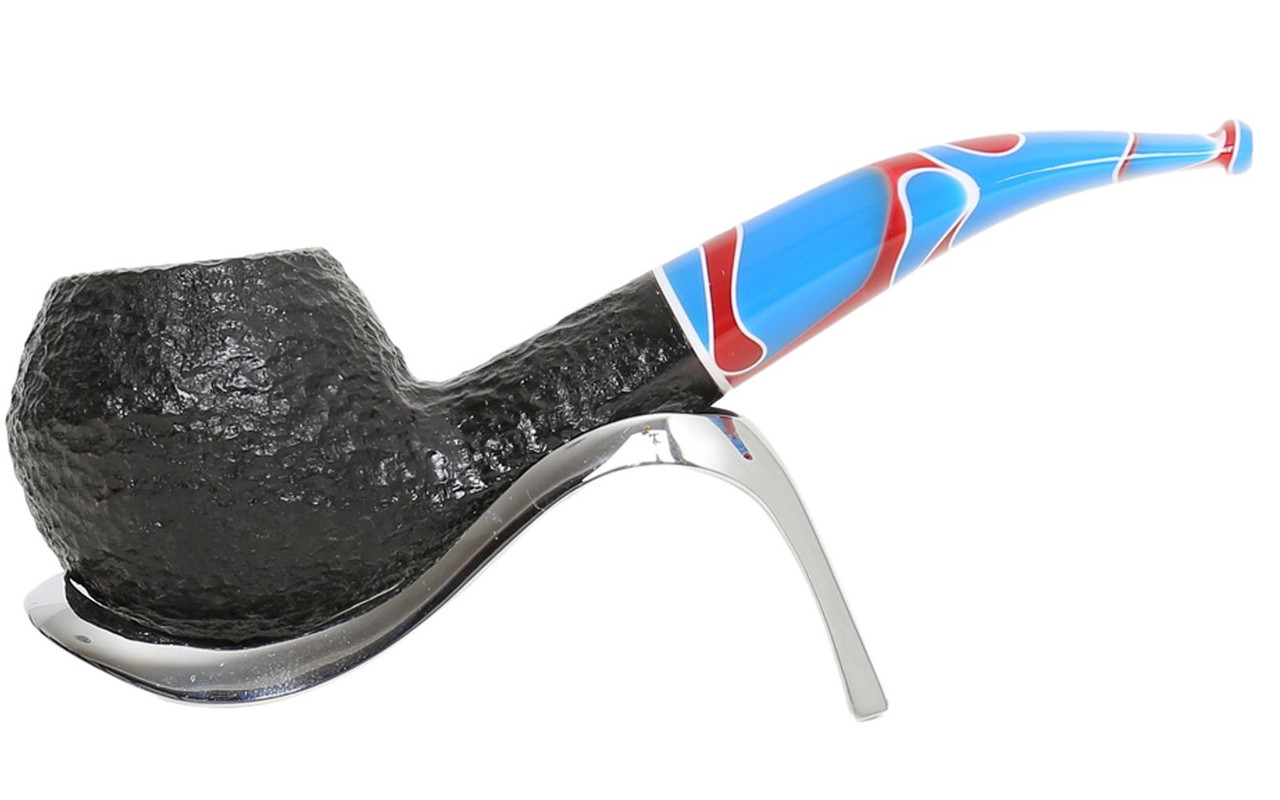
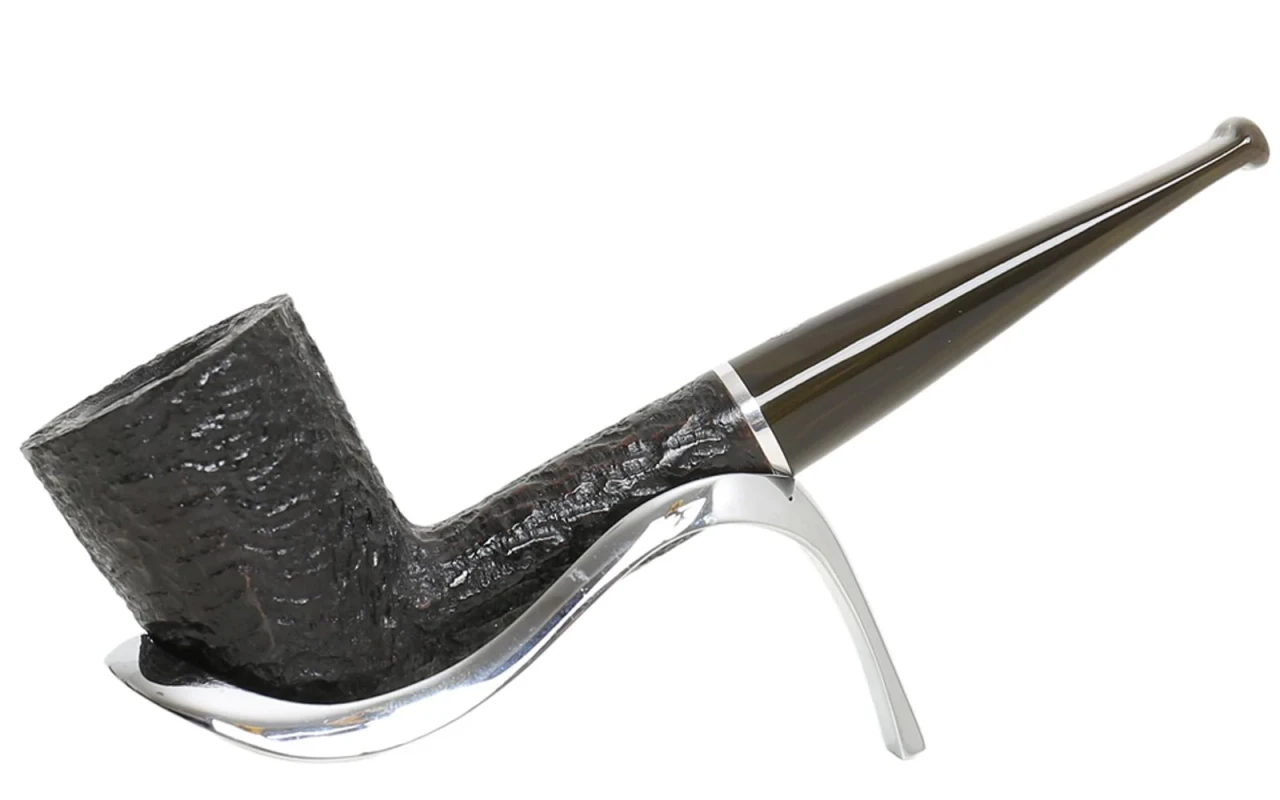
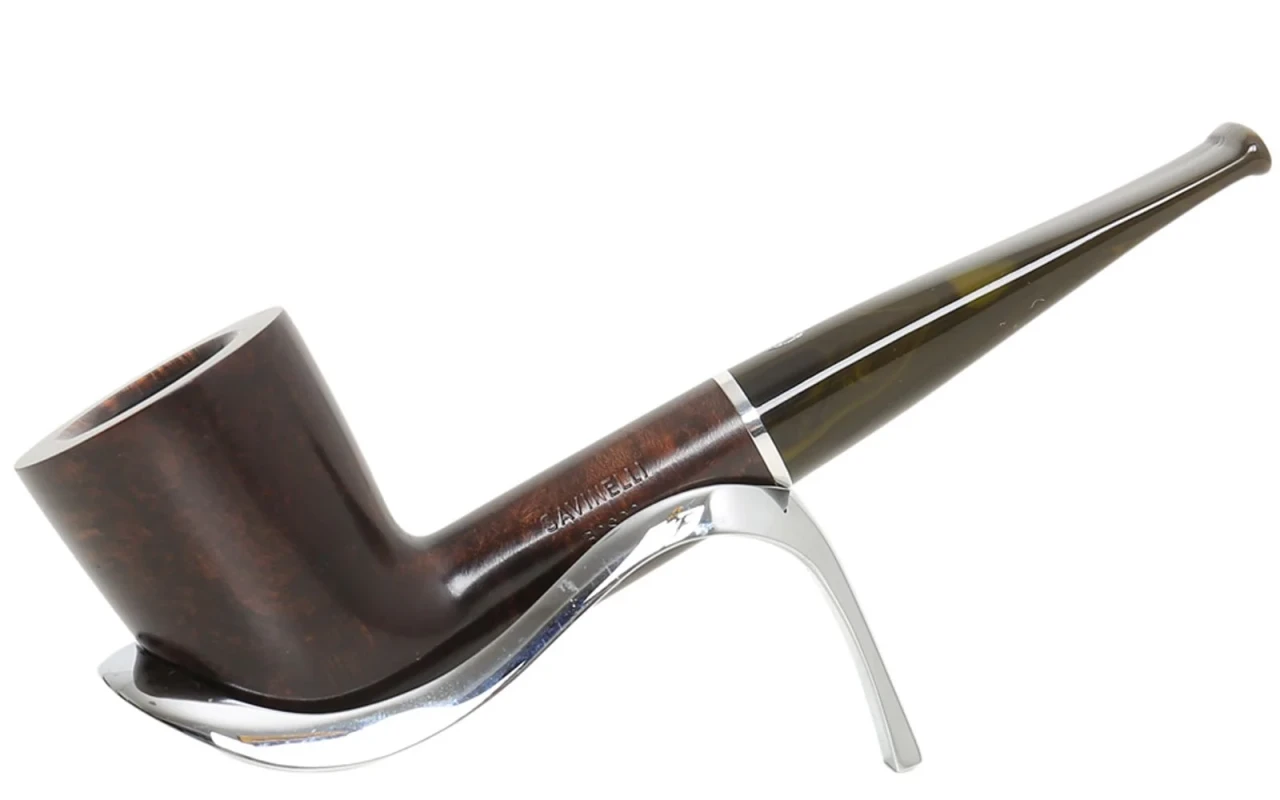
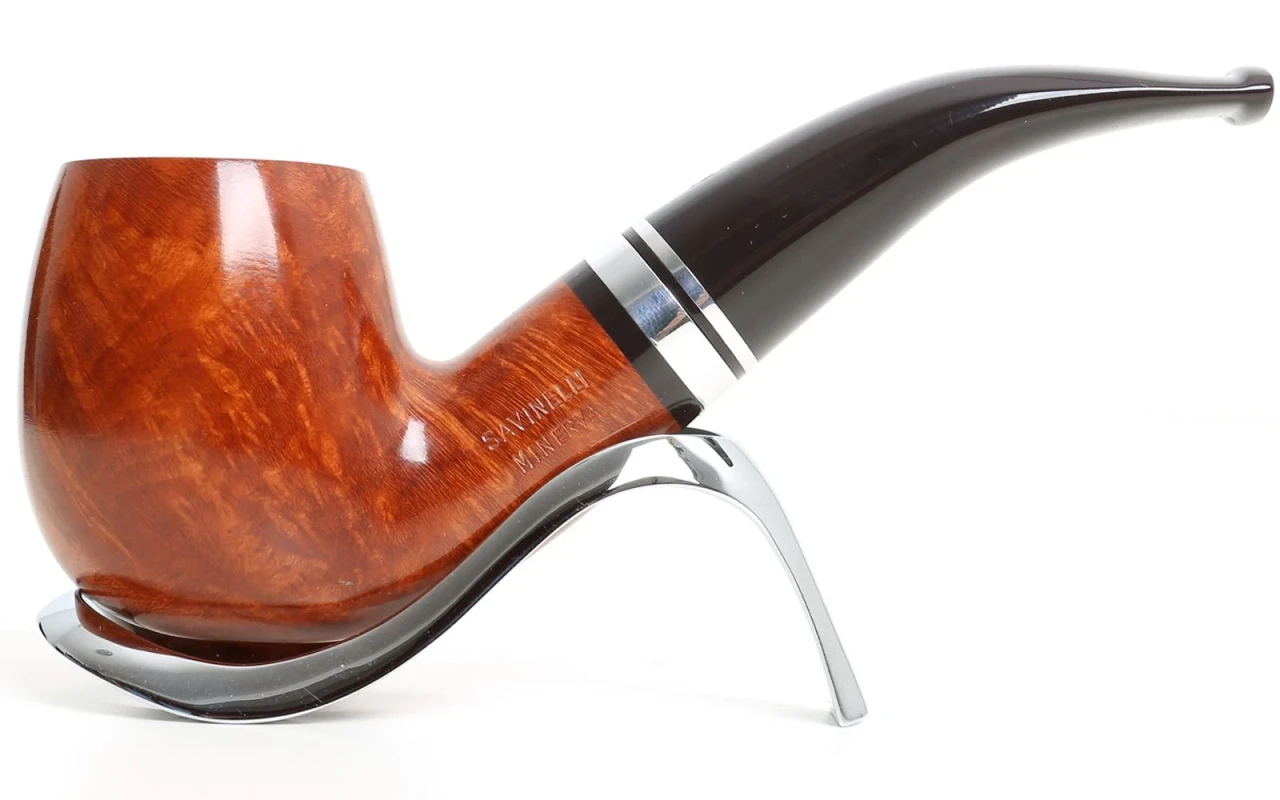
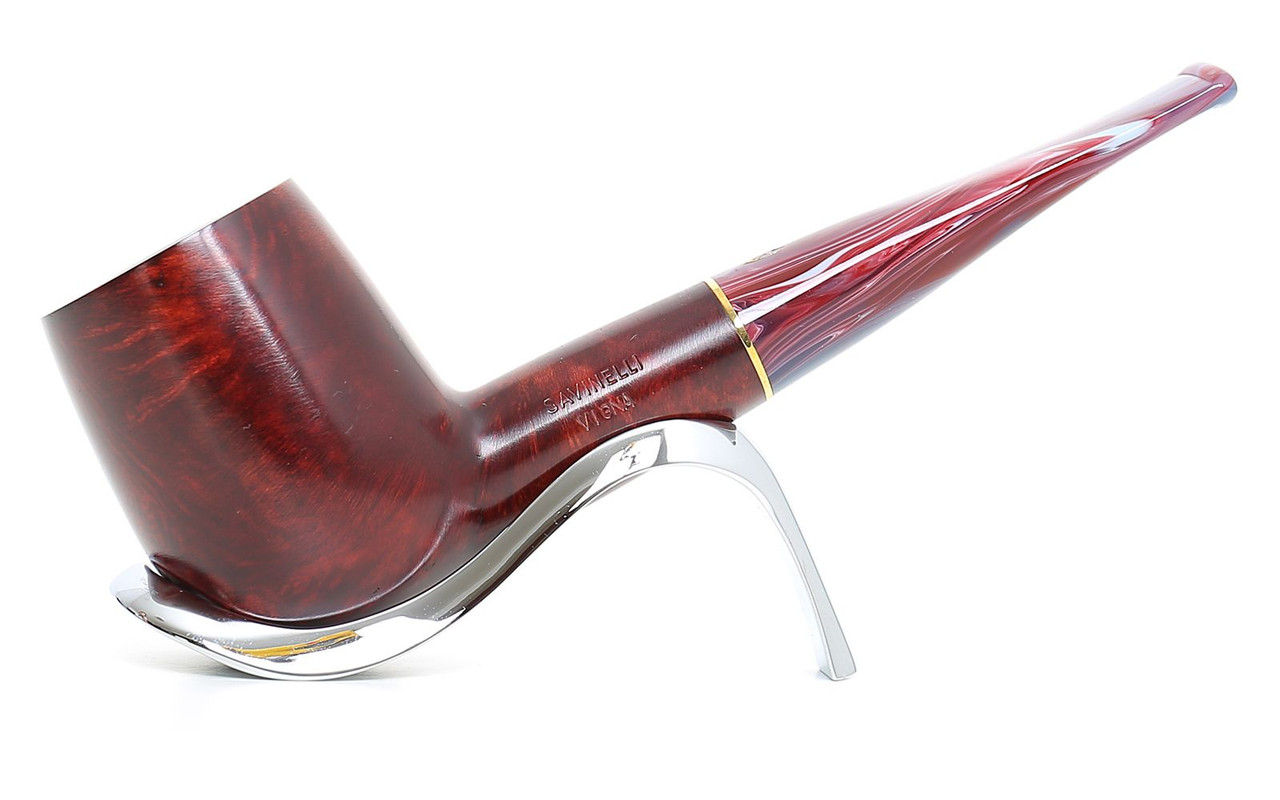
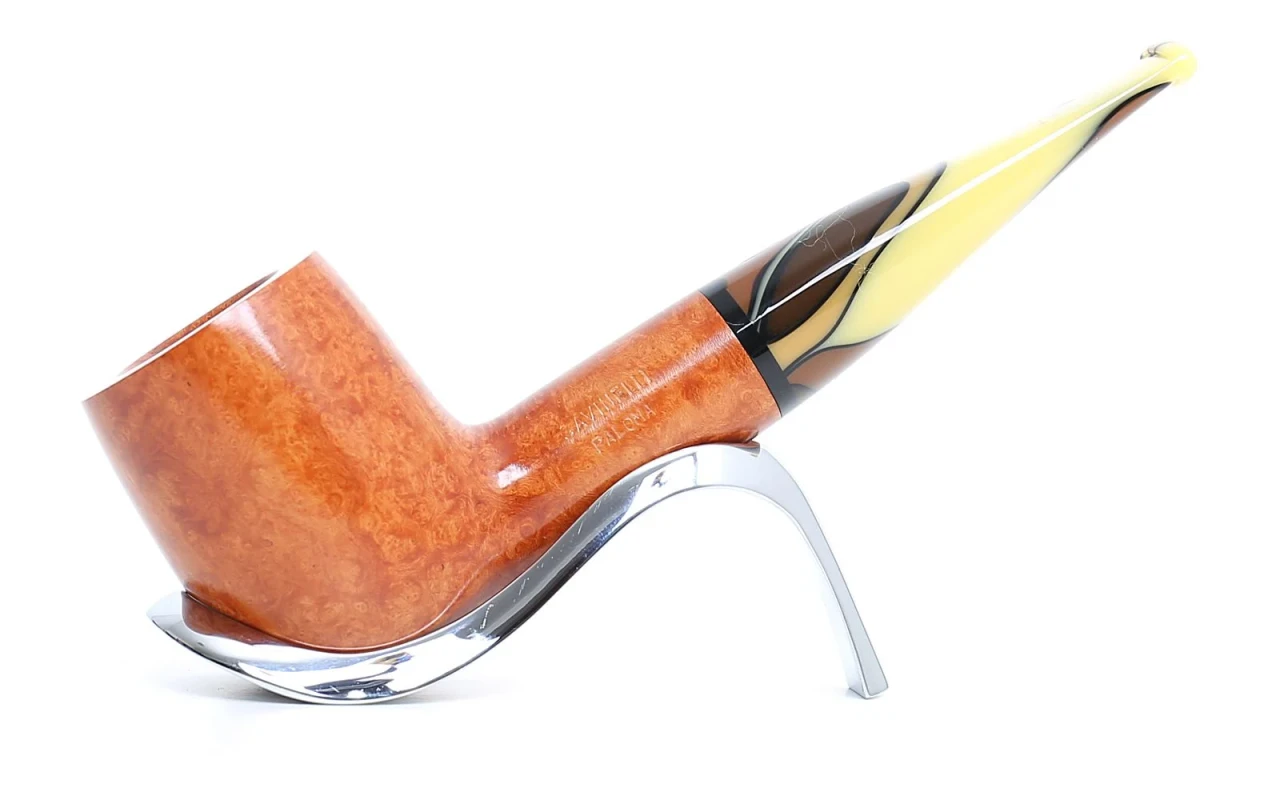
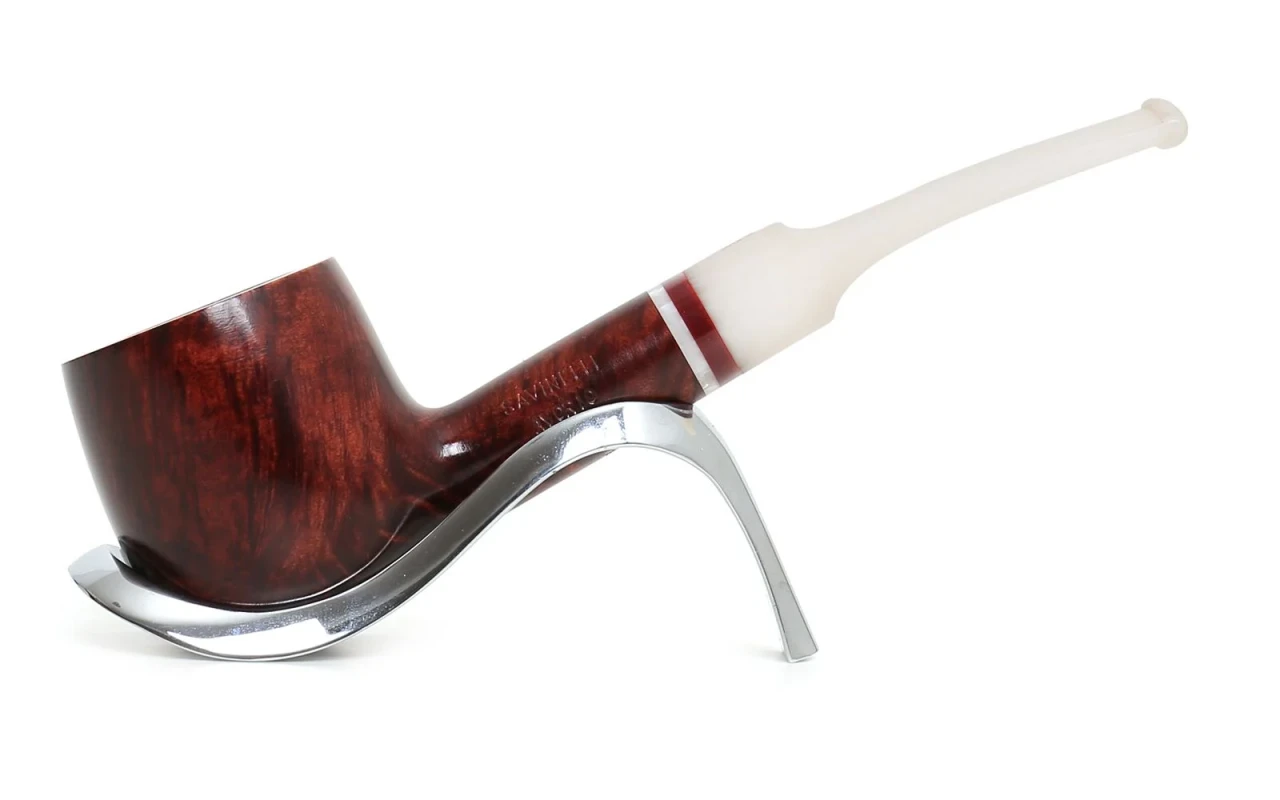
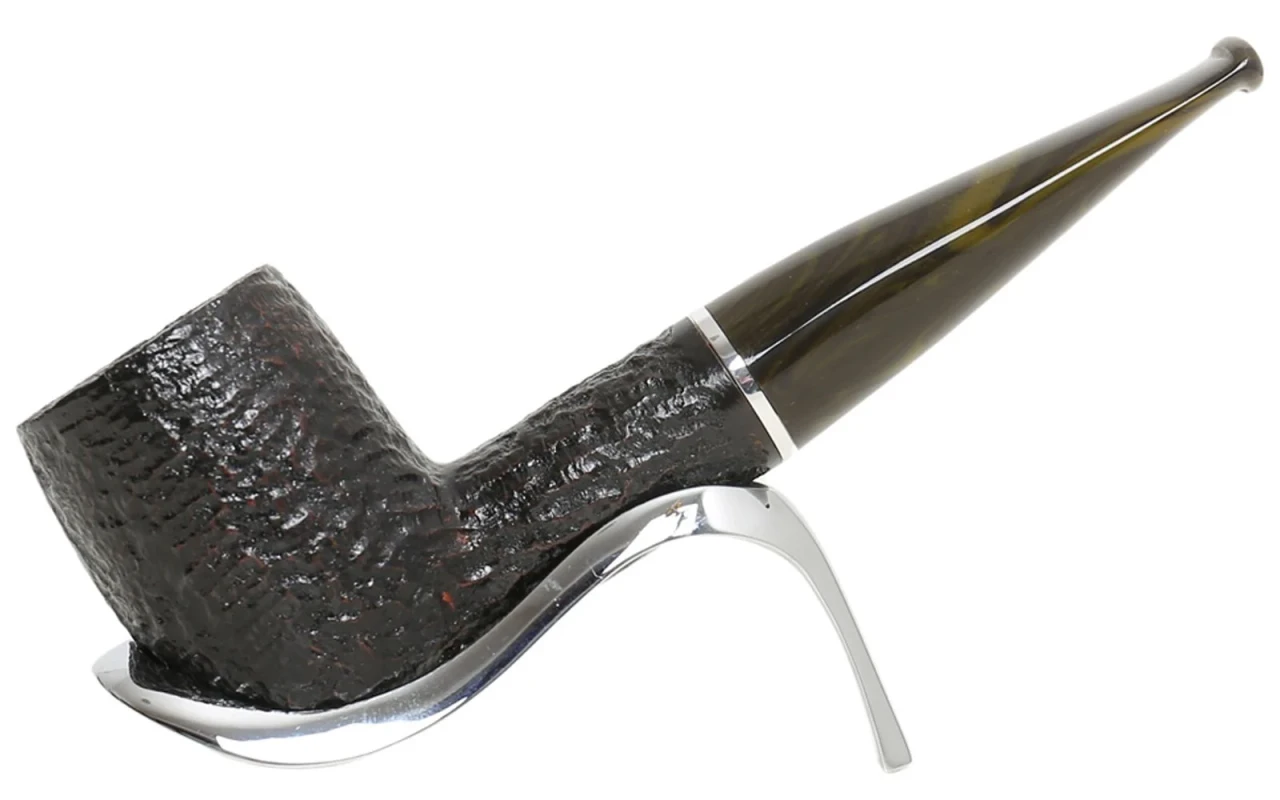
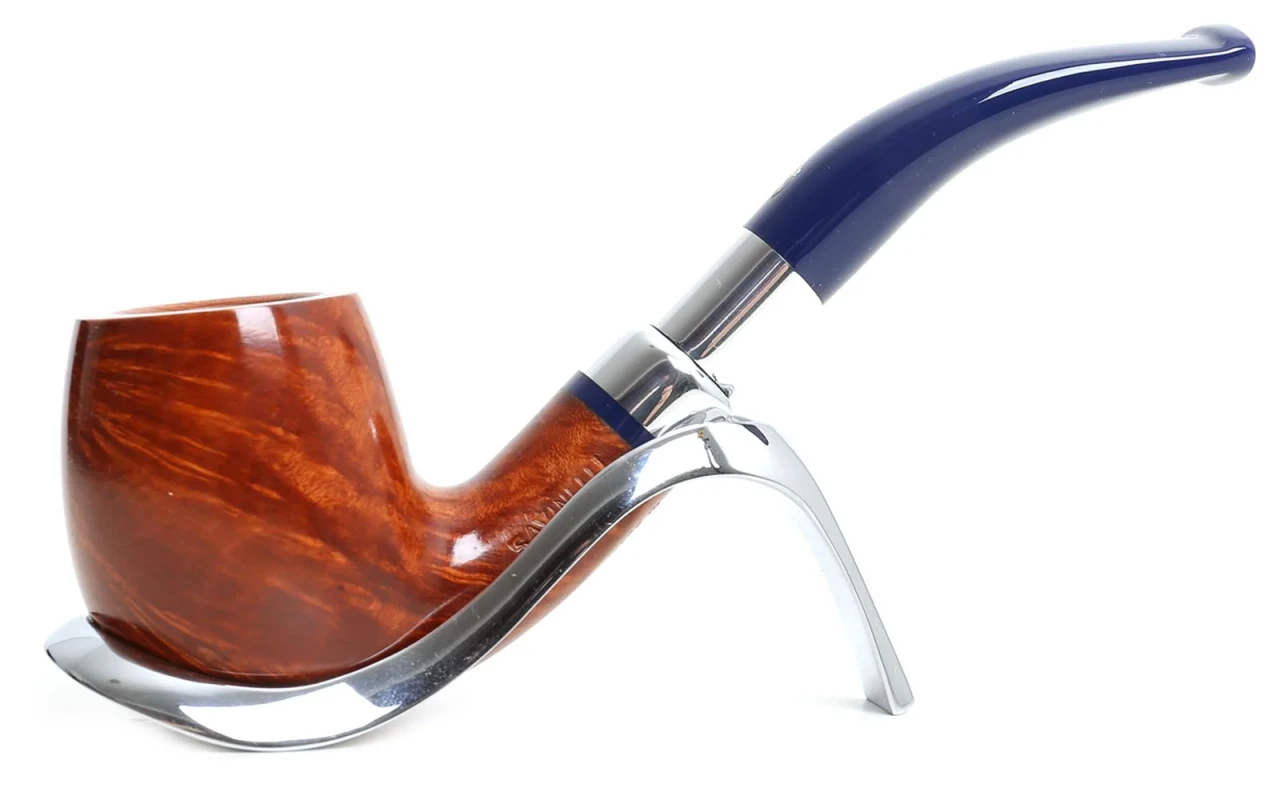
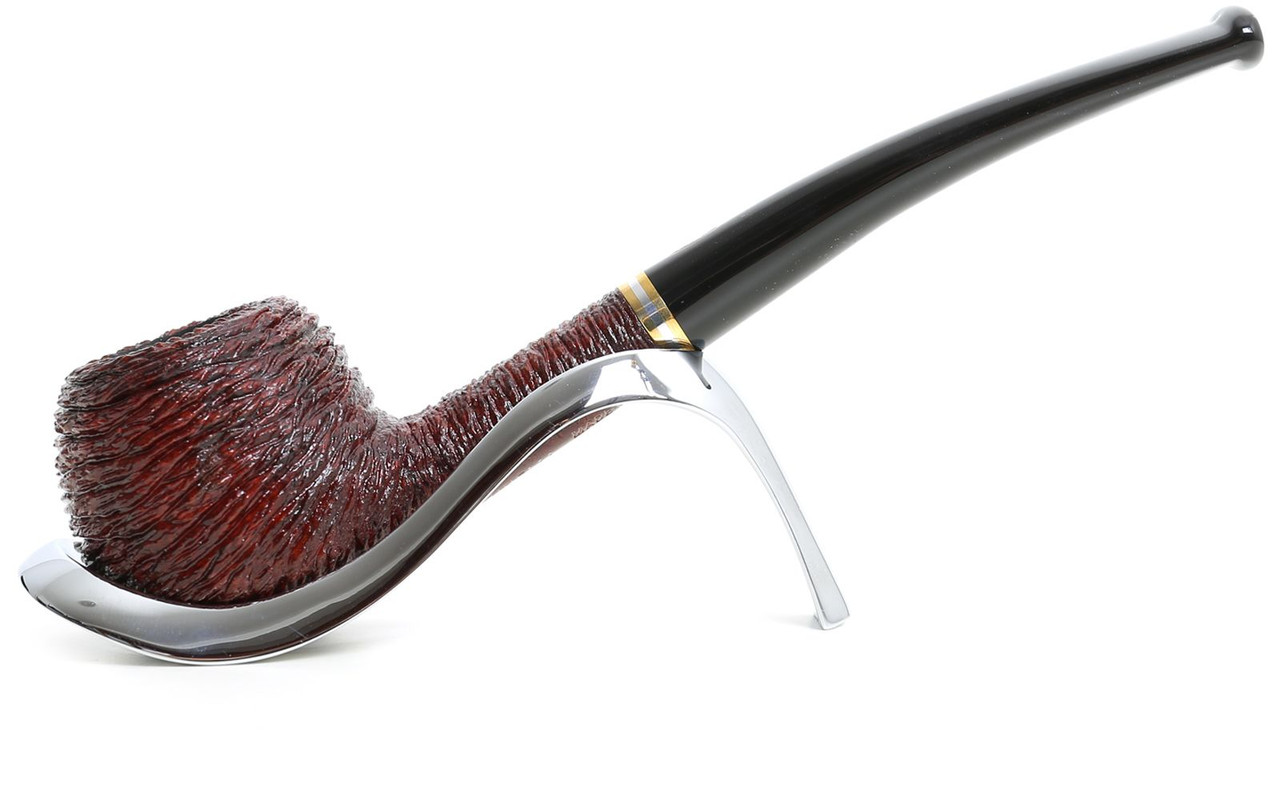
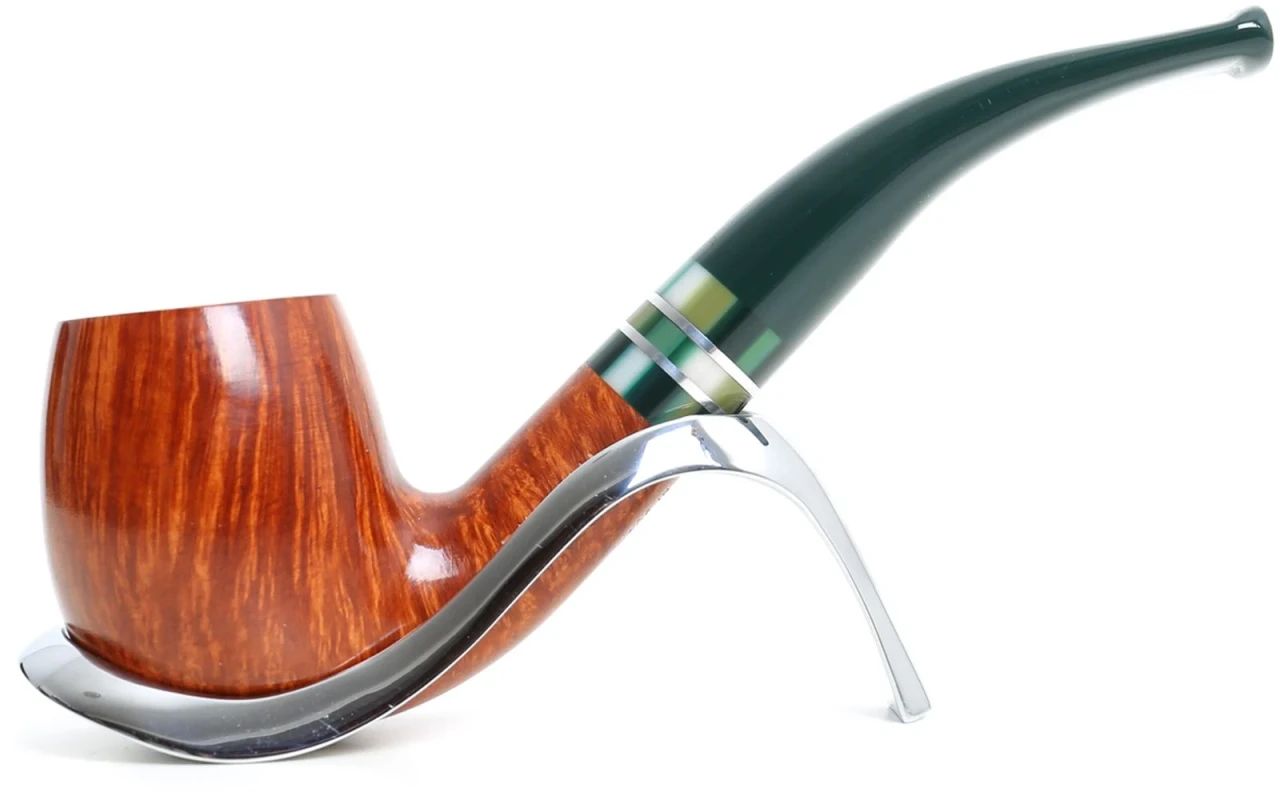
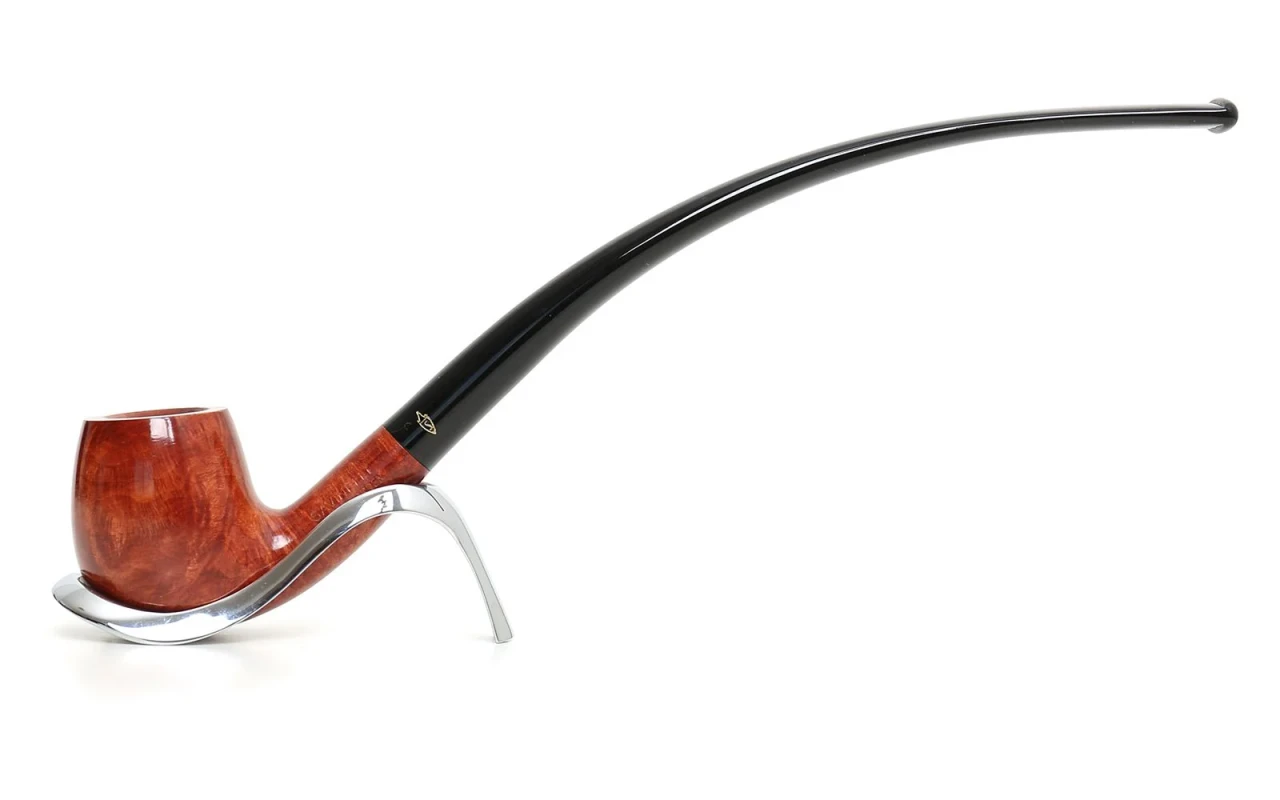
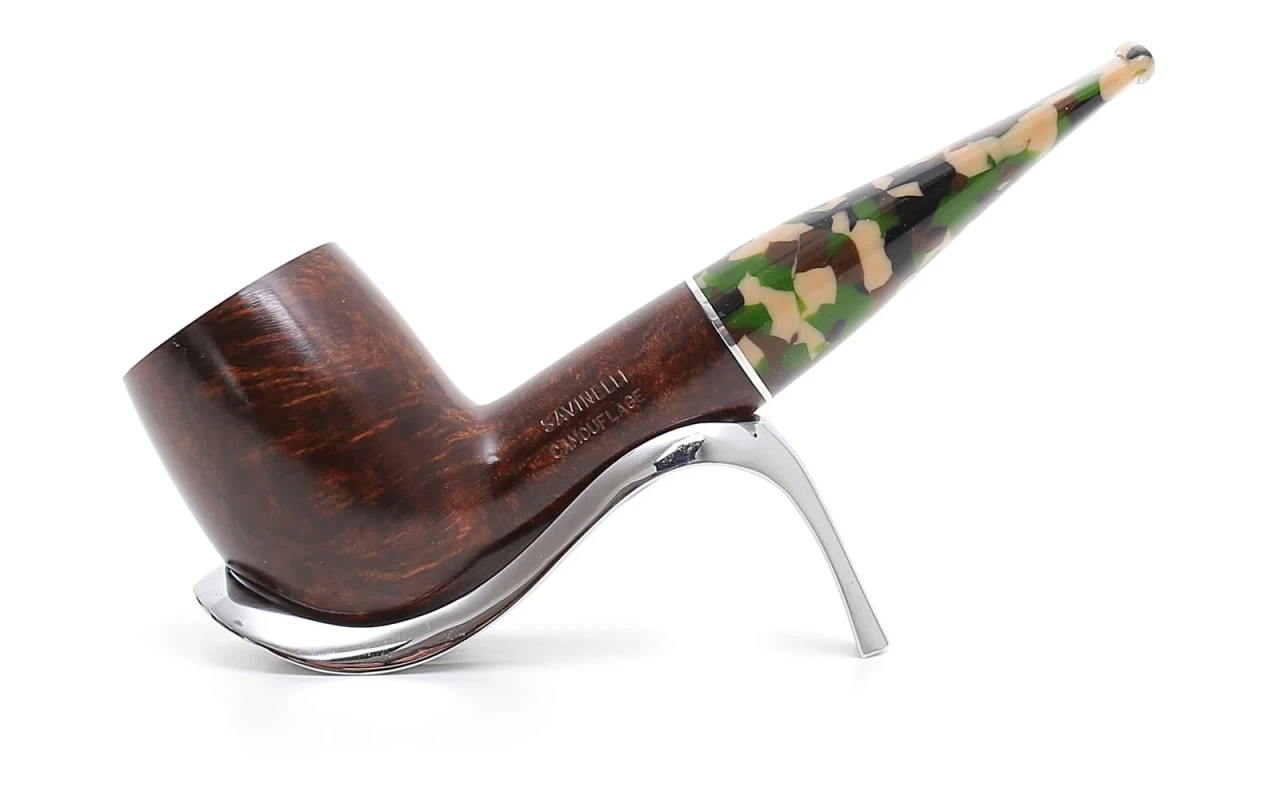
Crafting a Bulldog pipe requires specialized craftsmanship skills in the pipe industry. This particular type of pipe is renowned for its unique shape, characterized by a protruding bowl and a diamond-shaped carving on the stem. Experienced artisans are capable of producing a high-quality Bulldog through a meticulous process that involves carefully selecting the wood, precisely shaping the form, crafting the stem, and detailed finishing. Bulldog pipe making demands precision, mastery, and a profound understanding of traditional techniques to deliver an excellent final product in the world of pipes.
Carving Techniques for Bulldog Pipe Briar
Carving the briar wood for Bulldog pipes is a craftsmanship process that requires precision and mastery. Typically, to create the characteristic diamond shape of a Bulldog pipe's bowl, master pipemakers use various techniques. One of the most common techniques is cutting the briar wood at a 45-degree angle to create the distinctive inclined planes of the bowl. Subsequently, grooves are carved around the bowl to outline the diamond pattern. This process demands skill and attention to detail to achieve a well-defined and harmonious Bulldog pipe in its shape.
Traditional materials for the construction of smoking pipes
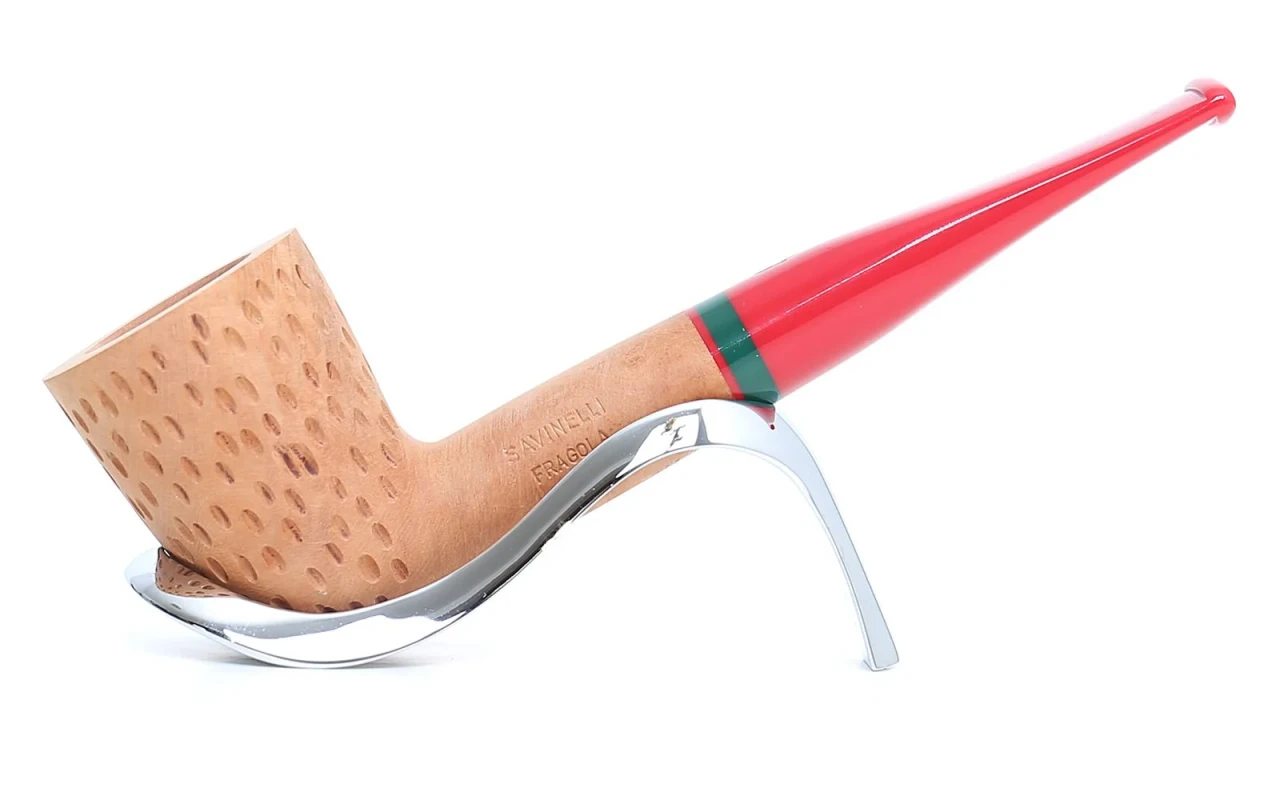
Traditional materials for the construction of smoking pipes include:- Briar wood: high-quality wood commonly used for smoking pipes due to its heat resistance and ability to absorb tobacco moisture.- Briar: hard wood from the Erica arborea plant, known for its heat and combustion resistance.- Corn cob: used for more affordable and lightweight pipes, corn cob is a natural material that offers an interesting alternative to traditional woods.- Clay: a porous material that absorbs moisture, ensuring a cool and dry smoke.- Meerschaum: magnesium mineral used for smoking pipes for its ability to absorb nicotine and develop a unique patina over time.These materials contribute to the variety and quality of traditional smoking pipes.
Maintenance and Cleaning of Collectible Pipes
Maintenance and cleaning of collectible pipes are essential to ensure their long-lasting durability and proper functioning over time. Here are some useful tips for taking care of your pipes:- After each use, empty the ash and gently clean the external surface with a soft cloth.- Regularly use brushes and pipe cleaners to remove tobacco and tar residues from inside the pipe.- Avoid overheating the pipe excessively during smoking to prevent damage to the wood.- Periodically, apply a small amount of specific wax or oil for pipes to maintain the surface shiny and protected.By following these practices, it is possible to keep collectible pipes in excellent condition over time.
'%3e%3cg id='Final-Copy-2_2_' transform='translate(1275.000000, 200.000000)'%3e%3cpath class='st0' d='M7.4,12.8h6.8l3.1-11.6H7.4C4.2,1.2,1.6,3.8,1.6,7S4.2,12.8,7.4,12.8z'/%3e%3c/g%3e%3c/g%3e%3c/g%3e%3cg id='final---dec.11-2020'%3e%3cg id='_x30_208-our-toggle' transform='translate(-1275.000000, -200.000000)'%3e%3cg id='Final-Copy-2' transform='translate(1275.000000, 200.000000)'%3e%3cpath class='st1' d='M22.6,0H7.4c-3.9,0-7,3.1-7,7s3.1,7,7,7h15.2c3.9,0,7-3.1,7-7S26.4,0,22.6,0z M1.6,7c0-3.2,2.6-5.8,5.8-5.8 h9.9l-3.1,11.6H7.4C4.2,12.8,1.6,10.2,1.6,7z'/%3e%3cpath id='x' class='st2' d='M24.6,4c0.2,0.2,0.2,0.6,0,0.8l0,0L22.5,7l2.2,2.2c0.2,0.2,0.2,0.6,0,0.8c-0.2,0.2-0.6,0.2-0.8,0 l0,0l-2.2-2.2L19.5,10c-0.2,0.2-0.6,0.2-0.8,0c-0.2-0.2-0.2-0.6,0-0.8l0,0L20.8,7l-2.2-2.2c-0.2-0.2-0.2-0.6,0-0.8 c0.2-0.2,0.6-0.2,0.8,0l0,0l2.2,2.2L23.8,4C24,3.8,24.4,3.8,24.6,4z'/%3e%3cpath id='y' class='st3' d='M12.7,4.1c0.2,0.2,0.3,0.6,0.1,0.8l0,0L8.6,9.8C8.5,9.9,8.4,10,8.3,10c-0.2,0.1-0.5,0.1-0.7-0.1l0,0 L5.4,7.7c-0.2-0.2-0.2-0.6,0-0.8c0.2-0.2,0.6-0.2,0.8,0l0,0L8,8.6l3.8-4.5C12,3.9,12.4,3.9,12.7,4.1z'/%3e%3c/g%3e%3c/g%3e%3c/g%3e%3c/g%3e%3c/svg%3e) Your Privacy Choices
Your Privacy Choices 


