 ES
ES FR
FR EN
EN IT
IT DE
DE
Cost reduction in automated pipe production



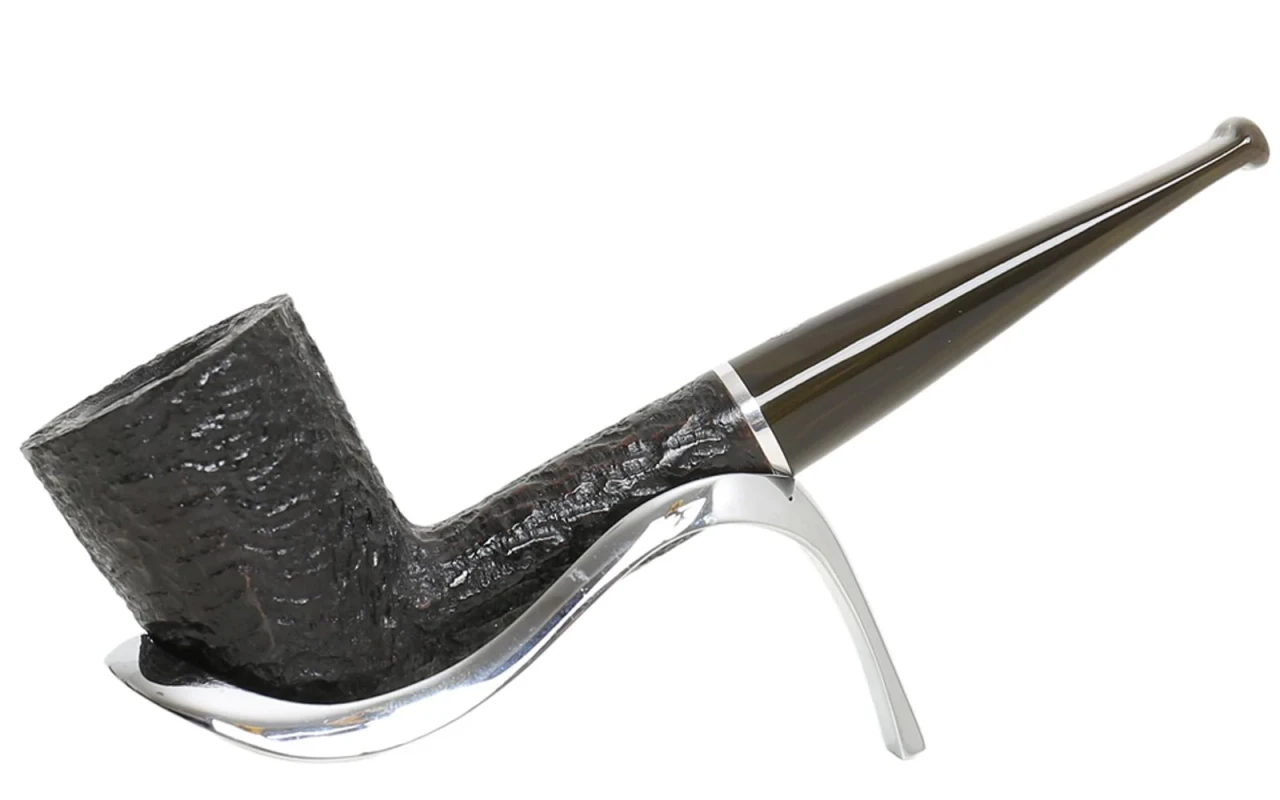






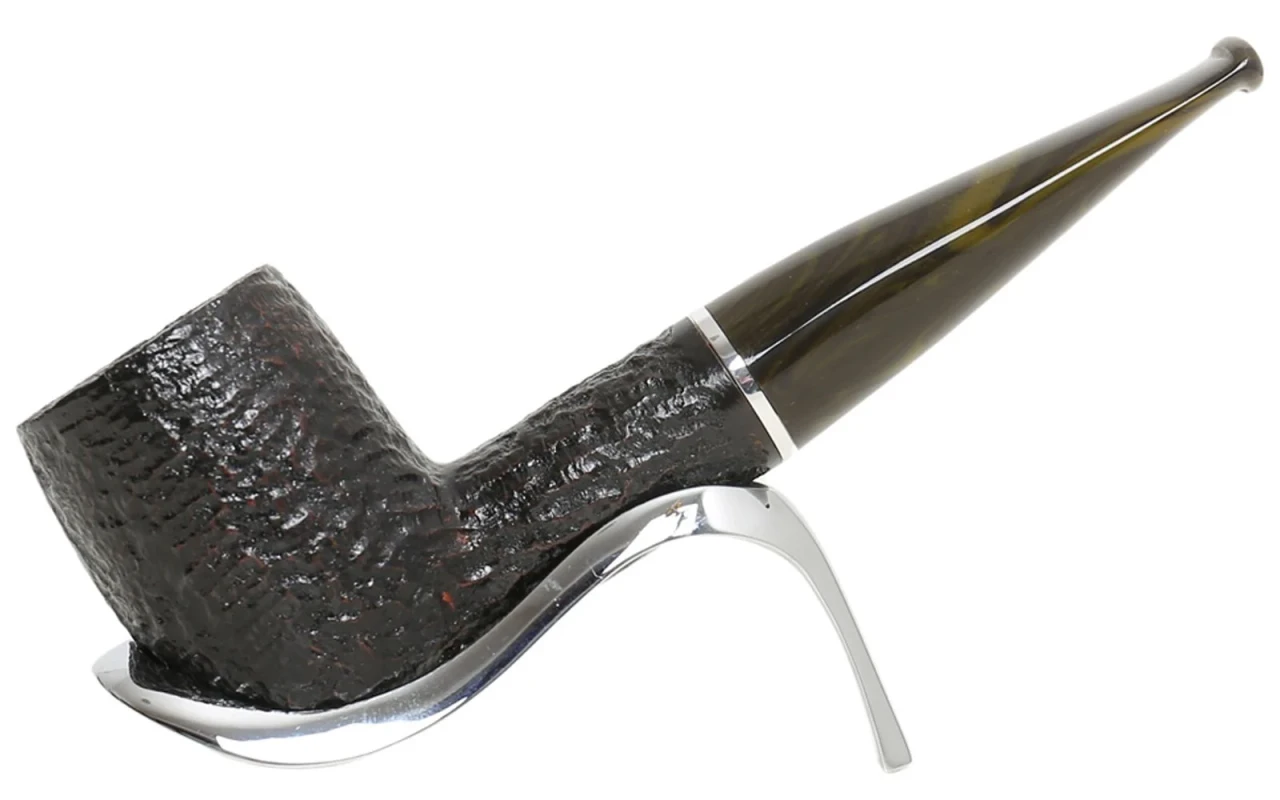





Cost reduction in automated pipe production
Reducing production costs of pipes through automation is a crucial process to enhance efficiency and competitiveness in the industry. Automating pipe production helps to decrease processing times, optimize material usage, and minimize human errors. Implementing automated machinery, such as Computer Numerical Control (CNC) machines, can significantly contribute to reducing long-term operating costs. Furthermore, automation allows for standardizing production processes, ensuring greater consistency in the quality of the final product. This strategy not only cuts costs but can also enhance overall productivity in the pipe industry.
Technological Improvements in Pipe Manufacturing
Technological improvements in pipe manufacturing aim to ensure a higher level of precision and quality in the final product. Among the most significant innovations are the use of advanced machinery for working with wood and briar, allowing for more precise cuts and impeccable finishes. Furthermore, the introduction of computer-assisted manufacturing techniques has optimized the production process, reducing lead times and increasing efficiency. Thanks to these innovations, manufacturers are able to offer increasingly refined and high-performing pipes, meeting the needs of a discerning clientele that values quality.
Production Process Optimization for Pipes
Optimizing the production process of pipes is essential to ensure the highest quality and efficiency in the manufacturing of these artifacts. In order to improve this process, it is important to consider several aspects:- **Materials selection**: using high-quality materials suitable for pipe production, such as fine wood or briar.- **Design and engineering**: developing ergonomic and aesthetically pleasing models that meet the customers' needs.- **Production technologies**: adopting cutting-edge machinery and equipment to ensure precision and reduce processing times.- **Quality control**: implementing rigorous checks throughout the production process to ensure that the pipes meet required standards.- **Research and development**: investing in constant innovation to remain competitive in the market and meet consumer demands.
Reducing raw material waste in the pipe industry
Reducing waste of raw materials in the pipe sector is crucial to improve production efficiency and minimize environmental impact. Some useful practices include optimizing the use of raw materials, recycling processing waste, and designing pipes with shapes that minimize cutting waste. Furthermore, implementing more efficient production processes and adopting advanced technologies can significantly help reduce raw material waste in the pipe industry. These actions not only promote environmental sustainability but can also lead to increased profitability for companies in the sector.
'%3e%3cg id='Final-Copy-2_2_' transform='translate(1275.000000, 200.000000)'%3e%3cpath class='st0' d='M7.4,12.8h6.8l3.1-11.6H7.4C4.2,1.2,1.6,3.8,1.6,7S4.2,12.8,7.4,12.8z'/%3e%3c/g%3e%3c/g%3e%3c/g%3e%3cg id='final---dec.11-2020'%3e%3cg id='_x30_208-our-toggle' transform='translate(-1275.000000, -200.000000)'%3e%3cg id='Final-Copy-2' transform='translate(1275.000000, 200.000000)'%3e%3cpath class='st1' d='M22.6,0H7.4c-3.9,0-7,3.1-7,7s3.1,7,7,7h15.2c3.9,0,7-3.1,7-7S26.4,0,22.6,0z M1.6,7c0-3.2,2.6-5.8,5.8-5.8 h9.9l-3.1,11.6H7.4C4.2,12.8,1.6,10.2,1.6,7z'/%3e%3cpath id='x' class='st2' d='M24.6,4c0.2,0.2,0.2,0.6,0,0.8l0,0L22.5,7l2.2,2.2c0.2,0.2,0.2,0.6,0,0.8c-0.2,0.2-0.6,0.2-0.8,0 l0,0l-2.2-2.2L19.5,10c-0.2,0.2-0.6,0.2-0.8,0c-0.2-0.2-0.2-0.6,0-0.8l0,0L20.8,7l-2.2-2.2c-0.2-0.2-0.2-0.6,0-0.8 c0.2-0.2,0.6-0.2,0.8,0l0,0l2.2,2.2L23.8,4C24,3.8,24.4,3.8,24.6,4z'/%3e%3cpath id='y' class='st3' d='M12.7,4.1c0.2,0.2,0.3,0.6,0.1,0.8l0,0L8.6,9.8C8.5,9.9,8.4,10,8.3,10c-0.2,0.1-0.5,0.1-0.7-0.1l0,0 L5.4,7.7c-0.2-0.2-0.2-0.6,0-0.8c0.2-0.2,0.6-0.2,0.8,0l0,0L8,8.6l3.8-4.5C12,3.9,12.4,3.9,12.7,4.1z'/%3e%3c/g%3e%3c/g%3e%3c/g%3e%3c/g%3e%3c/svg%3e) Your Privacy Choices
Your Privacy Choices 


